Category Archives: aircraft

Anyone Seen a Cirrus?

C59F1840.jpgMost public airports have a variety of types scattered around. The heyday of US light aircraft manufacturing was decades ago and resulted in the production of Cessna, Pipers, Beeches et al in large number. These aircraft are still around but are now aging so the types parked up will often be showing their age. There are light aircraft still being produced today but the numbers are significantly lower. Moreover, they are not cheap so you don’t see so many new planes around. One of the higher end types is the Cirrus. With a nicely equipped example setting you back about half a million dollars, it isn’t a surprise that they are not abundant.
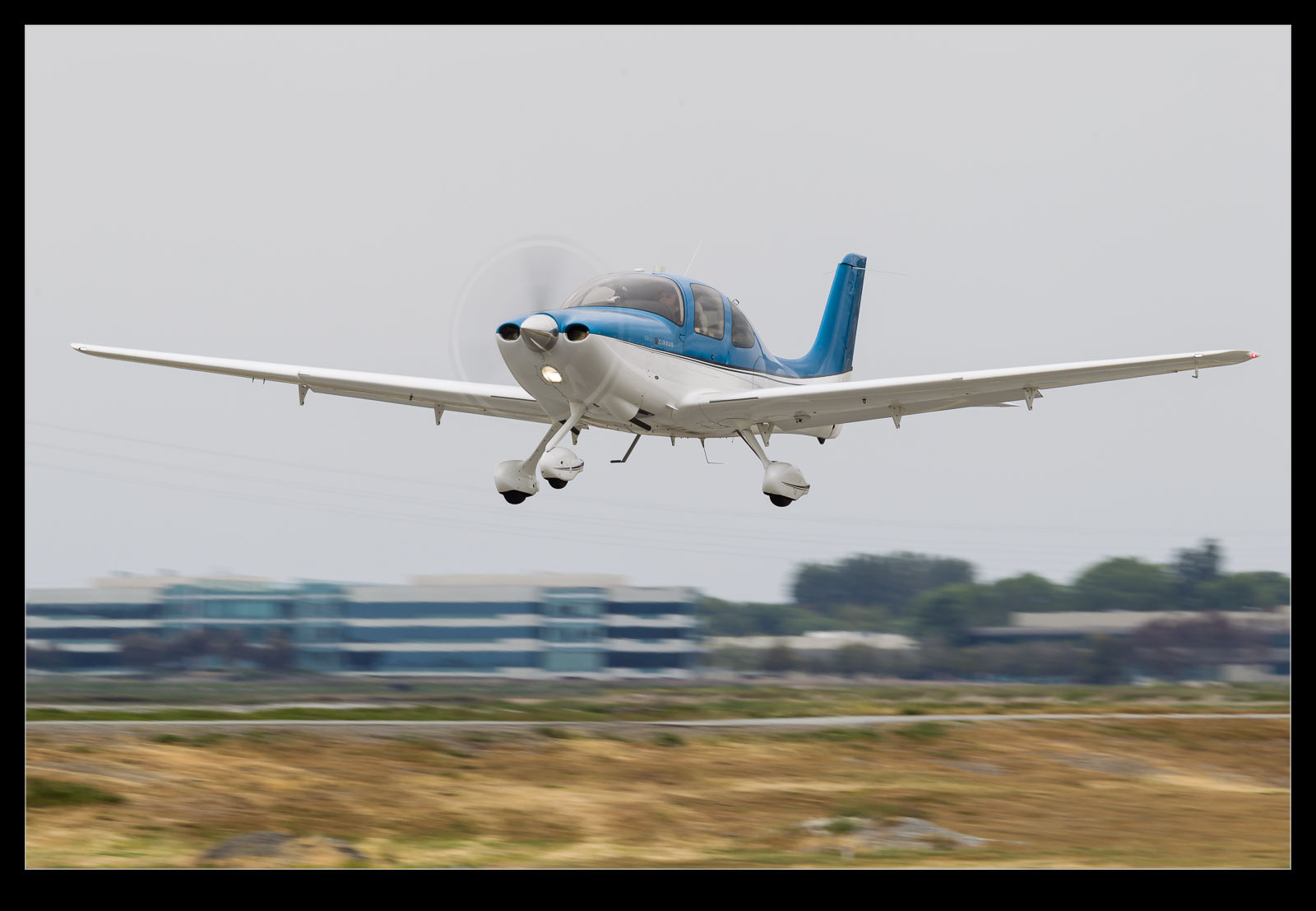
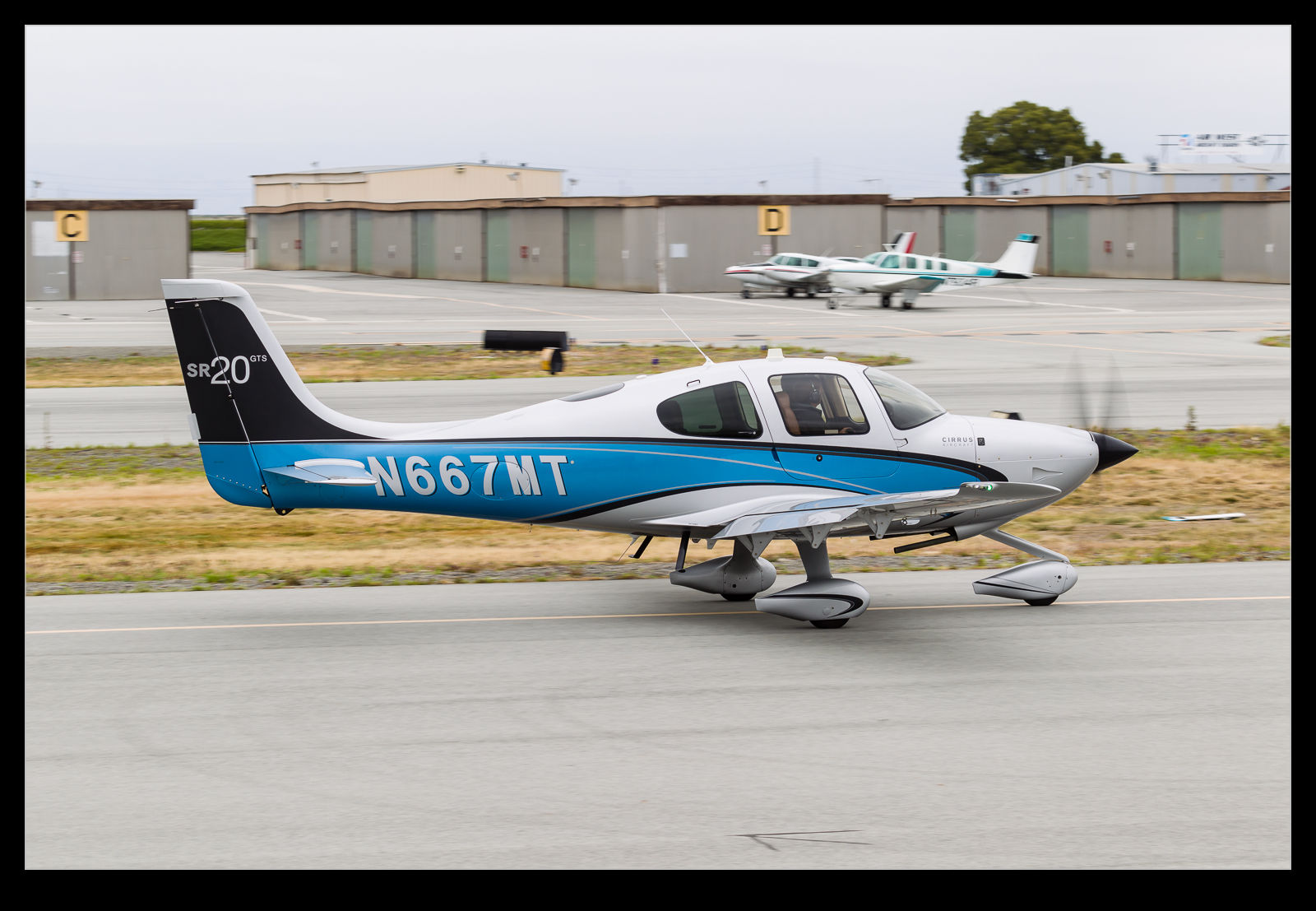
C59F1799.jpgSan Carlos, on the other hand, is positively swimming in the things. The peninsula is home to quite a lot of high net worth individuals so this is an area where people are more likely to be able to have a nice shiny Cirrus. Also, there is a distributor on the airfield (no coincidence there!) so the local buyers are likely to choose something they can see at home.
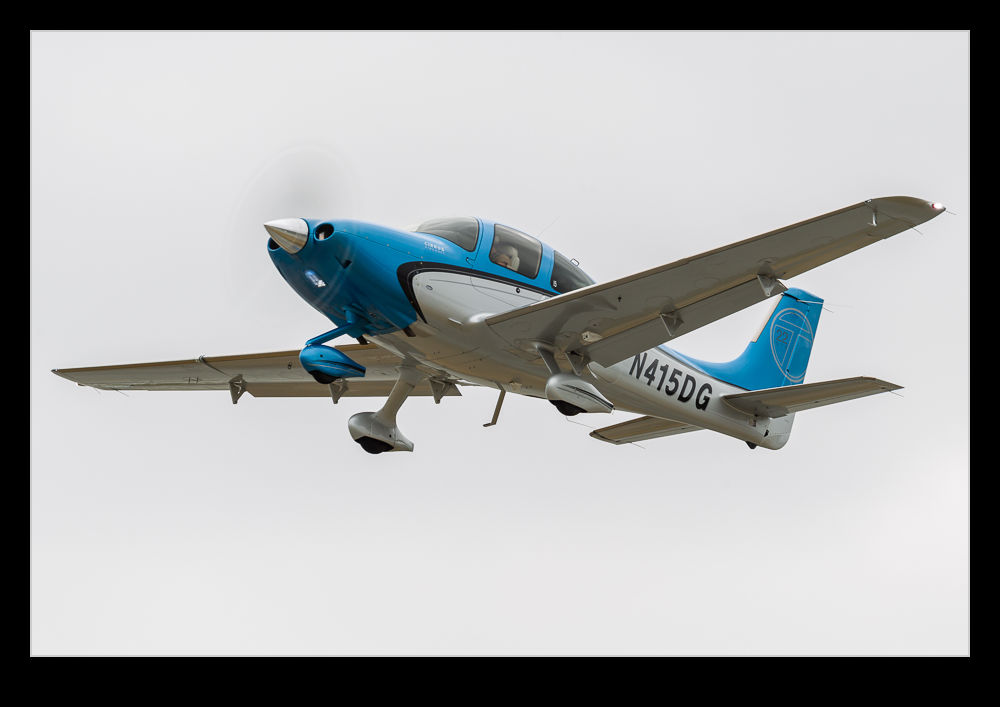
C59F2141.jpgThere are some SR20 models in use for training but more seem to be the higher end SR22 models. They are a nice looking plane and one that I would certainly be happy to have a go with. The combination of equipment, control layout and performance would be nice to try and to compare with types I have flown in the past. One day…
Pegasus

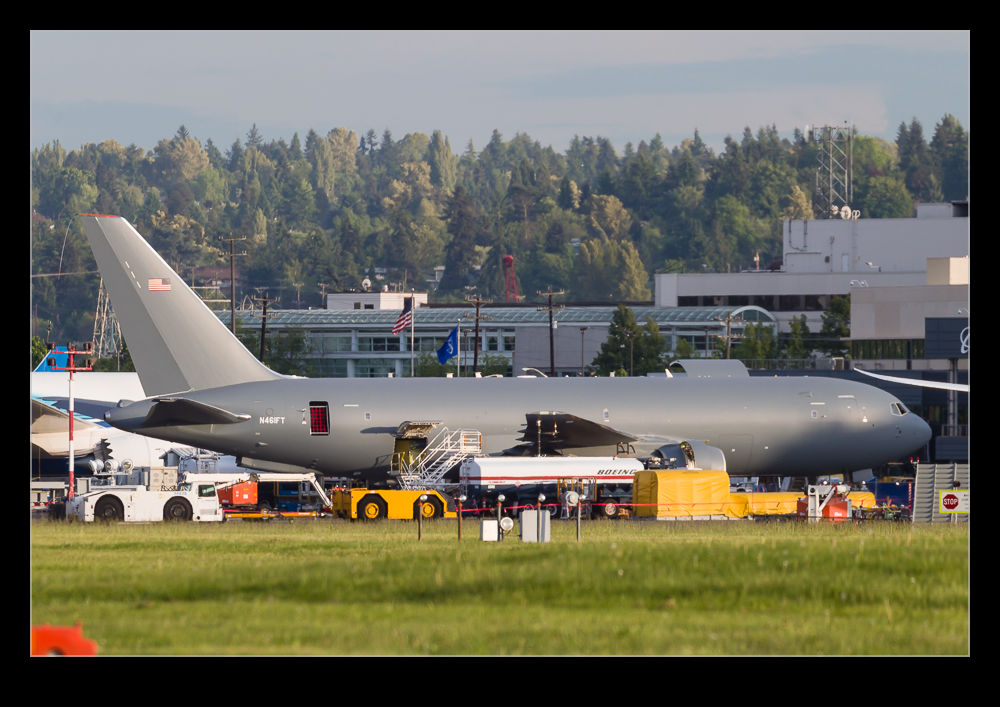
AU0E5087.jpgSome programs always seem to be trouble. Boeing’s efforts to turn the 767 into a tanker have not been smooth over the years. The original versions were a single boom tanker for Japan which was not too late. The three point version for Italy was a far more difficult affair and was several years late. When the USAF was after a new tanker, Boeing initially lost out to Airbus with their A330 based offer. A successful protest and s new competition followed and this time Boeing won.

Whether winning was good for them remains to be seen. The contract involves a cap on cost growth after which Boeing picks up all of the overrun. Supposedly they are already past that point so the split on overrun costs is now all theirs. Combine that with messing up the wiring and having to wire the flight test jets and you will see why the flight test program is behind schedule. The first of the four development jets flew last year in a civil configuration without the refueling equipment. It has since been on the ground at Boeing Field for further work. Very recently it took to the air again. Shortly before that, I passed by and saw it parked up on the Boeing ramp.

We shall see whether Boeing can pull back some of the delays and get the minimum number of jets into service by the contractual deadline. Whatever happens, I imagine these jets are going to become a lot more familiar in the coming years.

Dornier DO-228

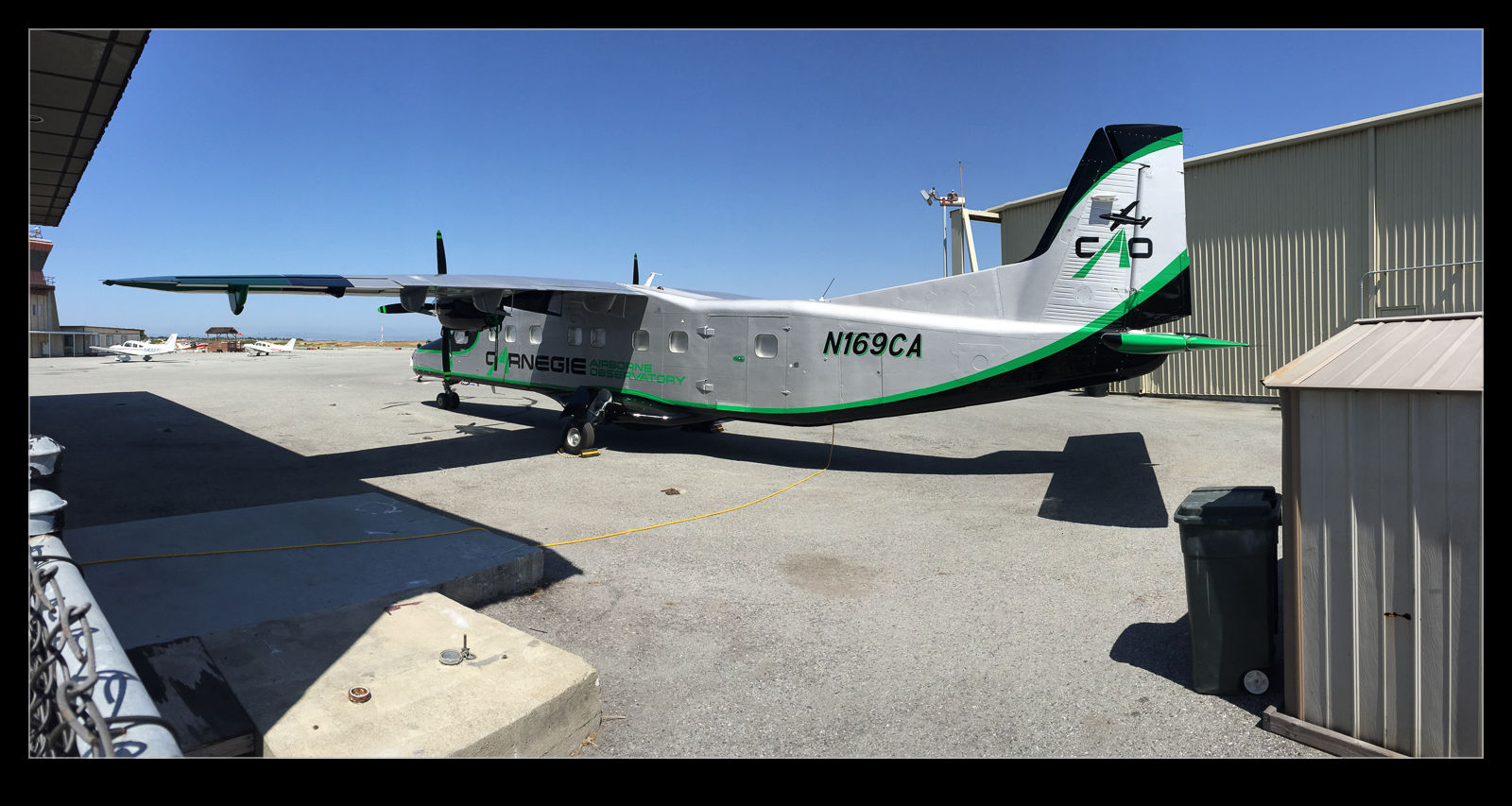
IMG_2702.jpgA recent arrival at San Carlos is a Dornier 228 that is apparently configured for aerial survey work. The guys mentioned that it had been active prior to my visit but it was not doing much the day I was there. However, it was parked close to the fence. It wasn’t easy to get a shot of it but a bit of reaching above the fence line meant I could at least get something. It is a cool looking plane so I hope I get a chance to see it in action at some point.

Islander Anniversary

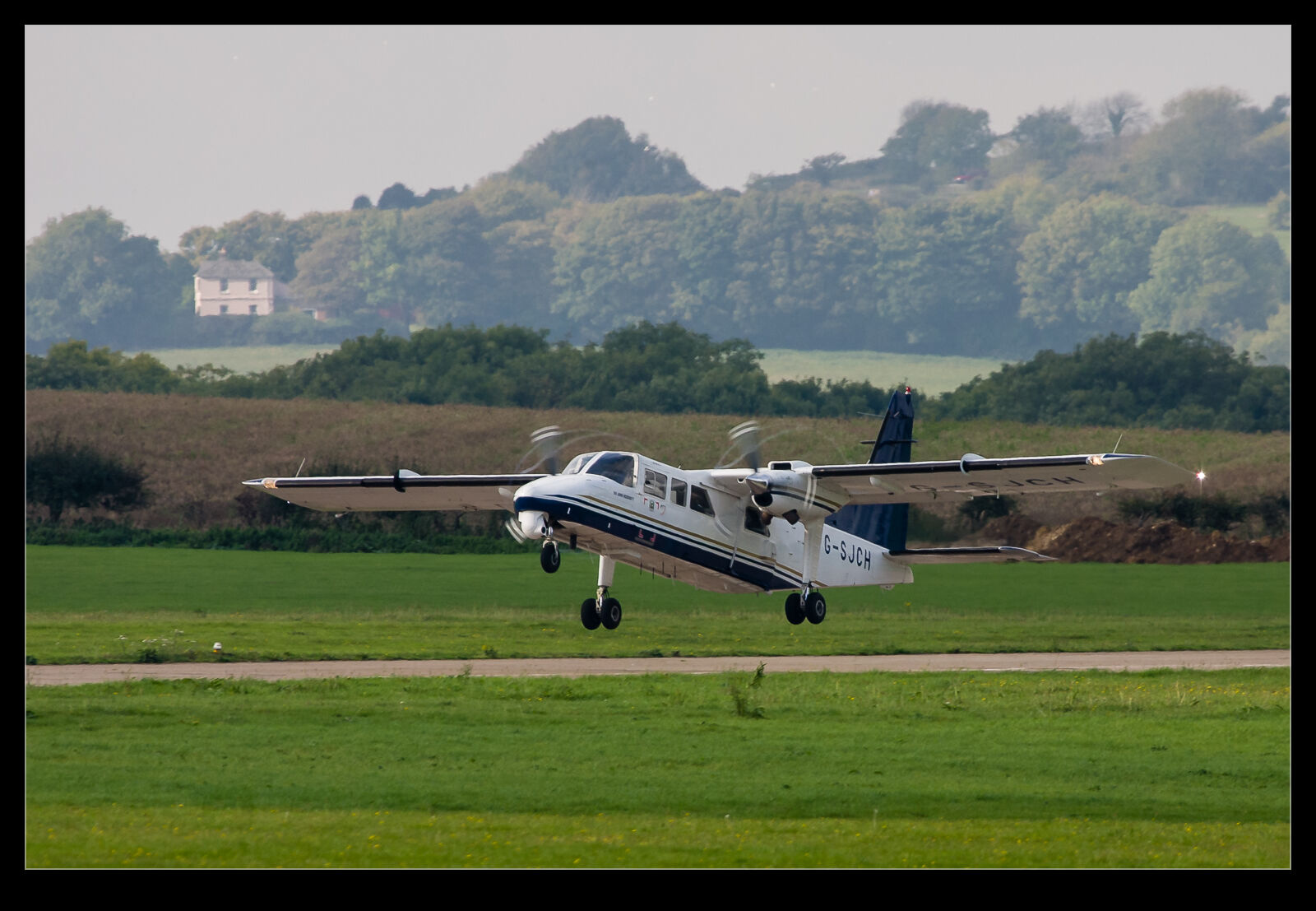
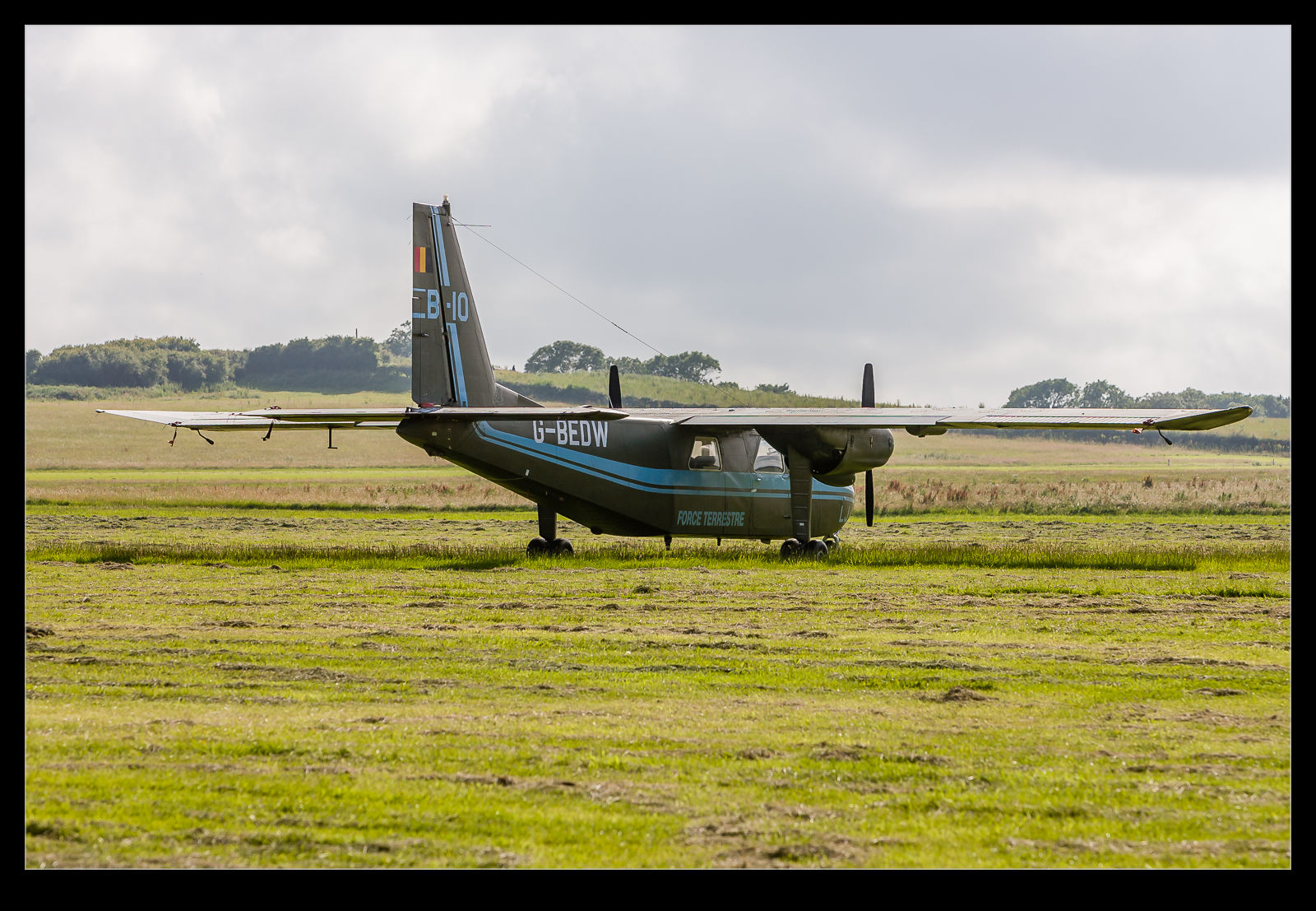
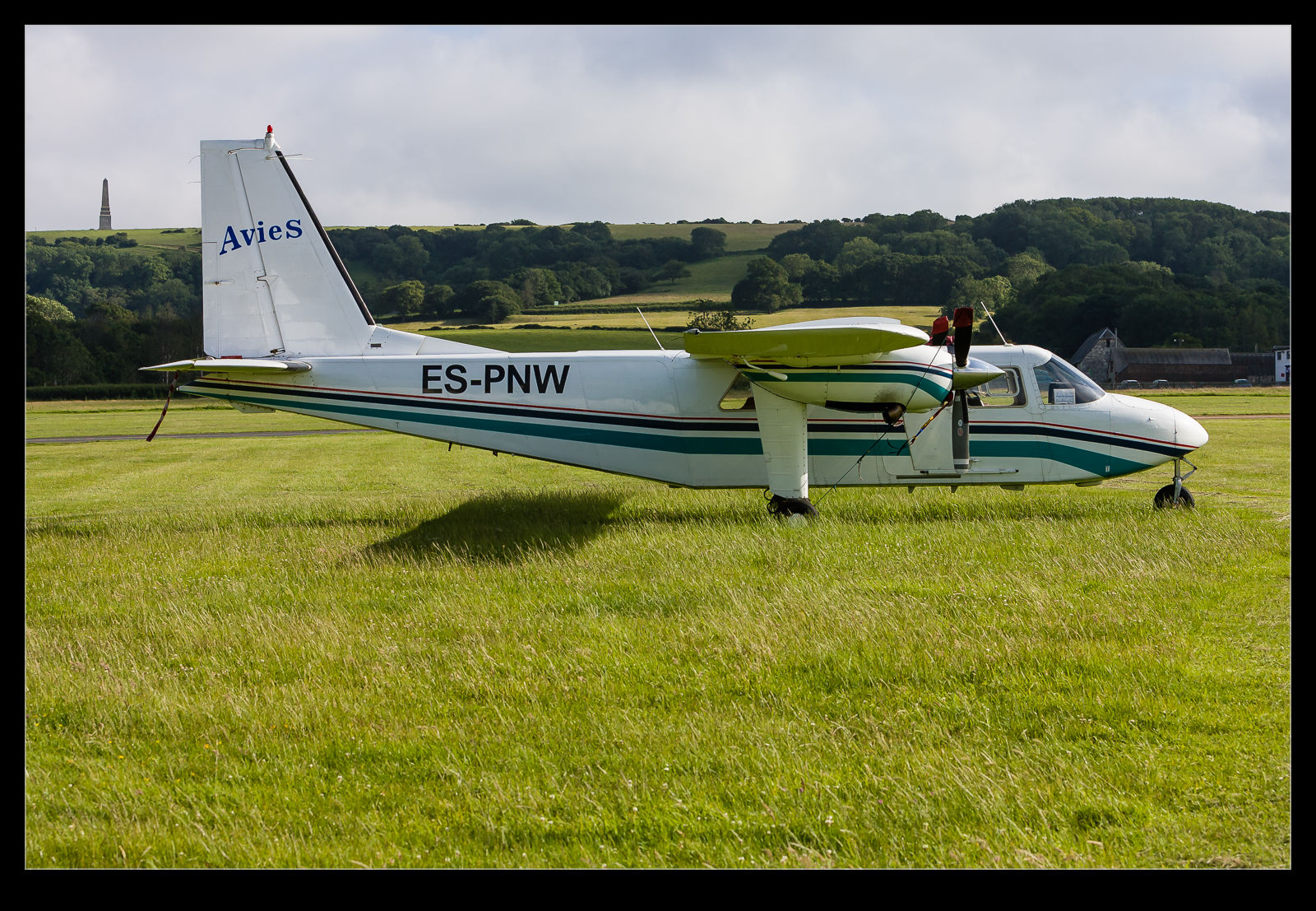
CRW_9239.jpgThe Britten Norman Islander recently celebrated its 50th anniversary of the first flight.  A group, based in Bembridge on the Isle of Wight – the home of the Islander – were involved in celebrating this event.  BNAPS is the group and they have been restoring the first production aircraft.  My mum is a part of this group so this one is close to home.

QB5Y0523.jpgGAR covererd this topic via two articles produced by Bob Wealthy who is a key player in BNAPS.  It was good working with Bob on these pieces and you can find them at the links below.

http://www.globalaviationresource.com/v2/2015/06/13/aviation-history-britten-norman-islander-50th-anniversary/

http://www.globalaviationresource.com/v2/2015/06/15/civilian-aviation-britten-norman-islander-g-avcn-restoration/

QB5Y0521.jpg


Drakens

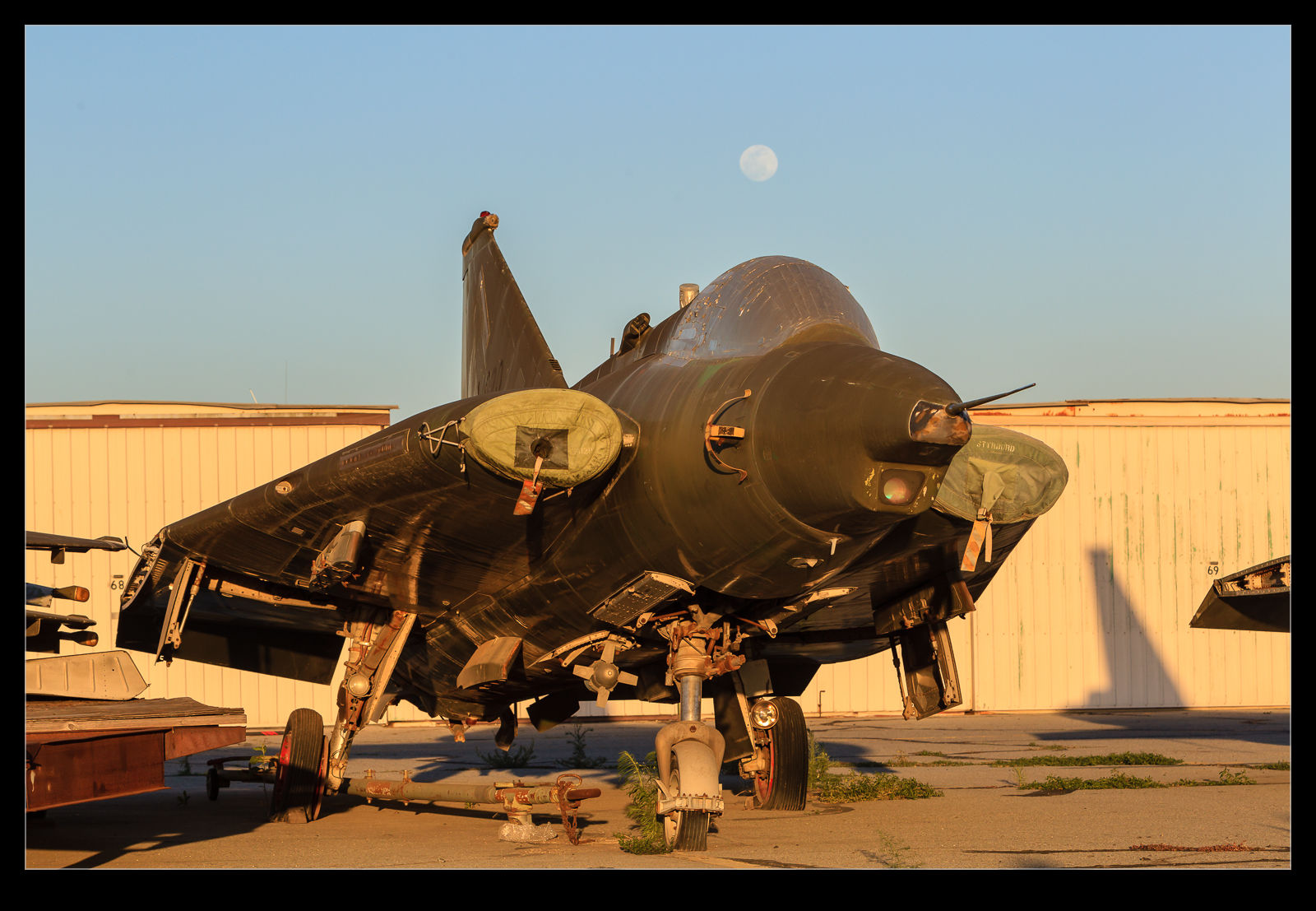
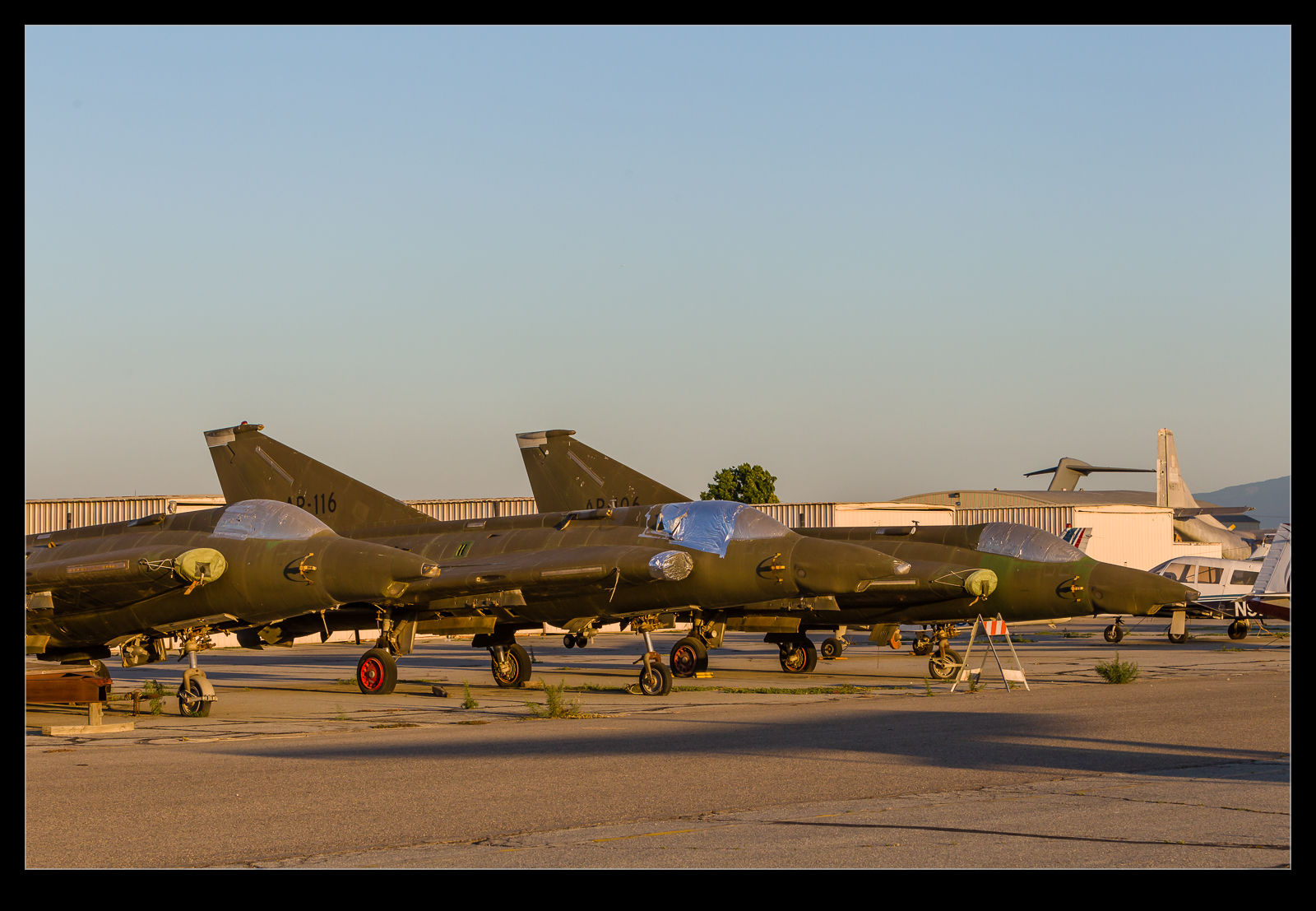
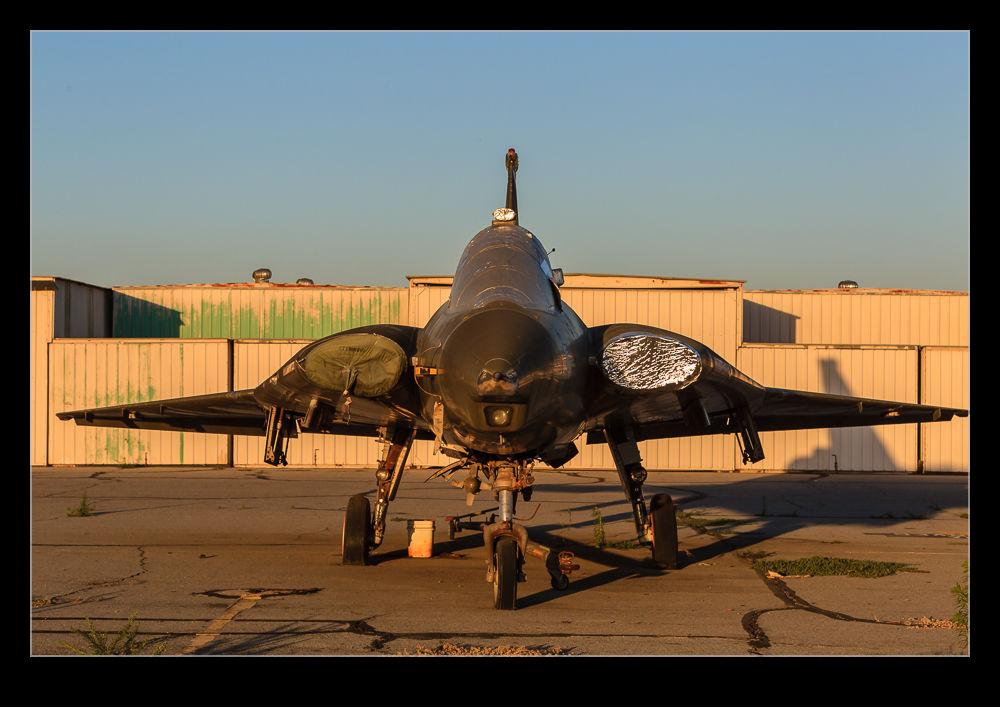
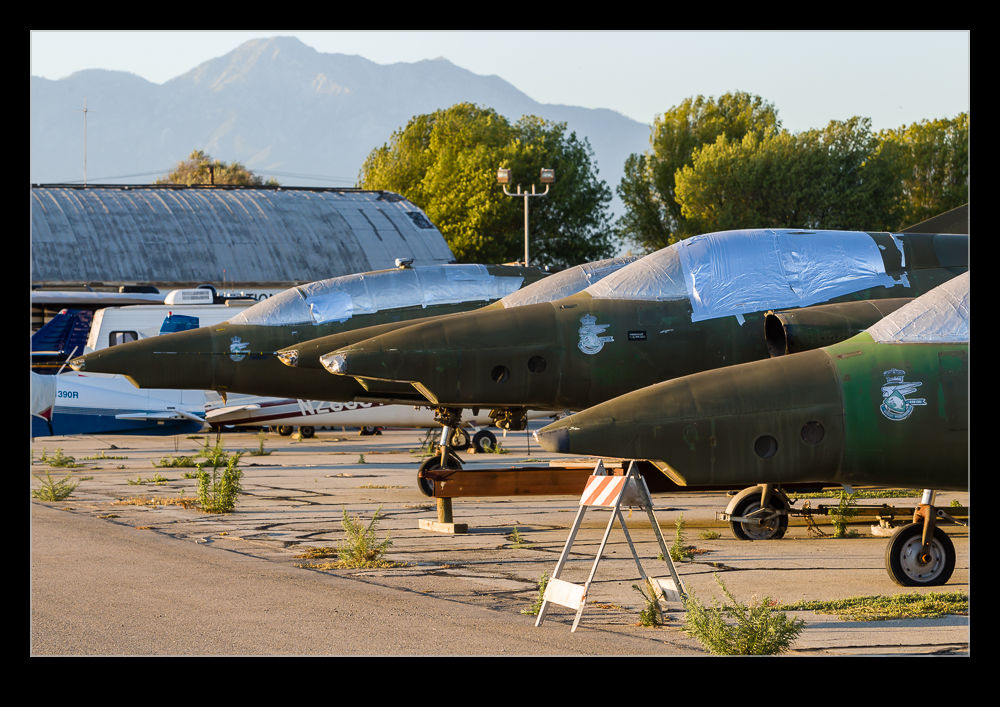
C59F1748.jpgChino Airport is home to all sorts of interesting aircraft, many of which are unlikely to ever fly again but for which the dry environment is one that means they do not deteriorate quickly. The ramp has a collection of single and two seat Saab J-35 Drakens. The Draken is a cracking aircraft and one I sued to see fly a lot in Europe when I was young. I have also seen one flying around at Pt Mugu on a Navy contract.

C59F1752.jpgI am not sure how these jets arrived here but the appear to be Danish in origin.  Most have their wings removed and stacked at one side.  One does have them attached though.  There are single and two seaters and they all have recce noses.  I doubt we shall see them fly again but it is nice to think that you might.

C59F1750.jpg C59F1746.jpg


Helmet Mounted Sights

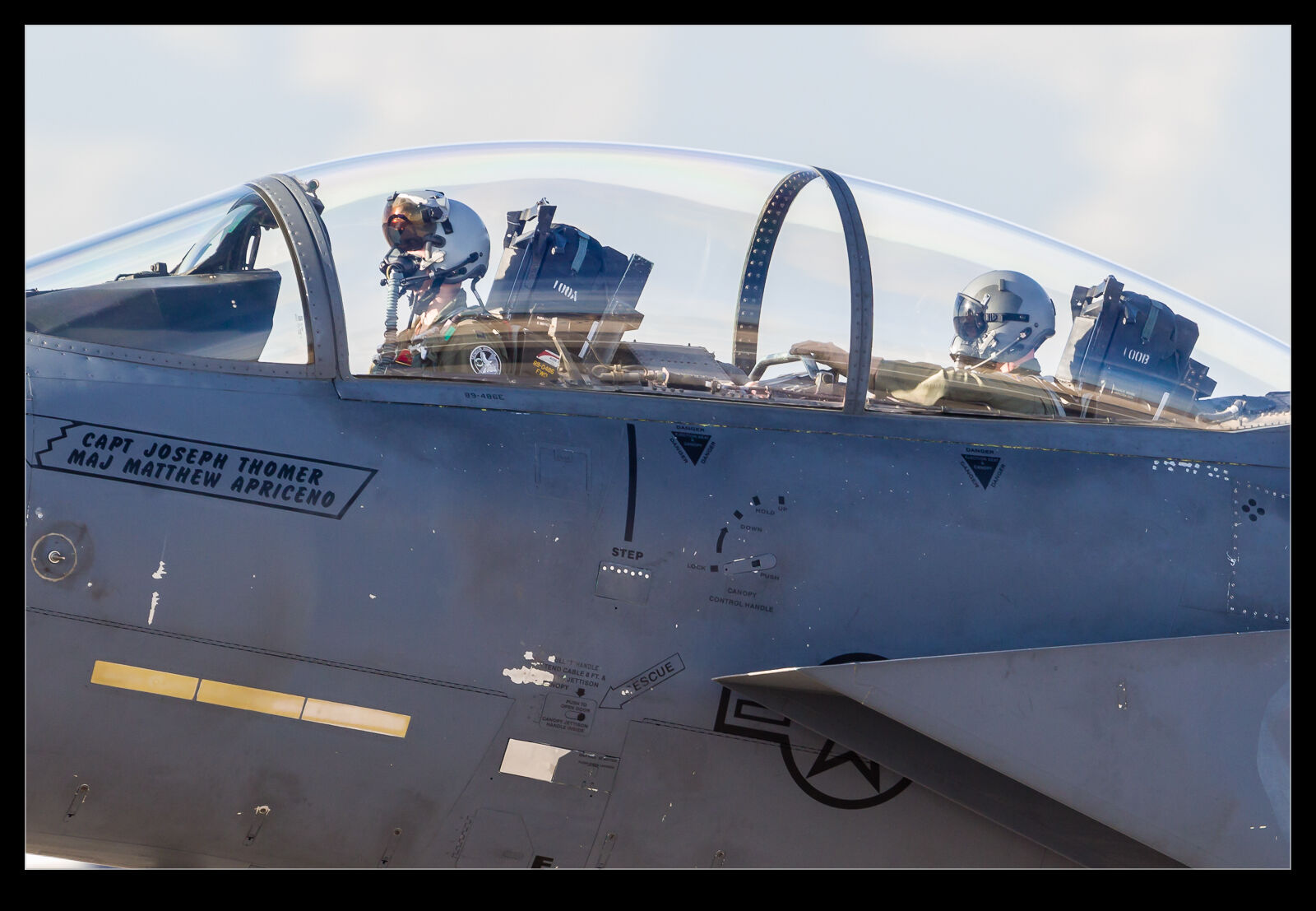
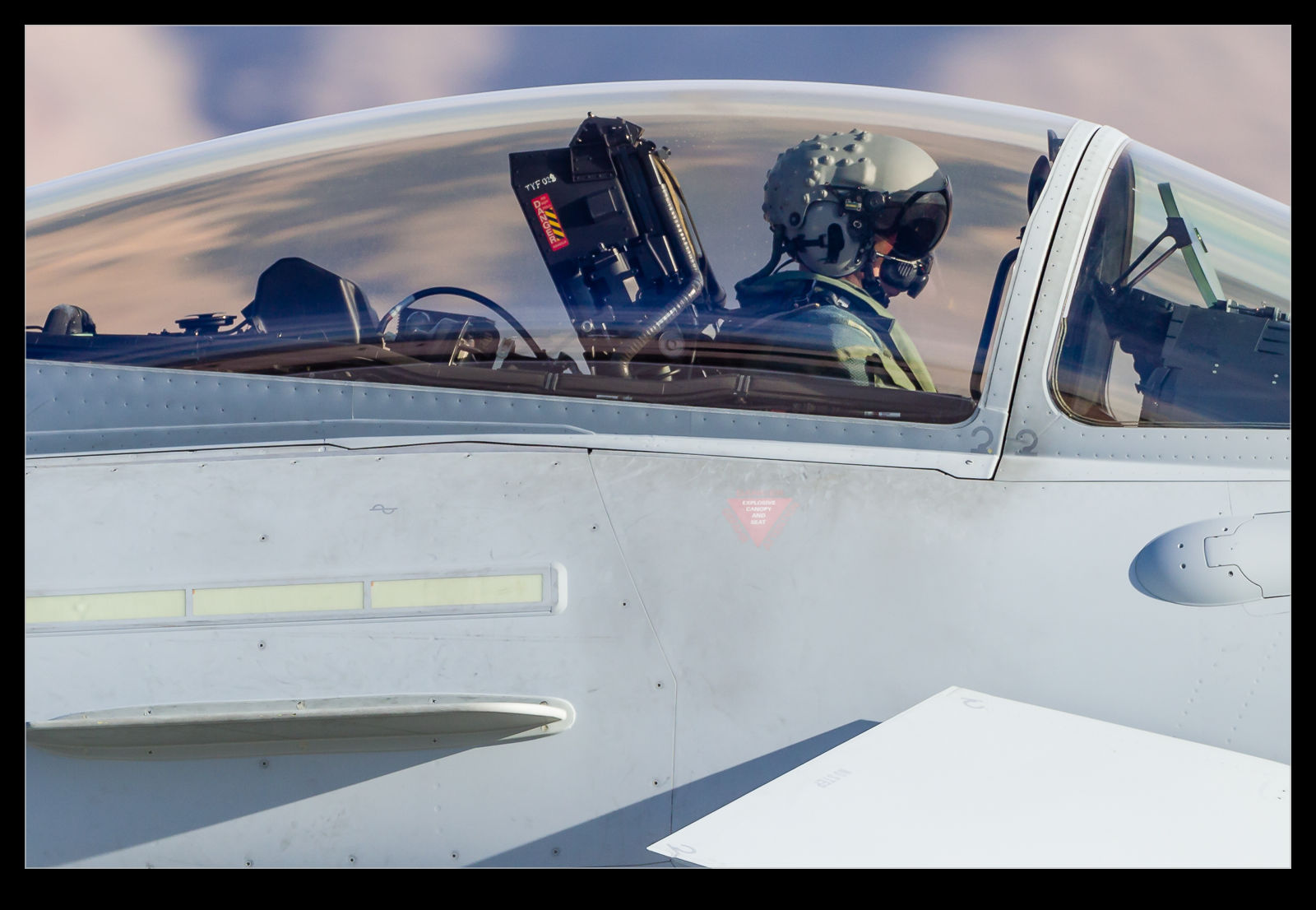
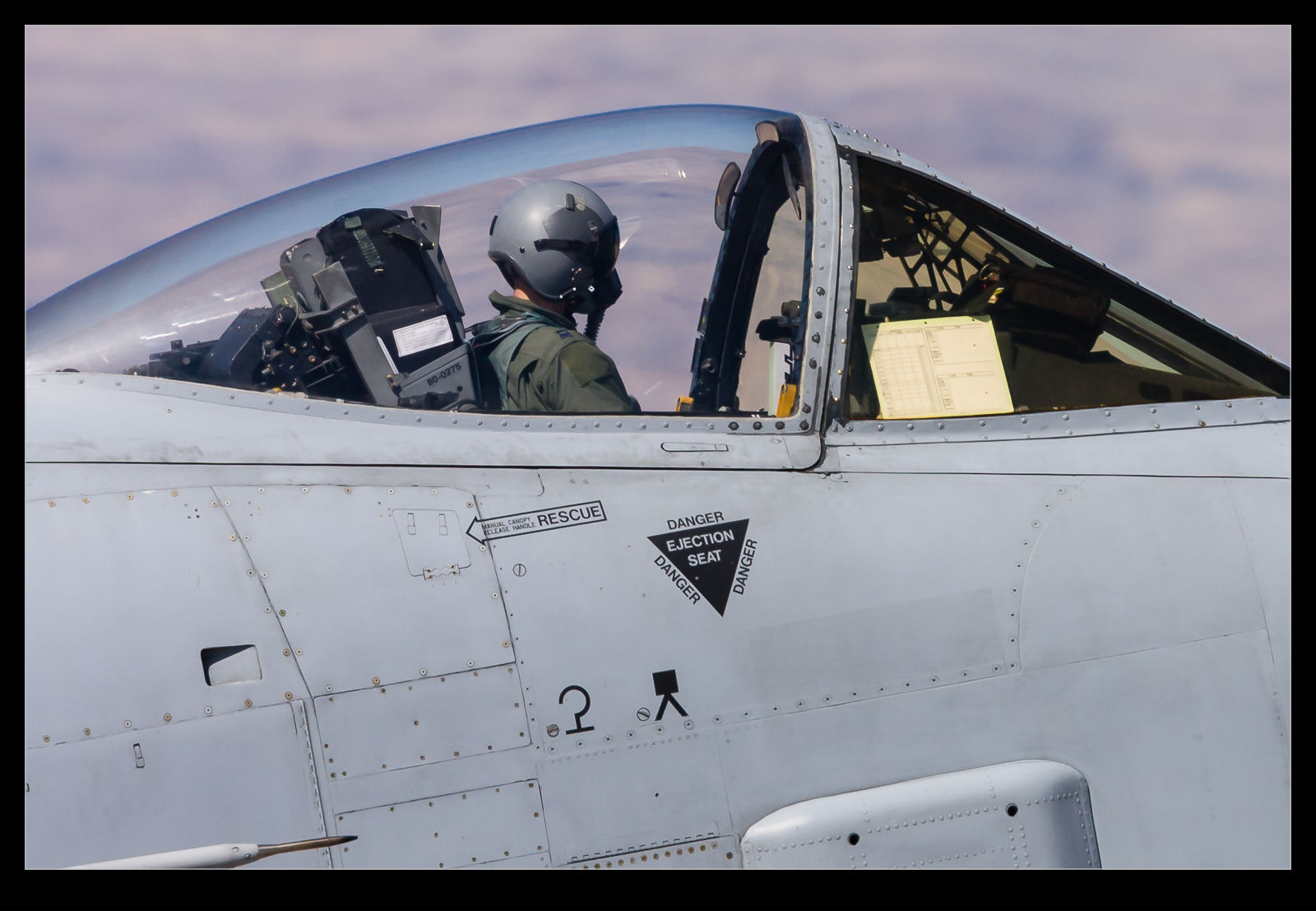
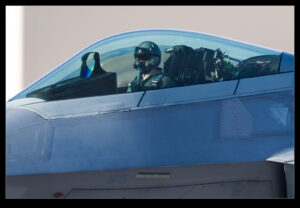
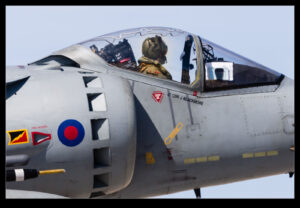
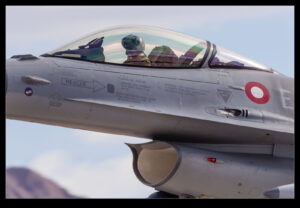
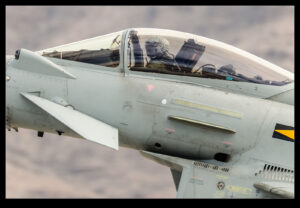
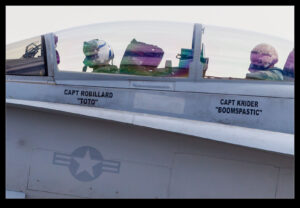
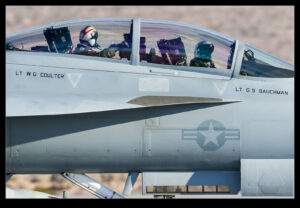
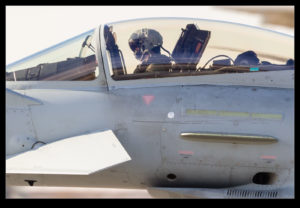
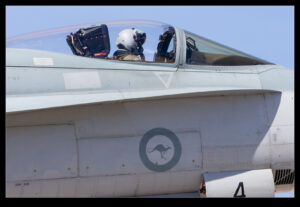
C59F0781.jpgA feature becoming more and more common in fighters these days is a helmet mounted sight/display. These allow the pilot to look at the target he is interested in and designate it or to have his attention cued to something courtesy of the helmet displays. The more complex helmets now coming in to service on the F-35 have access to distributed viewing systems around the aircraft so the pilot can actually look through the aircraft – just as well given how crappy the visibility is from the F-35 cockpit!

C59F0285.jpgThese helmets need to know exactly where they are all the time so they can align accurately with the other sensors on the aircraft. They also have to have the image generator for the pilot displays built in. Consequently, they appear a bit bulky compared to traditional helmets.

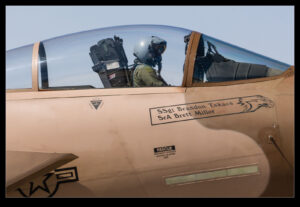
IMG_1322.jpgThey still have to be kept light in weight since the pilot does not want a lot of weight on his or her head when pulling g or, even worse, ejecting. Therefore, the bulk is a space issue but less of a weight issue. Spotting the helmets is not too tricky. The accompanying shots give you a number of different pilot shots and you can see what they are all wearing. Some two seat jets only have the helmet mounted display for one occupant. Compare the normal helmets with the display helmets. The Typhoon’s helmet is very conspicuous with a load of bumps covering the positional sensors.

RAF Sentinel

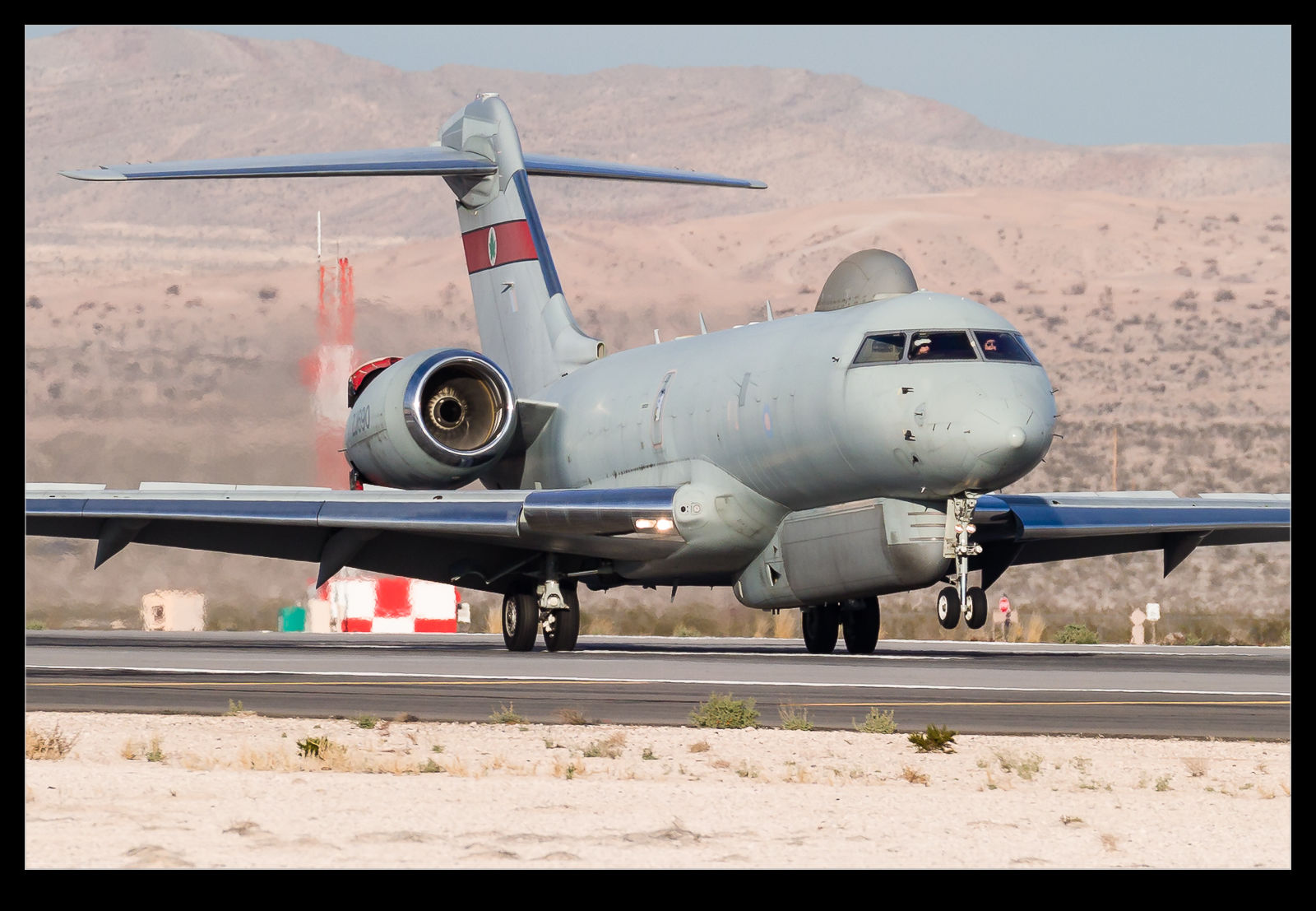
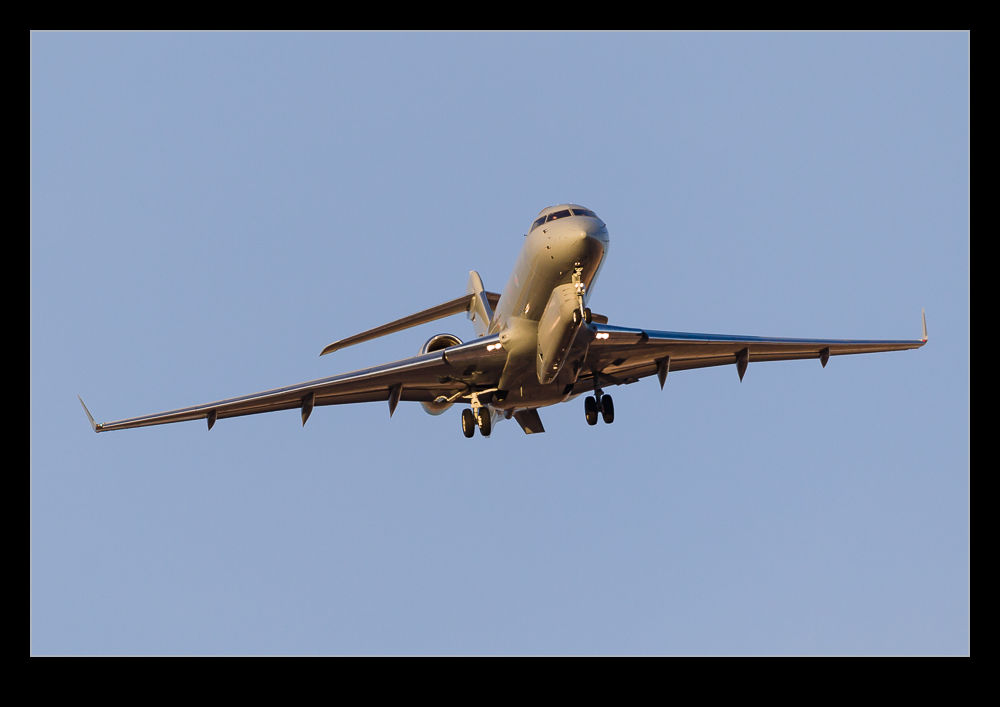
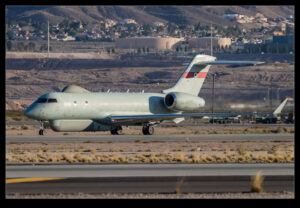
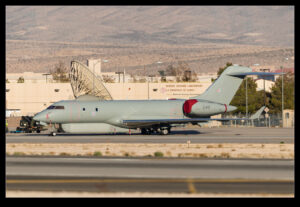
AU0E4737.jpgI really do appreciate an aircraft that looks elegant. One such type is the Bombardier Global Express. Built to take on the Gulfstream family, it is a great looking plane with a graceful front fuselage, cracking looking wing and even the empennage is stylishly done. Therefore, you might be forgiven for thinking that I was not impressed when Raytheon took a great looking plane and grafted on some enormous lumps and bumps to create the Sentinel.

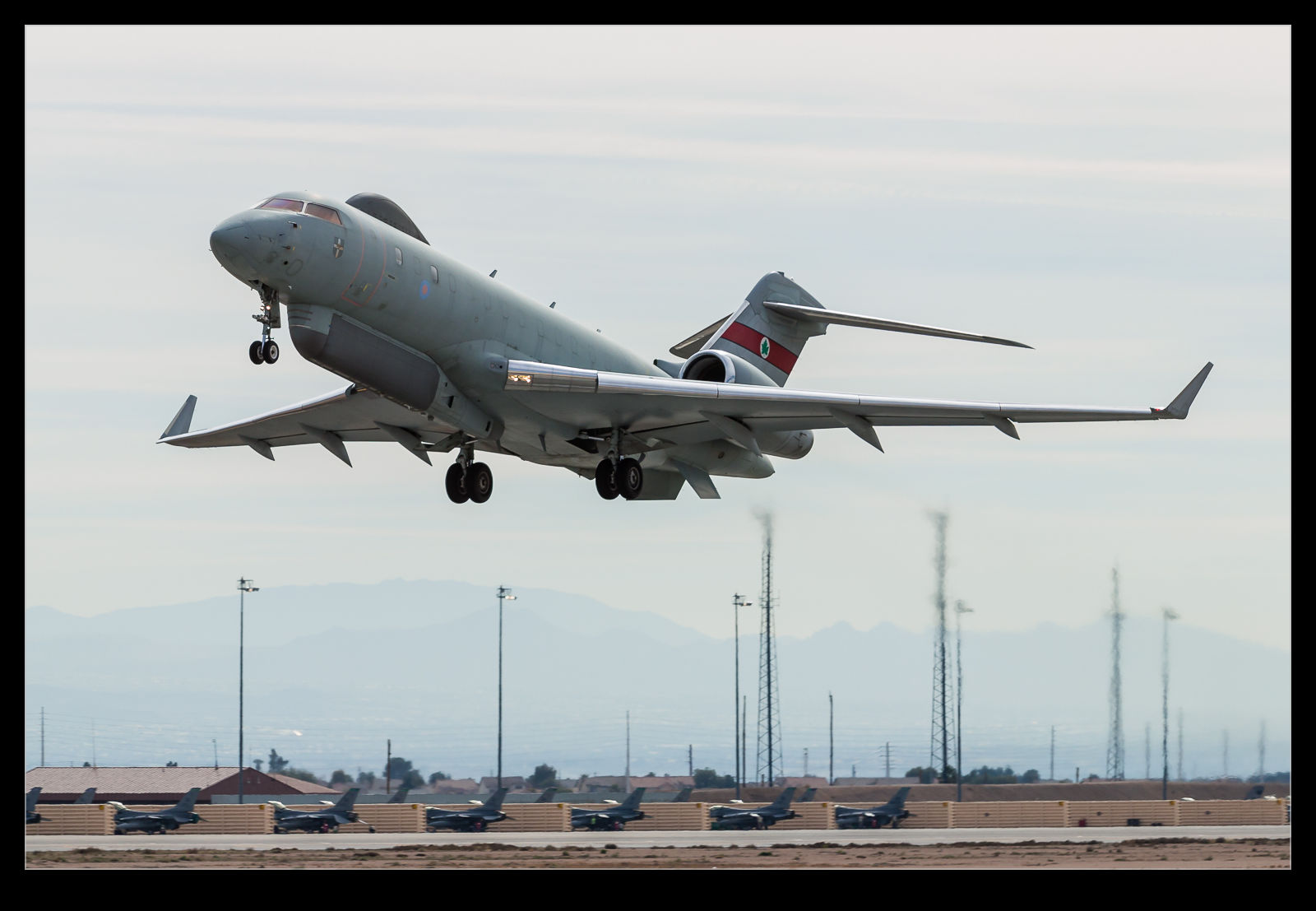
Built for Britain’s Royal Air Force, the Sentinel is a battlefield surveillance aircraft in the mold of the USAF JSTARS program but a generation on a bit more compact. It also makes use of a more modern airframe as its starting point. While the changes have not done anything to make the plane look pretty, I do have a soft spot for unusual aircraft configurations and large radomes and sitcom covers fit with this idea. Consequently, I rather like the Sentinel. Seeing them in action at Red Flag was a nice opportunity.

AU0E3119.jpgHaving spent a lot of money on the Sentinel, the UK government announced that, with the reduction in involvement in Afghanistan, the Sentinels would be retired. Retirement sounds inappropriate for something so new but that was the story. Fortunately, it appears that the plan has been adjusted and they have been reprieved for now. We shall see how that develops.

The aircraft are operated by 5 (AC) Squadron of the RAF. 5 Sqn was one of the early Tornado ADV squadrons when it converted to Lightnings. I liked their colors with the maple leaf on a red background. When I worked at Warton, one side project I got involved with was the repainting of a restored Lightning in 5 Sqn colors before it was put on display. Having the Sentinels showing up from 5 Sqn was nice, not least because one of the two jets had the squadron colors displayed over the usual dull grey finish. Both aircraft flew while I was there both day and night. They are an unusual sight to see so it was good to catch them at work.

Hornet After Dark

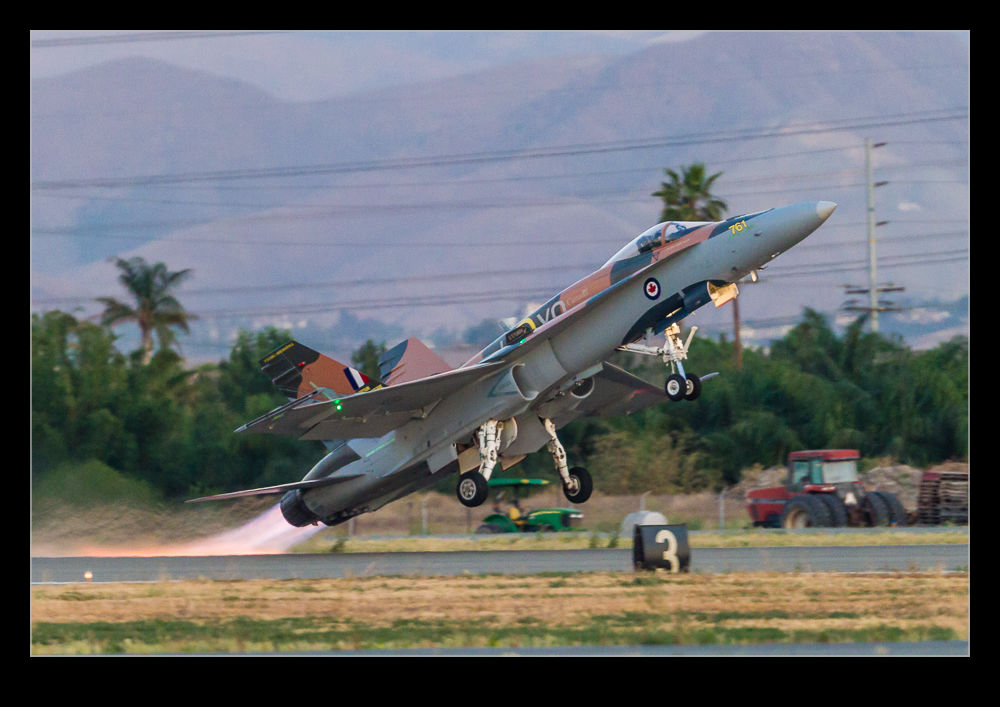
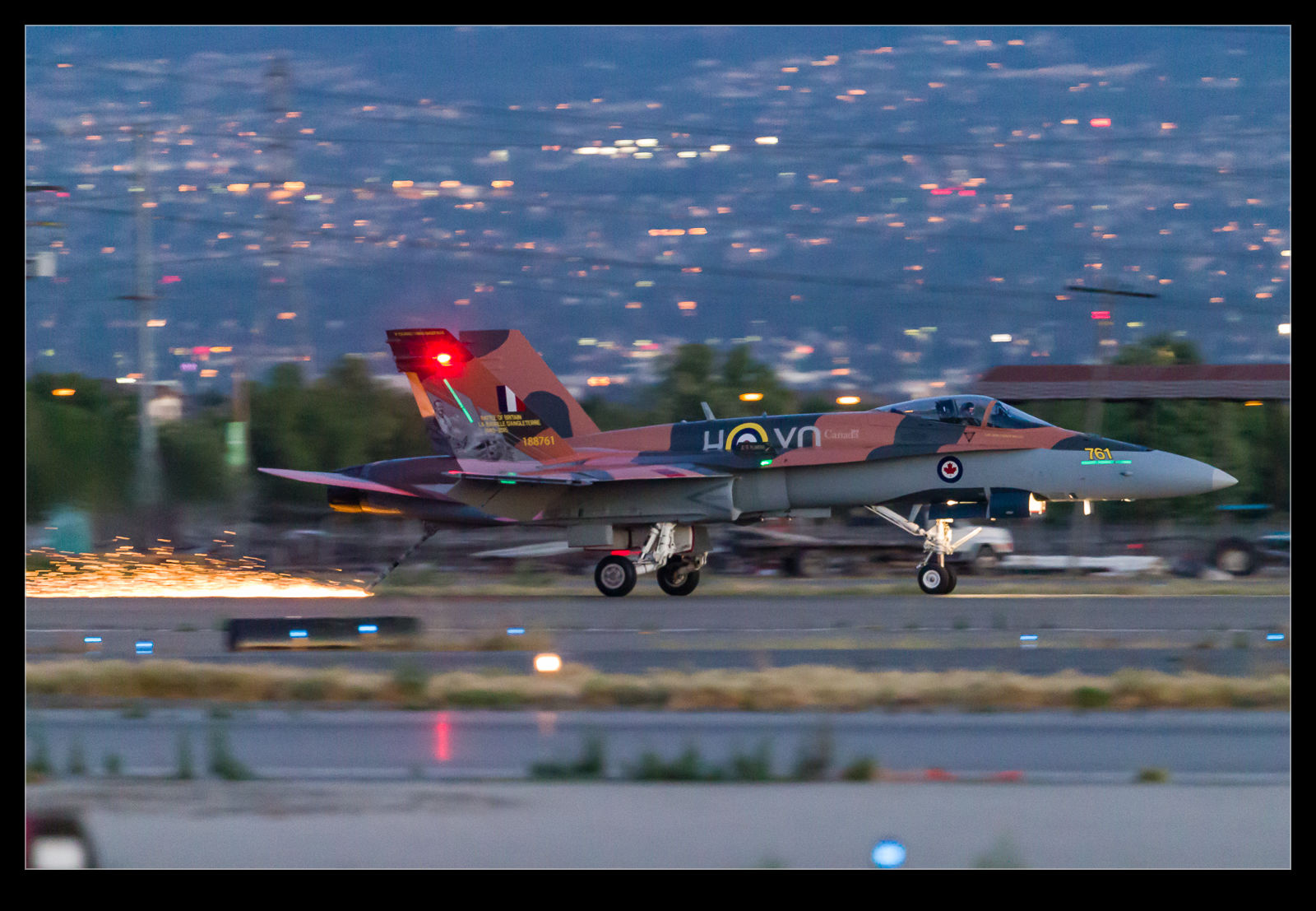
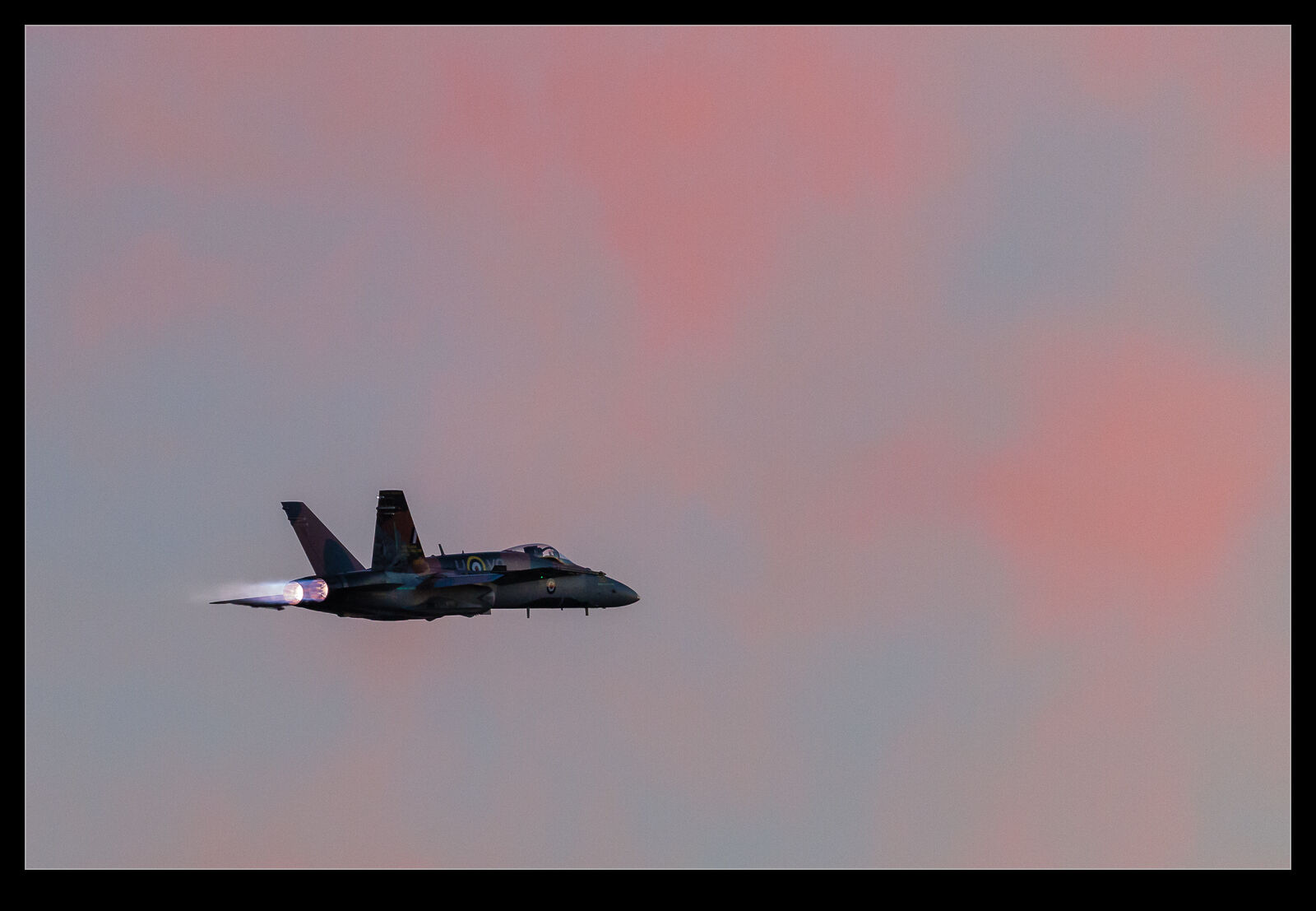
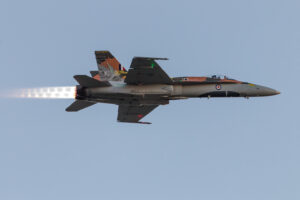
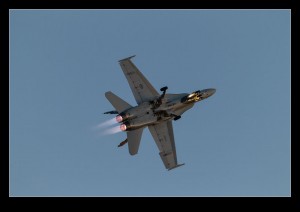
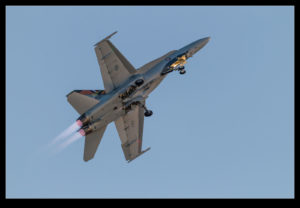
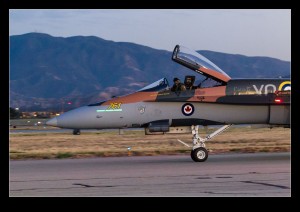
The Canadian Hornet that was at Chino was the last display to fly during the sunset show. (We had a long discussion about whether it is a CF-18 or a CF-188 during the down time but that can be saved for another day.) The aircraft taxied out as the sun was just getting close to setting. We were thinking this would be the perfect combination. Taking off before sunset would allow us to get some shots of it in the low sun when it would look at its best and the, as the sun finally set, we would get the glow of the burners against the darkening sky.

AU0E0401.jpgSadly, they decided to hold their departure until after the sun had already set. I think this was a missed opportunity. It did mean, though, that things were really dark by the end of the display. This was a time that really testing the capabilities of the camera. I was shooting at very high ISO settings in ranges that I would normally avoid. However, getting the shot sharp is better than having a low noise shot that is blurred.

AU0E0345.jpgThe aircraft pulled off the runway pretty aggressively and the burners really showed up nicely against the runway surface. The display itself was fine but the camouflage of the commemorative scheme was a bit tricky in the conditions. The finale of the display was the landing with the hook lowered. The Hornet touched down and the arrestor hook dragged along the runway surface leaving a bright shower of sparks behind it. The effect was pretty dramatic! I talked to one of the maintenance technicians later about it and asked how many of those they could do. One landing is enough to kill the head of the hook. He did say that they are easy to replace and that he had brought five of them on the trip. A neat way to wrap up the show.

F-16 Inlet Vapor

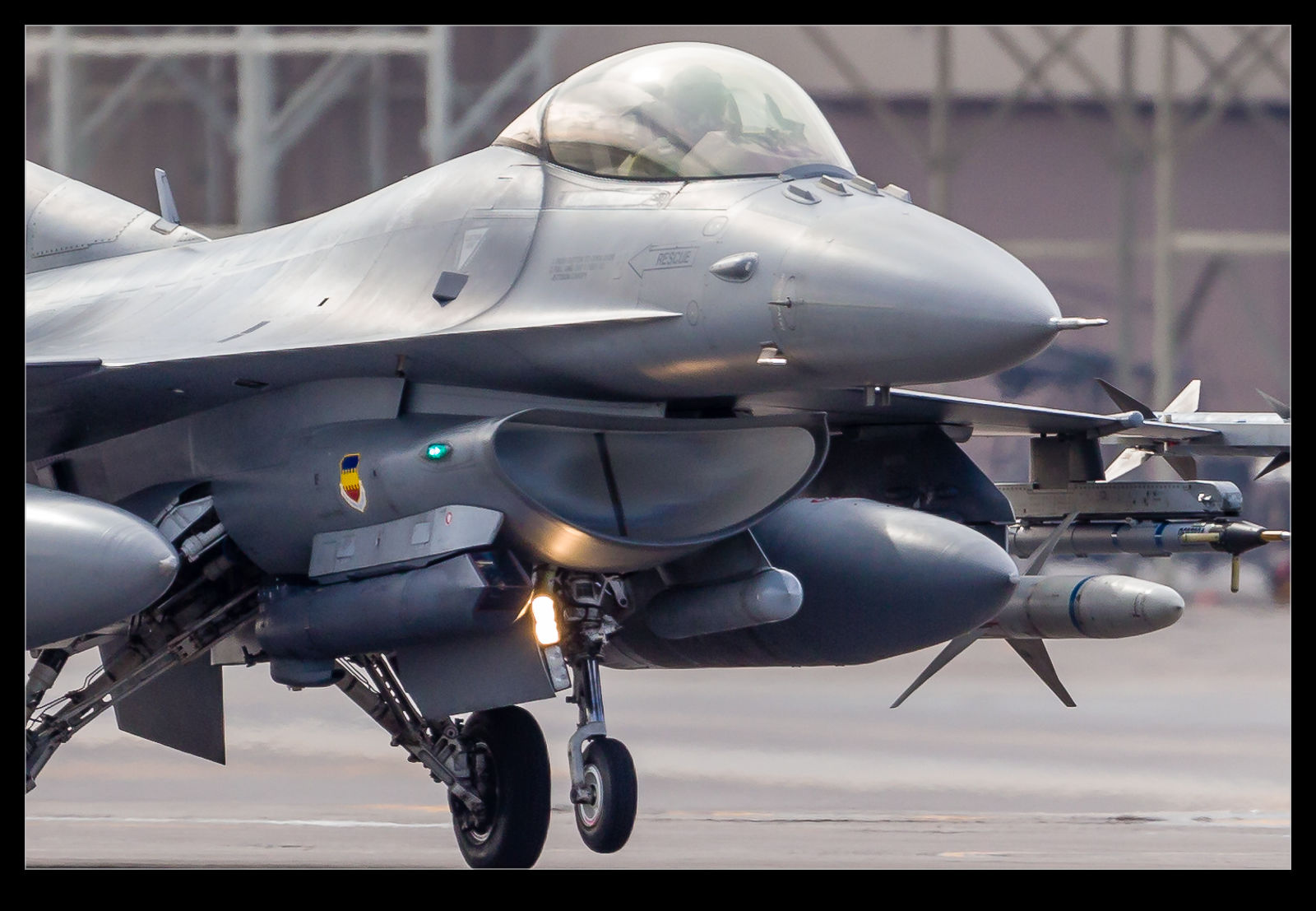
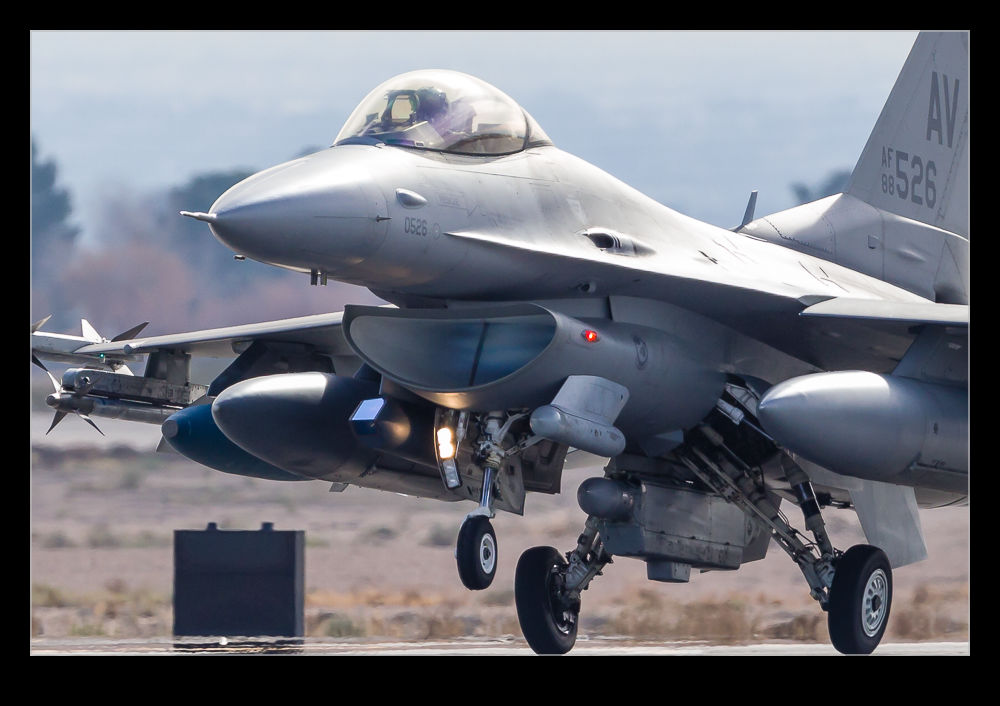
C59F9240.jpgThere are some aerodynamic effects that always catch my eye when I am going through images and one of these is vapor forming in engine inlets. The combination of lower airspeed with high thrust settings and moisture can result in puffs of vapor forming in the inlet, either continuously or, more often, as little flashes of cloud. The F-16 can often demonstrate this phenomenon when taking off although the formation is a little way back in the inlet.

C59F9570.jpgOn a recent Red Flag, the F-16s were out in force and, since it wasn’t the hottest and driest day that Nellis can provide, they were getting a bit of vapor to show up. Here are a few of the jets squeezing the moisture out of the air (even though it is the opposite of squeezing that makes it happen!).

Kitty Hawk

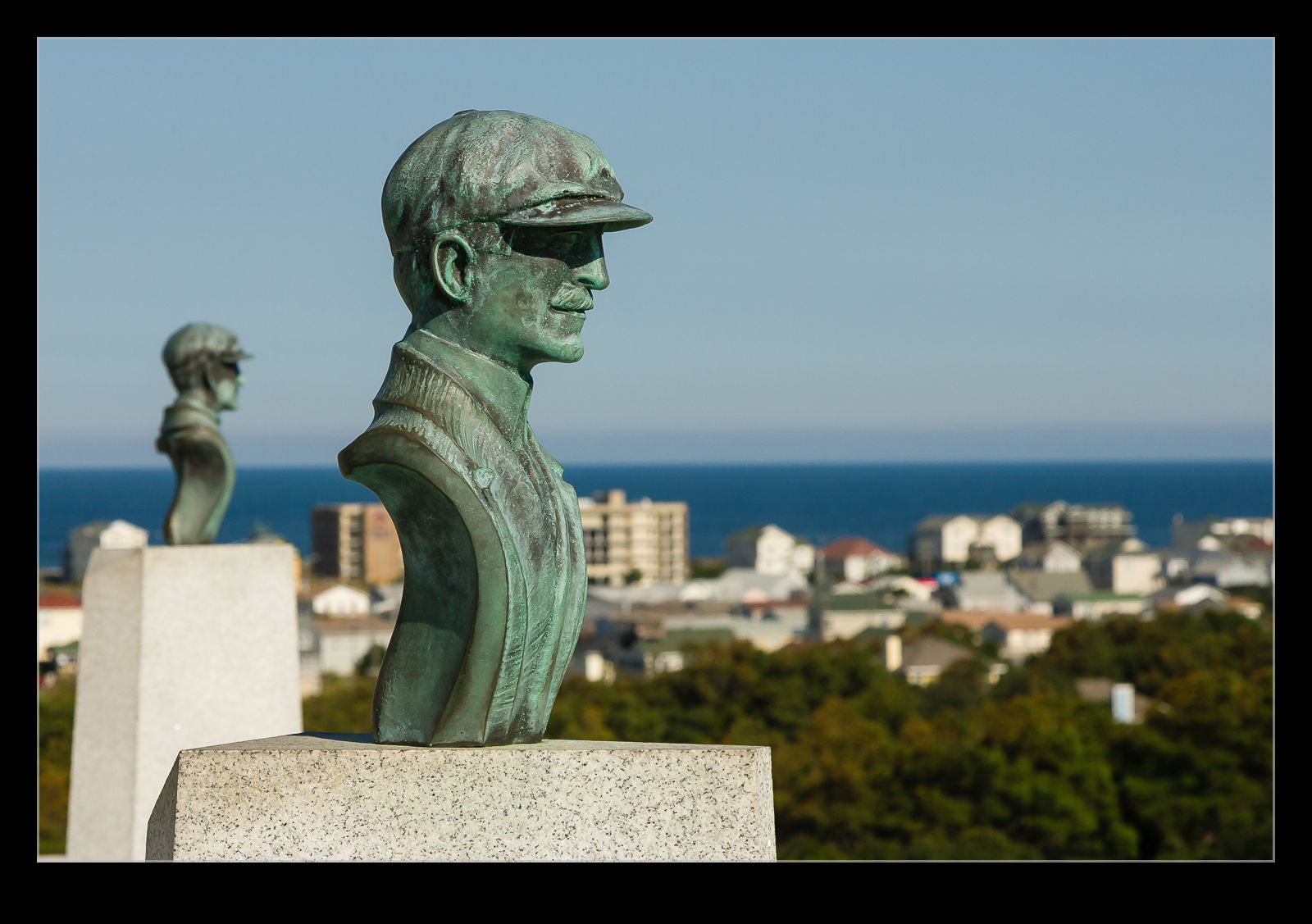
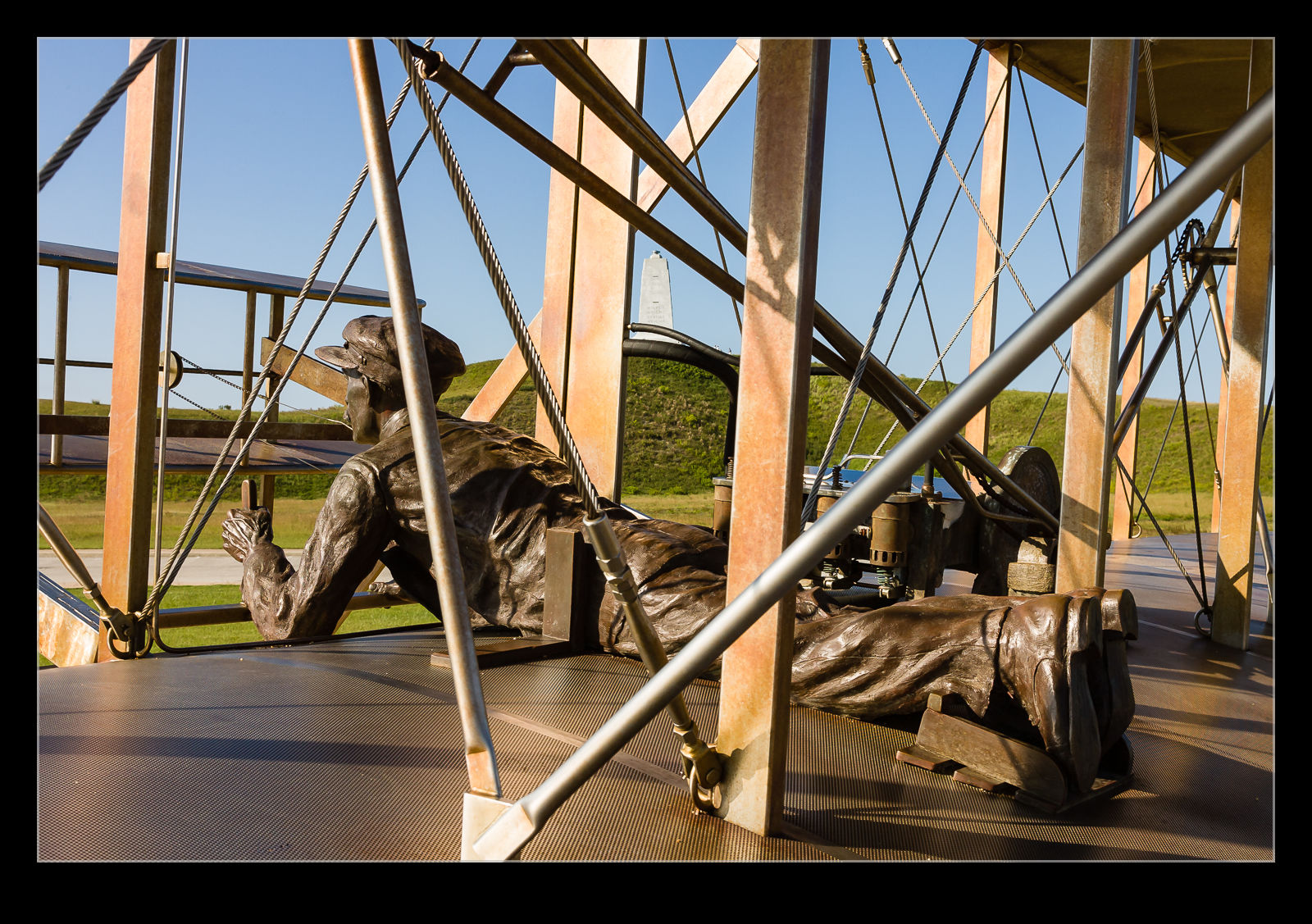
QB5Y8772.jpgThere is not a shortage of aviation themed stuff on this blog. I realized that one thing I had never covered was the First Flight. Obviously I didn’t cover it live given my obvious youth! However, on a vacation to the Outer Banks a few years ago, my buddies Steve and Rich joined me on a trip to Kitty Hawk to see where the Wright Brothers had made the first powered flight. For some reason, none of the three wives wanted to make this trip and they did something else. No idea why…
QB5Y8758.jpgThe layout of the place is pretty simple. There is a monument to the event up on a hill overlooking the site. It is a pretty impressive structure and very much more substantial than anything else there. You have the workshop they operated out of (which I now can’t remember whether it is original or a recreation) and the markers on the ground to show the location of the first four flights they undertook on that day. There is also a museum off to one side and an airstrip located a short distance away. It is a big, wide open area so, even if there are lots of visitors, it is not crowded.

QB5Y8777.jpgThere was a steady breeze while we were there so you could see why it appealed to someone trying to get airborne. Since the whole thing is on a sand dune and the mapping of things has probably improved a bit in the last hundred years, I suspect there is some uncertainty about where exactly everything was. However, that hardly matters. This was the place where the first powered flights took place and the step to regular manned flight was made. Interestingly, once they had achieved this goal, they headed back to Dayton and their further development took place there. Kitty Hawk will always be the first though. If you look at Ohio and North Carolina license plates, you will gather that they still argue over this. Not a fight I need to join though.