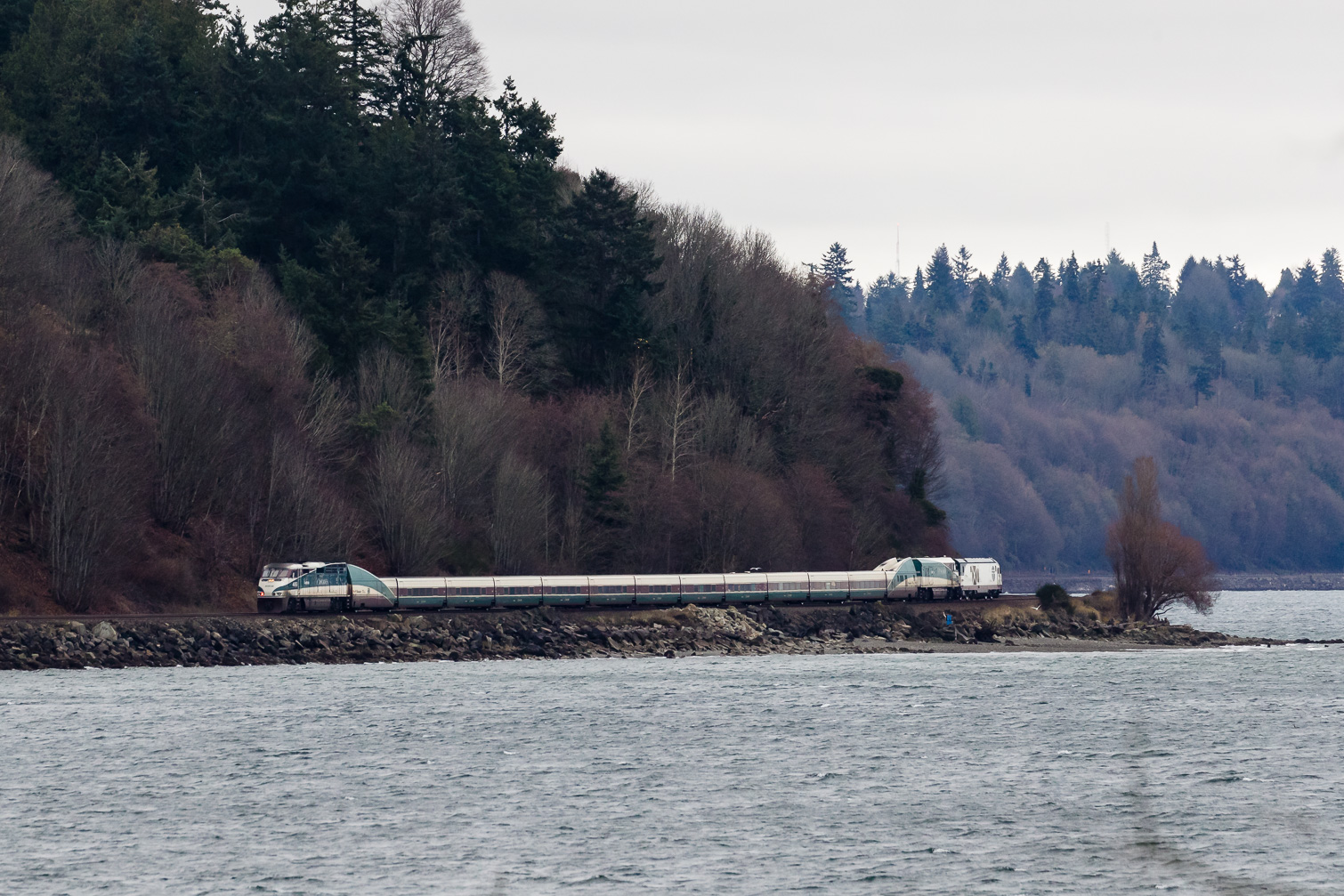
I wrote in a previous post about heading out to get shots of a Sounder train for a project I was working on. I did get a bonus opportunity while I was there. The same line is used by the Amtrak Cascades services between Seattle and Vancouver BC. A train from Vancouver was running a bit late so it was the first one I saw. It appeared to have been that they held the Sounder trains for the Cascades train, perhaps because of the timings of the stops although I don’t know for sure. Either way, it showed up just after I got there.
WSDOT’s new Siemens Charger locos had just entered service on this day and one of them was on the front of the train. They had not yet removed the old loco as they were running in the new units to deal with any infant mortality issues. The Charger was mounted ahead of the NPCU on the opposite end to the other loco. Having worked on the Charger program, I was pleased to see them in service.
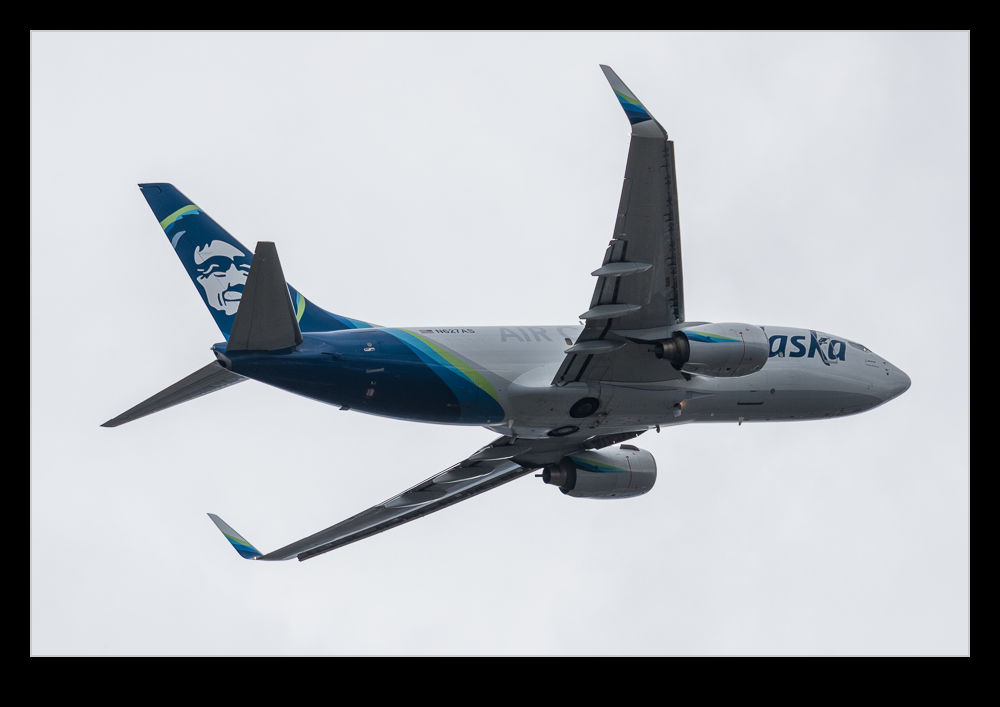
Alaska’s cargo operation has used 737-400 freighters for a while. They are now the launch customer for a cargo conversion of the 737-700. I read about them taking delivery of the first aircraft but wasn’t too focused on seeing one. I almost ignored this departure since SeaTac has a steady stream of Alaska 737s. I did decide to shoot it though when something about it looked different. Sure enough, it was the cargo conversion. A lack of windows and the cargo markings set it apart.
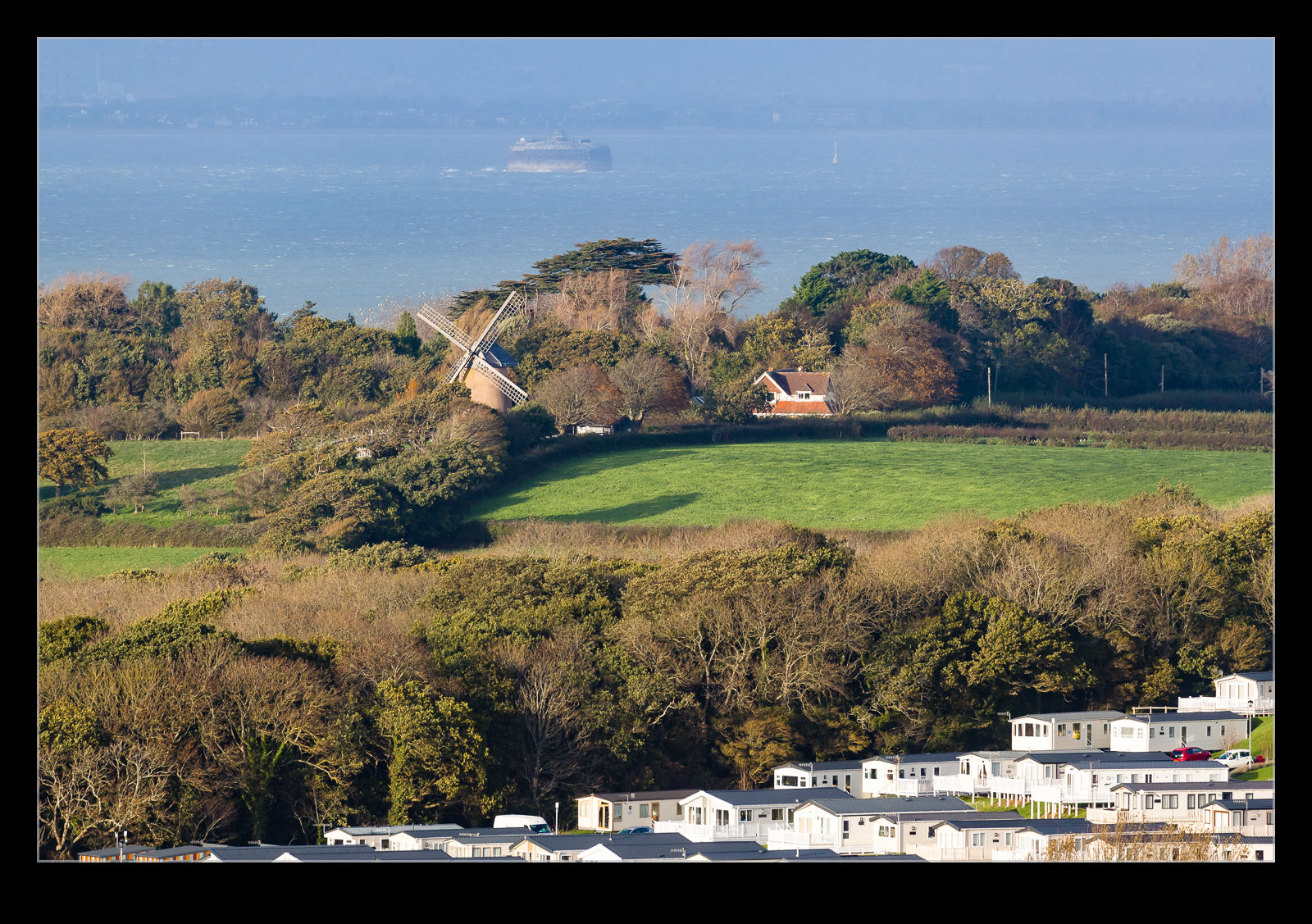
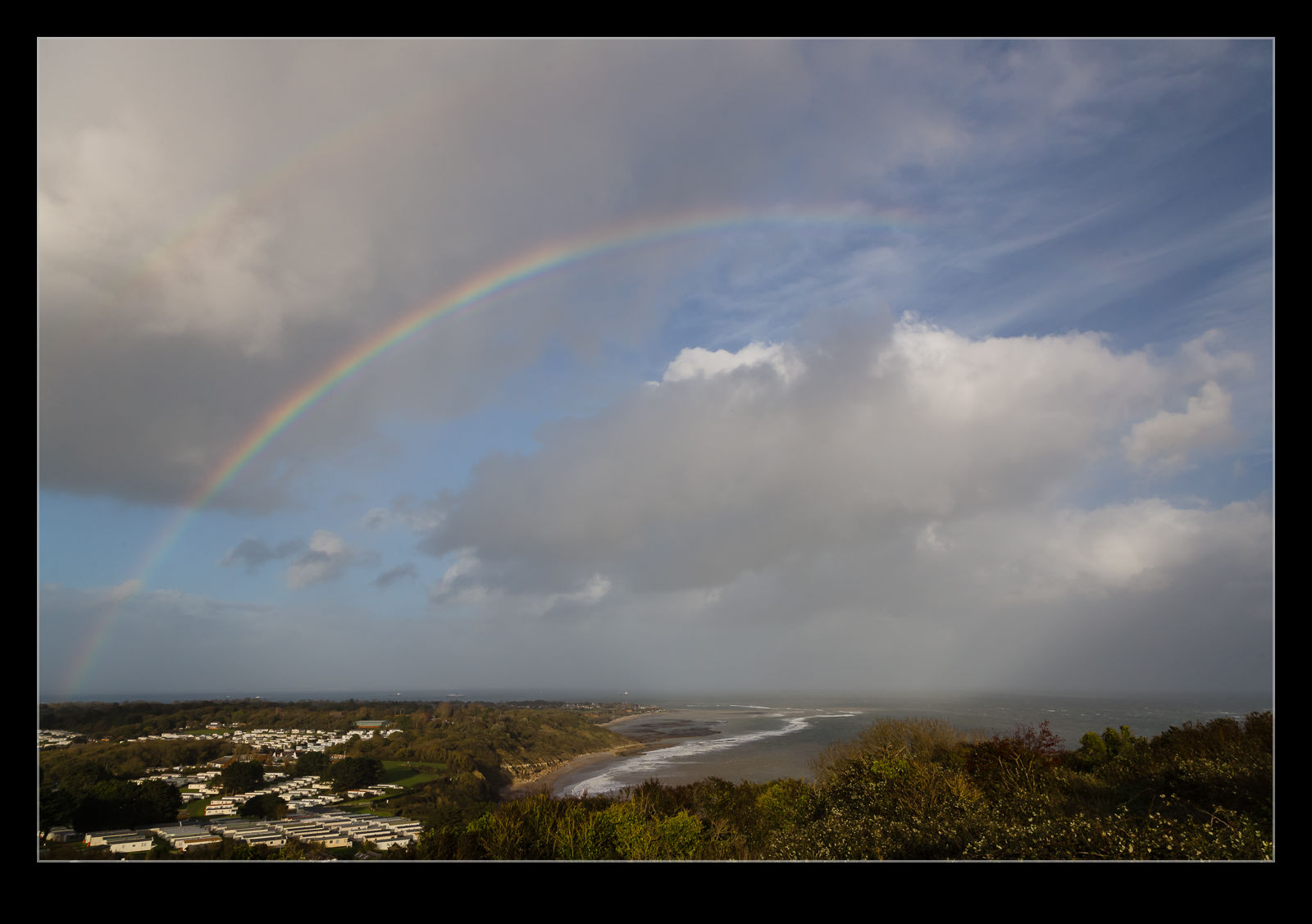
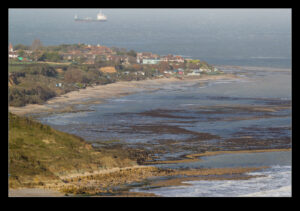
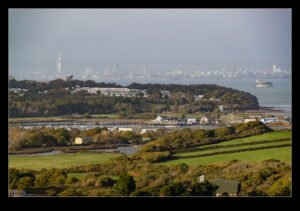
The view from the top of Culver Down is usually good (provided you aren’t in cloud) so we took a trip up there while I was visiting mum. While there was a lot of rain and cloud coming through as a result of the storm system, there was also a fair bit of sun illuminating parts of the countryside when a gap in the clouds showed up. From that location, you could see where the sun was running to. Whether looking down at the windmill, across to the harbor or spotting the Ledge (a nasty rocky outcrop just below the surface of the sea that has claimed many an unlucky sailor), the light was interesting. The rainbow certainly didn’t hurt either.
This Korean Air 787-9 Dreamliner is seen taking off one Saturday afternoon from Paine Field on a production flight test. It was lightly loaded so it was off the ground pretty rapidly and was already cleaning up the gear as it came toward me. The wheels are braked before the gear comes up to stop them spinning before they enter the bay. This can result in a burst of brake dust that blows clear in the slipstream and the shadow of the brake dust showed up clearly. As they continued the climb out, they actually lowered the gear again. I think this was to cool the brakes given they had done a high-speed taxi run prior to the takeoff.
Highway 101 passes Hecata Head and crosses a river before entering a tunnel through the cliffs. The bridge is a pretty elegant structure. Unfortunately, winter is not a good time to try and photograph it. It is tucked in amongst the hills and the sun will only be on it when in the west and probably only in the middle of summer when it gets a lot further north. I had to work with what we had in the shade. Playing around with exposures and working with some HDR processing did allow me to bring a bit more punch to the shots which I felt represented more of what I actually saw while I was there.
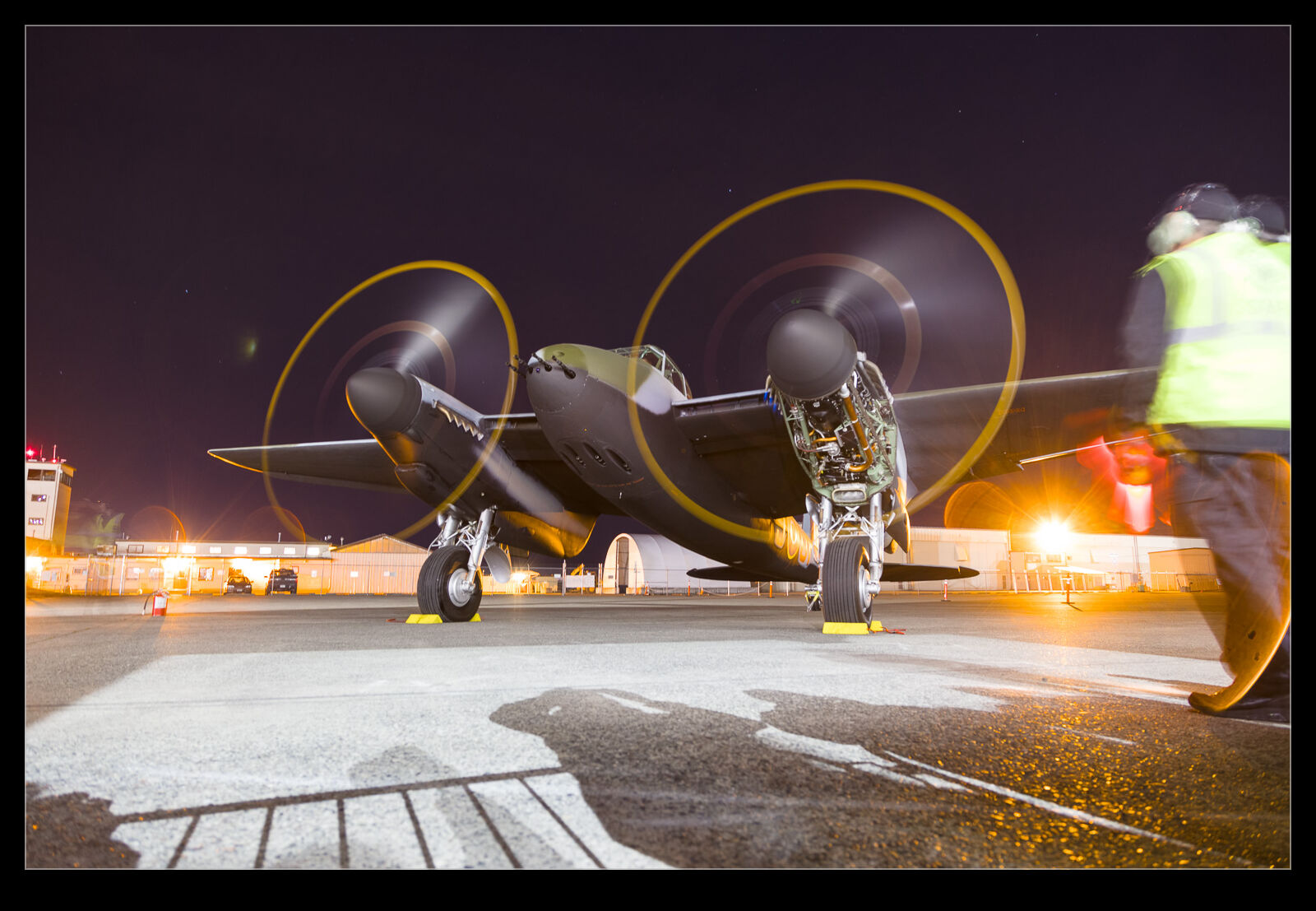
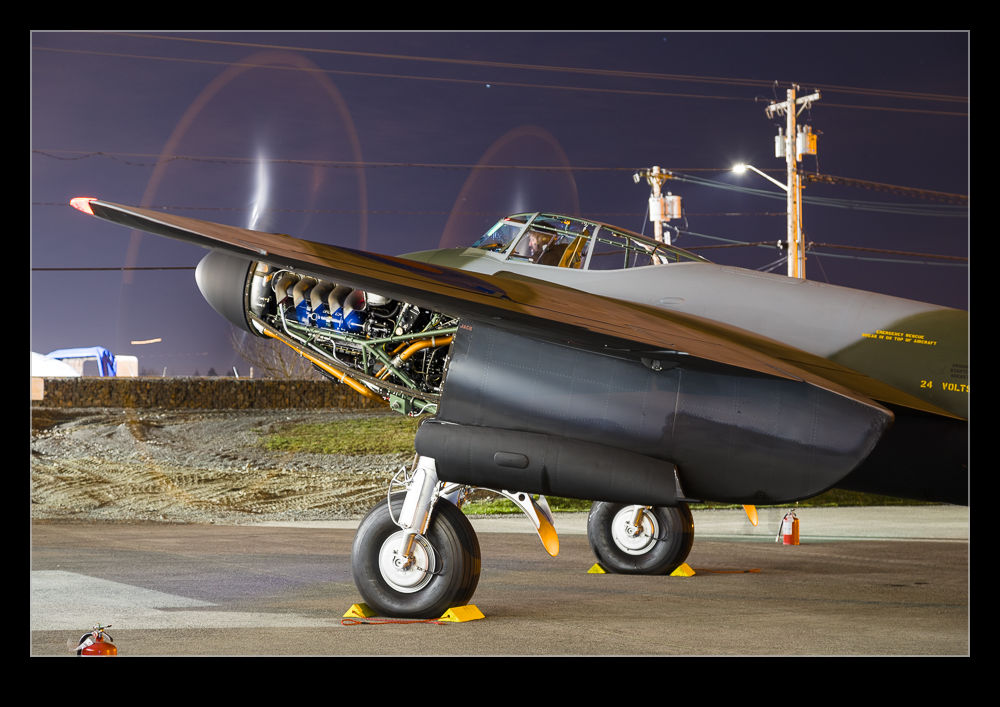
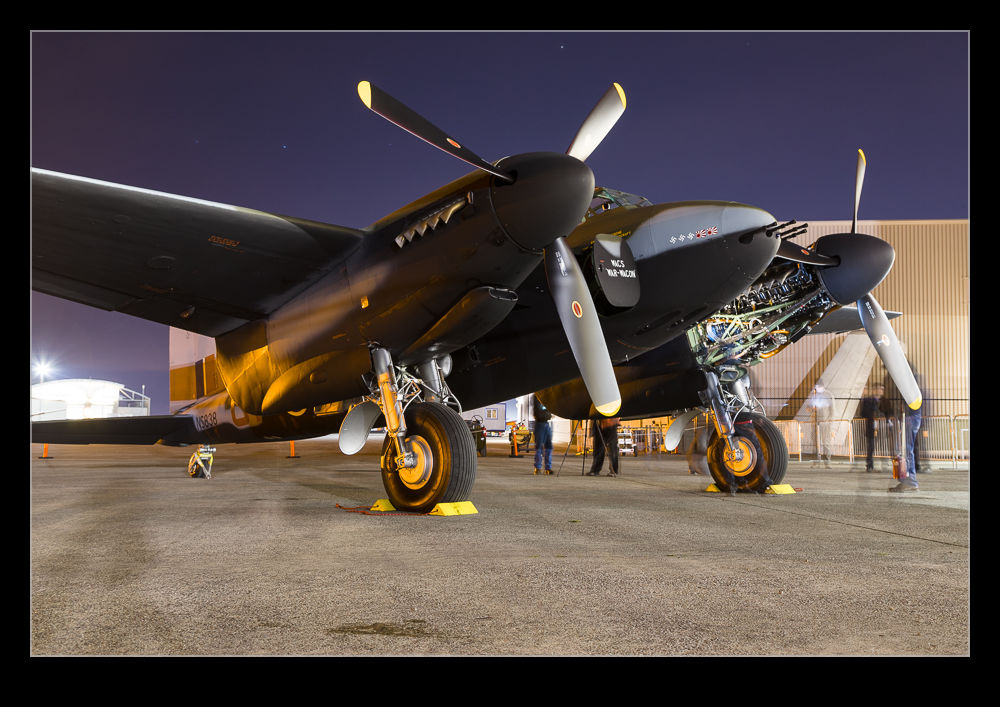
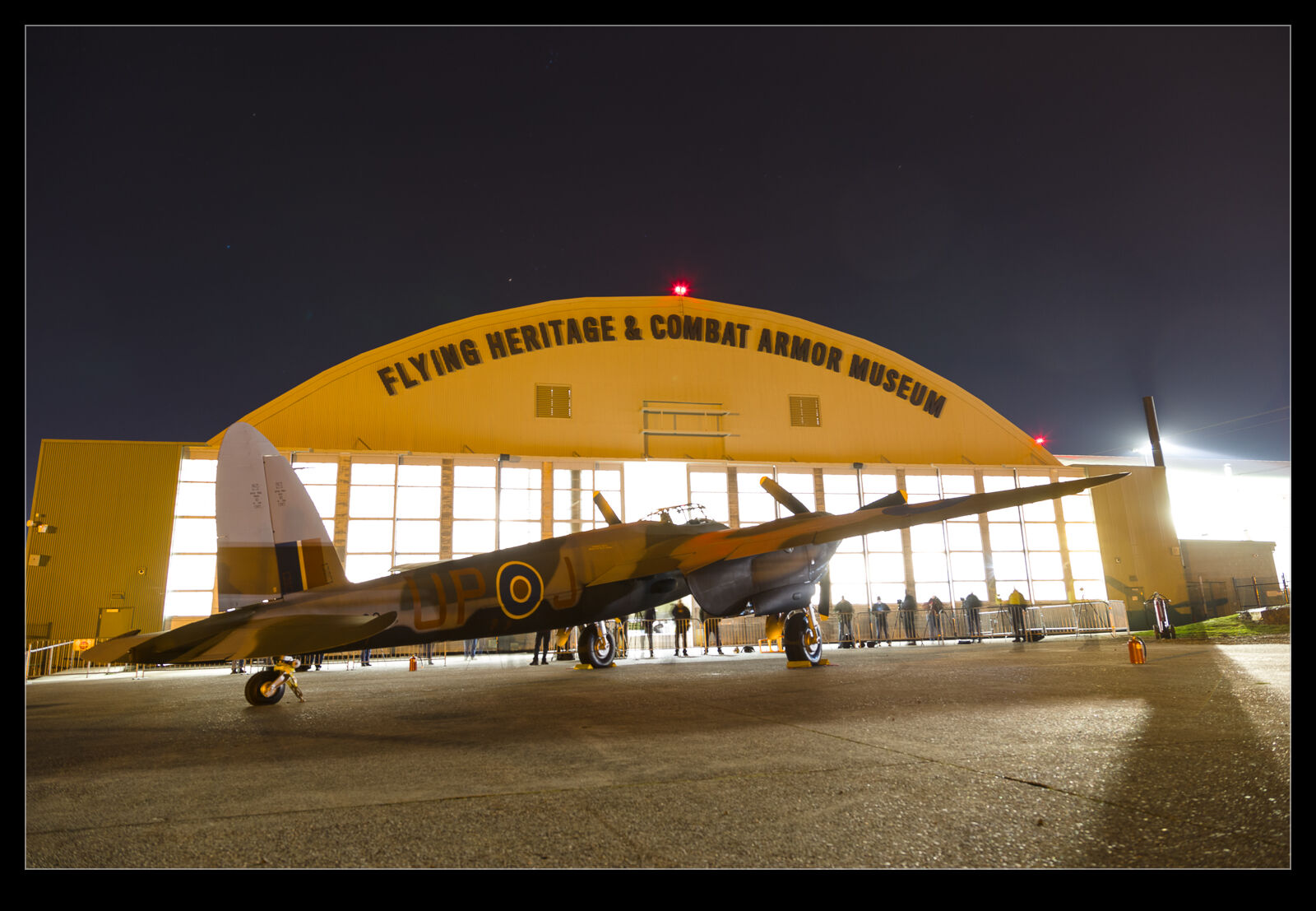
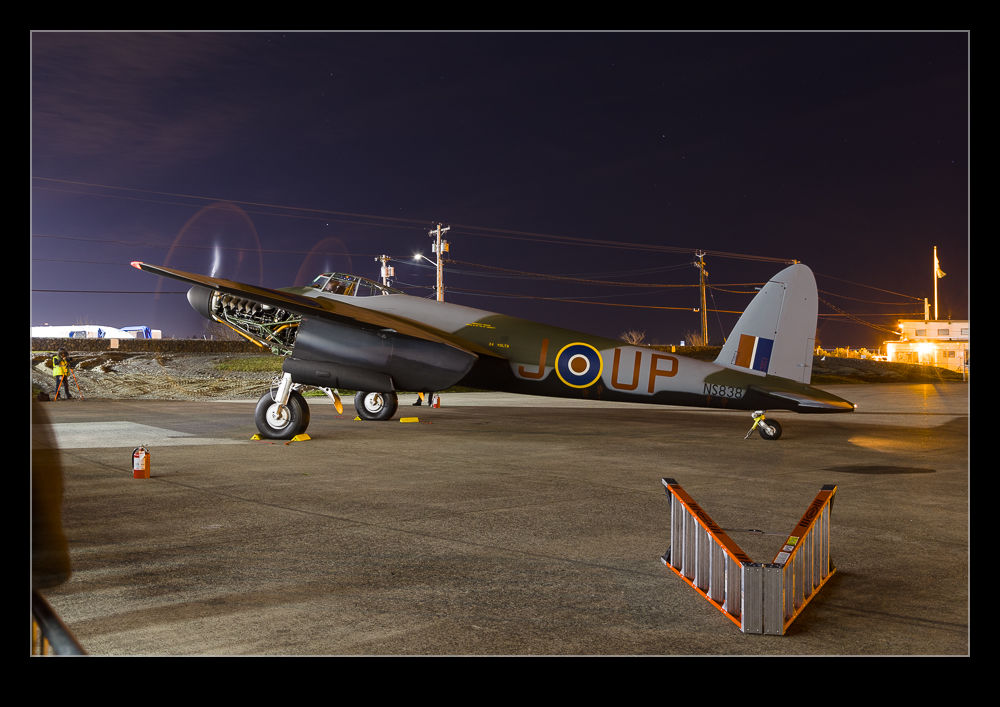
Night photo shoots are becoming more popular these days. The Flying Heritage Combat Armor Museum (FHCAM) held one with the de Havilland Mosquito. The evening started out with the plane on the ramp when people were free to wander around the aircraft. I was shooting a lot of long exposures using the tripod which does a good job of removing the people provided they keep moving. However, a few people were hanging around for long periods so they show up in the shots. Others were using the flashes on their cameras or flashlights to look at stuff which made things blow out.
Once we were all cleared from the ramp, one of the FHCAM crew came out to talk about the aircraft. He was the one that would carry out the engine runs and he ran through the test procedures that would be followed for the engines. People had the chance to ask questions and get a good understanding of the plane and how it is operated.
Then came the fun. The engines were fired up in sequence. Then they were run through the test program. The blue flame from the exhaust stacks could be clearly seen in the very dark conditions. When the mag checks were carried out, the flames were even more conspicuous. I moved around a bit to get some different positions. I was quite surprised to see how blurred some of the shots were. The aircraft clearly moves a lot despite being chocked and so some of the shots were totally unusable. This was a lesson learned. In future I would focus on shortening the exposure times a lot to minimize this issue which I hadn’t anticipated.
I also shot a bunch of video while the runs were underway. The edited video is below. It was a fun evening and thanks to FHCAM for holding it. It would be fun to do on another type. It might be nice to have a touch more light on the ramp but the dark conditions did have some advantages. I discovered a bit about shooting in that environment which should hopefully help on future night shoots.
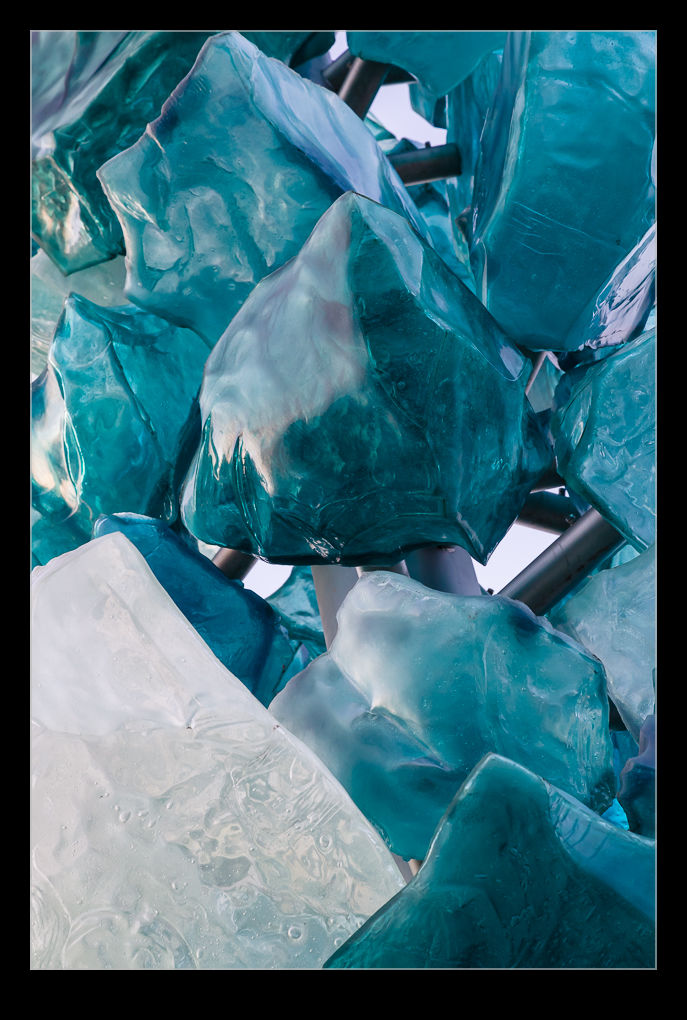
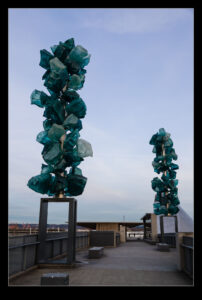
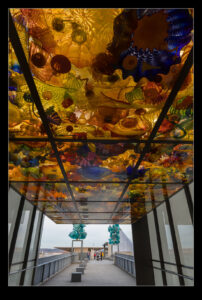
After our lunch in Tacoma, we took a quick stroll around the area before heading home. There is a glass museum which looks like something that will be a source for another day trip. To get to the museum, we walked across a bridge of glass. There were glass sculptures at one end of the bridge and, on the bridge itself, there was a roof structure that incorporated multiple glass pieces.
Mounting the glass in the roof meant that light could be let in from above and the glass was illuminated from behind. As the daylight was drawing to a close, this meant that some nice soft light was filtering through the colors giving a great effect. We were spot on with our timing. When we walked back, the light was gone.
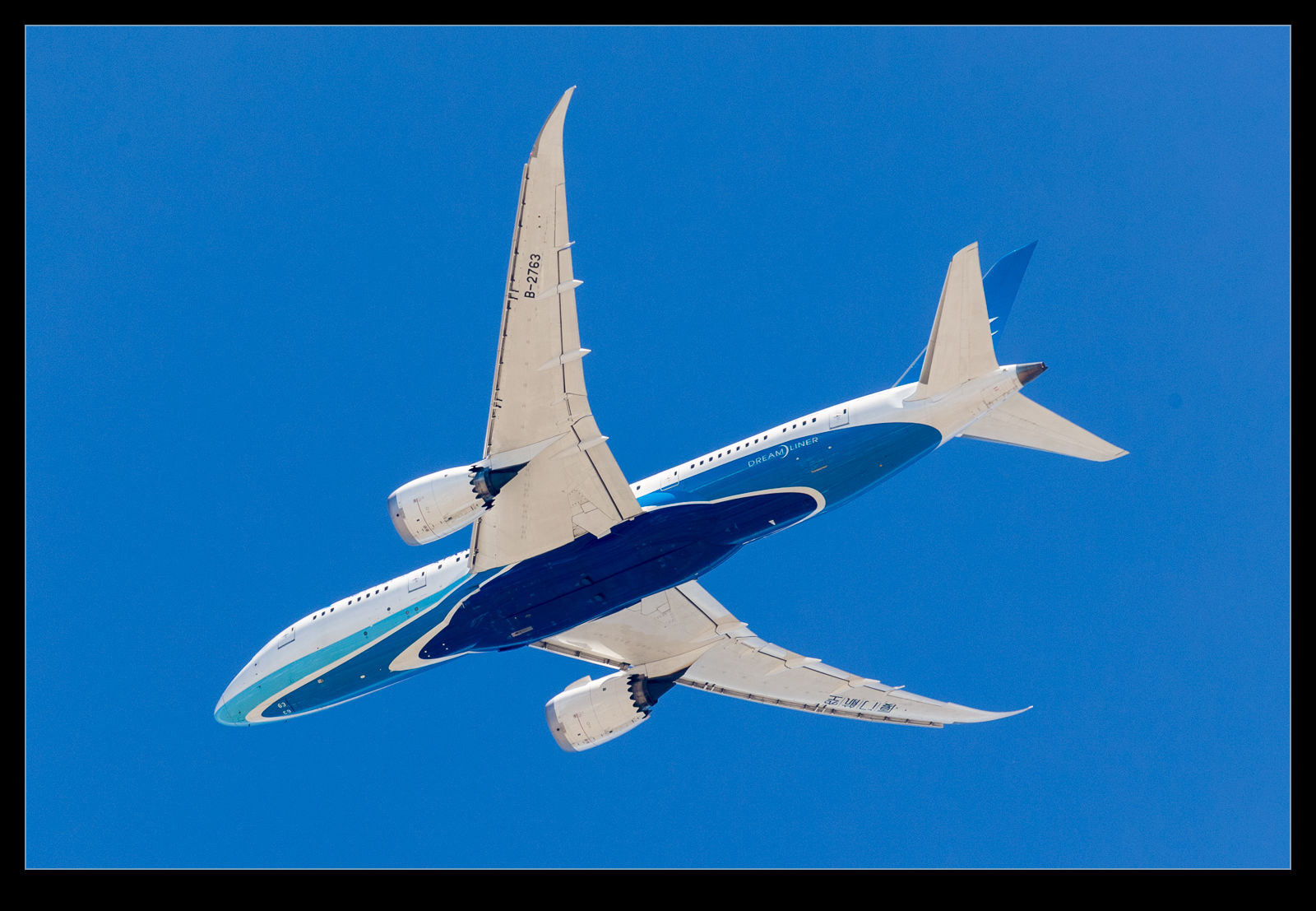
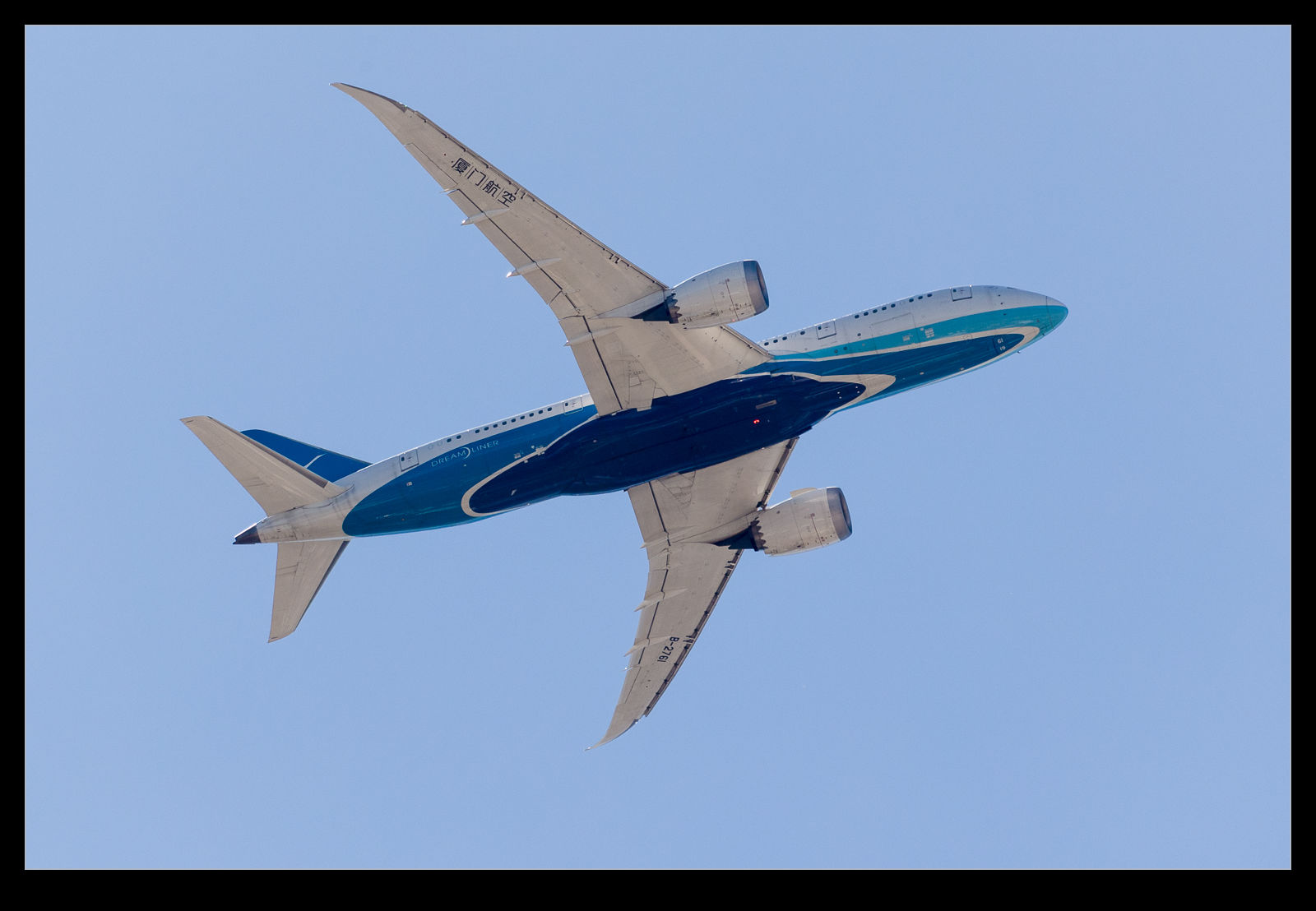
Since moving to Seattle, I have seen an airline that I had never heard of before Xiamen Airlines is a Chinese airline but their livery looks a lot like Kuwait Airlines and that was what I initially thought it was when I first saw one. Since then I have seen a few in the air and now recognize them. It’s not the most exciting scheme in service but I guess I recognize it now so that must have some value.
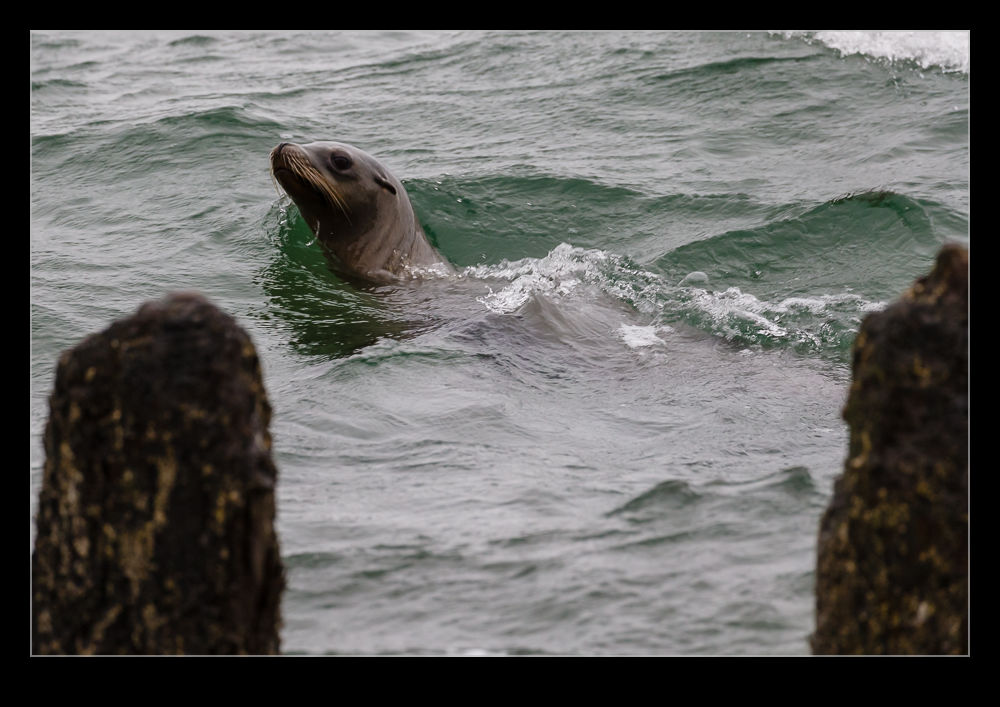
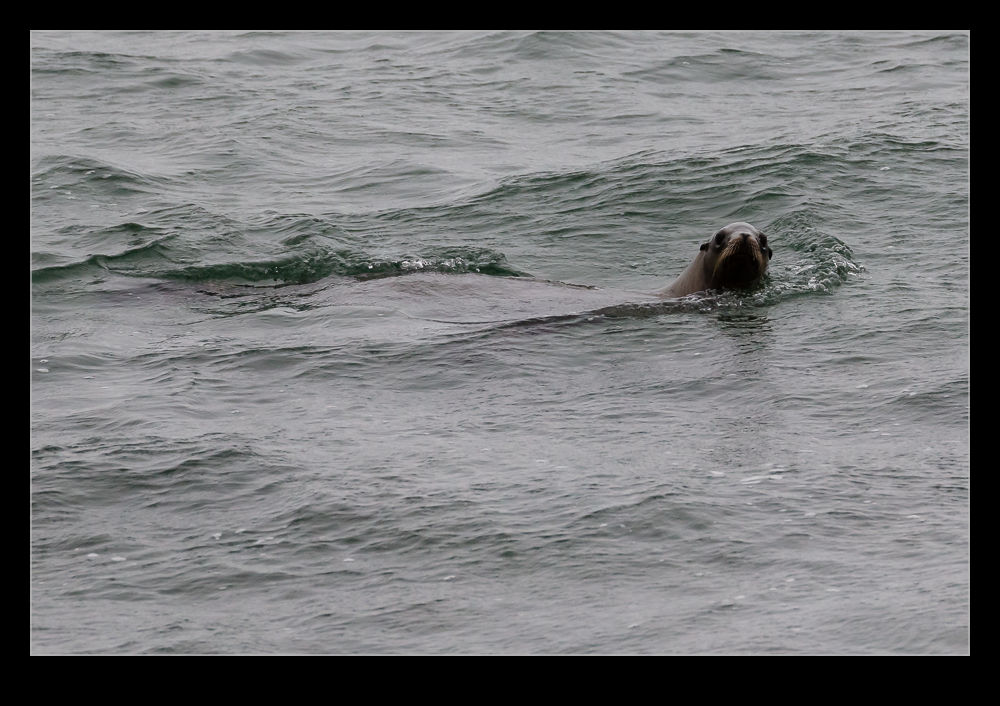
The shores of Puget Sound provide plenty of places to explore. One of these was a beach in Shoreline, a town that is quite appropriately named. I was actually about to head back to the car when this event occurred. As I walked up the path I saw people coming in the opposite direction. I thought they had a dog with them and that it was swimming in the water alongside them. Then I realized that the head in the water was not a dog but instead was a sealion.
The sealion was very close in to the shore and seemed to be quite interested in what was going on. I turned back around and headed to the water as it came closer. There were some old wood pilings in the water and the sealion came in to those, almost as if they provided a measure of protection. Then it paused before turning around and swimming back in the other direction. Shortly thereafter, it dipped under the surface and swam away. By this point, a few people had stopped to watch its progress. A sealion is hardly a rarity but it is interesting just how much attention it garners all the same.
The SR-71 Blackbird provided a reconnaissance platform that was unmatched. It would have been pretty high in the sensitivity list when it came to its sensors and capabilities. Now the jets are all retired. The example that is in the Evergreen Aerospace Museum has one of the sensors extracted from the sensor bay and mounted on a stand in front of the aircraft. I imagine there was a time when this was something that would not be available for me to look at but now, I guess, this is just another obsolete piece of tech.
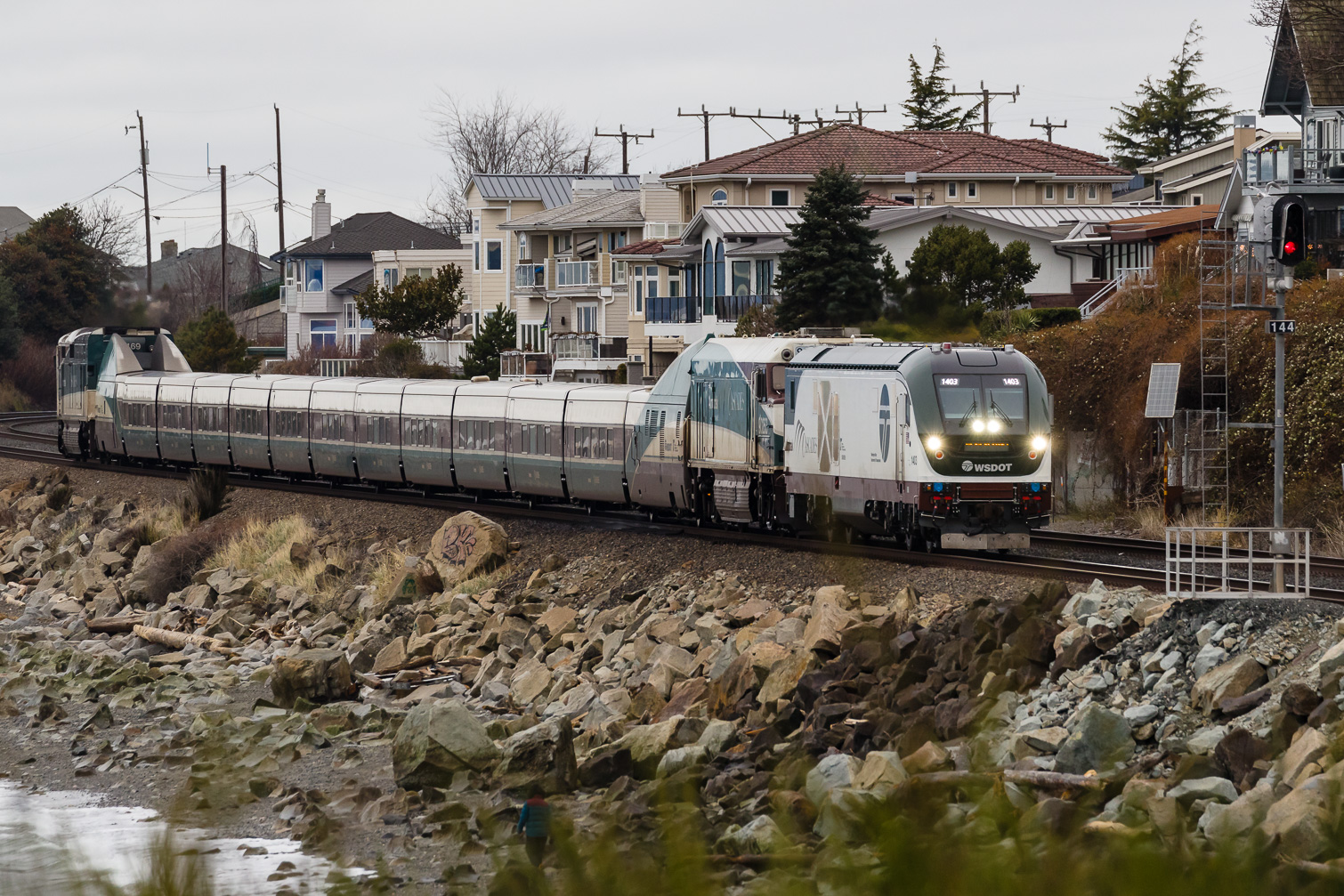 I wrote in a previous post about heading out to get shots of a Sounder train for a project I was working on. I did get a bonus opportunity while I was there. The same line is used by the Amtrak Cascades services between Seattle and Vancouver BC. A train from Vancouver was running a bit late so it was the first one I saw. It appeared to have been that they held the Sounder trains for the Cascades train, perhaps because of the timings of the stops although I don’t know for sure. Either way, it showed up just after I got there.
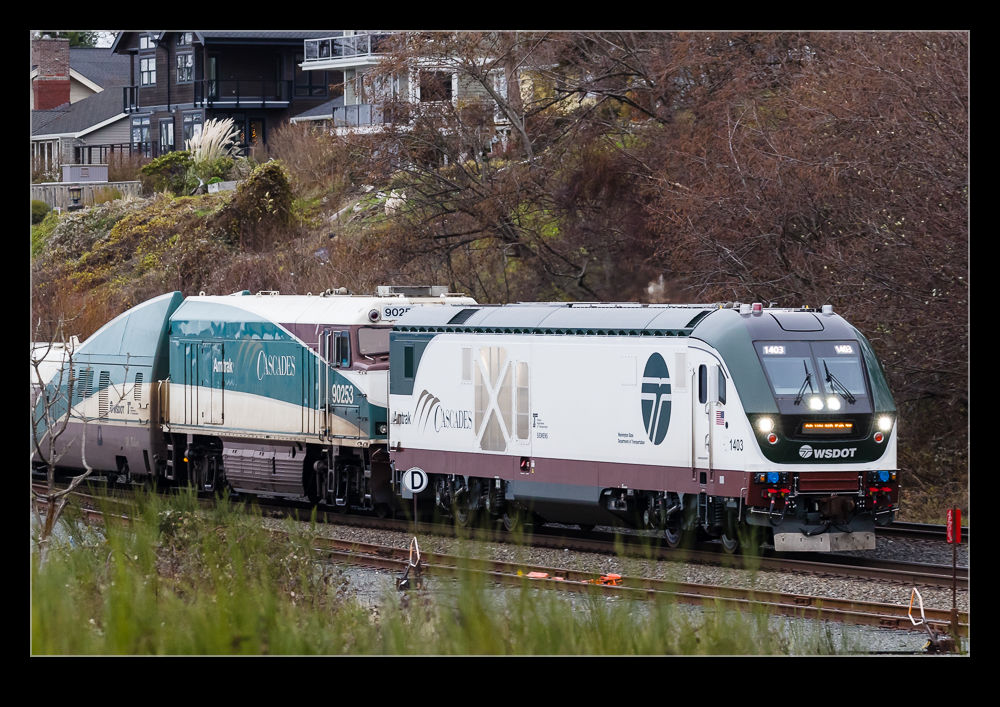 WSDOT’s new Siemens Charger locos had just entered service on this day and one of them was on the front of the train. They had not yet removed the old loco as they were running in the new units to deal with any infant mortality issues. The Charger was mounted ahead of the NPCU on the opposite end to the other loco. Having worked on the Charger program, I was pleased to see them in service.