Zero G 727

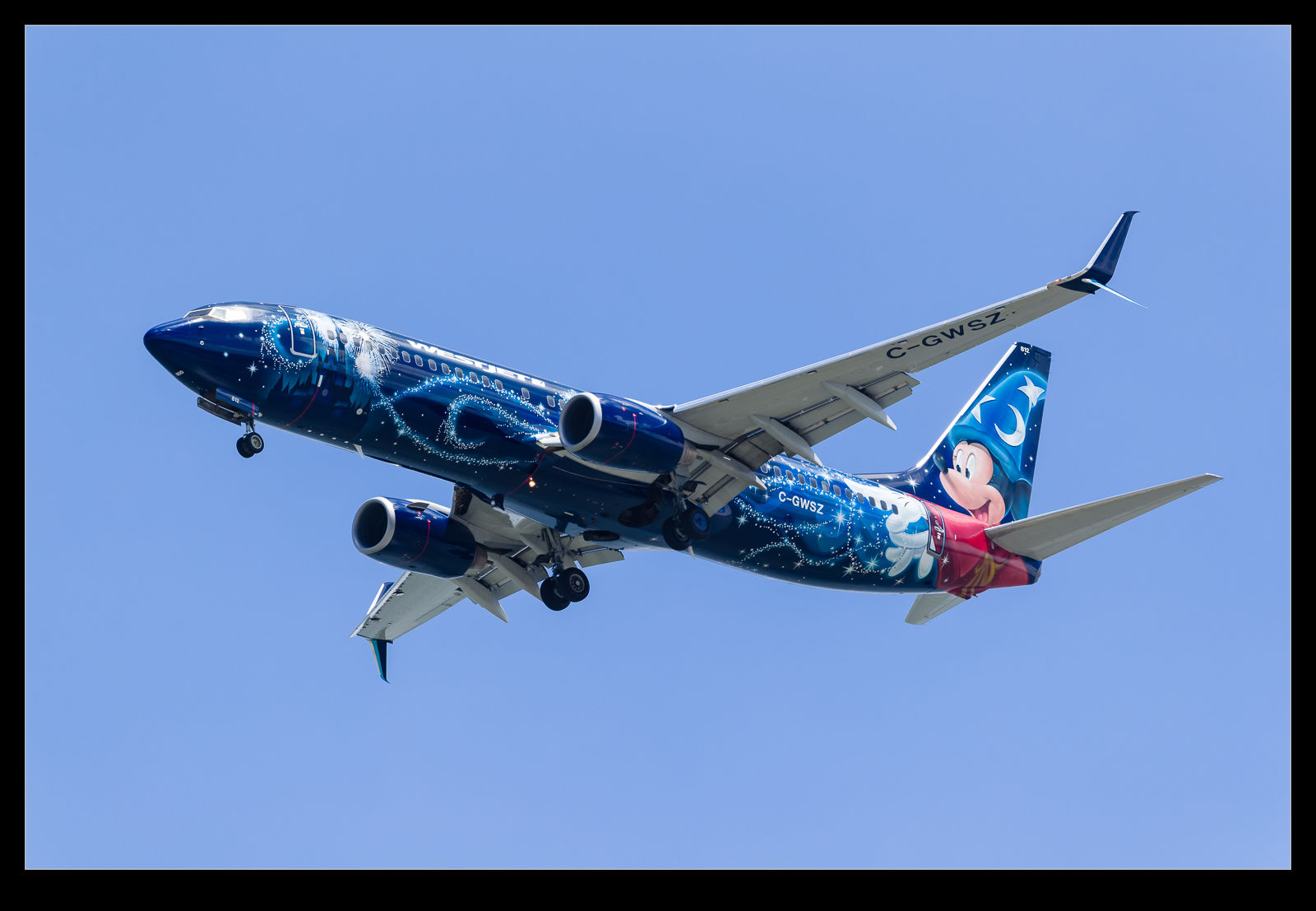
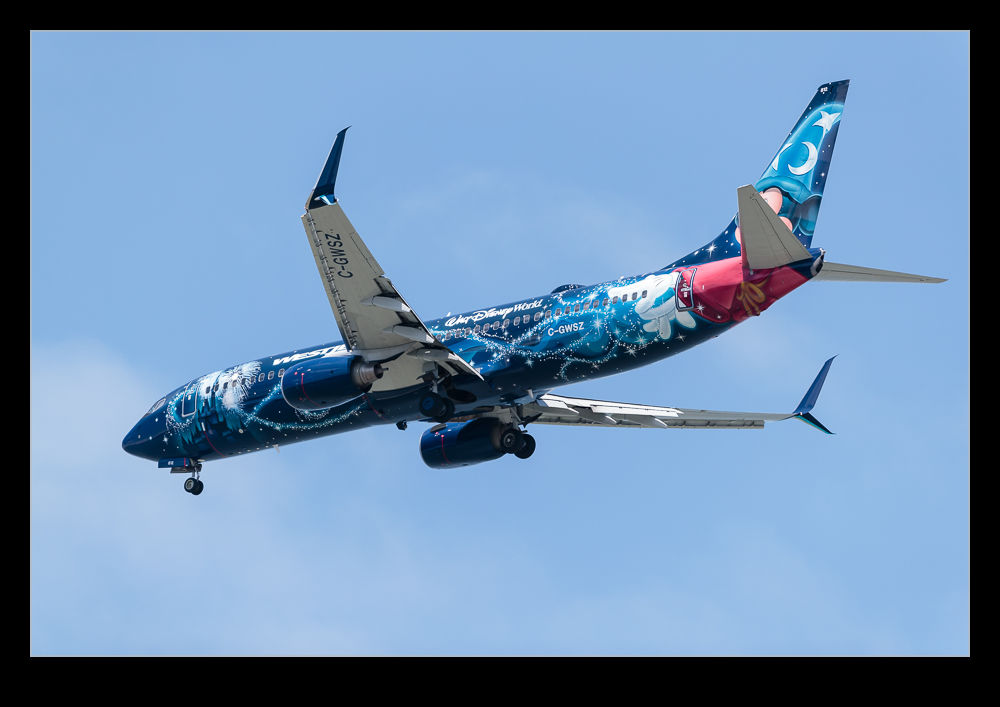
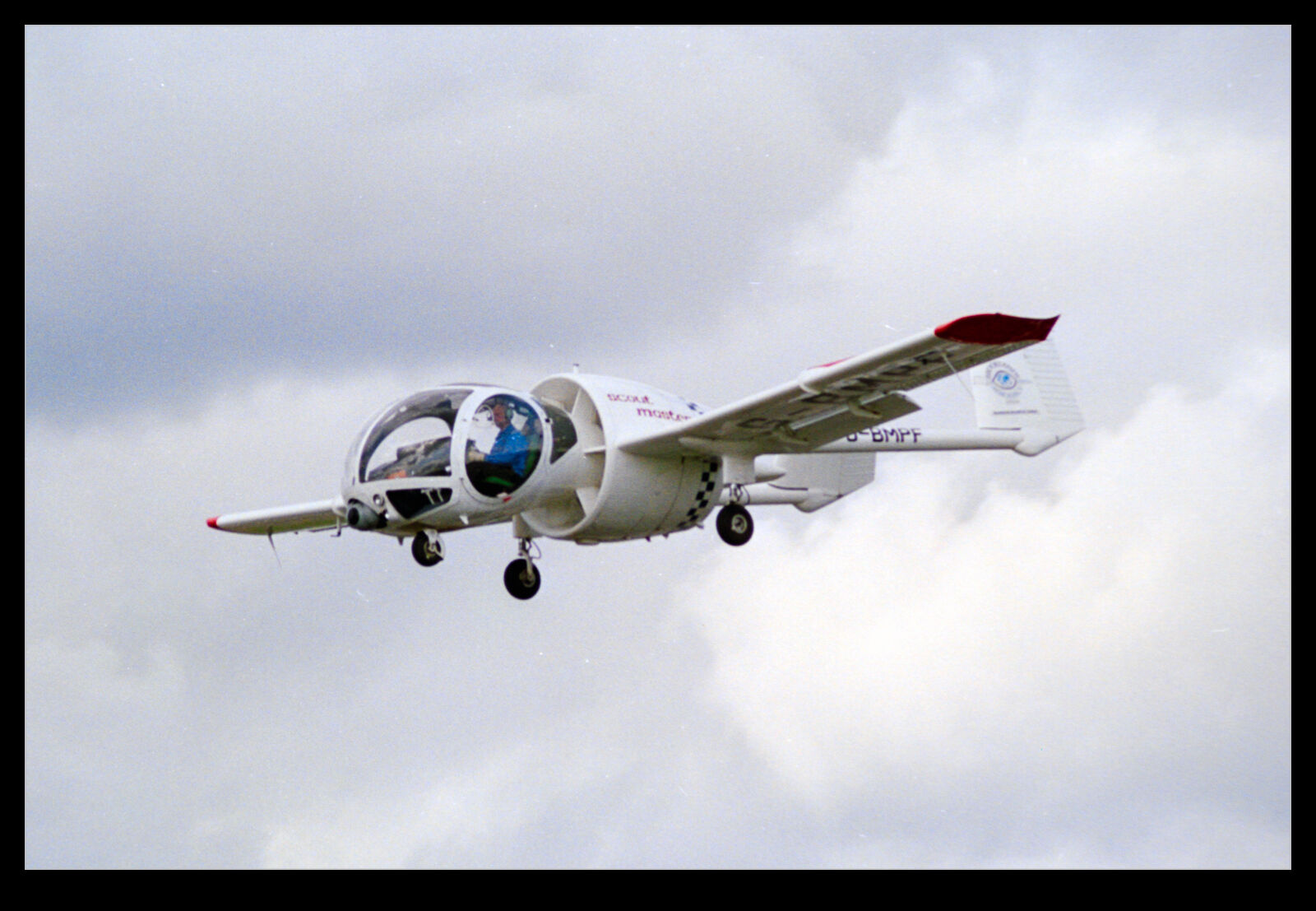
AU0E1334.jpgIf the weather is really crap, my first thought is not to go photographing aircraft. I have experimented with going out on bad days to see if you can get an unusual view of something but when the forecast is for heavy and constant rain, that isn’t too appealing. So, what do you do when you get a notification that the Zero G Boeing 727 is coming in to Oakland. (Zero G operates flights that provide multiple short exposures to weightlessness as the plane flies a parabolic arc.) A type that is not too common any more, an unusual operator, your local large airport and it is on a Sunday morning so you aren’t at work. Everything is saying go.

AU0E1294.jpgOakland is not a great place to shoot when operations are in the normal direction. You are also on the wrong side of the runway for good light. However, the storm meant that the approaches were coming down from the north and they pass by some locations that give good views of the runway. All of these things were suggesting I need to take a chance. I headed off equipped with wet weather gear. I chose to get there a little early to get some practice in.

Oakland is a pretty busy airport during the week but the weekend schedules are a lot lighter. I figured I wanted to shot a couple of approaches before my plane came in to view to get things set up right. The light was crap so I had to ramp up the ISO. Also, while the sky is dark, a lot of exposure compensation helped to get detail on the fuselage itself. Having found a combination I was happy with, a heavy belt of rain came in and the visibility rapidly diminished. By now the 727 was not far out so I figured I might just have blown it.

AU0E1374.jpgFortunately, the rain came in fast but eased off just as quickly and soon I could just make out the outline of San Francisco in the murk which told me I should be able to get my picture. They checked in with the tower for landing clearance so I knew it was time to get out and get wet. Initially, everything looked really grey as the plane came in to view. Fortunately, as it ran down the approach, it was in the clear all of the way and I was able to get off a burst of shots. Once it was down, the weather was not going to get better and there were not many movements scheduled anyway so I decided I was happy with the catch and preferred to warm and dry indoors.

How Things Move On

IMG_3827.jpgI am sure that there are countless examples around of how things progress leaving something that we used to think was impressive looking horribly dated. This is not something unique, then, but it did amuse me. While going through some old camera bits to find an old connector, I came across this compact flash card. My first digital camera was a Canon EOS10D and it actually came with a card included. This was it. 32Mb of awesomeness.

Even then that wasn’t enough and I immediately got a couple of 256Mb cards. However, given that I tend to have 64Gb cards in the camera these days – 2000 times the capacity – is a sign of how things change rapidly.

Two Aborts in One Launch

C59F6599.jpgRed Flag missions are two periods of intense activity with an intermediate phase of nothing much. The launch develops in to a steady stream of jets taking off as everyone gets airborne for their phase of the mission. They have been preceded by the tankers and AWACS who are setting up to manage the throughout of the smaller jets. Once everyone is gone, the simulated war is occurring somewhere else. Then, everything starts to come back with a steady stream of the jets breaking overhead and landing before the tankers and AWACS come back at the end.

C59F6489.jpgAfter the majority of the launch, we were at the EOR watching the occasional straggler go out or some based planes fitting in. Then we got a pair of F-15s come back. They flew an approach with one jet on the glide path while the other was clearly shepherding them in. The F-15 landed without incident and the wingman powered away to rejoin the flight. Some fire trucks rolled but everything seemed to be under control.

C59F6499.jpgNot long after we had stopped discussing this, a pair of aggressor F-16s came into view. The same procedure and one landed while the other shadowed them down the approach. With a safe touchdown, power on and back to the battle. Technical issues are not uncommon but I was surprised to get two in close succession. Everyone seems to have handled them appropriately and they appear to have ended without further incident.

C59F6497.jpg

Placerville

C59F7338.jpgDuring the fall, we decided to take a trip up to Placer County.  The aim was to visit some of the apple farms up that way and to buy some fruit.  This we did quite successfully!  When we had finished, we dropped in to Placerville to have a look around.  I actually have some friends who live in Placerville but I hadn’t warned them that we might be in the neighborhood and they were out when I called to see if they were around so we missed out on catching up.  However, we did have a nice look around the downtown area.

C59F7328.jpgAs an old mining town, it has a selection of older buildings and the feel of the place is more eclectic than the experience you have in a newer town that hasn’t had a chance to evolve much.  The geography of the area means that the roads are not dead straight so everything has a more individual feel.

Red Flag 16-1 Launch

AU0E6309.jpgI might not be as regular at Red Flag exercises as some of my colleagues but I do try and get to at least one a year. The different events have differing levels of appeal. The winter means less hot weather but the sun angles can be very tricky. Sometimes there is a lack of overseas participation. In the case of 16-1, there was a planned attendance from the Royal Australian Air Force with a variety of types as well as the RAF bringing Typhoons and a Hercules. My UK friends would be interested in the other participants but I like to see the RAF stuff because I don’t normally see it.

C59F3356.jpgLaunches follow a pretty regular pattern. The AEW aircraft gets up first followed by the tankers. Then the bombers head up and the rest of the aircraft stream out. They tend to launch to the northeast and recover in the opposite direction. The launch means a lot of backlighting of the aircraft. There have been times when they launch to the southwest but, sadly, I have never been there for one of those. Recoveries are into the light usually which helps. Unfortunately, some changes in the procedures meant that we did not get a full recovery on base.

C59F3291.jpgWe were quite lucky as the following day the winds picked up and the recoveries were made in the same direction as the launch which would not have made for good photo opportunities. The launch is always an interesting challenge. They launch from both runways so you find yourself deciding which side is going next and scurrying back and forth. You also have some aircraft on the banned list so you have to make sure you know what each plane is before you shoot it. This can involve being able to shoot one unit’s aircraft of a given type but not another’s. Still, it’s better than being at work.

AU0E6577.jpgAU0E6551.jpgAU0E6689.jpg

Malham Cove

Scan 2-183.jpgI can’t remember how the conversation developed the way it did but I was talking with a friend and got on to the subject of Malham Cove.  Located in Yorkshire in the UK, this is a stunning location.  It is a horseshoe shaped rock formation that once was an impressive waterfall.  The water is still there but now the majority of the rock face is dry and it provides a great place for a hike.  To illustrate this post, I am digging back in to the archives in a big way.  This involves a trip I took there with an old friend of mine.  I will not give his name but I will be interested to see if he reads this and what he thinks of photos of himself from twenty years ago!

Scan 2-190.jpgYou can park your car in Malham and walk straight up to the cove.  However, we took an alternative route to make for a more interesting walk.  We walked up a narrow valley named Gordale Scar.  The valley gets narrower and narrower until you come to a waterfall.  Provided the water is not flowing too hard, it is possible to climb up the side of the waterfall.  Once at the top, you continue on a steady climb alongside a river – Gordale Beck.  Even as young and energetic fellows like we were in those days, I recall this being a pretty hard slog and, while neither of us was going to show weakness to the other, I seem to recall a few stops to enjoy the scenery – nothing to do with catching our breath.

Scan 2-181.jpgThings gradually flatten out and you cross some fields to come to Malham Tarn, a moderately sized lake.  This is the turning point for the walk.  Now you head back towards Malham itself.  You end up coming across a limestone pavement to the tome of Malham Cove.  Here you will meet a bunch of people that have walked up the steps from the valley below.  Having made a far longer trek, you are tempted to be a little dismissive of these people taking the easy route but there are still a lot of steps so they have had to make some effort.

Scan 2-187.jpgThe view from the top is stunning.  The drop down is a long one – about 80m (240’) – and there are often climbers testing themselves against the rock faces.  The cracks in the limestone can be quite large as you step across and it is fun to imagine the whole thing being under rushing water.  The formation is about 300m wide so, while it might be busy, you probably won’t feel crowded.  When you have finally enjoyed the scenery enough, you can descend the steps at the side to head back into the village.  This still gives you a chance to appreciate the view back up at the cove as you head away.

This place is stunning, particularly on a lovely day.  If you live in the UK and have never been, try and get there.  If you don’t live in the UK, add this to your itinerary when you go.

Farewell to the Junglies

Scan 2-583.jpgThe end of the line has come for another UK military type.  The Sea King HC4 has come to the end of the line for the Royal Navy.  The Navy operated many Sea Kings in the anti-submarine role and for search and rescue before the Commando role was taken on.  The Wessex fleet was aging and Westland had already come up with an assault version for the export market.  Distinguished by its lack of radome and sponsons, the RN decided to use them as the replacement for the Wessex.  I have seen them on many occasions.  Living near Portsmouth as a kid, they frequently flew by.  I also saw them at Navy Days.  However, I have far fewer shots of them than I expected.  They were not big airshow regulars.

Scan 2-611.jpgThe Junglie name had come from operations before their time and will, I suspect continue with their replacement in service, the Merlins that have been transferred from the RAF.  With over 30 years of service, I guess they have done their job well.

Scan 2-582.jpg

Update on the Negative Scanning

IMG_3820.jpgI wrote about the set up I had created for scanning negatives using a digital camera a while back.  Since writing that, I have been working on a lot more scans and have gained some additional experience.  This has resulted in a few changes to the configuration so I thought I would share those too.  Overall I am very happy with the results I am getting as a result of the updates.  Things could be better but that would involve considerably more expense and the need just isn’t there.

The first change I made was to use a different lens.  I had been using the 24-105.  It was pretty close to the film plane and was sensitive to getting the alignment spot on.  I had a few times when focus was not consistent across the shot.  I thought it might be better to try a longer lens further away and this proved to be a big help.  I have my old 100-400 still so I hooked that up.  It makes for a slightly higher position but I can use the zoom quite well although it needs more of the extension tubes to focus properly.  It does result in good focus although I tend to focus manually as the autofocus does not seem happy in this setup.

IMG_3822.jpgI was using Liveview quite a bit and I discovered that the old batteries I have were not lasting long at all.  Rather than buy new batteries, I went to Amazon and picked up an AC adaptor that replaces the battery for about $15.  Now I can scan as long as I like without having to have batteries charging in the background.

I also have modified slightly the light pad.  I found I was moving it around a lot more than I realized as I moved the negatives and swapped strips.  A little gaffer tape now holds it pretty much in place.  This means I can have the lens zoomed more closely to the full frame of the film which allows for a higher resolution scan.

With everything tethered in to Lightroom, the import process is pretty smooth.  The preset I use is okay but I am regularly tweaking for the white balance and exposure.  This is not too big of a deal.  I find I can get better detail out of the shots than was possible with the scanner and using the raw convertor gives me plenty to work with.  They are still limited by the quality of the original shots of course!

Overall I am very pleased.  I can scan a lot of stuff very quickly compared to the old way and now I am happy to scan a whole shoot without worrying about whether any of them could be ignored.  It is quicker to scan them and then discard them afterwards.  I am scanning stuff that I have been thinking about for a long time and rescanning shots that had been done before but really were not great.  Of course, now I have even more stuff to do in whatever spare time there is so maybe this wasn’t such a good idea after all!

IMG_3821.jpg

Huey at Hayward

AU0E0932.jpgGiven the number of times that I have been specifically trying to catch something out in the wild, it is a little funny when I get completely lucky and come across something cool without ever trying. I was out walking along the shore in Hayward through the parkland that includes the marshes out there. The weather was not particularly nice but I was checking out the area as a place to walk on another occasion. While I was walking along, I heard the unmistakable sound of a Huey in the distance. I scanned the horizon for a sign of the helicopter and picked it up low and coming towards me. Could I be so lucky as to get it coming right by me?

No, as it got closer, it turned away. I was a bit disappointed but not too surprised. It dropped out of sight and I figured it had landed at Hayward airport. I went on with my walk and didn’t think much more about it. Before too long, it popped up again and a similar situation occurred. As I headed back to the car, the same thing happened again.   I was a bit closer at this point and got some shots but it was still some way off and the sky was a bit grey so still nothing worthwhile.

AU0E0888.jpgAs I got to the car, some rain started to fall so I figured I was heading home. As I drove away, the rain stopped again and I figured I was going to be coming right by the airport so I might look and see if I could see the Huey or not. When I got to the fence, the sound returned and right behind me was the ubiquitous shape on its downwind leg. It turned in to the field and ended up hovering a short distance from me. Not only that, but the sun came out! A dark background with sun on the foreground is always a great combination. They were flying a bunch off circuits so I stayed around for a while to catch a couple of them before the light went away and my desire for lunch started to take over.

The aircraft is a restored airframe run by a volunteer group to commemorate the emergency medical service provided in Vietnam. They are called EMU Inc. and are based around here. I hope to spend more time finding out about what they do so watch out for more in the future.

AU0E0953.jpg

Dog Sled Demonstration

C59F1513.jpgUnless you live in the mountains, California winters are not a time for much thought about snow.  However, I did find myself thinking back to an event we went to a couple of time when we lived in Chicago.  Morton Arboretum is located in Lisle, west of the city, and was a favorite place for us to visit.  In any season it was a pretty place to walk.  During the winter, they would put on a demonstration of dog sledding and this could be fun to watch.

C59F1367.jpgA course would be set up through the trees so there were plenty of places in which you could set yourself up to watch the action.  The runs would take place at various times throughout the day and between them you could go and talk to the people and meet the dogs.  They were certainly energetic creatures and, I imagine, they would be a real handful to have in a house.  Let the buyer beware!

C59F1479.jpgThe snow was not too deep on this occasion so it was relatively straightforward to head out around the course and get set for the teams when they came through.  Most of them had things well under control but sometimes a single dog sled would appear and the dog might get a little distracted by all of the cool smelling stuff around them.  At this point, the person would appear to be doing more of the pushing and the dog less of the pulling.

C59F1635.jpgShooting in the snow is always a little interesting.  The brightness of the snow itself contrasts a lot with the shadows in the surrounding trees.  This is when shooting RAW really helps as you can get a lot more out of the shots.