New Locomotives 

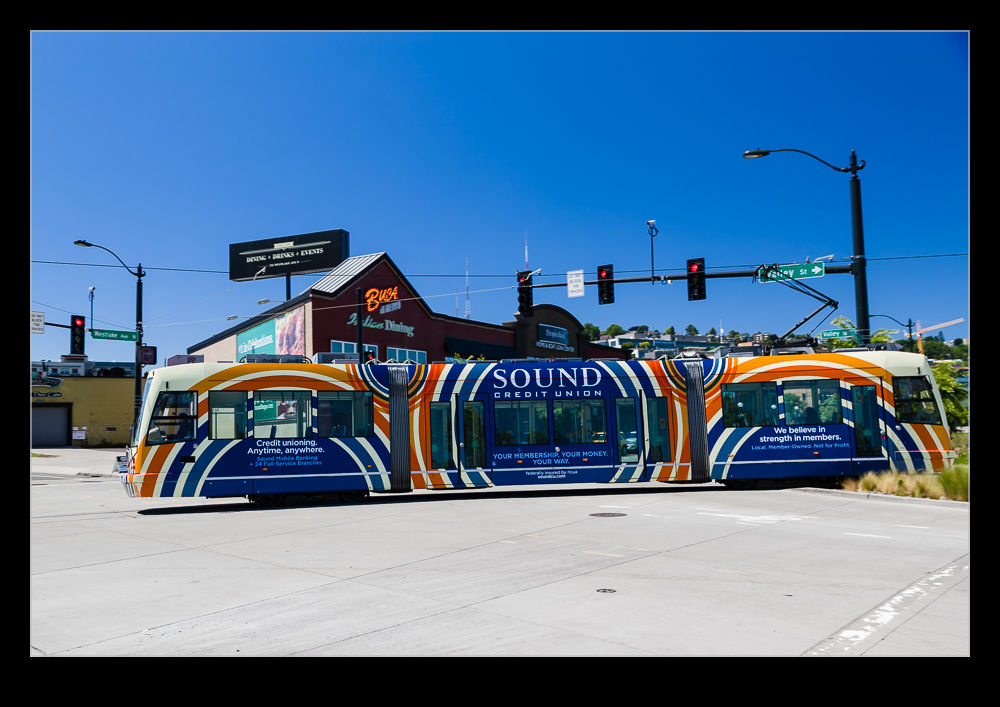
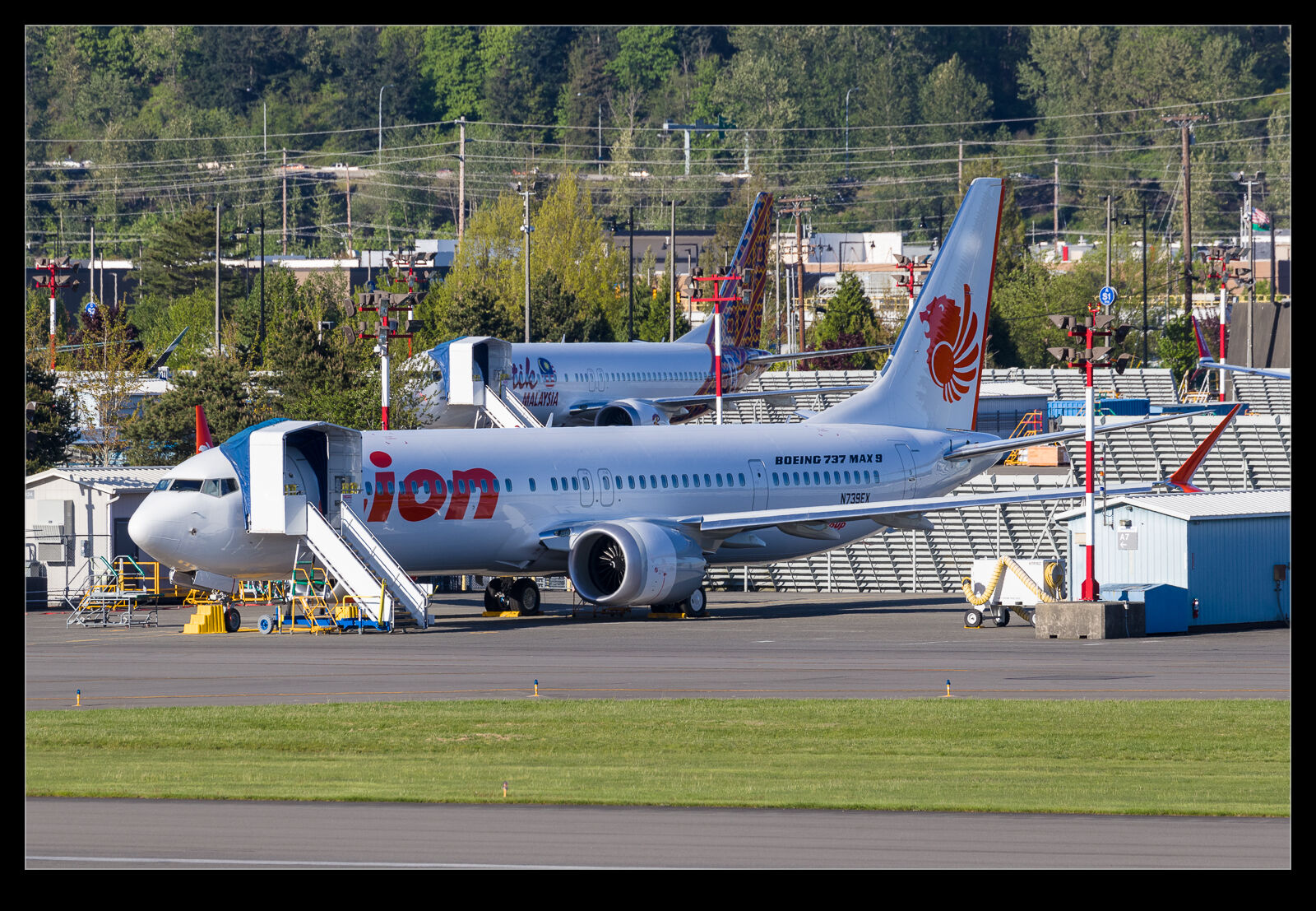
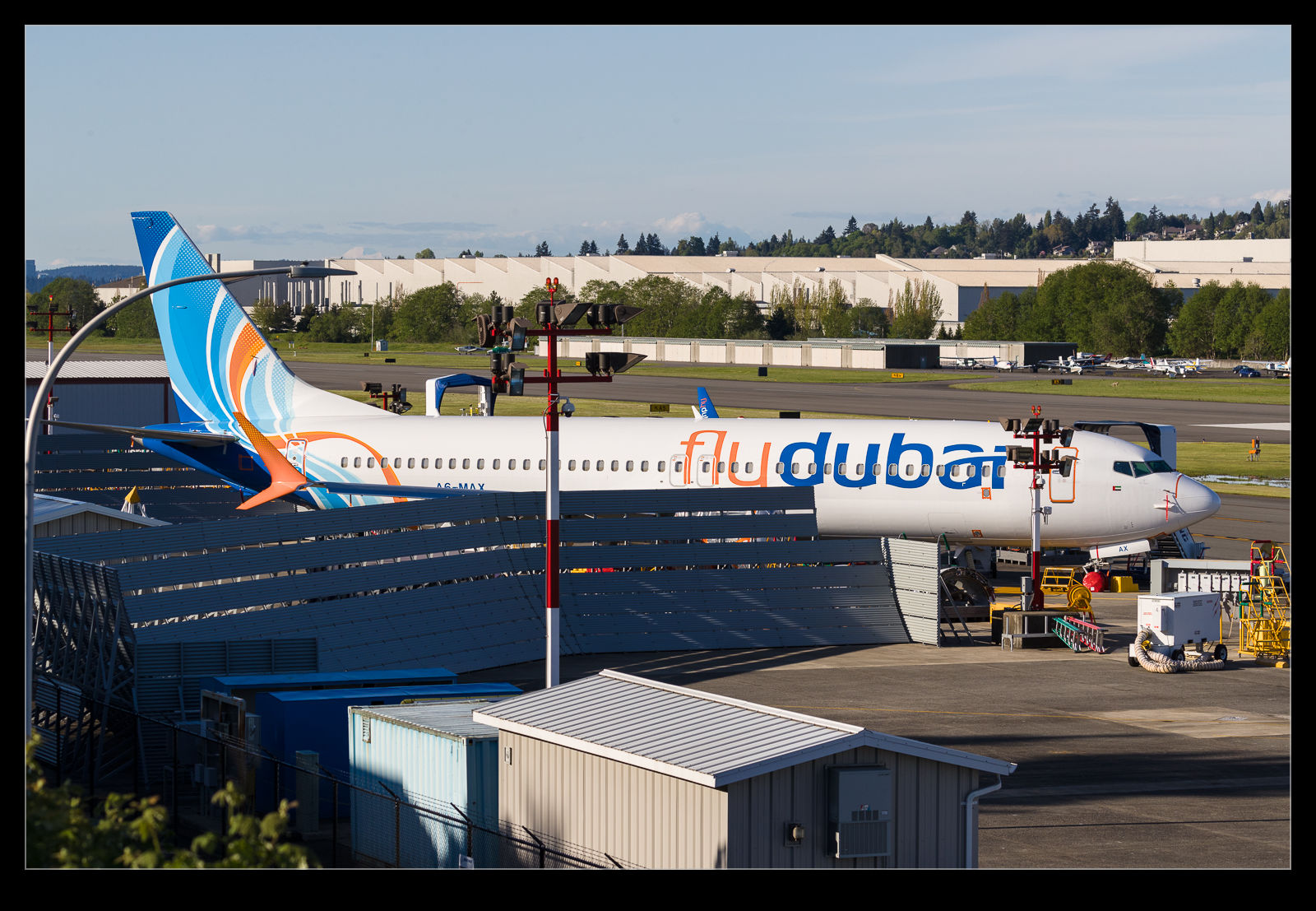
The acquisition of new locomotives for the state of California is something I have been working on for a while. A little time back I posted about some testing from the cab that we did in Colorado. Since then the first locos for the state have been delivered to Oakland. We had to do a bunch of testing with local equipment and to carry out trials out on the corridors that the trains operate. I managed to get a few shots of the locos during these tests (as well as some in Colorado that used locos that will go to Illinois).

Now that the testing is wrapped up and the locos belong to the state and, if they haven’t already, will shortly be showing up in regular service, it is okay to post some shots of the vehicles. They are Charger diesel locos built by Siemens in Sacramento California. These locos are powerful and fast. They are designed for 125mph although they won’t be used at high speeds in California due to track limitations. However, hopefully they will provide modern, efficient and cleaner traction for the state. I am proud to have been involved in the program and enjoyed working with the team.

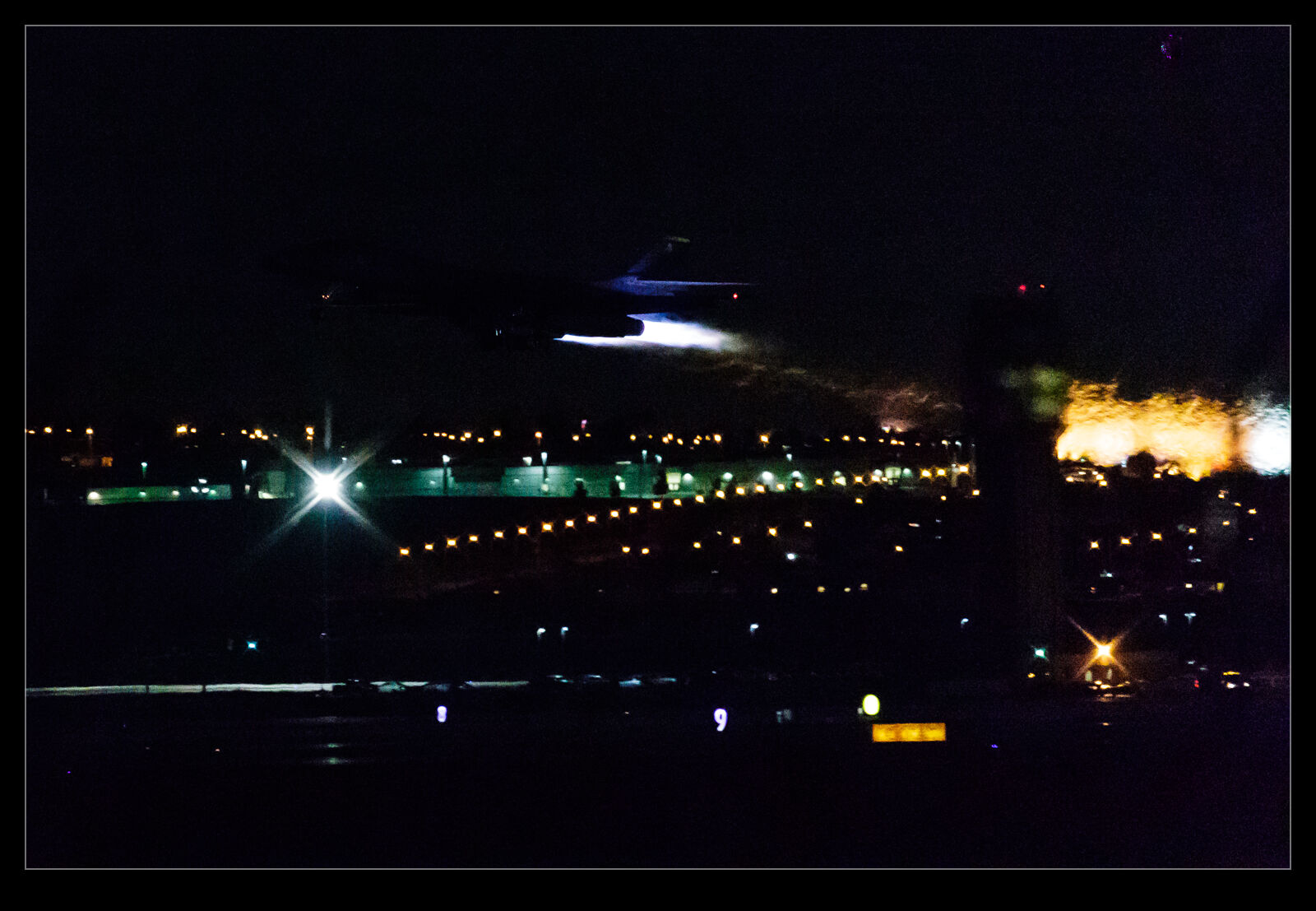
It is Dark at Nellis During the Night Launch

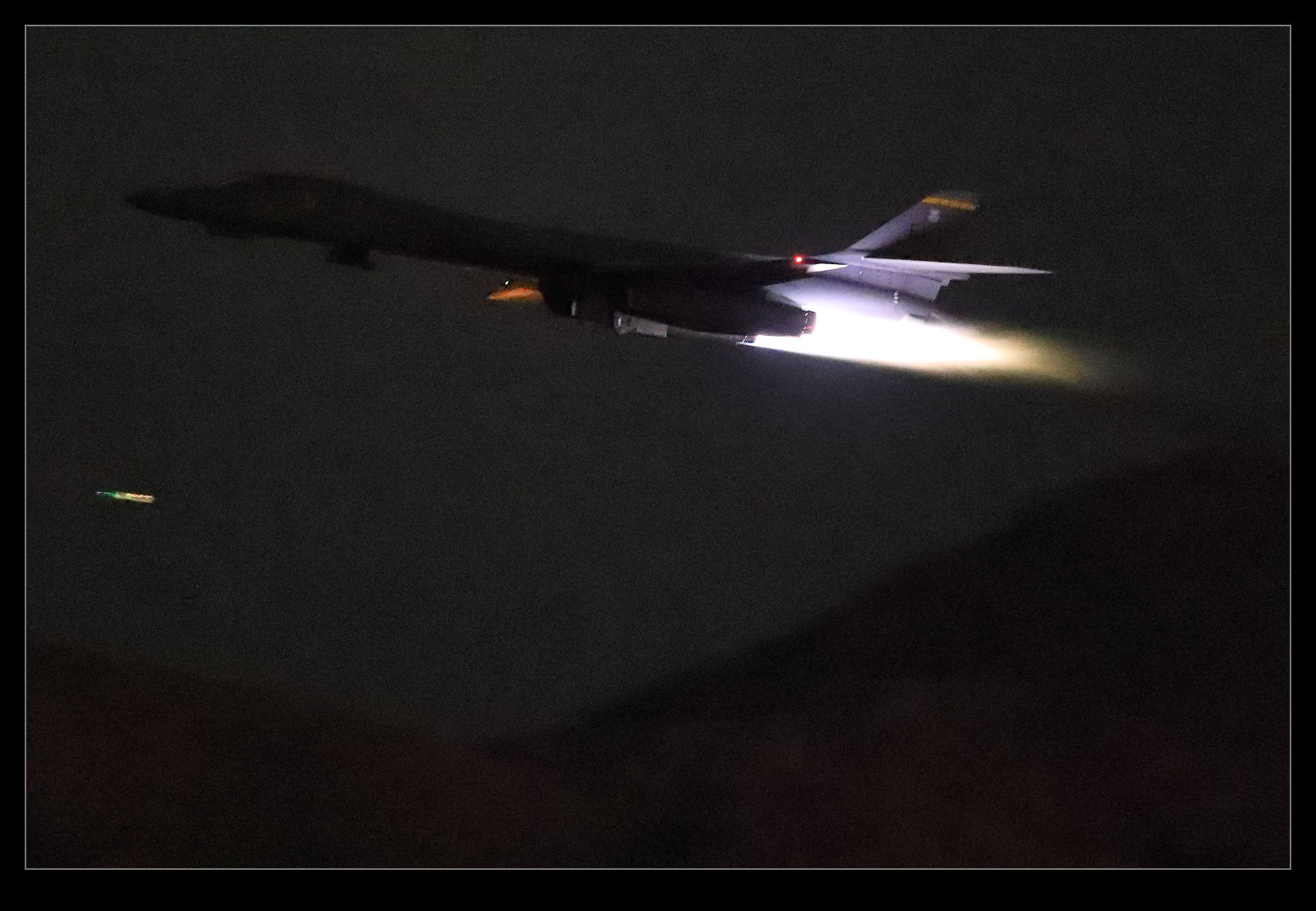
On previous trips to Red Flag I have taken pictures of the departing B-1Bs as they fly overhead.  The burners are really impressive and definitely worth getting a shot of from below.  However, having done this a few times, I wanted to try something different.  The fighter get out of burner very quickly after they get airborne.  They are in mil power for ages before they get to you on the centerline.  I wanted to see what you could get from the side a lot closer in so Paul agreed to try something different.

We ended up shooting a lot of side on stuff of departures for the night launch.  Unfortunately, we didn’t appreciate just how dark it is at Nellis at night.  We had a good moon so we were hopeful that there might be some residual light.  It turns out that this is not the case.  Even close in, the fighters are out of burner.  The tankers and the E-7 went out and I got some shots but they were a struggle, event making use of the best high ISO capabilities of the cameras.  The B-1s did show up okay but I still didn’t do as well as I thought I should have.

I learned a bit about the performance of the cameras.  I was shooting at super high ISO settings with the camera wide open.  However, as I review the shots, I realize the camera was behaving in a way that I had not anticipated.  I was shooting in aperture priority with some negative exposure compensation dialed in.  As I look through the shots I see that the camera would start out with a dark shot, gradually boost the exposure and then go dark again.  I would review the shots and see one that was looking good but know that the next would be dark.

When shooting in such limited light, the shutter speeds are very low and the number of lost shots is high.  Therefore, you can’t afford to have the exposure be bad.  I don’t know how many shots I lost since they may not have been sharp anyway but I cut down on my opportunities.  In future, I need to have all of the exposures be acceptable in order to maximize my opportunities.  Therefore, I think I shall have to go fully manual on everything for these shots.  Set ISO up high and then go to manual aperture and shutter speed.  I will still lose a lot of shots but at least I can focus on dealing with my handholding technique rather than worrying about how the camera is metering a dark night.  It’s not too reasonable to expect the camera to get that right every time.  It is a pretty extreme case!

Rocky Point Restaurant

A favorite of ours for a while has been the Rocky Point Restaurant.  Located on Pacific Coast Highway, it is not the greatest restaurant but it is so well located, you can forgive it many things.  On our trip this time, we just stopped off for a drink rather than a meal.  This proved to be a great idea because we we could wander down to the lower terrace to enjoy our drinks and watch the whales swim past.  We first came here years ago when I was taken on a corporate event which included dinner here.  Once we knew about it, we came back on a few occasions.  These shots just show what a great place it is to hang out.

Air China A330

Boring paint schemes are far too common these days on airliners.  The all white plane with just a hint of color is a little too much of a feature of things these days.  A few airlines break the mold but not enough.  One of the boring ones is Air China.  They are not at all interesting for most of their fleet.  However, some of their Airbus A330s are painted in a livery that is a bit more interesting.  Sadly, I had never seen one.  They fly in to San Jose but almost always they bring a jet in plain white.  However, they changed it on a day when we were going to San Jose for some shopping so I added a small diversion.

This scheme is not the most dramatic and shooting it in the middle of the day is not going to emphasize it in the best way but I wasn’t going to miss the chance.  San Jose provides a great location for getting close to the jets.  Apparently, I wasn’t the only one interested in it coming.  A few people showed up just before arrival and left straight afterwards.  I just wish more airlines would adopt interesting colors.  The planes are not very varied so the liveries are all that is left to mix it up.

Time for Another Big Change

Things are about to get different for us.  We moved to California in 2013 as a result of work changes for me.  Some of the things we had planned worked out well but a few others did not go as expected.  Nothing unusual in that.  However, we started to consider some other options for what to do.  I have now been given a new opportunity which involves a move to Seattle.  Consequently, we are making another move.  We are heading to the Pacific Northwest.

I have no idea what this is going to bring.  Certainly there will be plenty of new things for us to explore.  We have visited the area before but living there will be a while new thing.  The area is full of aviation activities, many of which have been the subject of previous blog posts.  Consequently, I expect a lot of things will be fun to check out.  We will leave behind friends and hopefully make new ones.  The blog will show off a lot of those things as they happen.  Strap in for the ride!

Blue Angels at Oceana (And High ISO)

I have only been to the Oceana show once.  I headed down there with my friends Ben and Simon.  We weren’t terribly lucky with the weather.  There was flying during the show but things were overcast and deteriorated as the show went on.  The finale of the show was, naturally for a big Navy base, the Blue Angels.  I was shooting with a 1D Mk IIN in those days and that was a camera that was not happy at high ISO settings.

The problem was, the light was not good and the ISO needed to be cranked up a bit.  Amusingly, if you were shooting today, the ISO levels would not be anything that caused concern.  Current cameras can shoot at ISO levels without any noise levels that would have been unthinkable back then.  However, I did learn something very important with this shoot.  The shot above is one that I got as one of the solo jets got airborne.  I used it as a test for processing.

I processed two versions of the image, one with a lot of noise reduction dialed in and one with everything zeroed out.  I think combined them in one Photoshop image and used a layer mask to show one version in one half of the image and the other for the second half.  When I viewed the final image on the screen, the noise in one half was awfully apparent.  It was a clear problem.  However, I then printed the image.  When I did so, things were very different.  If you looked closely, you could see a little difference.  However, when you looked from normal viewing distances, there was no obvious difference between the two.

My takeaway from this is that viewing images on screens has really affected our approach to images.  We get very fixated on the finest detail while the image as a whole is something we forget.  We print less and less these days and the screen is a harsh tool for viewing.

Abstract Earth Erosion

Driving south on the Pacific Coast Highway, I was quite taken by the patterns in the earth resulting from erosion by the rain.  The soil is obviously soft and so has worn in patterns that are quite striking.  I think we were driving south when the light was best for the patterns.  The shadows were very pronounced.  On the way back I stopped to take some shots.  They were interesting but the light had moved to be more head on so the contrast was not as pronounced.  However, I still think the shapes made some interesting abstract patterns.

Some Spare Oxygen – Just in Case

There have been quite a few Raptor posts recently.  I guess seeing a bunch of them at Nellis triggered a few things of interest to me.  One was as I looked at the jets after they had passed me by on their approach.  A few years ago, the F-22 fleet was grounded by some issues with the oxygen system.  Like most modern jets, the F-22 doesn’t carry bottled oxygen but instead generates it onboard for the pilot.  There were some issues with the oxygen being generated that resulted in pilots feeling unwell and, potentially, losing awareness of what they were doing.  As you can image, this is not a good thing in a fast jet and was believed to have contributed to loss of an aircraft with its pilot!

A backup oxygen system was implemented to provide the pilots with something in the event that they felt symptoms of the problem recurring.  Not so much of a solution as a fallback plan.  As I looked at the jets, I saw green tanks behind the ejection seat.  These are pretty big tanks and seem rather unsubtle in the way that something that has been added after the fact often is.  I wonder whether these are the spare tanks for the pilots to breathe should the onboard generation system cease to be reliable.

Bixby Creek Bridge

Head south from Carmel along the Pacific Coast Highway and you will eventually come across Bixby Creek Bridge.  This iconic bridge is a popular tourist attraction and also the feature of plenty of car commercials and movies.  If you have watched Big Little Lies, you will have asked yourself why these people were driving over this bridge so often when it is a long way from where they live and doesn’t take them anywhere that they would normally be going.

We stopped off to check it out while we were driving south.  There are some good places to stop just north of the bridge and lots of people are there taking their pictures.  Unfortunately, the angle of the light is not good.  This didn’t stop me taking some pictures anyway.  However, on the way back north, I stopped short of the bridge to take advantage of the better light angle and I am glad I did.  I guess most people aren’t bothered by the light.  However, they could really benefit their tourist snaps from going to the other side.  It would be fun to try this out late in the evening.

FedEx Fleet Types

Flipping through various shoots looking for something else, I happened to come across a few shots of aircraft from the FedEx fleet.  It occurred to me that I could drag together a post that was focused purely on the FedEx aircraft types.  FedEx has an extensive fleet of aircraft these days.  Their early days of using Falcon 20s to move their packages around are long gone.  Now they have a variety of aircraft types of different sizes and range to meet all of their needs.

The fleet is constantly in a state of regeneration.  The types that have long been a part of FedEx operations are now going or gone and being replaced with something more up to date.  The 727 fleet has gone.  The A300s and A310s are still in use but the number in the fleet is gradually going down.  The interesting thing about the FedEx fleet is the way the economics are changing.  For a long time, second hand jets that had been retired from airline service made a lot of sense.  The operating model involves a lot of jets flying from their home base to Memphis in the middle of the night to deliver packages to the hub.  Then, after a quick turnaround of all of the sorted packages, the planes fly back to base.  Then they sit on the ground for most of the day.

This model means that utilization for the aircraft is low.  Having a less efficient jet is not a problem when it only flies a few hours each day.  If it is cheap to buy, you can use it efficiently.  Having a bunch of inefficient 727s works very well.  Similarly, the smaller aircraft that feed into hubs also can be operated relatively cheaply.  A fleet of Cessna Caravans that sit on the ground or a bunch of ATR42s is effective.

The 727s are gone now.  They have been replaced with 757s which have all been retired by airline operators (a lot of them from British Airways).The big change is that new jets are being acquired.  The operating economics for FedEx have changed.  The DC-10s (which got upgraded to MD-10s) are gradually being replaced by new 767s.  Meanwhile, the MD-11s which had previously been the kings of the long haul flights are now being relegated to domestic service while the 777F takes over the long haul missions.  Direct from Memphis to China is now the norm for the 777F.  You don’t see MD-11s crossing the Pacific as much any more.  I think the Europe runs are limited too.  The 777 can go direct with a decent payload and doesn’t need to stop for fuel in Anchorage.

The MD-11 will survive for a while yet.  Its less efficient operate will mean it can be pushed onto shorter segments with lower utilization.  The high utilization missions will be the preserve of the newer jets.  The older jets will be fine on the flights that only involve a couple of trips a day.  For these their low capital costs will offset any operational cost penalty.  The migration of the fleet will continue though.  Soon it will be a fleet with a few less types and things will be a bit less interesting.  There will still be a bunch of 727s scattered around airports that had them donated though so keep an eye out for them.