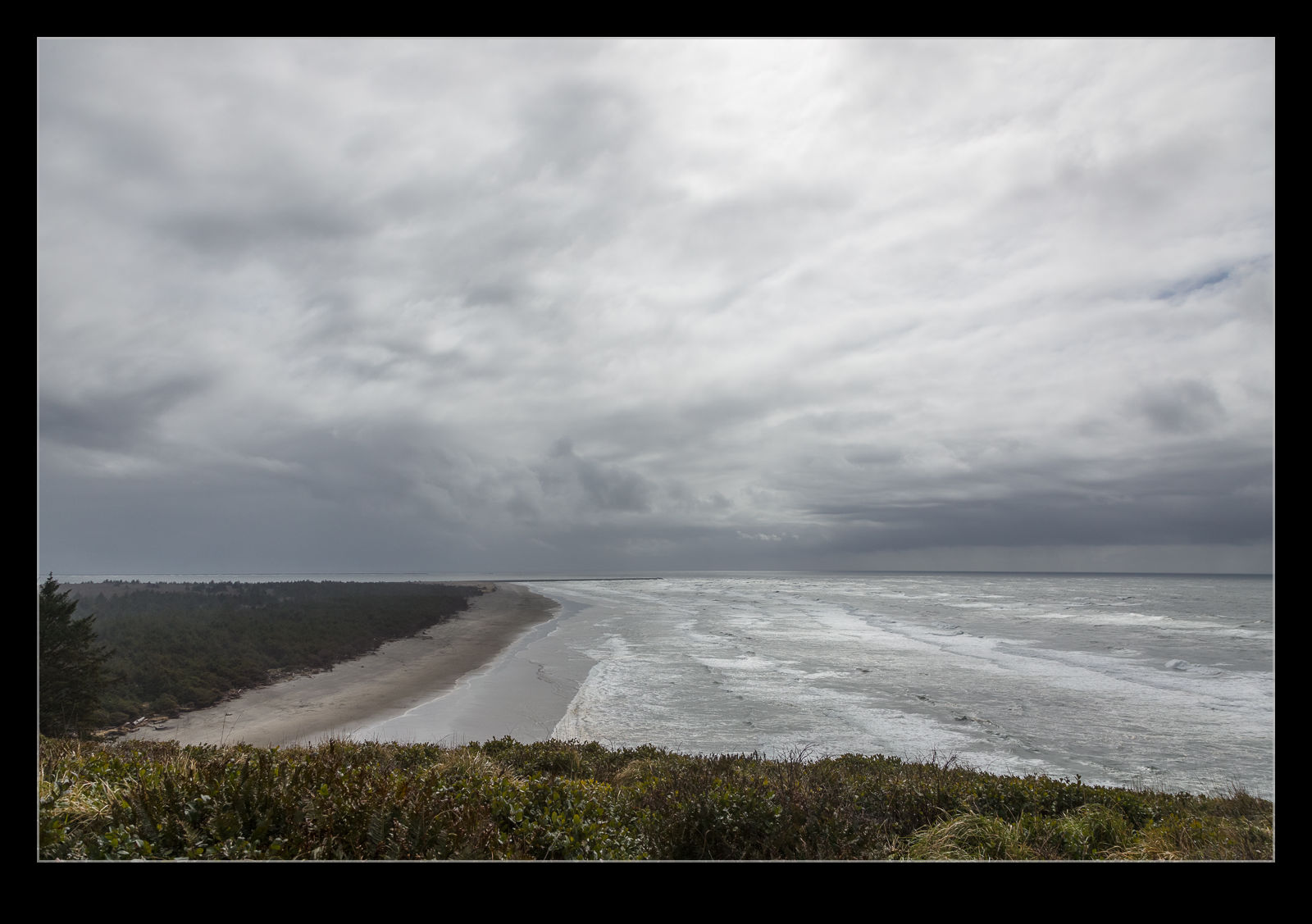
 My Cape Disappointment visit had started with a look at the area best known for big waves but I then decided to head off and explore the other parts of the area. I drove out along the shore until the road ended and started walking west along the peninsula. The water was to my left but I could hear the sound of waves from the right. I eventually came to the beach at which point I could see what the source of the noise had been.
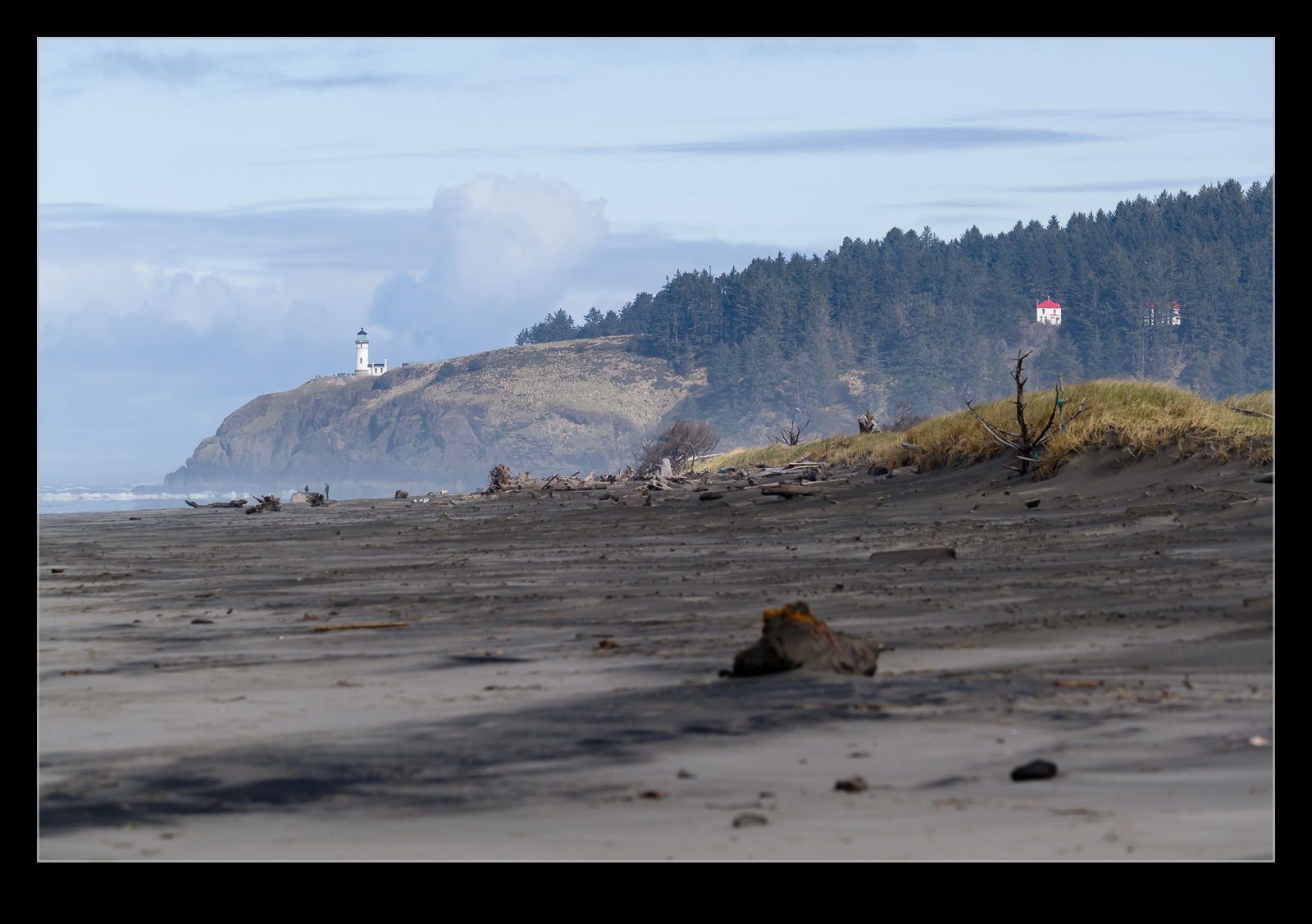 A fantastic beach lay off to the north. It was a wide expanse of sand with another headland at the end with its own lighthouse. It was one of those scenes where it was hard to judge how far away anything was. Since I had not fixed place to be, I started walking north towards the Headland. The sun was out and it was a gorgeous morning to be out. There were plenty of people on the beach doing the same thing but the beach was so large, it felt like you could have been totally alone and, if you wanted to avoid everyone, it wouldn’t have been tricky.
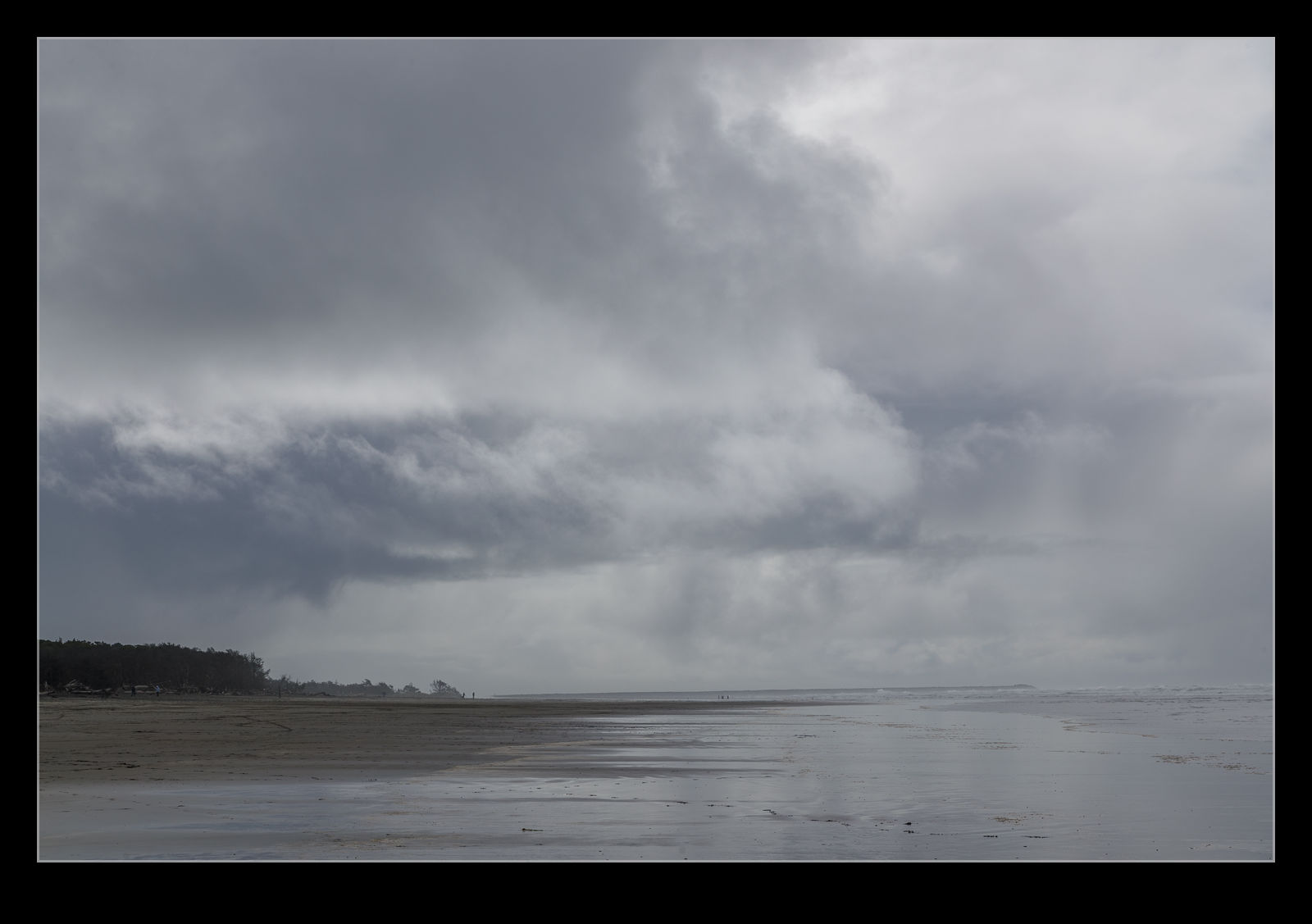
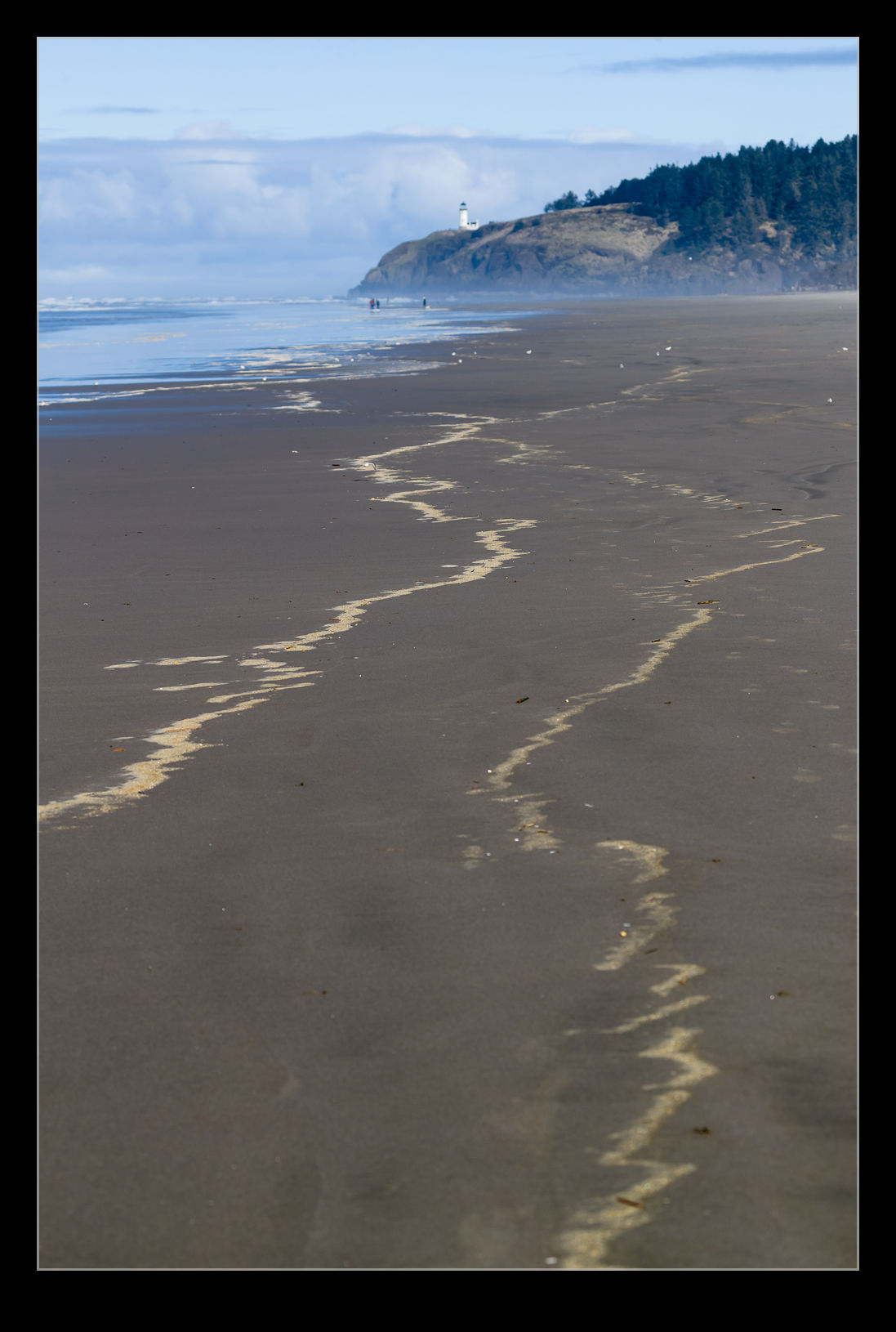 I was certainly right about not having a clue how far along the beach things were. It was true that I was in no hurry and so was ambling along at a leisurely pace. Even so, I didn’t seem to be getting closer to the headland. In fact, it was quite a while before I realized I was almost there. At this point, I glanced back over my shoulder and realized the other end of the beach was disappearing from view. A look out to see suggested rain coming in from there and that I might be about to get wet.
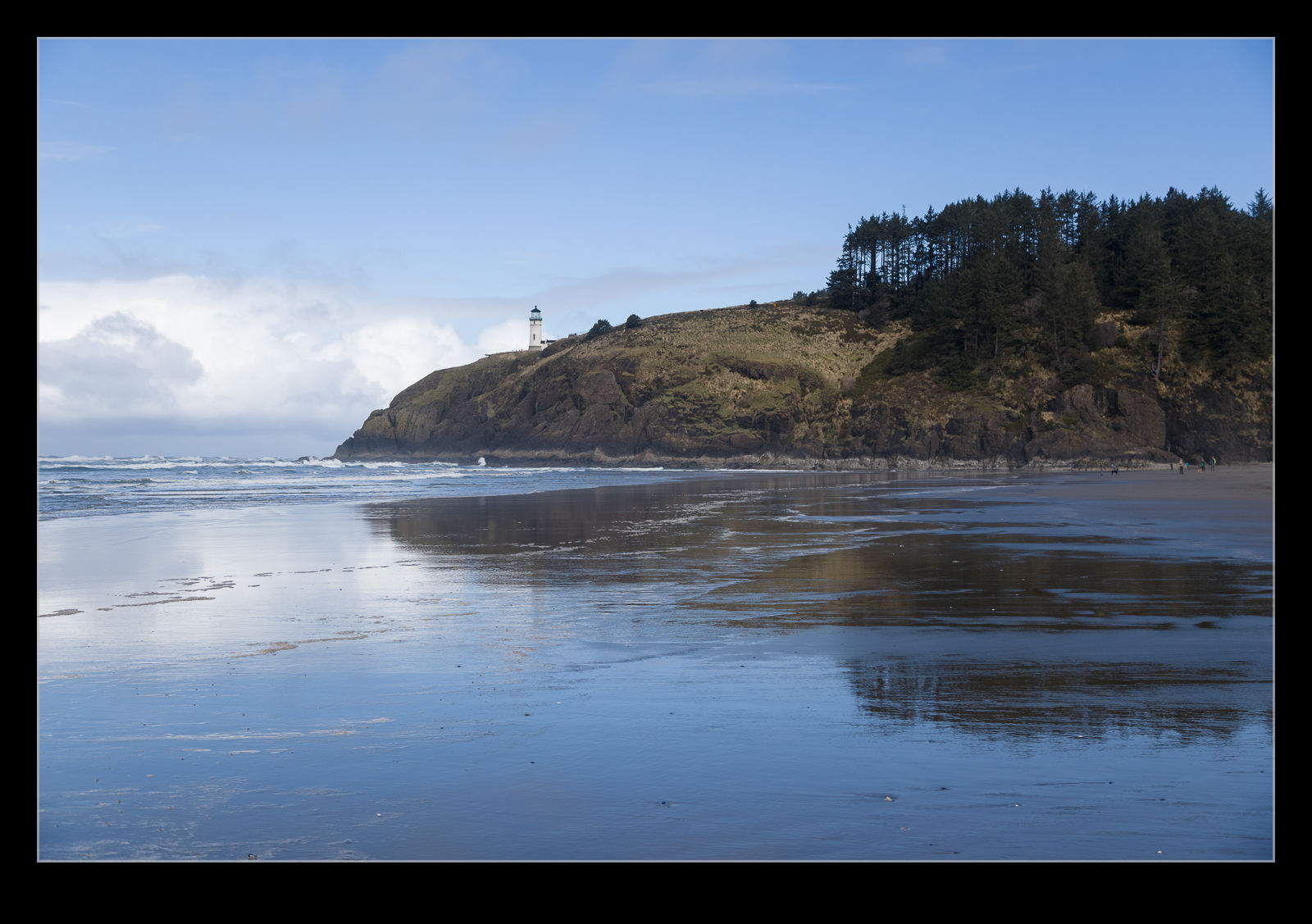 I turned around and made the return leg with a little more urgency than the outbound leg. Even so, the rain soon reached me. Despite this, I actually wasn’t too unhappy. I had a good coat on and my pants seemed to openly get damp. The rain didn’t last long and I was dry again not long after. I did take a slightly shorter route back to the car, though, and a second rain shower hit as I was getting close so I was glad I had done so.
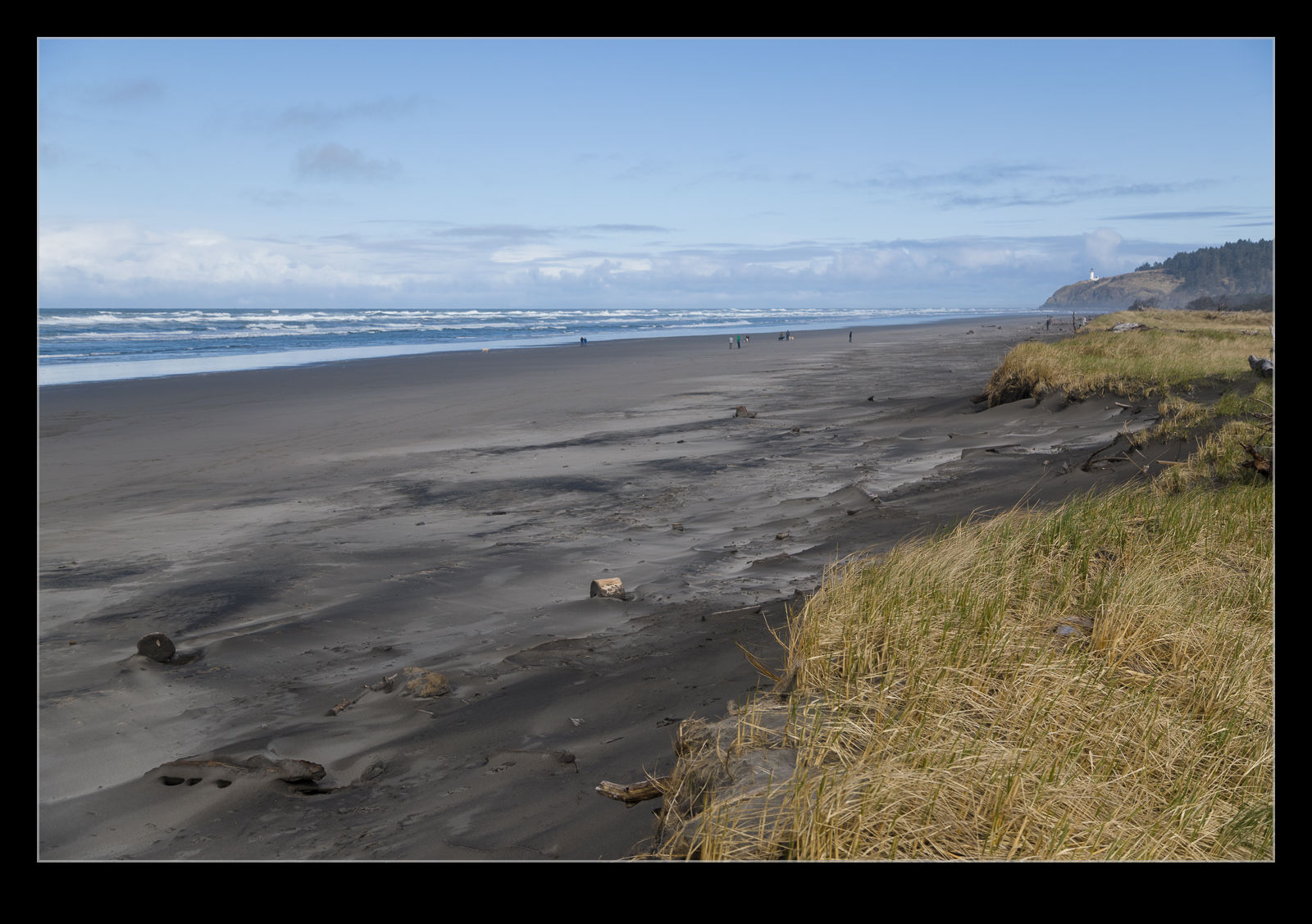 Later, as I visited the North Head Lighthouse, I got a great view from above back down the beach I had been on earlier in the day. It looked just as large and deserted as when I had been on it and I was quite taken with what an amazing place it was only a relatively short drive from Seattle. This is a place I shall definitely be back to explore, both in the nice weather of summer and when the winter brings storms.
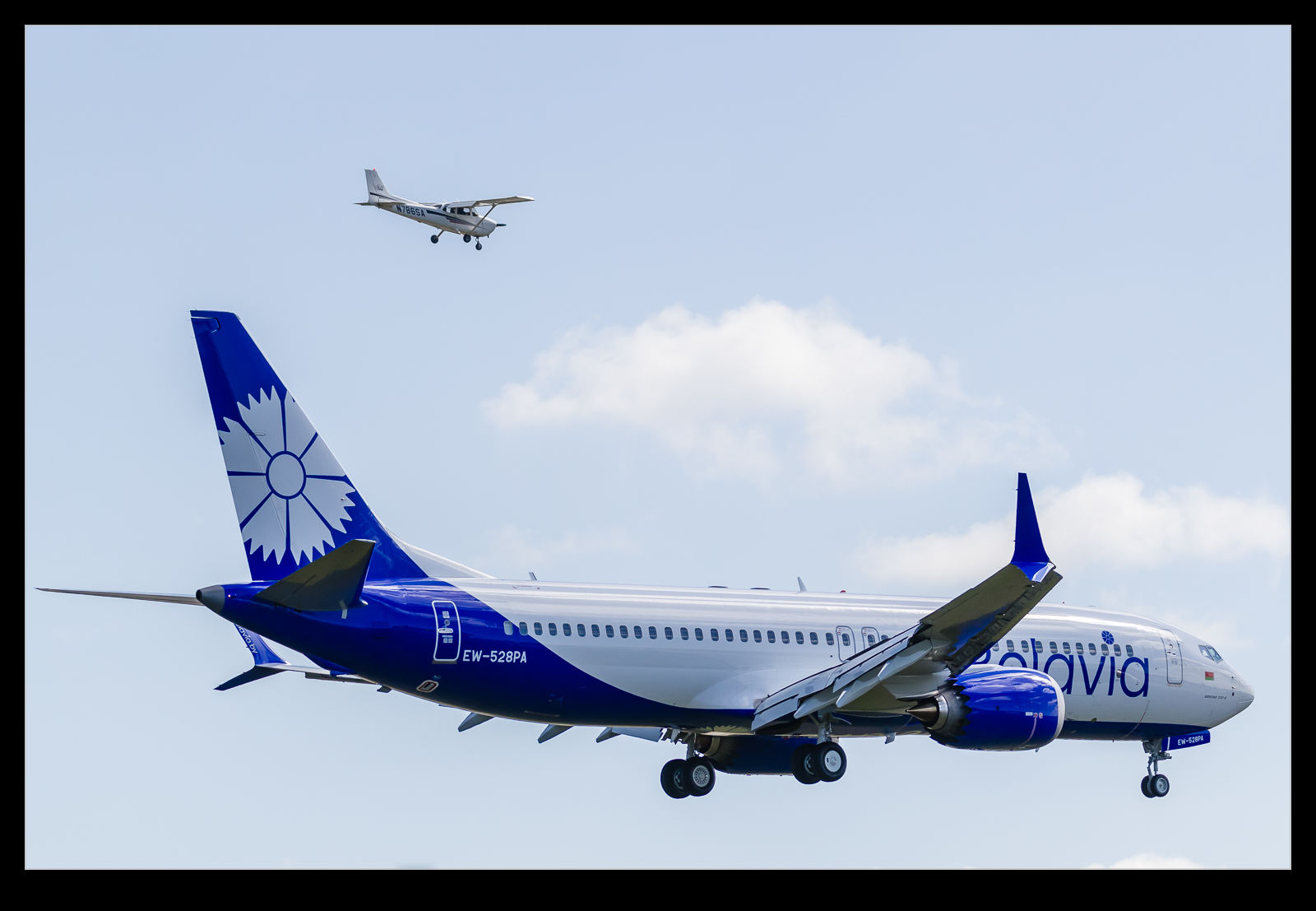
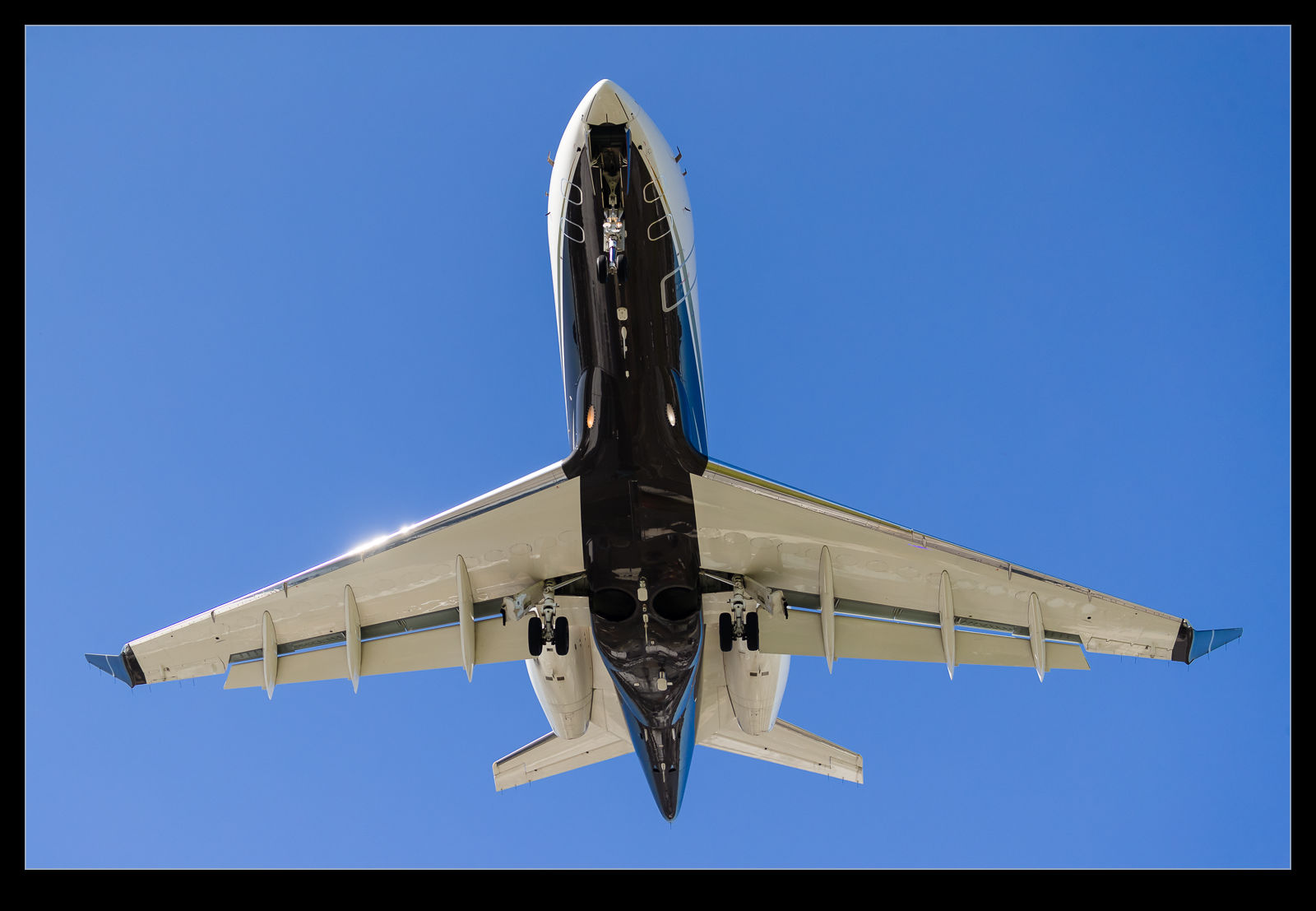
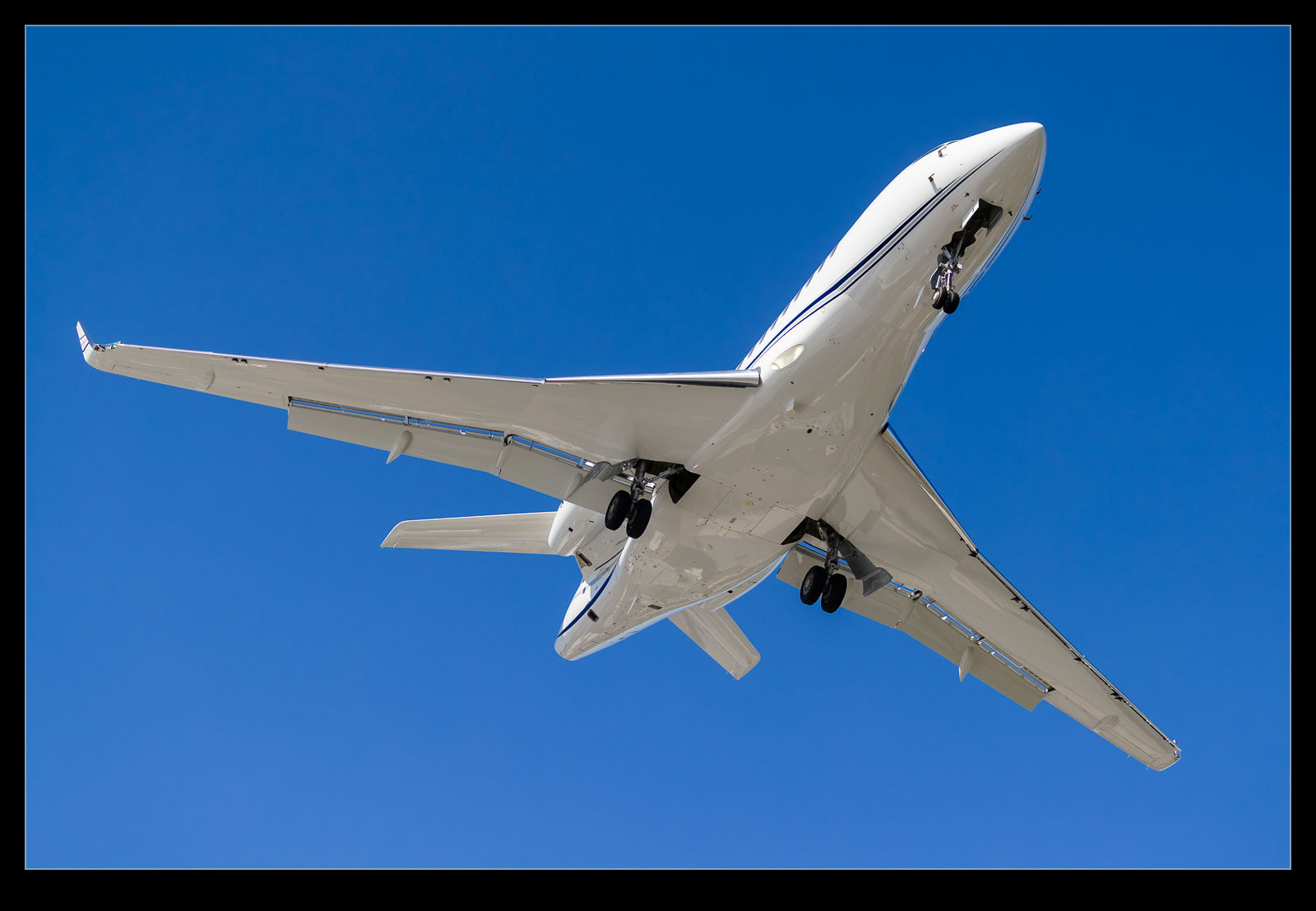
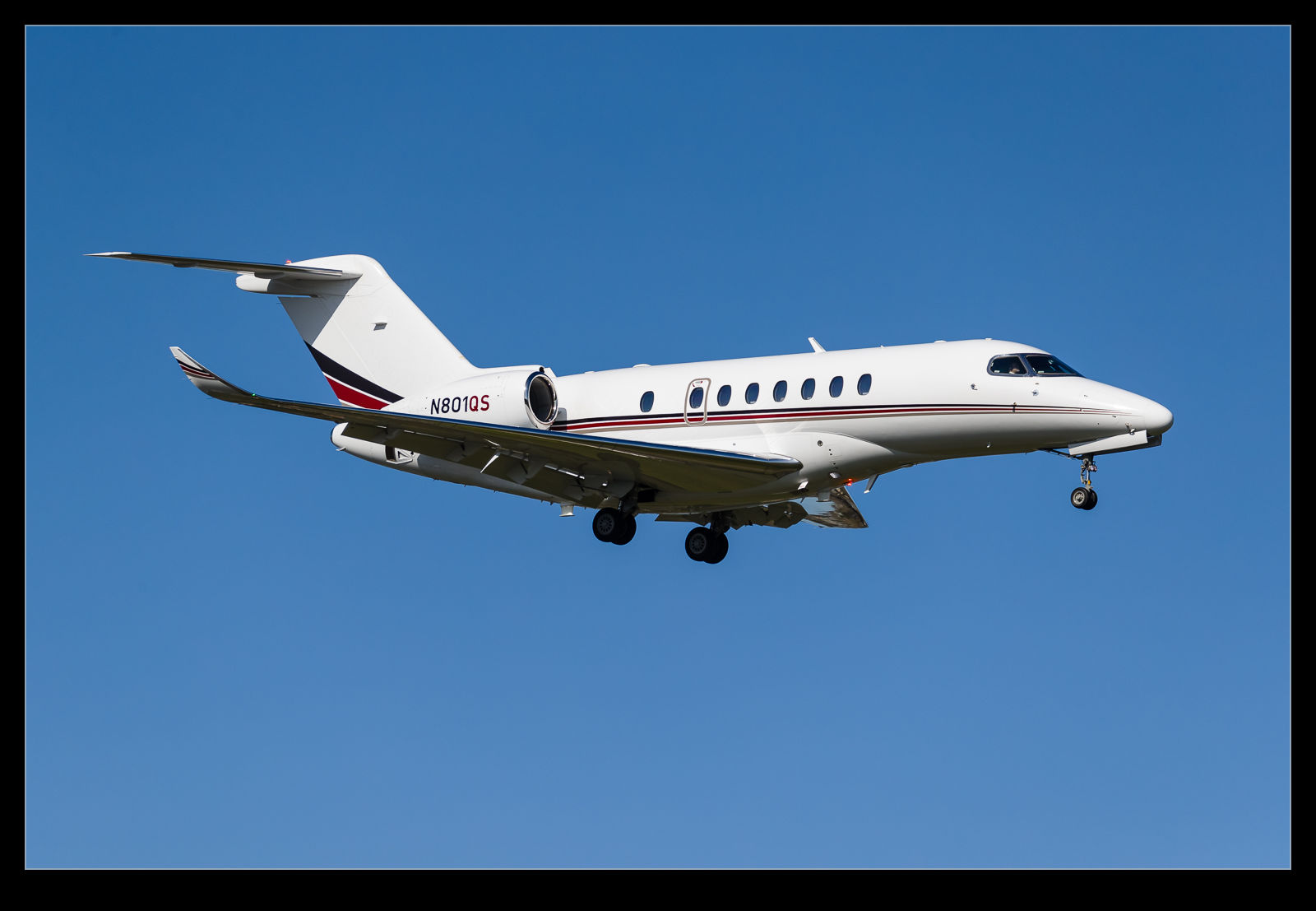
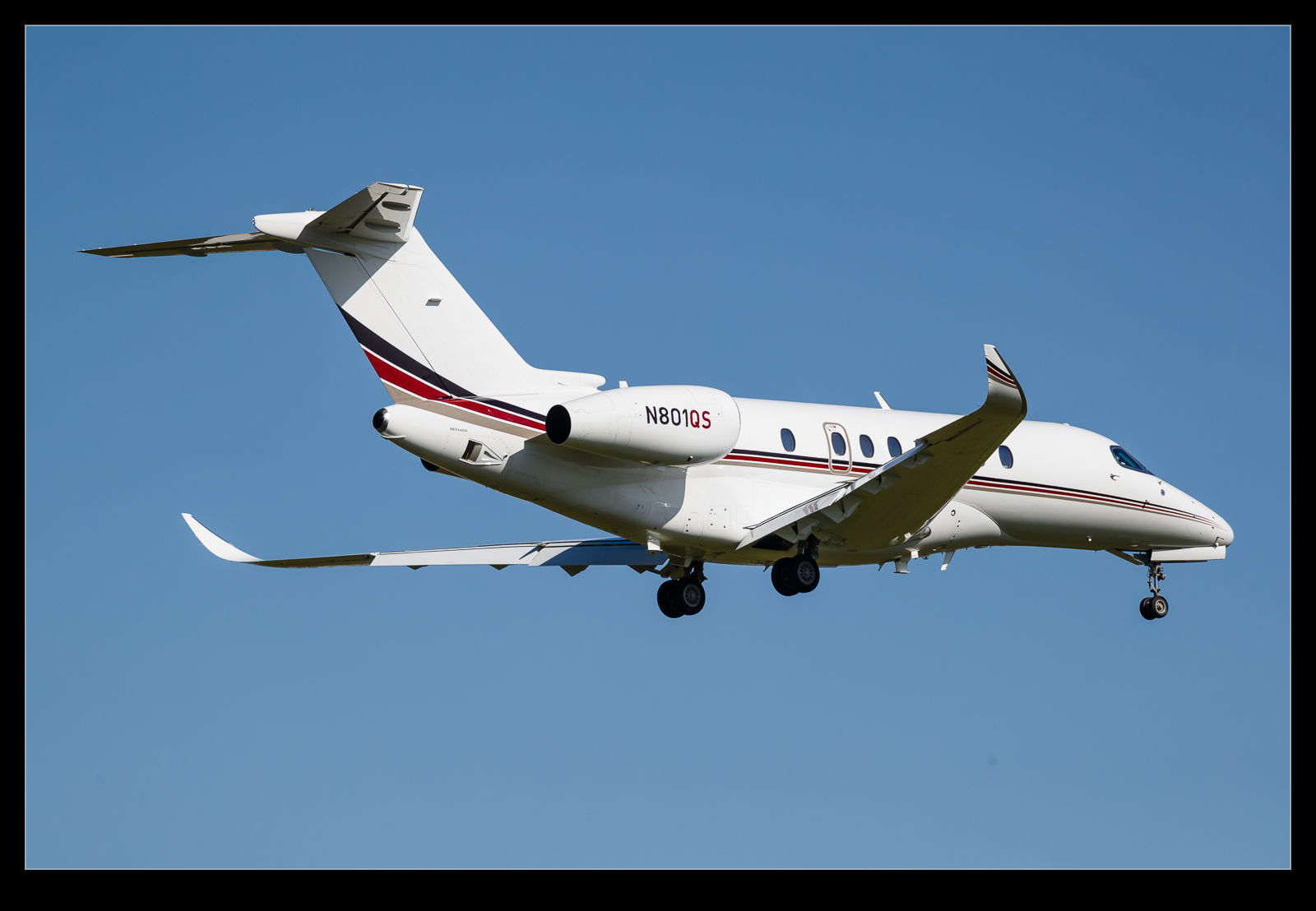
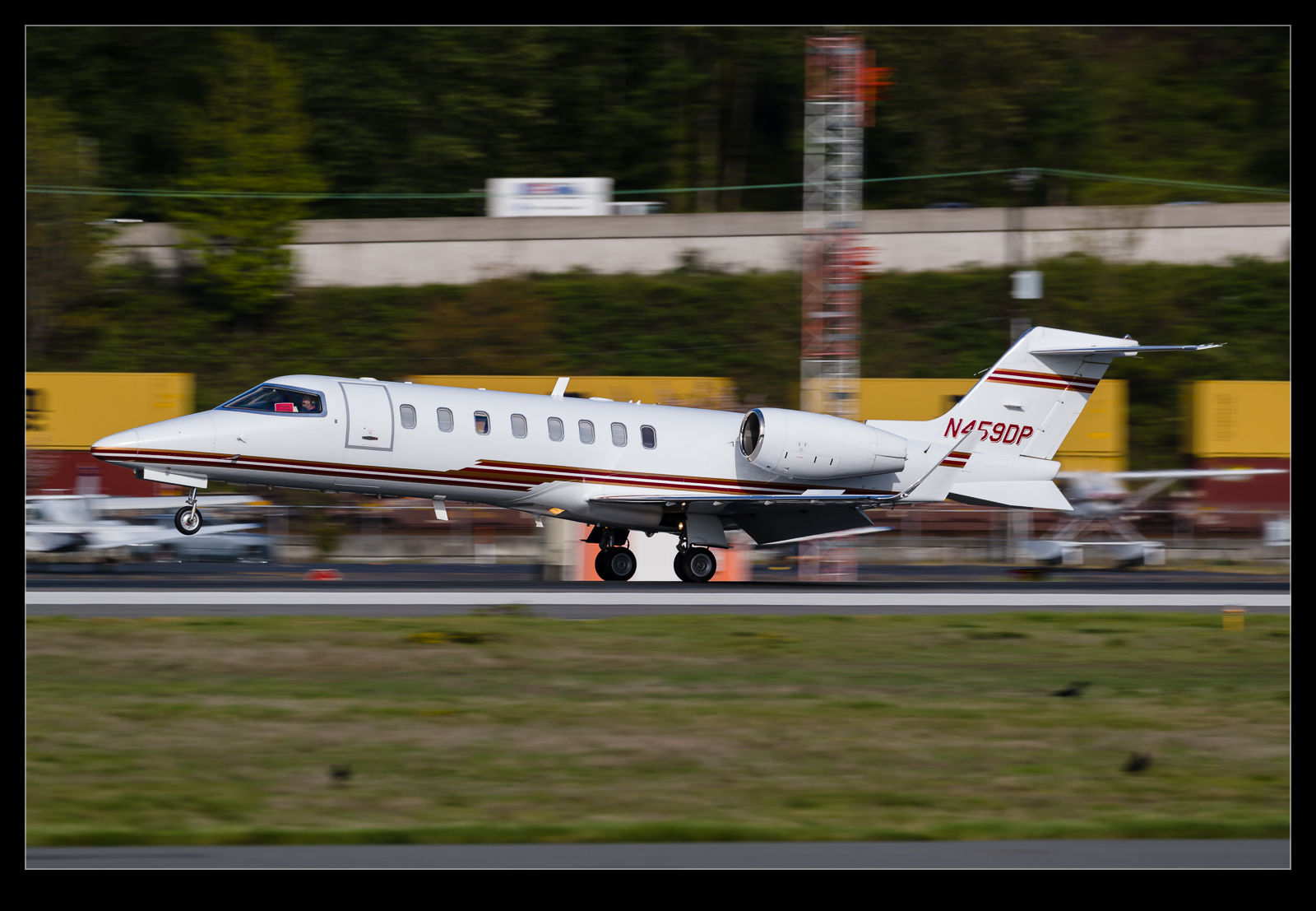 One evening, I was shooting at Boeing Field. The light was lower in the sky but it was still pretty bright. The thing with corporate jets is that they are often predominantly white and the brightness of the jet with a darker background can make for more contrast than a camera sensor can adequately deal with. You can sort out things in post but it is often too bright. I figured I wanted to try and reduce the glare on the jet and that the polarizer was a good way to do it.
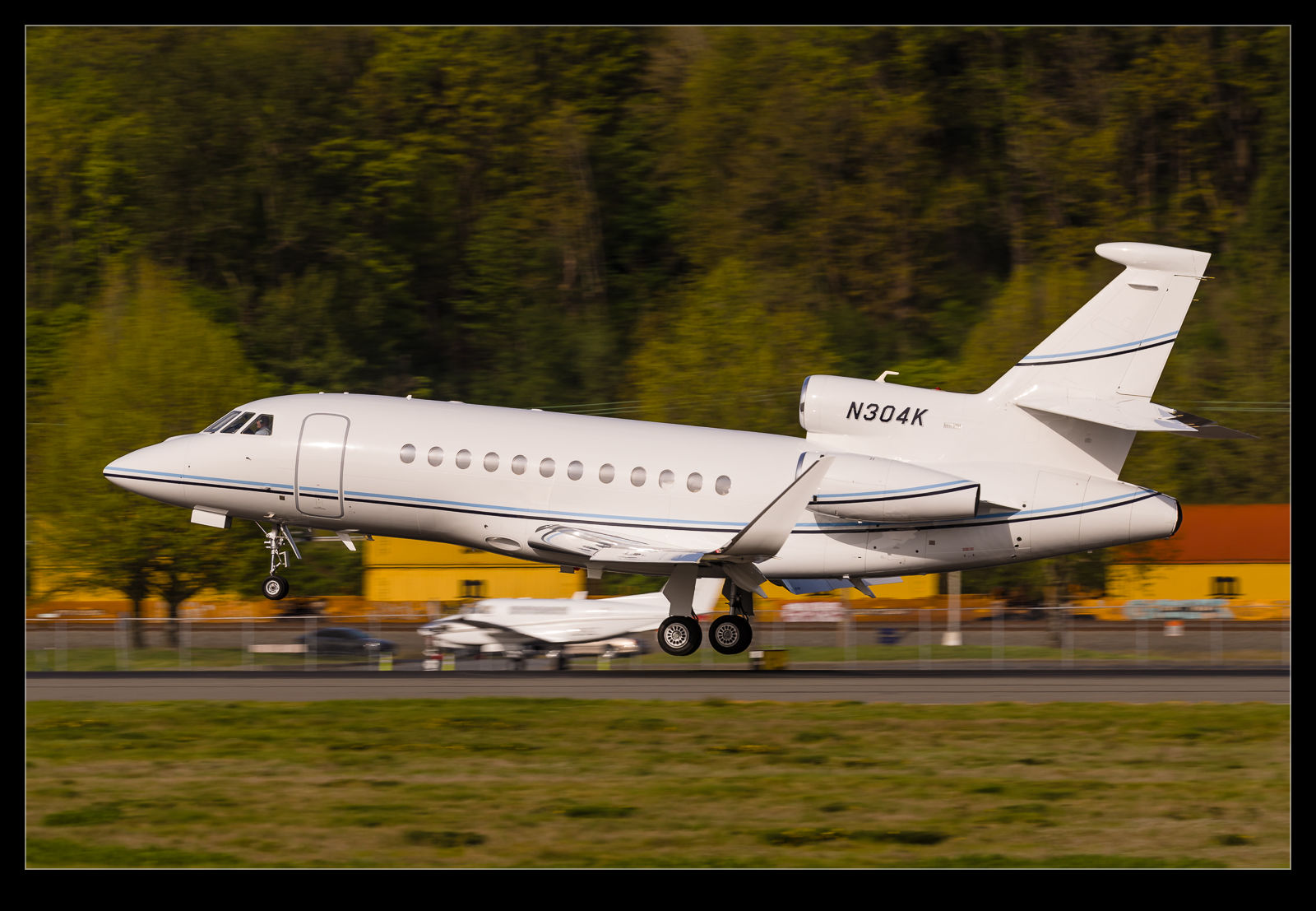 This has a second outcome. Taking out that might light allows the use of slower shutter speeds without having ridiculously small apertures – a sure fire way to find every bit of dust on the sensor. Since I was shooting bizjets at Boeing Field, things weren’t terribly special so I was happy to play around with going down to lower shutter speeds. A boring side on landing shot is a bit more interesting when the background is blurred and the sense of motion is enhanced. I need to practice this a bit to use it more often since it makes for a more interesting shot which I want to be able to use on something a bit more special. Definitely need to lower the shutter speed further.