Author Archives: Rob

Planning for the Eclipse

A couple of years ago I started thinking about the total solar eclipse.  We were living in California at the time and I had not long before been to an aviation shoot in Madras Oregon.  Madras was almost directly on the centerline of the path of totality so I thought about booking a hotel.  However, I didn’t do it then and time rolled on.  This year we moved to Washington so now Madras was a bit closer – just over five hours away if traffic is flowing freely.

As things got closer, it was time for a more thoughtful approach to what might be involved and this is where Nancy played the leading role.  She was not particularly interested in the eclipse but she knew I was.  Indeed, at one point in the run up she actually asked me if I would prefer to make the trip alone.  I can tell you that, having witnessed everything, she is really glad I didn’t want that!  Salem was the closest place with a good position for the totality.  Situated on I-5 south of Portland, that also meant a lot of other people were going to be going there so that was a non-starter.  Madras is further east which adds a bit to the drive but we focused on that.

We decided to stay in Portland the night before and set out early.  Plenty of people had been flooding in over the previous few days but, no doubt, others would be doing the same as us.  We also chose not to go to Madras itself but to go to Warm Springs just north of Madras.  This is a Native American reservation and they were welcoming people to the baseball fields to watch the eclipse.  The area is very dry so the chances of cloud obscuring things were a lot lower than closer to the coast.  To get there should take just under two hours from our hotel near Portland’s airport.  We decided to leave at 3am to give ourselves plenty of margin.

We did have a Plan B.  While there was a lot of time in the schedule for traffic, if it got really bad, we might just find ourselves on the highway when the eclipse happened.  As long as we got south of Mt Hood, we would be in the path of totality and, if you looked at the charts for timing, you didn’t have to get too far in to have a reasonably long period of totality.  We packed plenty of food and water and assumed, if it was totally congested, we would be with a huge bunch of people on the road and would enjoy it all together.

Getting up just after 2am, we checked the traffic reports online.  Everything was currently clear.  Good news but not necessarily to be relied on to last.  If we were leaving then, how many others were doing the same?  We put our stuff in the car and off we went.  The roads were pretty open and, as we got onto route 26, we were in a steady stream of cars but nothing that would slow you down.  We headed off into the wilderness.  This is a trip that takes you through some great scenery – if it is light.  Instead, we were out in the pitch black.  The stars around us were amazing to see since there was no light pollution if you weren’t looking ahead in the path of the headlights.

The traffic never materialized.  We got to Warm Springs in an hour and fifty minutes, arriving at the parking area fifteen minutes before it was due to open.  We met the nice people looking after things and they informed us we were the first to arrive and to park at the end of the row (which was hard to see in the pitch dark).  We parked up and had a few hours to kill so set the seats in the car up as a sofa and took it easy.  Nancy couldn’t sleep but I dozed off a few times.  Meanwhile, more cars arrived and people started milling around as it gradually got lighter.

Once the sun was up, we went off to look around the town and stretch our legs.  Then we set up our spot for the viewing.  I had brought two main cameras.  One was the longest lens combination I could get and the other had the 100-400 on it which I was planning to use for a time lapse.  I had bought solar filters for both a while back and B&H had shipped them with loads of viewing glasses.  We had shared some with friends already but we carried loads of spares in case anyone needed some.  No-one did though.  Everyone around us was well prepared so our spares stayed in the bag.  Meanwhile, I set the time lapse camera at an angle to see if I would track the path of the sun across the frame.  (I got this wrong as I did not have a steep enough angle.  I tweaked it a couple of times but it wasn’t ideal.  It worked but was a bit wonky!)

Lastly, I opened up the Solar Eclipse Tracker app on my phone which provided an audible guide to what was coming up and we got ready.  The skies were pretty clear initially with a hint of wildfire smoke in the distance.  As the time got closer, some high-level cloud did come in but nothing too significant.  Then it all started.  More to come…
Dreamlifter Shape Explored

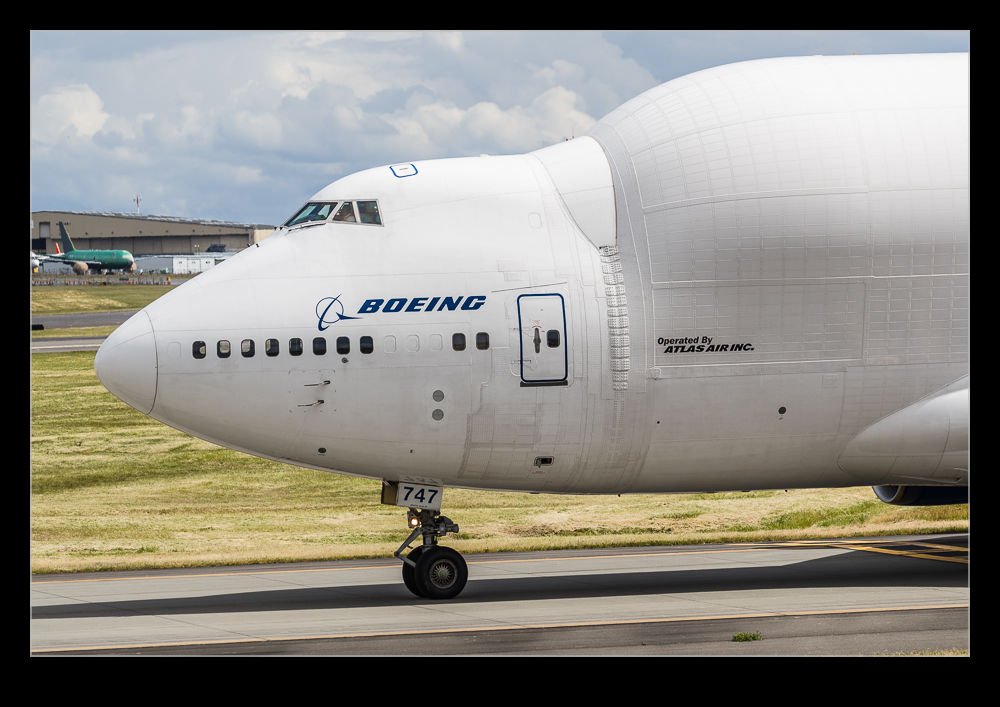
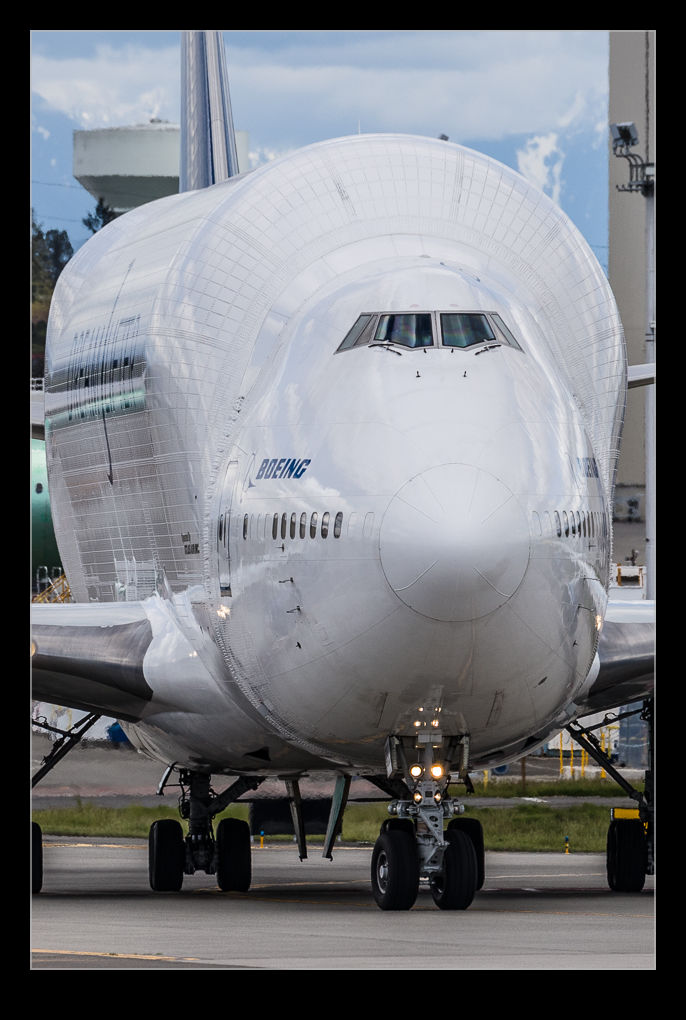
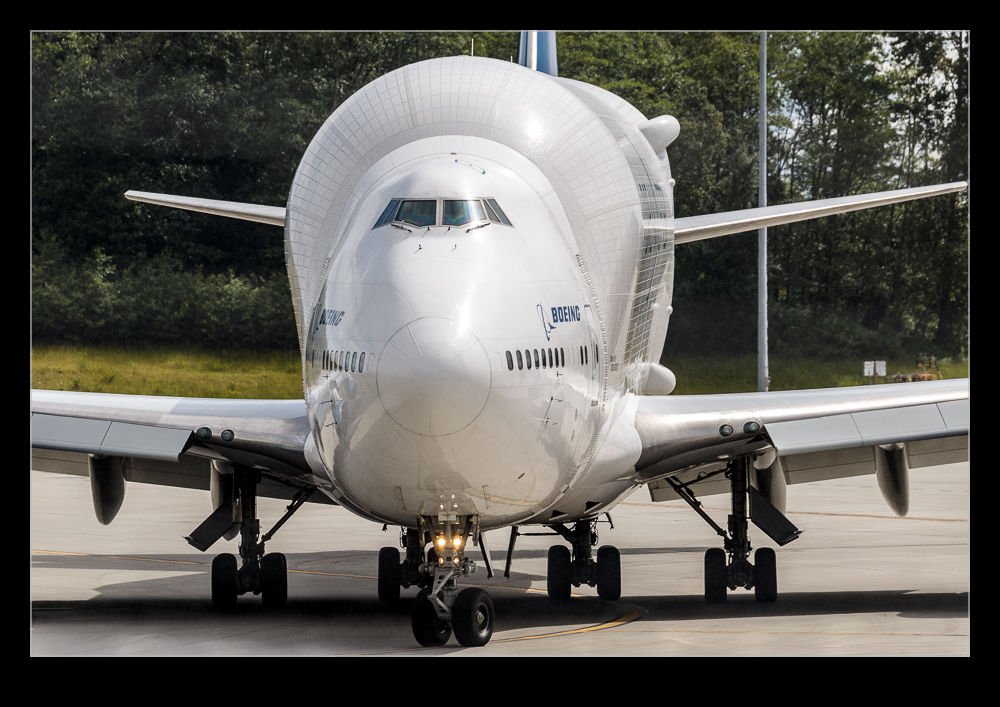
Since the Dreamlifters are a regular feature around this part of the world, catching a movement is not a big deal.  That gives you a chance to think about shooting the planes in a different way.  I have been interested in the shape of the structure and the texture it has.  Since the Dreamlifters have been built to serve one purpose – that of moving bits of the 787s around the world – they are functional rather than elegant.  The shape is designed to maximize the capacity.

Meanwhile, the modifications have been made to a base airframe so some of the joints between the new structure and the original are pretty agricultural.  The number of fasteners that are visible on the surface are substantial.  This is not a problem.  The plane serves a purpose and it does this well.  The way in which the fuselage shape transitions from the original 747 lines into the Dreamlifter lines are also very interesting.  A tighter shot gives you a good view of how the curves come together.

The Dreamlifter is not a beauty.  I don’t even think it is as good looking as the Belugas that Airbus uses which have a more integrated feel to their design.  However, it does the job well and it is nice to have a different shape in an era when every airliner is looking like every other.  A bit of variety is a welcome thing and, while I am lucky to be close to them on a regular basis, I shall continue to appreciate what I get to see.

Logging on a Big Scale

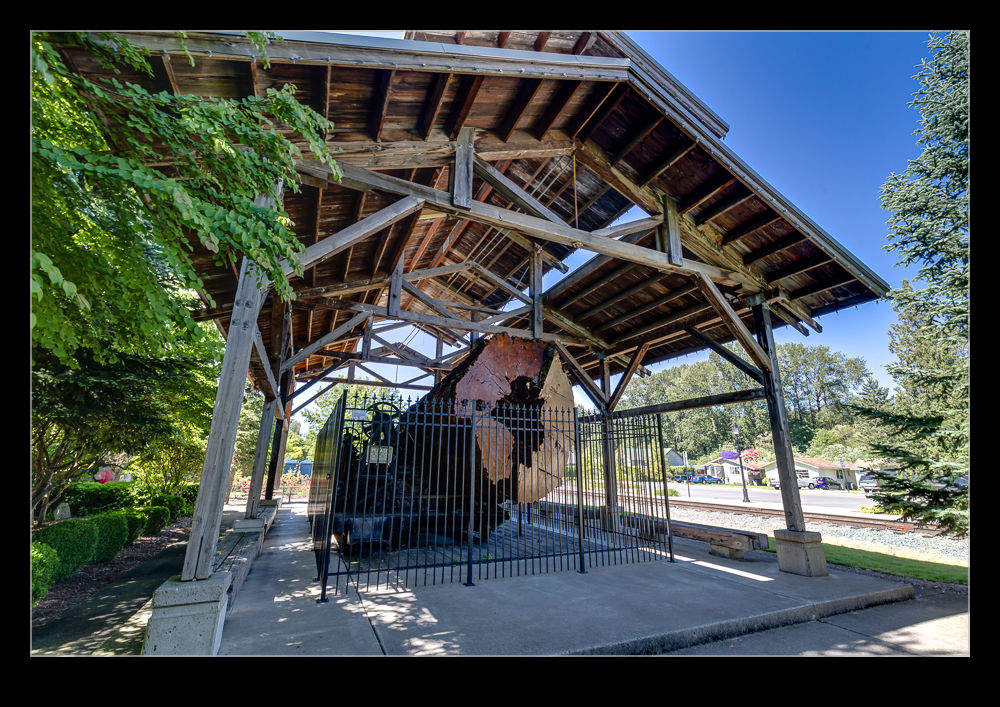
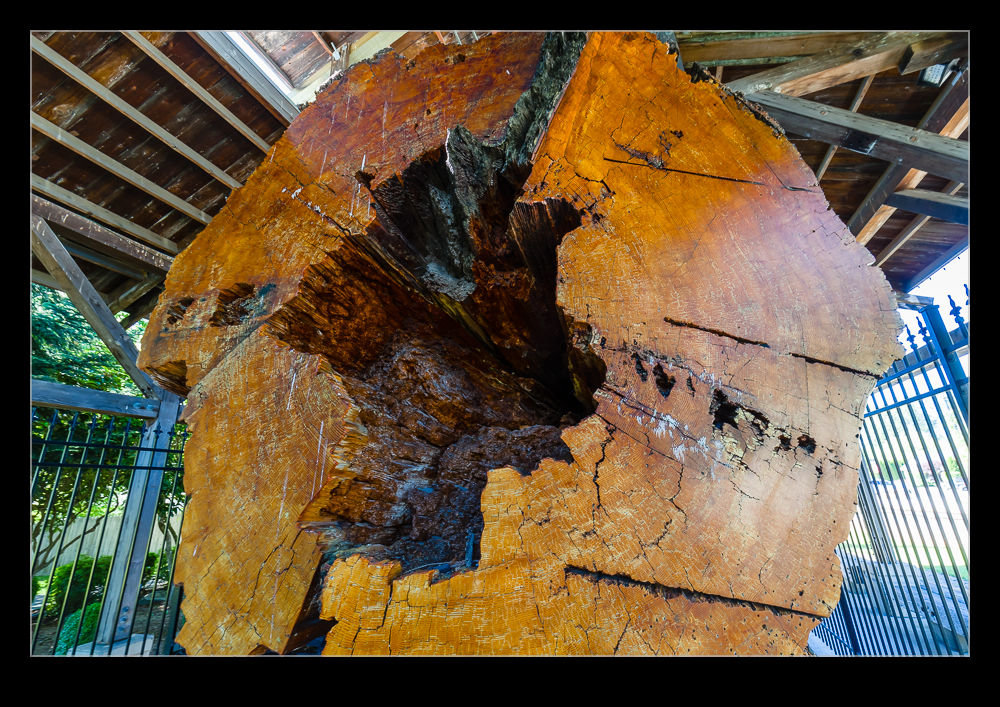
Before tourism became a big feature of Snoqualmie, it was a logging town.  Much of the Pacific Northwest was in the lumber business providing vast amounts of timber to the country as a whole.  Lumber is still important but it is nowhere near the business it once was.  The trees they were cutting in those days were very old and had grown to significant dimensions.  As they cut through the growth, the trees they were cutting were getting smaller.  In the center of the town they have an exhibit that includes a stand that was used for cutting the timber.  In it is included a log.  This thing is huge.  Bear in mind that they were often much larger than this and you will see just what sort of trees they were cutting in those days.

Two Tankers

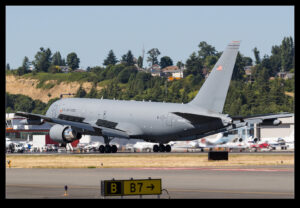
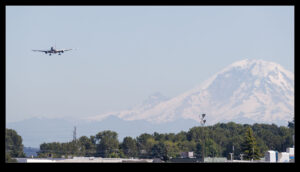
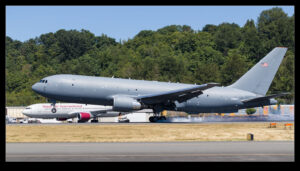
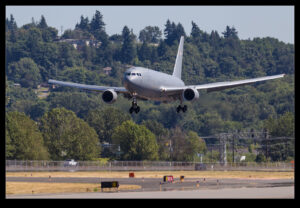
The KC-46 Pegasus tankers have appeared in the blog before but only on the ground.  That post can be found here.  I have finally seen them flying.  A couple of them were airborne on test flights from BFI and, while they had taken off quite far apart, they ended up returning quite close together so I was able to get shots of them both.  They don’t look terribly dissimilar which is what you would expect.  They are fully fitted out with the boom and one of them has the pods so this is what a service aircraft should look like when the Air Force squadrons start to get their hands on them.

Bears!!

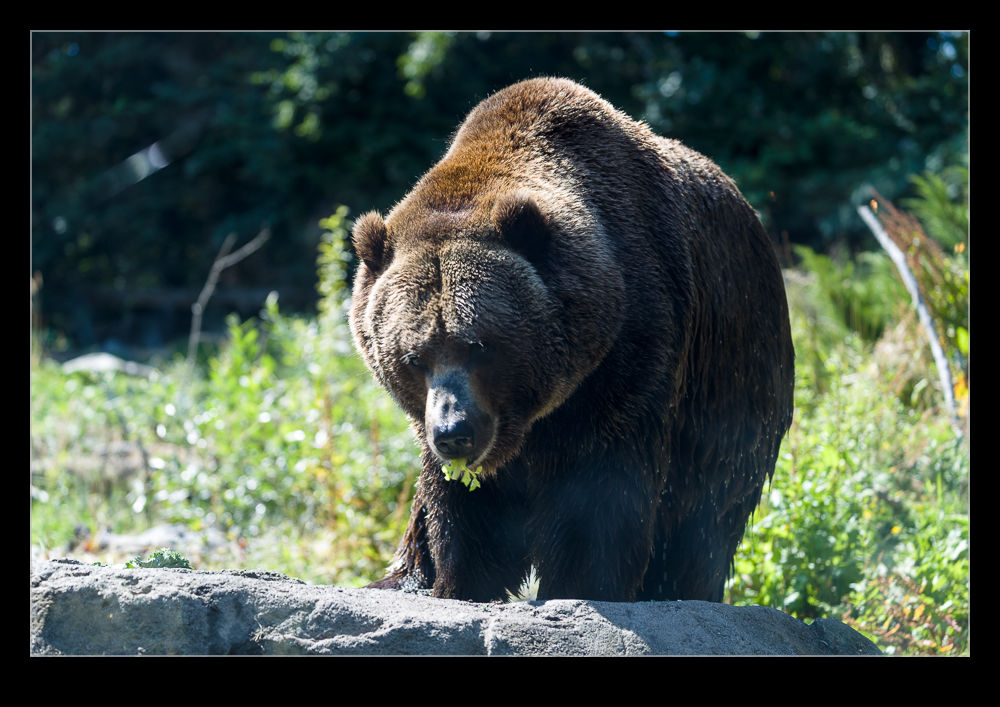
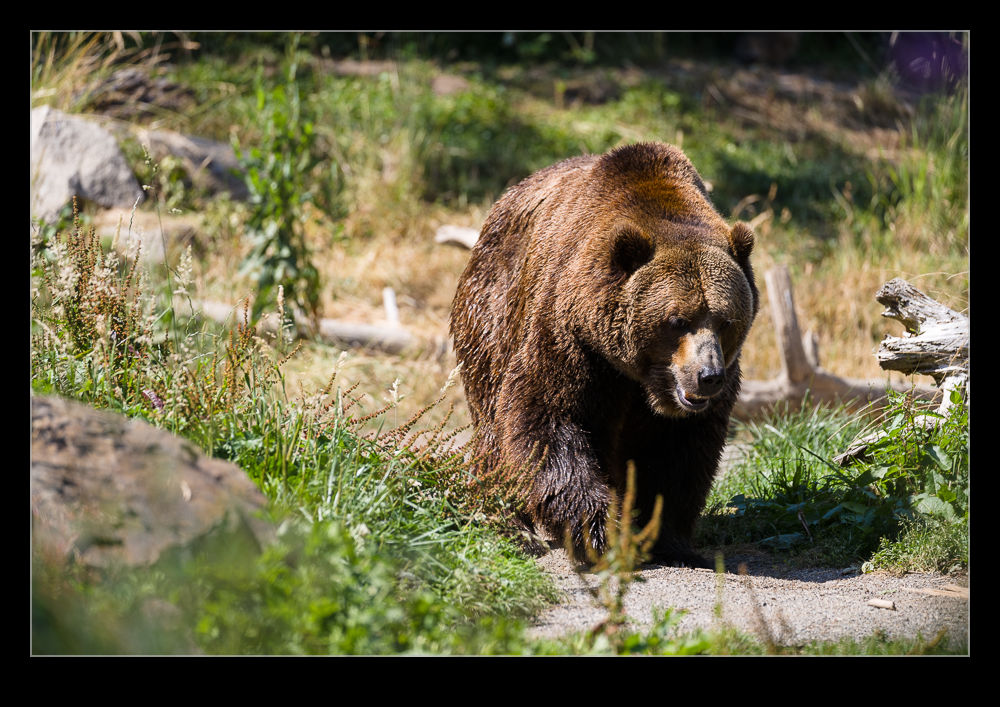
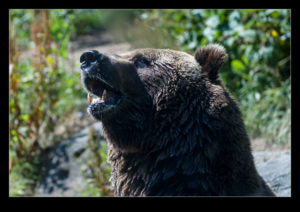
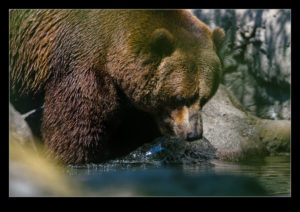
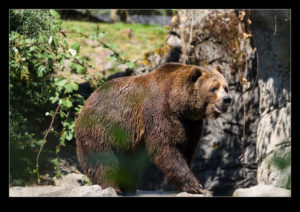
Bears are cool and brown bears are even cooler.  We saw a couple of them at Woodland Park Zoo and, while it was the middle of the day, they were actually pretty active.  It didn’t hurt that some food was coming their way so I guess they were incentivized to be a little busy.  It was a warm and sunny day so the fact they had some water to work with probably suited them quite nicely.  Lots of zoo animals are somehow aware of where they can go to be as difficult to see as possible.  These guys were either unaware or just showoffs.

They wandered around the enclosure quite a bit and provided plenty of opportunities to see them.  Aside from the outdoor area, there was an indoor viewing space that was against the side of their pool.  From within there you could really get a good view of them chomping down on the food that had been thrown their way.  They seemed quite content to enjoy the nosh and pay no attention to the hordes staring at them through the glass.  Being so close to such a large creature was really very impressive.

Dash 7s Still Exist!

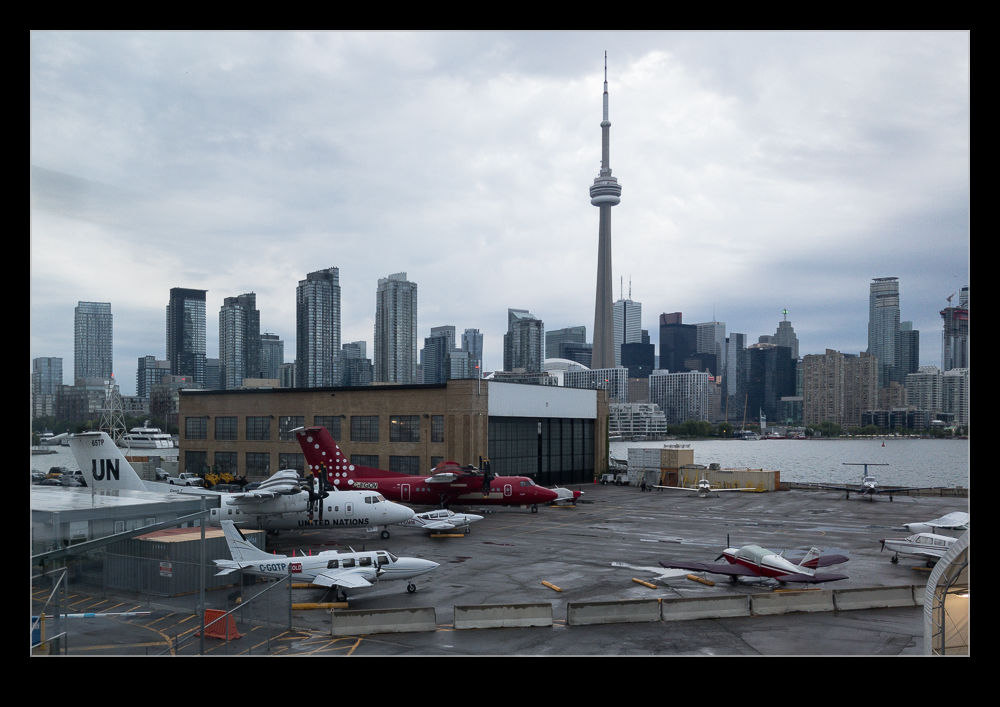
Coming across something old school is fun.  Go back through the Canadian aircraft history and you come to the Dash 7.  This four engine turboprop could achieve some pretty dramatic steep approaches and departures.  It was the first aircraft to operate in to London City using a 7.5 degree approach angle.  The Dash 8 family was the replacement for the Dash 7 and led to the Q400.  I flew on a Dash 7 in 1994 in a US Air Express flight between DC and Philly.

You don’t seem them around anymore but, I came across a couple of them in Toronto.  They were parked up at Billy Bishop Airport around the back of the terminal.  You can see who has been using one of them based on what is written on the side.  I assume these two are stored awaiting their next tasking but maybe they are more active than I realize.  I hope they still get good usage.

Cliffwalk – A Feat of Engineering

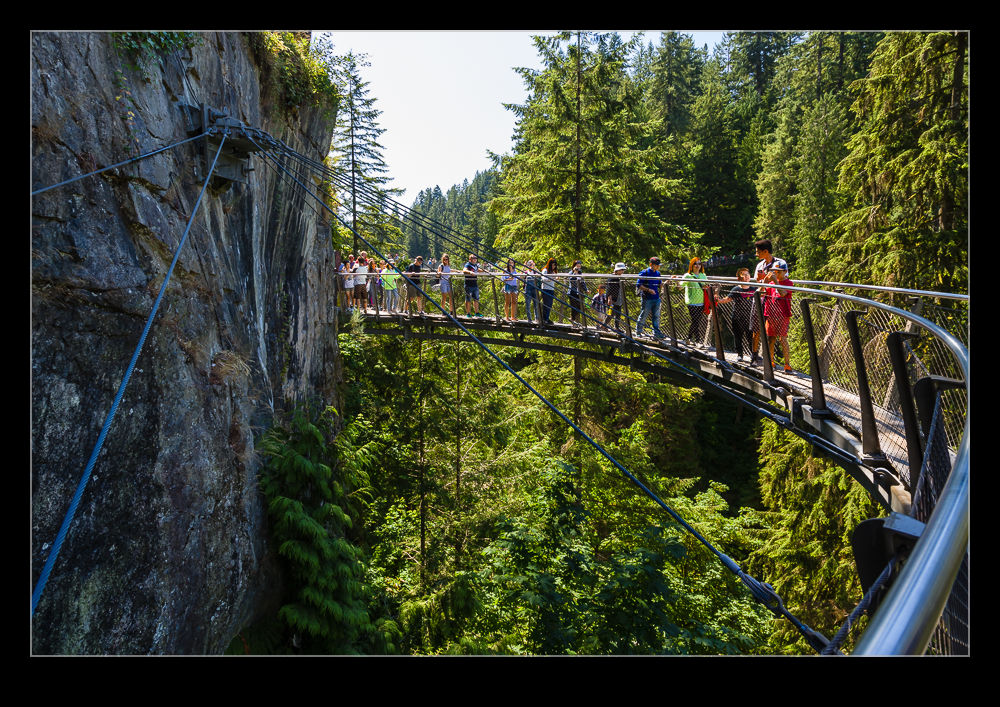
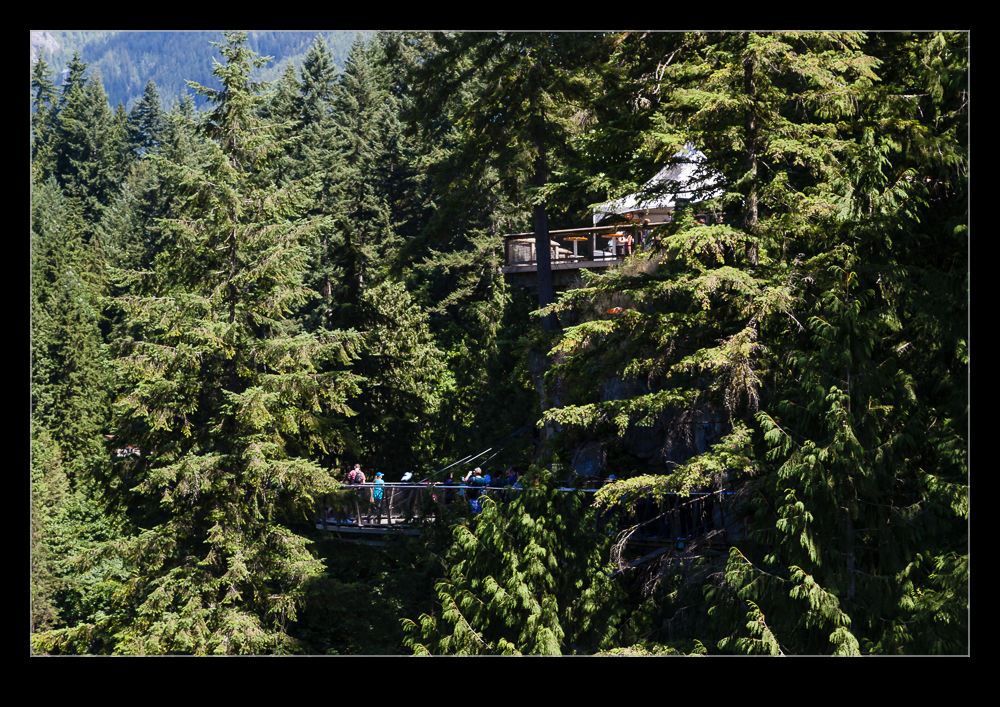
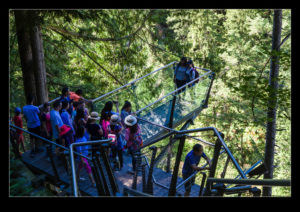
One more post from our visit to Capilano.  The deep valley that the river runs through and that the bridge crosses has some steep, rocky sides.  These have provided another opportunity for the owners to add some interest.  They have mounted a walkway along the cliff face.  I don’t know what inspired this but if you have seen the walkway at the Grand Canyon or the glass boxes on the Sears Tower (watcha talking about Willis) then you see a similar them.

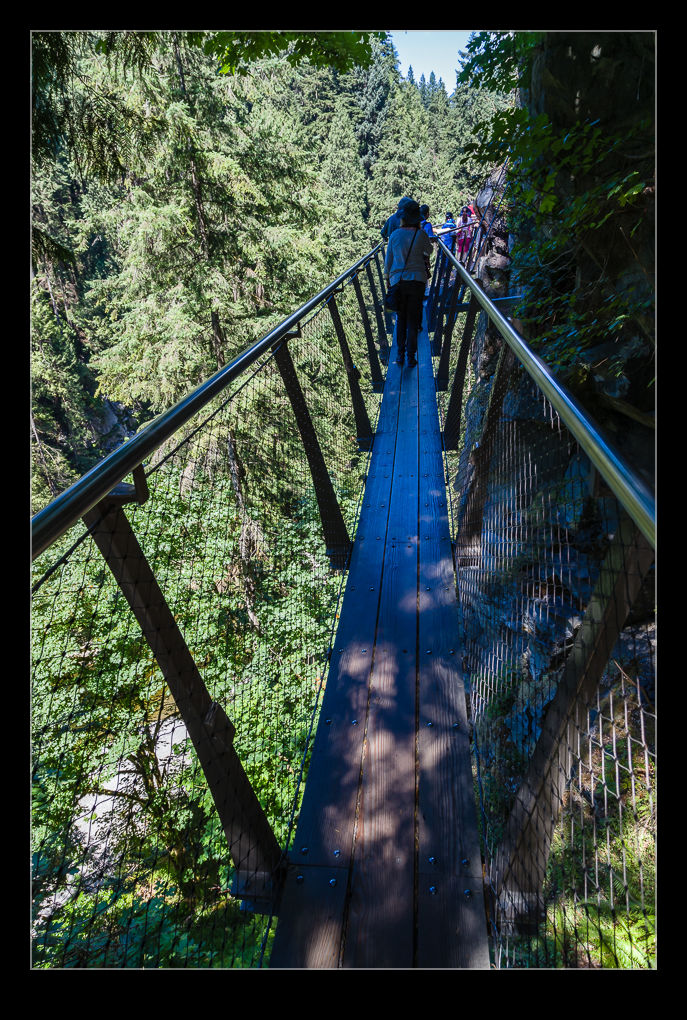
These paths run on structure built in to the cliff face.  They are shaped so, while you have normal width handrails, the foot section is narrower so you have a more obvious view downwards.  You have no doubt how high up you are.  Meanwhile, you get to see the mounting points that have been driven into the cliff face to support all of this.

One section of the path is a semi-circle that is suspended by cables mounted on the cliff face.  It is a dramatic part of the structure and everyone is fascinated by it when they get there.  Don’t anticipate moving through this section too quickly because it does tend to back up a bit.  A little later I walked above this section and found a spot where you can look directly down on the curve and it takes on a whole new perspective.  I think it is quite beautiful.  Winding your way along the face of the cliffs on these walkways is very cool and is definitely not to be overlooked if you visit.

An Old School Cobra

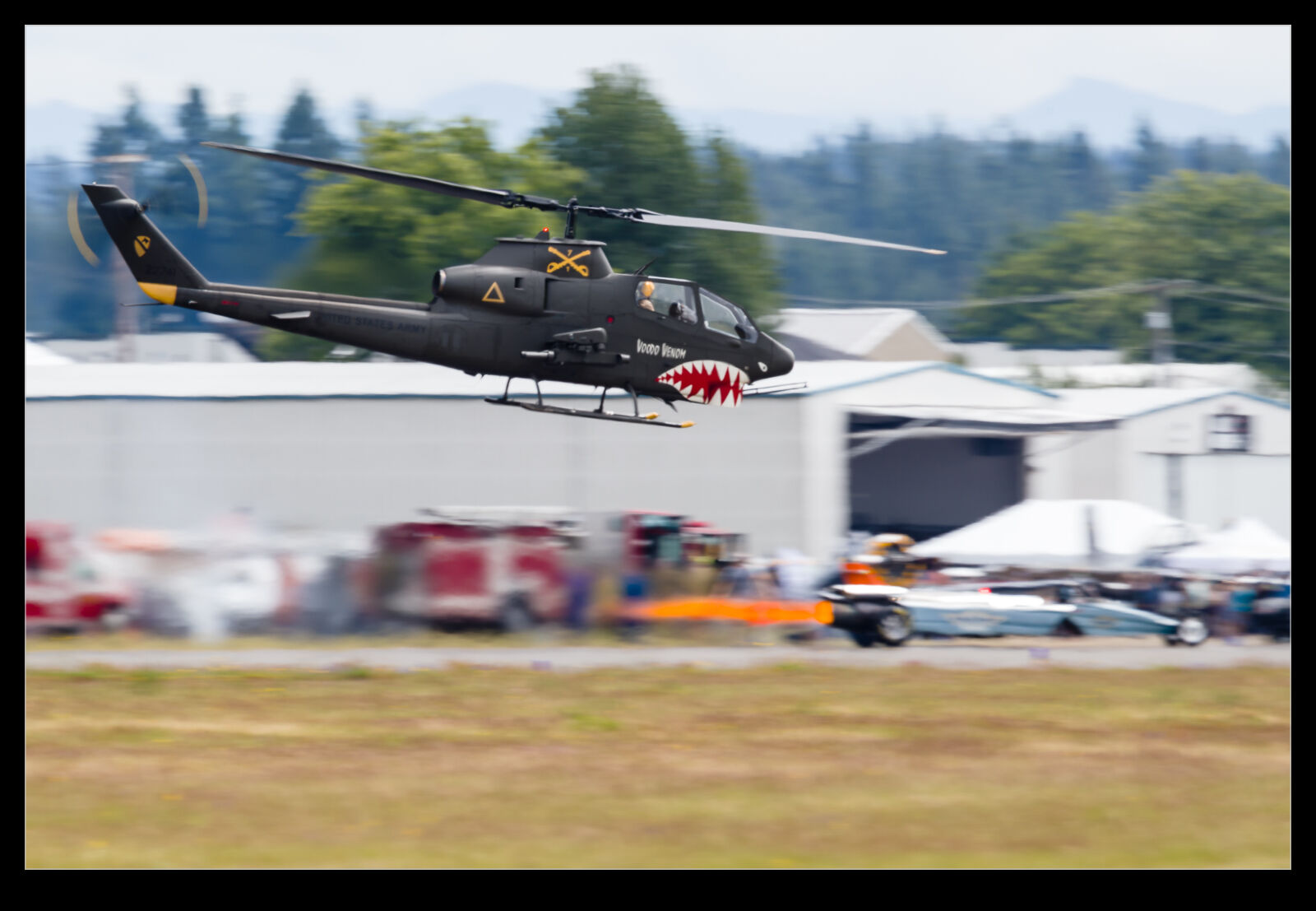
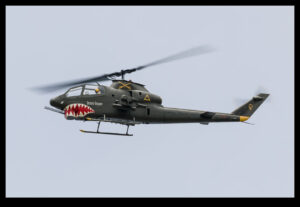
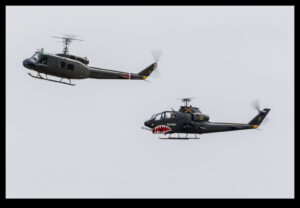
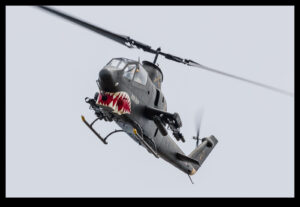
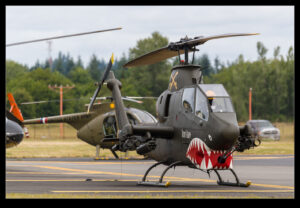
The Cobra is still a big part of Marine Corps aviation with the Zulu model the current favorite as it replaces the previous Whiskey models.  However, the Cobra started out life as an Army attack helicopter.  While they are long retired from Army service, old examples still are airworthy and one of them was performing at the Olympia air show.  I was rather pleased to see it when it initially arrived and then it performed a flying display alongside a Huey.

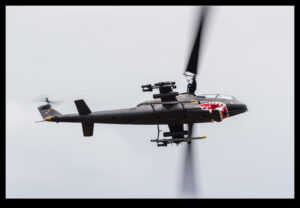
A lightly loaded Cobra is still an agile beast and this one was being thrown around with some zeal.  Unfortunately, the sky was rather overcast so the shape was a bit disguised by the shadows but it was still great to see the narrow fuselage combined with the broad chord rotor as it thrashed its way around the display.  What a cool looking machine.

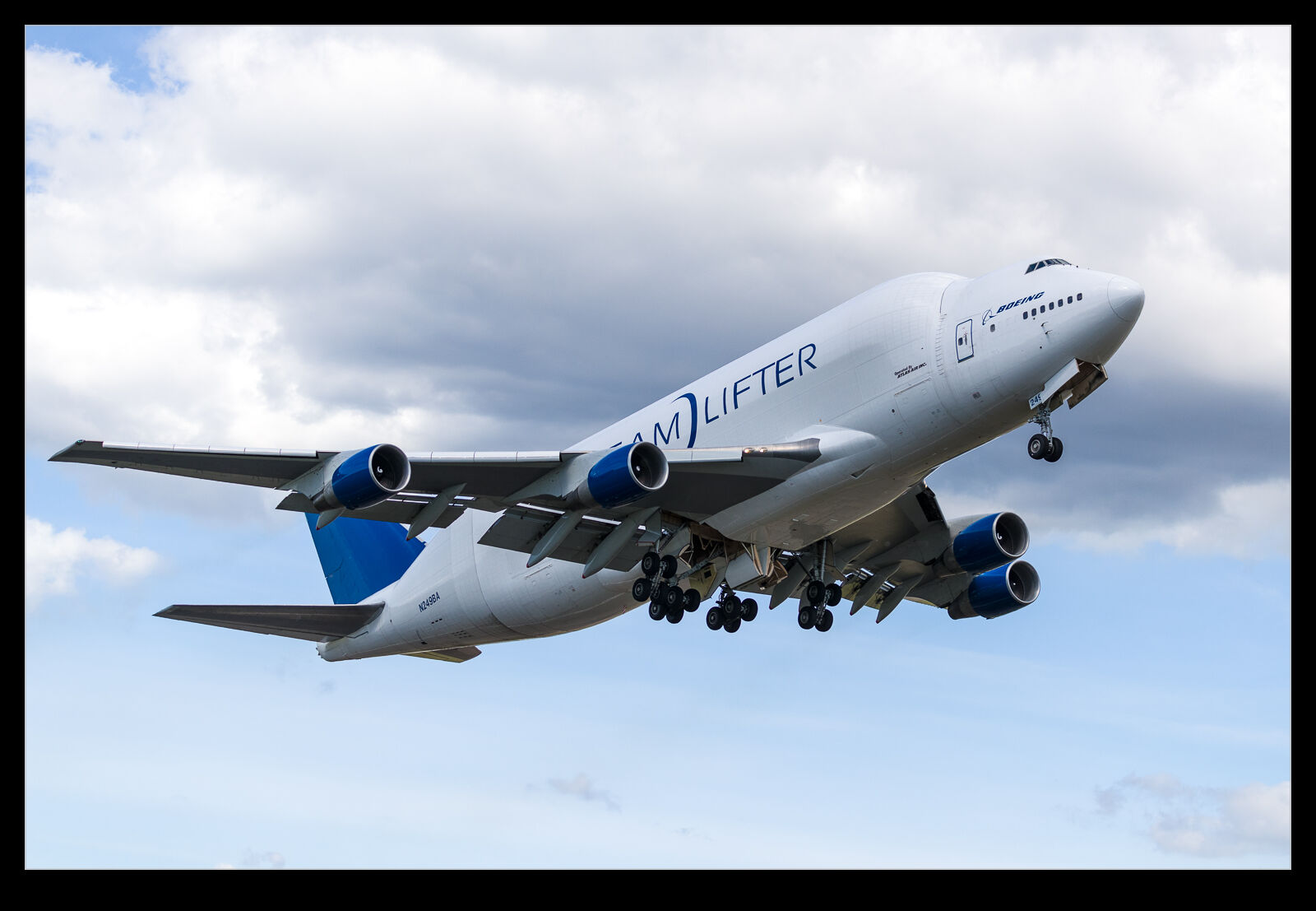
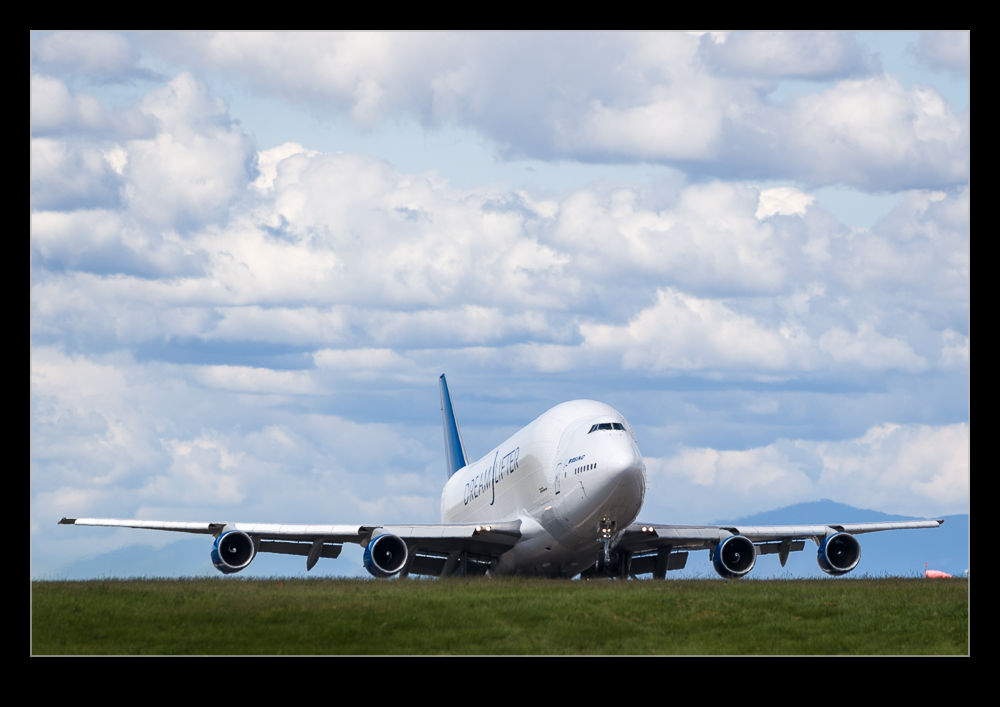
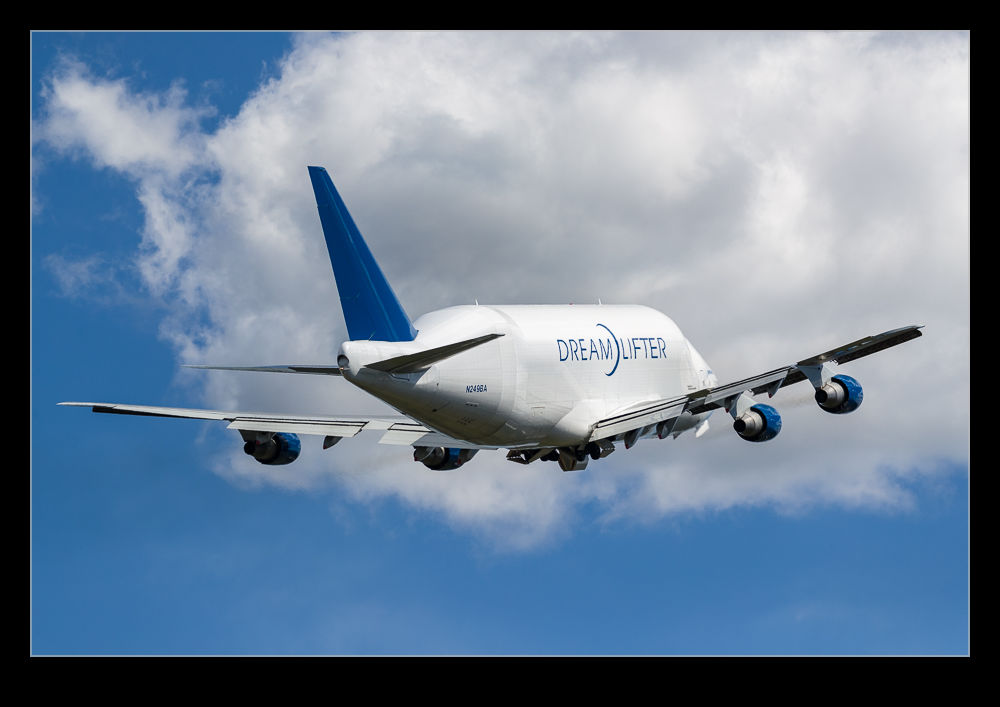
Departing Dreamlifter Finds the One Cloud

A convenient departure of a Dreamlifter from Everett meant I could get up there to see it go.  The day was very nice so I was optimistic of getting a reasonable shot of it.  I saw it taxi out at the far end of the field (that extra tall fin the 400LCF has makes it easy to see over the ridges in the field) and it turned towards me and accelerated.

The light was shining off the fuselage and it rotated as it came over the ridge towards me.  Just as it got airborne and into a nice position, it found the one shadow that was anywhere in Snohomish county at that point.  It isn’t awful but it was pretty bloody disappointing.  As it climbed away, back into the sun of course!