Tag Archives: jet

Civil Day Out at Waukegan

Having a visitor is always a great reason to do something that would be fun anyway.  My relative Pete was visiting Chicago for a day.  He flies 747s for a large airline and Chicago was his destination for a change.  Normally he is on longer sectors so we don’t get to see him as often as we might so this was a nice opportunity.  Pete has appeared on this blog before when we went flying together in southern California a while back as recounted here.

Pete likes any aviation outings so wanted to know what I could show him while he was here.  With Oshkosh still underway, a few of the interesting things that we might have tried were not going on.  However, the Collings Foundation were bringing their tour through the area and were stopping at Waukegan so I thought that would be a good base for taking a look around.

We headed up to Waukegan to see what was going on.  We actually started out by dropping in at the Warbird Heritage Foundation to see if anyone was around.  I thought everyone would be up at Oshkosh but Herwig was there getting ready to take the T-2 up to AirVenture.  Pete got a look at some of the aircraft and then Herwig departed in the Buckeye and we headed to the other side of the field.

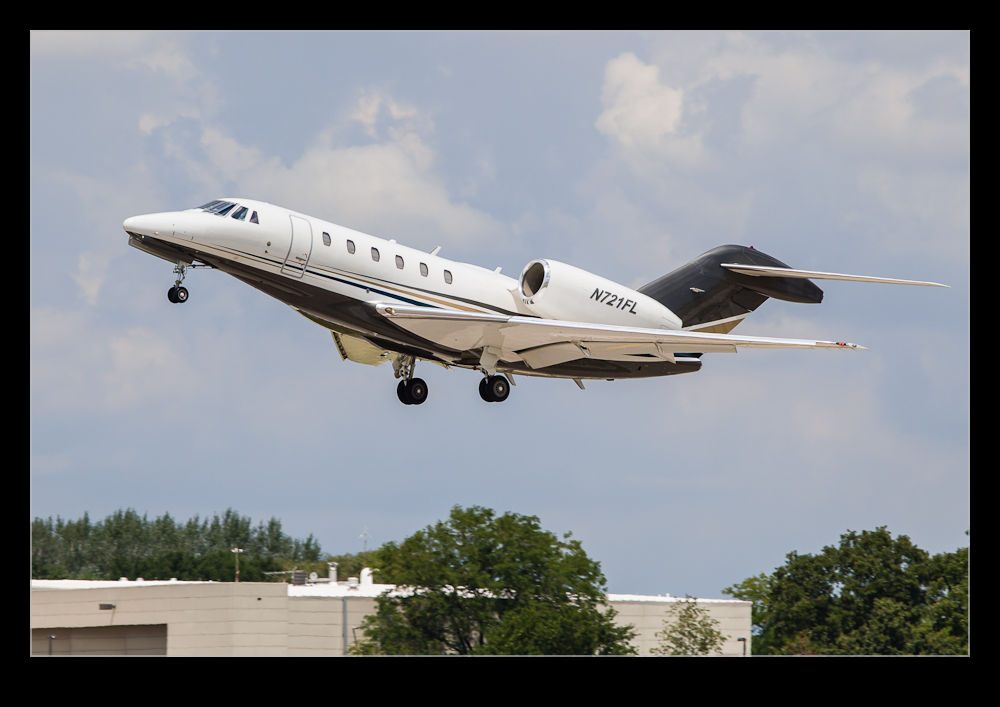
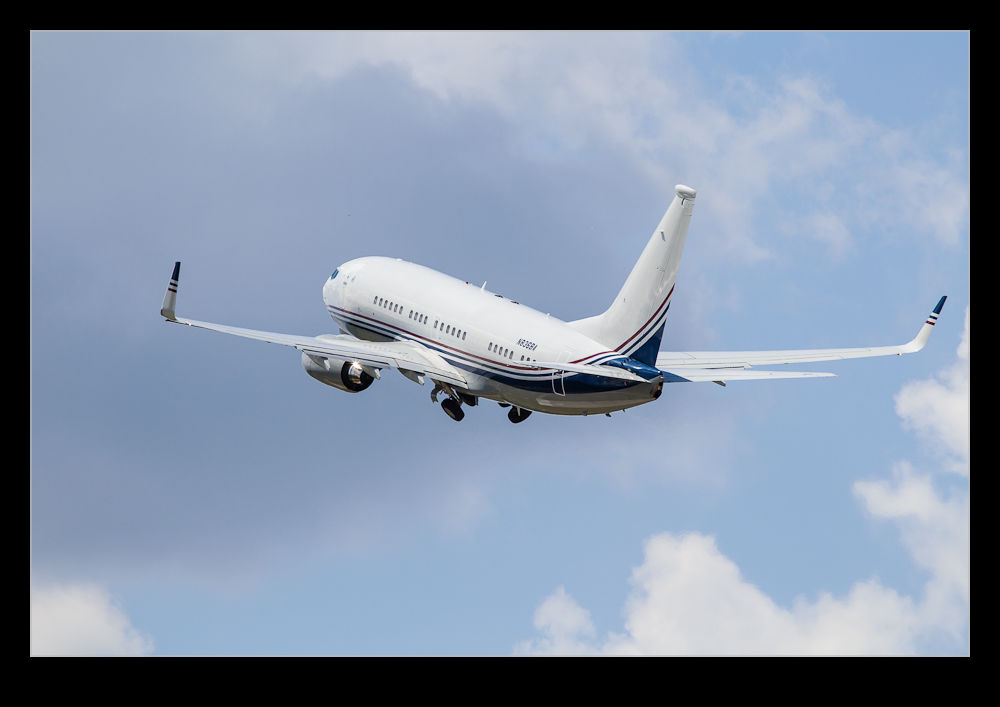
The Collings aircraft were laid out and I shall tell more about them in another post.  However, the airfield was not short of operations of a more civil nature.  Plenty of business jet activity was underway so we had a lot to watch.  Gulfstreams, Falcons, Challengers and a BBJ all made their way past us.  With the sun shining plus warbirds ahead of us too, not a bad way to kill some hours.

Experimenting with Multiple Exposures

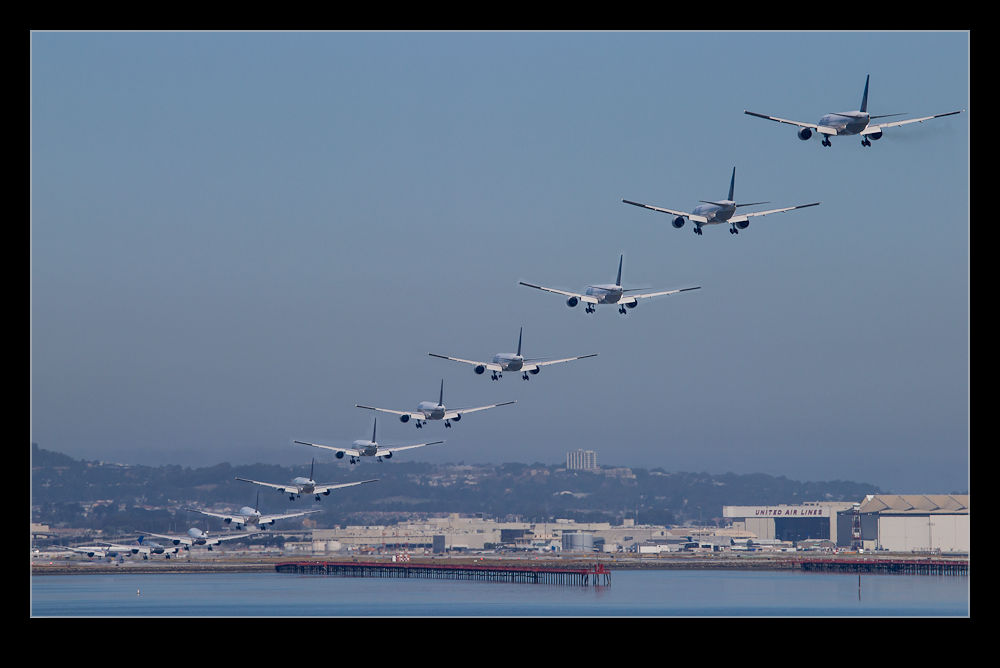
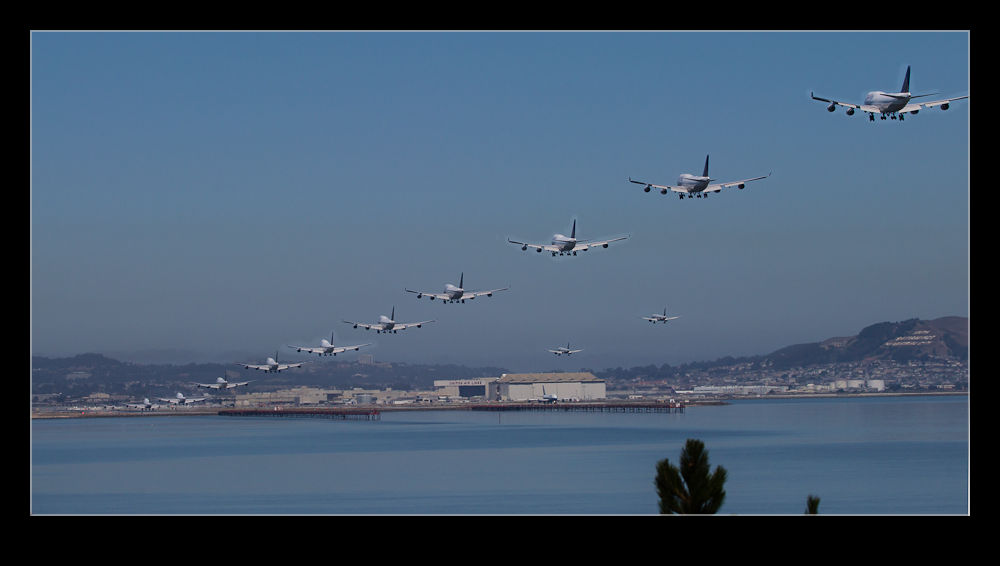
Right away I must admit that this is not my idea.  I know that is true of many photographic tools but I once saw someone do something just like this and I wanted to try it out myself.  The question was how to go about it.  I improvised a bit and trusted the camera to do what I wanted which it didn’t always do so I have learned some lessons already.

The idea is to take multiple exposures of aircraft on the approach and then combine them into one image in which the aircraft appear multiple times.  I would set myself up in a position and then take a sequence of shots as the aircraft moved through the frame.  My first mistake was that, because I was taking the same shot each time, I thought the exposure would not change.  Not true!  The camera will make some minor tweaks and this will make the whole thing less easy.  White balance may also vary but I shoot in raw so syncing that afterwards is no problem.

Since I was not using a tripod, the shots are not all perfectly aligned.  I took all the images in Lightroom and used the Open as Layers option to Photoshop.  Then I used the auto align layers option to get everything perfectly in place.  It is surprising just how much you move doing something like this!  I originally thought I could just set every layer above the base one to Difference blending mode and everything would pop right out.  However, that didn’t work as I had hoped.  The aircraft all had an odd color cast.

Instead, I put a layer mask on each upper layer and then painted in the aircraft one layer at a time.  This is more time consuming but it did the trick.  Of course, if the exposures are perfectly matched, you don’t have to paint too accurately.  if not, the sky color is different so a far more accurate painting on the layer mask is required.

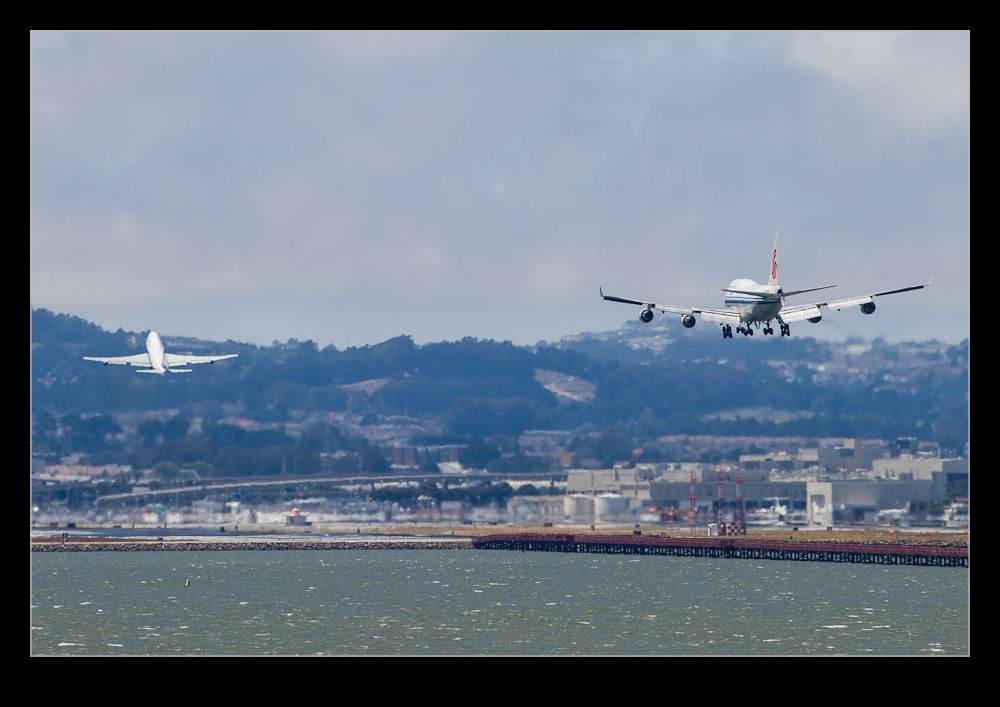
This was a fun thing to experiment with.  SFO is a great spot since you can get parallel approaches in one direction and parallel departures on the cross runway.  This puts lots of aircraft in a single shot which makes it more interesting.  Another time, I will take the lessons from this time and try and get them a bit better.

SFO

My work recently took me out the the Bay Area for a number of meetings.  When they were all finished, I needed to write up some notes.  Tapping on the laptop is something that can be achieved wherever you are.  Also, SFO has a nice diverse selection of aircraft that visit.  Therefore, my decision was made to take the laptop and the camera and head to Coyote Point.  During the week there are less people there so it is quite a peaceful place to get some work done.

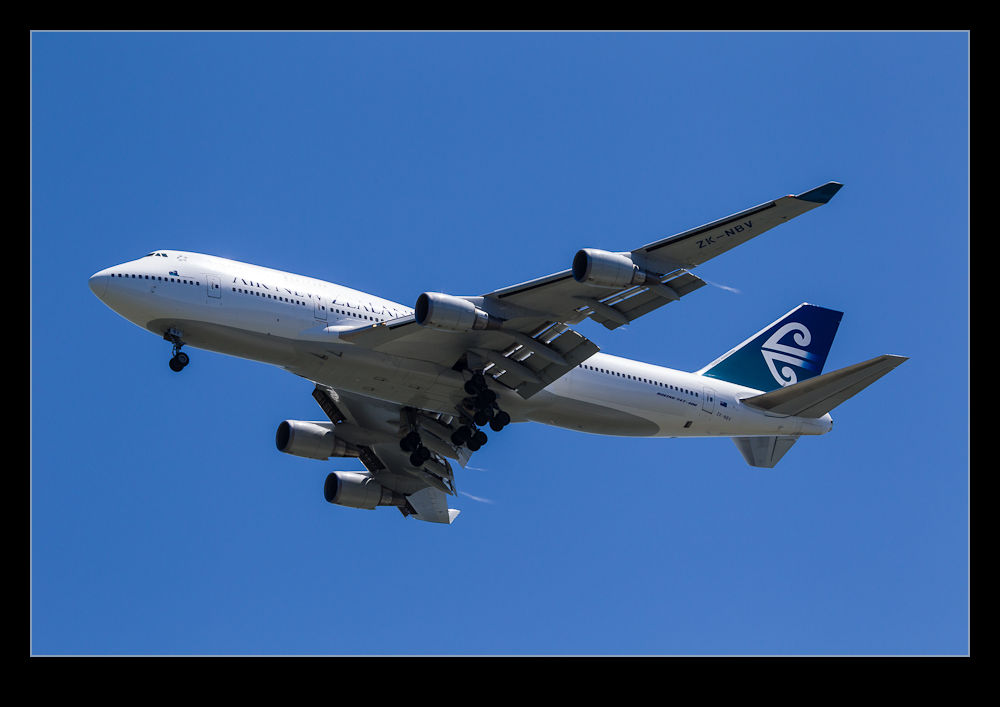
Of course, whenever something interesting made its way in to the approach, I could look up and grab a couple of shots before returning to my tasks at hand.  SFO is like many hub airports in that it has a lot of the same things coming in and out.  However, it has a lot of long haul traffic as well which provides an opportunity to see something a little different.  This can include newer aircraft as well as those that are on their way out.

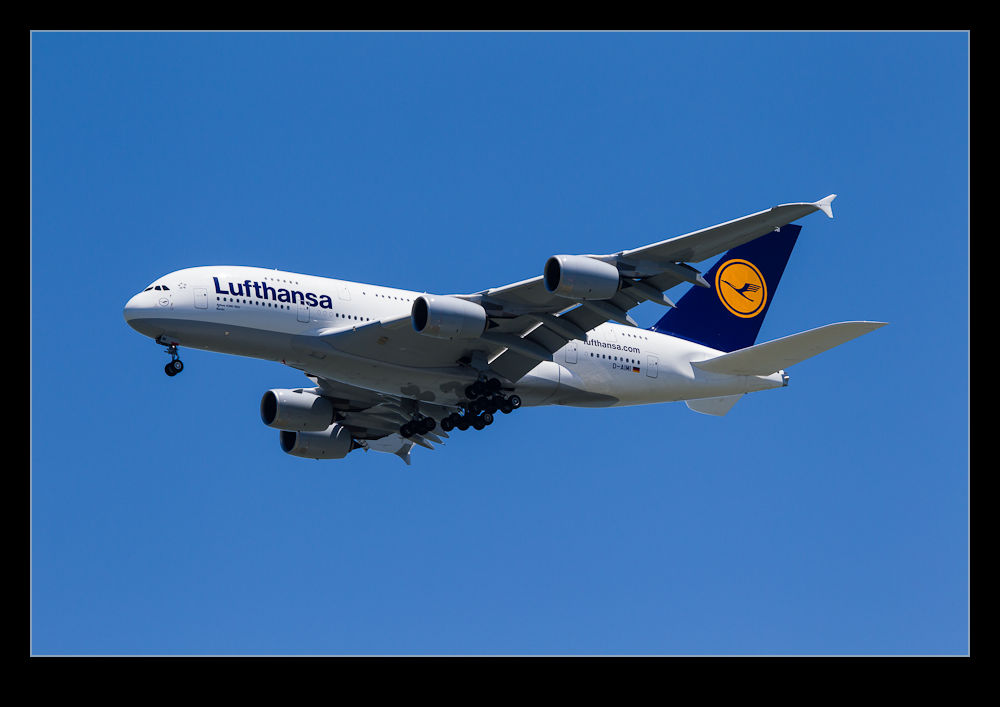
Lufthansa is now operating A380s in to SFO so catching that on the approach was a nice new thing to see.  Meanwhile, the number of 747s arriving is gradually going down as they get phased out.  Cathay brought one in as I was arriving.  I imagine they won’t be around for much longer.

The sun was bright but the air temperature was relatively low.  This meant that the heat haze was not too much of a problem.  I could even get reasonable shots of the airport itself as the aircraft landed (nothing that would be publishable but not bad).  A buddy was coming in with a BA 747 later in the day so I decided to move to the area on the shore near the Marriott to get some different shots.  Unfortunately,  this was not a good move.  The heat haze to the runway at low tide was quite bad and most shots do not survive too detailed scrutiny.  One to remember if I find myself back there at any time.

Davis Monthan AFB

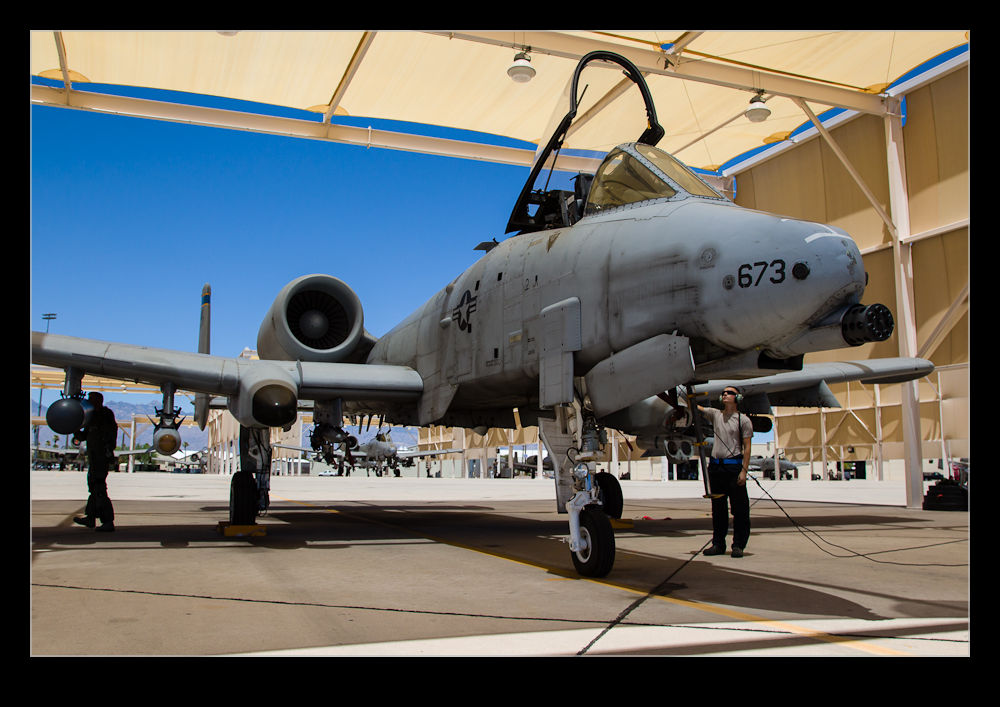
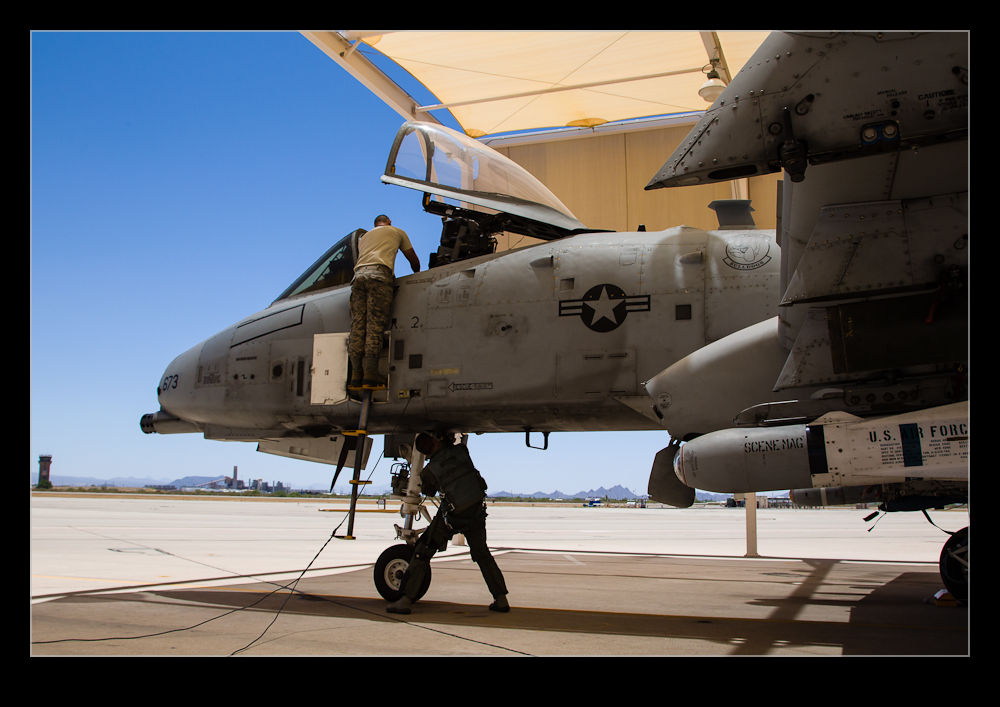
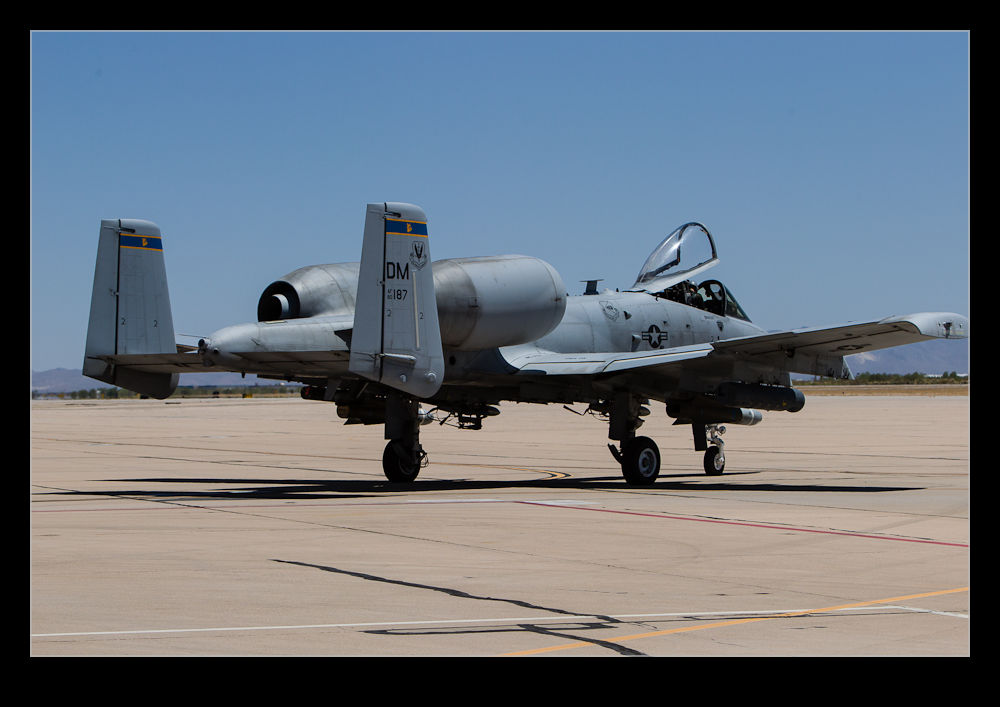
This year is the 40th anniversary of the first flight of the Fairchild A-10 Thunderbolt II or Warthog to most people.  Global Aviation Resource wanted to celebrate this event in the magazine so I headed off to Tucson Arizona to visit Davis Monthan AFB.  Well known for being home of the boneyard, DM is also the home of three A-10 squadrons.  Two are training units and the third is an operational squadron.

I was visiting both a training squadron and an operational unit to see he people train to fly the jet today as well as learn about how it is used today.  I have had a soft spot for the A-10 for as long as I can remember.  Visiting an A-10 unit is a treat for me.  This is still true even if it is 105F in Tucson while I am visiting!

The team took great care of me while I was there.  I spent the morning with Major John “Tex” Lesho who is an instructor on the jet with a number of tours at different locations with the aircraft.  He gave me a great description about the aircraft and the training process as well as the changes that have been introduced in recent upgrades.  He also had some great stories as would be expected of someone who has been flying the jet a long time.  During the visit with him the opportunity was presented to head to the weapons ranges to watch the jets training.  However, this involved a long drive each way and would have taken up most of the day.  Since I was there to learn about the units, going to photograph the jets gunning the range couldn’t be done.  It would have been great to do and hopefully I will get another chance in the future.

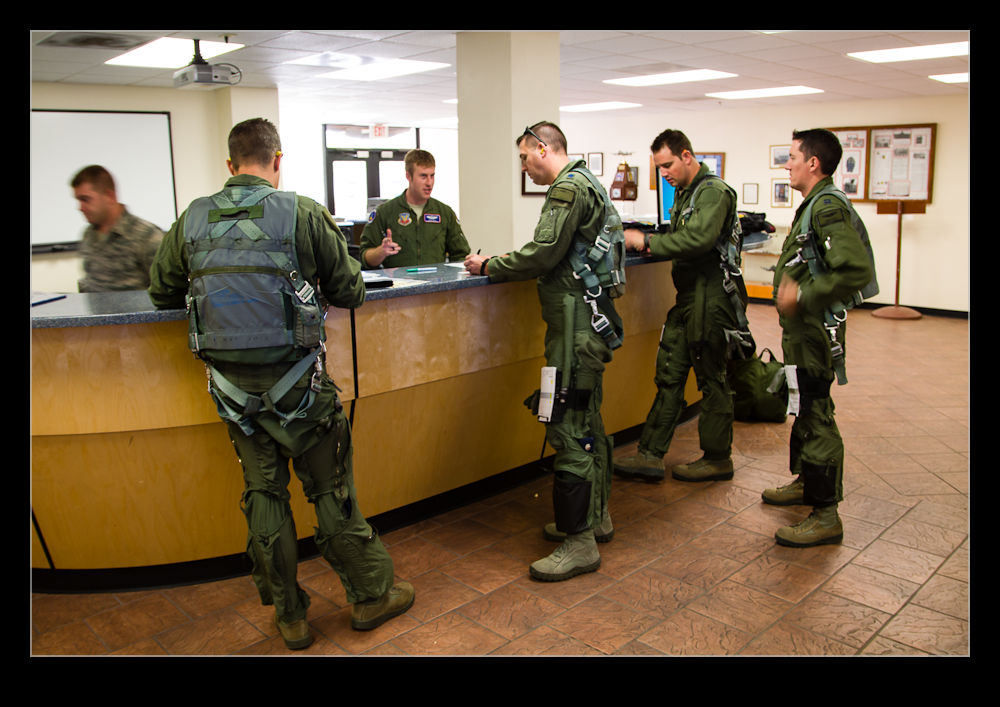
In the afternoon it was time to visit the operational squadron.  Beercan Collier was my host.  I mentioned Beercan in a previous post for those of you paying attention.  He gave me a rundown on how the unit works as well as the additional work he has with the Heritage Flight duties.  He then handed my off to a group of pilots who were getting ready to launch on a four ship mission.  We watched them sign out the jets and then head out for start up and launch.  They were very accommodating but I did make sure to stay out of the way.  Launching military jets does not happen quickly since there is a lot to do. You don’t just turn it on and go.  I made best use of the aircraft shelters during this to stay out of the sun.

Once they were launched, I managed to grab a shot of a VC-25 that was parked on the ramp before it was time to wrap up.  (Unfortunately, the VC-25 launched just as I drove off base and, while I scurried to find a spot to get a picture of it in flight, I was still driving up the road as it flew overhead. Oh well.)  My escort for the day, Sarah, did a great job of getting me where I wanted to be and I am grateful to here and everyone else for taking such good care of me.  The article is in the August edition of the magazine so go to www.globalaviationresource.com if you want to buy a copy.

More Tucson Exploration

While the majority of my time at Tucson International was spent chasing F-16s, there is a lot more going on at the airfield.  This part of the world is popular for aircraft storage as a result of the dry conditions that don’t encourage corrosion.  The reason that Davis Monthan AFB has the boneyard is because of this and Marana is just up the road and also stores lots of aircraft.

Tucson seems to have a few things stored but there seems to be more of a focus on reworking aircraft that have left an operator or breaking down planes for parts.  Over on the southwest side of the field seem to be a bunch of planes so I drove over to take a look and see what I could find.

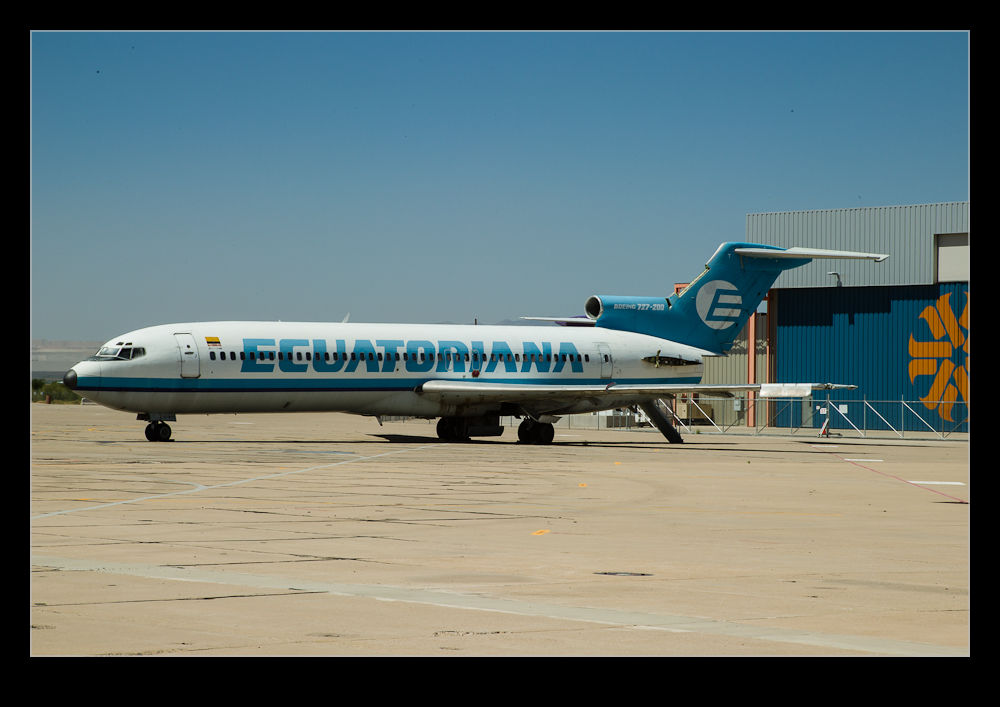
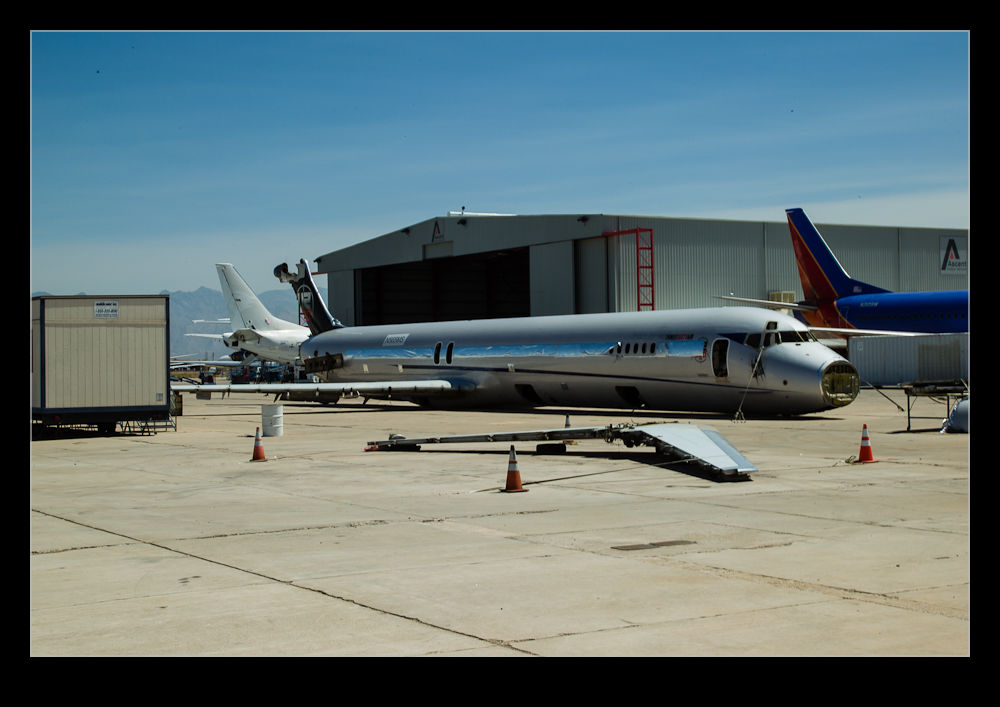
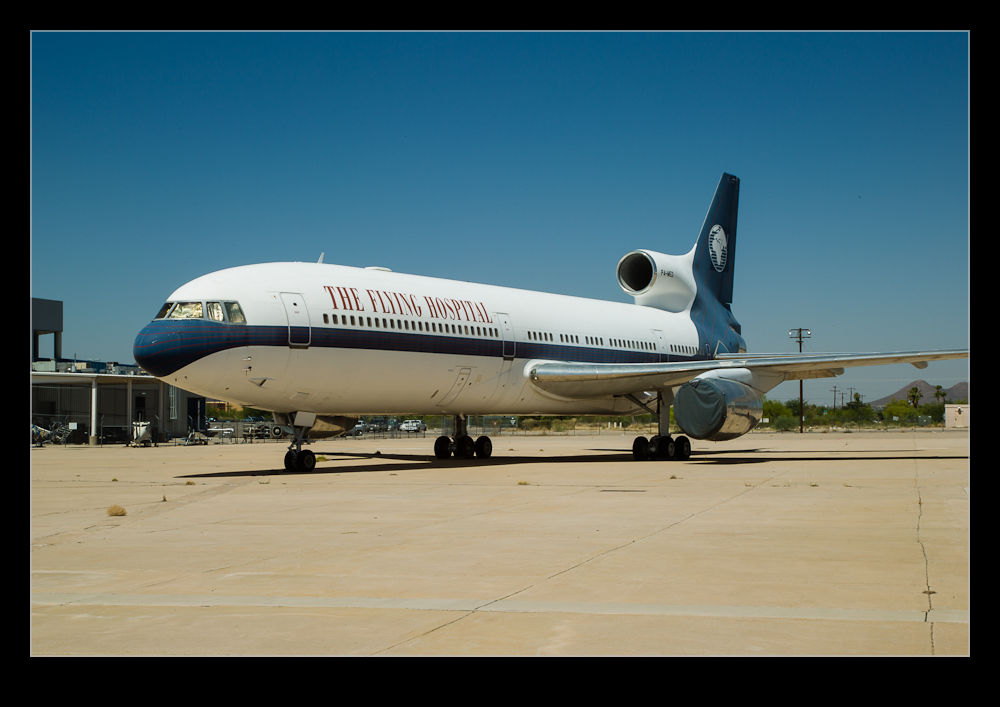
There are quite a few aircraft in various states over there.  A bunch of ex-Southwest 737s seemed to be going through the process of rework.  Whether they are going back to the fleet or heading off to pastures new I don’t know.  I also came across the fuselage of an MD-80 which appears to have been part of a U2 tour prior to its demise.  I particularly liked an L-1011 TriStar that was on one ramp.  I assumed it was disused but it does appear to be in better shape than something that hasn’t flown for a long time.  Who knows.  They are a rare beast these days so let’s hope it is still flying occasionally.

Tucson F-16s

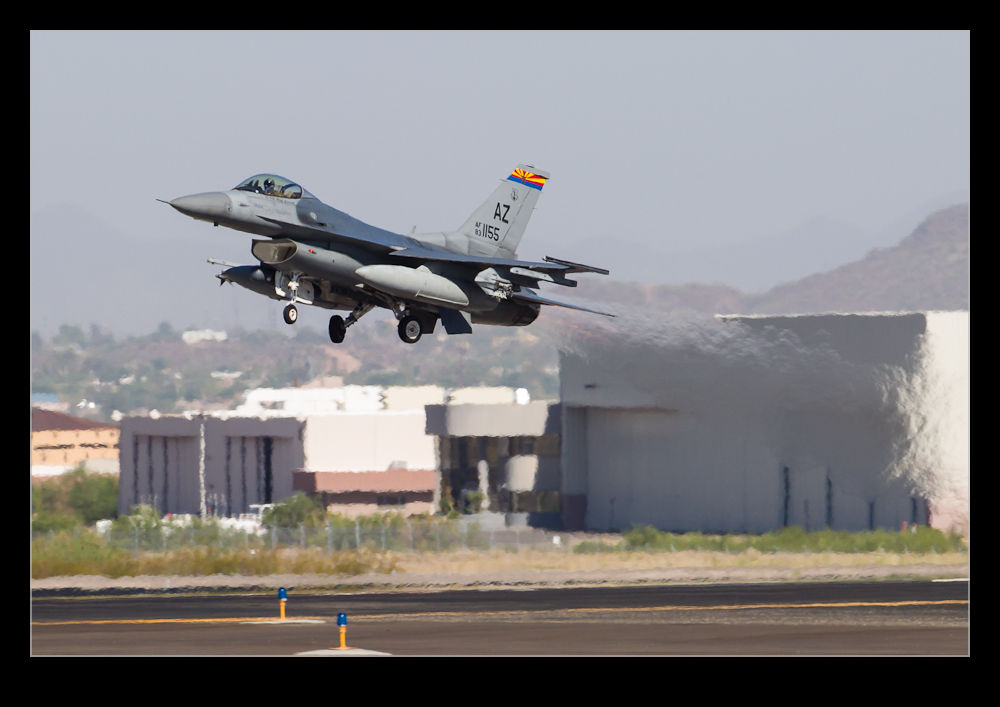
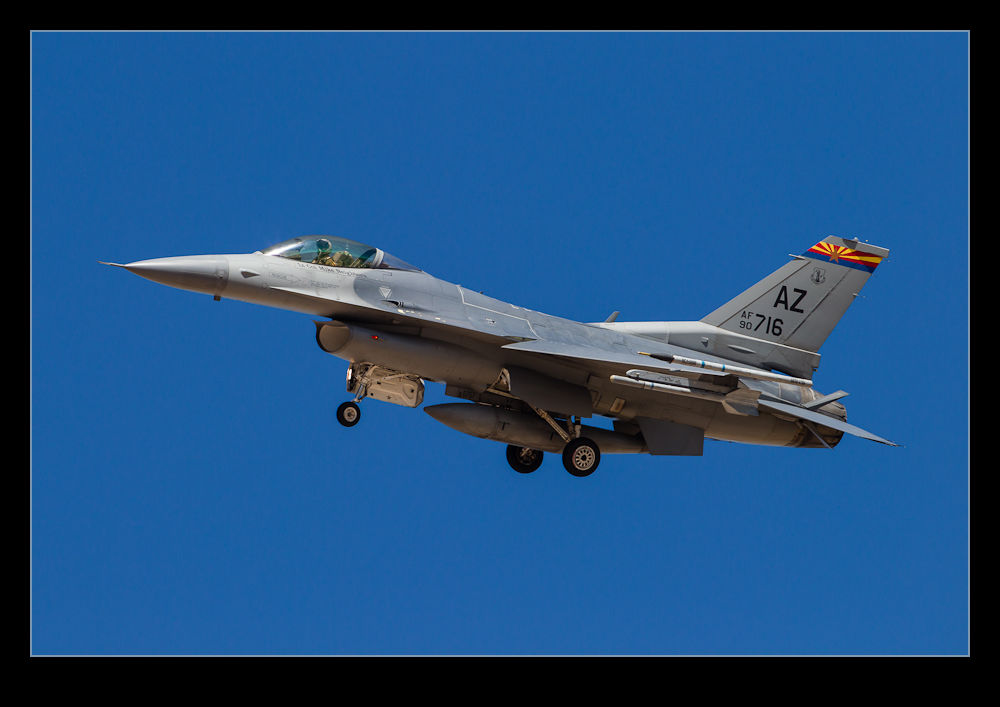
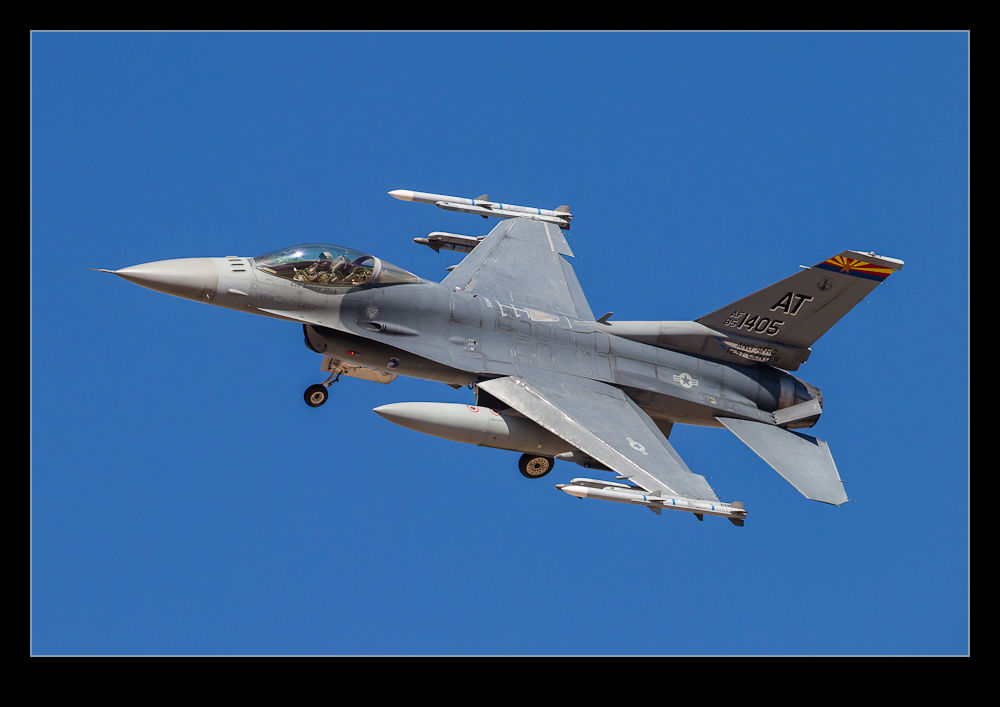
I recently was in Tucson AZ for a piece I was working on for the magazine.  Since that is yet to be public, I will have to hold off on putting anything from the visit on here.  However, I did have a morning free before my flight home and decided to check out the F-16 operations that take place at Tucson’s international airport.  I hadn’t visited the airport before so I checked in with my friend Jay to find out what the options are for shooting at the field.

Jay gave me some suggestions on locations as well as the times of day that things are likely to happen.  This was focused on first thing in the morning since it is a little warm in Tucson at this time of year.  105F is not just uncomfortable to be out and about in but it does cause lots of heat haze issues which makes for tricky shooting conditions.  Besides, I did have a plane to catch.

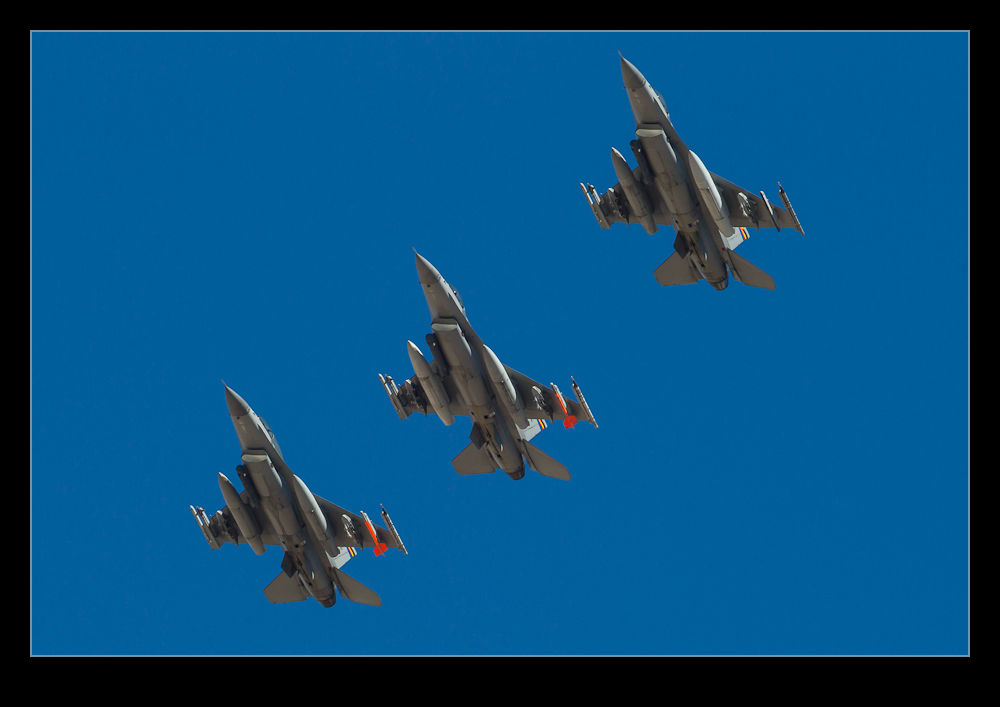
I got the the departure end of things and the timing of the first wave of F-16s was pretty much as predicted.  While you have a good view of the aircraft on their takeoff run, most shots before they get close are pointless since the heat haze is very strong.  That didn’t stop me trying some of course.  However, there are a lot of shots of that type that did not make it through the first cull of bad images!

With the first wave away, I moved to the other end of the field to get the recoveries.  Not only was Jay’s suggestion well placed for getting the aircraft as they came in but it also provided a measure of shelter from the sun.  This was very welcome.  Depending on the pilots, the jets turn in very close to you and provide a nice angle that you don’t often get.  Some pilots turned a lot further out although I did notice one jet which was a two seater do that on its first pass and it was a lot tighter on the second pass.  i wonder what the conversation was like in that jet.

I got the recoveries of the jets that had launched earlier along with a few civilian arrivals before deciding that it was too warm.  Then I did a little exploration around the field but that will be a different post!


Virginia Air Power Park

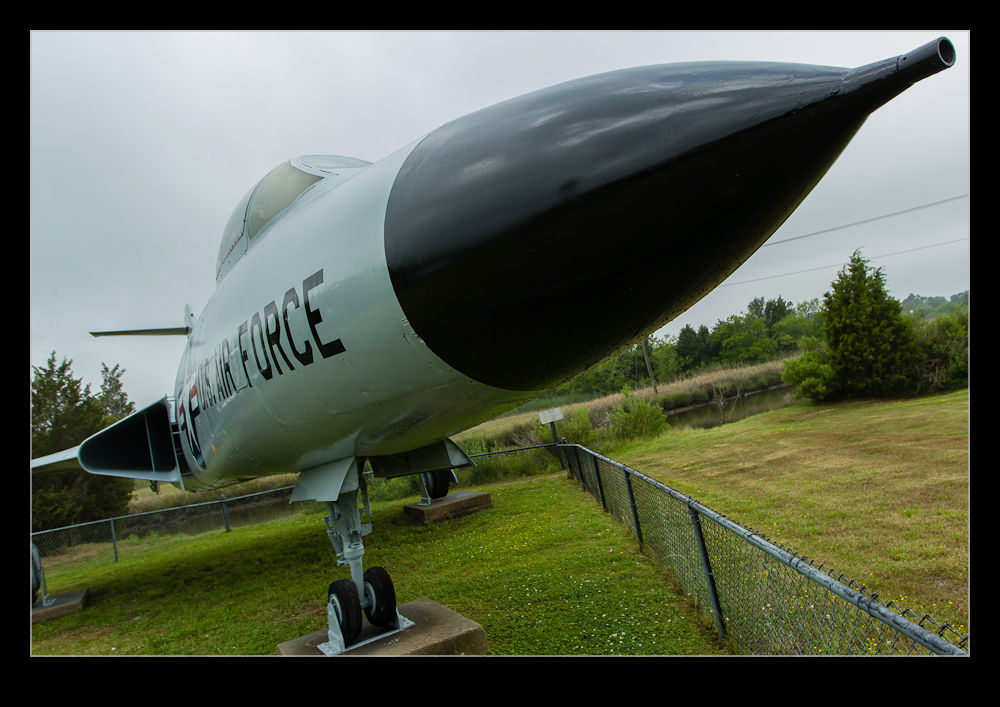
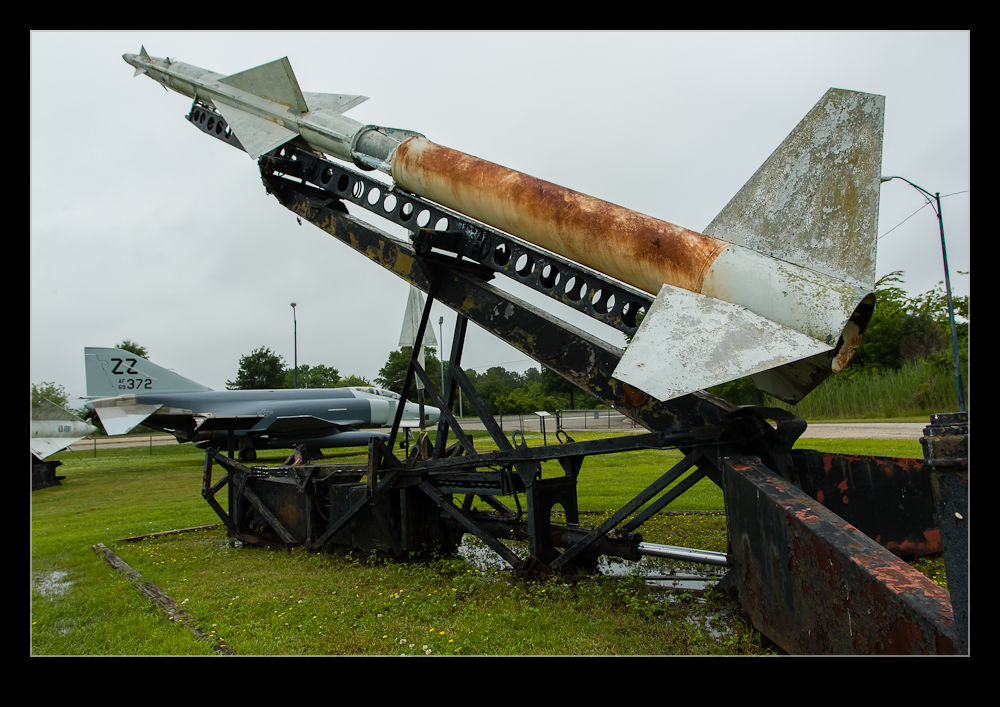
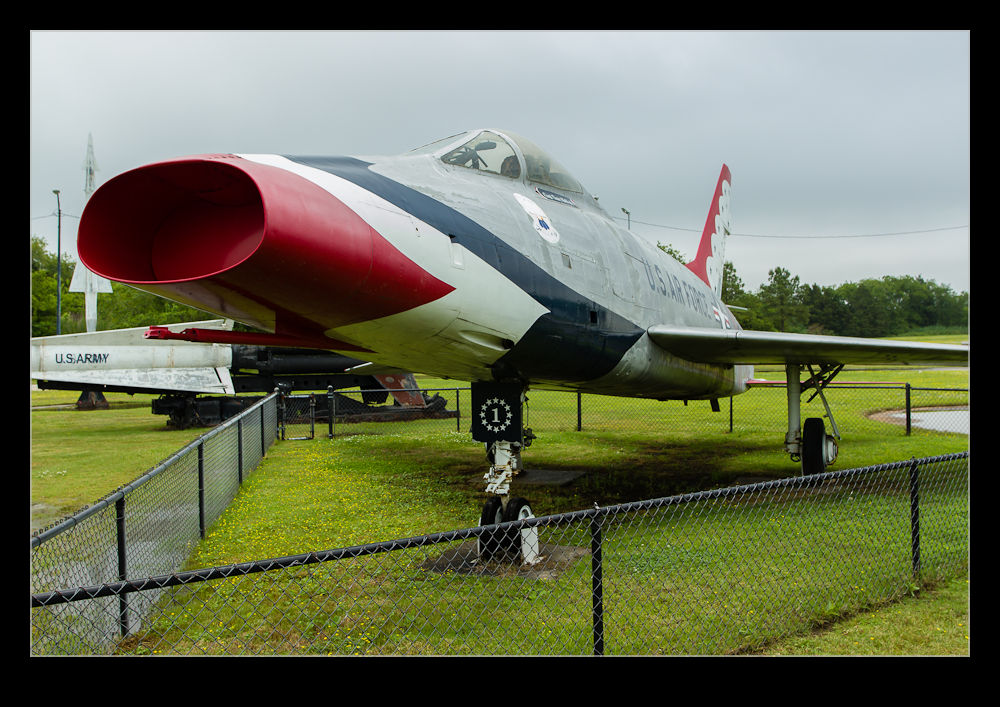
Just down the road from the Virginia Air and Space Museum is the Virginia Air Power Park.  This has some similarities to the Air and Space Museum and some differences.  First, since it is also close to the Air Force and NASA facilities, it shares the access to some interesting exhibits.  Therefore, there are some very interesting aircraft on display.  This includes an XV-6 Kestrel from NASA, just like the Air and Space Museum.  Strange that such a rare aircraft should have two on display in such close proximity!

The differences are more pronounced.  It is an outdoor exhibition and decidedly less glamorous.  Getting funding to look after the aircraft is a continuing issue for the team there and they are working hard at it.  Some of the aircraft are repainted but others a in need of a new coat when they can get it.  Since everything is outdoors, I imagine that the preservation task is a more difficult one.  We were there on a rather grey day.  It had been raining heavily and was still cloudy and dull while we were there.  Some of the aircraft were standing in large puddles which can’t be good for them.

None of this is meant to be critical of the team.  That they are doing what they can to keep these aircraft on display is great but it must be a struggle to make sure that they are not going to rot away.  Not only are there aircraft but also some interesting missile and some rockets from the space program’s test activities.  They also have some capsule hardware from test activities.

There is a building at the park as well which currently contains a wide selection of models of different aircraft, ships and spacecraft.  Again, if you are passing by, I would recommend you pay it a visit but you might need to make sure you have some shoes that don’t mind puddles!

More Oceana

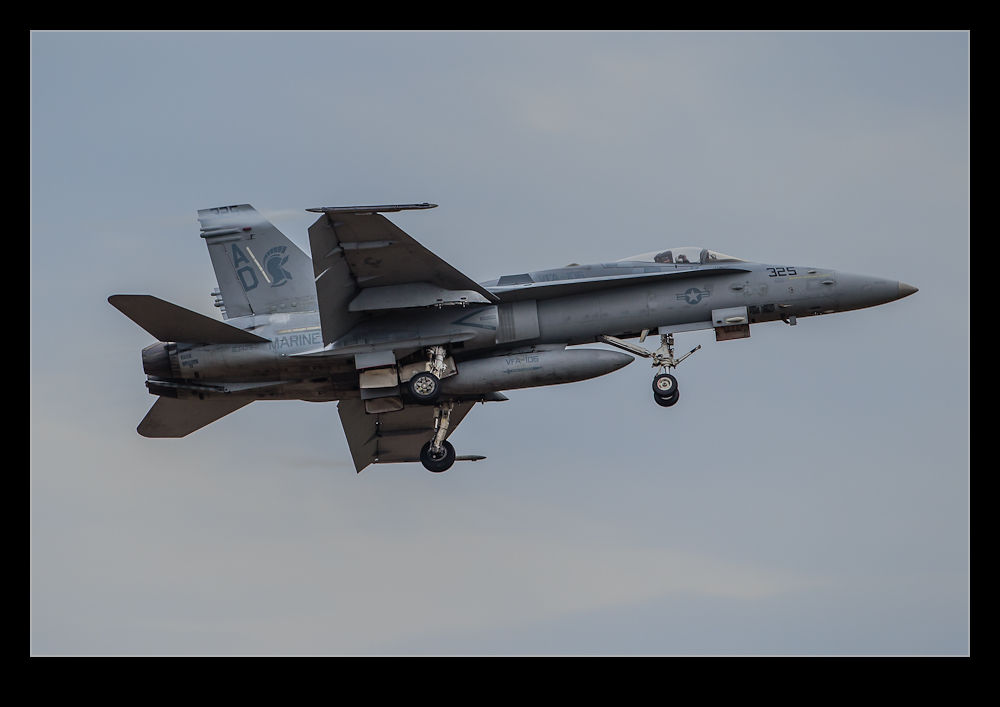
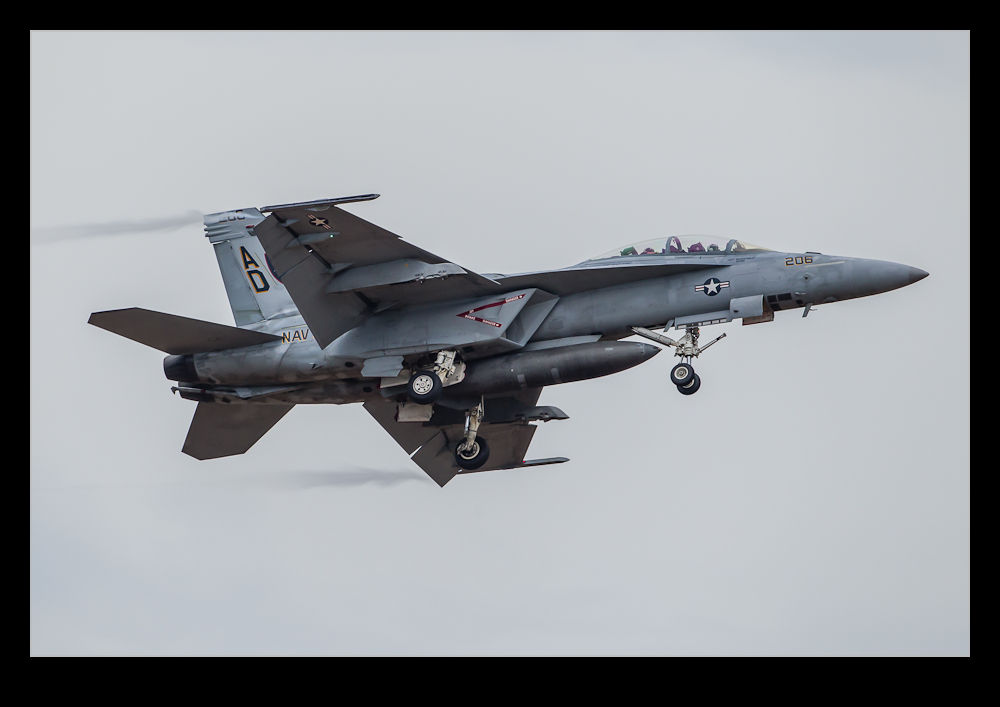
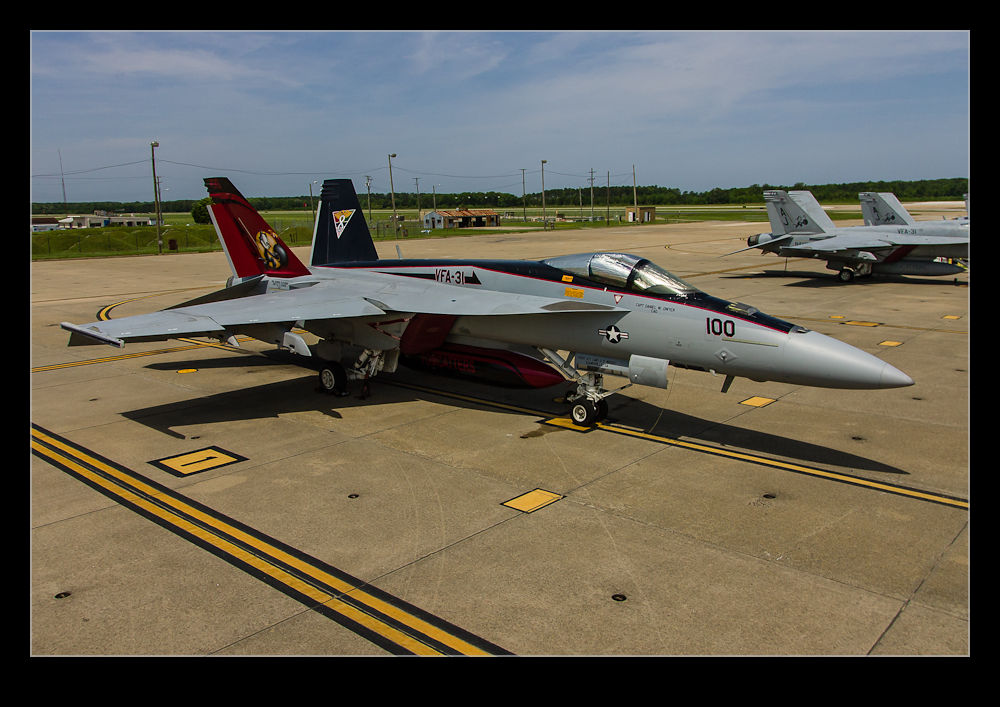
The ISAP theme continues!  In a previous post (that you can read here if you missed it) I talked about some shooting I did with some friends outside NAS Oceana, the premier fighter base for the US Navy on the east coast.  Well, the field trip from the symposium included a visit to Oceana as well although this was to be on the flightline.  VF-31 was the Squadron that hosted us.  They provided us with an excellent visit.

The squadron was not undertaking operations that day so their part of the ramp was occupied by planes but nothing was moving.  This gave us a great space in which to move around.  We were basically free to go to the end of their line where it met the taxiway and to shoot from anywhere in there.  The only restrictions were the normal ones on a Navy base.  No shooting open panels and no shooting Super Hornets down the inlets.
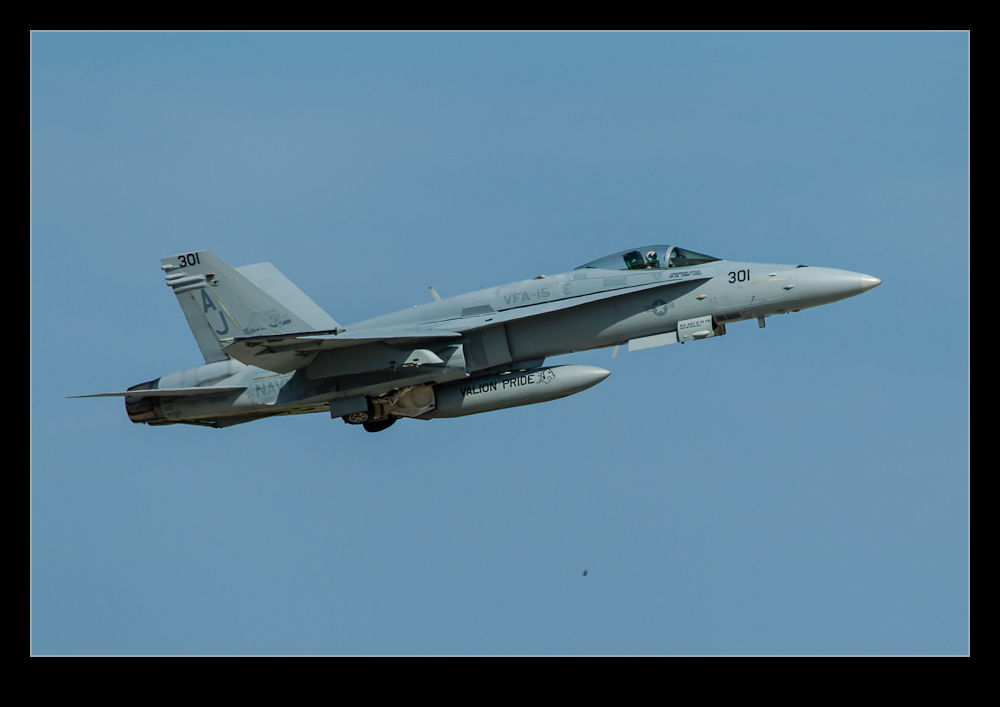
There was a fair amount of activity on base and the weather was very nice (if a little breezy).  Since we were there in the morning, we had the sun pretty much behind us which worked out well.  The squadrons that were flying that day seemed to have a steady stream of jets on the move.  They would taxi passed us on the next taxiway from the one we could get to the edge of so we could see the jets coming by easily and when they were in the hold they were easy enough to shoot.
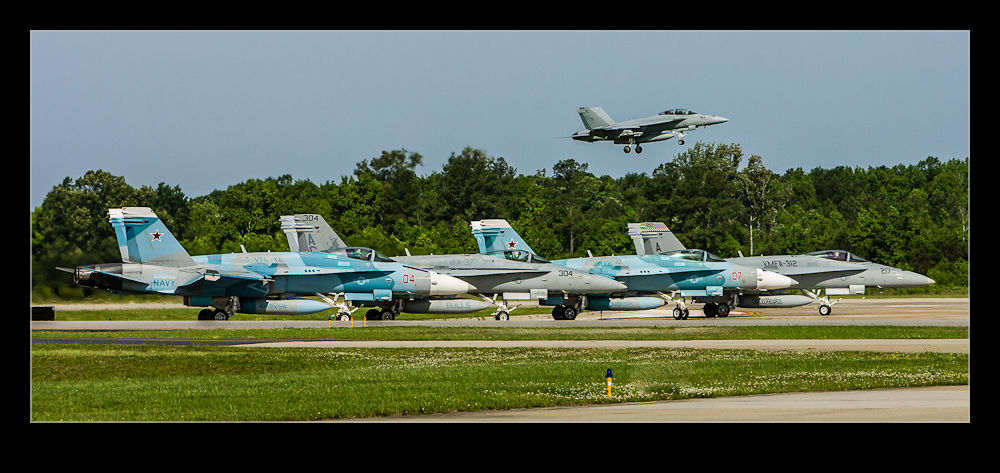
The warm weather meant that shooting anything too far away was going to be fruitless if using a long lens since the heat distortion was too much.  However, if you went a little wider, you could minimize the effect of that, at least for the size of shots that are going to be posted online.  They wouldn’t stand up to too much enlargement I suspect but they certainly show what was going on.

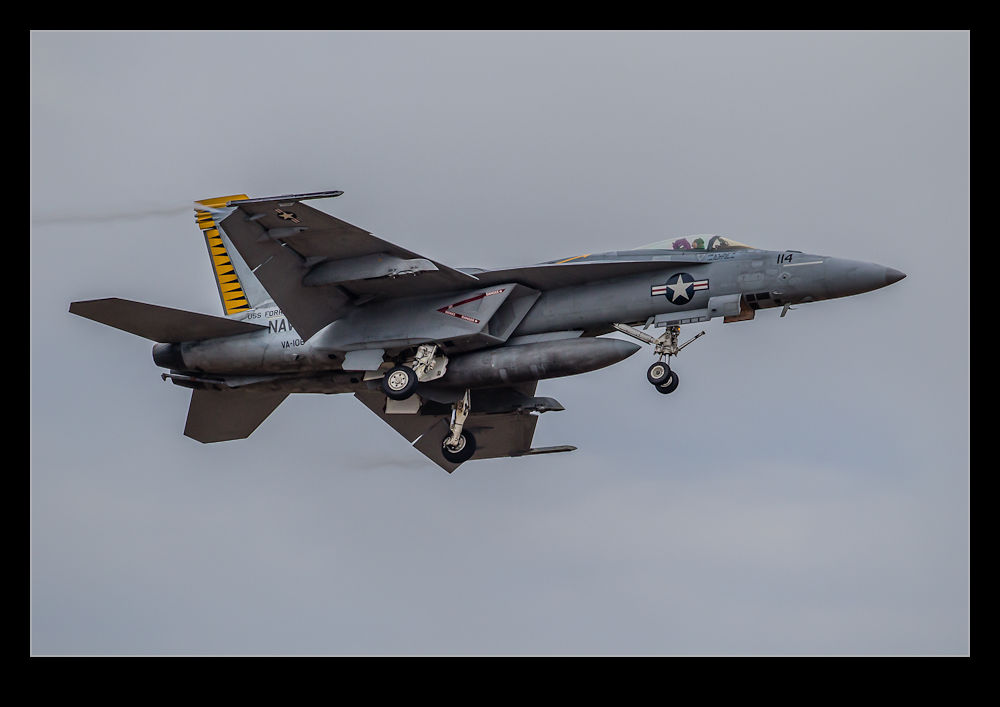
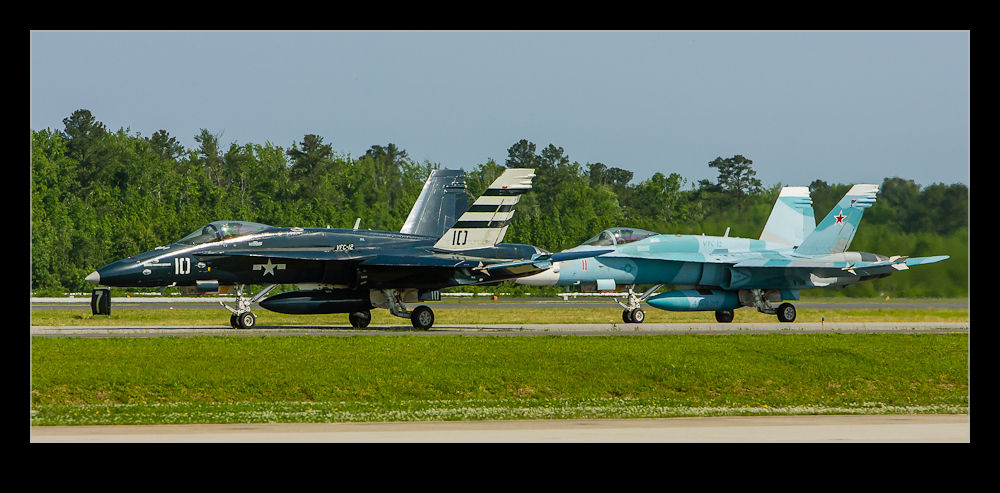
Interspersed with the regular jets were a few in special schemes.  There were a number of the squadron specials up and flying as well as one of the CONA marked aircraft.  We also saw a few jets that were in the aggressor colors but that had moved to a new squadron so we a combination of new and old markings.  I am sure they will be repainted in gray before long so that is something good to have seen while it was around.

The VF-31 special aircraft was at the end of the line up and the squadron kindly provided some steps to allow us to get a higher look at it.  These were originally for us to get a group photo in front of the jet but, once they were there, most people took the opportunity to get a few shots as well.  These things tend to work quite well with everyone taking a turn but occasionally, as with people who linger very close to a subject, you get a few people who forget that they aren’t the only person involved.  Thankfully, he majority are very considerate and “help” the less fortunate to play well with everyone else!
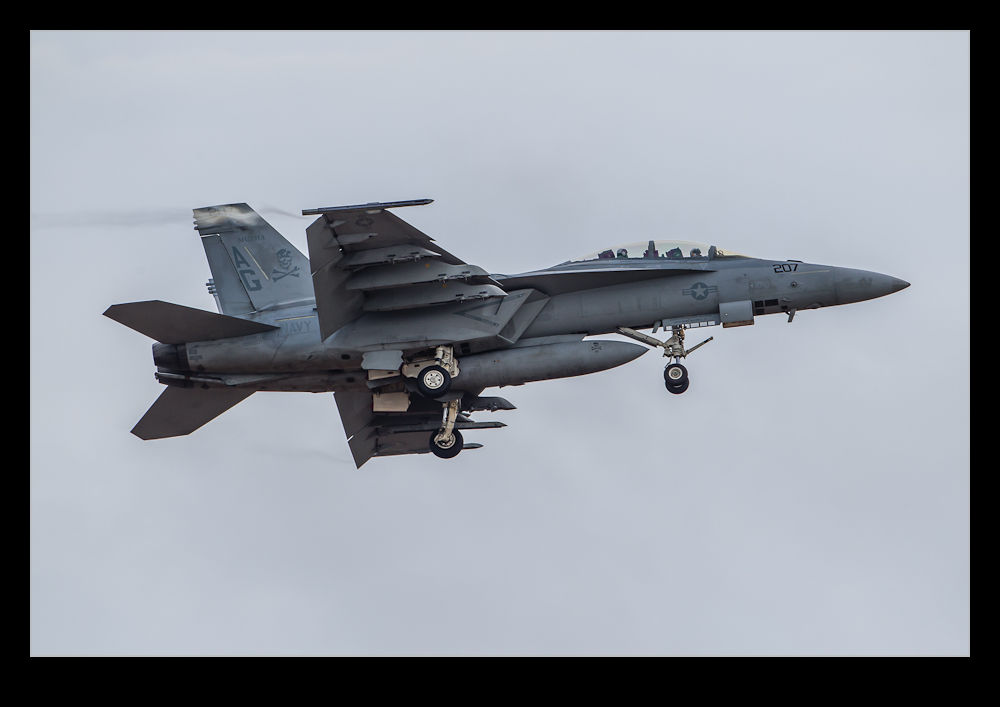
The next squadron along the ramp was VF-213.  They did have some operations underway.  One of the things they were doing was providing experience flights to midshipmen who were yet to decide their career path in the Navy.  Additionally, they appeared to be in the process of training up a number of the ground crew.  Consequently, when one of the jets came in for a running change of backseater, we got to see the midshipmen swap over and the ground crew being shepherded through the process of turning the jet.  It was fun for us but I wonder how much they enjoyed having their early work being watched by so many.  Many thanks to them, though, for tolerating our presence.

Our stay was slightly extended since our bus driver had been taken ill while we were on base and a replacement had to come in and help out.  I didn’t hear the final outcome but hopefully he was feeling better later on.  With a new driver in place, it was time for us to move on.  Considering the size of the group we had, the team at Oceana did a great job of hosting us.   Many thanks for everything.

NAS Oceana

The recent ISAP symposium took me to Norfolk VA.  It is a short drive to Virginia Beach and NAS Oceana – the home of the east coast fighter squadrons for the US Navy.  The field trip for the symposium was going to include a visit to Oceana but, since I was there ahead of the event, I decided to pay a quick visit after my arrival.  A slight delay due to travel complications and then the passing through of a pretty significant storm meant I was a little later than planned but no great problems resulted.

The weather was not great so the light was a bit sparse.  Combined with a cloudy sky, photographing grey jets is always a challenge but I was meeting up with a friend from FenceCheck.com who lives locally so there was always time to chat even if nothing was happening.  However, after a pretty quiet period, a few more jets got up and started flying.  I was supposed to be leaving to go and pick up a friend from the airport but the storm that I had come through was not alone and his inbound flight was significantly delayed.  Therefore, I had the time to see what else would fly.

The activity kept going for a bit was the light was fading fast and my ISO settings were getting higher and higher.  Since the time to pick up my friend was now approaching, I decided to pack up my stuff.  Another jet arrived as I did so.  This didn’t bother me until I realized it was one of the CONA painted aircraft so the kit was rapidly extracted again and a few shots taken.  Then it really was time to go.

Thanks for the advice on the spot to those concerned and also for the chance to catch up.  Maybe not the most ideal conditions but still a fun way to kill an hour or two.

Trying the New Spot in Better Light

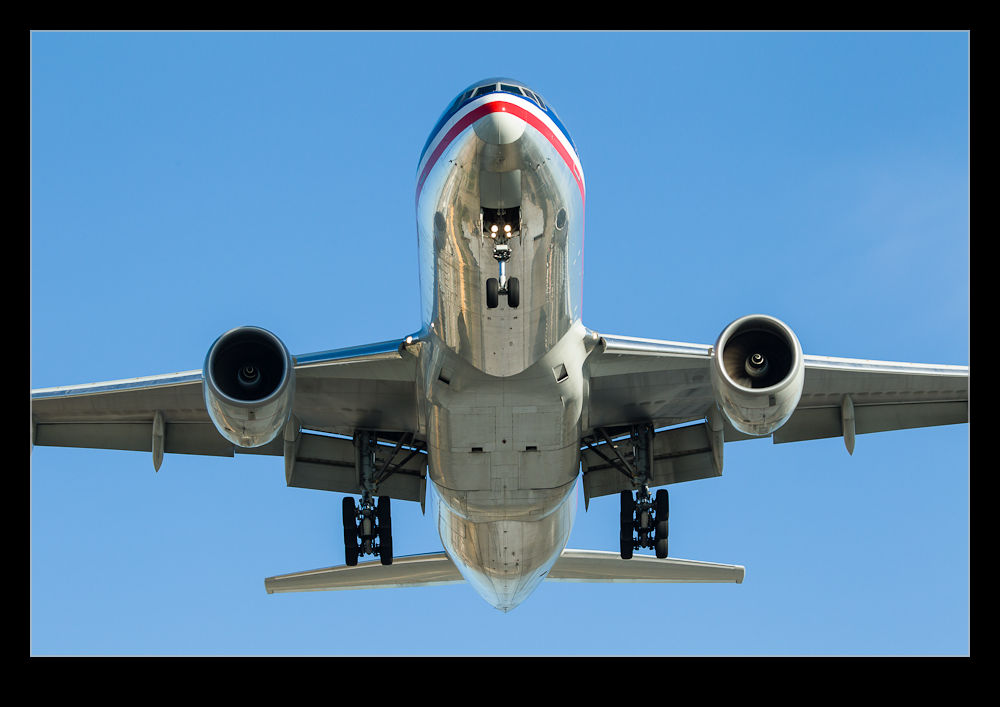
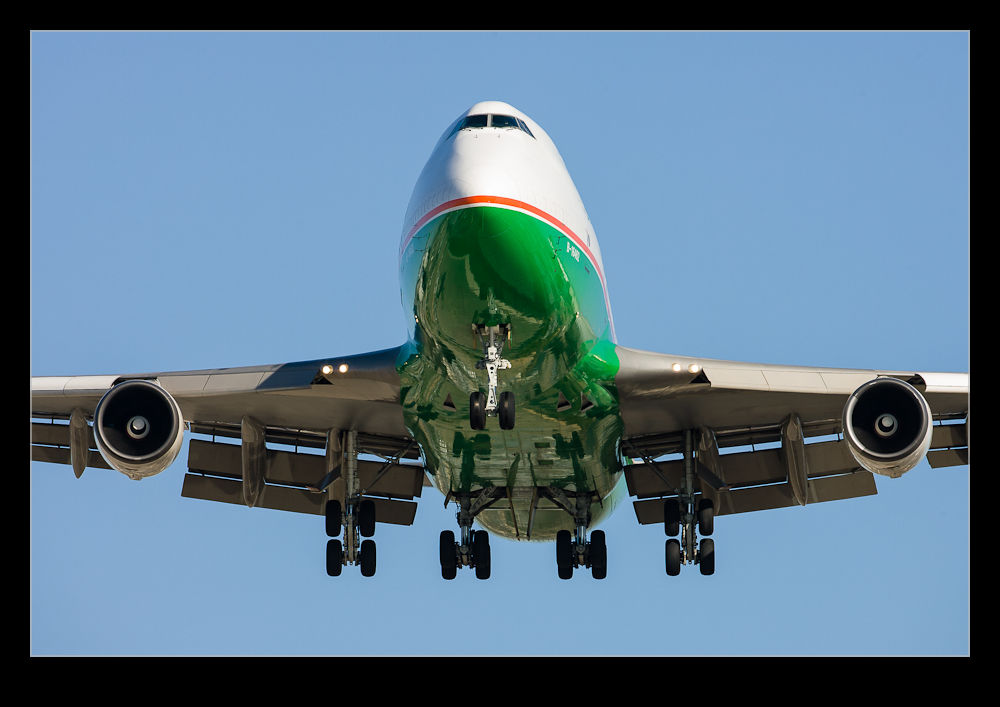
I recently posted about a trip to O’Hare in some crummy weather when I didn’t end up with many good results.  One of the better aspects of that visit was that I found a nice location directly under the approach to 14R.  This provides some good head on shot opportunities.  Head on shots are kind of fun I find.  They are a different perspective to normal and mix things up a bit.  You can’t do it all of the time or it is dull but it does make for some more dynamic shots that the standard side on pass.

I waited to see when the right combination of wind and weather would occur so that I could get the morning light just off the nose when this runway was in use again.  Fortunately, I didn’t have to wait particularly long.  Things lined up quite nicely so I popped out to have a look.  My desire to stay in bed meant that I was about five minutes too late to catch the ANA arrival from Japan but others were on the way so it was a nuisance but not a huge loss.  However, en route I did take a look at the south side of the field for other possible shooting locations.

I had shot a few years back at a spot that provided a great view of aircraft departing off 22L, many of which turn quite early after departure giving some topside views.  This spot ended up having a warehouse facility built on it which was a nuisance.  however, further development in the area has provided some spots to park so I checked out one of these and it seems a reasonable option.  Then I headed to the approach.

In good light it seems to work really well.  I experimented with wide angle shots as they pass overhead as well as long lens shots that crop tightly in on the aircraft as it gets closer.  Both seem to have some merit.  I didn’t stay too long as there was a gap in the larger arrivals so I headed back to my other new spot to try a few departure shots.  Then it was back to the approach for the last of the big jets and then home.  Not a bad morning really and with the day only just started, plenty of time to do other things.