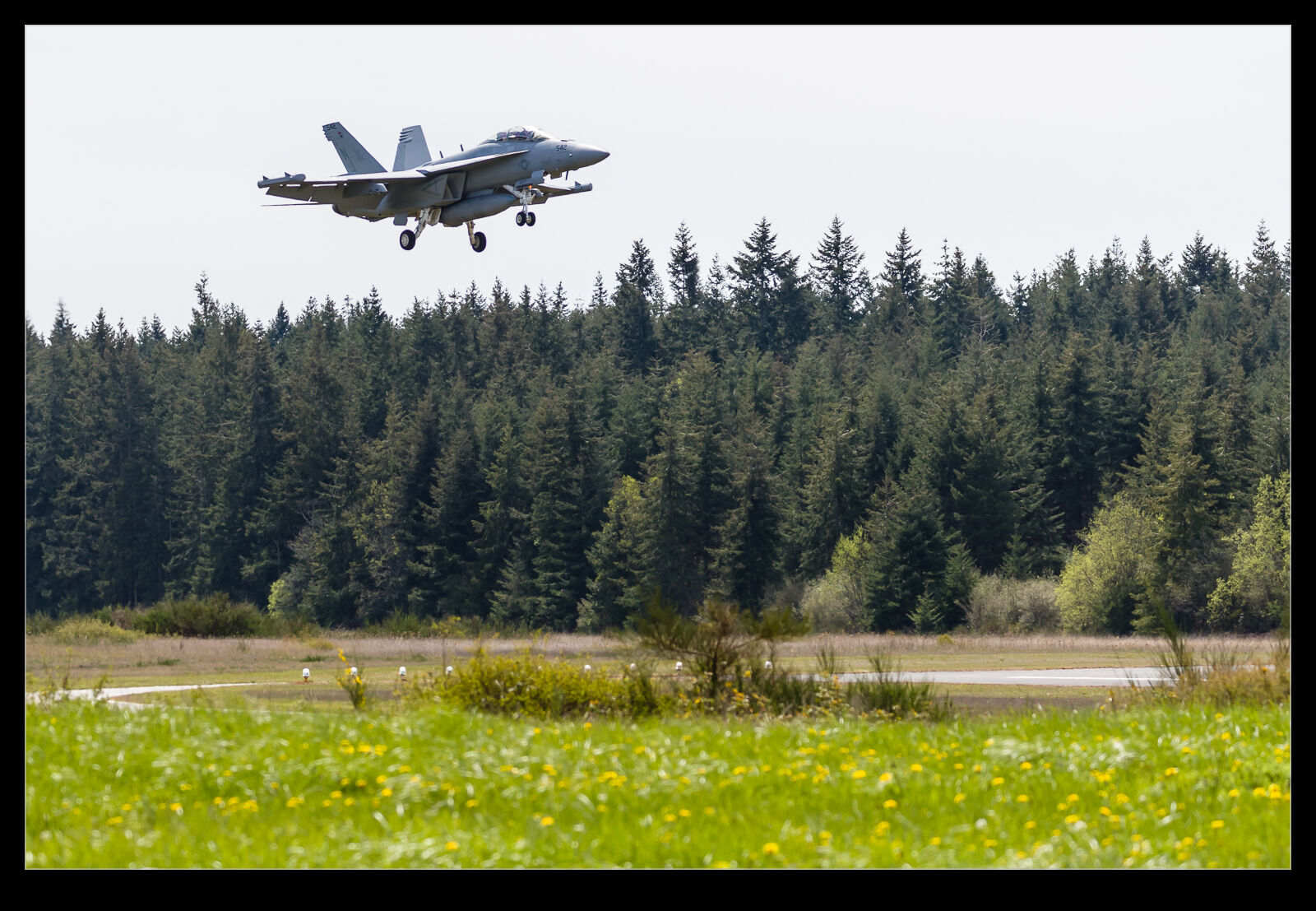
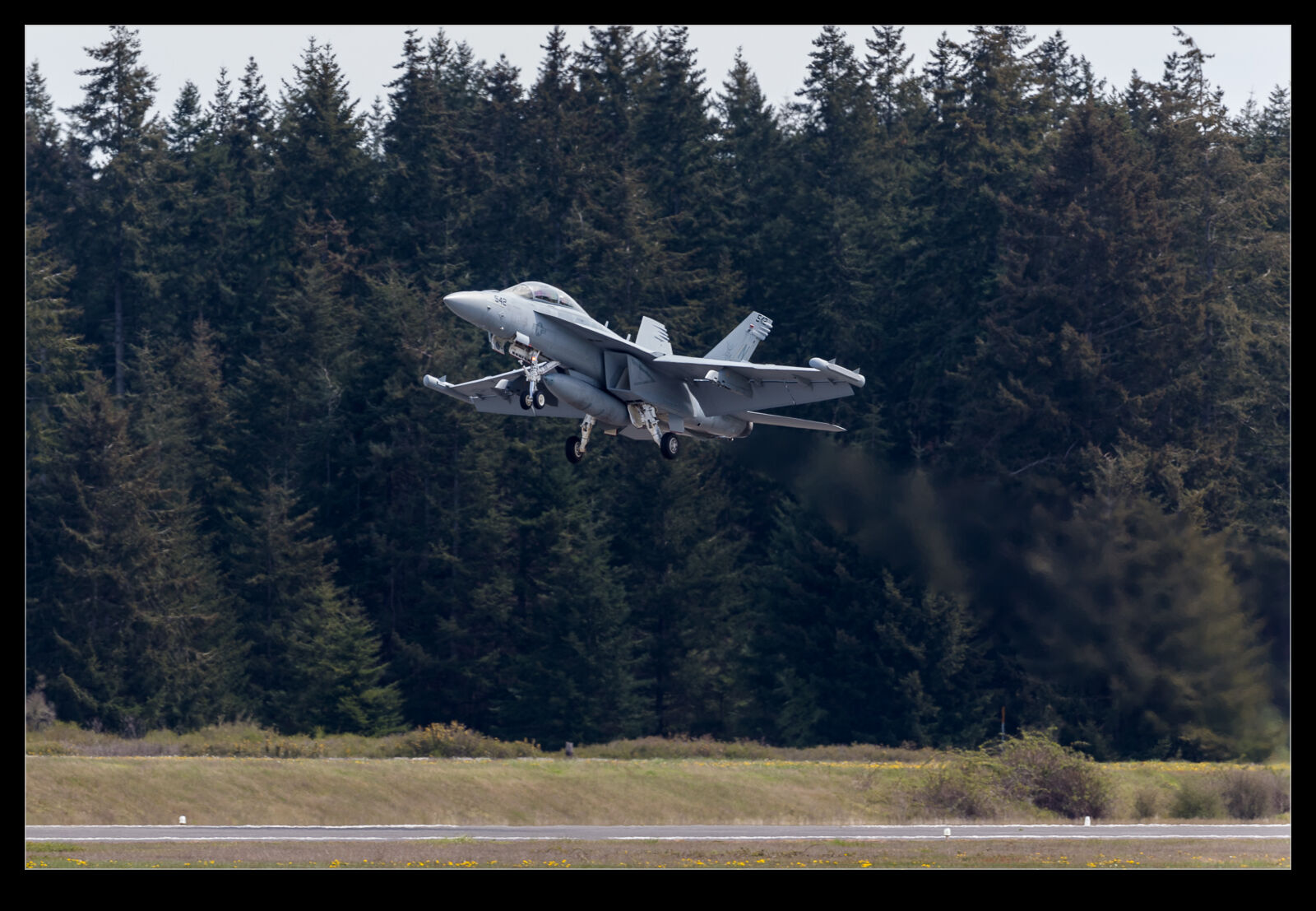
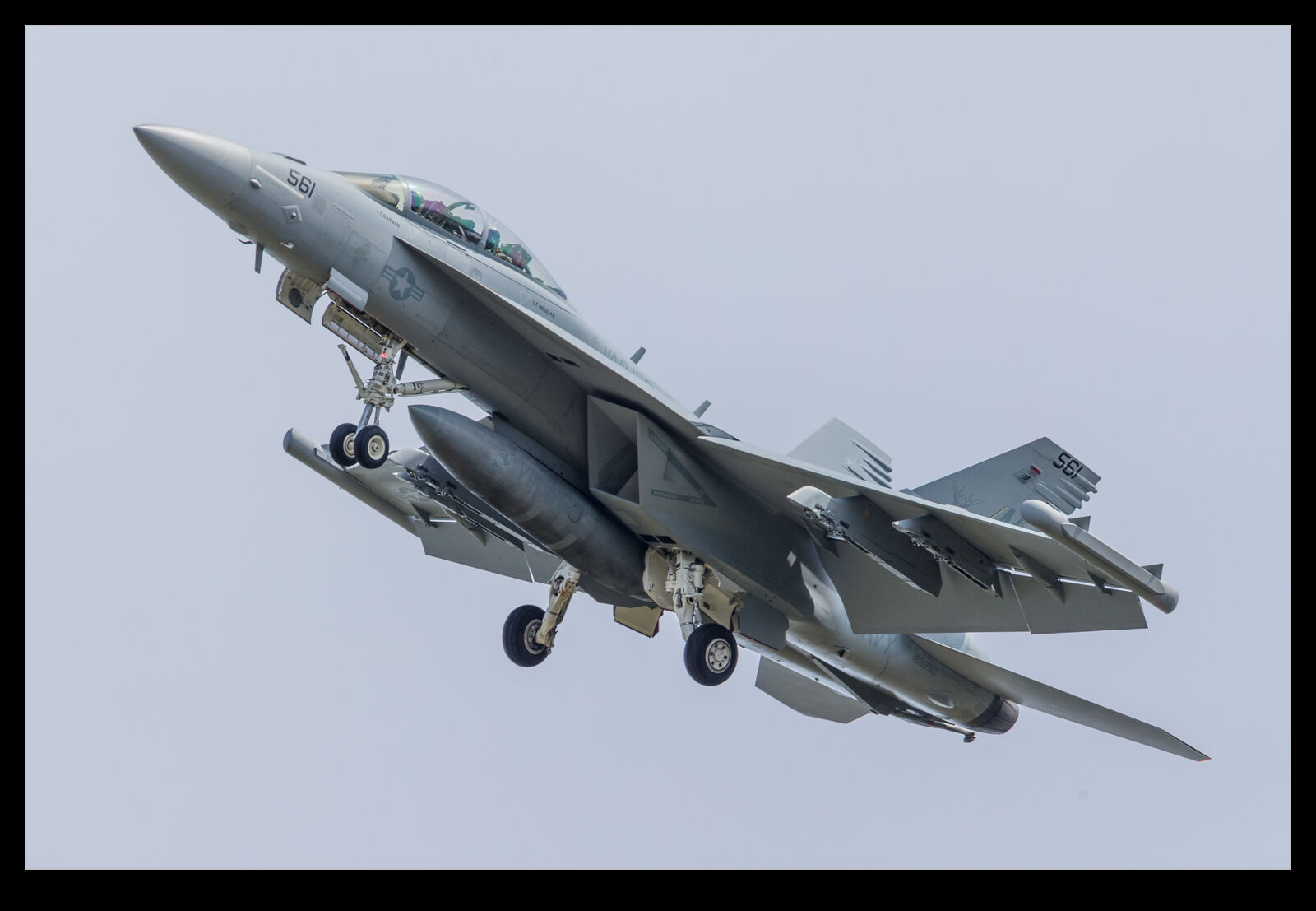
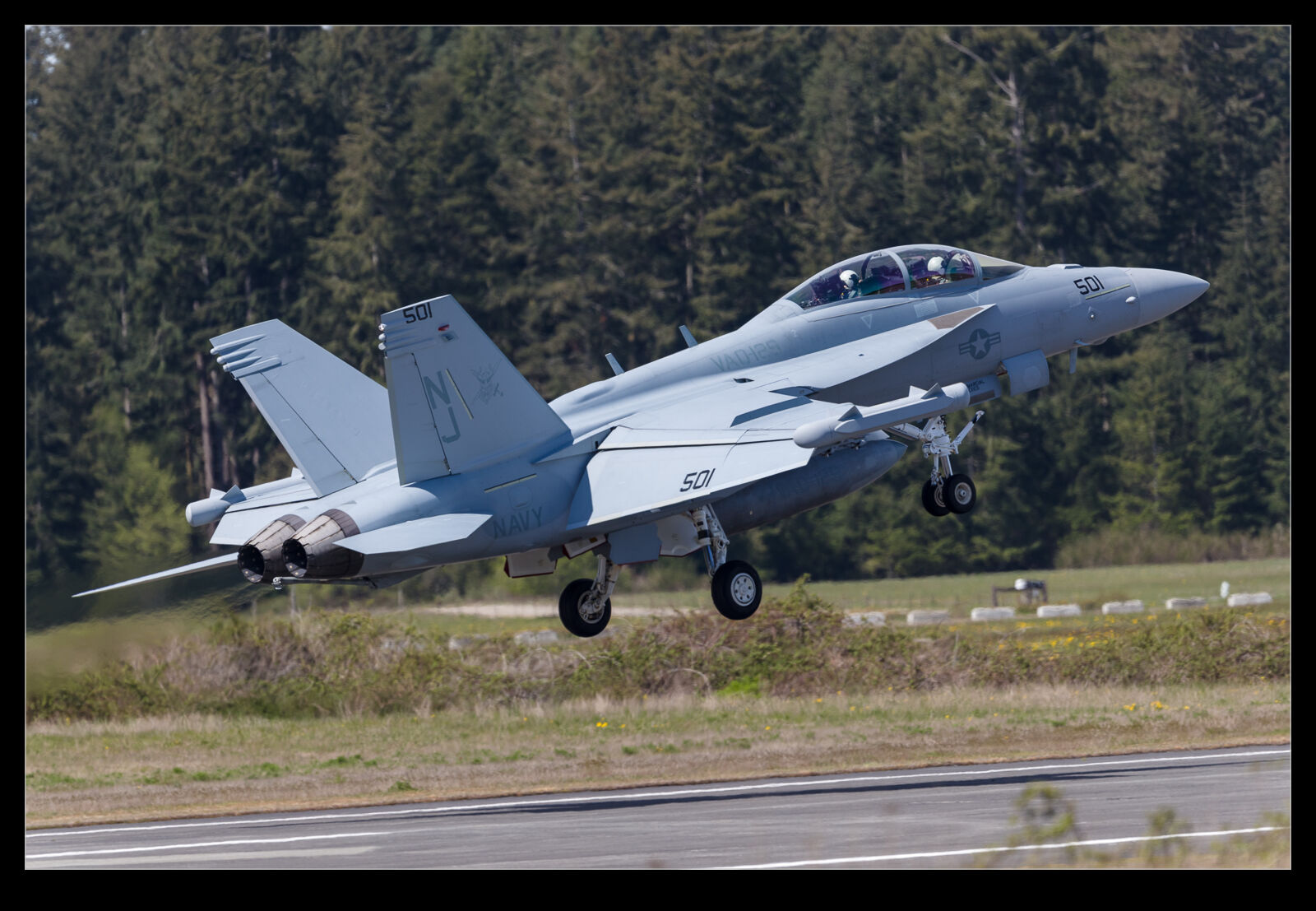
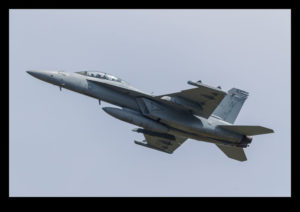
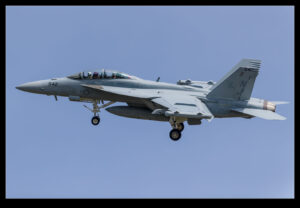
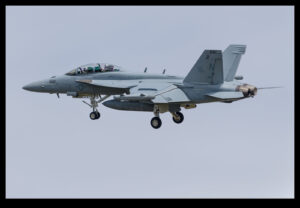
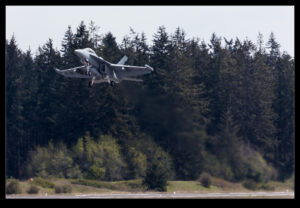
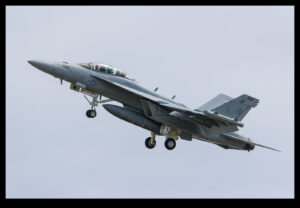
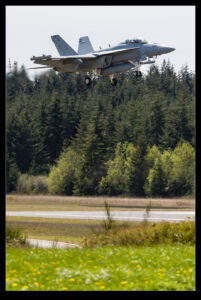
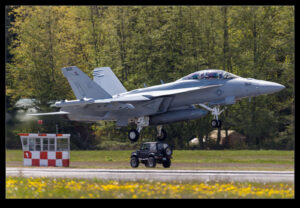
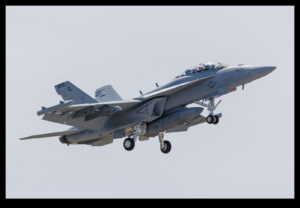
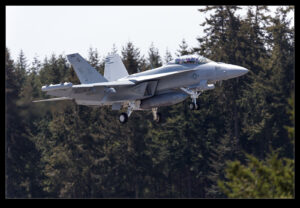
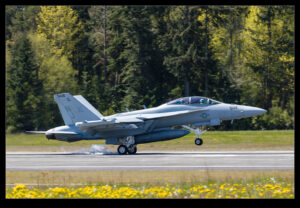
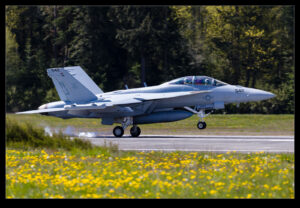
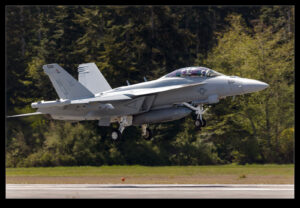
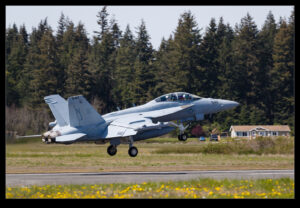
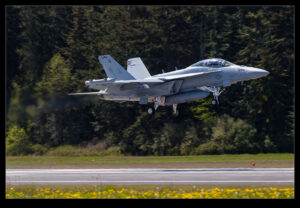
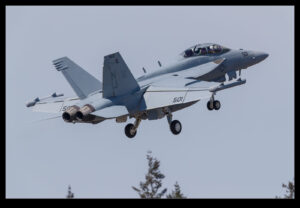
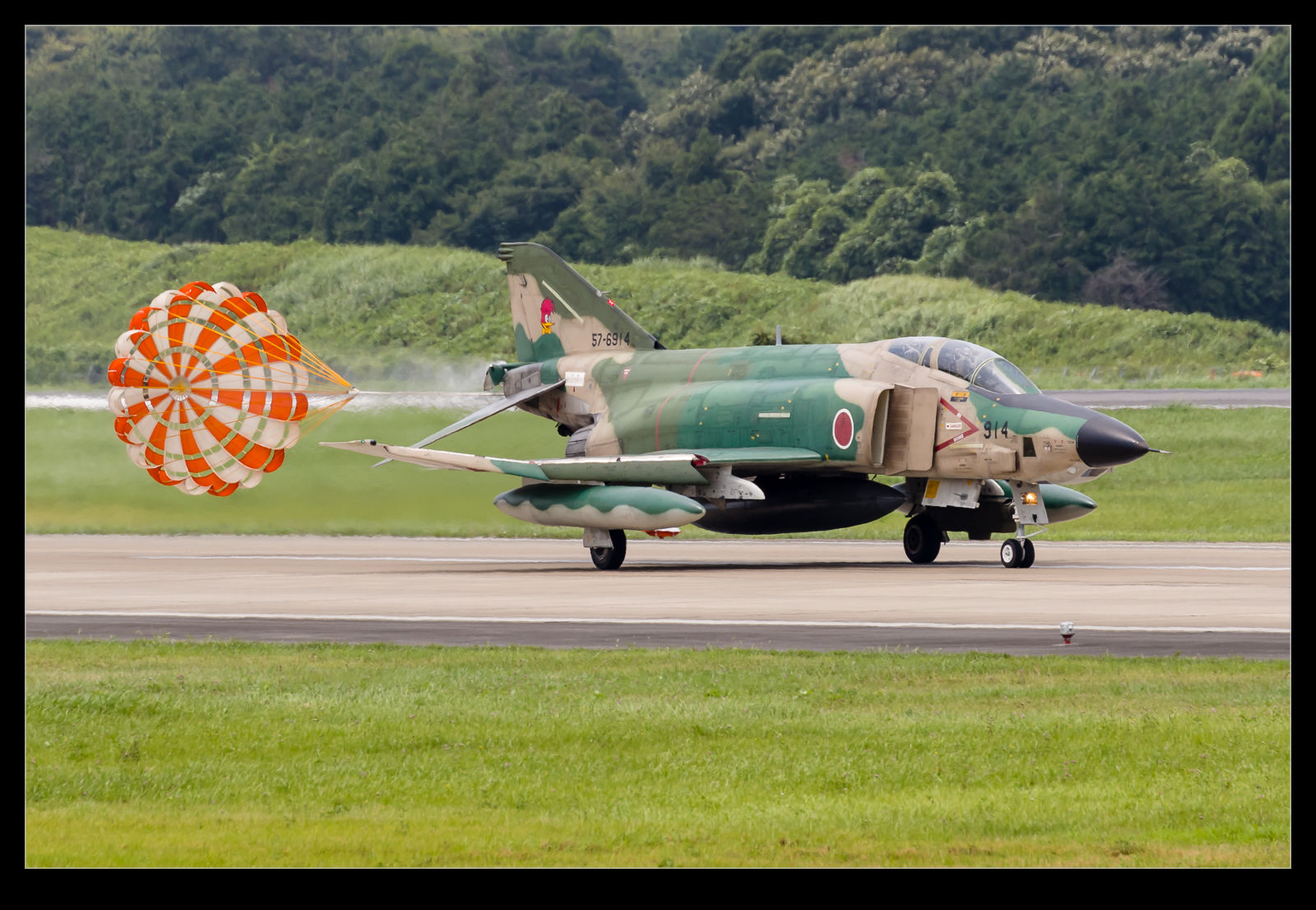
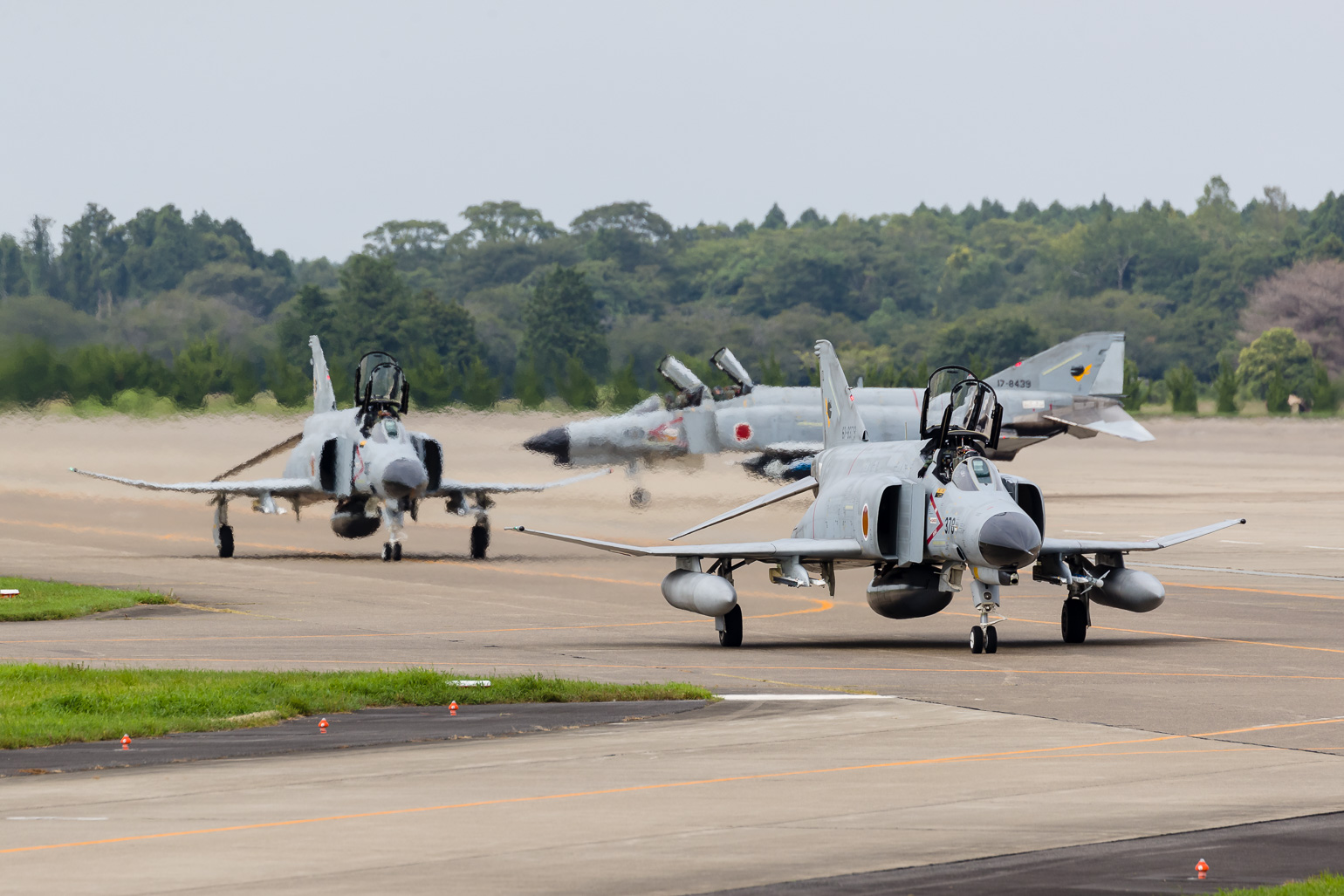
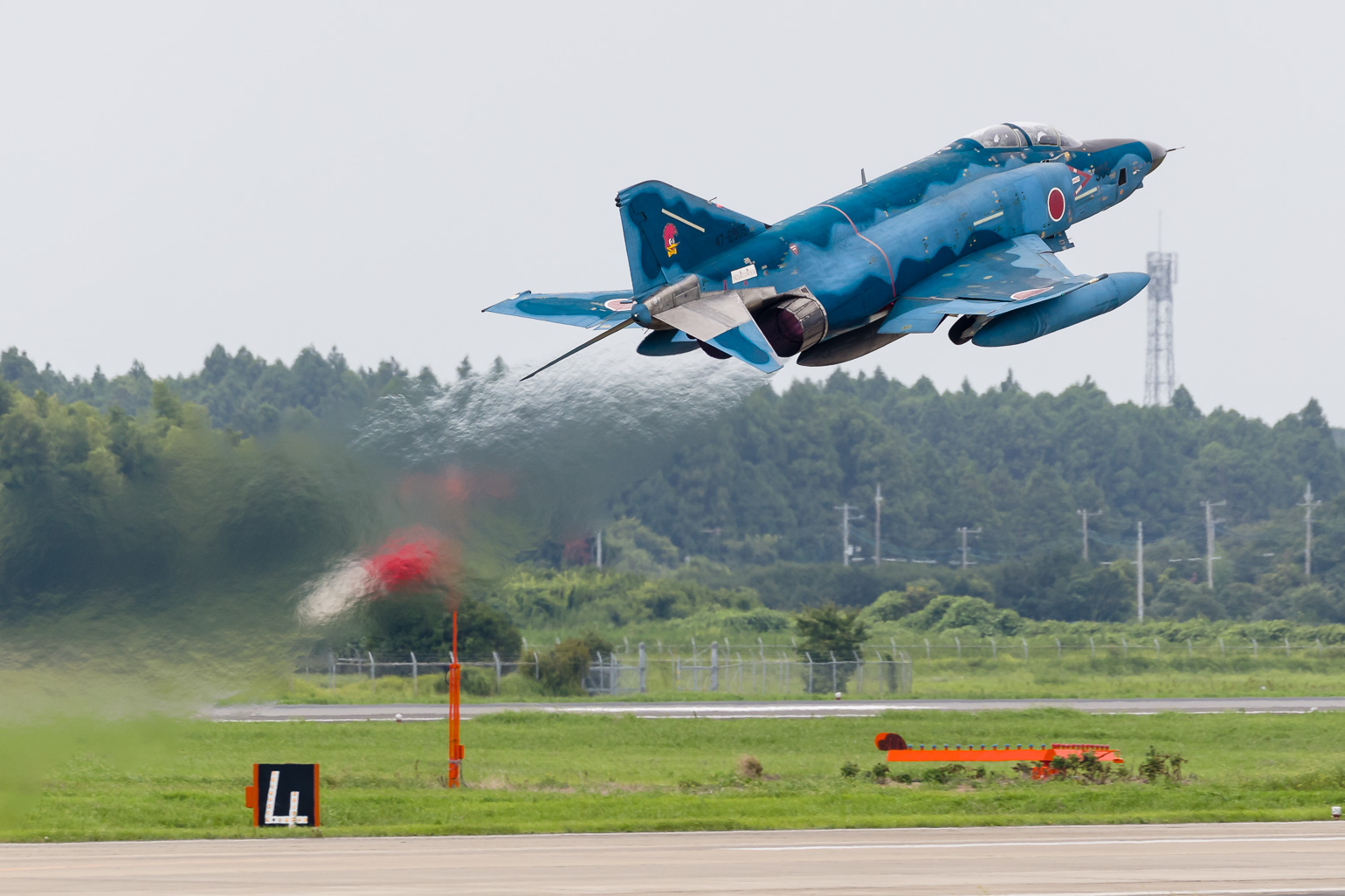
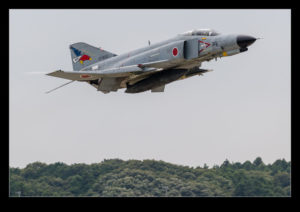
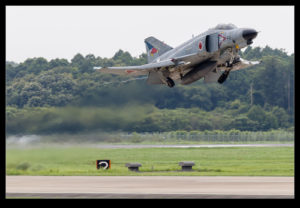
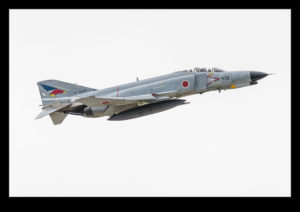
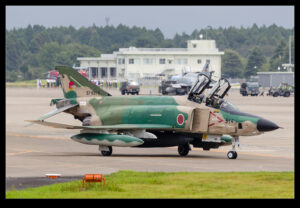
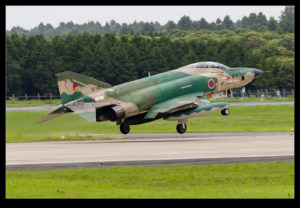
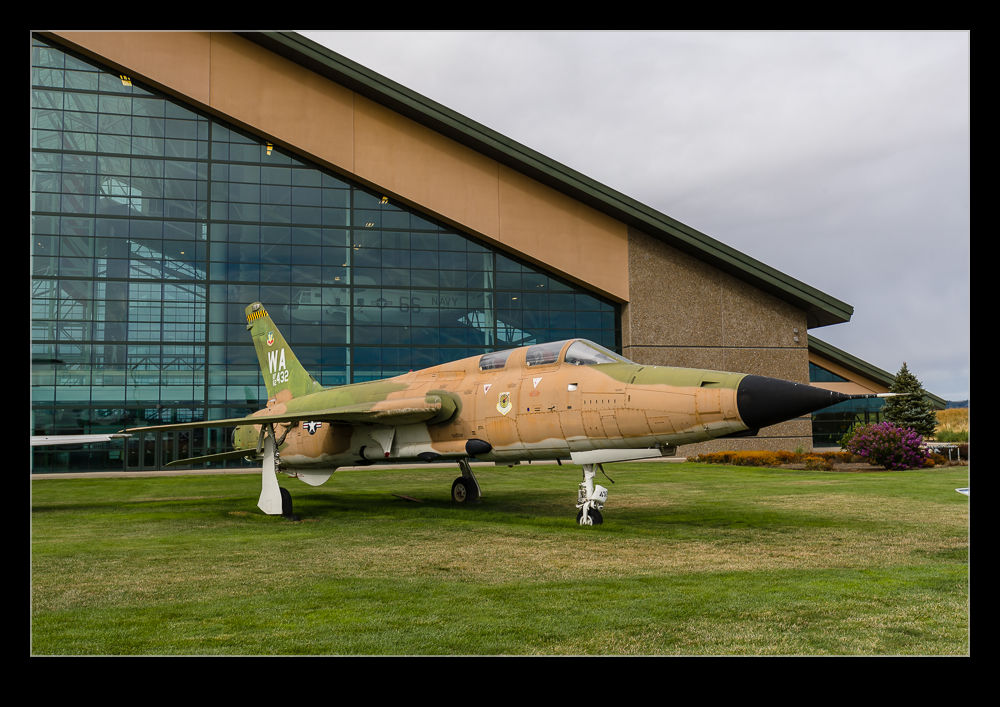
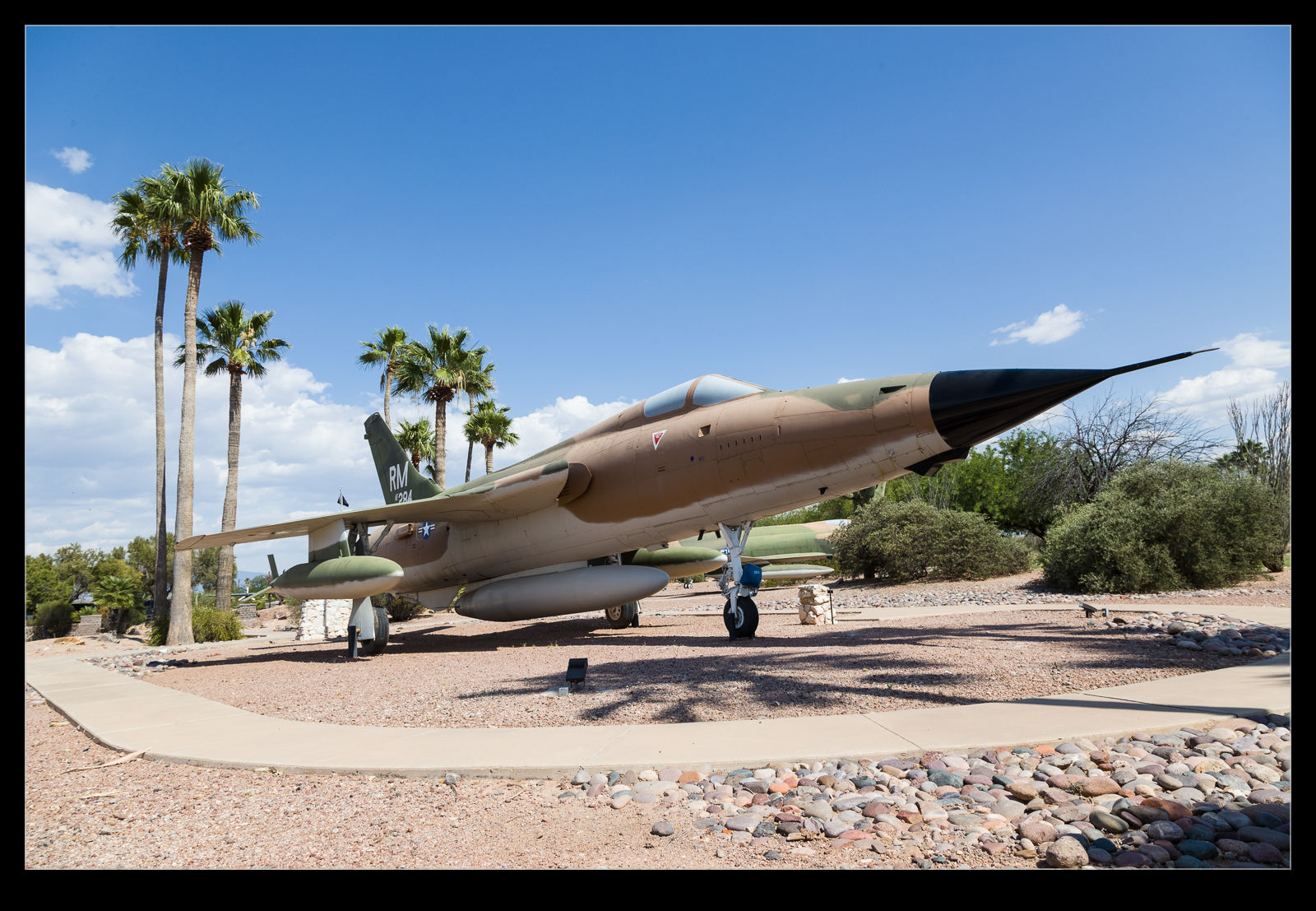
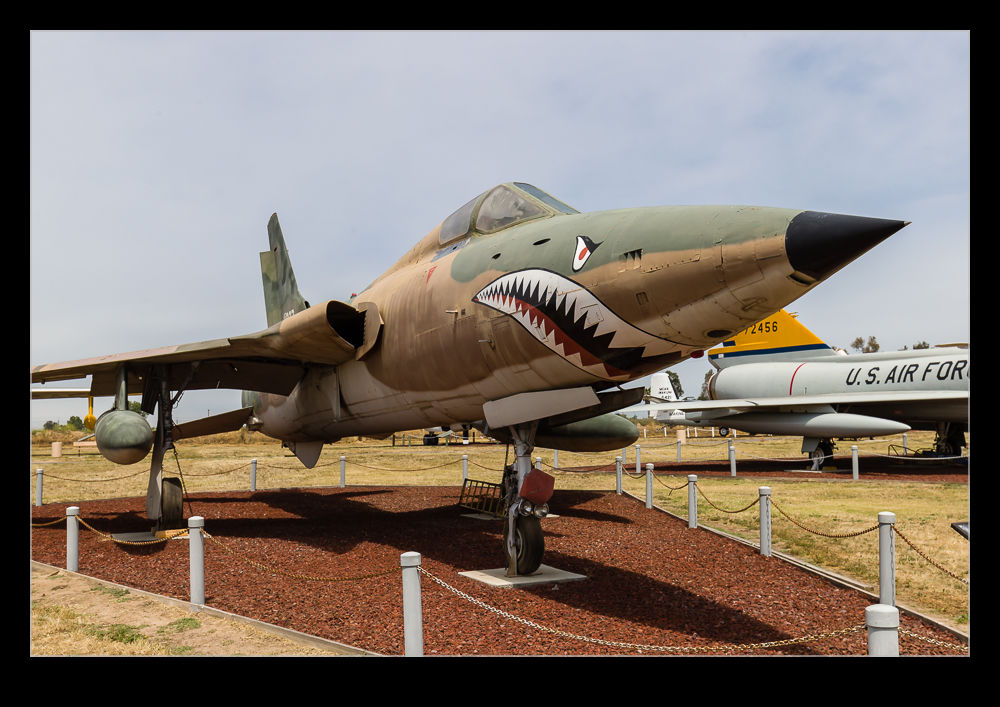
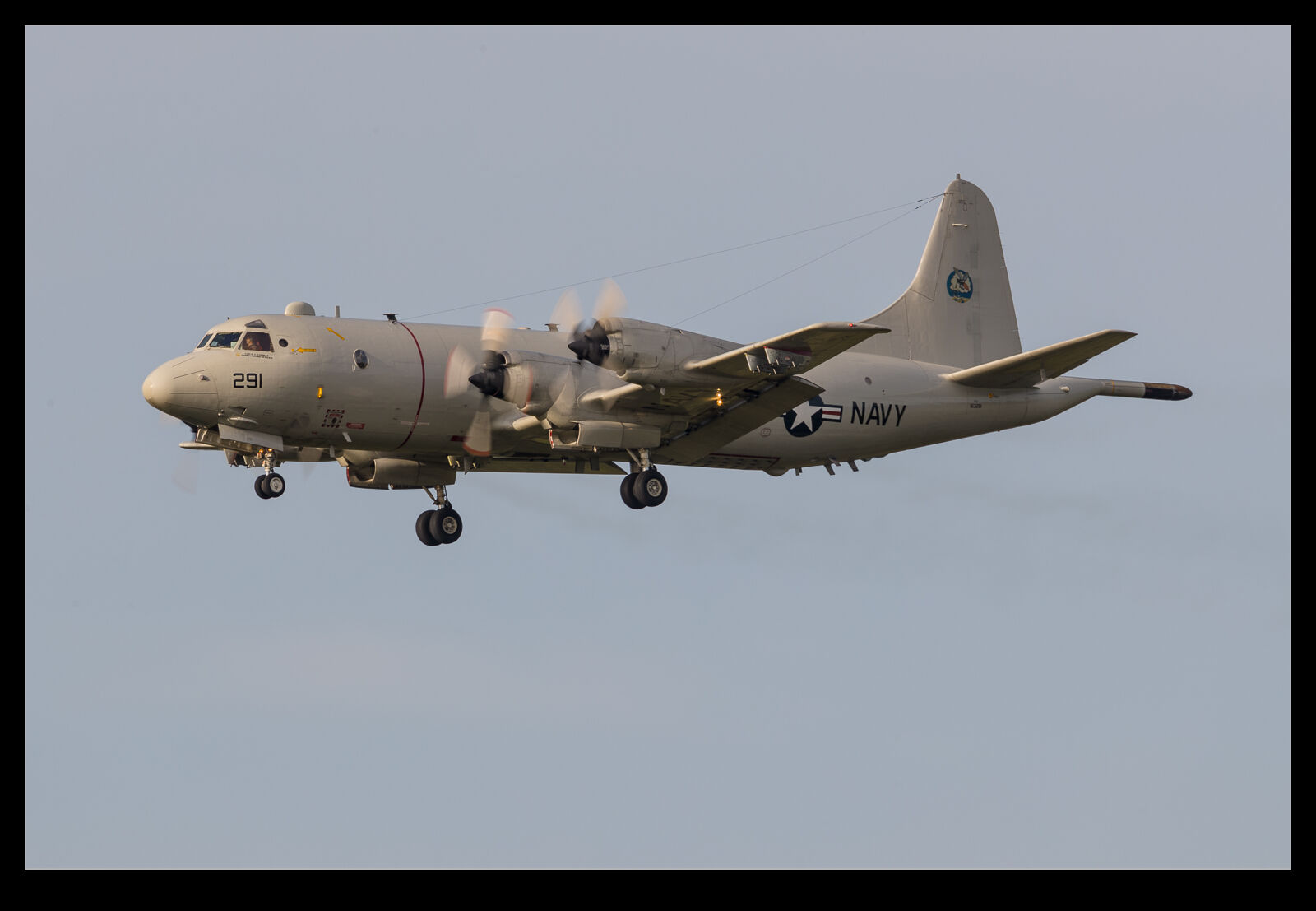
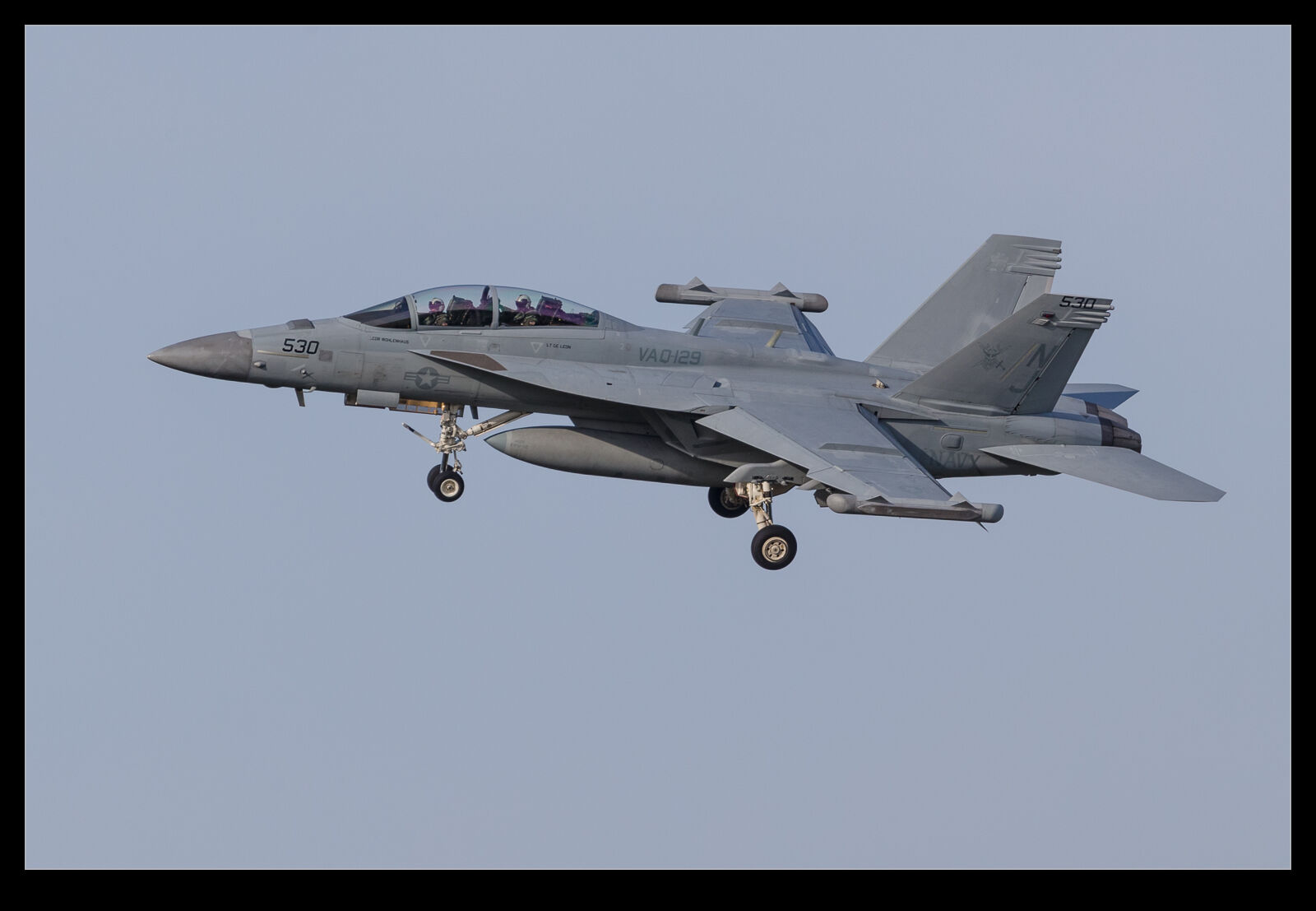
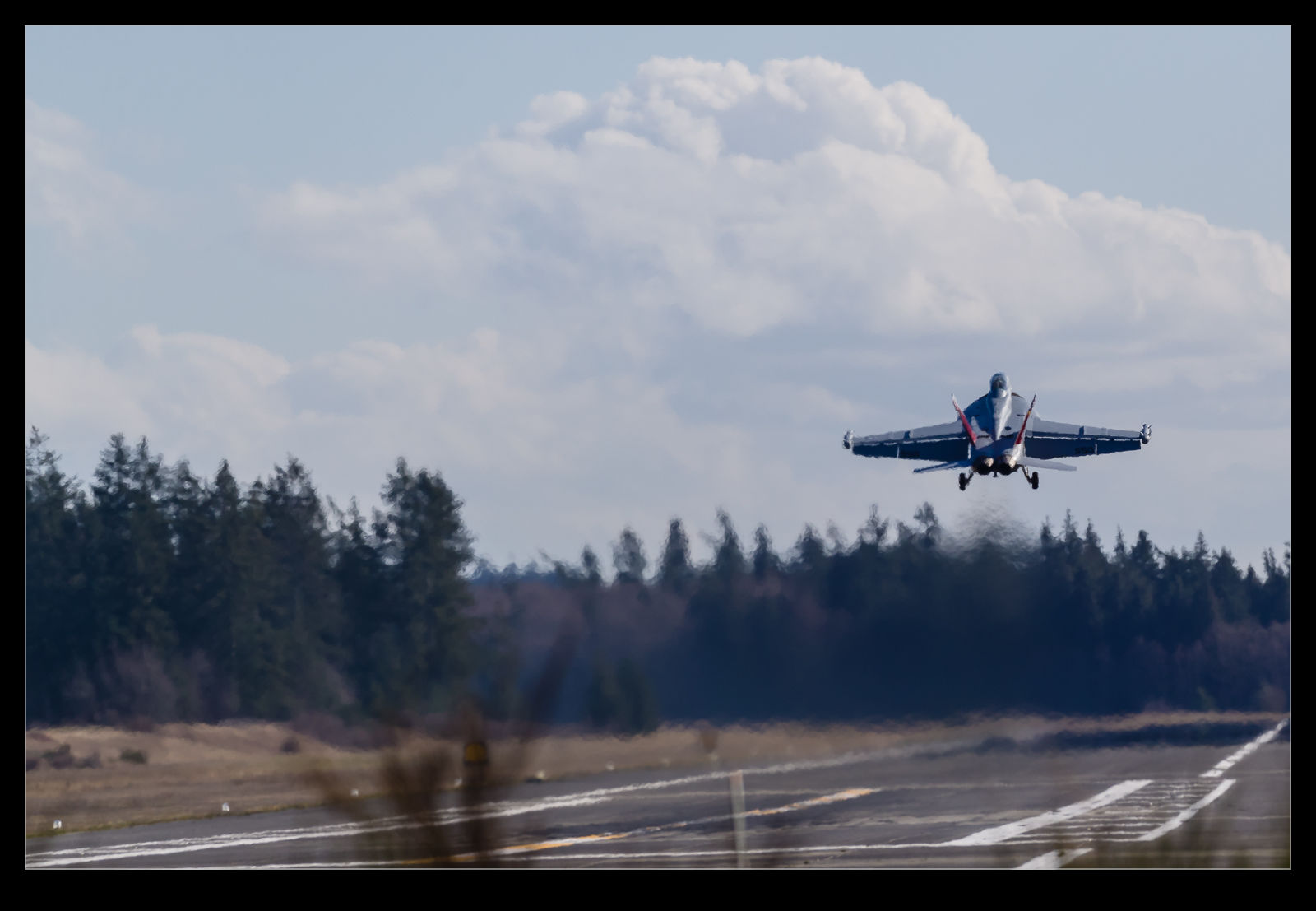
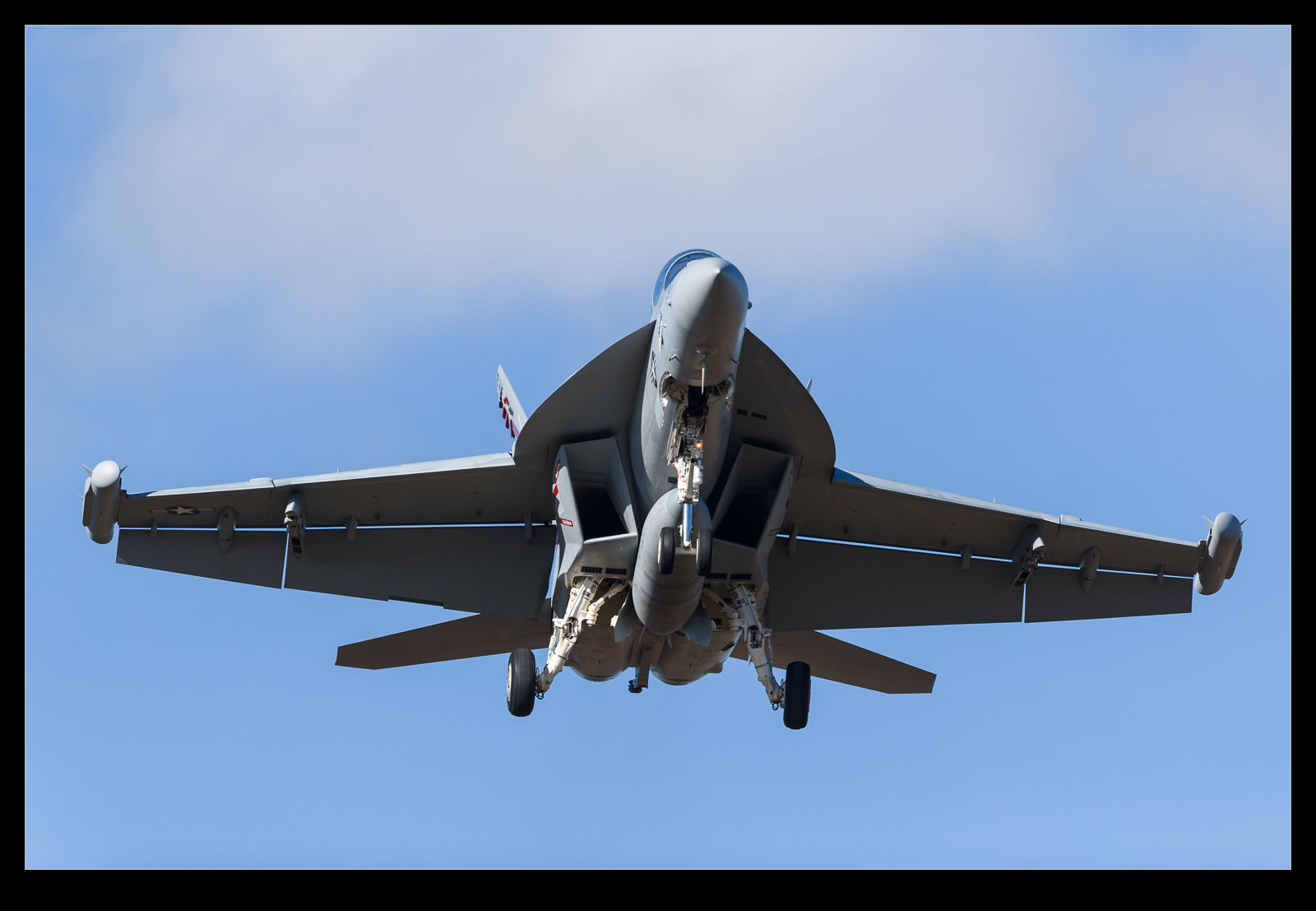
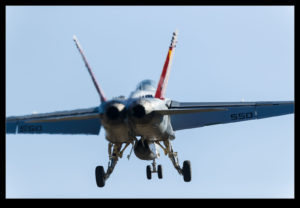
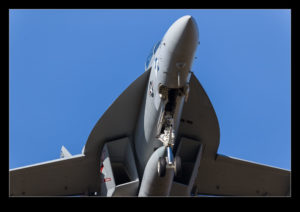
The approach to the runway at Coupeville brings the jets right over one of the local roads. This meant I had the opportunity to go for some head on type shots of the jets. As they came right over the top of me, I got a nice view of the underside of the jets. I also experienced the noise level of a Growler. I hadn’t thought to bring hearing protection and, if I go back, which I am pretty sure I shall do at some point, I will remember to take some. You are really quite close and the sound levels are high!
Tag Archives: fighter
FCLP Training for the Growlers
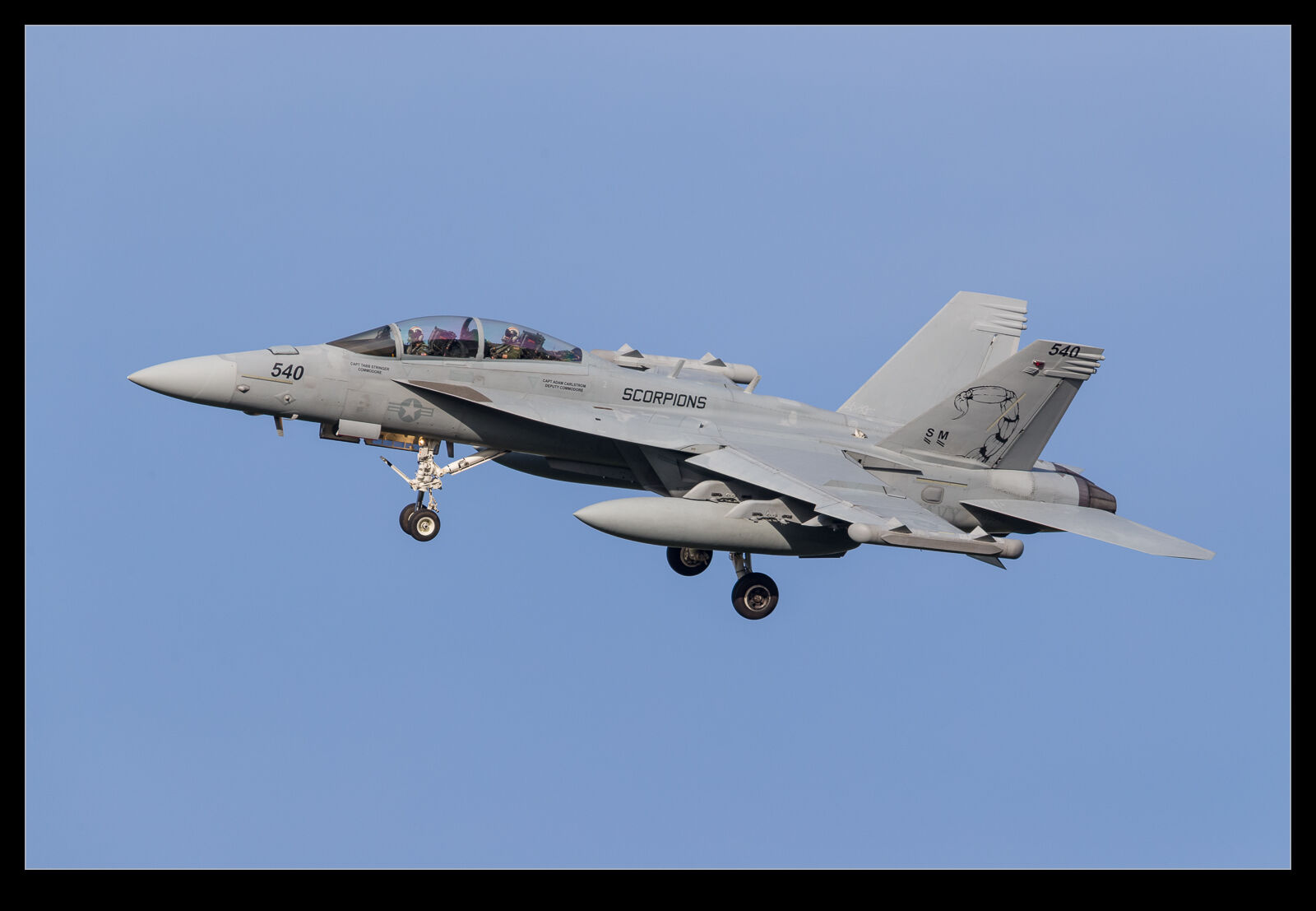
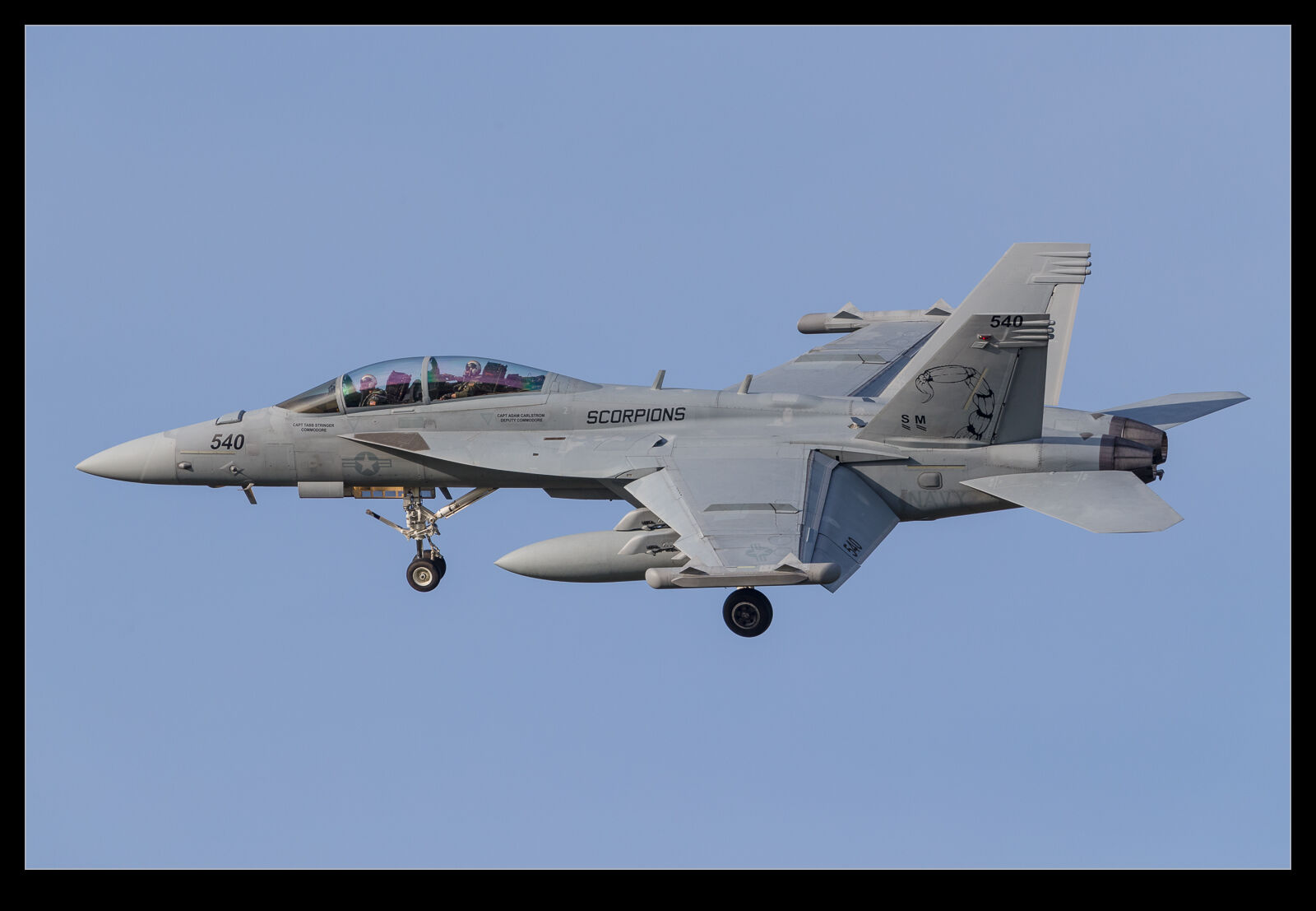
Naval aviators have to practice the art of landing on a carrier a lot. Before they ever go to the boat, they undertake a lot of field carrier landing practice. This involves flying the carrier pattern to a runway as if it was the boat. The outline of the deck landing area is painted on the runway, the lighting is replicated and the guidance calls are provided by crews alongside the runway just as if they were at sea. The crews fly around the pattern and thump onto the runway just like it was the deck and then apply power just like they would if they were aiming for a wire.
Of course, there is no wire so they power up and fly away to repeat again. The goal is to be as practiced with the whole procedure as possible before they ever go to sea. Naturally, there is still a difference dealing with a static runway in a field as opposed to a moving ship in open sea. Still, it is the way to prepare. Naval air stations tend to have separate fields away from the main base at which this training can take place. They are away from the normal base flying and allow this training to take place uninterrupted.
NAS Whidbey Island has its outlying field at Coupeville. They announce when flying training will take place there in order to keep the local community aware of the potential noise. Usually there is little chance for me to go because of work but it turned out that one of the flying days was scheduled to have good weather and I should be able to take time off. Not only was the weather due to be good but the wind was in a direction that meant they would be flying to the end of the runway that is more accessible. I planned to be there.
As it happened, something came up at work and I had to go to Seattle before I could leave. Consequently, I was behind schedule. I eventually managed to get on my way and I got to Mukilteo just in time to catch a ferry. Once on the island, I headed up to Coupeville and, sure enough, as I got closer, I could see Growlers flying patterns. I got to the field and parked up away from the road. I walked back, all the time hearing jets flying around. Then I was in position to get some shots.
I kept moving so I could get closer to the touchdown point but the flying stopped as I got closer. Then they packed up operations. They were done, at least until the evening. If I had missed the boat, I would have missed the whole thing!
Salty Dog Hornet Goes Tanking
The never-ending test program for the KC-46 Pegasus involves testing with a variety of receiver aircraft. Recently, the Navy has deployed jets to Boeing Field to work with the tankers. While I was there, it was a Boeing F/A-18D Hornet that was sent across. Operating with the call-sign, Salty Dog, the Hornet blasted out of the field ahead of its tanker. They were scheduled to be up until after dark so I didn’t hang around for their return.
Forgotten F-22 Pass
There are a lot of air shows that I have been to over the years. You think you remember them well and then something shows up in your archive of images that you have completely forgotten about. I am a member of a Facebook group that has a different challenge each week and, when I get the next challenge, I work through my catalog to see what I have that might contribute. It is an interesting exercise in finding stuff that I had forgotten about.
This wasn’t one of those challenges but I was looking for something else when I came across this shot of an F-22 pulling vapor and shockwaves as it did a fast pass at the Rockford Air Show. Rockford was a great show that I used to go to when I lived in Chicago. They always got great static displays and performers for the flying display. The only limitation was that you were pretty much shooting in to the sun.
This F-22 made a fast pass and was clearly pulling a lot of vapor as it went. I don’t know why I forgot about this sequence but apparently I did. I had a go at processing them again to see what I could make of the shots this time compared to my technique in 2009. Not an easy shot to make work but the plane is dramatic enough to make it worthwhile I think.
Finally, We Get What We Came For
As my day at the canyon continued (you can read about the beginnings here), I got a bit more luck. The Navy came to the rescue with some Hornets and Super Hornets making their way through the canyon. One came in at an odd angle and then pulled out of the canyon over the overlook location. This was fine for me but probably annoyed those further down the canyon.
Then we got something a lot more like what we had anticipated. Jets came in along the angle from the highway starting out a lot lower than those that had come across the ridge. They could drop in a lot more quickly and be deeper into the canyon as they came by. This was what it was all about. They provided a last minute contribution to what I had come for and I was very grateful. A few more would have been good but it was okay.
Once disappointing aspect of this was that, with so few jets coming through, I shot all of them. I didn’t have the opportunity to waste so I never got to keep the camera down and just appreciate the jets transitioning through below me for what it was. On my next trip I will hopefully get to do that as well as get some shots.
- A US Navy Boeing F/A-18E Super Hornet flies through the Sidewinder transition in Death Valley CA.
- A US Navy Boeing F/A-18F Super Hornet flies through the Sidewinder transition in Death Valley CA.
My First Trip to the Canyon
Photographing low flying jets in their environment is a popular challenge. The Loop in Wales is a great hunting ground. I have driven through there a few times and flown through there once but I have never been on a photo expedition there. Once I got close to setting up a trip but things got in the way. In the US, Rainbow Canyon is a popular spot. This canyon is known by a variety of names but it is well known for having jets flying through below the rim of the canyon so you can get shots of them beneath you.
I arranged to head there a short while ago with a buddy of mine. The two of us were going to meet in LA and head up. Sadly, he was unable to make the trip at the last moment but I figured I would go anyway as winter is a more acceptable time to be in Death Valley National Park and the chances of finding the time again soon were limited. I did stay up in Palmdale to shorten the drive a bit.
The trip had mixed results. We did not have a busy day. Plenty of jets could be heard overhead or in the distance but the number coming through the canyon was low. I probably got nine passes that day. More disappointing was how some of them were quite high and not against the backdrop of the rocks. Things did improve though…
Mossie Night Run
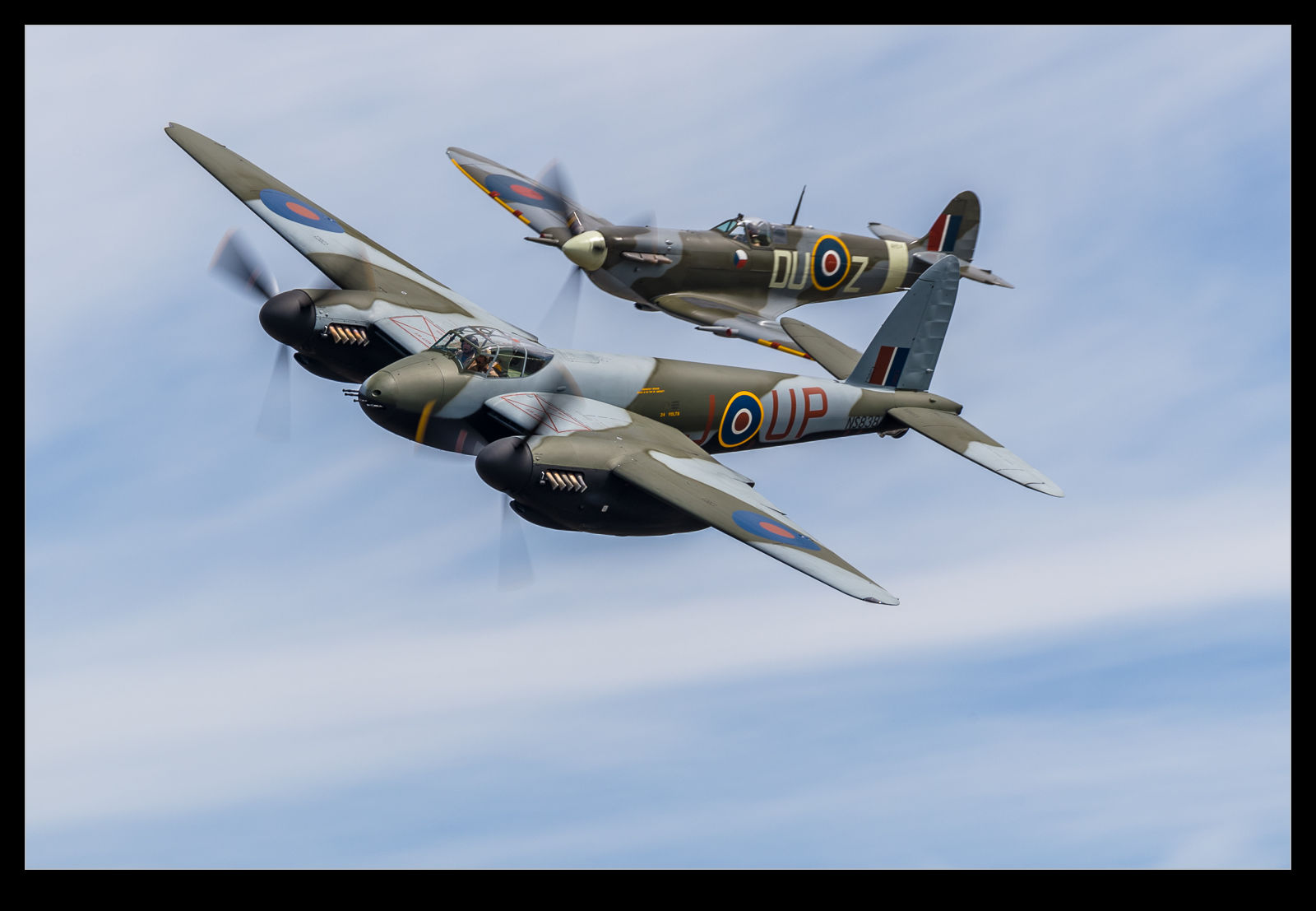
Night photo shoots are becoming more popular these days. The Flying Heritage Combat Armor Museum (FHCAM) held one with the de Havilland Mosquito. The evening started out with the plane on the ramp when people were free to wander around the aircraft. I was shooting a lot of long exposures using the tripod which does a good job of removing the people provided they keep moving. However, a few people were hanging around for long periods so they show up in the shots. Others were using the flashes on their cameras or flashlights to look at stuff which made things blow out.
Once we were all cleared from the ramp, one of the FHCAM crew came out to talk about the aircraft. He was the one that would carry out the engine runs and he ran through the test procedures that would be followed for the engines. People had the chance to ask questions and get a good understanding of the plane and how it is operated.
Then came the fun. The engines were fired up in sequence. Then they were run through the test program. The blue flame from the exhaust stacks could be clearly seen in the very dark conditions. When the mag checks were carried out, the flames were even more conspicuous. I moved around a bit to get some different positions. I was quite surprised to see how blurred some of the shots were. The aircraft clearly moves a lot despite being chocked and so some of the shots were totally unusable. This was a lesson learned. In future I would focus on shortening the exposure times a lot to minimize this issue which I hadn’t anticipated.
I also shot a bunch of video while the runs were underway. The edited video is below. It was a fun evening and thanks to FHCAM for holding it. It would be fun to do on another type. It might be nice to have a touch more light on the ramp but the dark conditions did have some advantages. I discovered a bit about shooting in that environment which should hopefully help on future night shoots.
Tower, Requesting a Flyby
Another shot from the Portland Open House of the Redhawks and a gratuitous reference to Top Gun scripts. In this case it wasn’t really a flyby. Instead, the jets were launching off the near runway. They were all doing a nice job of keeping it low on departure and they ended up pulling up as the passed the ramp and the tower. A nice view as they pulled up with a few of them getting some vapor is they climbed out more steeply than the average departure from the airport!
- An Oregon ANG Boeing F-15C Eagle takes off from Portland International Airport OR.
Gate Guards
The 142FW of the Oregon ANG has operated a number of different types over the years. It was nice to see that the base has preserved some of the jets. As you come through the main gate, the grass area to your left has an F-15A mounted on a pole looking suitably dynamic and reflecting the current jets used by the unit.
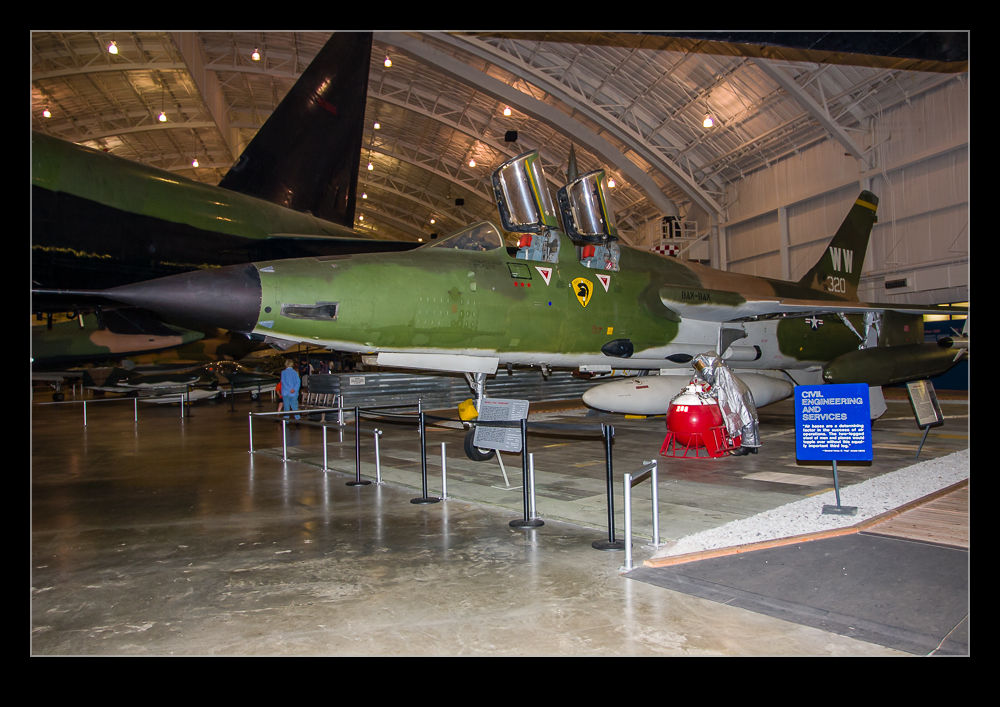
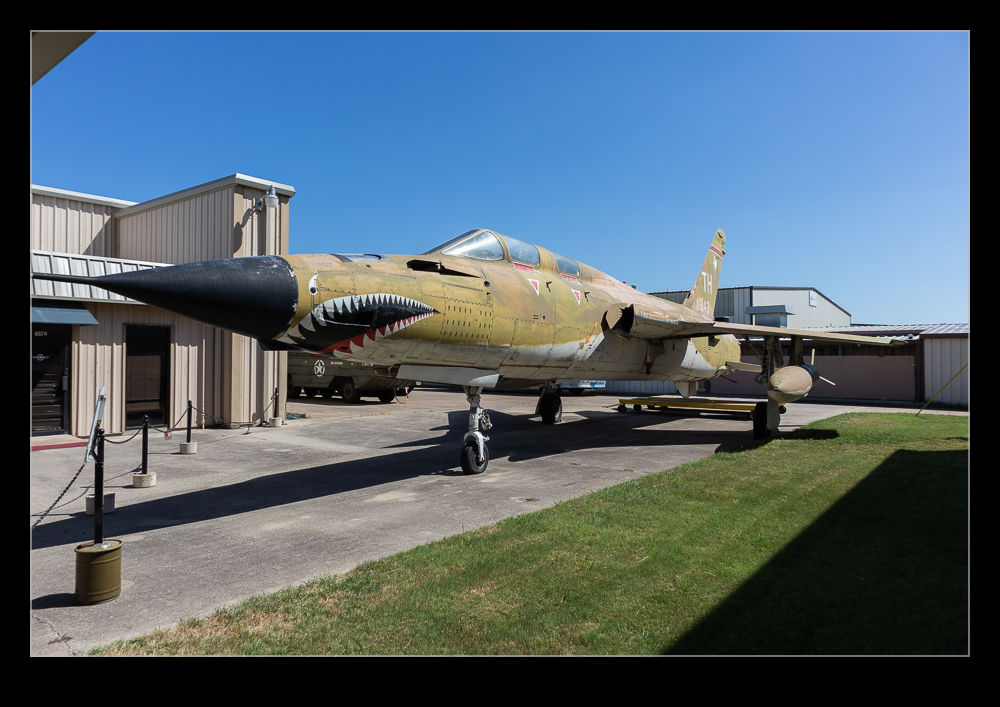
A short distance away is a memorial park with two further jets. Both of these are in great condition (the F-15 looked a bit weathered from a distance). There is an F-4C Phantom which is nice but the one I liked the most is an F-101 Voodoo. The Voodoo is a jet I never saw fly. I have seen various examples on the ground over the years but there is something about the lines of the jet I just like. Oh, to have seen them in action.
Missile Load Training
The open day at the Portland ANG base included a demonstration of missile loading. A jet had been parked out on the ramp for the morning and there was a rack of missiles also on display. Towards the end of the morning, a team started to prep the jet for loading. This was an exercise that had multiple purposes. It was a demonstration for the guests, but it was also a qualification test.
Apparently, the crews are required to carry out a loading drill every 90 days when they are timed and observed in order to maintain their qualifications. Therefore, a pair of observers were there to watch the three-person team do their work. It can’t have been fun to have the public watching and the assessment team overseeing you at the same time. The crew got to it though and they seemed to be diligently following every procedure which is no bad thing when you are potentially dealing with live weapons (not that these examples were in any way live).
The missile configuration was quite a mix. They had six AMRAAMS to load, four on the fuselage and two on the stub pylons. The other two stubs were fitted with an AIM-9M and an AIM-9X. The Sidewinders were loaded by hand but the AMRAAMs are heavier and required the use of a mechanical loader. Prepping the plane before the missiles came close took a while and then the missiles were loaded in sequence with things like fins being added at different times such that some were on before the missile was attached and some were added once it was installed.
Once the whole task was completed, they reversed the process and removed the missiles. There was some choreography involved with getting the loader in place. It is not a subtle piece of machinery, but it could be placed quite accurately. Then there is adjustability in the rotation and position of the missile holders to allow things to be fine-tuned into position. Maneuvering a missile on to the rail or the launcher while not hitting anything else also requires some careful work. It was a most interesting process to watch.