Tag Archives: airplane

DH Dove

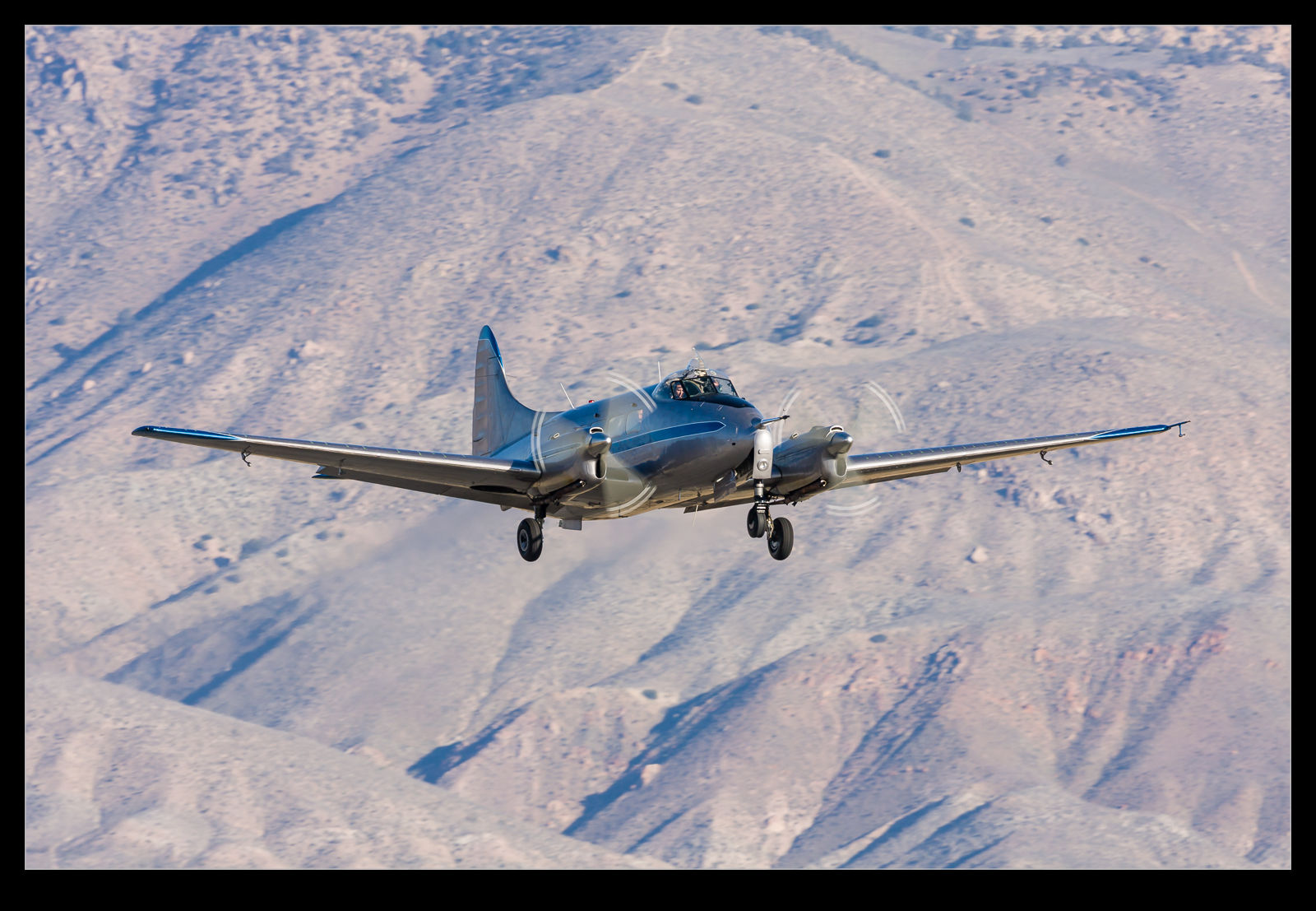
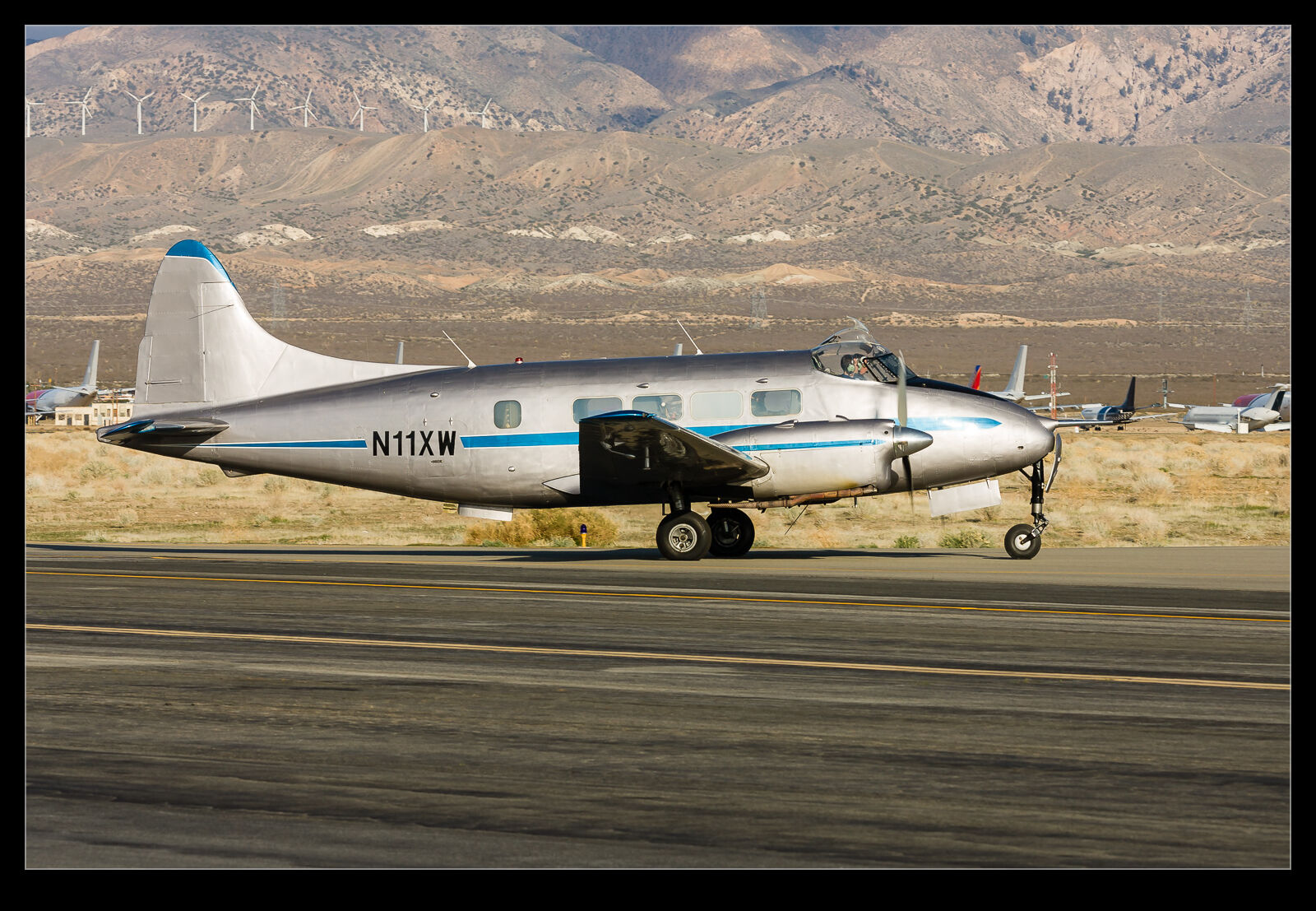
IMG_0614.jpgA few years ago, my friend, Richard, had arranged a visit for a number of us to Mojave Airport. This airport does not have a reputation for being photographer friendly but Richard had made the necessary contacts to get us some time out on the field near the taxiways and runways. One of the operators at Mojave is the National Test Pilot School. NTPS operate a wide variety of types on various flight test training activities and some of them were up and about early on this particular morning.

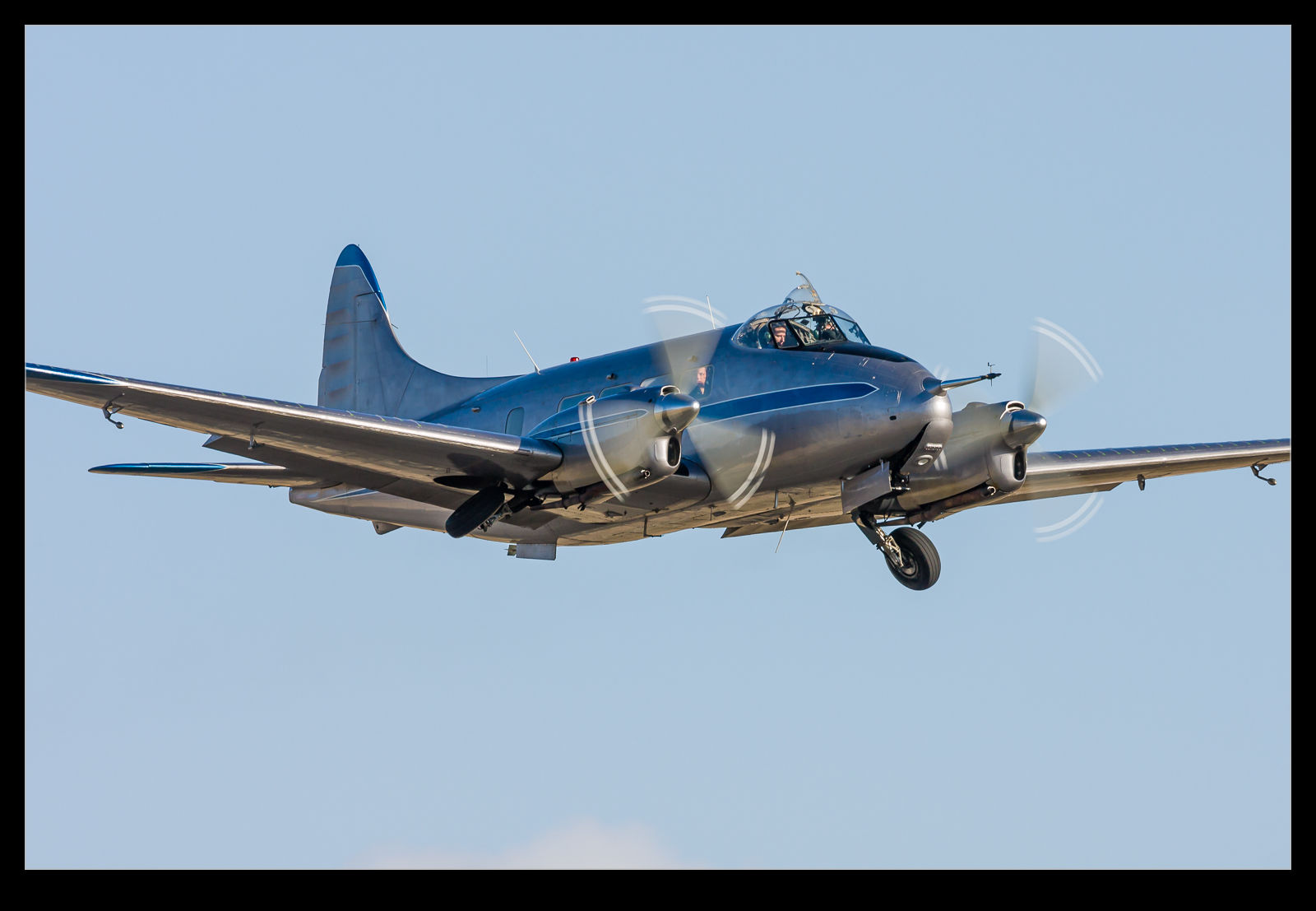
IMG_0642.jpgOne type that really caught our eye was the deHavilland Dove. An old piston small transport type, the Dove is not something you see around very often these days. This one is kept in excellent condition and appears to have some modifications for flight test purposes and to assist the training of test pilots and flight test engineers. It took off on a runway that brought it towards us nicely. When it returned, it used another runway so we got to see it from several angles.

IMG_0606.jpg QB5Y0108.jpg

Big Boys at LAX

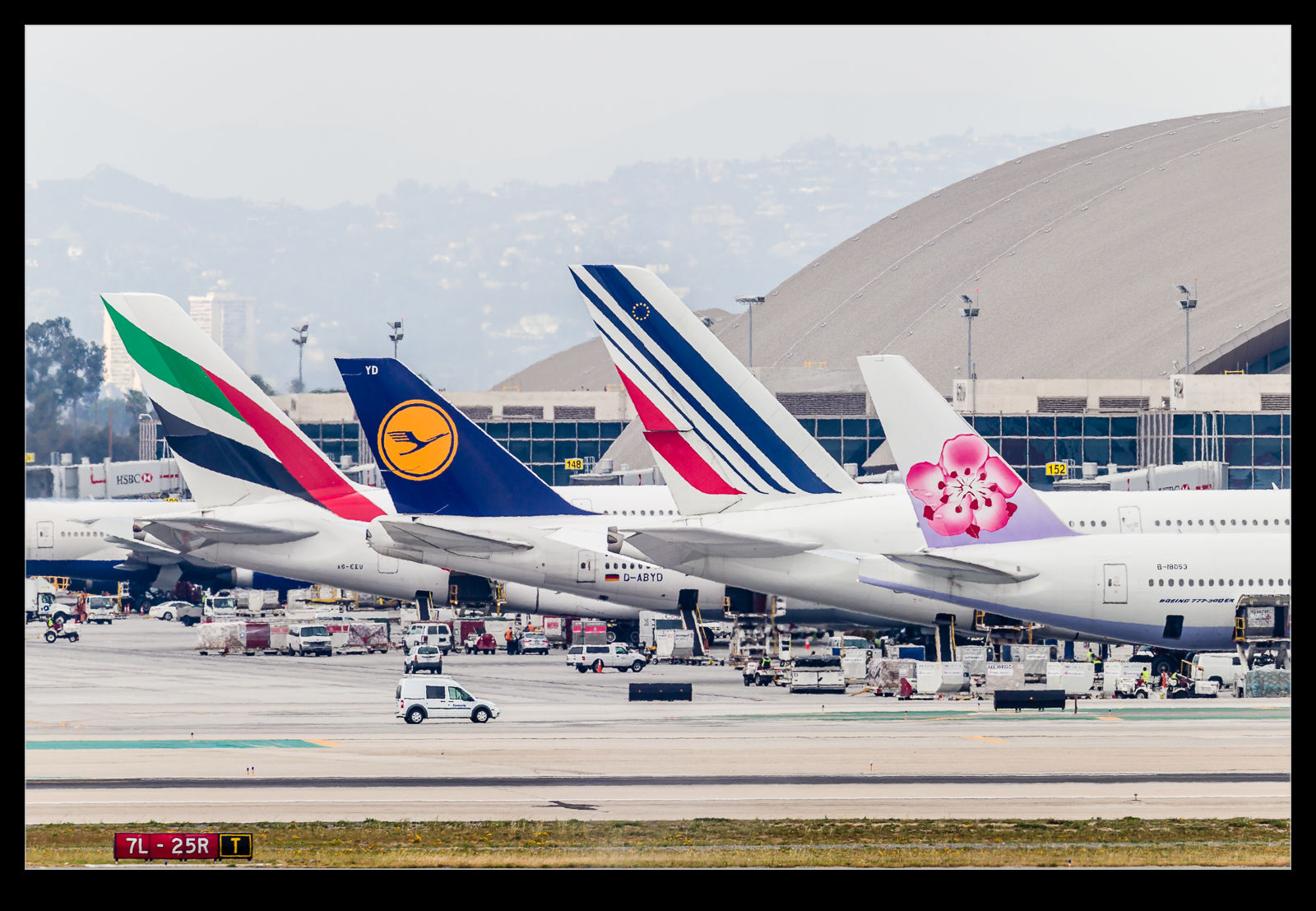
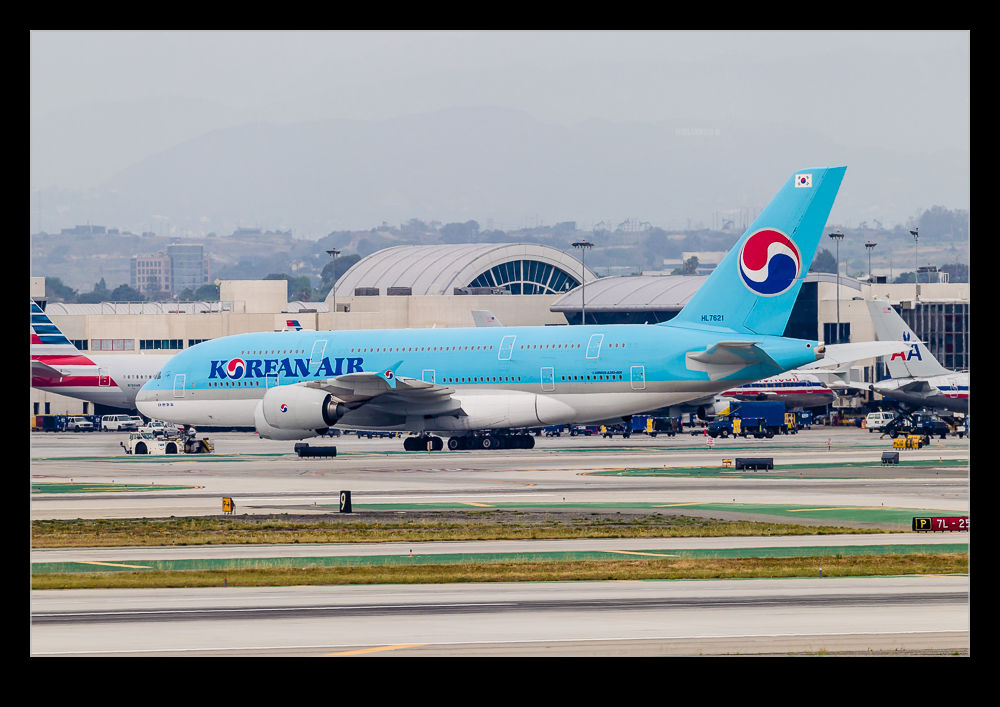
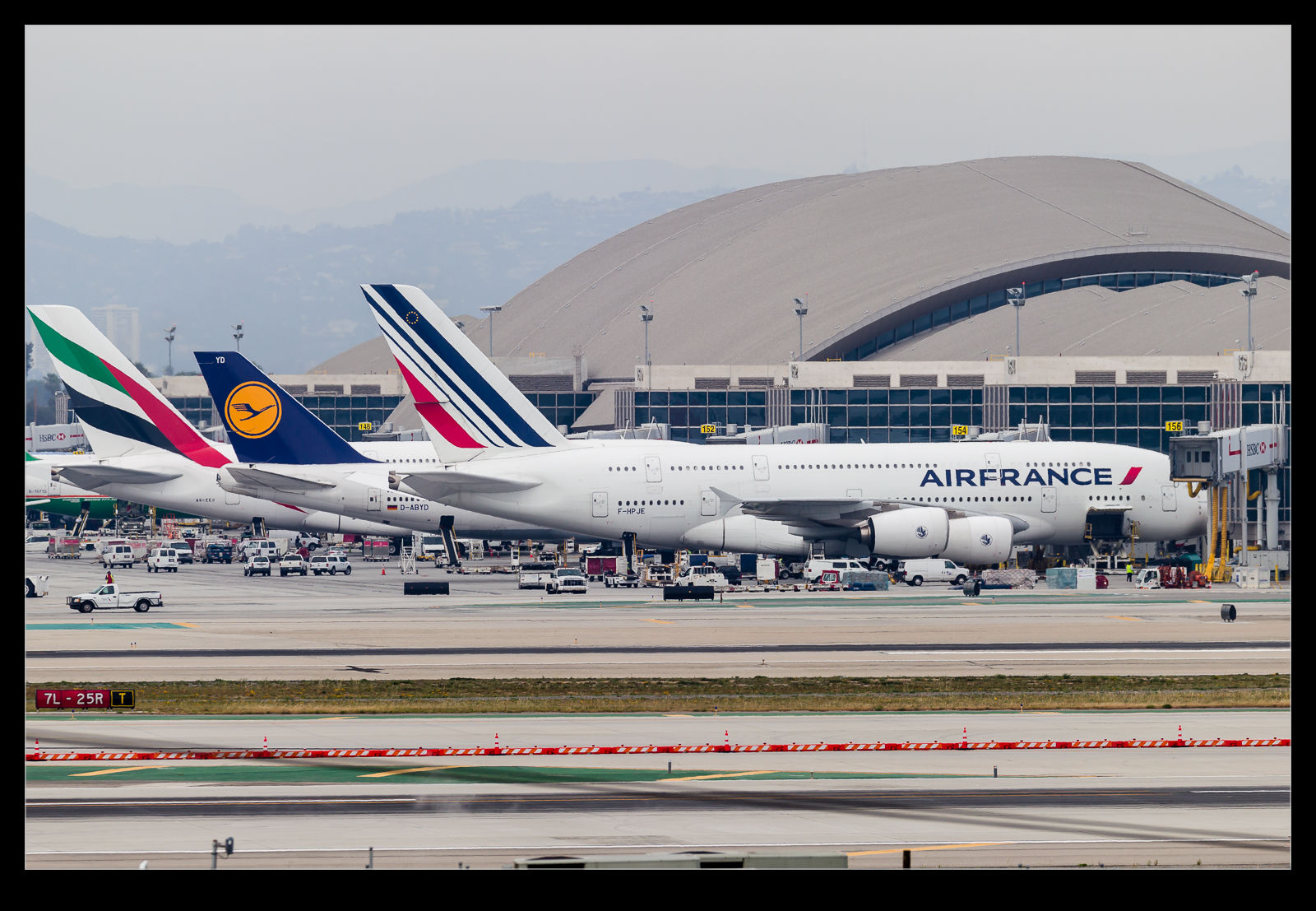
AU0E2140.jpgI was in Los Angeles a little while back and managed to get a few shots of things at LAX between other activities. This is a quick picture post. The new international terminal has been opened and the big jets are often arrayed along it at the right time of day. The thing that I find funny about this shot is that the small fin in the middle is a Lufthansa Boeing 747-8. This is not a small plane but the Airbus A380 fins make it look tiny!

AU0E2264.jpg AU0E2260.jpg

Another 777-300ER Wheel Post?

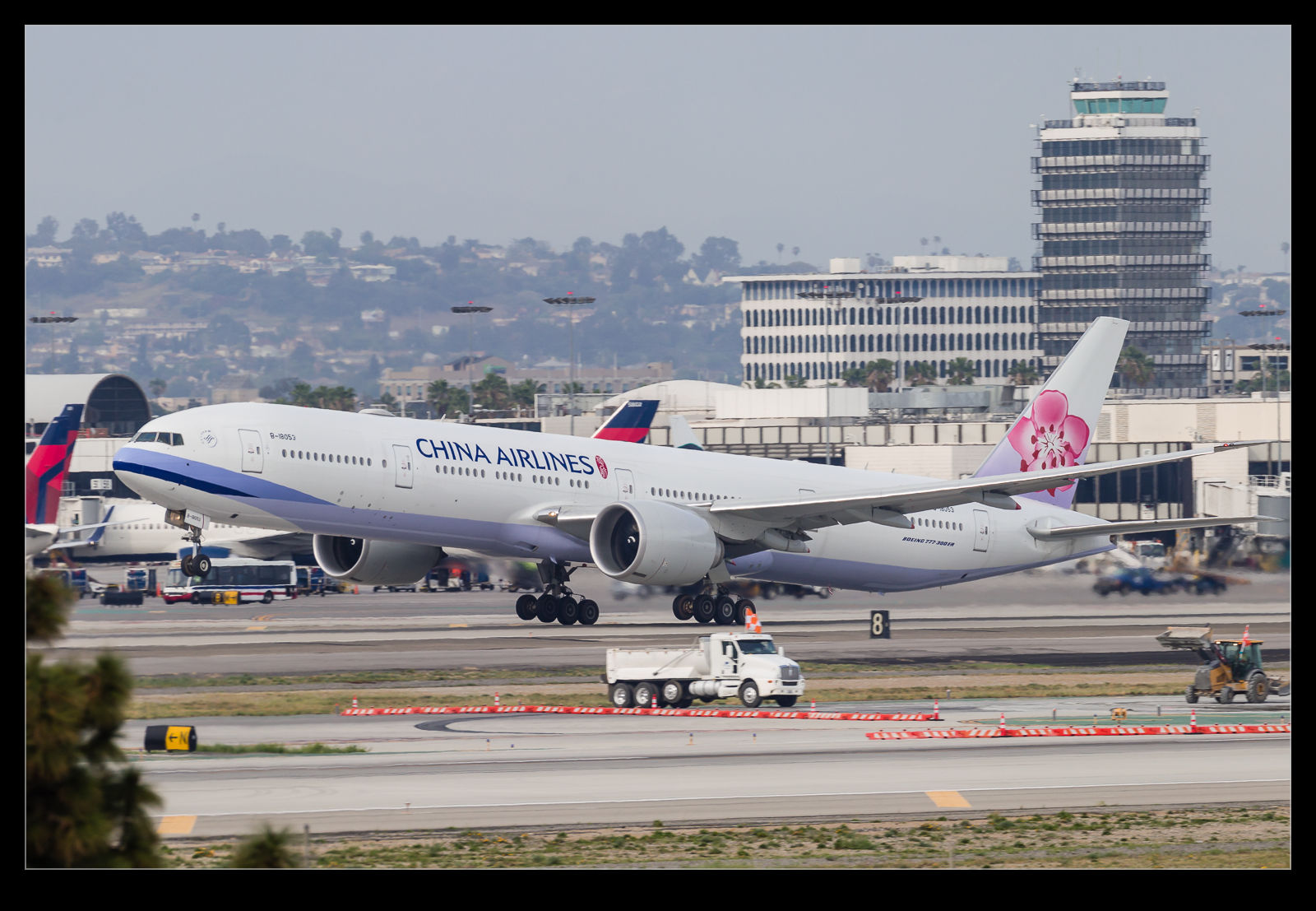
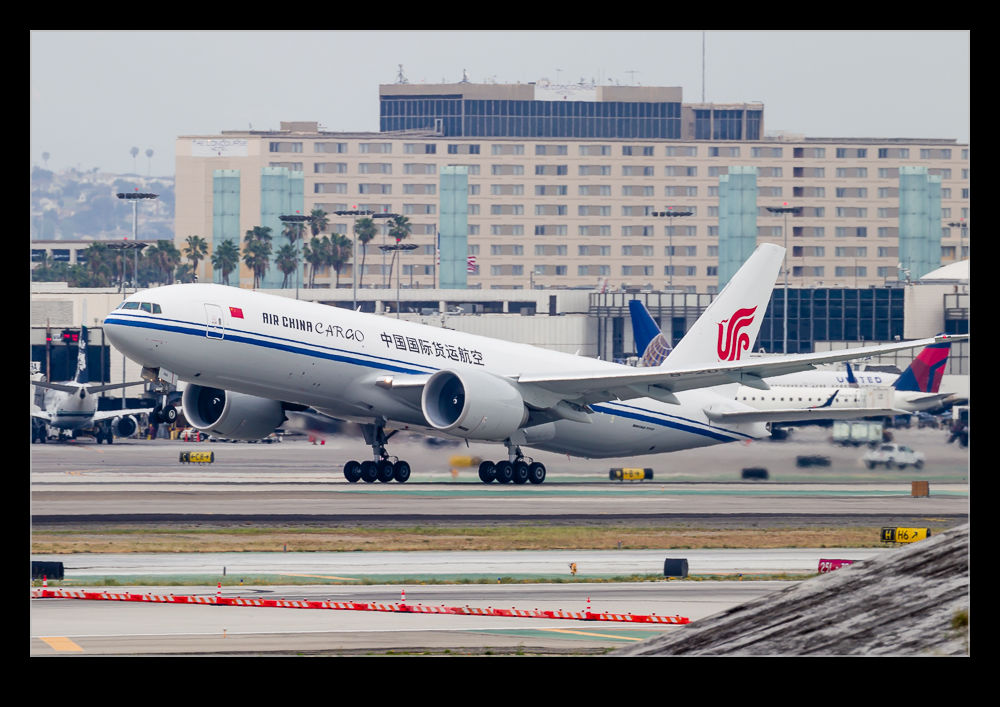
AU0E2336.jpgIf you aren’t already bored with my quest for something definitive on the takeoff characteristics of the Boeing 777-300ER, here is something more on the topic. Rather than animation, this time it is a couple of still shots. The first is a 777-300ER rotating. The second is a 777F. You can clearly see that the truck is rigidly rotating on the 300ER while the freighter has all wheels firmly planted on the ground up into it gets airborne. Maybe I will call that it for now. I promise no more posts on this for a while!

AU0E2147.jpg

USS Midway

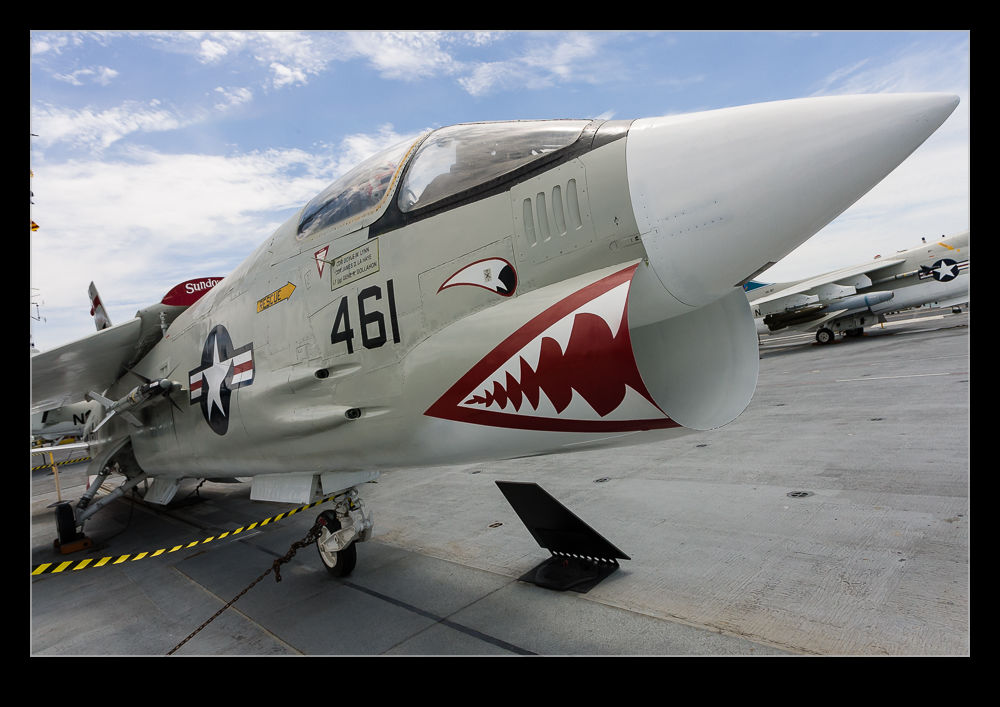
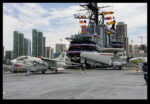
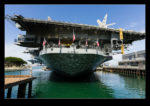
AU0E4344-Pano.jpgI was watching something on TV recently and there was some footage of the harbor in San Diego. The camera panned across the waterfront and right across the USS Midway. The Midway was a long lasting ship. She was originally built immediately after the end of WWII. A variety of upgrades and rebuilds meant that she served for nearly fifty years. She was a big ship but not as big as the Nimitz class ships in service today or Forrestal and Kitty Hawk classes. Consequently, she could not operate F-14s and was the last carrier to operate Phantoms which were replaced by F/A-18s when the Phantoms were retired.
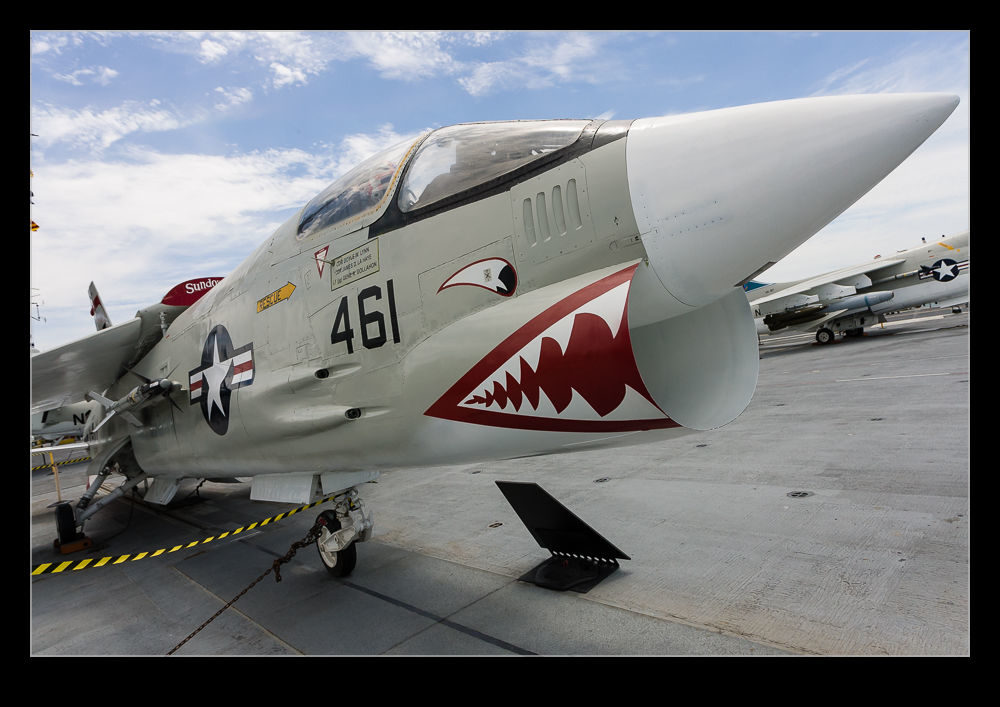
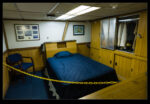
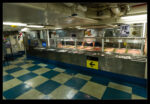
QB5Y4492.jpgUpon retirement, she became a museum in San Diego where you can visit her today. I took a look around a few years ago when ISAP was holding it symposium in San Diego. I got there a day early to have a look around and a bunch of us went down to see the Midway.
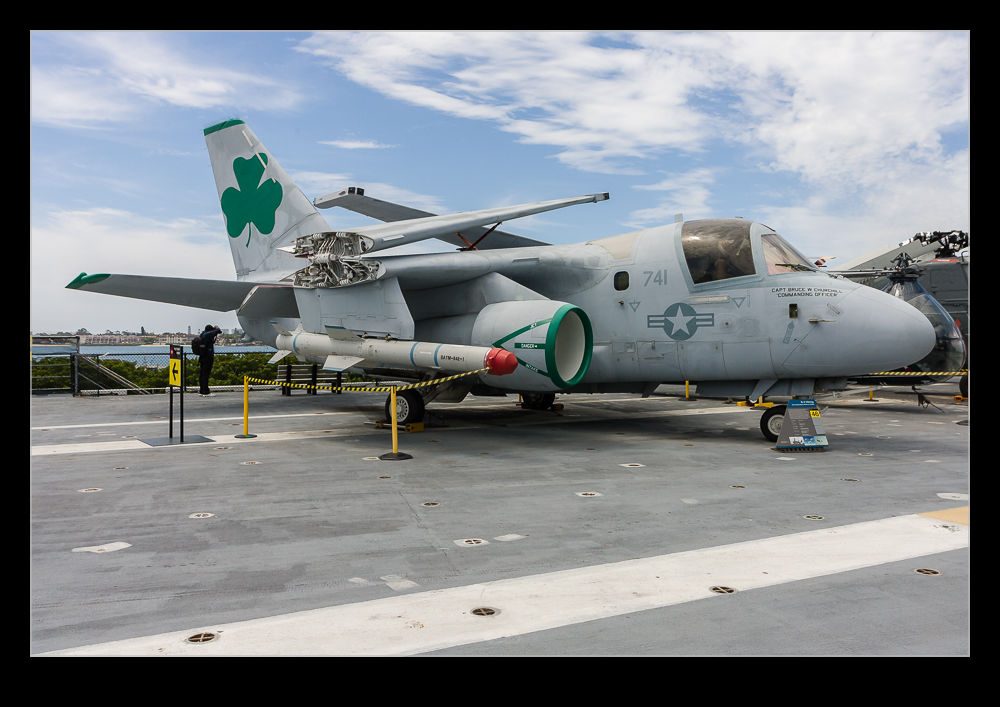
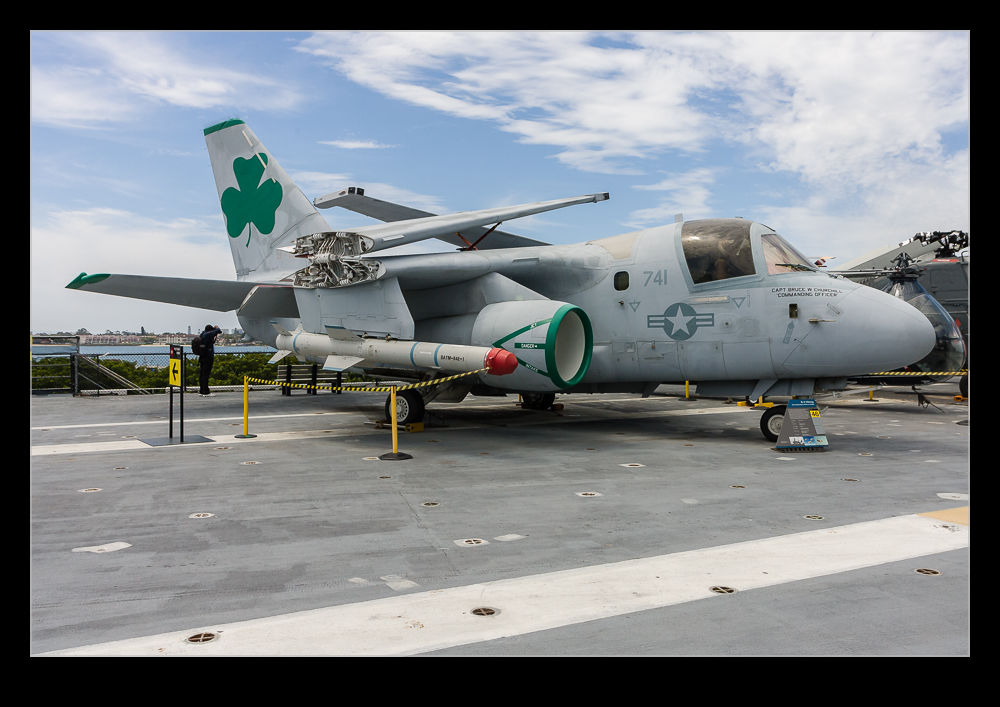
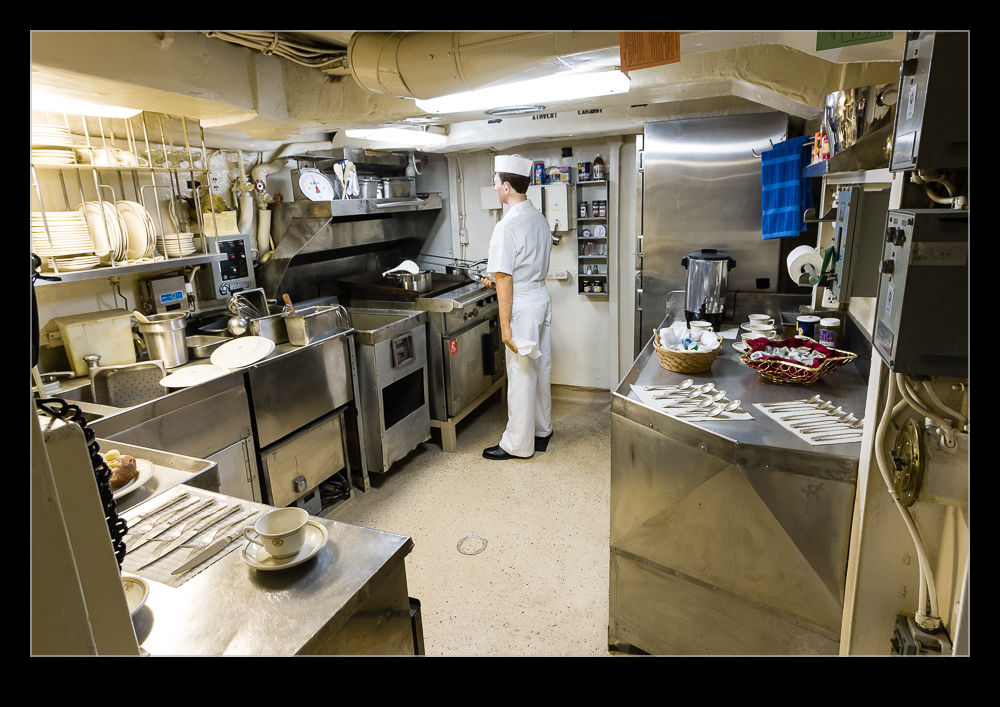
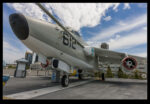
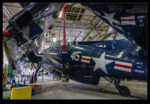
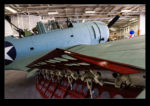
QB5Y4474.jpgThe collection of aircraft on board is pretty cool. There are some unusual types on display and they are arranged about the ship. The deck and hangar space provides plenty of options for the displays given the size of the air wing she used to accommodate. The deck has been used for other events including launching Kirby Chambliss during the Red Bull Air Races one year and hosting a college basketball game.

C59F0764.jpgOne frustrating memory of my visit relates to something not on the Midway. I had been talking with my friends about how I wanted to shoot LCACs – the hovercraft the Marines use for coming ashore. While I was up on the deck, what should I hear but an LCAC. Unfortunately, I was at the wrong end of a long flight deck so only got a passing look at the LCAC as it went by. I did get a quick shot but not one that will ever win any awards!
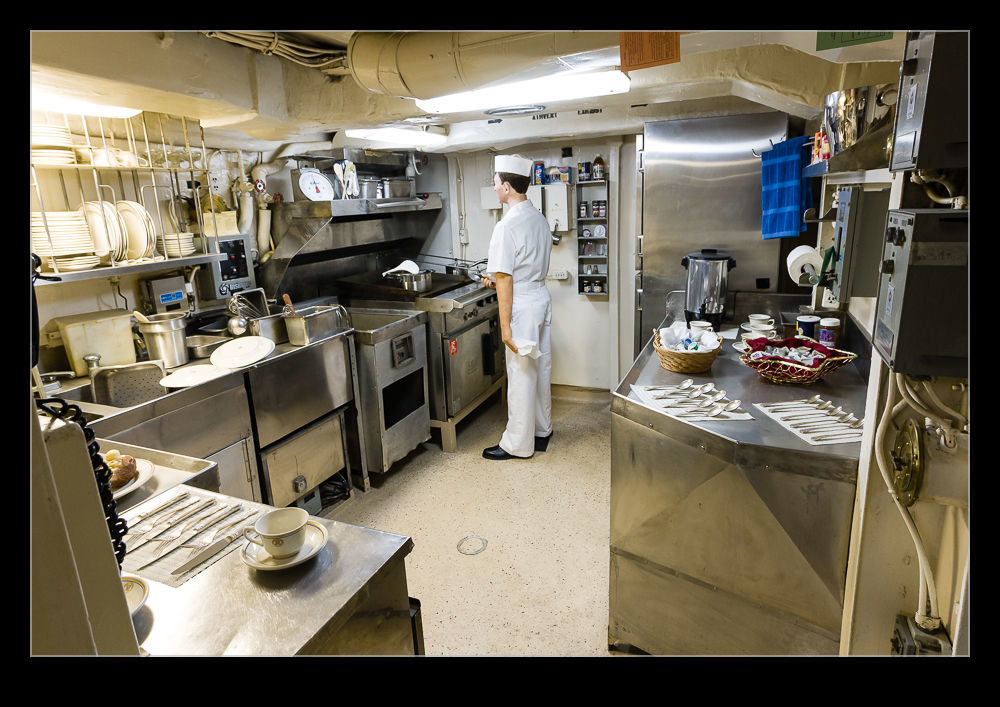
QB5Y4509.jpgShould you find yourself in San Diego and you have some free time, I heartily recommend a visit to the Midway. San Diego has a lot to offer but the ship is impressive enough on its own and the collection of aircraft onboard is an added bonus.
Gear Down and Locked

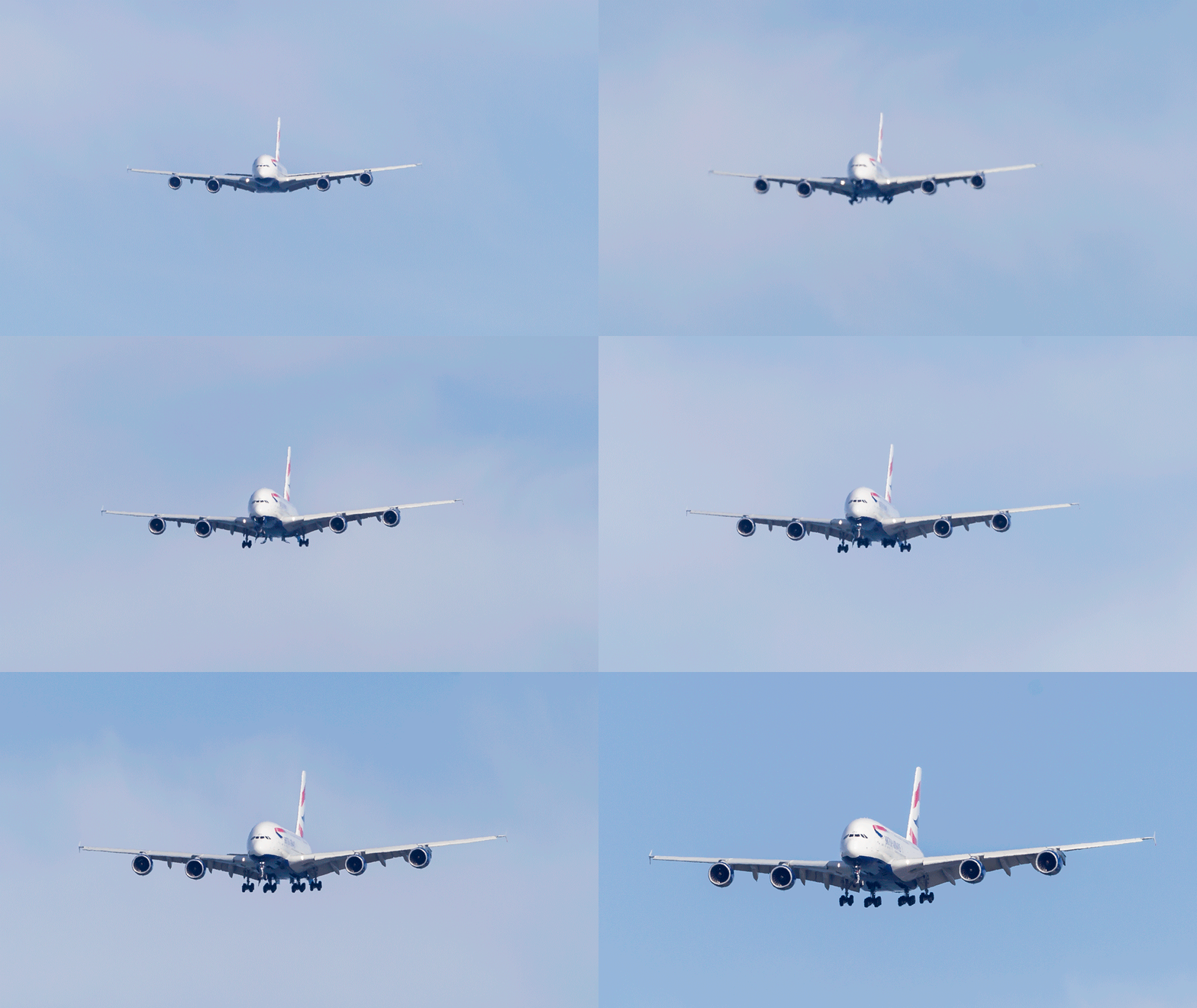
AU0E5747There are some shots that it is just hard to get. They are possible but it depends on what you have available. One idea that I have been trying to come up with a solution for is getting good shots of airliners as they lower their gear. The sequence for lowering the gear is pretty cool and the outline of the plane when it has flaps deployed but no gear is of interest to me too. However, to get a shot like that, you need to be high up further out on the approach. Unless you are in another aircraft, that is tricky to do.

From the normal locations on the ground, the aircraft is just too far away to get a decent shot. Not only is it in the distance and, therefore, small but you also have to cope with atmospheric disturbances like heat haze and dust in the air. It doesn’t make for a compelling shot! Instead, I decided to try something different. I would shoot the sequence of shots of the approach and then animate them. This would mean that the reduced quality of an individual shot would be lost as the sequence would require a certain amount of motion blur anyway.

What I didn’t realize until I tried this on an A380 was that this jet has an unusual gear sequence. I was looking at trying a 747 or an A380 since they are large and have interesting wing configurations when approaching to land. As it turns out, the A380 lowers the outer two gear legs first before the two center body legs come down. I had not appreciated this before trying this shot. Animating the sequence really put the computer under some pressure. Creating a file with over 100 layers and then adjusting each layer to align properly took some time and really made the machine work hard. Ultimately, I got the sequence you can see above.

DHS Citation with Radar

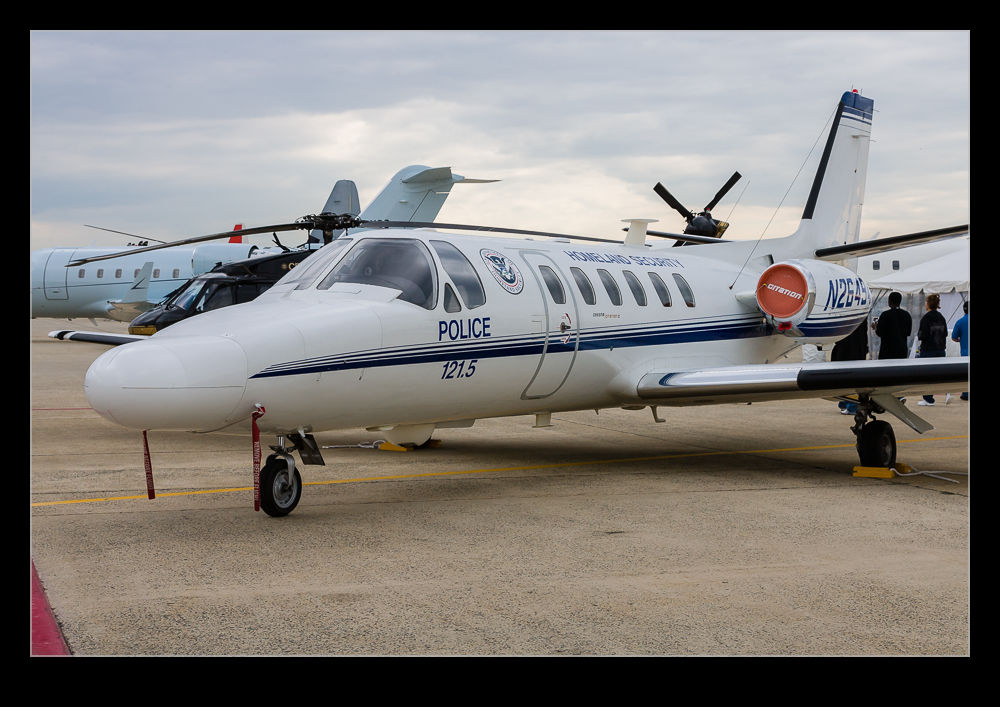
wpid13598-QB5Y2645.jpgA buddy of mine recently photographed a Cessna Citation in Texas which, at the time, he didn’t pay too much attention to. Later, when he looked at the pictures he realized it had an unusual fairing mounted on it which we thought might be a radar of some sort. This triggered a memory for me of a Citation that I saw at Andrews AFB. This was operated by Homeland Security and included a modified nose with an air intercept radar. I don’t know which types it was but I seem to recall it might be a variant of the F-16s radar. Anyway, thinking of that made me dig out the original shot and here is the aircraft in question.

Northrop Grumman Testbeds

wpid13600-C59F4302.jpgEvery once in a while I am looking for things to include in the blog from previous photographic outings. I was discussing an aircraft with an unusual radar installation which will now show up in an upcoming blog post as well. However, it triggered another thought about some radar testbed aircraft that I used to see quite regularly. For a number of years I was working in Washington DC on a regular basis and I would fly in to BWI airport. Aside from being a popular hub for Southwest, it is also the home of a Northrop Grumman radar plant.

They have a hangar on site which not only deals with their corporate aircraft but also their testbeds for the airborne radar programs. This hangar is located along a tree lined taxiway so everything is pretty obscured from view (unless you are airborne when you can see in a lot more clearly). The two testbeds that I saw quite frequently were a Sabreliner business jet and a BAC 1-11 airliner. The 1-11 was a regular sight when I was a lot younger but now they are almost all gone. Therefore, this was the one I was always pleased to see.

wpid13602-C59F4306.jpgSadly, I often saw them when I was without a camera or the camera was away. No electronics below 10,000’ in those days. However, I did catch them occasionally so these shots are a reminder of what was there. I suspect that the 1-11 is no longer in use. I imagine it was becoming a pain to maintain but I don’t know for sure whether it still is around. If you know, please do tell me.

C-46 Commando

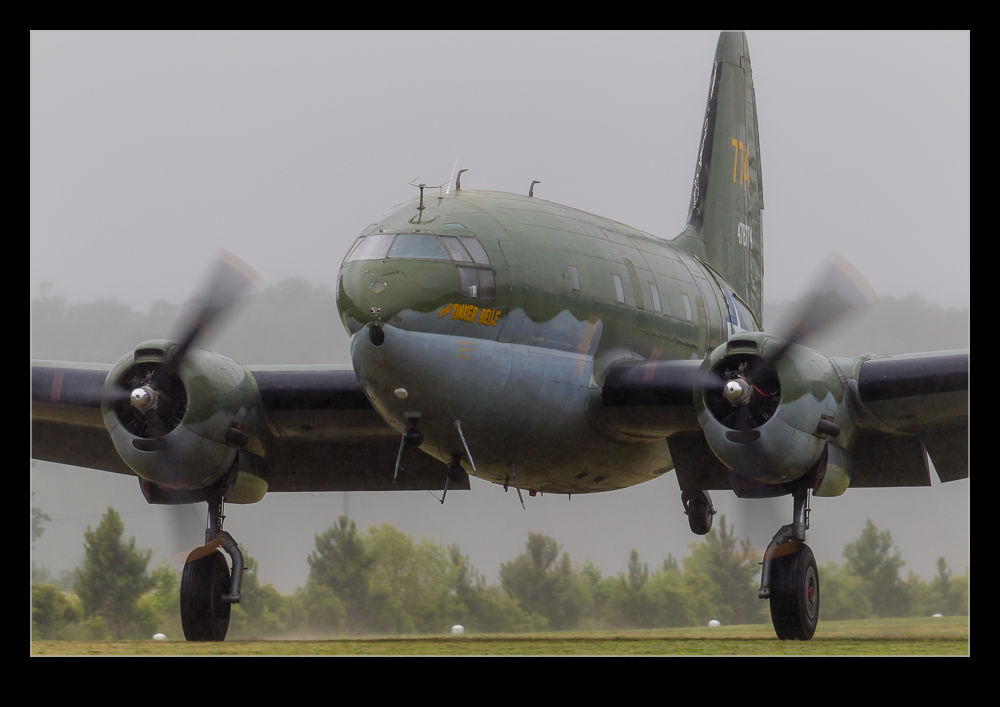
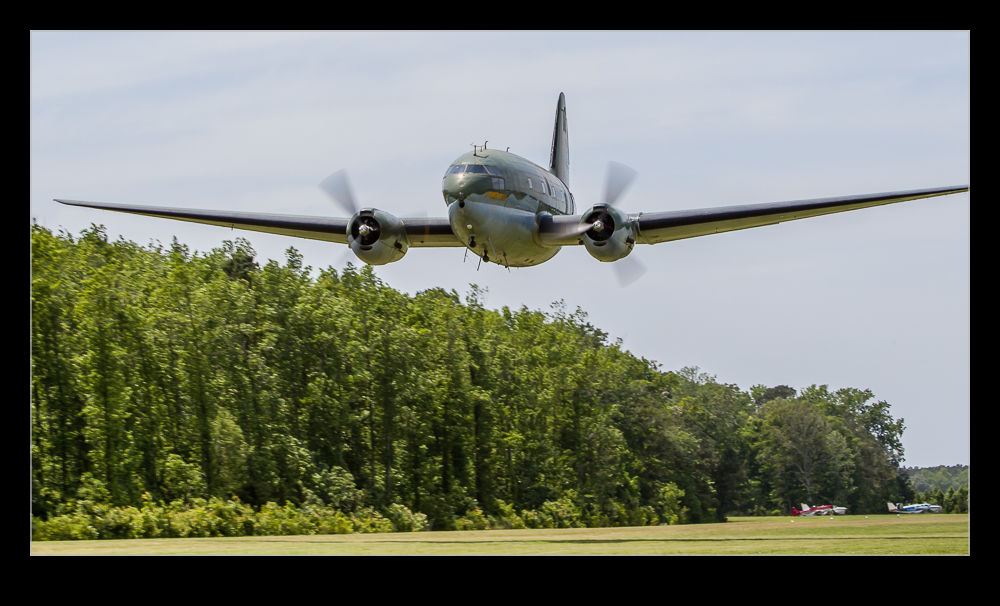
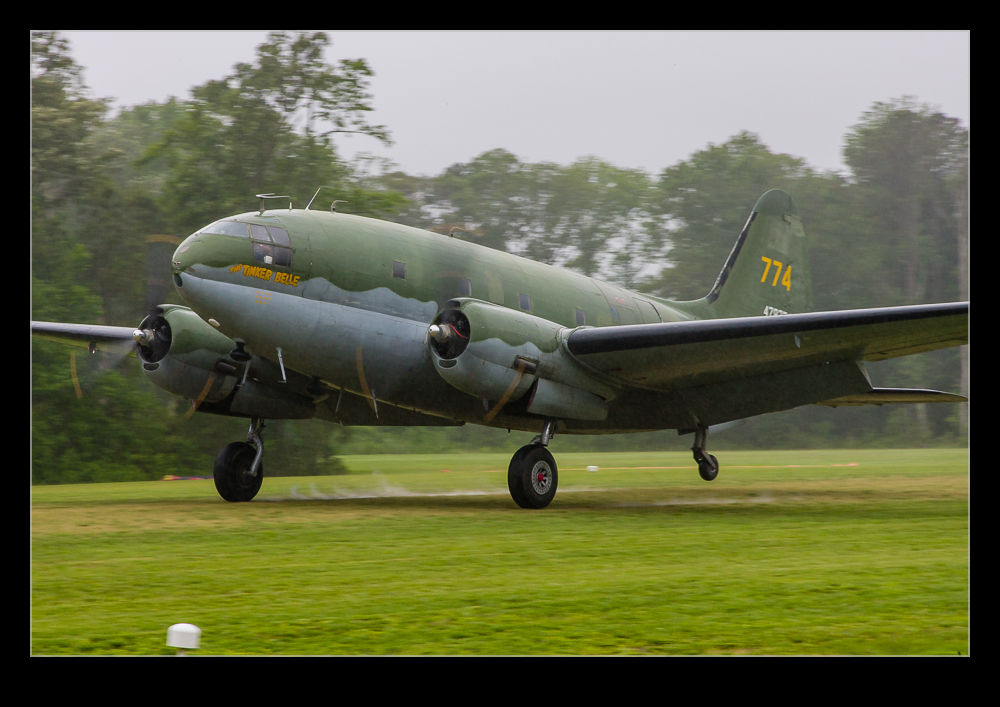
wpid13604-C59F9601.jpgEven people how aren’t particularly into aviation have a reasonable chance of having heard of the Douglas DC-3, also known as the C-47 and the Dakota. Not only was it a hugely important aircraft in WWI but it also continued to provide the post war commercial services and, even today, to fill a niche in air transportation. Far less attention is given to one of its counterparts in the war, the Curtiss C-46 Commando. The C-46 never stuck in the public conscience in the same way and its use post war was a lot more limited.

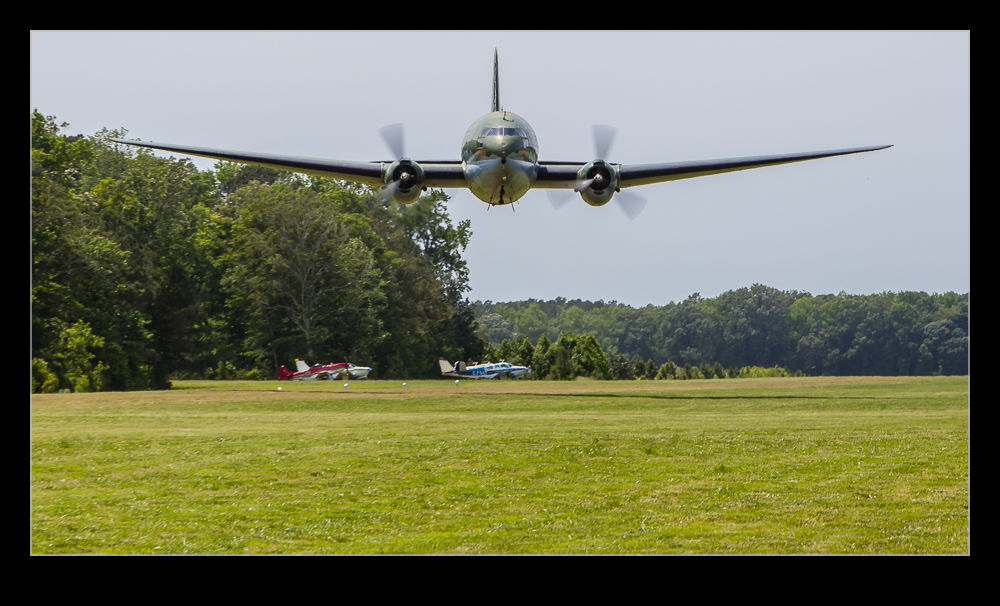
wpid13612-C59F9800.jpgHowever, they didn’t all disappear and one fine example still flies at a lot of air shows. I got to see it at Pungo in Virginia a few years back at an ISAP event. The symposium was being held in Virginia Beach and we spent a couple of days at Pungo. One was the day before their annual air show. We got to look around the collection and see the aircraft in action. The C-46 put on a few great low passes and I was at one end of the field and got a great view head on.

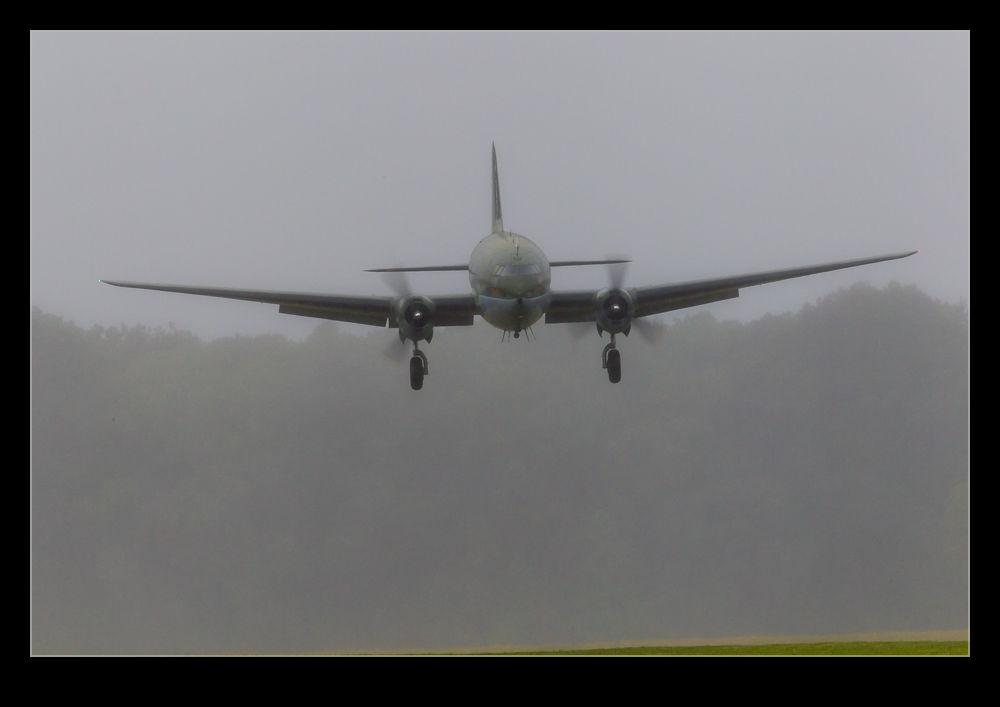
wpid13606-C59F9606.jpgOn the day of the show, the weather was not cooperating and the train came down heavily at various times throughout the day. The C-46 did fly in the gaps provided by the not so awful weather. They were not conditions conducive to good photos but I still got some of it. However, the practice day proved to be the better day for seeing this fine machine in the air.

wpid13610-QB5Y5183.jpg wpid13608-C59F9763.jpg

AMARG

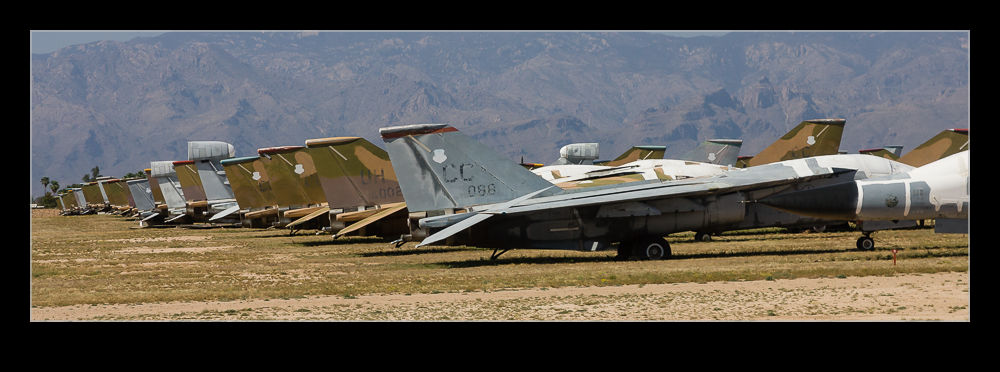
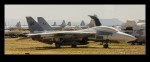
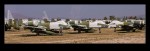
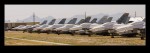
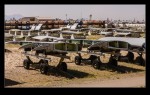
wpid13657-QB5Y2726.jpgThe storage facility at Davis Monthan AFB in Tucson AZ is very famous. The storage of so many airframes that are either gradually being broken down for parts or that have the potential to make it back into service is well known and has been the subject of many books and articles. Getting access to the facility is a bit harder than it used to be but there is a tour that is run each day from the Pima Air and Space Museum across the road from the base.
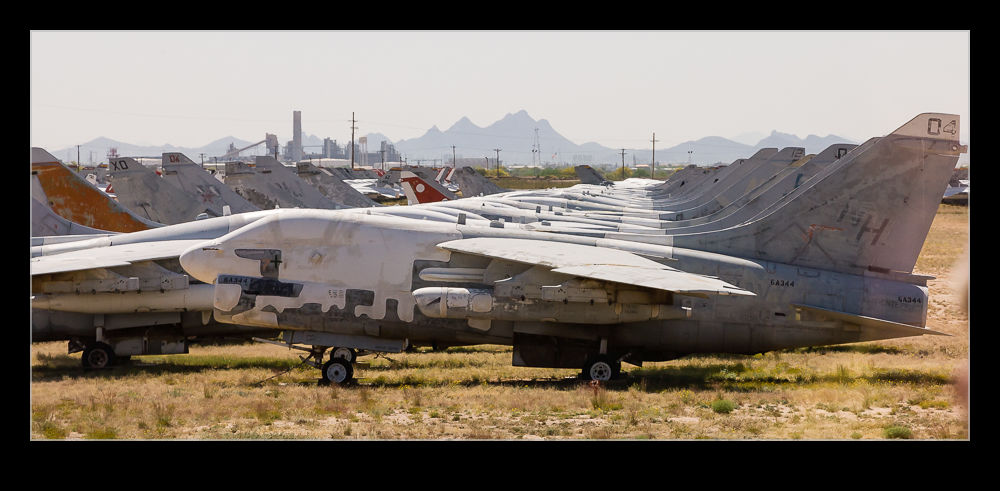
wpid13642-QB5Y2680.jpgThe tour is on a bus that doesn’t allow anyone off so it is not ideal either from a photography perspective or from the point of view of exploring the more unusual aircraft. However, it is a simple thing to do so making the trip on the bus was the option I went with when I was there a few years ago. The bus had tinted windows which affect the photos quite a bit and you are stuck on one side of the bus so anything on the opposite side is a case of seeing what luck you have shooting across the bus. Reflections are a constant problem of course.

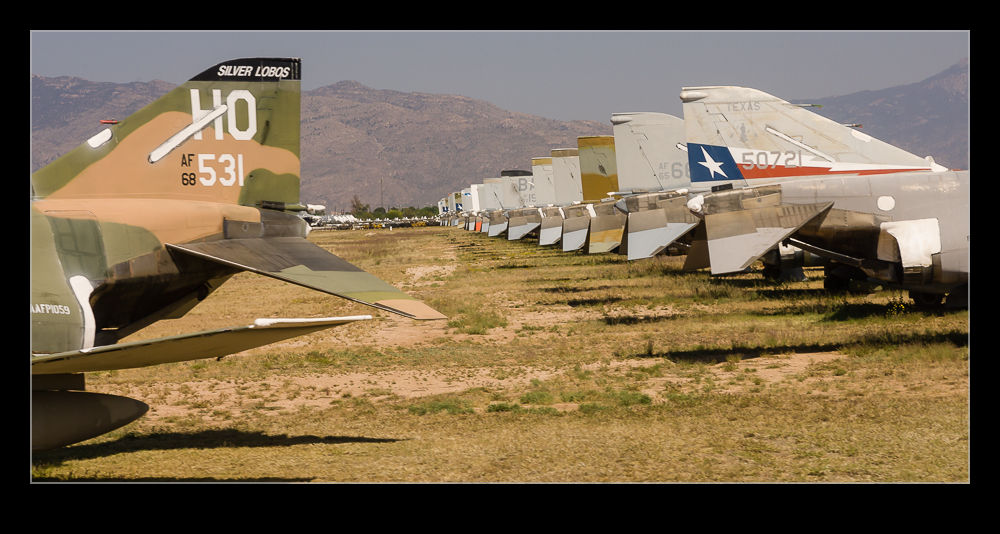
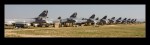
wpid13638-QB5Y2666.jpgThe storage facility is exactly as you imagine it would be. The lines of aircraft of the same type are very cool. It really doesn’t matter what the type is. Seeing so many of one type together, often with a wide variety of unit markings, is impressive. The big types like the C-5, the C-141 and the B-1B dominate their areas. The smaller types can be scattered in amongst them. Some look rather forlorn, often without the gear any more, mounted on wooden frames. Other locations have parts stacked up. A selection of wings from A-10s were stacked in a row. At some point I need to make the plan to visit and investigate the facility in a lot more detail.
Cutlass

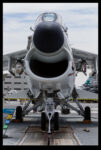
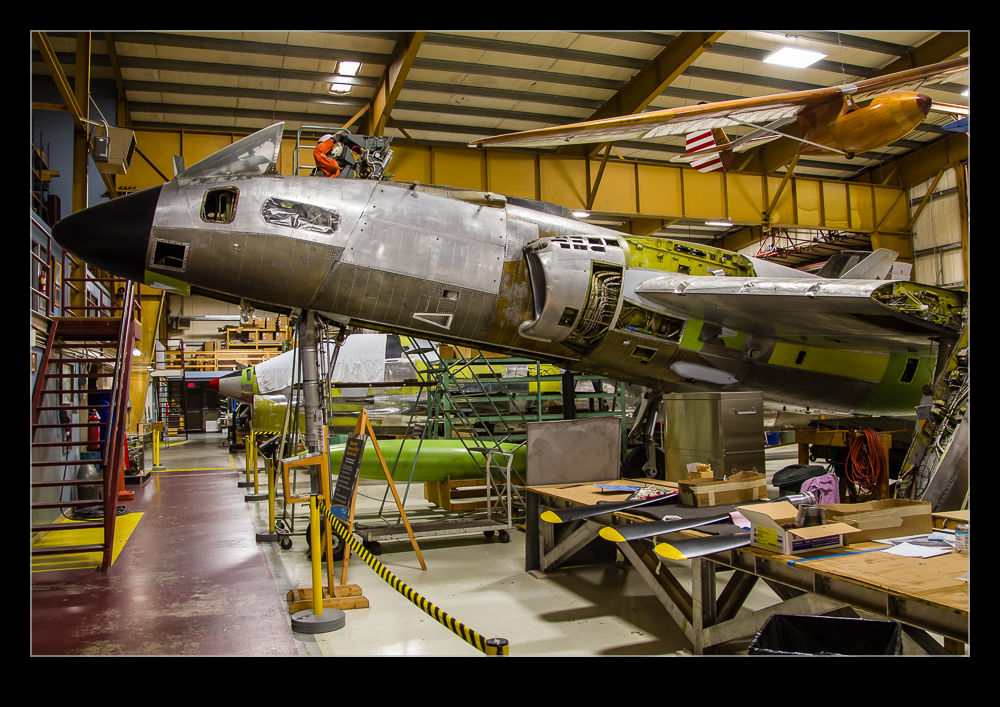
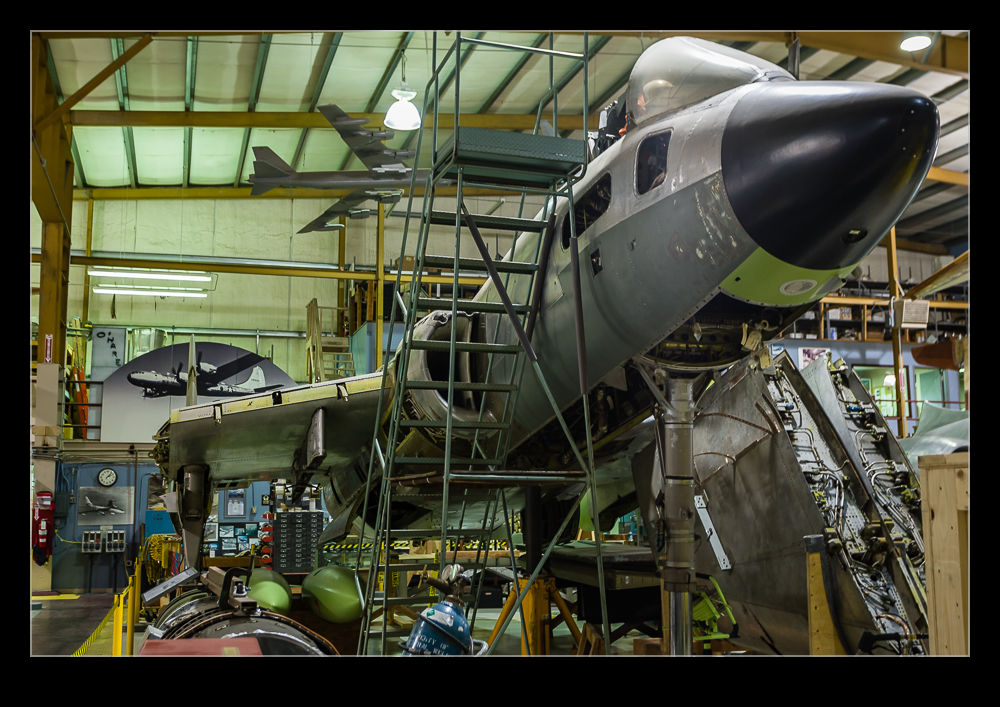
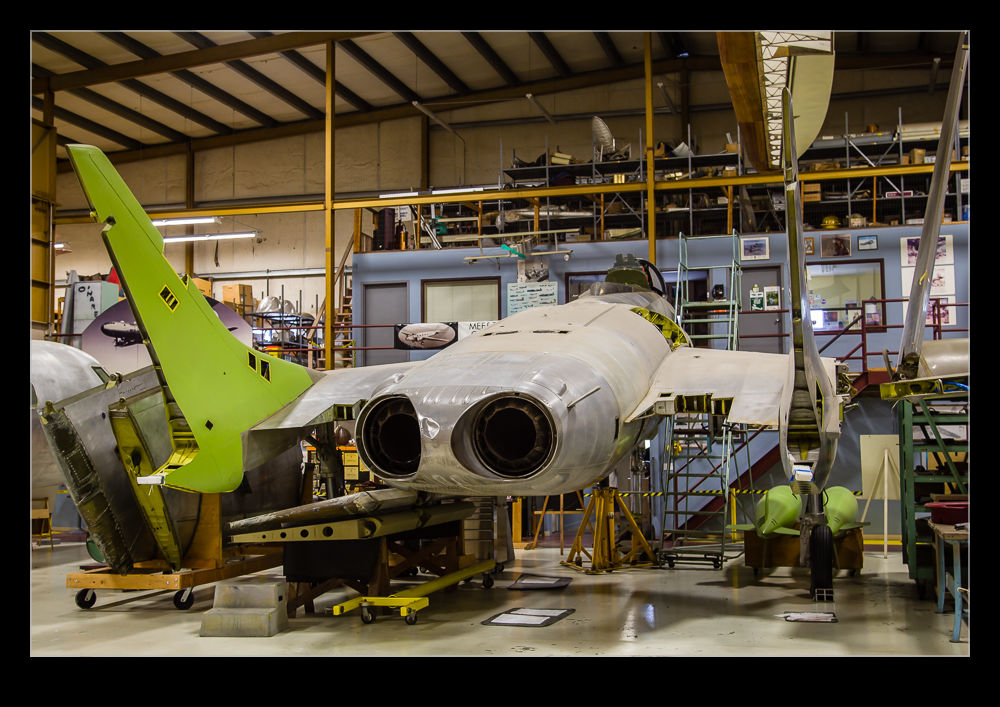
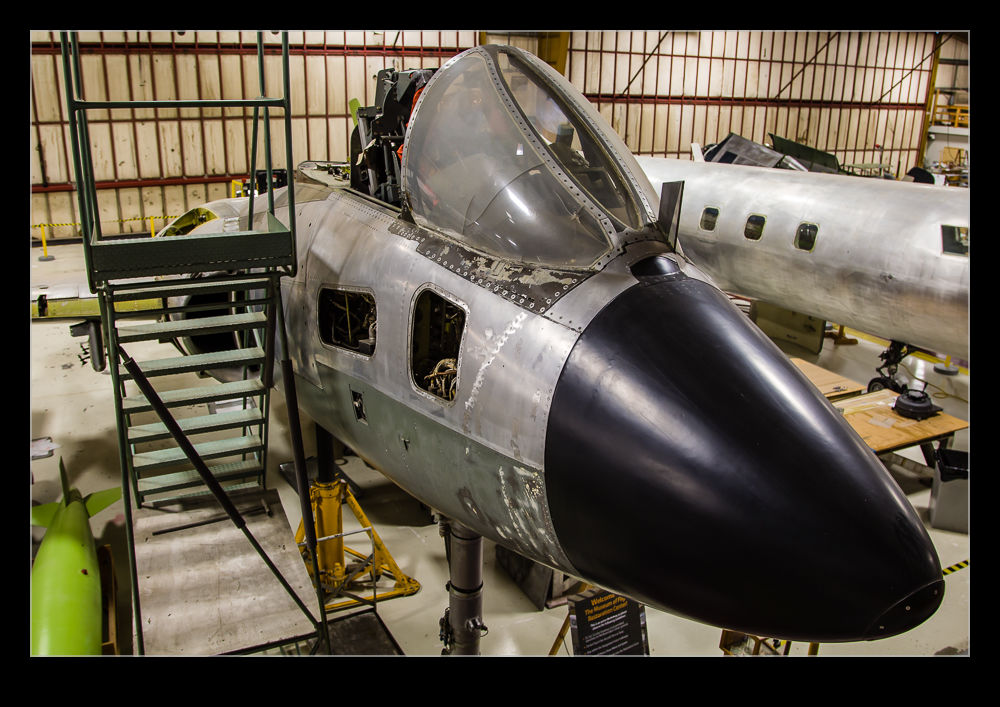
wpid13618-C59F7438.jpgWhen I was a kid, I saw a picture in an aircraft modeling magazine of the Vought Cutlass. The planes caught my imagination at the time but they were already long gone from service so the chances of seeing one in the UK were not good. However, I did come across one much later when visiting the Museum of Flight’s restoration facility in Everett WA. My first visit to the facility was when it was just a location where work was undertaken and you could drop in. More recently, it has been turned into a visitor location with a shop and entry fee.
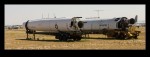
wpid13620-QB5Y7682.jpgNothing has changed with the Cutlass though. It is apparently a bit of a basket case for restoration purposes with a lot of problems in the structure. Consequently, I don’t know what will happen with it or whether it will remain a work in progress indefinitely. However, it is cool to see a Cutlass at all. When thinking about this, I decided to see whether I had ever come across a Cutlass at any museum. However, I couldn’t find an example anywhere in my files so I guess this is the only one I have seen.

wpid13616-C59F7424.jpg wpid13614-C59F7396.jpg