Category Archives: military

Mare Island Museum

C59F7901.jpgThe Society of Aviation History organized a visit to Mare Island recently and I went along.  The tour started at the museum and walked to a number of locations before ending up back at the museum which we were then free to roam around.  I will start at the end today and cover a little about the museum itself.  That should set the scene for the follow up posts about elements of Mare Island that we took a look at.

C59F7860.jpgMare Island was a naval shipyard.  From its earliest days it grew into a major shipbuilding facility.  In its later days, it was involved in building many nuclear submarines.  Ultimately, as part of the reduction in bases undertaken in various phases around the US and beyond, Mare Island was closed as a naval facility and returned to the local community.  Much ship related work is still undertaken but the location is a faction of what it once was.

C59F7843.jpgThe museum has a lot of displays of what went on at various stages in the history of the yard.  Outside there are some missiles and cannons on display covering old wooden frigates through to a Polaris missile from a nuclear ballistic missile boat.  The submarine theme shows up in many of the displays and a periscope has been recovered from a submarine and erected in the museum.  You can operate it and survey the surrounding area.  The clarity of the optics is quite amazing.

C59F7850.jpgThe running of the museum is not cheap – not least because the local town of Vallejo charges them a substantial tax each month.  Therefore, getting people to visit is an important issue for them.  If you have a free day, I would certainly pay them a visit and see a little of the shipbuilding history of the area.

Coast Guard Air-to-Air (ish)

C59F1783.jpgMy flight over LAX was intended to get lots of shots of airliners. We did also get a little benefit. For the time being, the Coast Guard have a base at LAX. They will be moving soon but, until that point, operations continue as normal. One of their MH-65 Dolphins returned to base while we were airborne. ATC vectored them behind us and around to land on their pad. We managed to yaw around to provide an angle on them as they came in.

C59F1754.jpgShooting the Dolphin was a bit harder than some of the other aircraft. I was using a 100-400 lens which was fine for the jets when I could keep the shutter speed up high to compensate for any motion or vibration. However, dropping the shutter speed for the rotors, even if I didn’t take it too low, meant a very high failure rate on the shots. Even then, we were still a reasonable distance away which didn’t help. A few of the shots are passable. However, they won’t handle too much scrutiny. I’m glad we got them though since they will be gone if I go back for another shoot.

Back to My Roots with the Typhoons

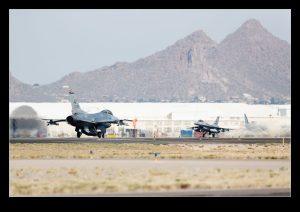
C59F3875.jpgThe Brits were at Red Flag in numbers too for 16-1. An E-3D Sentry was part of the AWACS fleet while a C-130J Hercules launched each day I was there. Judging by the dust and dirt on the underside, they were landing on rough strips out on the ranges during their missions. However, the thing I was most looking forward to seeing was the Typhoon. The RAF brought eight jets from 3 and 11 Squadrons. Most days six of them launched.

C59F4789.jpgIn my youth, I worked on what was to become the Typhoon in my BAE days. I was an aerodynamicist looking at airframe loading and the possible flight envelope for the first flight. I was not looking forward to the job when I was given it but working on loads turned out to be a great task and taught me a lot about structural limits, flight controls and the process for expanding the flight envelope. A mentor of mine had told me it sounded dull but was very valuable and he was spot on. I guess he is a smart guy because he has gone on to be rather successful in the company!
AU0E8613.jpgBack on topic, the Typhoon is something I am very pleased to have worked on. Getting to see them in action is great. The launches when we were out by the runways were great. When we were by the EOR, we were directly across from the ramp that the Typhoons were using so I managed to see them crewing up for the launch. Then, of course, they had to come right by us as they taxied out. I know it was a long time ago but I can’t help but still have a soft spot for them when I see them in use.

Two Aborts in One Launch

C59F6599.jpgRed Flag missions are two periods of intense activity with an intermediate phase of nothing much. The launch develops in to a steady stream of jets taking off as everyone gets airborne for their phase of the mission. They have been preceded by the tankers and AWACS who are setting up to manage the throughout of the smaller jets. Once everyone is gone, the simulated war is occurring somewhere else. Then, everything starts to come back with a steady stream of the jets breaking overhead and landing before the tankers and AWACS come back at the end.

C59F6489.jpgAfter the majority of the launch, we were at the EOR watching the occasional straggler go out or some based planes fitting in. Then we got a pair of F-15s come back. They flew an approach with one jet on the glide path while the other was clearly shepherding them in. The F-15 landed without incident and the wingman powered away to rejoin the flight. Some fire trucks rolled but everything seemed to be under control.

C59F6499.jpgNot long after we had stopped discussing this, a pair of aggressor F-16s came into view. The same procedure and one landed while the other shadowed them down the approach. With a safe touchdown, power on and back to the battle. Technical issues are not uncommon but I was surprised to get two in close succession. Everyone seems to have handled them appropriately and they appear to have ended without further incident.

C59F6497.jpg

Red Flag 16-1 Launch

AU0E6309.jpgI might not be as regular at Red Flag exercises as some of my colleagues but I do try and get to at least one a year. The different events have differing levels of appeal. The winter means less hot weather but the sun angles can be very tricky. Sometimes there is a lack of overseas participation. In the case of 16-1, there was a planned attendance from the Royal Australian Air Force with a variety of types as well as the RAF bringing Typhoons and a Hercules. My UK friends would be interested in the other participants but I like to see the RAF stuff because I don’t normally see it.

C59F3356.jpgLaunches follow a pretty regular pattern. The AEW aircraft gets up first followed by the tankers. Then the bombers head up and the rest of the aircraft stream out. They tend to launch to the northeast and recover in the opposite direction. The launch means a lot of backlighting of the aircraft. There have been times when they launch to the southwest but, sadly, I have never been there for one of those. Recoveries are into the light usually which helps. Unfortunately, some changes in the procedures meant that we did not get a full recovery on base.

C59F3291.jpgWe were quite lucky as the following day the winds picked up and the recoveries were made in the same direction as the launch which would not have made for good photo opportunities. The launch is always an interesting challenge. They launch from both runways so you find yourself deciding which side is going next and scurrying back and forth. You also have some aircraft on the banned list so you have to make sure you know what each plane is before you shoot it. This can involve being able to shoot one unit’s aircraft of a given type but not another’s. Still, it’s better than being at work.

AU0E6577.jpgAU0E6551.jpgAU0E6689.jpg

Farewell to the Junglies

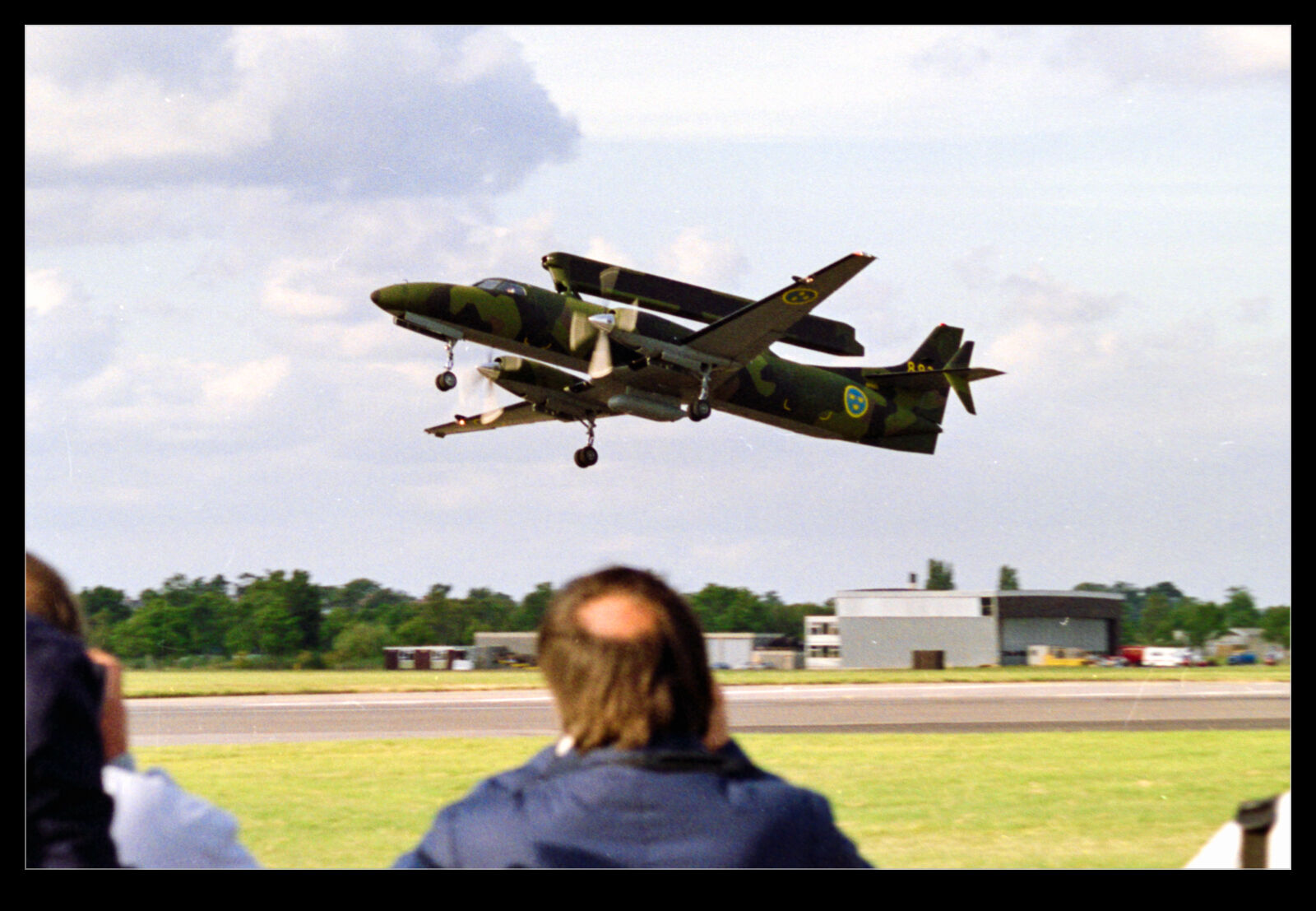
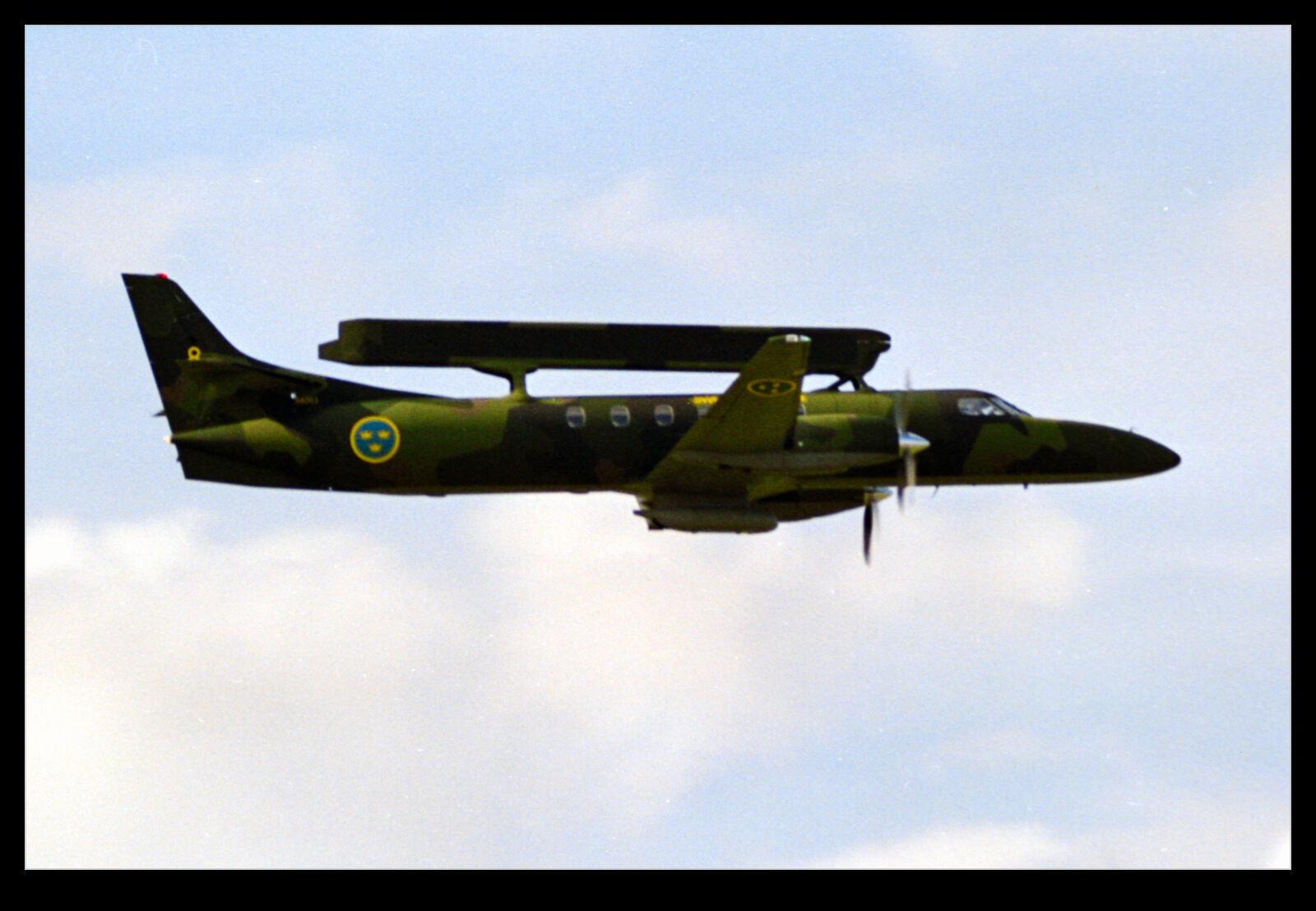
Scan 2-583.jpgThe end of the line has come for another UK military type.  The Sea King HC4 has come to the end of the line for the Royal Navy.  The Navy operated many Sea Kings in the anti-submarine role and for search and rescue before the Commando role was taken on.  The Wessex fleet was aging and Westland had already come up with an assault version for the export market.  Distinguished by its lack of radome and sponsons, the RN decided to use them as the replacement for the Wessex.  I have seen them on many occasions.  Living near Portsmouth as a kid, they frequently flew by.  I also saw them at Navy Days.  However, I have far fewer shots of them than I expected.  They were not big airshow regulars.
Scan 2-611.jpgThe Junglie name had come from operations before their time and will, I suspect continue with their replacement in service, the Merlins that have been transferred from the RAF.  With over 30 years of service, I guess they have done their job well.

Scan 2-582.jpg

Huey at Hayward

AU0E0932.jpgGiven the number of times that I have been specifically trying to catch something out in the wild, it is a little funny when I get completely lucky and come across something cool without ever trying. I was out walking along the shore in Hayward through the parkland that includes the marshes out there. The weather was not particularly nice but I was checking out the area as a place to walk on another occasion. While I was walking along, I heard the unmistakable sound of a Huey in the distance. I scanned the horizon for a sign of the helicopter and picked it up low and coming towards me. Could I be so lucky as to get it coming right by me?
No, as it got closer, it turned away. I was a bit disappointed but not too surprised. It dropped out of sight and I figured it had landed at Hayward airport. I went on with my walk and didn’t think much more about it. Before too long, it popped up again and a similar situation occurred. As I headed back to the car, the same thing happened again.   I was a bit closer at this point and got some shots but it was still some way off and the sky was a bit grey so still nothing worthwhile.

AU0E0888.jpgAs I got to the car, some rain started to fall so I figured I was heading home. As I drove away, the rain stopped again and I figured I was going to be coming right by the airport so I might look and see if I could see the Huey or not. When I got to the fence, the sound returned and right behind me was the ubiquitous shape on its downwind leg. It turned in to the field and ended up hovering a short distance from me. Not only that, but the sun came out! A dark background with sun on the foreground is always a great combination. They were flying a bunch off circuits so I stayed around for a while to catch a couple of them before the light went away and my desire for lunch started to take over.

The aircraft is a restored airframe run by a volunteer group to commemorate the emergency medical service provided in Vietnam. They are called EMU Inc. and are based around here. I hope to spend more time finding out about what they do so watch out for more in the future.

AU0E0953.jpg

ASRAAM Self Portrait

C59F5739.jpgWhile waking along the ramp occupied by the RAAF Hornets, one of the ASRAAM missiles on the wingtip launch rail of an A-model Hornet had its seeker cover removed. It was dangling by a strap and I was going to ask one of the ground crew if we should replace it. Then I got distracted by the seeker itself. It looked pretty cool and was reflecting light in an interesting way. Naturally, when you are near something reflective, the idea of a self-portrait jumps to mind if you are a little self-obsessed so I couldn’t help myself. Many years ago I worked on an ASRAAM seeker development related task using the company Jetstream testbed so I can pretend all of this is a technical interest and not narcissism at all.

Another Night Launch on a Cold and Windy Night

C59F5307.jpgThe evening launch at Red Flag is something I have had a go at on a number of occasions. Consequently, regular readers that pay close attention may feel that this post is a bit repetitive and they would be correct. I was a bit better prepared for the night launch than on previous occasions. I had brought a cable release and a Gorillapod to allow me to have a bit better a set up for the time lapse video of the launch. Meanwhile, I was shooting handheld with the second body.

C59F5147.jpgSadly, a couple of things were not working in my favor. First, it was pretty windy and, while I had the camera set up on the hood of the car, it was a bit vulnerable to movement as the car moved in the wind and the camera vibrated on the pod. Consequently, some of the video is less than ideal. However, conditions did seem to settle down a bit and the later part of the video seems to steady up a bit.

C59F5534.jpgSecond was that there was no moon. It was very dark and cold out there. I managed to get some shots of the B-1B launches but the only illumination was from the burners. No ambient light at all so they didn’t look as good as on previous attempts. I did try to stay for the whole launch and not to get the time lapse showing things in full swing when it ends but there is a limit to how long you want to hang out in the cold when everyone else has gone. I got most of the launch but I did see a bunch of jets head out as I passed the speedway. I probably should have tried getting some shots from there as they were still in burner at that point.

C59F5286.jpg

A Feel for the EOR

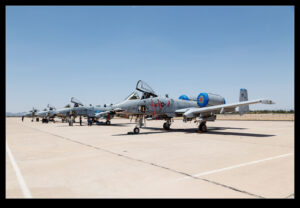
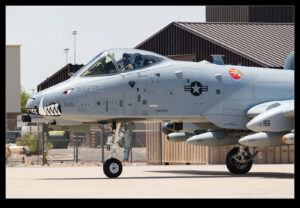
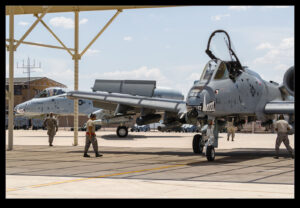
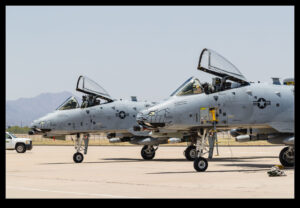
During the recent Red Flag 16-1, which I was covering for Global Aviation Resource, I got to spend a portion of the day at the South EOR.  EOR means end of the runway and this is where the planes come prior to taking off.  They go through their final checks before launching and we get to be very close to them.  I was mainly taking stills for the GAR feature but I got some video while I was there.  I wanted to have something that shows what it feels like and how close we were.  Consequently, some of the shots involve my fellow photographers so you can have some context of where we were.