Tag Archives: photo

When United Thought That Ted Was a Winner

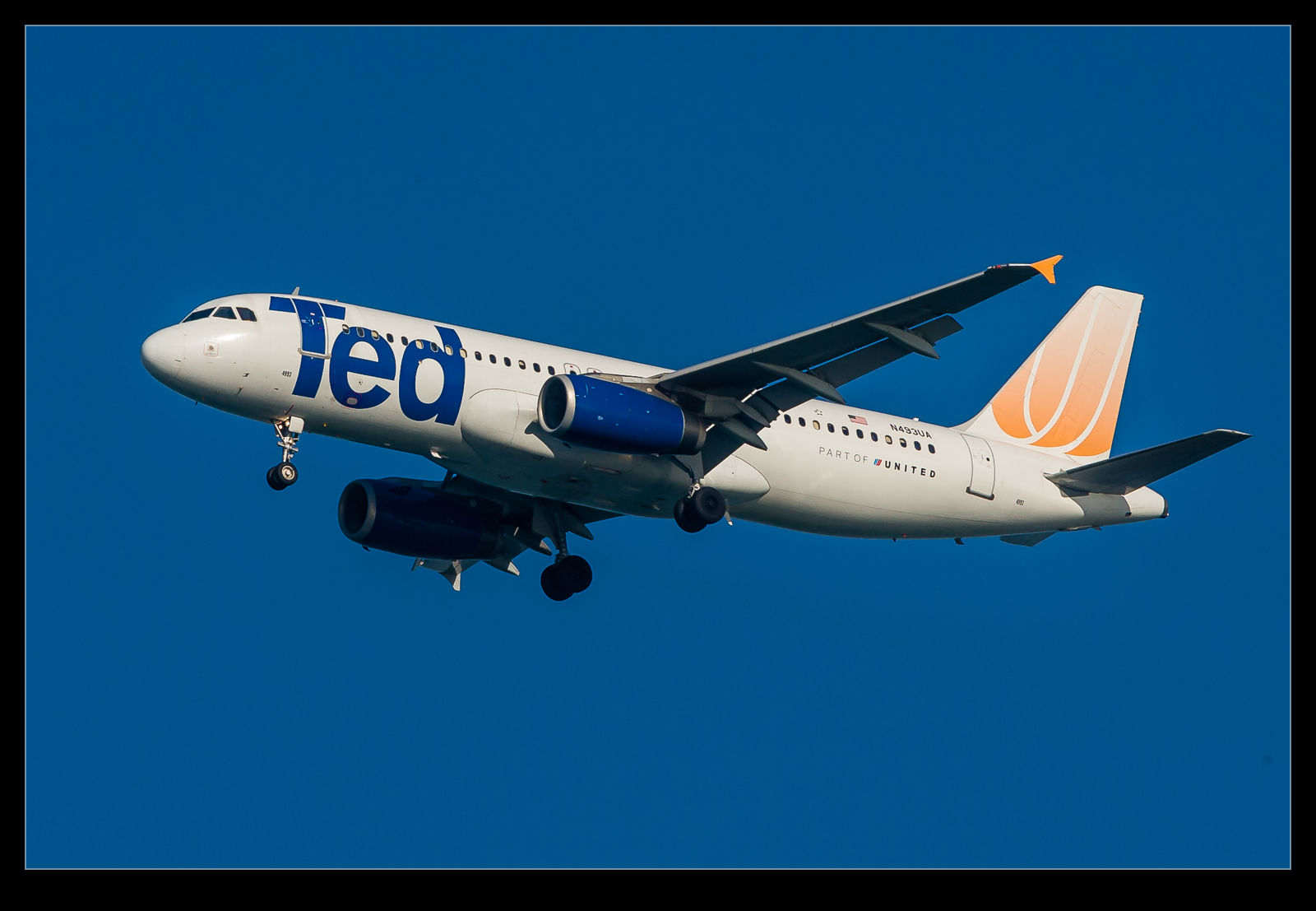
Occasionally I post about disappearing airlines.  Normally they are airlines that went away because they ran out of cash.  This one is a different story.  The arrival of low cost airlines caused a lot of the majors to think that they could fight the newcomers by setting up their own lost cost operation.  United came up with Ted.  I guess this was like half a United!  They moved a bunch of their Airbus A319s and A320s from United to Ted and set them up on services which, I guess, did not have the premium passengers and so was focused on the economy traveler.
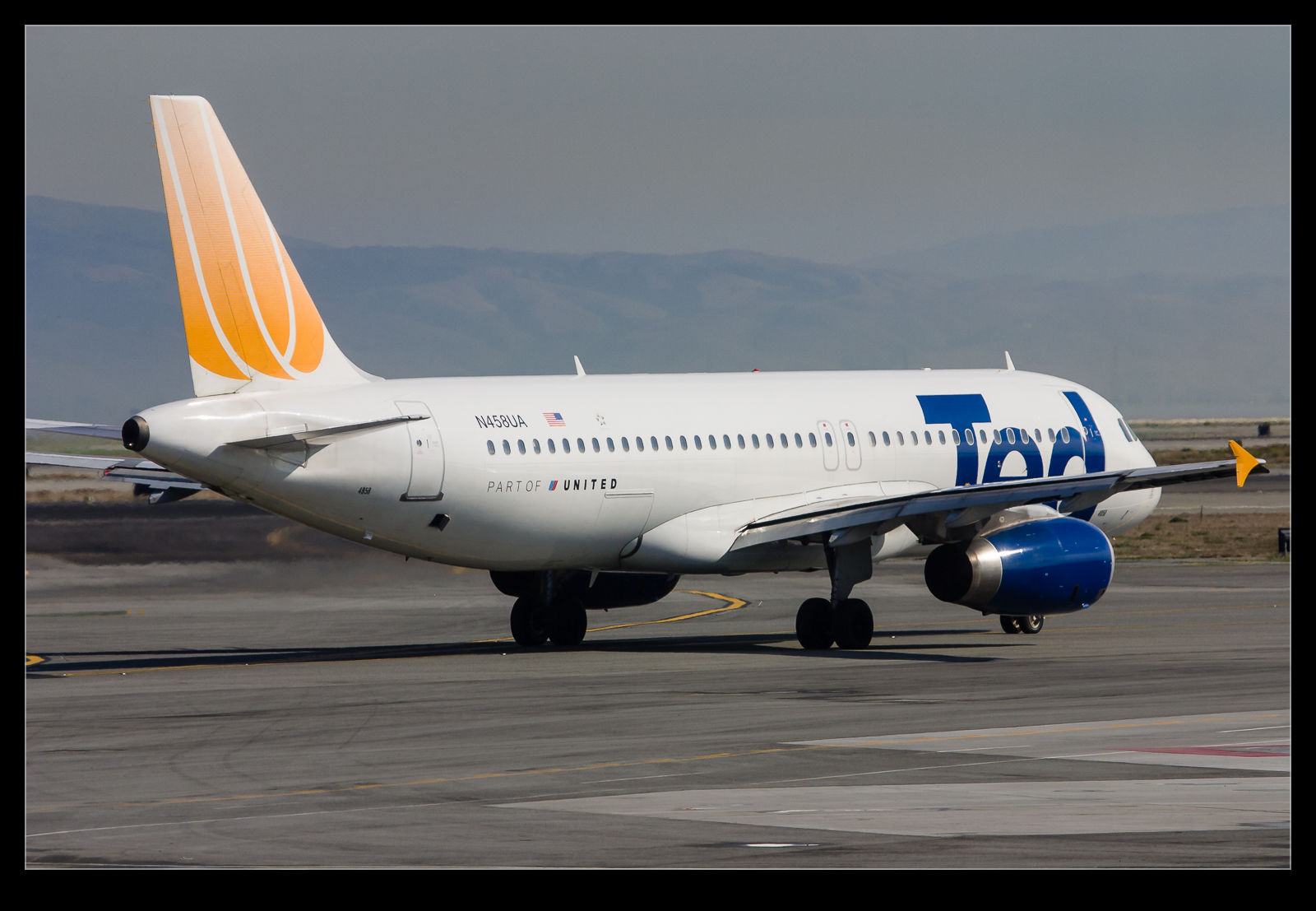
Ted lasted for a while.  I don’t know whether it was ever a profitable business or not.  When you viewed it in the context of the overall United business, it might have been good for a while.  However, whatever the underpinnings of the business were, eventually United came to the conclusion that Ted was not a good idea.  I don’t know whether the cost base was too high to sustain it or whether it was just undercutting revenue from United but they gave up on the idea.  The jets got repainted and became part of the United fleet again.
At Last a Voyager – But…

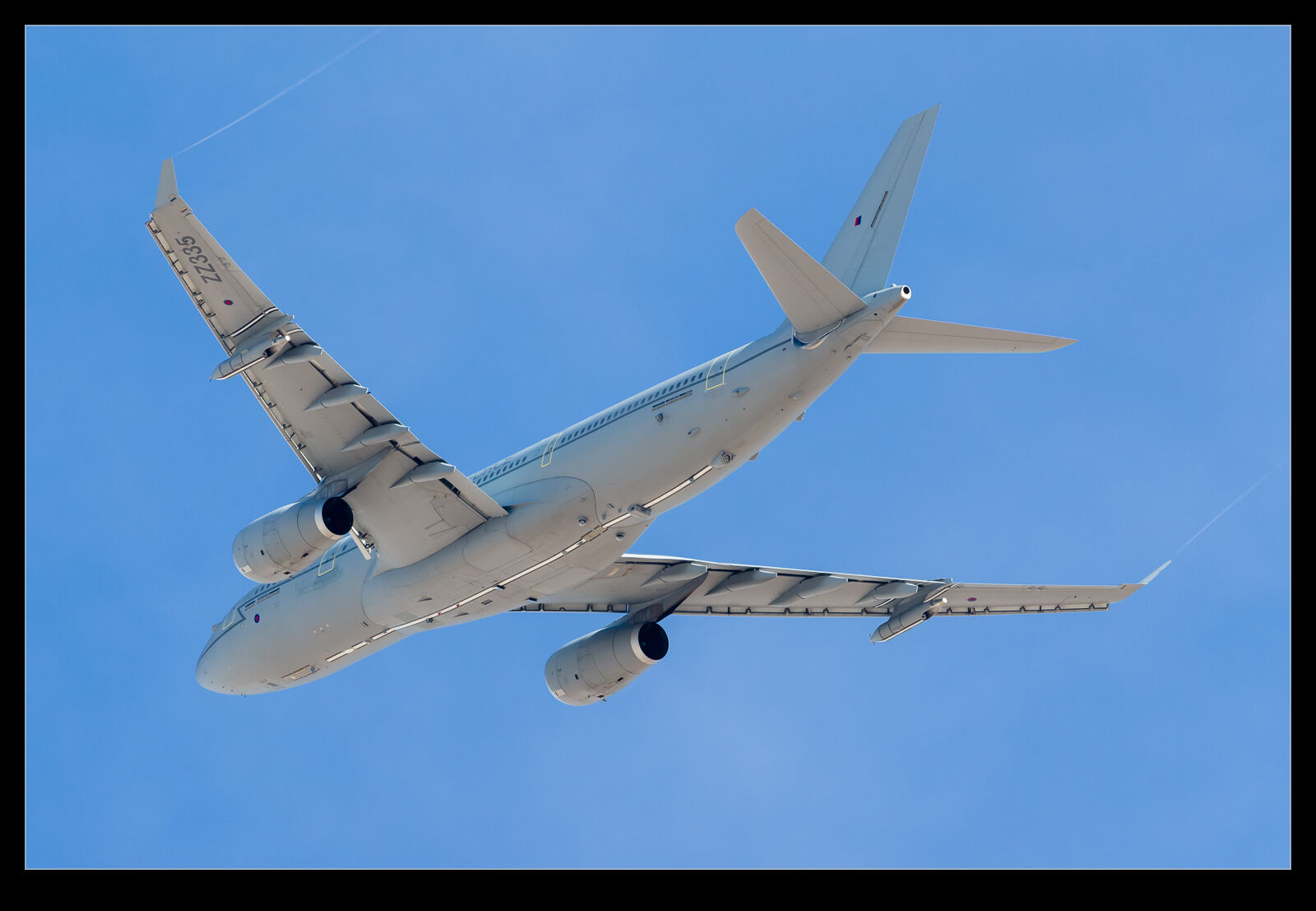
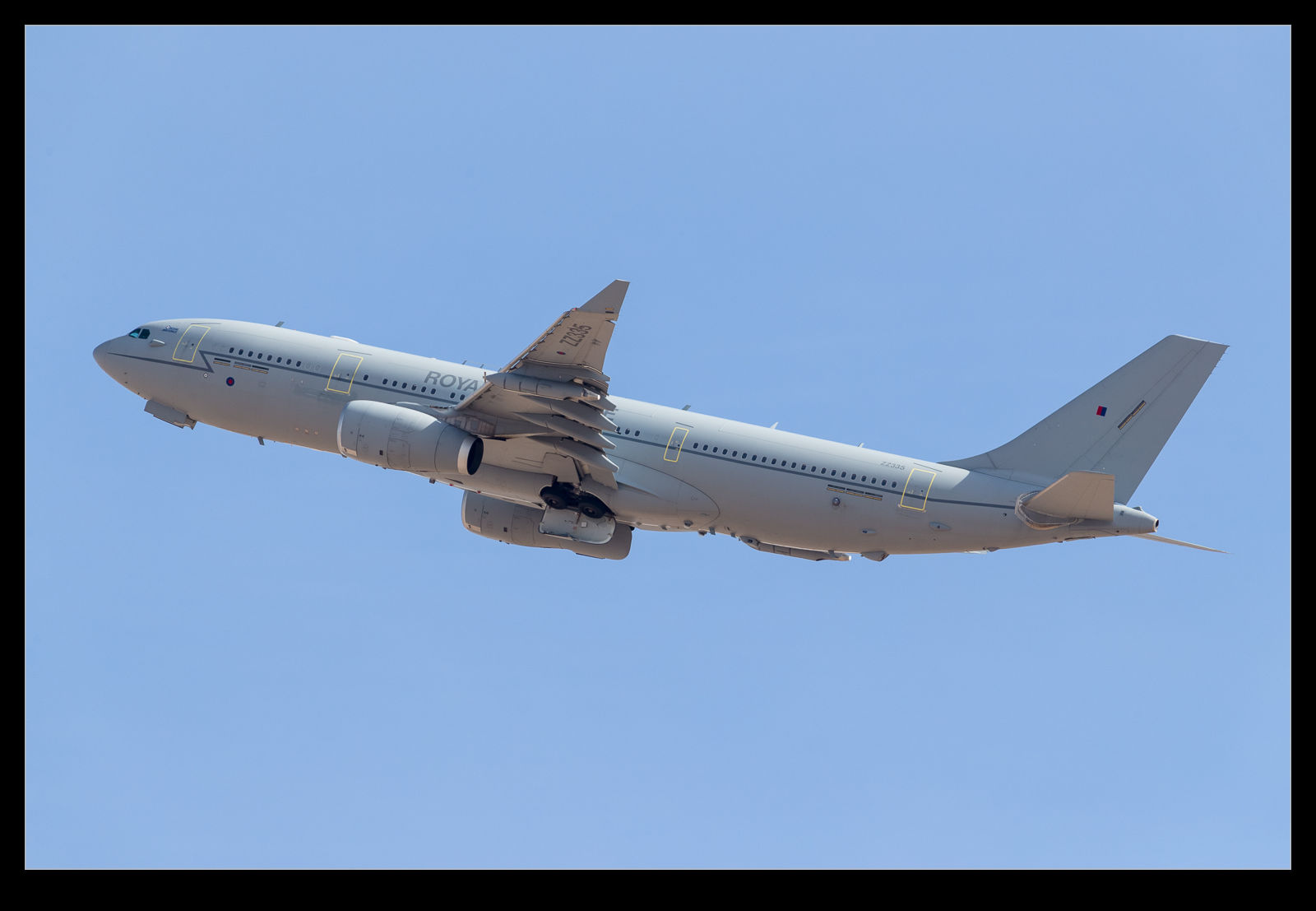
The Royal Air Force has replaced its tanker force since I left the UK.  The VC-10s and TriStars have been retired and there is a public private partnership in place to deliver tanking support.  This uses converted Airbus A330s.  They are able to provide tanking and transport services (with some of the aircraft configured only for transport).  In RAF service, these jets are named Voyager.  Red Flag 17-1 was my first real opportunity to photograph a Voyager in action.  (Annoyingly my sister has shot them before me and has been on a refueling mission with them!)  While an A330 might not be the most exciting jet to see, I was really looking forward to photographing it.

As the mission was recovering, the light was great.  Low sun providing a warm and soft illumination on the returning jets.  Then, the Voyager called up.  Just as it did so, the sun went in.  The Voyager came down the approach, its gray fuselage in the shade of some clouds.  It landed, taxied in and then the sun came right back out again.  Arghh!  Sure, I can bump up the white balance a bit to warm things up but the jet was in shade and there is not much I can do about that.  I had to leave before it recovered on the following day so no luck then.  They will be around for a while so I guess I will get any crack at this at some point.

Portland Station

I took a trip to Portland for work.  Rather than drive, I took the train down.  It wasn’t as quick but it was a far more relaxing way to travel.  With wifi on the train and no need to pay attention to where we were going, I could get on with things or, occasionally I assure you, stare out of the window at the scenery.  A lot of the journey was along the shoreline and it was very pretty.  (They are building a more direct route to bypass some of this which will reduce the journey time but probably make it a lot less attractive.)

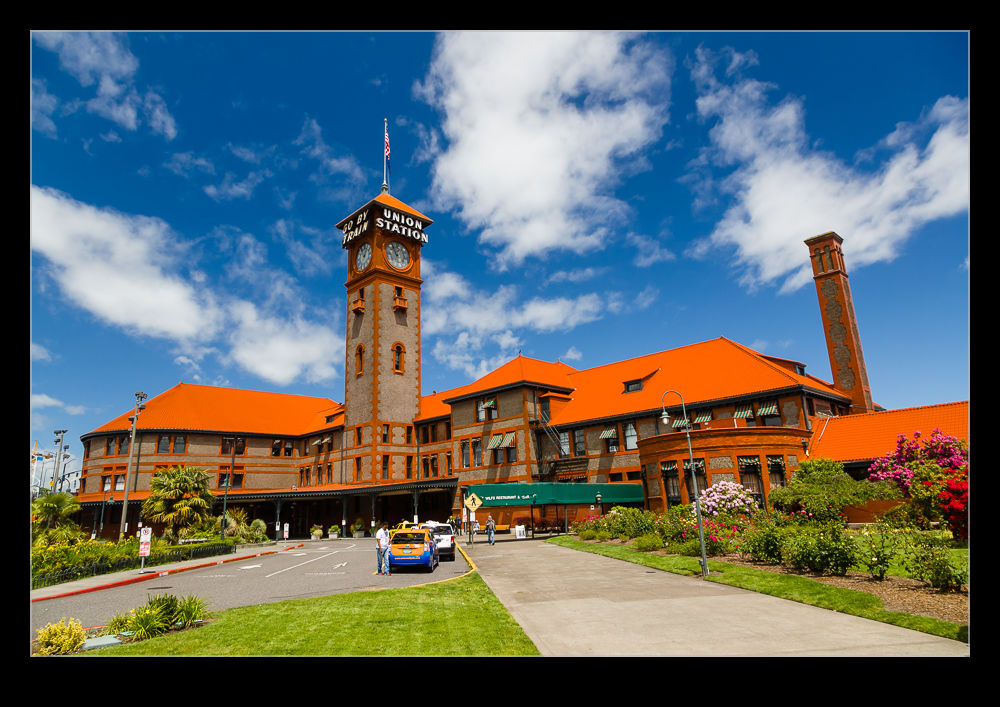
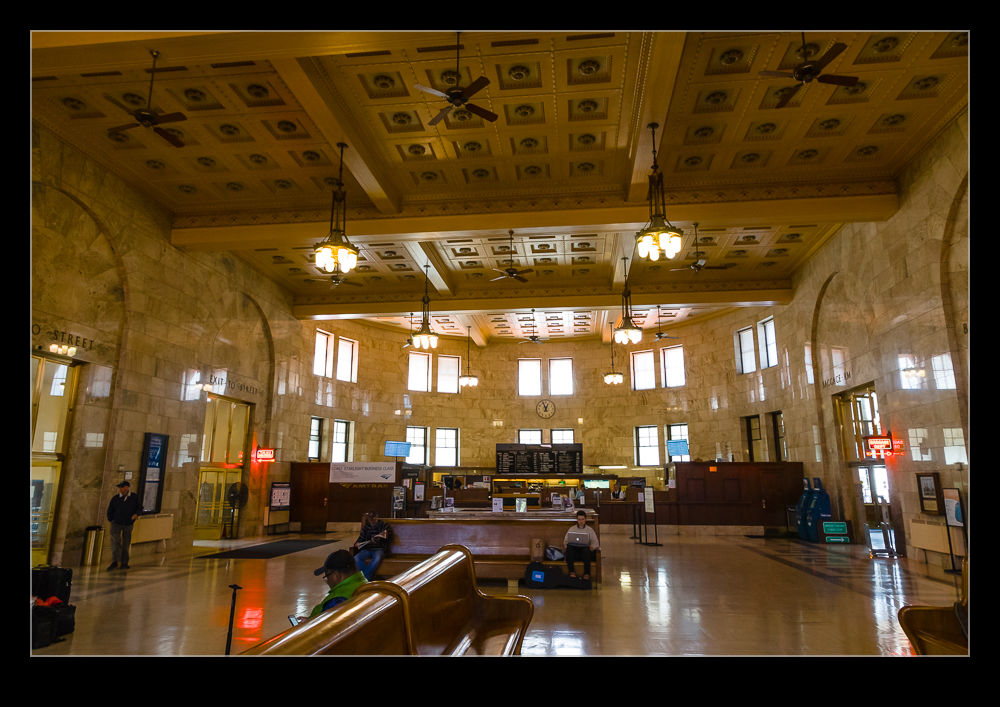
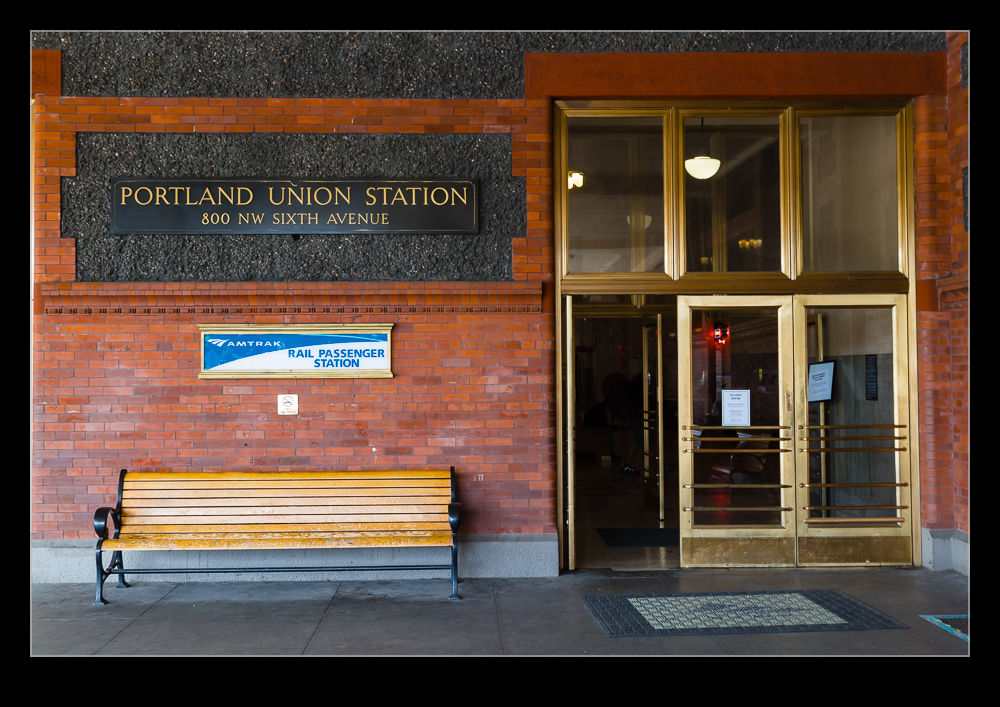
I arrived at Portland at the Amtrak station.  It was a rather striking building.  A lot of the older stations are more architecturally individual as they were built at a time when railways were competing for business.  This one made me think of a European style.  For some reason, it made me think of Germany.  I can’t quite pin down why but there was something Germanic about the design.

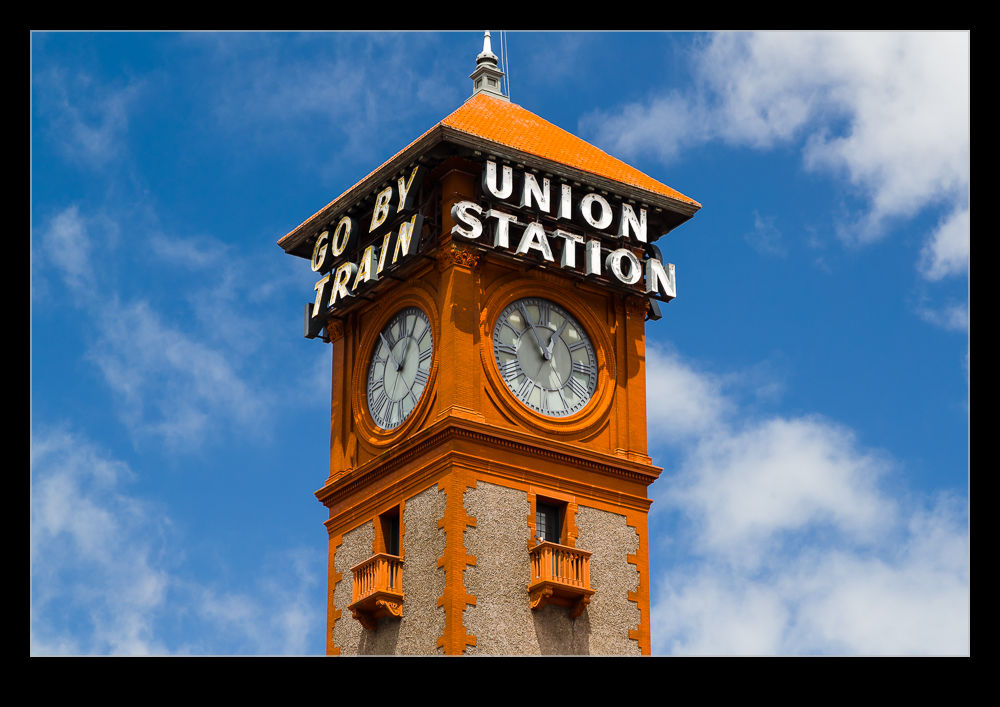
I arrived in good weather but didn’t have time to get a shot.  The following morning things were rather murky but, when I came back for my trip home, the skies had cleared and I grabbed a few shots.  I rather like the message on the tower.  Pretty clear what they are driving at!

Building But Not Delivering – The KC-46 Story

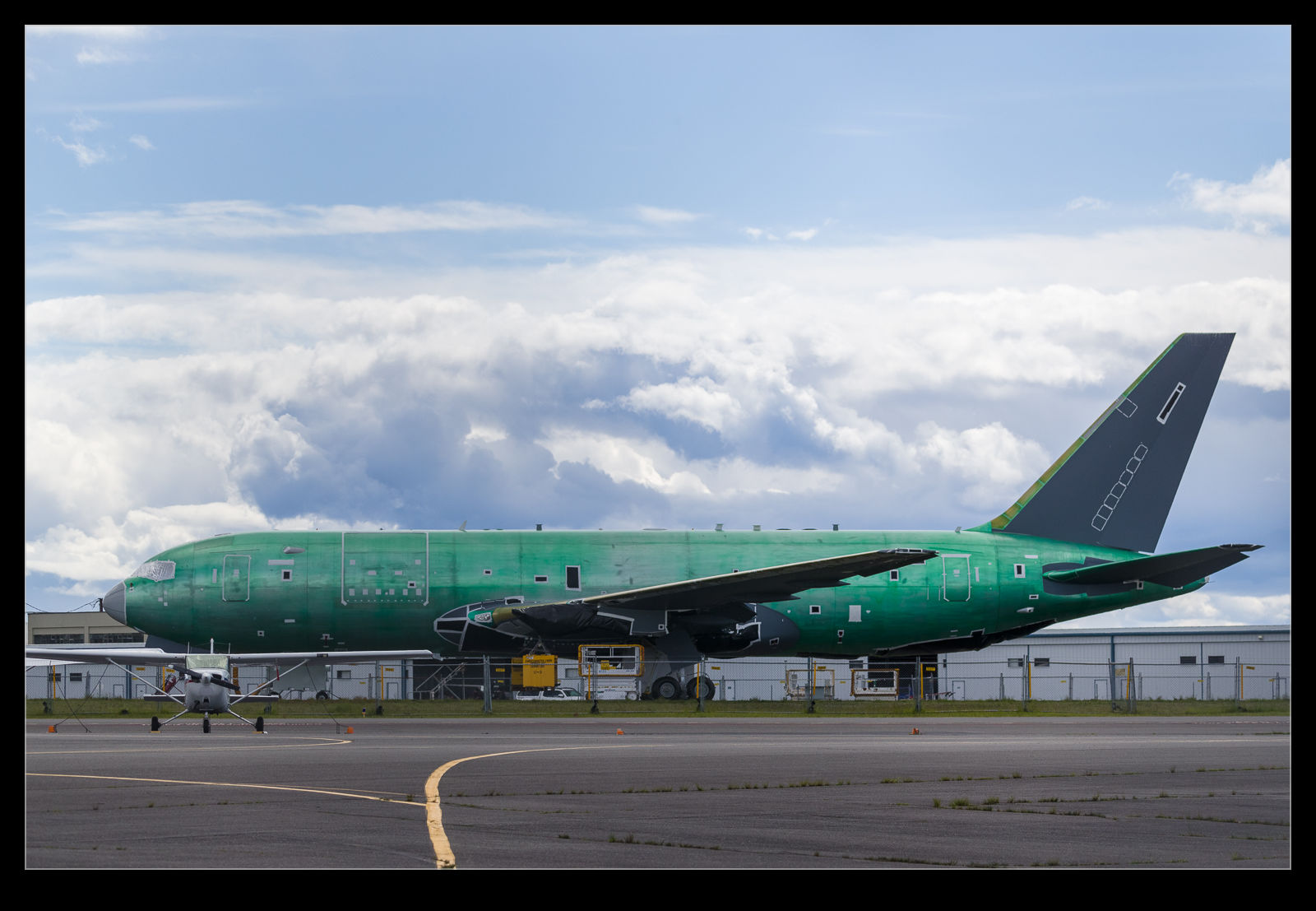
The tale of the USAF’s quest for a new refueling tanker has been long and drawn out.  People went to jail, awards were made and overturned.  None of that matters now.  The contract is with Boeing to produce a variant of the 767 as the KC-46 Pegasus.  The program has not been smooth.  Technical and production issues have caused delays.  The in service date has slipped and Boeing has incurred a lot of overruns.

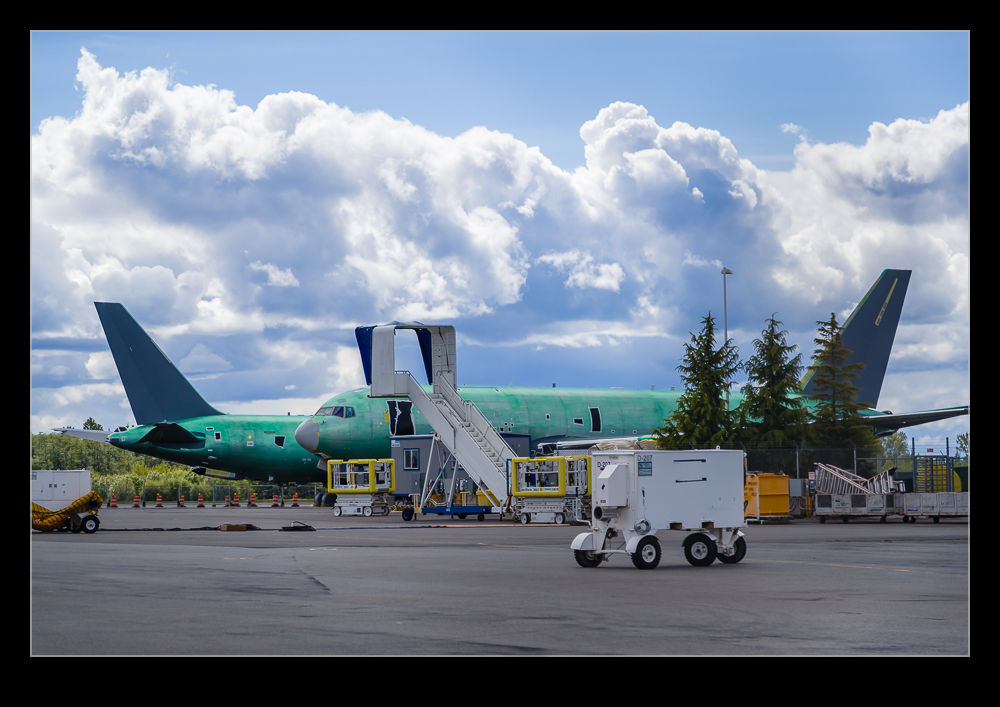
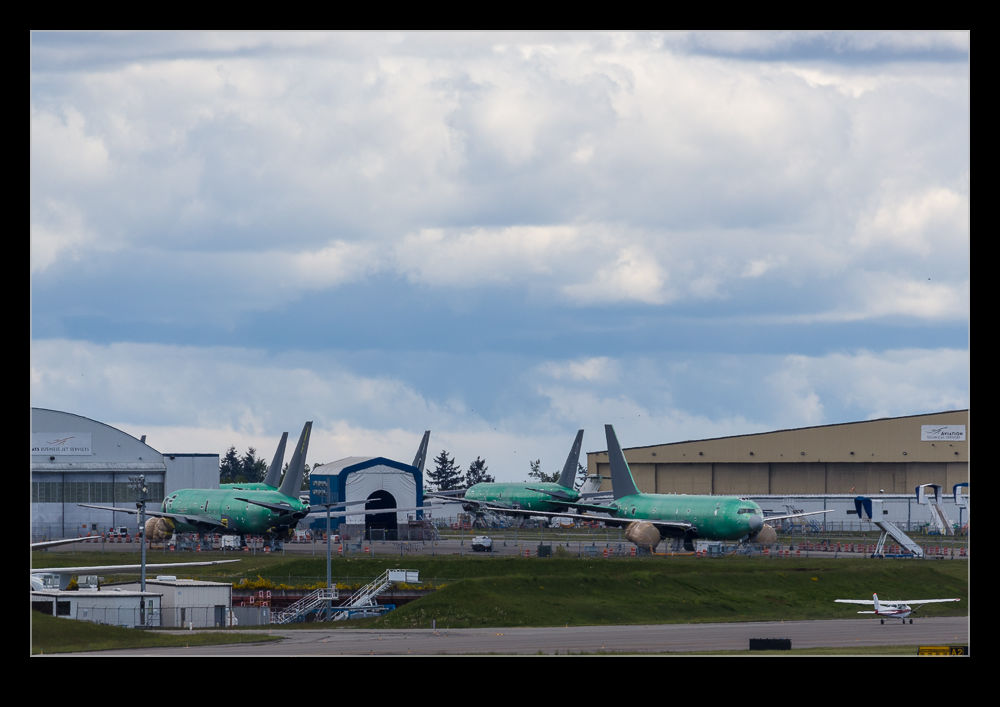
While all of this has been going on, the production process has not stopped.  Consequently, while testing still continues, there are production airframes coming off the line.  If you go to Boeing Field, there are a bunch of test airframes on the flight line.  If you go to Paine Field, there are a bunch more that remain to be finished.  It appears that Boeing is building the airframes, sealing them up, not fitting high value items like engines, and parking them wherever there is space.  A few years ago, Paine Field was covered in undelivered 787s.  Now it is as if time has turned back because the Dreamliner’s predecessor is the type parked all over the place.

F-16 on a Pole

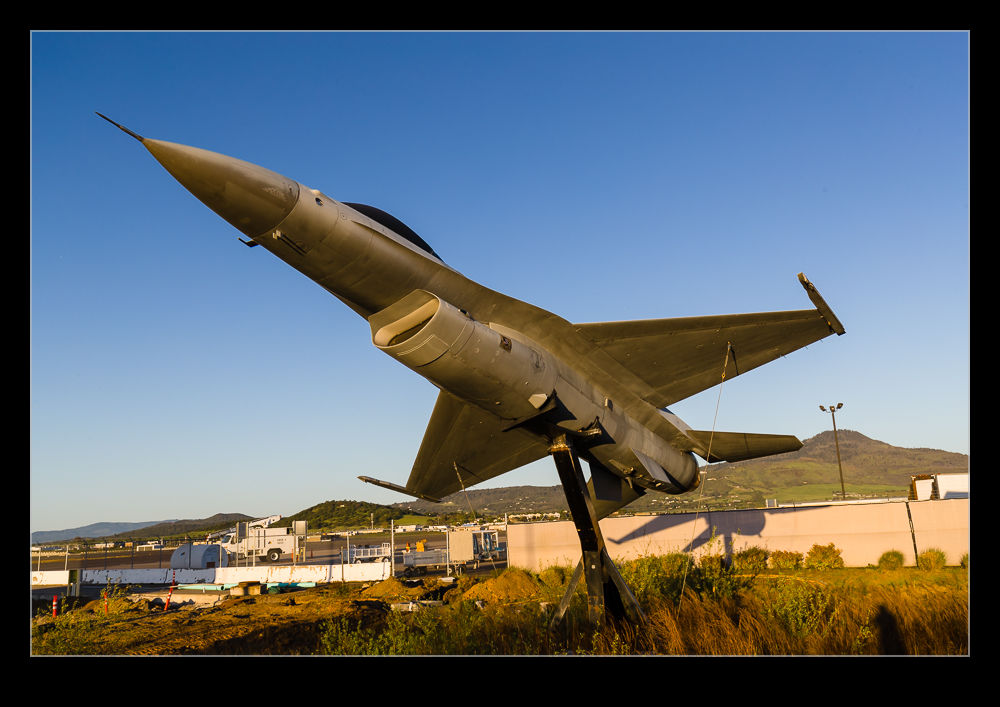
Our overnight stop at Medford in Oregon was close to the airport. I took a stroll towards the terminal which had an F-16 mounted on a pole outside.  This was an F-16A model.  I assume it had been there for quite a while.  There was a time a while back when units would detail bits of their jets with chrome.  A-10 guns would be chromed and F-16s would have the port around their guns chromed up too.  This jet had obviously had the treatment.  The odd thing was that, over the years the paint had become heavily faded.  However, the gun port looked exactly like new.  These pictures won’t really emphasize this since they were taken wide to get the whole jet in but you might just be able to make out the gun port.

Sensor De-mosaicing and Southwest Colors

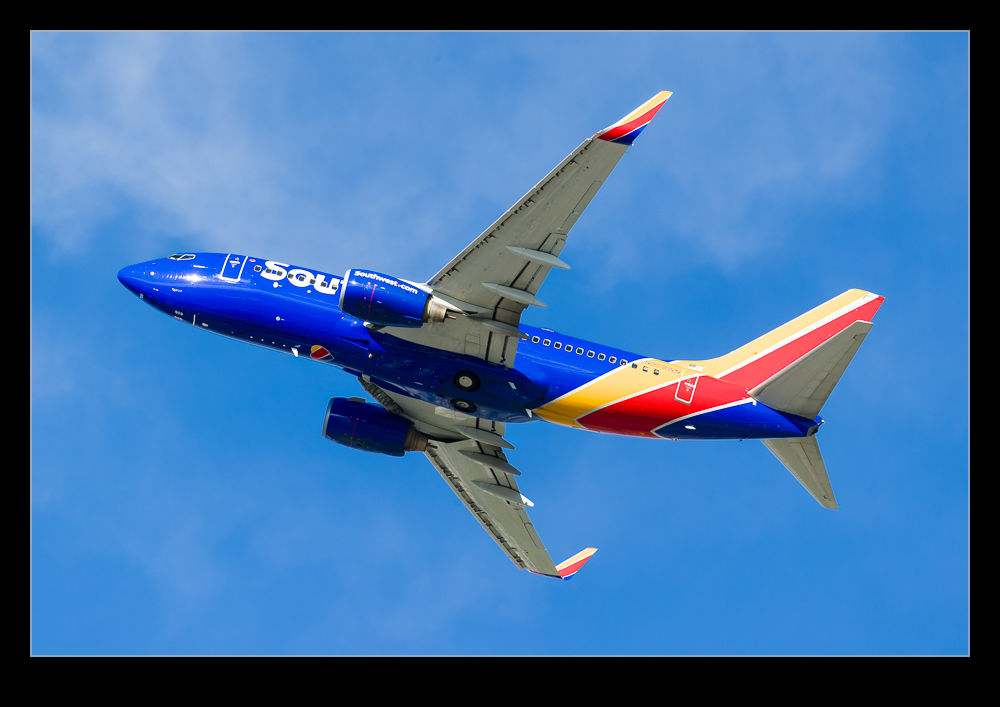
I have been pondering the way in which the method by which digital images are captured is affected by what is being photographed.  As part of my workflow, I render 1:1 versions of the images and then quickly weed out the ones that are not sharp.  This needs you to be able to see some detail in the shot that shows whether the sharpness is there.  I have found that, if a Southwest Airlines 737 is in the new color scheme, something odd happens.

Digital image sensors actually capture one of three colors.  Each pixel is sensitive to a certain color – either red, green or blue – courtesy of a filter.  They colors are arranged on the sensor in a pattern called a Bayer pattern.  The camera then carries out calculations based on what the pixels around each location see to calculate what the actual color should be for each location.  This process is known as de-mosaicing.  It can be a simple averaging but more complex calculations have been developed to avoid strange artifacts.

When I photograph the new Southwest scheme, something strange occurs around the N number on the rear fuselage.  It looks very blotchy, even when every other part of the airframe looks sharp and clear.  I am wondering whether the color of the airframe and the color of the registration digits are in some way confusing the de-mosaicing algorithm and resulting in some odd elements to the processed image that weren’t there in real life.  If any of you have photographed this color scheme, can you see whether you had something similar and, if you did or didn’t, let me know what camera you were shooting with so we can see if it is manufacturer specific or not.

Boeing 787-10 on Test

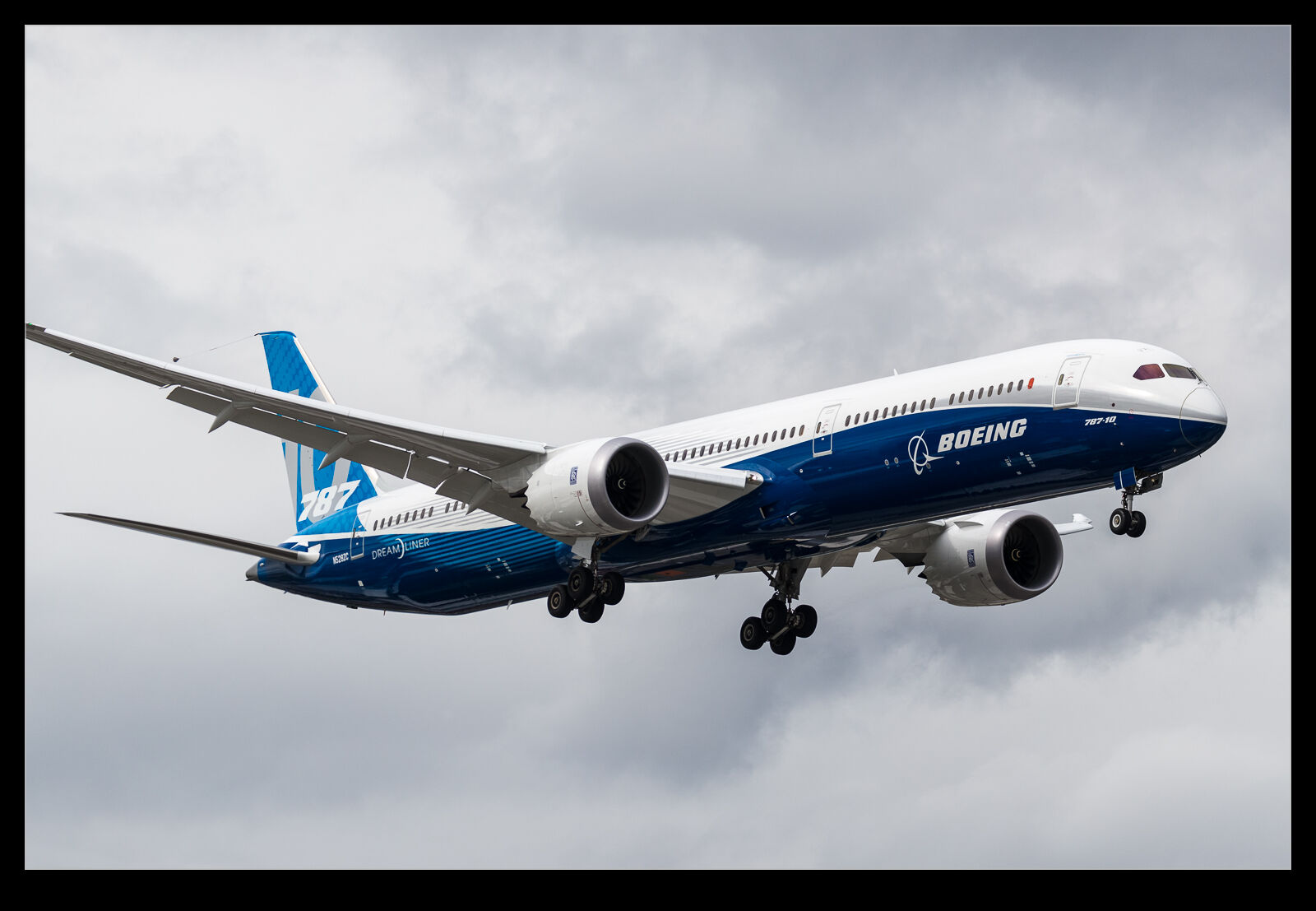
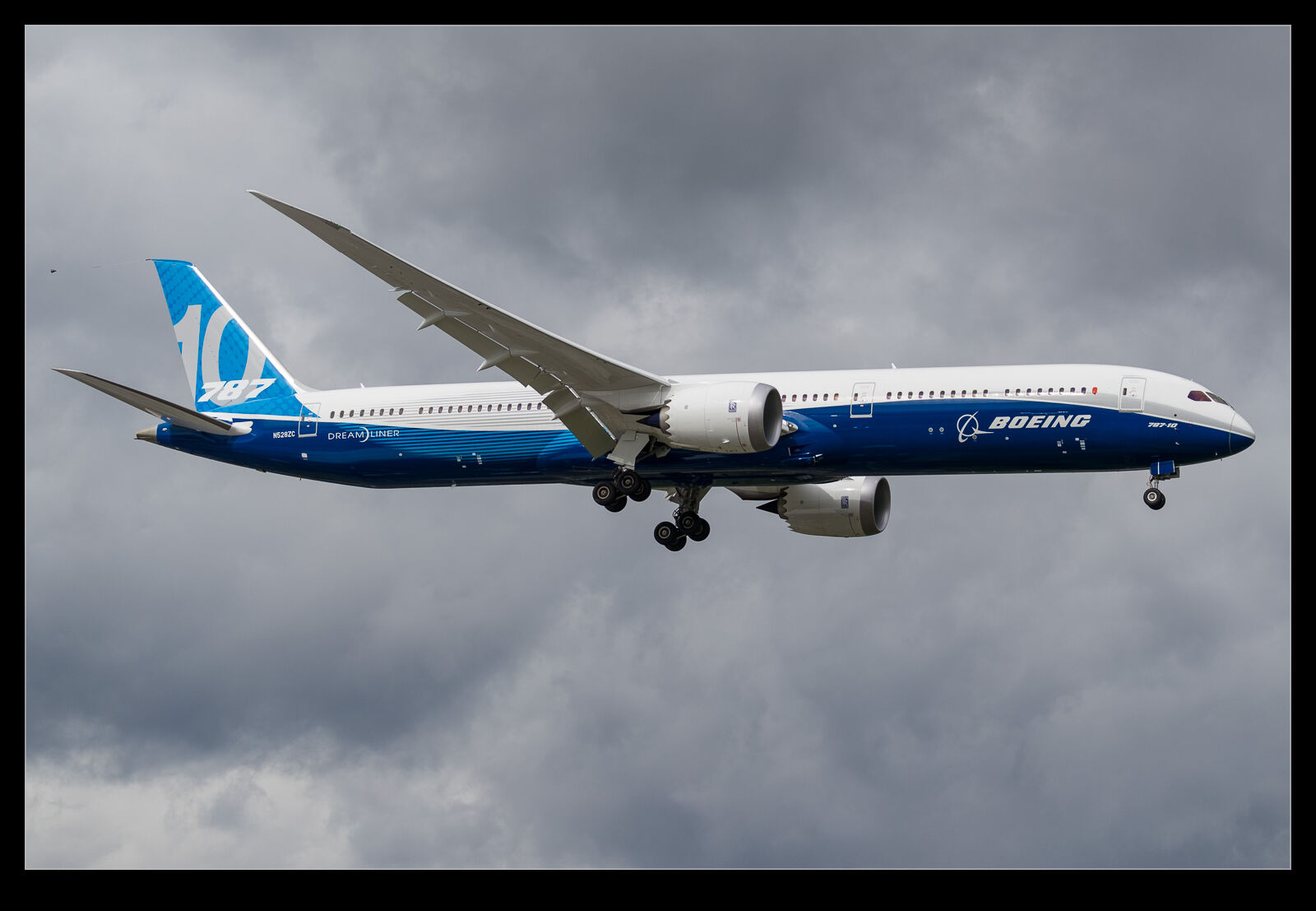
I wrapped up some work in Seattle and was about to head back home when a quick check on FlightRadar24 showed me that the Boeing 787-10 test aircraft was en route back to Boeing Field.  It would be rude to ignore that.  The weather had been pretty crummy and there was plenty of heavy cloud in the area but it looked like it might brighten up a bit and, as the sun went down, there was a chance of it lighting up beneath the clouds.  I sat in the car dealing with some emails and waiting for the arrival.

Sure enough, as the time approached, the sun did start to peep out from beneath the clouds.  It was intermittent at first but it became more consistent as Boeing 01 Heavy called up on approach.  Meanwhile, a nice black cloud was still lurking in the background.  What a great combination that type of light makes.  The plane glided down the approach, its trailing static cone hanging from the top of the fin and then it was down.  A nice result.

Greyhounds Used to Park – Now it is a Park

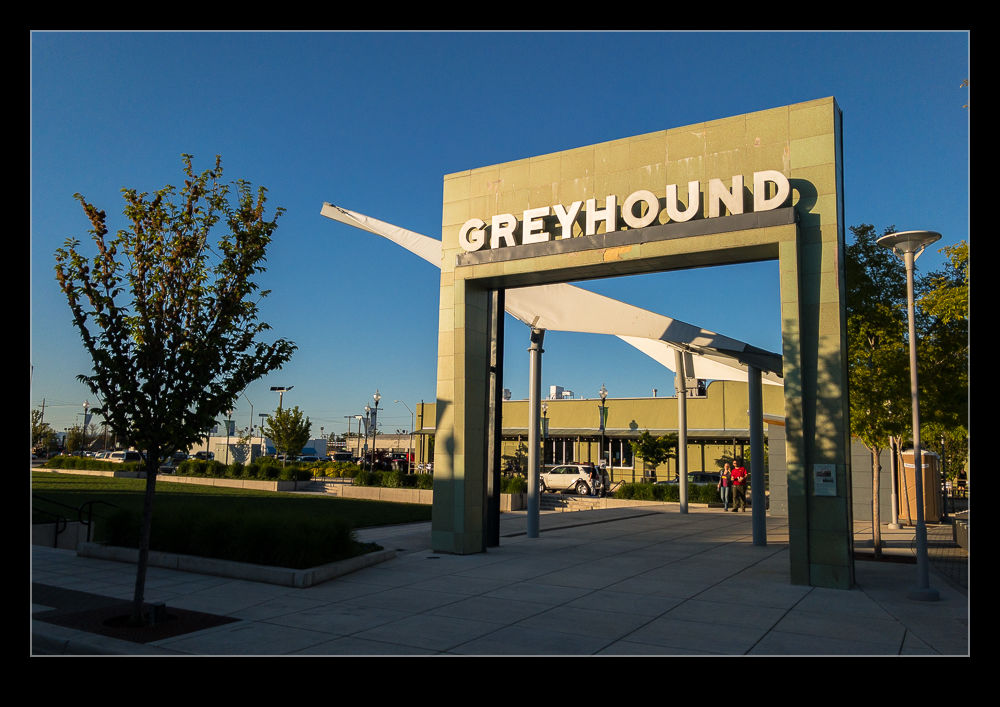
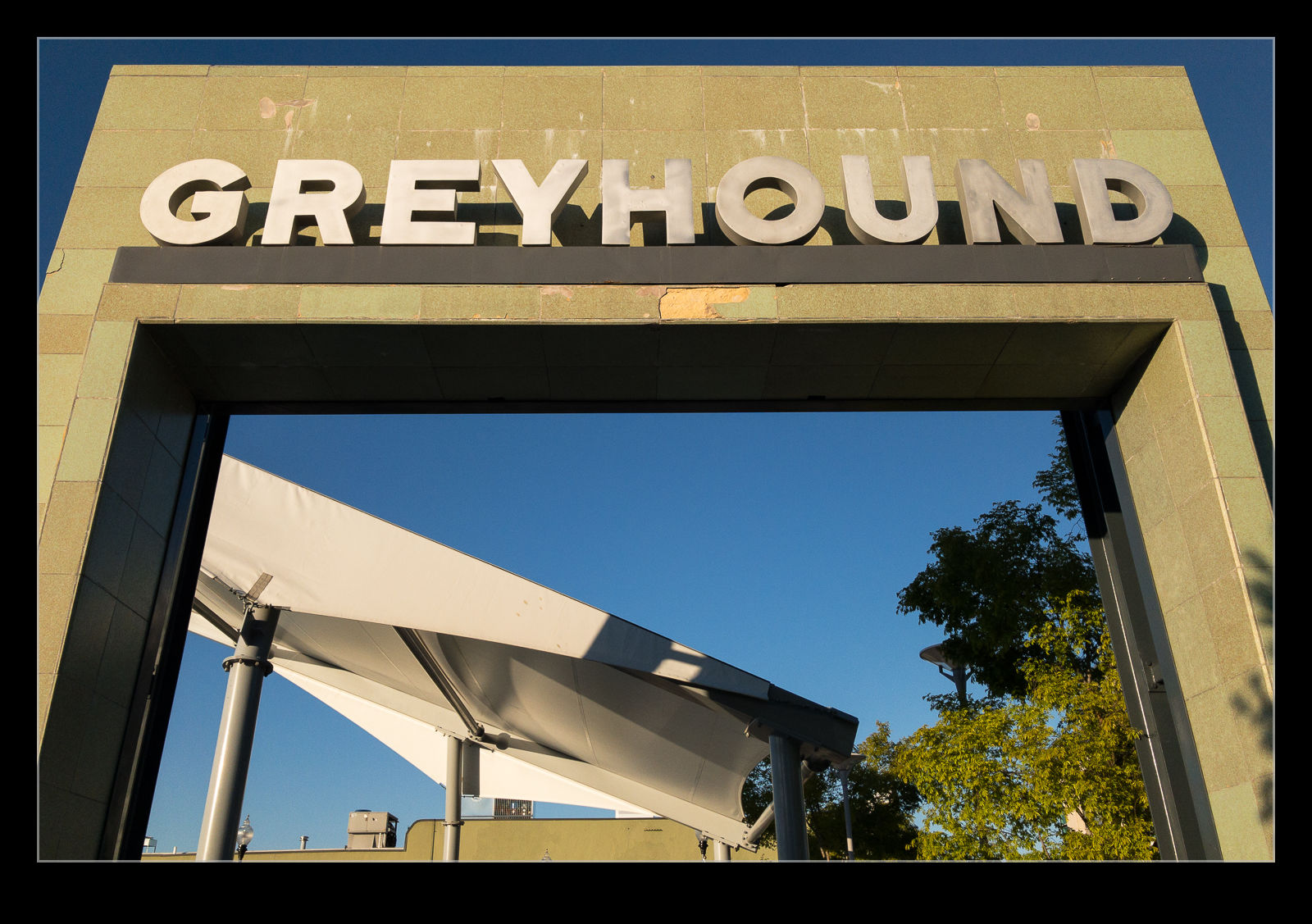
An overnight stop on our drive from California to Washington was Medford in Oregon.  There were a few aviation areas of interest in Medford and they will appear in the blog in due course.  (That may have influenced my thoughts on overnighting there but, to be honest, it was the best place for us to stop.). We went into the town to get some dinner and, as we walked back to the car, we passed a small park.  This park used to be a bus station for Greyhound services.  A small plaque showed some shots of how it once looked.  An archway into the building had been preserved and now was free standing courtesy of a reinforcement frame.  The color and style of the arch were clearly of their time but it looked rather cool in the evening light.

Bones Are Cool But Better in Pairs

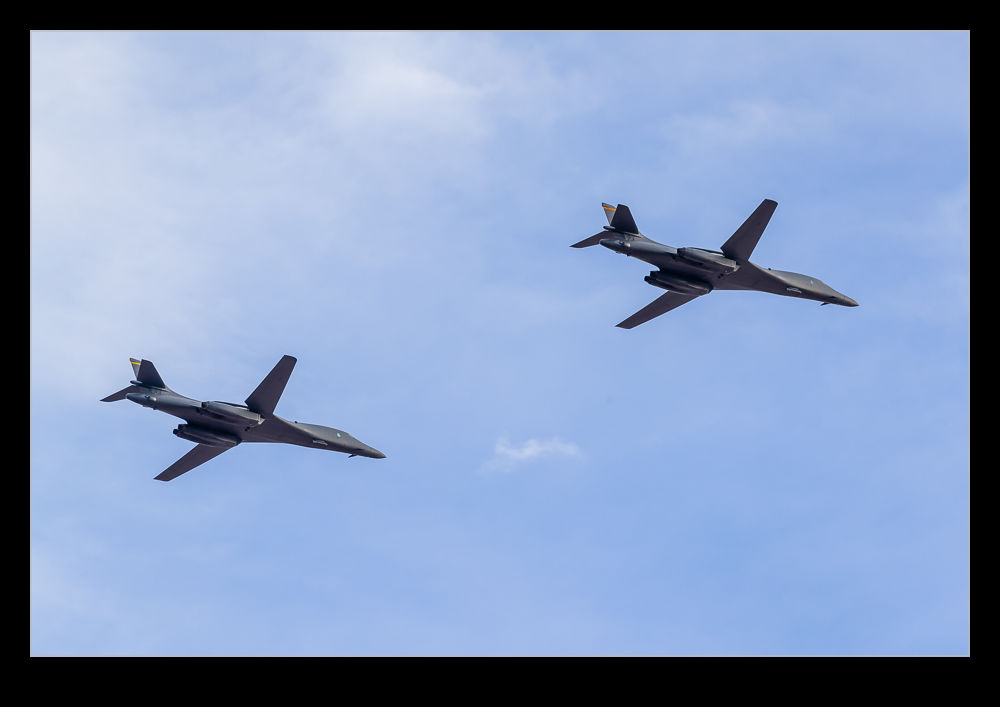
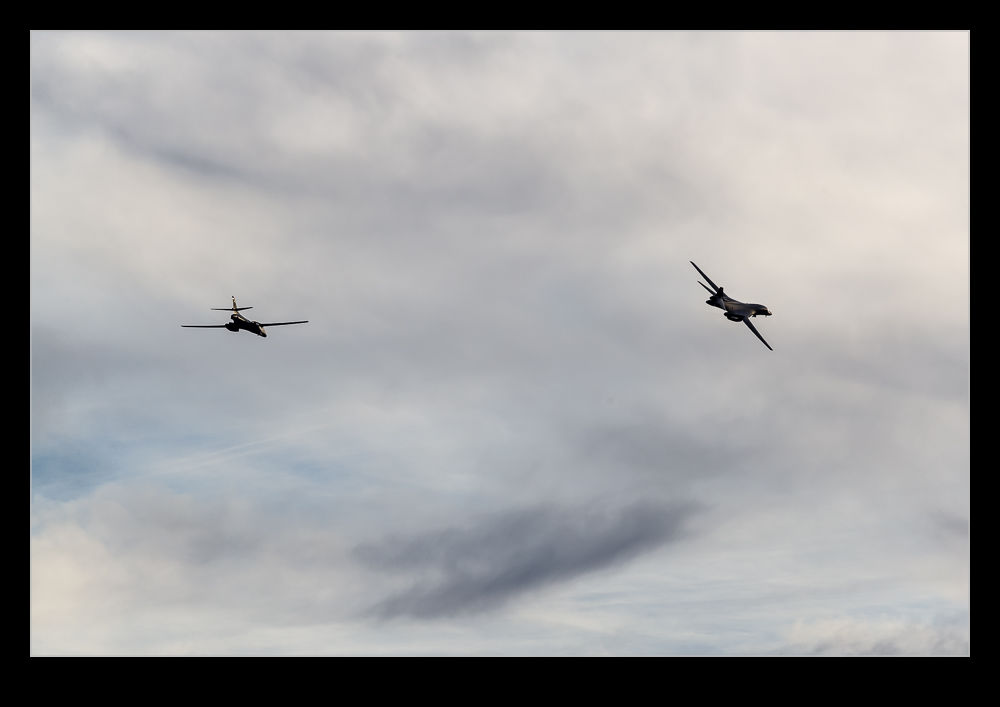
Paul and my second full day at Red Flag was also the one where we both had to fly home.  We knew that the timing would mean leaving before the last of the big aircraft came home but we should get most of the recovery.  We set a time and started packing up.  We had done well so no complaints.  We hopped in the car and drove towards the turn to take us out to the freeway.  Just as we got there, a pair of B-1s came running in to the break in formation.  Surely we couldn’t let them go.  A rapid stop at the side of the road, grab cameras from the trunk and start shooting.

They flew by in formation and broke downwind.  Each of them turned in reasonably tight for their approach and it was possible to get some nice topside views as the curved around to final.  We could have been a bit closer and probably would have chosen different lenses if we had been able to choose but we got the shots.  Then it was time to repack the bags and get going.  We only lost about five minutes and everything worked out fin getting back so it was totally worth it.  There was no waiting for whatever followed them though.

American’s 737s in the Old Scheme

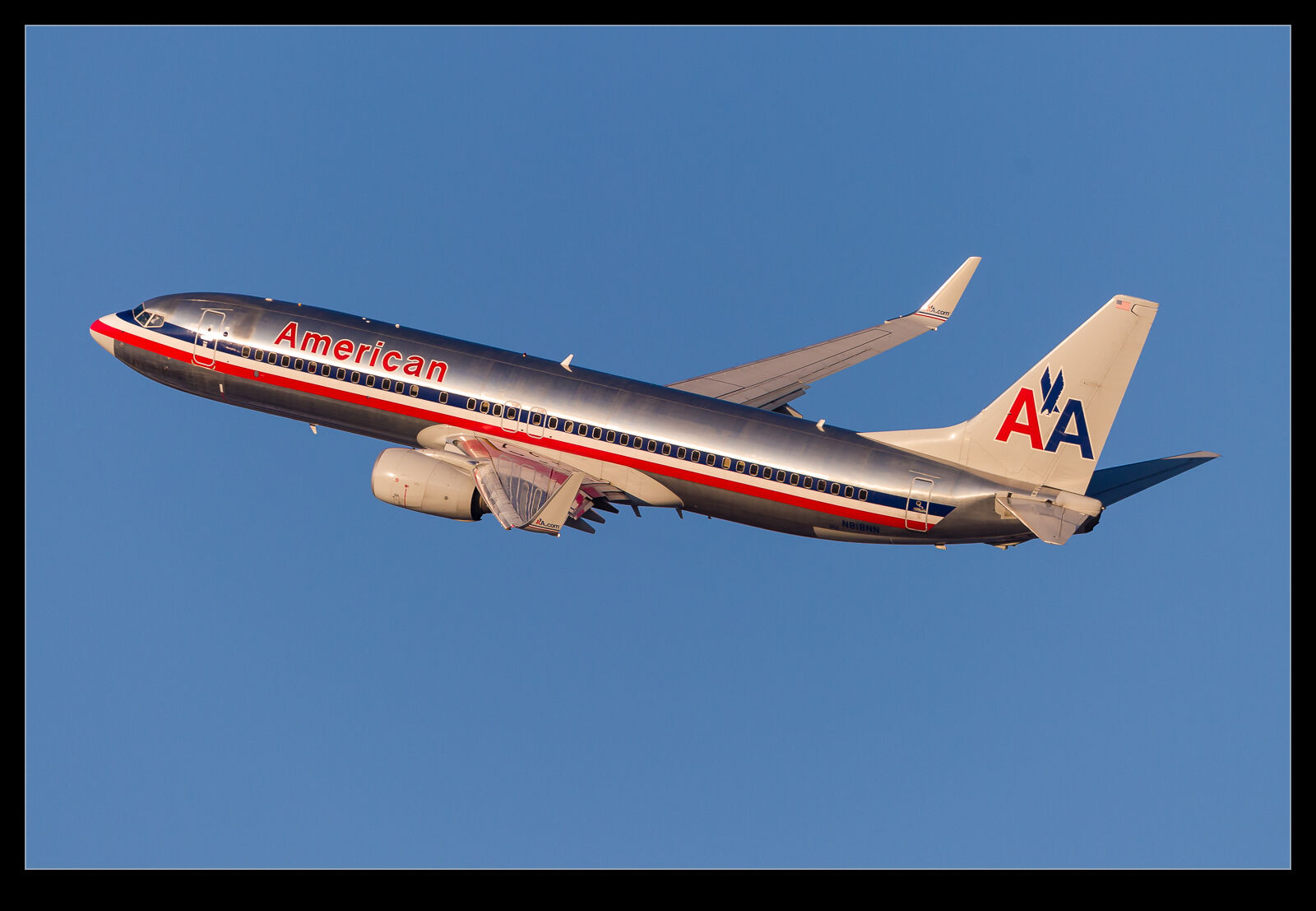
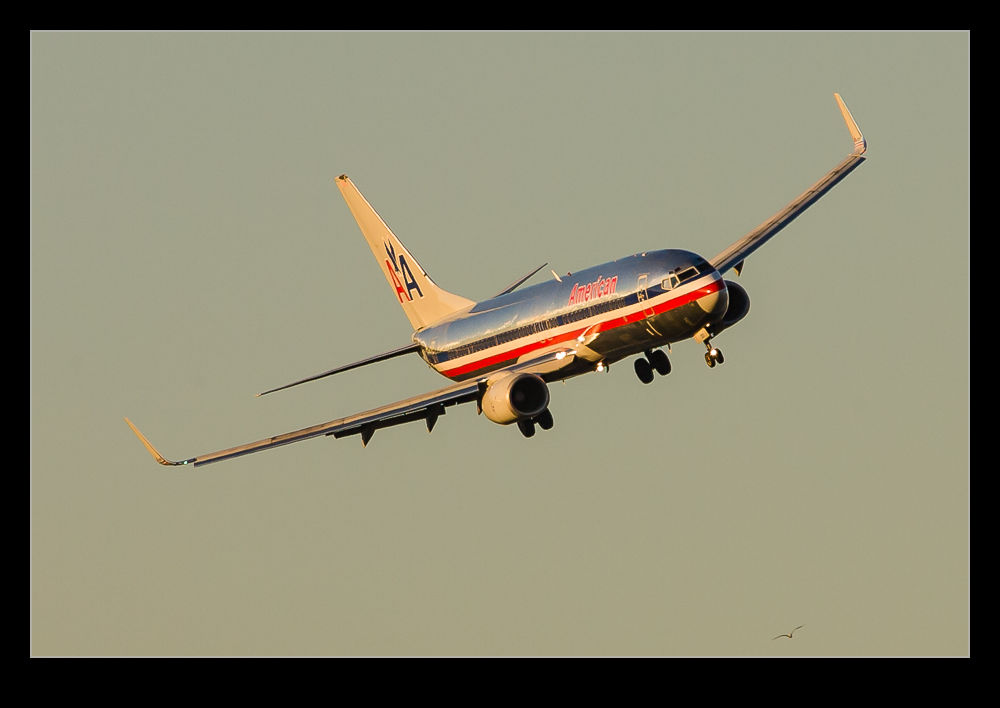
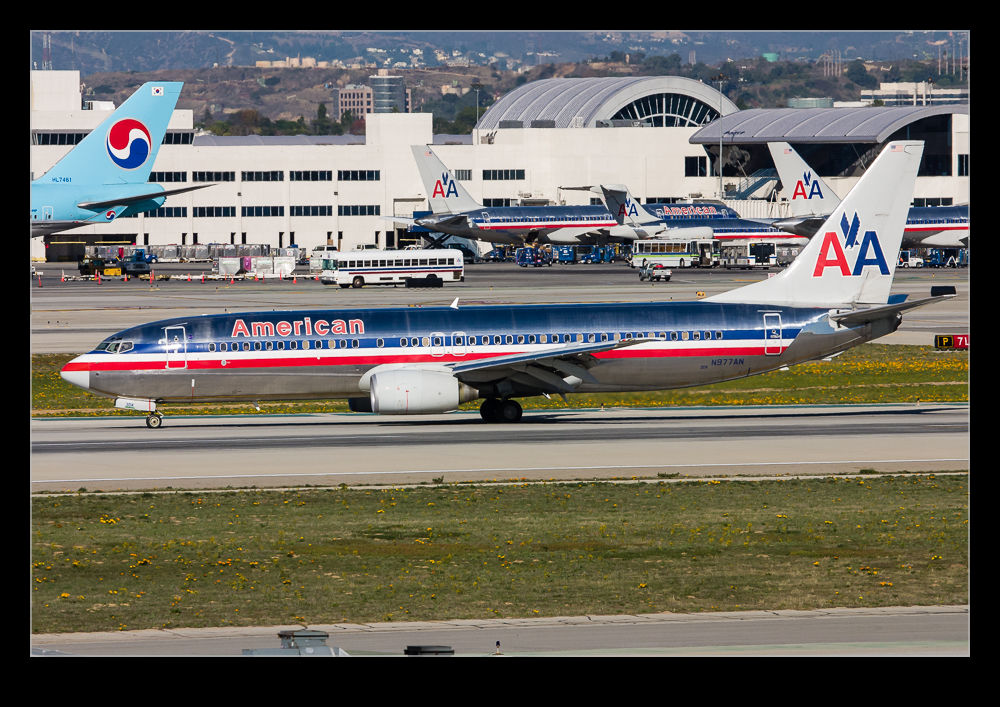
AU0E7717.jpgWhen American introduced their new colors, there was uproar.  The criticism was plentiful.  I seemed to be in a very small group of people that actually quite liked the look that they had gone for.  Having been a regular customer over a number of years, I had grown tired of what I thought was a dated look.  Over time I think people have calmed down about the change and now I don’t hear too much mention of it.

QB5Y7098.jpgAs more of the fleet gets repainted, I now notice more when I see a jet still in the old scheme (except MD-80s which obviously are not going to be repainted given their imminent demise).  I have come across a few of the 737-800 jets recently in the metal finish.  Here are some of them before they finally disappear for good.

AU0E6056.jpg CRW_1500.jpg