Tag Archives: Boeing

Dreamlifter Shape Explored

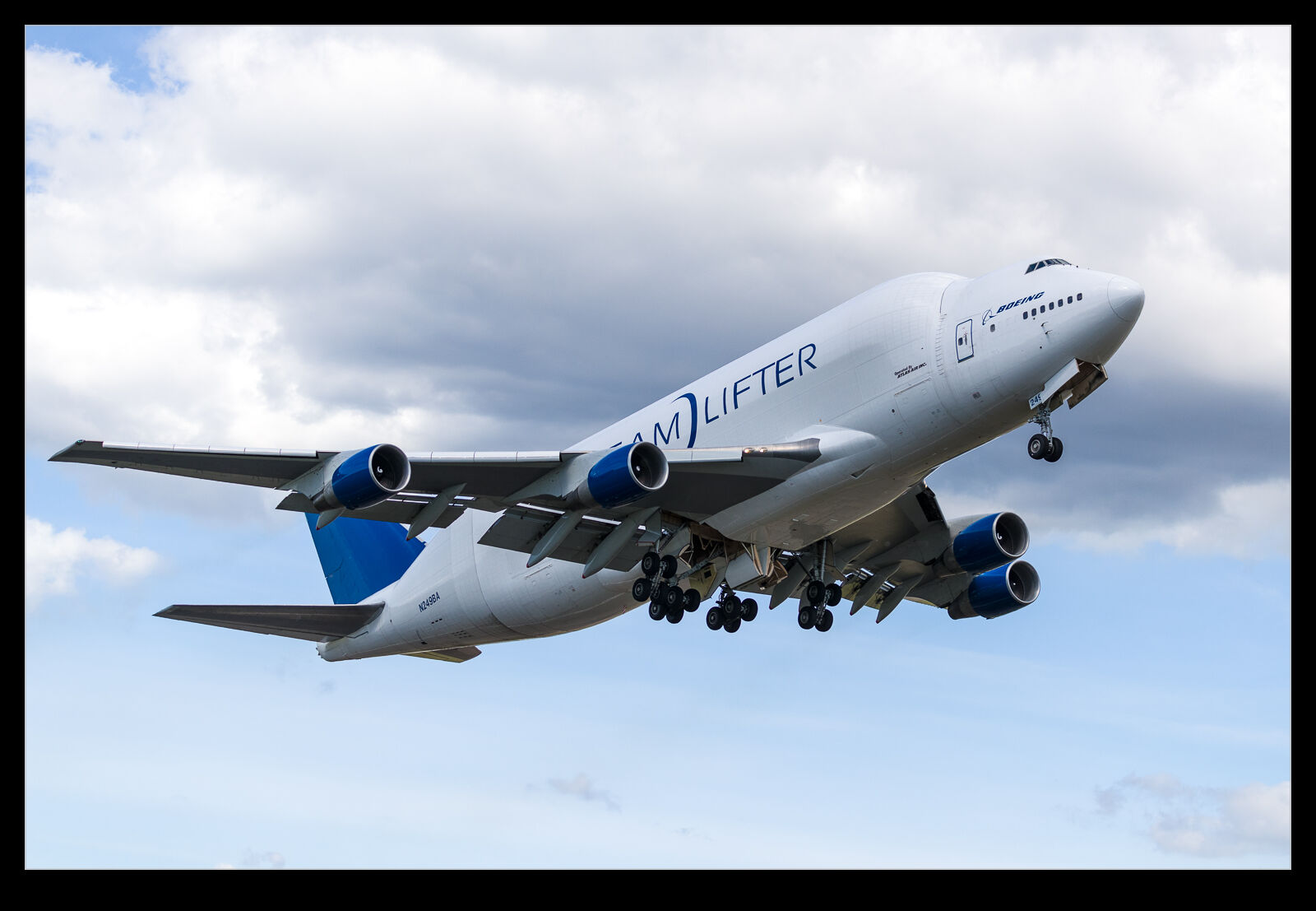
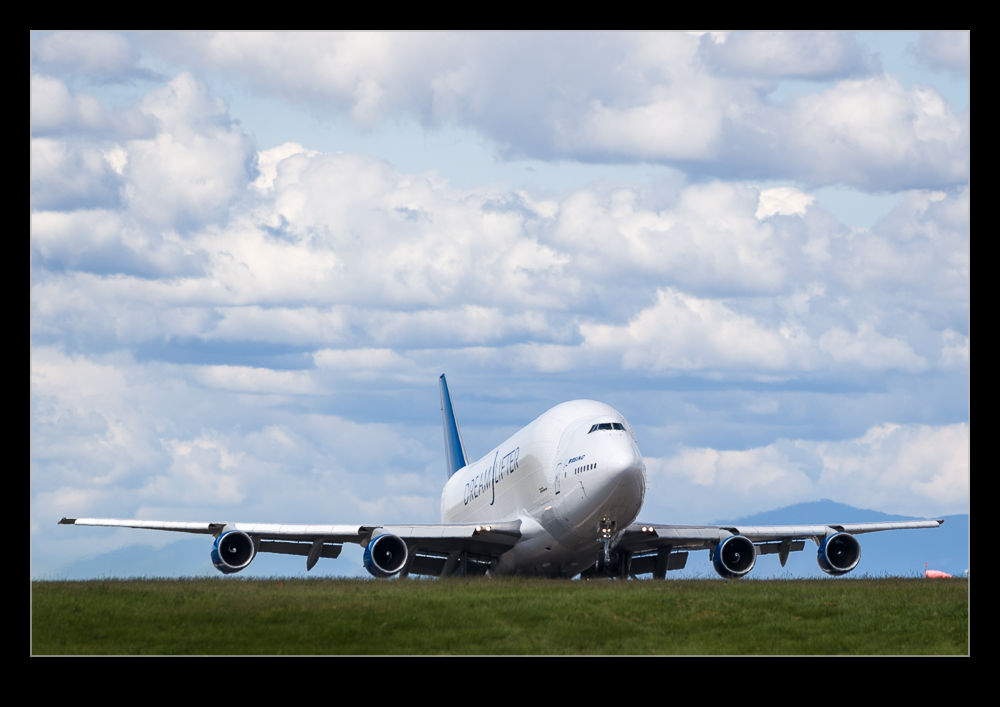
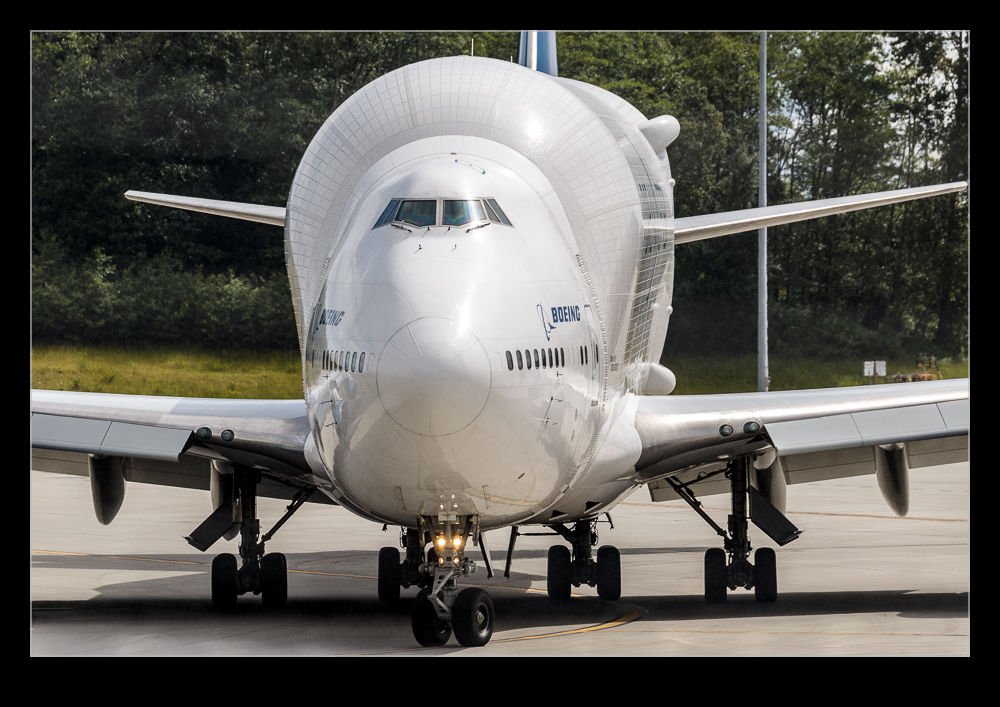
Since the Dreamlifters are a regular feature around this part of the world, catching a movement is not a big deal.  That gives you a chance to think about shooting the planes in a different way.  I have been interested in the shape of the structure and the texture it has.  Since the Dreamlifters have been built to serve one purpose – that of moving bits of the 787s around the world – they are functional rather than elegant.  The shape is designed to maximize the capacity.
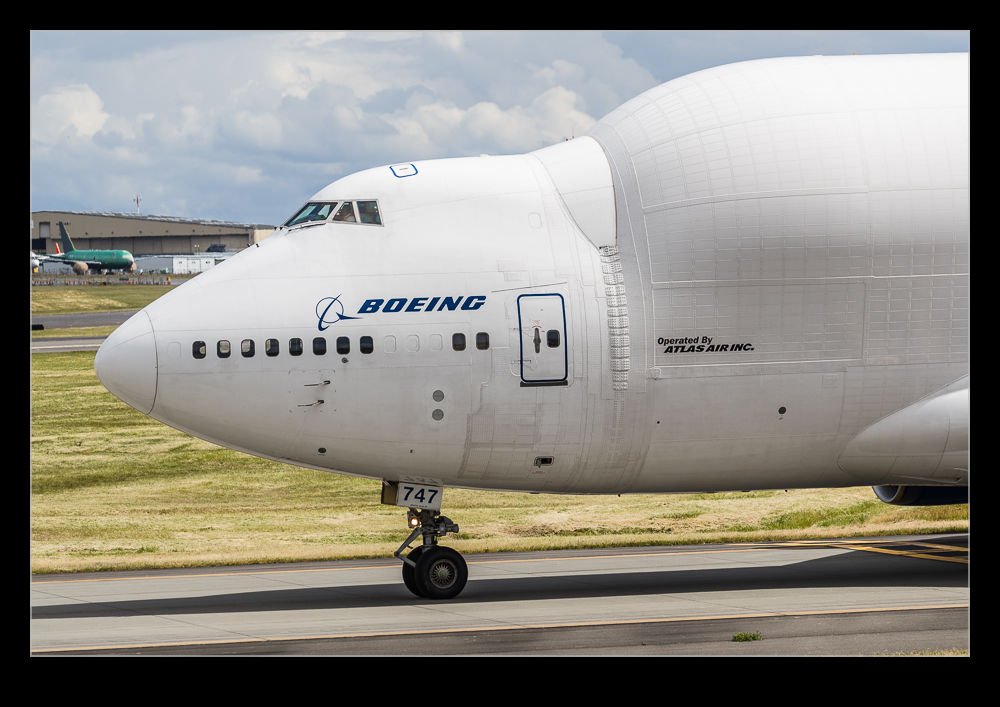
Meanwhile, the modifications have been made to a base airframe so some of the joints between the new structure and the original are pretty agricultural.  The number of fasteners that are visible on the surface are substantial.  This is not a problem.  The plane serves a purpose and it does this well.  The way in which the fuselage shape transitions from the original 747 lines into the Dreamlifter lines are also very interesting.  A tighter shot gives you a good view of how the curves come together.
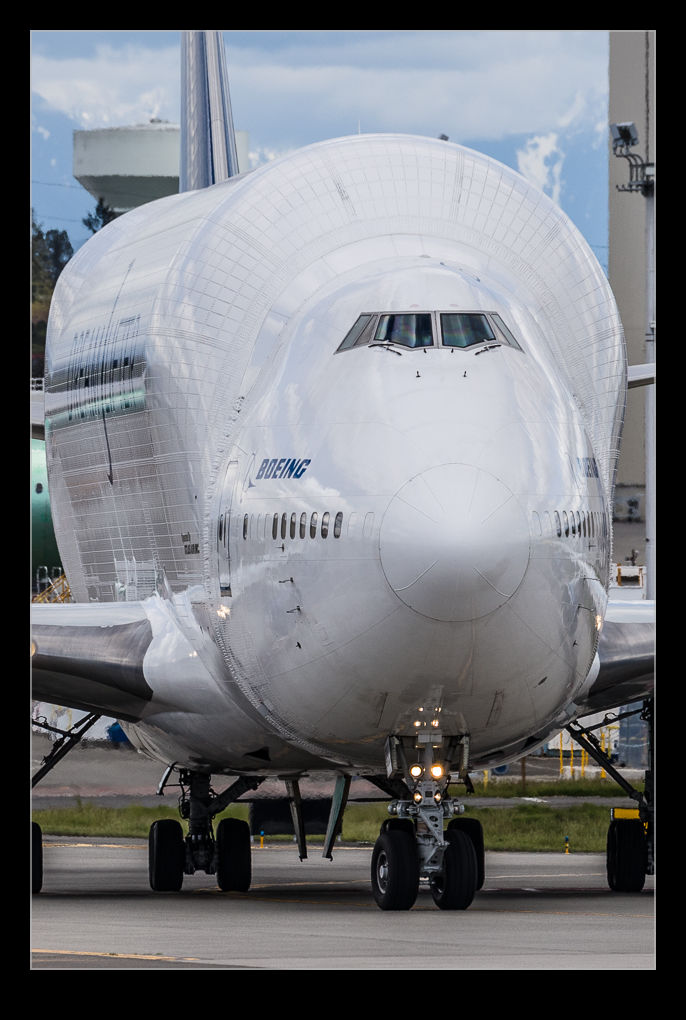
The Dreamlifter is not a beauty.  I don’t even think it is as good looking as the Belugas that Airbus uses which have a more integrated feel to their design.  However, it does the job well and it is nice to have a different shape in an era when every airliner is looking like every other.  A bit of variety is a welcome thing and, while I am lucky to be close to them on a regular basis, I shall continue to appreciate what I get to see.

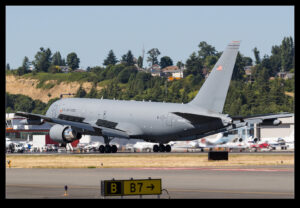
Two Tankers

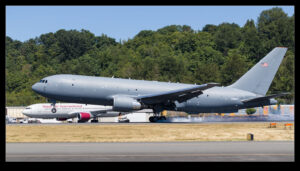
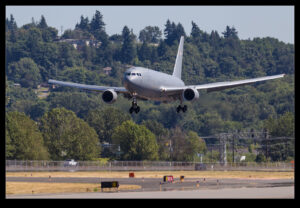
The KC-46 Pegasus tankers have appeared in the blog before but only on the ground.  That post can be found here.  I have finally seen them flying.  A couple of them were airborne on test flights from BFI and, while they had taken off quite far apart, they ended up returning quite close together so I was able to get shots of them both.  They don’t look terribly dissimilar which is what you would expect.  They are fully fitted out with the boom and one of them has the pods so this is what a service aircraft should look like when the Air Force squadrons start to get their hands on them.

Departing Dreamlifter Finds the One Cloud

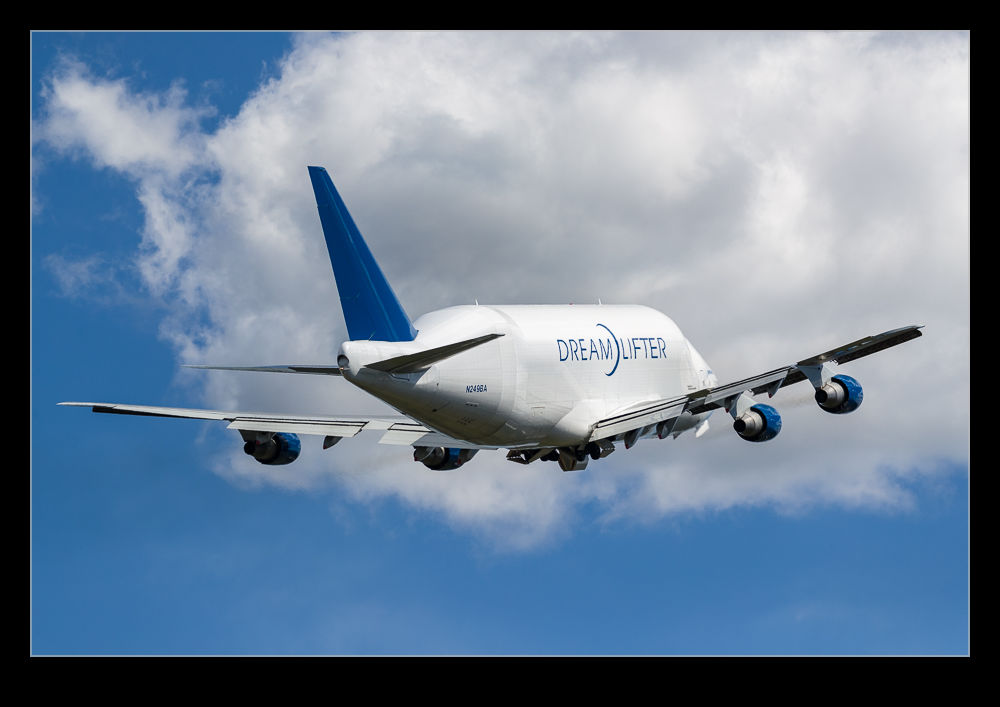
A convenient departure of a Dreamlifter from Everett meant I could get up there to see it go.  The day was very nice so I was optimistic of getting a reasonable shot of it.  I saw it taxi out at the far end of the field (that extra tall fin the 400LCF has makes it easy to see over the ridges in the field) and it turned towards me and accelerated.

The light was shining off the fuselage and it rotated as it came over the ridge towards me.  Just as it got airborne and into a nice position, it found the one shadow that was anywhere in Snohomish county at that point.  It isn’t awful but it was pretty bloody disappointing.  As it climbed away, back into the sun of course!

Portland Eagle Launches

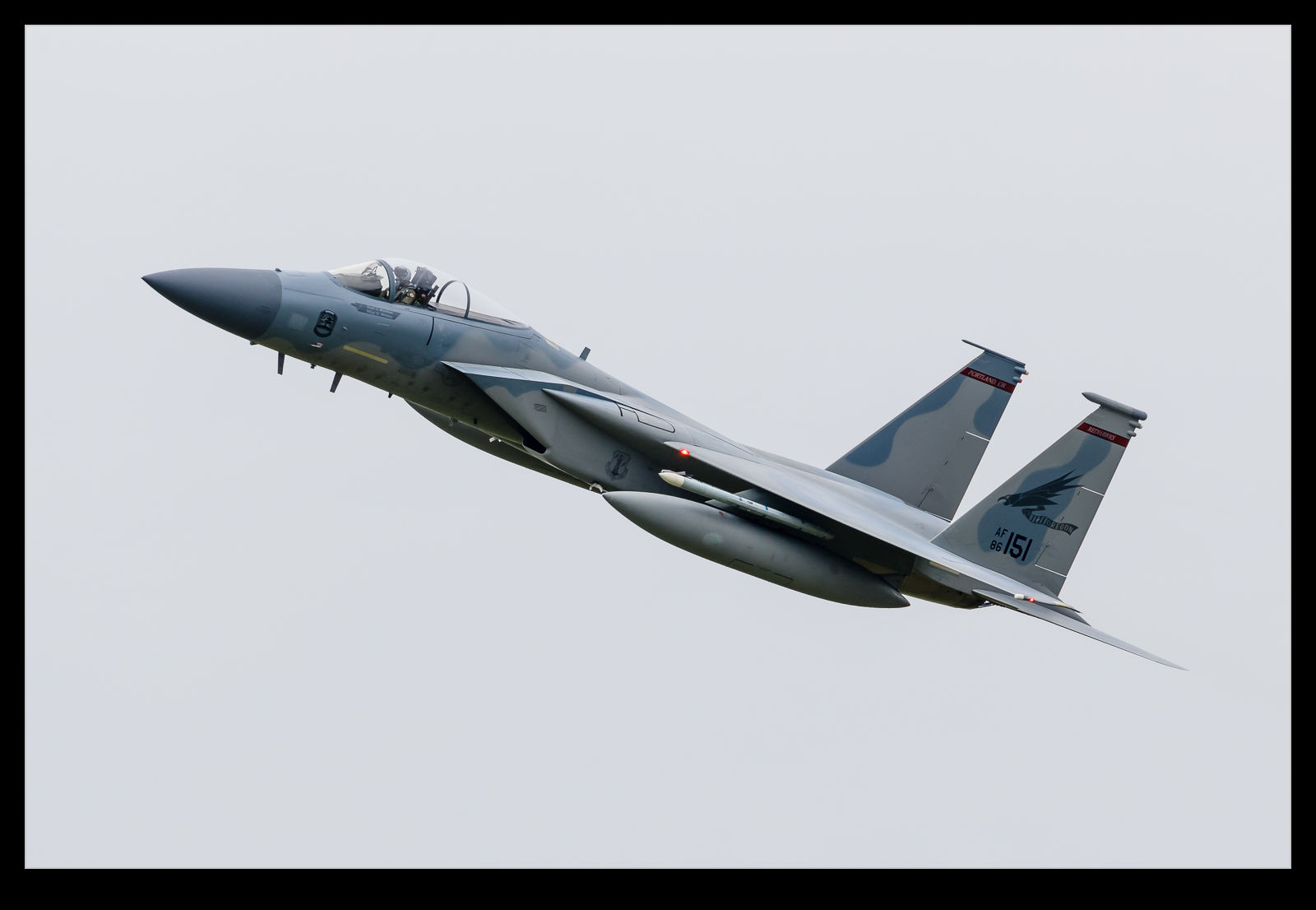
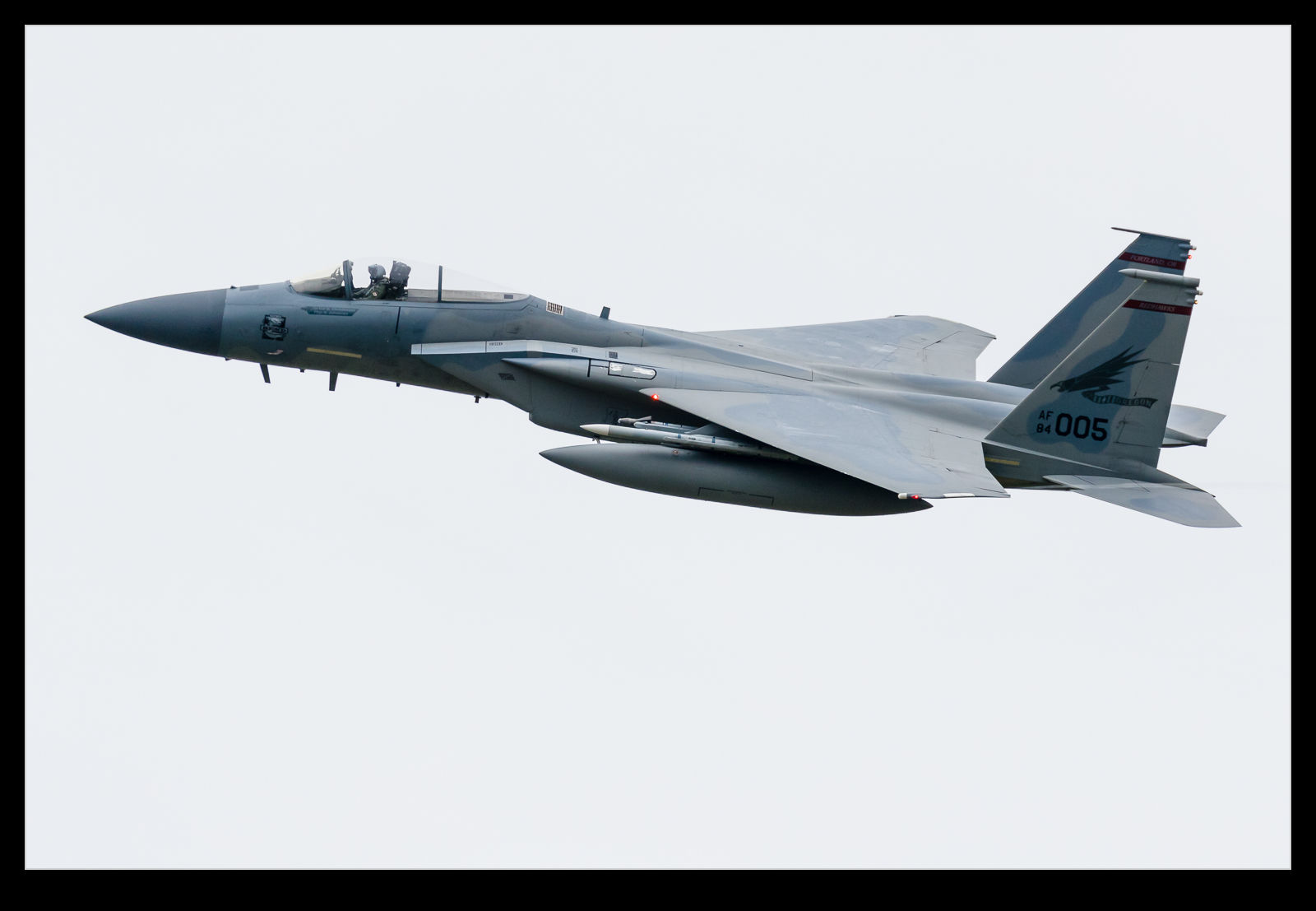
The F-15s based at Portland International Airport are an active bunch.  From what I understand, they tend to launch two waves of jets a day, one first thing in the morning and the next around lunchtime.  I was there early waiting to pick up some colleagues from a flight.  I was sitting in the parking lot waiting for the message that they had landed.  I wasn’t even thinking about the Eagles.  My camera was in the trunk.  Then I heard a noise and rapidly realized what it was.

I was never going to get out of the car, open the trunk, get the camera out and on in time to get the first jet but I was ready for the second and third.  It was a cloudy day so not exactly ideal conditions for shooting a gray jet but they were F-15s so who is complaining.  After a brief gap, some more jets launched as well and this time I was ready.  Just as they cleared me, I got a text from my colleagues saying they were ready to be picked up.  What excellent timing.

Has the Catfish Escaped Me? NO!

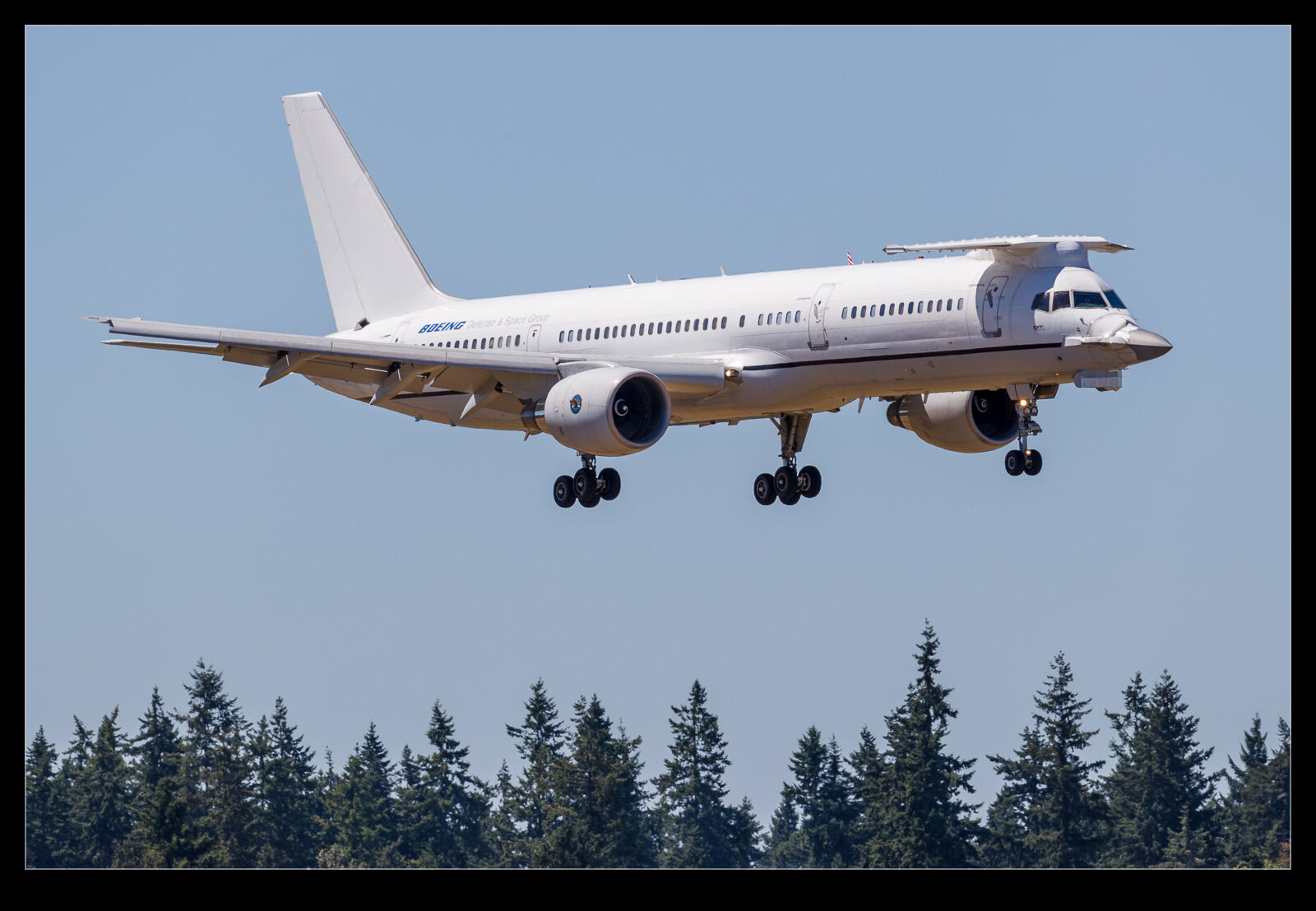
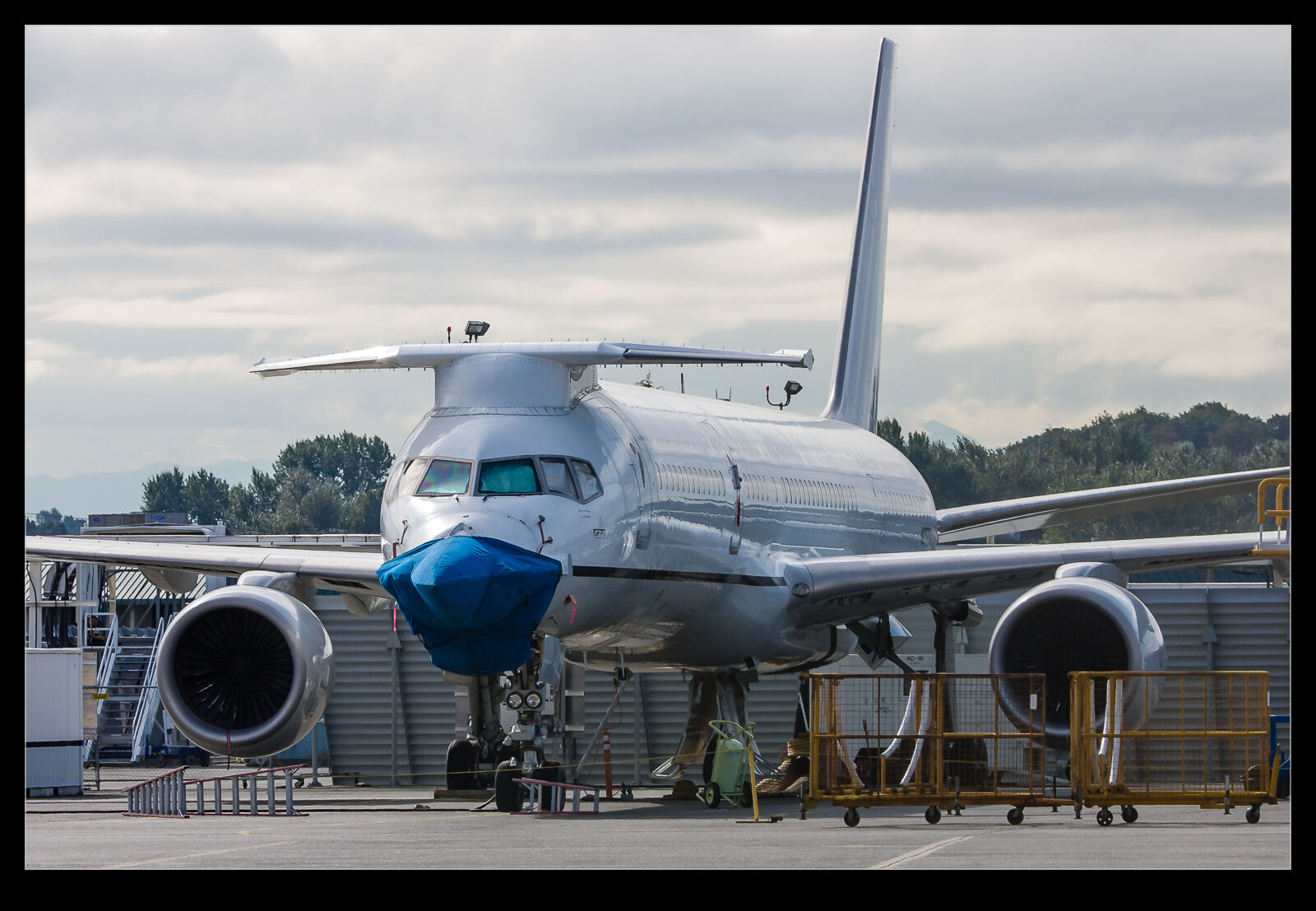
The first Boeing 757 built was kept by Boeing as a test aircraft and never went to an airline.  When Boeing became a partner in the F-22 Raptor program, a new use was found for the aircraft.  It was fitted out as a flying testbed for the avionics suite.  A test crew could ride in the cabin and they could try out a number of different configurations of software changing things as they go without having to have the software flight qualified.

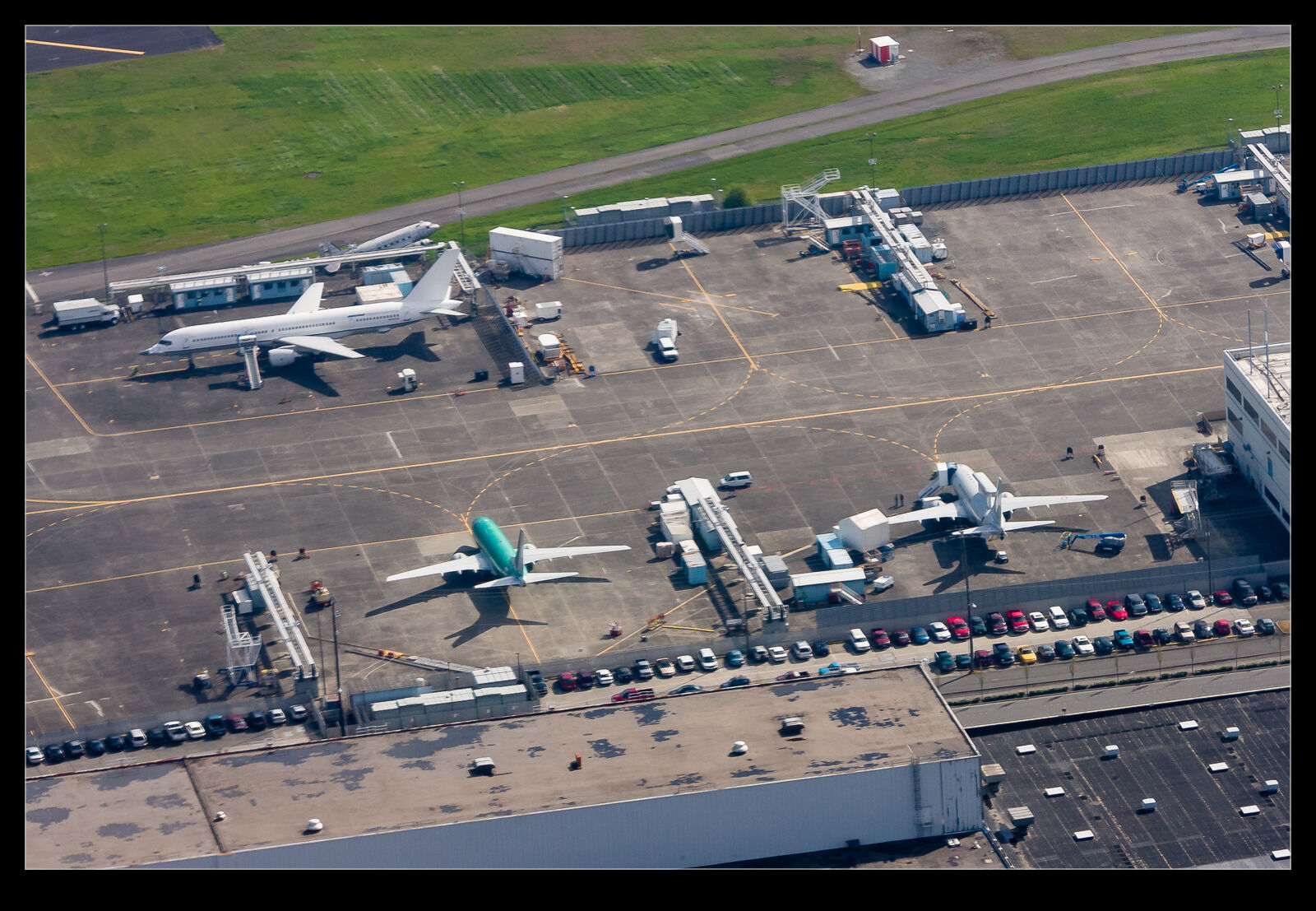
To make the whole ensemble work appropriately, the aircraft was fitted with F-22 sensors.  This included a radome on the aircraft nose with the F-22’s radar.  In addition, because a number of sensors were embedded in the wings, a wing structure was added about the cockpit.  This unusual configuration resulted in the aircraft gaining the nickname “Catfish”.  It flew a lot during the development program but I only ever saw it on the ground at Boeing Field and then it was partially obscured.  I did also look down on it from an airliner approaching SeaTac.

I knew it didn’t fly often but I hoped that, in moving to the area, I would finally get to see it airborne.  Then I discovered that it had flown to St Louis.  The rumor was that it had been retired.  Indeed, on a flight across the country involving a plane change in St Louis, I did see it parked up in an open-ended hangar.  I figured that might be as close as I got.  Then I got a notification that it was heading west again.  Better yet, it wasn’t going direct to Boeing Field but to Everett first.  It is a short drive from the office to Everett and the flight plan meant it was coming in during lunch.

The harsh lunchtime light and the prospect of heat haze notwithstanding, I figured this was too good a chance to miss.  It showed up pretty much when expected so I was able to get some shots of it coming down the approach and across the threshold.  The heat haze was really bad as it was over the runway but actually slightly less of an issue further out.  I don’t care.  I finally got to see it fly and that is what I was after.  It headed back to St Louis from Boeing Field the following day.  I have no idea when it left Everett for Boeing Field though.  If it comes back again and I can see it, that will be a bonus.

Growlers Pop By

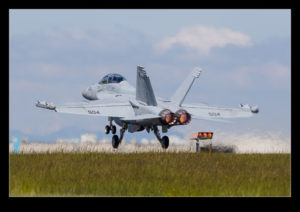
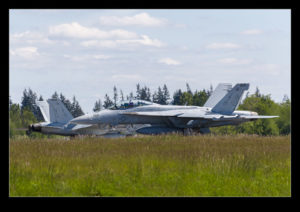
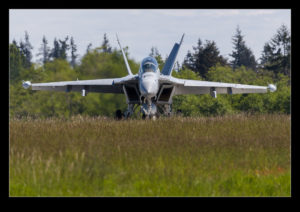
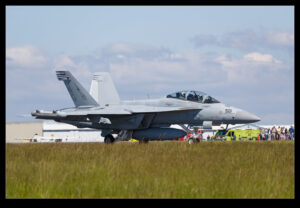
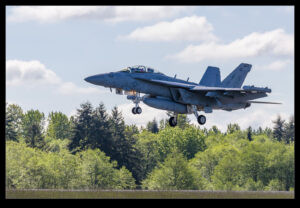
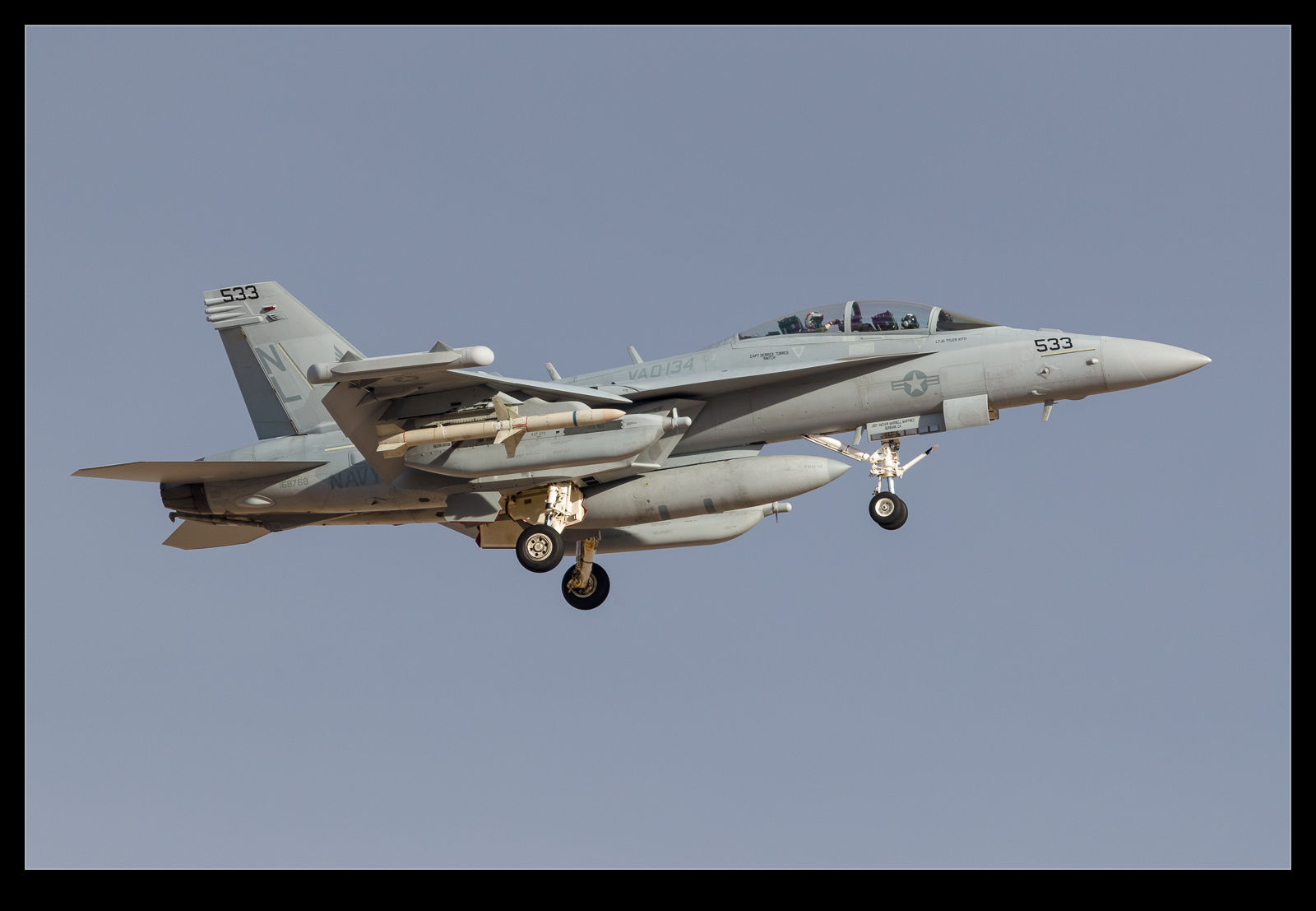
The US Navy brought a couple of E/A-18G Growlers from Whidbey Island to the open day at Paine Field.  The pair showed up in the morning and were parked up on the ramp at Heritage Flight Museum before they left later in the day.  We got a good look at them as they landed and departed.  Hopes of a nice low approach and go around were sadly not fulfilled but it was still cool to see them visiting.

The Growlers Must Be Shy

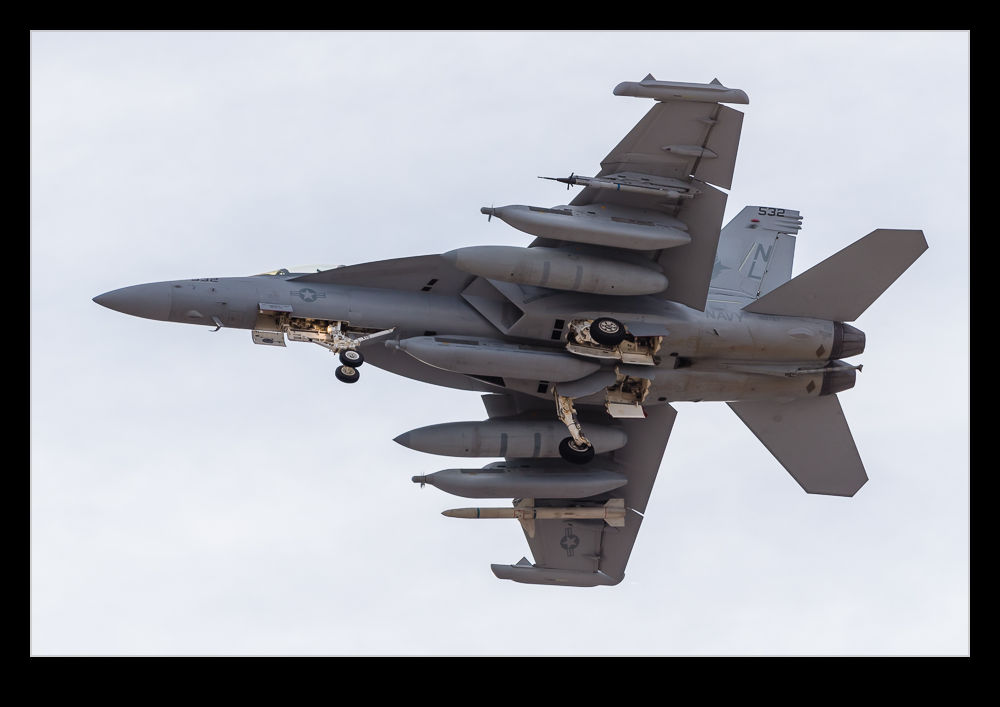
I have shot at quite a few Red Flags both on and off base.  On base of get such good access that you don’t see anything to make you think that the participants are camera shy.  However, off base I have become rather suspicious of the Growler community.  When you see something strange once, you figure it must be an oddity but, when you see something repeat, you start to think there is a pattern.  When you tell your friend that something happens and then they do it again for both of you, you really think something is going on.

The E/A-18G Growlers fly in a way that makes me think they are trying to be difficult for photographers. (Either that or they think they are doing something to help but are actually making it worse!).  During arrivals the Growlers often go left but, when they go right, they either fly incredibly tight patterns or they go so long as to make all shots rather dull.  However, it is on departure that I have got most suspicious.  When they come off the left runway heading towards us, they seem to sidestep to the left and then straighten up after a while.  This puts them almost directly overhead the awaiting photographers.  You get an underside shot but nothing more.  Not a great shot but you start wondering what you are missing from the profile or above that might be more interesting.  I am probably paranoid but I do see a pattern developing.

Zero G and, Ironically, It’s Not Raining

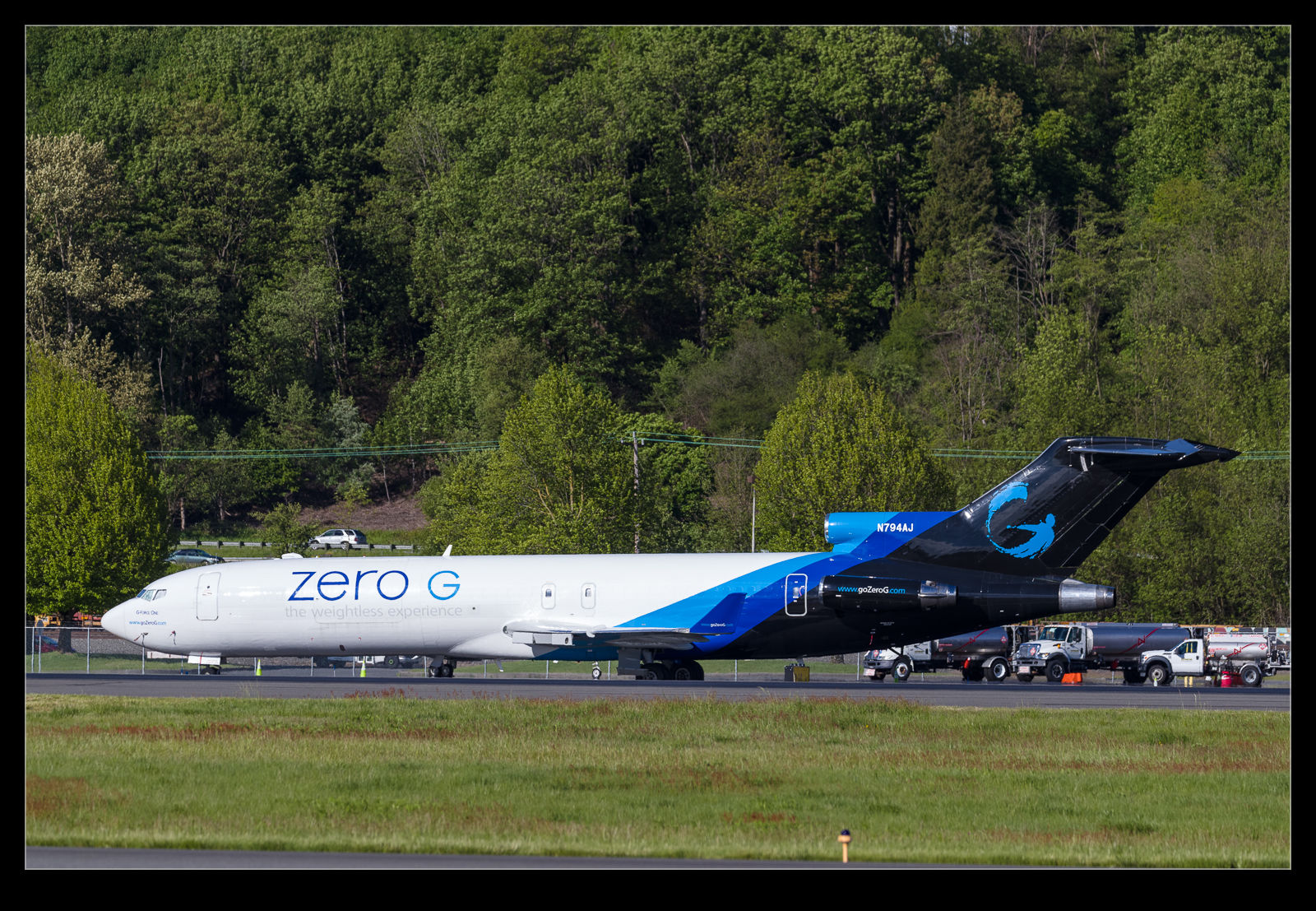
I last saw this jet on approach to Oakland.  I blogged about that event here.  On that day, it was pouring with rain.  I got the shot but it was rather dreary.  This time I saw the jet parked up at Boeing Field in Seattle.  Ironically, the sun was out on a lovely day – not Seattle’s reputation.  Sadly, it wasn’t moving while I was there.  I don’t know why it was in town but I heard there was a big software conference underway so maybe it was a fun trip for some big cheeses in the software business.

Unloading the Wings

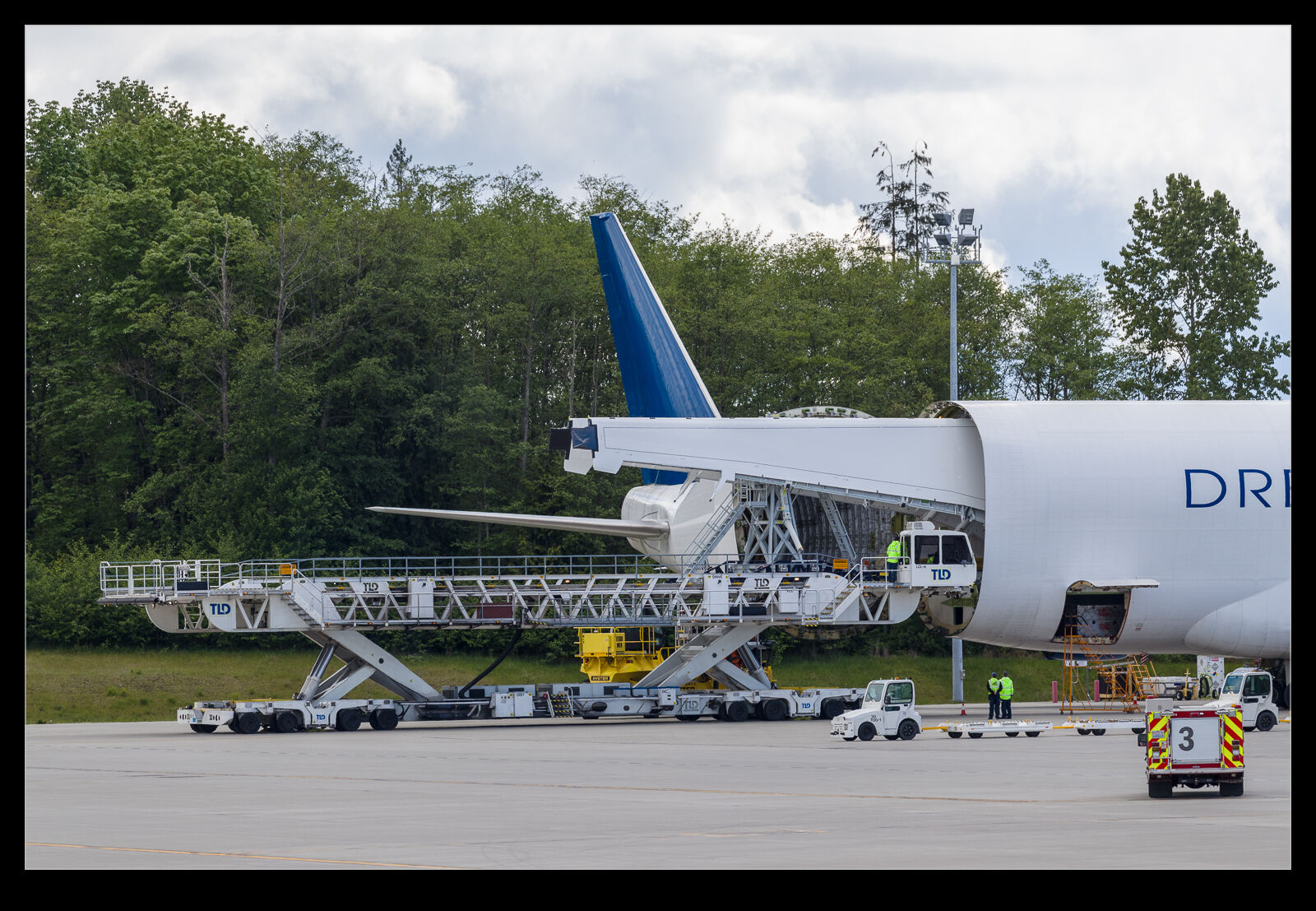
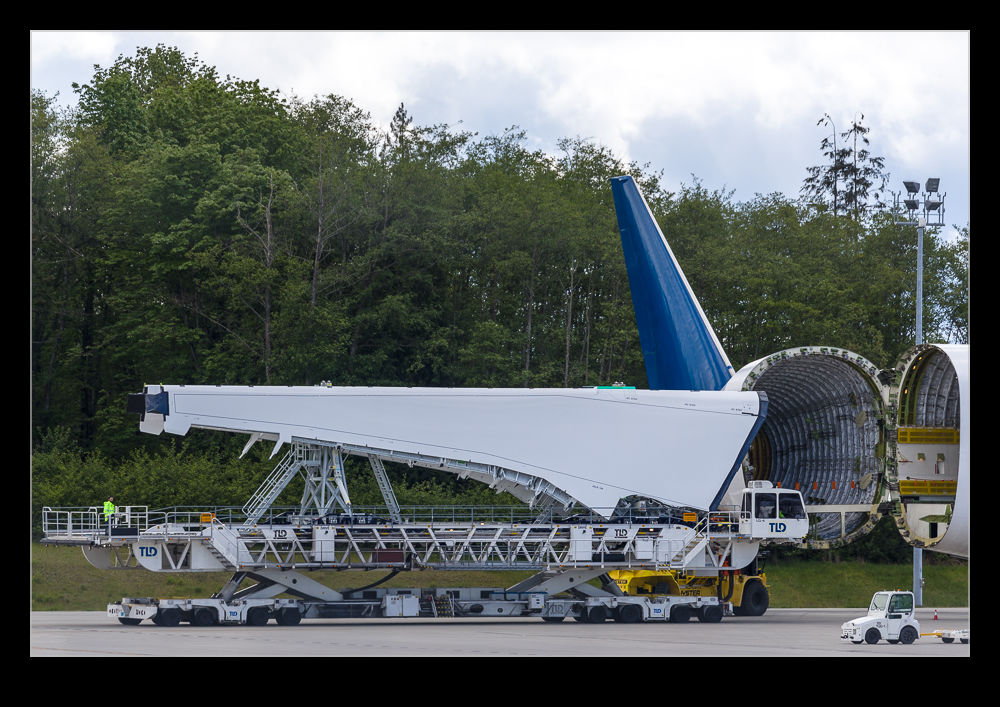
The wings for the Boeing 787 Dreamliner are not built in the US.  They come from Japan and they make the journey in the 747-400LCF Dreamlifter.  The process for unloading them is very well practiced.  The aircraft lands and is parked up.  The tail is then swung open to expose the cavernous hold.  A transporter pulls up behind the lane and elevates its deck to level with the aircraft.  The wings are in a cradle that then slides out of the plane and on to the transporter.  It then backs away and lowers down before driving the wings into a storage building.

While this was going on, other fuselage parts could be seen inside.  With production running at a high rate, this process is repeated every few days.  I have never yet seen the Belugas at work for Airbus doing the same sort of thing but I would like to some day.  Their new aircraft are currently being assembled so they will soon have more capacity.  I don’t know whether Boeing will need more of the Dreamlifters at some point but the current fleet seems to be kept busy.

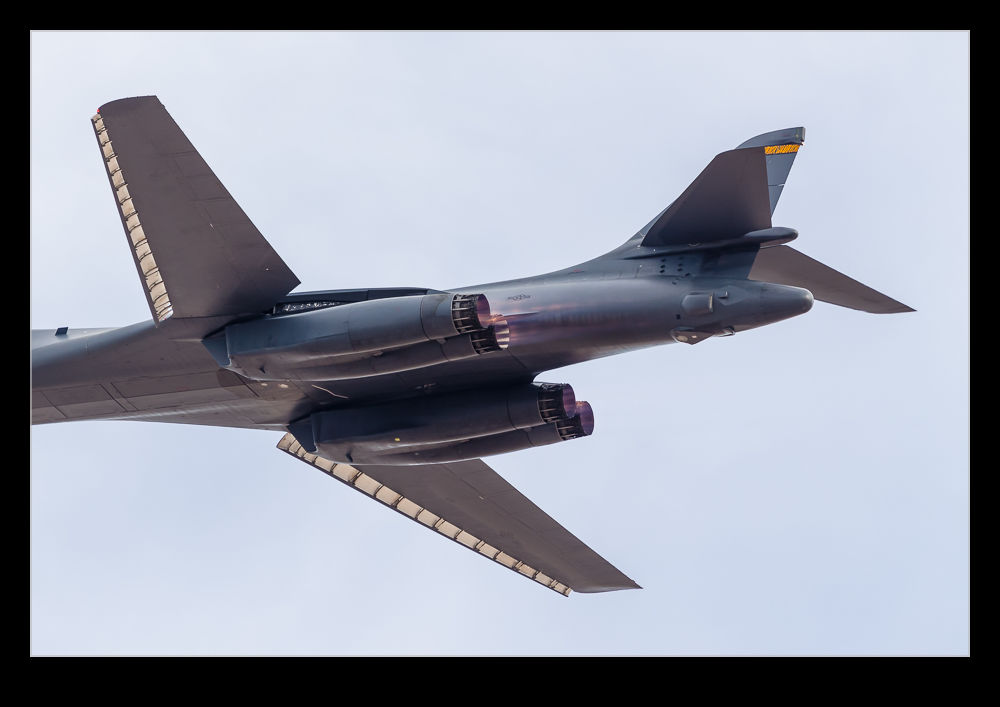
Burner Love – Back of the B-1

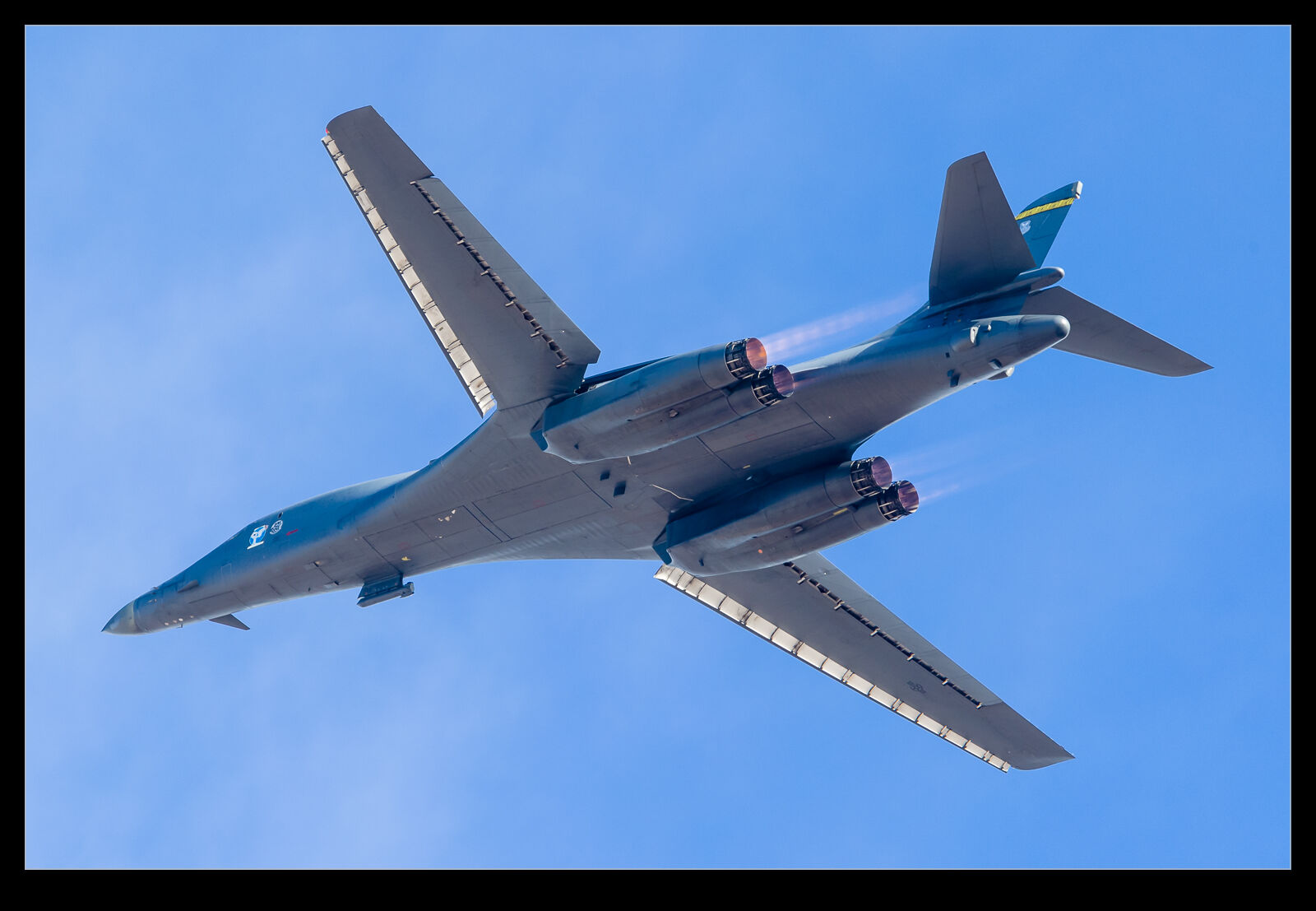
I’ve already shown the B-1s at Red Flag some love but here is a bit more about them because, well, why not?  The four afterburning engines produce a lot of noise, light and, I guess, thrust.  For a few of the departures, I focused the camera on the back end to try and show that energetic output.  Daylight is not the best time to show up the afterburner plume – night works well for that as does being more directly behind the jet – but it still is possible to see the jet against the dark airframe.  This is just something so impressive to see.