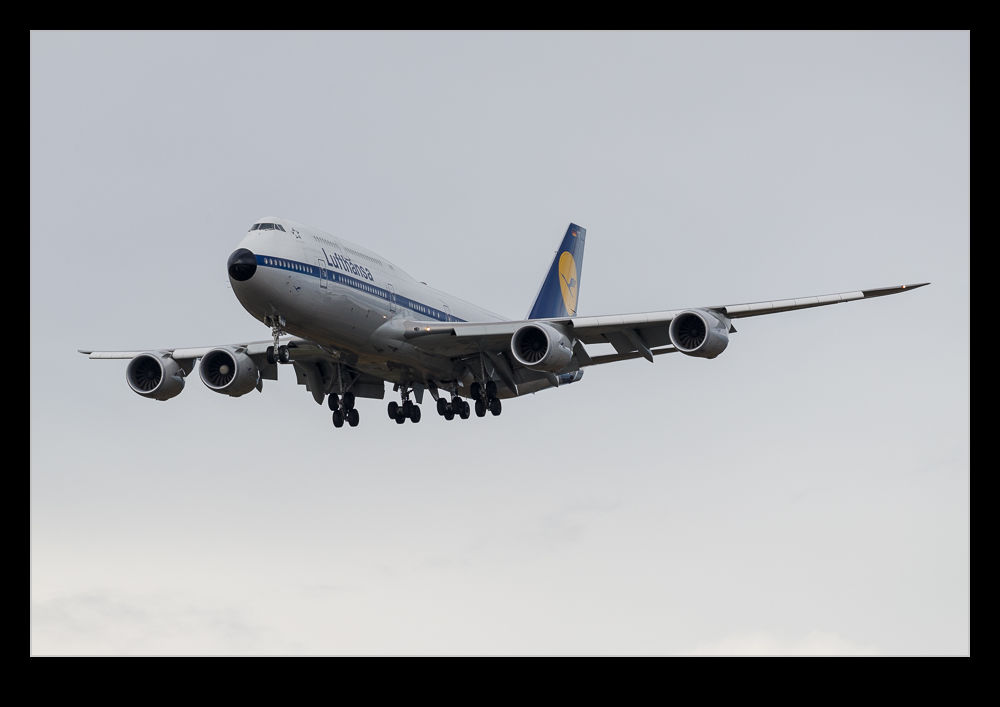
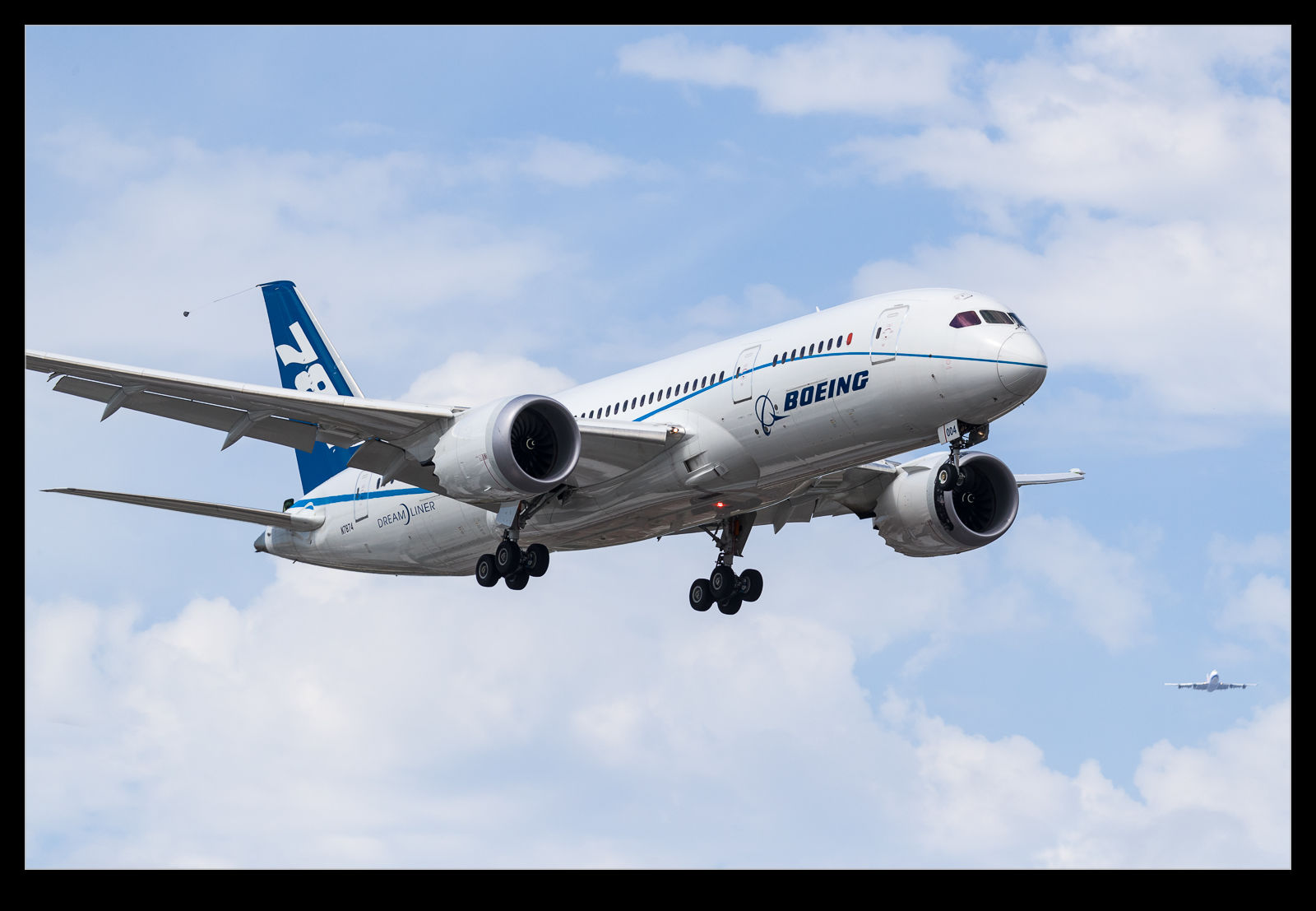
 For the people that don’t care for my aviation posts, this one won’t be of interest. For the aviation fans that don’t care about the techie stuff, this will also be of limited interest. That probably leaves a very small group of readers by now (Gary, I am trusting you are still here). This is about a piece of flight test instrumentation that often causes questions when people see it. It is the trailing static cone.
 The aircraft has sensors that measure air data, two of the most important of which are the pitot probe and the static port. The pitot probe measures the dynamic pressure of the air which increases as the speed increases. The static port measures the air around the aircraft. The difference between the two is used to determine the speed of the aircraft and the static is used to determine the altitude. These are both vital information for a pilot. However, the aircraft affects the flow of the air around it so, while you can calculate what the pressures should be, you need to validate what the actual readings are. The first flights are carried out prior to calibrating the system so you need to have a bit of margin in the speeds you use until you have confidence in the readings.
 Measuring static pressure is hard to do. The plane will have a static port on the skin of the plane as well as possibly incorporated with the pitot head. However, the air has accelerated to go around the fuselage so it is assumed to have a lower pressure than ambient. Because the plane is disturbing the flow, you need a way to measure the pressure some distance away from the plane. The answer is a trailing static cone.
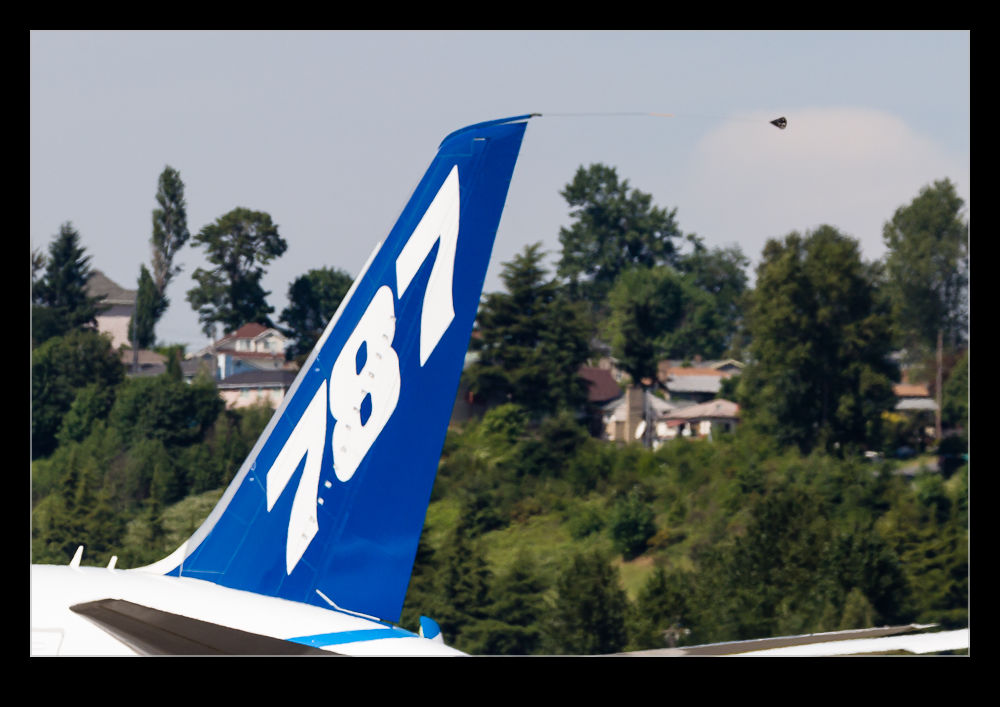
 This cone incorporates pressure measurement sensors and it attached to a long cable. This is held on a reel inside the aircraft and fed out of the aircraft at the rear. For airliners, this is usually through a modification to the top of the fin. A comparison between the test aircraft and a production jet will show the different structure. The cable dangles out of the fin and, as the speed increases, the cone pulls the cable taught and streams backwards.
 When the testing is required, the cable is winched out and the cone is a long way behind the aircraft in what is relatively undisturbed airflow. If you go to the Museum of Flight, the prototype 747 is on display and it includes the trailing cone equipment in the fuselage. The reel is shown in its mounting location and the trailing cone is hung inside to allow you to take a look at it.
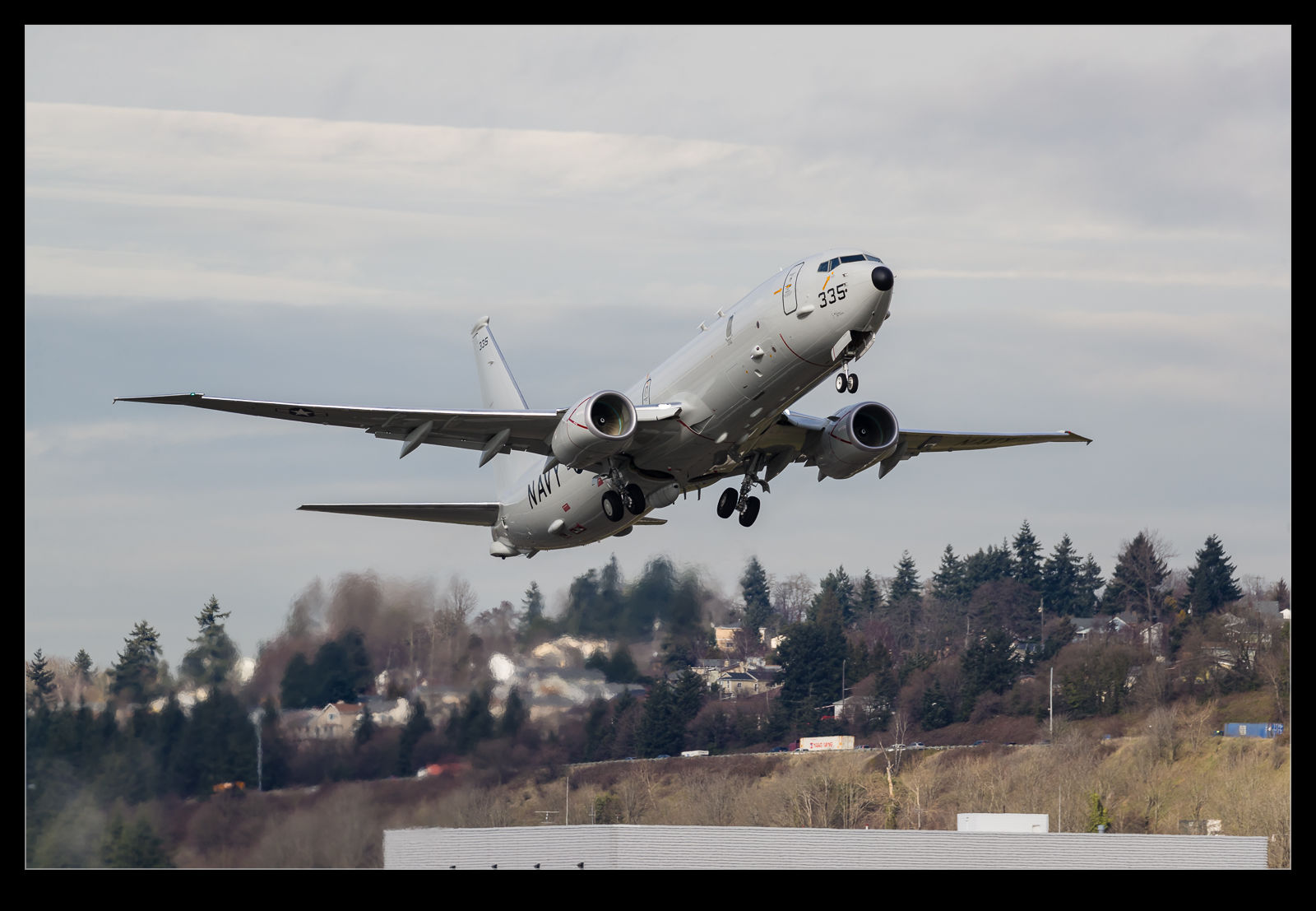
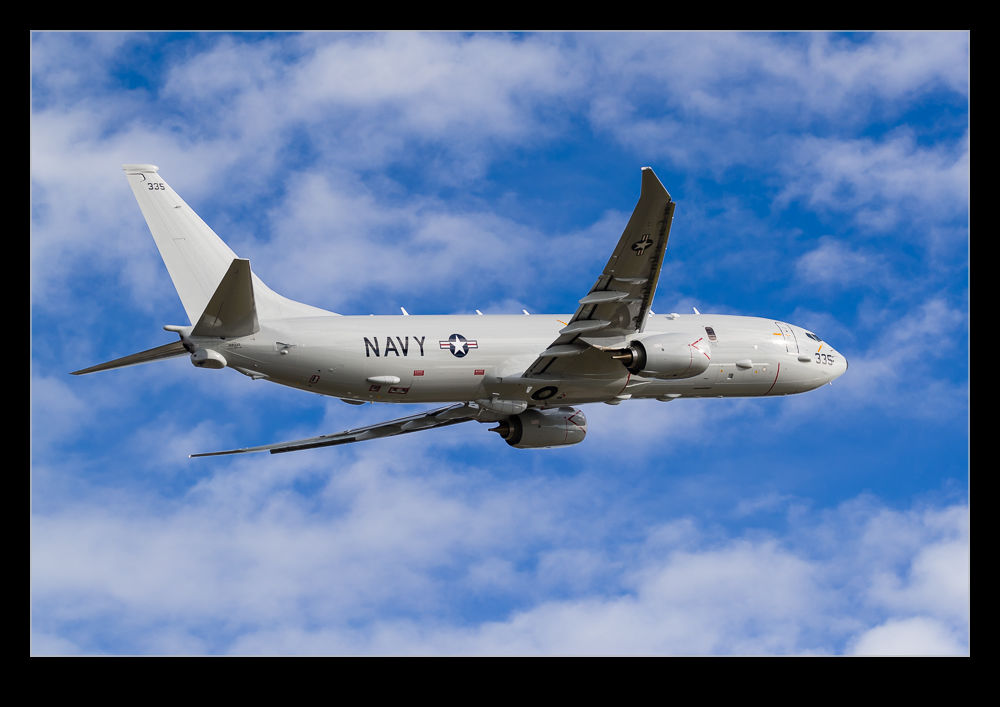 Every once in a while, you just get lucky. I happened to be at Boeing Field on a sunny day with operations in a southerly direction and a bunch of cool traffic. Most of the traffic shows up on Flightaware so you have a clue it might be flying but my recent experiences have been that the P-8 test flights have not been listed. Consequently, I was a little surprised when a P-8 pulled out of Boeing’s military operations ramp and taxied for departure. It came right past me as it made its way to the departure end. A short while later it rolled.
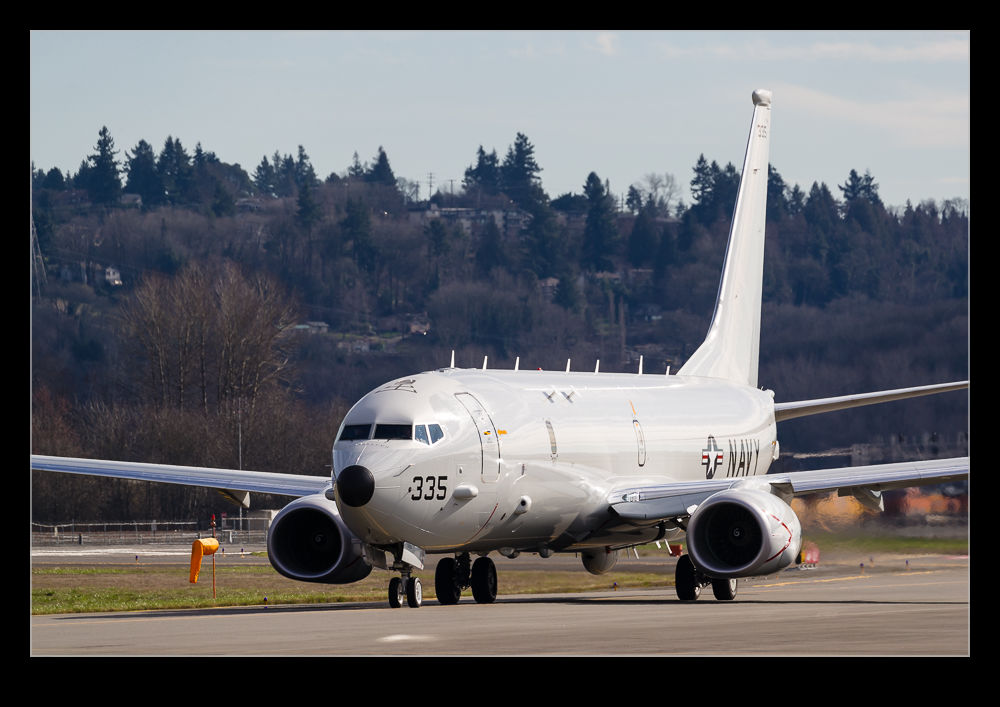 The sun was out, the light was nice, they rotated at a good location to get some nice shots and then, as they climbed out, the clouds were really nice providing a mottled sort of background. The colors looked great behind the grey jet. What a great combination!