Tag Archives: Boeing

Dreamlifter at the Other End

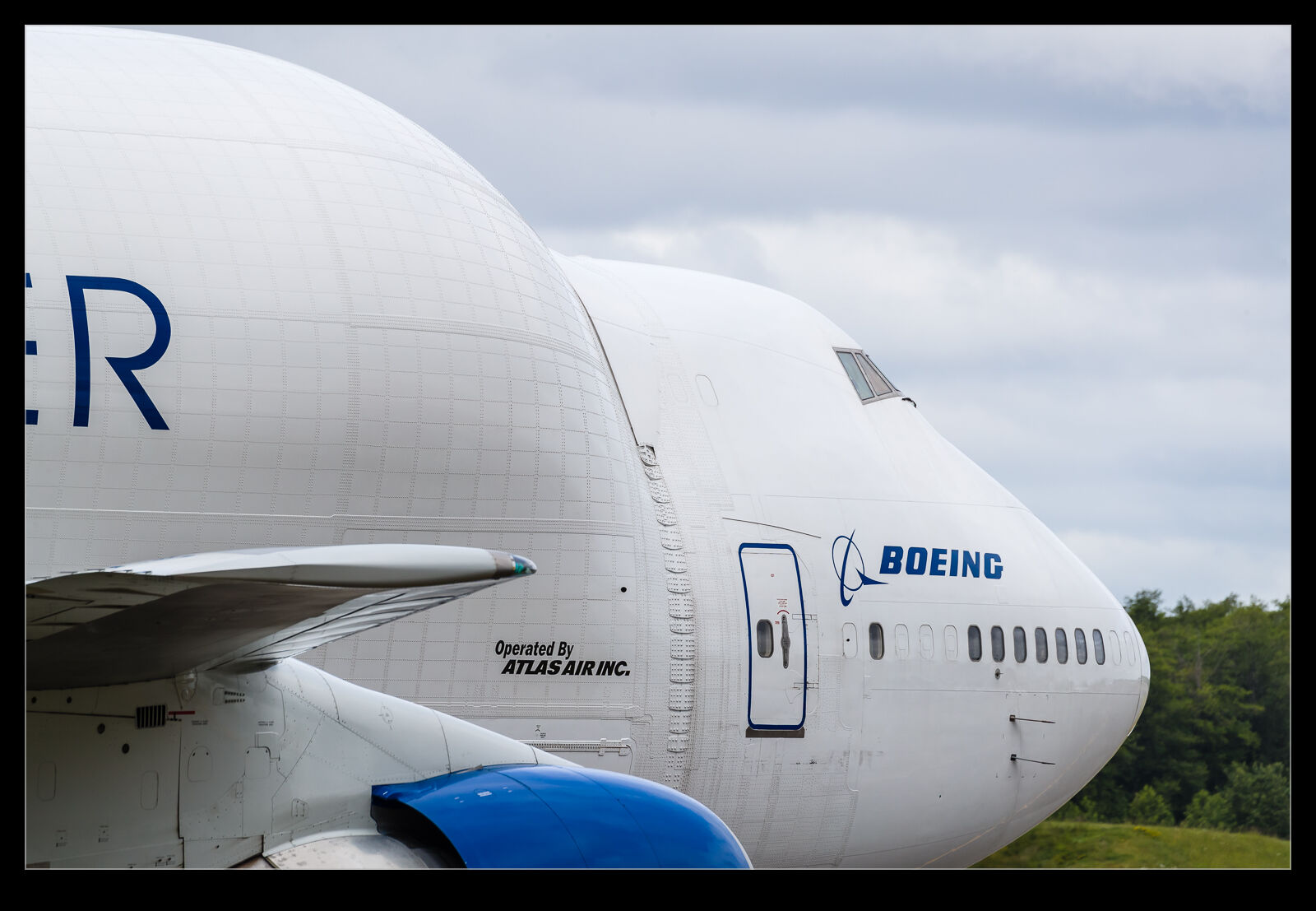
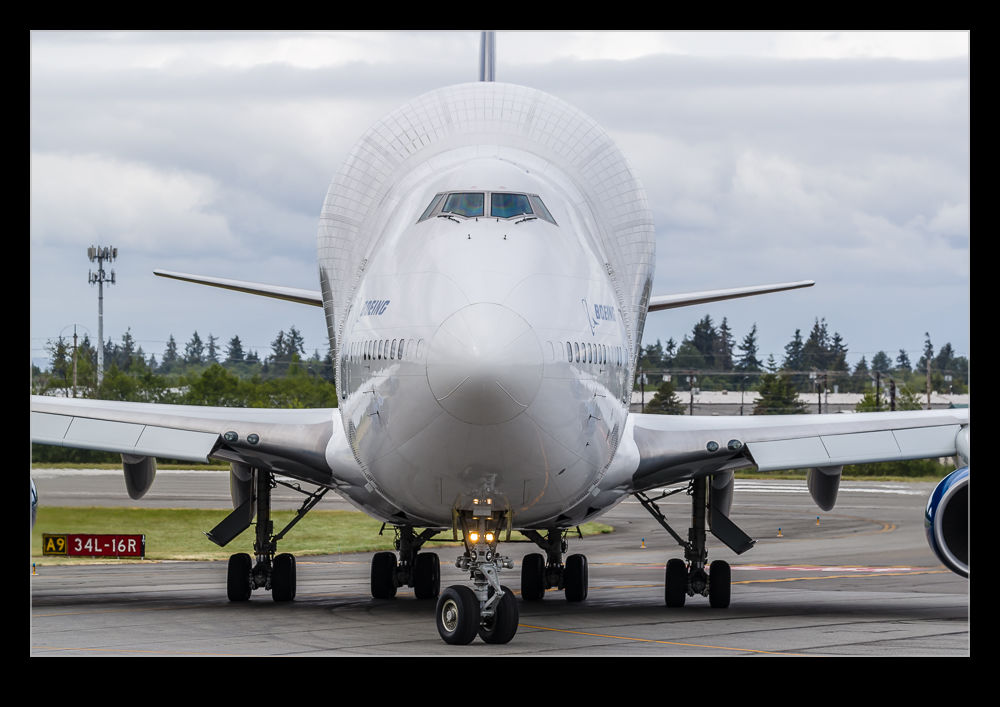
When planes are arriving at Paine Field from the north, I am usually up near Future of Flight.  However, I was down at the south end when a Dreamlifter came in.  They used the full length of the runway and turned on to the taxiway when they reached the end. This meant I got a good chance to shoot the plane from a place I had not done before.  The weather was overcast which actually helped to show some of the textures associated with the modifications that the base 747-400 had received.

Max7 Number Two

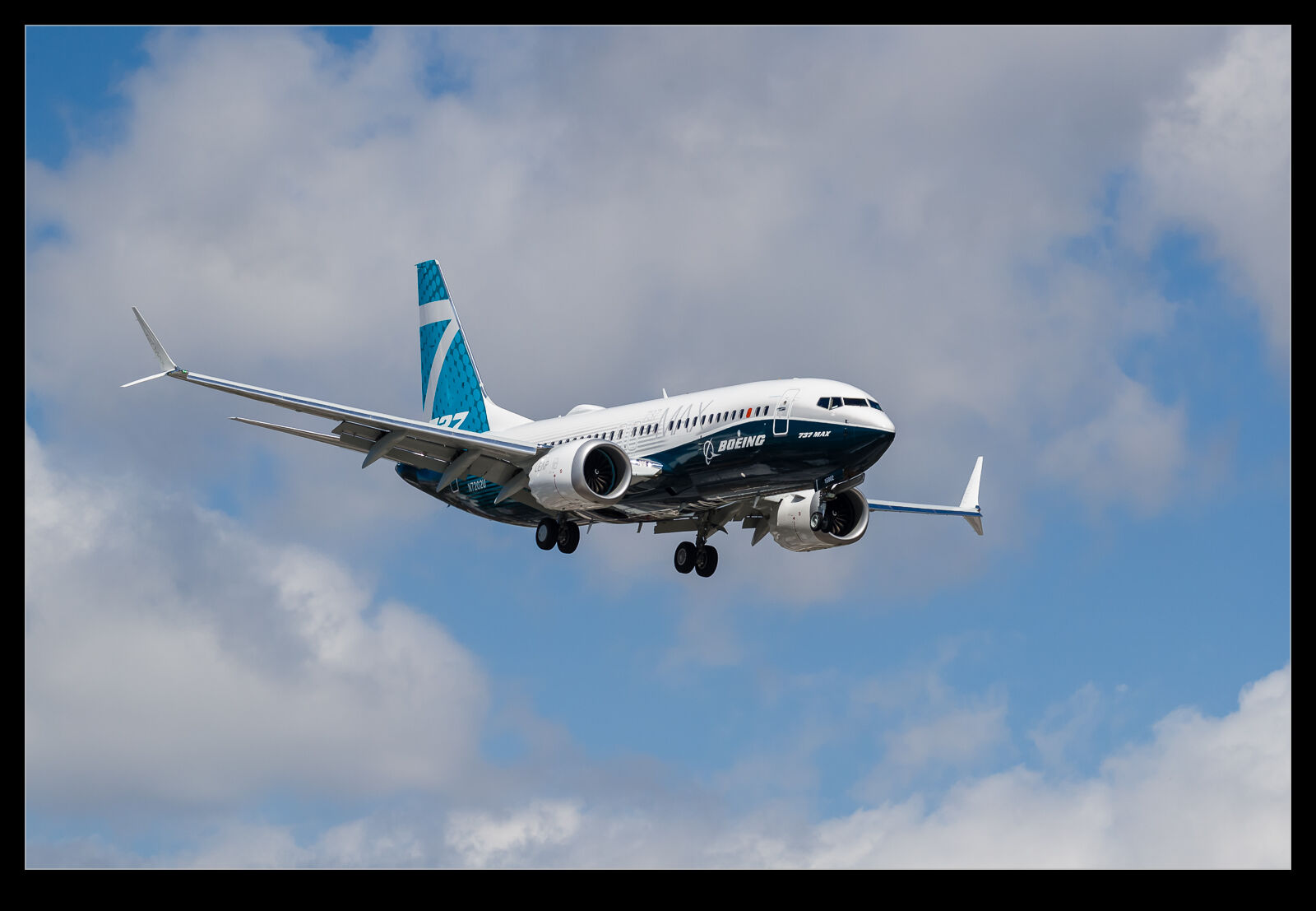
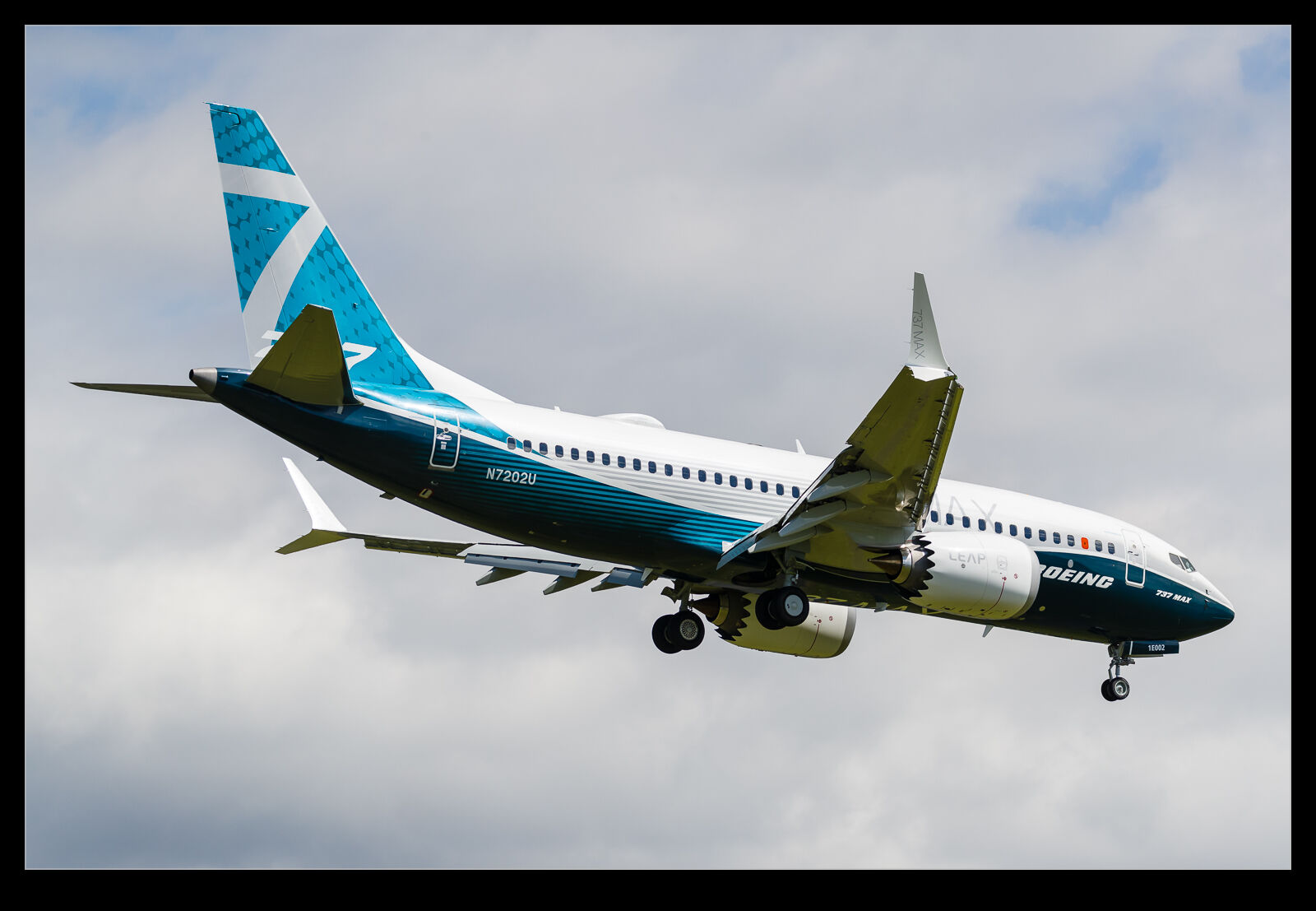
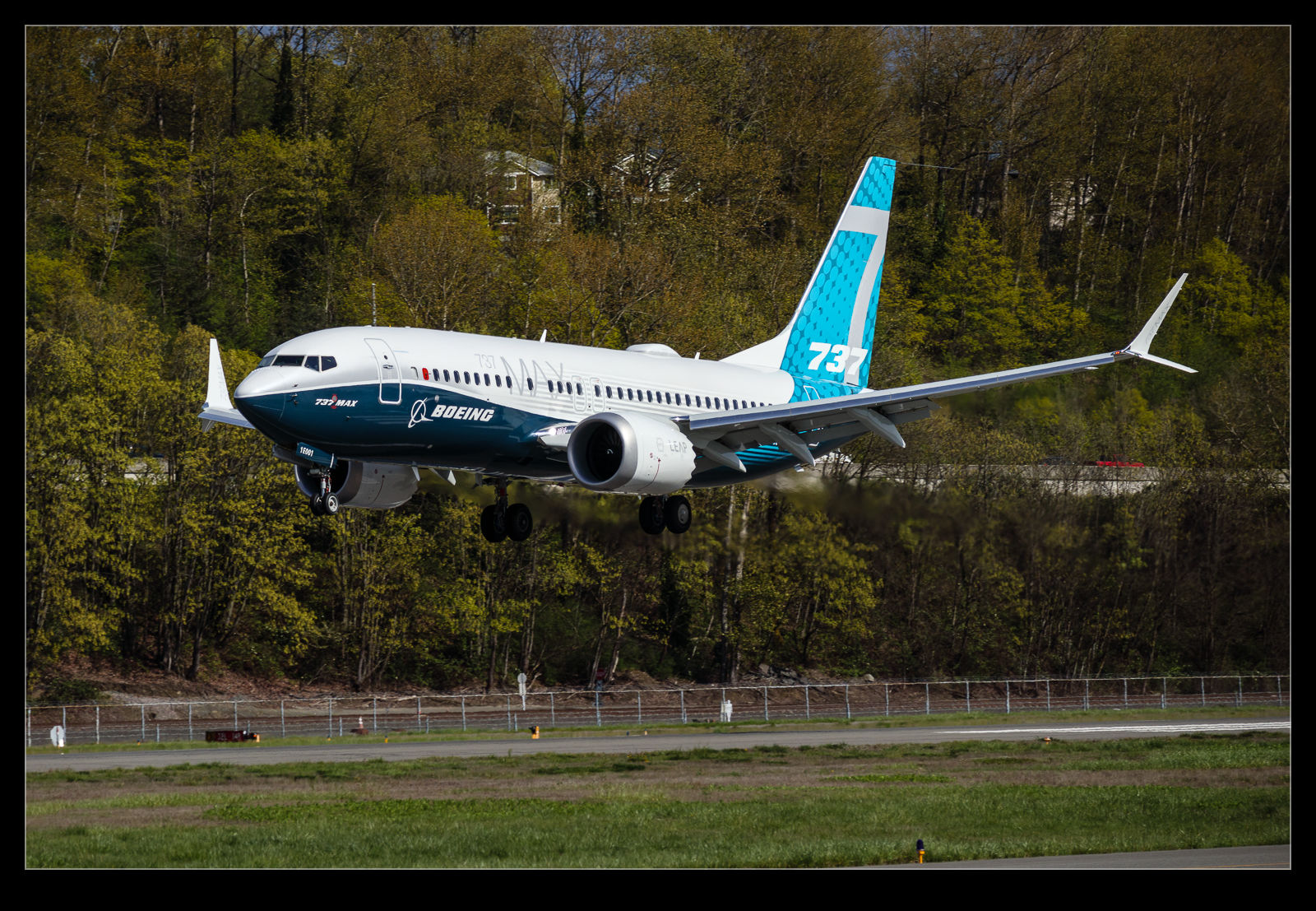
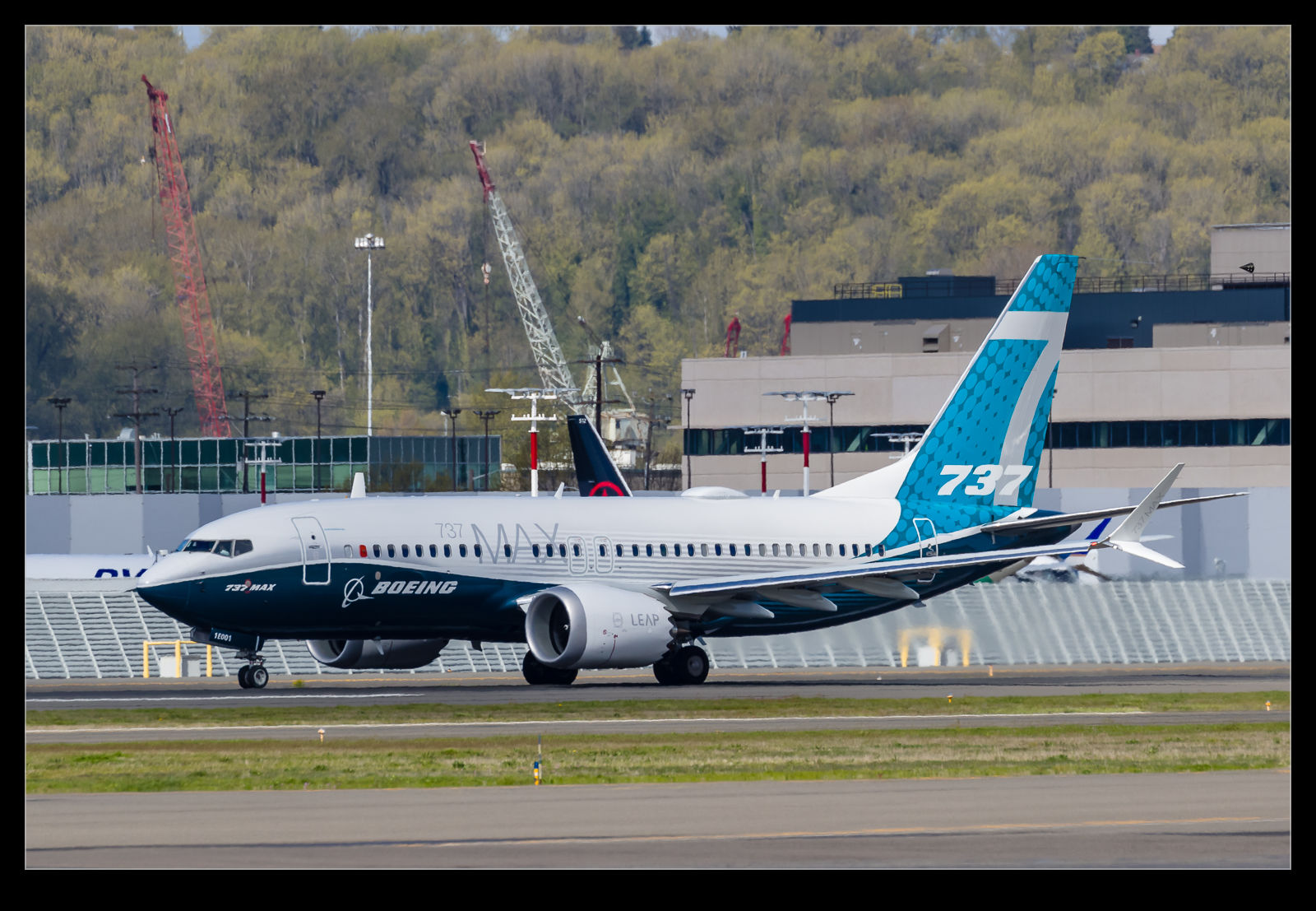
The first Max7 test aircraft got a blog posting here but I have now seen the second in action too.  I think I first saw it on the ramp at Renton but I didn’t see the registration so can’t be sure.  Now it is engaged in testing and flying regularly out of Boeing Field.  It actually departed as I pulled up, so I only got to watch it rather than get a shot.  It was a bit overcast then anyway.

Later in the day it returned and this time the light was a lot more favorable.  I have yet to be able to gauge it against a 700 series and see the increase in length but the bigger engines are pretty obvious.  Still not a huge number of orders so we shall see whether it becomes a success but, in the meantime, we shall see them testing in the area for a while.

Etihad 777-200LR in its Last Days

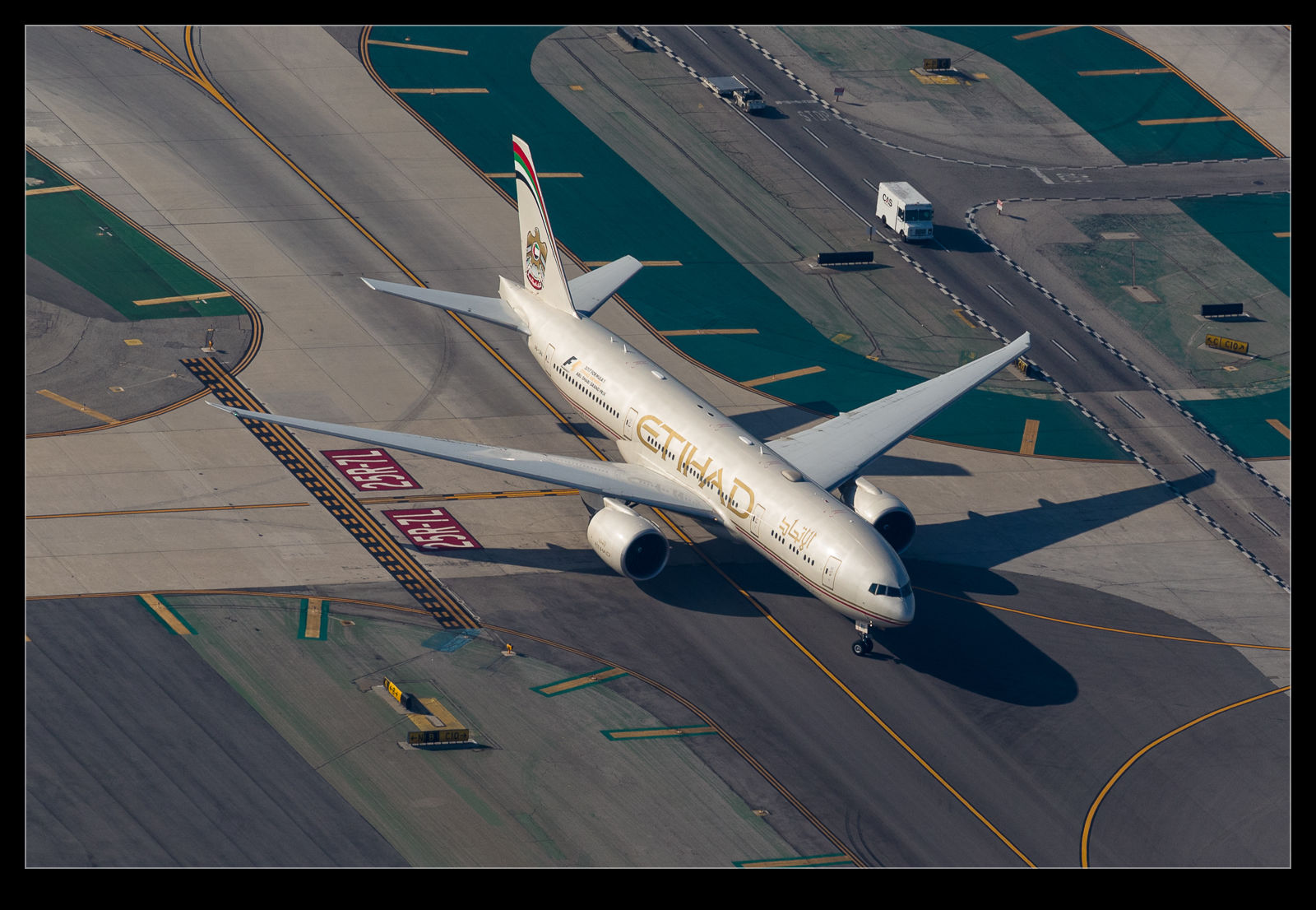
When Boeing developed its updates to the base versions of the 777, it came up with the higher capacity long range 300ER and a lower capacity but ultra long range version, the 200LR.  The 300ER sold very well but the 200LR was more of a niche product and, while it sold, it never went in the same numbers as its larger sibling.  Etihad was one of the customers but they have now decided they have no further use for the type and it is being retired.  I was glad to catch one at LAX in the days running up to their retirement.

Eyebrow Windows Still Exist?

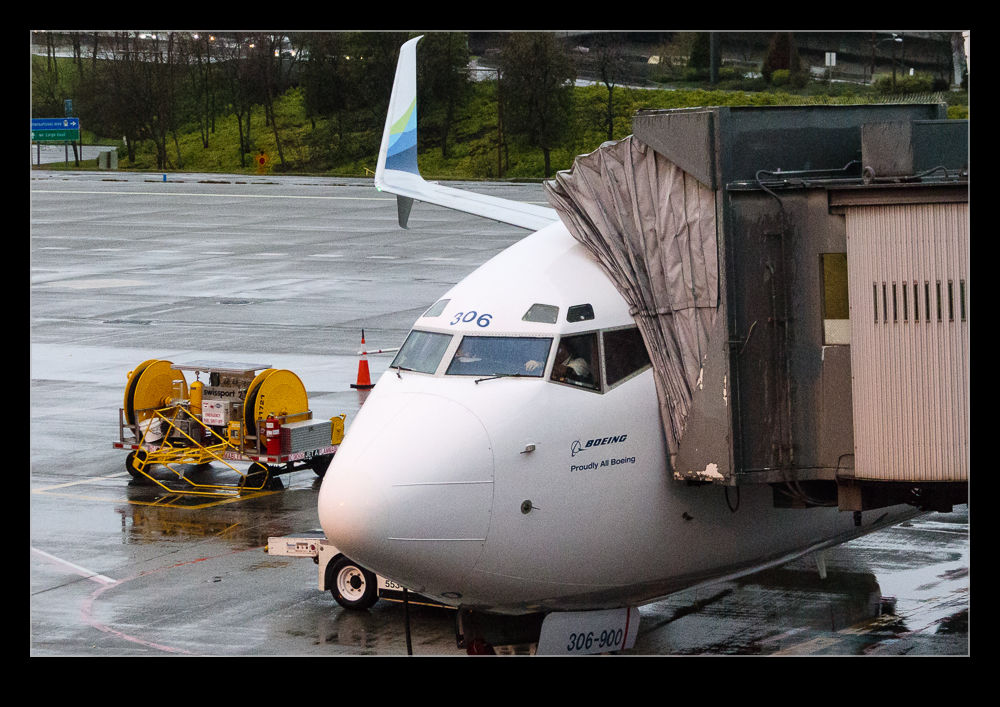
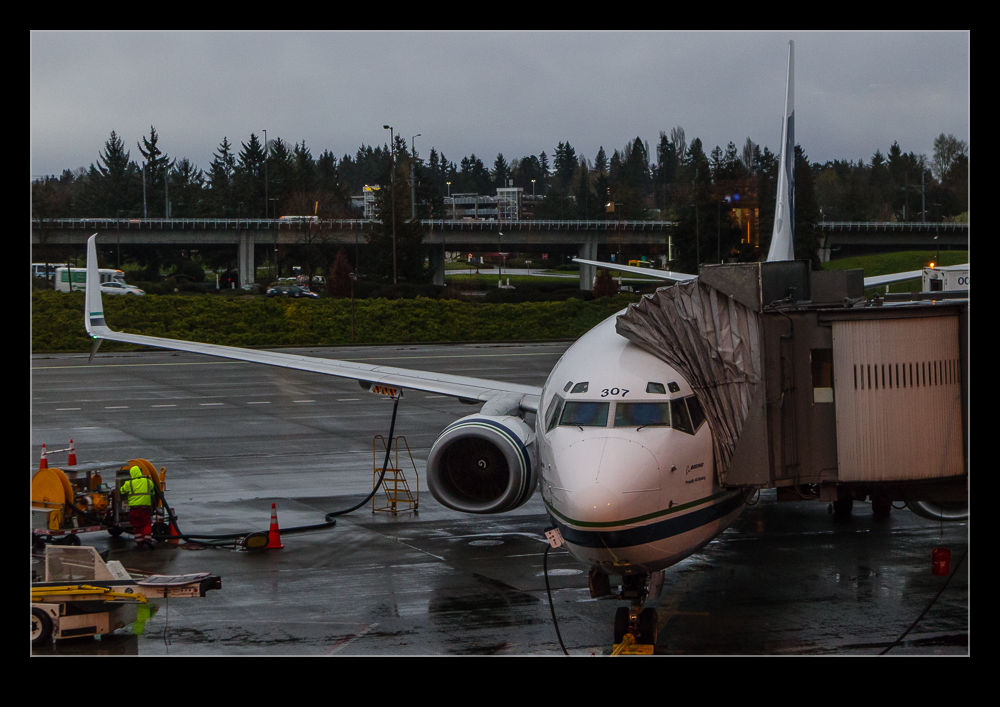
The 737 fuselage is closely tied to the previous generations of Boeing jets like the 707 and 727.  It inherited the eyebrow windows above the main cockpit windows.  These days, the controlled airspace has made the need for these while maneuvering a lot less.  Current jets are built without them and many airlines have reduced maintenance costs by plugging them.  I had assumed that they had gone away for most operators.  Apparently not for Alaska!  Walking through the terminal, I saw one jet with the eyebrows and was surprised.  However, then I saw a bunch more so clearly this is still something Alaska see as valuable.

Japanese Government Comes to Town

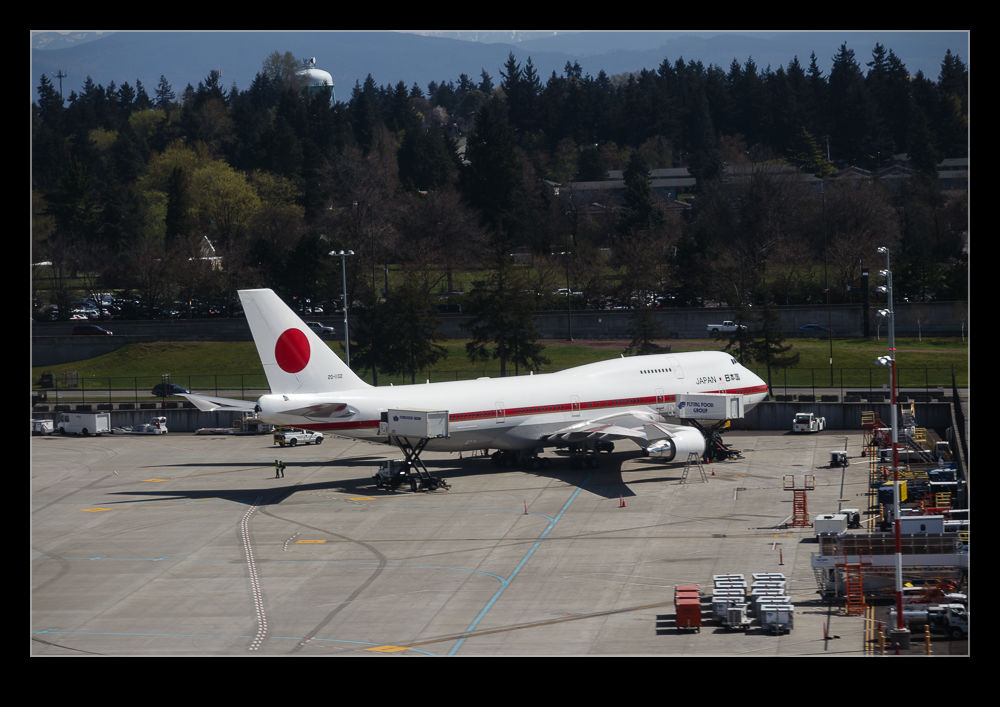
I was sitting at the gate waiting to board a flight when the sound of a heavy jet reversing thrust outside caught my attention.  It was a Japanese 747-400.  JAL retired their 747s a few years ago and that made an appearance on the blog here.  That meant this was a Japanese Government 747.  I was really annoyed to have only seen it at the last minute.  However, I was on the right side of the plane on takeoff to try and get a look.  I did get a shot but looking through the camera made me lose the wider view.  The Japanese 747s tend to travel as a pair.  Sure enough, a second jet was parked up and I didn’t spot it was there until too late.

Aer Lingus 757 at Newark

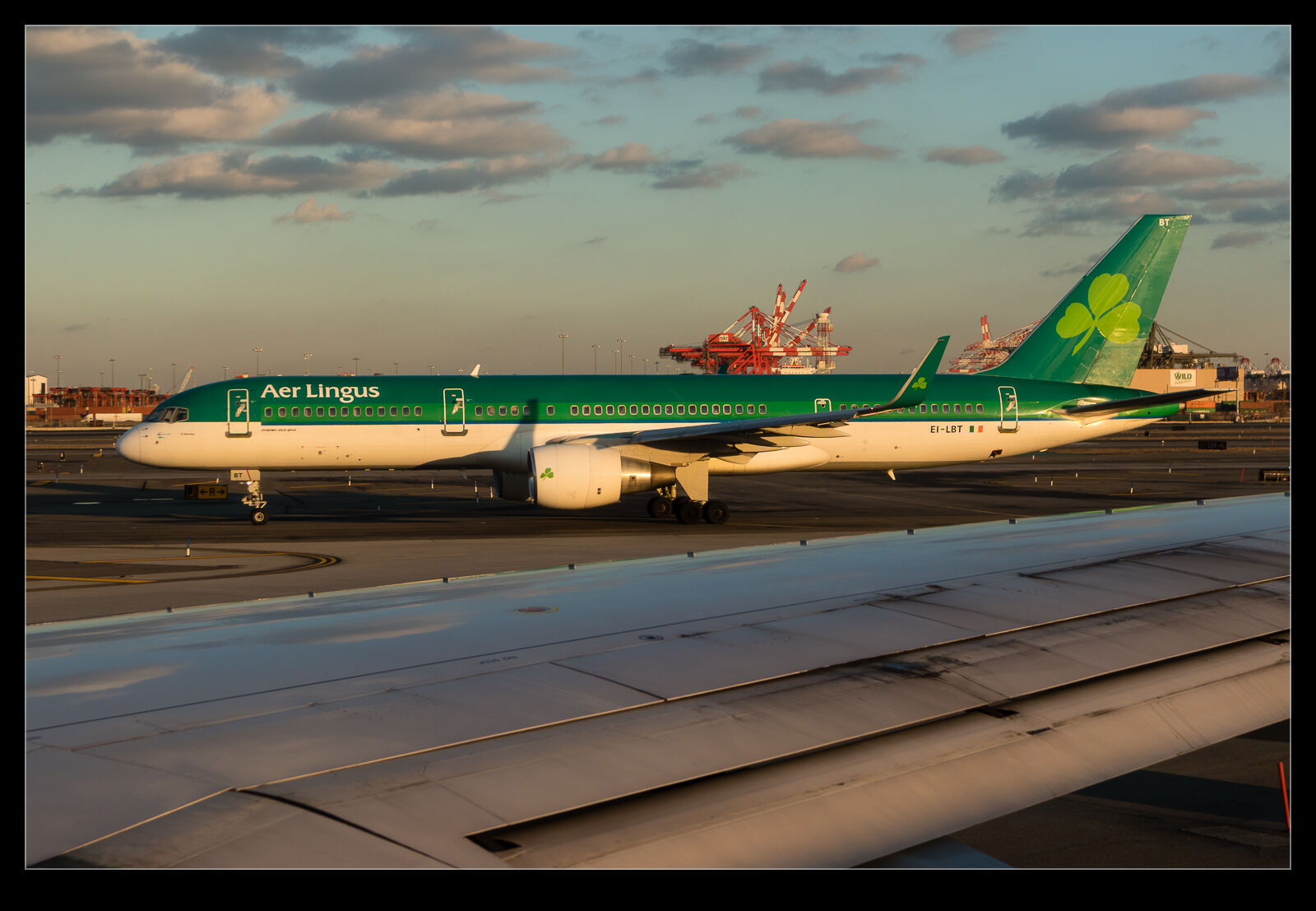
In the UK, I have seen plenty of Aer Lingus A320 family jets.  In the Midwest and on the west coast I have seen their A330s a lot too.  One type of theirs that I have not seen before is the 757.  These seem to be used for the shorter transatlantic runs.  While taxiing out at Newark for a flight back to Seattle, a Shamrock 757 taxied out too and departed ahead of us.  I have to admit I was quite surprised.  I guess I knew they had 757s but this was the first one I had seen.

Max7 Test Aircraft

The 737 Max8 and Max9 Jets are both certificated and in service.  Next to come along is the Max7.  It is a lower priority as a result of a far lower level of orders combined with a redesign it underwent to make it larger than originally intended.  It is now flying though.  I saw one aircraft on the ramp at Renton when passing by and also saw the first test aircraft landing at Boeing Field.  I actually saw it take off as I drove in to the city heading to a meeting and it returned at the end of the day.  Neither the Max7 nor the A319neo has sold well so it will be interesting to see how many of these enter service.

El Al 777 Overwing Vortex on Takeoff

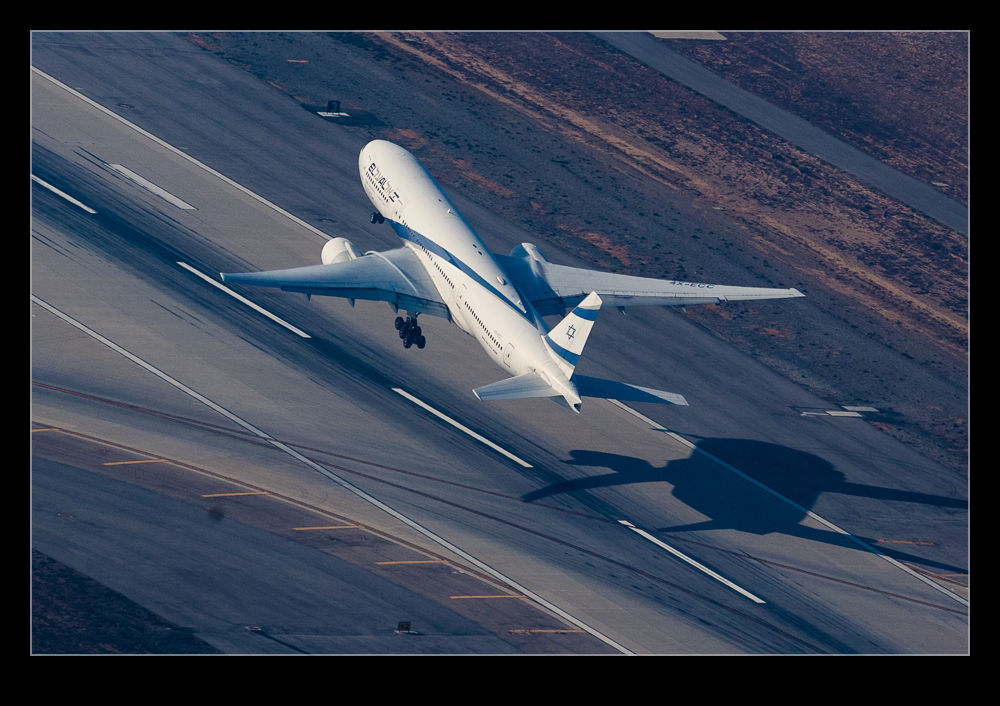
Engine nacelles are optimized for cruise performance.  At high angles of attack, their shape results in some rather awkward flow properties which can influence the wing performance above and behind them.  In order to control things, you will see small vanes attached to one or both sides of the nacelle that generate a vortex that stabilizes the flow somewhat.  As an aircraft rotates at takeoff, the strength of this vortex increases and it will often become visible as moisture in the air condenses within in.  This vortex will stream back up and over the leading edge of the wing.

When you are inside the aircraft, this is pretty easy to see provided the conditions are right.  From head on or aft they are also quite conspicuous.  It isn’t often that you get a good view from above.  When I was flying over LAX in the helicopter, the aircraft departing from the north complex had better light on them.  However, the runways are offset so the rotation point is further west and beyond the area in which we are allowed to fly.  However, you can get a view from above and behind as the jets get airborne.  An El Al 777 took off while I was up and I managed to get some shots of it as it rotated and climbed away and the vortices were clear to see as the angle of attack increased.
Bounce It Down and Do It Again

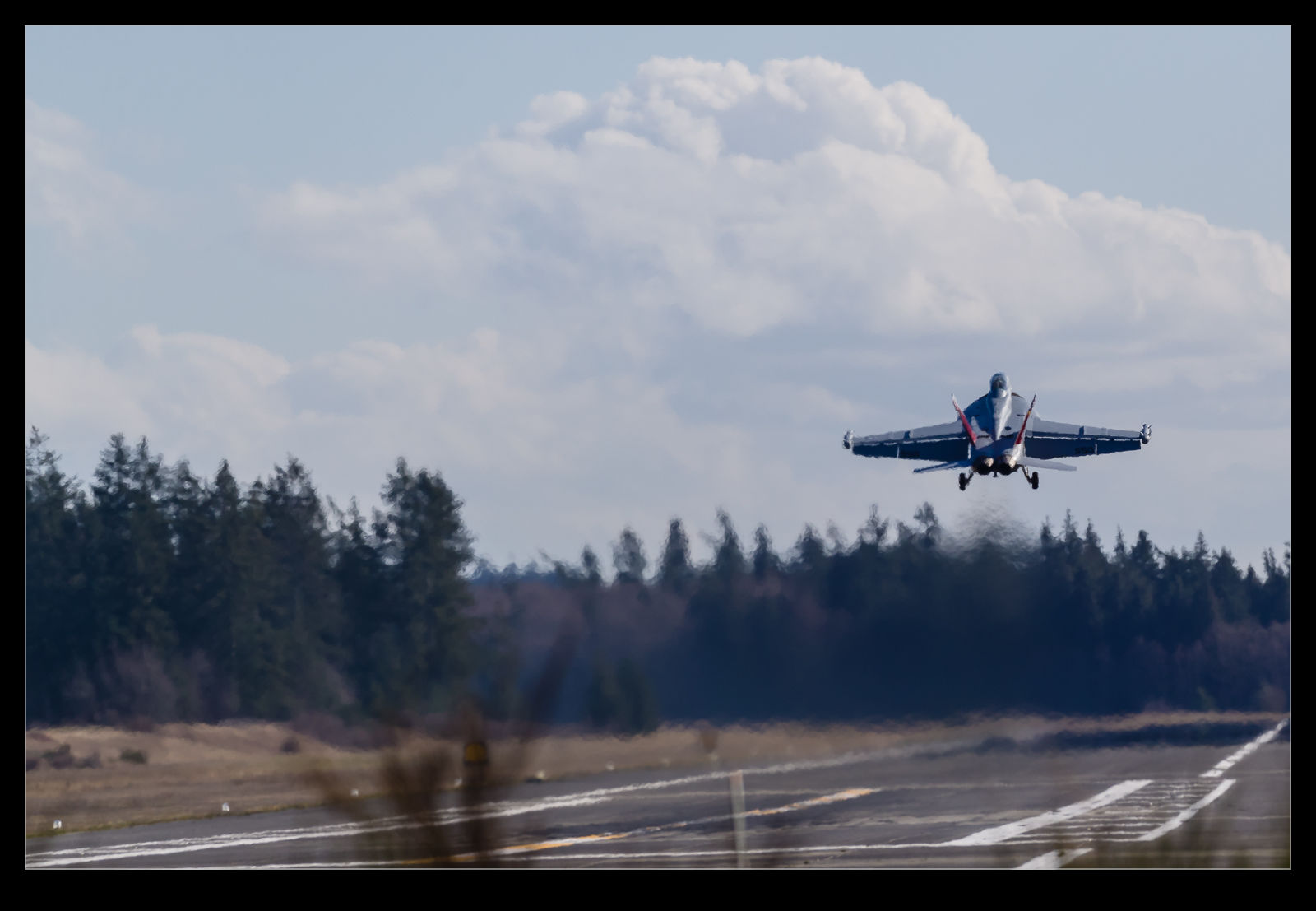
Since the Growler crews were training as if they were on the deck at sea, they don’t flare their landings at all.  They hit the runway hard and the tire smoke that results is substantial.  Normal landing procedure on a carrier is to go to full throttle as soon as they hit the deck.  There isn’t time to react if you miss the wire so hit the gas and, if the wire doesn’t stop you, you fly right off the other end of the deck and climb away.  Since there is no wire at Coupeville, that means every touchdown is followed by a rapid rotation and climb away.  The climb is pretty steep initially which keeps the speed under control until the power is backed off.

The First 737

The Museum of Flight has a number of prototypes of Boeing airliners.  They have the first Boeing 737.  This is a 737-100.  Very few of these were built with the 200 series being introduced soon and then taking over completely until the introduction of the 300 series many years later.  (For those of us of a certain age, the 200 series was known as the Classic once the 300/400/500s came into service.  Today they are often called Classic when compared to the NG models which are, themselves, now being superseded by the Max.)

The first airframe ended up with NASA being used for testing duties of all types.  At the end of its testing career with NASA, it made its way back to Boeing Field and to the Museum of Flight’s outside collection.  These are now under cover with a roof having been built over the many aircraft.  The 200 series is a pretty short jet but the 100 is even more so.  It is quite something to see this aircraft and compare it to the big aircraft that are now the staple of Boeing’s output.  The Max 10 will be nearly 50% longer than the original.

The aircraft is displayed in its NASA colors rather than the original in-house colors when it was first built.  Also, since NASA used it for a variety of odd tests, it has a bunch of additions from those test activities.  Since it is parked in amongst the 787 and 747 test aircraft and is kept at the far end of the space, it is a little lost I feel.  However, when you contemplate its place in the history of airliner development, it really is a very significant plane.  There was a time when Boeing contemplated selling the whole program.  How different things could have been!