Tag Archives: aeroplane

Long Time Since I Saw a Rallye

When I first learned to fly in the late 80s, I was quite fascinated by Socata aircraft. The Trinidad and the Tobago were something modern in the light aircraft space which was still dominated by some older designs that felt very dated. These looked really sleek and modern at the time and, at least in my eyes, still do. However, there was a more unusual type in their stable and that was the Rallye. It was a dumpier looking airframe with a rugged looking gear. However, the thing that really stuck out was that it had slats.

These were not manually controlled but popped out when they were needed. This resulted in good controllability at low speeds. This was ably demonstrated one afternoon while I was in the flying club at Sandown Airfield on the Isle of Wight. I was chatting with one of the instructors when a Rallye came in to land. It was a bit high and was getting slower and slower. We watched with our eyes wide as it looked like we were about to witness a stall accident. We were both shouting at them to go around. However, that slatted wing kept on working and they miraculously landed without incident. Maybe they knew exactly what it could do but it really did seem like disaster was imminent.

That is a long tangent to have gone on to get to the point that, having not seen a Rallye for a long time, one came into Solent Airport while I was there. It looked in great shape as it taxied in and the couple in it cranked back the bubble canopy as they parked up. Sure, it still looks a bit chunky but now I am not comparing it unfavourably with its younger siblings and instead appreciating it for what it is – another example of cool French engineering.

An Avanti on My Doorstep!

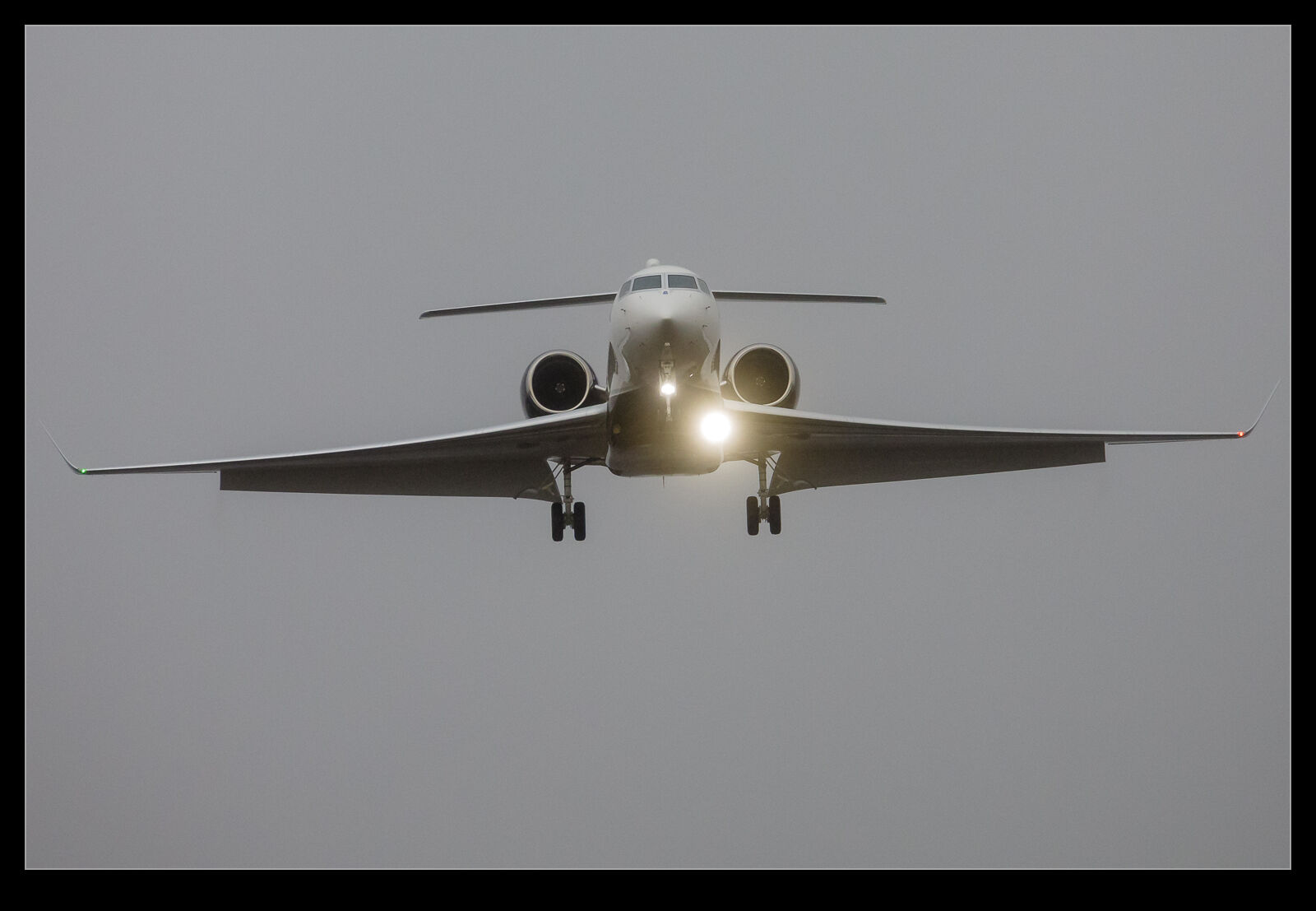
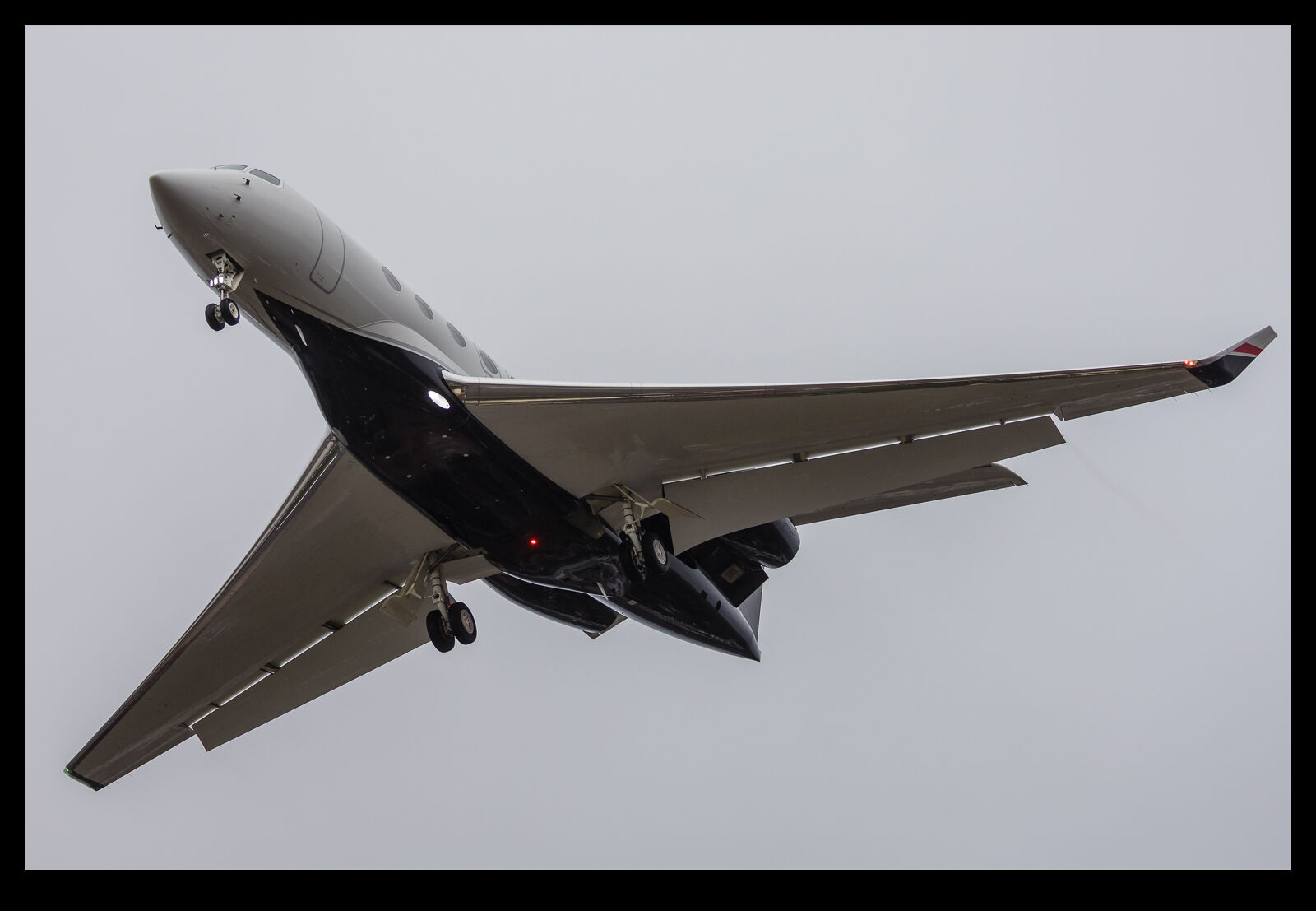
I have posted already about some light aircraft photography that occurred because a sailing competition never got going. What I also saw that day was something very opportunistic. I had happened to check what was due into Southampton Airport that afternoon with expectations of nothing special. When I saw a French registered Avanti was coming in from Italy, I was very pleased. Of course, I assumed it wouldn’t end up happening but, since it was coming a long way, knew I would have plenty of warning.

When I saw it was on its way, I then started to ponder where to photograph it having never done any photography at Southampton. A southerly approach was what was in use but then I saw an arrival come on from the south so now I was perplexed. Where should I go. I had an idea for a spot south of the airport that might work out so went there with plenty of time to see if it really was a good spot. It did seem to be good, so I then went back to the car to wait. I watched the track of the inbound flight to see if it did come in from the south or not.

It looked like it was coming my way, so I walked back out to my spot. Once there, I saw the plane turn right and it was now clear it was heading north for a southerly approach. I should have stayed in the car. I now sprinted back to the car and made a move for where I figured might work out at the other end having never actually checked it out. At least the process of tracking north for the descent onto the approach meant I had a bit of time in hand.

I got to the north of the airport and found a parking spot just in time to get up on the embankment that overlooks the runway. There were some regulars already there, so I knew this was not a bad choice. I had barely got my breath back when the distinctive sound of the Avanti reached my ears. There it was and I had some shots and then it was down. Back to the car and on my way! Nice result so close to home. Sadly, it departed early the next morning when weather wasn’t great and I was sleepy.

The Reflection Removal Tool Seems to Have Broken

When Adobe introduced the reflection removal tool, I was really impressed by its capabilities. I played with a number of shots that I had taken through windows, and they worked out really well. There have been some updates that Adobe has made, and it feels like it isn’t working as well as it should. I was at Glasgow Airport waiting for a flight home and an Emirates A380 was taxiing out so I grabbed a few shots through the glass. There was a really obvious reflection in the sky area of the shot. I figured that the tool would knock it out easily. Instead, it didn’t even recognise it was there. That is the first of these images. I tried a couple of different shots and none of them worked. I wonder what they have done to the tool that has made it struggle here. I ended up making manual selections and using the AI remove tool to try instead. It was okay but not a great result.

Winter Light on Heathrow Arrivals

The arrival at Heathrow of the American Airlines retro 777 got me out to Heathrow on a sunny weekend. I got there early to make sure I was in a location that worked before the plane arrived and, since the spot I had hoped for worked out, I was there in plenty of time. I also saw that there were a few other interesting aircraft (to me) that were coming in. Consequently, I got to photograph a bunch of planes.

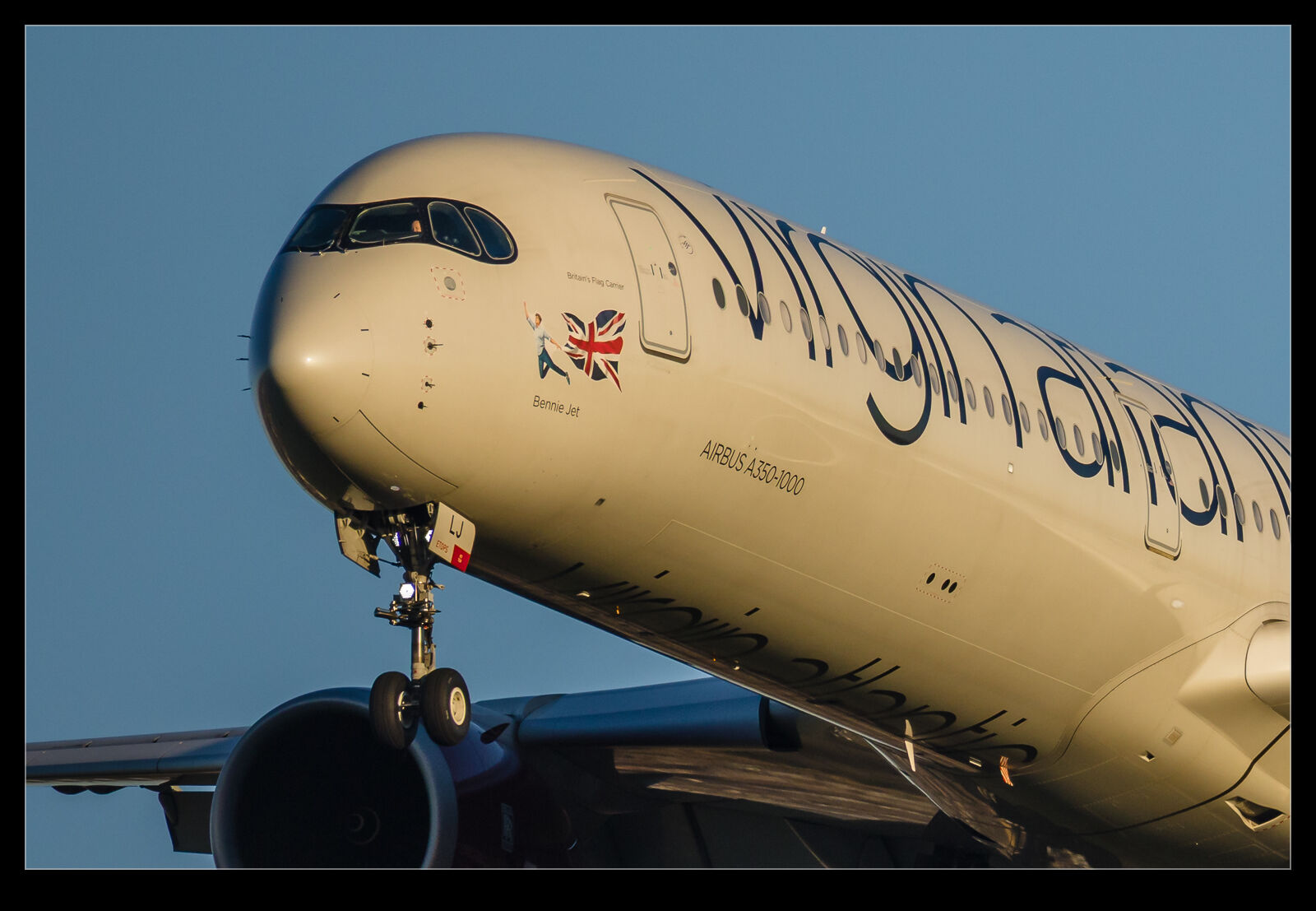
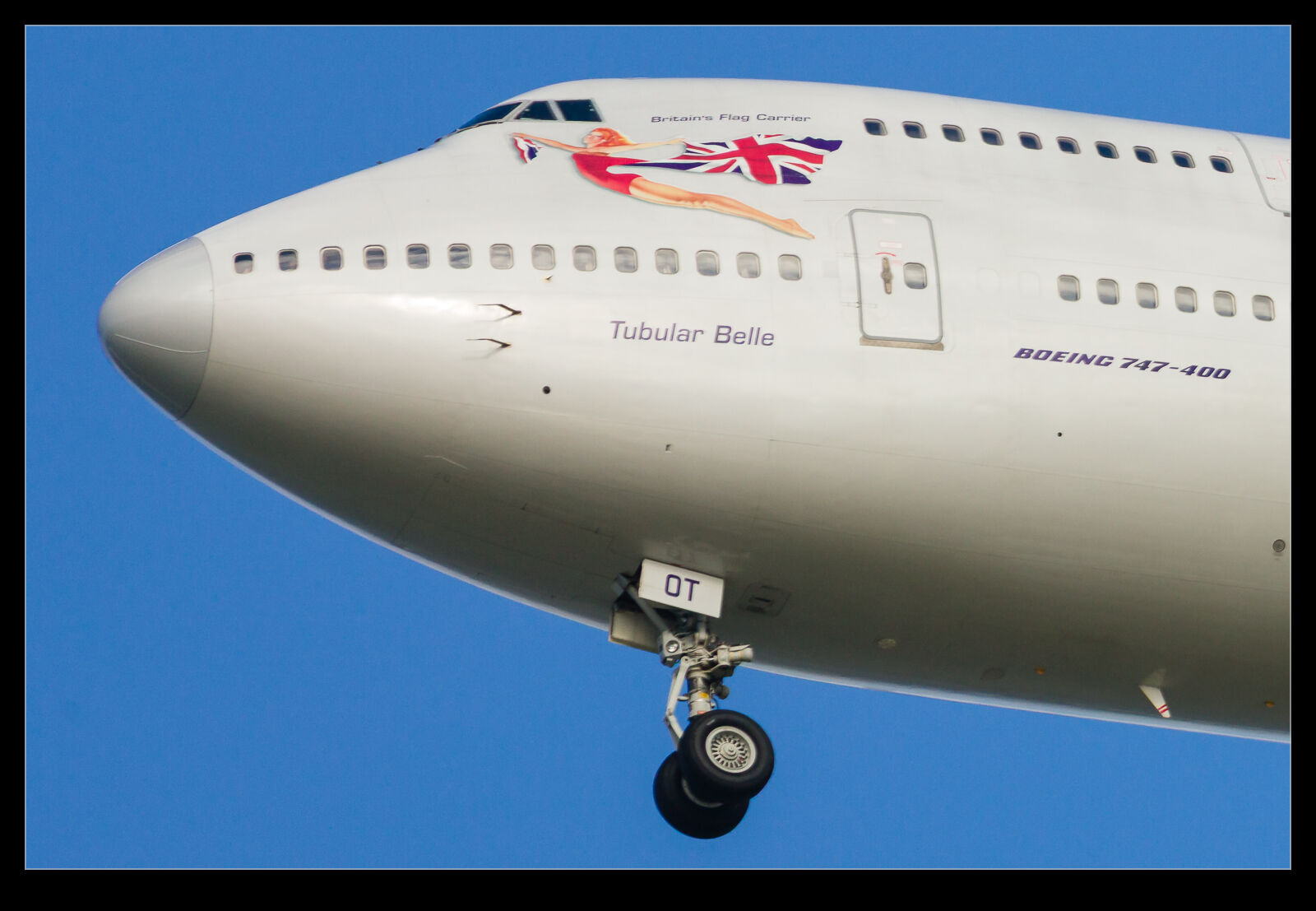
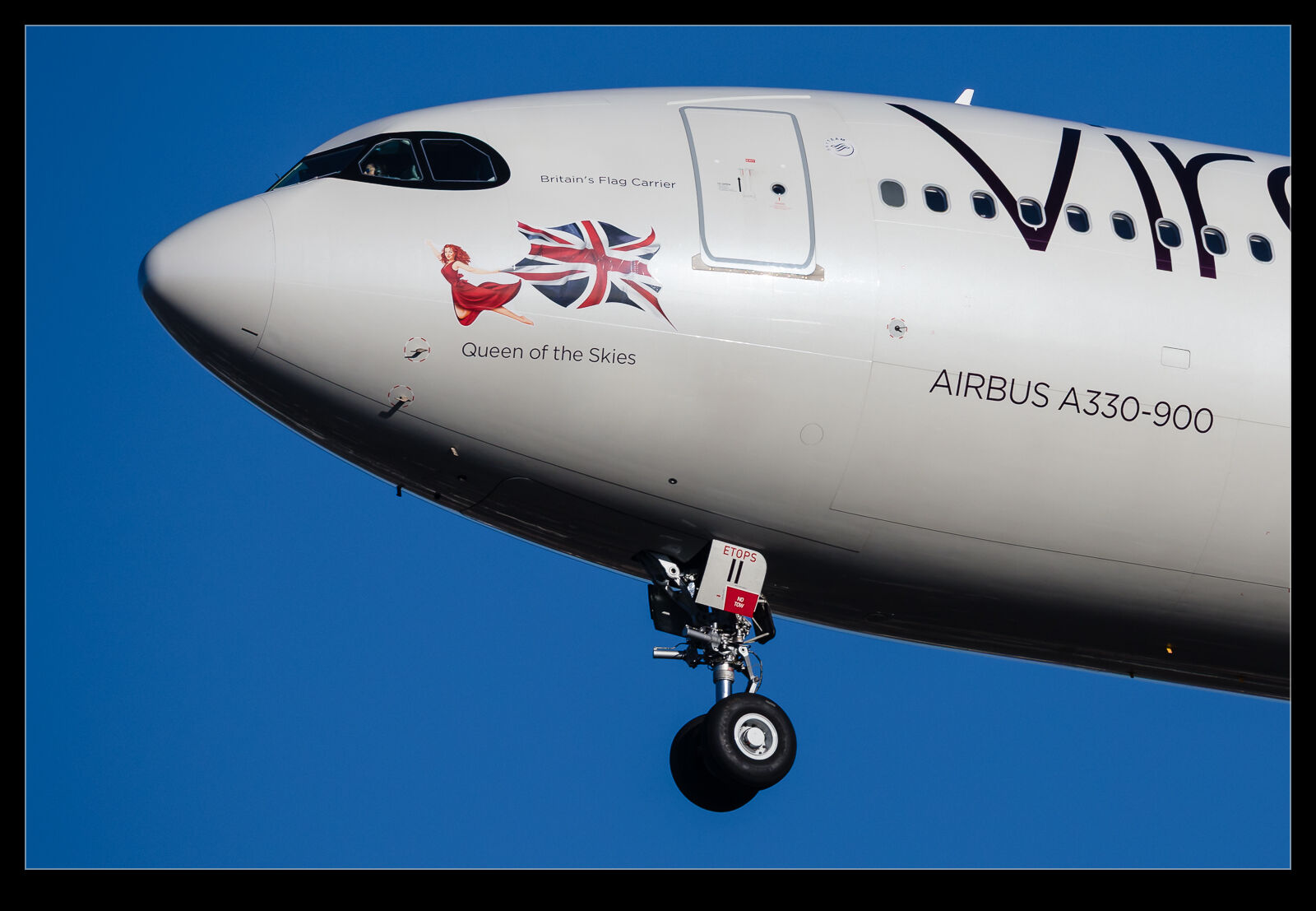
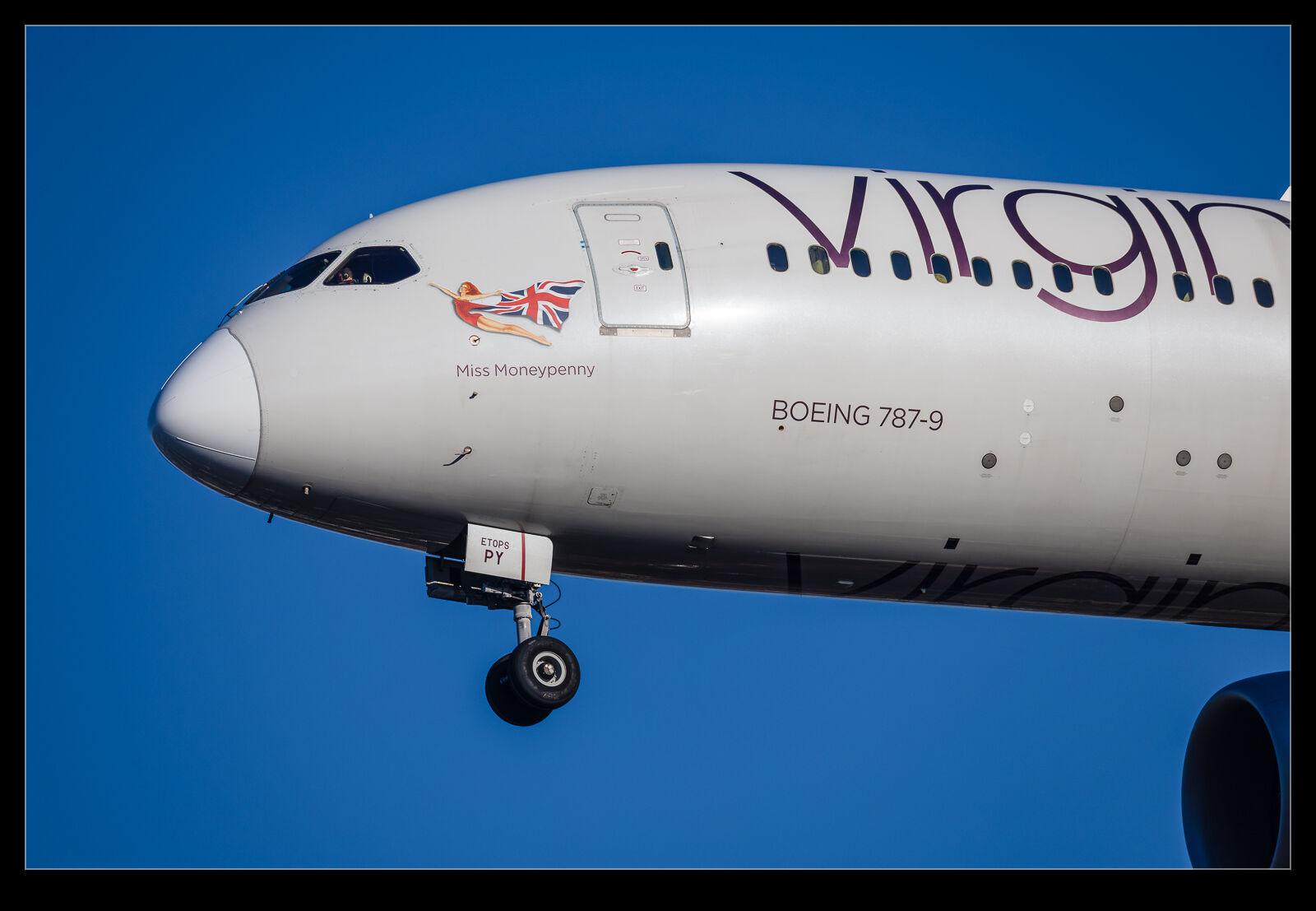
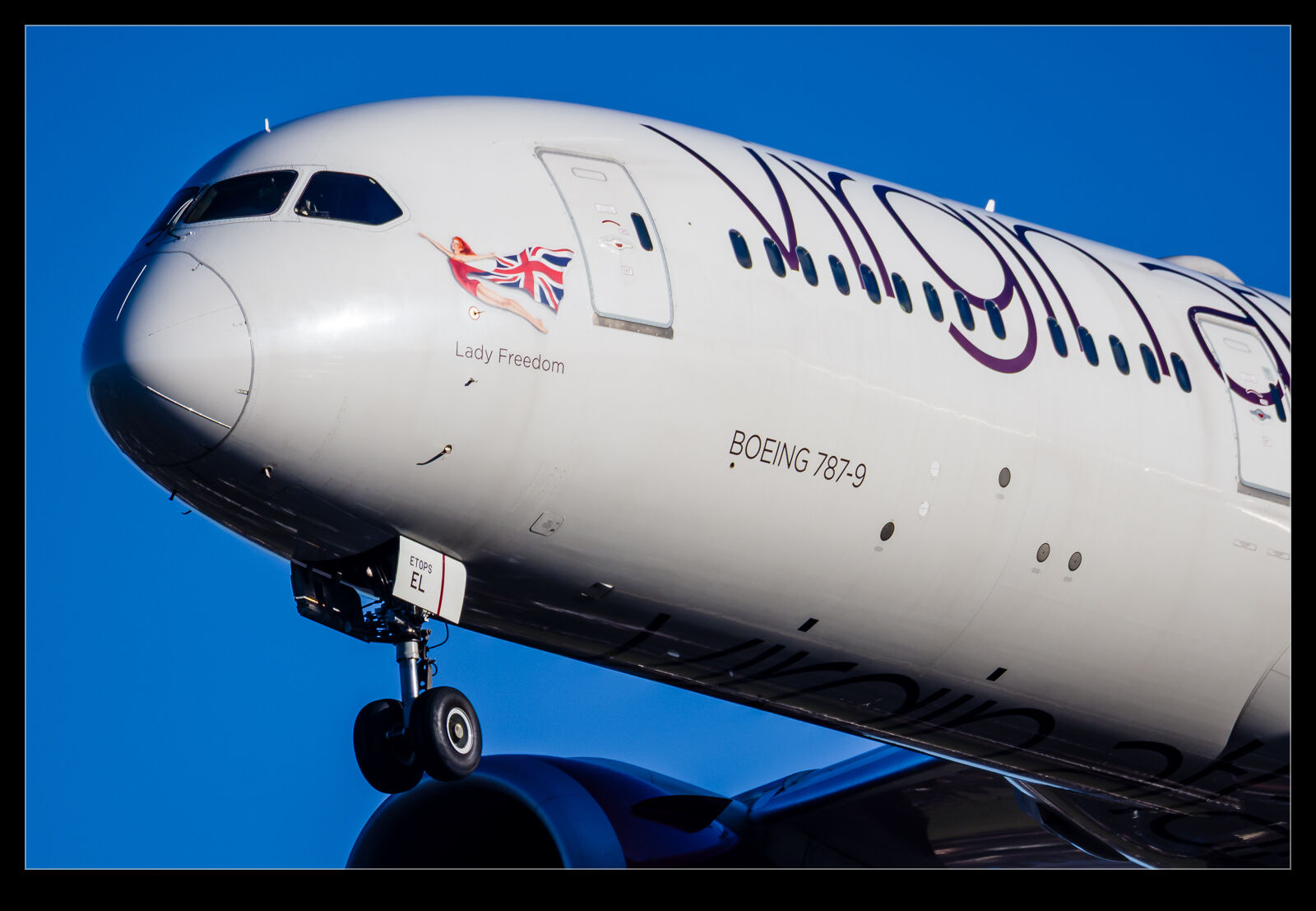
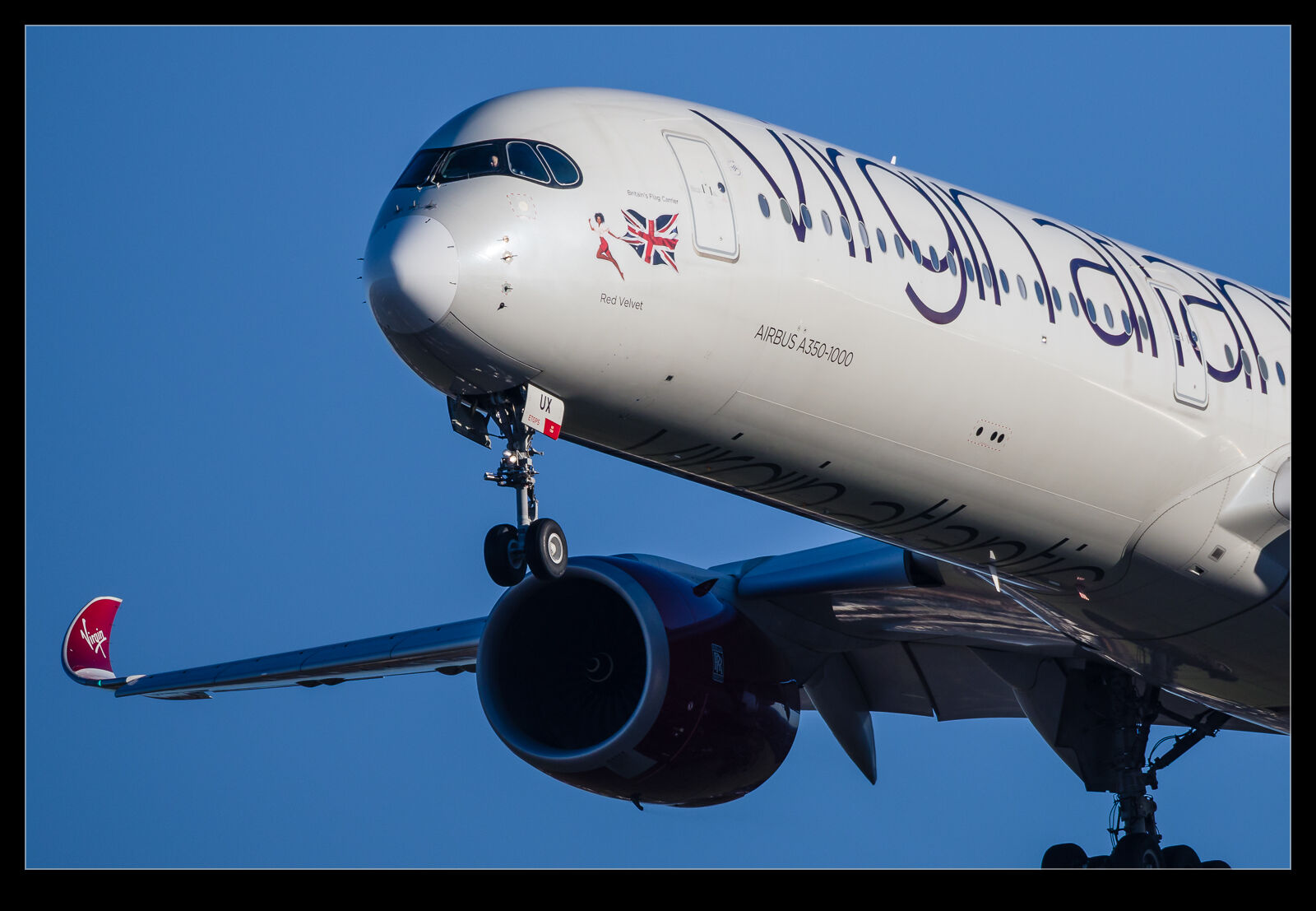
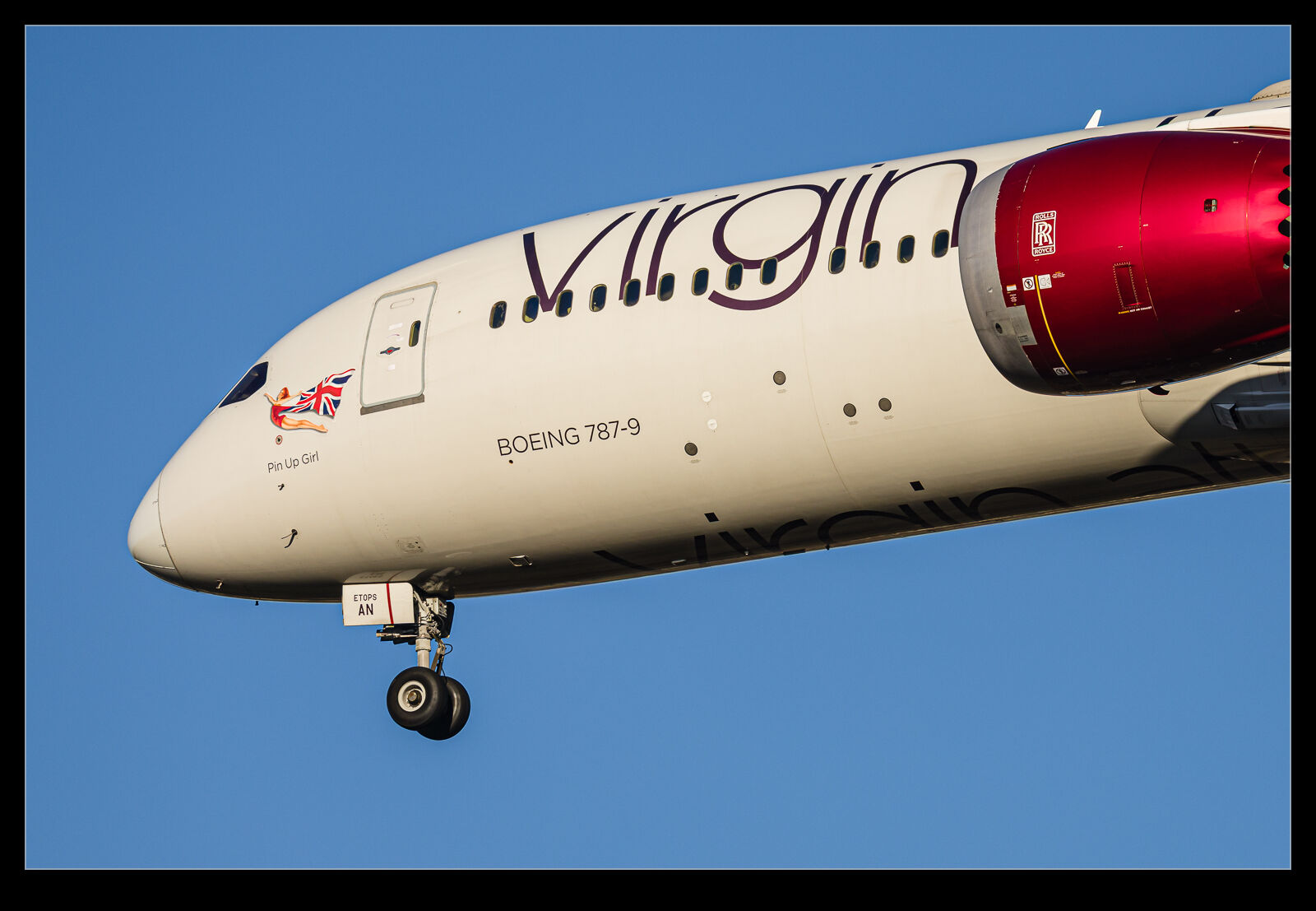
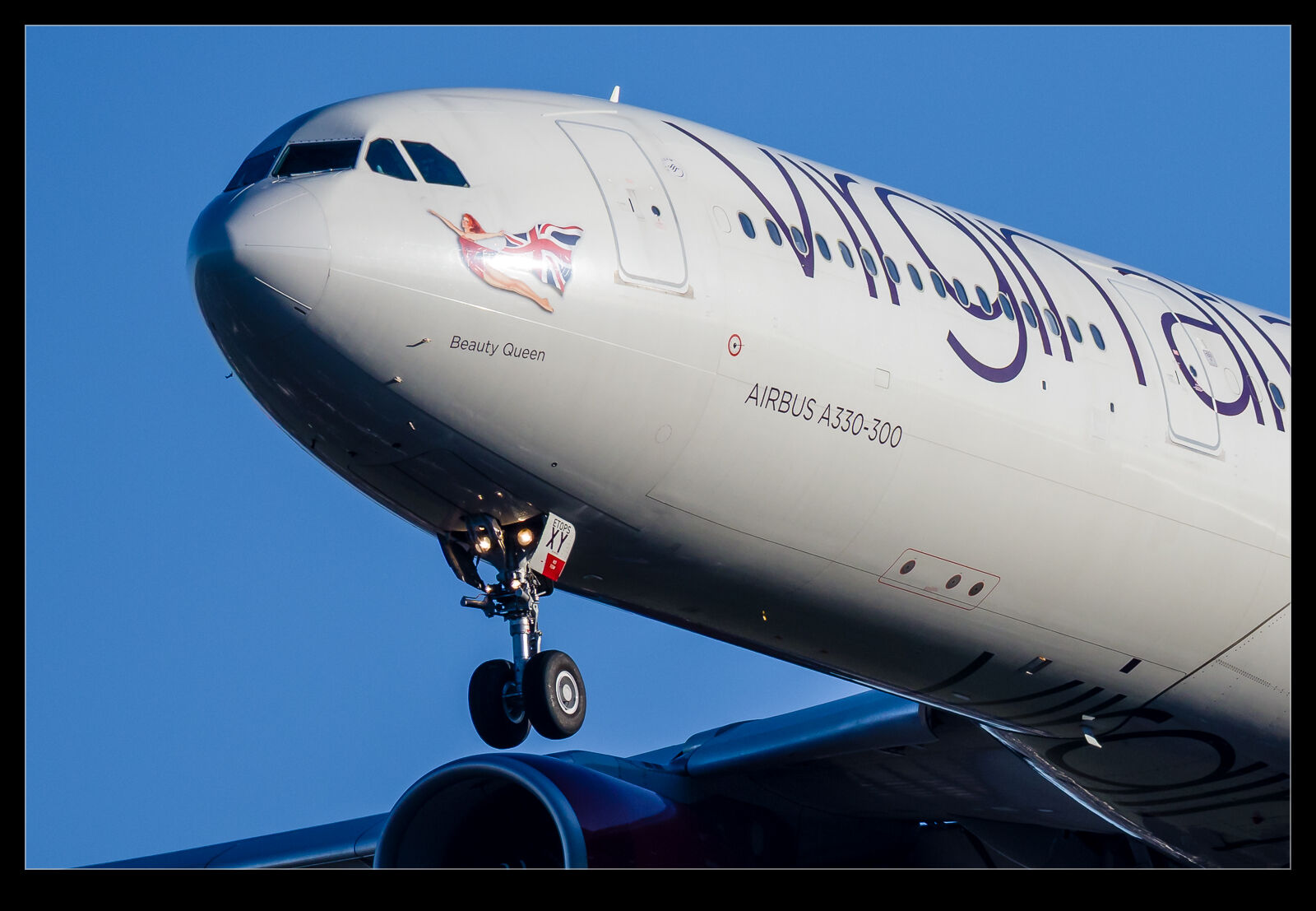
With it being Heathrow, I was going to get a load of British Airways’ A320 family jets. I would probably have not normally cared about A319s, but it won’t be long before you don’t see those again. However, the unusual liveries/airlines that came in were of more interest. My first encounter with an Air India A350 or a Middle Eastern Airlines A321 was great. Other airlines/types I have seen before but maybe not photographed in such nice light. Here is a selection of images from a delightful lunchtime as planes flew by. I did try to stop taking pictures and just enjoy the planes for a while too.

Exploring the Sandringham (Sunderland)

The Solent Sky Museum is full of exhibits but there is one that will never be missed by any visitor and that is the Sandringham. This example started out as a Sunderland before being converted post war to a passenger configuration. It spent its time in Australia and New Zealand before it was bought by a famous actress, Maureen O’Hara, for her husband who flew it in the Caribbean. After his death. It was brought back to the UK for preservation.

It is a beast of a plane, and you can only imagine what it was like when it was operational. There was a time when a similar plane made its way to a new owner after spending some time on the water and then the slipway at Calshot when I was a kid. I remember seeing it from the ferry as we passed. It looked small from a distance but get close to one of these things and it is quite something. Even so, the interior has lots of space but does feel pretty enclosed. There are a series of cabins with seating inside. Some are lower in the hull while there is an upper area in the rear fuselage.

The furnishings are pretty plush so it might have been a comfortable ride but that avoids thinking about how much noise and vibration there might have been from the big radial engines mounted up on the wings. I wonder whether they were far enough away to not be hard to deal with. The cockpit is accessible, and it gives you a good view of those engines. They have also mounted a maintenance stand. Because the plane will usually be on water when maintenance is undertaken, the stand hangs from the wing around the engine to allow a technician to have access to work without getting wet!

The cockpit is not quite so luxurious. You don’t want the crew to be getting too comfortable, I guess. The conversion programme focused on the passenger space rather than that of the non-paying people. I wonder whether it was changed much from its wartime configuration. I had seen a Shorts Solent in Oakland at their museum, but it was outside and interior access wasn’t available at the time. This was a far more engaging experience. Quite a plane.

Sunny Autumnal Sunday at Daedalus

I suspect that, in a number of posts over the years, I have talked about being lucky with the way that things work out. In this case, I had gone out with the intention of photographing a sailing regatta. I got to the shore, and the conditions were gorgeous. However, they were too nice. Clear autumnal skies, cool temps but warm sun and no wind. That last bit will explain why it wasn’t ideal for sailing. I waited around for a while to see whether the wind would pick up but it soon became clear that, even if it did, things were not going to be dramatic out on the water.

This left me contemplating the next step. I had a couple of thoughts – one of which was to stop off at Lee on Solent. The airport there has a café and a viewing area next to the tower. Since I was going to be heading by and this also being the base for the local search and rescue helicopters, I thought I might get some AW139 flying in nice light.

When I got there, there was no sign of any helicopter activity. However, a sunny Sunday gets plenty of light aircraft movements. Also, sitting by the tower was a two seat Spitfire. Seemed like loitering might be in order. The Spit had the canopy open with a helmet sitting on the frame so maybe it would be heading out.

It didn’t take long for the pilot to come out and fire up. Of he taxied and I was feeling pretty optimistic. However, that was the last we saw of him. I guess the plane is hangared elsewhere on the field and that was the destination. Meanwhile plenty of other movements so I got plenty to watch. It was great seeing families with small kids watching the planes and the kids getting so excited by anything whether it was a Spitfire or a Piper Warrior. I’m glad I hung around and it more than made up for the lack of sailing.

Processing With Masks – A Video

Every once in a while, I post about some change I have made to my processing techniques for my images. I have posted in the past about how I have been using the masking tools in Lightroom to work on images – particularly those with poor lighting conditions where the background and the subject need significantly different edits.

I have recently tweaked my approach to improve it. This involves an extra step to try and get a better selection of the subject and the background. This also addresses some of the issues I find with Lightroom’s selection algorithms. Sometimes it picks things that just don’t make sense. Anyway, I did a full process of an image and recorded the whole thing with my explanation as to why I was doing what I was doing. It is not a short video so only for those with a serious interest. However, if you want to check it out, here it is.

American’s Retro 777 Catches the Sun

A friend of mine in Fort Worth had shared some images of the latest American Airlines plane to be painted in a special livery. This was a 777-300ER that was aiming to replicate their old paint scheme although it was grey rather than polished aluminium. It is a livery that seems to have divided opinion. I was kind of curious as to whether it would show up in the UK at some point and put a trace on the tail number in case it came to Heathrow.
I hadn’t anticipated that it would get a hit almost immediately. It was scheduled on the DFW to Heathrow run on Sunday. Add to that, the weather was looking great. The only downside is that they were due to be arriving on the north runway, and I had not ever shot there. However, I decided to give it a go. I went a bit early to find out if my plan for where to shoot would work. Parking was a bit of an adventure, but the location was a good one, so I waited and chatted to some guys from Gloucestershire that had turned up for the same reason.

I don’t think it is a great paint job. The red nose does have a bit of a Comic Relief feel about it and grey is fine in good light but will be dull on other days. Then again, I do complain about boring liveries, and this is something else. It also got me out and shooting on a day when otherwise I might not have done so glad it all worked out. I am also told this was its first commercial run post repaint so that is something I suppose!

Solent Sky Museum

I guess I knew that there was an aviation museum in Southampton because I had heard about it in some place or other, but I wasn’t really au fait with what was there. However, I did know that it had a Shorts Sandringham flying boat which was a conversion of the Sunderland. One wet afternoon, I decided to head down and see what it was like. This proved to be a very good choice because it was a far better museum than I had expected.

Located a short distance from the centre of the city, Solent Sky museum is actually three museums in one. Aside from the aviation collection, there is a museum of Hampshire policing and of the fire service. There is also a selection of exhibits of Southampton’s history during the Second World War. Plenty to take a look at if you are able to dedicate some time.

The Sandringham dominates the main hall, and it will get its own post in due course so, other than it appearing in a wide shot, I won’t include specific pictures of it here. It is not the only flying boat. There is also a Saunder Roe SR.A/1 which is a very unusual type to find. Things are pretty crammed in because the building isn’t massive, and the collection is extensive. Tucked under the Sandringham is a Sea Vixen – a favourite of mine). There is a single seat Gnat, a Spitfire – a plane with strong Southampton connections – and a Supermarine S6 which will also get its own post. There are some human powered aircraft and some weird and wonderful types along with some Saro Skeeters!

A unique aircraft is the Wight Quadroplane which was designed and built on the Isle of Wight, and which went through a few modifications before it ended up as a collection piece. Some other originals and replicas add to the collection along with engines. It is a great selection. I have also stuck in a couple of images of the non-aviation stuff. Outside is the fuselage of an old QinetiQ BAC1-11and I understand a TrIslander has been delivered but is not yet on display. I guess I’ll have to go back for that at some point. What a pleasant surprise on a dreary afternoon.

Brooklands Museum

One slightly overcast Saturday, I dragged Nancy along to a museum that I was keen to see. The Brooklands Museum is one I had been to a couple of times before we left the UK. I first went there in 1990 when it wasn’t actually open to the public. I was doing some research for an exhibit that were were putting together in the Department of Aeronautics on Barnes Wallis’s Swallow project. The archives at Brooklands had a lot of material that we could access. The next time I went, it was when I worked in London and we had a team meeting at the museum which then included the chance to have a look around.

A lot has changed since that time, and I wanted to see what it is currently like. The museum sits on the site of what started out as the Brooklands motor racing circuit and then became the Vickers Weybridge factory. The museum reflects this extensive history. The racing circuit had banked curves and, while much of the circuit is now built over, there is still some of the original banking in place behind where the museum is located. The banking does not look that steep either in pictures or even when looking at it from a distance. However, when I was there on the previous work trip, we were allowed out on the banking, and my work shoes couldn’t maintain any traction on the concrete. I just slipped back down when trying to walk up the slope. On this visit, they strongly discouraged any walking on the banking.
The museum has three core elements. The first is the racing history of Brooklands. The infield infrastructure is nicely maintained with old garages for the tenants along with the clubhouse and associated buildings. There are car exhibits as well as bicycle and motorbikes. Apparently, road racing of bicycles was illegal in the UK for many years so races on the track were the only option. Motorbike racing was an obvious option if you were a car racing circuit, so the collection of old motorbikes made sense.

The second element is the aerospace history. The factory was heavily involved in manufacturing aircraft in the Second World War with the Wellington being possibly the most famous product. The site then moved into airliner production post war with the Viscount, Vanguard and VC-10 being well represented. Weybridge was also central to the development of Concorde and one of the pre-production jets is also on show. There are also Hawker jets on display, and I have covered them separately in other posts. There are also some test facilities that are rather unusual including the stratospheric chamber which will get its own coverage in due course.

The third part of the museum is a collection of buses belonging to the London Bus Museum. This is included in the admission, and I was not even aware of it before we got there. Aside from plenty of buses, there are lots of exhibits about the supporting elements of bus operation from years gone by. It was a pretty interesting collection, and I was surprised how much time I ended up spending in there.

The museum proved to be a really interesting day out and I think Nancy, while maybe not quite as enthusiastic as me, also found it reasonably worthwhile. The collection has expanded significantly since I was last there and it is able to provide a full day out if you want to check it out. Here is a selection of images from the day. It won’t surprise some that know me to find out that there are way more images from the day than I have included here!