Looking Down on DC

I had to make a quick trip across the country to D.C. recently.  It was only a brief visit so I didn’t travel with any camera other than my phone.  I originally thought the flight back was very early in the morning but it turned out I was mistaken and we took off once the sun had come up.  We departed to the north from National which takes you towards all of the most famous views of the National Mall.

The flight path involves a turn away from the good view so you are fighting the appearance of the engine and the wing when trying to get a shot (and that doesn’t take account of the battle you have with the high quality windows of your average airliner.  It is the best view you get of the area though so well worth a go.  Shooting in RAW also helps to fix some of the issues you can get with a phone when the shooting opportunity is fleeting.

Korean A330 Aiming for the Keys

C59F9253.jpgAfter watching a few aircraft making their approaches, you get a feel for how high the jets will be at a given point.  Any variation from this seems pretty different, even if it is not really that large.  A Korean Air A330 made its approach and it seemed noticeably lower to me.  There was a displaced threshold in operation so maybe they were aiming a bit closer to the piano keys than normal.  They didn’t do anything untoward but it did catch my attention.

C59F9242.jpg

The Raccoon Family Outing

As a Brit living in the USA, there are certain animals that, when you see them, seem most unusual because you don’t have them on the other side of the pond.  Some of these are large creatures which people who grew up here are still fascinated by like bison.  Others, though, are not so interesting to the natives.  Raccoons seem to fit that bill.  They are more of a pest to most people.  To me, they are more exotic.  As we were walking through Golden Gate Park, we came upon a family of raccoons alongside the trail.  They seemed totally uninterested in the people walking by and more bothered about feeding.  However, the click of the shutter was obviously enough to get their attention as they all perked up and stopped what they were doing when I took some shots.  This didn’t last long, though, and they were quickly back to eating.

Skywest’s Own CRJs

Skywest provides feeder services for a number of airlines around the country.  They do also operate under their own name for some routes though so you do occasionally come across their aircraft in their own colors rather than those of their customer airline.  I have shot a number of the aircraft over the years and here are some of them.  The interesting thing is that they rarely seem to be in the same colors.  I don’t know whether this is because they have changed their colors a number of times or because they are leftovers from schemes they wore in other uses or from previous operators.  Whatever the reason, there has been some variety.

I’m not sure what the long term prognosis is for the CRJs with Skywest.  These jets are rapidly disappearing from service with various operators as larger jets with more seats are more affordable to operate.  Skywest may have plans for them or may operate them on services that can justify the cost or maybe they will all disappear quickly and we will barely notice that they have gone.

Creating Lens Profiles for Adobe Software

UPDATE:  It turns out, the upload process for the profile sends to an address that doesn’t work.  While I try to fix this, if you want the profiles to use, you can download them by clicking here.

Within Adobe processing software, there is lens correction functionality built in to the Lightroom Develop module (or Adobe Camera Raw in Photoshop) that compensates for distortion and vignetting in the lens the image was taken with.  Adobe has created a large number of lens profiles but they never created one for the Canon 500mm in its initial version.  Adobe also has an online tool for sharing profiles but this does not include one for this lens either.  The 600mm had a profile and it was supposedly close so I had been using that for a while.  Recently, though, I was shooting with the 1.4x teleconverter fitted and this introduced some new effects which required some manual tweaking to offset.

I still wasn’t happy with the result so I decided it was time to bite the bullet and create some profiles from scratch.  Adobe has a tool for creating a lens profile.  It involves printing out some grid targets which you then shoot a number of times to cover the whole of the frame.  It then calculates the profile.  I was shooting at both 500mm and 700mm so I needed a few targets.  To make a complete profile it is a good idea to shoot at a variety of focusing distances and with a range of apertures.  The tool comes with many targets.  Some I could print at home but some of the larger ones I got printed at FedEx and mounted on foam core to make them more rigid.  Then it was time to shoot a bunch of very boring shots.

The software is not the most intuitive I have ever worked with but it eventually was clear what I had to do.  (Why do some manual writers seem like they have never used the process they are writing about?)  I found out how to run the analysis for different charts and distances separately and append the data to the profile as I go.  I did need to quit the program periodically because it would run out of memory which seems like an odd bug these days.  After much processing and some dropped frames as a result of poor shooting on my part (even on the tripod I got some blur occasionally with very slow shutter speeds) it got a profile out.  The proof of the pudding is in the eating of course (that is what the actual phrase is for those of you that never get past the pudding part) so I tried the profile out on some recent shots.  It works!  I was rather delighted.  I may shoot a few more samples in good conditions to finish things off but this was a rather happy outcome.  Once I have tweaked the profiles sufficiently, I shall upload them to Adobe and anyone can use them.

Welcome Back from Hawaii

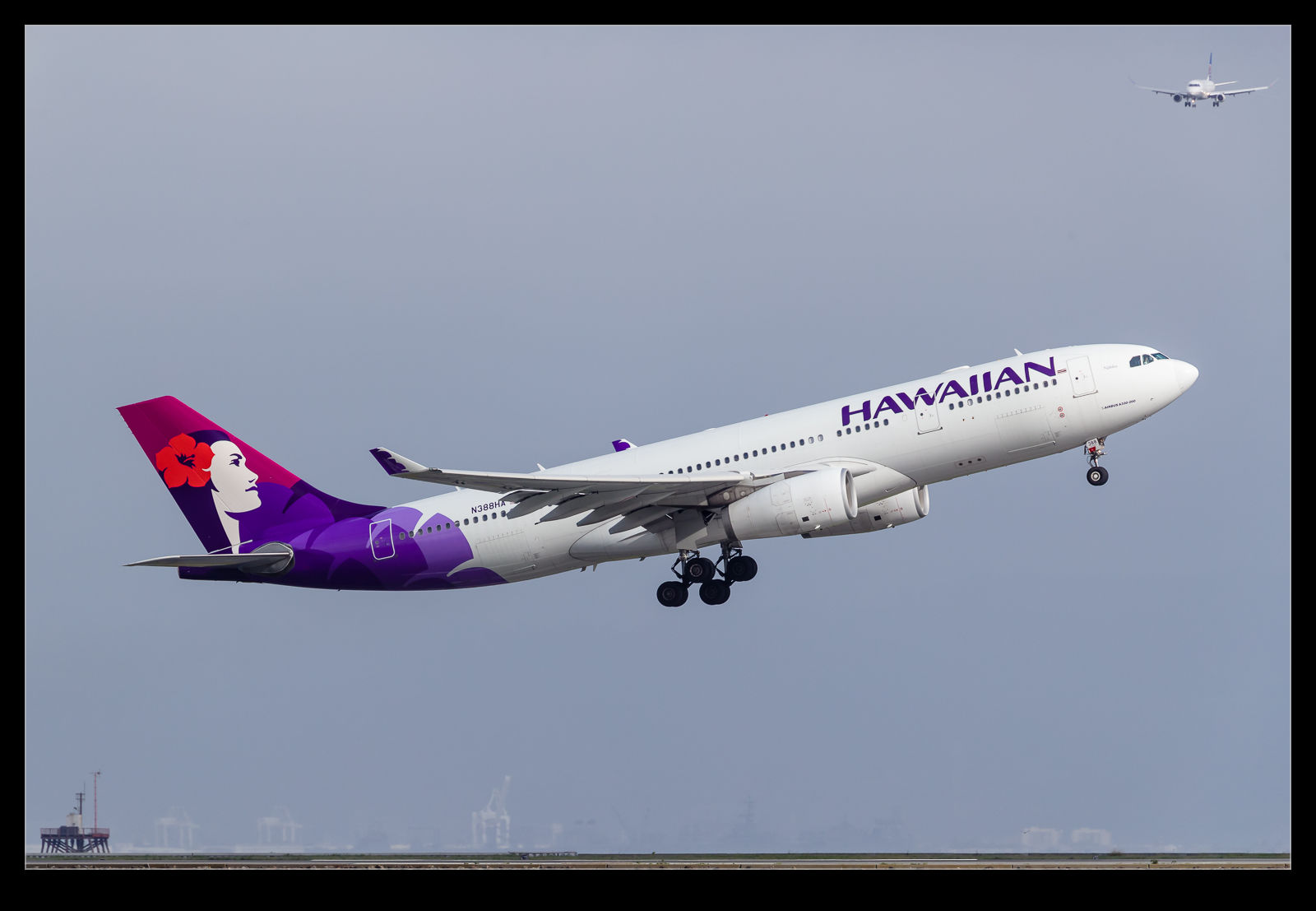
B11I1611.jpgHawaiian Airlines are a regular feature of the Northern California aviation scene.  Whether it is SFO or OAK, their jets are a regular feature.  I was awaiting a movement coming in to Oakland when a Hawaiian A330 came over the top.  Initially I wondered where it was going but it turns out that it was making a wide turn back in to Oakland.  A short while later it showed up again on the approach.  Annoyingly, it had passed the moon as it went over the top but I was too slow to catch it.

B11I1555.jpg

Evening Over the North of the Bay

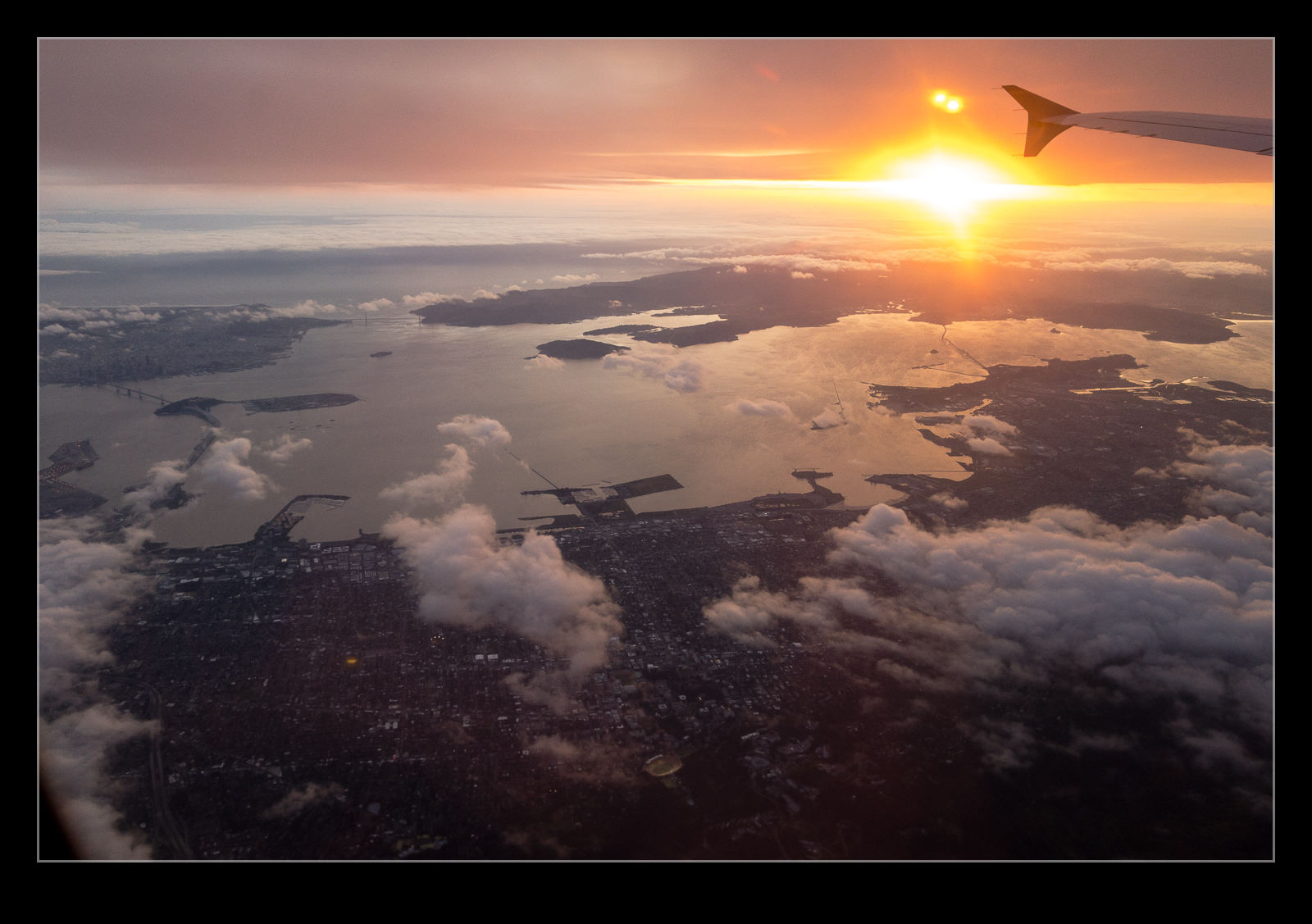
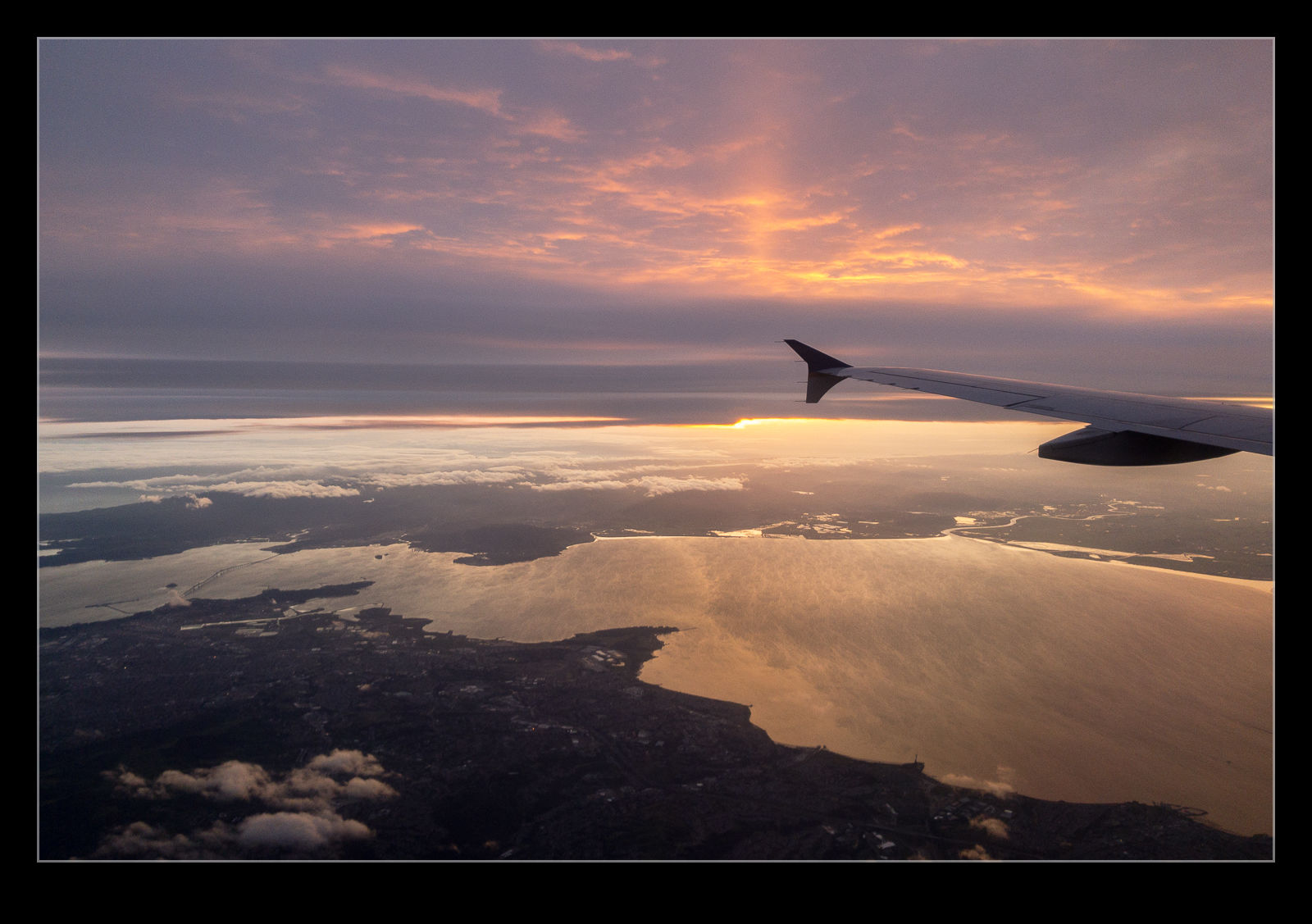
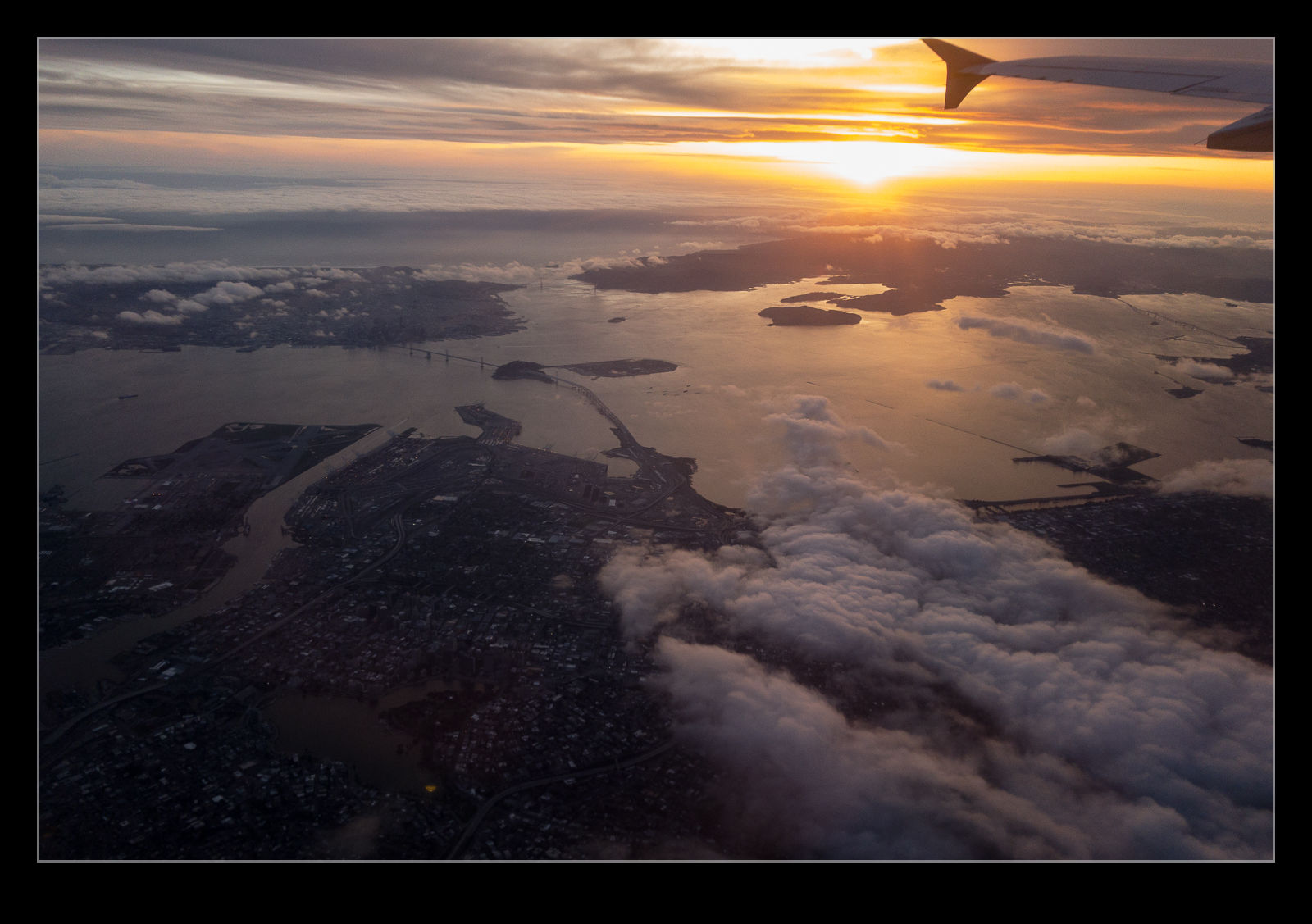
These shots come from a little while back.  When you are doing an air to air session, there is a fair bit of spare time.  Unless you head out and back in formation, you have the transit time to yourself sitting in e back of the camera ship.  You can stare out of the open door and see what is drifting by.  We were heading back to Sonoma and so I got a great view towards the north end of the bay.  The light was dropping down as evening came in so the hills and the marshes looked really pretty.

The Unusual Oakland Approach

Over the last few years I have flown in and out of Oakland more times than I can recall.  It has been my transit point for the majority of my travels.  A recent return brought me a new experience there though.  The airport is in two halves.  There is a main runway alongside the bay which is used by the airliners and is often the departure runway for the bizjets.  Then there are two further runways that are over near the old airport infrastructure.  These are used by light aircraft and for the arrival of bizjets.  (There is another intersecting runway but that doesn’t factor in this story.)

The normal approach brings you across the shoreline and over the water on the approach.  The other runways are on a different alignment and the approach comes over the local towns. I was looking out of the window and filming a hyperlapse.  I was a bit confused as I was seeing bits of San Leandro that I don’t normally see and we didn’t pass Hayward Airport.  We continued to descend over land and it was pretty clear we were not heading for the normal runway.  Sure enough we touched down on the old part of the airport prior to taxiing back and all the way across through the freight area back to the terminal.  I watched jets depart from the runway we had just landed on as well as from the normal runway so I have no idea what was going on.  I doubt I will experience this again anytime soon.

A Quick Walk Around the Museum

After Hobbo had finished his talk and was setting up for autographs, I took a quick wander around the main floor of the museum.  Some exhibits were gone to make space for the presentation but there were still plenty of cars on show.  Things have been rearranged since my previous visit which I wrote about here.  I knew that time was tight for me and I would need to go but I did get a few shots of some of the cars before calling time and heading home.

Anyone Order Some Engines?

Modern engines last a long time on the wing of an airliner but they do need to be changed.  Older engines tend to need to be changed more often.  Allegiant fly a bunch of MD-80s as part of their fleet and they use the older Pratt and Whitney JT-8D engines.  I guess one of the planes was due for a change because, while I was at McCarran, this truck showed up on the ramp with a couple of engines on the trailer.  I can’t say whether these were fresh engines about to be fitted or the ones that had come off due for overhaul but, judging by the direction he was heading, I am going to say that these were being delivered.