Category Archives: Bay Area

Cars and Coffee

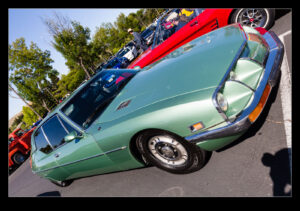
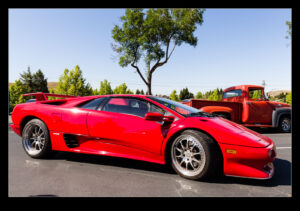
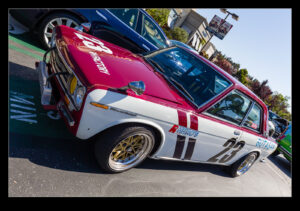
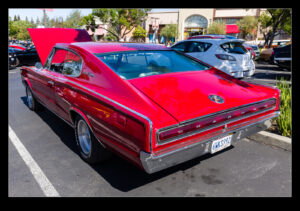
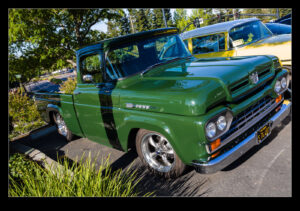
C59F3781.jpgWhile hanging out at Livermore Airport to see the Collings Foundation, I ended up in conversation with another photographer and we started talking about cars as you do. We got onto the topic of the Blackhawk Automotive Museum and he asked if I had been to Cars and Coffee. I knew nothing about it so he explained a little. I was intrigued and decided I needed to go.
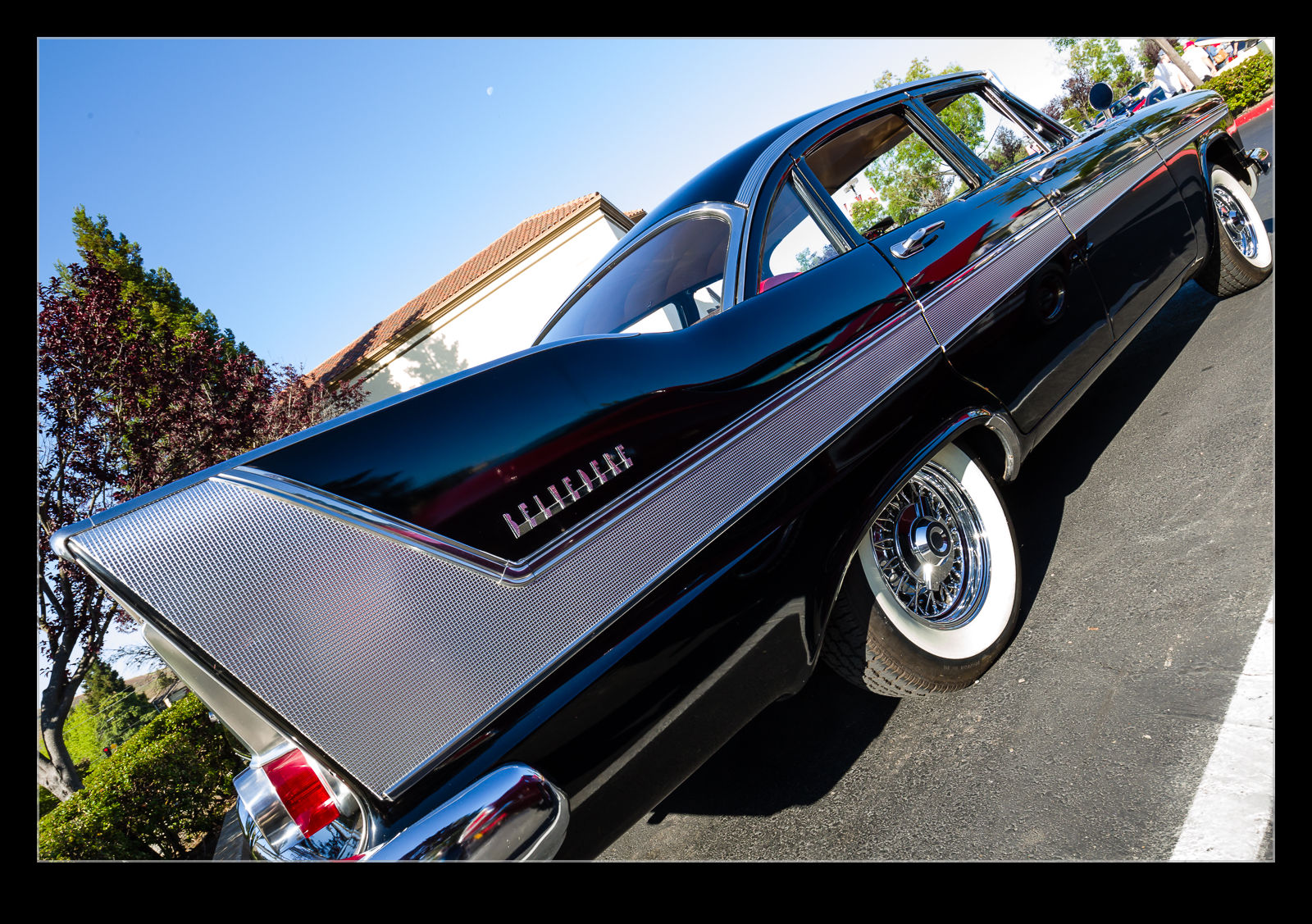
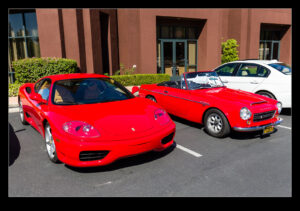
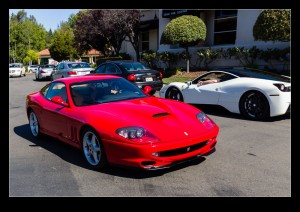
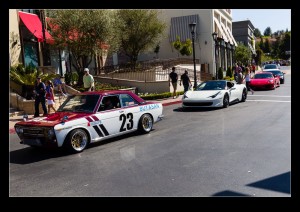
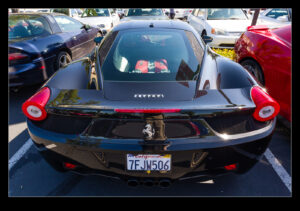
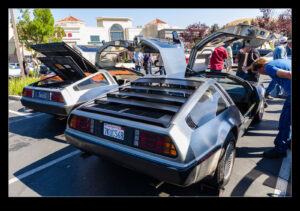
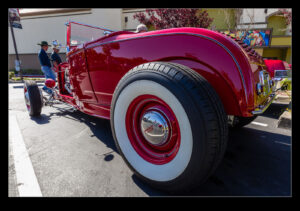
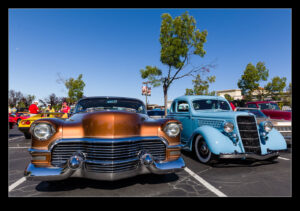
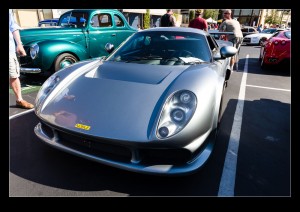
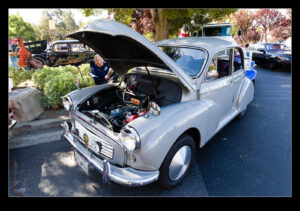
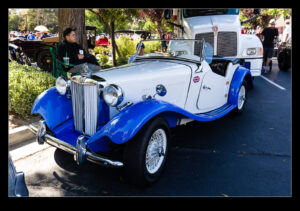
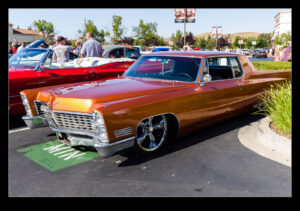
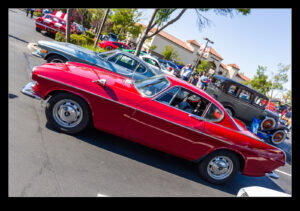
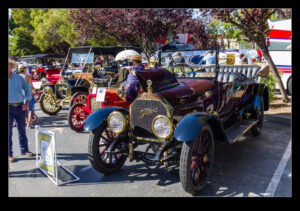
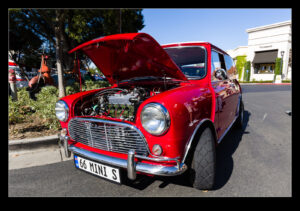
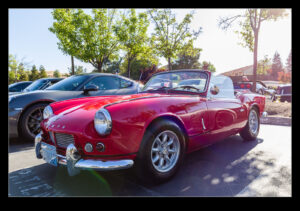
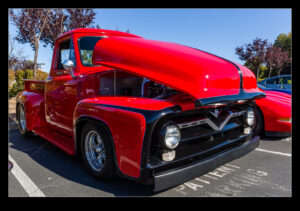
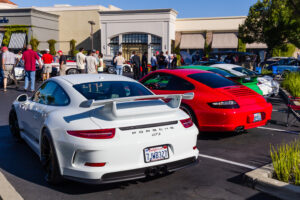
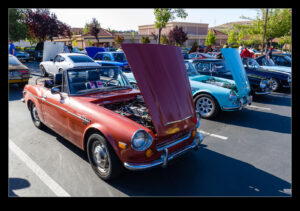
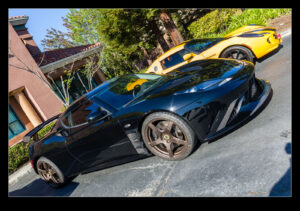
C59F3772.jpgOn the first Sunday of every month from 8am until 10am, the parking lot of the museum is a gathering spot for owners of cool cars and those who want to see cool cars. It is a case of whatever turns up so you never know what you will see. I got there a little after 8 and realized my error immediately. I did get a parking space but only by being on the opposite side of the lot. There were tons of cars there and plenty of interesting looking motors were just mixed in with the rest of the spectator cars.
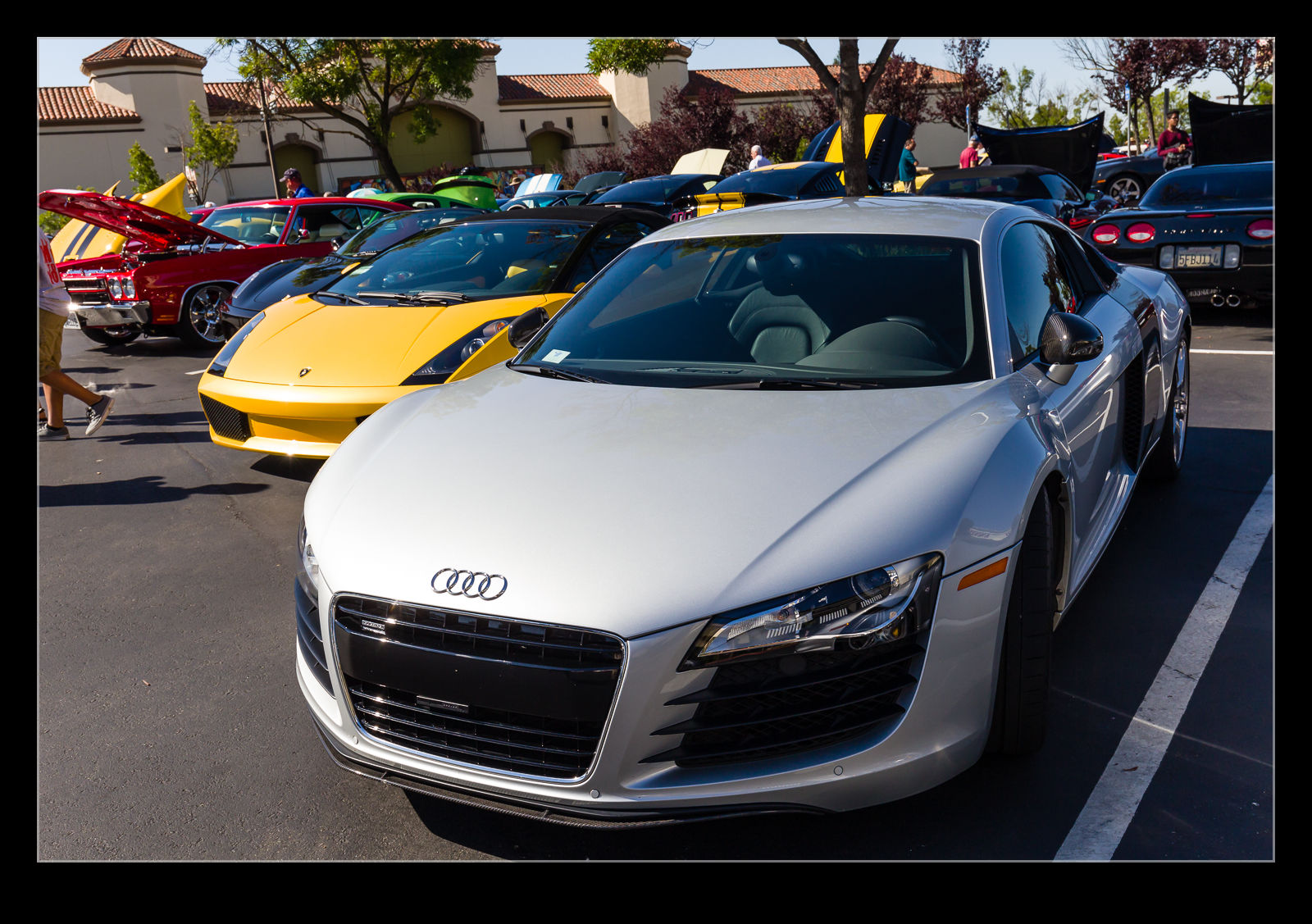
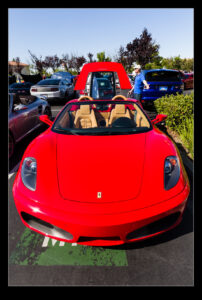
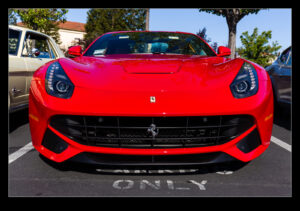
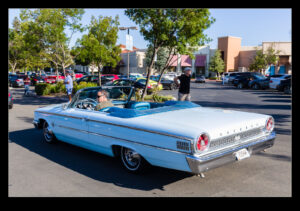
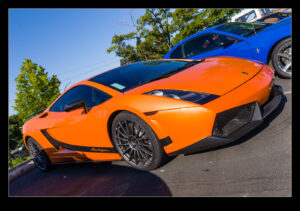
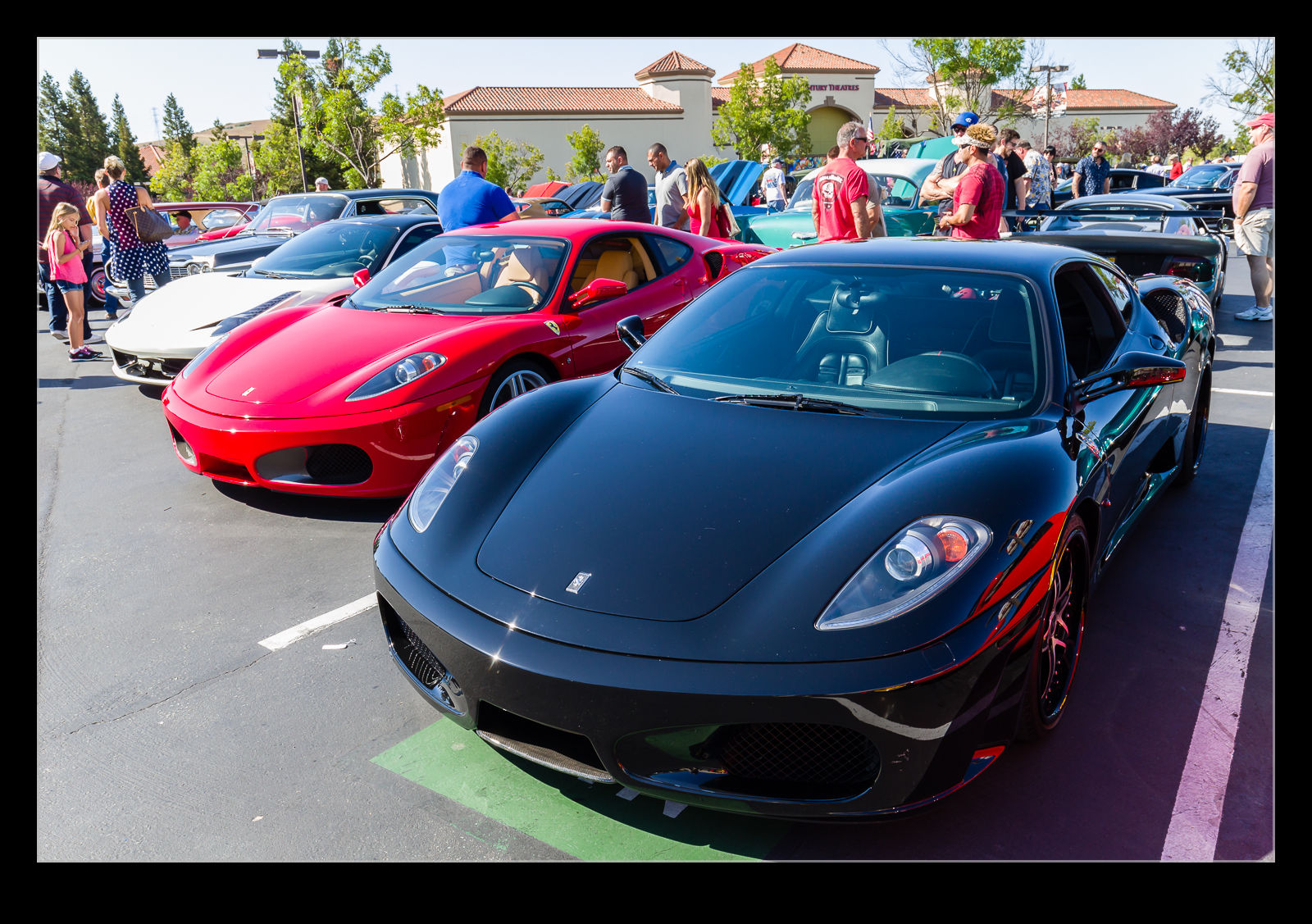
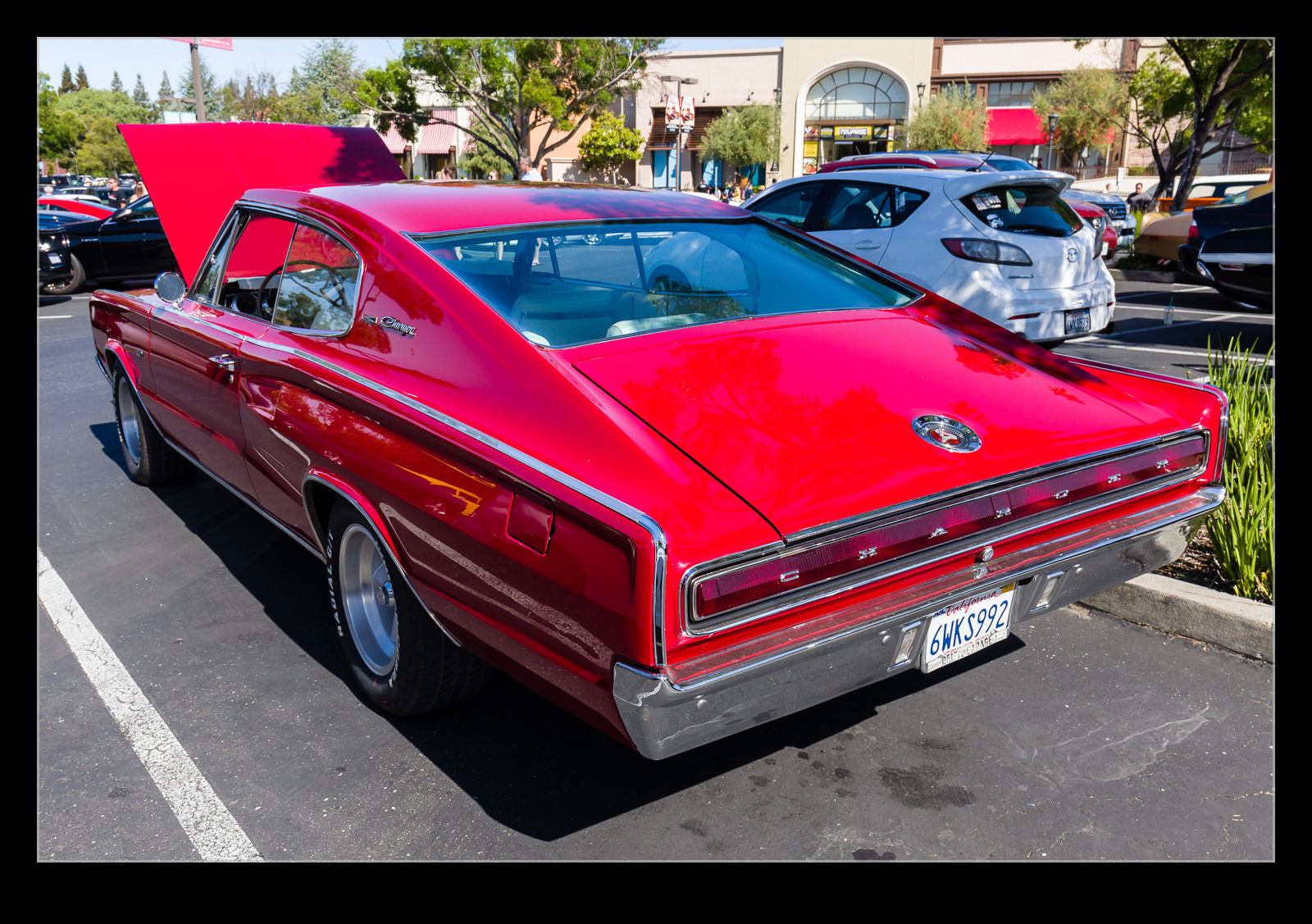
C59F3879.jpgI decided to head to the core of things to see what was around before starting to work my way back in the general direction of my car. This ended up working well. The mixture of cars was outstanding. There were more cars than you can probably imagine and the variety and quality was incredible. Some exotic machines from the latest product ranges were in with vintage cars that head been beautifully restored. If you have a ‘Vette, Mustang or Camaro, you were given space but we’re on the edge of things because of the more exotic types thrown in there.   If you wanted to see a Ferrari, for example, you were going to be spoilt for choice. They were everywhere!
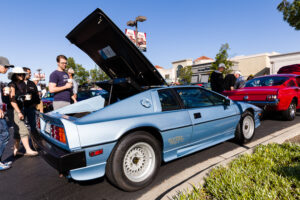
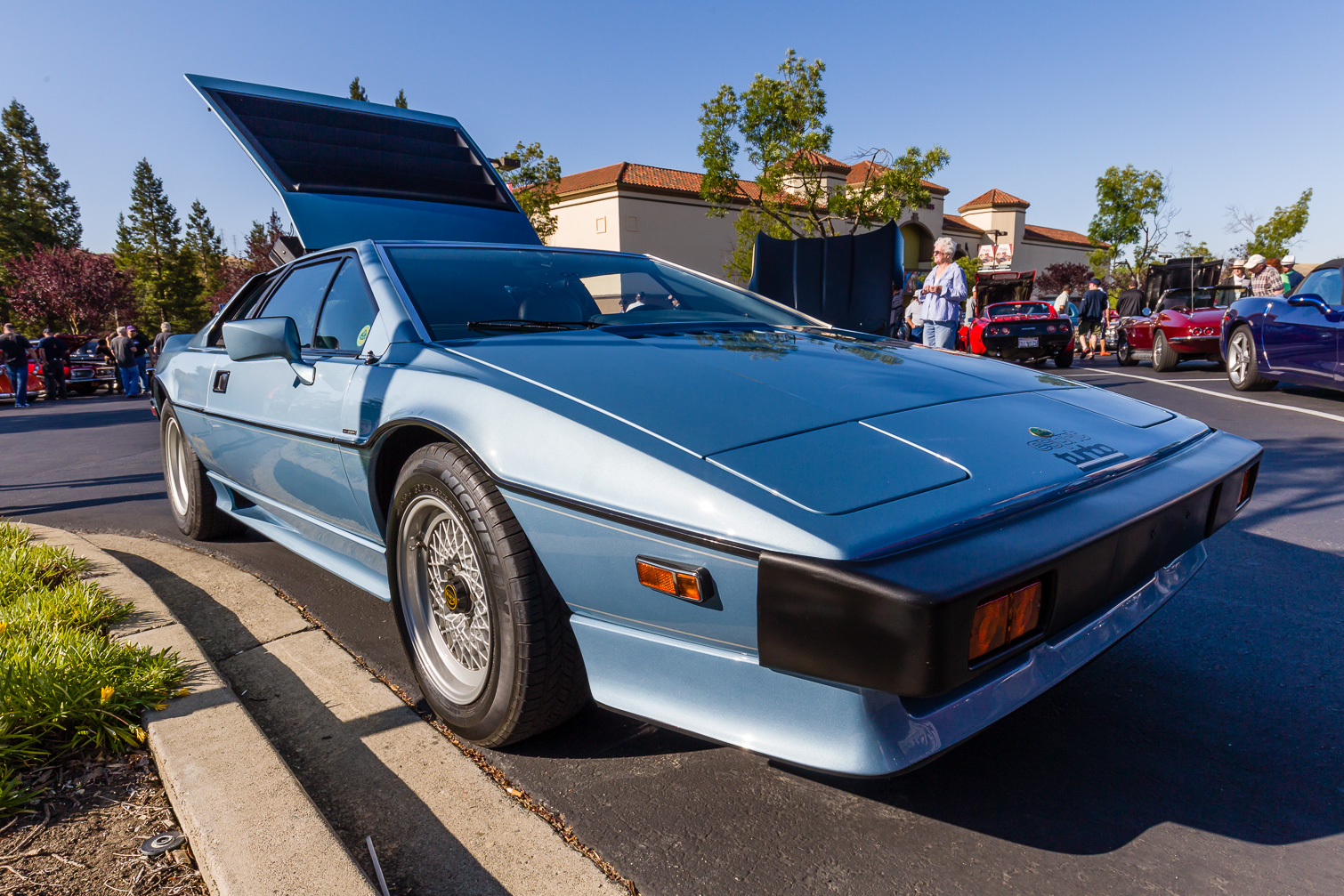
C59F3864.jpgI was happy to see some Lotus models too. The more modern ones were nice but I was particularly happy to come across an old Esprit Turbo SE. This was a dream car for me when I was a teenager. Seeing one in such great condition was great. As with these type of gatherings, there was nothing between you and the cars and often the owner was around to show you their pride and joy. There were a few special things to add about the event so there will be a few other posts on specific things I saw coming up. Stay tuned!
C59F3906.jpg

PC-12 Frenzy

C59F2359.jpgNearly twenty years ago, I made a trip to Switzerland to visit the factory of the Pilatus aircraft company. We were working on their PC-9 turboprop trainer that we had supplied to an export customer. While we were walking through the factory, the fuselages of some early PC-12 utility turboprops were in the jigs. At the time I remember thinking that it was a big investment for a relatively small company and wondering how well the project would go.

C59F2550.jpgCome forward to the present day and the foresight of the management team has been rewarded with an excellent sales record. The original PC-12 sold well and the NG version continued that story. They are currently going through another upgrade cycle. The combination of rugged utility, flexible interior configurations and turboprop efficiency has made the PC-12 a popular aircraft around the world. Strangely, it has been less successful in Europe where single engine IFR ops are more heavily regulated.

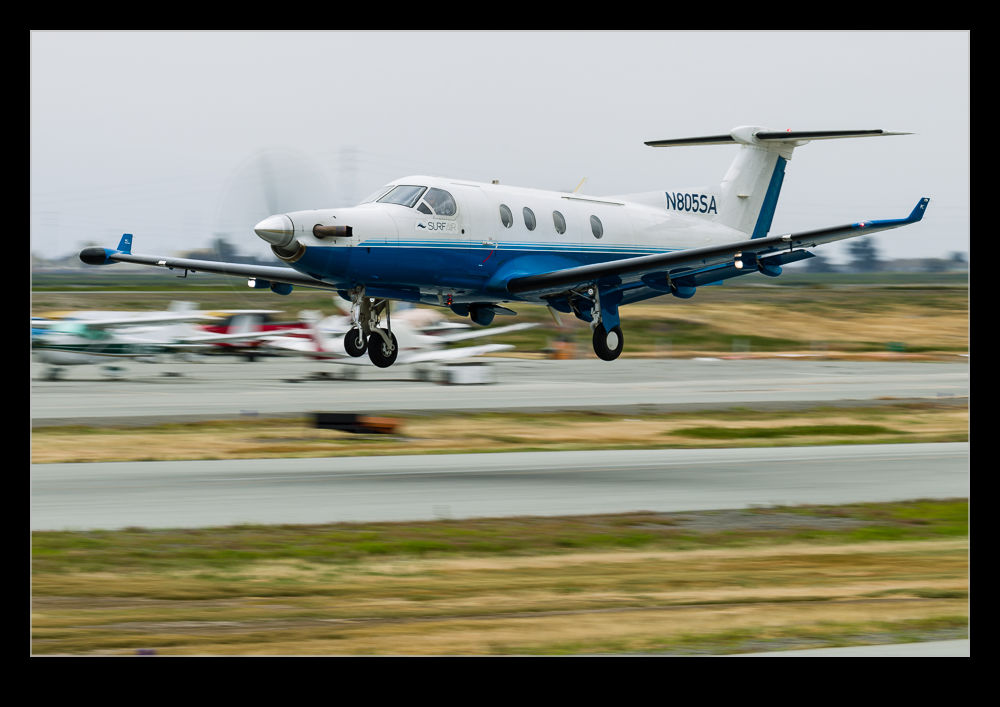
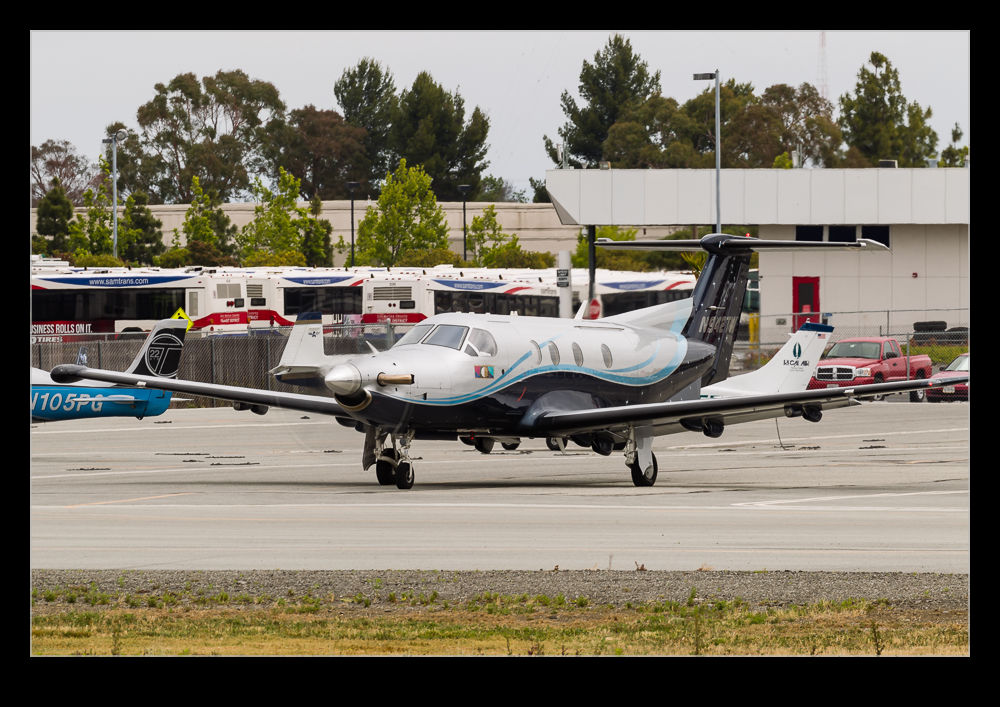
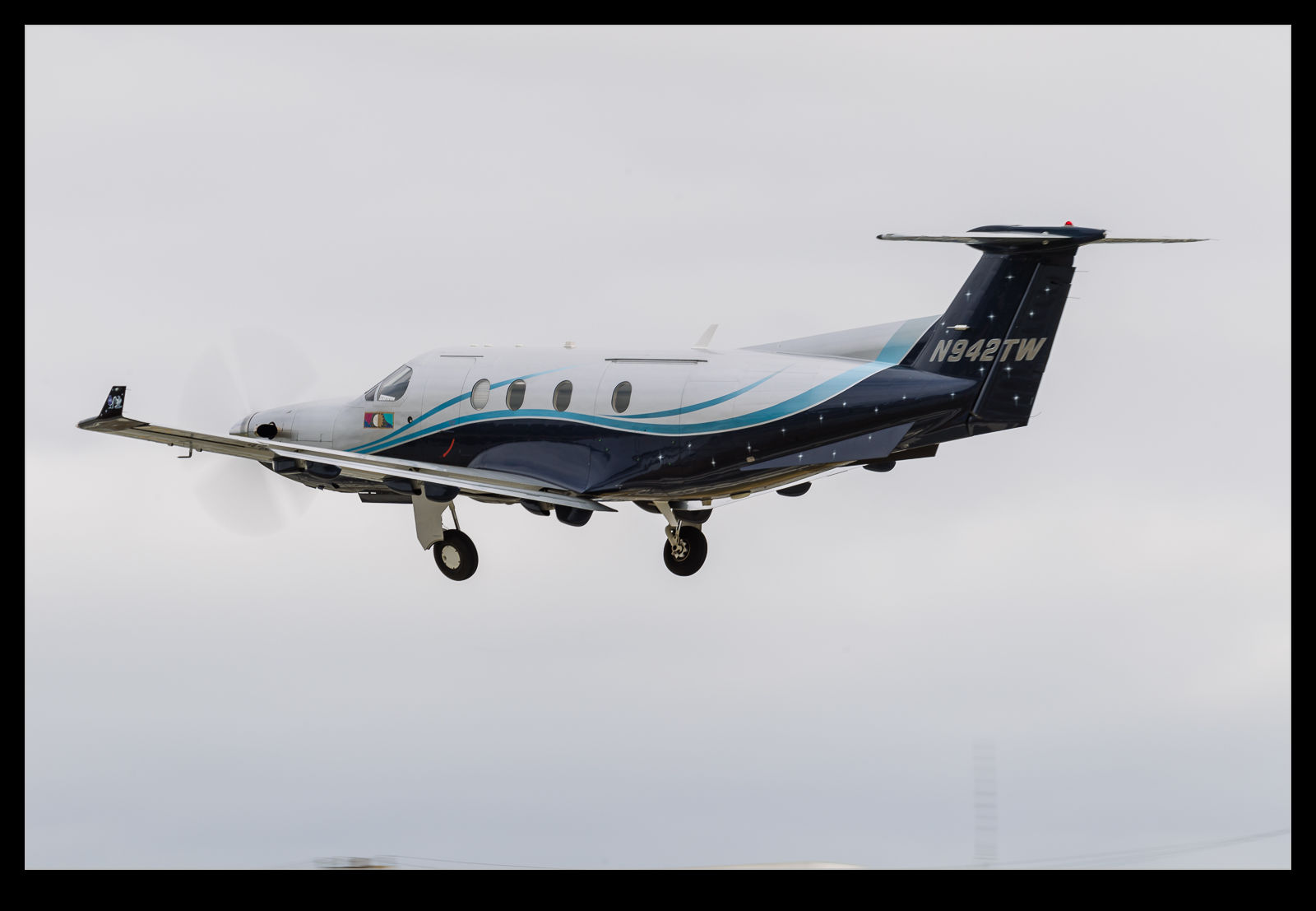
C59F2682.jpgIt is not unusual to see a PC-12 at an airport in the U.S. However, San Carlos proved to be slightly more PC-12 heavy than the average. A small airline called Surfair operates from there with a fleet of the Pilatus plane operating to a variety of destinations in California. While we were there, they had a number of movements (plus one that wasn’t a Surfair aircraft). This meant I could get a lot more PC-12 shots for the library and they aren’t all painted the same colors which is a benefit (although some aren’t painted anything other than white!). I could also take some chances with shutter speed to see what I could get. The PC-12 is not a plane you would call pretty but it is a very practical design and one I am always pleased to see. It takes me back to the hangars in the Swiss Alps a long time ago.

EAA Trimotor at San Carlos

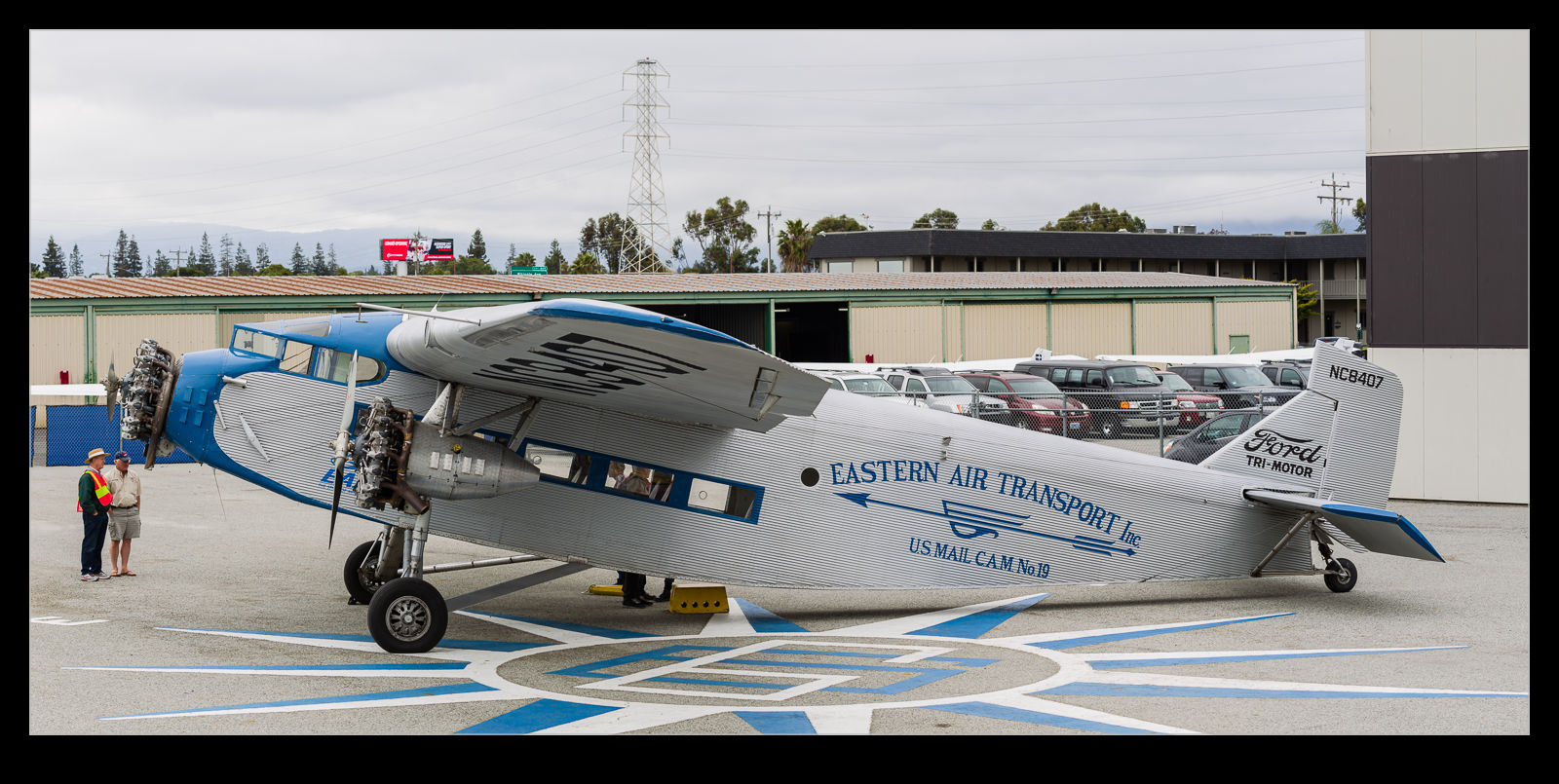
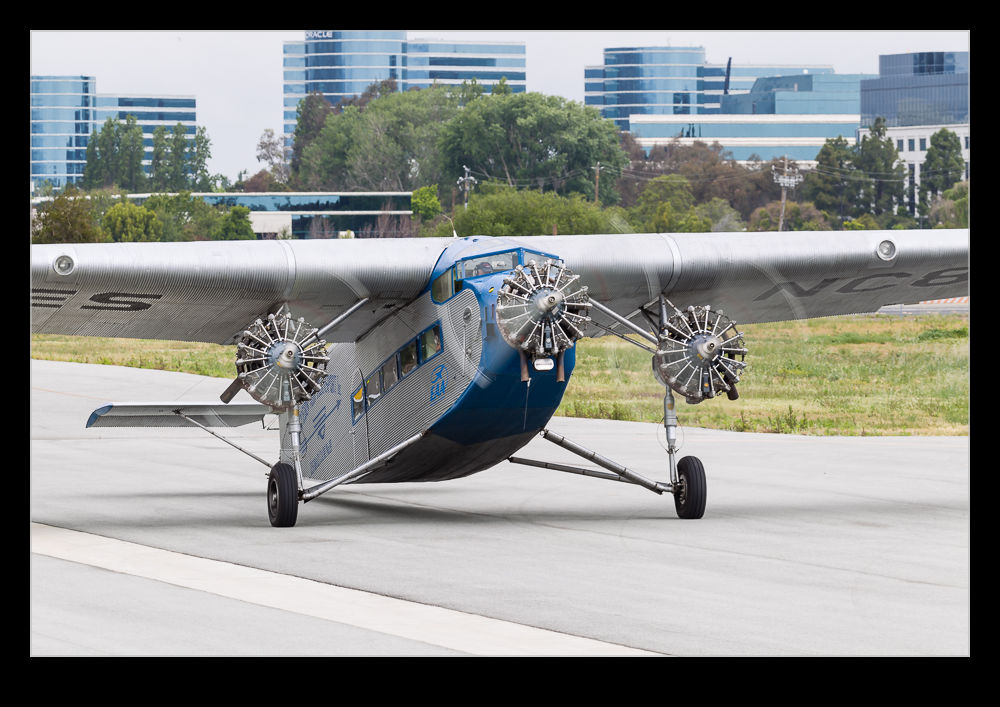
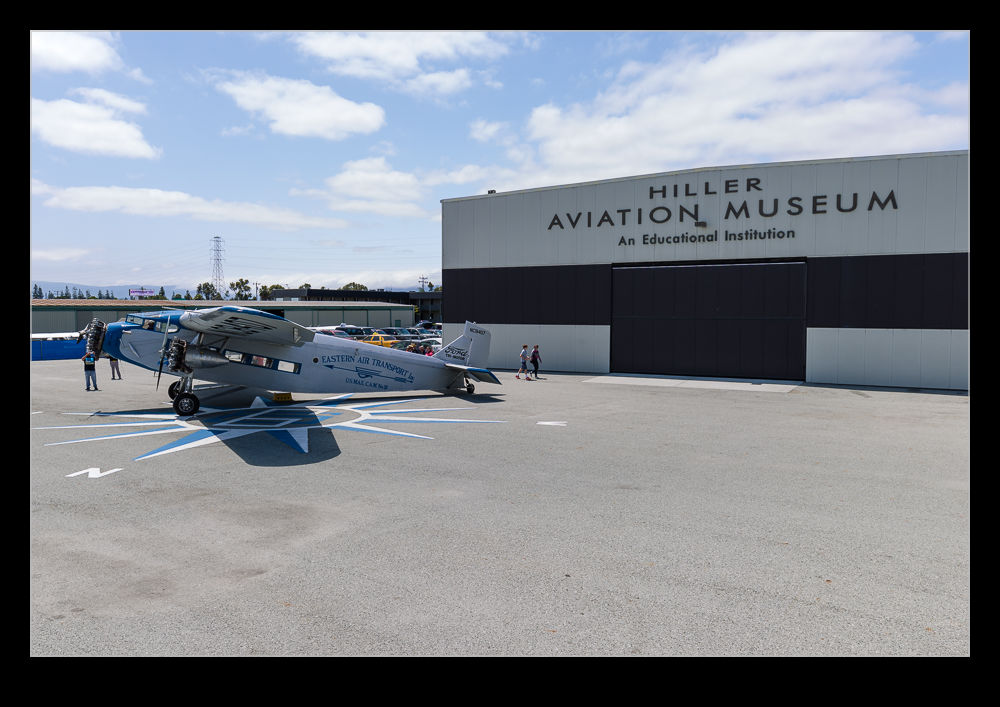
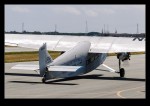
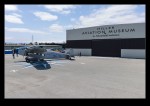
C59F1790-Edit.jpgEAA take their Ford Trimotor on tour around the country giving pleasure flights to people at many stops en route. I have seen the plane quite a few times including at Oshkosh and Clow. When Hayman told me it was stopping at San Carlos, it seemed like a good idea to take a trip along to see. It was operating from the ramp at the Hiller Aviation Museum so that is where I started out. Actually, breakfast at the great airport café is where we started!

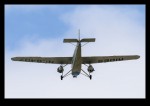
C59F2240.jpgThe early weather was a bit overcast. Gray skies and flat light are not ideal for a metal finish aircraft but we could still enjoy the flying and the start up and shut down as they turned the plane around. It gets off the ground with a very short roll so, given the length of the field and the runway in use, it was well up by the time it came past us. We did experiment shooting down the runway head on. This coincided with the sun coming out so the heat haze suddenly became an issue. Win some, lose some!
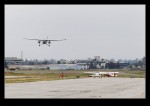
AU0E3290.jpgAfter a while, Hayman and I decided we were done for a while. He had other things to do and I wanted to try a couple of other things. However, it did decide to come back later on to get some shots from a different location as the plane was landing which also had the nicest light of the day. Good job to EAA for a great program that was very popular. They had a lot of customers, all of whom seemed to have had a good time.

Jackrabbit

AU0E3419.jpgPhotographing aircraft can often involve quiet times when you are waiting for something to show up. Sometimes, you can get so relaxed and still that you cease to be apparent to the local wildlife. I was sitting at the top of a hill on a bench doing nothing much at all. A jackrabbit came wandering along the trail towards me. He wasn’t terribly close and only seemed to notice me relatively late. He didn’t seem too alarmed but was a bit wary. Even so, I was able to raise my camera to get a shot or two of him.

This didn’t startle him either. However, he obviously had other things in mind and he turned and hopped off down the trail. I wonder which one of us was more surprised?

Anyone Seen a Cirrus?

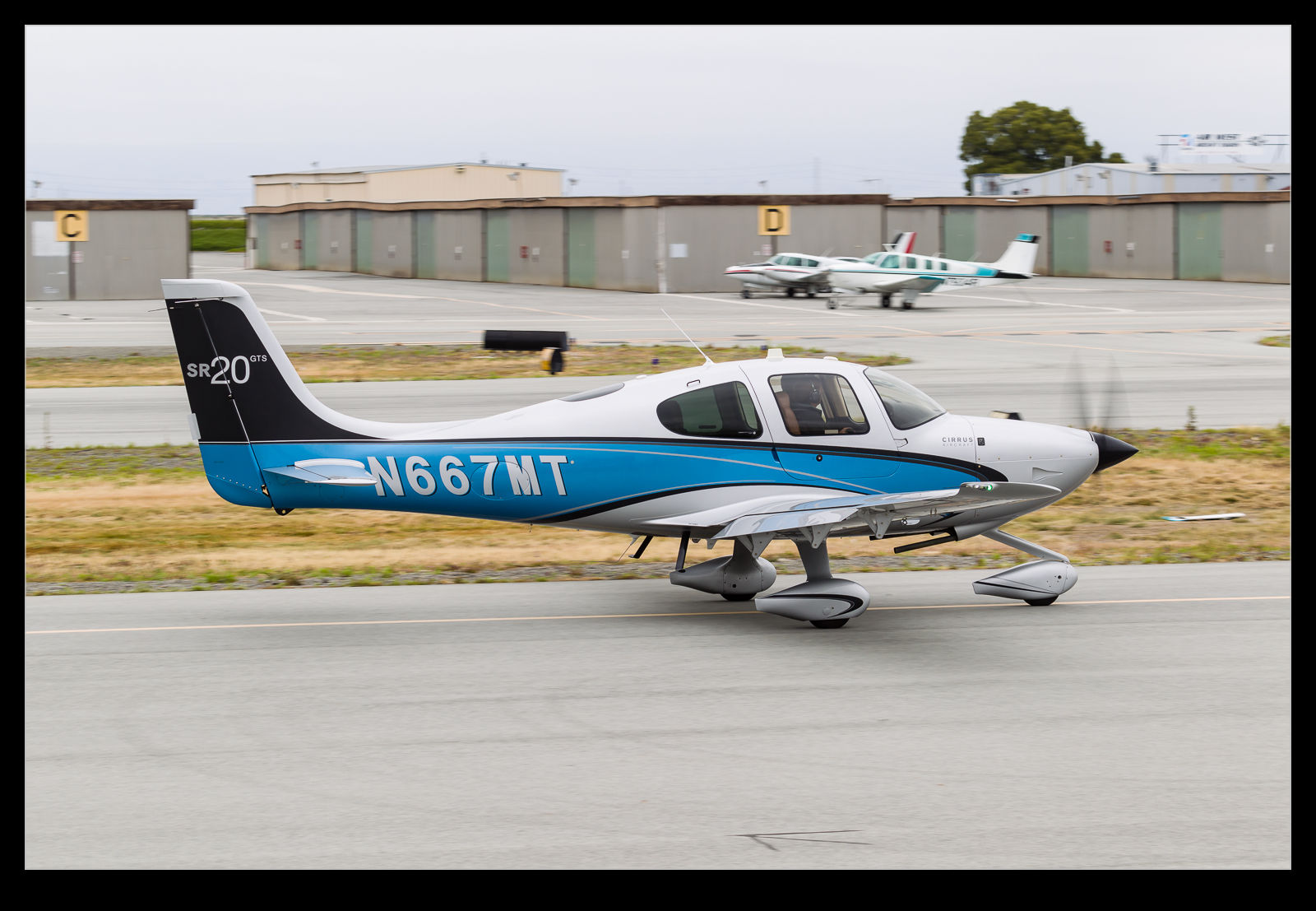
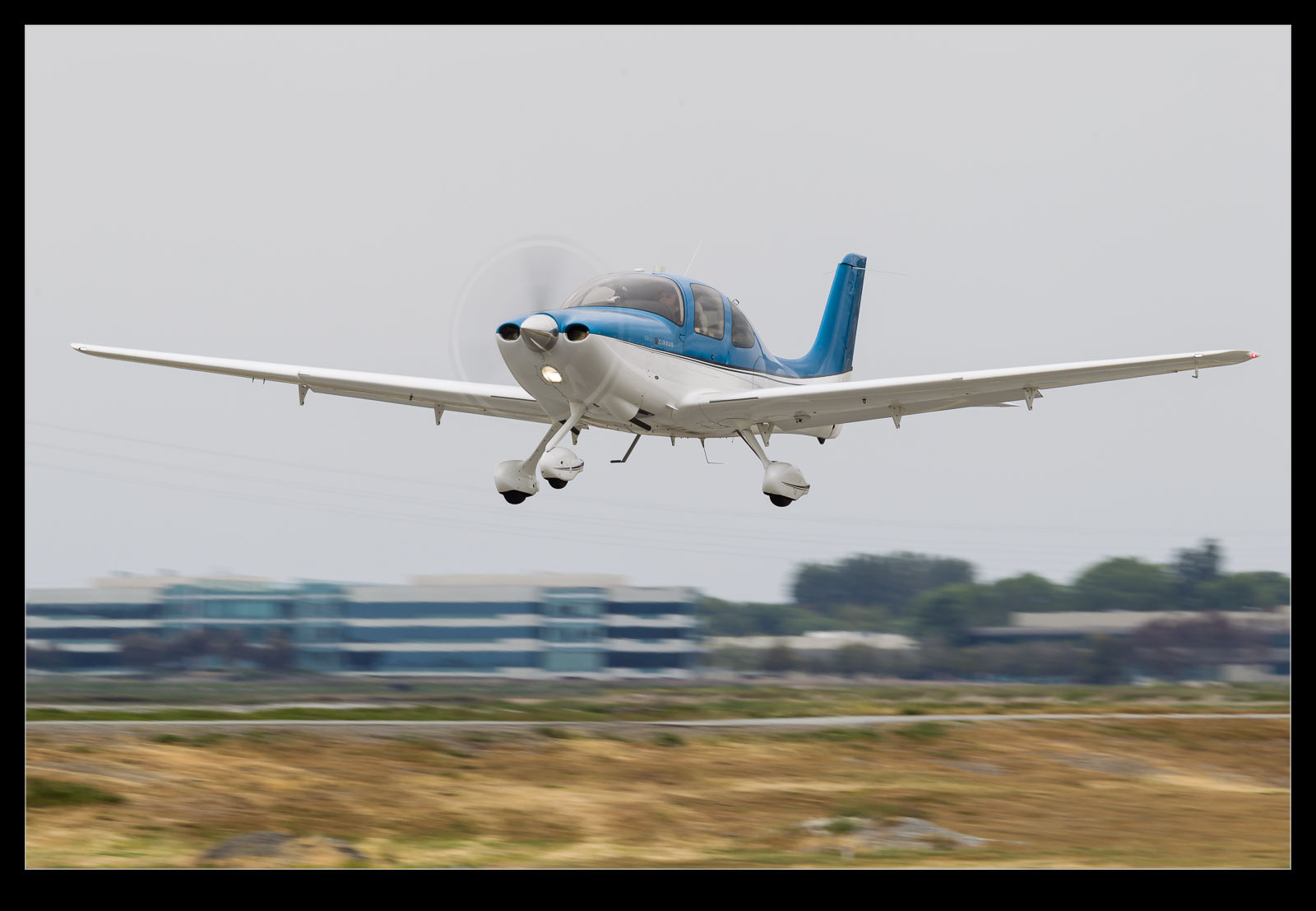
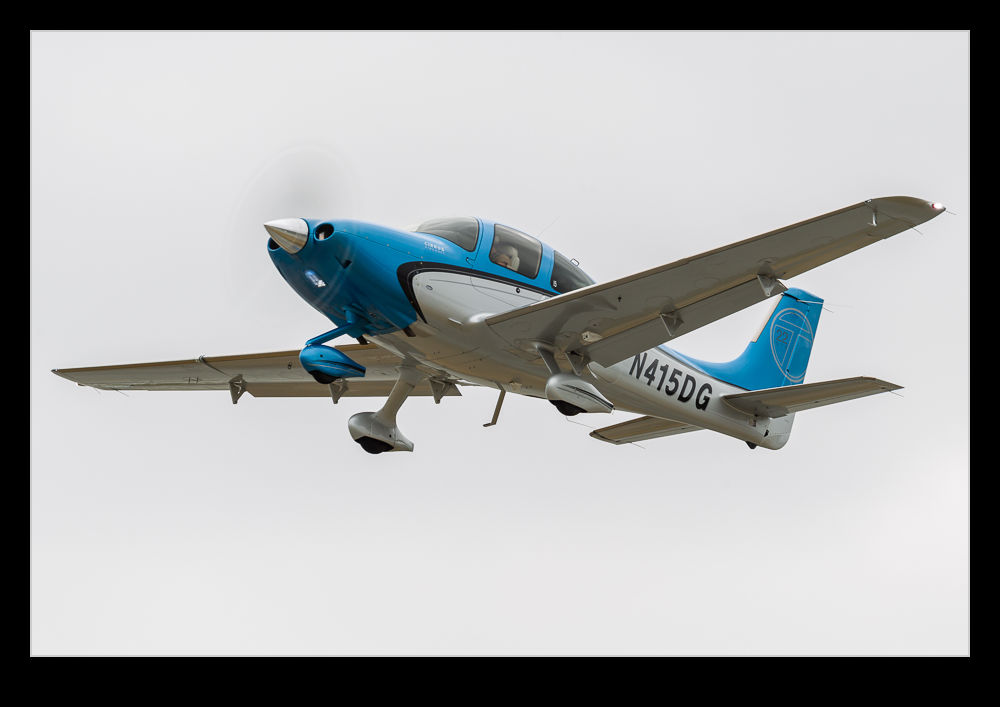
C59F1840.jpgMost public airports have a variety of types scattered around. The heyday of US light aircraft manufacturing was decades ago and resulted in the production of Cessna, Pipers, Beeches et al in large number. These aircraft are still around but are now aging so the types parked up will often be showing their age. There are light aircraft still being produced today but the numbers are significantly lower. Moreover, they are not cheap so you don’t see so many new planes around. One of the higher end types is the Cirrus. With a nicely equipped example setting you back about half a million dollars, it isn’t a surprise that they are not abundant.

C59F1799.jpgSan Carlos, on the other hand, is positively swimming in the things. The peninsula is home to quite a lot of high net worth individuals so this is an area where people are more likely to be able to have a nice shiny Cirrus. Also, there is a distributor on the airfield (no coincidence there!) so the local buyers are likely to choose something they can see at home.

C59F2141.jpgThere are some SR20 models in use for training but more seem to be the higher end SR22 models. They are a nice looking plane and one that I would certainly be happy to have a go with. The combination of equipment, control layout and performance would be nice to try and to compare with types I have flown in the past. One day…

Dornier DO-228

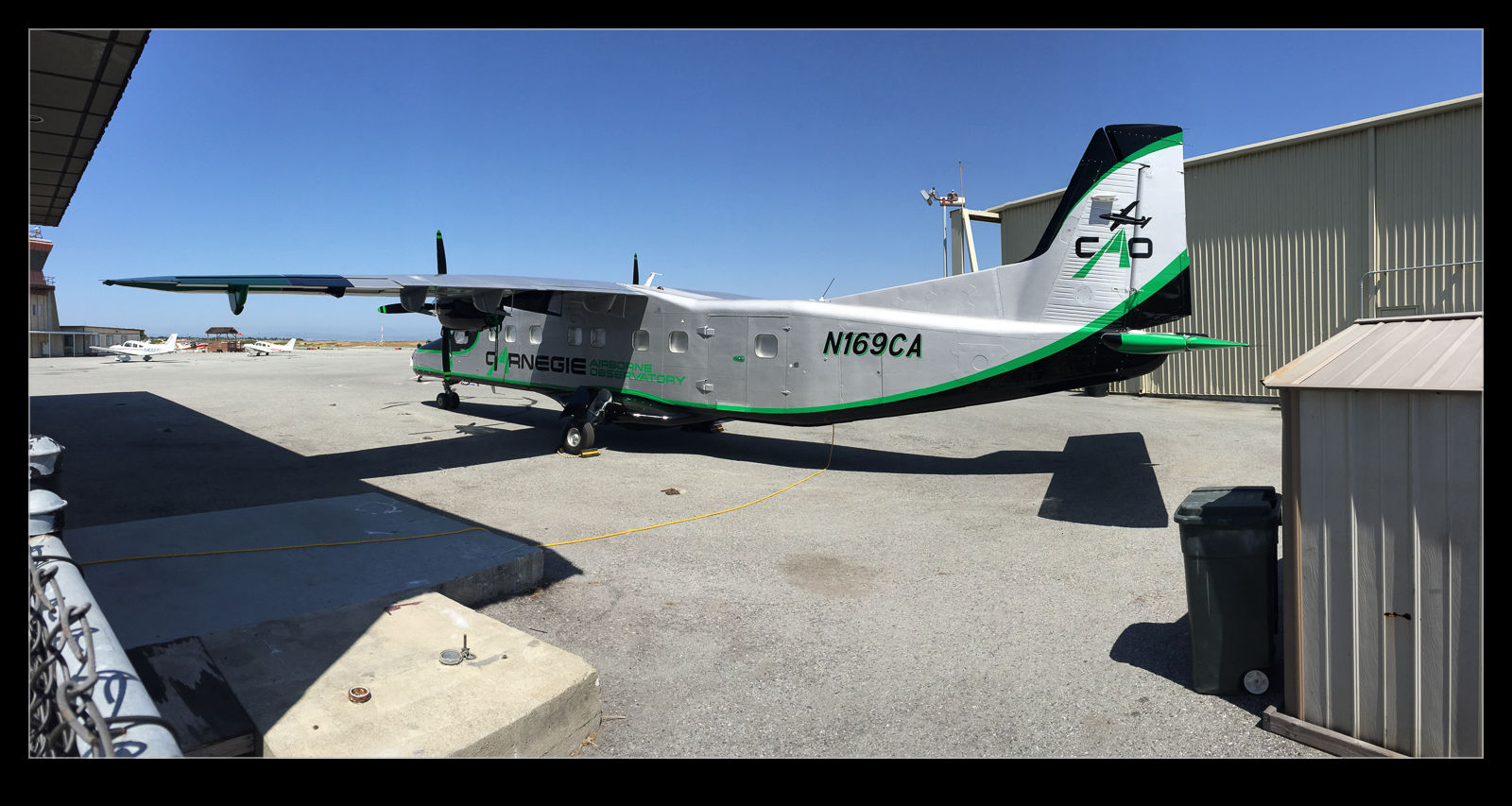
IMG_2702.jpgA recent arrival at San Carlos is a Dornier 228 that is apparently configured for aerial survey work. The guys mentioned that it had been active prior to my visit but it was not doing much the day I was there. However, it was parked close to the fence. It wasn’t easy to get a shot of it but a bit of reaching above the fence line meant I could at least get something. It is a cool looking plane so I hope I get a chance to see it in action at some point.

Jukeboxes

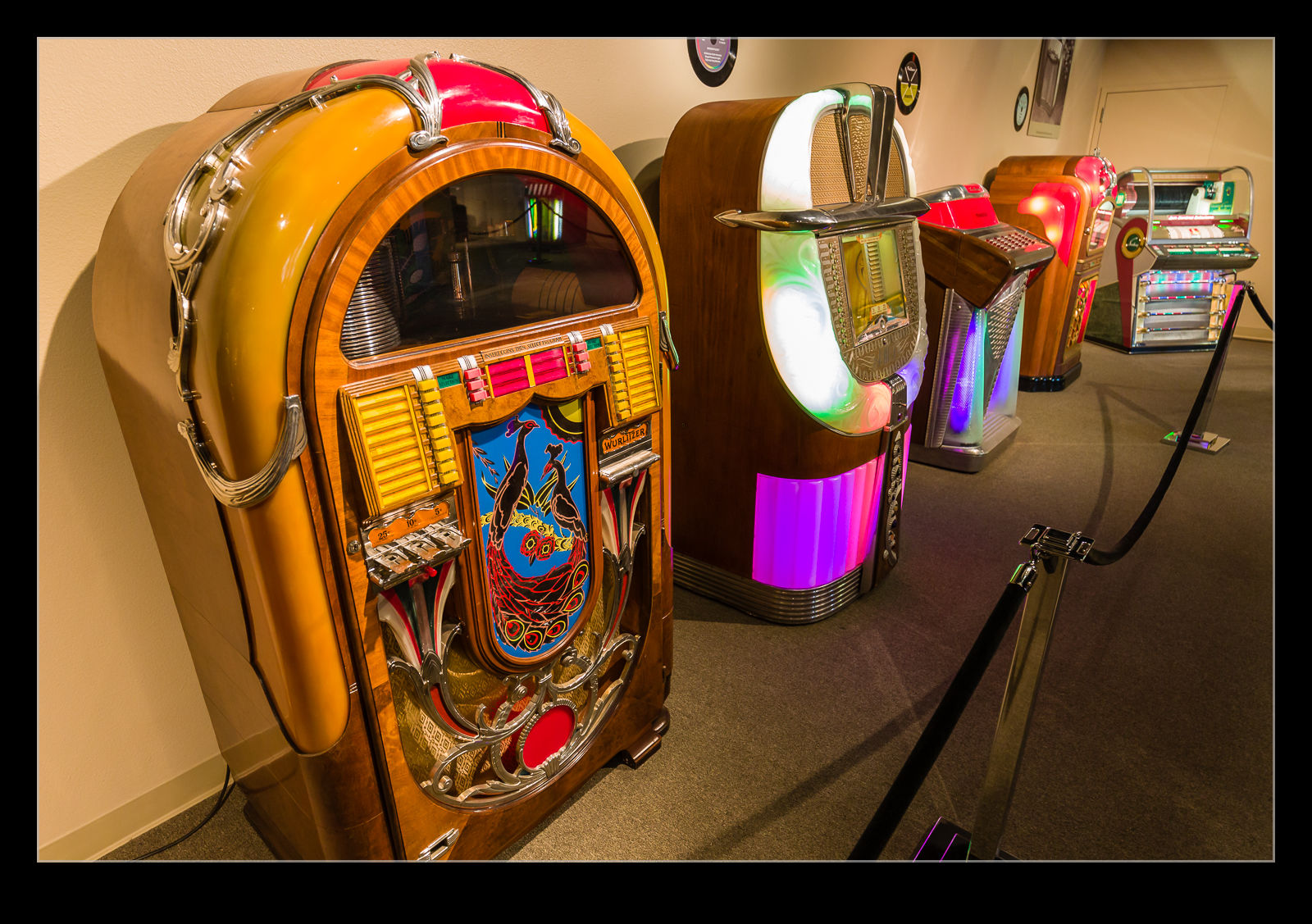
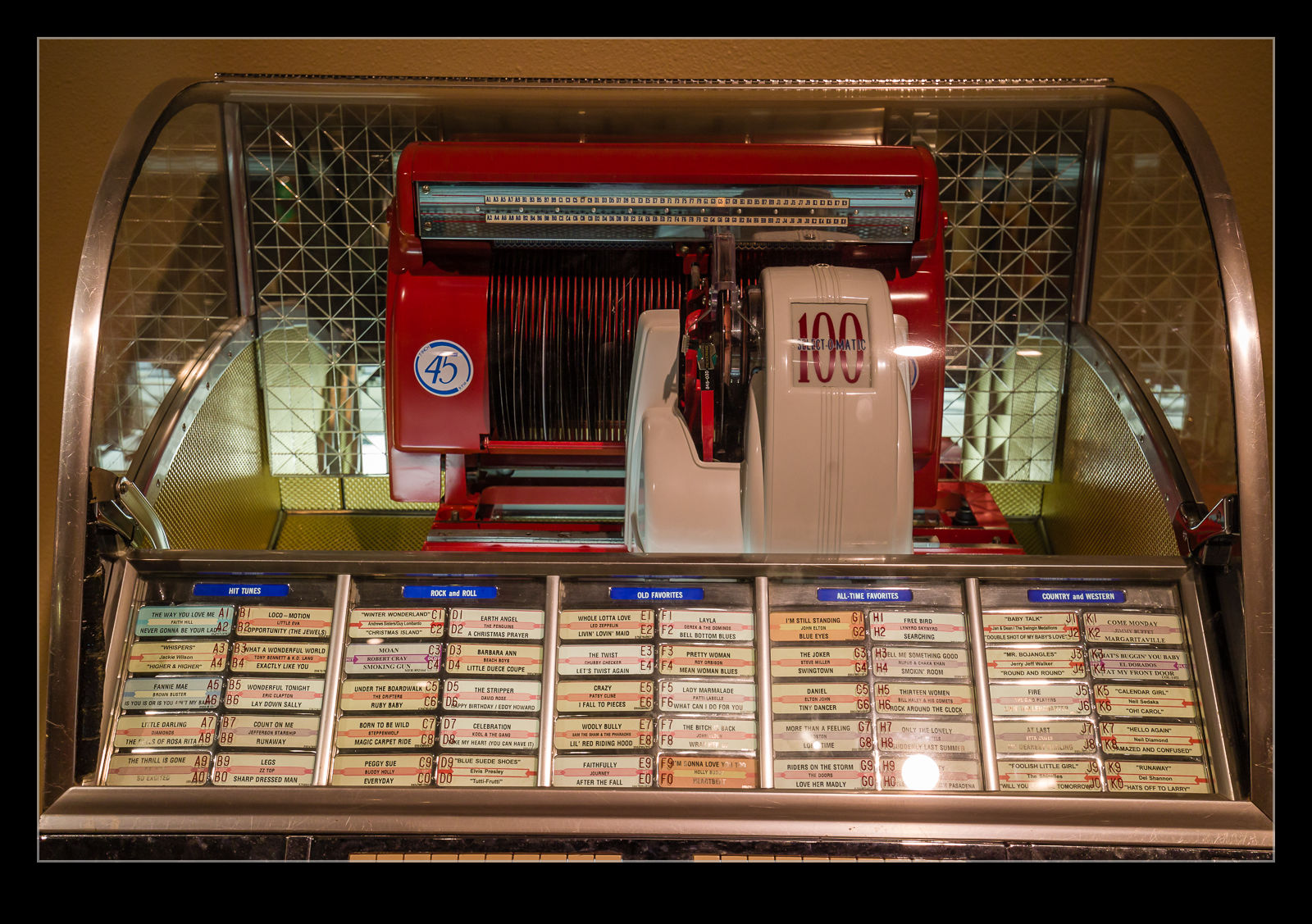
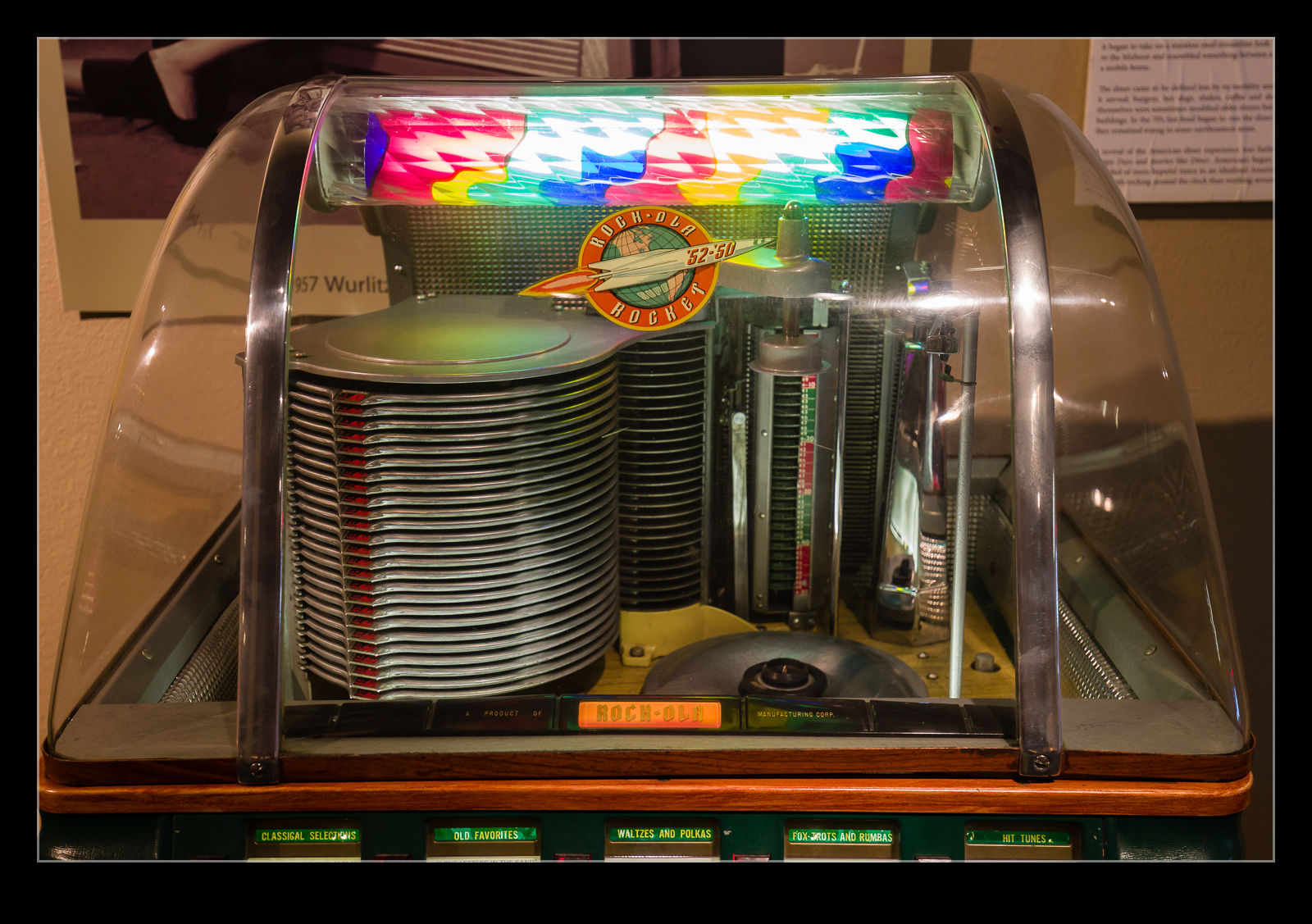
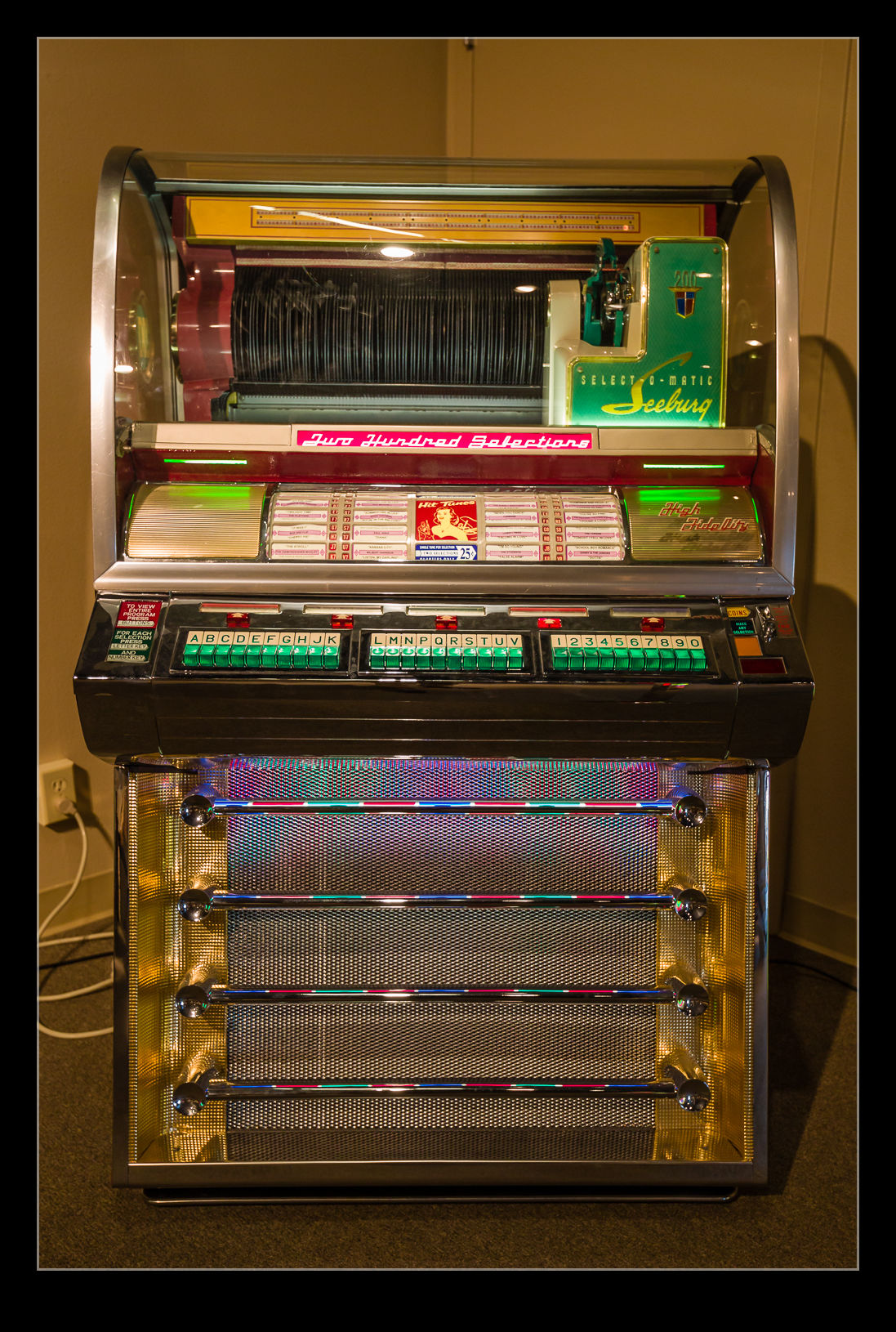
AU0E3812.jpgWhile the majority of the Blackhawk Automotive Museum’s collection has a clear car association, there is also a room dedicated to the history of the Jukebox. I imagine this is because it is an area of interest to the patron of the museum. Various ages of jukebox have been preserved and restored. Some are quite basic in their design while the more recent ones have a greater level of complexity.

AU0E3810.jpgWhat they all seem to share is a design aesthetic that goes beyond the functional requirements of playing the music and encompasses a glamorous level of styling. The newer they were, the more exotic the styling. It might not be my sort of look and I don’t think I would want one in my house but I can certainly appreciate the effort that went into the design.

AU0E3809.jpg AU0E3811.jpg

Gas Pumps

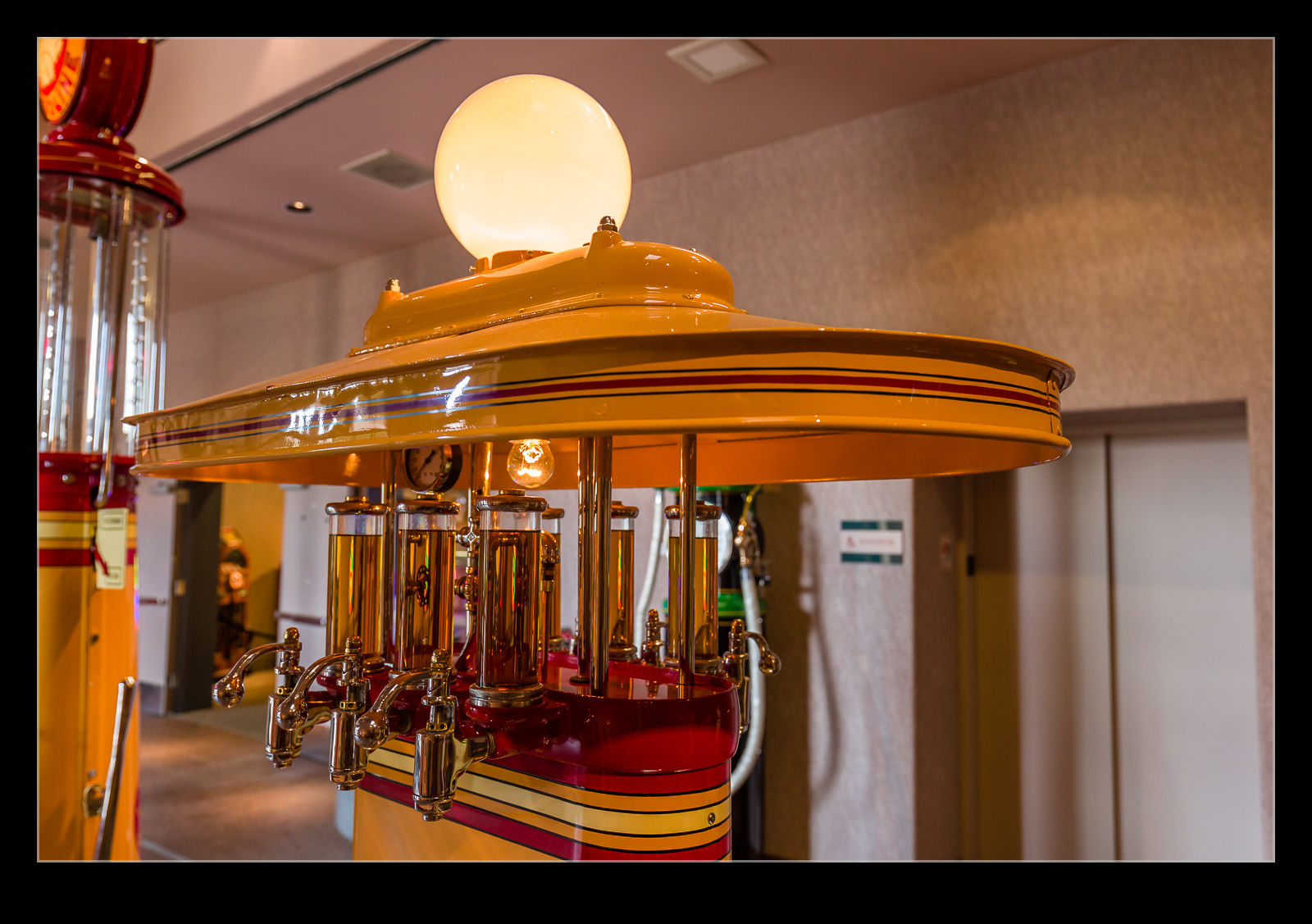
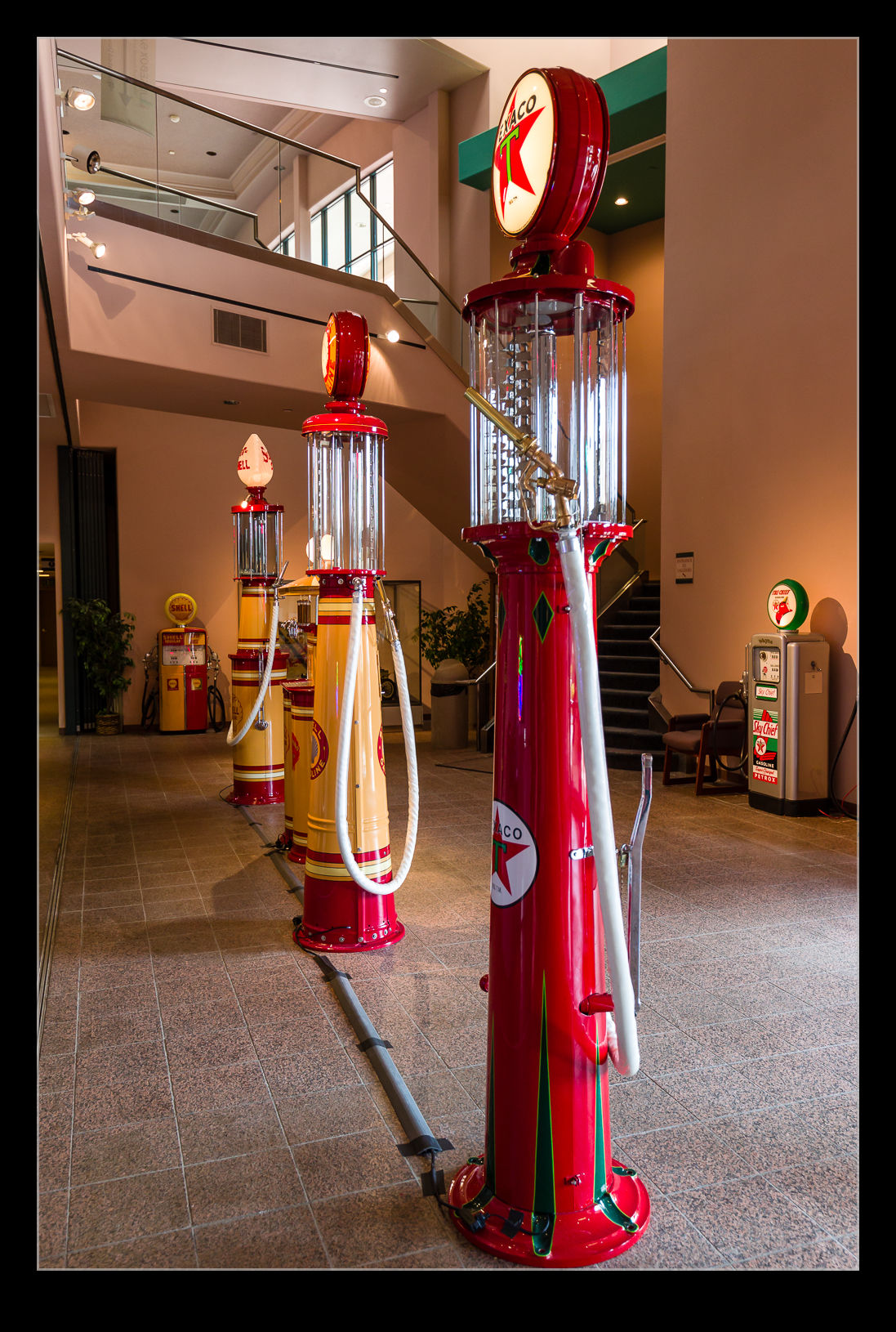
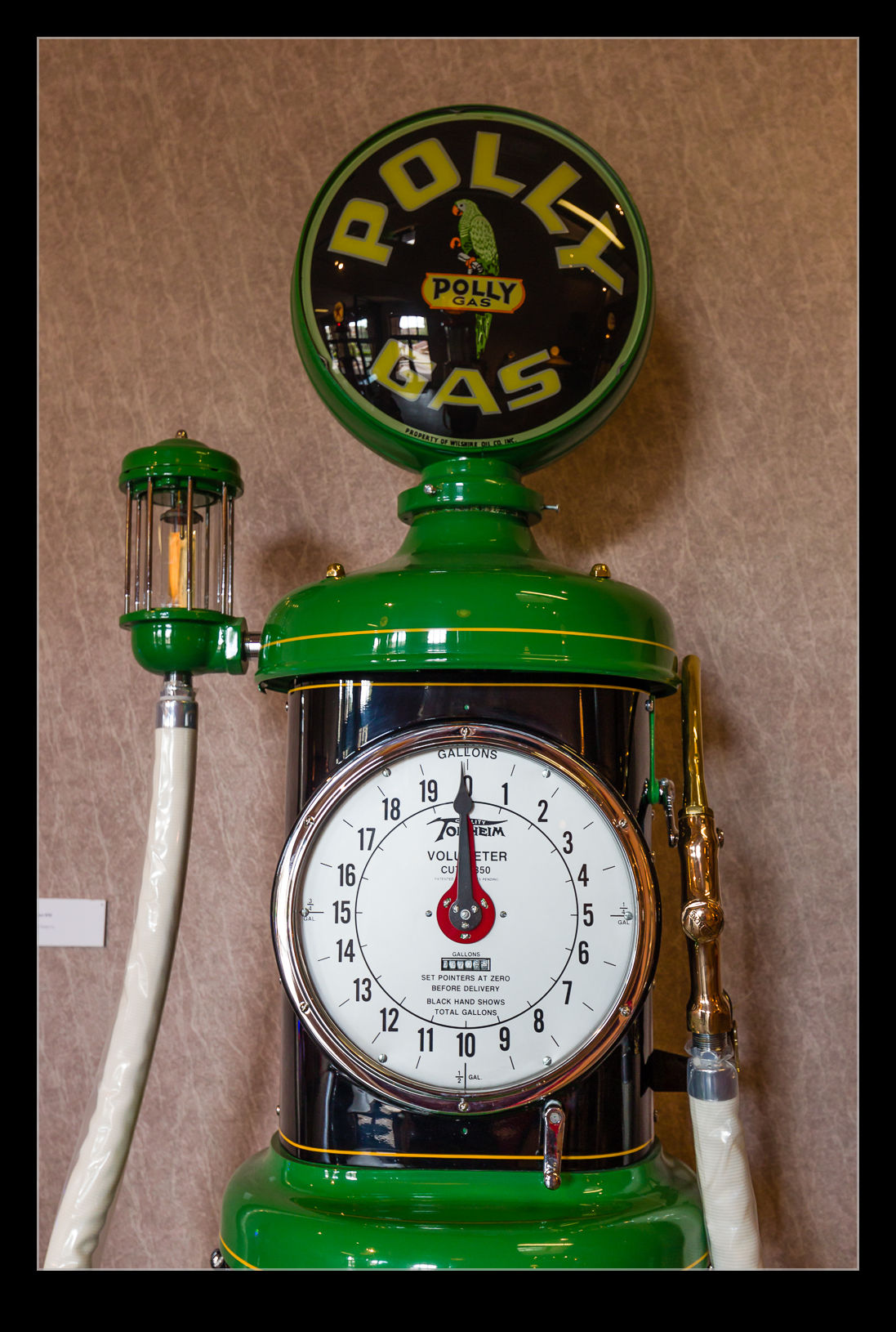
AU0E3816.jpgIf you are going to have a museum to cars, why not include a tribute to the thing that makes them go? While fuel itself is not terribly suitable for an exhibit, the pumps that provide it prove to be a surprisingly good idea. Blackhawk Automotive Museum has a bunch of different gas pumps from through the years on display. They are all restored to pristine condition and probably look far better than they did when they were new.

AU0E3813.jpgThe pumps cover a number of years and a variety of gas companies. The evolution of the pump designs is quite clear as you go through the years. I am not sure I fully understand how they worked but they seem to have involved filling up a clear vessel at the top of the pump with fuel. This filling process allowed you to work out exactly how much fuel was to be provided. Then, when the amount was worked out, the hose would allow you to drain the fuel down to the vehicle.

AU0E3808.jpgThe early versions seem to be quite simple in layout and, as the years pass, the systems seem to become a bit more complex. A modern pump is way more complex but also severely lacking when it comes to styling. These old pumps look like they had some artists involved in styling them and the colors of the companies were similarly intricate. I guess that is how things worked in those days. Now efficiency, maintainability and functionality will win out over style.

AU0E3814.jpg

Aerodynamic Specialties

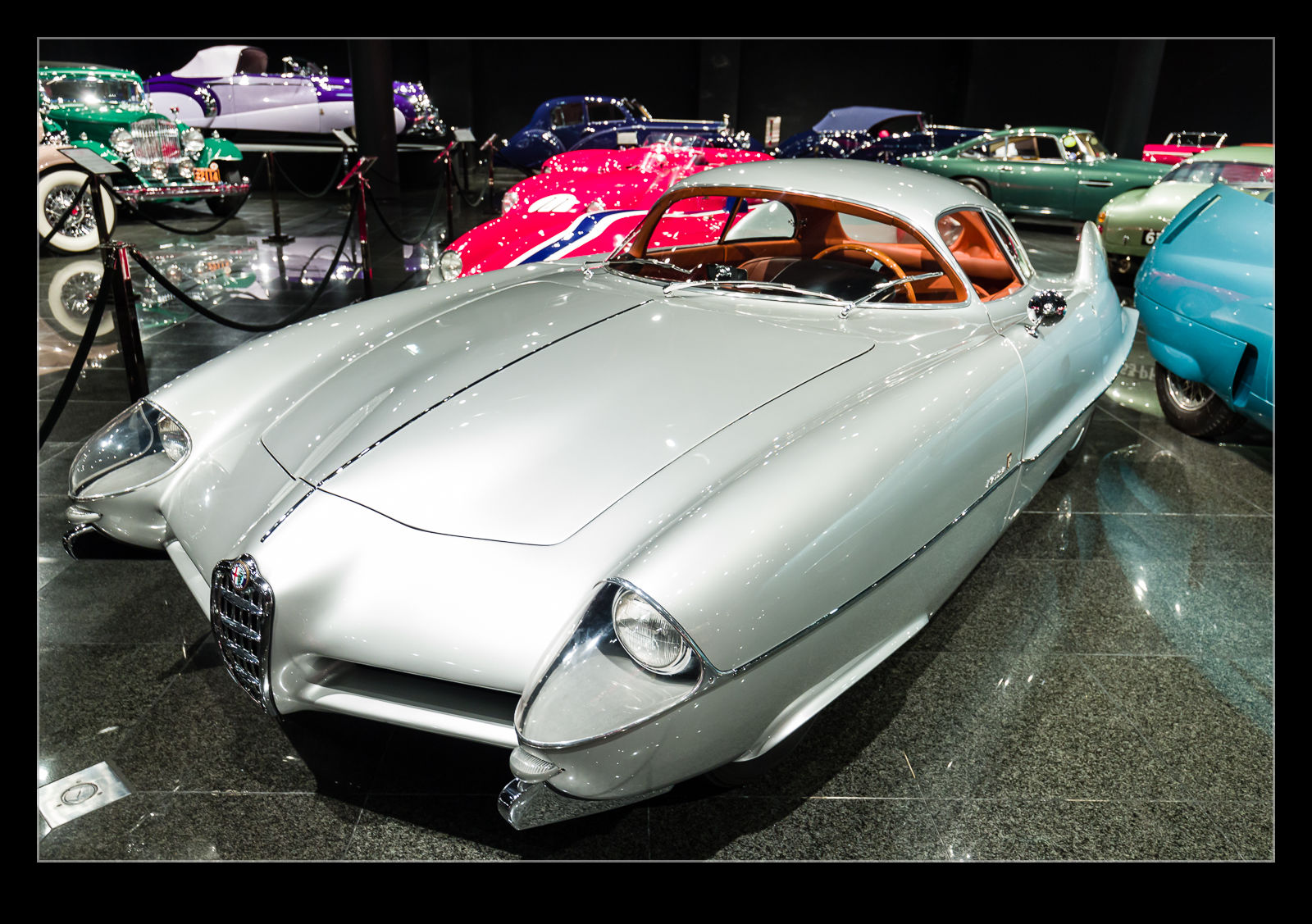
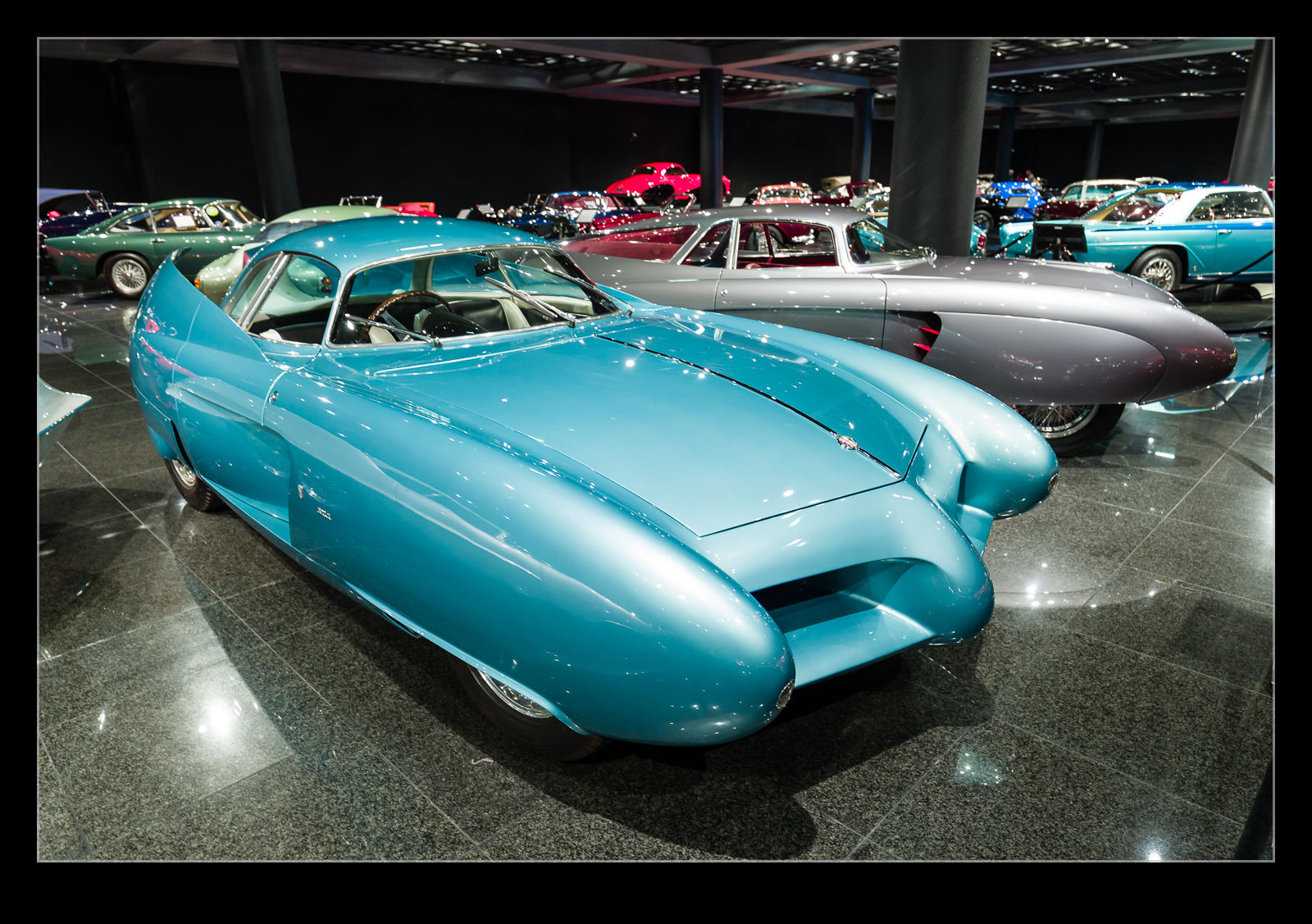
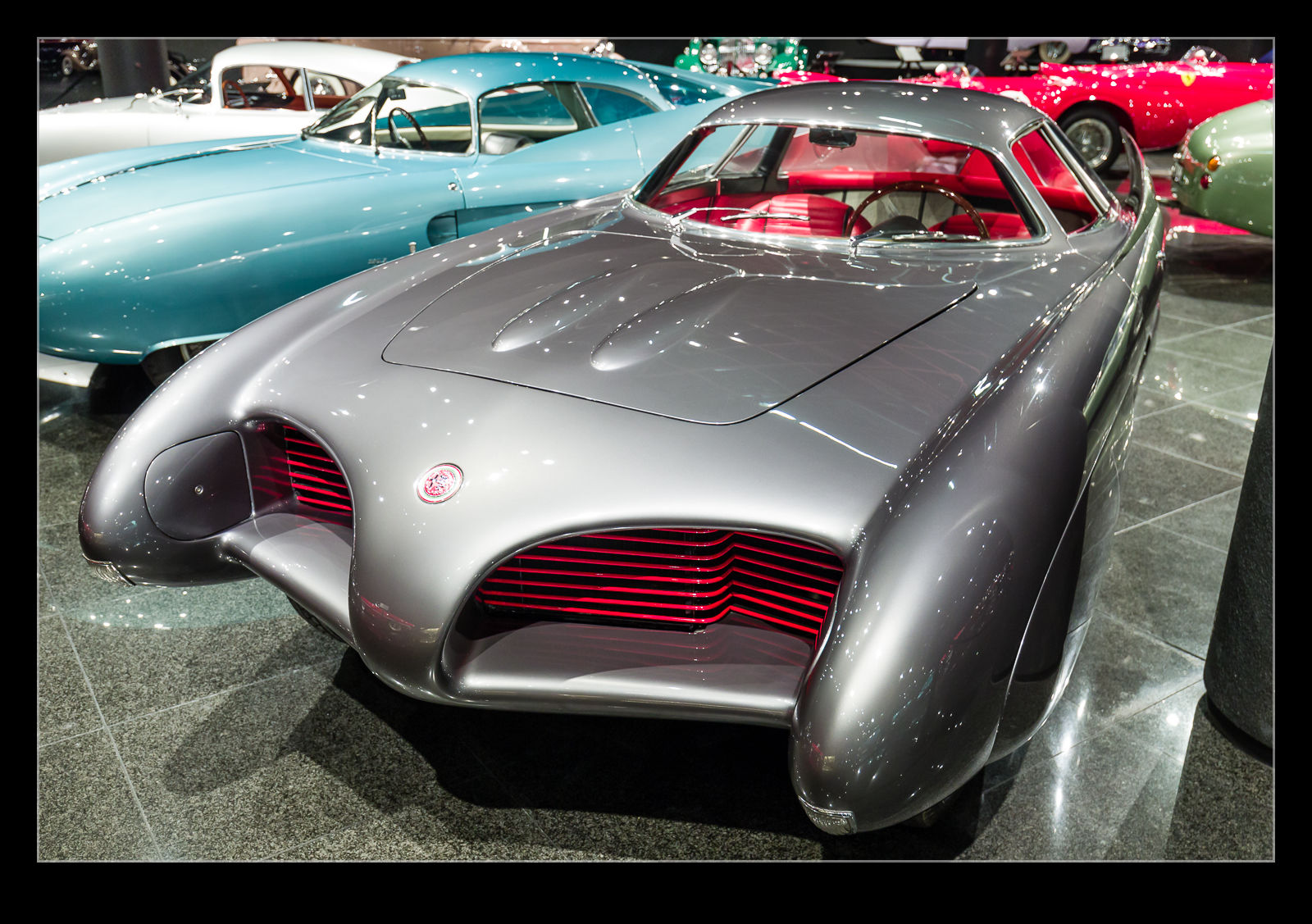
AU0E3770.jpgThese days you will struggle to come across a car that has not undergone extensive aerodynamic optimization. Even those cars that look like they have deliberately avoided an aerodynamically efficient shape will actually have undergone considerable testing to make sure that they are not just relatively low in drag but that they are also stable at speed. The widespread appreciation of aerodynamic performance became apparent in the 80s with the introduction of various cars that had noticeably lower drag than their competitors and associated improvements in fuel consumption.

AU0E3767.jpgHowever, the 80s was not the first time that aerodynamics occupied car designers. Go back a long way and you will see some very interesting shapes on cars. Some of these were looking to emulate the space age looks that were popular at the time. Others were real attempts to reduce drag. Blackhawk has a collection of three Alfa Romeo models. These show the iteration of design to try and achieve very low drag. They don’t look anything like a modern car and have more of a Jetsons appearance. However, they are a fascinating look at how some car designers were thinking at the time.

AU0E3755.jpgObviously modern cars don’t resemble these machines which suggests their approach was not the best way to go. They also look like they would have been expensive to manufacture. What they do show is the willingness to push the envelope. It is great that they are still around for us to check out and see what was seen as cutting edge at the time.

Aston Martins

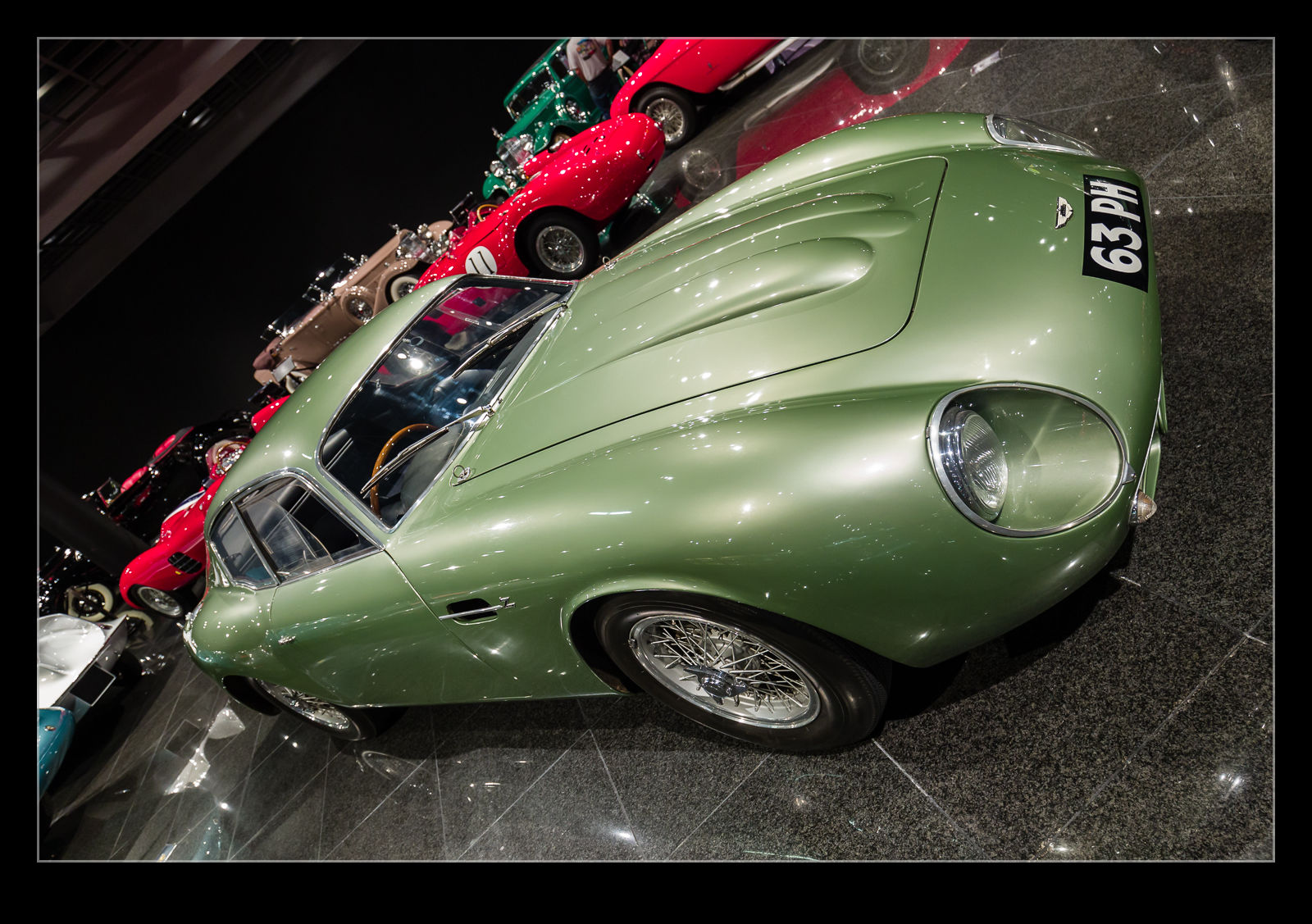
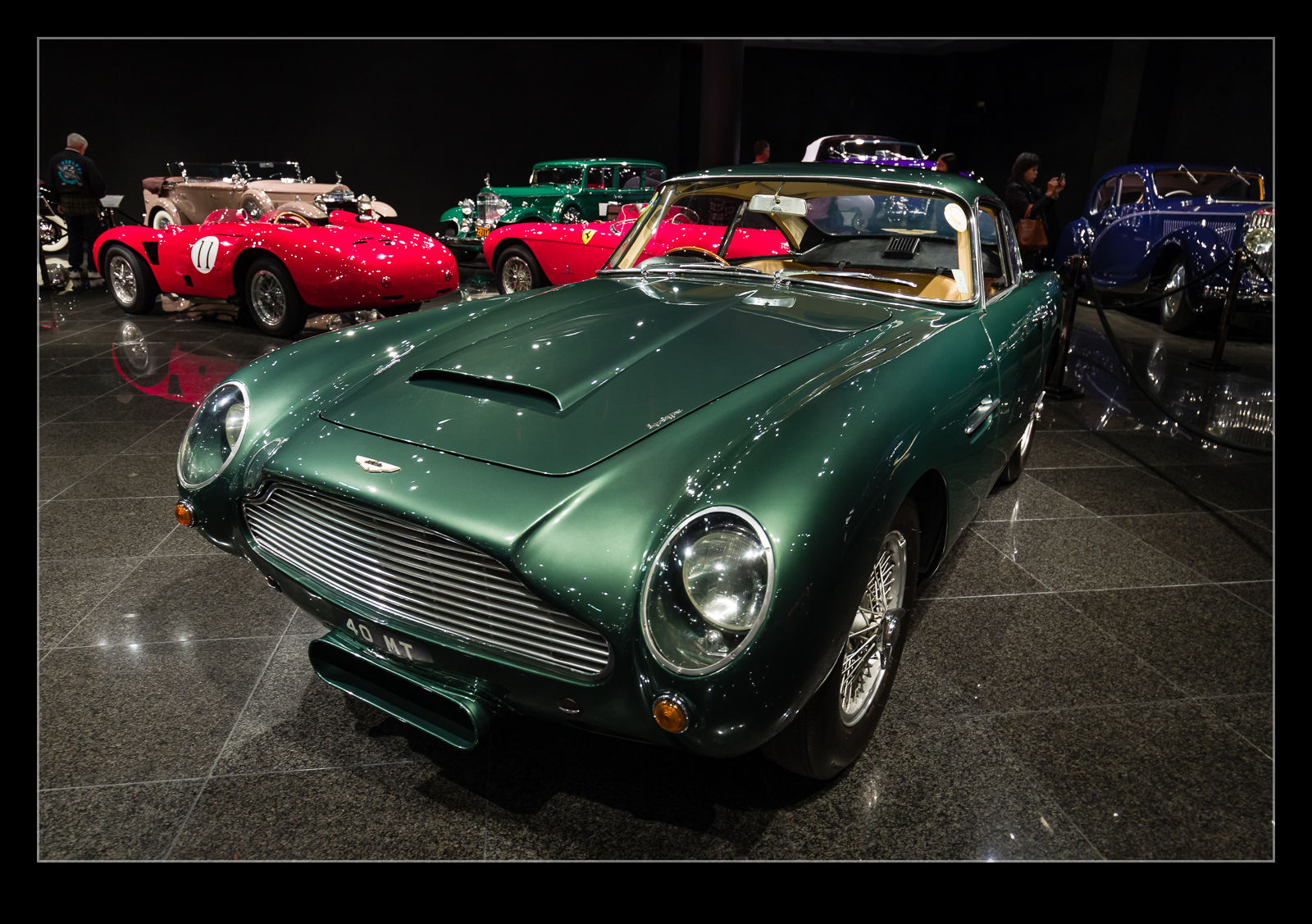
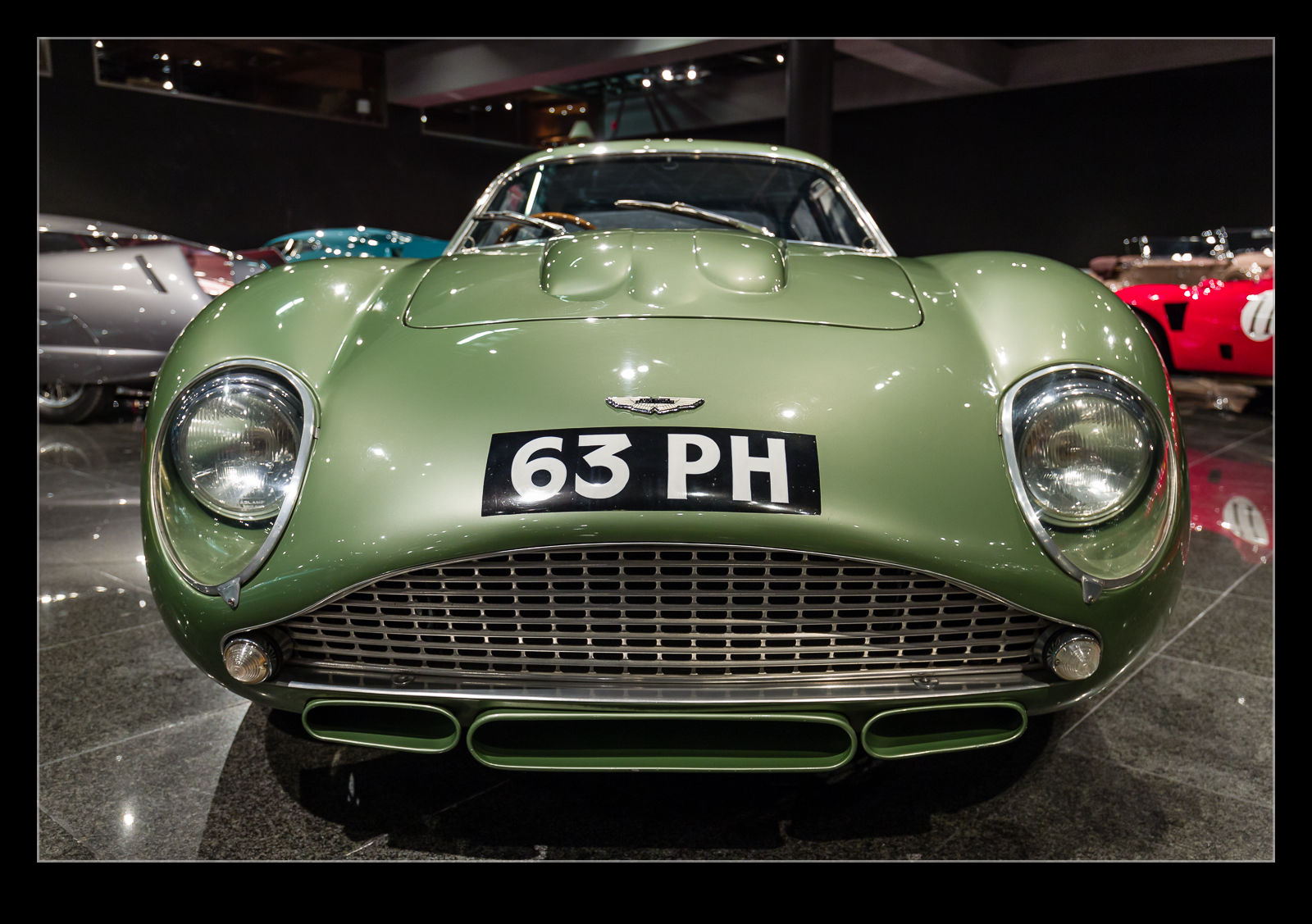
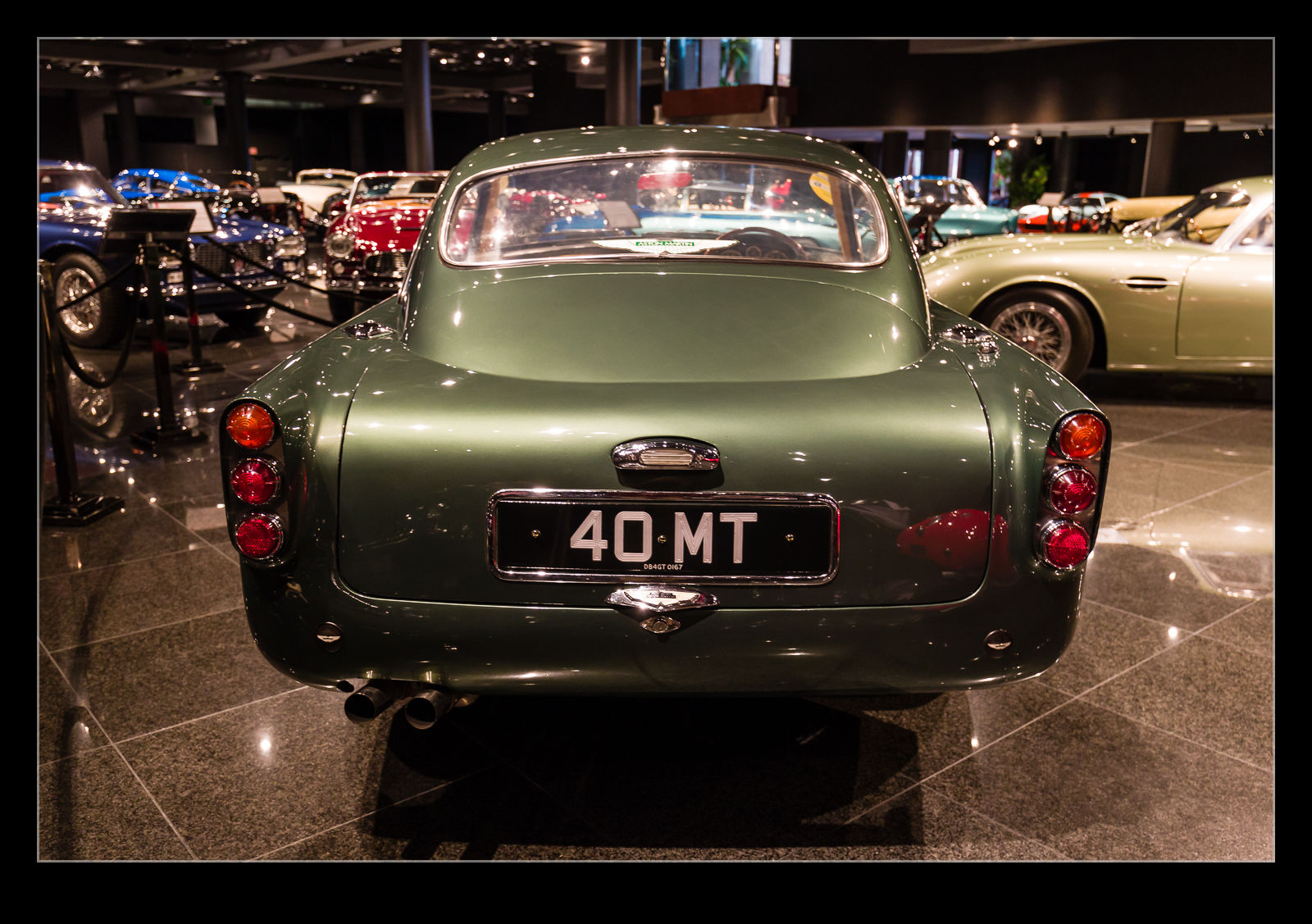
AU0E3792.jpgAston Martin is not a company that has varied the styling of its cars significantly over the years. There are several shapes that have formed the basis of their designs but they have been quite effective at making the most of a concept. This is not a criticism in any way. There are few cars from the company that I haven’t liked although some have worked better for me than others. However, when compared to other marques that have had a wide variety of styles and designs in a given timeframe, Aston has been quite simple with its approach.

AU0E3790.jpgConsequently, it isn’t tricky to recognize the Astons on display at Blackhawk. The models on show are some older types but they are some good looking machines. One of them is a racing model which has a slightly more aggressive look to it. They had variations on the green that Aston is known for. I suspect a couple of my family members would like to have seen them!

AU0E3791.jpg AU0E3786.jpg