 For decades, the dominant feature of the Seattle waterfront has been the Alaskan Way Viaduct. This carried Route 99 from the south side of the city along the waterfront before diving into the Battery Street Tunnel and then popping above ground to continue to the north. It was a double deck viaduct with the northbound traffic on top and the southbound traffic on the lower level. The viaduct suffered damage in the Nisqually Earthquake and further investigation showed just how vulnerable it was so the replacement process commenced.
 The replacement is a tunnel. Building the tunnel under the city was not an easy task. A tunnel boring machine named Big Bertha was brought in to cut the tunnel. Unfortunately, at some point it struck a hard object which damaged the main bearing for the cutting head. A hole had to be dug and the machine extracted, repaired and reinserted. This added years to the project but finally, in January 2019, the viaduct was closed. A three-week period was set aside between closure of the viaduct and opening of the tunnel to allow reconfiguration of the approaches at each end.
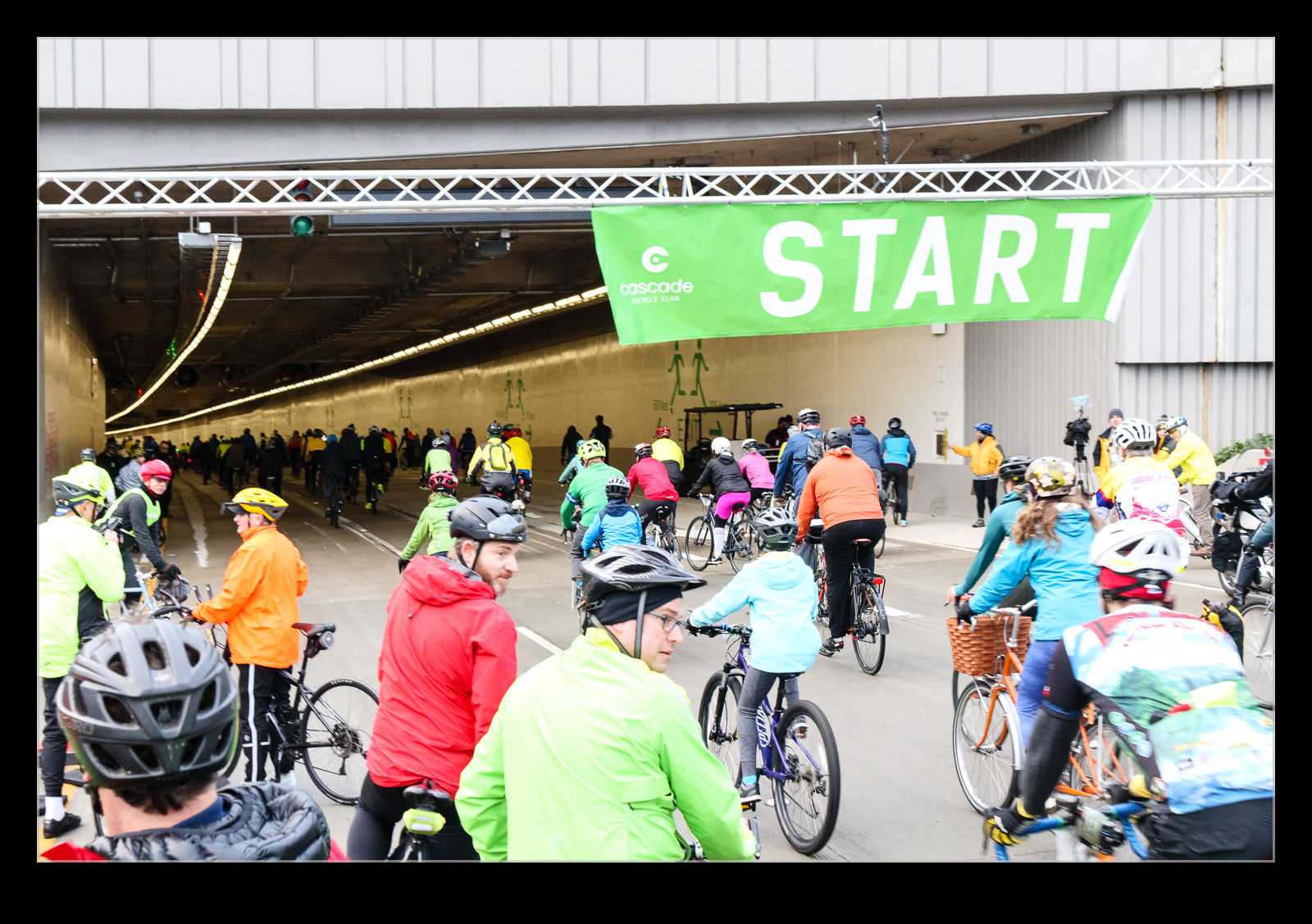
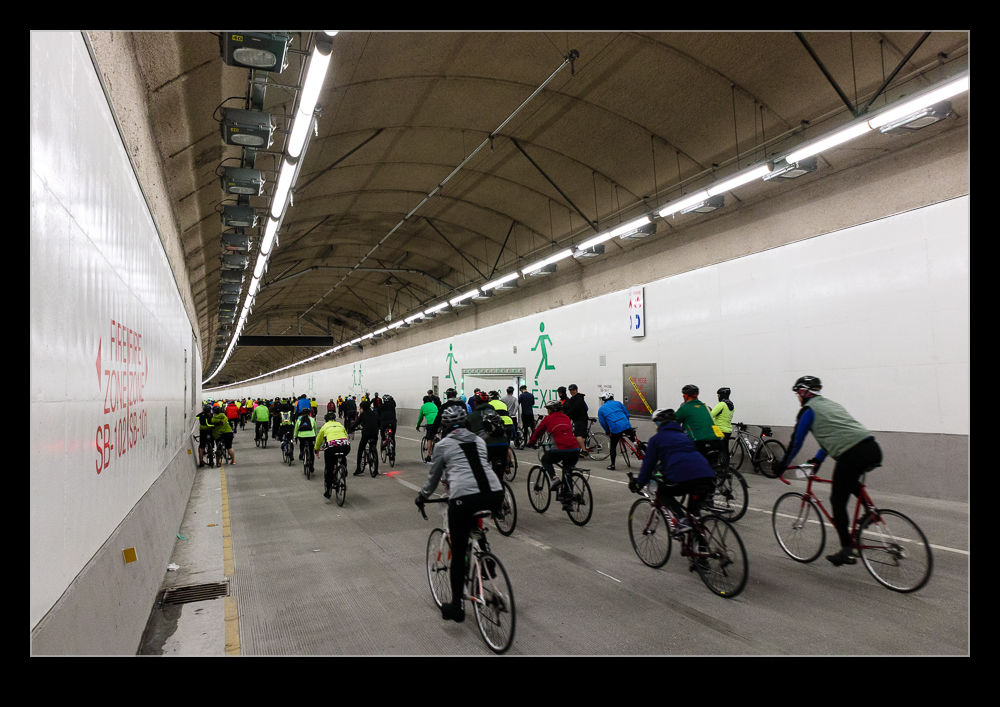
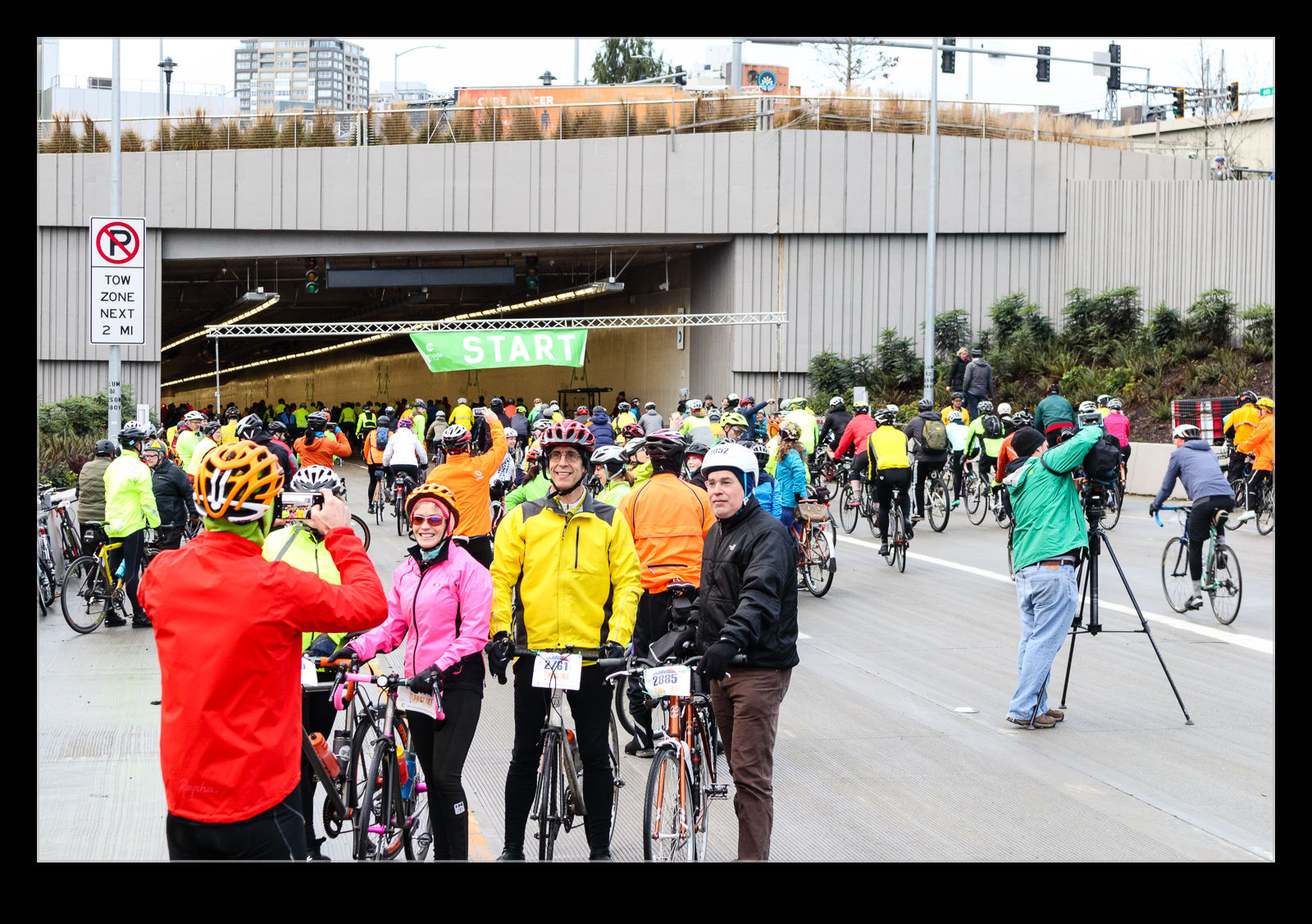
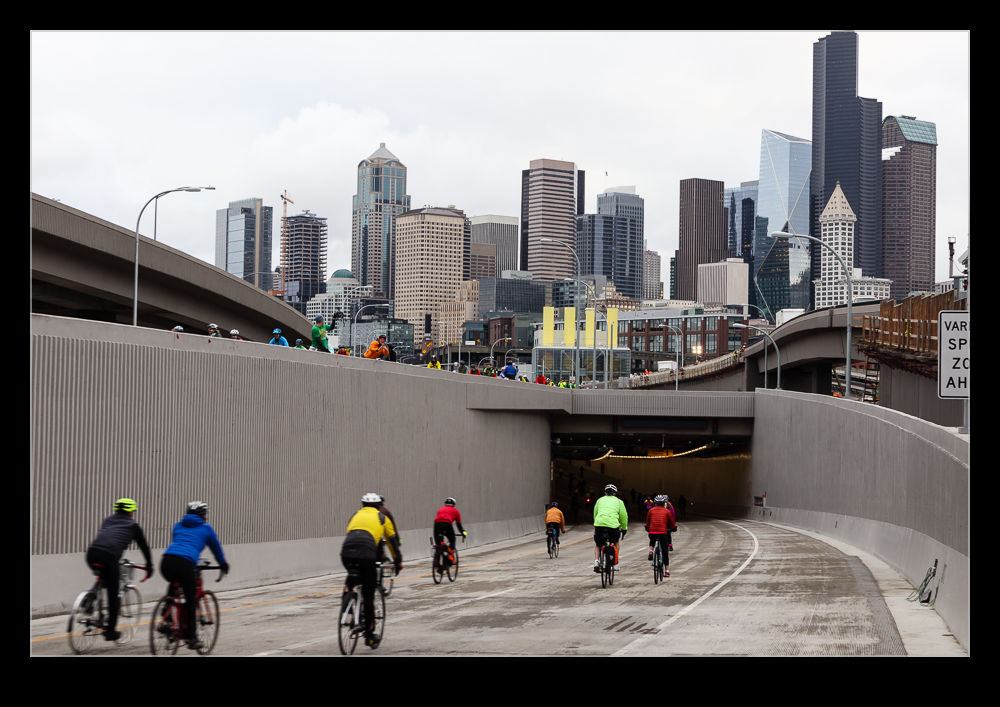 On the weekend before the tunnel opened for traffic, WSDOT held celebrations. A fun run took place on the Saturday and the Sunday included a bike ride. This included riding both directions through the new tunnel as well as both directions on the old viaduct. I signed up to take part. Tons of cyclists also took the opportunity and the event was sold out well in advance. The number of people mean things were pretty crowded and it could be congested at times. The long descent in the opening tunnel section could have been quite fast but it wasn’t possible to speed along given how many people there were.
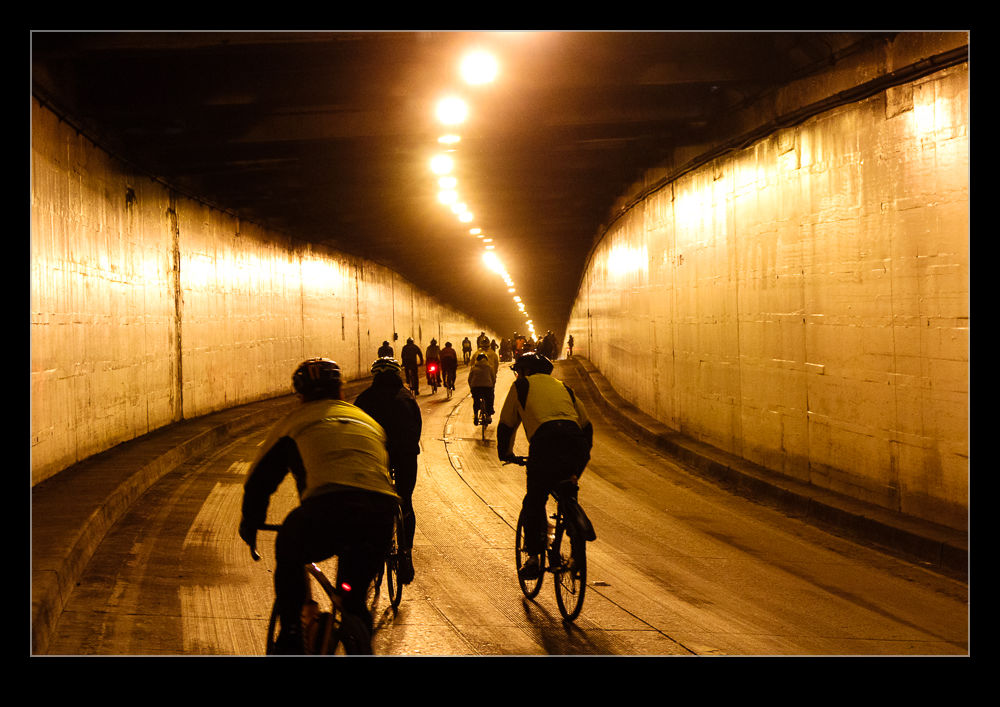 The new tunnel sections were nice and well let. We actually rode quite a distance south after popping out near the Coast Guard base in the harbor and the wind was in our faces but that meant the run back was a lot easier. The second part of the tunnel had to be a climb given the descent we had made originally but it wasn’t too bad. Then we turned and were directed on to the streets to enter the Battery Street Tunnel.
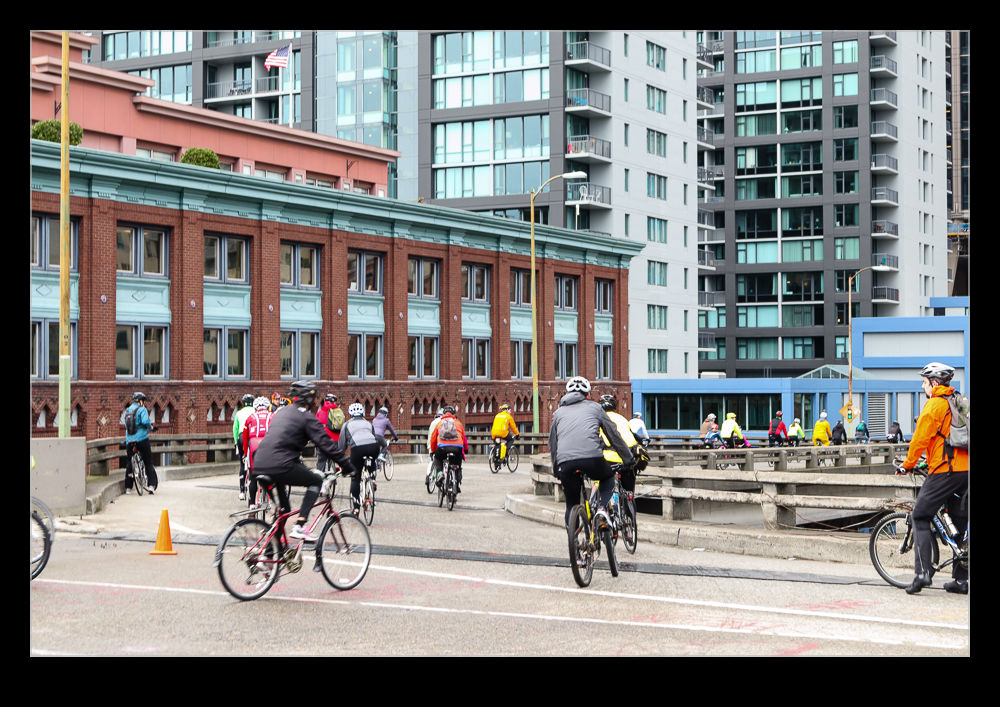 This was a far more dismal experience. It is a dark and dirty tunnel and I was pleased to get through it quickly. We actually went through it the wrong way and we went south on the northbound part of the viaduct before diverting off and coming back on the lower level. One last run through the dirty tunnel and we had completed the ride. As I exited, plenty of riders were just starting. It would have been possible to do it all again but I was happy to have done it and decided it was time to go home. Later that day a serious (for Seattle) snow storm swept in so we had been lucky to get the ride done without any disruption.
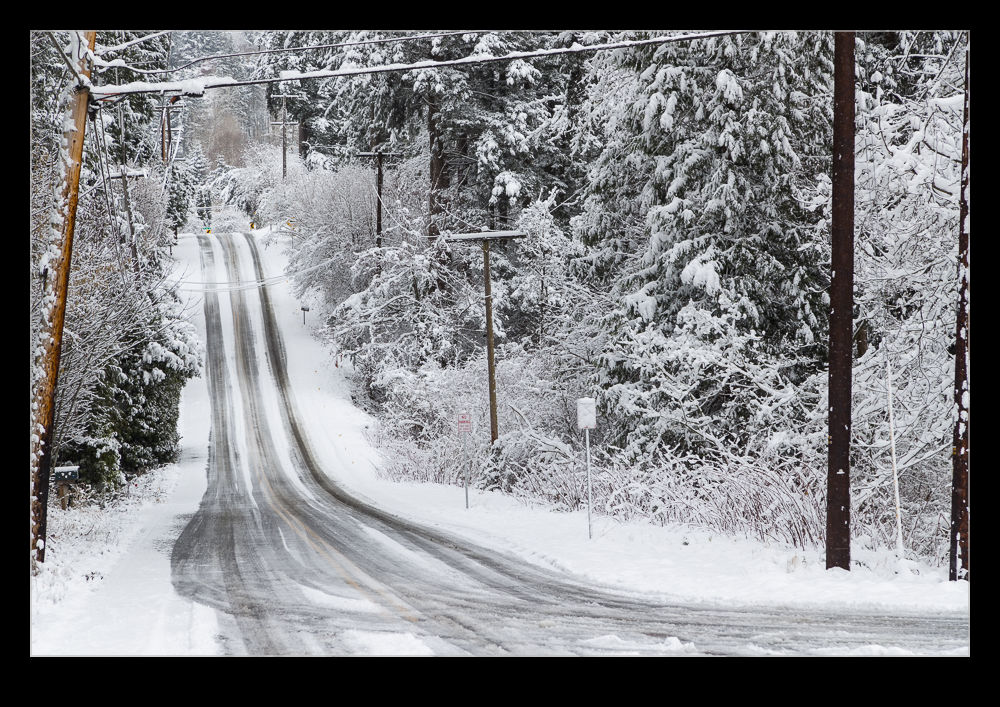
 One of the things I thought I knew about the Seattle area was that it didn’t snow very much. In our first winter here, we had one snowy day and it thawed very rapidly. This winter has been a bit different. We have had a couple of large storms come through. The area is not well prepared for snow and the steep grades are not good when things get slippery. Here are some shots from around our area during and after the snows.