Tag Archives: royal navy

Odd Place To Find A Heron

A little while back, I posted about some local herons.  One of my friends (who shall remain unnamed) made a comment expressing disappointment that it wasn’t the de Havilland version of a heron.  Imagine my surprise when, only a few weeks later, Mark and I were driving through Oregon en route to Klamath Falls when we passed through a small town called Chiloquin and, right by the highway, was a de Havilland Heron.  This was a Royal Navy example that had found its way to the grounds outside a motel.

It wasn’t in the best of shape.  One wing was completely gone and it was sitting on the ground rather than its gear.  However, the paint finish was still pretty reasonable.  No engines, of course.  They will have been salvaged at some point when it became clear the airframe was not going to be a flier again.  The grass had grown up quite a bit around it.  Late June probably means it grows well and someone hadn’t cut it for a while.  I wandered around to try and get different angles on it.  The light was rather shady and I was using my phone rather than the main cameras but it was fine.  There was even a large rock that could be used to gain some elevation.  This trip was proving to be a lucky one for getting unplanned things and this added to that in a way we hadn’t anticipated.
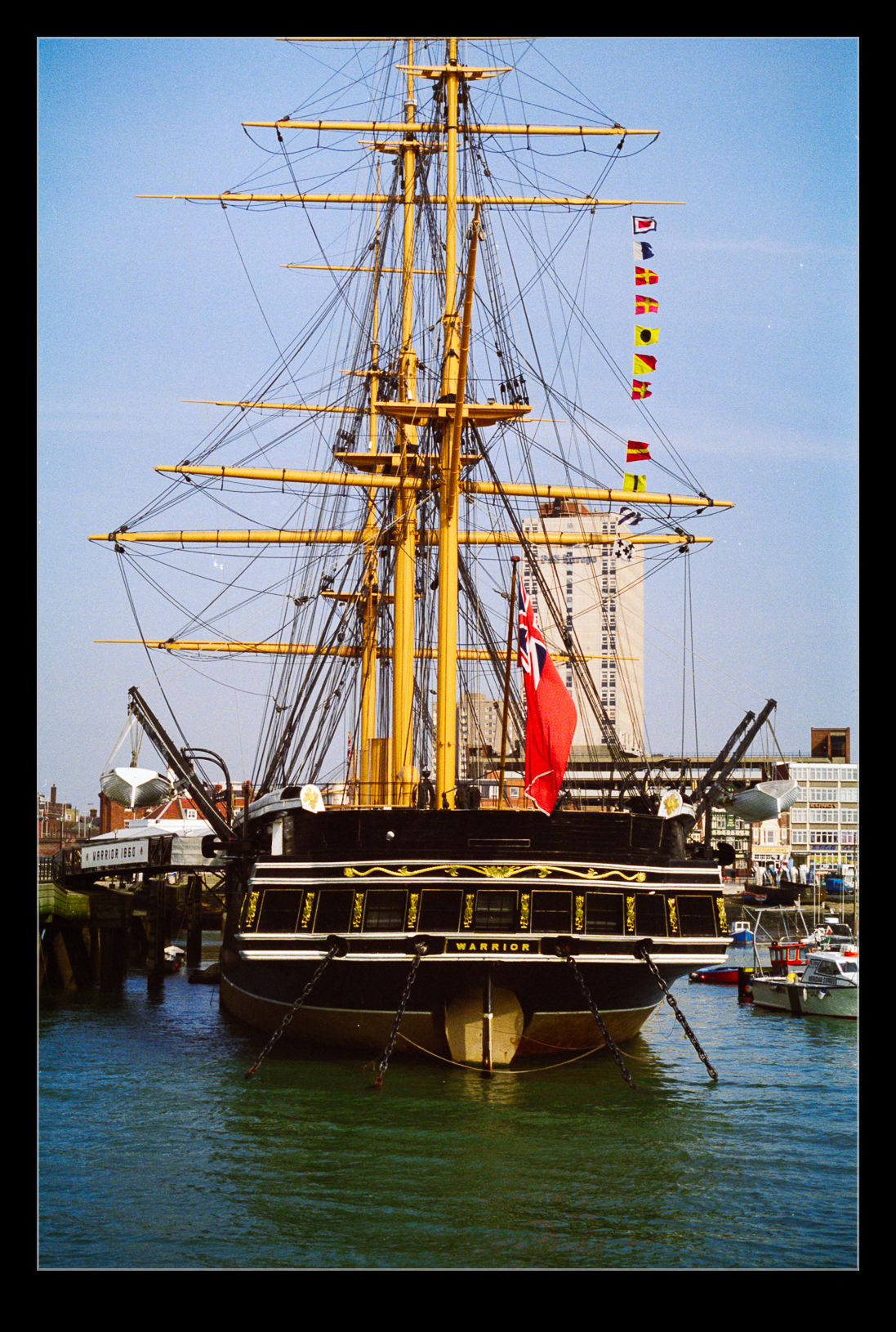
HMS Warrior

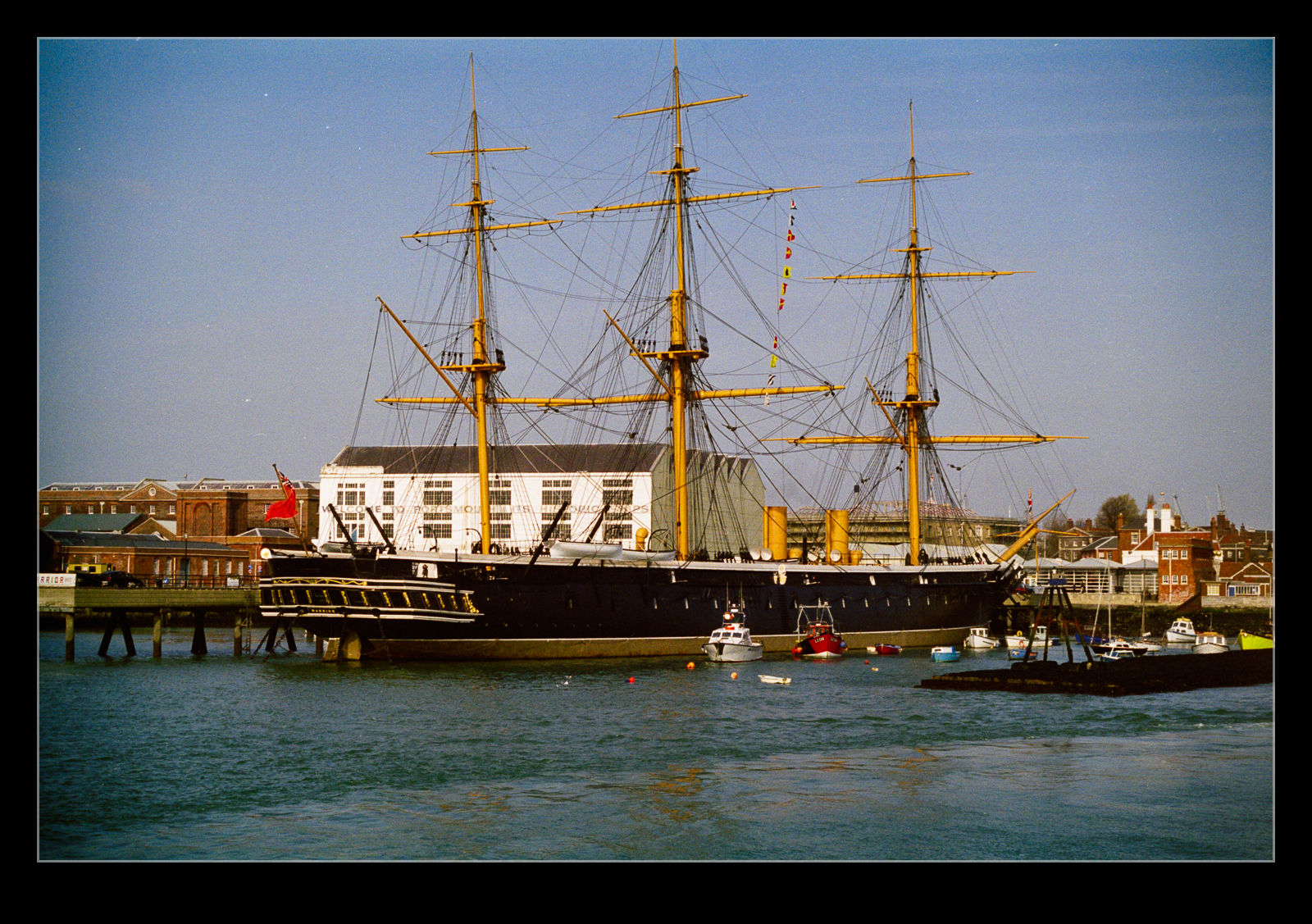
Continuing a theme from some recent posts with preserved Royal Navy ships, I add another part of the Portsmouth historic dockyard.  HMS Warrior was the world’s first iron hulled warship.  See served a reasonable career as a warship but, as was the case in those days, technology moved on fast and she was gradually relegated to lesser duties.  Eventually she became a hulk for storage and then a floating oil jetty.  Restoration was undertaken in Hartlepool in the 80s and she was opened to the public in Portsmouth in 1987.

I have not ever visited her.  I moved away from the area around the time she arrived and, while I have been back there more recently, I didn’t include her as part of the visit.  I have photographed her from a distance though.  Writing this has made me think that I need to visit at some point.  With Victory and Mary Rose in the same area, you might get a bit “shipped out” but I shall have to give it a go some time.

Old Victory Shot

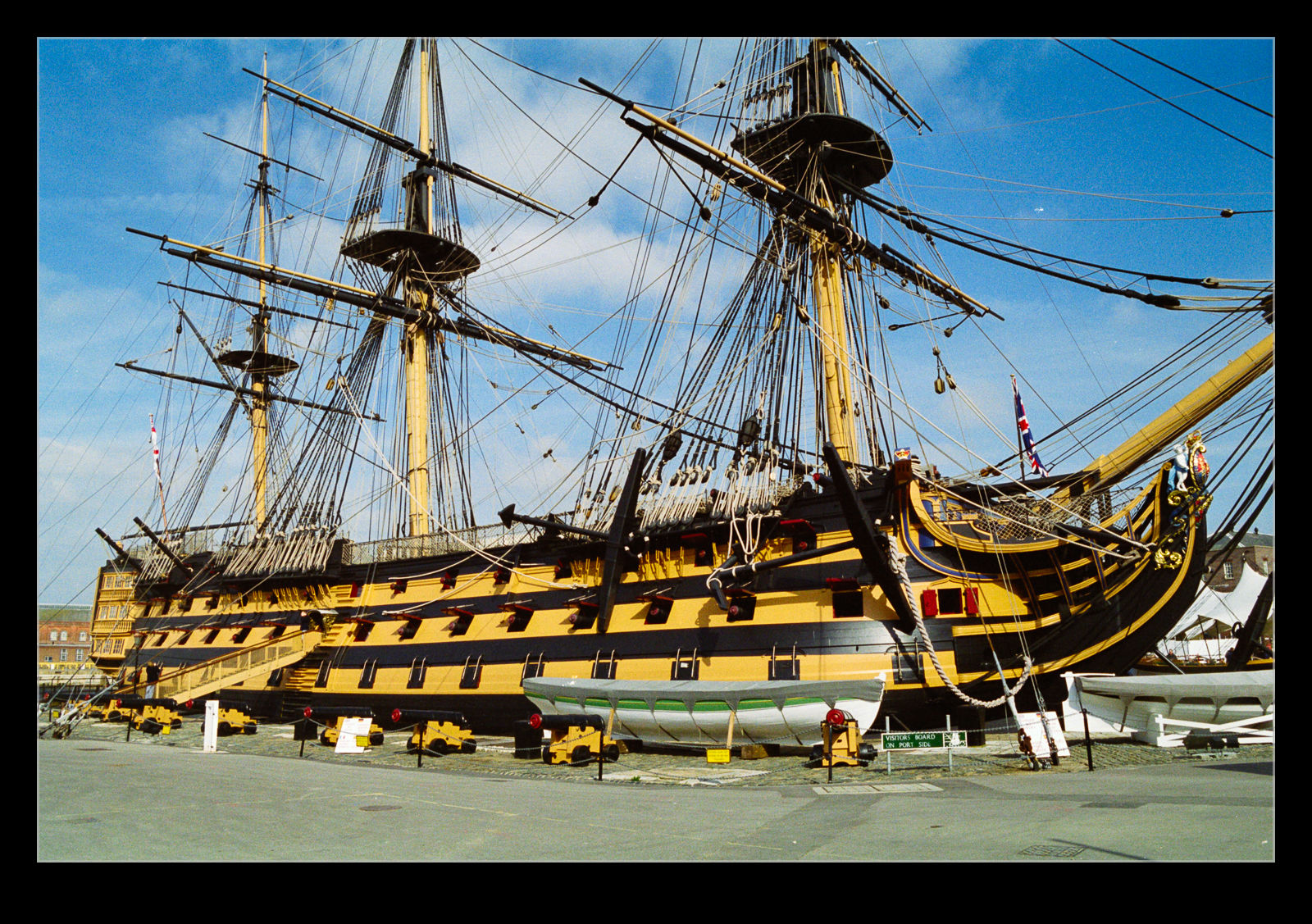
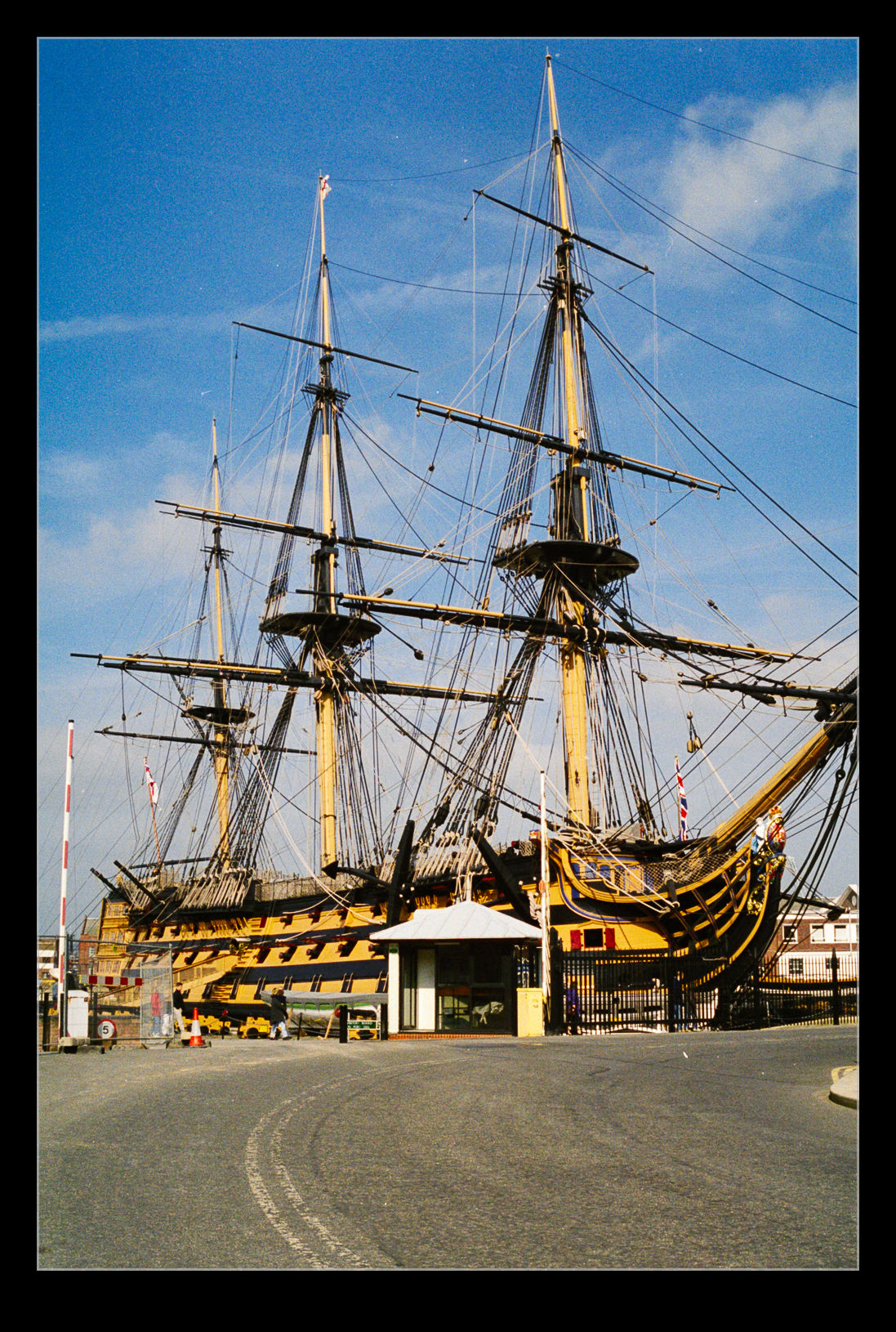
I was searching through my archive looking for some ship shots and the keyword search threw up a few extras that were separate from what I was after.  It included some shots of HMS Victory.  Victory is one of the most famous warships in the UK.  She was the flagship of Horatio Nelson at the Battle of Trafalgar and he died on her deck as the battle was won.  She survived after her main career was over and sat afloat at Portsmouth for many years before being restored and put on display in a dry dock in the navy base.

I have been on board a few times over the years.  I have some old photos from the film days that I took and also some aerial shots of her and thought I might share them here.  I understand that she has recently undergone a further restoration.  The hull had been sagging around the supports underneath and so she has been repaired and the support system modified.  It is also now possible to go under the hull as part of the visit.  This is something I would like to try when I next have time during a visit to the UK.

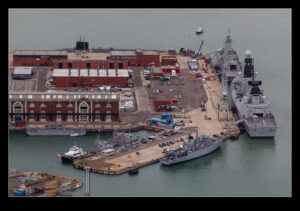
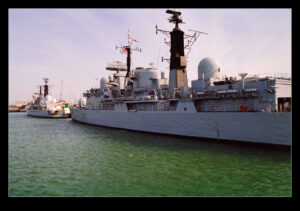
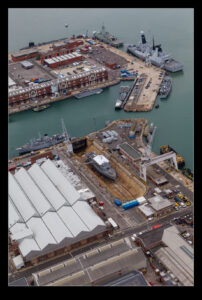
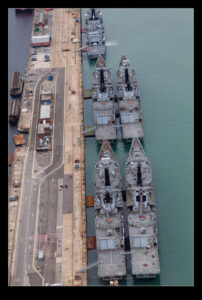
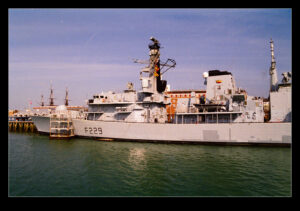
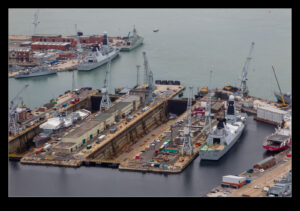
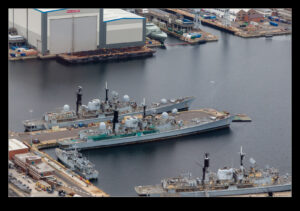
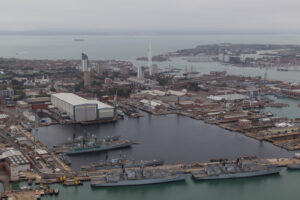
Royal Navy Warships at Portsmouth

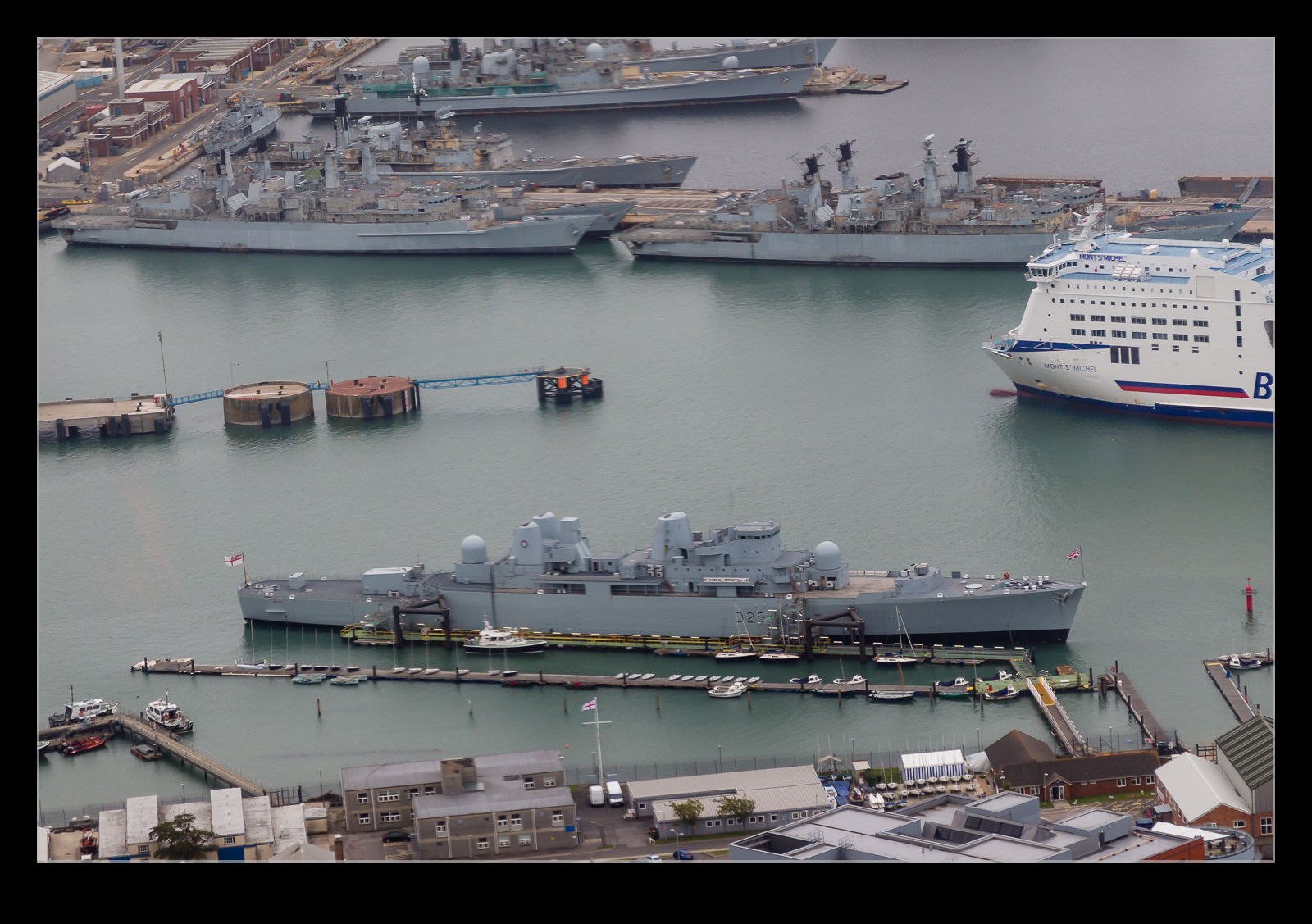
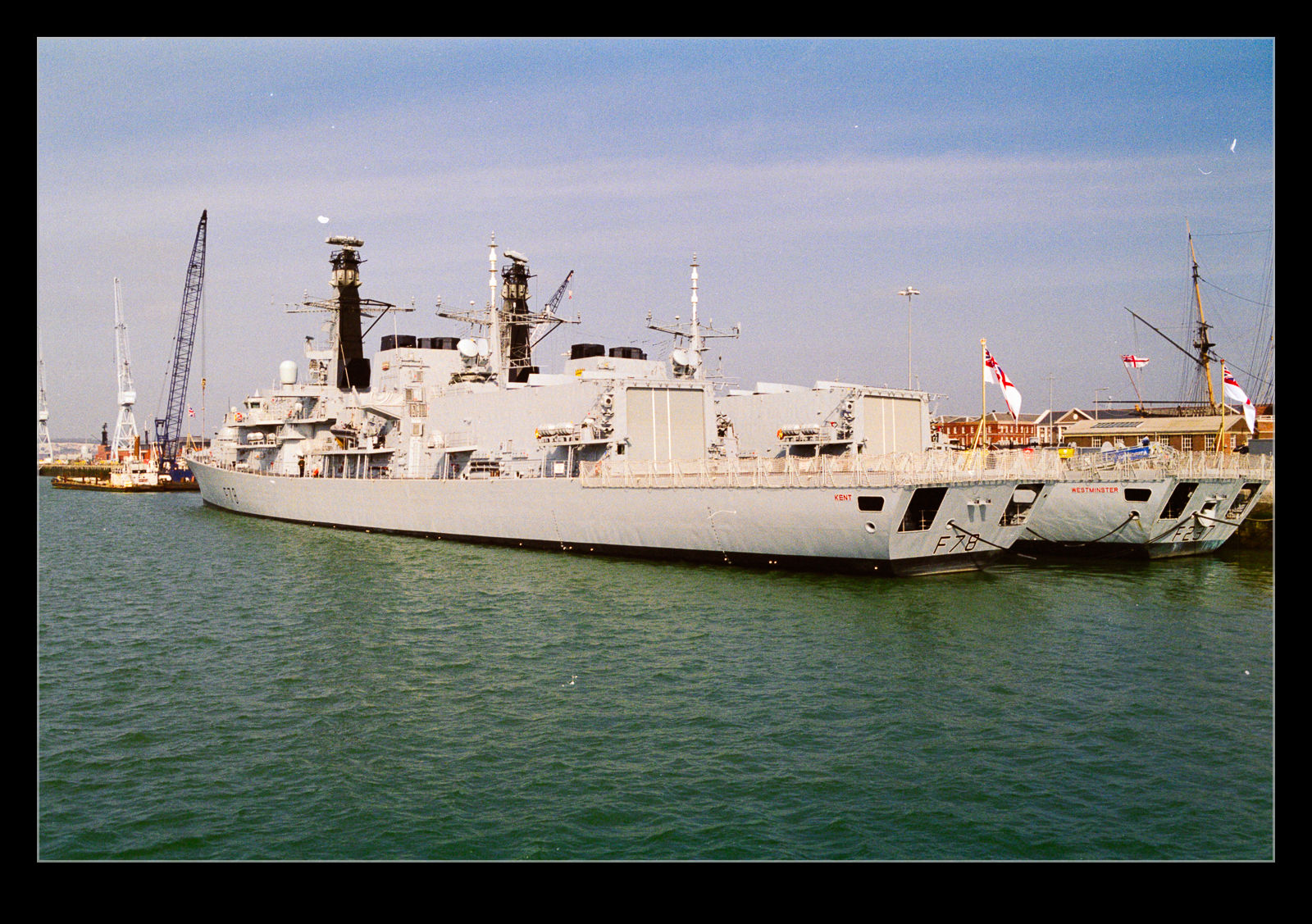
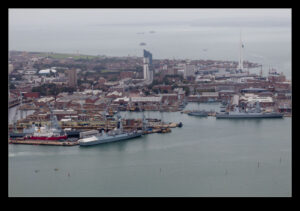
My aerial photo searches brought me to some shots of the Royal Navy’s dockyard at Portsmouth.  One or two shots from this were used in a post about a flight I took with Pete but not very many.  Flying over the home of the Royal Navy, we got to see a bunch of ships – large and small.  HMS Bristol was moored for use as a training ship.  I think she may have now been relieved of that duty so don’t know whether she is still around and for how long.

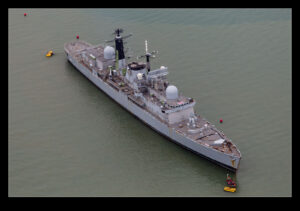
Plenty of frigates were moored alongside and there were surplus Type 42 destroyers at various locations too.  This got me thinking about a day many years ago when we were in Portsmouth for some reason.  We took a trip around the harbour in a sightseeing boat and I got a few shots of some ships then too so these are interspersed here.  Now the arrival of the two carriers to the fleet would mean a good chance of getting a far larger vessel alongside.  Might have to think about doing something like this again at some point when I am in the UK.

Detail on a SHAR

Another throwback post today to some of the time I spent with Art Nalls and Team SHAR.  Art is now selling his Harriers which is a big shame.  No idea who will buy them (assuming someone will) and what will happen to them but I hope they fly again.  The two-seater was close to flying again and I imagine there would be a few people interested in that.

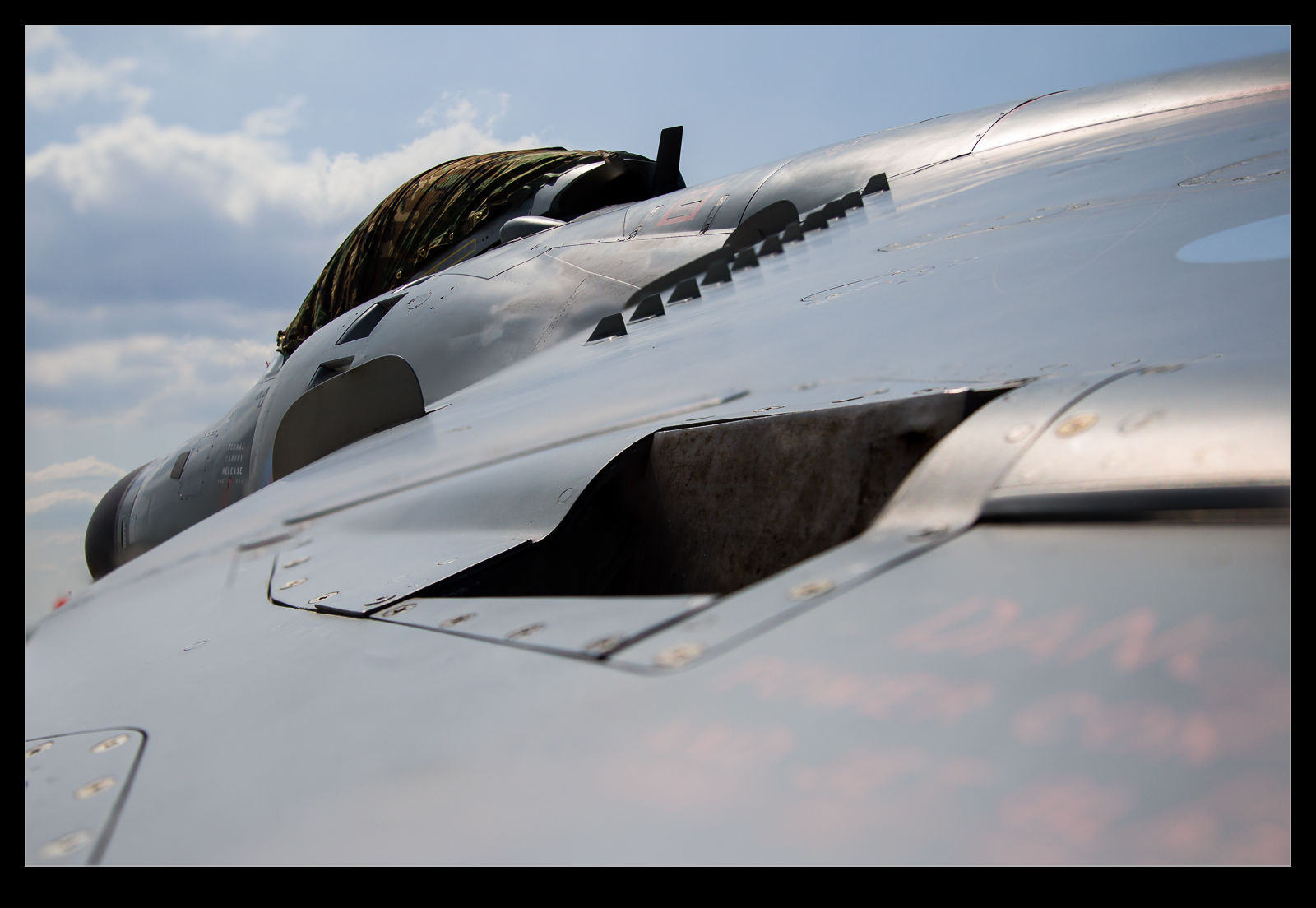
I got a lot of shots with Art and the crew over the years but I recently found myself scanning through some detail shots of the plane.  I even played with a few shots from a single position where I had experimented with moving the focus point along the wing.  These seemed worth trying to focus stack.  I hadn’t aligned them shots perfectly when I took them so it didn’t stack perfectly but it made a reasonable job of it.  I hope to see this airframe again some time.

Lynx/Wildcat Selection

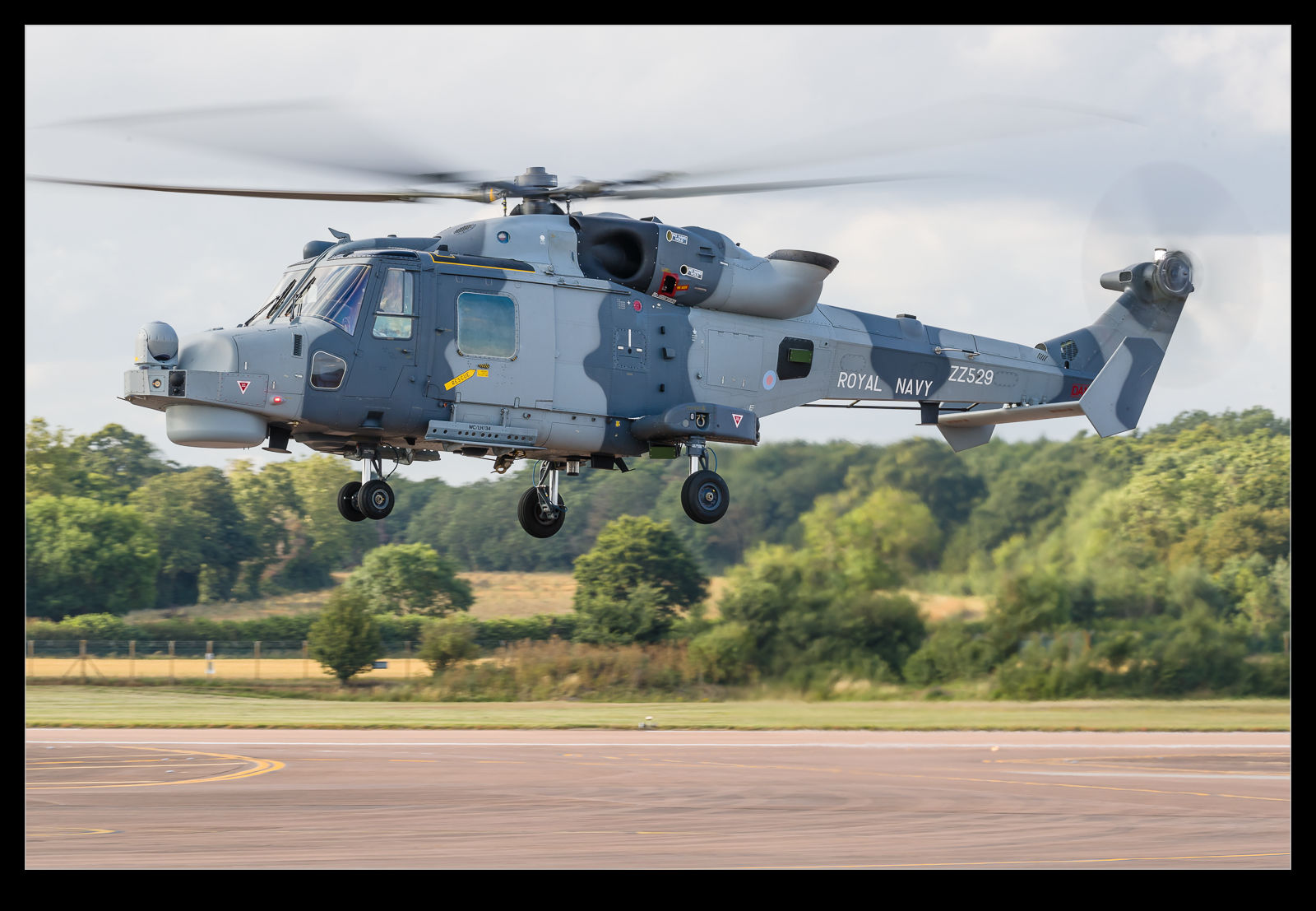
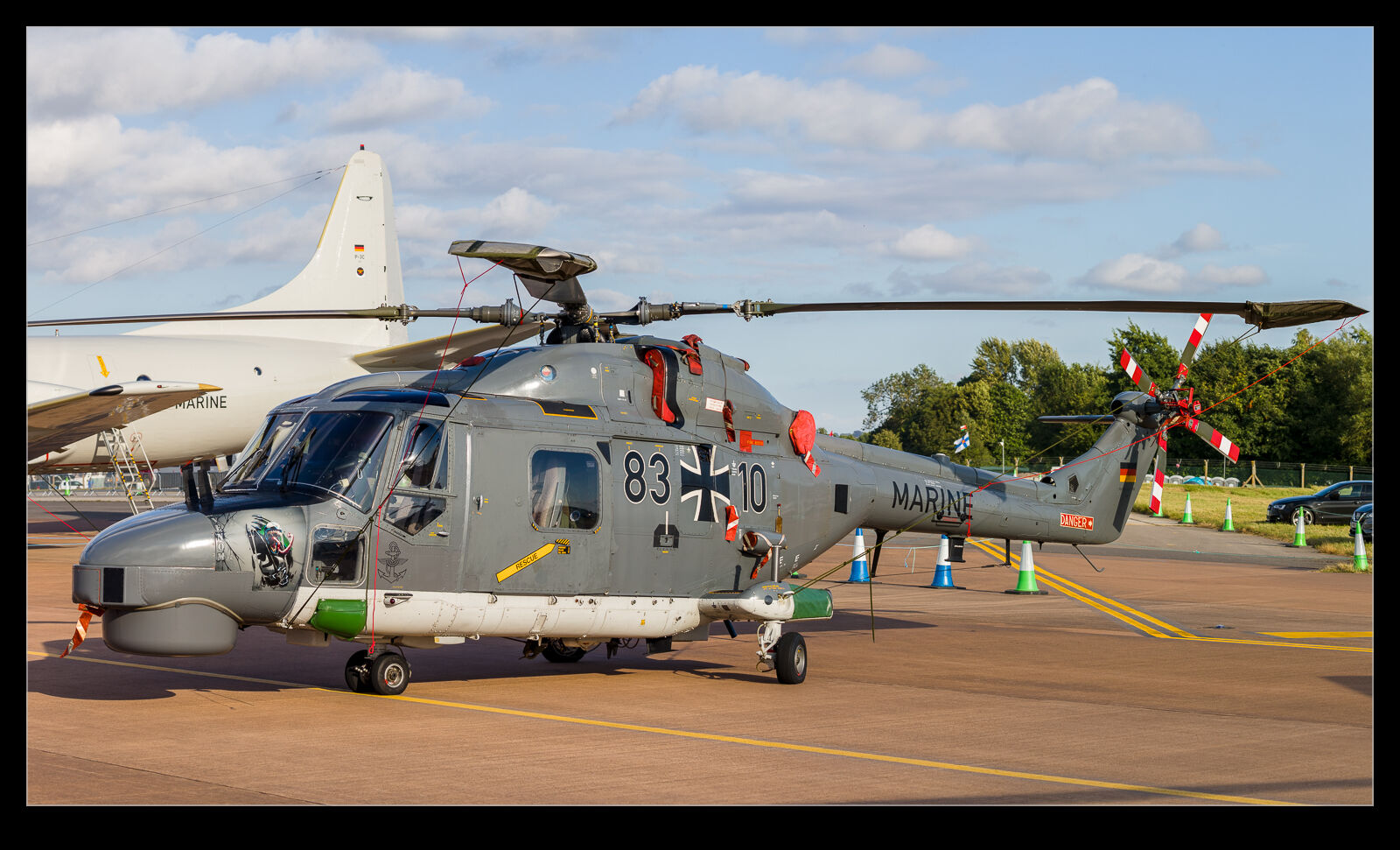
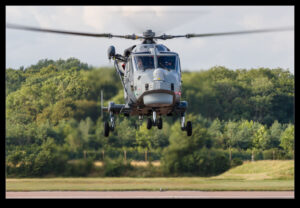
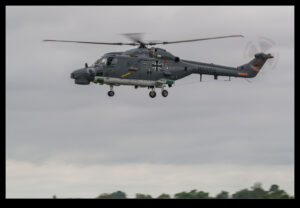
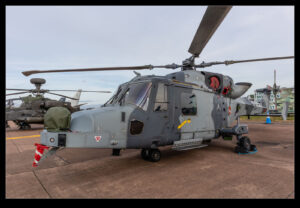
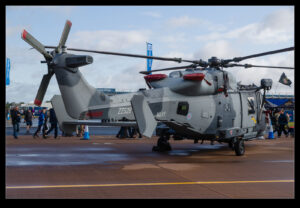
The Lynx was a favorite helicopter of mine in my teens.  It was in service with both the Royal Navy and the British Army in substantial numbers.  We used to see them a lot as they often flew past our home on the seafront in Cowes moving between the Navy bases at Portland and Portsmouth.  The Lynx has gone from UK service, replaced by the Wildcat.  I hadn’t seen any Wildcats before RIAT so was glad to see them from both the Army and the Navy (not that they look that different unliked their predecessors).  Old style Lynxes were still represented though.  The German Navy had an example visiting.  They are not going to be around for much longer, though.  They will be replaced early in the 2020s.

Daring Class Destroyer

The Royal Navy destroyer fleet’s most recent additions have been the Type 45 Daring Class.  These ships are an integral part of the groups that will support the new carriers.  The Type 45s preceded the carriers in to service by a number of years.  They have a superstructure that suggests more focus on radar reflectivity and the main mast is a larger structure than seen on previous ships.  This example was sailing out of Portsmouth and towards the English Channel while I was at Seaview on the Isle of Wight.  It was a bit distant but still worth a shot given how I haven’t seen one on open water before.

The Royal Navy Comes to Farnborough

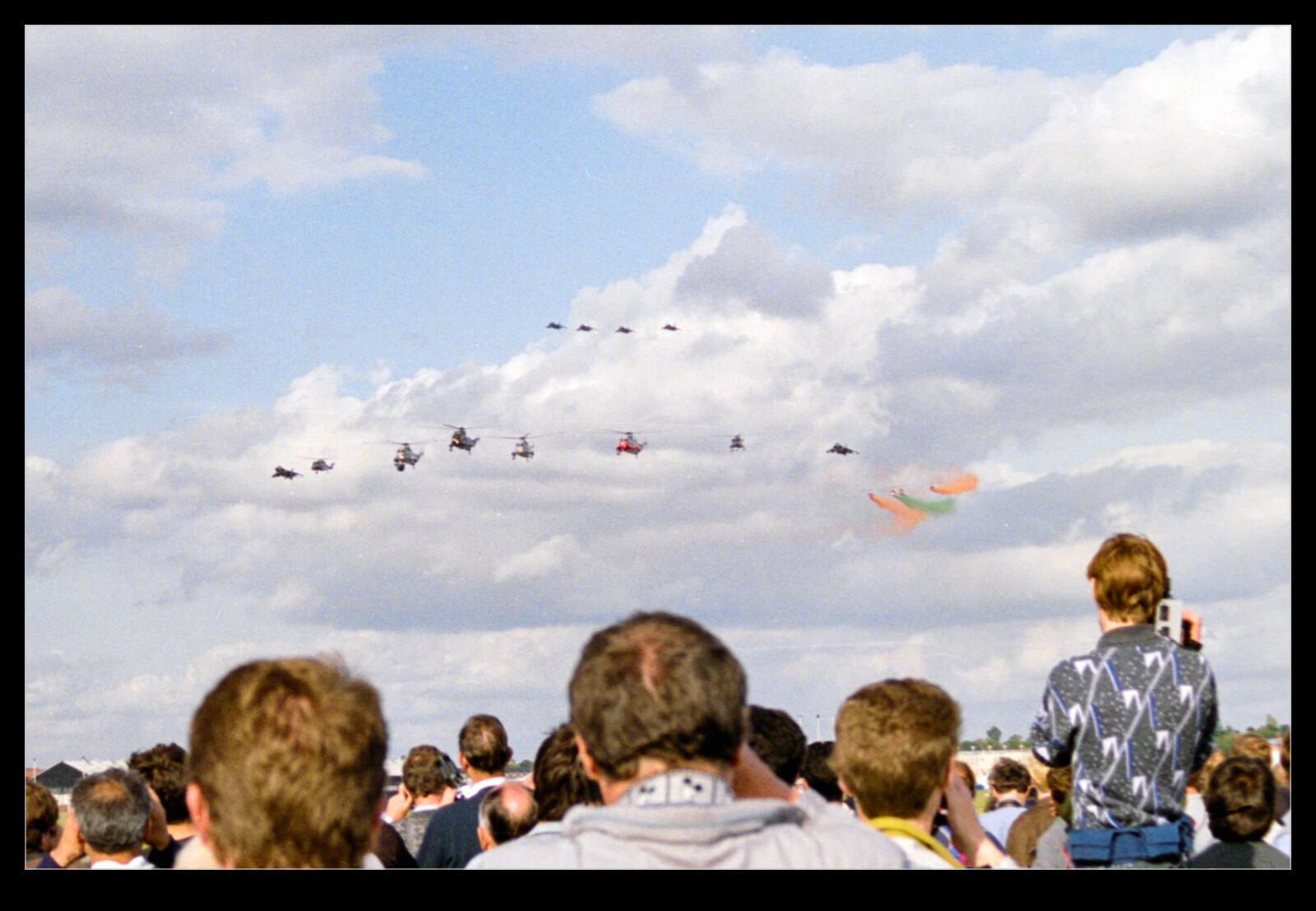
Scan 2-1586.jpgAnother flashback post today.  This one is an old Farnborough airshow and it included a rather large flying contribution from the Royal Navy.  I don’t now recall exactly why the Navy was so committed to this show.  This wasn’t even on the public show days when the display is often modified for the public from the format used for the trade days.

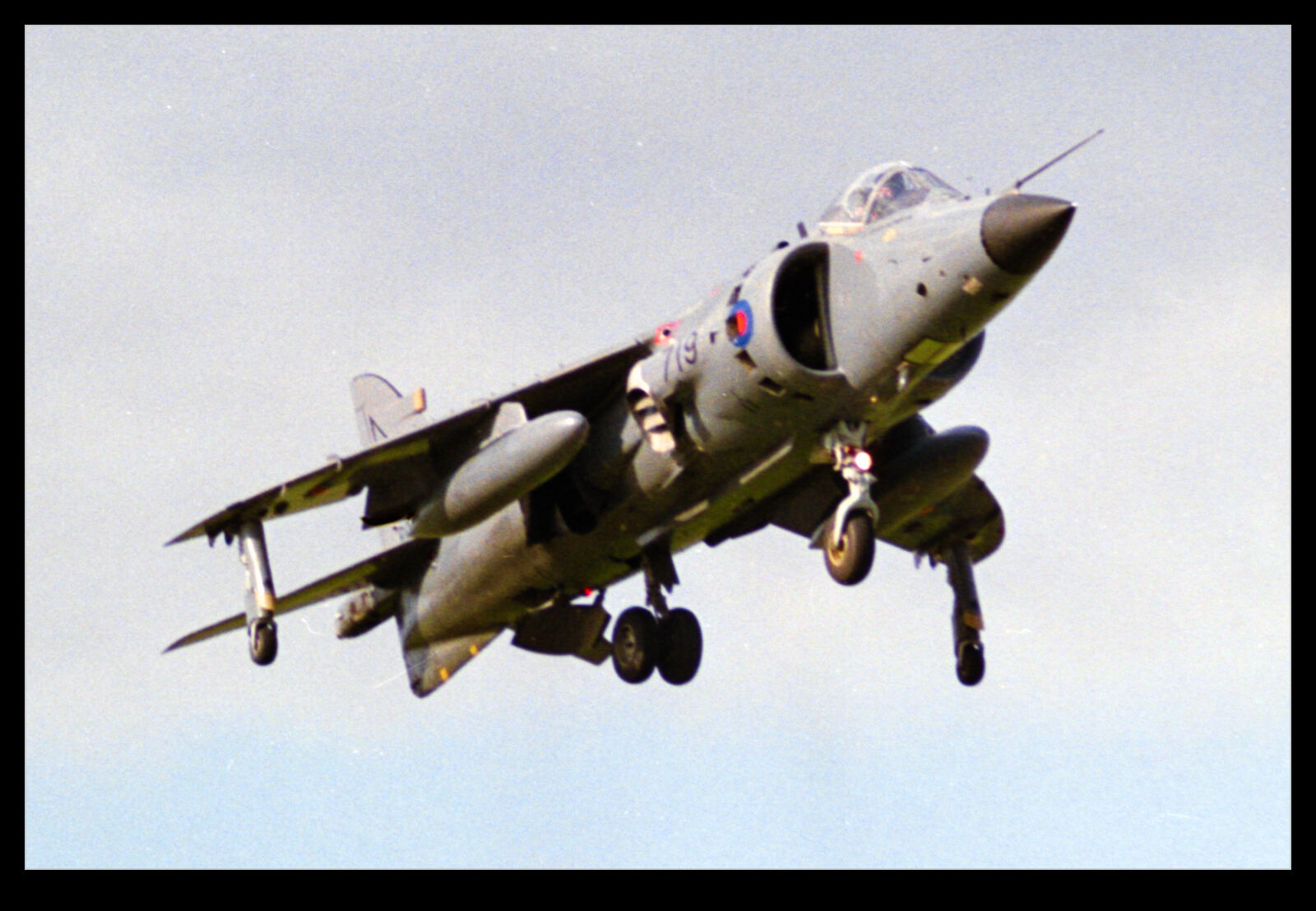
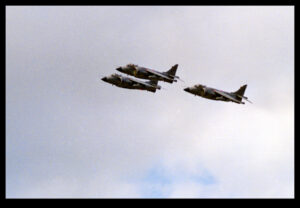
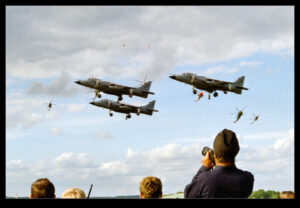
Scan 2-1585.jpgThe main element of the display was six Sea Harriers.  These were FRS1 models prior to the F/A2 upgrade program.  The aircraft took off in groups of three and included a formation hovering routine with the jets arrayed along the runway providing a jet in front of most of the viewing crowd.  Some fast flying was also a part of the display of course.

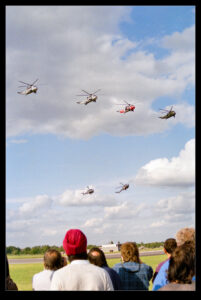
Scan 2-1579.jpgHelicopters also contributed to the display and the low speed capabilities of the Harrier meant that it was possible to combine the fixed and rotary elements together in one formation.  The whole thing made quite an impression as a recall.  The sound of six hovering Harriers was certainly enough to give the eardrums a workout!

Diesel Submarines

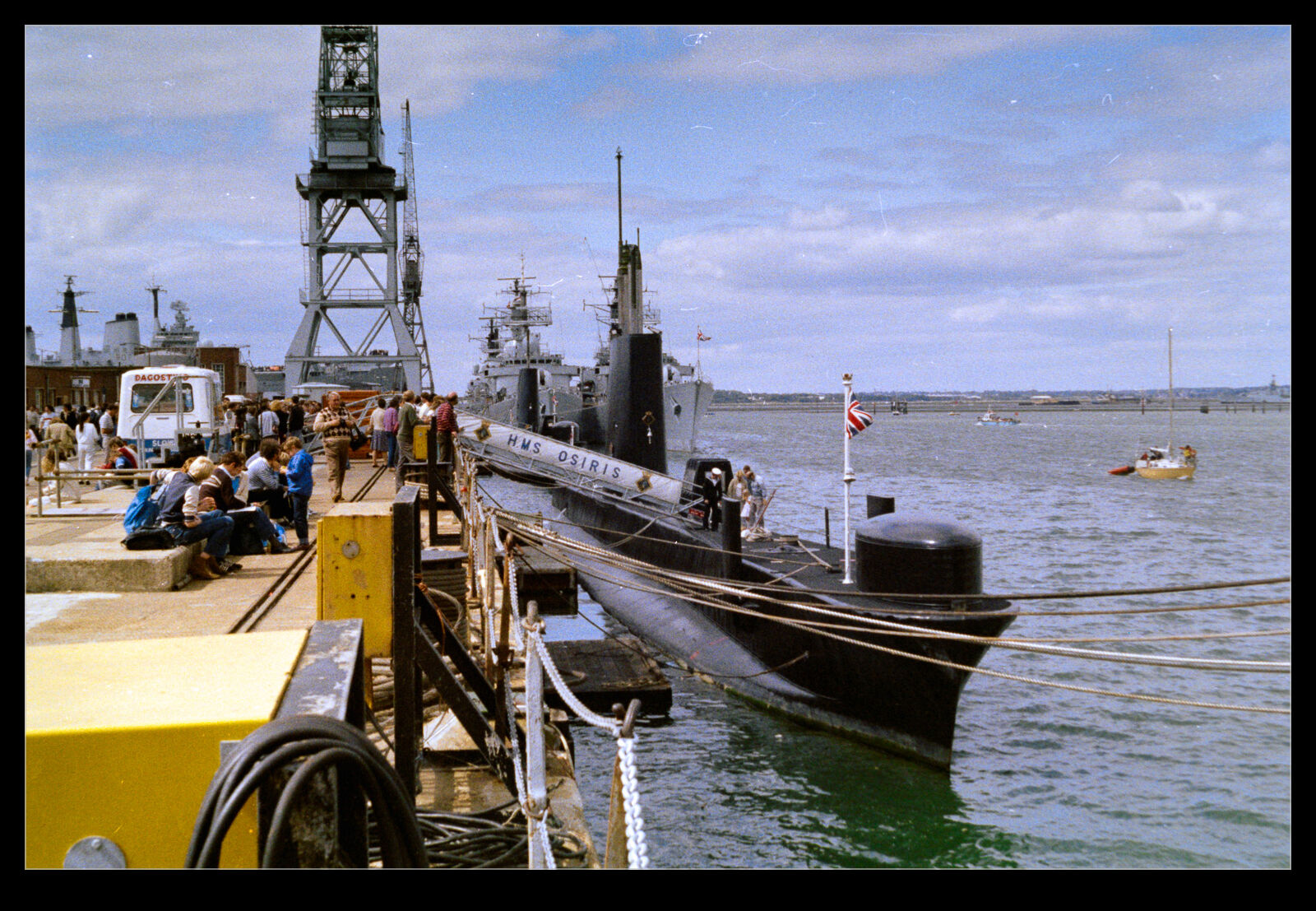
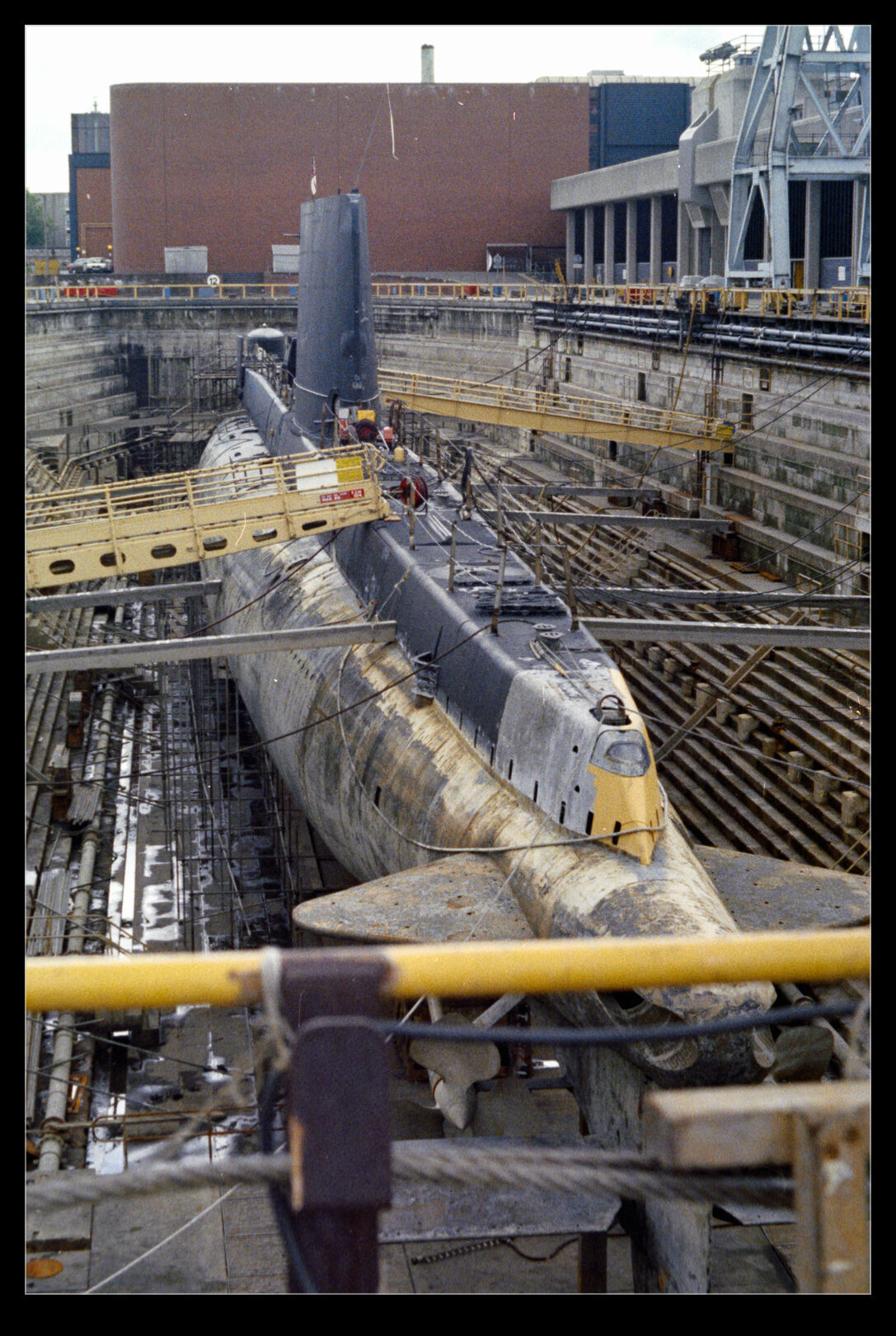
Scan 2-904.jpgThe Royal Navy’s submarine fleet is entirely nuclear powered. In the 80s, though, this was not the case. The Navy then still had a substantial fleet of diesel subs. The Oberon Class of subs was available in numbers along with the remaining Porpoise Class that preceded them and these were due to be replaced by the Upholders. Only four of those were built and they were sold to Canada when the decision was made to get rid of the diesel fleet despite their outstanding stealth qualities. When I went to Navy Days in Portsmouth in the 80s, you could see the subs on display. HMS Dolphin was just across the harbor and was the headquarters of the sub operations. One visit included the chance to see a sub in dry dock – something I suspect would not be left on view these days.

Scan 2-909.jpg

Farewell to the Junglies

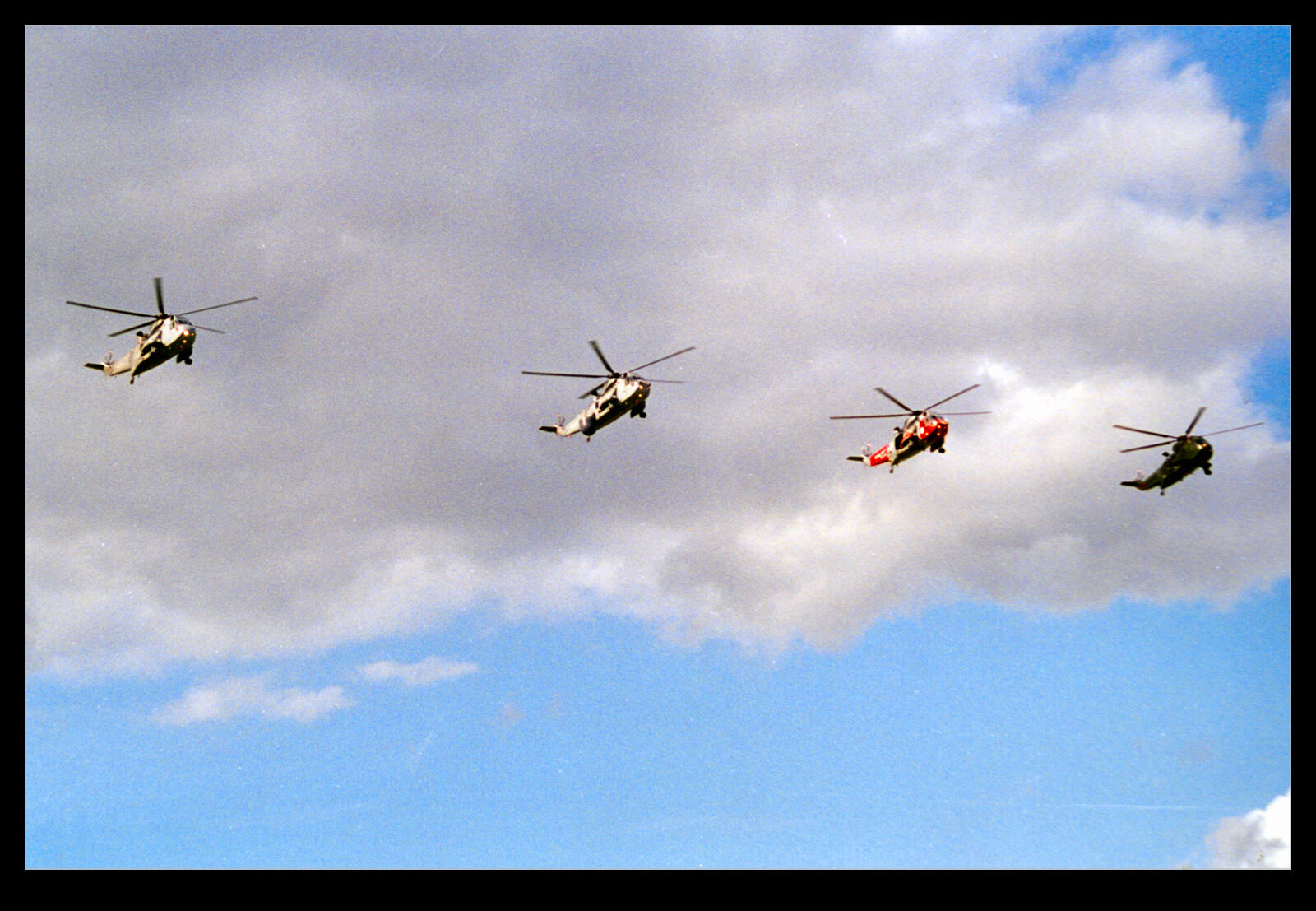
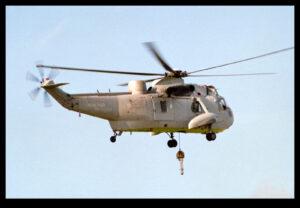
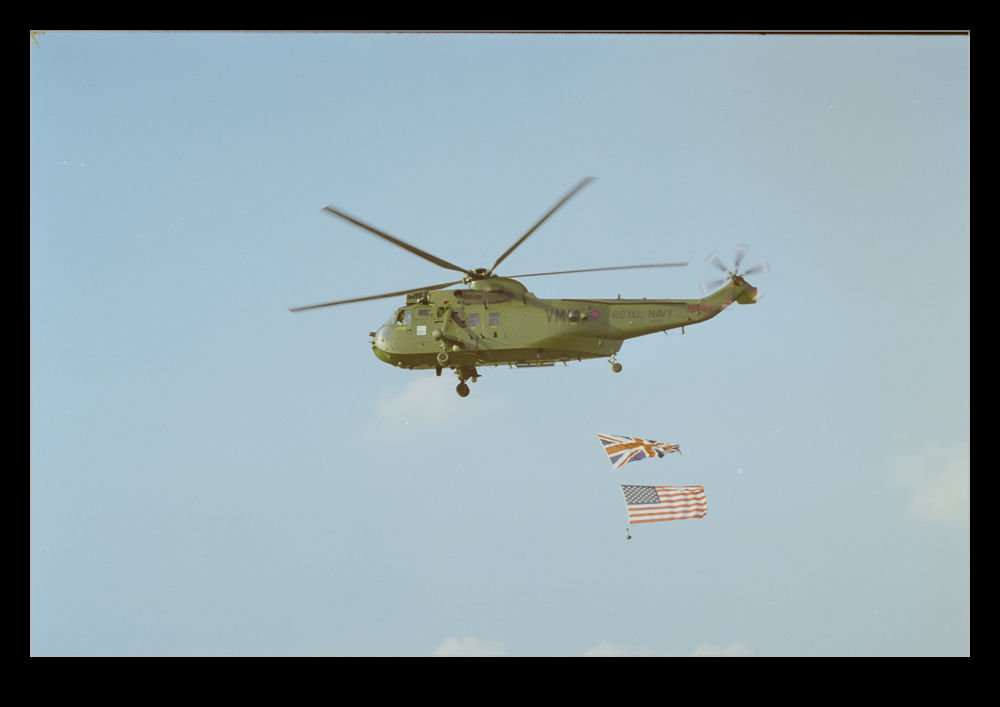
Scan 2-583.jpgThe end of the line has come for another UK military type.  The Sea King HC4 has come to the end of the line for the Royal Navy.  The Navy operated many Sea Kings in the anti-submarine role and for search and rescue before the Commando role was taken on.  The Wessex fleet was aging and Westland had already come up with an assault version for the export market.  Distinguished by its lack of radome and sponsons, the RN decided to use them as the replacement for the Wessex.  I have seen them on many occasions.  Living near Portsmouth as a kid, they frequently flew by.  I also saw them at Navy Days.  However, I have far fewer shots of them than I expected.  They were not big airshow regulars.
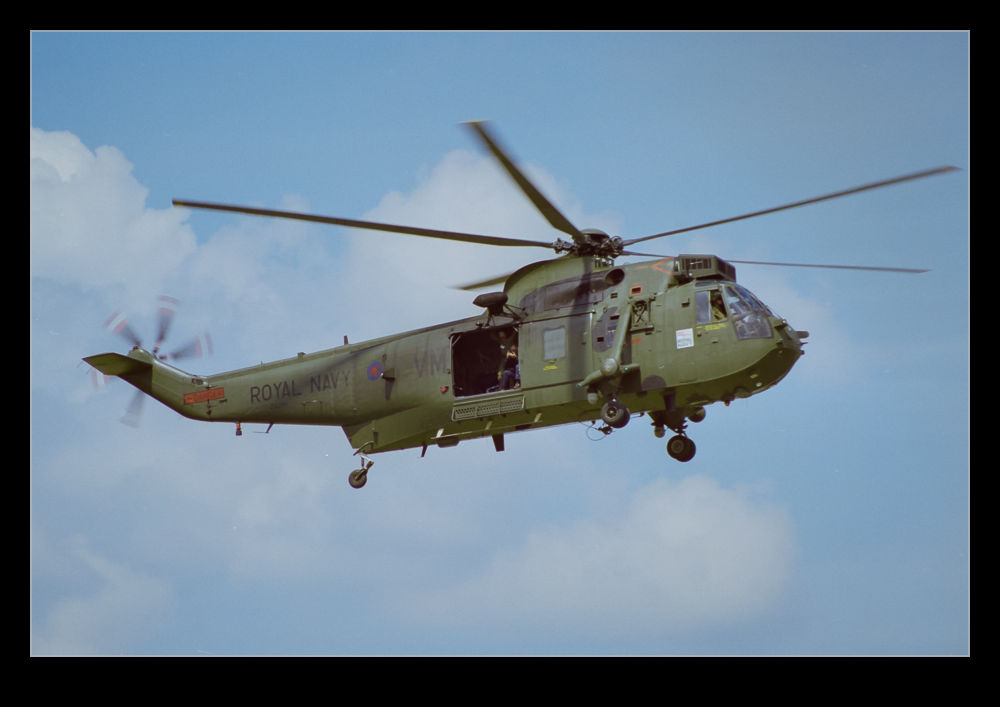
Scan 2-611.jpgThe Junglie name had come from operations before their time and will, I suspect continue with their replacement in service, the Merlins that have been transferred from the RAF.  With over 30 years of service, I guess they have done their job well.

Scan 2-582.jpg