Tag Archives: airplane

New Standard and Travel Air Trips

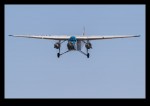
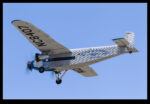
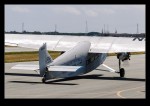
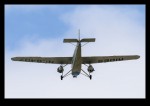
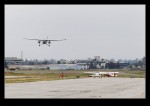
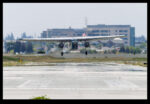
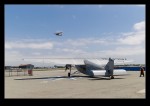
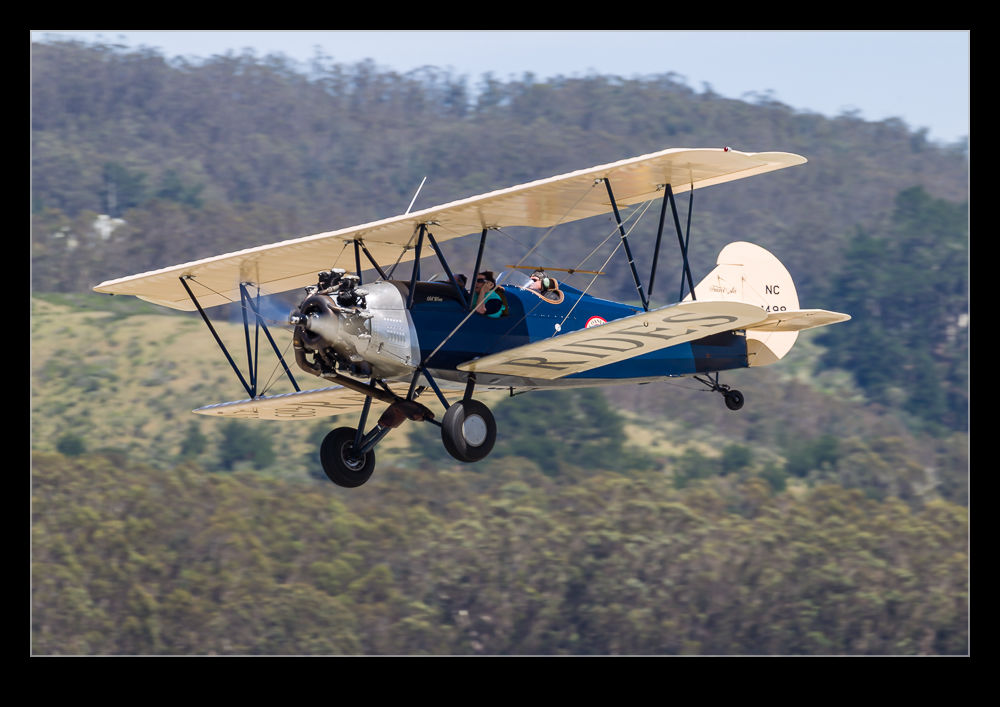
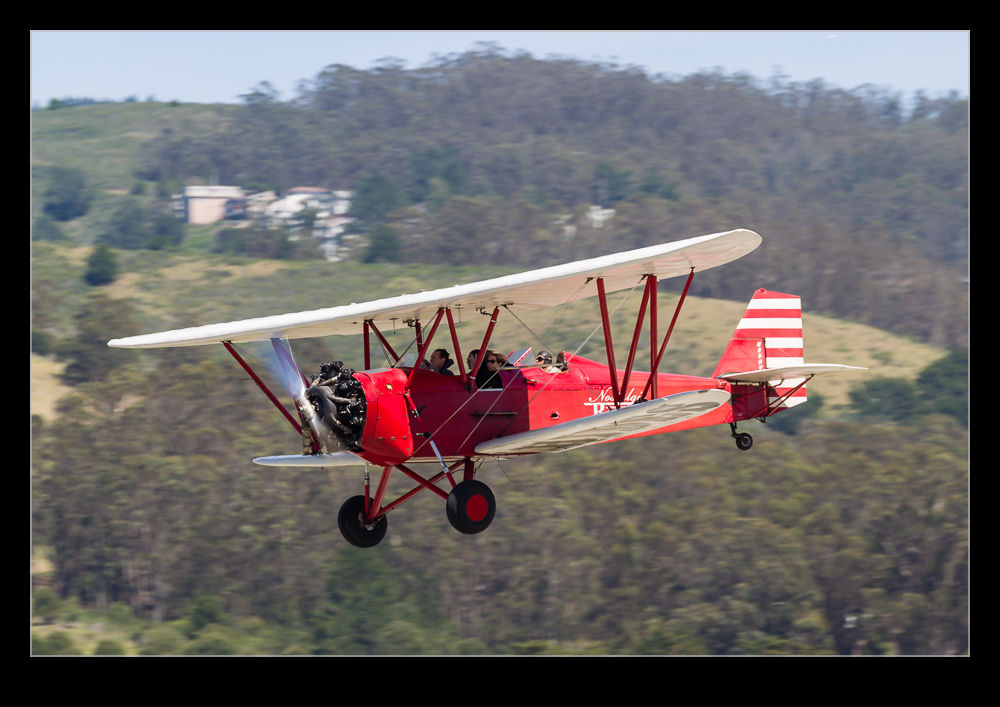
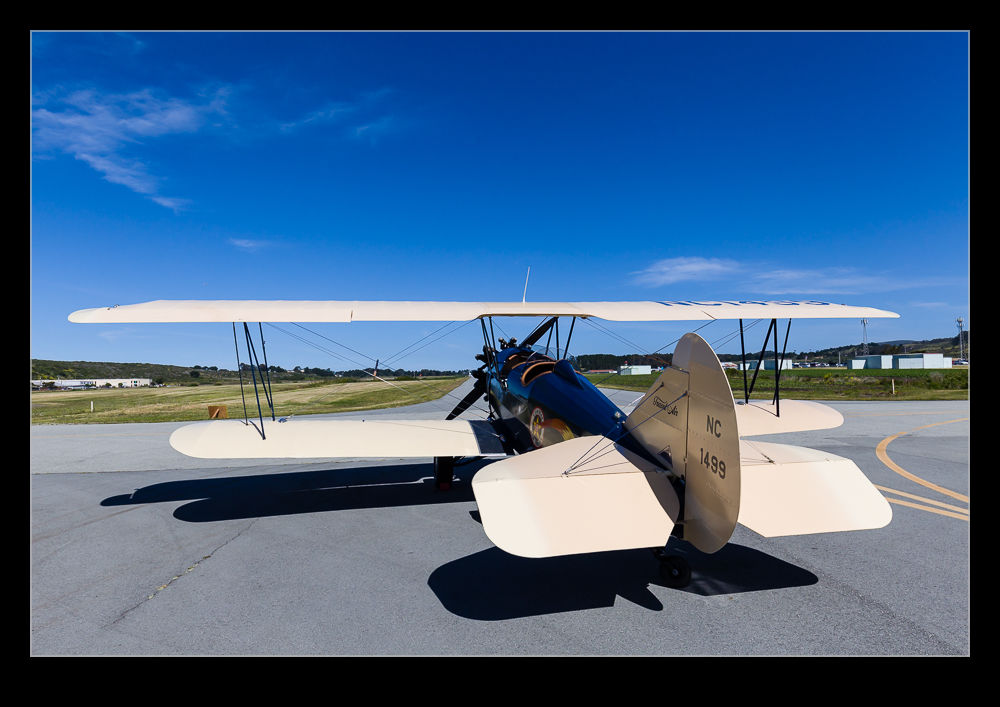
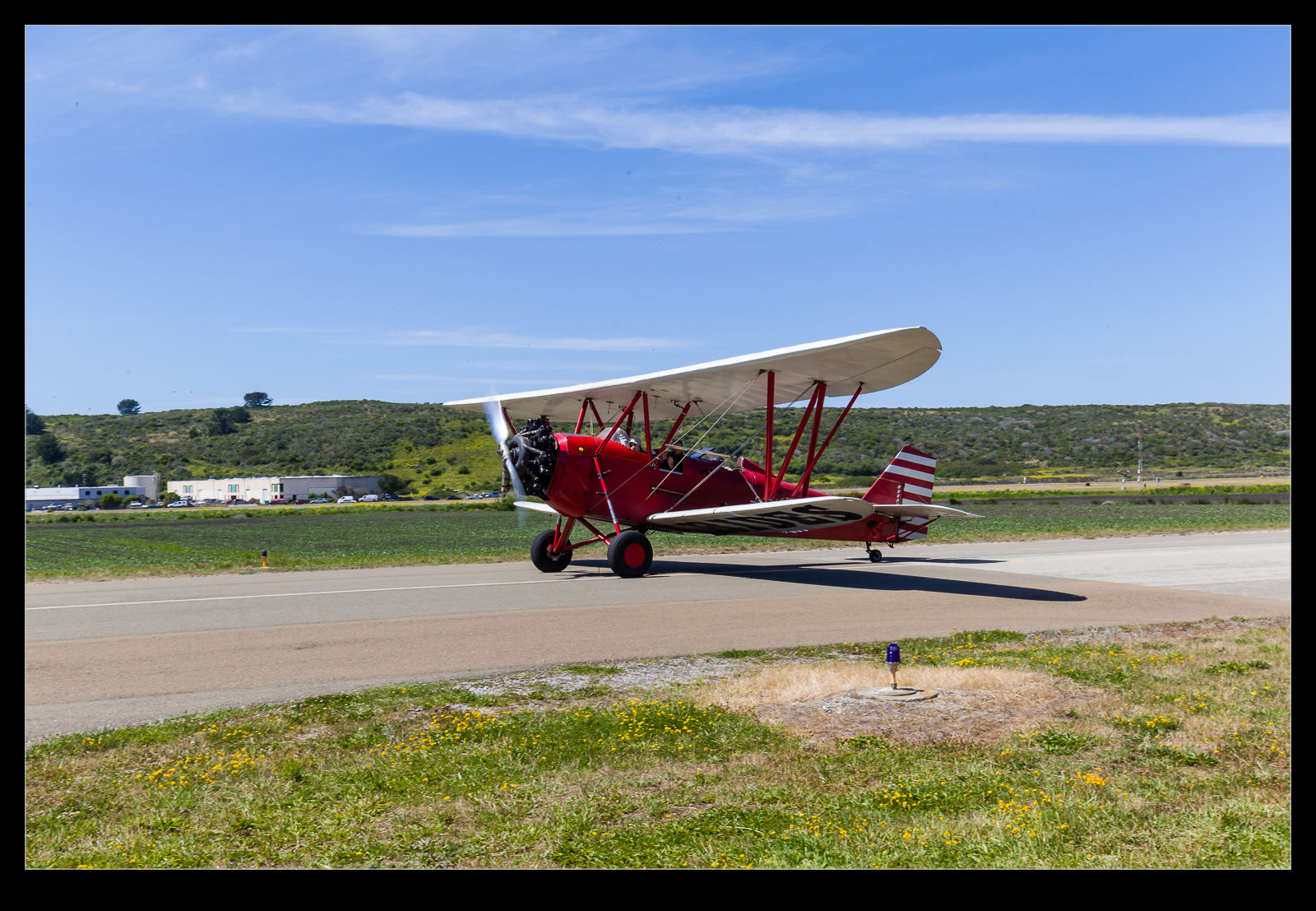
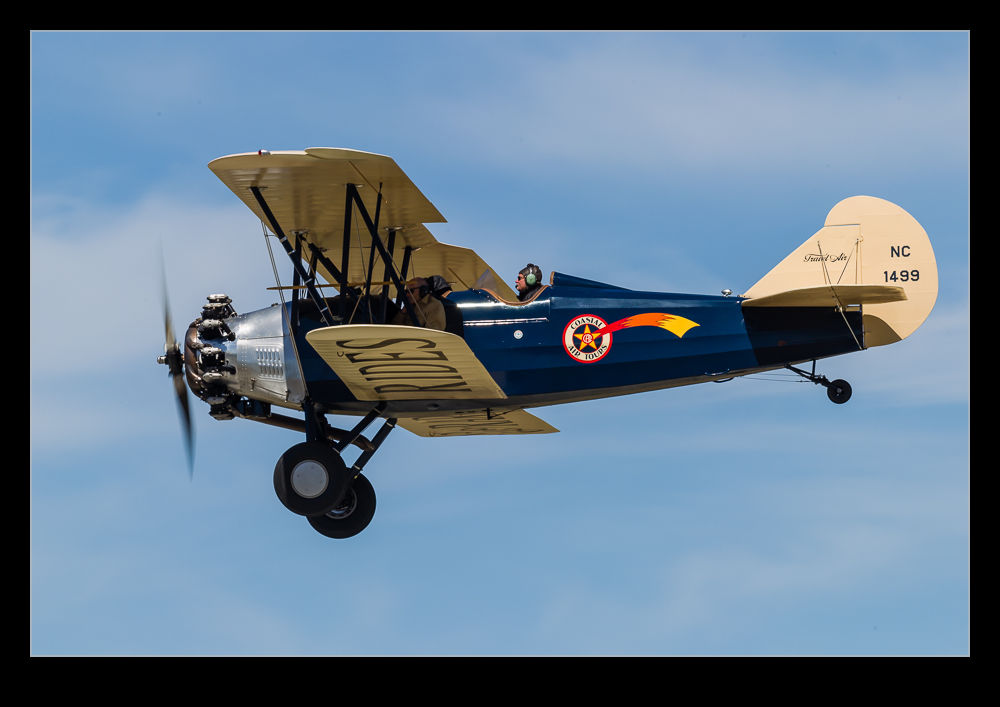
AU0E7742.jpgThe Dream Machines show included the opportunity to take a step back in time and experience open cockpit flying the way it was a long time ago. Two vintage bi-planes were offering rides and were doing a roaring trade. The two planes in question were a New Standard and a Travel Air (that lives at Skypark and can be seen up there on a regular basis). The opportunity to sit in the front of these lovely looking machines resulted in a long line throughout the day and frequent opportunities to see them in the air.
AU0E7891.jpgThe wind speed was actually quite high so, while their downwind legs were quite zippy, any movement upwind seemed considerably more labored. The approach and landing could be made from quite a high initial point with dropping down not needing much in the way of side slipping.
C59F7941.jpgI have seen both these aircraft before but they are still a nice looking pair and, with the hills overlooking the airport providing a nice backdrop, we could get some nice shots.
C59F8077.jpg AU0E8161.jpg

PC-12 Frenzy

C59F2359.jpgNearly twenty years ago, I made a trip to Switzerland to visit the factory of the Pilatus aircraft company. We were working on their PC-9 turboprop trainer that we had supplied to an export customer. While we were walking through the factory, the fuselages of some early PC-12 utility turboprops were in the jigs. At the time I remember thinking that it was a big investment for a relatively small company and wondering how well the project would go.

C59F2550.jpgCome forward to the present day and the foresight of the management team has been rewarded with an excellent sales record. The original PC-12 sold well and the NG version continued that story. They are currently going through another upgrade cycle. The combination of rugged utility, flexible interior configurations and turboprop efficiency has made the PC-12 a popular aircraft around the world. Strangely, it has been less successful in Europe where single engine IFR ops are more heavily regulated.

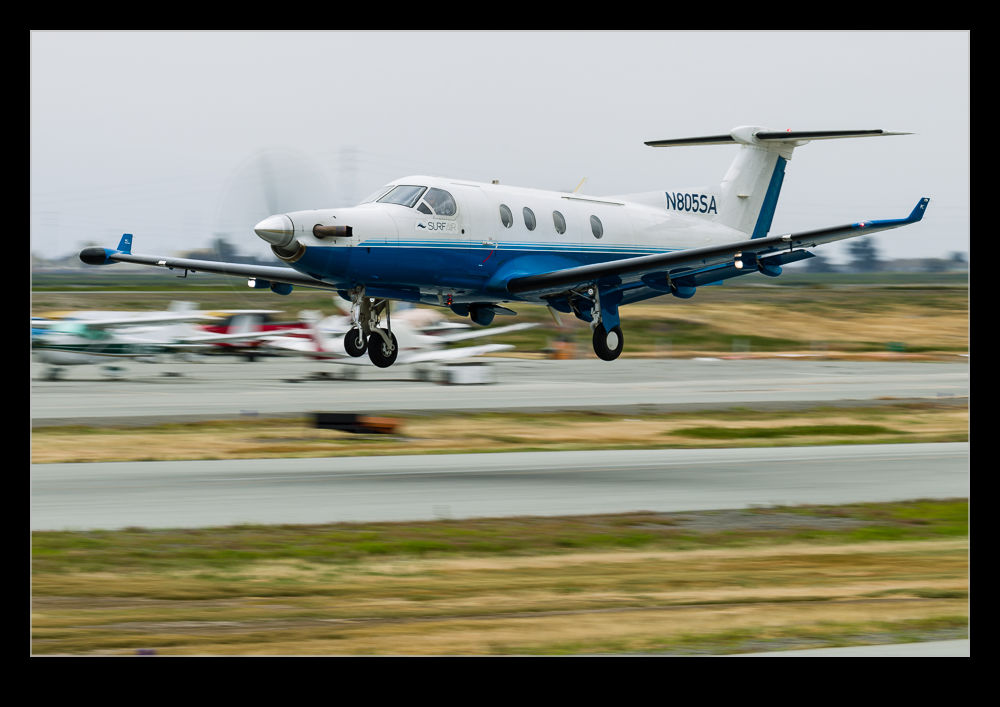
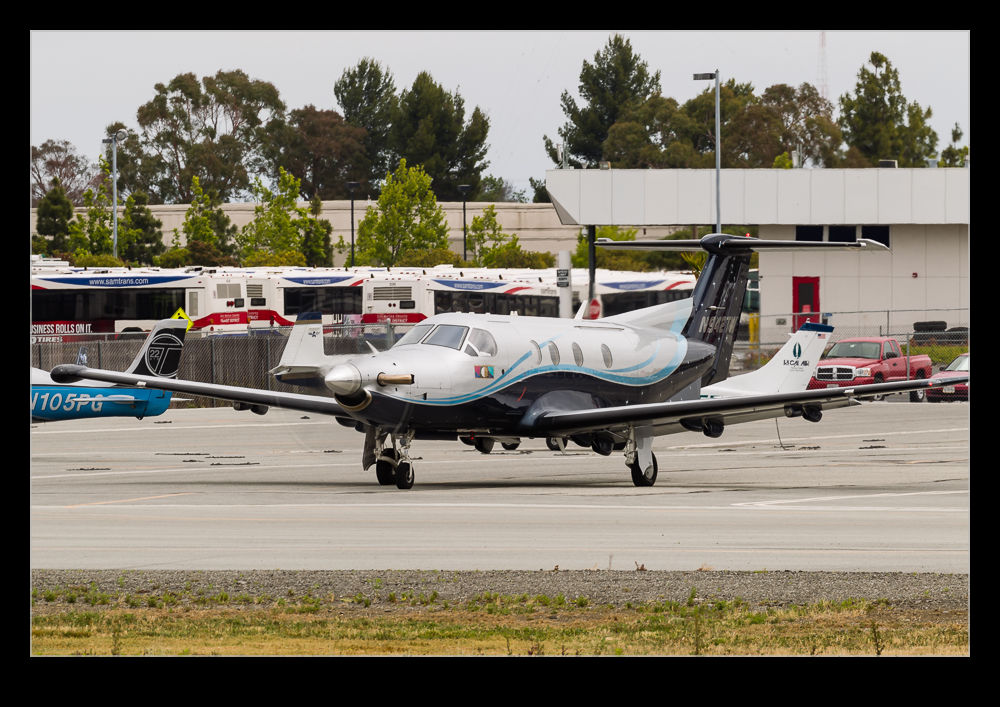
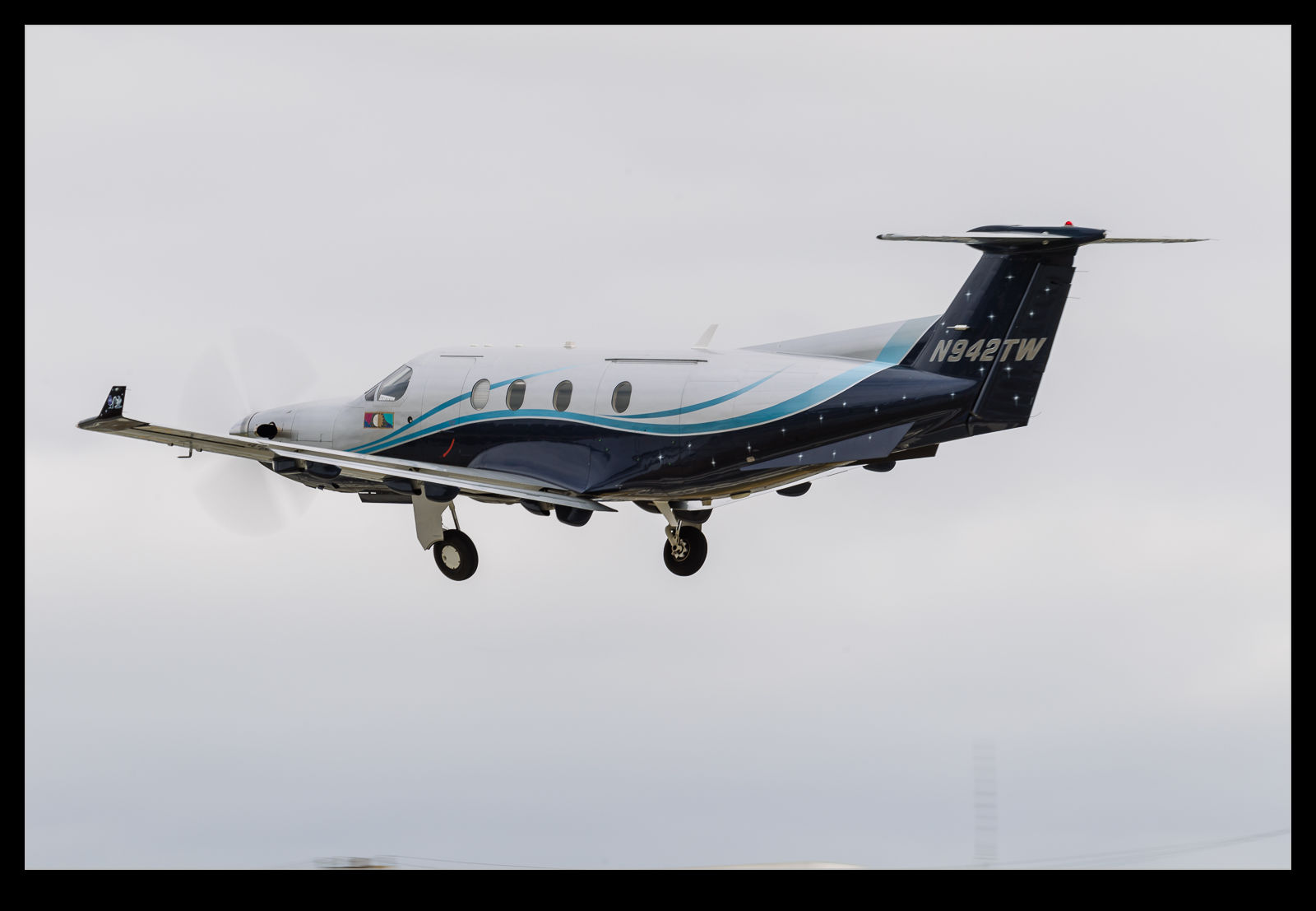
C59F2682.jpgIt is not unusual to see a PC-12 at an airport in the U.S. However, San Carlos proved to be slightly more PC-12 heavy than the average. A small airline called Surfair operates from there with a fleet of the Pilatus plane operating to a variety of destinations in California. While we were there, they had a number of movements (plus one that wasn’t a Surfair aircraft). This meant I could get a lot more PC-12 shots for the library and they aren’t all painted the same colors which is a benefit (although some aren’t painted anything other than white!). I could also take some chances with shutter speed to see what I could get. The PC-12 is not a plane you would call pretty but it is a very practical design and one I am always pleased to see. It takes me back to the hangars in the Swiss Alps a long time ago.

EAA Trimotor at San Carlos

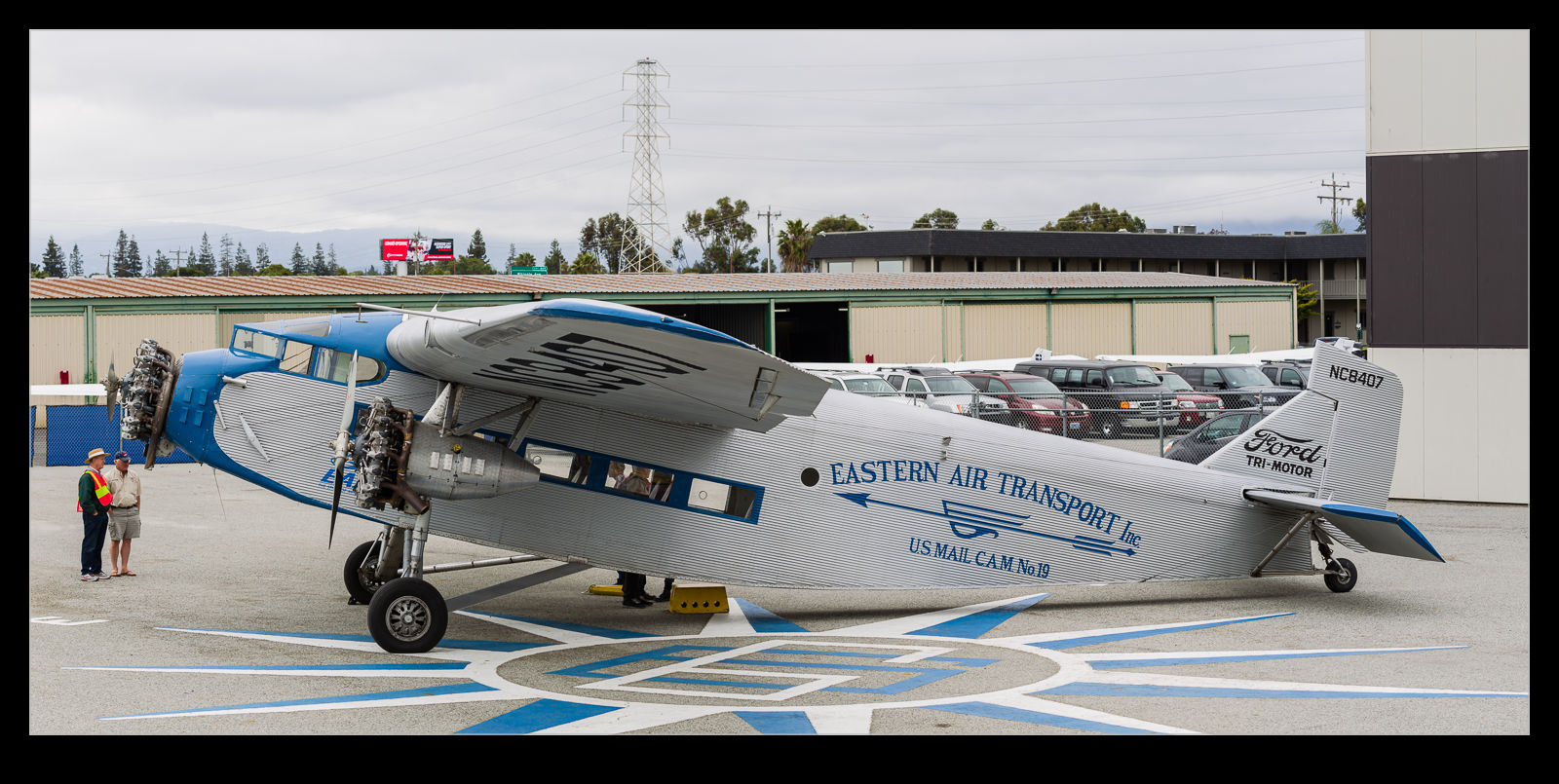
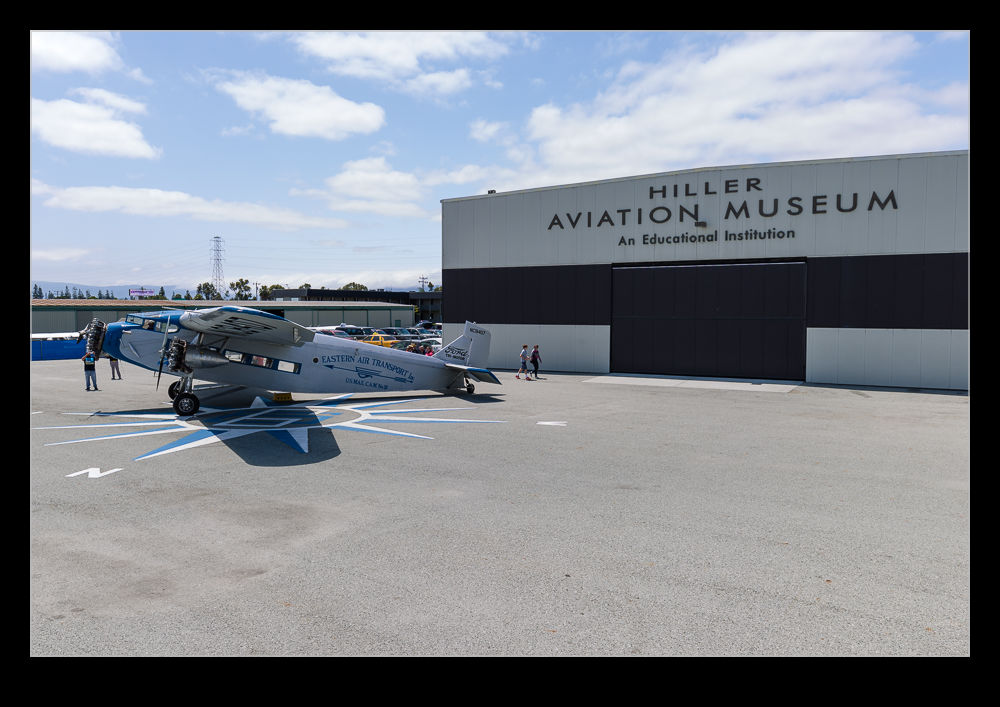
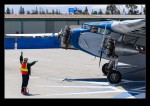
C59F1790-Edit.jpgEAA take their Ford Trimotor on tour around the country giving pleasure flights to people at many stops en route. I have seen the plane quite a few times including at Oshkosh and Clow. When Hayman told me it was stopping at San Carlos, it seemed like a good idea to take a trip along to see. It was operating from the ramp at the Hiller Aviation Museum so that is where I started out. Actually, breakfast at the great airport café is where we started!

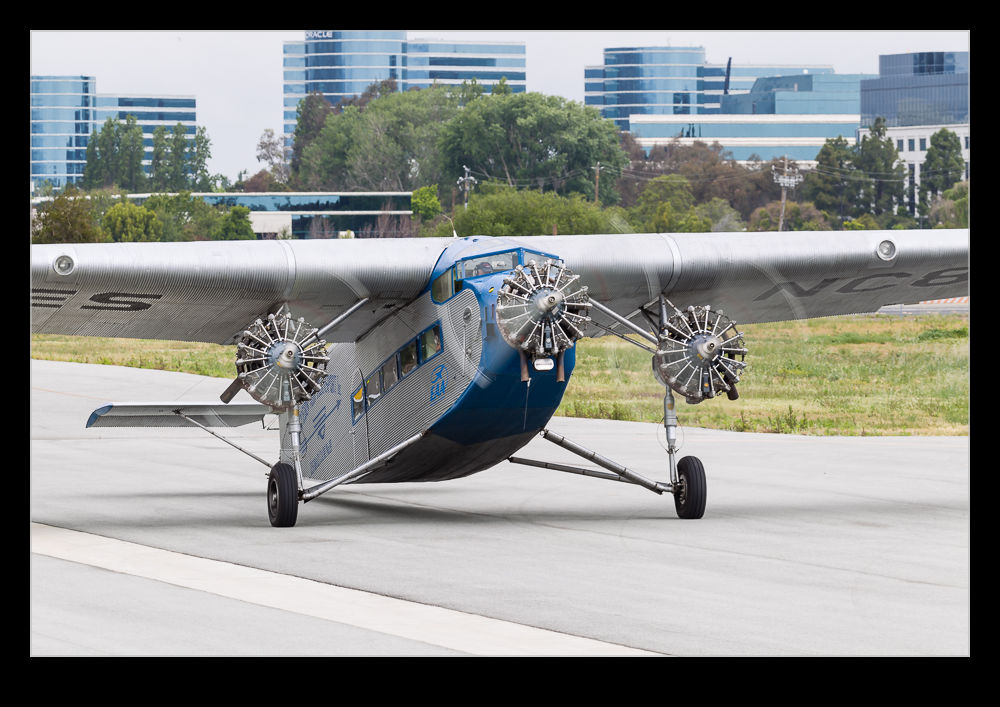
C59F2240.jpgThe early weather was a bit overcast. Gray skies and flat light are not ideal for a metal finish aircraft but we could still enjoy the flying and the start up and shut down as they turned the plane around. It gets off the ground with a very short roll so, given the length of the field and the runway in use, it was well up by the time it came past us. We did experiment shooting down the runway head on. This coincided with the sun coming out so the heat haze suddenly became an issue. Win some, lose some!

AU0E3290.jpgAfter a while, Hayman and I decided we were done for a while. He had other things to do and I wanted to try a couple of other things. However, it did decide to come back later on to get some shots from a different location as the plane was landing which also had the nicest light of the day. Good job to EAA for a great program that was very popular. They had a lot of customers, all of whom seemed to have had a good time.

CL-215s

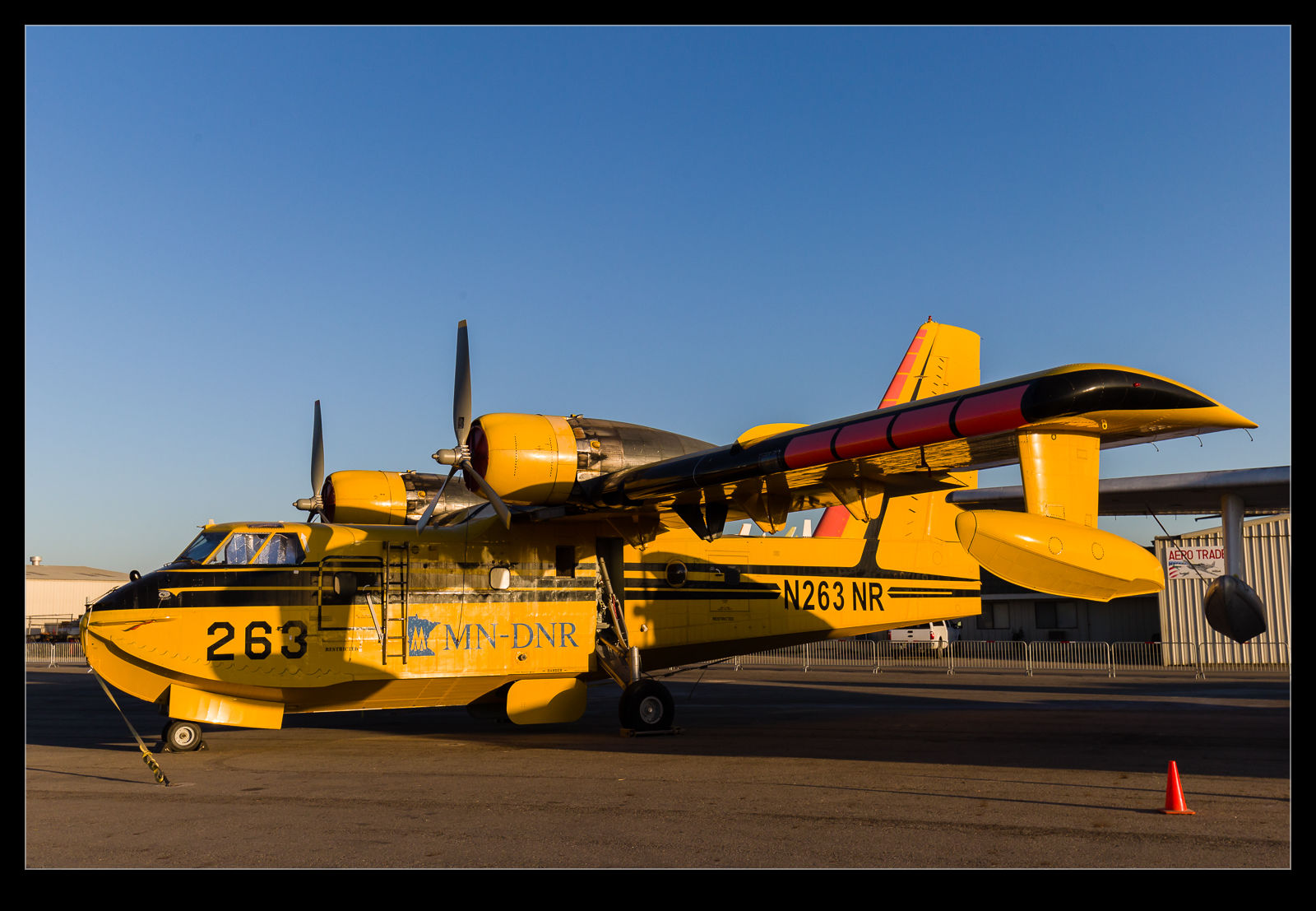
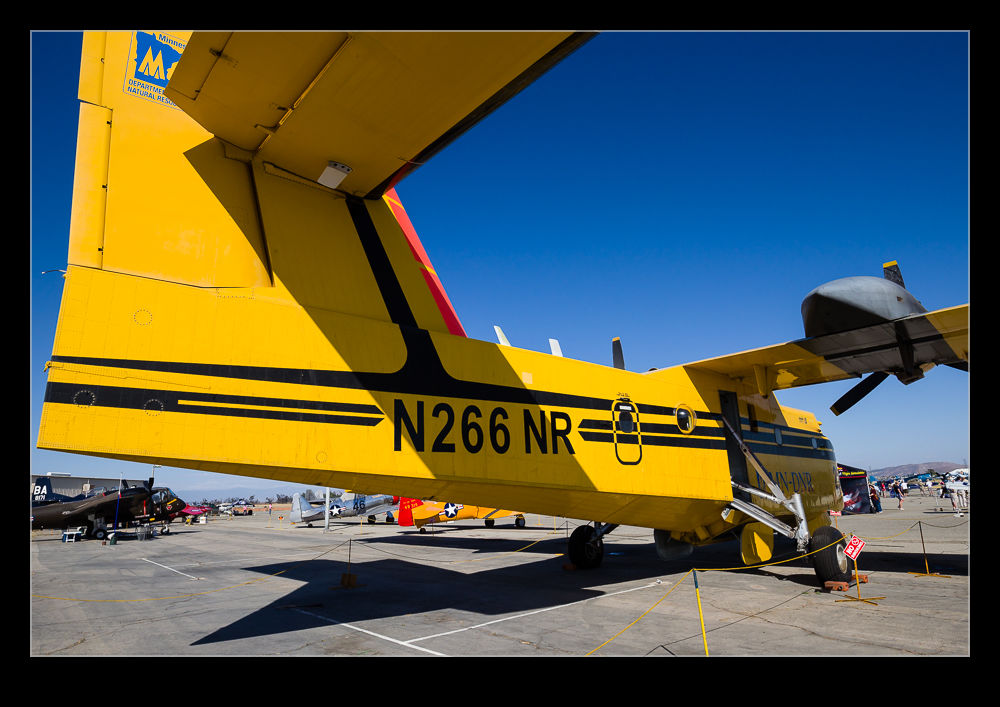
AU0E3129.jpgCanadair were a company that put together some odd projects. Before they became part of the Bombardier family, they produced a business jet and a water bomber. The Challenger (which came from an earlier Bill Lear project) has gone on to spawn a large number of production aircraft of various types. The CL-215 is a different story.
AU0E3032.jpgWater bombers are a very useful tool in fighting fires. Within that sphere, the CL-215 has been a great success. That is not a huge world, though, so production has been modest. Even so, the original piston powered aircraft has gone through a turboprop conversion program and the current production model, the CL-415 has turboprop engines as well as airframe and systems enhancements. Production is at a low rate but they do still come out of the factory.

AU0E3034.jpgI was quite pleased to come across a couple of the planes that are still fitted with the original radial engines. The already chunky lines of the plane go quite well with the bluff profile of the piston engine – something the turboprop lacks a little. These planes weren’t flying. They were awaiting their next project. With the fire season approaching, I imagine it won’t have been too long after I saw them before they were back in action.

Derelict Antonov

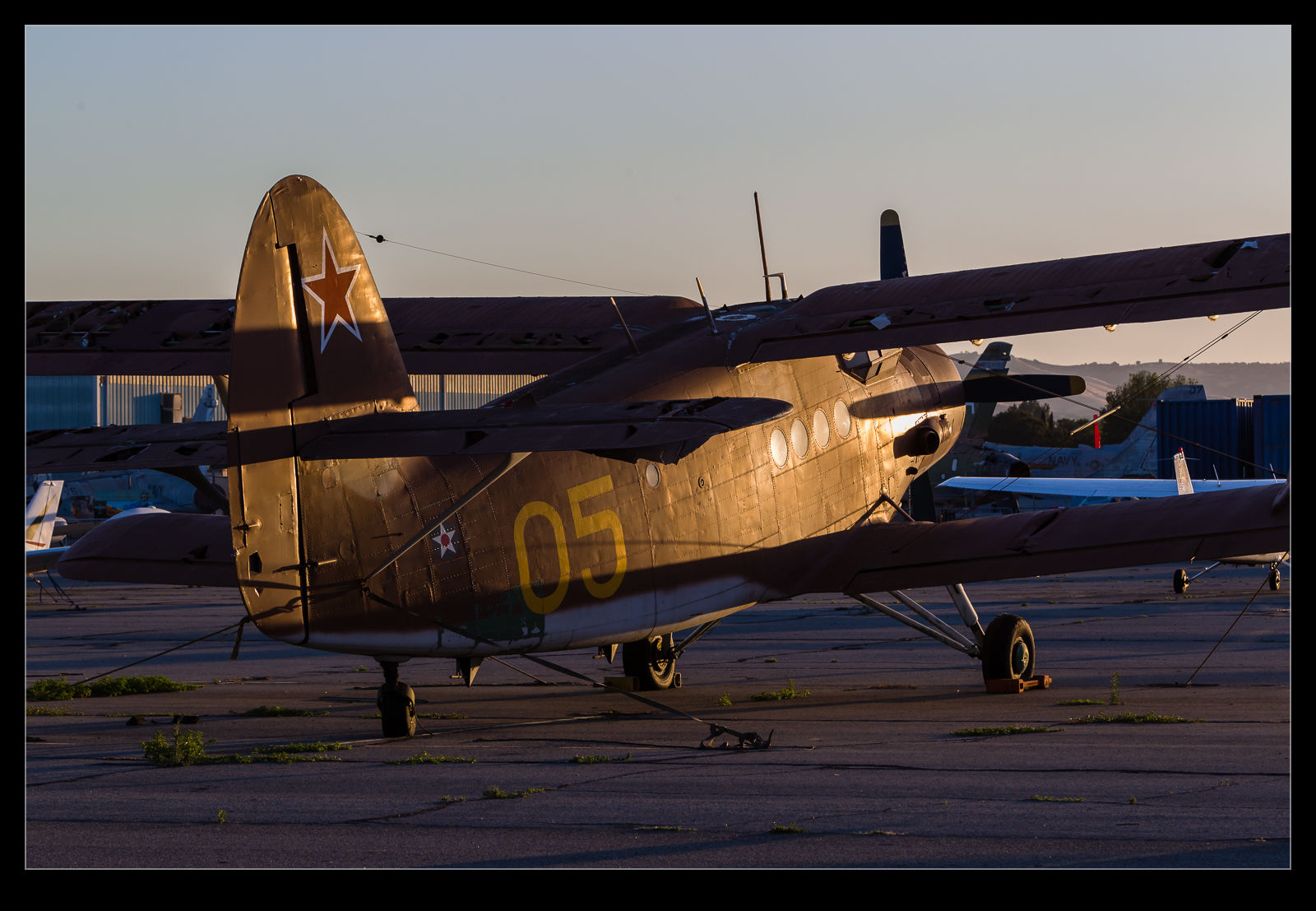
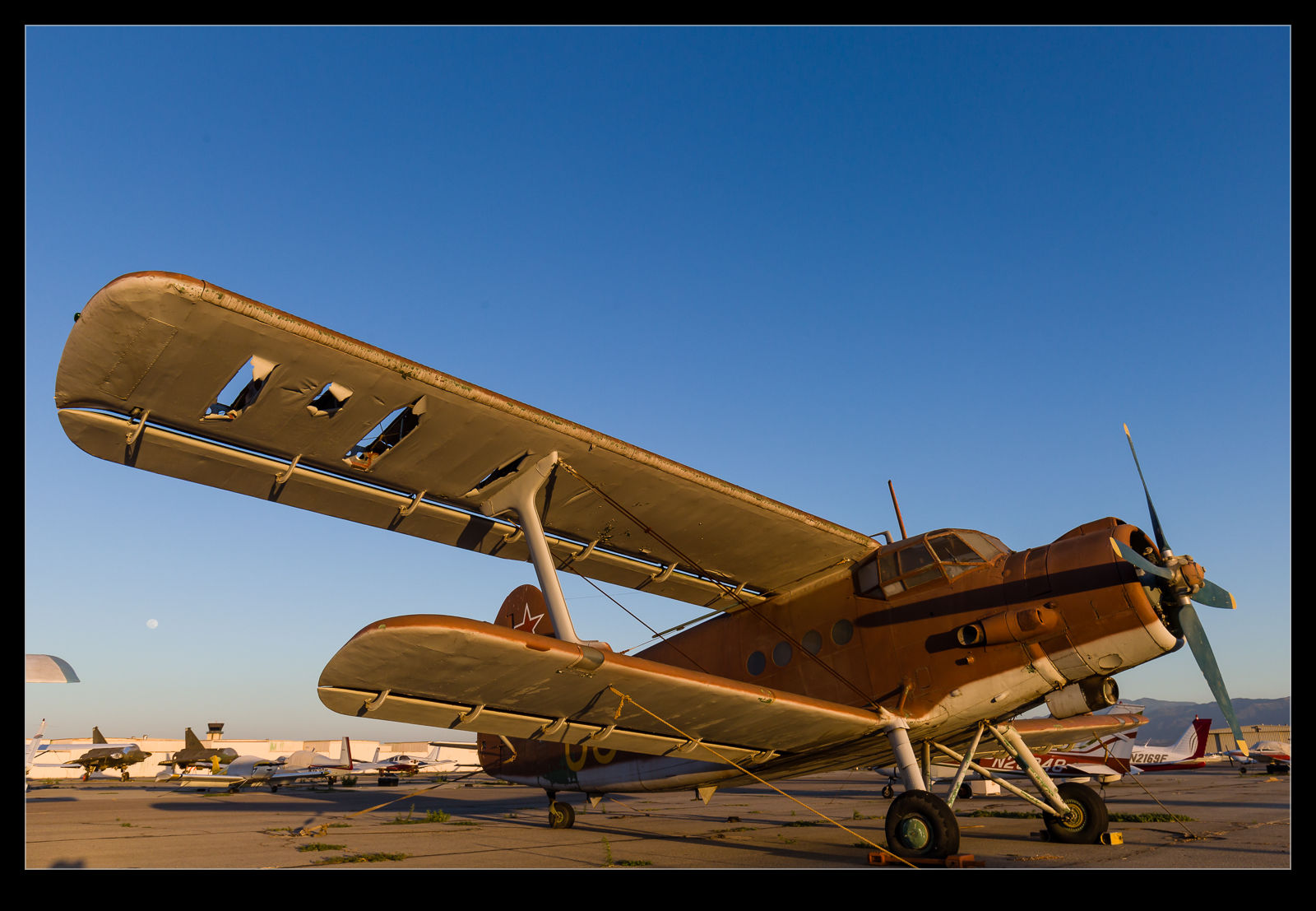
C59F1754.jpgIf you want a rugged workhorse with a substantial payload, you can do a lot worse than the Antonov AN-2. This bi-plane, powered by a substantial radial engine, has been a workhorse of many operators around the world – particularly in the old Soviet Bloc. It might look very dated – production started in 1947 – but some examples were still being assembled in 2001. However, the reliance on Avgas and the general age of the type means it is progressively disappearing from service.

AU0E3130.jpgThere are still plenty about though and I came across one at Chino as the sun was setting. At first I thought it might be in good condition and possibly a flyer. Getting a bit closer, though, showed that the fabric on some of the control surfaces was coming apart and this one must have been sitting around in the California sun for a while. A shame since they are a mighty thing to see in action. I have no idea what the future is for this airframe but maybe it could rumble into life again.

Anyone Seen a Cirrus?

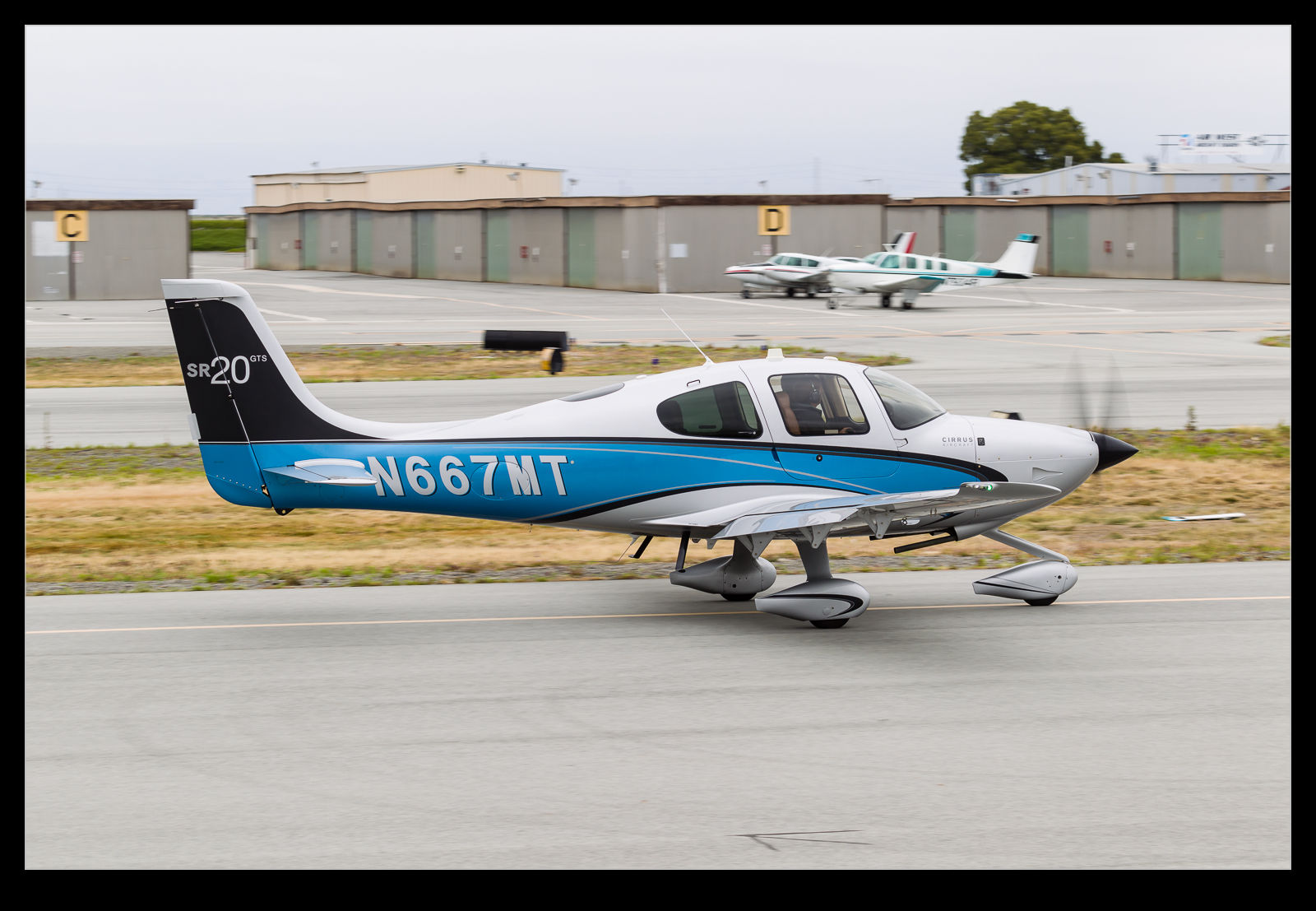
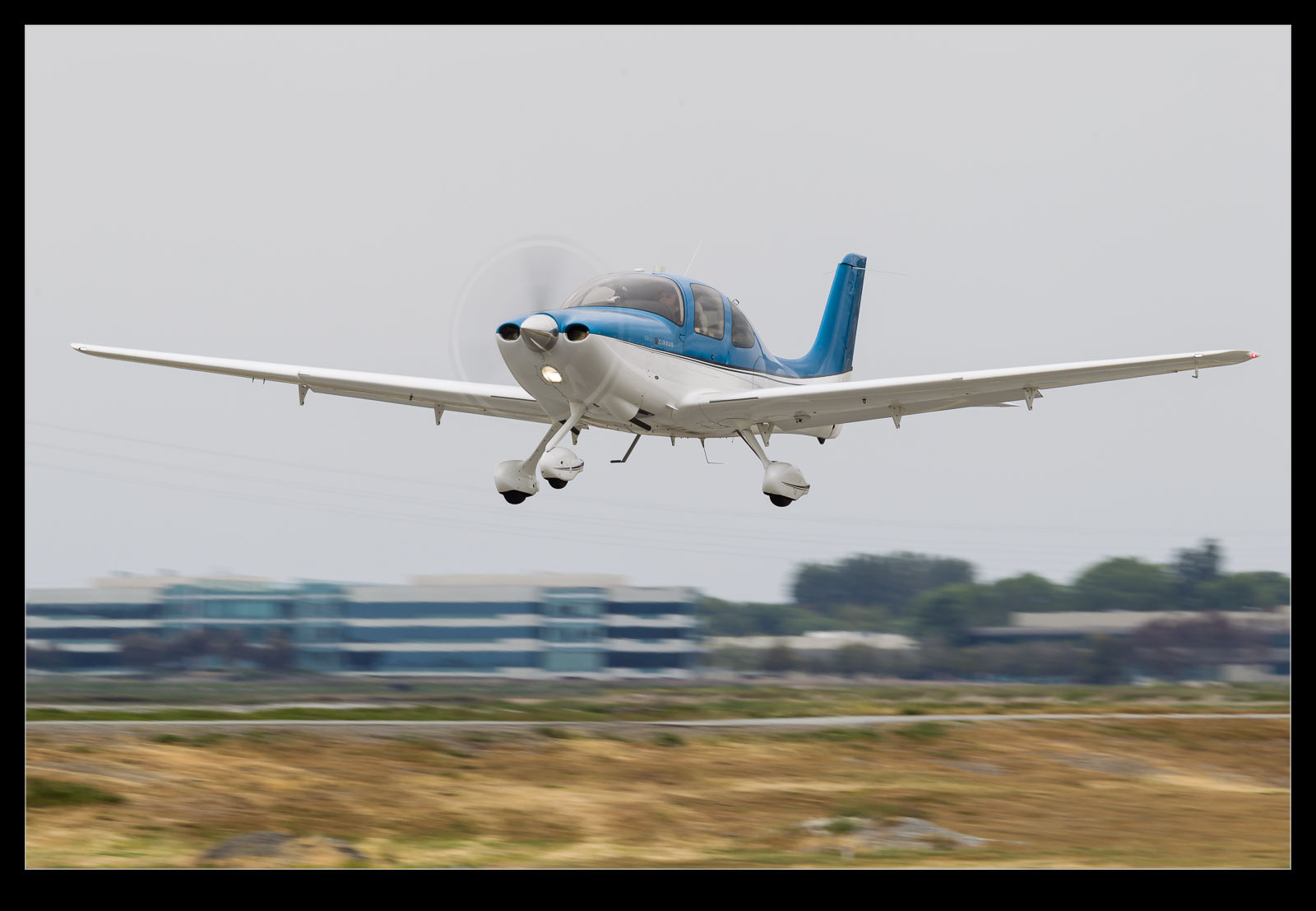
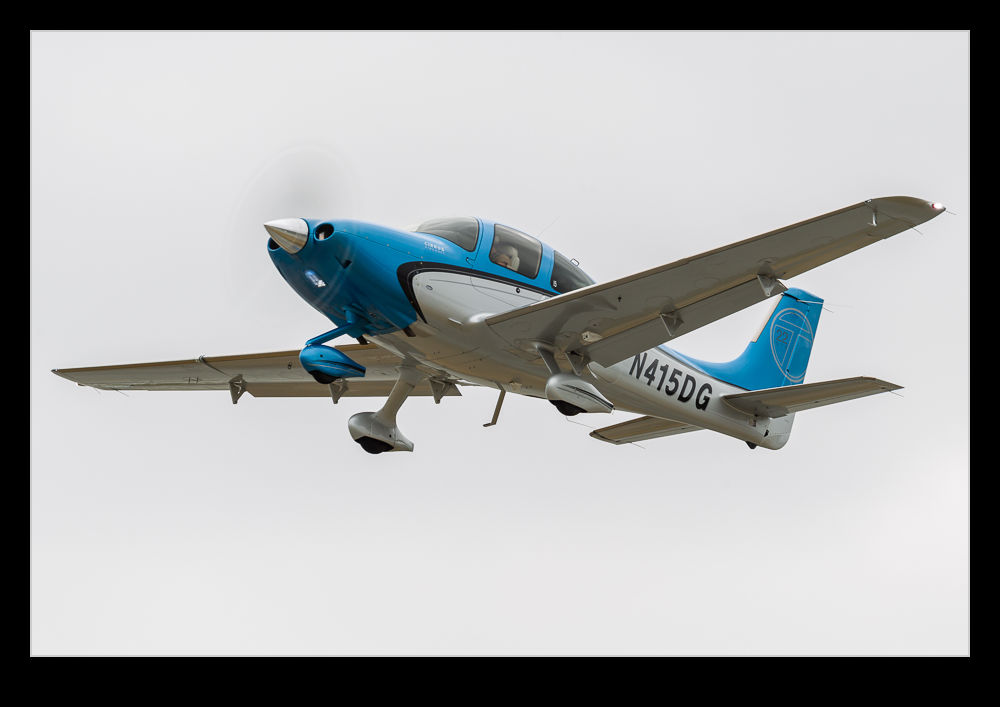
C59F1840.jpgMost public airports have a variety of types scattered around. The heyday of US light aircraft manufacturing was decades ago and resulted in the production of Cessna, Pipers, Beeches et al in large number. These aircraft are still around but are now aging so the types parked up will often be showing their age. There are light aircraft still being produced today but the numbers are significantly lower. Moreover, they are not cheap so you don’t see so many new planes around. One of the higher end types is the Cirrus. With a nicely equipped example setting you back about half a million dollars, it isn’t a surprise that they are not abundant.

C59F1799.jpgSan Carlos, on the other hand, is positively swimming in the things. The peninsula is home to quite a lot of high net worth individuals so this is an area where people are more likely to be able to have a nice shiny Cirrus. Also, there is a distributor on the airfield (no coincidence there!) so the local buyers are likely to choose something they can see at home.

C59F2141.jpgThere are some SR20 models in use for training but more seem to be the higher end SR22 models. They are a nice looking plane and one that I would certainly be happy to have a go with. The combination of equipment, control layout and performance would be nice to try and to compare with types I have flown in the past. One day…

Pegasus

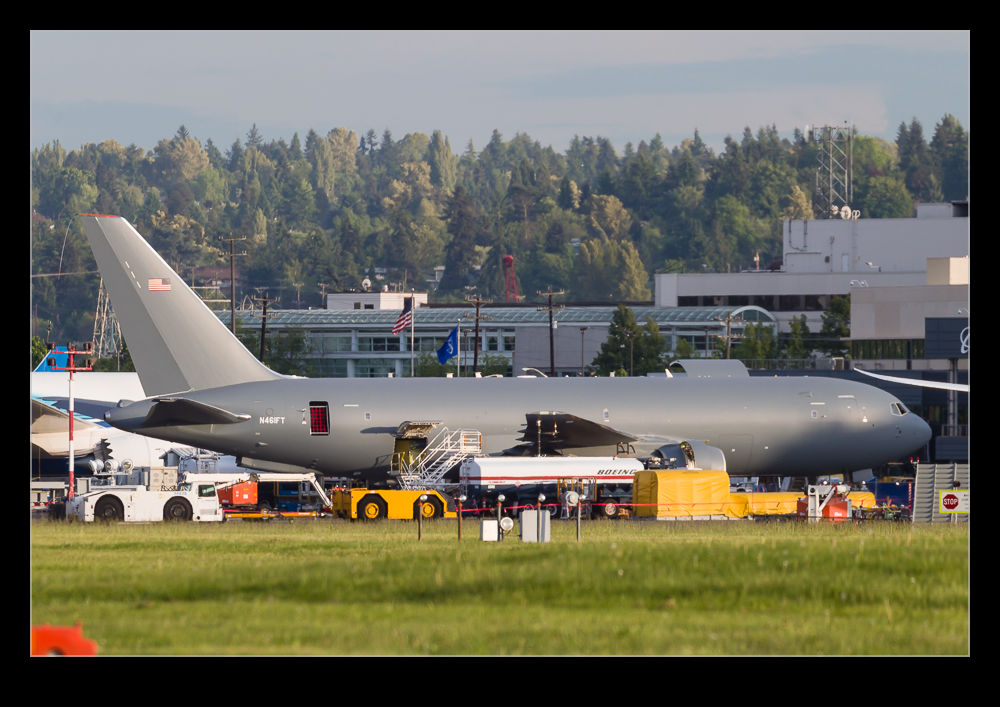
AU0E5087.jpgSome programs always seem to be trouble. Boeing’s efforts to turn the 767 into a tanker have not been smooth over the years. The original versions were a single boom tanker for Japan which was not too late. The three point version for Italy was a far more difficult affair and was several years late. When the USAF was after a new tanker, Boeing initially lost out to Airbus with their A330 based offer. A successful protest and s new competition followed and this time Boeing won.

Whether winning was good for them remains to be seen. The contract involves a cap on cost growth after which Boeing picks up all of the overrun. Supposedly they are already past that point so the split on overrun costs is now all theirs. Combine that with messing up the wiring and having to wire the flight test jets and you will see why the flight test program is behind schedule. The first of the four development jets flew last year in a civil configuration without the refueling equipment. It has since been on the ground at Boeing Field for further work. Very recently it took to the air again. Shortly before that, I passed by and saw it parked up on the Boeing ramp.

We shall see whether Boeing can pull back some of the delays and get the minimum number of jets into service by the contractual deadline. Whatever happens, I imagine these jets are going to become a lot more familiar in the coming years.

Dornier DO-228

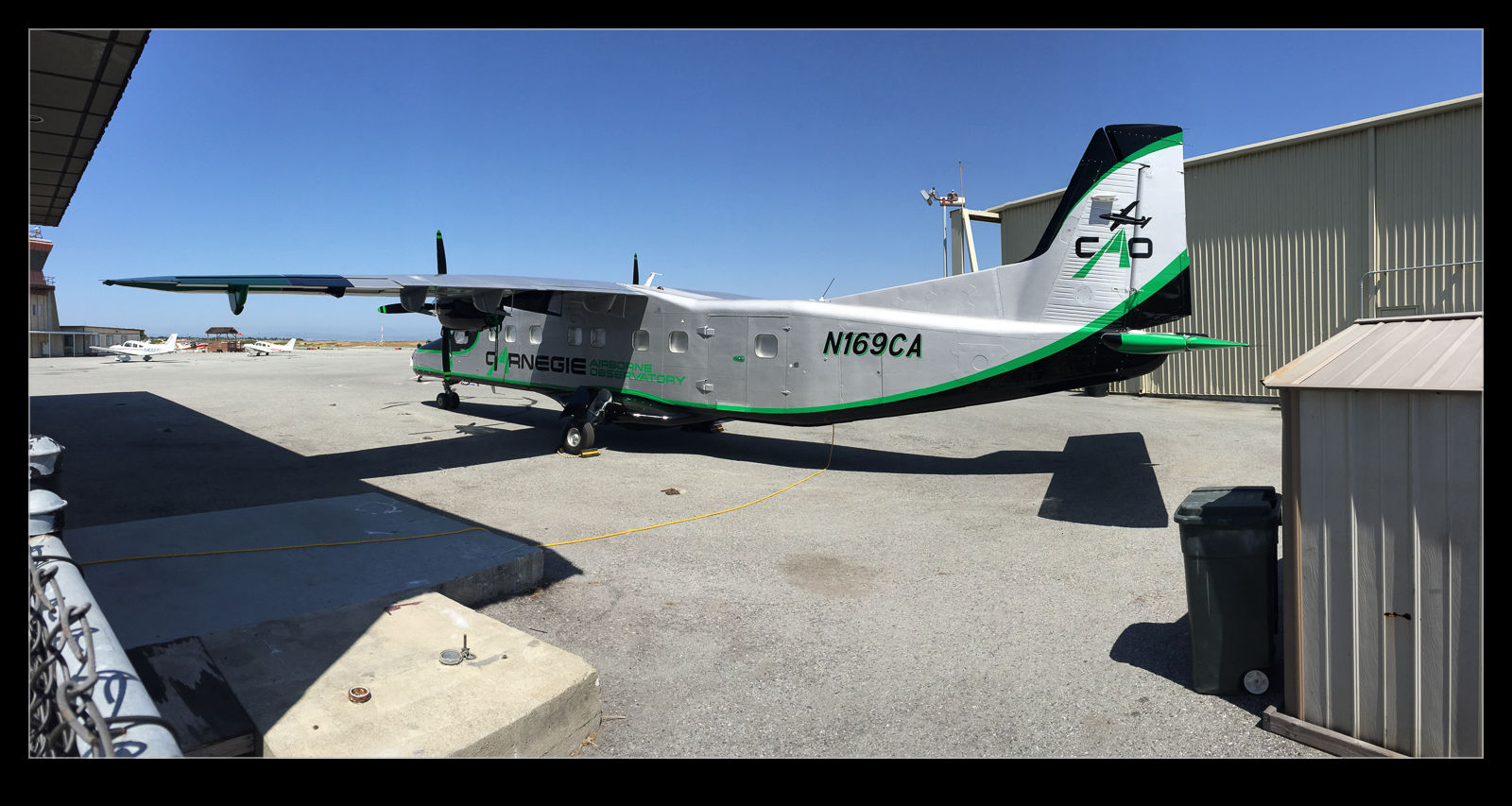
IMG_2702.jpgA recent arrival at San Carlos is a Dornier 228 that is apparently configured for aerial survey work. The guys mentioned that it had been active prior to my visit but it was not doing much the day I was there. However, it was parked close to the fence. It wasn’t easy to get a shot of it but a bit of reaching above the fence line meant I could at least get something. It is a cool looking plane so I hope I get a chance to see it in action at some point.

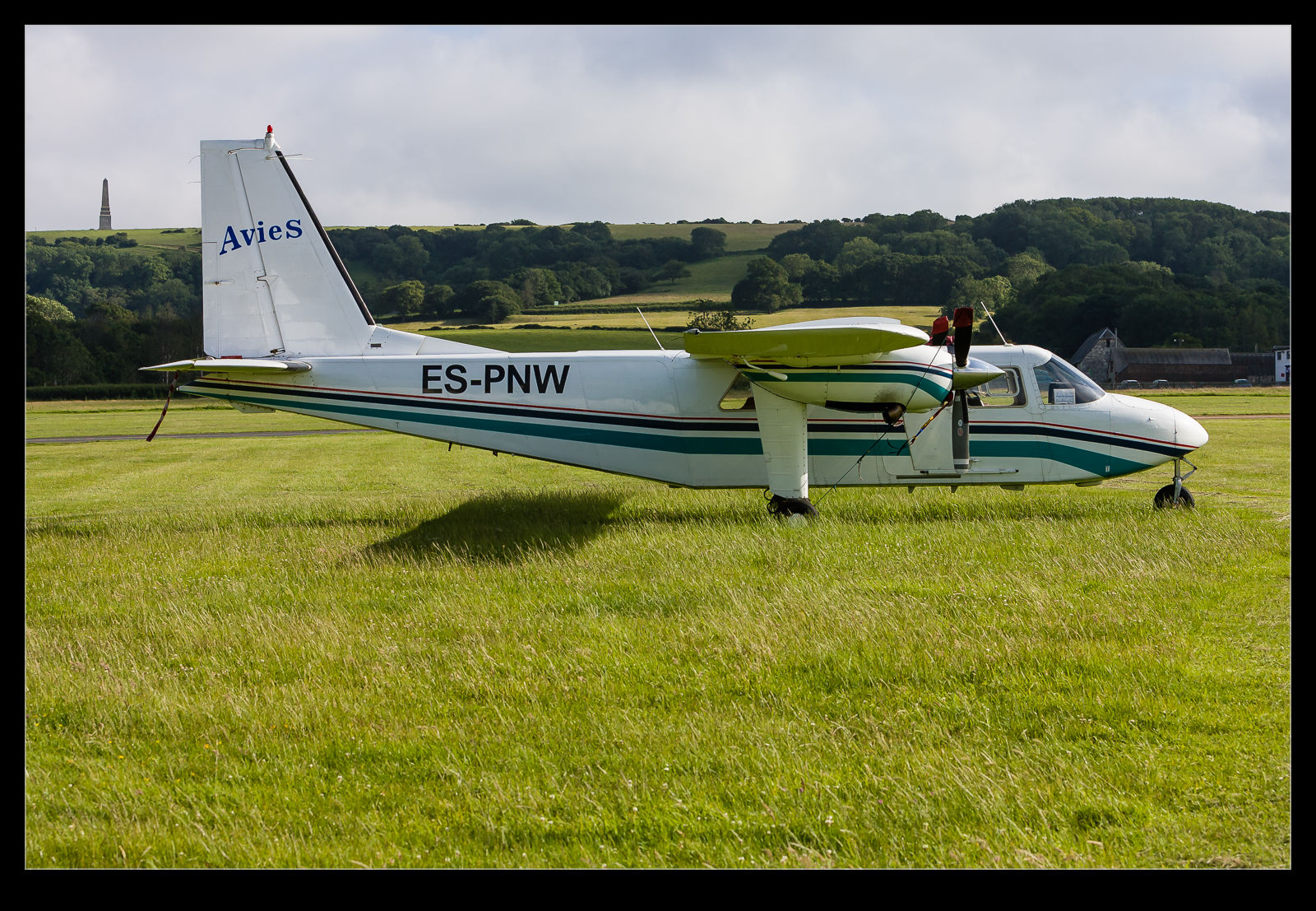
Islander Anniversary

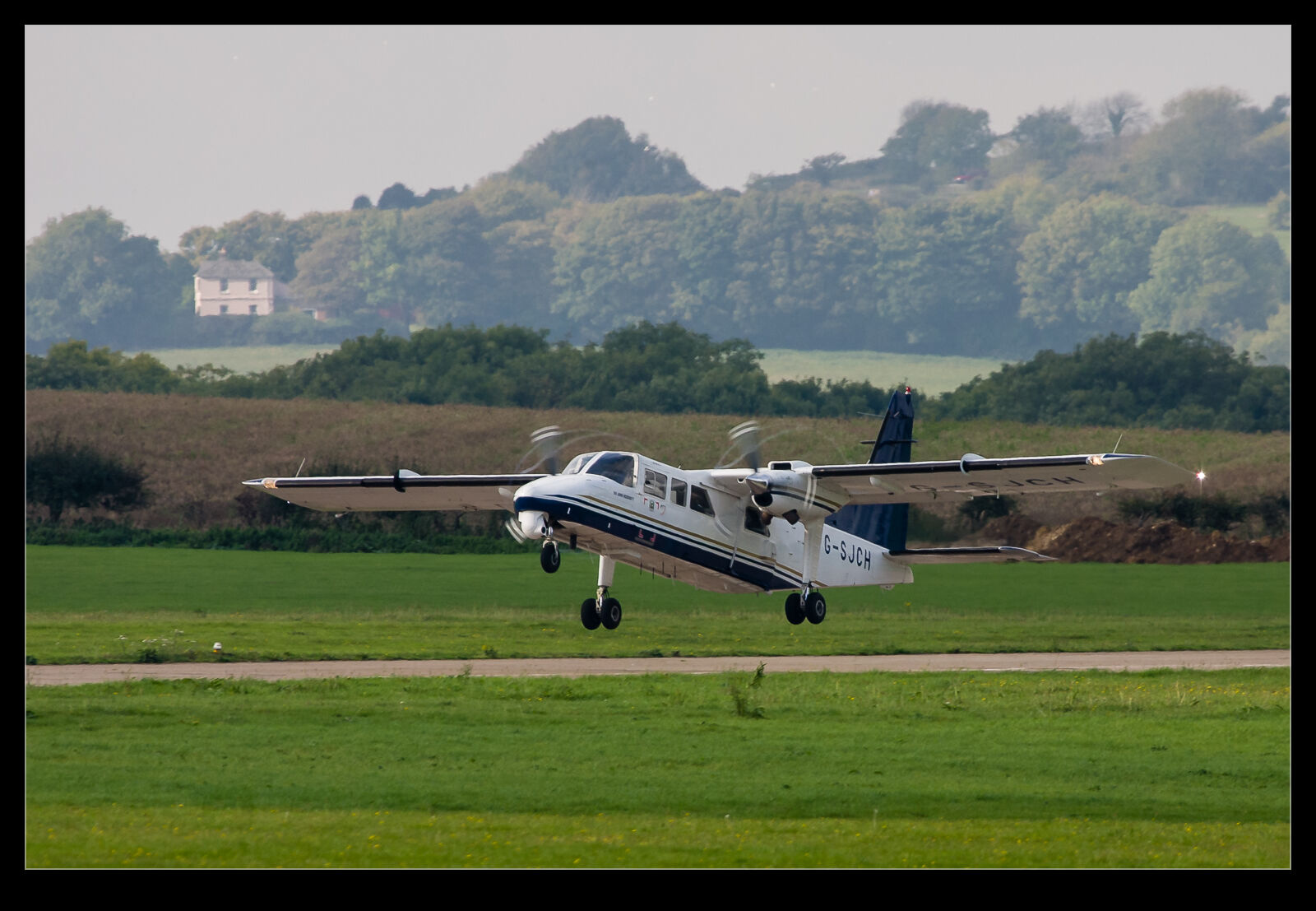
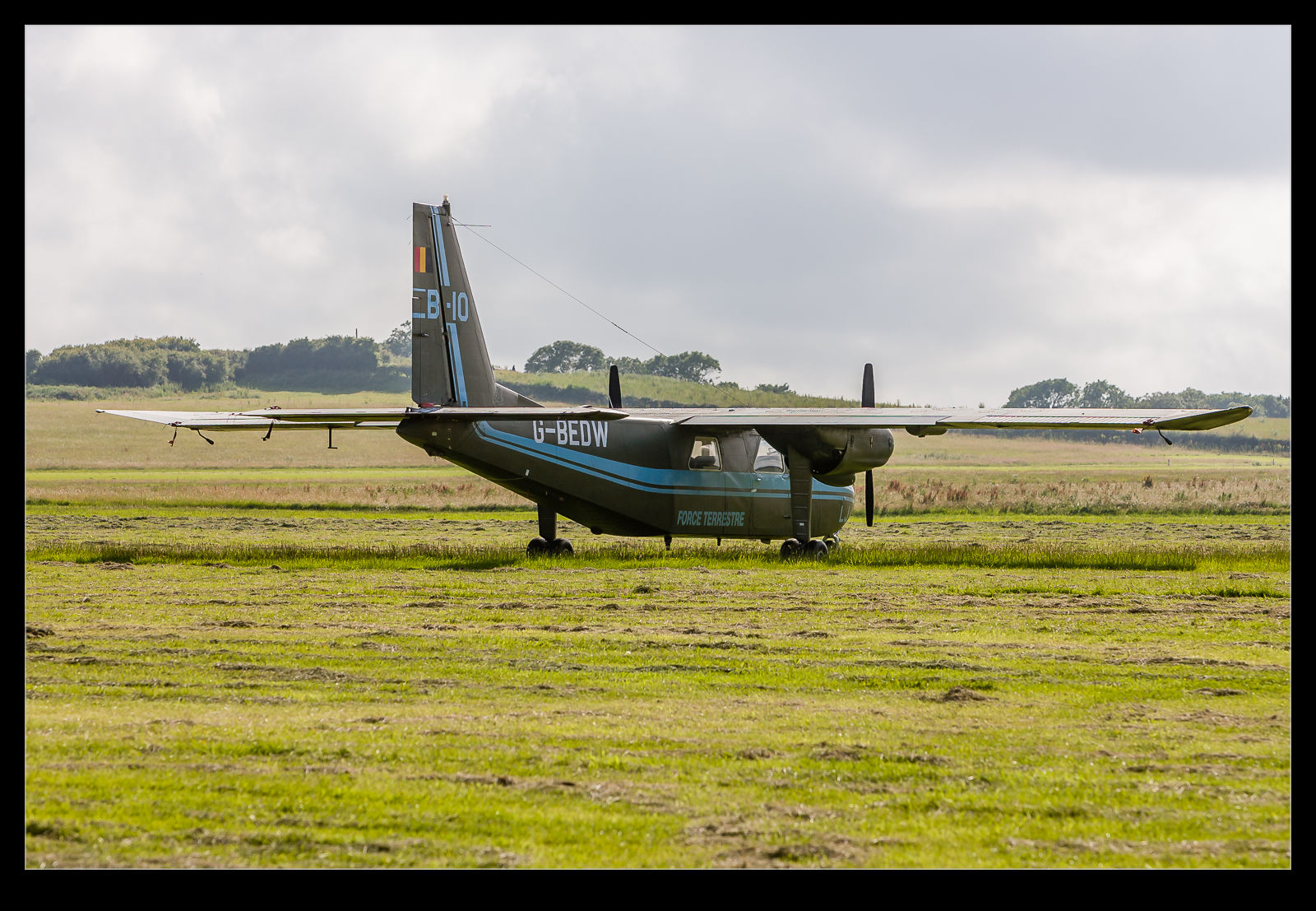
CRW_9239.jpgThe Britten Norman Islander recently celebrated its 50th anniversary of the first flight.  A group, based in Bembridge on the Isle of Wight – the home of the Islander – were involved in celebrating this event.  BNAPS is the group and they have been restoring the first production aircraft.  My mum is a part of this group so this one is close to home.

QB5Y0523.jpgGAR covererd this topic via two articles produced by Bob Wealthy who is a key player in BNAPS.  It was good working with Bob on these pieces and you can find them at the links below.

http://www.globalaviationresource.com/v2/2015/06/13/aviation-history-britten-norman-islander-50th-anniversary/

http://www.globalaviationresource.com/v2/2015/06/15/civilian-aviation-britten-norman-islander-g-avcn-restoration/

QB5Y0521.jpg


Drakens

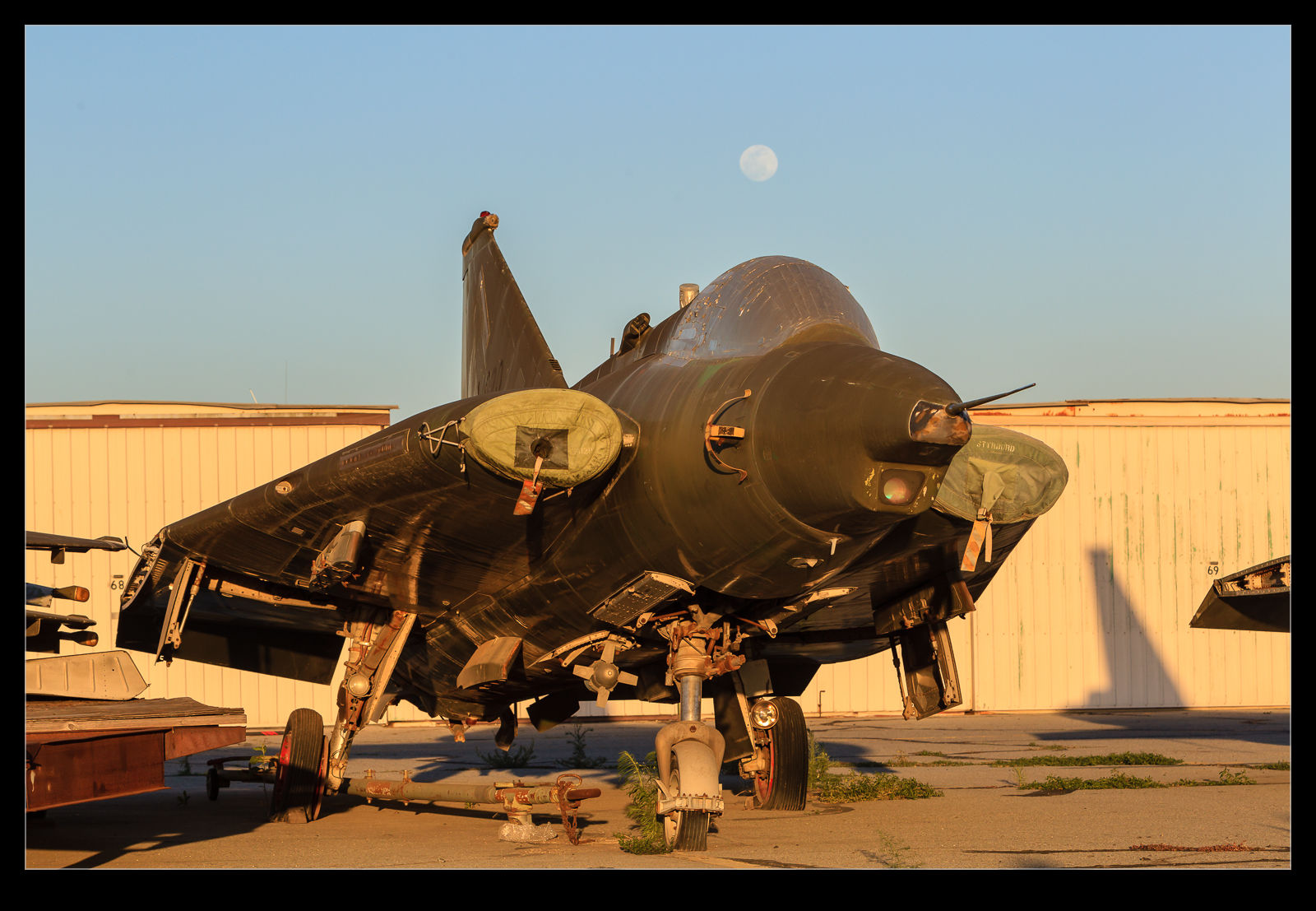
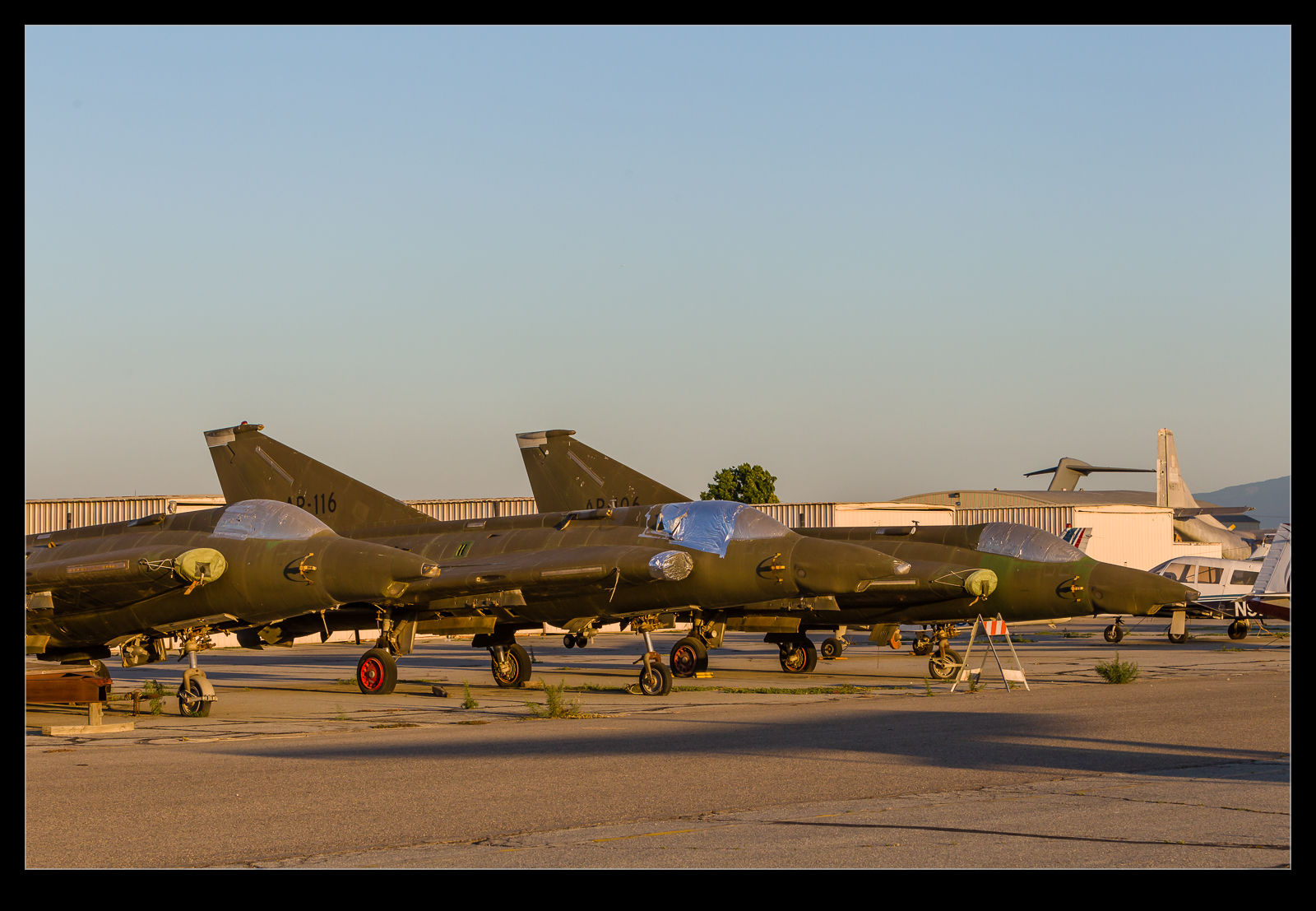
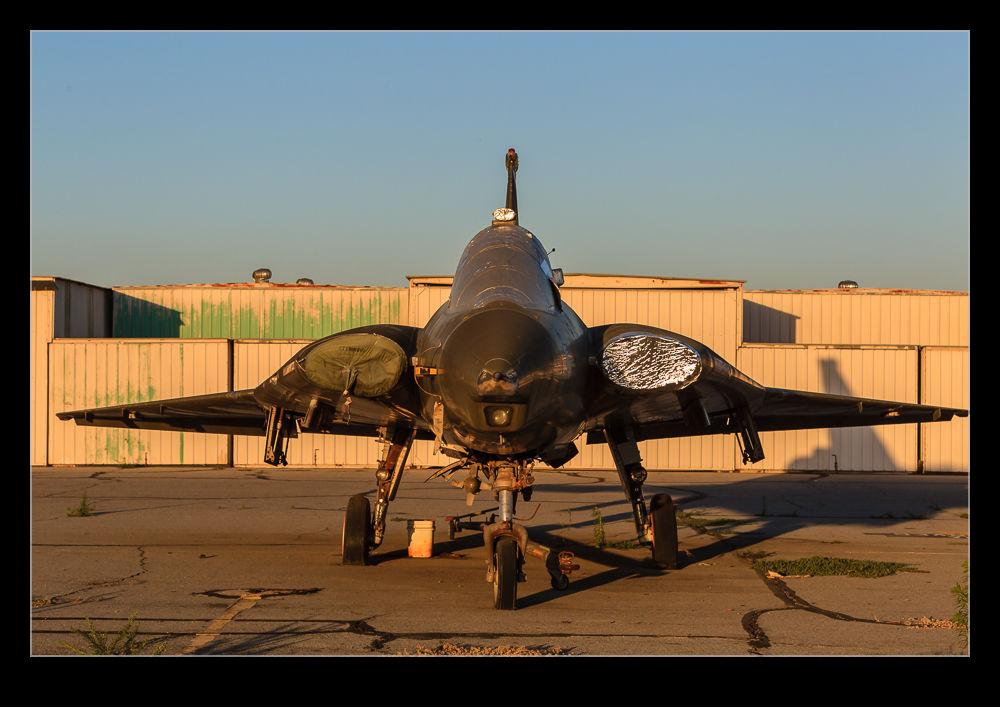
C59F1748.jpgChino Airport is home to all sorts of interesting aircraft, many of which are unlikely to ever fly again but for which the dry environment is one that means they do not deteriorate quickly. The ramp has a collection of single and two seat Saab J-35 Drakens. The Draken is a cracking aircraft and one I sued to see fly a lot in Europe when I was young. I have also seen one flying around at Pt Mugu on a Navy contract.

C59F1752.jpgI am not sure how these jets arrived here but the appear to be Danish in origin.  Most have their wings removed and stacked at one side.  One does have them attached though.  There are single and two seaters and they all have recce noses.  I doubt we shall see them fly again but it is nice to think that you might.

C59F1750.jpg C59F1746.jpg