Tag Archives: airplane

Some King County Light Aircraft

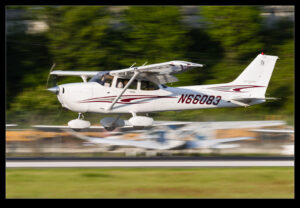
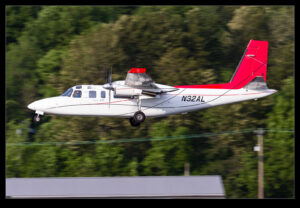
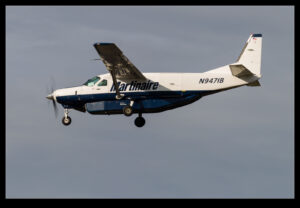
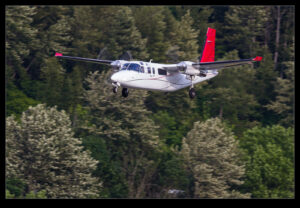
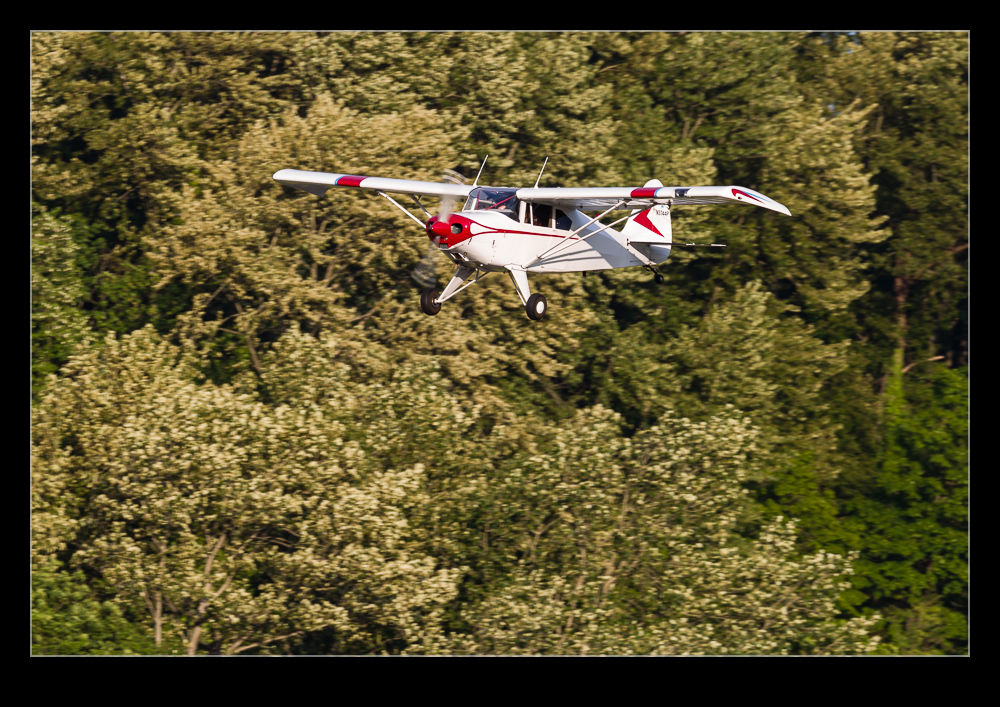
AU0E4886.jpgSome of my trips to Boeing Field are pretty quiet.  Others seem to involve a constant stream of traffic.  With some interesting large machines appearing on a regular basis, it is easy to overlook the variety of smaller types that come through.  Some of these are commercial operations using planes like the Cessna Caravan.  Others are purely private users either based on the field or passing through.
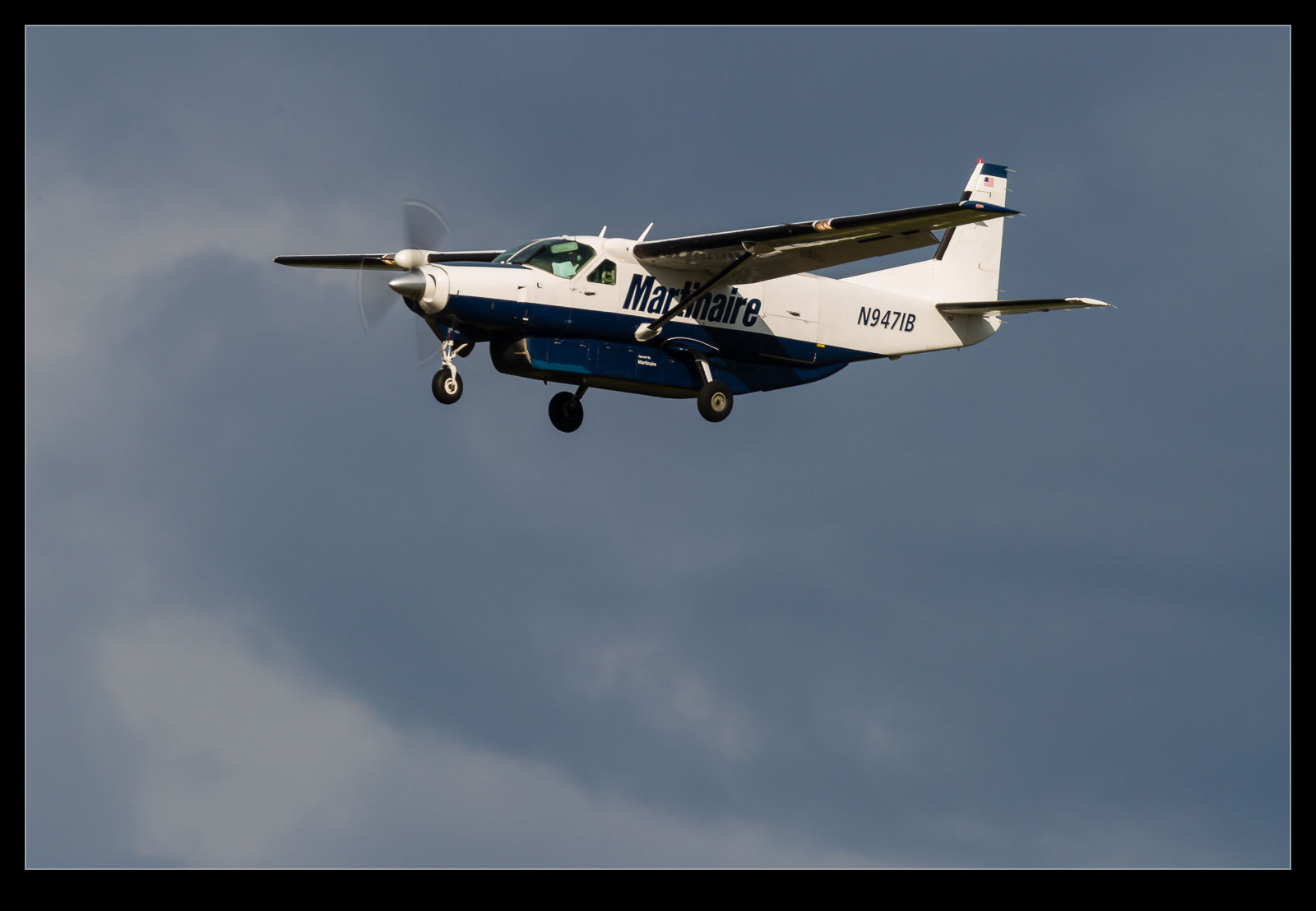
AU0E4193.jpgSince my posts don’t give them any coverage normally, I thought I would just throw a selection of different types in to this post.  They might still not be getting as much attention as they could but at least you can see some of what is going on there.
Life in the Old (Mad) Dog Yet

C59F8026.jpgFirefighting aircraft have often been older airframes converted for the task when their primary life is over. This has meant a lot of old piston types -both civil and military – have become tankers. Now there is a generation of jet airliners that are becoming viable candidates for conversion. I previously posted some shots of a BAe146 tanker. Erickson has been active in converting McDonnell Douglas MD-87 airframes to tankers and has a number already in service.

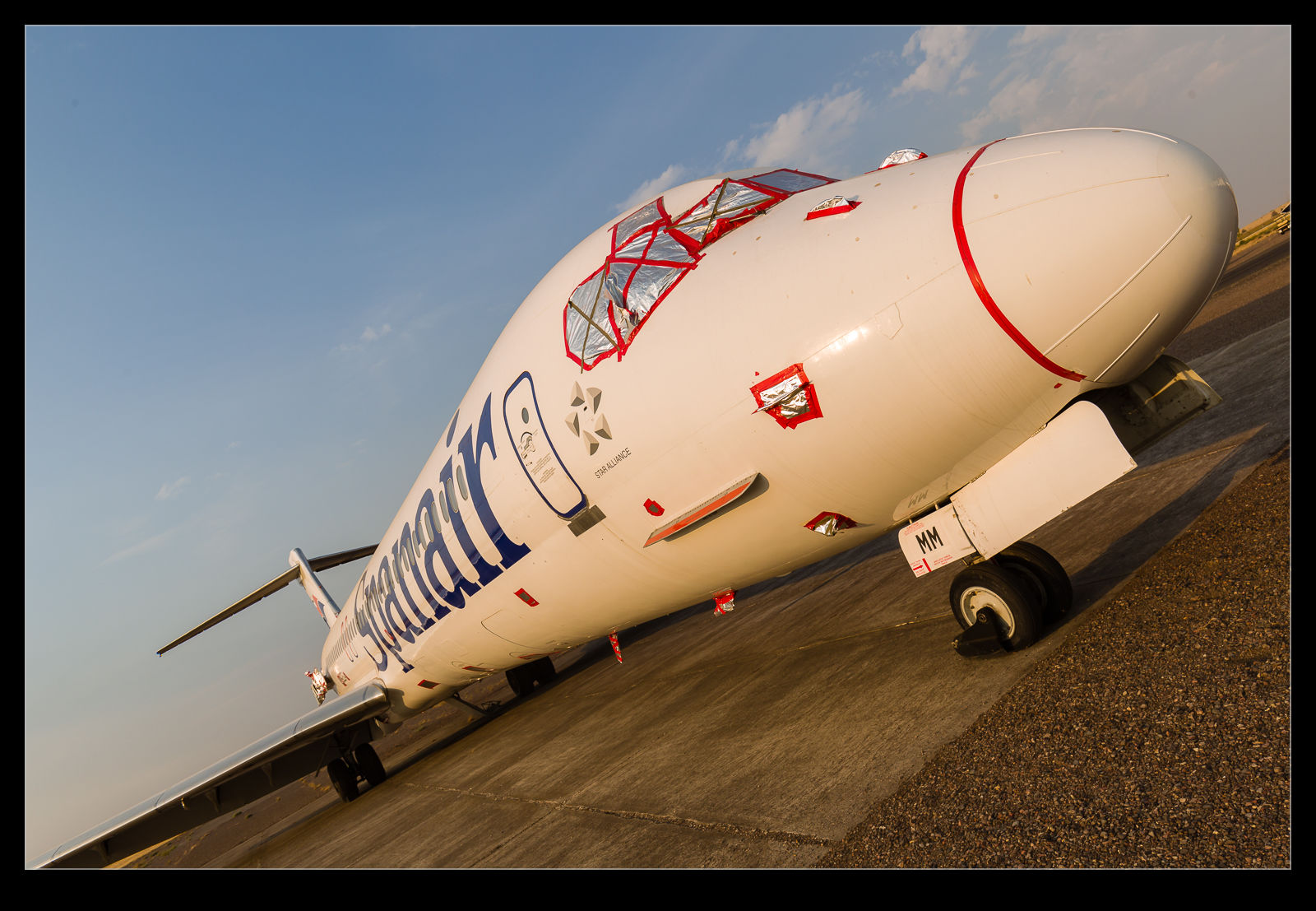
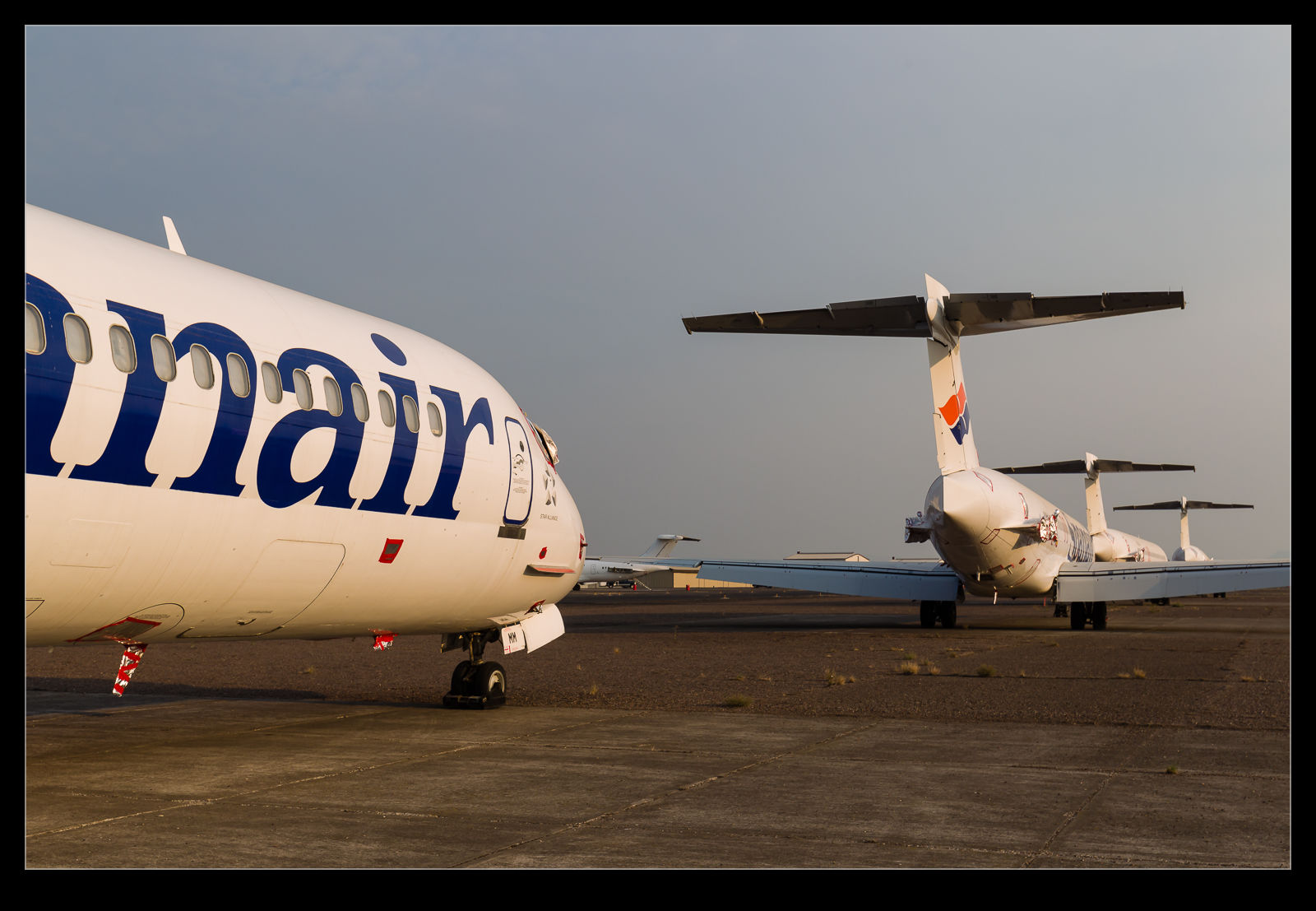
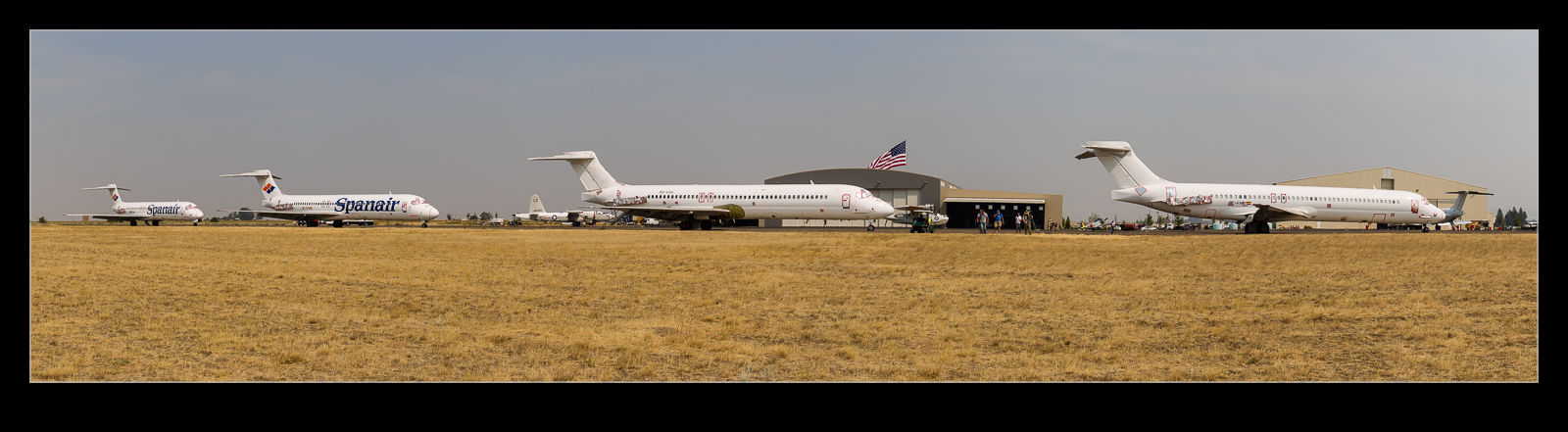
C59F8030.jpgDominating the flight line outside the Erickson hangars was a line of three MD-87s that had been acquired from Spain. They appeared to have come from a couple of operators and we sitting in storage. Most apertures were taped up and some panels/doors had been removed. However, these airframes are not destined to be parts donors. All of them are scheduled for conversion to tankers. Before too long they will be active supporting firefighting efforts across the country. The introduction of modern jet types to service should provide increased performance and the ability to respond faster to situations further away. They should provide a welcome boost to firefighting capability.

C59F7946-Pano.jpg

PBY

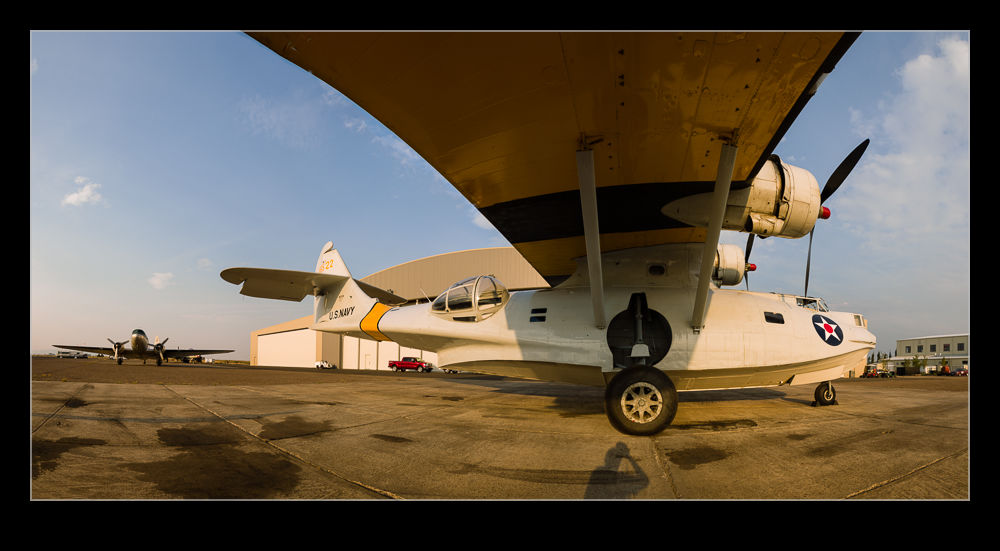
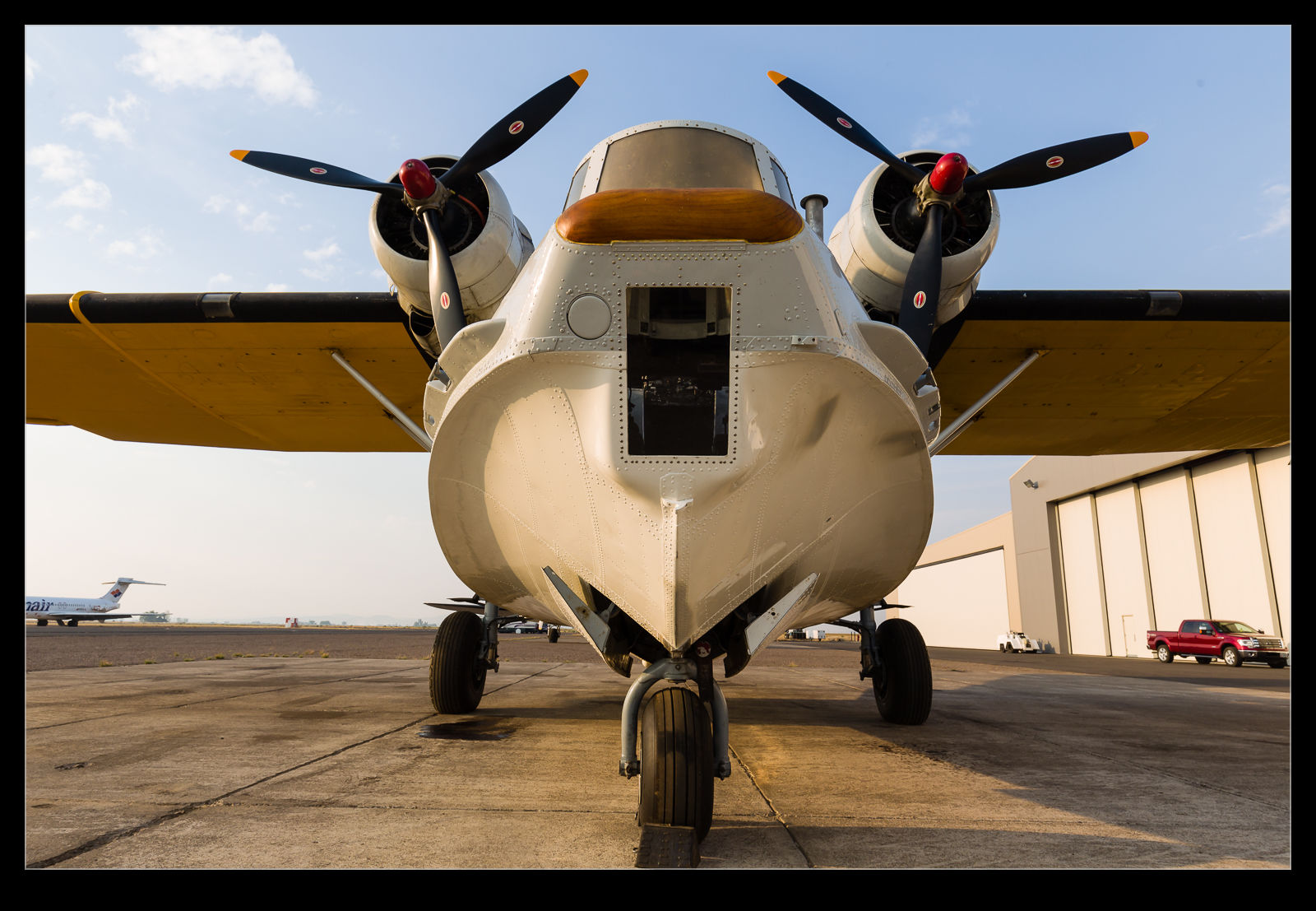
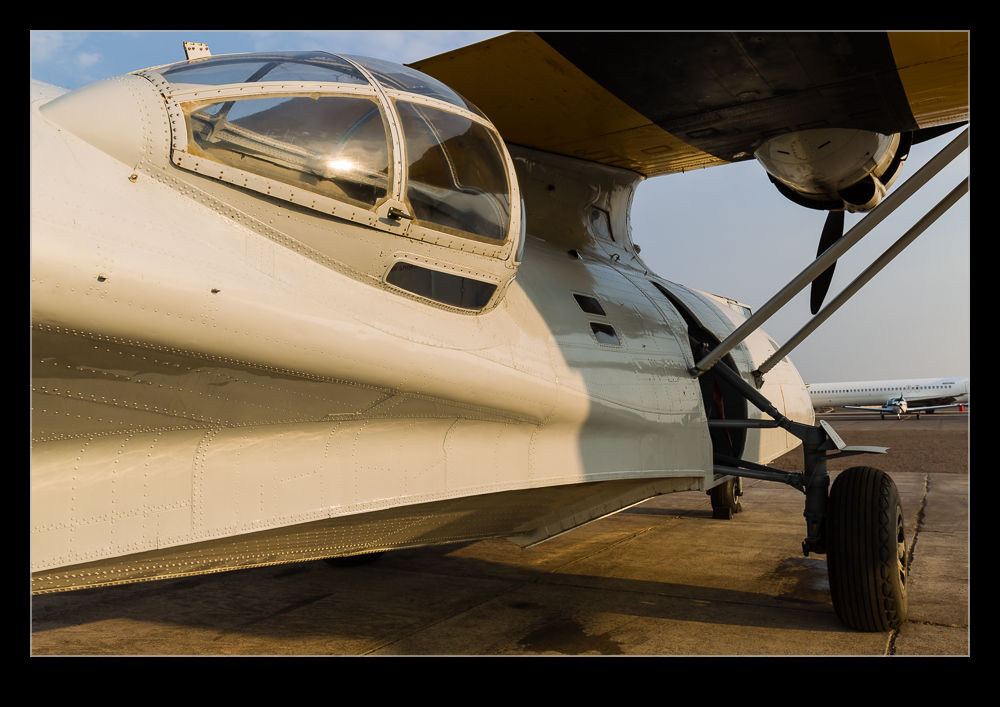
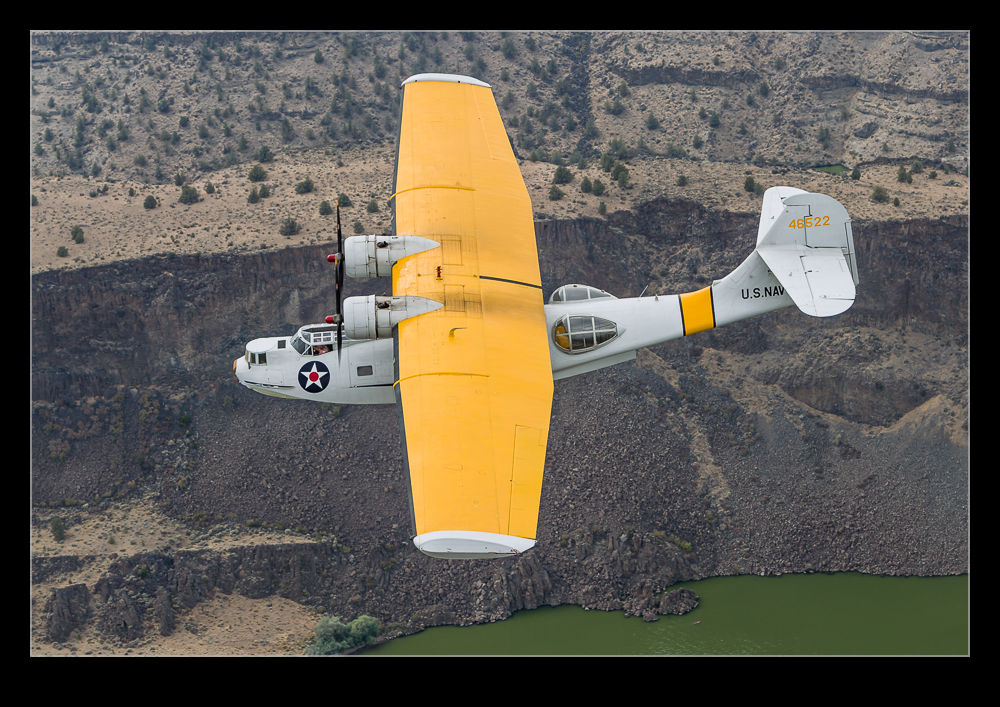
C59F7986-Edit.jpgI’m not sure when I first became aware of the PBY Catalina but I am pretty sure it involved a plastic model that a friend of mine had.  (Kev Fry, was it you?)  Flying boats always appealed to me and the blisters on the rear fuselage caught my eye even at that time.  Erickson has a PBY in the collection and it was going to feature in our program.  However, my first encounter with it was as it was parked up on the ramp outside the hangar.

C59F7965.jpgI was walking around in the early evening light and the paint scheme seemed to glow in the low sun.  It is a big beast so there are lots of options as you walk around it.  Whatever shot you want to get, you do want something that emphasizes the hull shape since that is one of the defining characteristics of the plane.  Sometimes, getting in really close can achieve that.

C59F7981.jpgYou do want to check out multiple angles, though.  Whether it is the nose shape, the wheels and wheelwells or the rear blisters, there is something from any direction worthy of a look.  Whether they will all be great shots is a different story.  However, having the chance to shoot one when hardly anyone is around is a chance not to be passed on.

Air Force One

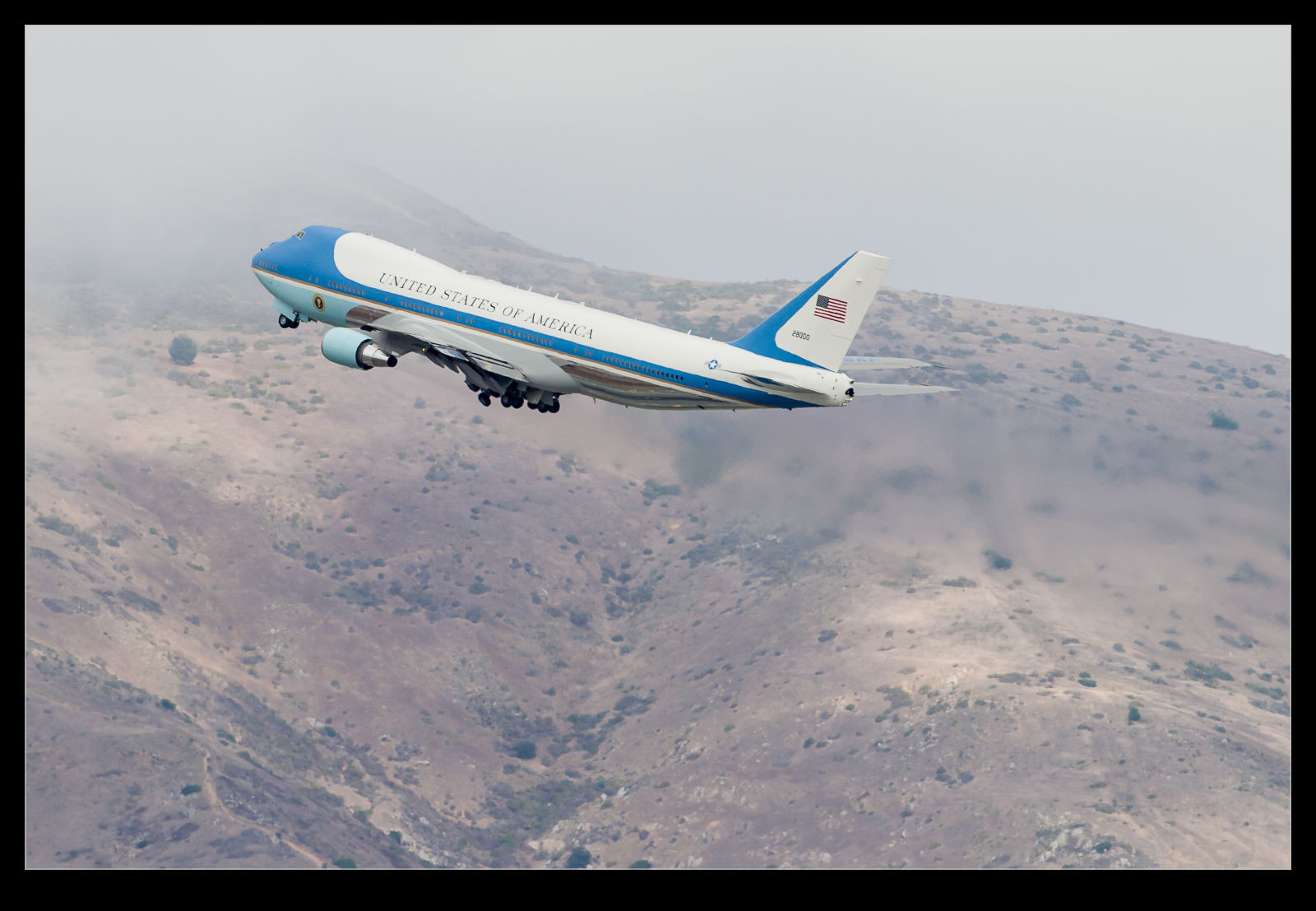
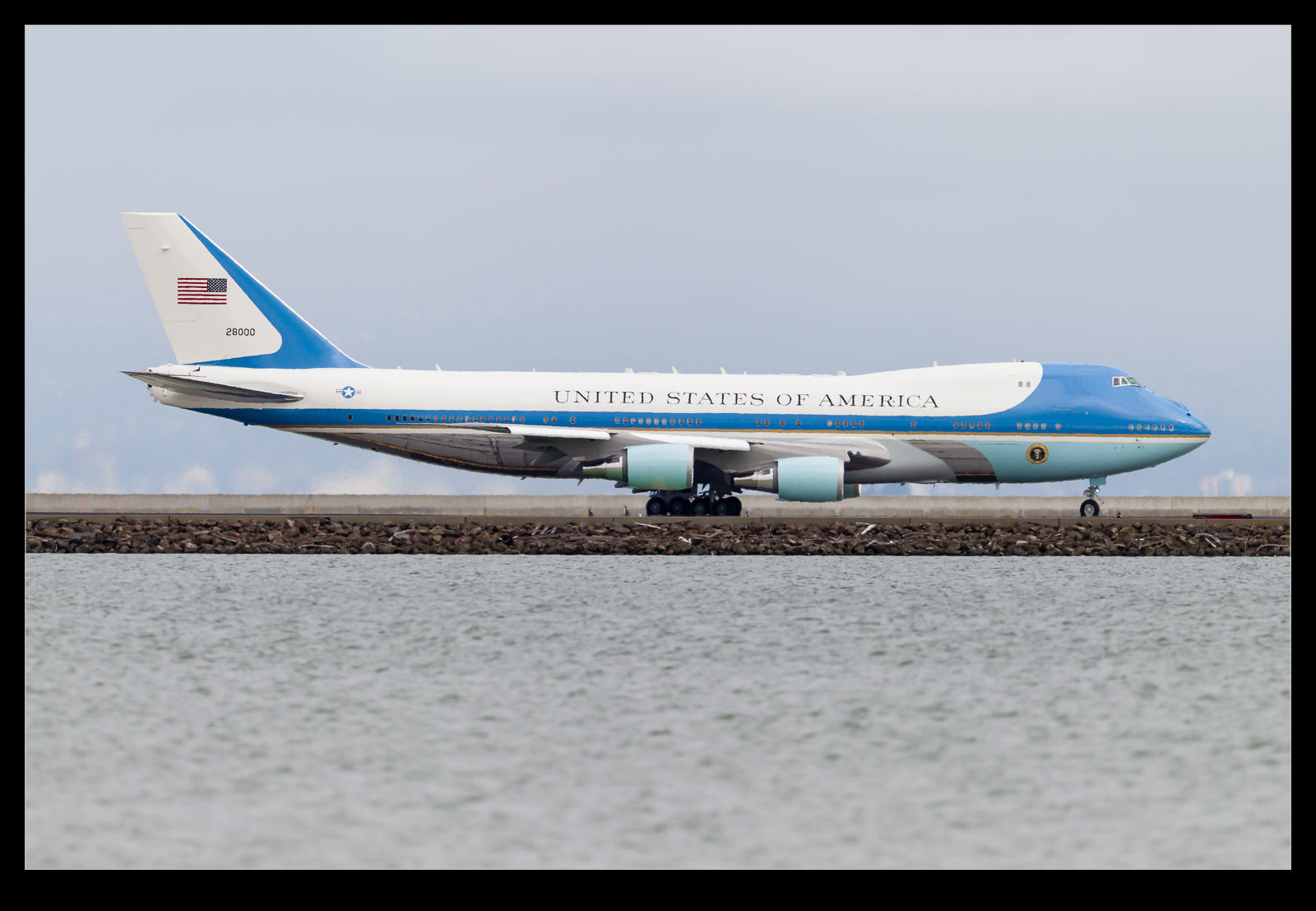
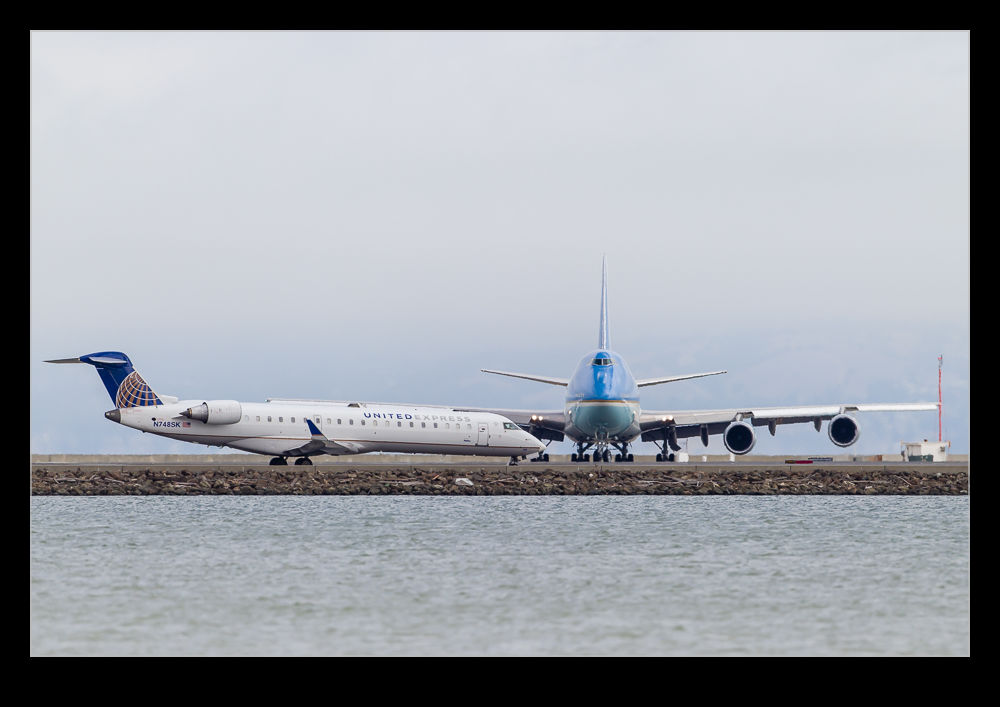
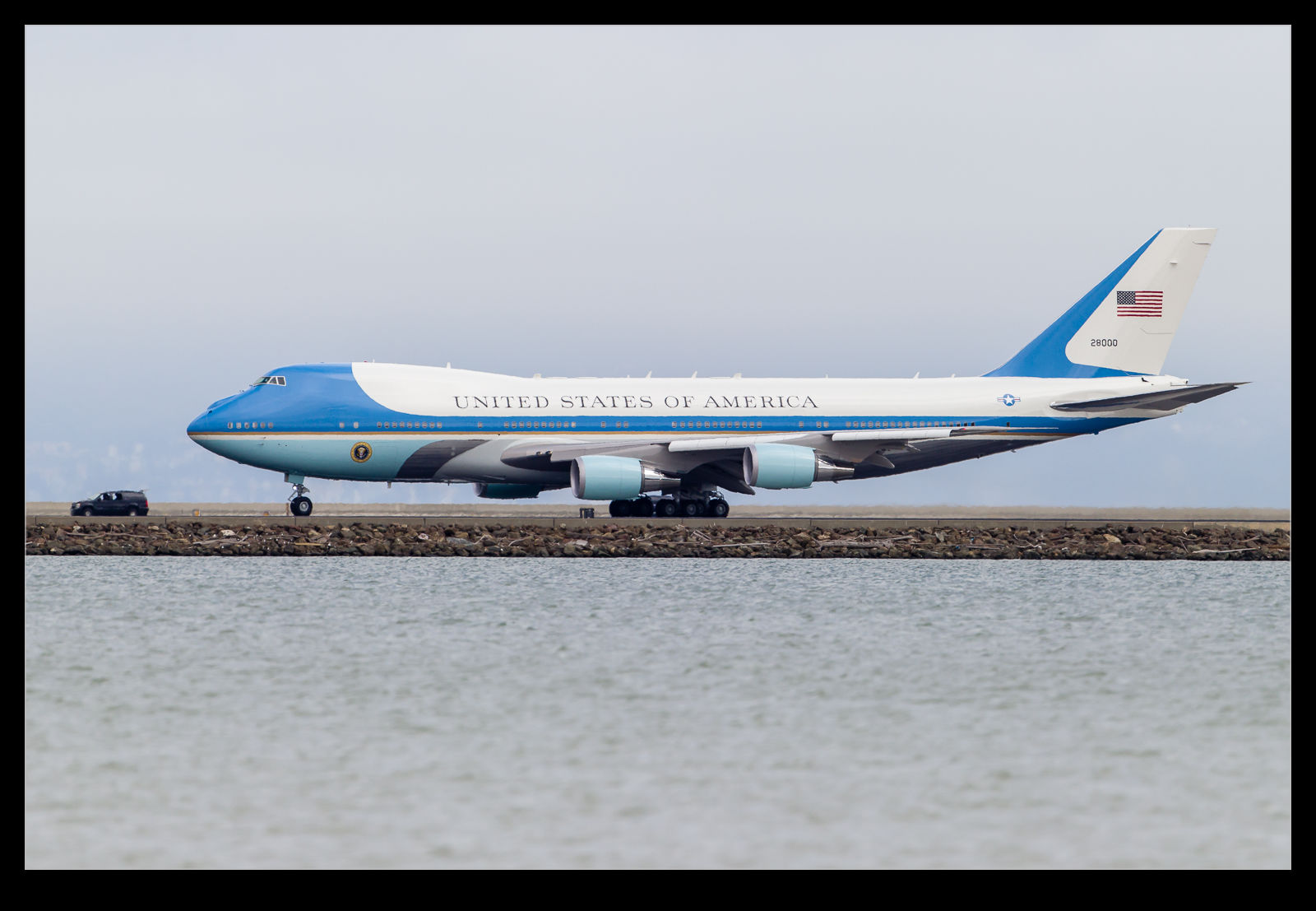
AU0E6592.jpgI have had a pretty poor run of luck when it comes to Air Force One. I have seen it overflying in the distance, I have seen the VC-25 on the ramp at Davis Monthan but was thirty seconds from being parked when it took off and I had a failed effort to get it at SFO which I mentioned in this previous post. It was back in San Francisco recently and I decided I was going to have another go.

AU0E6494.jpgI tracked the TFR online and, this time, it didn’t change. I, therefore, got to SFO with plenty of time before the departure. The weather was not fantastic but there was generally a clear spot over the airport so I was a little optimistic. As the intended time for departure approached, the cloud rolled in. Of course it did! Nothing I could do about that. Meanwhile, departures off 01 had stopped (I am not sure whether that was related to the Fleet Week air show or not) and a bunch of planes were lined up to depart from 28. Then they all stopped.

AU0E6513.jpgI assume the President had come by road as there was no helicopter activity other than a police chopper over the highway. The beacons were on as I heard the sound of a jet going around. It briefly appeared through a gap in the clouds and was a United 737. I guess they had just timed it wrong. I have no idea whether they held or diverted. Suddenly the VC-25 was rolling. It taxied rapidly along the northern taxiway by 28R with a couple of Secret Service vehicles following close behind. Without a pause it turned onto 28R past the waiting airliners and powered away. The Secret Service chased it for a while down the runway but it was airborne pretty swiftly. I guess it was lightly loaded. A few minutes later everything started moving again. Another ten minutes and the sun was out. Typical!

AU0E6525.jpg

Preserved American Airlines 727

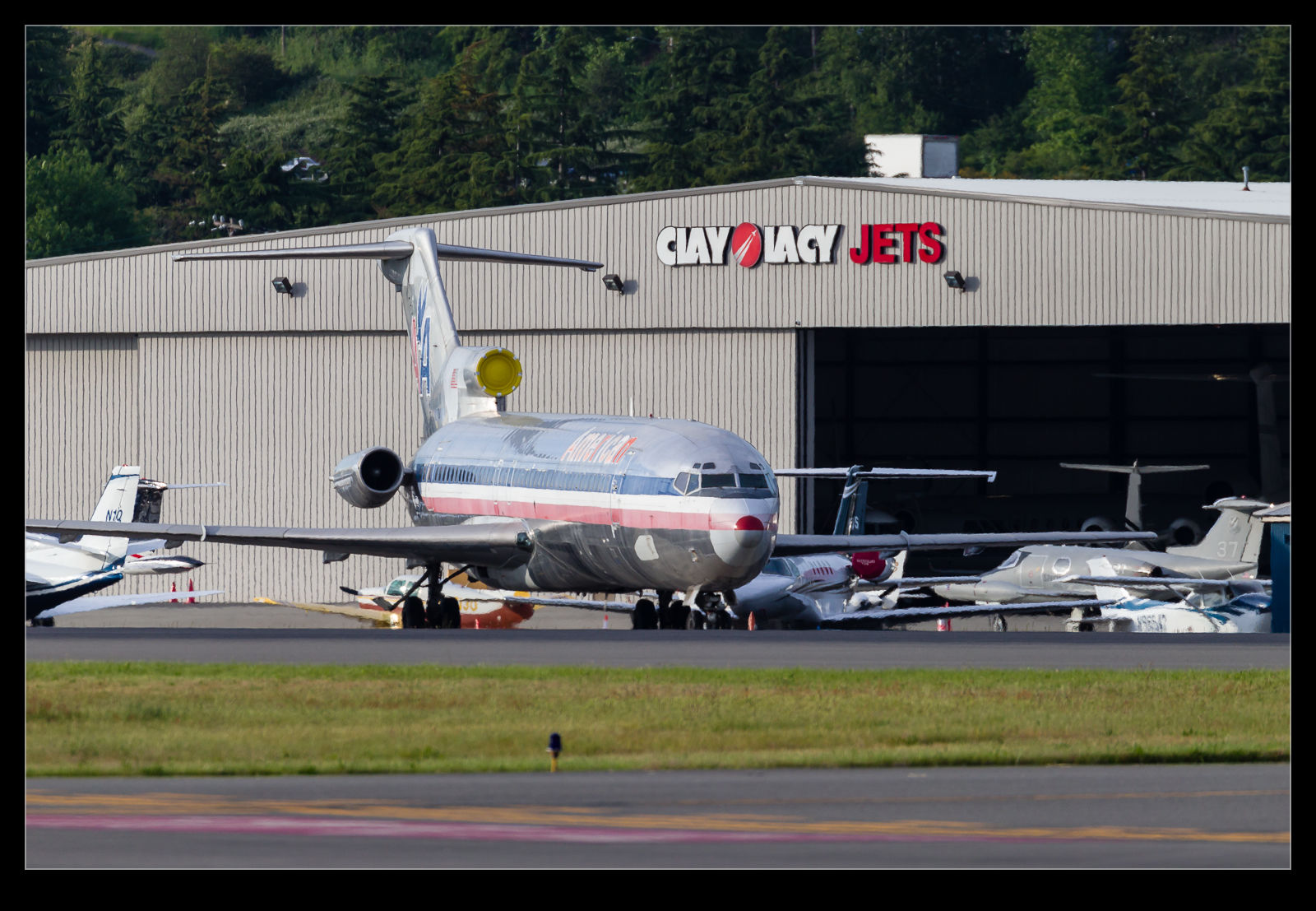
AU0E4478.jpgThe Museum of Flight in Seattle is currently in the process of building a new facility.  While the work is underway, a number of airframes have been moved from their previous location to alternative spots until they can be moved to their new home.  Most of them are still near the museum itself.  However, the 727 seems to have drawn the short straw and it was parked up on Clay Lacy’s FBO ramp while I was visiting.  It was near Joe Clark’s Learjet as well.  Some cool stuff to look at for any visiting jets at the FBO!
DC-3 City of Tillamook

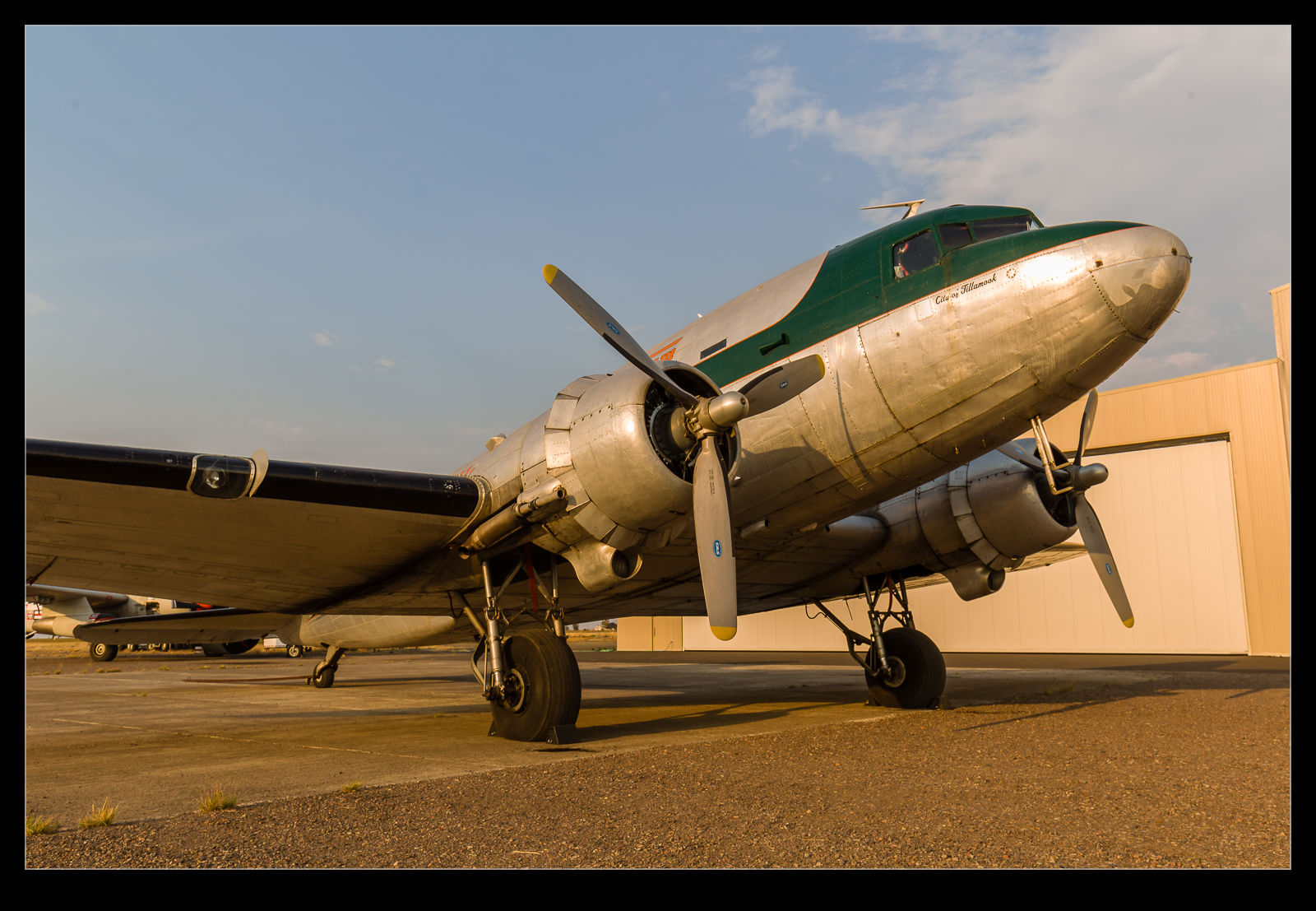
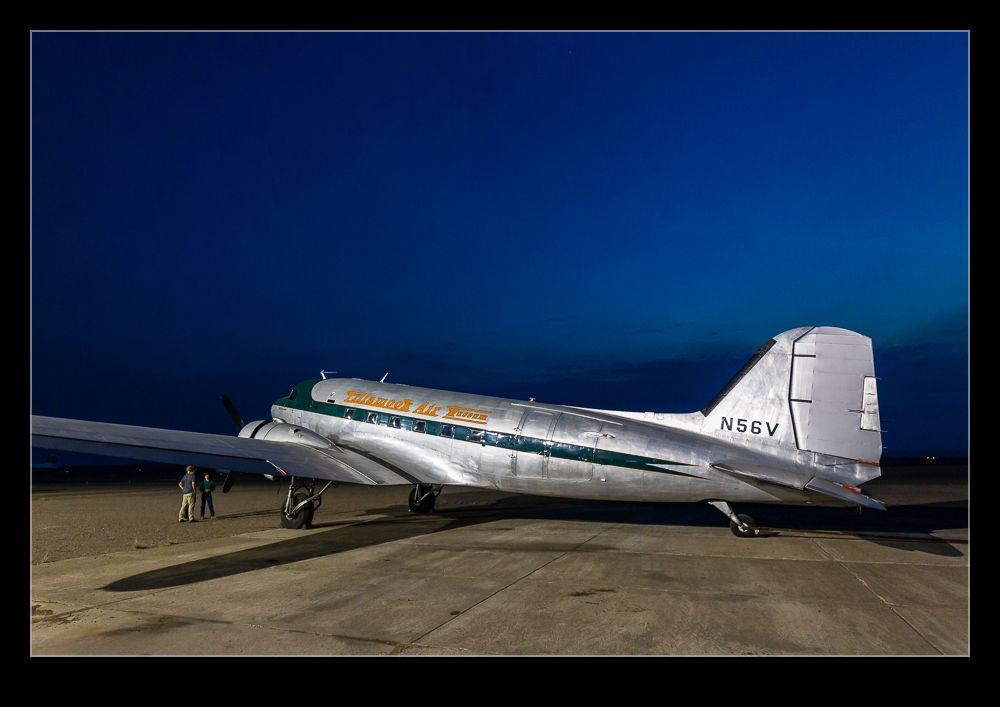
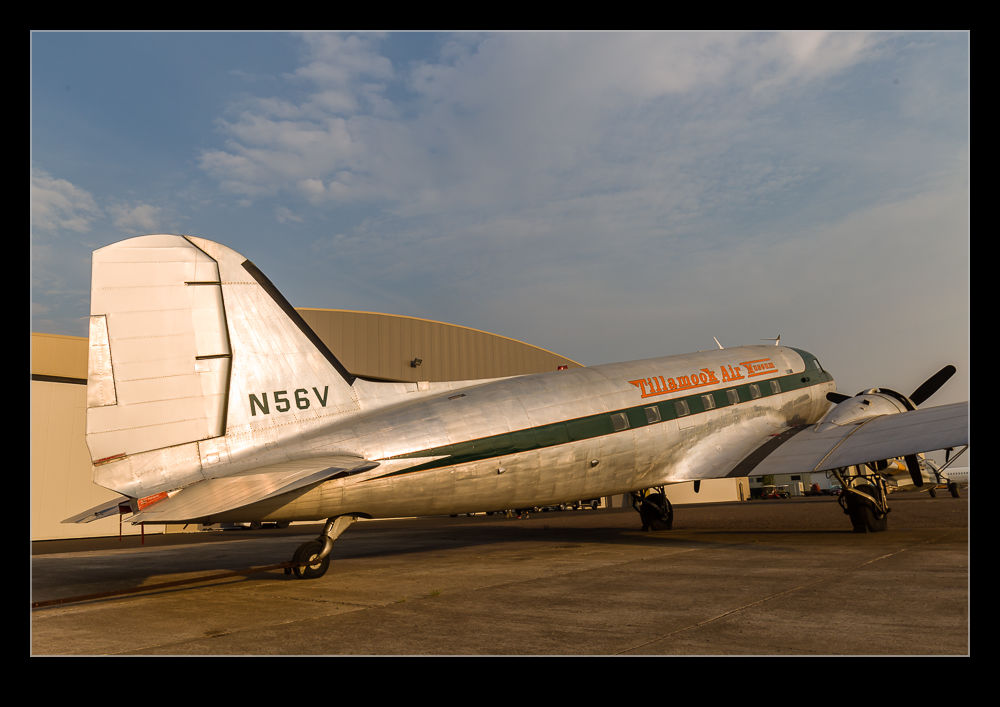
C59F7996.jpgThe Erickson collection did not used to be based in Madras. For many years the aircraft were part of the museum at Tillamook. The old airship hangars at Tillamook were their home. While most of the planes have now moved, one of them still bears a name indicative of its past. This is the Douglas DC-3 named City of Tillamook.

C59F8169.jpgThe aircraft sat on the ramp outside the museum hangar for the duration of my visit. The first evening we were there we had time to stroll around the ramp as the sun set. This resulted in some lovely lighting conditions. It was fun to see the DC-3 in close proximity to some later Douglas products. They shall be the subject of a later post.

C59F8000.jpg

Bonanza Camera Ship

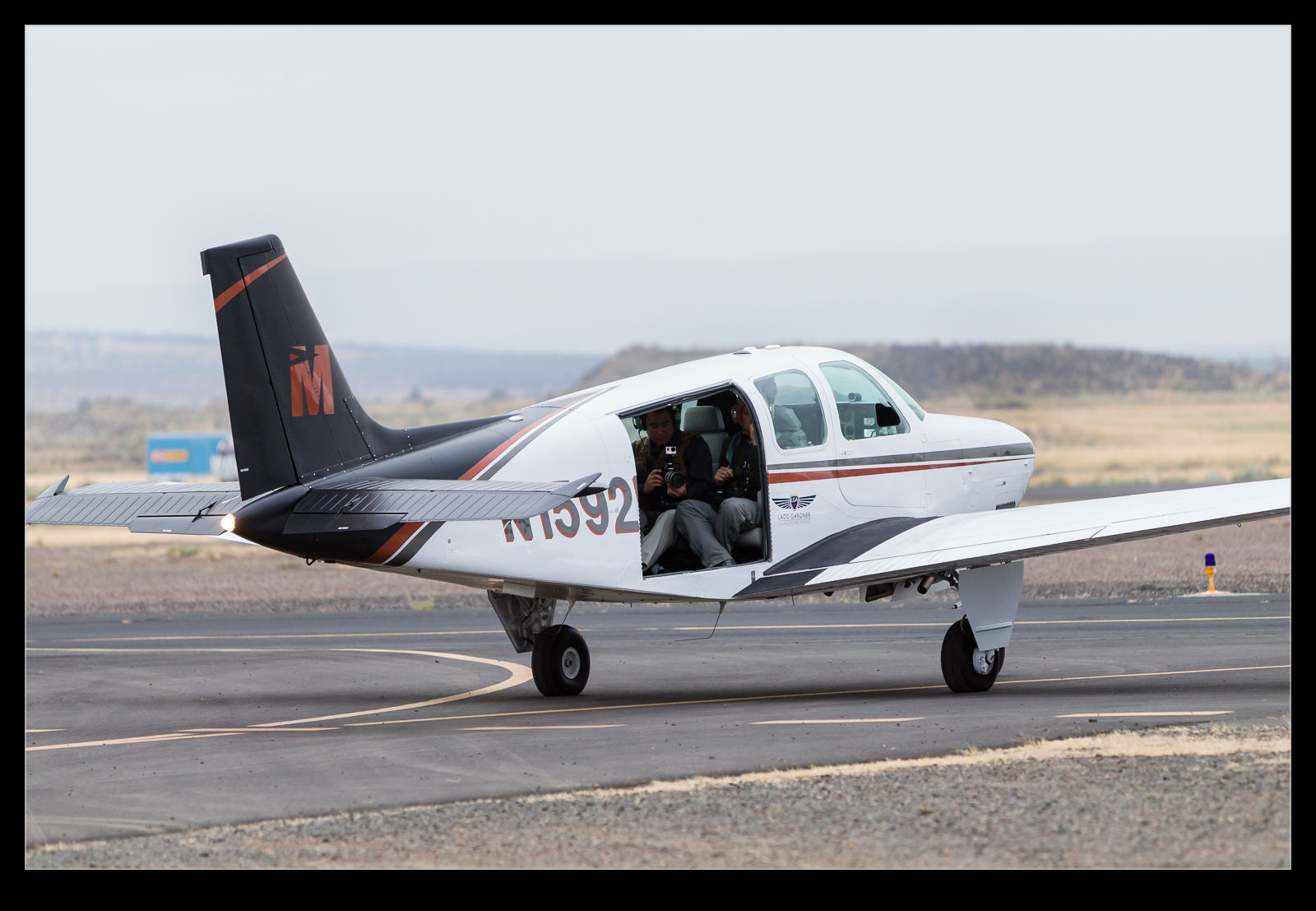
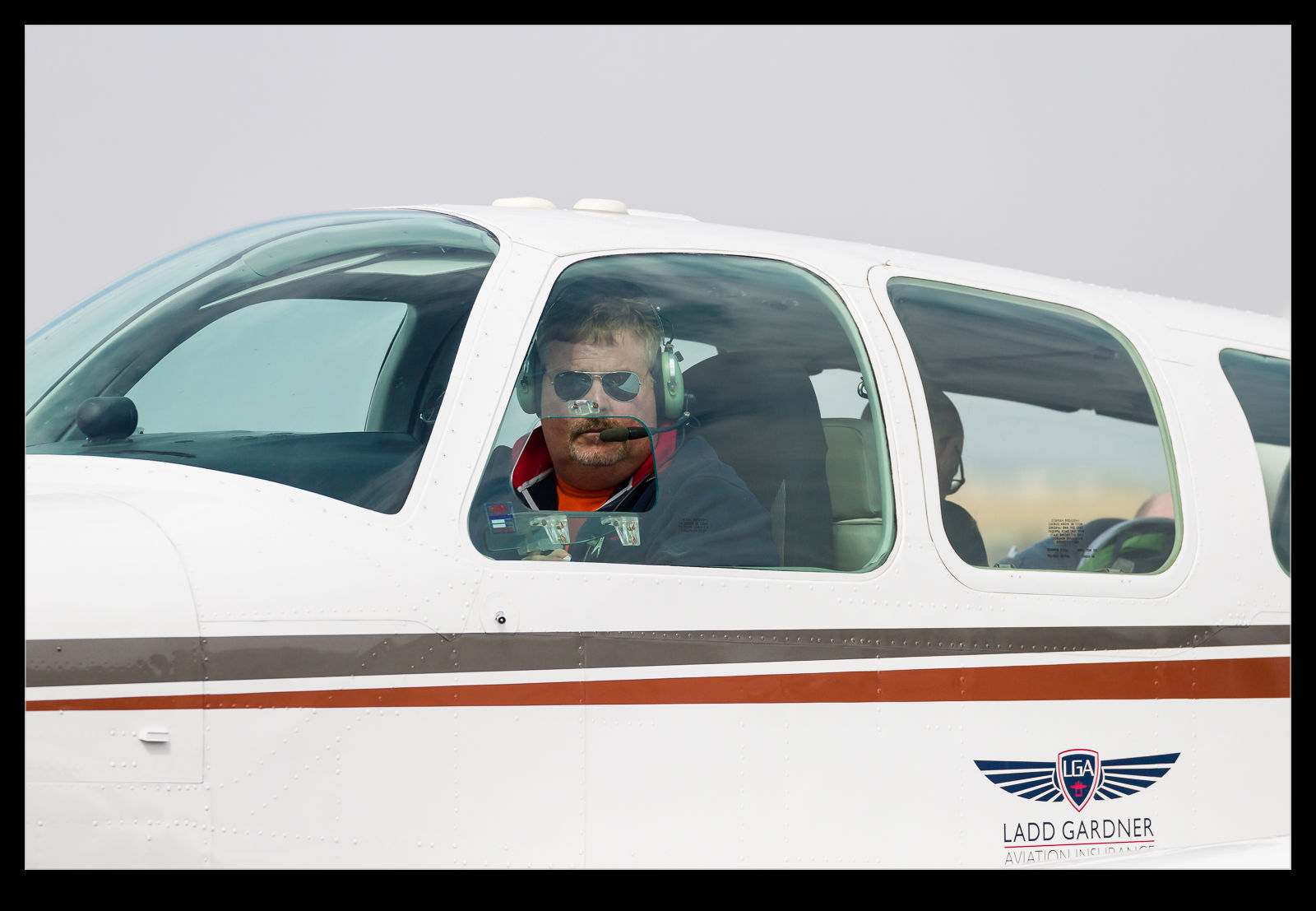
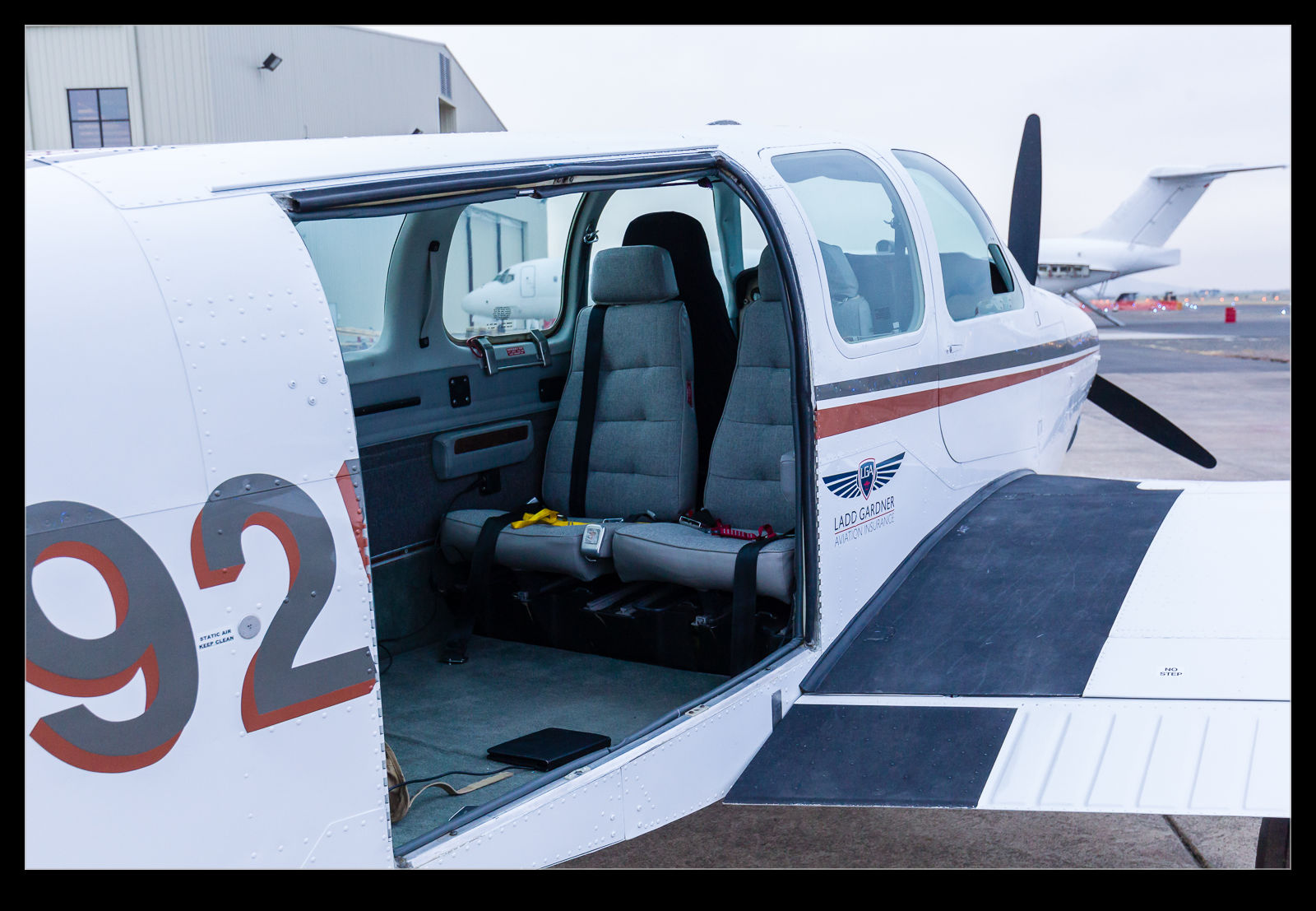
AU0E2314.jpgThe camera ship for the majority of the photo missions at Madras A2AX (and all of the flights I undertook) was Scott Slocum’s Beech Bonanza. This is an aircraft which is certificates for flight with the doors removed. With the rearmost two seats removed, this provides a great location for two photographers to shoot back at the target aircraft. Both photographers wore harnesses that were strapped to the airframe.

AU0E3172.jpgOnce airborne, one person would sit on the floor by the door and the other would stay on the seats and shoot over the head of the other photographer. This system worked really well. During the turbulent flights, the person by the door was probably a touch more aware of how close they were to the door as we bounced around but it was all safely planned and a lot of fun. Full credit to the work Scott did as the photo pilot coordinating the aircraft as well as guiding us students.

C59F8229.jpg

Redmond Airtanker Base

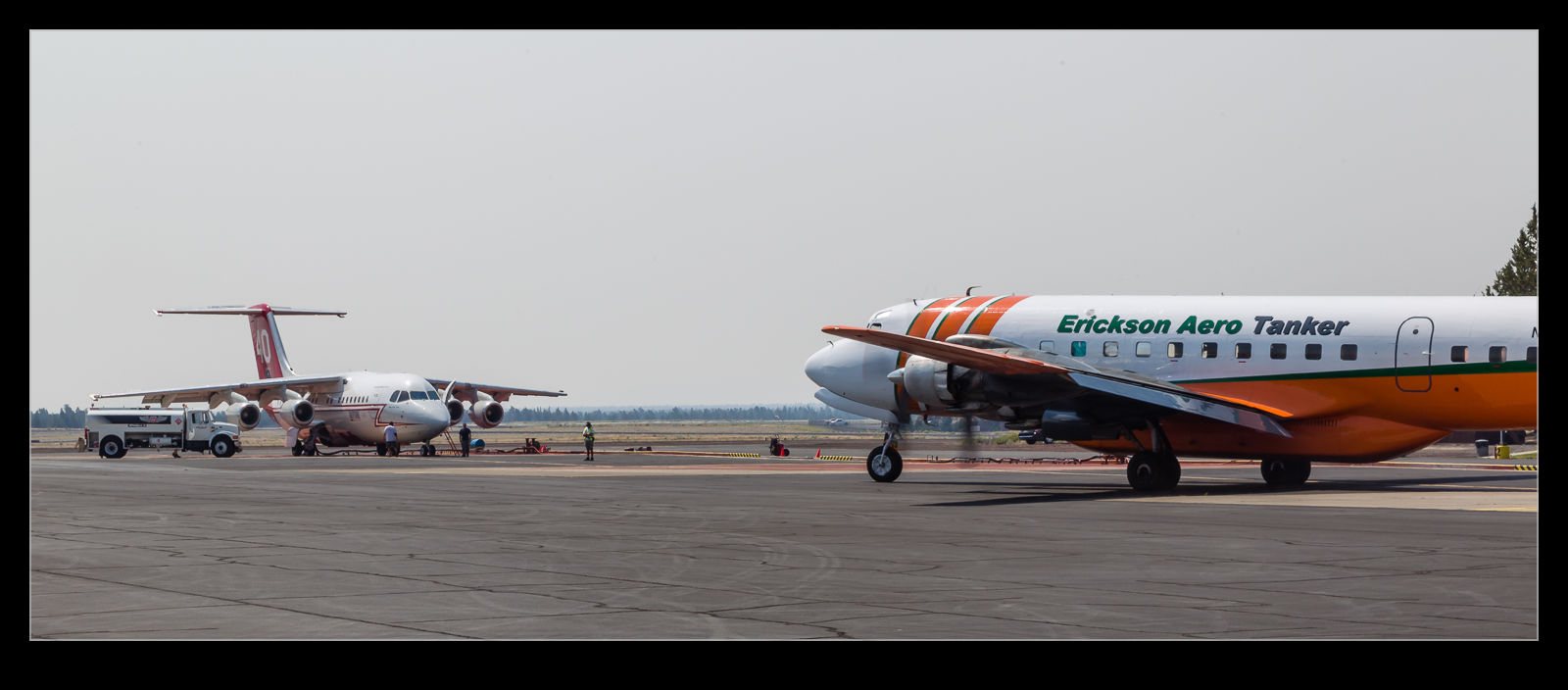
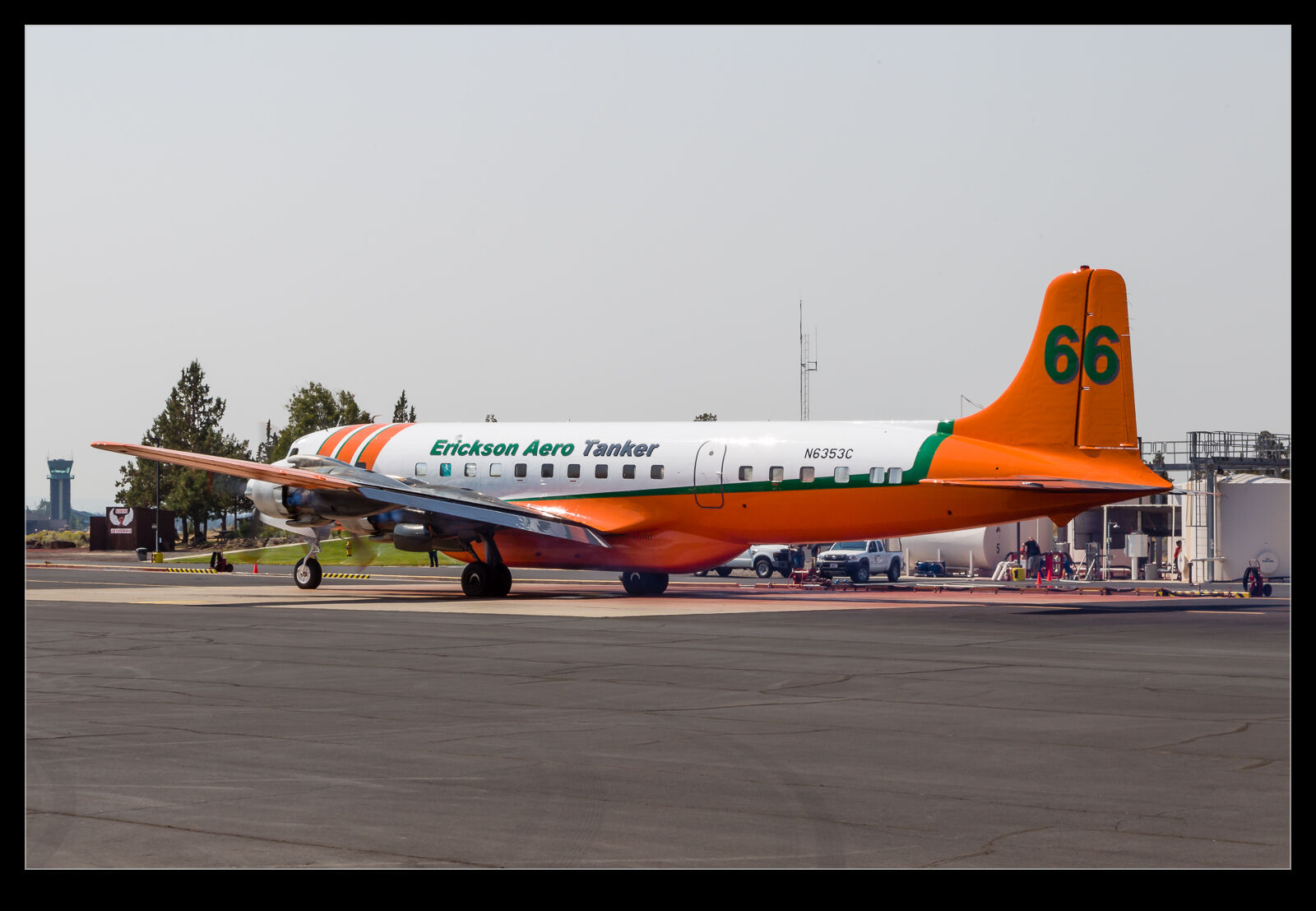
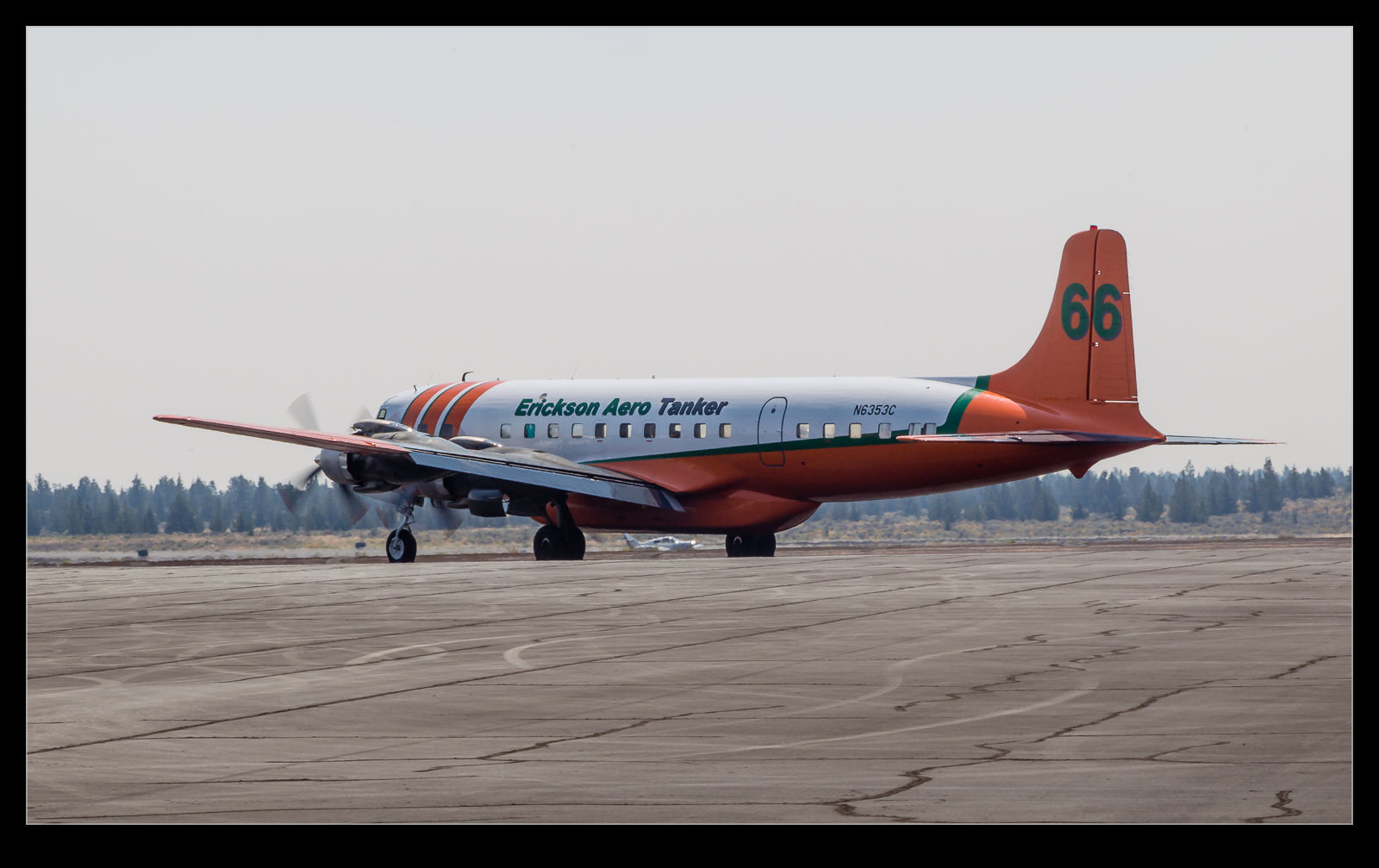
C59F7914.jpgMy trip to Madras involved flying in to Redmond airport, about half an hour south of Madras. Hayman and I came in on the same flight and shared a ride to Madras. As we drove out of the airport, something interesting caught my eye on the other side of the field so we did a little exporting before heading off. Redmond has a base for Airtanker operations in support of firefighting. The aircraft that I had first seen was a DC-7 that had been converted for tanker operations and was painted up in Erickson colors. It looked immaculate and the activity suggested it might be preparing to depart. With fires in the surrounding hills, there was plenty of work.

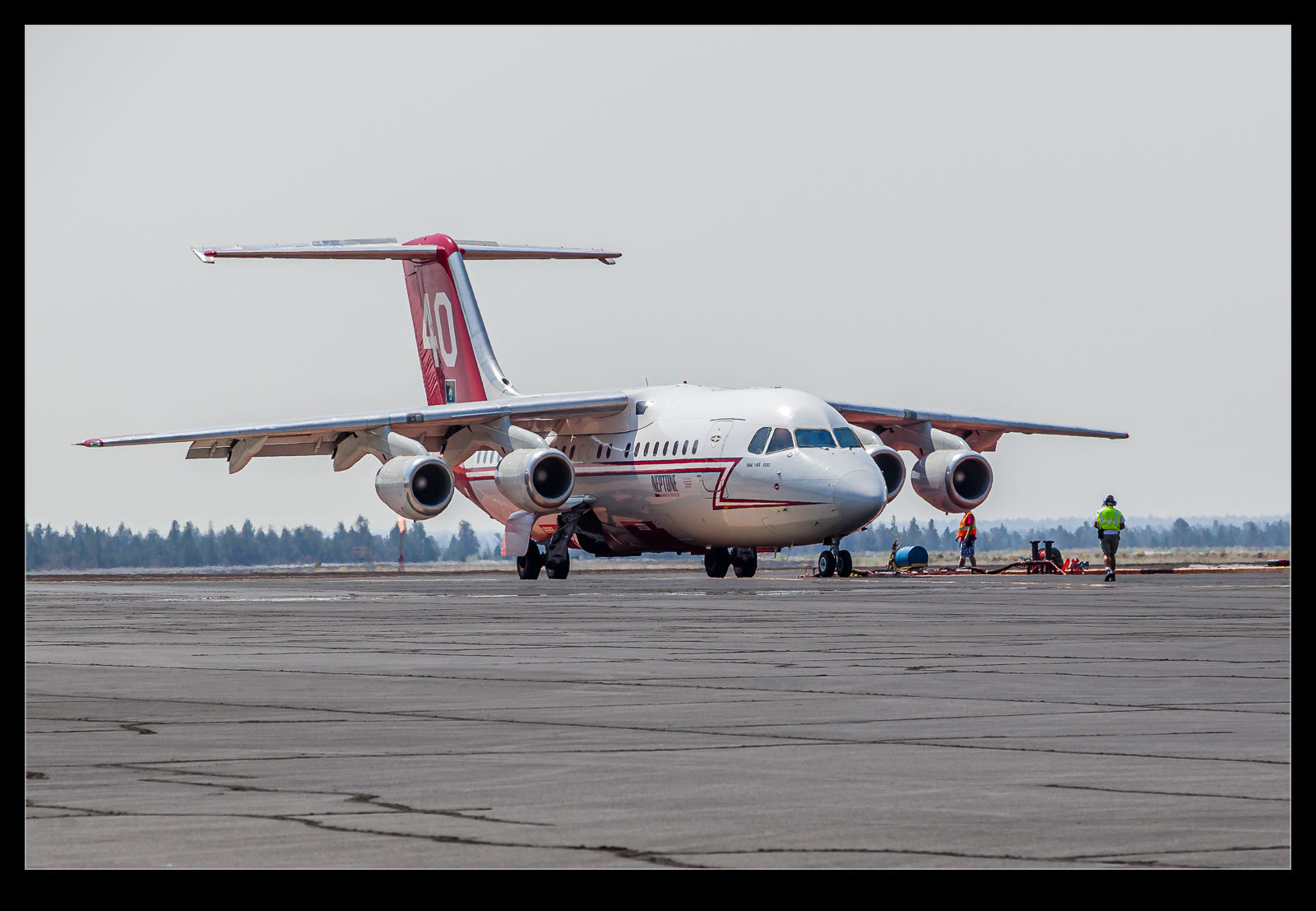
C59F7888.jpgWhile we waited for it to start up, a BAe146 tanker conversion landed and taxied in to the base. It was the first time I had seen one in person. Sadly the fencing around the base was rather touch to shoot through. Hayman made good use of the gap under the gates but my camera shape did not allow that. I had to make do with shooting through the fence where possible.

C59F7907.jpgShortly after the 146 came in, the DC-7 fired up and taxied out. With it gone, we figured it was time for us to continue on our way too.

C59F7937.jpg

A2AX Workshop

C59F9764.jpgAbout a year ago I saw a ton of cracking images showing up online from friends of mine that had attended the Madras A2AX workshop. At the time I figured I needed to start panning on being there for the next edition of the workshop. It is run by Scott Slocum and Lyle Jansma at the Erickson Air Museum’s facility and their aircraft provided the subjects for the photo flights. Scott and Lyle were joined by Paul Bowen. Paul was not instructing but he did provide his own perspective and guidance on what we were working on and also could be relied on to show up with his camera whenever you were looking at your goofiest and to tell some hilarious tales of his various exploits.

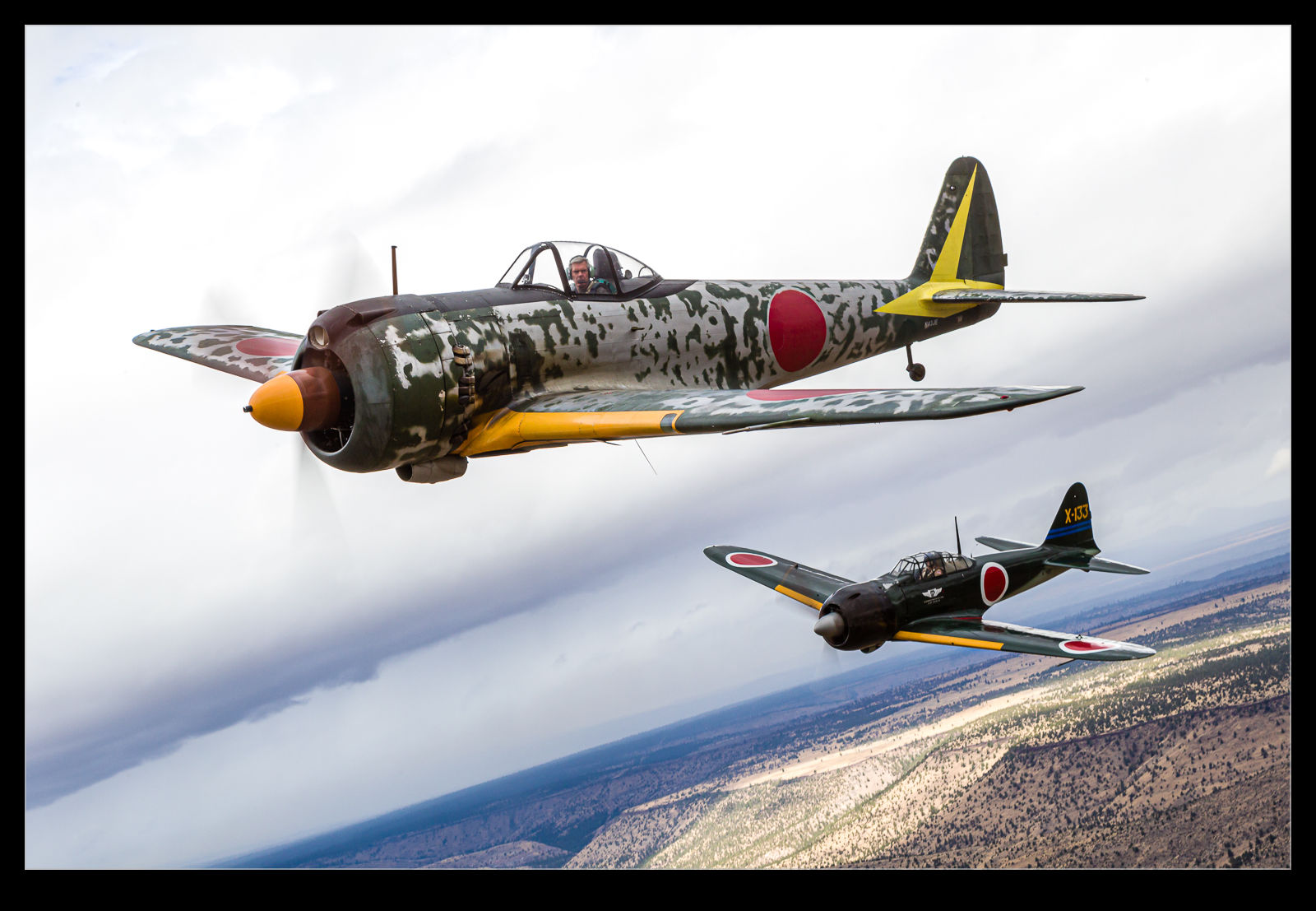
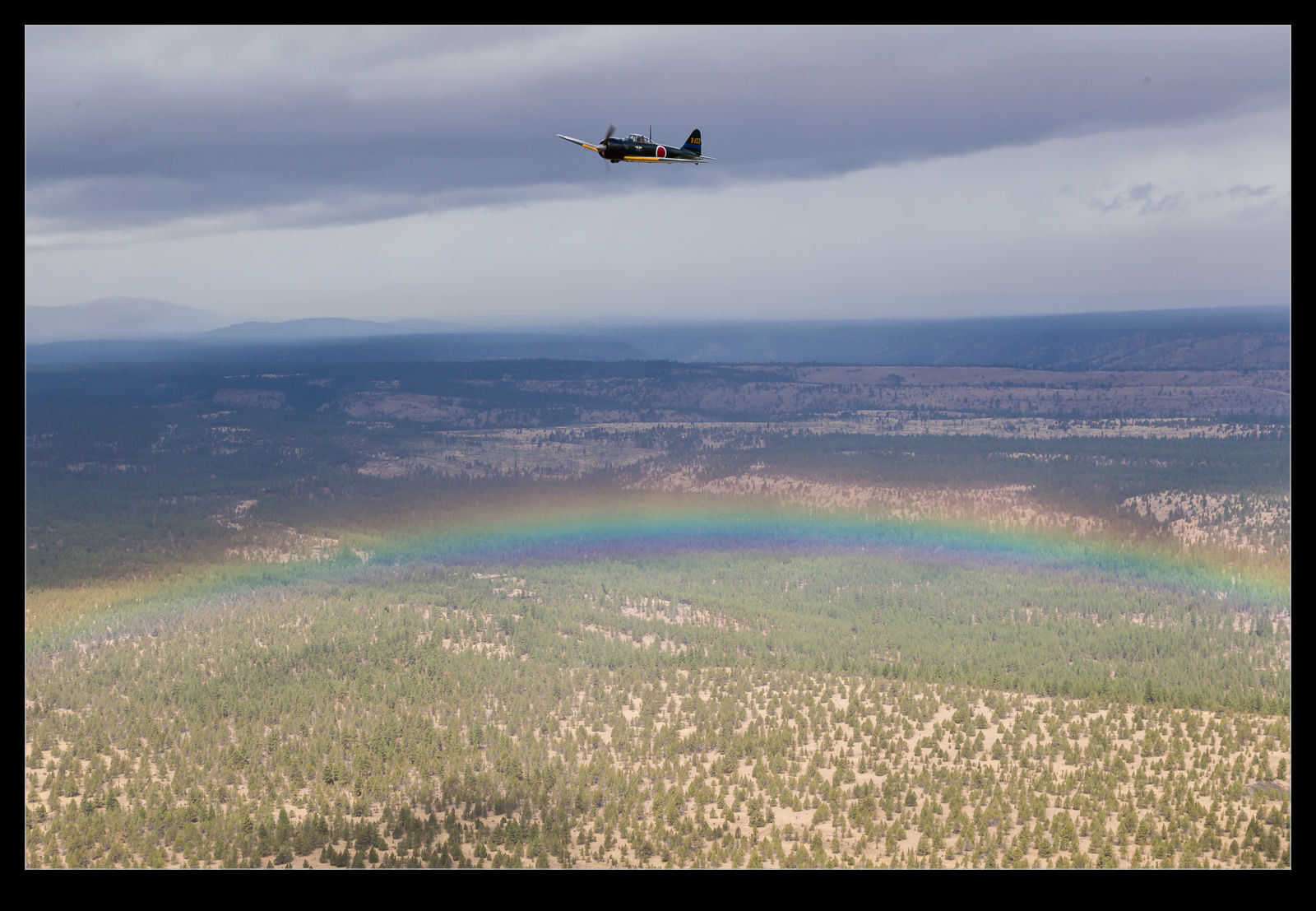
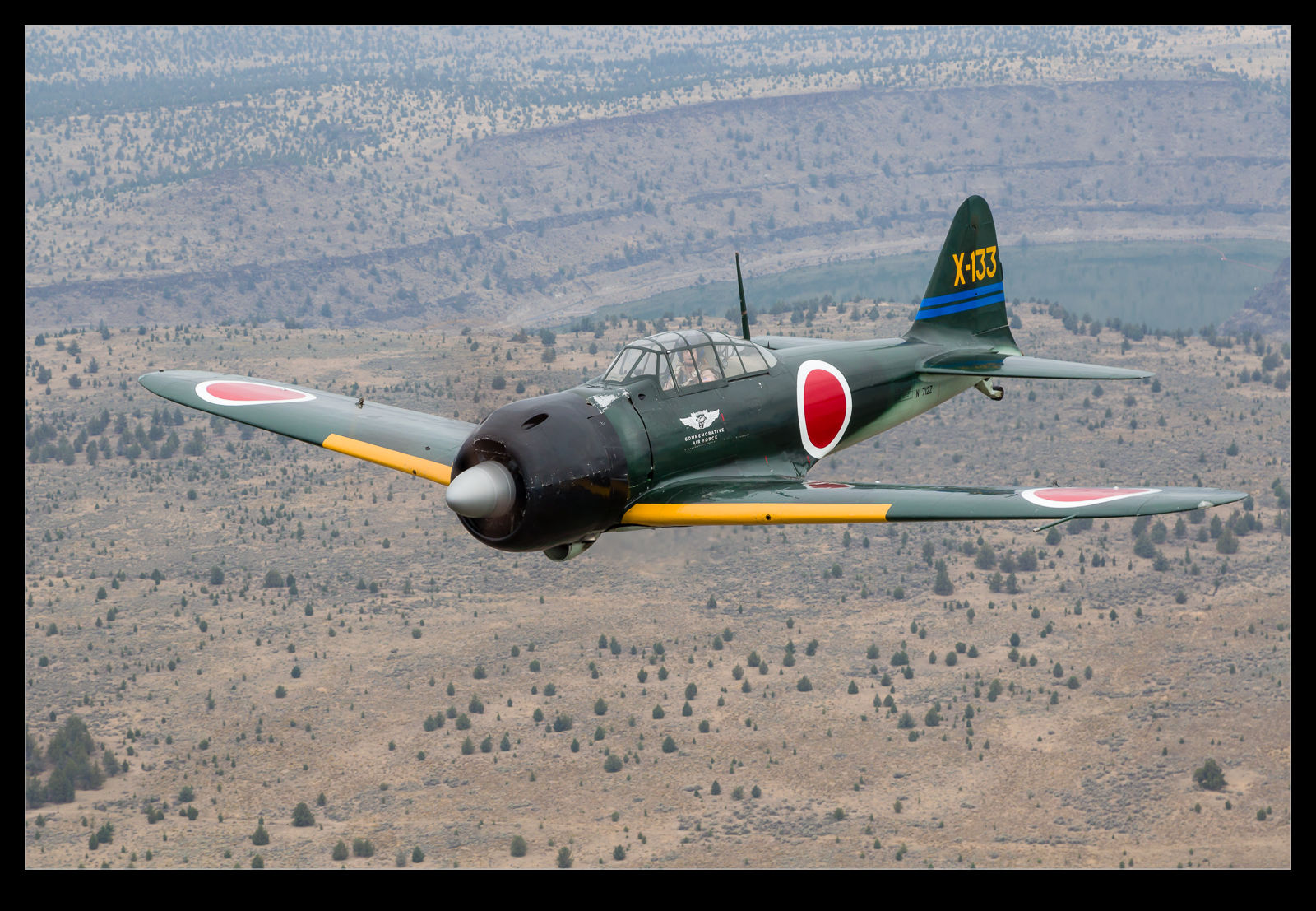
AU0E3451.jpgI met some familiar faces and made a whole bunch of new friends. Various hurdles were thrown in the way of the team due to weather and serviceability issues but they adapted well and the team were intent on having a good time whatever was going on. It was a fantastic weekend with some great learning opportunities and some beautiful aircraft to photograph. Here are a couple of samples of what we had to play with.

C59F0050.jpg C59F8325.jpg

Kfirs

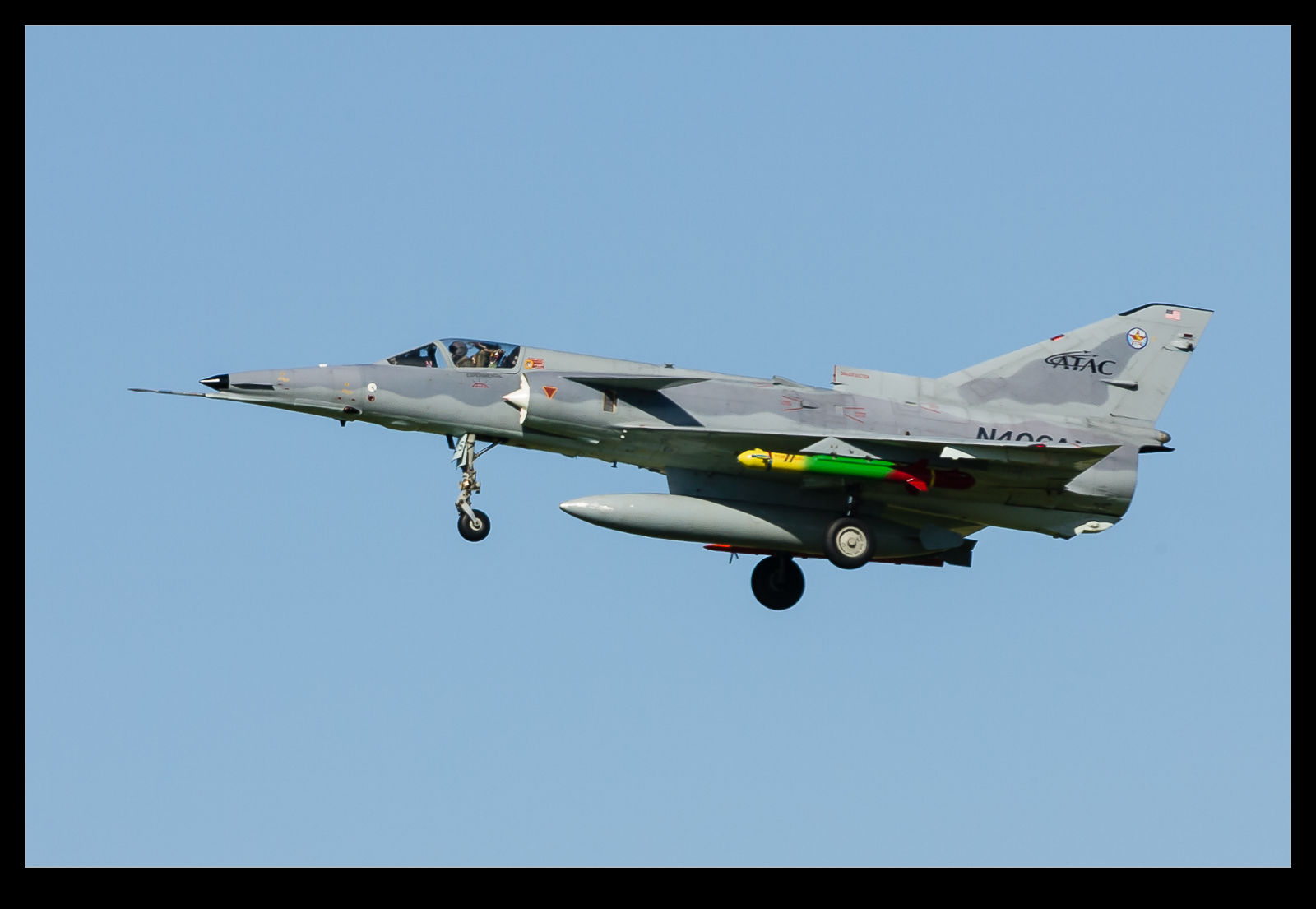
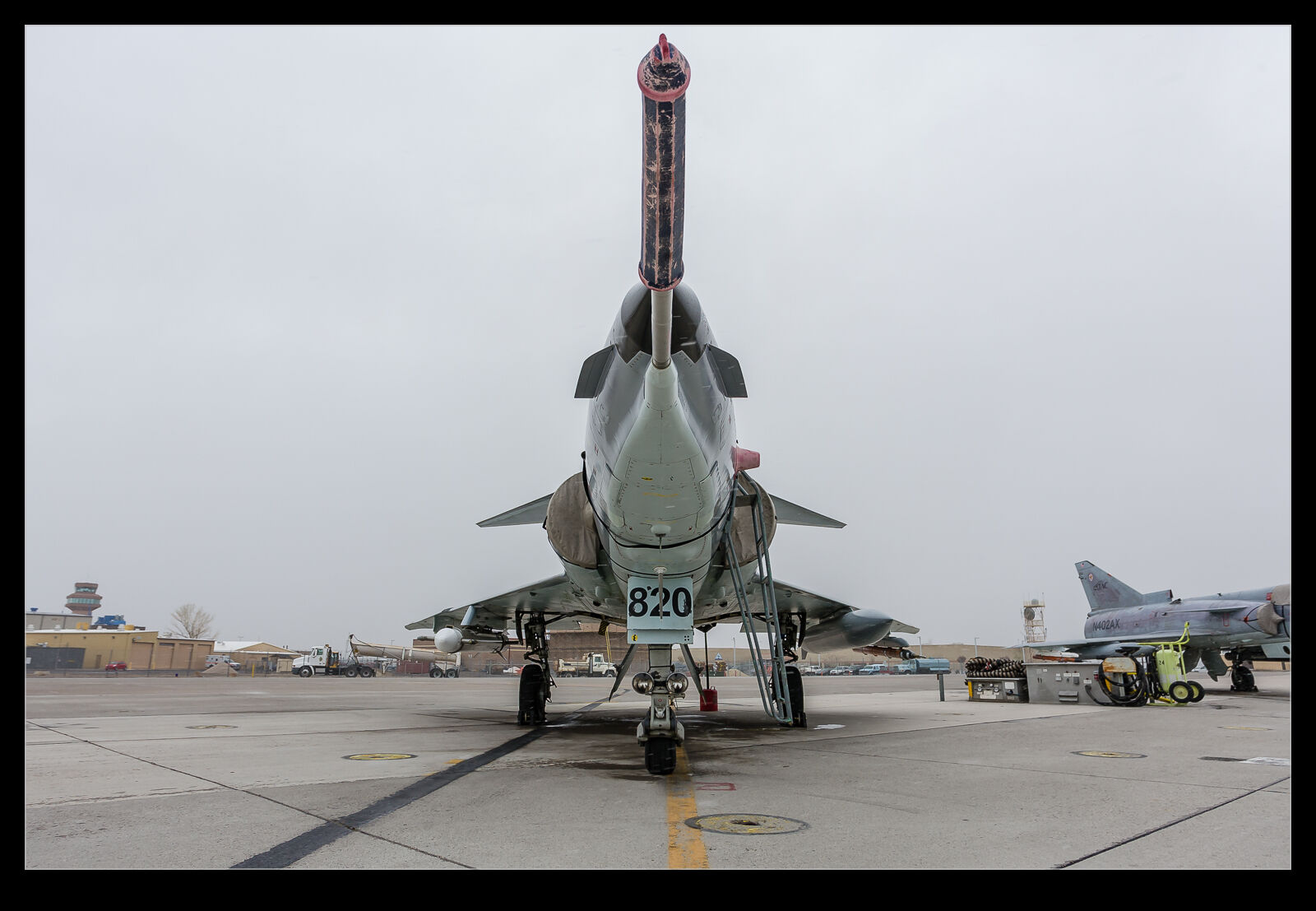
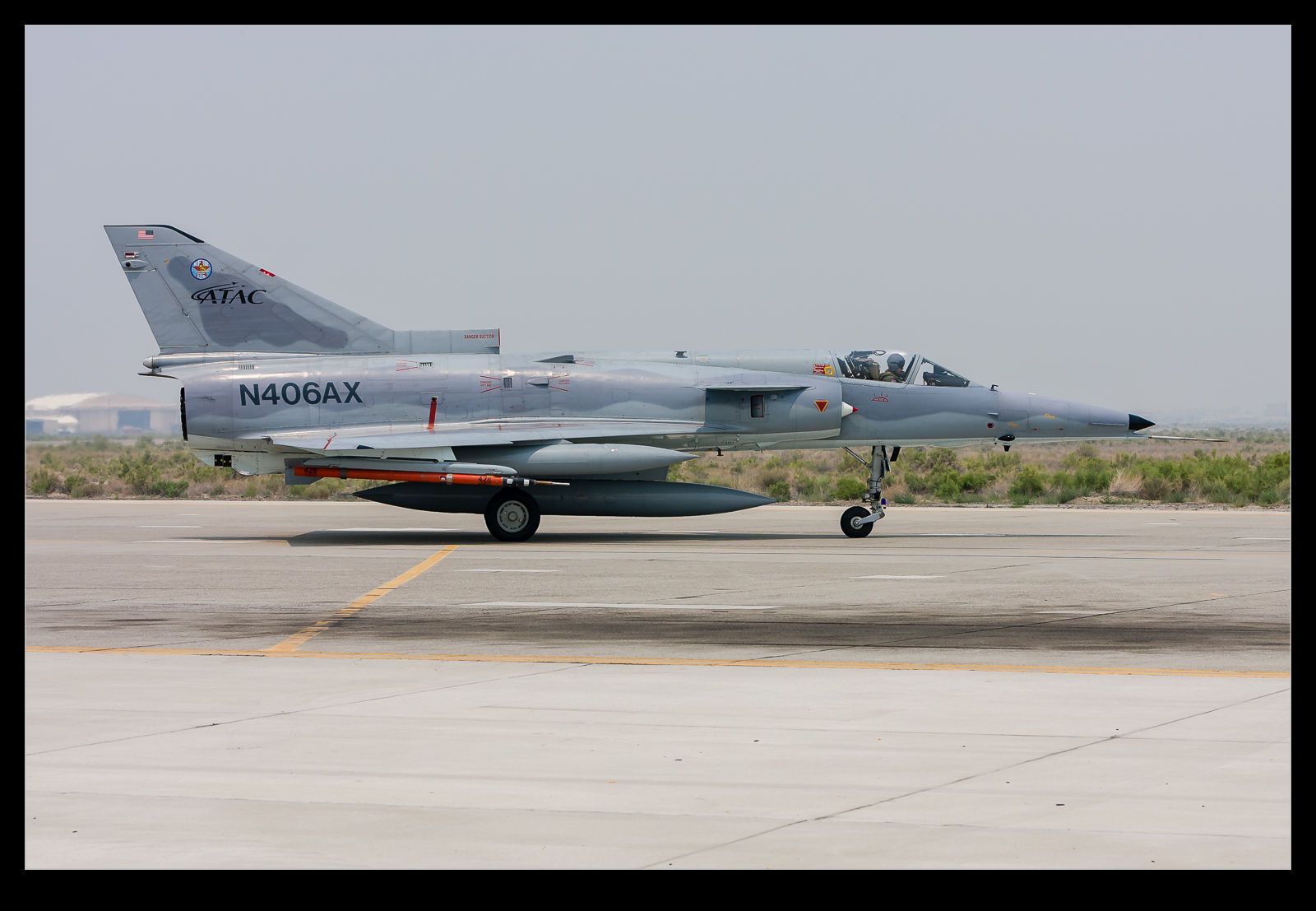
QB5Y8635.jpgTime for another post on a specific military aircraft. This time it is one with an interesting history. The Israeli Air Force was a customer of Dassault’s Mirage aircraft and had good experience with it. However, Dassault/France declined to sell further aircraft to Israel. Instead, the Israelis decided to make their own version. A combination of covert acquisition of design drawings and the introduction of a new engine resulted in the creation of the Kfir.

CRW_5695.jpgDuring the 1980s, a number of Kfirs were supplied to the US Navy to be operated as aggressor aircraft under the F-21 designation. Their use in service was not terribly long but, once they were withdrawn, they were acquired by private companies to use in support roles for training. I have come across them a couple of times. One was at Pt Mugu in California when an example was shooting approaches. The other time was during a visit to NAS Fallon in Nevada where they were launching on training missions.

QB5Y7331.jpgThe Kfir is quite a mean looking aircraft. The original delta wing design has many good attributes but approach speed is not one of them and they really do seem to be motoring when they come down the approach. I imagine they will remain in service for a number of years to come so I hope to see more in due course.

QB5Y5125.jpg