Author Archives: Rob

Devil’s Postpile

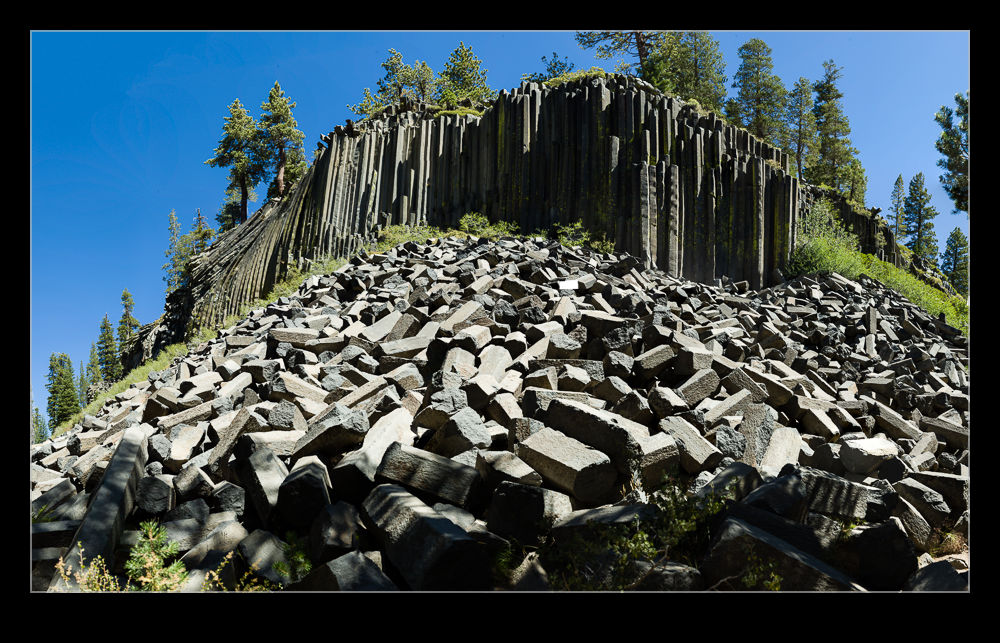
wpid11276-AU0E8332-Edit.jpgA trip to Mammoth Lakes for a long weekend had us exploring some of the local areas of interest. One that our guidebook recommended was The Devil’s Postpile. This was described as an outcrop of basalt formed during the volcanic activity the area experienced quite a while back. We decided to give it a go. I like geologic features and having grown up with pictures of the Giant’s Causeway in Ireland, I knew what basalt could look like.
wpid11278-AU0E8371.jpgWe weren’t the only ones with this idea. The valley in which the Postpile is located is accessed by a steep, narrow, winding road. Consequently, traffic is very restricted and most visitors use the shuttle bus. This was a lot of people the day we were there and the line for the bus was long and slow. At one point we contemplated bagging the whole thing. We set some time thresholds to be on the bus and we were just inside these when we finally got on board.
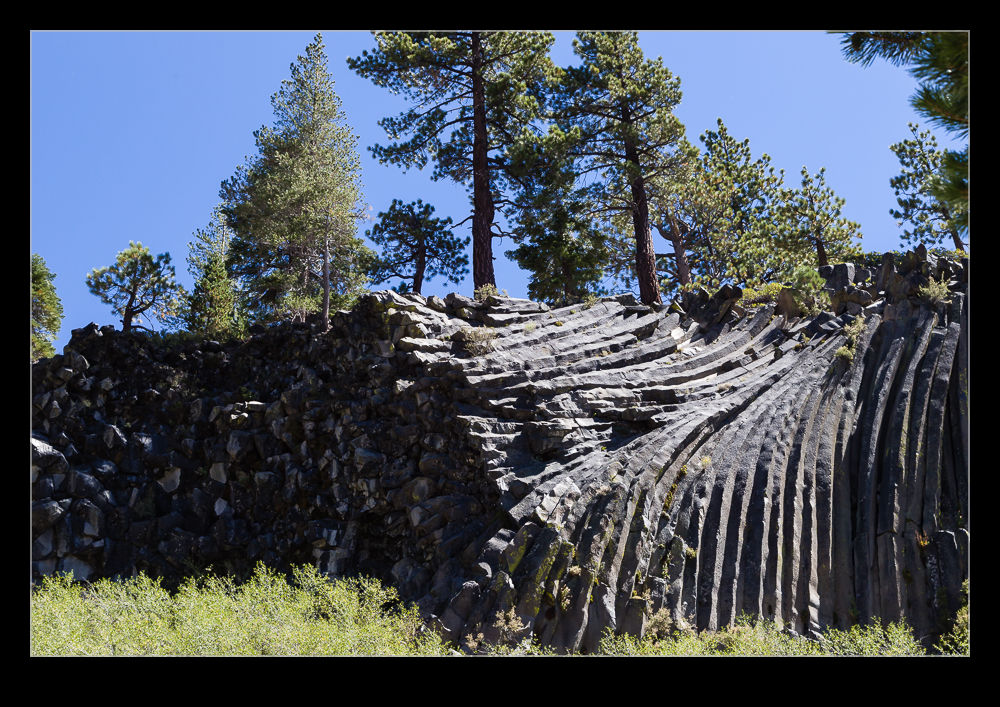
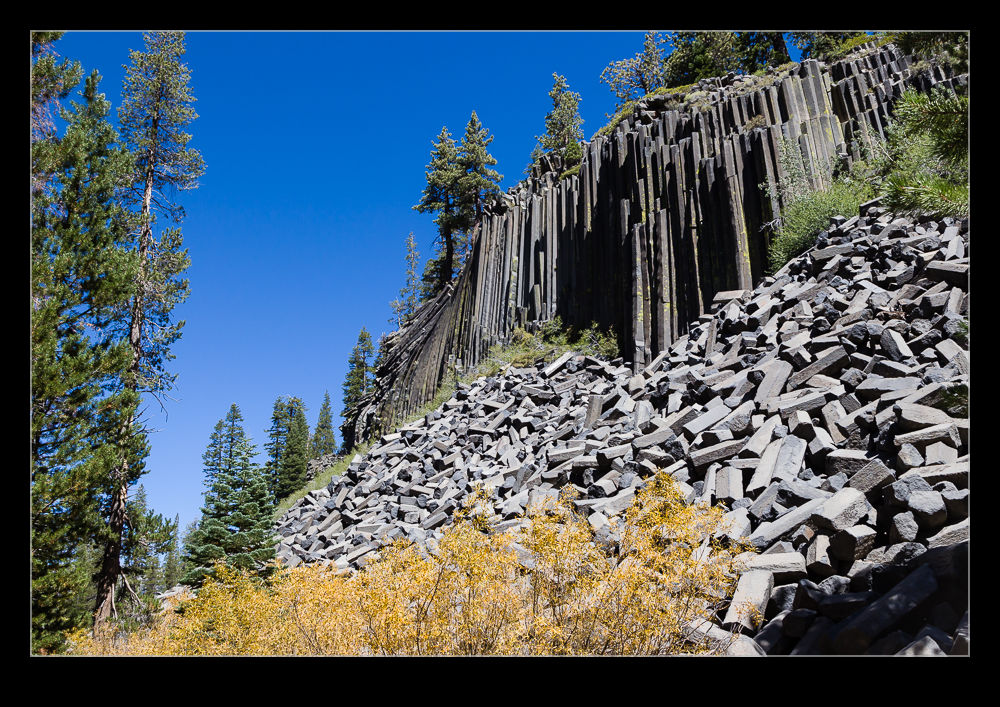
wpid11272-AU0E8324.jpgIt is a short walk from the bus drop off point to the rocks. They are certainly very cool. It is always hard to believe that rocks should form in these hexagonal columns naturally. In this case they are not only vertical but some sections have distorted in different ways so it is a mix of patterns. The harsh shadows of the middle of the day actually helped to emphasize the interesting patterns.
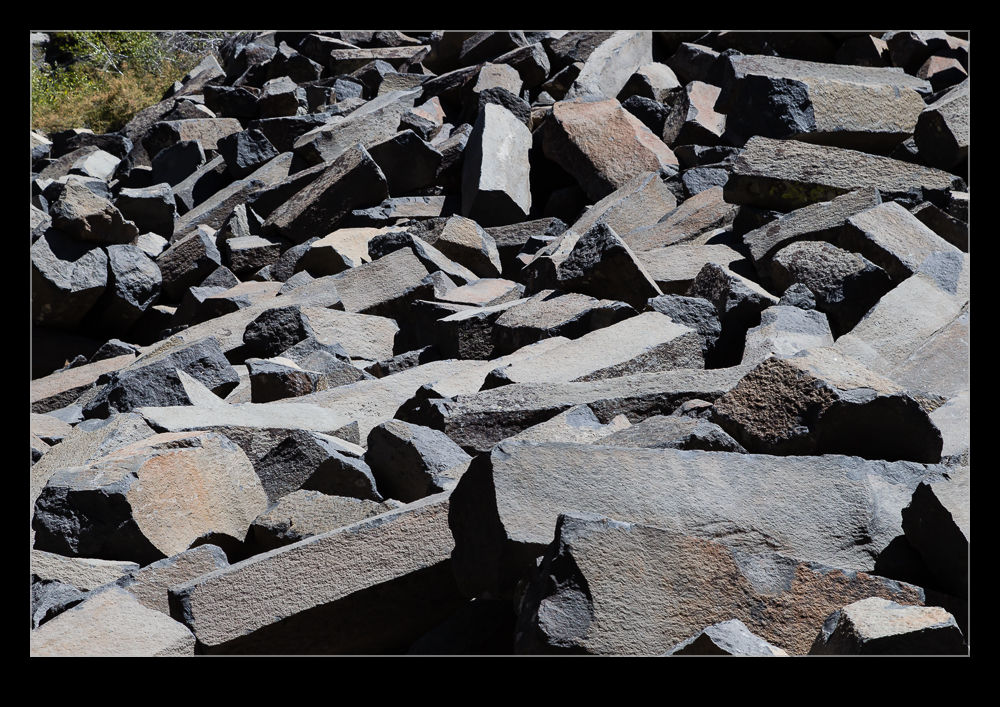
wpid11274-AU0E8328.jpgThere was a lot of fallen rock in front of the hill which gave some interesting perspective on the size of the columns. When some of the pieces had been split, it was good to see how black the interior was unbleached by years of sun.
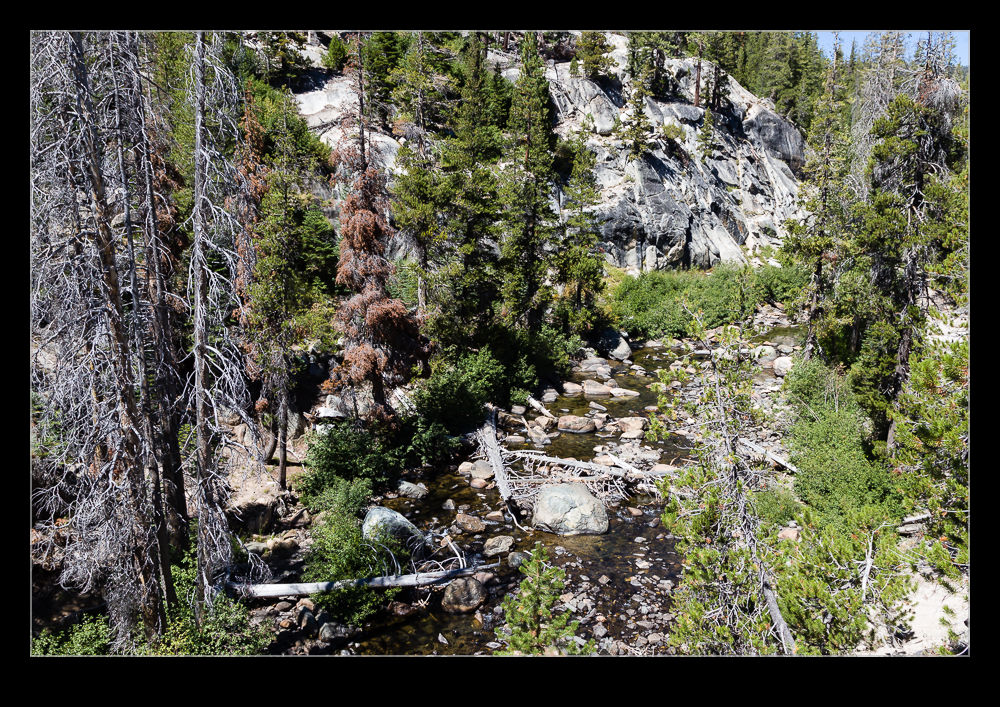
wpid11280-AU0E8374.jpgHowever, the best was yet to come. I was wandering behind the trees to see a view of the hills behind us and to get away from the crowds for a moment. I ended up on top of a ridge overlooking the San Joaquin River. The view was beautiful. It was quite funny to think that so many people were wandering along the trail a short distance away and had no idea that they were missing out on a beautiful location. Of course, if they had realized, a part of the beauty would have been gone.
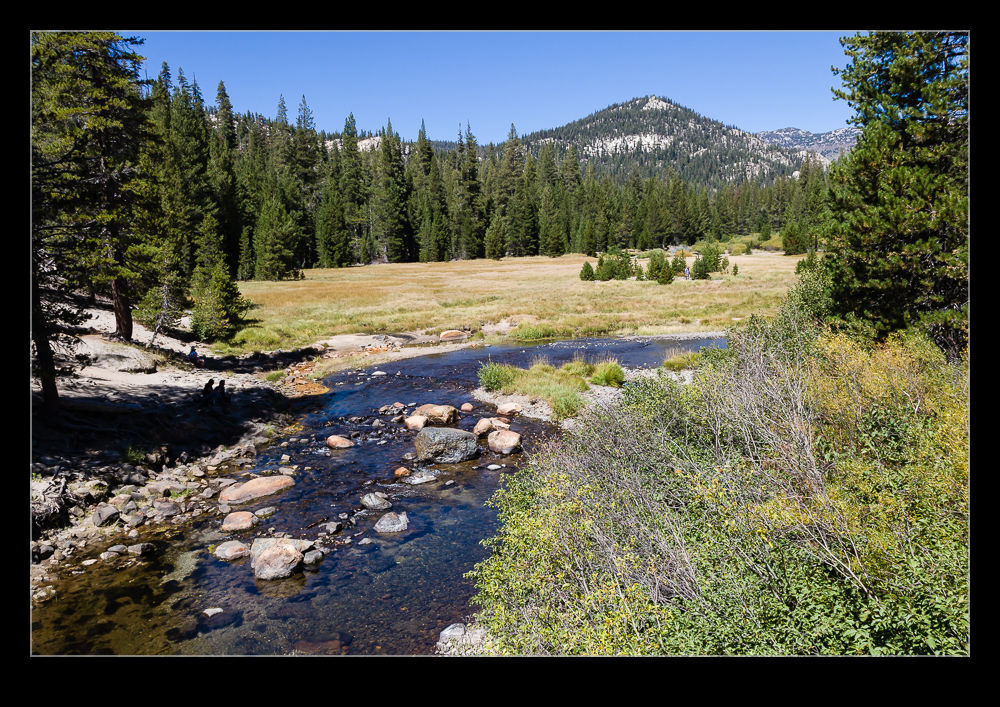
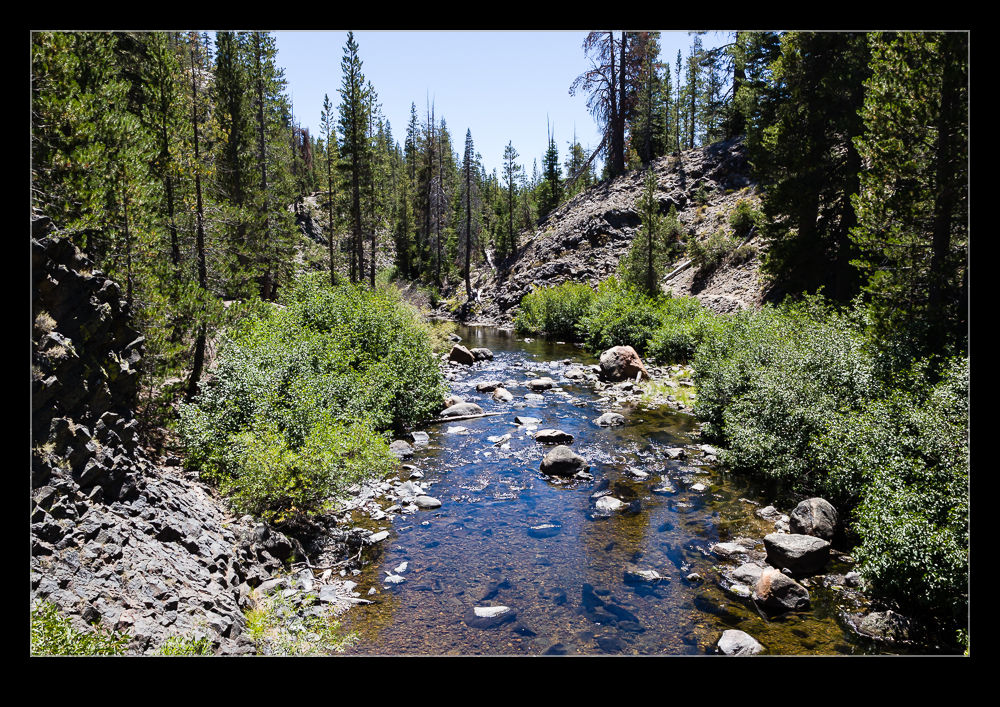
wpid11282-AU0E8405.jpgOn the walk back to the bus, I made an effort to check out the side trails to see what was here too and got to share some of the lovely views with the others who had stepped off the main path. It always pays to poke around a bit.
wpid11284-AU0E8407.jpg

HDR for Snapshots

While you always want to produce great photographs, sometimes you are just getting snapshots to remind you of places that you have visited. This blog is full of such shots that will never go anywhere further. One of the shortcomings of those shots is that they are taken at a time of day that is not ideal.   If I am setting out on a photo trip, I can go at the time that suits the lighting. If we are visiting somewhere on our travels, I get the shots that are available at that time. That often means harsh lighting.

Here I have started to take a lesson from my friend Hayman. He was talking about using HDR to make something more interesting from an otherwise unflattering lighting situation. Consequently, I have been making a lot more use of HDR on my travels. While early processing techniques for HDR were focused more on the grungy style, the latest developments allow you to produce an image that is a lot more natural looking and is far closer to what you recall of the view when you were there.

When trying to provide a more interesting shot for sharing with someone who wasn’t there, this is a good option. The ability of raw processing to get a lot more out of a shot has certainly increased the potential of a single shot. However, as the contrast ratio gets larger, the limits of a single shot become apparent. An HDR image can cope with this situation a lot better.

I am now using the tone mapping in Adobe Camera Raw to work on the 32 bit file once Photoshop has created it.   Then, once it is back in Lightroom, I can use the same sliders to further work on it. (I am currently unsure about how well the edits in ACR show up in Lightroom as I seem to lose some of the effects but will figure that out in due course.). The resulting images are still a little less than real but part of the purpose is to show more of the shot than the light would naturally have given.
The examples below are a bit of a sample. One of the middle range image as it was without any significant work. Next comes an edit in Lightroom to bring out a lot of the shot. The last is the HDR effort. Hopefully it shows the various results possible for the same basic shot.  Interestingly, if the light is not totally harsh, the ability to get more out of a RAW file is not far short of what the HDR gives.  It has less flexibility and is more susceptible to halos but it is a close second.

Straight Down the Runway

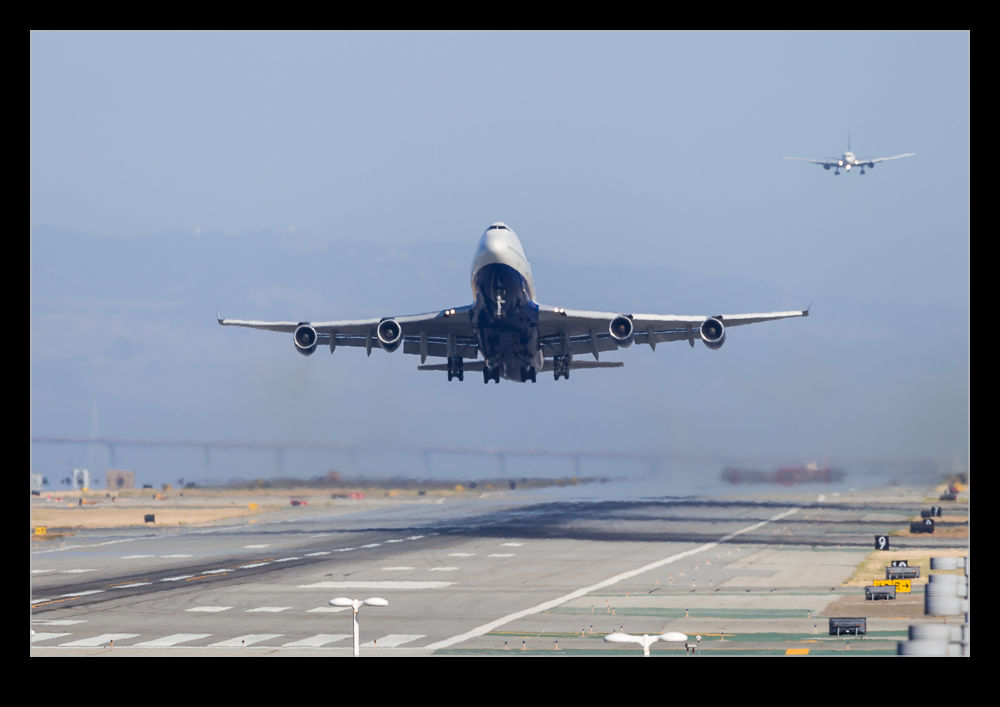
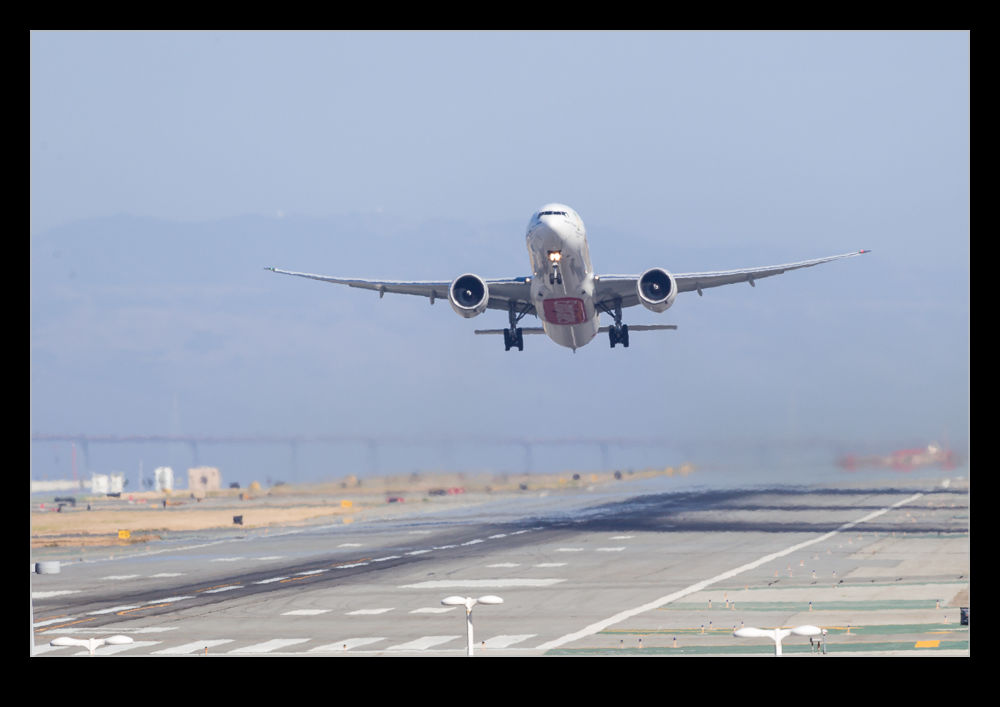
wpid11233-C59F7309.jpgOne of the things I have been contemplating for a while is getting some shots at SFO from straight down the runway. I have been to other locations and blogged about them here and here. However, I wanted to try a view that included the runway itself. With a day free to play, I decided to explore the options.

wpid11229-C59F7034.jpgI ended up with a spot that was reasonable. It isn’t perfect with fences and lights in the way to some extent. A parking lot between me and the runway has the double effect of being visually intrusive and also providing lots of heat haze. In truth, heat haze was a big problem while I was there. This was something I had anticipated being an issue. However, I was more interested in understanding the possibilities there so I could come back at a different time of year when heat haze is less of an issue.

wpid11231-C59F7185.jpgEven so, as the sun got lower, the problem did reduce a lot and, of course, the lighting got a lot nicer. I am thinking a visit when the timing of the departure peak combines with the lighting is going to be in order.

wpid11235-C59F7372.jpgOne other thing that will change is that my visit occurred during the time in the summer when SFO was working on two runways and all operations were on the 28 runways. That meant I had a lot more departures coming my way than will be the case when the 01 runways are taking the majority of the departure traffic.

McHenry House

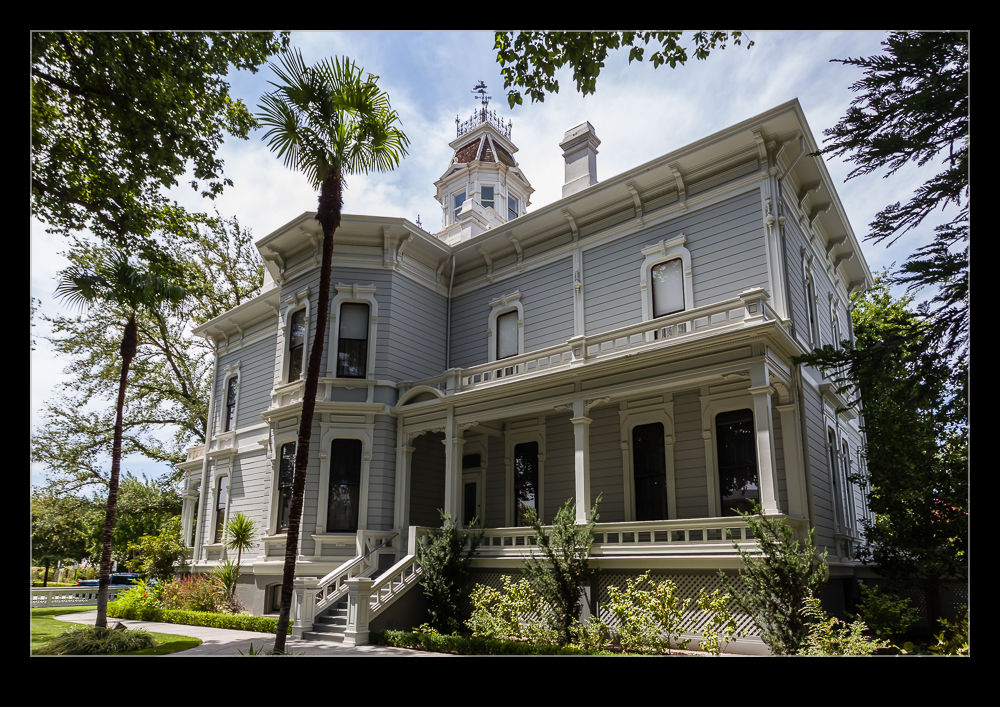
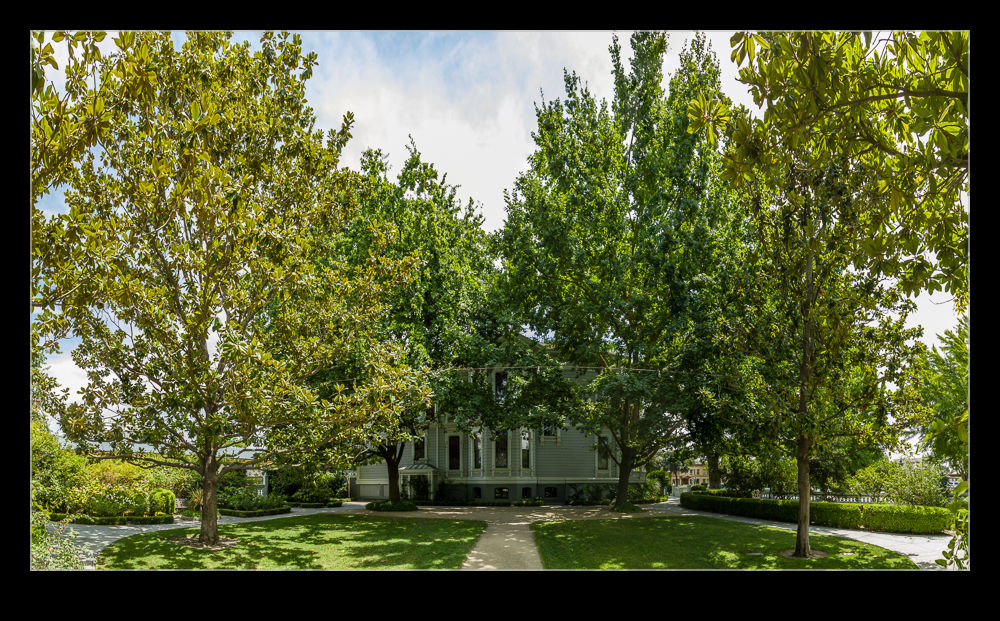
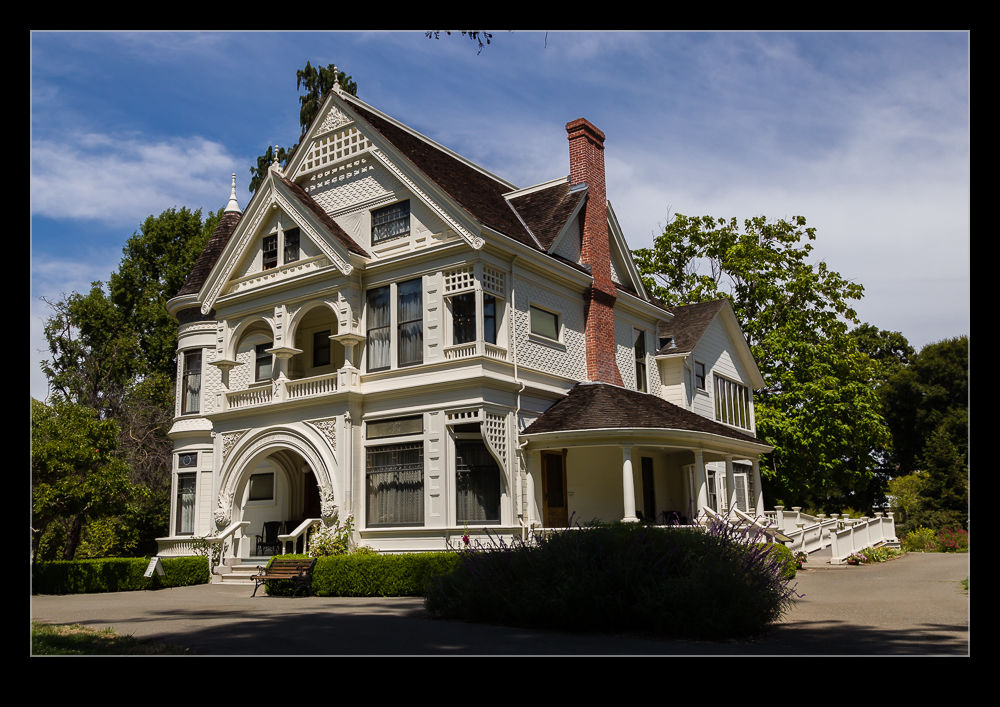
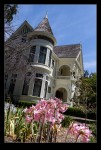
wpid11051-AU0E6970.jpgA day of exploring took us on a trip to Modesto. Neither of us had been there before and we didn’t have any particular goal. However, one book we had suggested a look at the McHenry House. This is a Victorian era home that is kept in excellent condition and is available for tours. We were just passing by so decided to forego the interior tour. I tend to like to look at the exteriors of buildings rather than the interiors so this was not a problem for me.

wpid11053-AU0E6976-Edit.jpgThe house is on a reasonably busy street but Sunday was not a particularly busy day in this part of Modesto so we could park easily and have a wander around.   The house and the garden beside it are very tranquil unless you come across a parent and recalcitrant kid who obviously was not appreciating the building tour. Just as well we didn’t go inside!

Tacoma Narrows Bridge

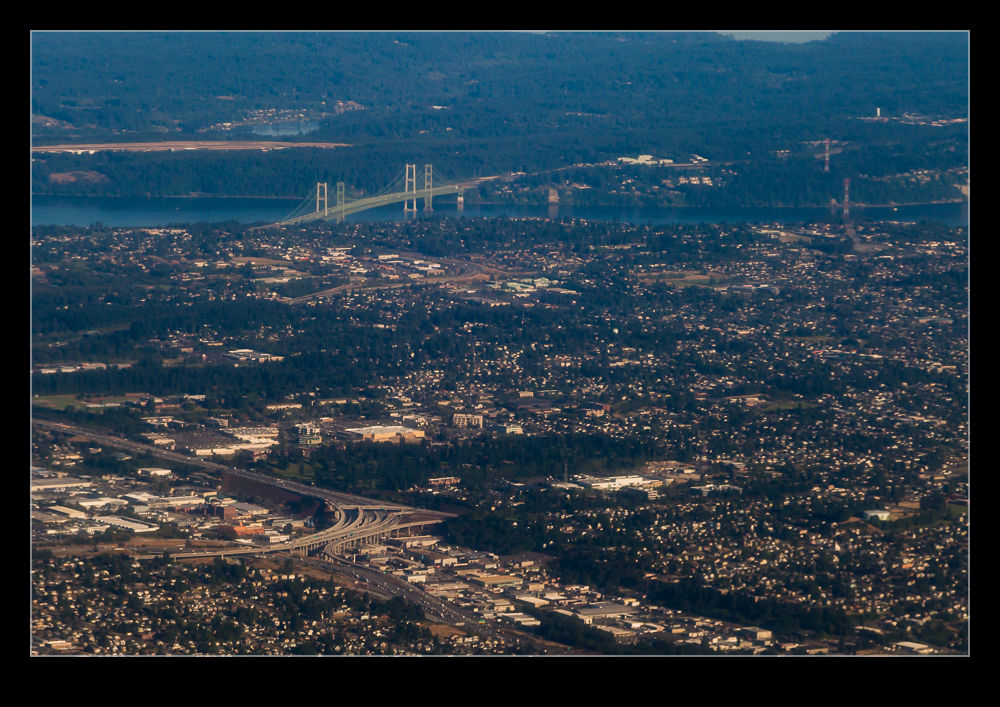
wpid10997-AU0E6747.jpgAny engineering student will be familiar with the Tacoma Narrows Bridge. Built in the early part of the twentieth century, this bridge was susceptible to wind induced oscillations which, in certain conditions could set up a resonance condition. Not too long after it was completed, this got out of hand and the bridge bucked and twisted in dramatic fashion until the materials could take it no longer and the structure disintegrated crashing down into the water below. If you want to see this because you are unfamiliar with it (or because it never gets old watching it), the video below will show you what happened.

https://www.youtube.com/watch?v=j-zczJXSxnw

The bridge was rebuilt and has lasted since that day although it could no longer manage the volumes of traffic so was joined by a second bridge alongside it relatively recently. I have been over both bridges. However, as we flew past Tacoma, I could see them off in the distance. No great architectural photos here but just something for you engineers out there!

Ardenwood Historic Farm

wpid10949-AU0E6927.jpgIf you head across the Dumbarton Bridge at Fremont, you will pass Ardenwood Historic Farm. On the right side of the highway as you head towards the bay, this farm has been a feature of the area for over 100 years although it is now a fraction of its former size. However, it is now under the control of the East Bay Parks District and open for the public to visit. It is a combination of little bits of what a farm would be. You could say it perpetuates some of the myths you have as kids about what farms are like since we grow up thinking that all farms have a bit of everything rather than just being a cattle farm, growing a single crop or raising chickens en masse.

wpid10941-AU0E6895.jpgHowever, it does provide an opportunity to see some aspects of an old style farm much as they once were. The farmhouse itself is quite impressive. The family that owned it became quite influential in the area and had the house to match. The grounds are nicely laid out and it was a pleasant spot to spend some time as the chickens that were scrabbling around in the dirt near us also seemed to think.

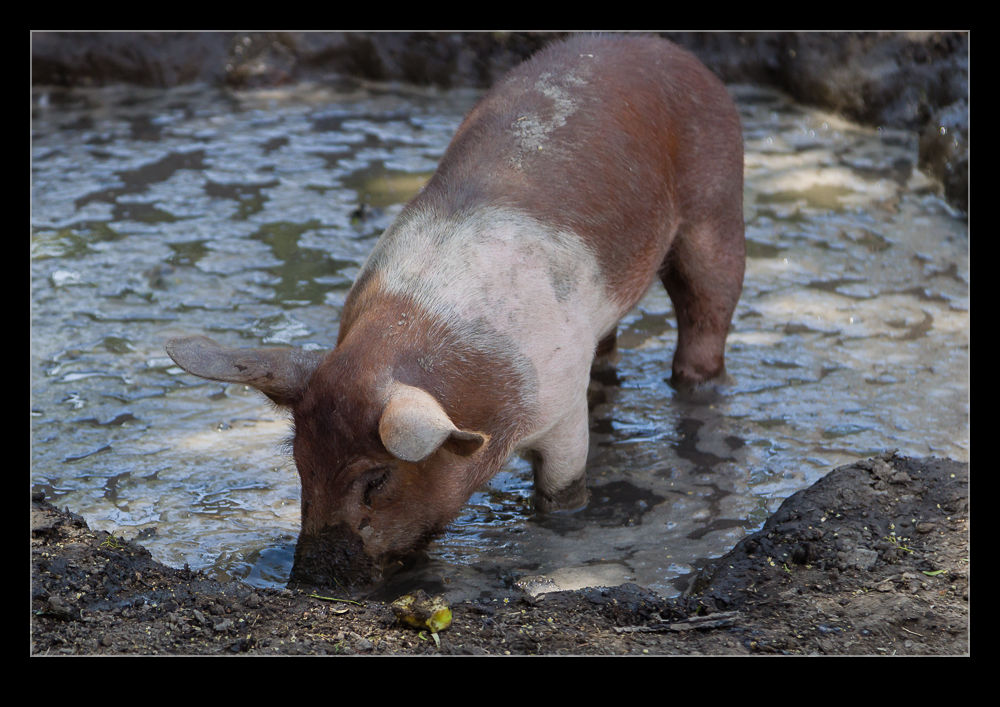
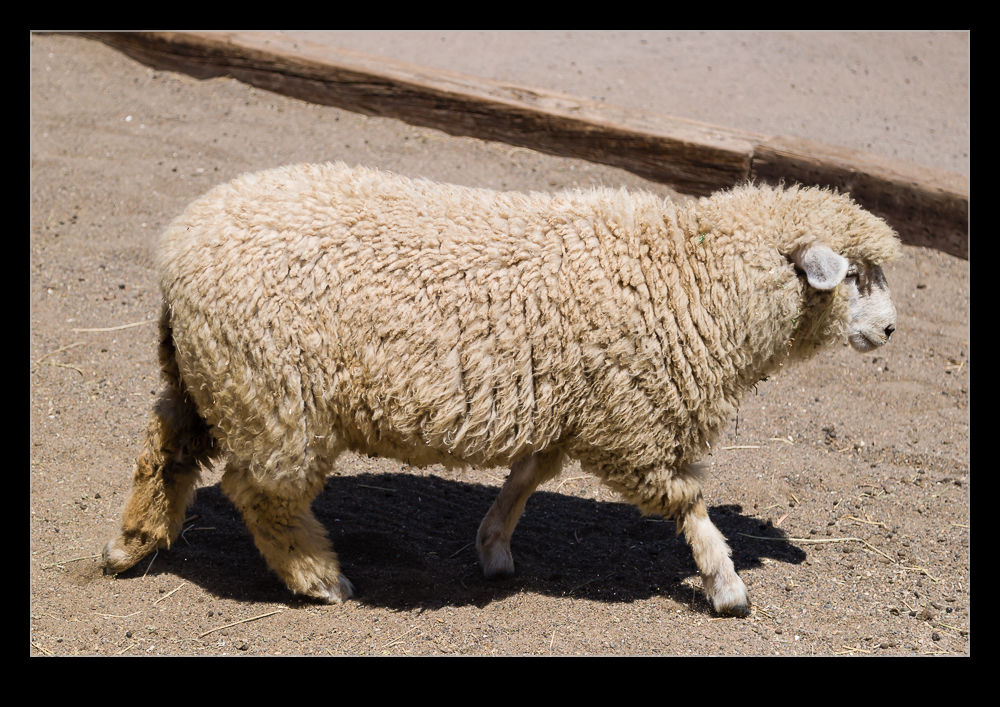
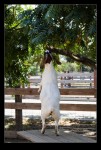
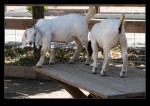
wpid10937-AU0E6877.jpgThere are goats, sheep, pigs, horses and cows in the grounds. They get a lot of attention from the visitors and we were no exception. The goats were the most active seeming to be more interested in the leaves on a tree above a bench in their enclosure than the food that they had been provided. A couple of the kids were desperately reaching under a fence. I guess the grass really is greener…

A380 Row

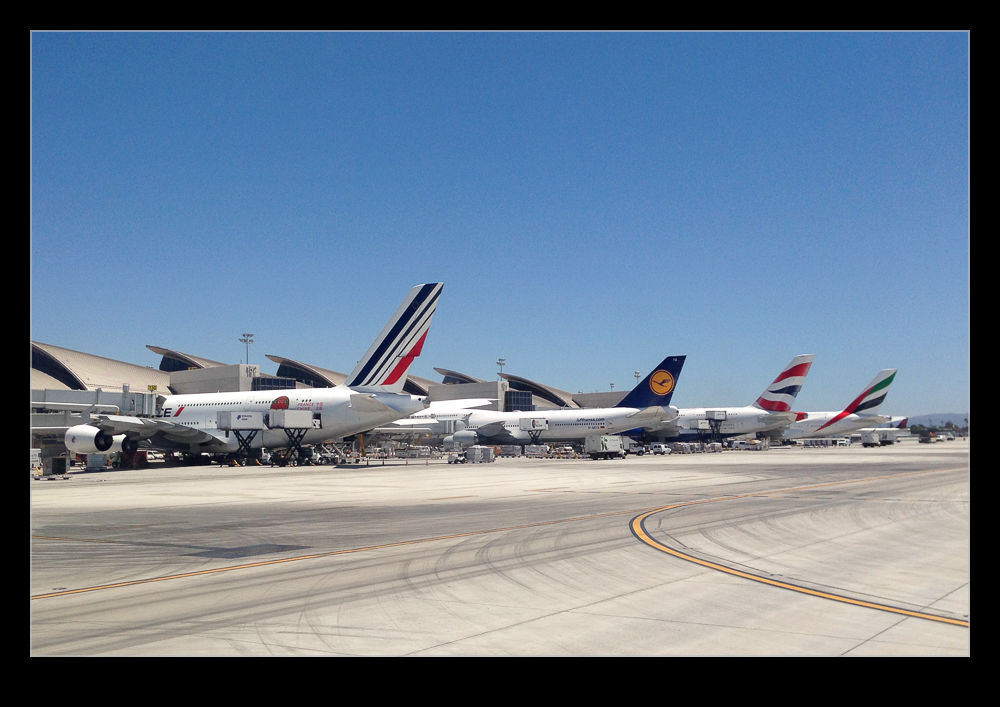
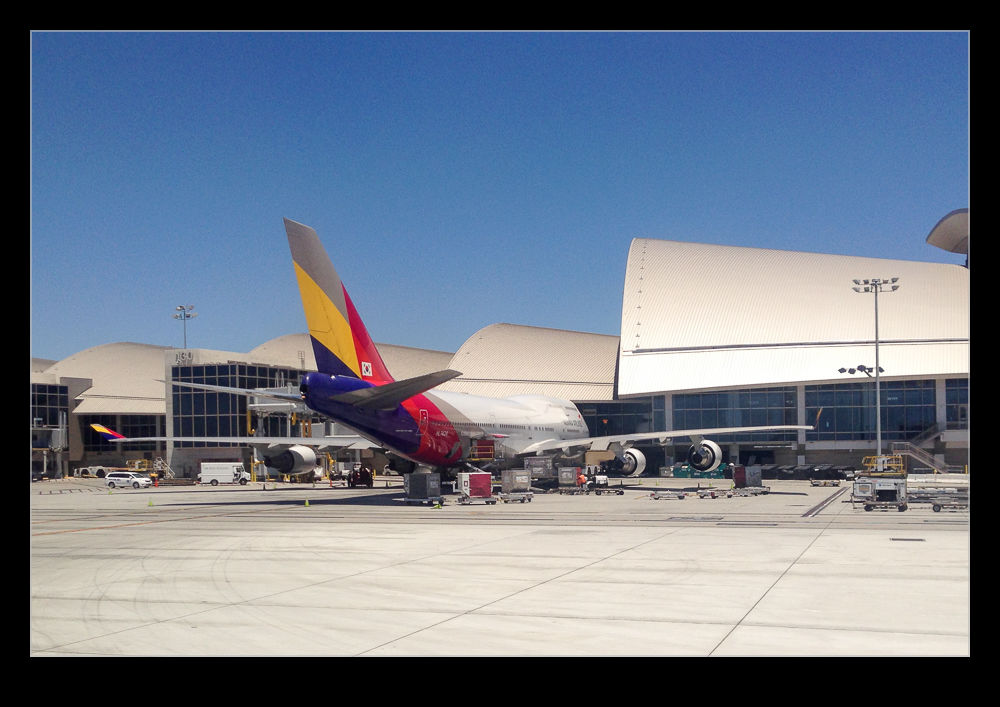
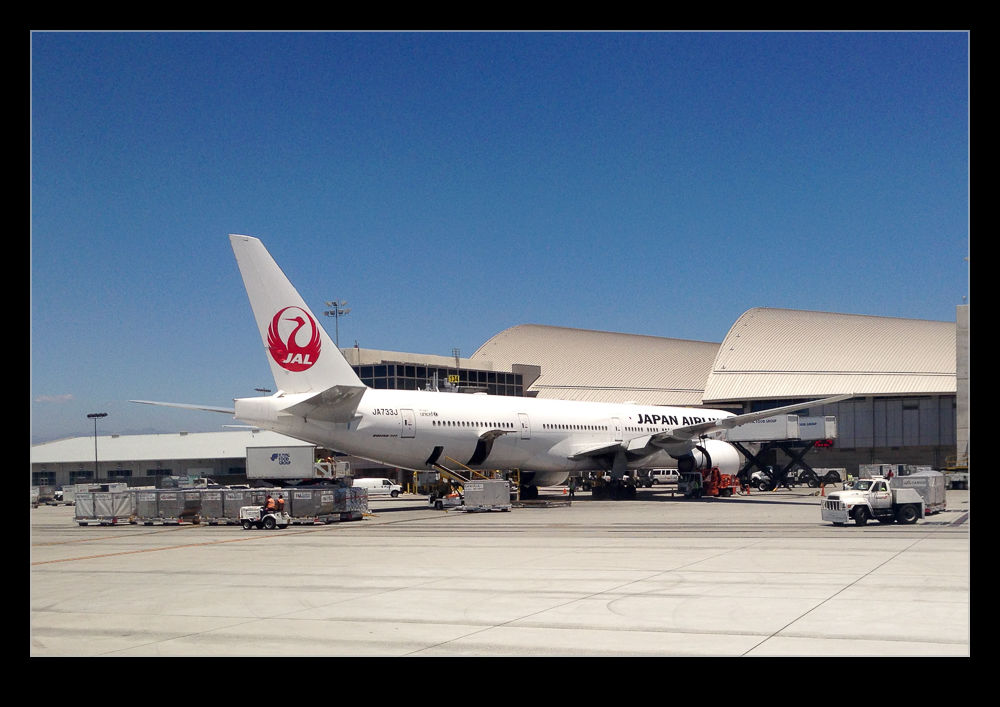
wpid11067-IMG_2061.jpgI was on a flight home that stopped in LAX en route. I hadn’t planned anything for where I was sitting but we happened to land on the south side of the field and, being Southwest, the terminal was on the north side which meant traversing the field. This took us past the Bradley International Terminal. It was quite full as we passed with plenty of heavies. It had taken on a bit of an A380 theme so I grabbed the phone and got a few shots as we came by. Phone pictures through an airplane window may not be the best but it was what was to hand and they were hardly arranged for a great image anyway. If you like to see big planes from around the world, this will be for you. There are a couple of other visitors to LAX that day below.  If not, come back in a couple of days and see if I have something better for you.

wpid11069-IMG_2062.jpg wpid11071-IMG_2063.jpg

Ano Nuevo Coastline

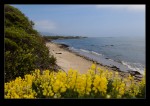
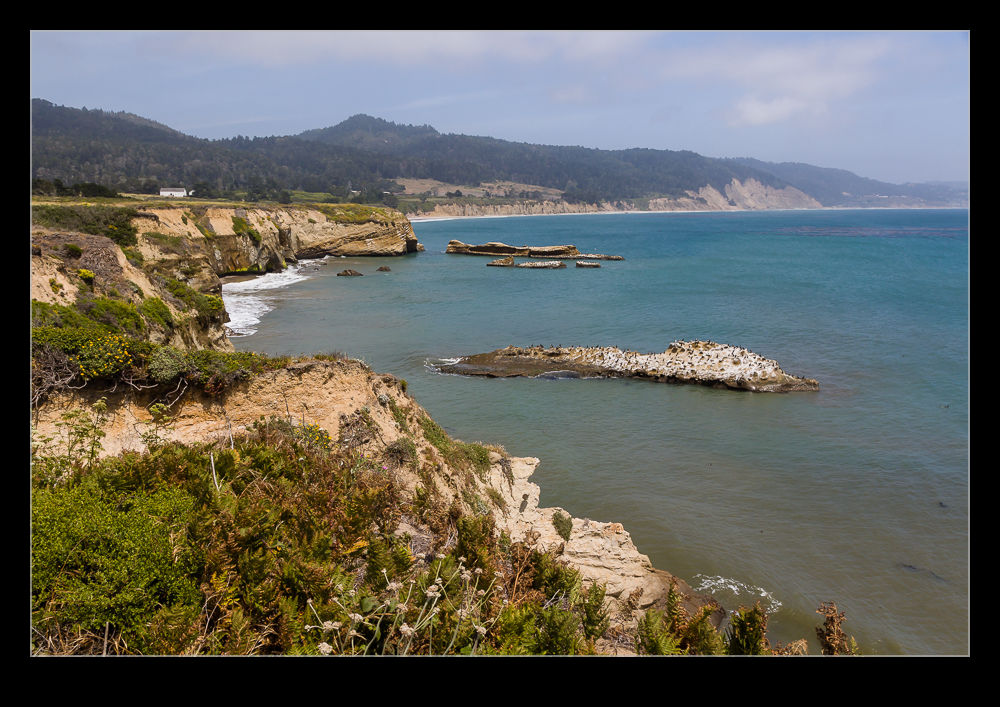
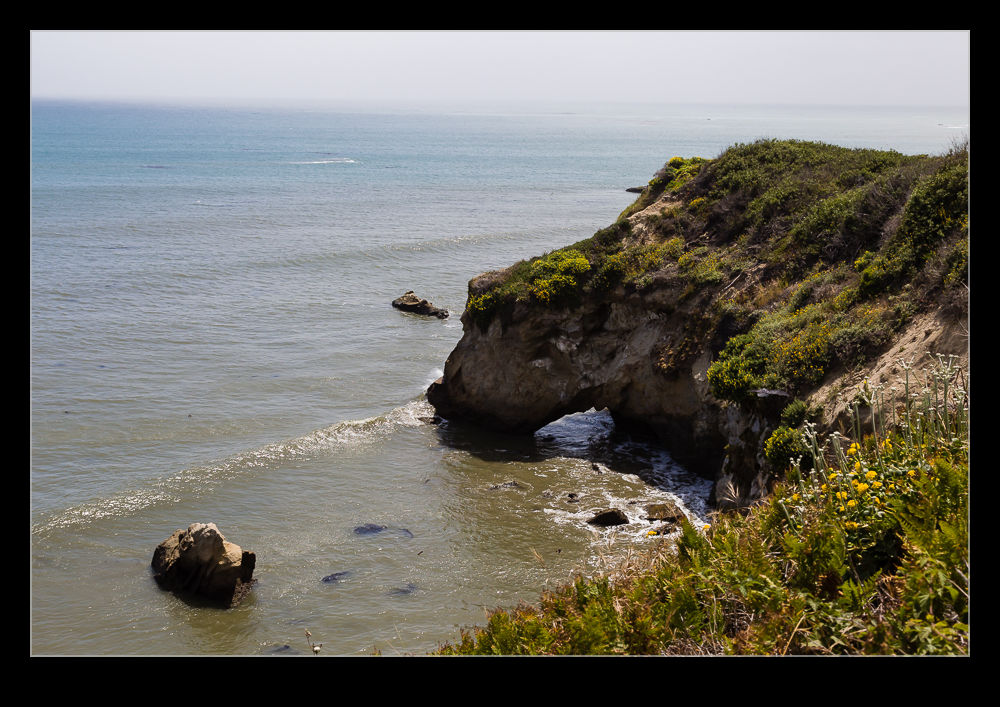
wpid10900-C59F1843.jpgWhile the elephant seals are the reason for our visit to Ano Nuevo, the coastline there is very attractive itself. When we first got there, it was quite overcast and everything was a little flat. As we started to head back to the center, the clouds broke up and the sun illuminated the coastline. As you can see, it is a great looking place and really not too far from the city.

wpid10898-C59F1840.jpg

Tacoma

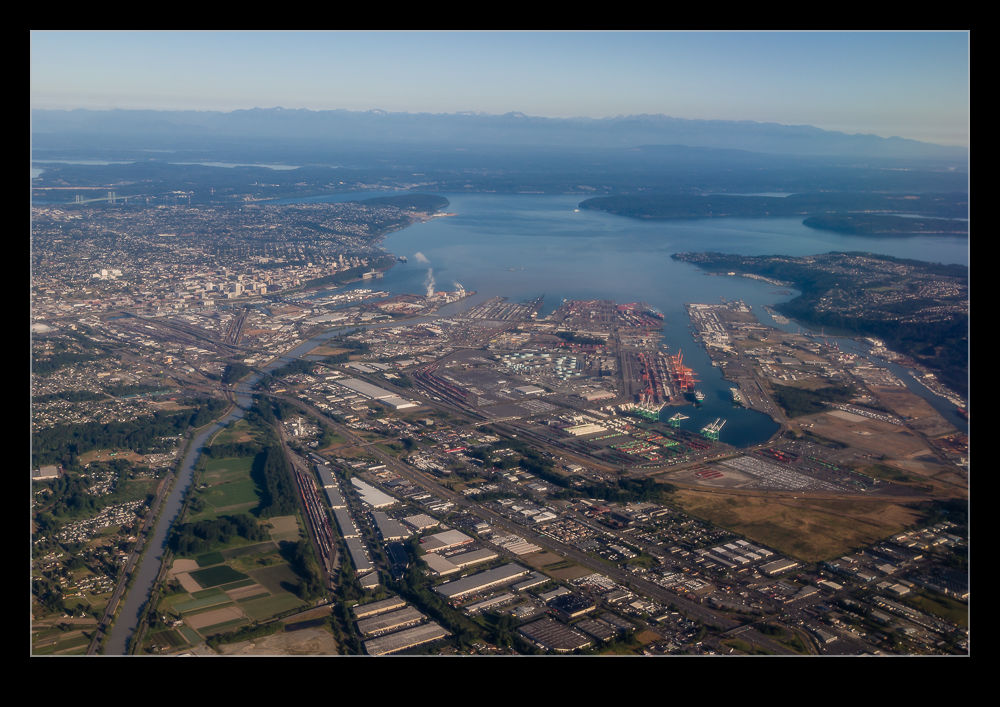
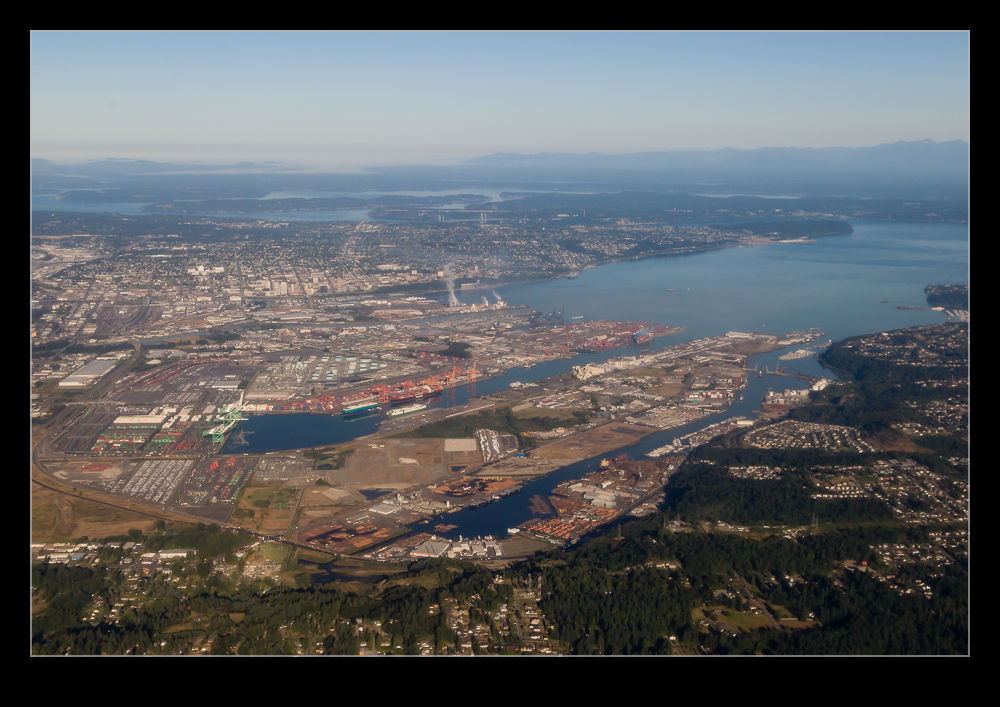
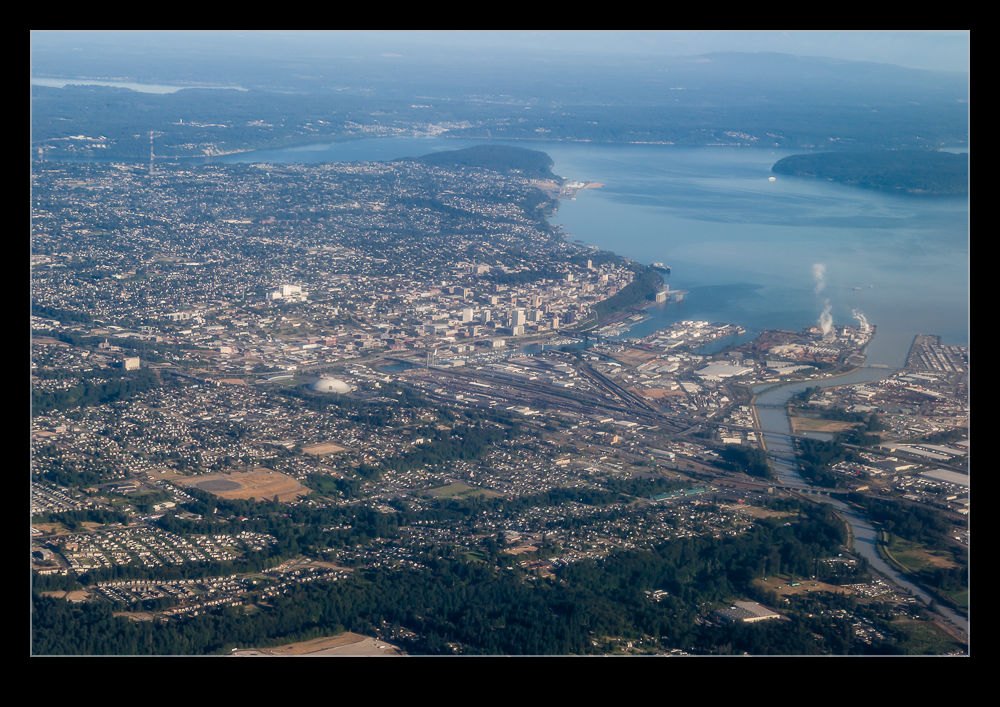
wpid10993-AU0E6763.jpgWhen landing at SeaTac on the northerly approaches, you come across Seattle’s southern neighbor, Tacoma. The approach routing brings you just to the east of the city so, if you are doing this in the morning as I was at some point recently, you get the city nicely illuminated in the early sunlight. The usual issues with shooting through an airplane window still apply but you are lower so the shots can be more forgiving.

wpid10995-AU0E6786.jpgThe city is home to one of the west coast’s major container ports. The view from above clearly shows how the harbor dominates the area. The container terminals and the cranes that make them work are clearly visible along with the transportation connections that take everything out of the port an on to its final destination.

wpid10991-AU0E6749.jpgThe city also has a large dome which is home to many events. It is close to the main freeway from north to south, I-5, and when you drive past it seems to be pretty huge. From the air, it is still clearly seen but somehow it doesn’t have the same impact.