Tag Archives: Boeing

Stead Field National Guard

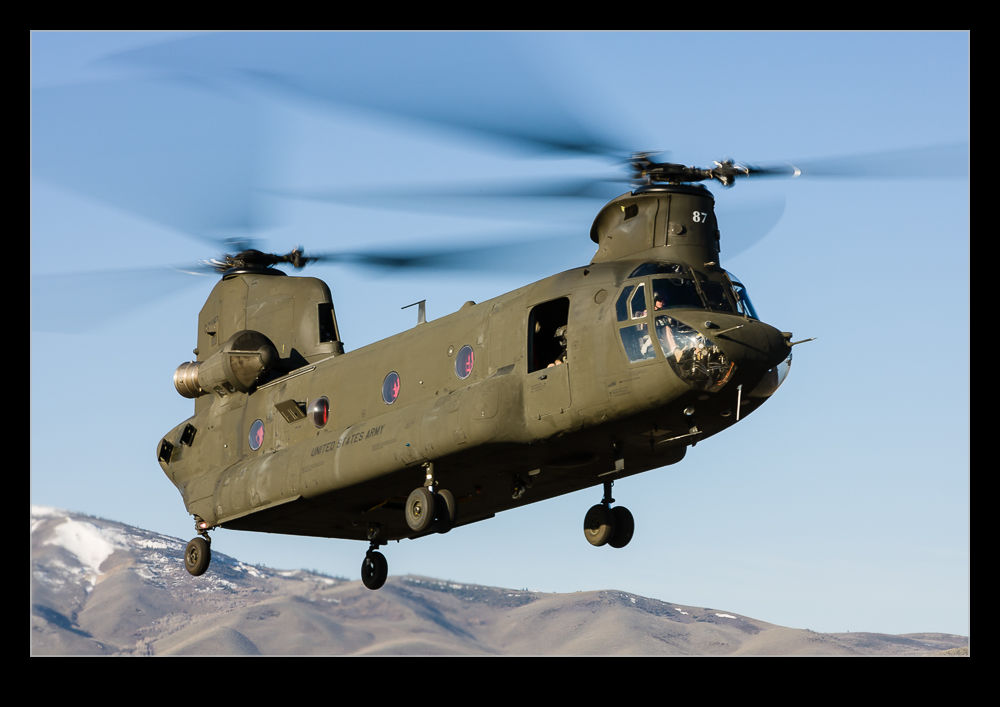
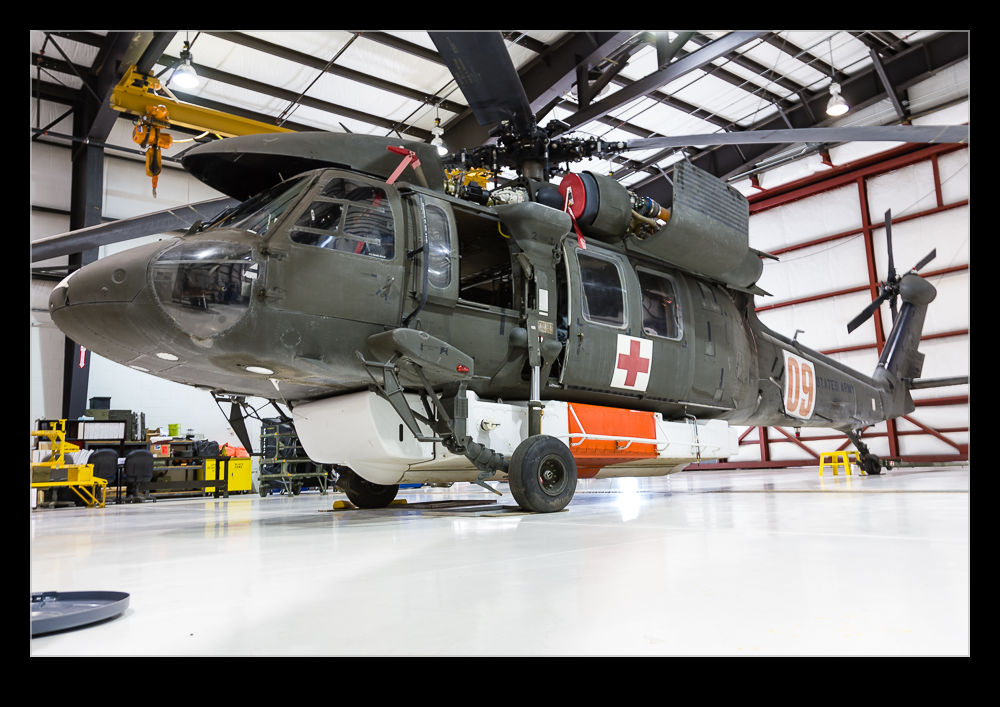
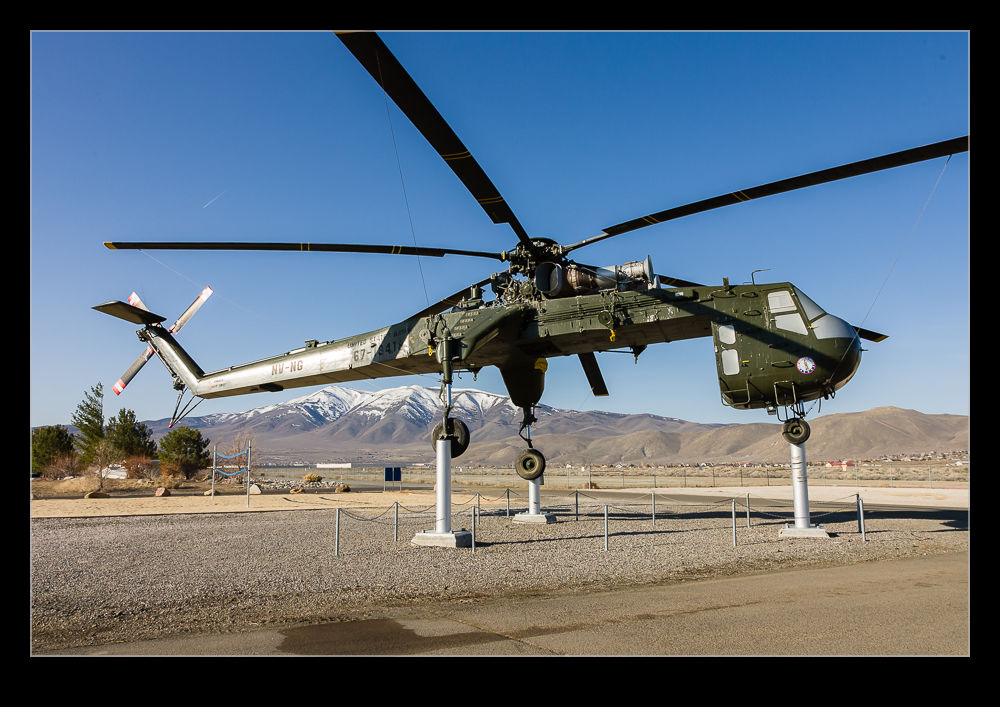
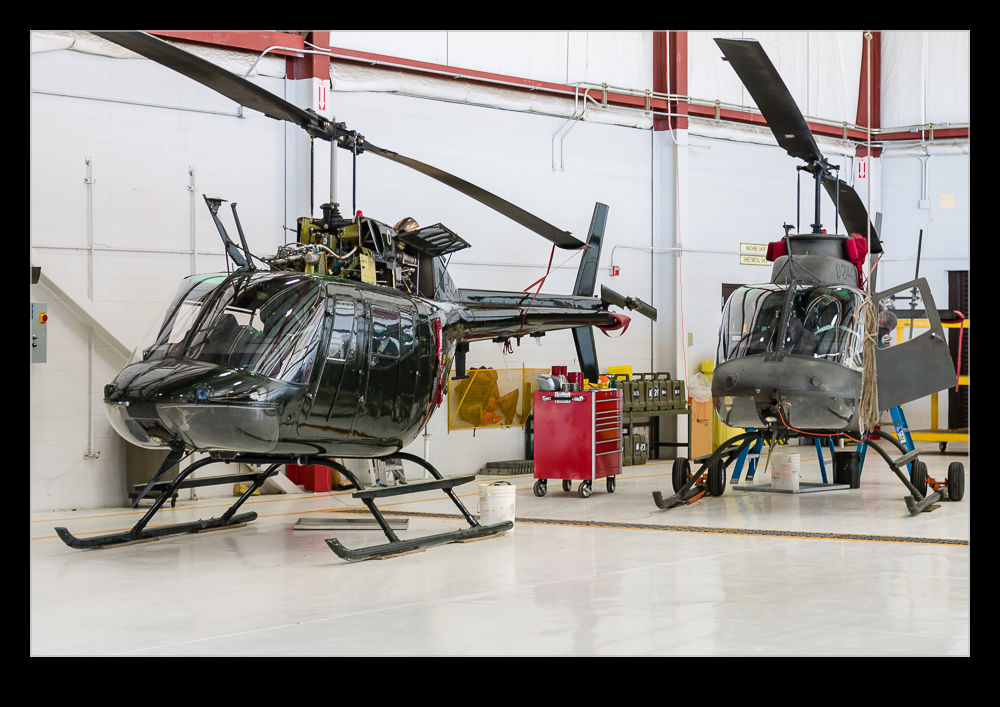
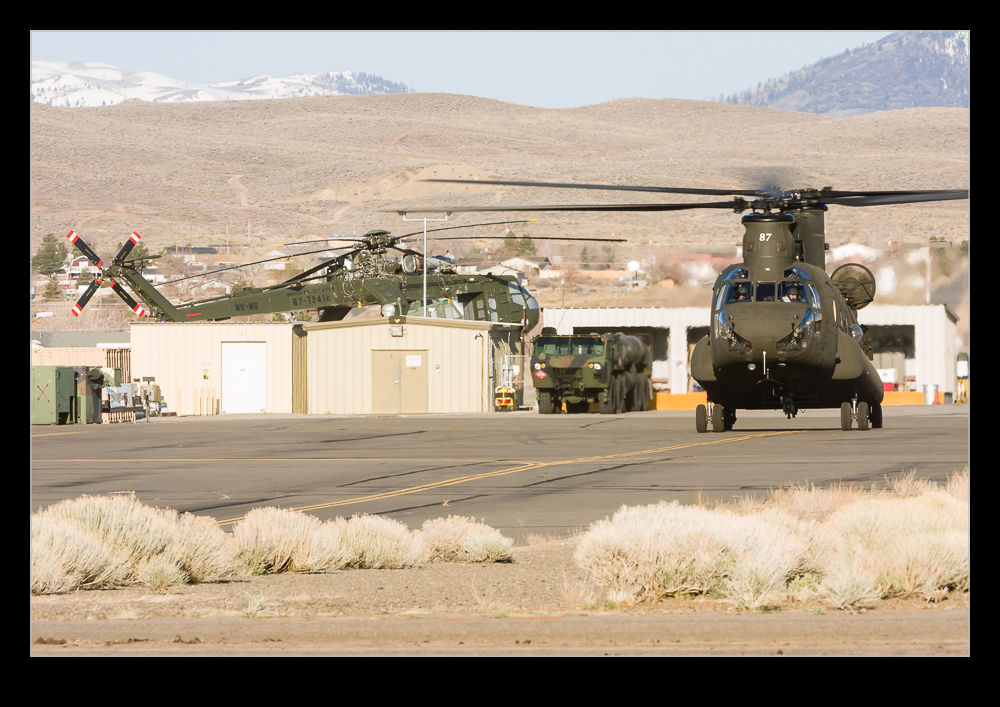
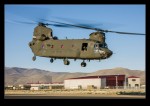
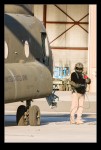
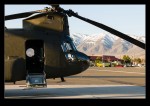
wpid12623-QB5Y7489.jpgQuite a few years ago, I was on a visit to NAS Fallon with my friend Richard. (You can check out his work at http://www.aviationimaging.com/ and I recommend you do.) Another buddy, Paul, was also along and the day after we were at Fallon, Paul had arranged a visit to the National Guard facility at Stead Field, north of Reno. (Paul’s work can be found at http://skippyscage.com/) This base operated a variety of helicopters including Chinooks, Black Hawks and Kiowas. It was also once the home of CH-54 Tarhes. It was in looking for pictures of the CH-54 that is preserved there that I came across the rest of the shots from that day.

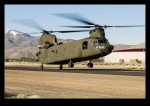
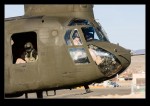
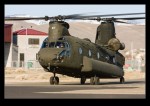
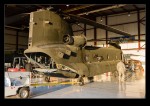
wpid12635-QB5Y7598.jpgI took one Chinook shot that morning that I have used a number of times but the rest of them had kind of been forgotten. We had a great time wandering through the hangars seeing what was ready for use or undergoing maintenance. The high point of the day was that a Chinook was launching and we were allowed out onto the ramp outside the fence to be in place when the Chinook taxied out and took off.

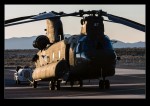
wpid12637-QB5Y7610.jpgAs it happened, the Chinook pulled up into the hover and stayed there for quite some time. Since I had time, I progressively lowered my shutter speed to try and get more rotor blur on the famously slow turning Chinook rotor. I had just got as low as I could go when he suddenly transitioned to forward flight. I was at totally the wrong shutter speed and ended up with some parallax issues as he flew by but it was all good.

wpid12629-QB5Y7543.jpgThe Chinook obviously features here a bit but I wanted to share some of the other helicopters that were there that day. It was fun to see some shots that I had forgotten about long ago.

wpid12615-IMG_1548.jpg

Apache at Dayton

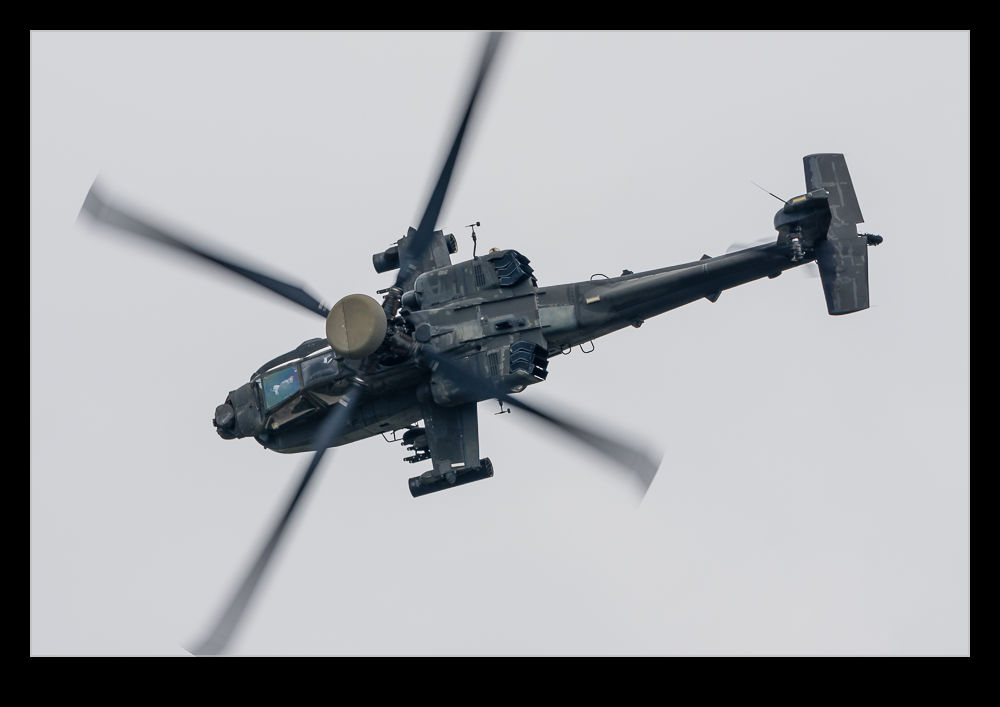
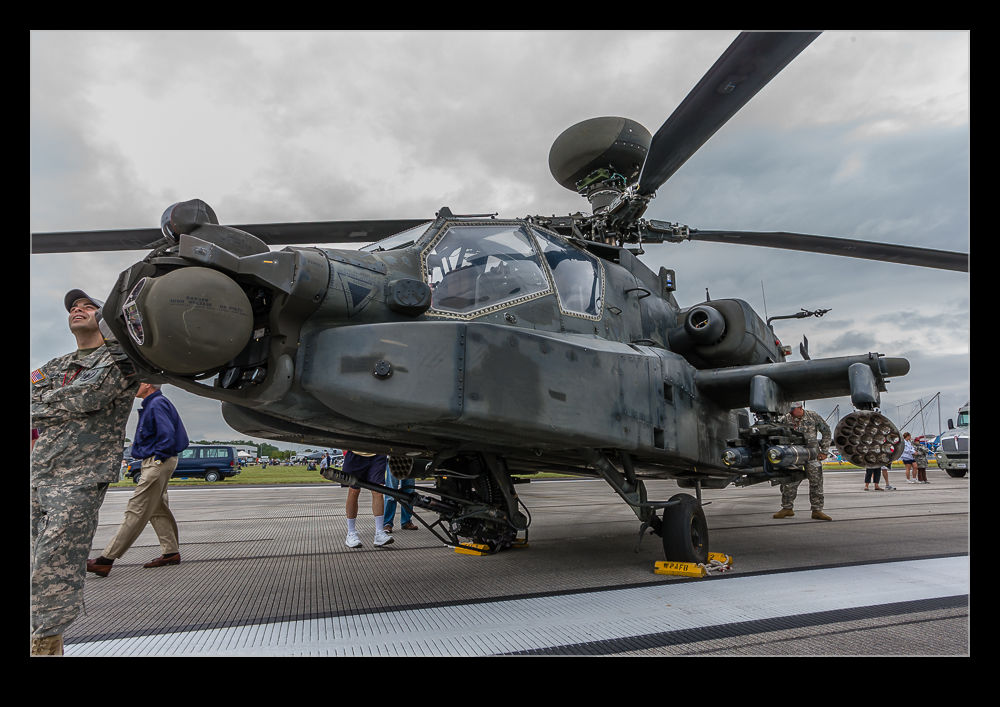
wpid12210-IMG_7097.jpgOne display at Dayton that I liked was the US Army Apache display. I have seen a few displays by Apaches over the years but they are not a regular feature of shows. The Apache is an impressive looking machine and given its nature, it can be kept close in front of the crowd to make a display that never loses your interest. Service pilots don’t tend to put the machine through as aggressive a flight demo as a company pilot might when trying to sell it. However, they do still show it off well.

wpid12190-QB5Y1235.jpgThe subdued finish on the Apache makes for a harder time getting shots on overcast days. However, it does take away the problem of harsh shadows on an already dark airframe. The subtlety of the different greens on the airframe are hard to show in some cases but here they do actually become apparent.

Hawaiian Airbus and Friends

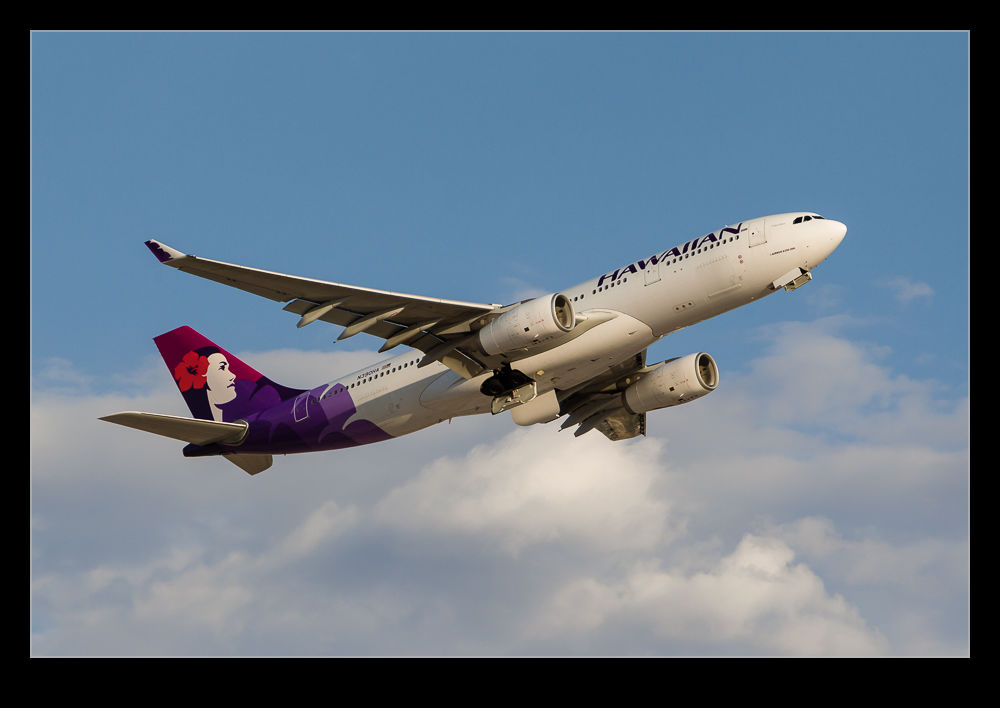
wpid10999-C59F4283.jpgWhile waiting to get the shot of the Janet flight I posted about previously, there were plenty of other departures from McCarran. The majority of flights were coming out on the westerly runway rather than the one the Janets use so we were not getting the nice topside view of them turning. However, the light was very nice and so a few of them provided interesting targets. The Hawaiian Airbus A330 looked particularly nice but most looked good on those conditions. We were a bit focused on finding out how the Janet was doing so didn’t give them our full attention but some looked too good to ignore.

Janets

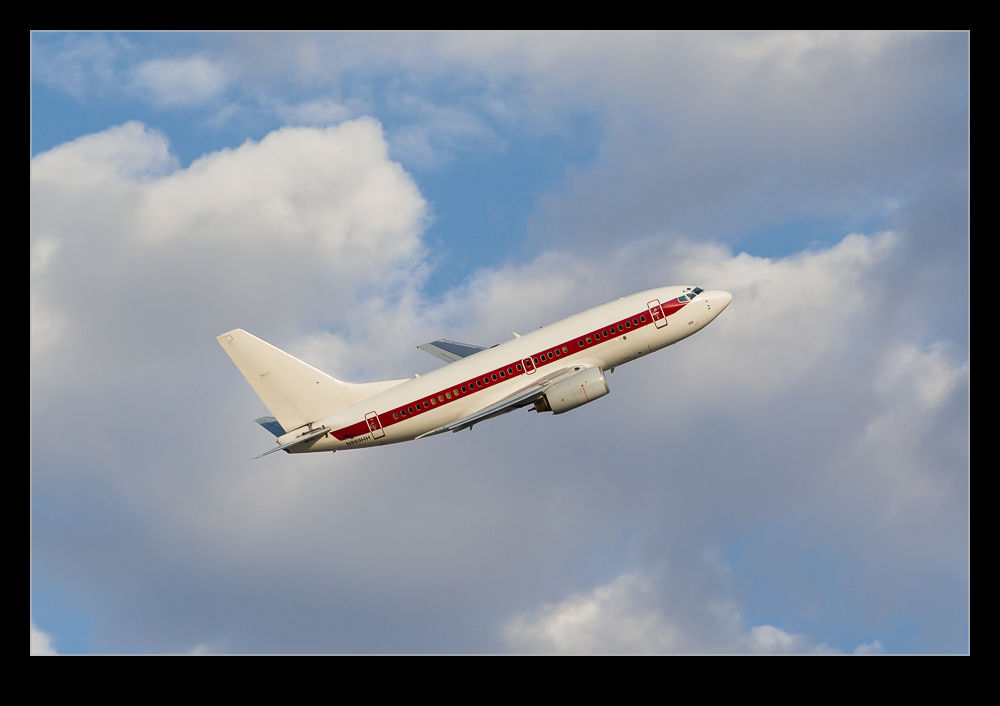
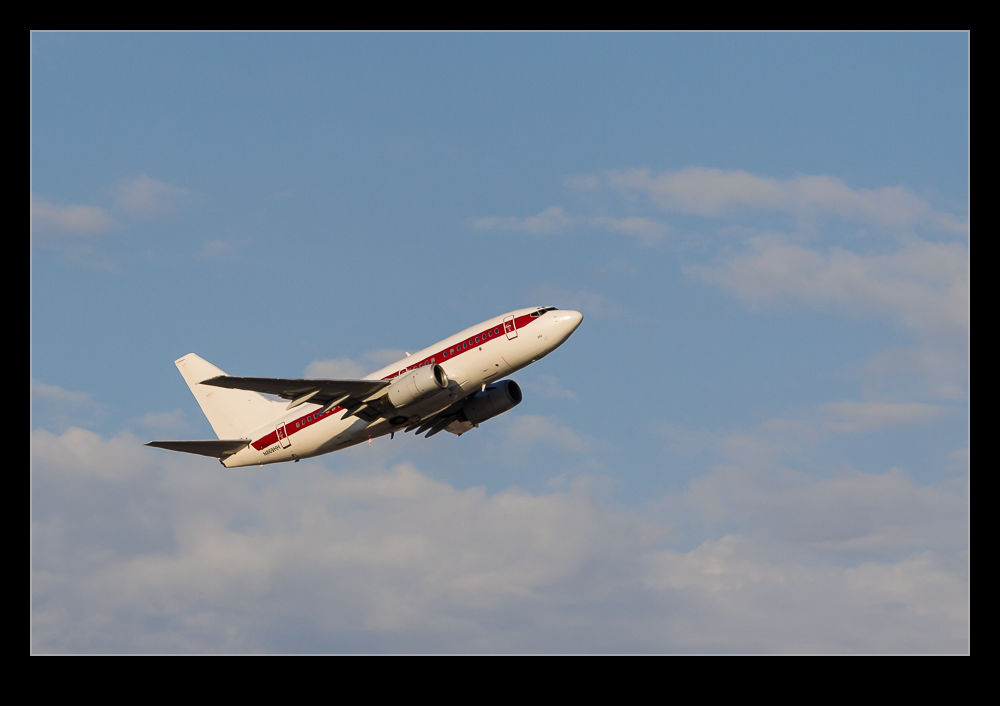
wpid11009-C59F4356.jpgThe shuttle of flights run out of McCarran Airport, Las Vegas by private contractors for various departments of the US Government are known as the Janets. Previously operated using Boeing 737-200s, the flights have now been upgraded to 737-600s, probably as a result of the low price of these jets given their lack of popularity with airlines. They operate a pretty busy schedule at certain times of day. The flights file a plan to a location and then cancel it en route as they divert to whatever secret installation that is their true destination. Paul, Chris and I decided to try and find a good location to catch one as it departs since they make a tight turn out and should have good light in the evening. Several arrived while we were there and we were too late for one of the departures but we did catch one of them heading out. The light ended up being very favorable.

wpid11007-C59F4337.jpg

Vijay’s 727

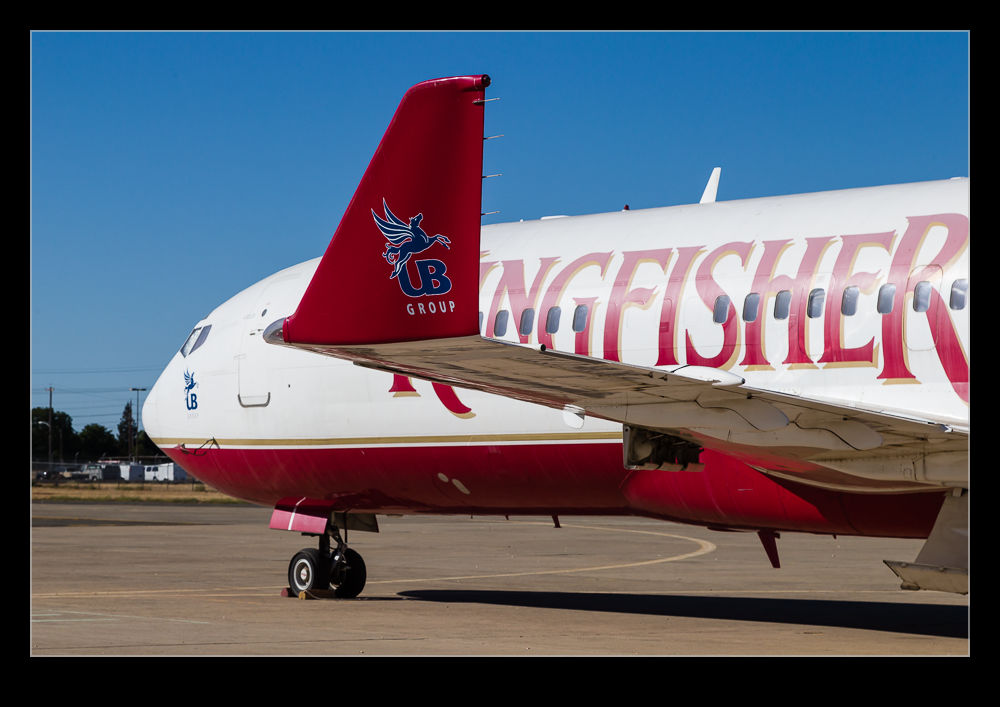
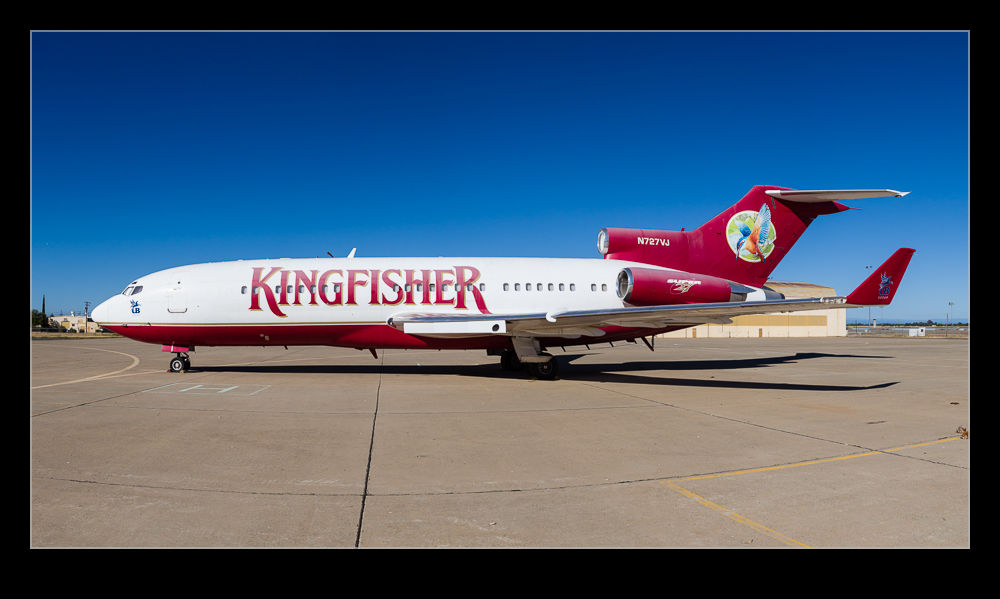
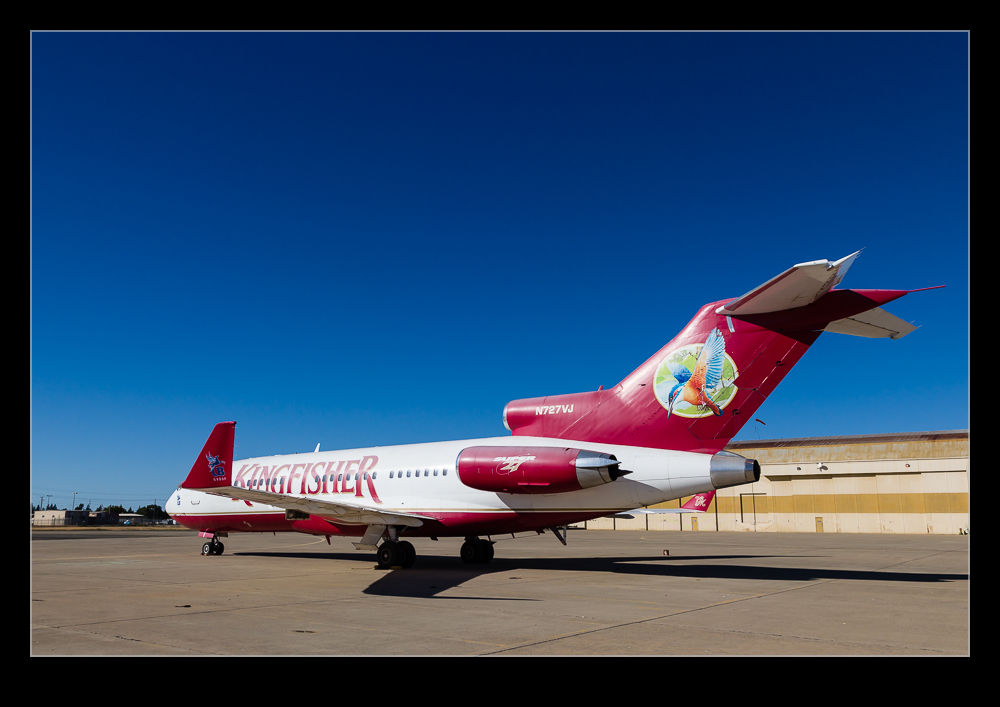
wpid11037-AU0E8953.jpgPaul and I had a day of exploring and part of this took us up to Sacramento. We checked out things at Mather to see what was going on. Often the interesting things are not what is flying but what is parked up and this proved to be the case with a Boeing 727. It was parked alone at one end of the field. The area it was parked in was kind of interesting as we stopped the car on what had clearly once been a hangar which was now demolished. We were trying to work out how big the hangar was and what the USAF might have kept in it when Mather was an active base. However, the 727 was our primary focus. It was in Kingfisher colors and carried the registration N727VJ. The boss of Kingfisher is Vijay Mallya so this was obviously once his personal jet. It has winglets fitted but the paint looked a bit faded so it might have been out of use for some time. I suspect he has something a bit newer these days.

wpid11033-AU0E8943-Edit.jpg wpid11035-AU0E8951.jpg

New Southwest Jets

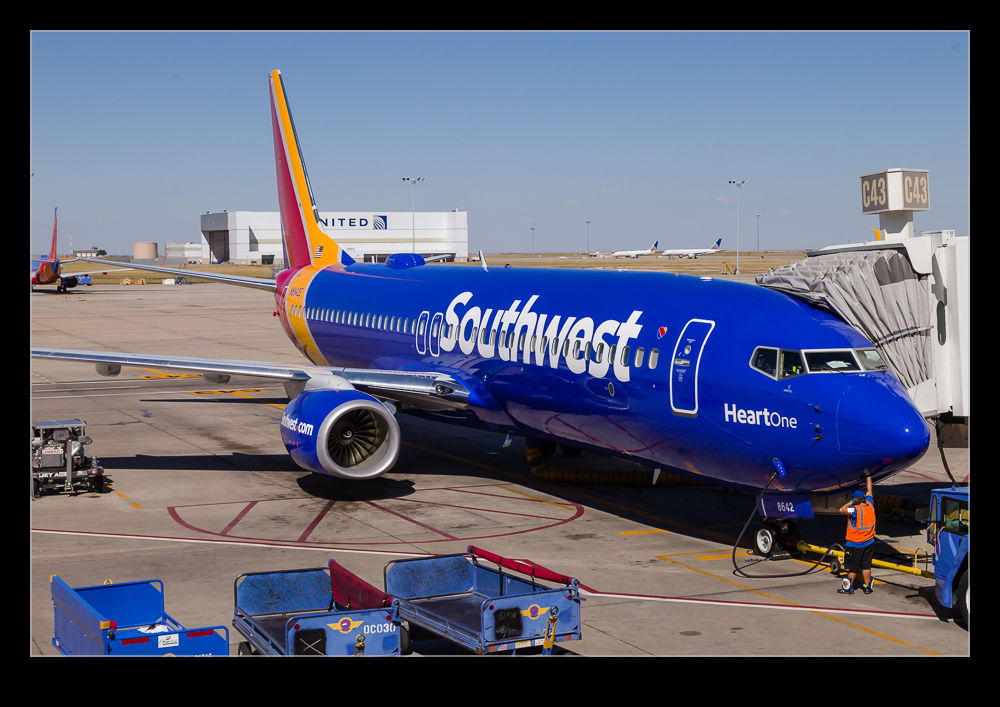
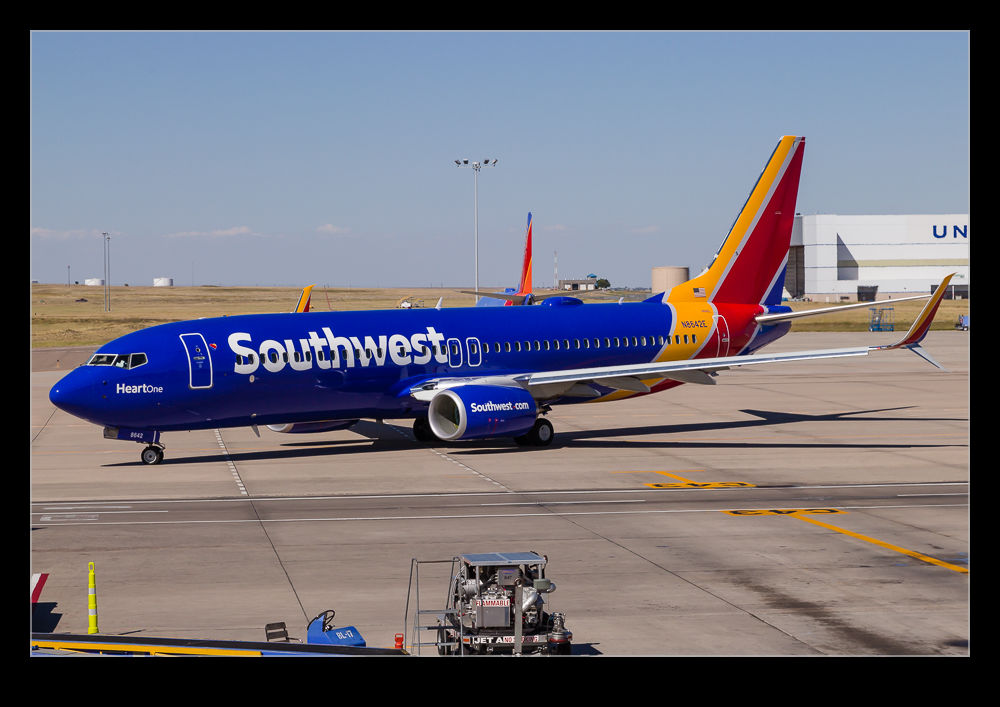
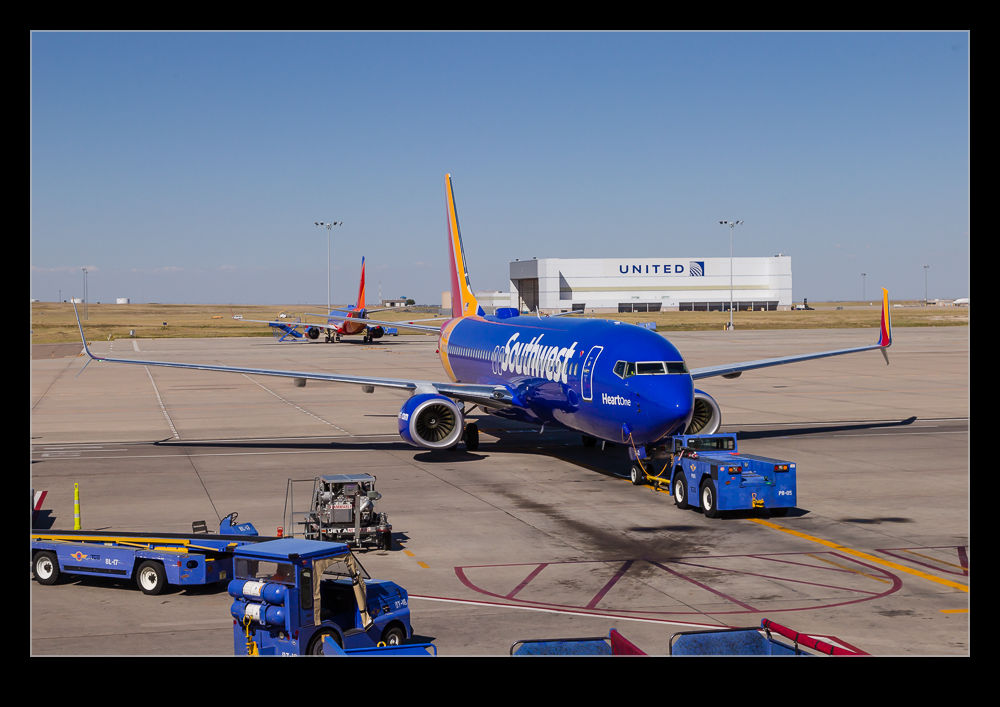
wpid11208-AU0E0841.jpgSouthwest Airlines recently unveiled their new livery for their fleet.  The scheme was first put on one of their newest 737-800 jets which also includes the new scimitar winglet configuration from APB.  I was curious when I might get to see one for real.  I knew of two jets that were out in the wild with the original names Heart One and Heart Two.  While I was interested to get a shot of one of them, I figured it wouldn’t be too long before there were tons of them around and it wouldn’t be a big deal so I didn’t go out of my way to see one.

wpid11212-AU0E0871.jpgThen, they came to me – well, almost.  I was taking a trip last week that took me through Denver in both directions.  I arrived at DIA on the outbound portion of my leg and there on the gate across from my next flight was Heart One.  Shooting through airport glass isn’t great but it would do.  I just had to wait until the servicing vehicles were done and then I could get a shot.

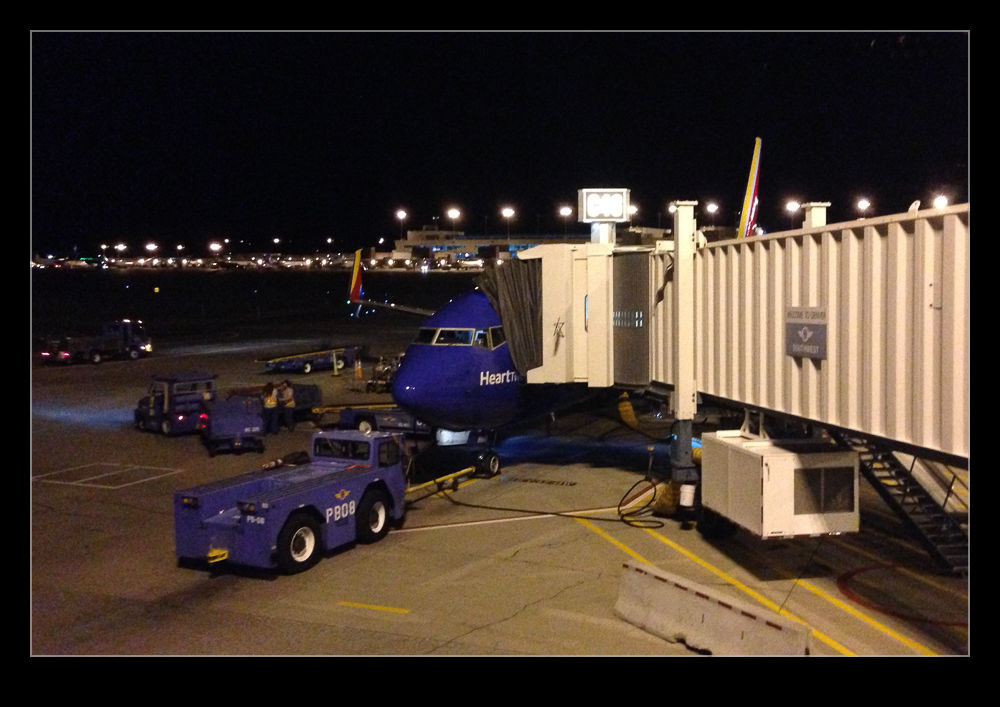
wpid11210-AU0E0855.jpgA day later I was coming back through DIA late in the evening.  I get to my gate and there is my jet for the next sector.  It is Heart Two.  It was dark, the jet was mainly obscured by the jet-bridge and I didn’t think it worth much effort so an iPhone shot is all there is to show for it but I ended up with both of them in two days without any planning on my part.

wpid11214-IMG_2177.jpg


Goodbye USAirways 737-400

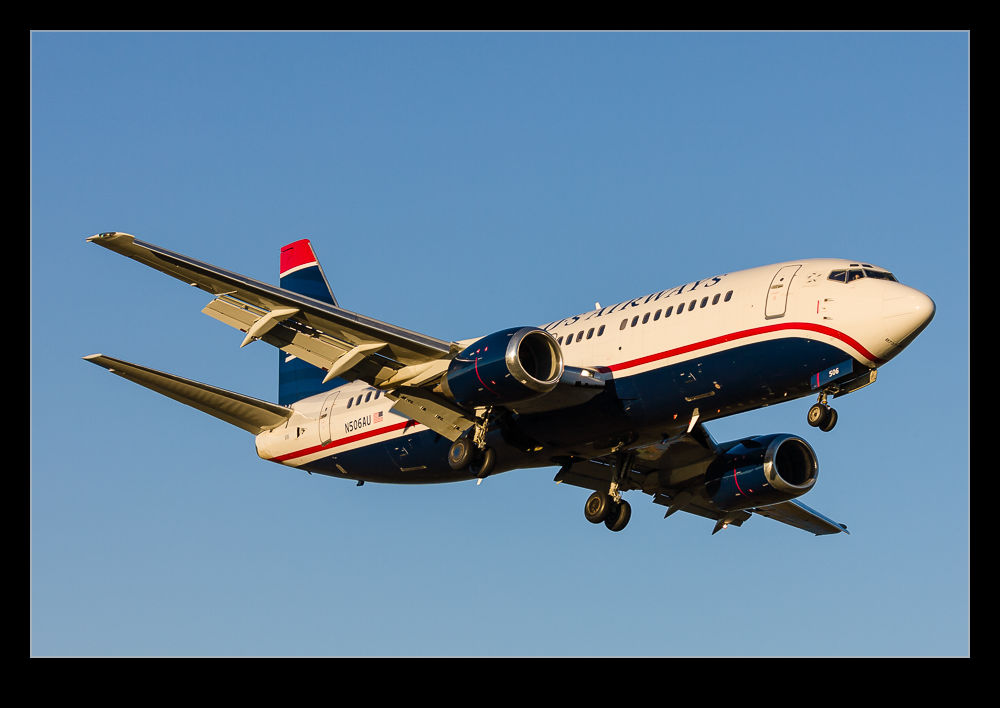
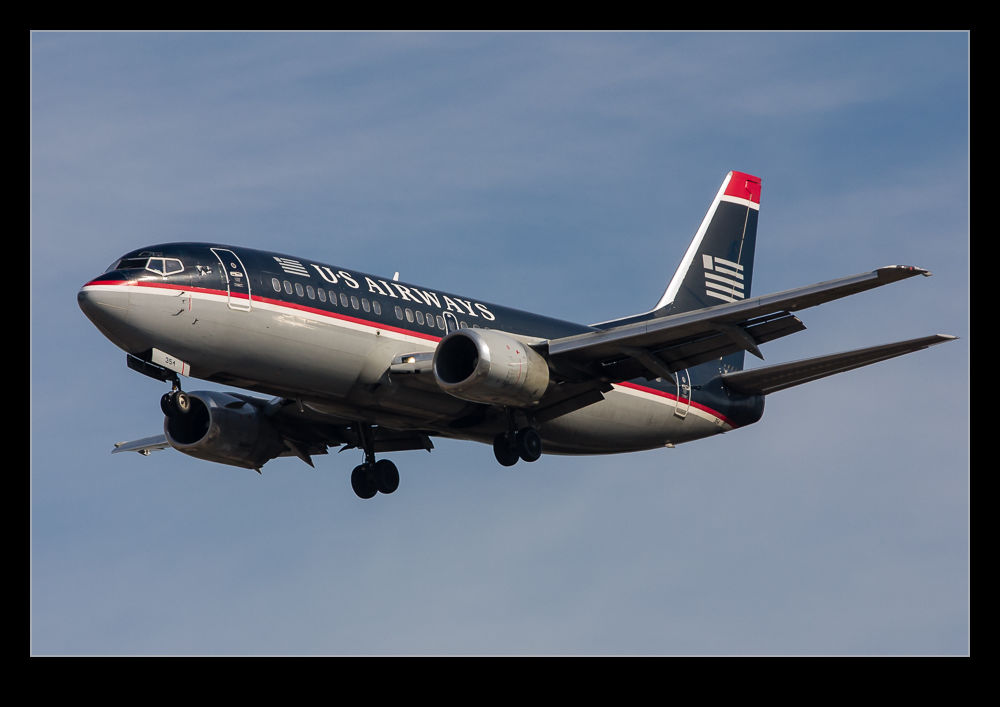
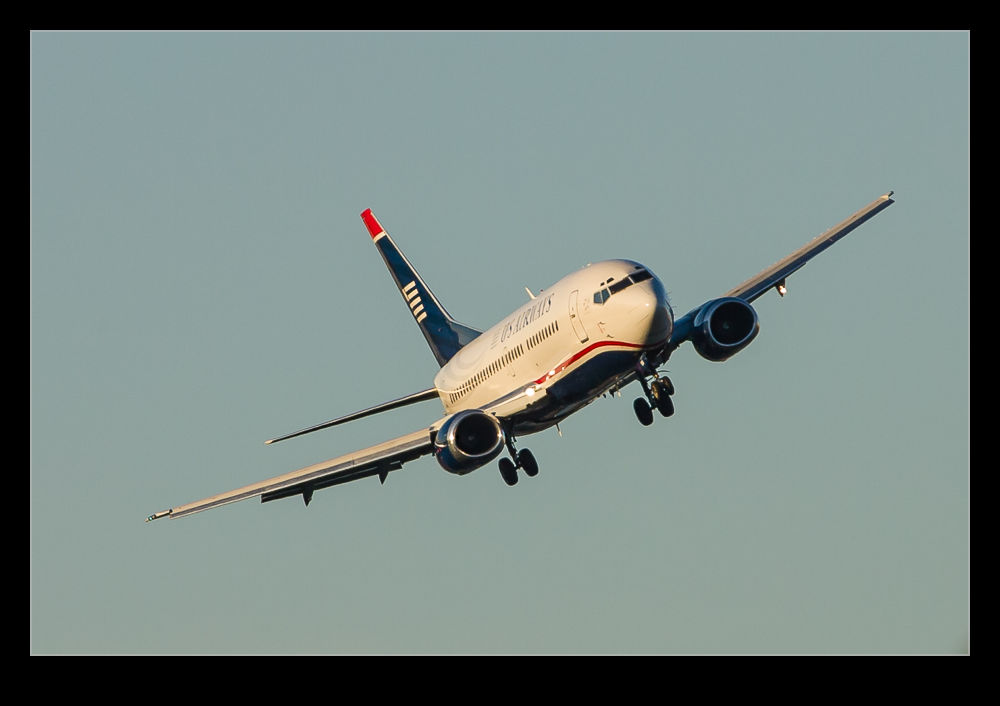
wpid11086-QB5Y7012.jpgThere are some airlines in the US that I have spent a lot of time with and there are others that have only been an occasional feature of my travel. USAirways is one that I did not use a great deal since I didn’t live in one of their core markets. However, I did sometimes find myself on one of their planes and I have certainly seen plenty of them around.

wpid11076-CRW_9852.jpgTheir fleet has included a lot of the A320 family but for a long time the 737 was a big part of operations with the 737-400 a regular sight. Now, their time has come and the last flight has taken place. This prompted me to dig through the collection to see what I had of them. It seems that most of my shots come from the Washington DC area but it was nice to have older and newer schemes on the jets.

wpid11084-QB5Y7005.jpgHere are a few of the jets that have now either gone to another home or have ended up as spares for the rapidly diminishing fleet of what became known as 737 Classics (although the 100 and 200 series jets might cause an eyebrow to be raised at that description).

Collings Foundation

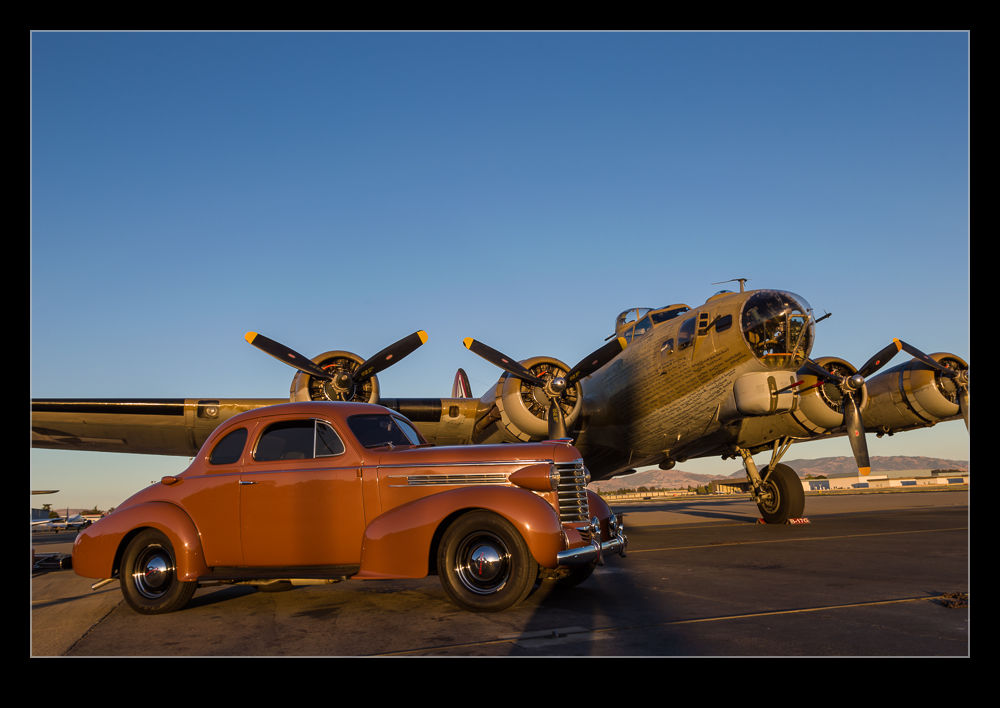
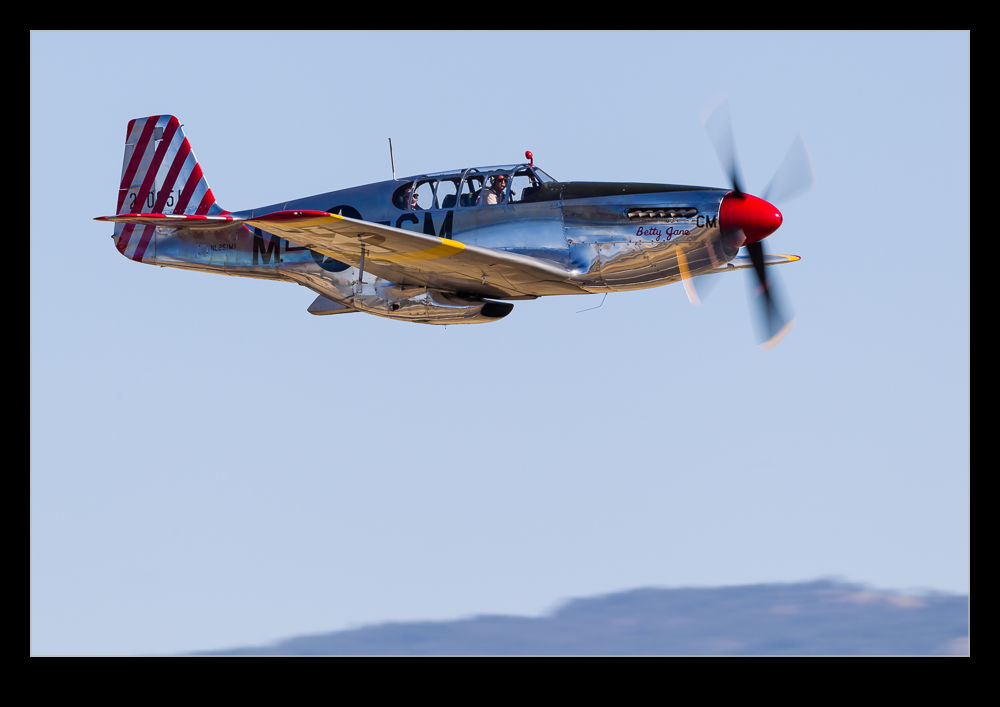
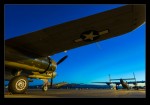
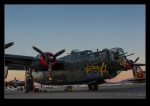
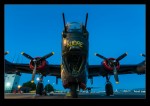
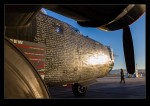
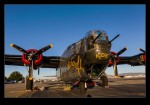
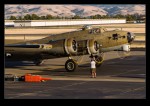
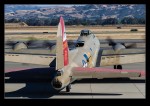
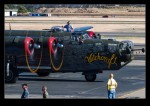
wpid10346-C59F8178-Edit.jpgThe Collins Foundation carry out a tour throughout the country with their vintage aircraft showing them off to many communities, sharing a message about what people did in the Second World War and providing an opportunity to ride in some historic machinery. I have seen them in the past while we lived in Chicago. Their tour this year brought them through the Bay Area with stops at Moffett Field and Livermore. Since the latter is close to home, I went along to see them.

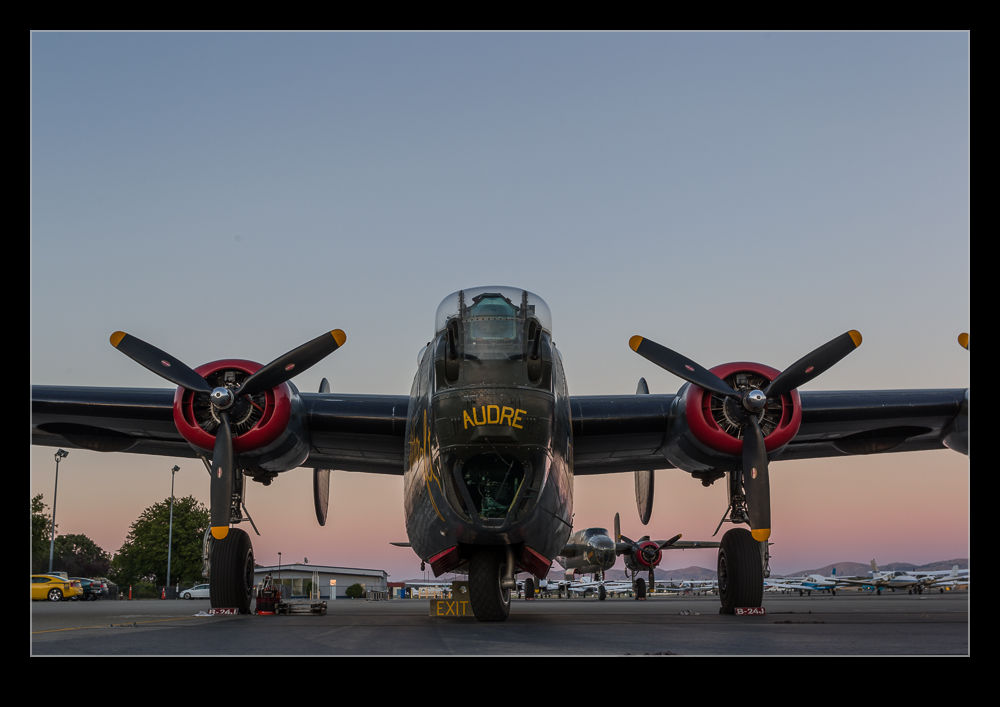
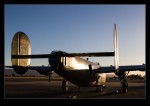
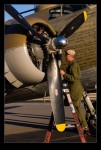
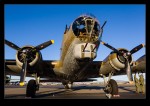
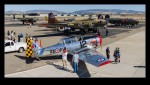
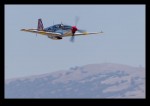
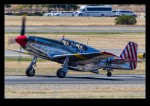
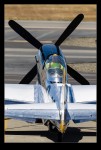
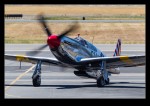
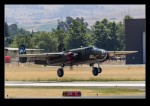
wpid10336-AU0E7769-Edit.jpgThe part of the collection that they bring on tour includes a Boeing B-17 Flying Fortress, a Consolidated B-24 Liberator and a North American P-51 Mustang. I headed over to Livermore ahead of their planned arrival time and plenty of people had already gathered to see them come in. We all waited for a while and then the B-17 appeared over the hills. It made its approach and landed a short while before the B-24 showed up and followed suit. The P-51 was last of the three making a nice pass before landing. What I hadn’t anticipated was a B-25 Mitchell was also following them in. A quick turnaround and the three main players were soon launching off for flights with expectant passengers.

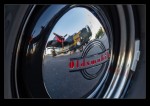
wpid10271-C59F7859.jpgAt this point I headed off as I had other things to do. Later in the day I came back and managed to catch an evening launch of the B-17. The following evening I had more free time so came back again. Another evening launch and recovery as the light got better and better. Then, as everyone packed up, the Collings team was kind enough to let me take some shots around the ramp. A local P-51 was parked up while the Collings P-51 had disappeared somewhere. As the sun set, I shot around the various aircraft and included a cracking 1937 Oldsmobile that one of the volunteers had brought along. With the light fading, the ramp lights came on which gave me a whole new bunch of opportunities to get some shots. I shot a lot until it was pretty late. At that point I headed home. The following day they also departed moving on to the next stop on their tour. If they come your way, make the effort to get out and see them. If you have the money, take a ride and support the continued operation of these great aircraft.

Boeing 787-9

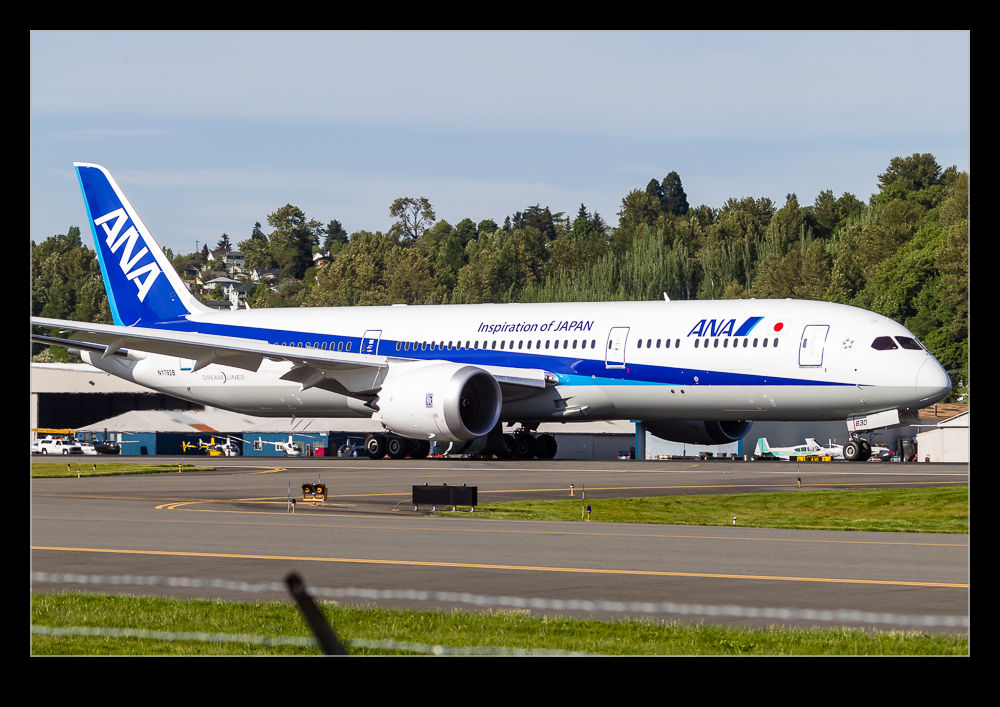
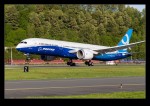
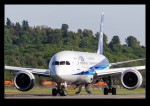
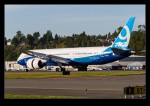
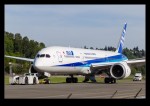
wpid10081-AU0E4517.jpgOne evening I arrived at Boeing Field to see what was moving. Just as I got there, a 787 was rolling out on landing. Since the wind was in the opposite direction to my previous visit, I didn’t see it land but it rolled down to our end of the field. Interestingly, the gear doors were down and the RAT was deployed. These RAT is usually tested on early production test flights so I suspect this was the reason but the gear doors being down is one that had me wondering. The aircraft, which was finished in the livery of All Nippon Airways, taxied off the runway and turned on to the taxiway where it promptly shut down. It hadn’t even straightened up and the nosewheel was still at an angle. I have no idea whether this is normal practice or if something unusual had happened.

wpid10089-AU0E4568.jpgWhatever the reason, it sat there for quite a while until a Boeing team showed up to recover it. Interestingly, they brought an ambulance with them although there didn’t appear to be any need for one. This could also be a standard procedure or maybe something unusual had occurred. I doubt I will ever know. In all of this time, it never occurred to me that this would be other than a regular production 787. However, checking into this later, this was in fact one of the 787-9 and so something new for me. In truth, it wasn’t entirely new. The previous evening one of the dash 9 test aircraft had come back in while I was there so this trip got me my first two airborne dash 9s. I had seen a test aircraft on the ground before but that seems like a bit of a cheat in comparison.

Boeing 777-300ER Main Gear

AU0E5067-EditWhen Boeing launched the 777-300ER, they took the stretched fuselage of the 777-300, a model that didn’t sell particularly well and married it to the updated wing that made use of the fuel capacity of the outboard portion of the wing that had been left when the original concept of a folding wing was contemplated.  The increased the weights of the jet, added far more powerful engines and, with the increased fuel capacity, came up with a winning formula that has done a very effective job of killing off the 747.

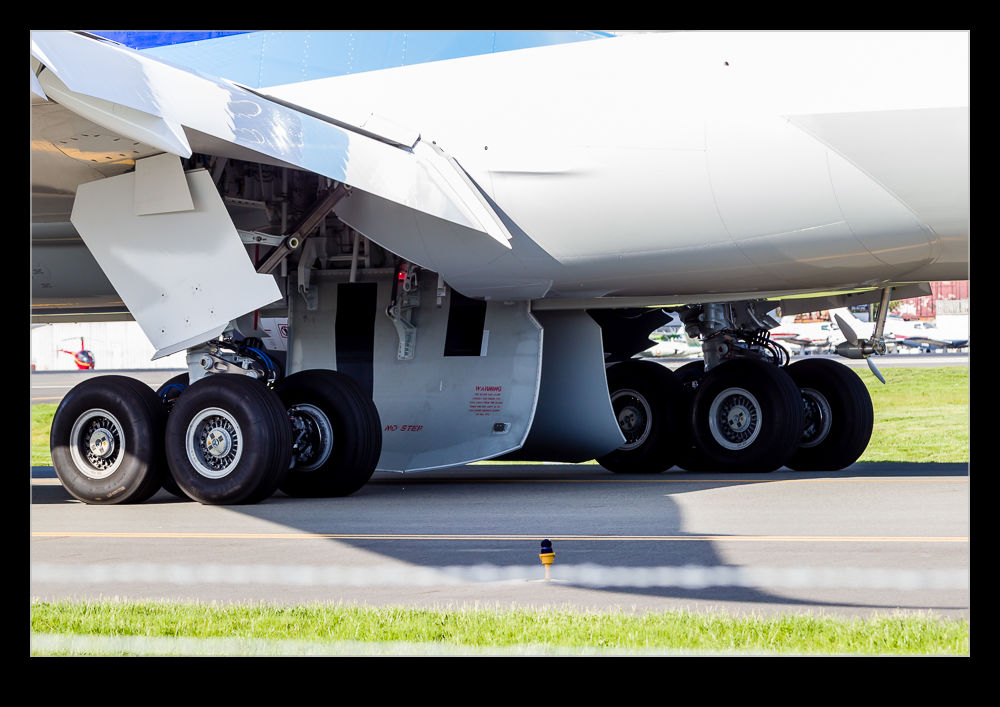
One problem that they had to deal with during development was runway length requirements for takeoff.  Even with the bigger engines, the long fuselage limited rotation angles at takeoff and meant a higher takeoff speed was required which meant a longer runway requirement.  Boeing came up with an interesting solution (after dumping some slightly more curious ideas).  The main gear on the 777 has a triple axle bogie.  Previously this had rotated about the pin attaching it to the main gear leg.  Boeing’s solution was to lock the bogie level during takeoff.

The result of this is to have the rotation of the jet at takeoff to take place around the rear wheels of the bogie rather than the gear leg pin.  The slight aft movement of the rotation point allows the aircraft to rotate slightly more nose up and gain a greater angle of attack.  This gives slightly more lift for a given speed.  This means an earlier takeoff and a shorter runway requirement.

I have tried many times to witness this at work.  First, it happens pretty quickly.  Second, I am often in a poor position to see the rotation point.  Recently I was at SFO to pick up some people.  I was getting a few shots prior to their flight arriving and a Singapore 777-300ER was taking off.  The rotation point is quite far away (although, if you are in the terminal, you might have a good view) and the heat haze is a problem.  However, I decided to get a sequence of shots anyway.  Now, how to use them.

Heat haze is crappy on stills but less of an issue with moving images so I decided to animate the sequence.  I imported all of the shots into Photoshop as layers in a single document via Lightroom.  The hardest part was aligning them.  I started at the bottom layer and then progressively made each layer above visible.  I then changed the latest top layer blend mode to difference.  This makes aligning them a lot easier since everything is black unless it is different.  I was focused on the gear so used that as the reference as the fuselage rotated.  Once each layer was in place, I changed the blend mode back to normal and moved to the next layer up.

Once they were all aligned, I used the animation timeline to make frames from each layer (and reversed the order since every time I do this they seem to be the wrong way around).  Then I could crop in to get the overall view I was after and save the file.  A Save for Web allows the generation of the animated GIF and we are done.  The image at the top is the final result.  It does allow you to see a bit of what is going on if you look closely although it is still a bit hard given the distance, the angle to the ground and the heat haze.  I guess I will have to find a location closer next time.