Tag Archives: arizona

Night Shoot at Pima

One of the special parts of the trip to Arizona was that Mark and I got invited along by our friend Joe to a night shoot at the Pima Air and Space Museum.  I had seen some images from previous night shoots and the idea of photographing the many interesting airframes there in the dark intrigued me.  The museum is excellent and well worth a visit, but it can be hotter than hell there and the light can be quite harsh, so this was a great alternative to try.

When I was a student, I used to do quite a lot of night photography.  In the days of film, you played a lot more of a guessing game as to how things were working out.  Also, film suffered from what was known as reciprocity failure so you could really extend the exposure in low light without necessarily ruining things.  Digital is a lot more linear and also gives you the chance to see how things are coming out and have another go.

A lot of the attendees had done this more than once and had come equipped with a variety of tools to play with.  Lights on stands, wands of different LEDs, huge flashlights etc.  Plenty of things to work with.  I had brought some tools along but was definitely keeping it simpler.  Joe offered us some lights to work with but, since this was a new effort for me, I decided to keep it simple and try to get one approach worked out.

I had a tripod so I could leave the camera in place and then a couple of strobes to play around with.  I had to make some set up adjustments first.  Take off IS from the camera since it can wander over long exposures and make things blurry.  Second, put the strobes on manual power and experiment with how well they do illuminating things.  What I didn’t do but should have with hindsight was to go to bulb mode rather than 30 seconds on the shutter.  At some points with the larger airframes, I was very frantic in trying to get everything lit in the 30 seconds.  It proved to be rather energetic, and I was pretty pooped by the end of it.

I would open the shutter and then move around the airframe illuminating it with pops of the strobe.  I quickly learned to shield the strobe, so it didn’t illuminate me and add me in to the shot.  I also came to realize how the larger areas when I stood back a bit needed more light to compensate.  All of this is logical but not something I thought of before trying it.  More research/planning would have been a good idea.  I was also surprised how my shadow could show up in some shots when I have no idea how it would have got there.

I did photograph some of the more famous assets in the collection – how can you ignore a B-58 or a B-36 – but I did also take time for others that were just of more interest to me.  The size of the place meant you could easily not come across one of the other photographers for a while.  They were helpful in pointing out the hazards of guy wires.  Some of the larger planes have wires to stabilize them and these are basically invisible in the dark.  If you are running around popping off flashes, you could easily collide with something unyielding.  Fortunately, nothing like this for me but maybe some luck in that?

Would I do it again?  Absolutely!  It was very interesting and got some nice results.  It also taught me a lot about what I wasn’t doing right and would set me up for a few ideas of how to do things differently in the future.  I think a large flashlight would be an addition I would make, and I would definitely use the cable release and bulb mode.  My thanks to Joe for taking us along and to the team for letting us join in. 

Mix of F-16s in Tucson

Every once in a while, the Air Force moves airframes around between units.  One may have exhausted the limits on their airframes and they need to be retired or it could just be a balancing exercise to spread the usage types across the larger fleet.  The Arizona Air National Guard unit at Tucson has recently received a bunch of different (calling them new would be a stretch) jets that have come from various units around the country.  They will be marked up with the AZ tail code in due course but, at the time of my visit, they were still carrying markings from a bunch of other bases.  Getting a diverse range of tails before they all became the same was the challenge while there.  Here are some of the results.

Luke F-35s

I have never photographed at Luke AFB before.  Mark and I spent a few hours there as part of our trip.  The base is home to the F-35A training unit and a variety of foreign F-35A training too.  Plenty of USAF F-35s were in the pattern that day.  I got loads of shots of the based jets but, with the current style of low observability finishes, the jets did look very alike.  Yes, there were crew names and unit badges to be seen but, sadly, one Luke F-35 looks a lot like another Luke F-35.

A Development Dash 8

I may have a soft spot for testbeds, but development airframes are also something that will interest me.  While driving around Tucson International Airport, we were looking at the various airframes at one of the schools based on the field.  There was a Dash 8 sitting in the yard.  It had Series 200 markings on it and seemed to be a development airframe.  With Mark being a Canadian, he was definitely pleased to catch this but I was too.  It looks in surprisingly good shape.

Sunset Comes Too Soon for BA

My Arizona trip with mark started out in Phoenix.  I got there earlier than he did and shot a little at Sky Harbor but, once we had met up, we decided to try what the evening shooting might offer there.  I was particularly interested in getting the British Airways A350 when it arrived.  Phoenix is a busy airport but does not have a huge amount of variety so this would be one of the more “exotic” arrivals.  It was due to make it in just before sunset, but the flight was running a touch late, and I wasn’t sure if it would make it.

Keeping an eye on the track of the flight was one thing, but we were also keeping an eye on the horizon.  There was low cloud in the distance which suggested that the sun might disappear from view before it actually set.  Sadly, this proved to be the case.  Things got gloomy rather quickly once the sun went behind the cloud bank and then, as it got low in the sky (out of sight) the light was fading fast.  That’s when the jet arrived.  Still, it wasn’t a total loss.  Sometimes low light can be interesting.  It wasn’t as good as the last light of the day glowing on the nose, but it was alright.  We watched the jet taxi in and then decided to see what low light shots we could make work.

My First Sighting of F-16Vs

The designation of the F-16V is one that leaves me a bit confused.  There are A model jets that are upgraded to this standard, but I thought some new build jets were also having the designation.  Maybe I am mistaken about that.  I also see two-seaters upgraded to the standard so an A or a B model can now be a V model?  Anyway, enough about that. I got to see some.

Taiwan has been upgrading its fleet of A and B model F-16s to V models.  The program is nearly complete from what I have read.  They operate a number of the jets from the Guard base in Tucson at the international airport.  While Mark and I were there, we got to see a bunch of them launch and recover.  This included one with special markings in the fin.  The markings are otherwise not too conspicuous but, because they are early model jets, the lack of the bulged fin root with its antenna is the thing that allowed me to identify them.  Must be some life left in those airframes despite their age!
A Huey Trip at the Last Minute

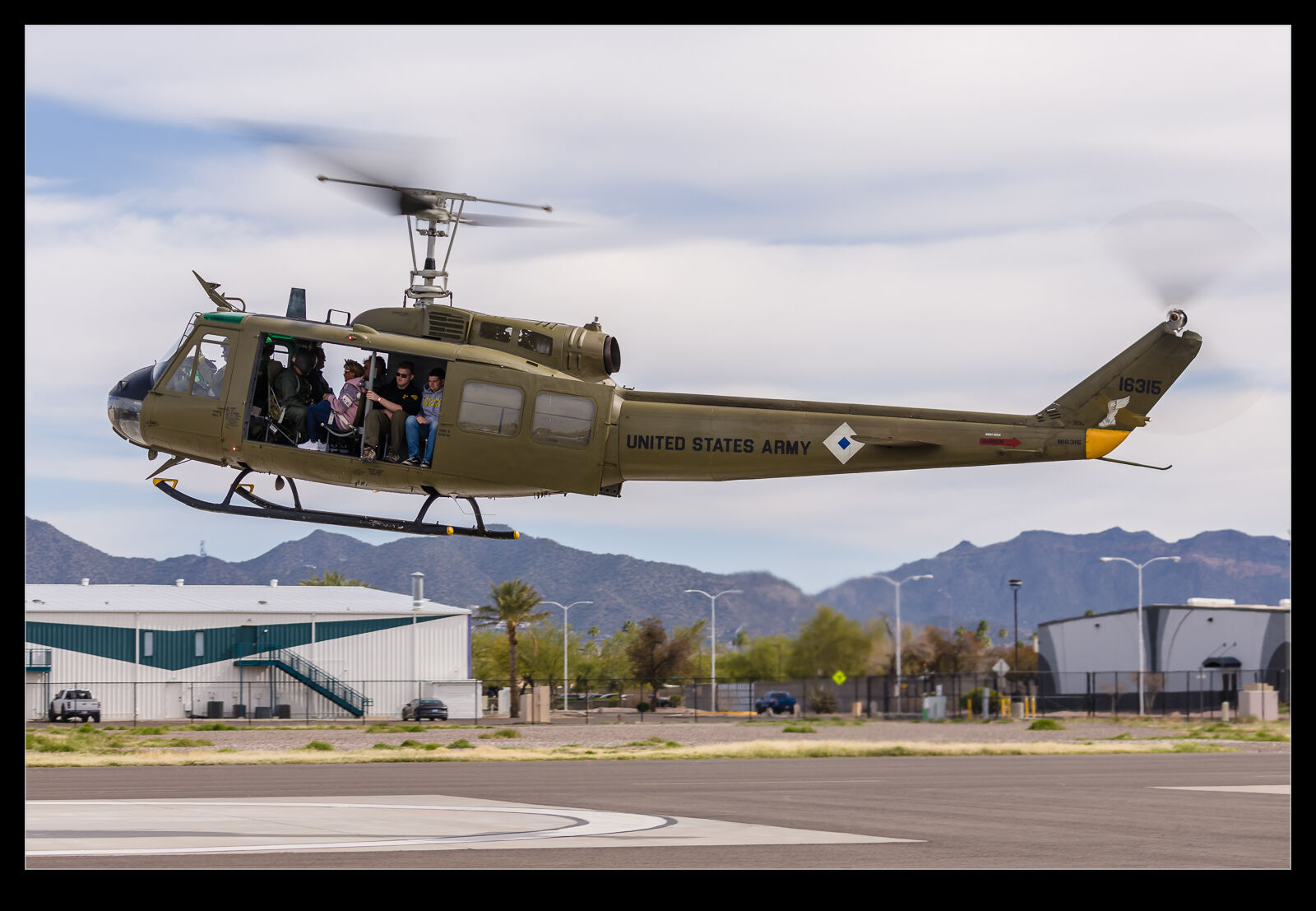
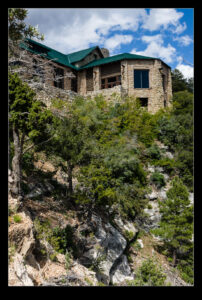
During our Arizona trip, Mark and I stopped by at Falcon Field.  Our friend, Joe, is involved in a group, the Army Aviation Heritage Foundation, that maintains and operates historic army helicopters, and they were having a flying event that day.  We wanted to see the Huey that they operate as it was taking people out on rides.  We saw a couple of runs and then they stopped for a break, and we could wander around the helicopter.  When they were getting ready for the next flight, they had a spare slot and asked if I wanted to take a ride.  The funny thing is, while I was happy to make the contribution, I often am more interested in seeing the flying from the outside rather than being inside.  However, since it was a good cause, I said yes.  I am so glad I did so.  I had a good spot looking forward between the two crew up front and next to the open door giving me plenty to see.  I decided that video was more likely to be a good way of recording such a trip so that is the majority of what I took during the trip.  I did get some stills, of course, but the video then got edited down to the following piece.  I thoroughly enjoyed the flight and the brief time to see some of the surrounding landscape.  I will not be so reticent in future.

Falcon 10s Aren’t Too Common These Days

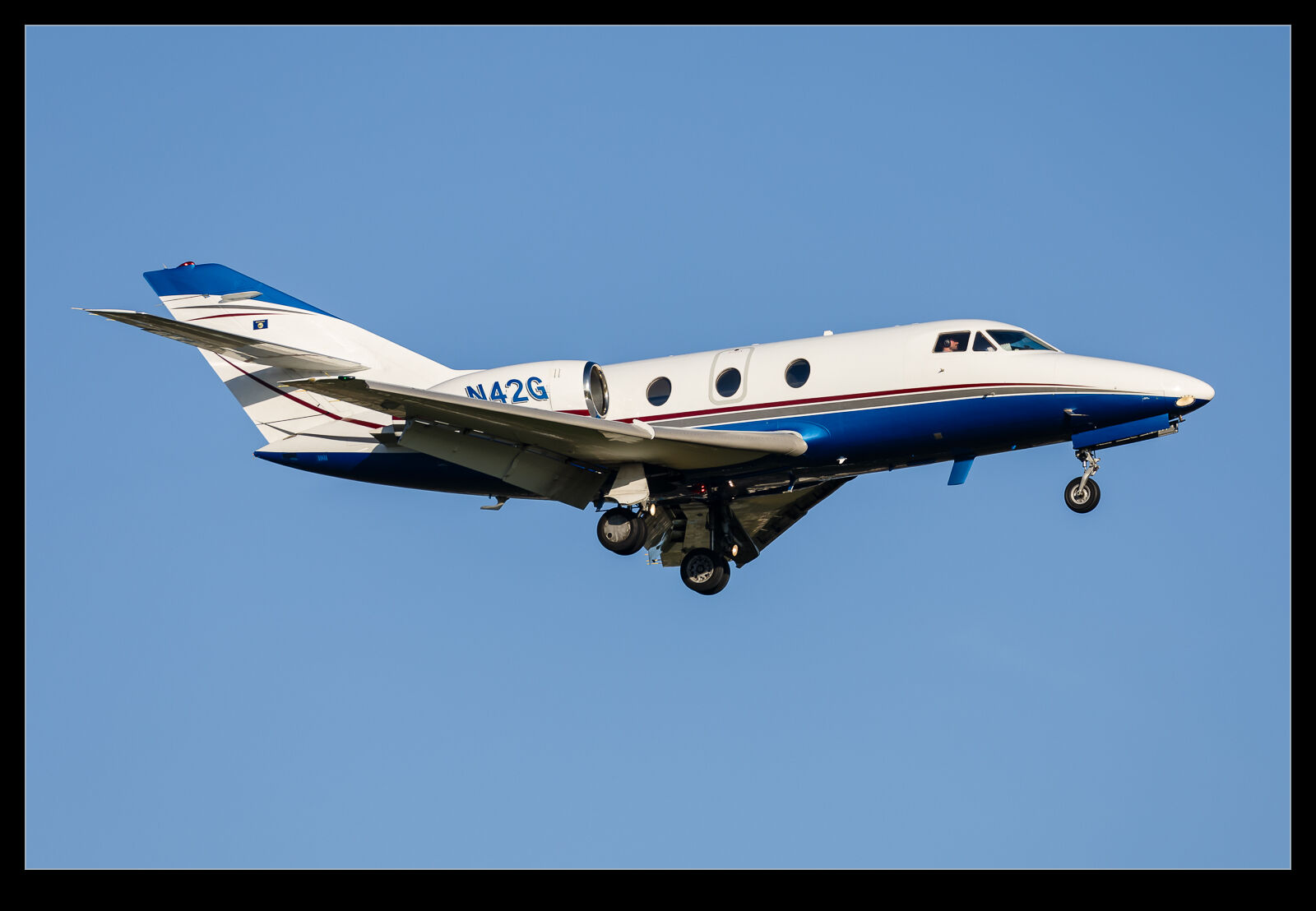
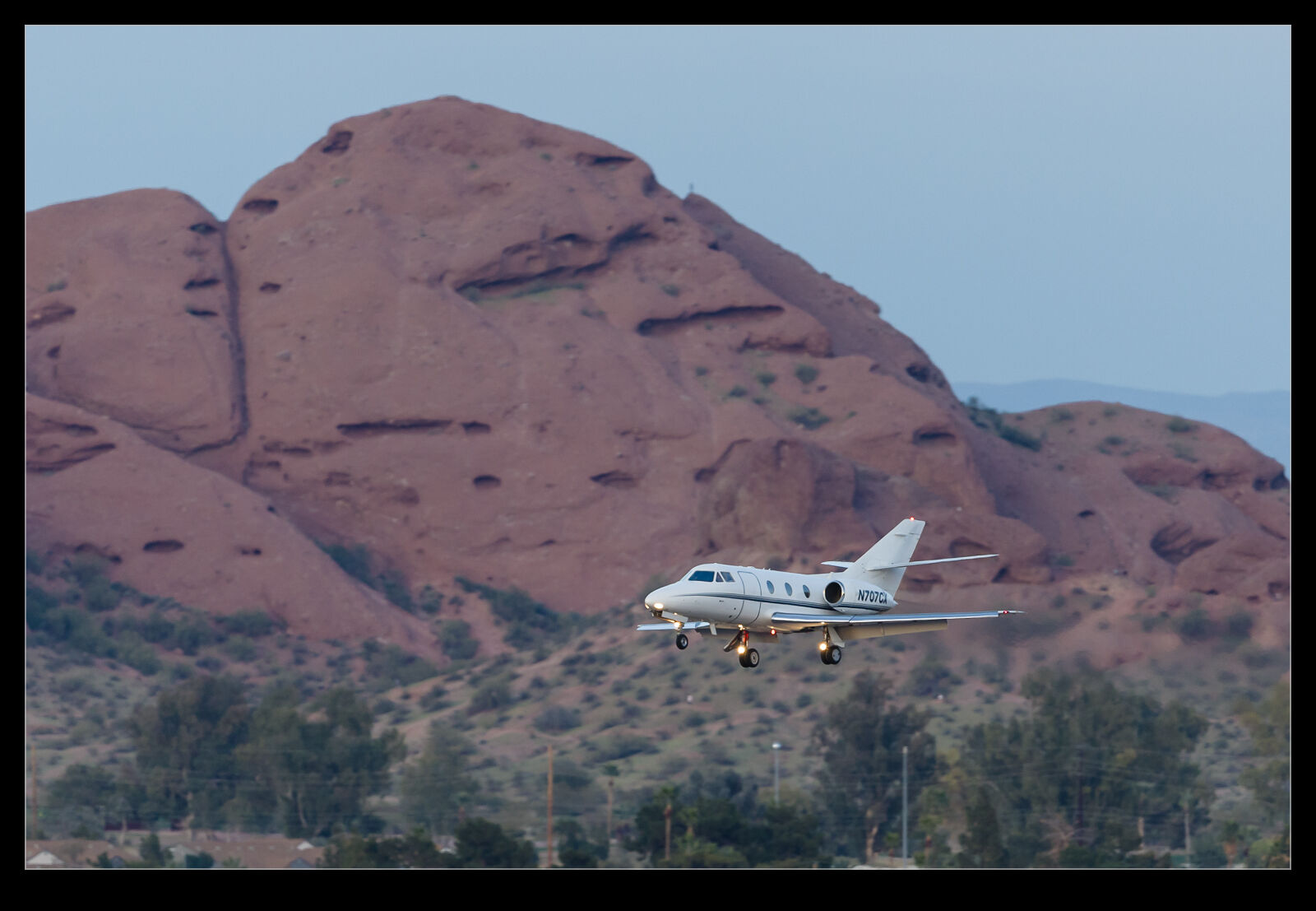
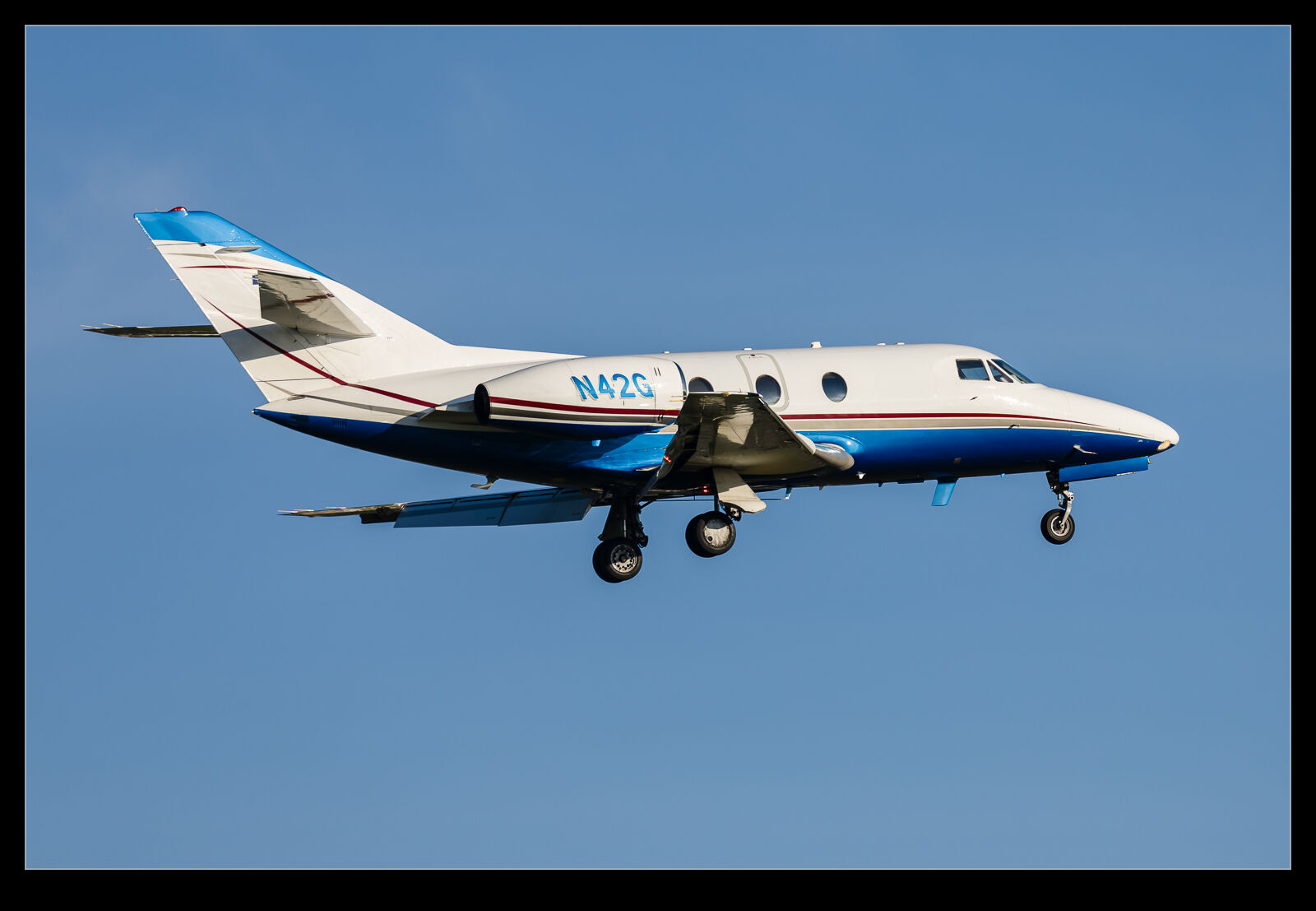
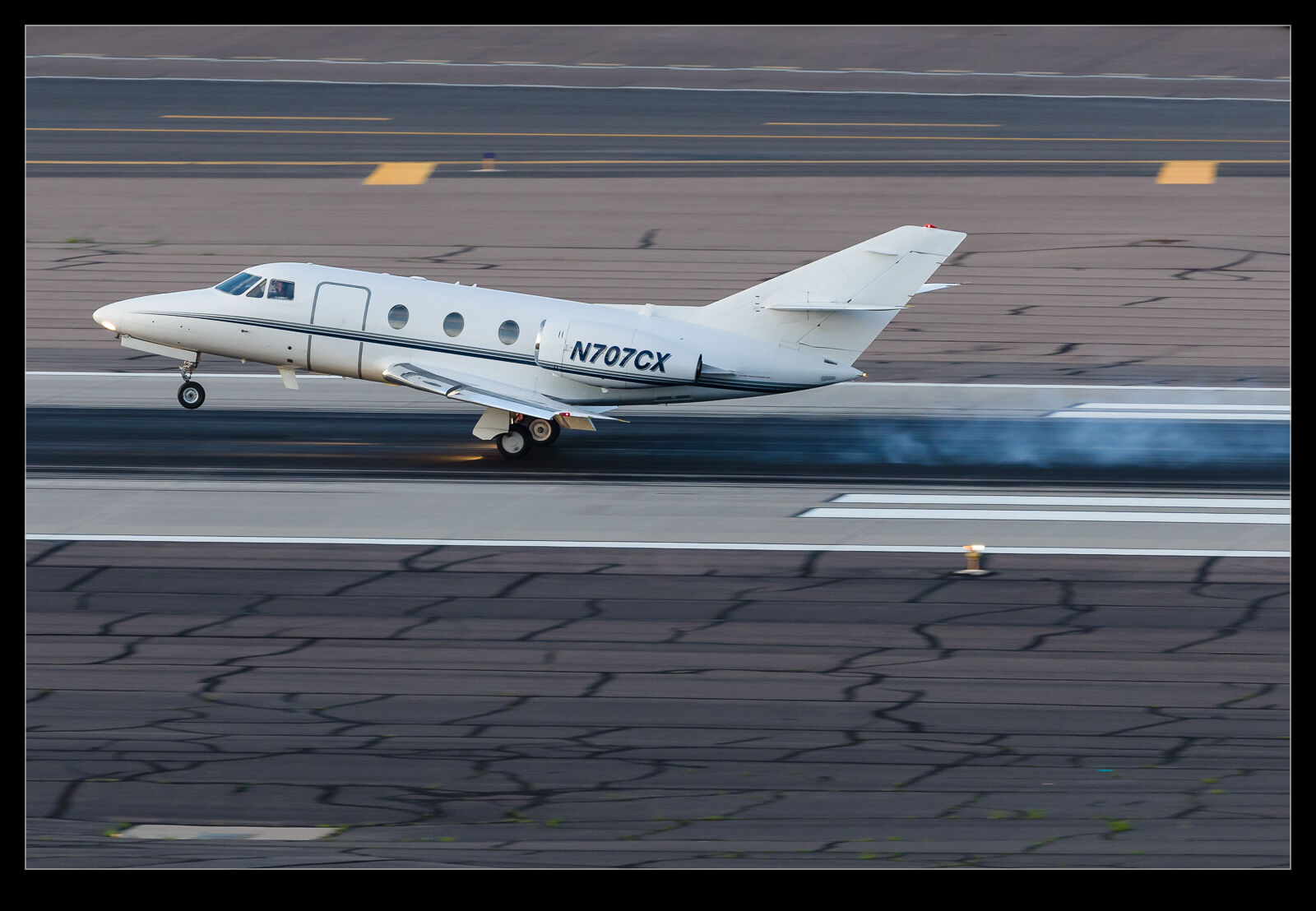
The Dassault bizjets line continues to flourish but it all goes back to an earlier generation.  Interestingly, The Falcon 10 came after the Falcon 20 despite the numbering and is not related in anything other than name to the Falcon 10X which is the latest development from Dassault.  It is still a popular jet but there just aren’t that many of them around anymore.  However, they aren’t extinct and catching one is a nice result.
I have actually caught two of them in recent(ish) times.  The first came into Boeing Field and I have to say the weather was playing ball for a change.  Lovely winter light as it showed up and I was quite happy with the results.  Indeed, I thought this might be my last encounter with one for some time, but I was pleasantly surprised to discover that one was coming into Phoenix Sky Harbor the day I flew down there.  Just before sunset it showed up.  It is a small plane so was a bit distant on the northern runway but still a result!

North Rim

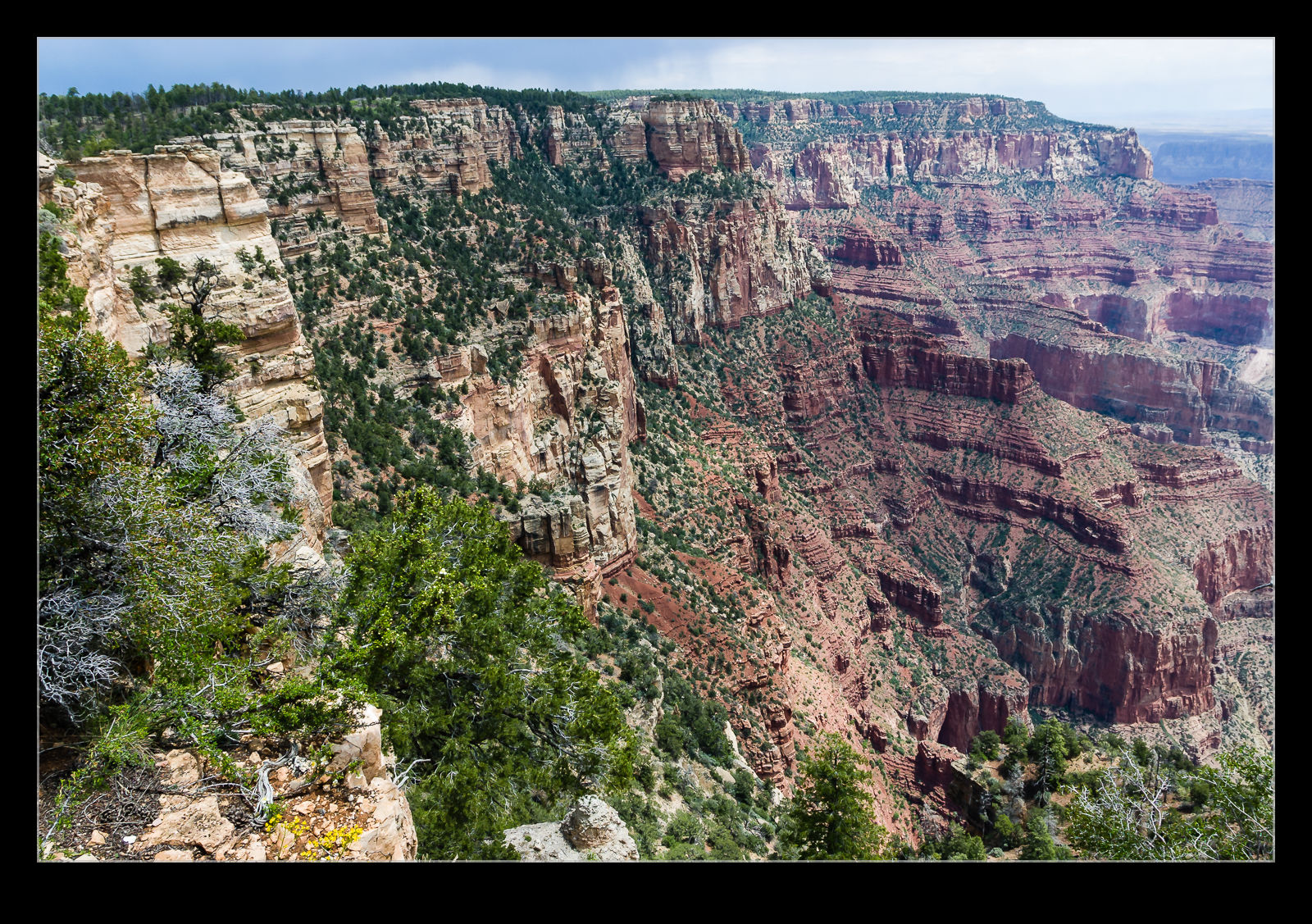
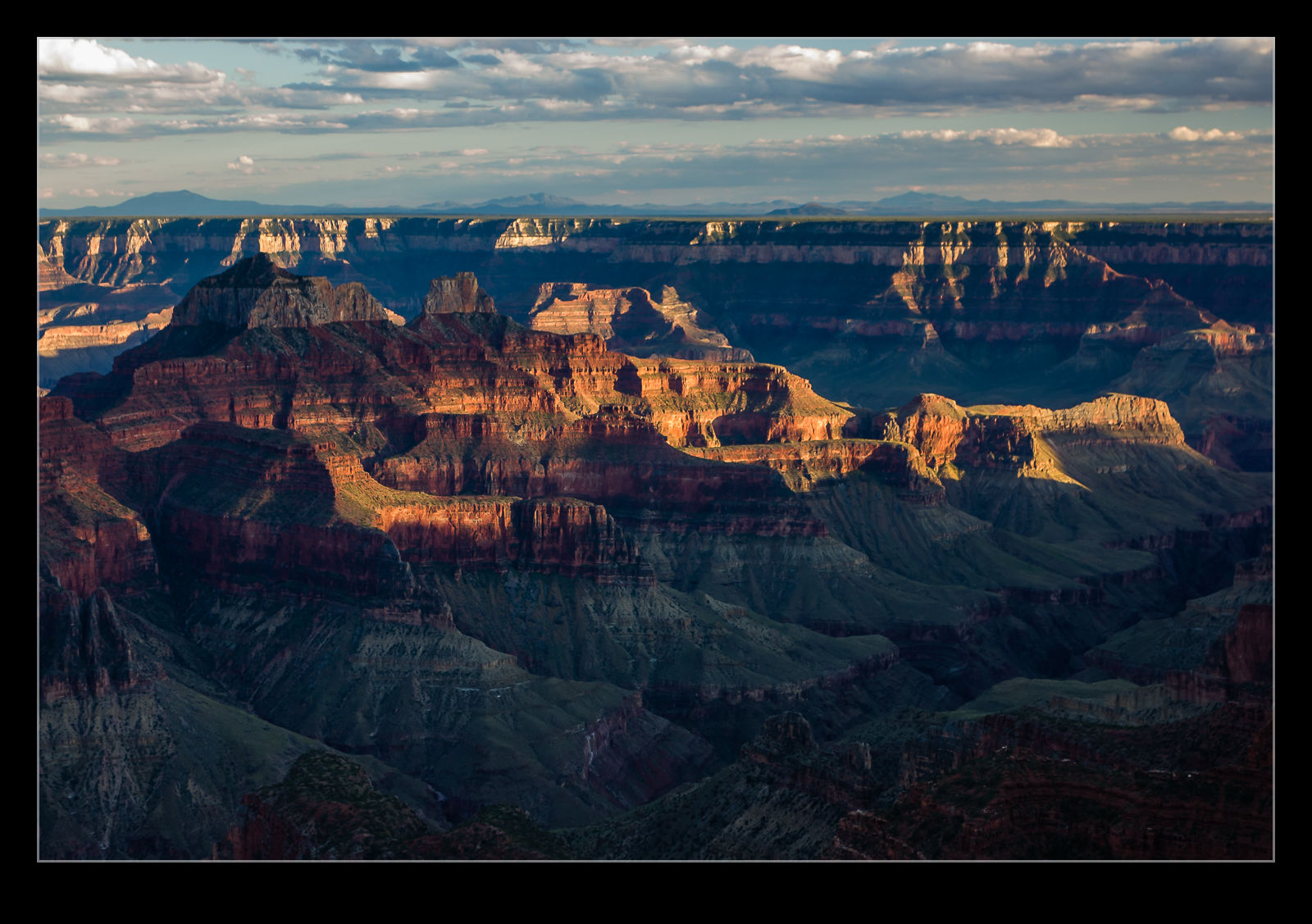
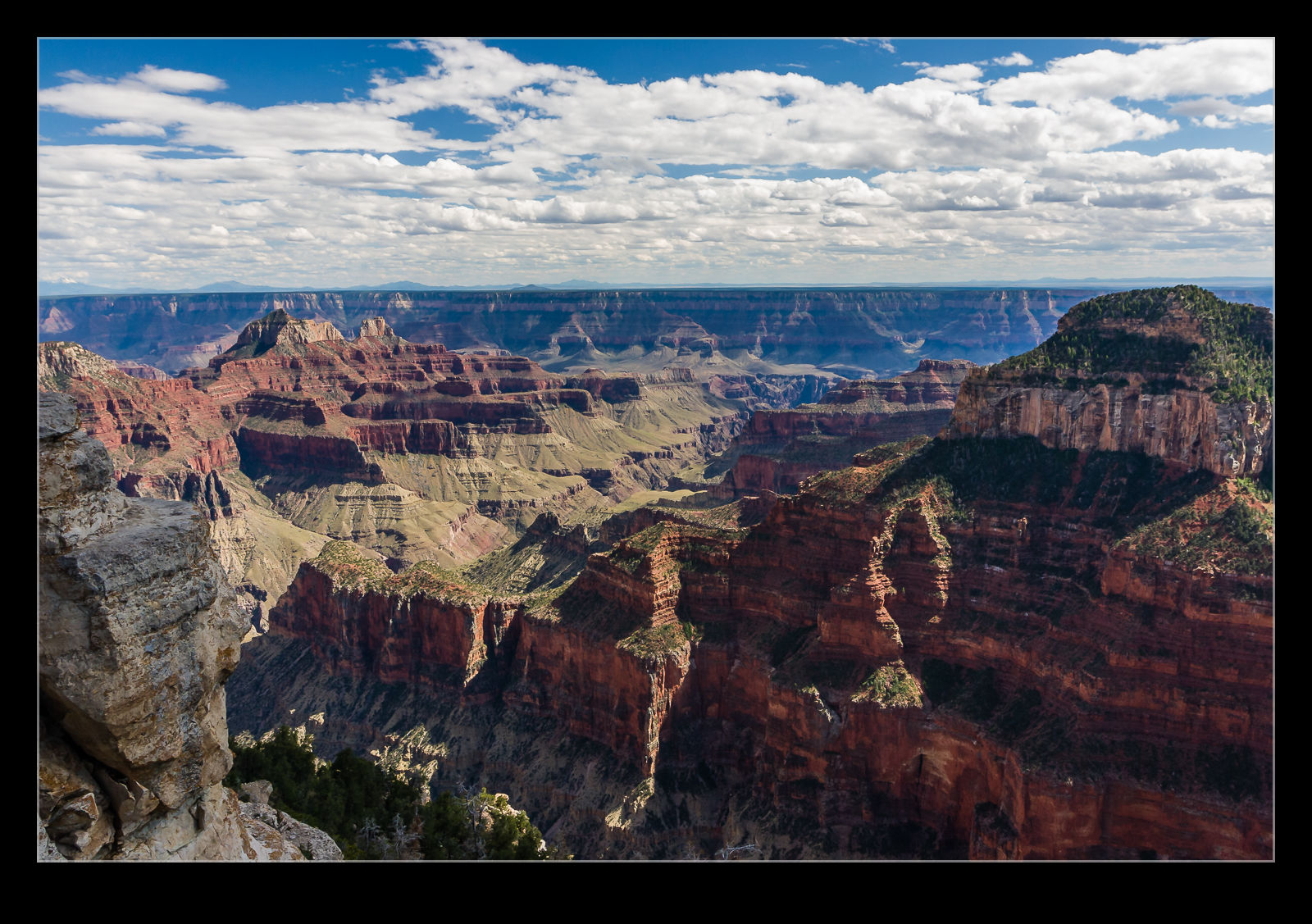
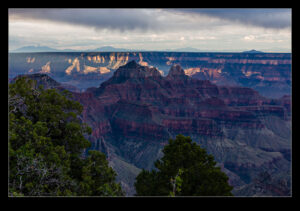
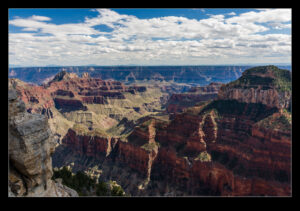
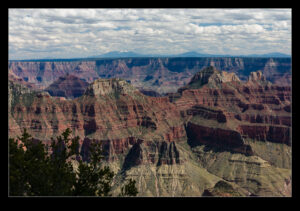
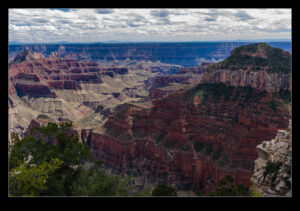
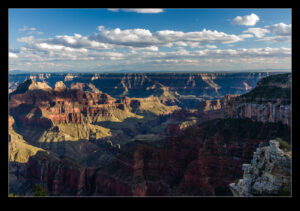
Nancy and I took a trip to Arizona and Utah many years ago.  It proved to be a really excellent trip and we saw some amazing locations.  The first stop on the trip was the Grand Canyon.  While the majority of visitors go to the South Rim of the canyon, this trip took us to the North Rim.  The two locations are not far apart but to get from one to the other involves hours of driving.  Apparently, there is some canyon in the way!

The North Rim is accessible for a smaller part of the year because it gets snowed in and doesn’t clear out until late in spring.  The views are supposed to be similar on either side but the lack of people at the North Rim makes it a more peaceful place to visit apparently (I haven’t been to the South Rim so can’t speak with authority).  The scenery was definitely beautiful.  We had some cloudy times and some very clear weather.  At night you could look at an amazing night sky.

The problem with the Grand Canyon is that there is little you can do to convey the scale.  Images are really not able to provide an understanding of just how vast the place is.  You can see it is pretty, but the experience is not reproduced.  To be honest, even when I was there, I found it hard to appreciate the scale.  With so little to reference, you struggle to realize what is close and what is far away.  Occasionally, if you see a boat on the Colorado River, you realize just how immense it all is.  Awesome is a word that should be used when describing the Grand Canyon!

I haven’t looked at these pictures for years.  I realize that I took some of them as examples at the time and then focused on those.  I haven’t been through some of the others.  With newer processing techniques, there is plenty to be done with some of the shots I have overlooked.  I shall be playing with this for quite a while I think.

Customs Citation

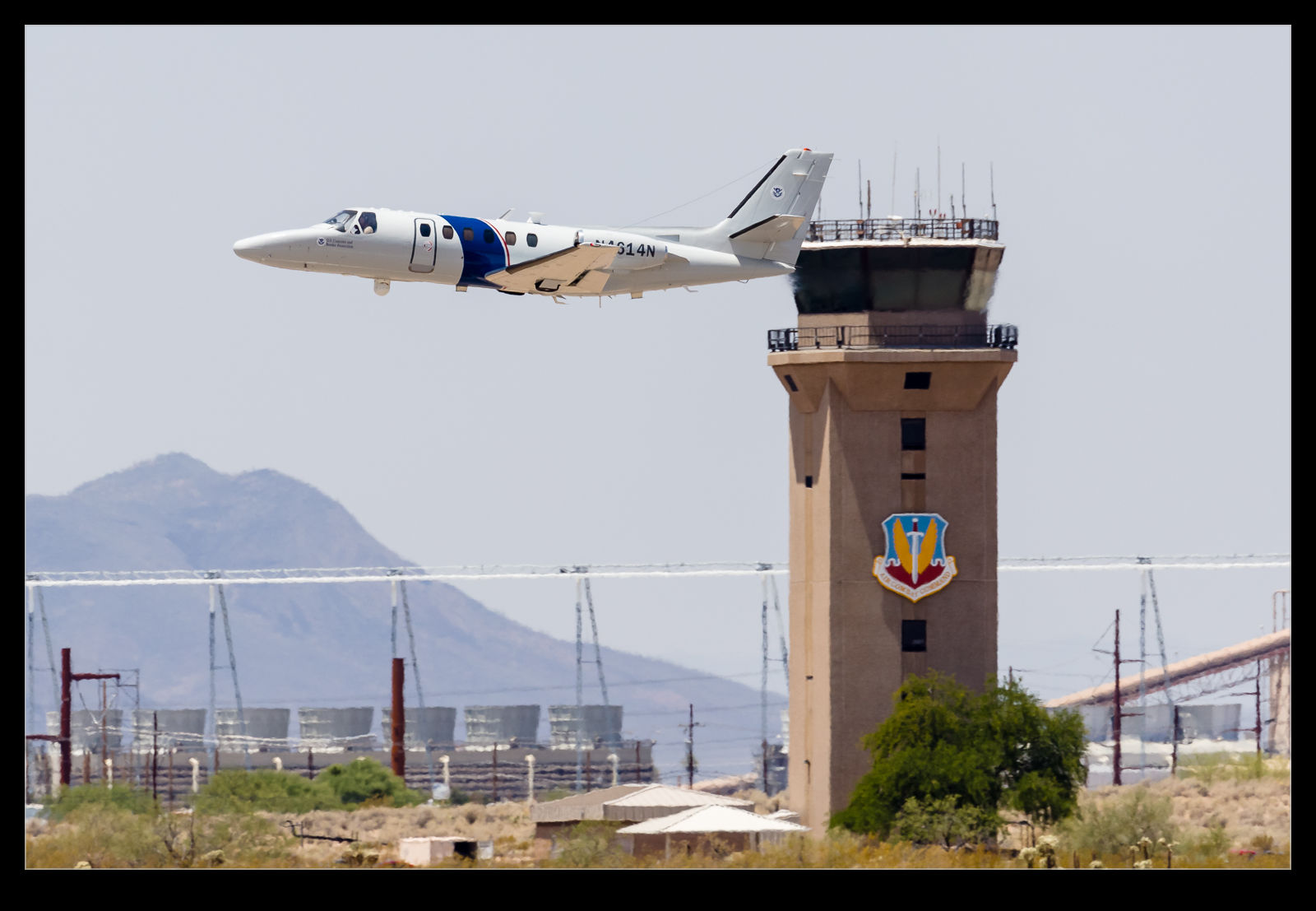
AE7I5235.jpgCessna Citations are not the most exciting business jets.  The original versions are particularly uninspiring with their simple design and unswept wing.  Normally I might not even bother if I came across one.  This example showed up at Davis Monthan while we were on the ramp and it obviously wasn’t a standard version.  It belongs to the Customs people.  I imagine it spends a lot of time looking at what is going on along the border.  Flying out of Tucson would support that idea.  I imagine the sensors on board are a lot more interesting than the plane itself.