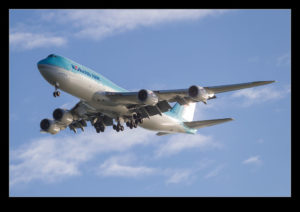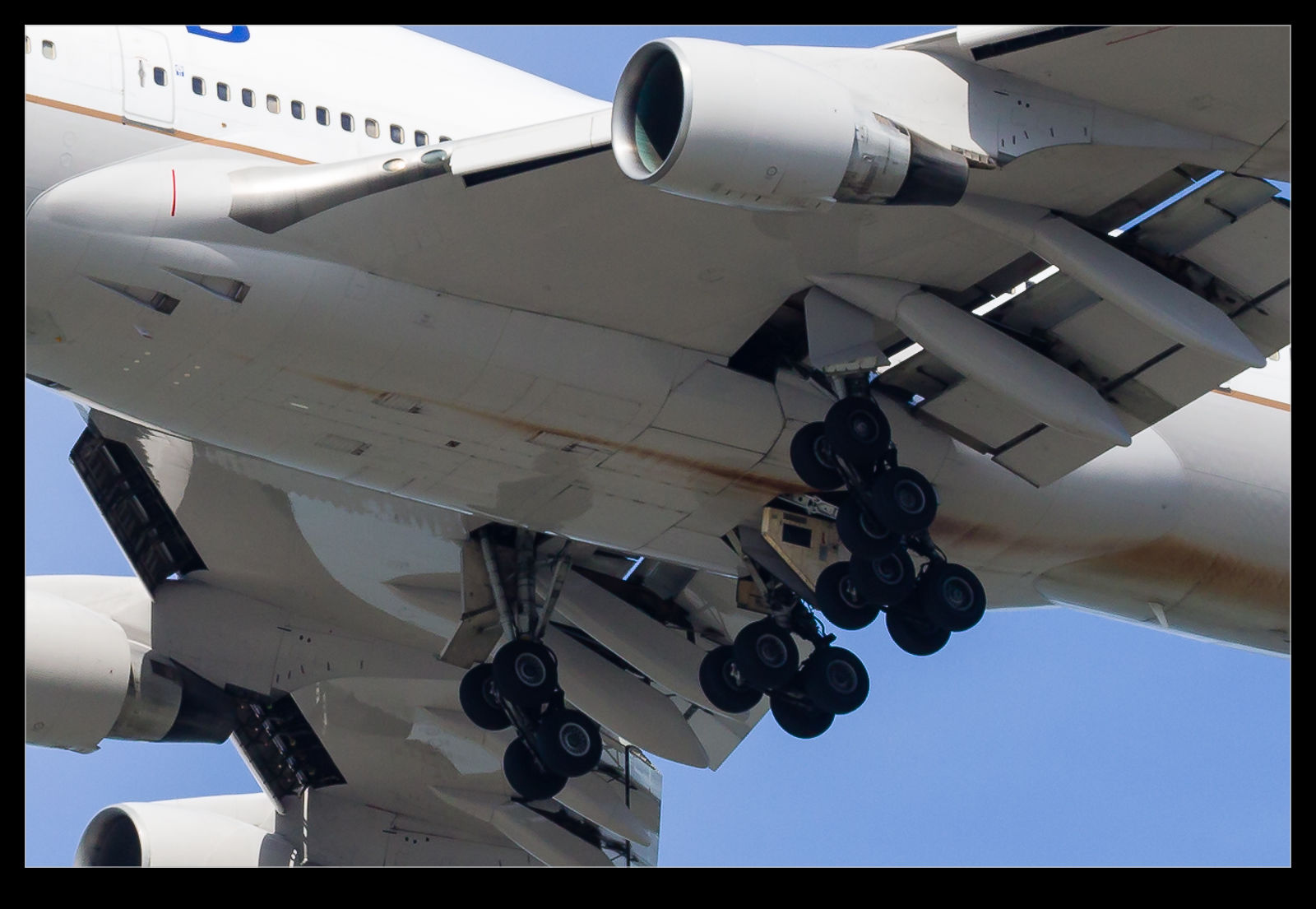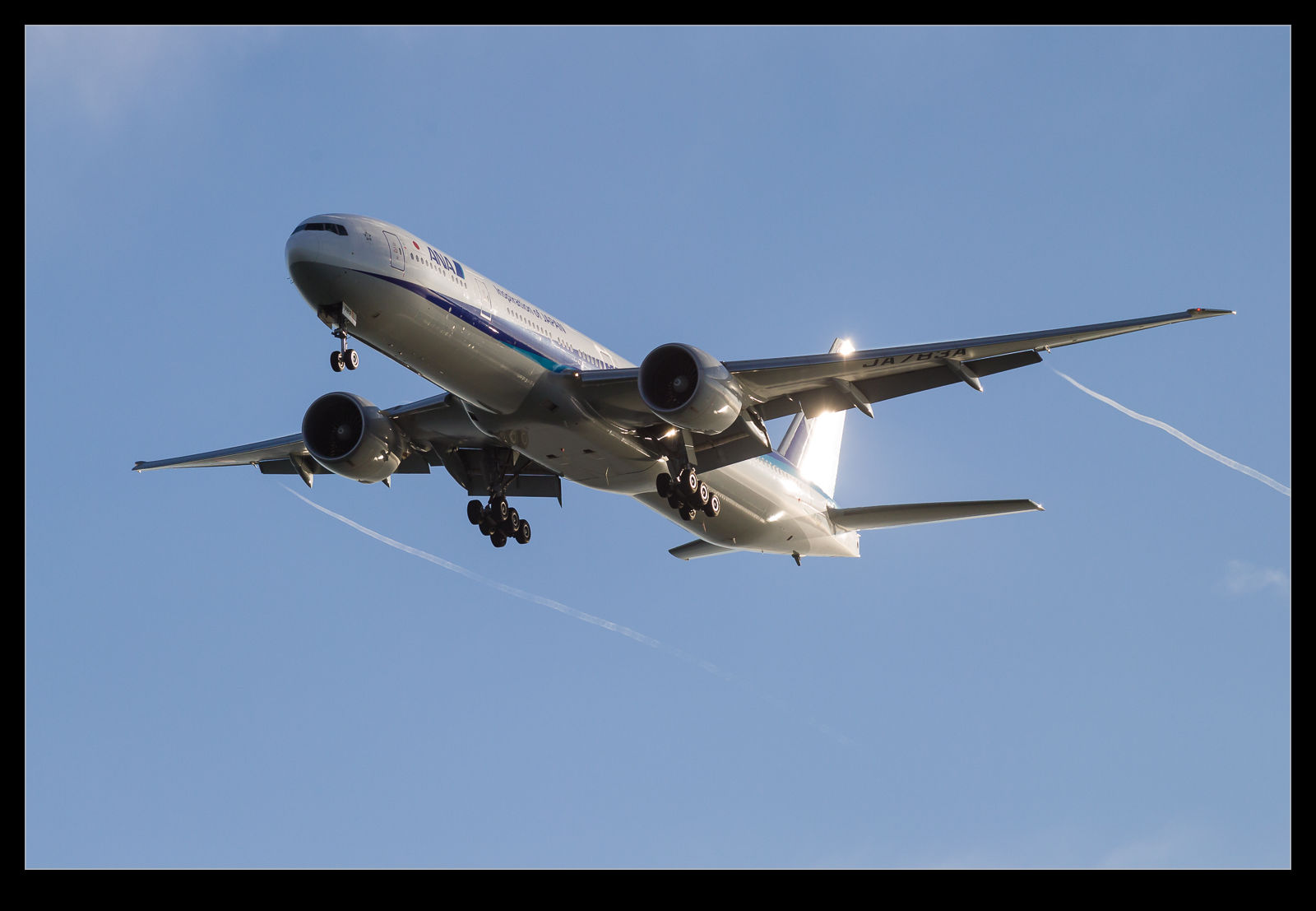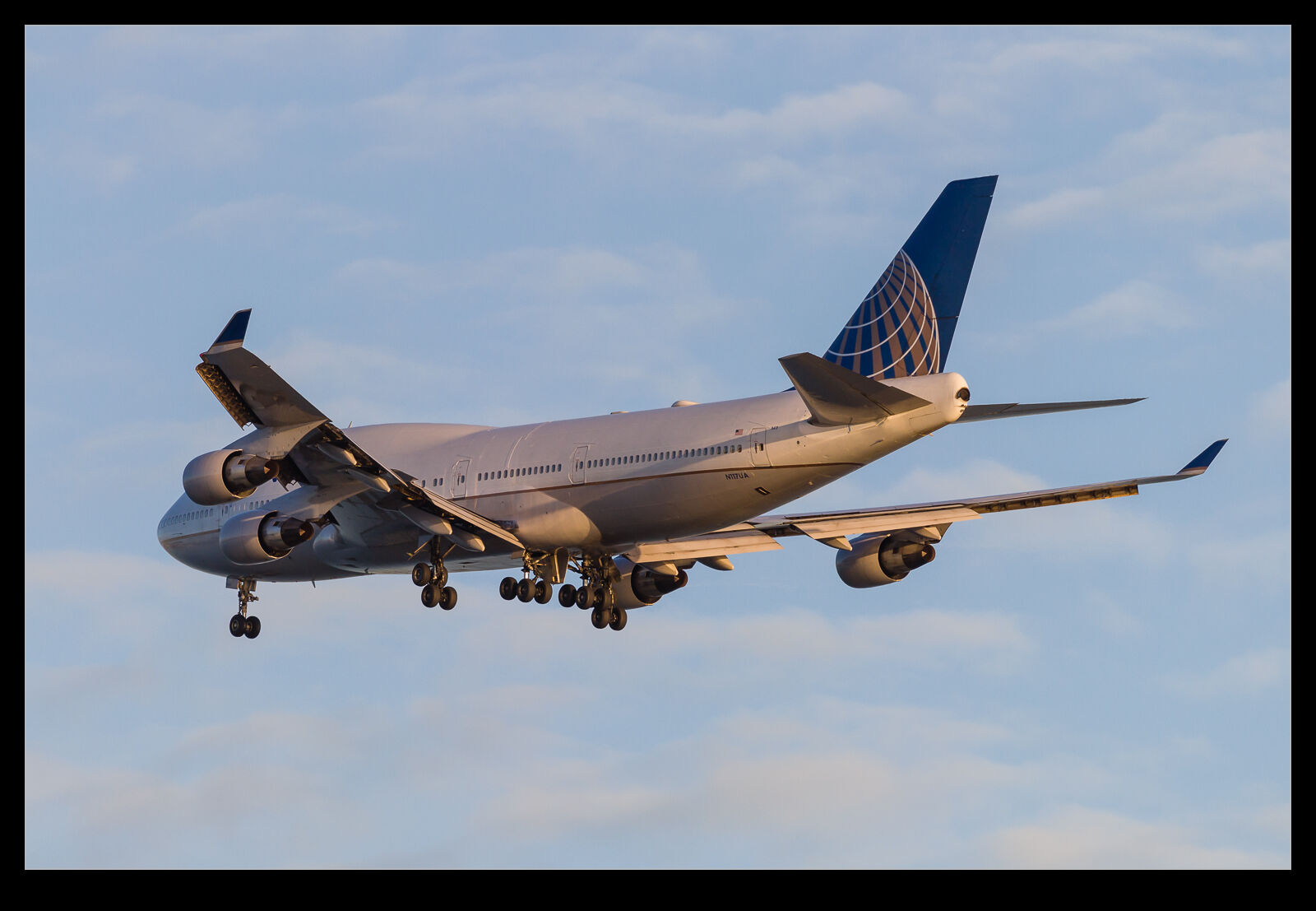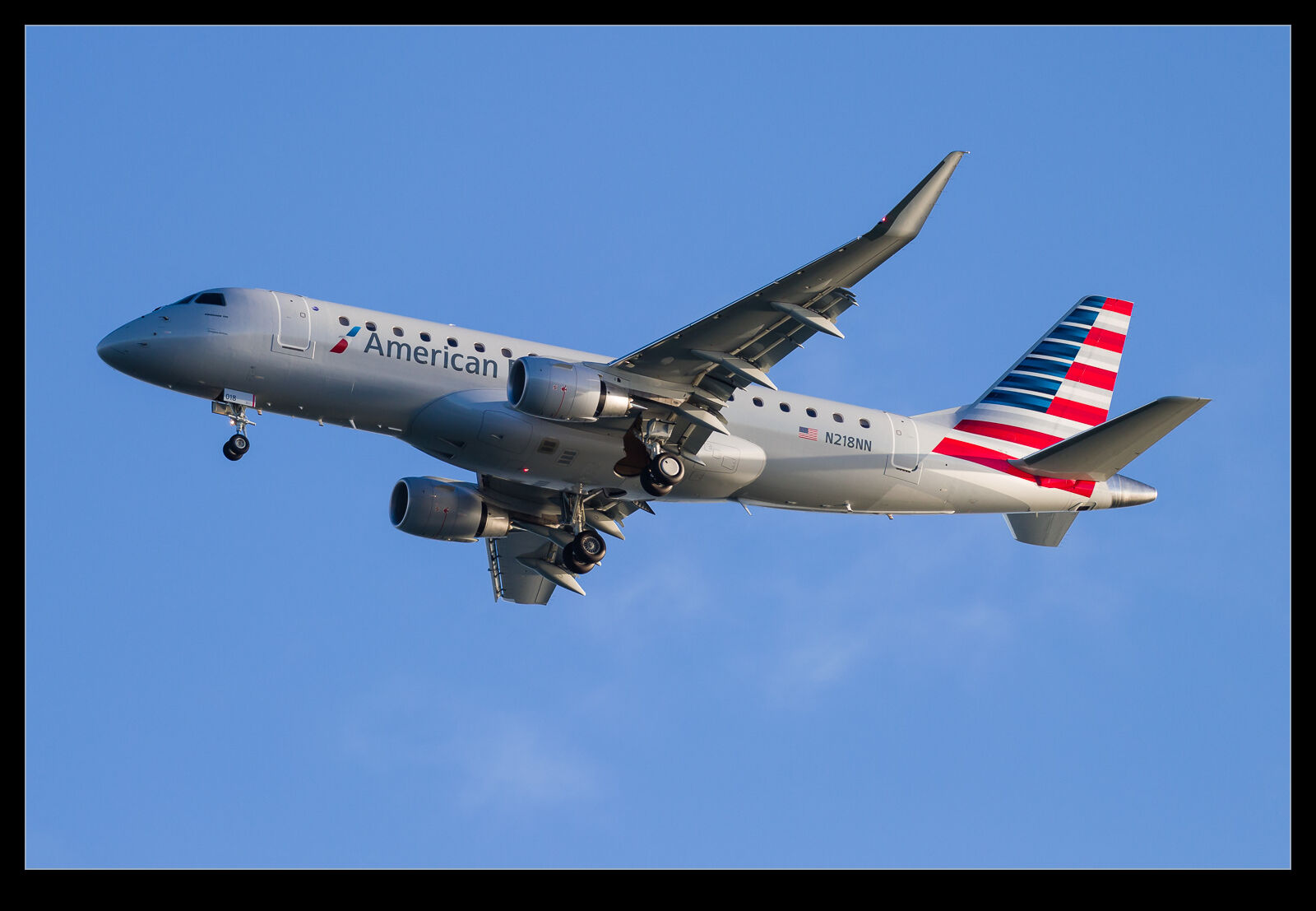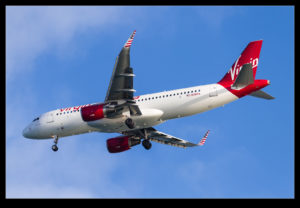
I have posted a bit in the past on disappearing types and, in particular, the reductions in the number of 747s in service with airlines these days. Of course, there are still a number of carriers that are making use of the 747 and United is one that has a substantial number still in service. Operating from SFO, I see a lot of them if I am there. British Airways and Virgin Atlantic also come into SFO. However, I was pleasantly surprised recently to see KLM bringing an example in to the airport. They have seasonal variation with their types. The MD-11s have given way to the A330s during the winter months but the summer still has sufficient demand to require the capacity of the 747. I imagine they will soon be making way for the A330s but, hopefully, next summer will mean they are back on the route. KLM are one of the few airlines that bucks the trend to boring color schemes so there are doubly welcome!
The Needles
The Isle of Wight is an island on the south coast of England. It is where I spent a large portion of my childhood and my mum lives there now. It is a very pretty place and a popular tourist destination. The Island has a chalk spine which, at its western end, is marked by a rocky outcrop called The Needles. This is one of the more recognizable features of the Island. A number of chalk columns rise out of the water at the end of the headland near Alum Bay. One of them was actually a thin needle shape but that fell in to the sea decades ago. However, the name has stuck.
The area has been treacherous for shipping over the years so a lighthouse is on the end of the rocks. When I was young, this was manned permanently and the crews had to access it by boat. Then a helipad was built on top to make access more reliable. Now the light is automated so there is no need for a permanent crew. The view of the Needles from the cliff top is very cool on a sunny day. We had great weather to see it. I also got to fly over the top so some of these shots are from a view that is not available to everyone. Many thanks to Pete, my pilot for the trip.
SeaTac Departures Over Boeing Field
Boeing Field is closely aligned with the extended centreline from SeaTac. If you approach SeaTac from the north and sit on the left side of the plane, you can look almost straight down on the field. Similarly, if the departures are heading northerly, it routes nearly over Boeing Field. For most flights, they are already high enough that they are not a good photo target. The heavies provide some interest though.
First, they are bigger so a slightly easier thing to fill the frame with. More importantly, they tend to be a bit more leisurely in their climb rate so are a bit closer in as they pass over. While I won’t bother to shoot the majority of the passing traffic, the heavies will often get my attention – provided nothing else is happening in front of me. Here are some of the recent passers-by.
South Bank Caverns
The South Bank of the Thames is a strange mix of places. County Hall and the Royal Festival Hall are alongside boat piers and railway tracks. The area has progressively developed and become more popular although there was a time when it was a pretty dodgy area. One strange place still there is a section of covered concrete that has become a popular haunt for skaters. The area looks intimidating enough but it has been heavily decorated with graffiti and it looks like something that you would enter in a movie with the audience shouting not to go in.
Actually, the area is quite busy and the skaters are only interested in skating. The fact that they haven’t been driven away but have, instead, been embraced is a pretty cool thing I think. The art on the walls obviously involved a lot of effort. While it may look like something to avoid, I would certainly take a look if you get the chance.
Erickson Aircraft Collection
I attended a course recently that was held in Madras OR at the home of the Erickson Air Museum. This museum is a fantastic collection of vintage aircraft, some of which were used for the course, more of which will appear on this blog in due course. At various times while we were there, I had the opportunity to wander around the museum and see the collection. This included during the evening when a party was underway but which also meant they had some interesting illumination.
The majority of the aircraft are warbirds but not all of them. A Bellanca was present which is, to be generous, a most unusual looking aircraft. I would certainly have liked to have seen it outside had the opportunity arisen but that wasn’t to be. There was also a Martin Mauler which is an aircraft I had never heard of previously. It looks like a Skyraider but you could tell it was different. It was just hard to know what it was without checking the information on the display.
Madras is not on the trail for most people so I imagine the museum does not have a lot of people happening upon it. However, it is a nice facility with a great collection and a super bunch of people working there. If you like warbirds and vintage aircraft, it should definitely be visited at some point.
Parliament
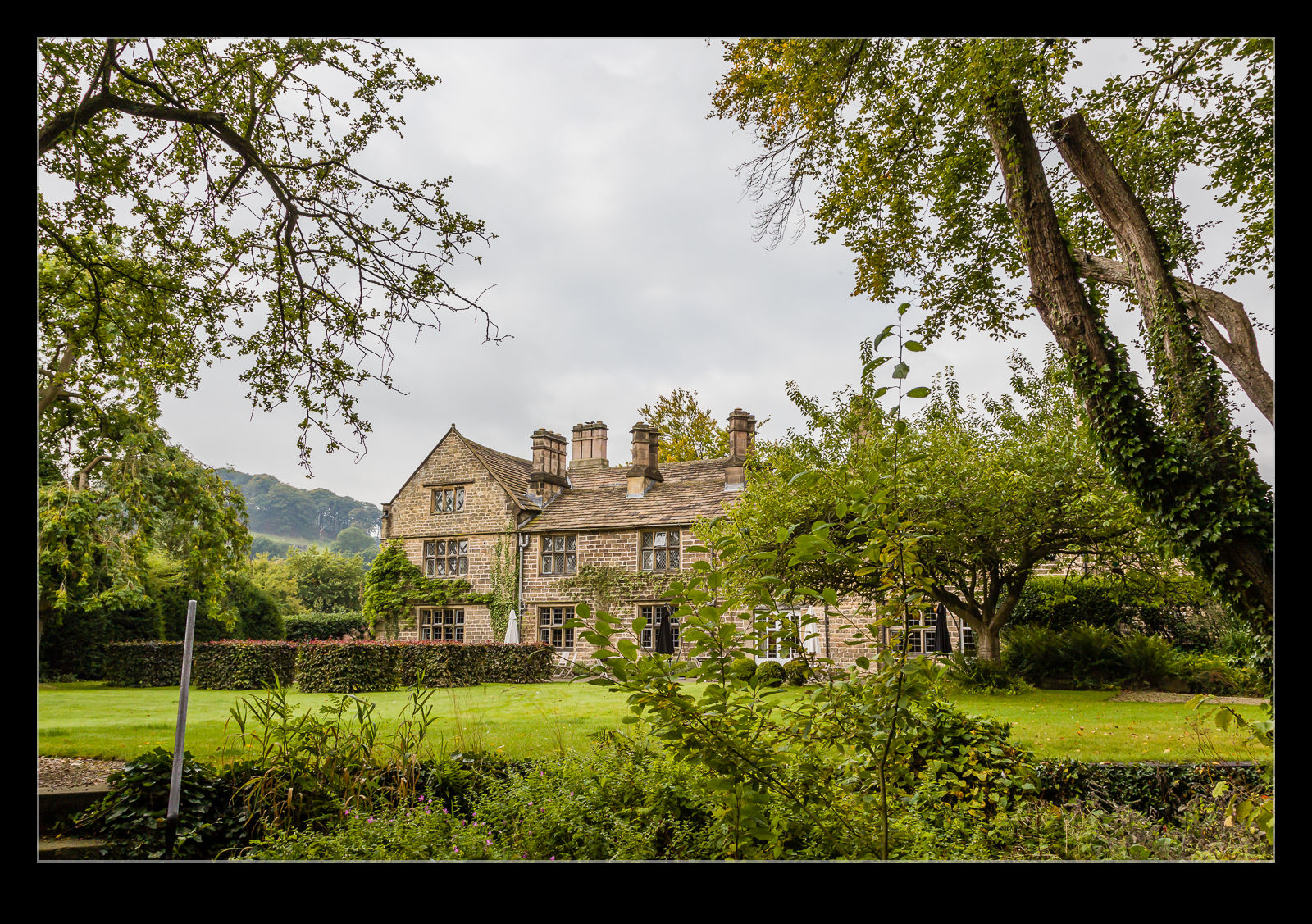
The hotel we used when we were in London was located just across the river from the Houses of Parliament. This gothic structure is instantly recognizable to many. I have been inside on a few occasions for events and the interior is as impressive as the exterior. It also varies in age with some parts much older than others such as Westminster Hall. On this trip we weren’t paying the place a visit and for most of the time there, didn’t really see much of it other than in the distance.
On the final morning, I took a wander around to get some shots of things before we left on the next leg of our trip and I realized I had neglected to photograph Parliament itself. The morning light is better for getting shots on the river side so this was a good time. Combine it with Westminster Bridge in the foreground and there is something to work with. I actually prefer shooting it at night. The lighting on the bridge and the buildings is pretty neat. However, that opportunity had passed so this would have to do.
EC145
The EC-145 is an helicopter I have yet to decide about. A bigger type than the EC-135, I am not sure it carries the extra size as gracefully as it could. It has a slightly bug-like look to it I think. The most recent updates have added a Fenestron to replace the tail rotor. That can sometimes be a good thing but on this type it seems like they have picked a slightly larger unit from the parts bin by mistake. The fin section seems pretty large. Even so, I am not totally against it. It certainly seems smooth and quiet as it flies by. This one did look kind of cool…
HMS Belfast
Just upstream from Tower Bridge along the South Bank is a World War II cruiser, HMS Belfast. Part of the Imperial War Museum, the Belfast has been moored up in London as a museum for many years. I visited it as part of a school trip when I was quite young. It is a slightly incongruous thing to see against the other occupants of the river. A while back it was given a repaint in a splinter camouflage scheme as opposed to the plain gray it had before. The rest of the river traffic is bright in comparison.
The ship is impressive enough when viewed from river level but, when you look from above, you get to see just how large it is. A light cruiser from that era is a substantial thing. Occasionally a Royal navy ship may visit the city and they have previously moored up alongside the Belfast. The comparison between the old and the new is quite striking. The angular lines of older ships compared to the more sweeping hull shapes show the age of the design. Sadly, I don’t have any images of that to share.
Charlie November
The Isle of Wight may be a pretty small island but it has had a number of significant aerospace projects over the years. One of the most successful is the Britten Norman Islander. A twin piston aircraft, the Islander has been in production for decades and provides passenger and freight service all around the world. Developed and produced for many years in Bembridge, the history of the Islander is important to a lot of the local residents.
A group of them got together to recover and preserve the third Islander ever built. G-AVCN (or Charlie November) was the first production aircraft following on from the two prototypes, neither of which is still in existence. It was recovered in pieces from the Caribbean and returned to Bembridge for restoration. I worked with the project leader on a feature for GAR that can be read here.
My mum is involved in the project so she took me down to the restoration facility to take a look at the airframe as it currently looks. The fuselage is pretty much completed. Now the focus is on the restoration of the wing. They are also looking for the final location where the aircraft will be put on display. It is painted in the colors of Aurigny – an airline that has flown many Islander and Trislander aircraft over the years including Charlie November. Things were a little cramped for photography where the plane is at the moment but it was cool to check out a significant part of the Island’s aviation history.

St Paul’s Cathedral
We made a stop at St Paul’s while we were in London. It was Sunday so it was not open for tourist visits but was operating as a church. You were able to go in and listen to the service and the choir which is certainly worth hearing. However, we didn’t spend much time inside and, instead, took a look around the outside of the cathedral.

It is a great looking building, even if it is a little squashed in amongst the other buildings in the City which impacts on the view a little. Apparently, there are laws that protect certain sight lines of the cathedral but, when close in, it is quite hard to appreciate it all. Even so, we did have some fun checking it out from various angles.
We also got a good look at it from up at the top of The Shard. The aerial perspective is a good one, much like what we saw a couple of years ago when in the helicopter. With the height of the Shard, it is hard to tell the difference from flying.