Biggest Tern I’ve Ever Seen

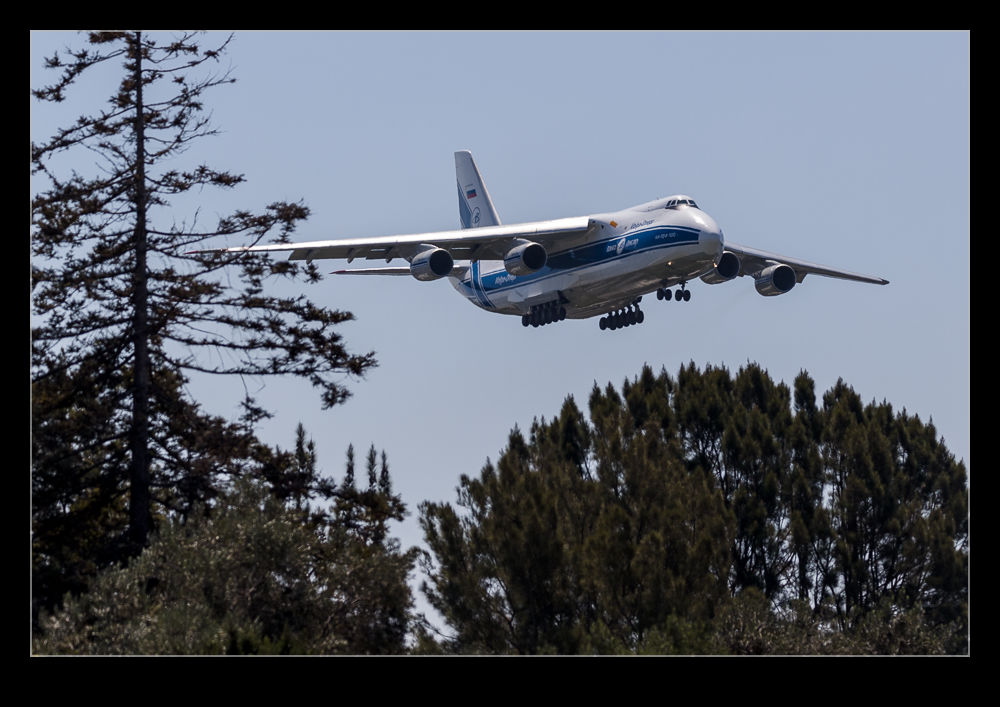
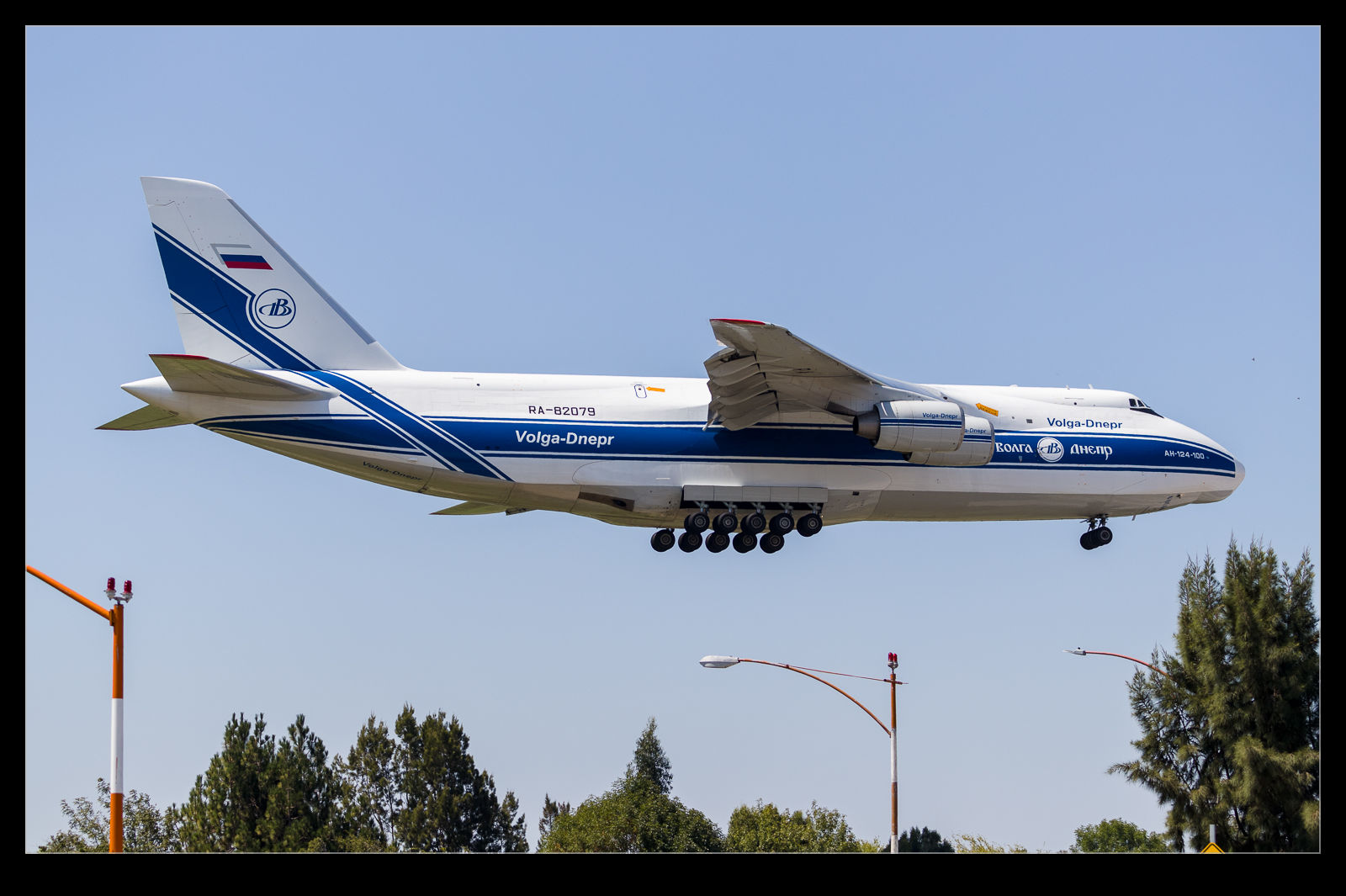
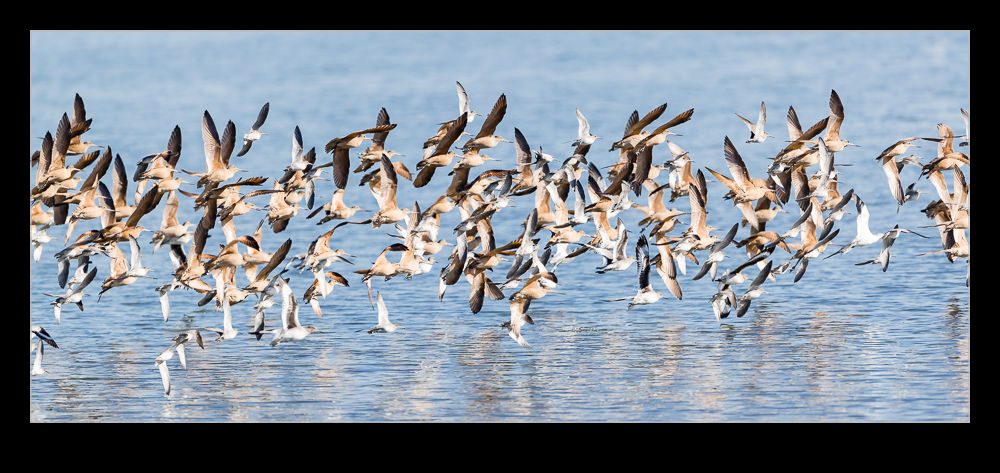
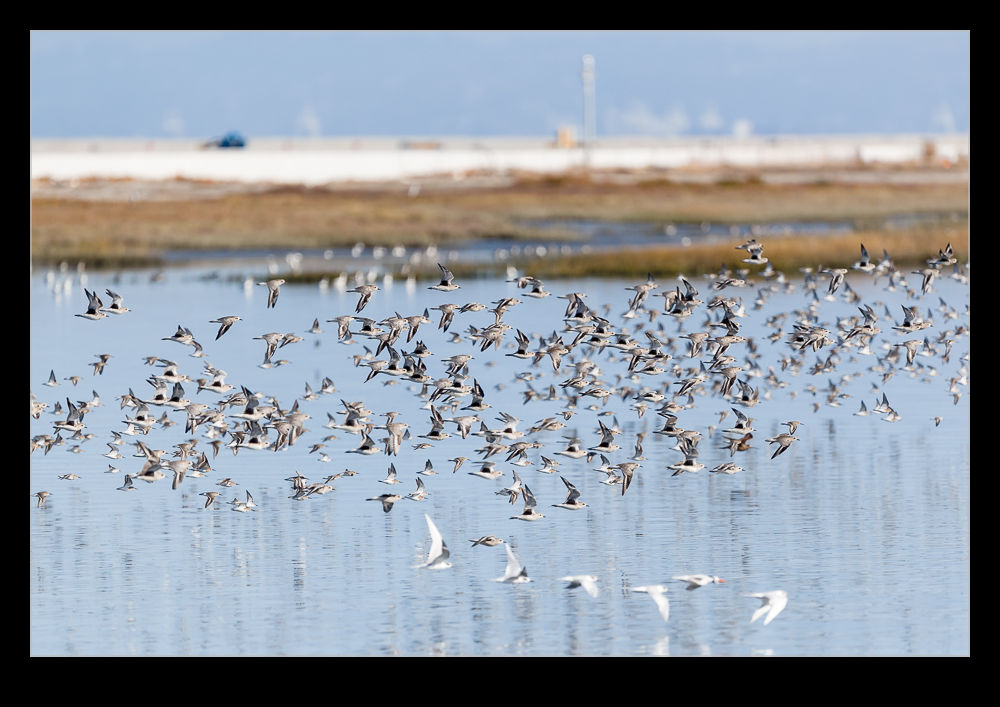
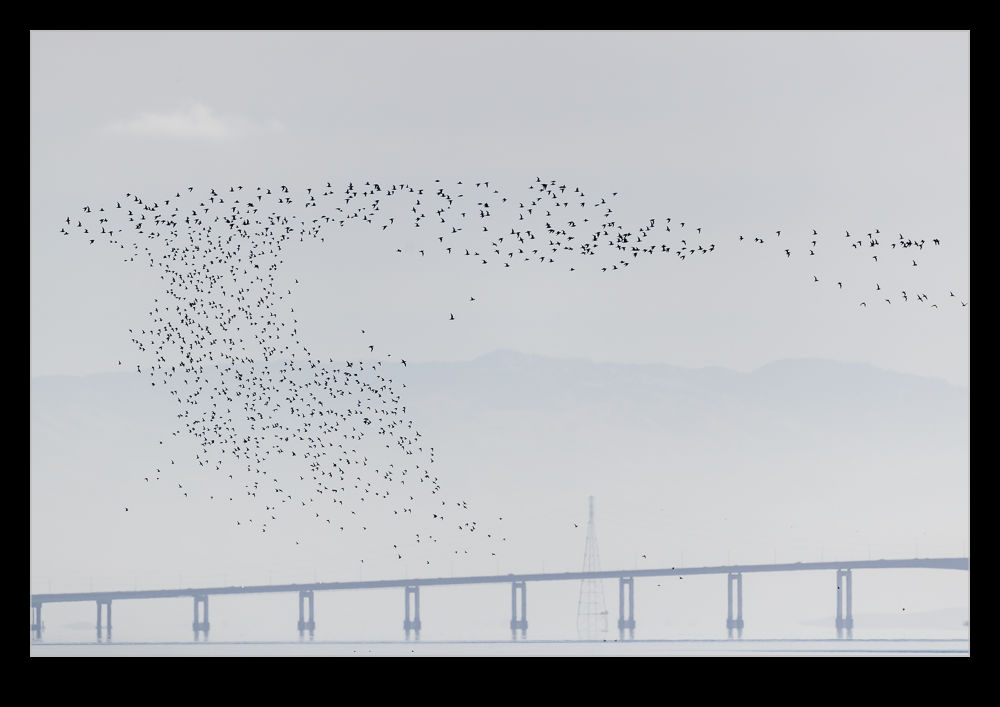
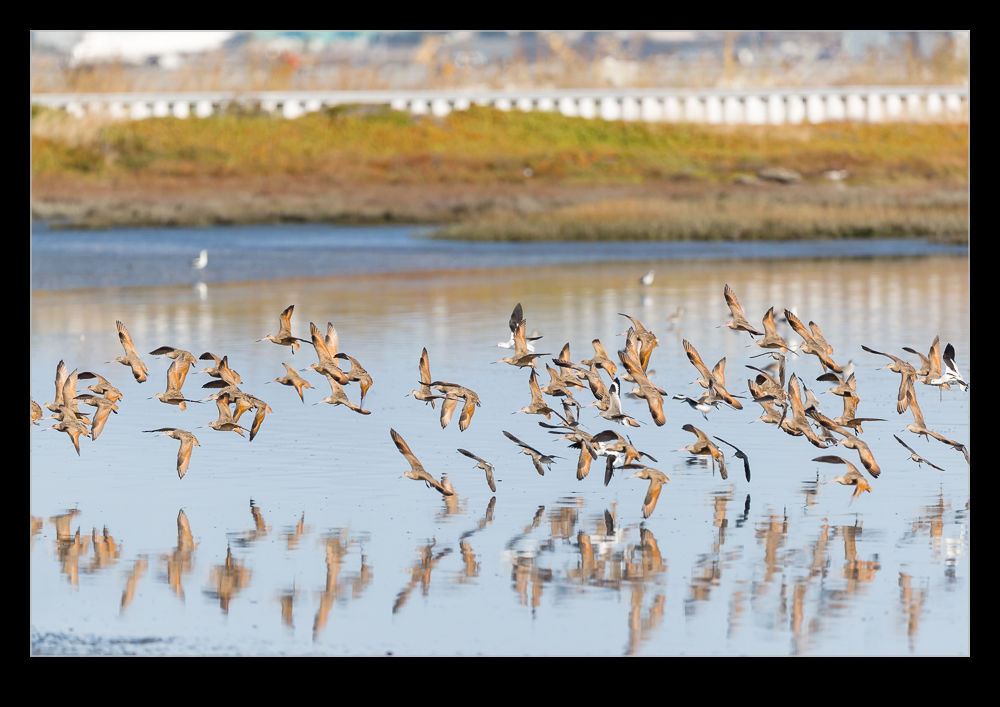
AE7I0803.jpgTerns are a pretty regular sight when hanging out by the sea.  They are prodigious fishers with a seemingly unending appetite.  They drift across the water looking down for the next snack.  Then they spot something and tuck back the wings as they hit the water hard.  I am amazed how often they will dive.  They either miss a lot or they can fly when very full.  Normally, they don’t appear to be the biggest birds around.  While I was out with Roger at Linda Mar, a tern was flying round just below us.  This was by far the largest tern I have seen.  It was a really big bird.  I am not a bird expert so this may not be unusual but we both commented on it.  A photo won’t give much impression of size sadly.  However, I assure you this thing was big.  Maybe he has been eating extra portions of fish!

AE7I0834.jpg

Sunset Shooting at SFO

AE7I2058.jpgA holiday weekend combined with an early closure of the office meant I had a bit of time to experiment with some things I wanted to try on the new cameras.  Normally I don’t want to blow out a whole evening at a weekend but, with a bit of extra time, I decided to see what I could do with shooting aircraft in sunset and really low light conditions.  There will be some other posts that look a how the cameras do in very low light/night conditions.  However, to get there, I also got some sunset to play with.

AE7I2071.jpgAt this time of year, sunset is not as good as it will be later.   The sun goes too far north late in the day so, instead of getting good light on the jets, you end up with some backlighting.  Even so, there are some good chances to get some more delicate light on the planes.  You do get a bit too much contrast as the remaining light is on the nose and the fuselage sides are pretty shady but you can get some reasonable results.

AE7I2189.jpgI was interested to see how the camera dealt with the light.  The use of exposure compensation becomes a bit variable in these conditions.  The light starts to get nicely balanced but then you can end up with more brightness in the background with less on the subject.  This can make things go a little dark.  I found myself playing with the settings quite a bit as I explored how the camera reacted.

AE7I2268.jpg

Sailing Across the Bay on a Windy Day

B11I0652.jpgPlenty of my times alongside San Francisco Bay are airplane or wildlife related.  You do get to see lots of other things on the bay, though, and on a windy day the sailing is definitely worth a look.  Having grown up in a sailing town, I do love to watch sailing, even if I never got into sailing myself.  A lot of boats were out on this day.  I don’t know whether they were racing officially or just were out testing each other but they were certainly getting some speed on.  Watching the sails full of air with the boat healing over dramatically and making good speed is really cool.

Generations of Gulfstreams

AE7I0619.jpgWhen I am shooting at a major airport, I am always pleased to get some corporate jets.  A steady stream of airliners – often from the same airline – is okay but variety spices things up and corporate jets can do that.  (NetJets and FlexJet do undermine that variety a little but not too much.)  On this occasion, I was treated to a selection of Savannah’s finest products.  They didn’t arrival in age related order but I will forgive that.

AE7I1296.jpgThe first to show up was a G650.  Top of the line for Gulfstream, this is a cool looking jet.  It is a totally clean sheet design for Gulfstream who have tended to tweak previous jets to bring new capabilities.  It looks different and has great performance.  (It is also spawning a new generation of smaller – relatively – jets that I look forward to seeing.)

AE7I1031.jpgNext were some G450s.  A previous generation but still a good performer and something that sells well.  The fuselage is clearly Gulfstream but the wings and engines and significant steps forward from their predecessors.  Not cutting edge but still something the Gulfstream thinks has appeal.

AE7I1094.jpgThe last was a G-III.  This is really going back a bit.  Not a G-IISP but not far off.  The fuselage is familiar, the wing similar but the engines are the old Speys and they have none too subtle hushkits fitted to them in order to meet current noise regulations.  This is certainly a vintage jet by corporate standards and I was pretty pleased to see one still flying.  These are often found now lurking at airports with the signs of lack of use clear to see.  Shame we didn’t have an original Gulfstream turboprop but they are rare beasts these days.

Little Lizard – Glad I Didn’t Stand on You

AE7I7305.jpgYou do need to watch where you are walking.  I was heading along a trail at Hayward Regional Park when I saw something move out of the corner of me eye.  Turns out it was a tiny little lizard.  Despite having nearly been squashed by me, he didn’t seem too perplexed.  I decided to get done on his level for some shots when he didn’t run away.  He still hung around.  I guess he liked having his photo taken.  I decided to leave him alone and continue with my walk.

AE7I7308.jpg

P-26 Peashooter

AU0E4966.jpgOne of my favorites when visiting Chino for the Planes of Fame Airshow is the Boeing P-26 Peashooter. A pre-WWII aircraft, this is the end of a generation of aircraft. Once the war started, aircraft really advanced quickly. For those that had been involved in conflict before the US actually entered the war, the aircraft had already moved on. The P-26 is a bit of a stranger in a time warp. However, the shape and technology combined with the colors make it a curious aircraft for me. Seeing it fly during the twilight show at Chino was cool and the evening light was a lot more impressive than seeing it during the day.

AU0E6149.jpgAU0E4974.jpg

Storms Over the Front Range

B11I8871.jpgWhen I arrived in Pueblo Colorado, the sun was shining and it was pretty warm.  After our second day of testing, the weather had turned a bit and, as we headed back to the town, there was some storm activity over the Front Range.  The road you drive out on is a federal facility so stopping to take pictures is not the best plan.  However, once we got back to the more populated area, I did pull over and take a few shots.  That night, there were some serious storms around us.  I saw a few over the mountains as we drove but nothing too dramatic.

B11I8876.jpg B11I8875.jpg

Embedding a Zoomify File

I have played with the Zoomify files a few times before.  Then I found a way to get a Zoomify file output in HTML5 format rather than Flash.  Since so many people are on mobile devices today and plenty of them don’t use Flash, having the new format was necessary to make the output usable widely.  I didn’t like the idea of a new page opening up though.  Taking people off your page can mean that they don’t come back.  Fortunately, I found out how to embed this in an iFrame.  Those of you that are web savvy will know all about this stuff but I didn’t.  However, messing around with some page code and suddenly my stuff is embedded in the page above.  Pretty cool.  Feel free to zoom and pan around the Nellis flightline!

High ISO Raw File Size

On my previous camera bodies I had occasionally shot at very high ISO settings as a result of the lack of light.  I had not paid a huge amount of attention to any secondary effects of doing so.  My current cameras had a work out in some very low light when I decided to test them in some rather unfriendly conditions.  When I was at home, I was running some disc backups and I found I could not get the normal number of files onto a single disc.  A quick bit of investigation and I could see why.  The high ISO shots had a significant increase in file size.  As I understand it, RAW files, while containing all of the data from the sensor, do have an amount of compression applied.  I imagine that the noise inherent in high ISO shots means that the compression is less effective as there is so much variation across pixels.  As an example, a shot at ISO 320 will average at about 22Mb.  The shots at ISO 51,200 are coming in at over 30Mb.  At ISO 204,000, the files can hit 40Mb. That is quite an increase!  Something to keep in mind when planning to shoot in very low light conditions.

Can 700mm Reach Into the Cockpit?

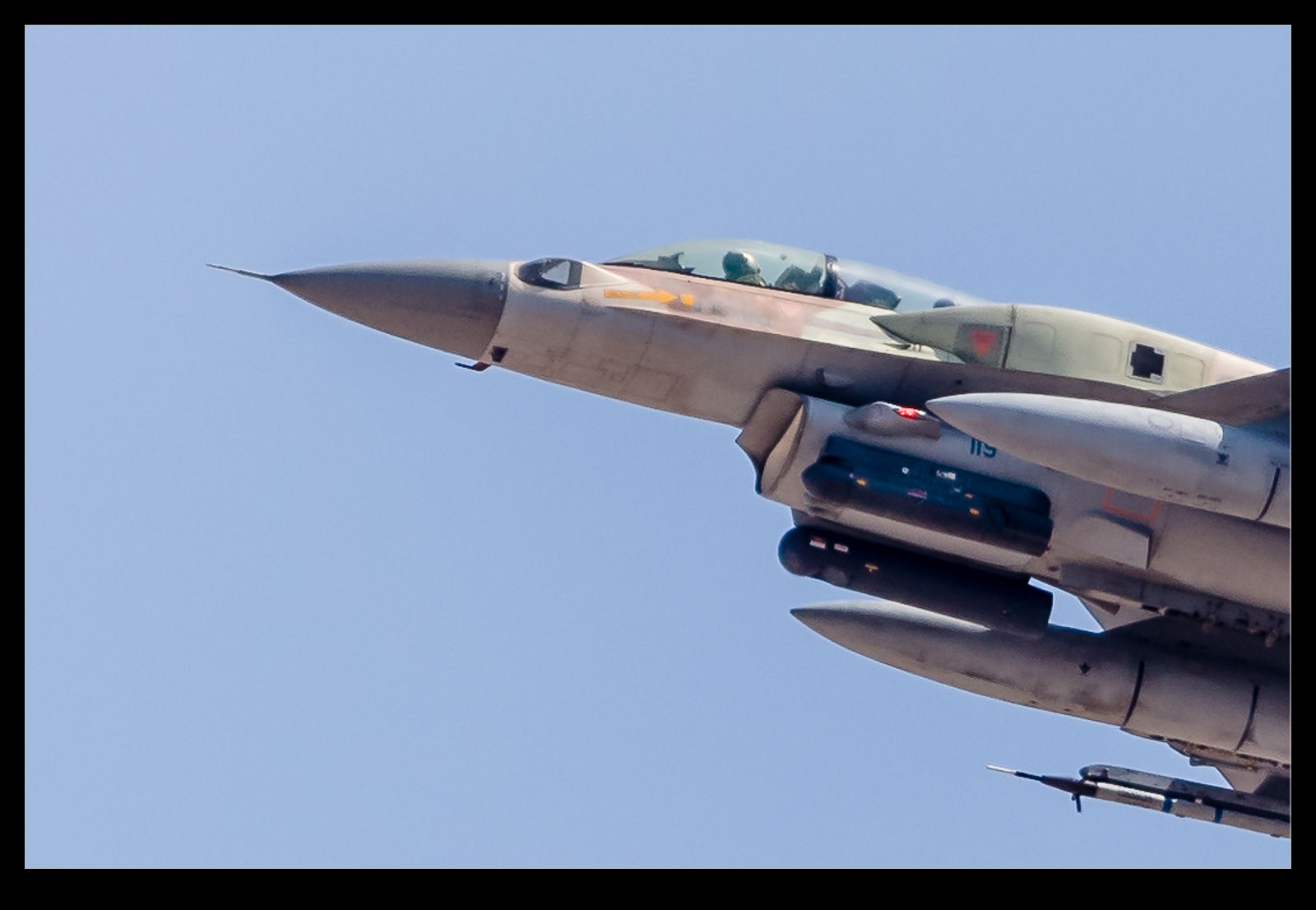
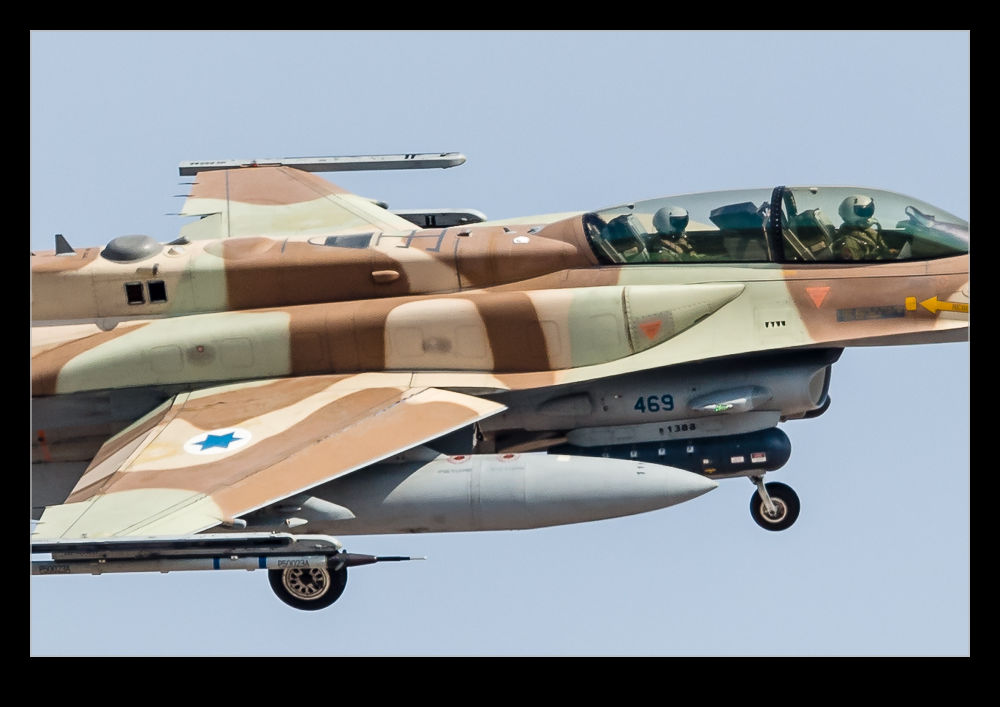
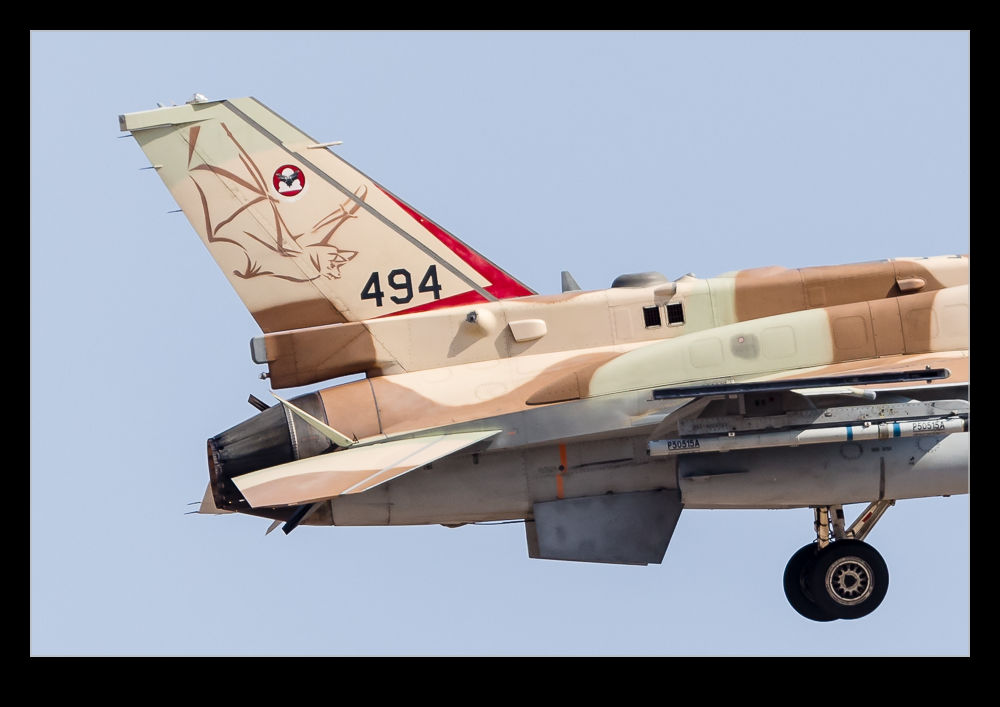
B11I5499.jpgSince changing camera bodies to something that is full frame, one of the things I have been pondering is what I will notice about the reduced reach that I will get with my current lenses.  Obviously there will be a change.  So far it has only really resulted in me changing when I press the shutter since I still work based on what I see through the viewfinder.  While we were out on the range at Hawgsmoke, the jets would carry out a strafing run and then pull towards the range tower where we were located.  Sometimes they would be really close.

B11I5161.jpgI had decided to try putting a 1.4x tele convertor on the 500mm to compensate for the larger sensor size.  This worked well for a number of the shots but, when the jets pulled overhead, it was a touch too much!  These shots are not cropped.  They are really that close and you can see exactly what is in the cockpit.

B11I5392.jpg B11I4686.jpg