Category Archives: Travel

Deception Pass

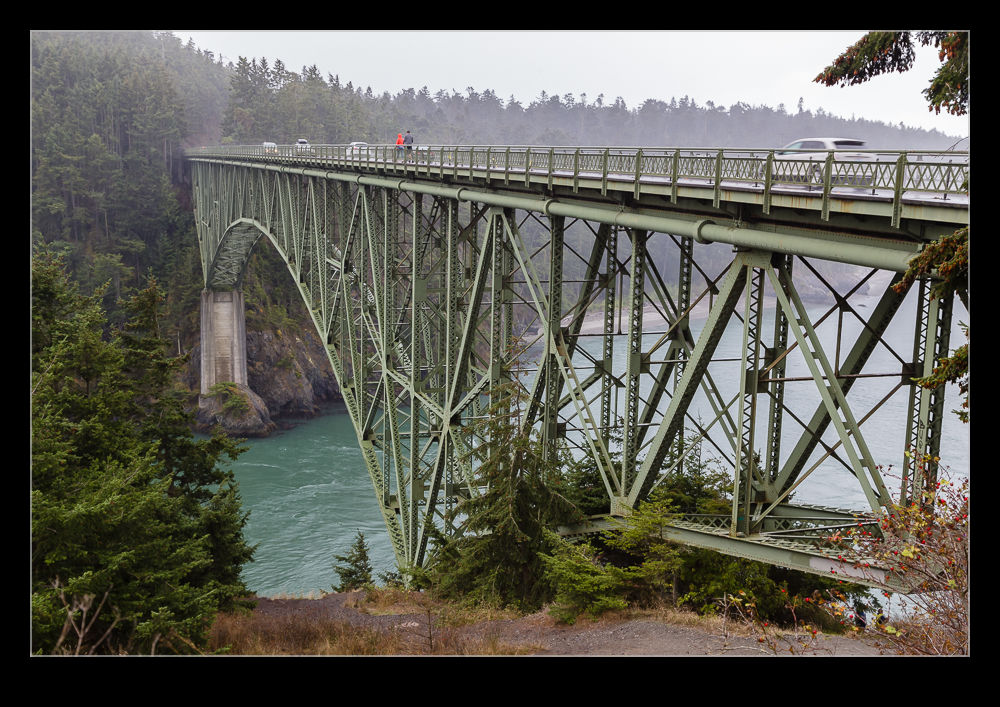
B11I8365.jpgWe made a transit from one location to another that involved two ferries.  It was necessary to drive across Whidbey Island to get from one to the other and, aside from the weather meaning there was no action at the Naval Air Station for me to see, it also meant that we would cross Deception Pass.  I had no idea about this pass before we drive over it.  As we did so, we could see that it was a pretty dramatic spot so we quickly turned around and parked up.
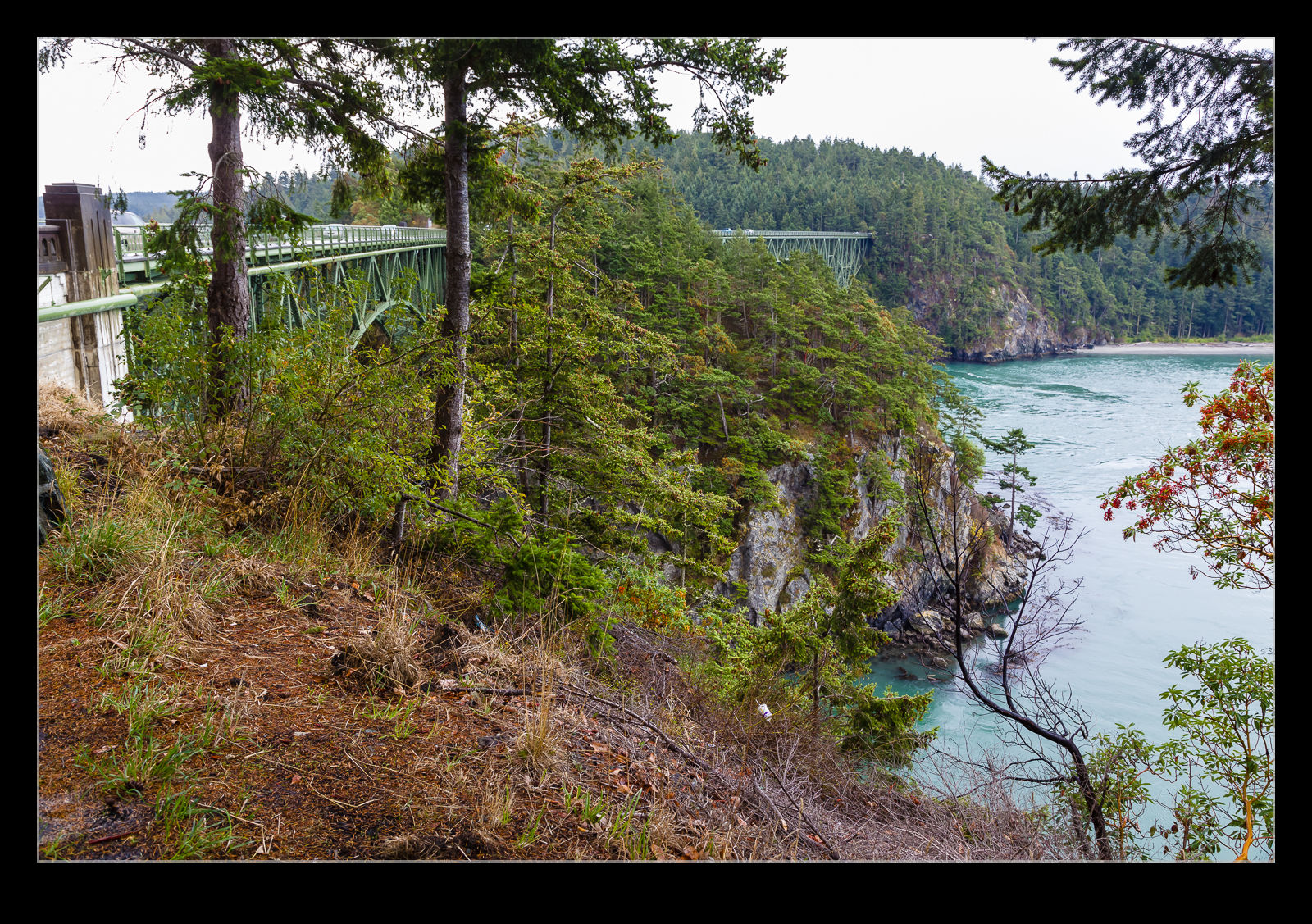
B11I8375.jpgI decided to cross the first bridge to get to the viewing area in the middle.  It was raining quite hard but it seemed like it was worth getting wet for.  What I hadn’t thought about was my queasiness with heights.  While I have no issue with flying and I’m quite happy to sit in the open door of a helicopter while photographing something, I do have an issue with heights in certain circumstances.  Walking across high bridges while very close to the edge is one of those.  This bridge has a sidewalk but it is not wide and you have traffic very close so you don’t have much scope for staying away from the railings.
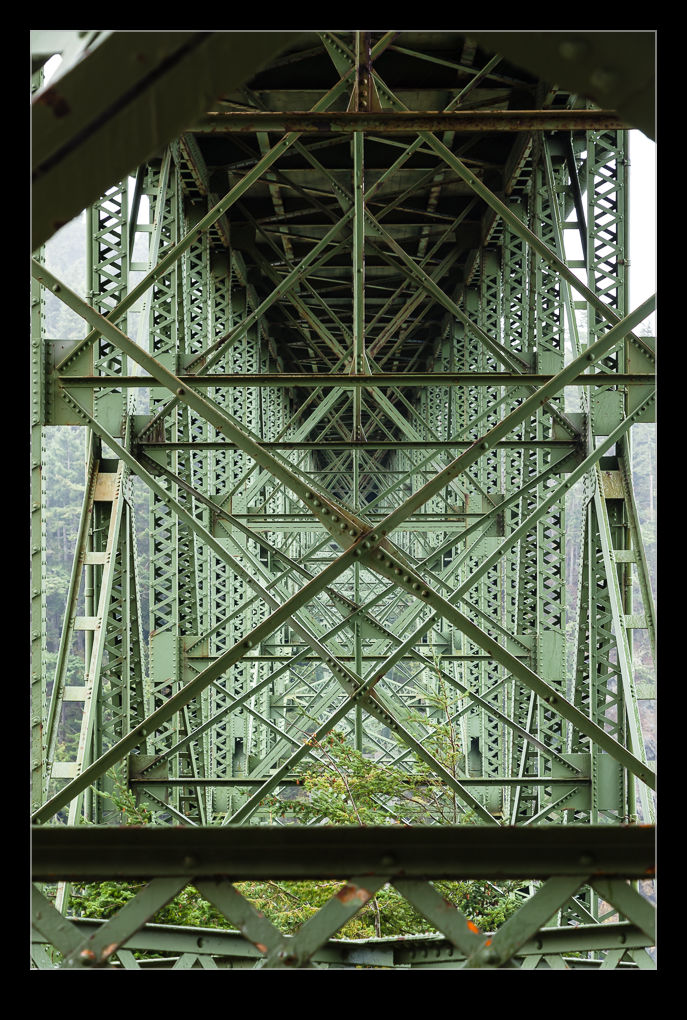
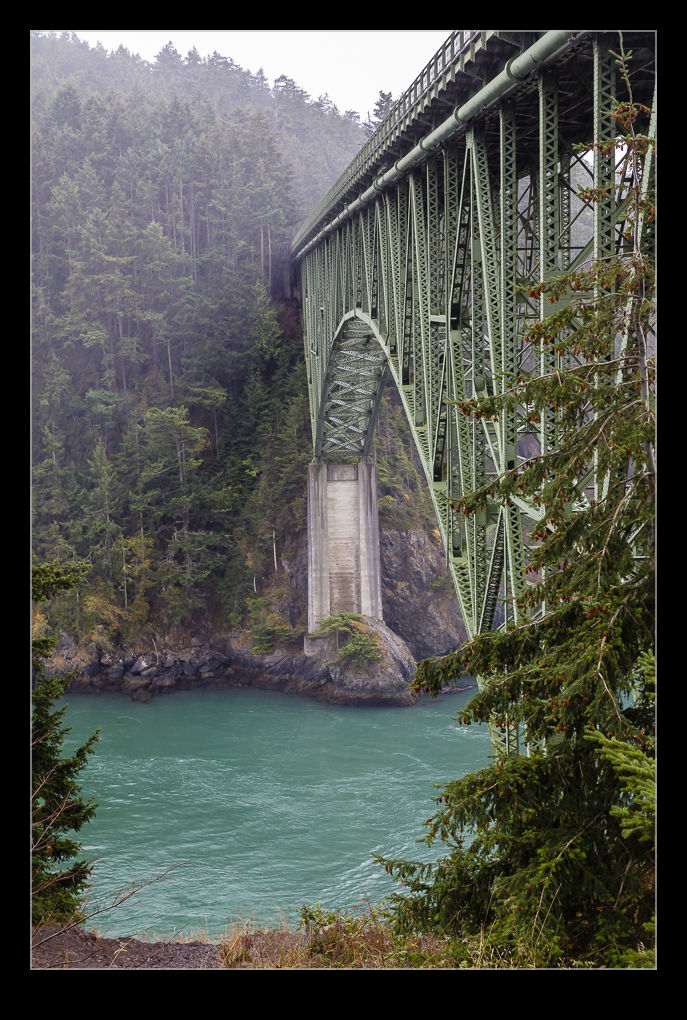
B11I8362.jpgMy logical mind knows there is nothing wrong and that I am not going to spontaneously flip over the railing but that doesn’t stop me feeling very uncomfortable.  However, just like being on the top of high buildings in Chicago for photo shoots, if I want to get the shot, I am going to have to suck it up.  It was worth it.  The viewing areas in the middle provide some great looks at the structure and the colors of the bridge were enhanced by being so wet.  The water below certainly looked turbulent and I can imagine how happy everyone was when the bridge was originally built.
B11I8371.jpg

Disappearing Glaciers

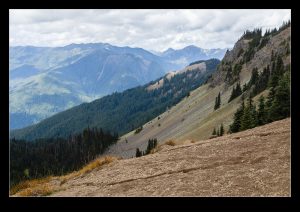
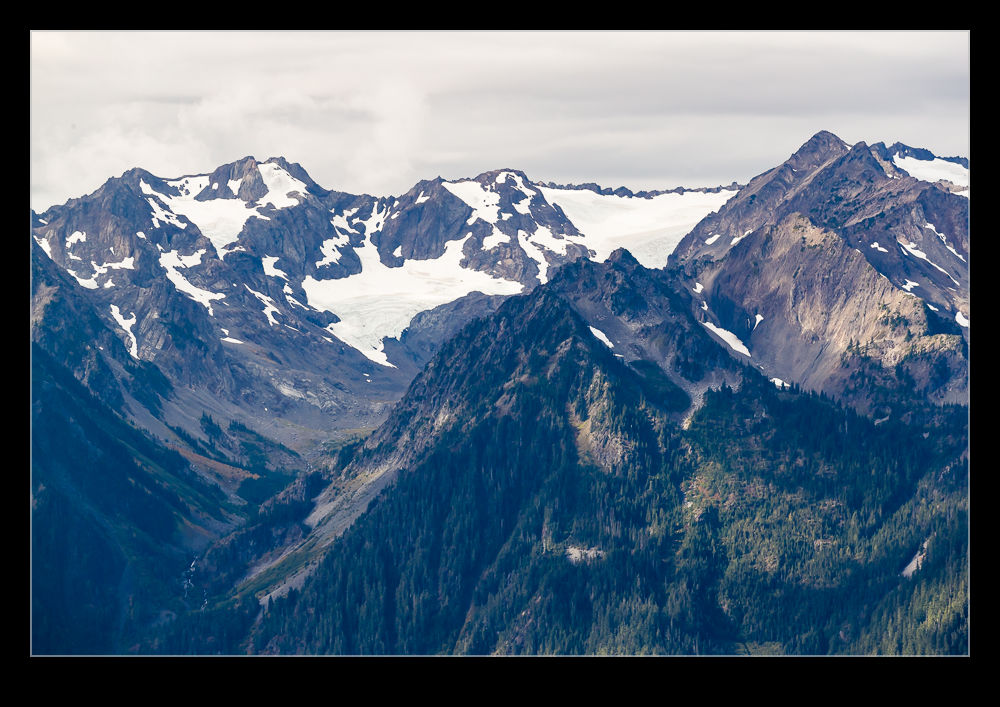
AE7I9530.jpgFrom Hurricane Ridge, you get a great view of the surrounding mountains of the Olympics.  September obviously is not the time to see the snow on most of the mountains but there are some glaciers on some of the peaks.  However, it appears like they are in retreat.  Photos on the display boards near the visitors’ center show the extent of the glaciers in previous decades and they have retreated a long way.  If they don’t slow down (and usually this accelerates), they will be gone before too long.  We saw them but it seems plenty won’t get the chance.
Climb to the Top of Hurricane Hill

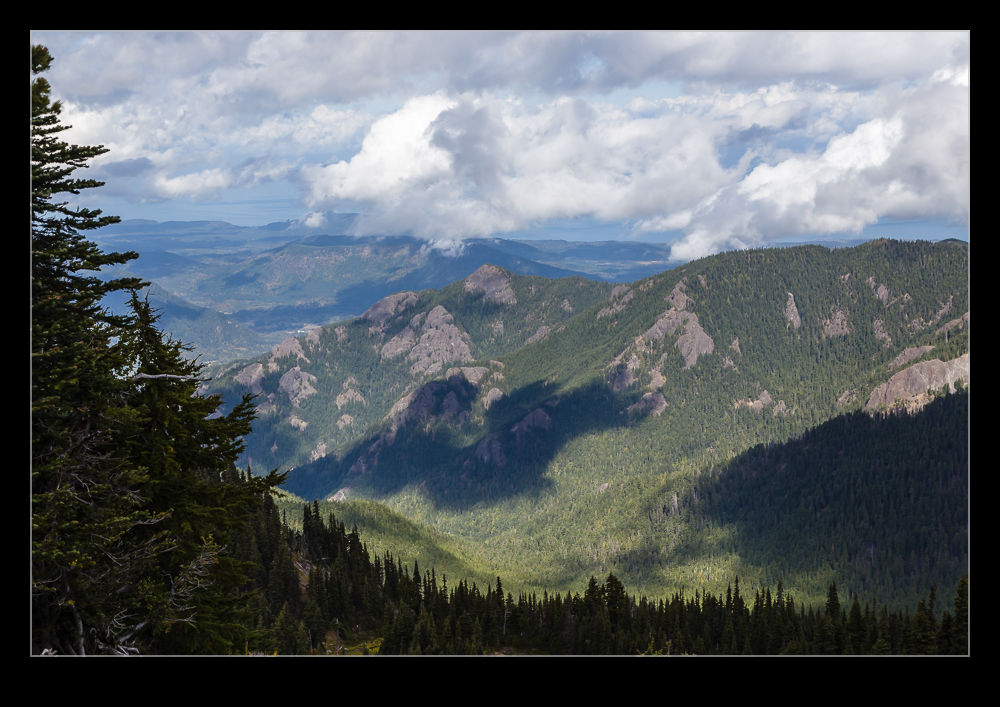
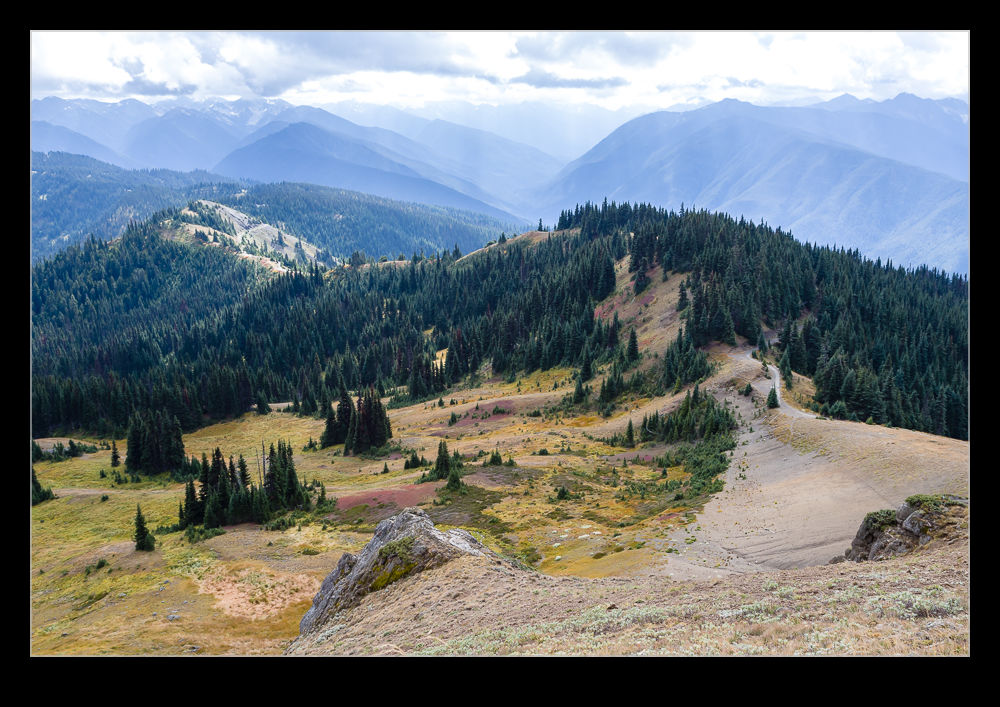
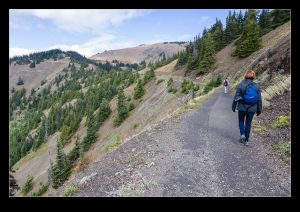
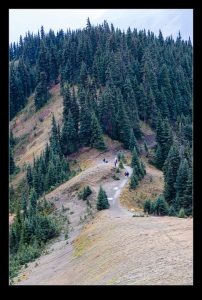
B11I8118.jpgHurricane Ridge is a popular place to visit but go a bit further along and you come to the trailhead for the climb to Hurricane Hill.  We felt up for a bit of hiking.  The hike is not terribly long but it has two elements to consider.  One is a fair bit of climbing with some reasonably steep grades.  The other is that you are quite high so the air is noticeably thinner.  That is a great excuse for taking things at a steady pace.  It isn’t me, it is the altitude!

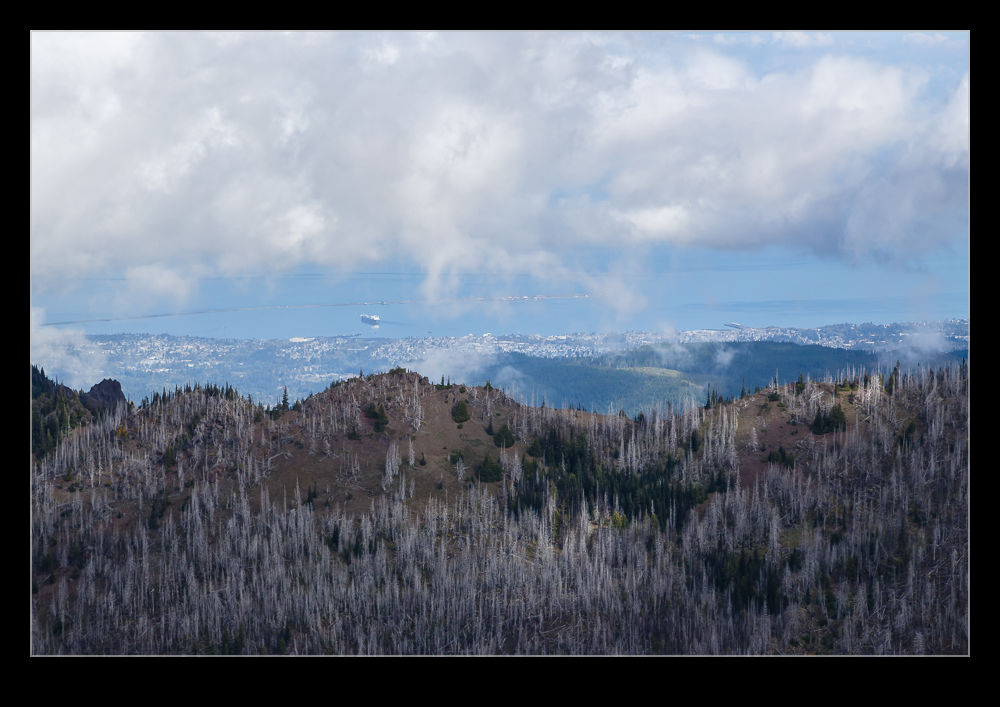
B11I8122.jpgIt certainly is a popular trail.  Plenty of people passed us as we were going up and coming back down.  The views as you climb get better and better.  Some wildlife shows up as well.  We saw a marmot at one point.  It only lives between certain elevations so this was the only place we were going to catch it.  Once you get to the top, you have a view down to the coast.  Port Angeles lay beneath us and you could see over to the islands in the distance although the view was a little obscured by the haze.  The trip back down was okay but walking downhill is something I don’t enjoy if it is steep.  Climbing may be tiring but I find it less hard on the knees.  This wasn’t too bad though.  You stop less on the way back down since you have seen all of the views on the way up when you were more than happy to pause (only for the photo – not tired at all).

B11I8138.jpg

Hurricane Ridge Deer

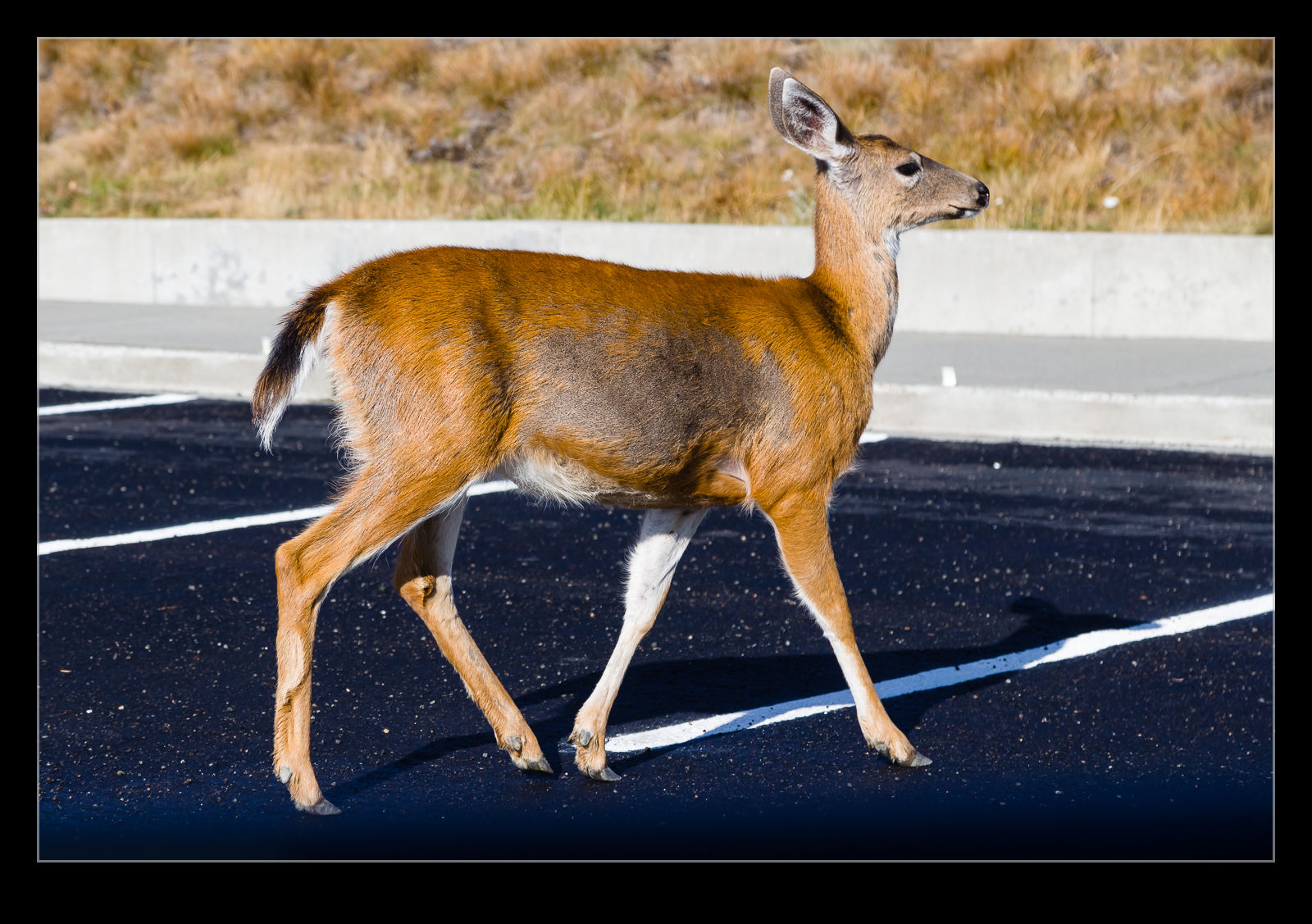
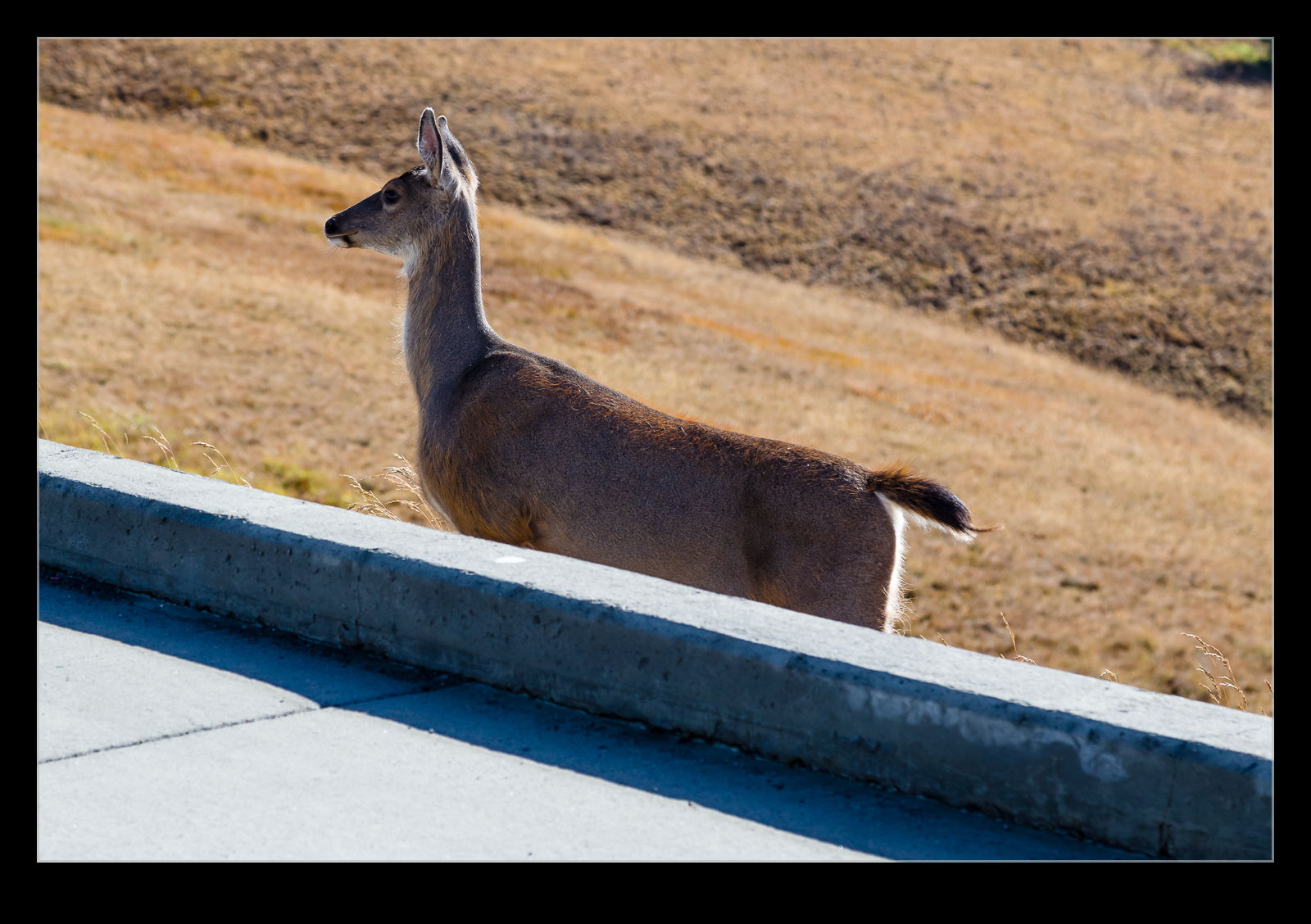
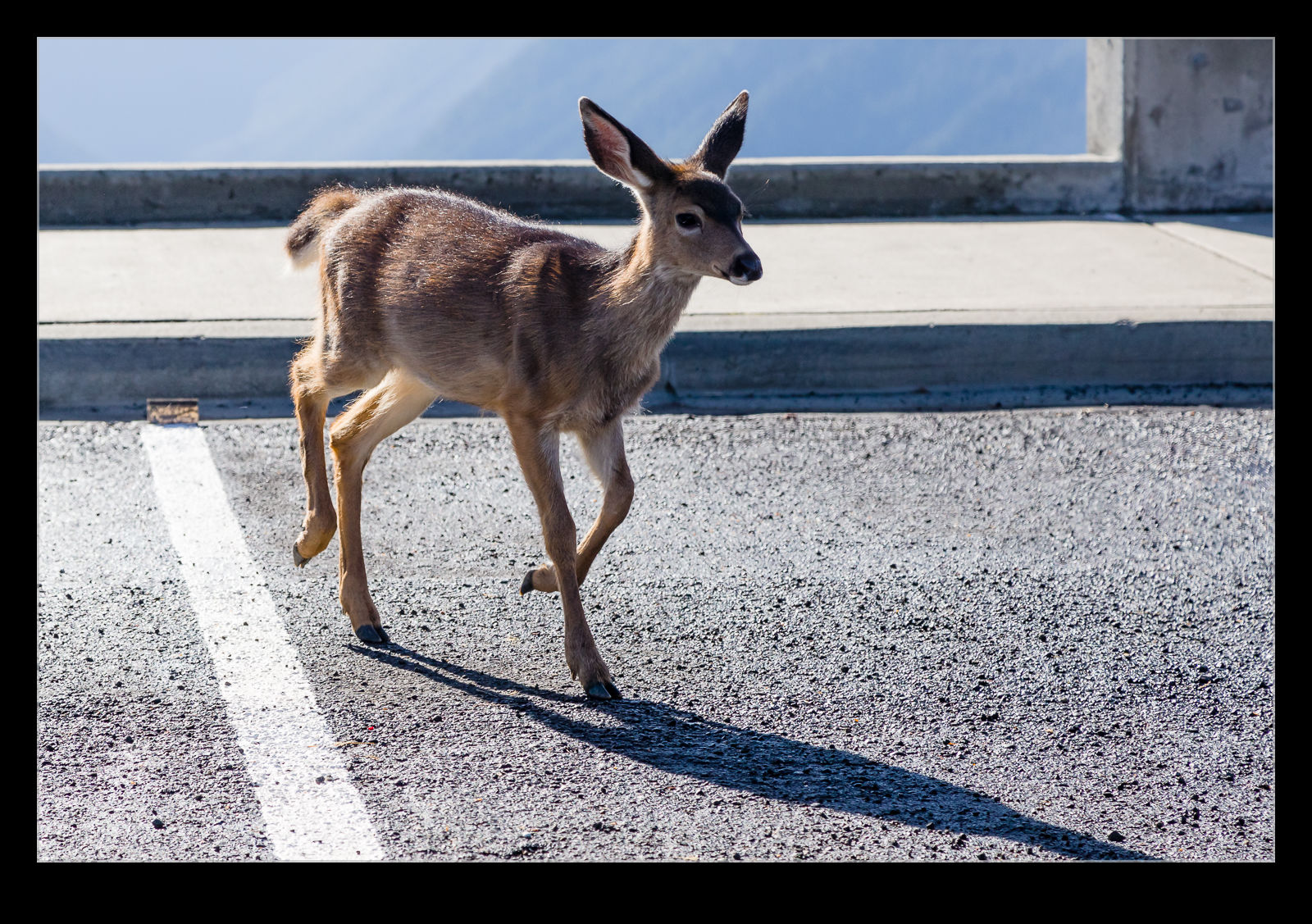
B11I8069.jpgPlanning our time in the Olympics meant checking the weather forecast.  We wanted to go up to Hurricane Ridge but doing so on a day that was forecast for rain was not going to be very good idea.  However, one of our days was showing clear skies so we headed up the mountains.  The forecast was not wrong.  The weather was great and there were plenty of nice overlooks to check out on the way up.  Once we got to the top, I was turning in to park when I saw some people stopped ahead of me.  Turns out that there are a bunch of deer that hang around up on the ridge and they don’t seem in the least bit bothered by the presence of people.  One was looking to come through the parking space I was planning on using.  I waited until it decided it was ready to move and then we parked the car.  It headed off to join its family.

B11I8072.jpg B11I8067.jpg

Pinal Air Park

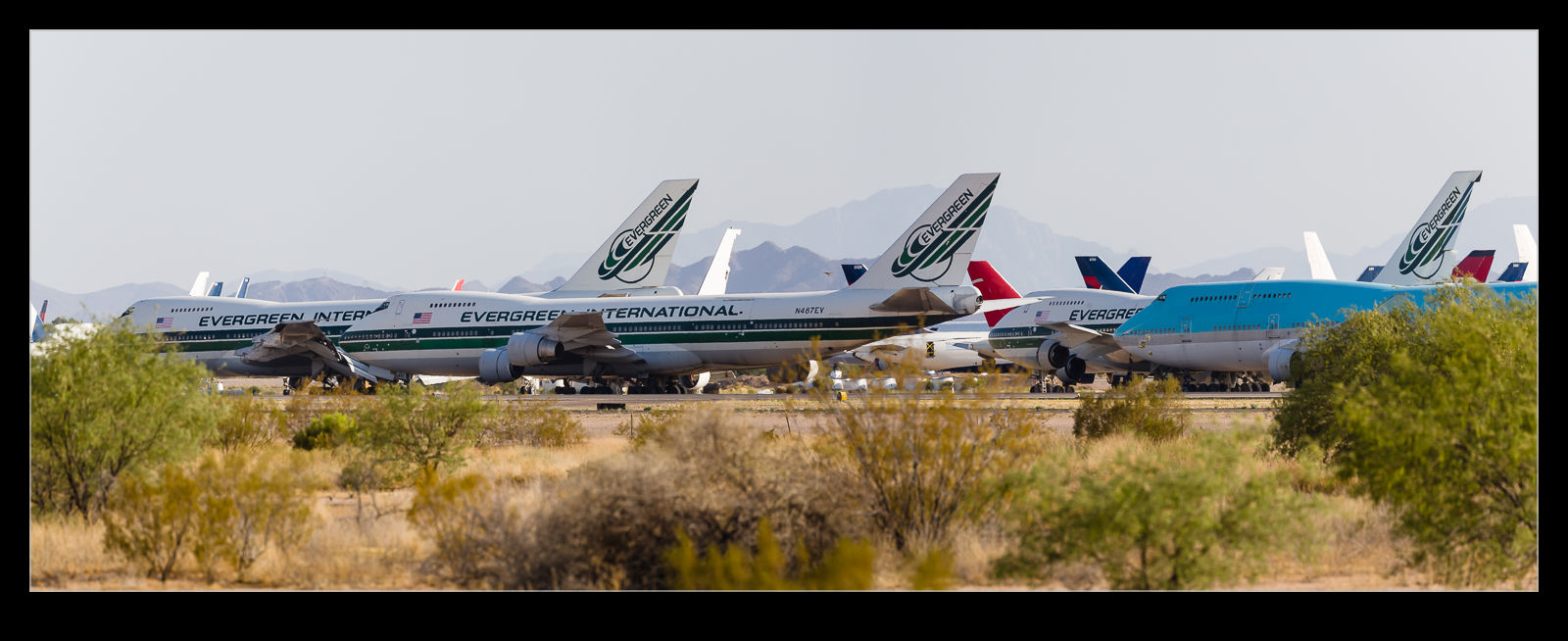
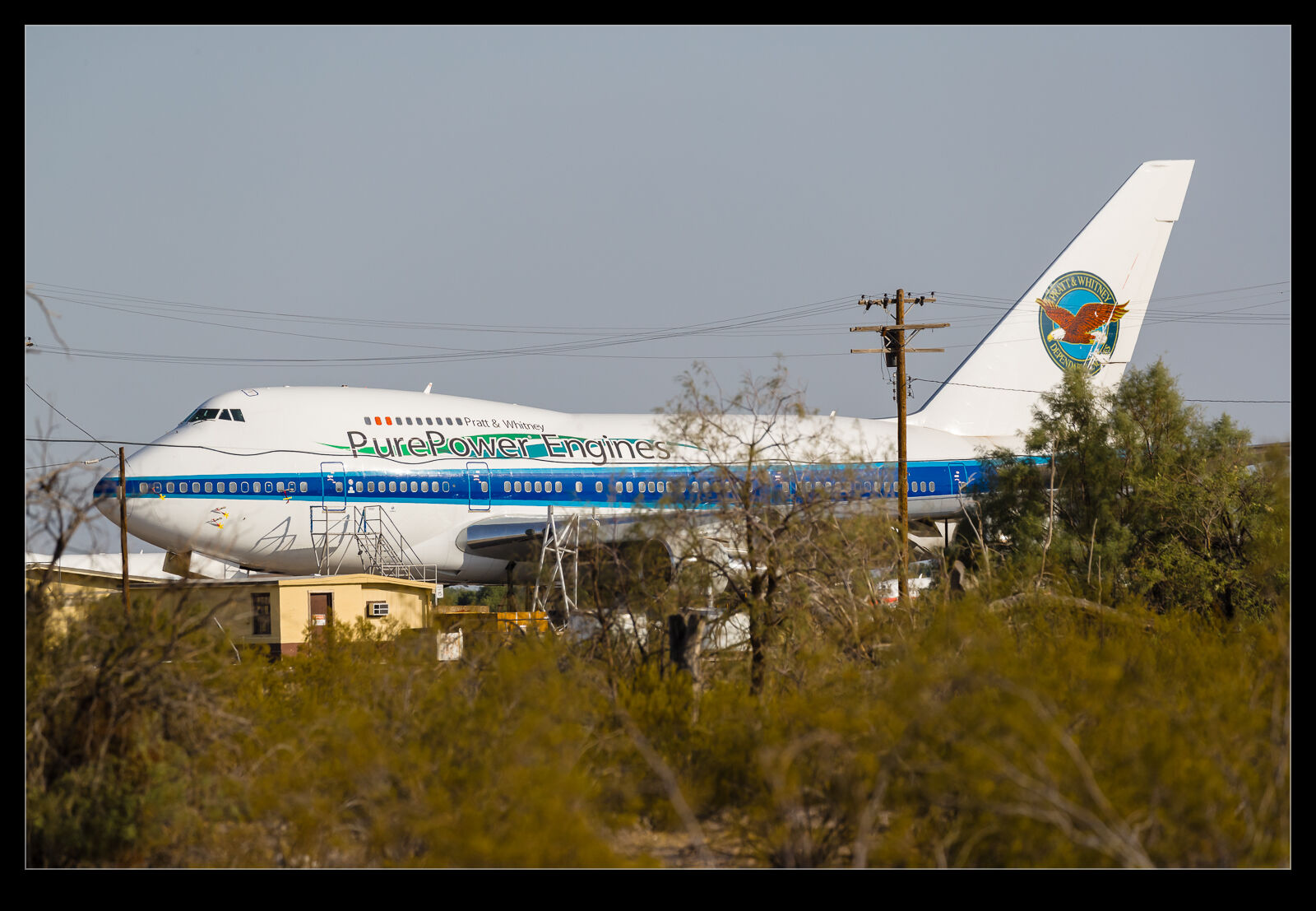
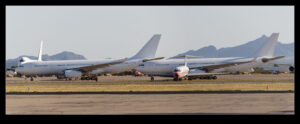
AE7I6148-Pano.jpgPinal Air Park is located northwest of Tucson.  A number of business operate there.  It used to be a location for Evergreen International.  They carried out a number of programs of a spooky nature which meant there was strict security controlling access to the area.  Evergreen have gone bust so now the airport is a lot less restricted.  The hangars and ramp areas are still controlled but the roads around the field are now freely accessible.

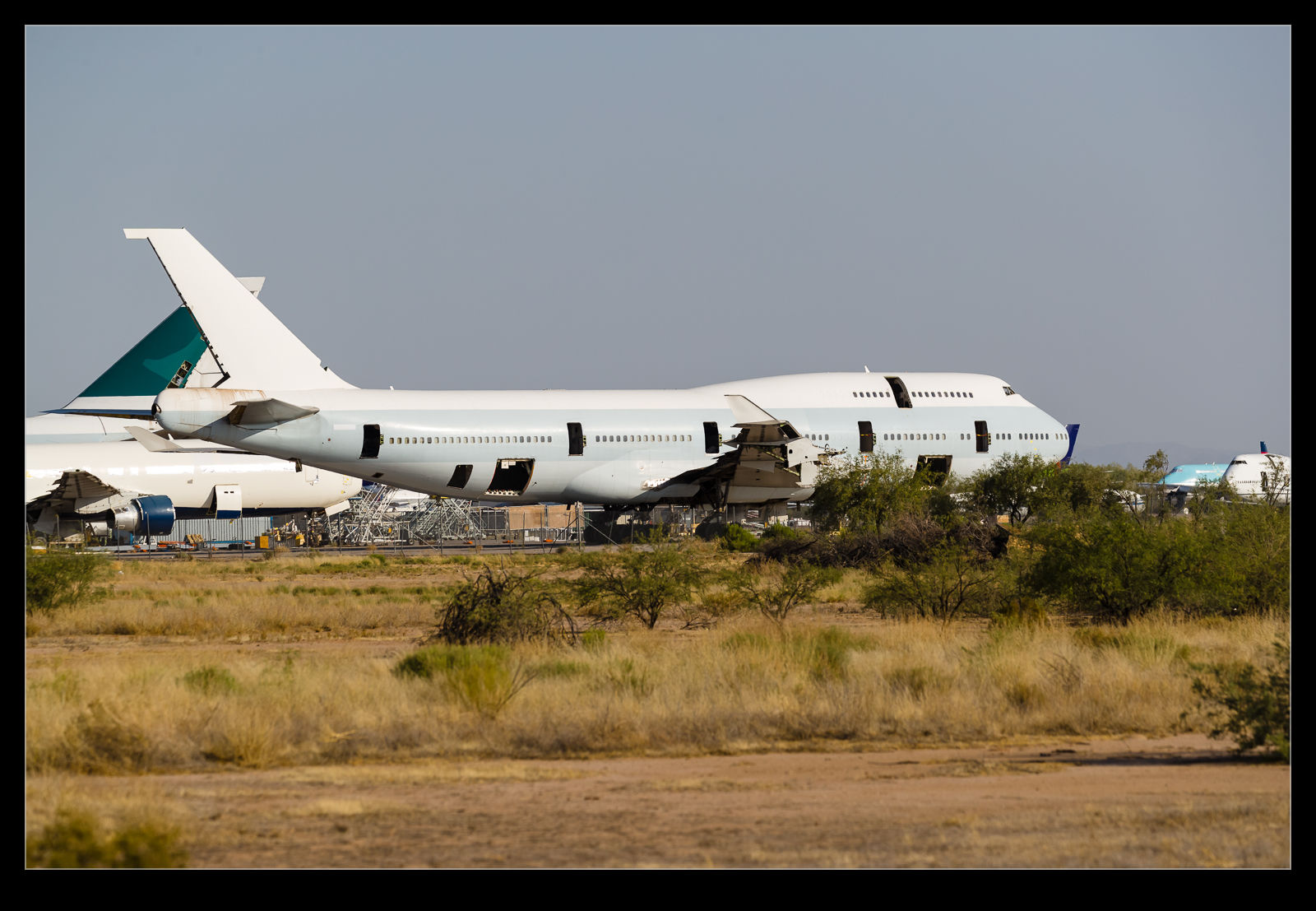
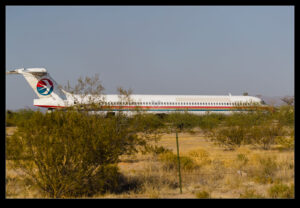
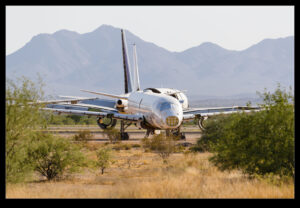
AE7I6139.jpgThe airport is used for active operators but also for storage of airframes.  Some of these are planes that are clearly not going to be making it back into the air again.  They are either old enough to not be in demand or of a type that has more value in the spare parts they contain than as a complete airframe.  That isn’t the case for all of them though.  Many of them are stored awaiting another operator finding a use for them.  Consequently, you see a variety of aircraft from old TWA 747s to unmarked A330s.

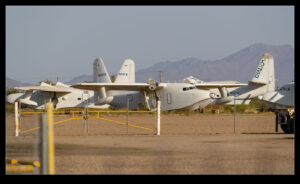
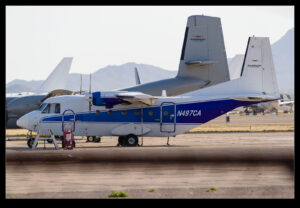
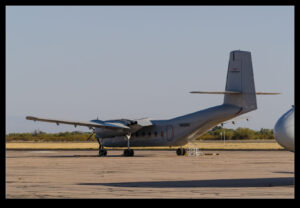
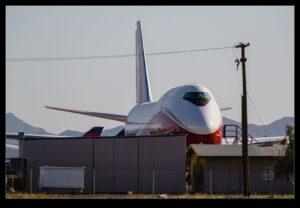
AE7I6150.jpgWhile I was there, a Pratt and Whitney 747SP engine testbed was visible on one ramp while the Global Supertanker 747-400 was not far away.  There were also some stored Grumman Goose aircraft (should that be Geese?) that looked like they weren’t moving for a while.  A turbine Caribou was on the ramp obscured by a CASA 212.  Plenty of variety.  This would certainly be a fun place to tour with someone that has good access.

Hoh Rain Forest

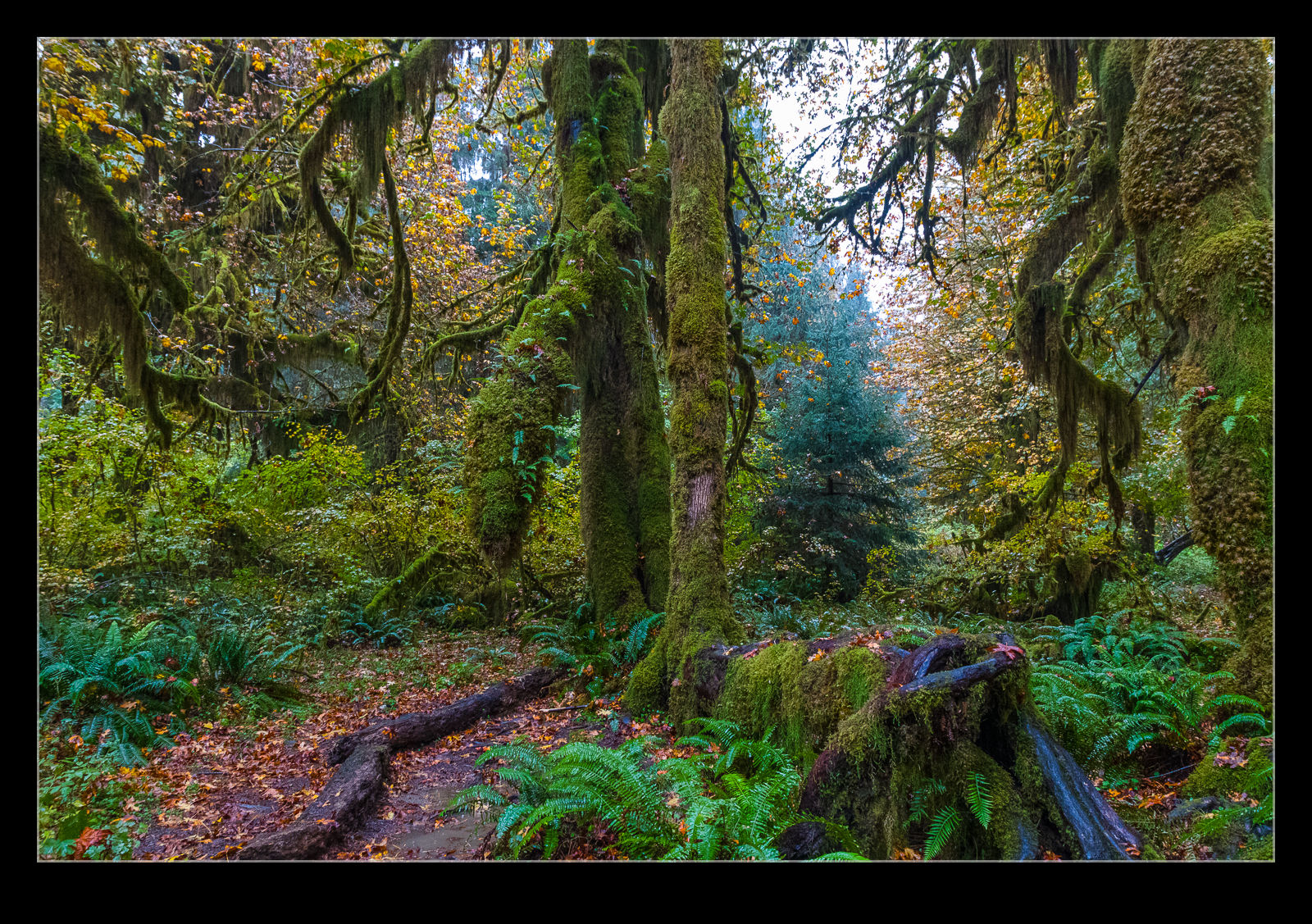
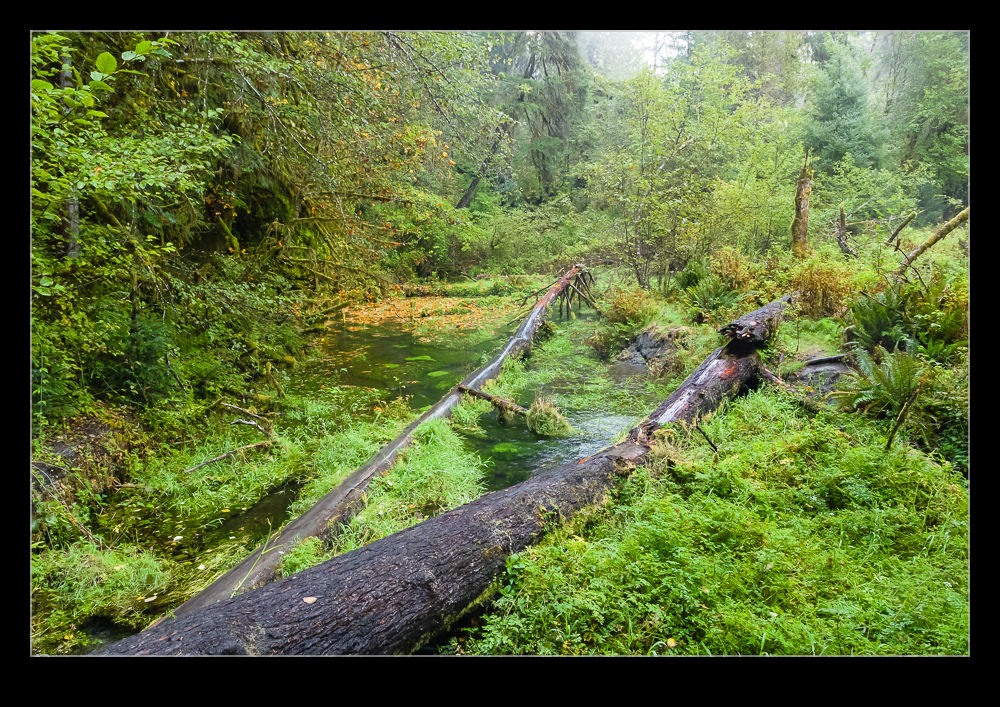
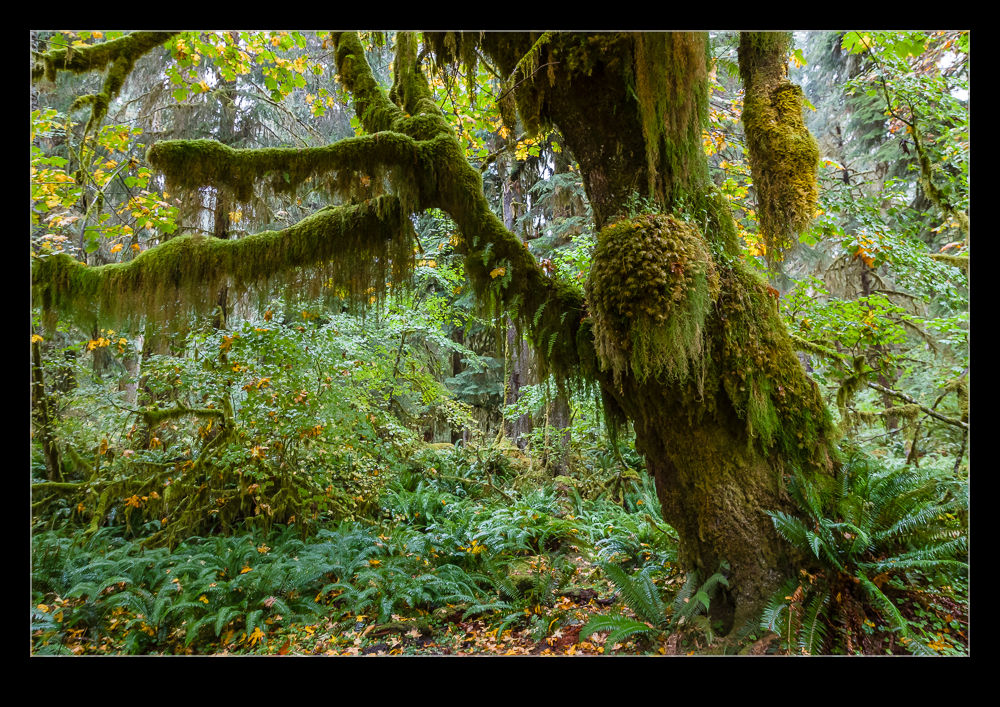
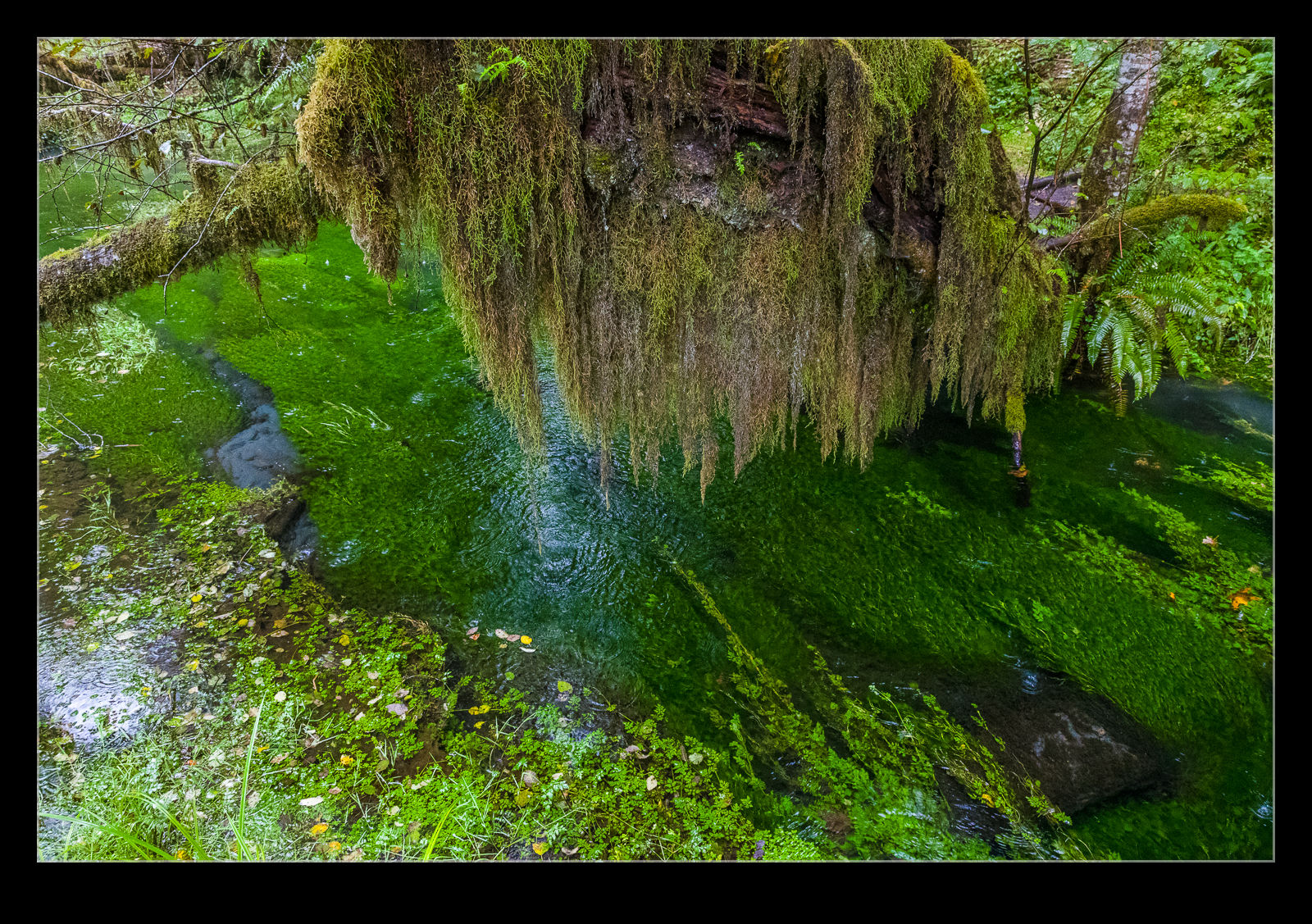
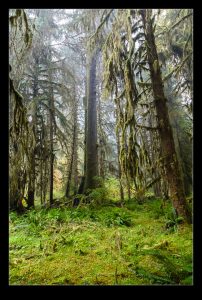
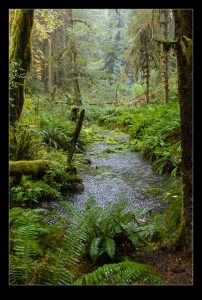
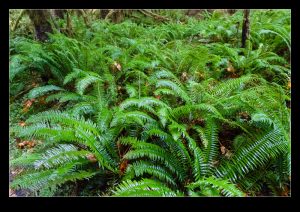
B11I7961.jpgIt rained when we went to the rainforest.  What a shocker!  Of course, it really added to the atmosphere.  However, there is a limit to how much atmosphere you really need.  Most of the time, we were doing just fine though.  The Hoh Rain Forest is in the Olympics National Park and it is certainly worth the drive to get to.  The growth of the plants in such a damp environment is impressive.  Ferns that are huge, trees that dwarf everything, decaying material on the ground that is being recycled back into the ecosystem.  It is all there to see.  Seeing it when it is lush and damp is how it is supposed to be seen.

B11I7941.jpgYou do occasionally find yourself popping out of the vegetation and alongside a river.  This comes as something of a shock after being immersed in the forest.  The surrounding hills were shrouded in cloud since this is an area that takes a lot of the moisture out of the air coming off the ocean (and what results in the nice weather on the Gulf Islands that lie in its shadow).  The clouds really add to the sense of the place.

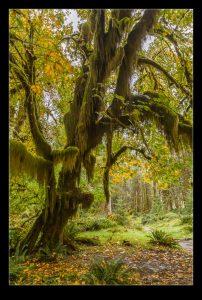
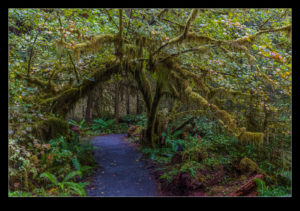
B11I7880.jpgWe headed back into the forest and took a loop trail through the Hall of Mosses.  The title might not be one that immediately makes you think you have to see this but I assure you it was quite a place to be.  Everything felt like it was glowing.  So much moss was hanging all over the forest and the dampness made the colors so much more vibrant.  It really did cause you to stop and stare.  Many people came through while we were there and they all seemed to have the same response.  It was quite something.  Shortly after this, the rain turned from steady into rather more persistent.  By the time we got back to the car, our coats had done their work but everything else was pretty saturated.  The drive back gave us plenty of time for the heater to do some drying!

B11I7940.jpg

Old Style Hotel in Pueblo

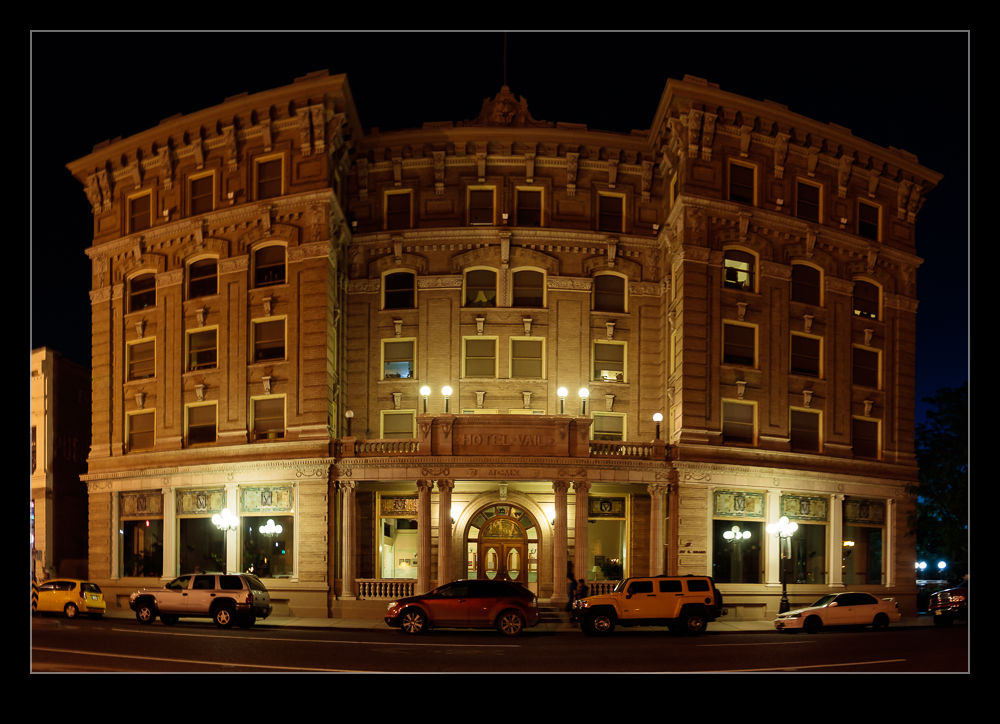
B11I8786-Pano.jpgBefore the days of the big hotel chains, towns and cities used to have local hotels.  These were in the heart of the city and dealt with travelers passing through or staying for a while.  The level of comfort was a function of what you were able to pay but the nicer ones were pretty grand looking structures.  If a city has enough traffic, places like this can still survive.  They often go way upmarket to justify choosing somewhere different.  Otherwise, they have tended to wither away.  The buildings can live on though.  The Vail Hotel in Pueblo now appears to have been converted for other uses.  Some things seem to suggest it is still a hotel but I wasn’t able to verify this.  Whatever the use now, a cool looking place has survived.  So many of its like have been demolished over the years so it is nice to see that it is still being taken care of.

I Can Hear You Coming

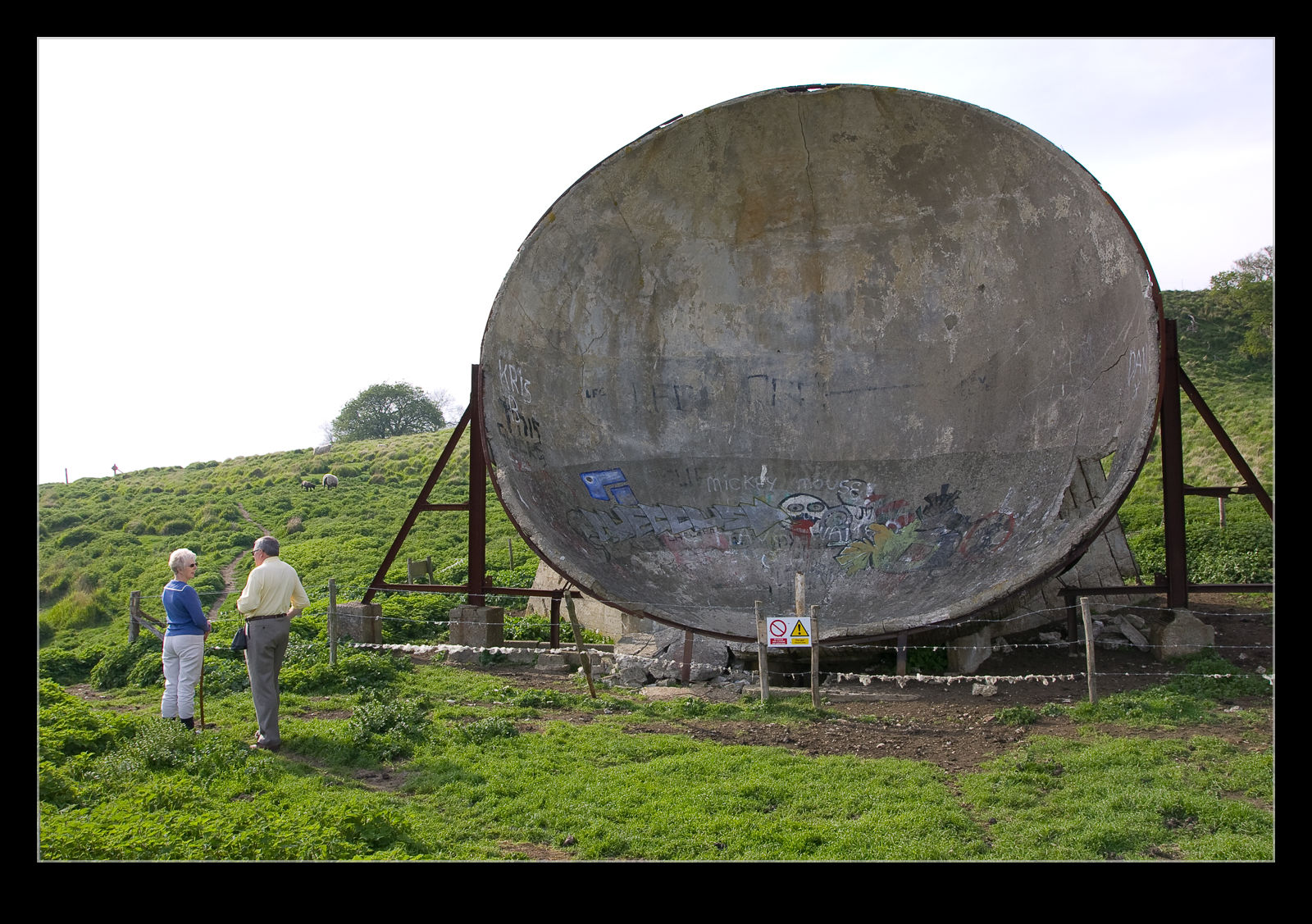
CRW_0313.jpgIn the days before radar, there were other techniques that were used for trying to detect inbound enemy aircraft.  One of them was the use of sound.  Dotted along the southeast coast of the U.K. are a number of locations with devices for focusing sound.  One of them is located in the hills above Hythe.  This is one of the simpler forms that were used.  Despite the age, the contract structure is still in good shape.  With the introduction of radar, these sites were redundant but they do provide an insight into the trying of any idea to gain an advantage in another era.

Storms Over the Front Range

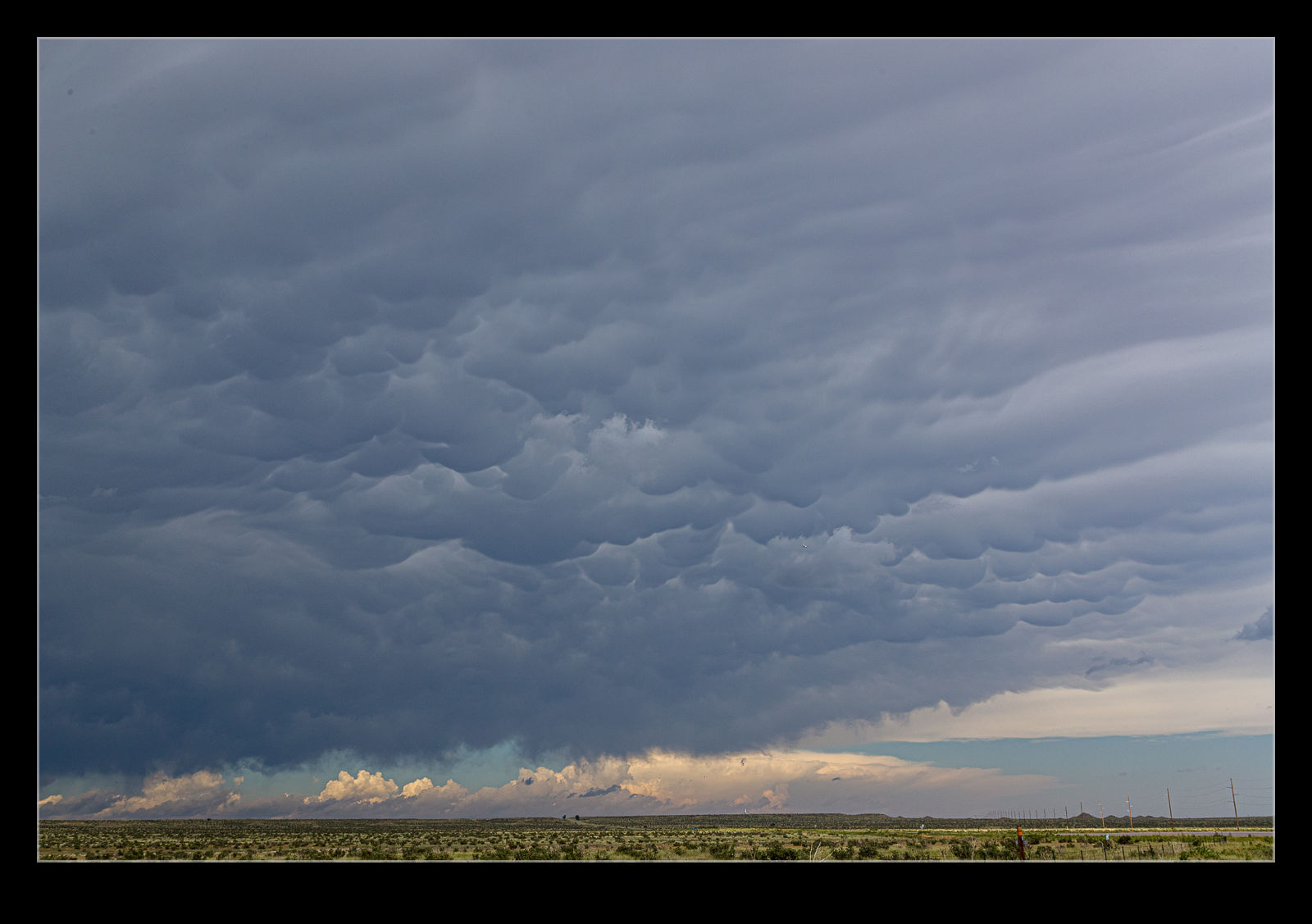
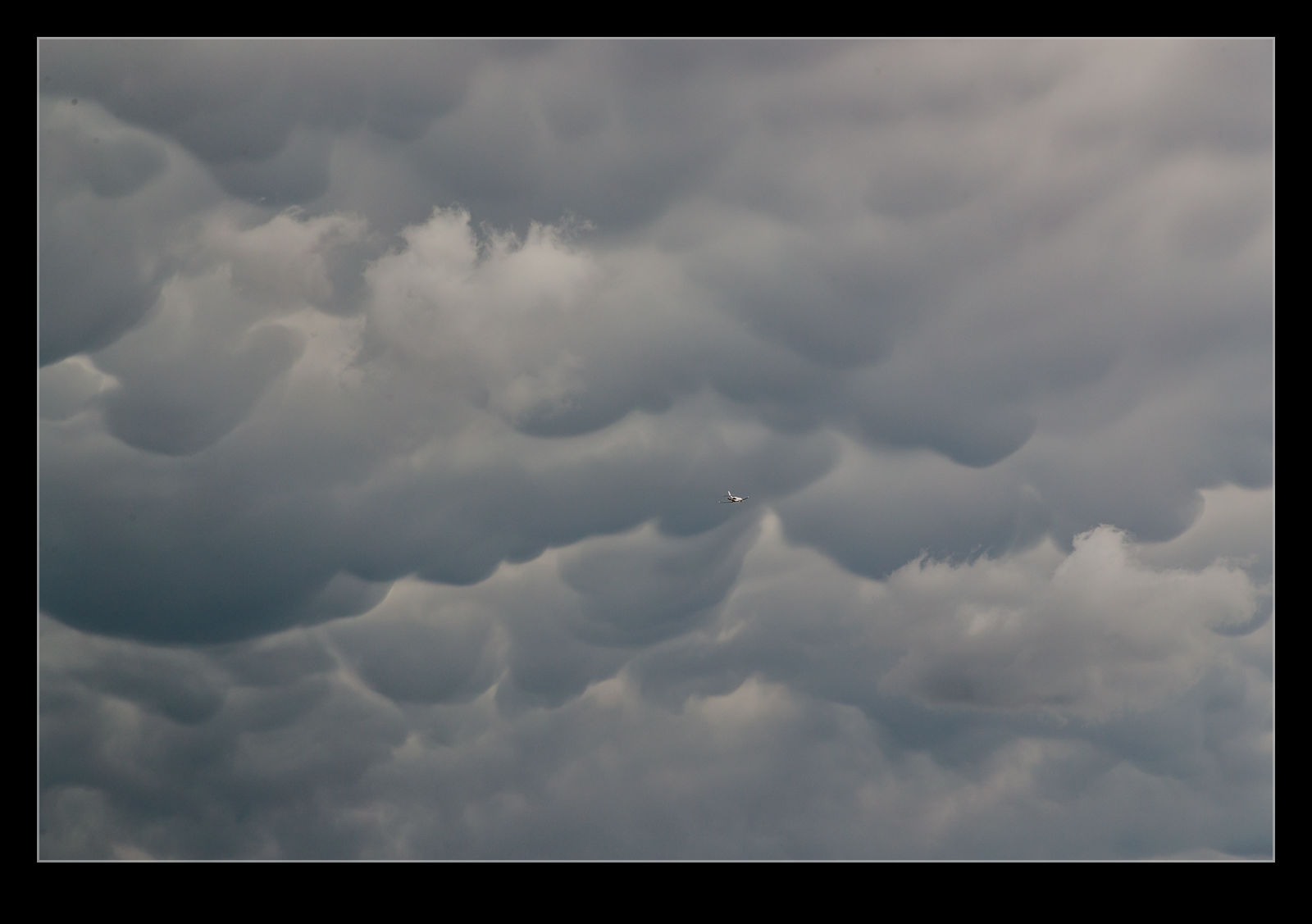
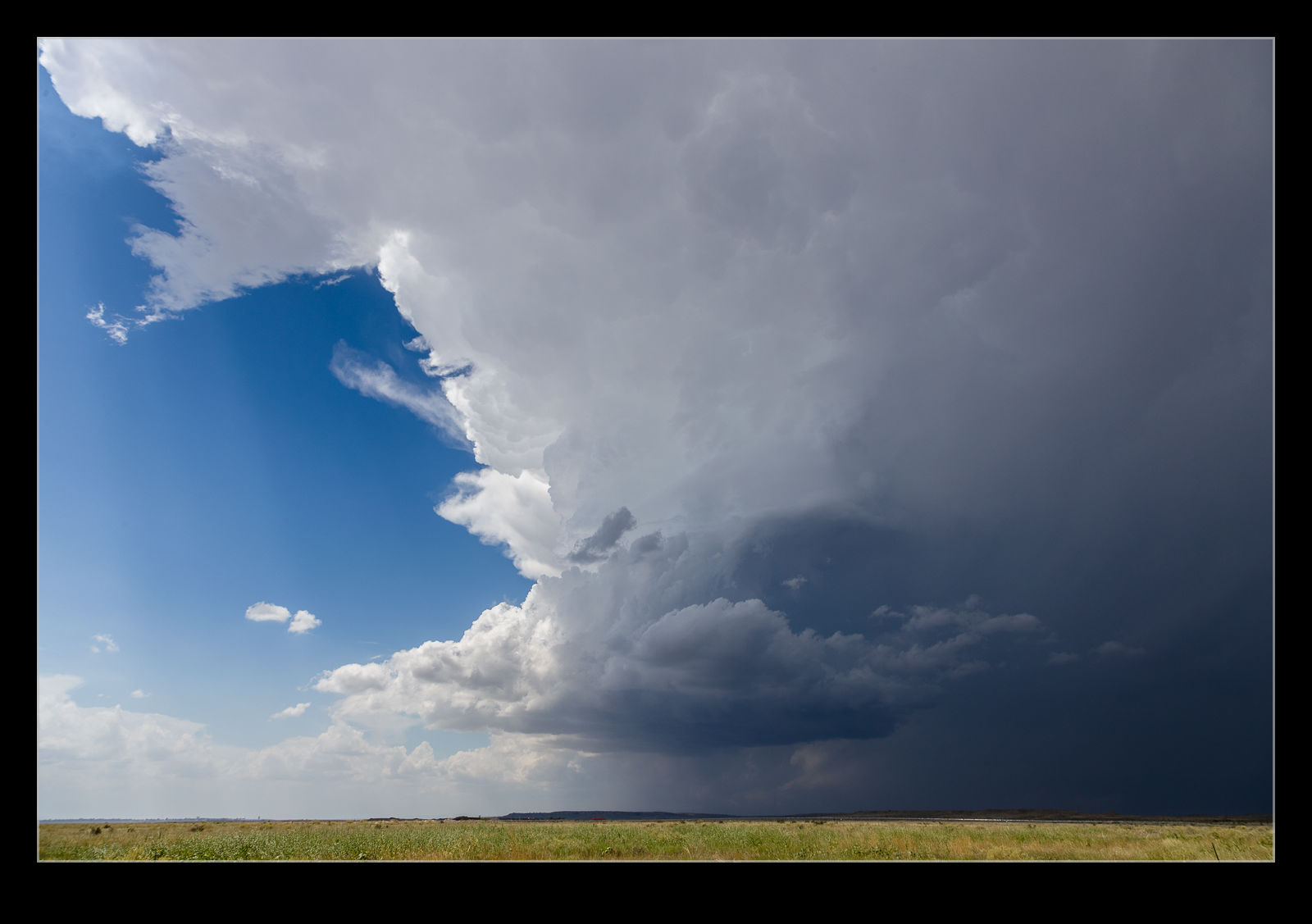
B11I8871.jpgWhen I arrived in Pueblo Colorado, the sun was shining and it was pretty warm.  After our second day of testing, the weather had turned a bit and, as we headed back to the town, there was some storm activity over the Front Range.  The road you drive out on is a federal facility so stopping to take pictures is not the best plan.  However, once we got back to the more populated area, I did pull over and take a few shots.  That night, there were some serious storms around us.  I saw a few over the mountains as we drove but nothing too dramatic.

B11I8876.jpg B11I8875.jpg

Going Around in Circles Quite Quickly

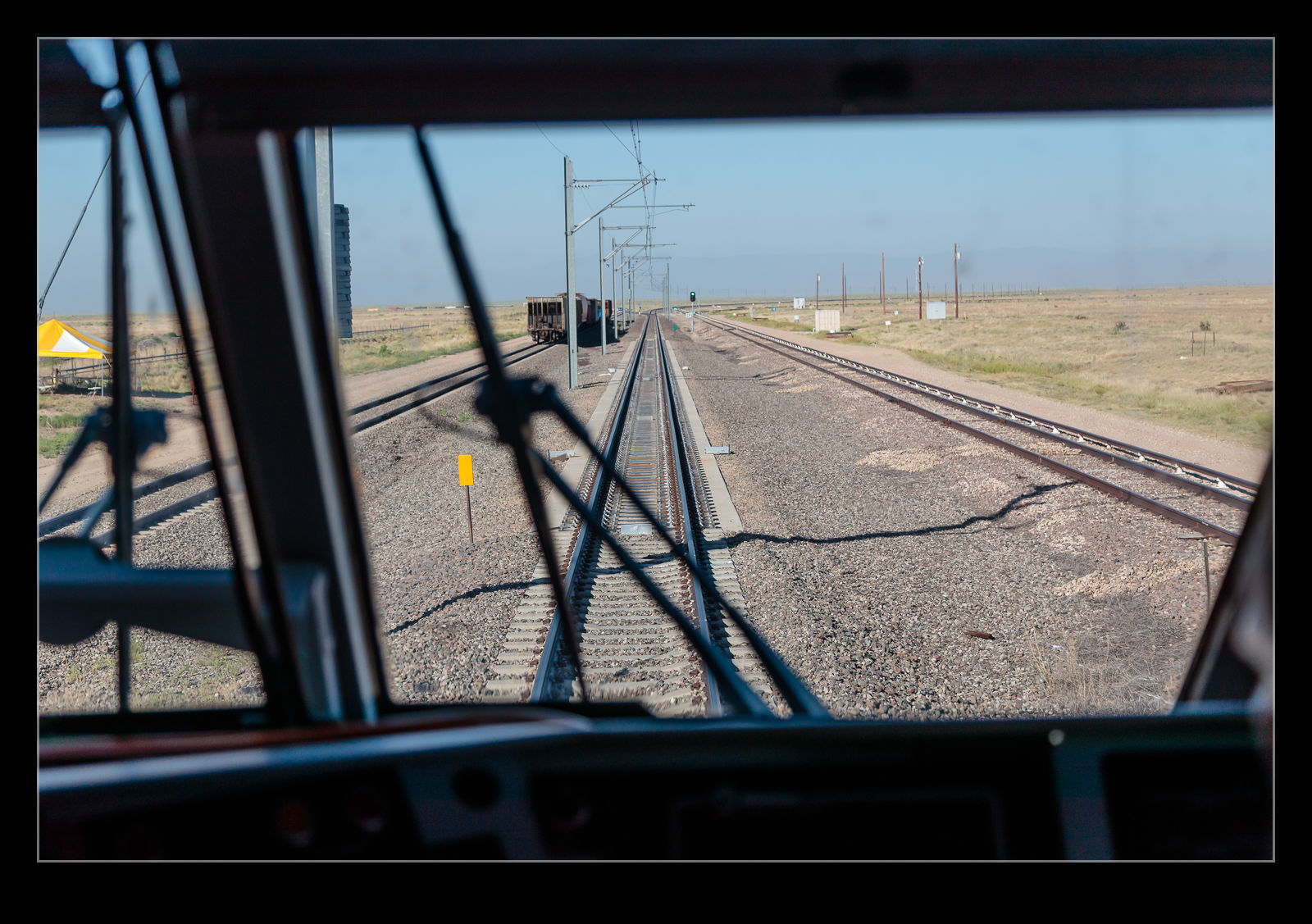
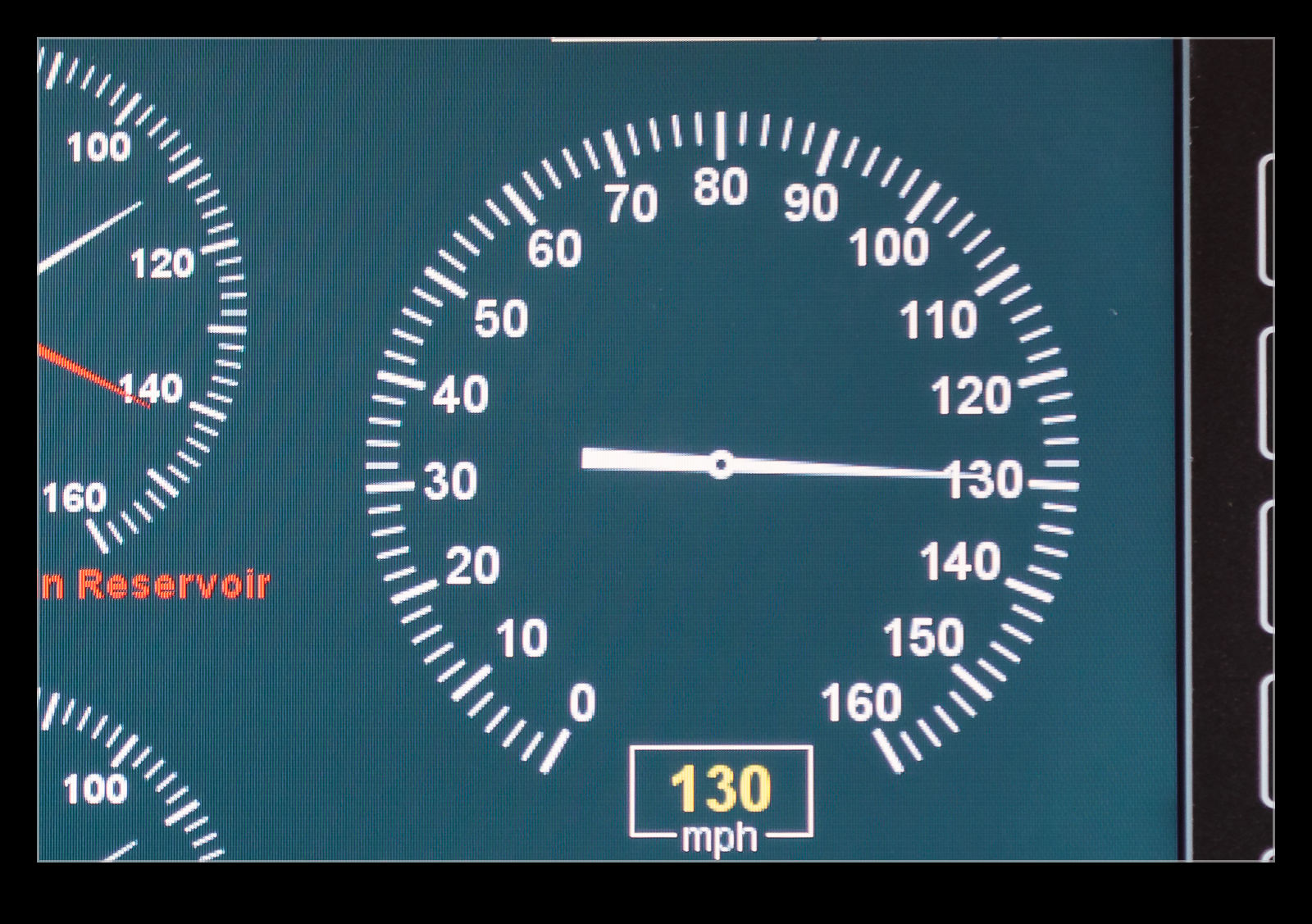
B11I8814.jpgA recent work trip involved some testing of a locomotive.  The test track in use is just outside Pueblo Colorado.  The testing program involves a ton of different tests, many of which are pretty boring to watch if you are not involved.  We did get to do some high speed runs while I was there though.  The locomotive is designed for 125mph so it has to be tested to 130mph.  We got to blast around the track for a while. Wildlife would scatter as we approached – usually.  The loco is a modern design so at this speed, things were really quite uneventful.  The ride was smooth.  The noise was pretty quiet and would have been better if we didn’t have instrumentation cables out of the windows breaking the normal seal.  Soon you will be seeing these locos in service in a number of states across the US.

B11I8826.jpg