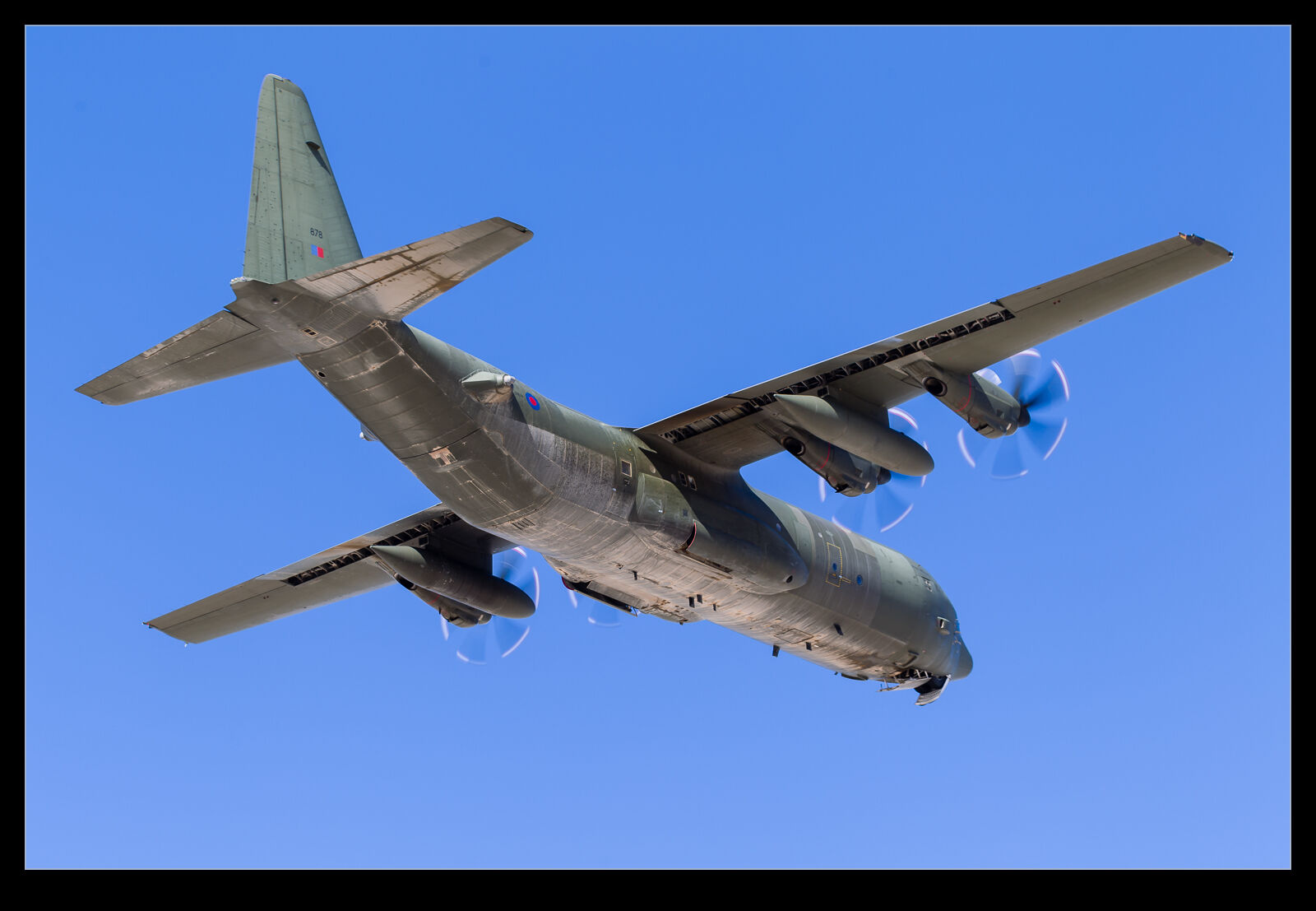
Red Flag may be well known for the fast jet activity but the jets aren’t the only ones that get to play. The transports also get to have a role. One of the exercises earlier this year included the U.K. RAF. They brought along a C-130 Hercules. I got to shoot it a couple of times. One thing that was clear as the aircraft took off was that the bottom of the fuselage was very dirty. I think it was safe to say that it had been landing on some rough strips somewhere out on the range.
Category Archives: photo
Alpaca Farming
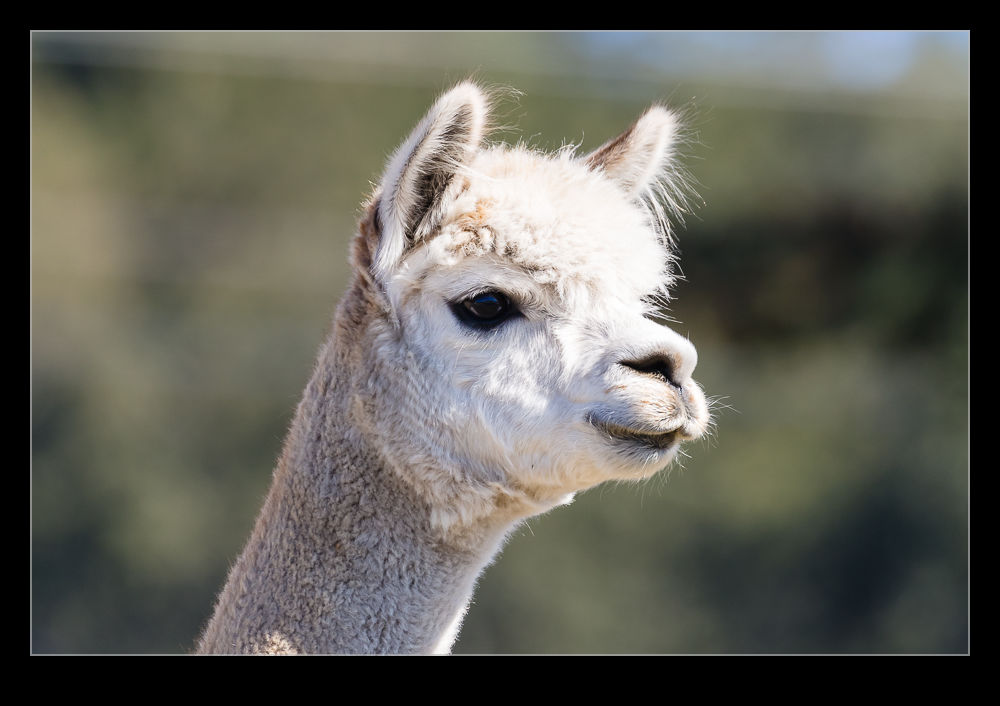
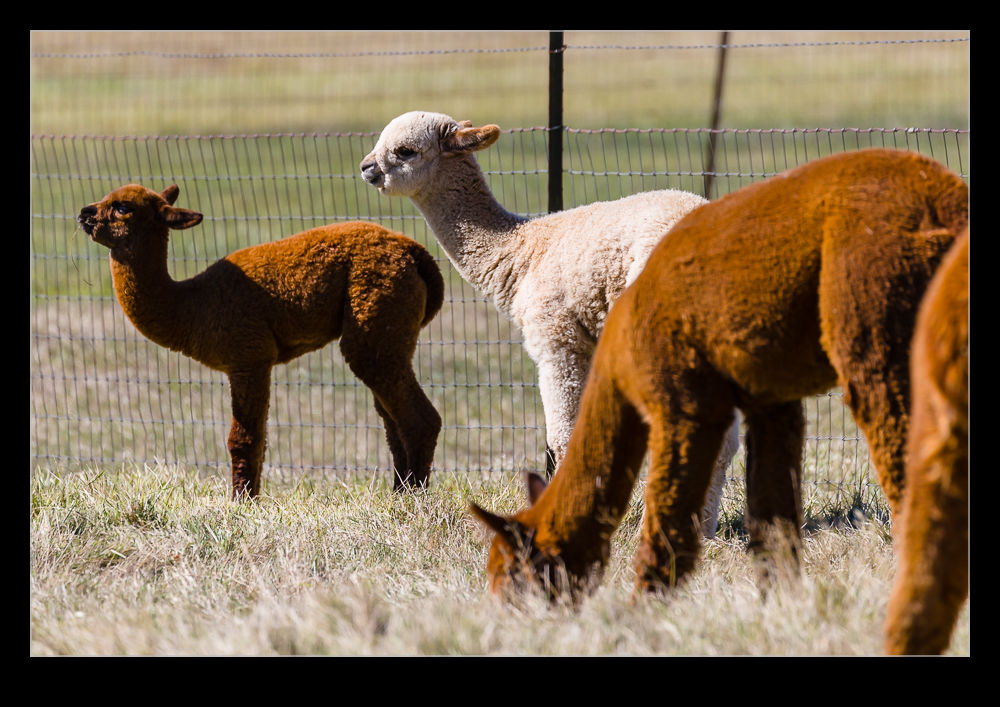
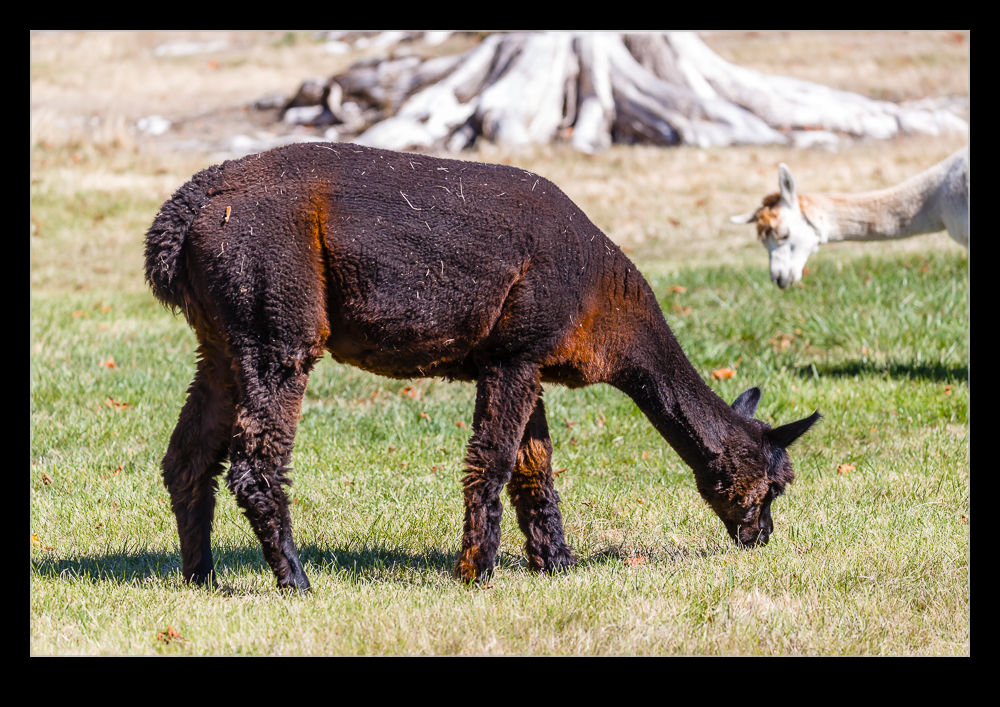
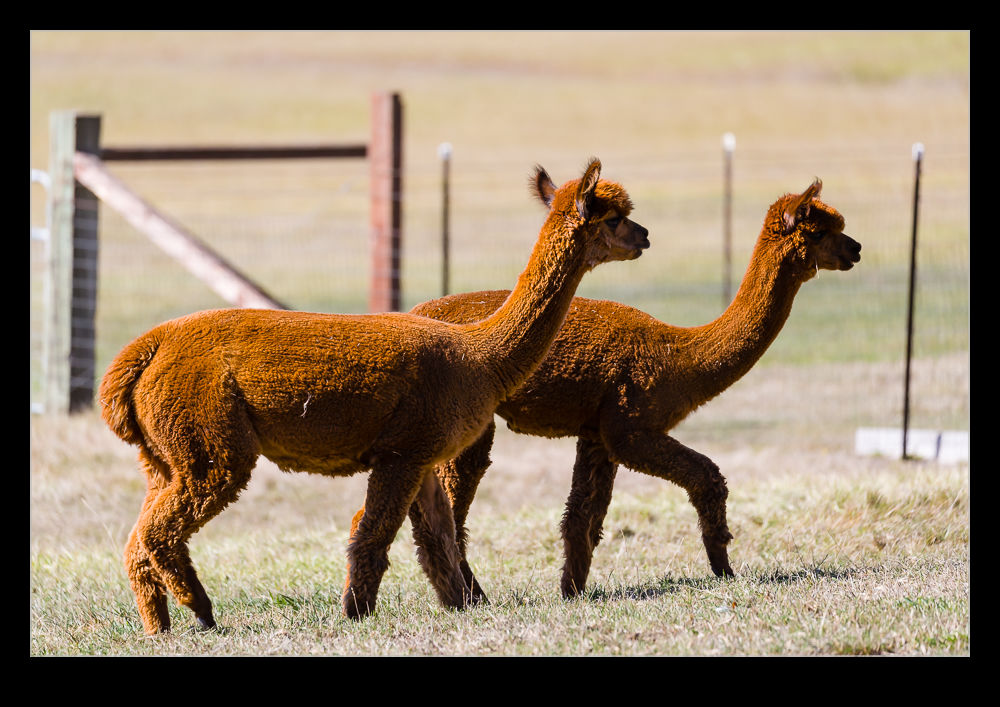
San Juan Island is home to some varied creatures. I swear that, as we drove down one road, we went past a camel. We also saw an alpaca farm. There was a shop that sold all sorts of alpaca related stuff. Plenty of yarn (which was pretty pricey) and various alpaca gifts were available. I wasn’t too keen on any of this, though. Outside, you could take a walk around and see the animals themselves.
There were many fields with the alpacas in them. They were well spread out and didn’t seem terribly bothered by the presence of the visitors (of which there were plenty considering how quiet things were generally). They came in a variety of colors. Food seemed to be their primary concern but occasionally they would look around to see what we were doing. Mostly, though, they were more bothered about each other than us.
Dear Volga Dnepr, Please Choose Your Time Better
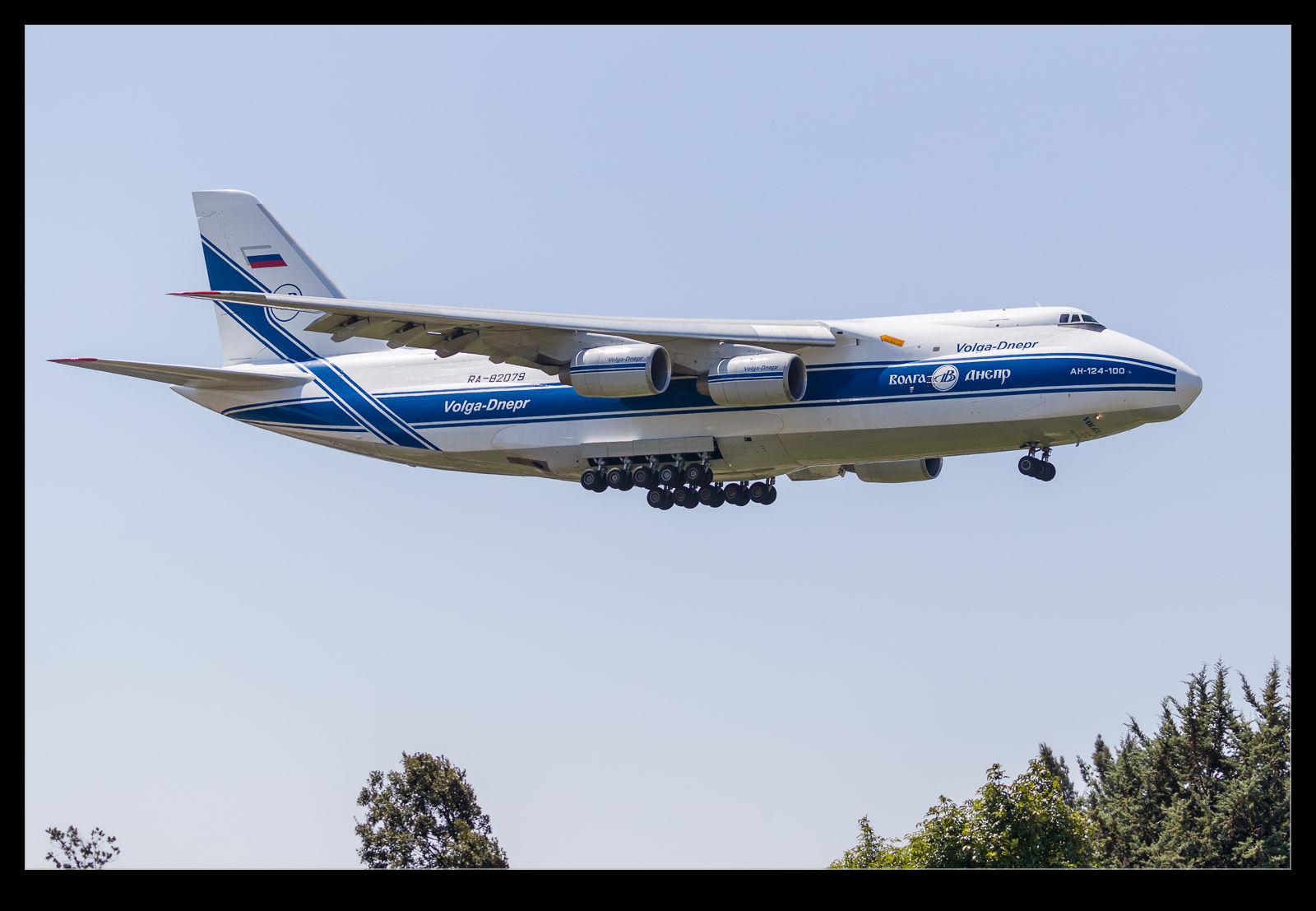
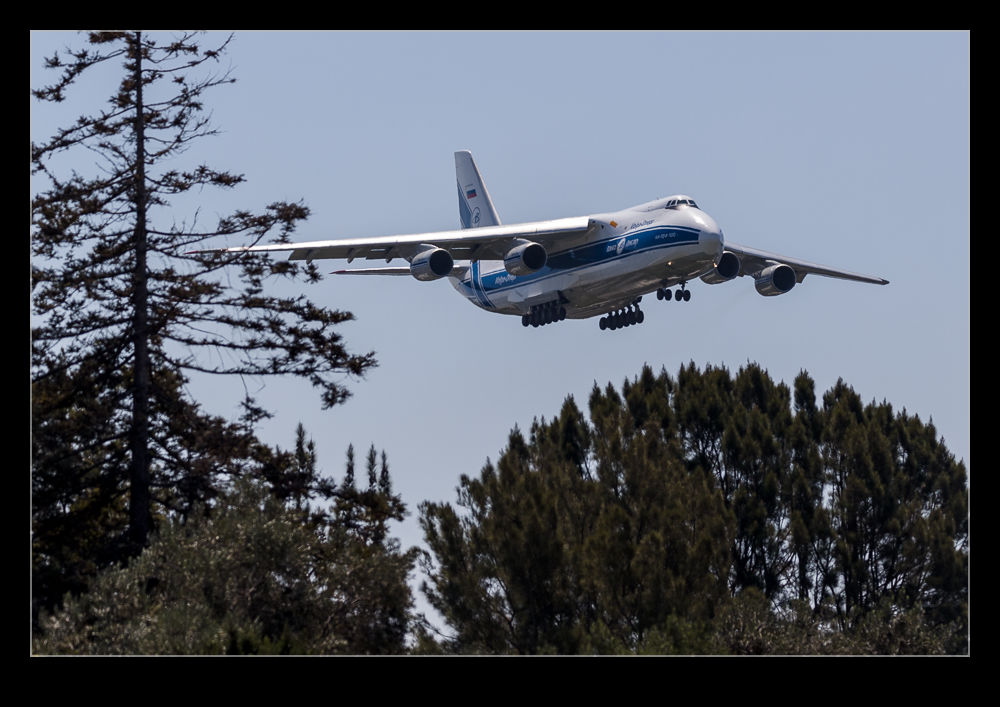
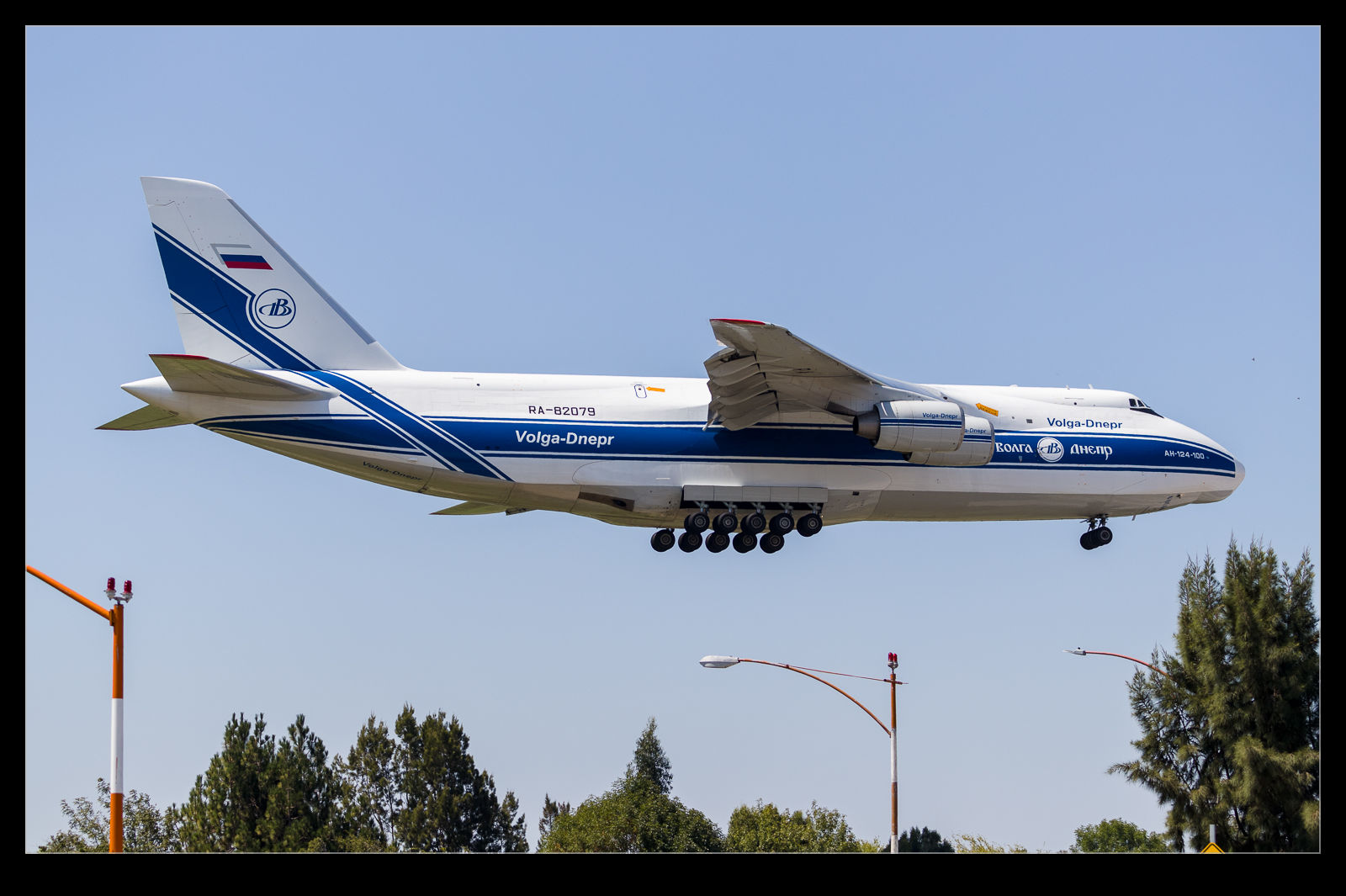
Moffett Field is located close to a couple of satellite manufacturing locations. When the time comes to ship the satellites to their launch location, the transport of choice is often the Antonov AN124. Twice, now, I have caught one of these huge aircraft coming in to pick up a payload. The most recent one resulted in getting these shots. The slightly annoying thing is that both times the plane came in in the middle of the day. This is the worst time for shooting at Moffett because the light is almost directly on the tail of the jet. Earlier or later would be fine. Oh well.
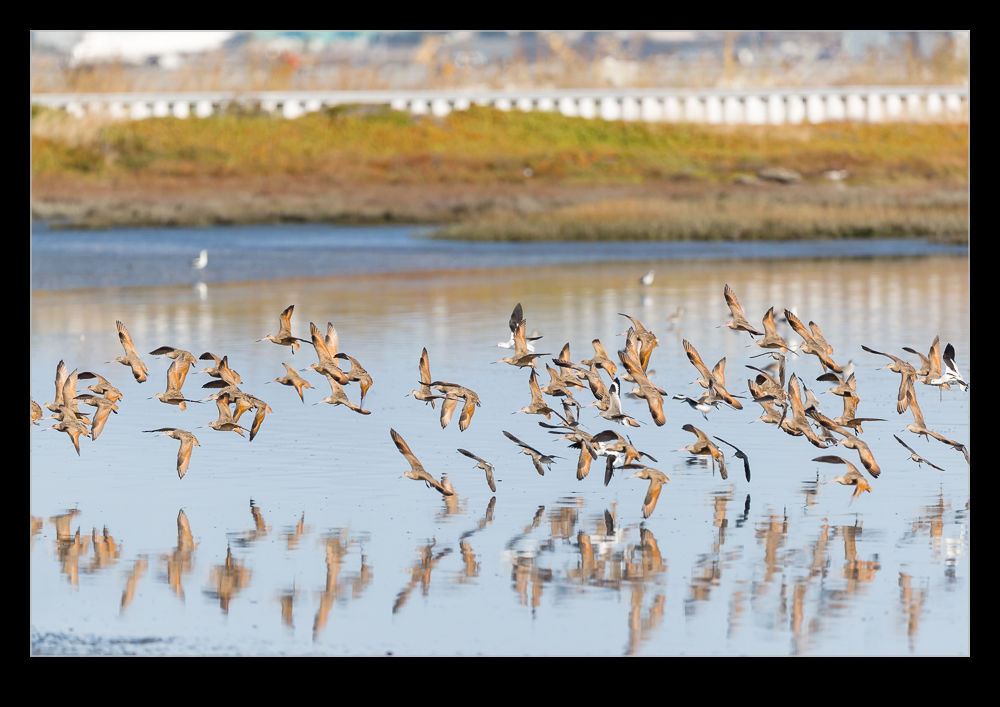
Flocking Birds Over the Bay
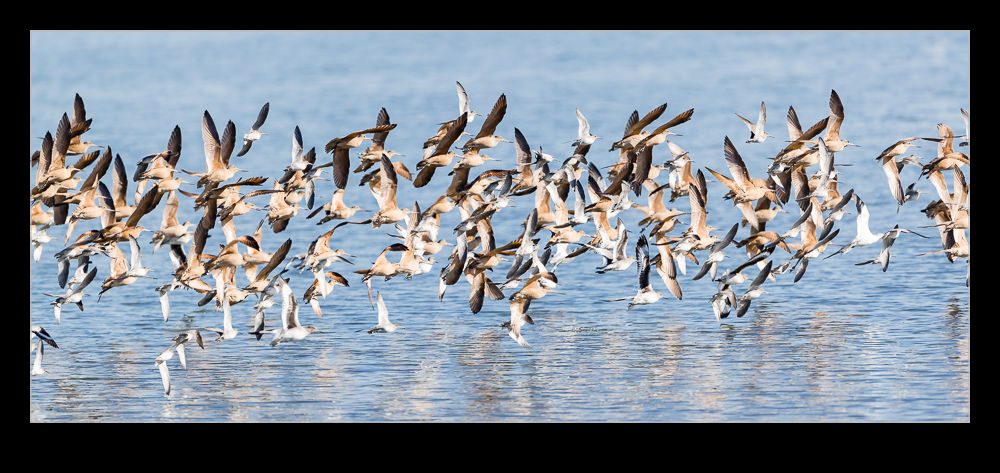
San Francisco Bay is hugely popular with birds. One place that they like a lot is the area near to the airport. Birds and planes do not normally mix well but, despite the large numbers of each, they seem to coexist here okay. As the tide goes out, the mudflats that are exposed are a great feeding ground for the birds. They cover all sizes too.
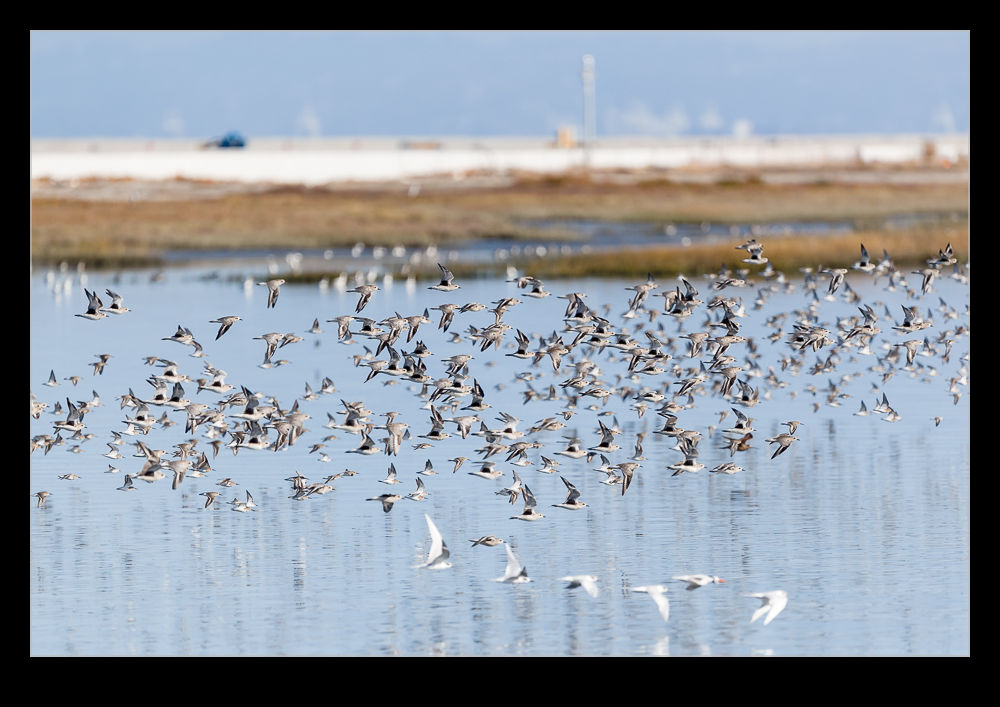
At the top end of the size range are the pelicans. They like to feed in the shallows when the fish are relatively easy pickings. They do stay away from the runways so don’t seem to be a problem (although a pelican would certainly not be a good thing for an airliner). The smaller birds are less of a threat individually but they tend to flock in huge numbers.
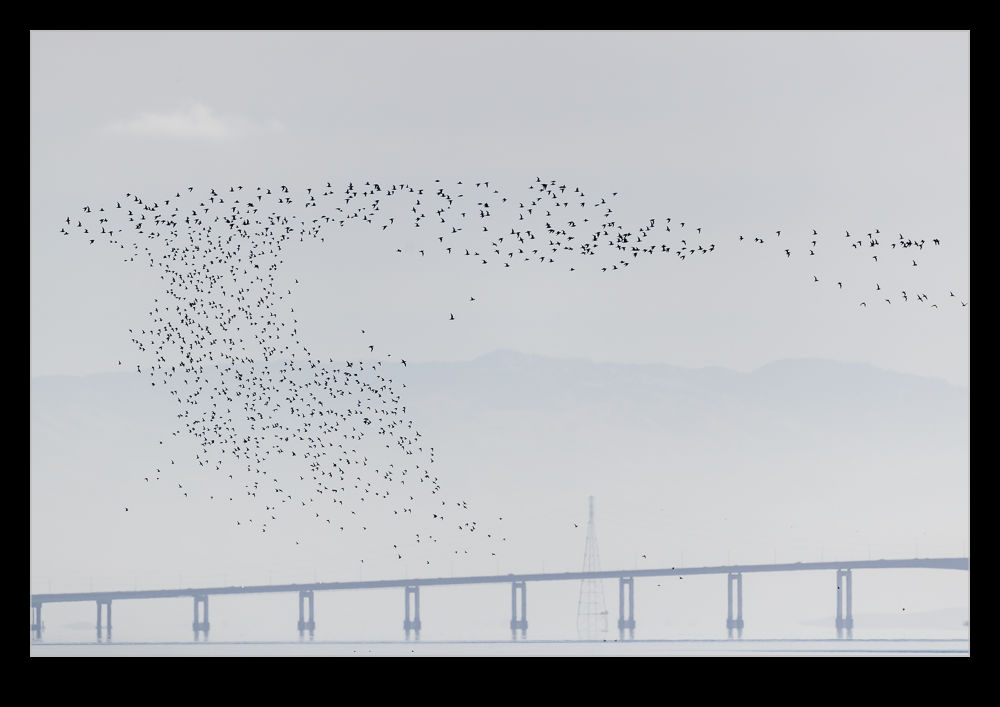
I saw a bunch of them flying not too far from the 01 runways. Again, they stay over the mudflats so don’t present a problem. In the opposite direction, there were some rather large flocks circling over the water. While not as large as murmurations of starlings, they were some pretty big groups. They also would move in a similar way with the whole thing looking very fluid from a distance.
Sufas Finally Come Right
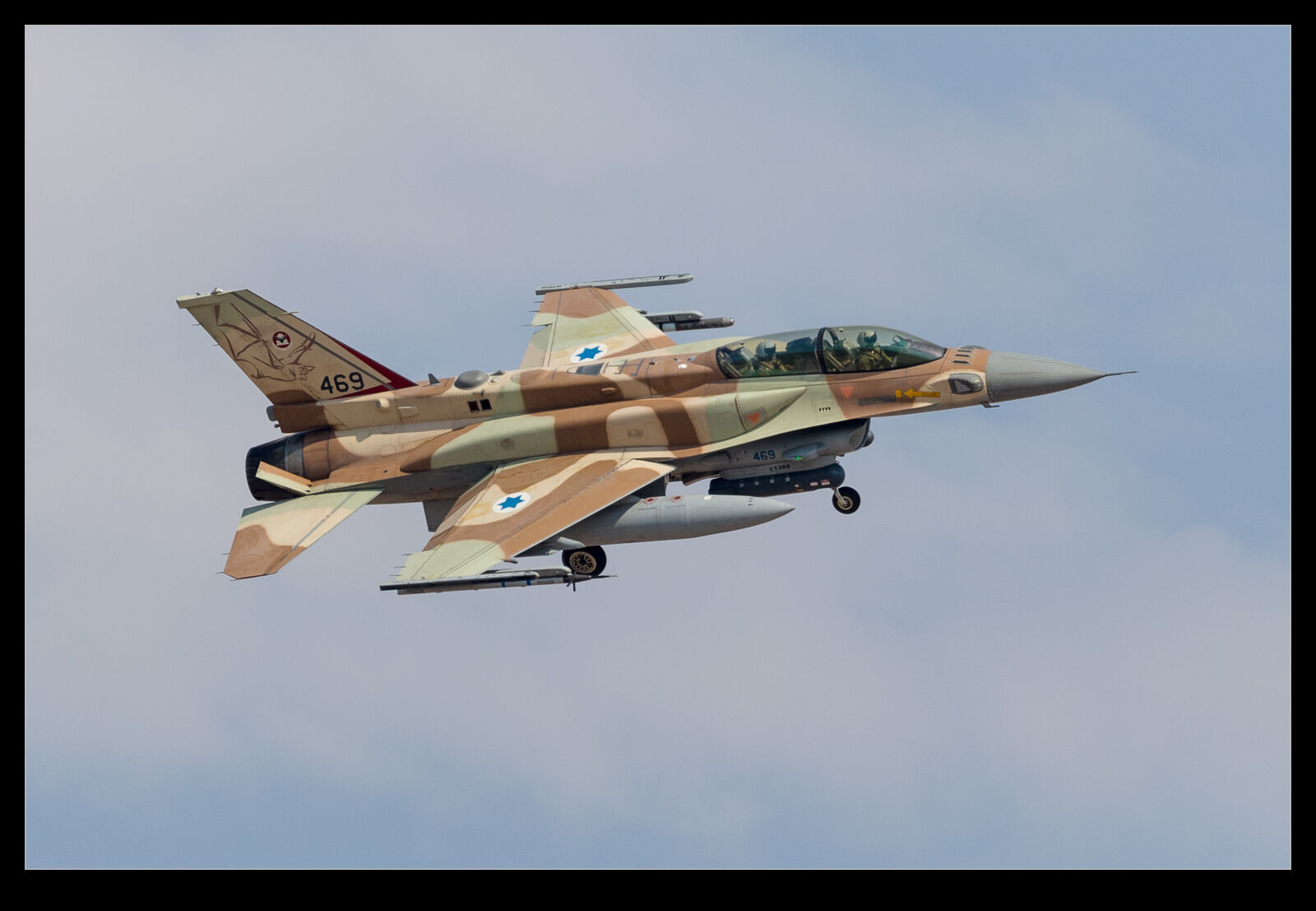
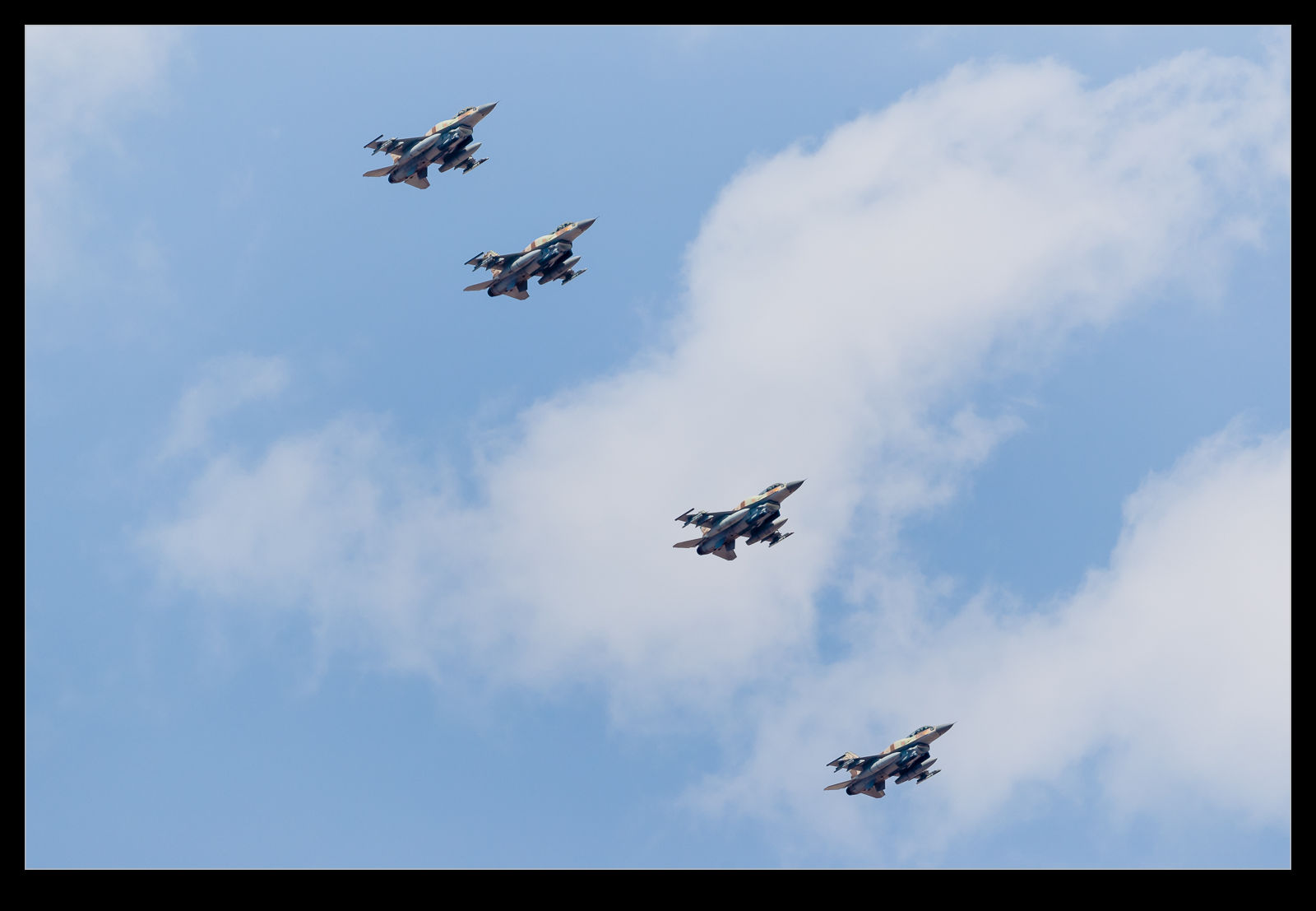
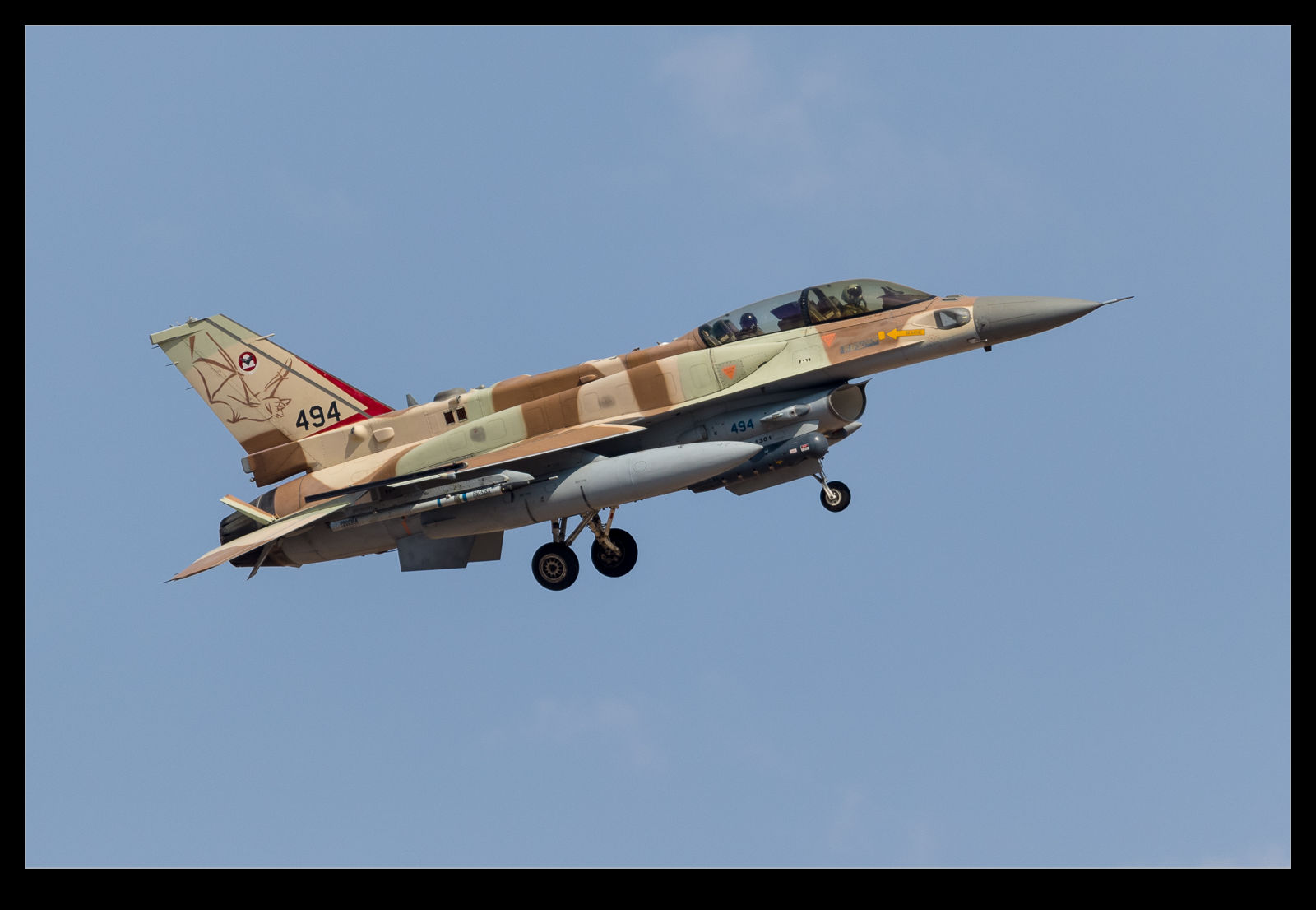
One of the big attractions of Red Flag 16-4 was the appearance of the F-16I jets of the Israeli Air Force. The Sufa is a variant of the F-16 that incorporates the conformal fuel tanks and a lot of local Israeli electronic equipment. In the days before I was there, the jets had been landing on the left runway which meant they broke away from the photographers and landed a fair distance away. When I was there, things changed.
They started to come in with a right break for the right runway. This was really good news. It makes getting shots of them a lot easier. They didn’t fly very tight patterns so they were a little far away on the final turn but it was still better than if they went left. The departures were mainly from the far runway so they were a bit far then but it was still a good result for me.
Polarizer Comparison
When I changed bodies, I had to update some of my accessories too. My old filter system was fine on a cropped body but with full frame, the filter holder encroached on the corners for the wide angle lenses. I took the opportunity to change my polarizer set up. I used to use a polarizer on my Cokin holder. This was a bit inconvenient when I was using lens hoods. Instead, I decided to get a screw in polarizer. Since most of my lenses have the same filter size, this gives me more flexibility.
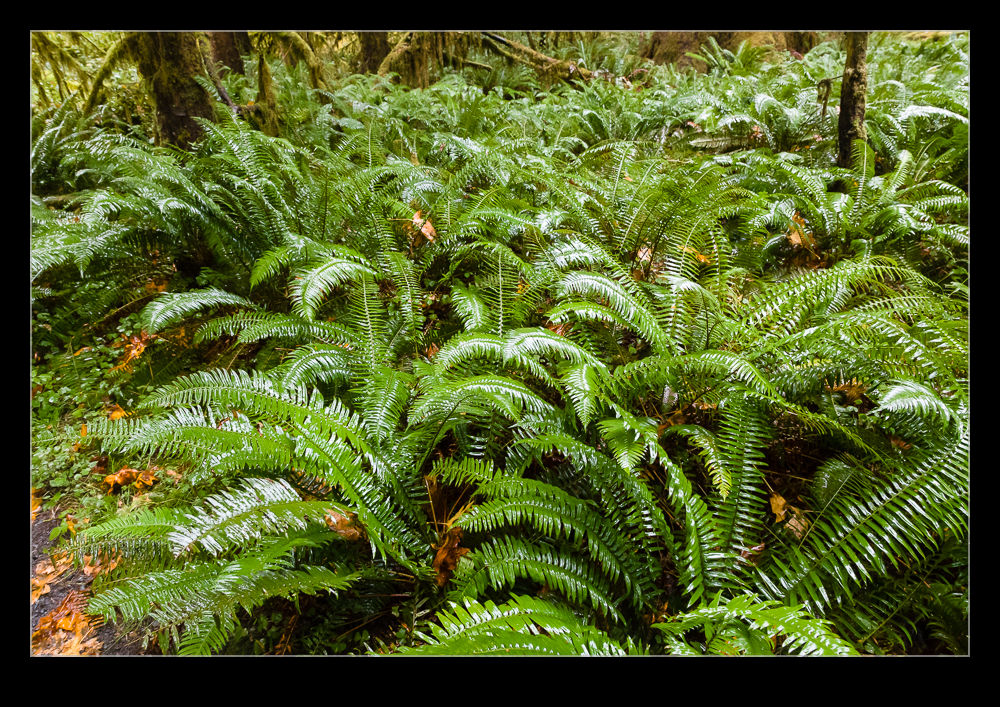
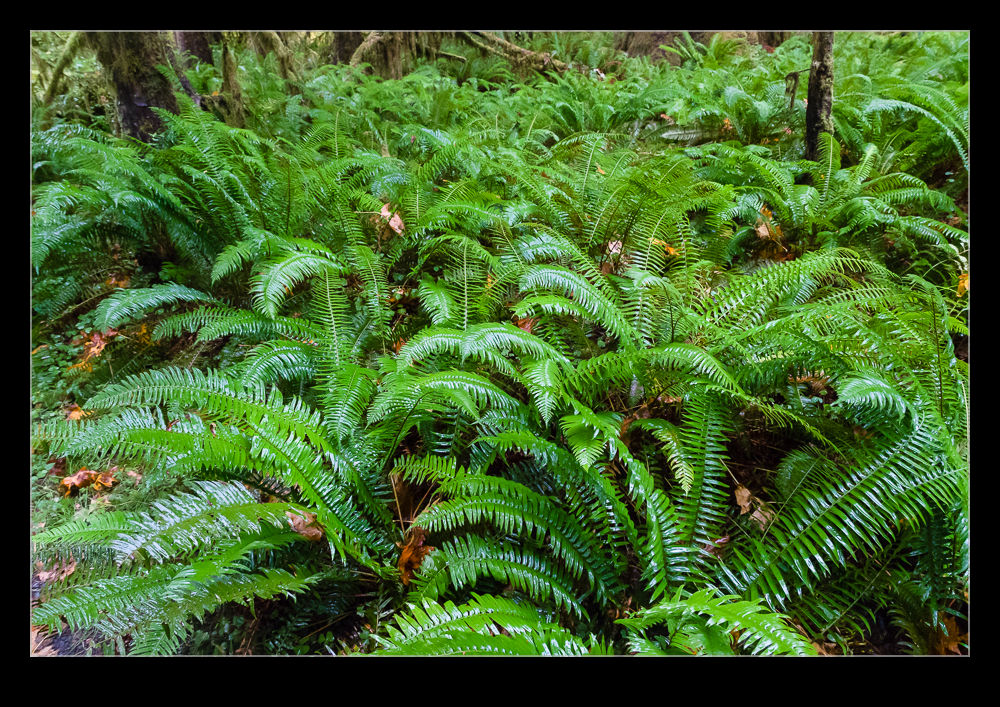
I took the polarizer with me on vacation. One place where I made good use of it was in the rain forest. While it was pretty dark in the heavy forest cover, there was moisture everywhere and this meant a lot of reflections and glare. Consequently, I went with the polarizer most of the time. While I was there, though, I decided to do some experimentation by repeating some shots without the polarizer to see how much of a difference it made. You can see the with and without shots here and judge for yourself what a difference it makes.
Grand Caravan is Not the Smoothest!
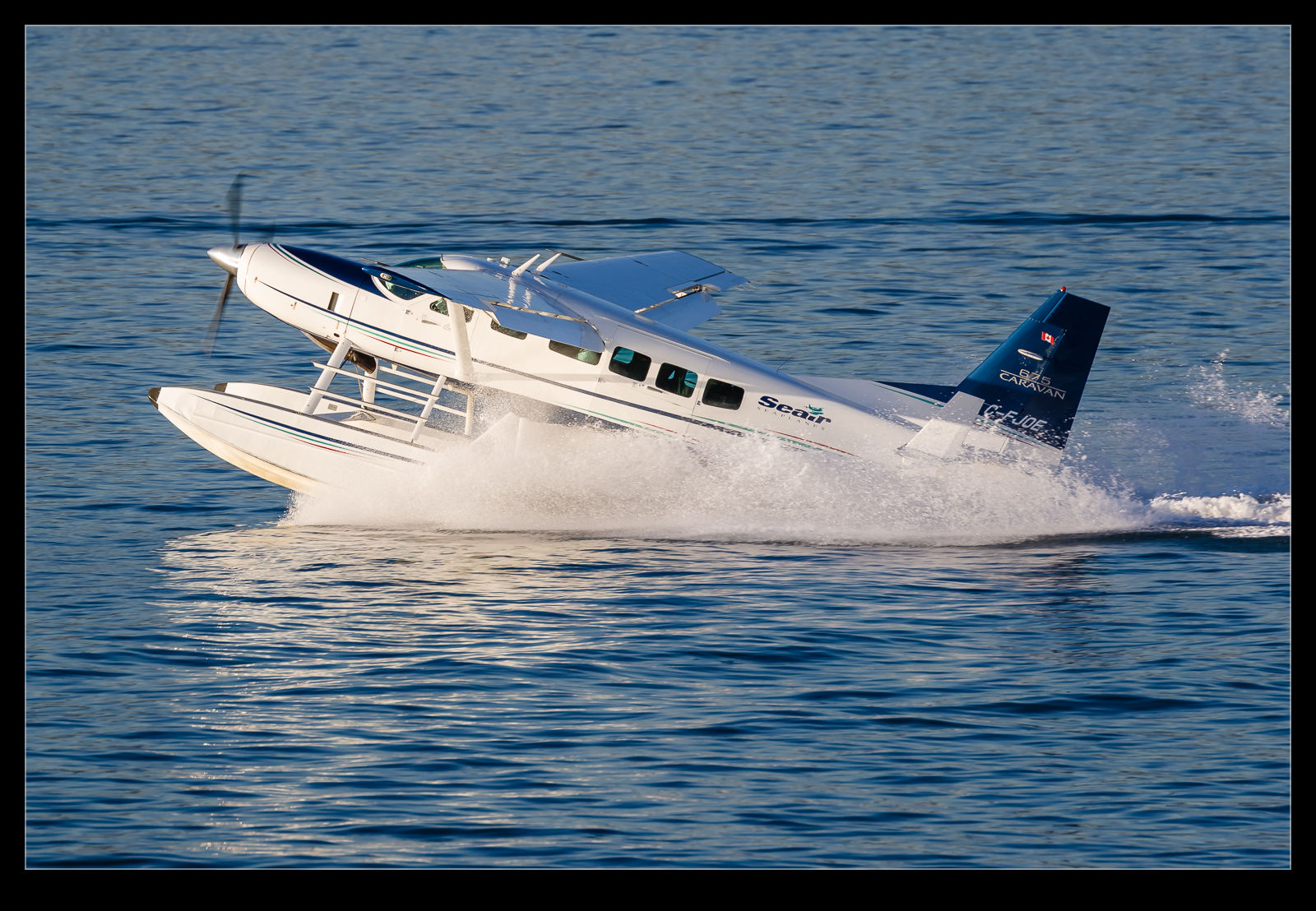
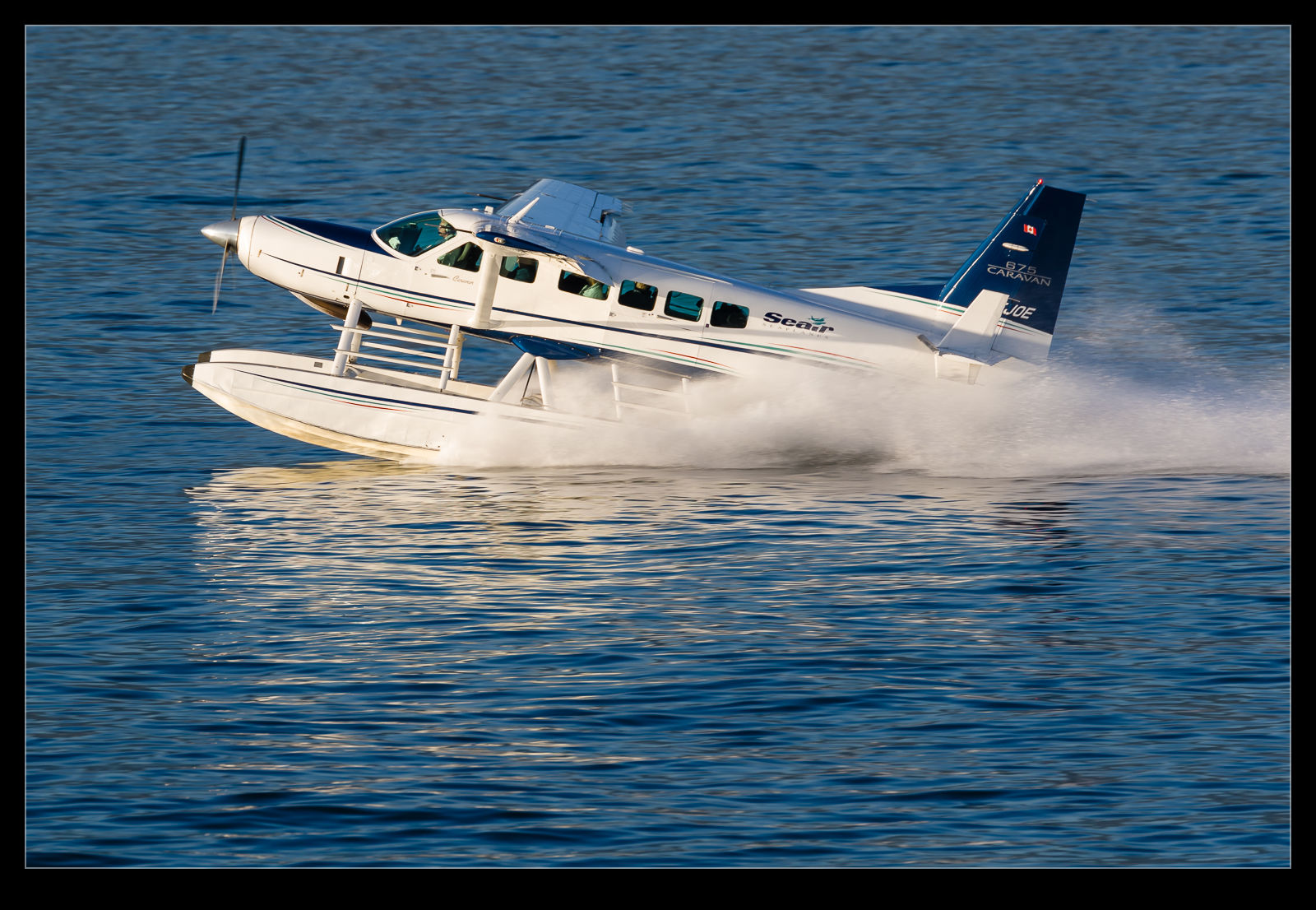
It might seem a bit absurd but, when watching all of the floatplane activity down in the harbor in Vancouver, you can get a bit used to the Otters and Beavers and hope for something a little different. One operator was using a Cessna Grand Caravan on floats and this got my interest. I saw it coming in on the approach and watched it all through the touchdown and slowing down to taxi speed.
The transition off the step and onto the floats did not seem to be a very smooth process. As the speed decayed, the aircraft pitched up and then oscillated between level and very nose high. The tail seemed to get very close to the water and there was plenty of spray. I have no idea whether this is the normal transition or whether this one got a bit out of sorts due to the conditions but it did no look like it would have been very comfortable inside. All was well, though. They flew out again a little while later with no issues.
Orcas Close But Still Elusive
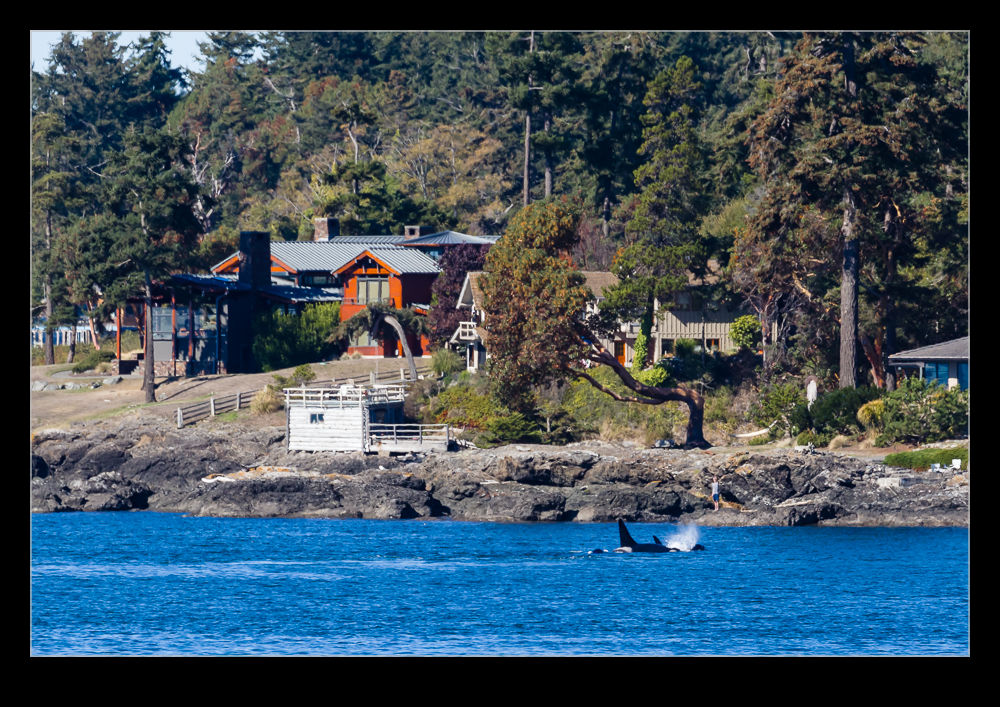
We have had some good opportunities recently to see orcas up close. That didn’t stop us looking for them while we were on San Juan Island. The west side of the island has regular whale activity of a few species. When we showed up at the good spots, we met people telling us what had been passing by earlier. We even just missed a humpback (or gray depending on who you talked to) that had come into Friday Harbor. We did get a bit luckier when we got to San Juan State Park.
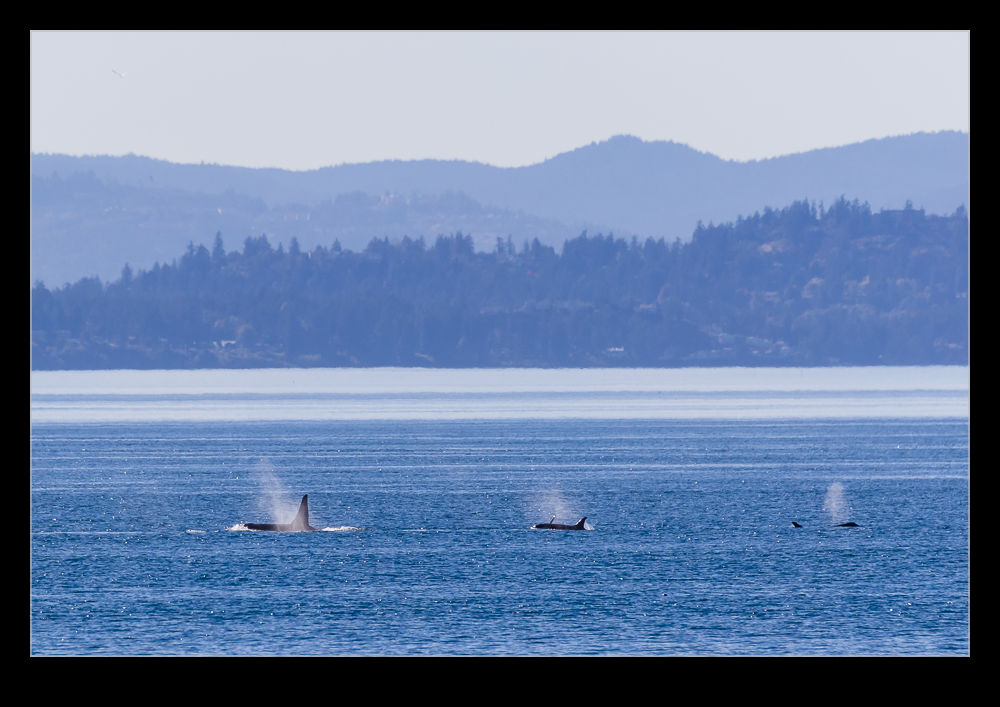
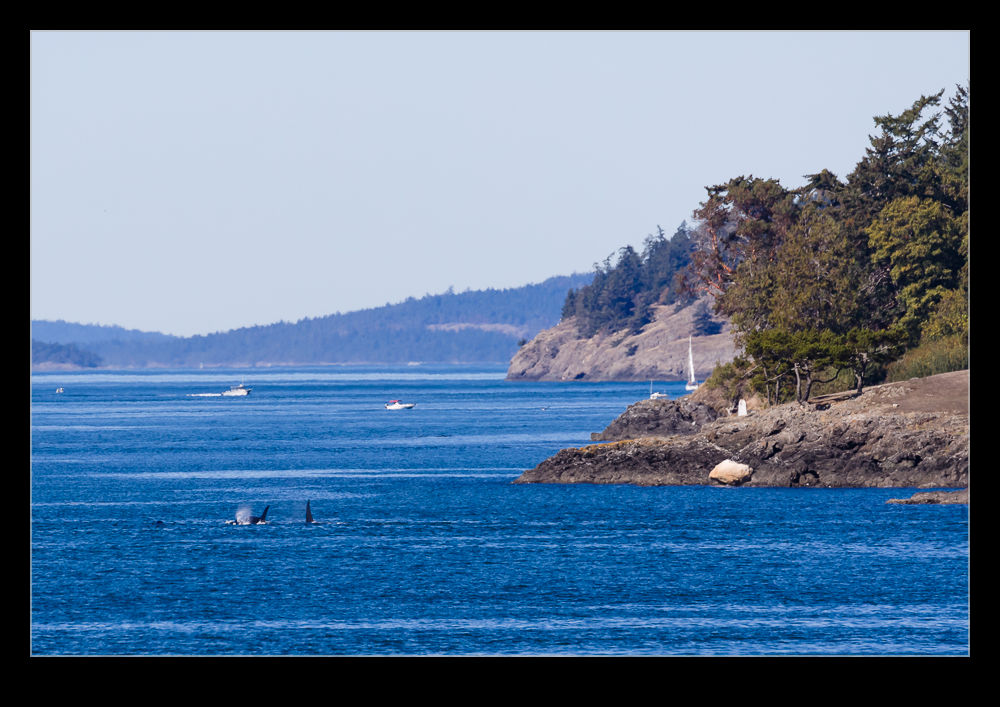
A bunch of orcas were off the coast a bit north of the area we visited. They seemed to be hanging around in one area so may have been feeding. There are two distinct groups of orcas in the area. The resident group feed on salmon while the transient group like mammals such as seals. This was the resident group apparently. Eventually they headed north away from us but, in the mean time, another part of the group came into view from the south. They transited north although sadly a bit far out for a good view.
Where Have the Twin Otters Gone?
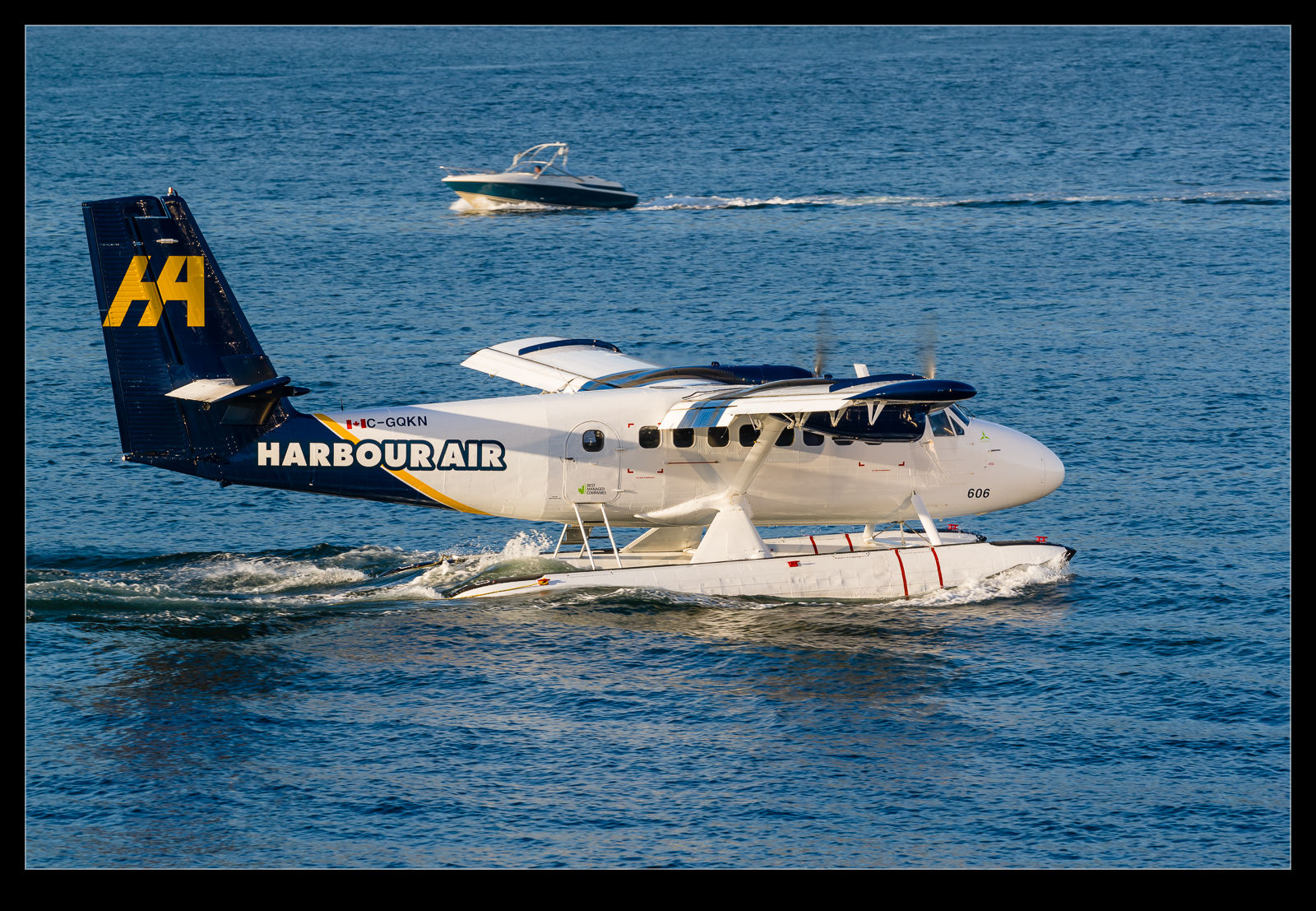
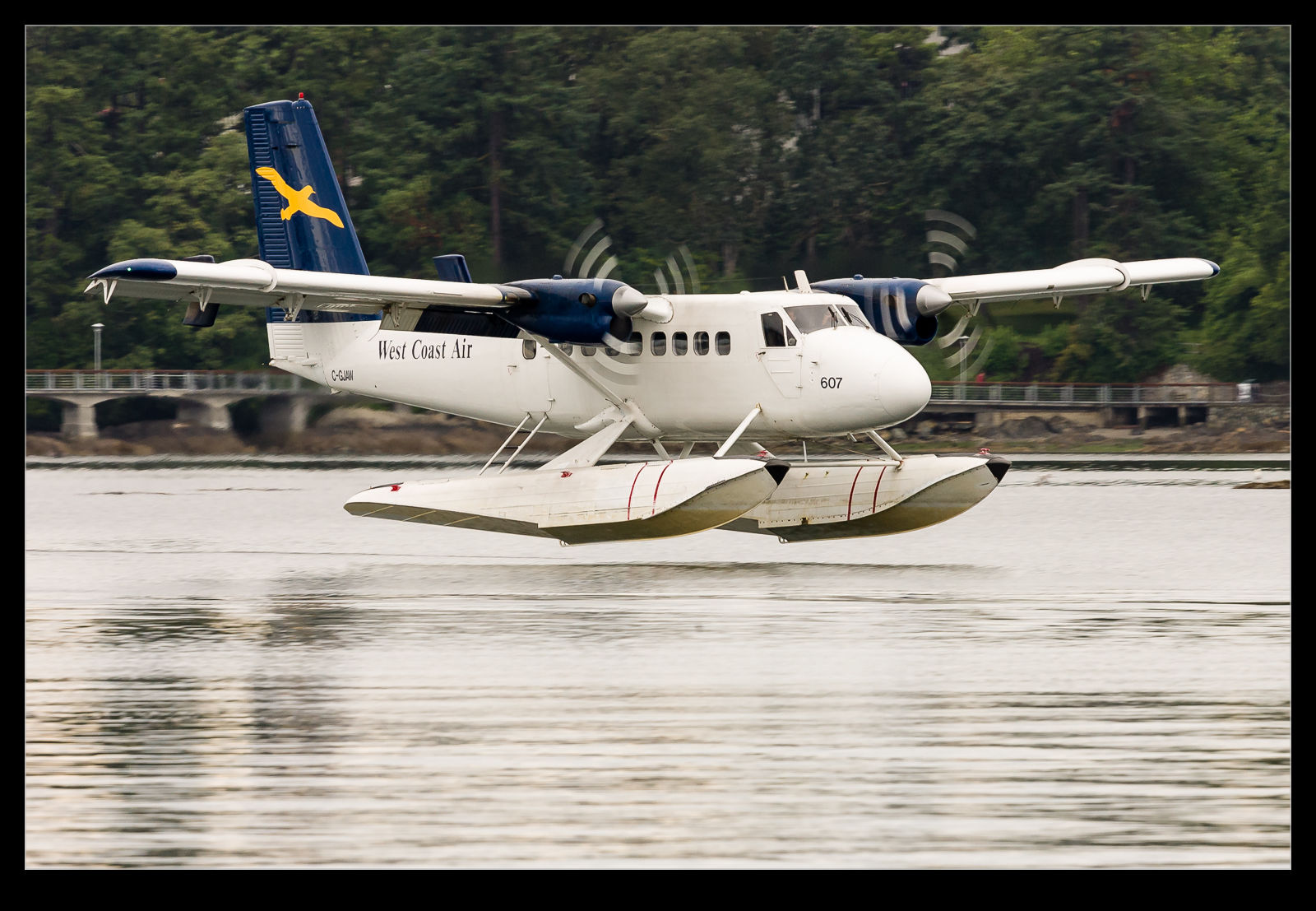
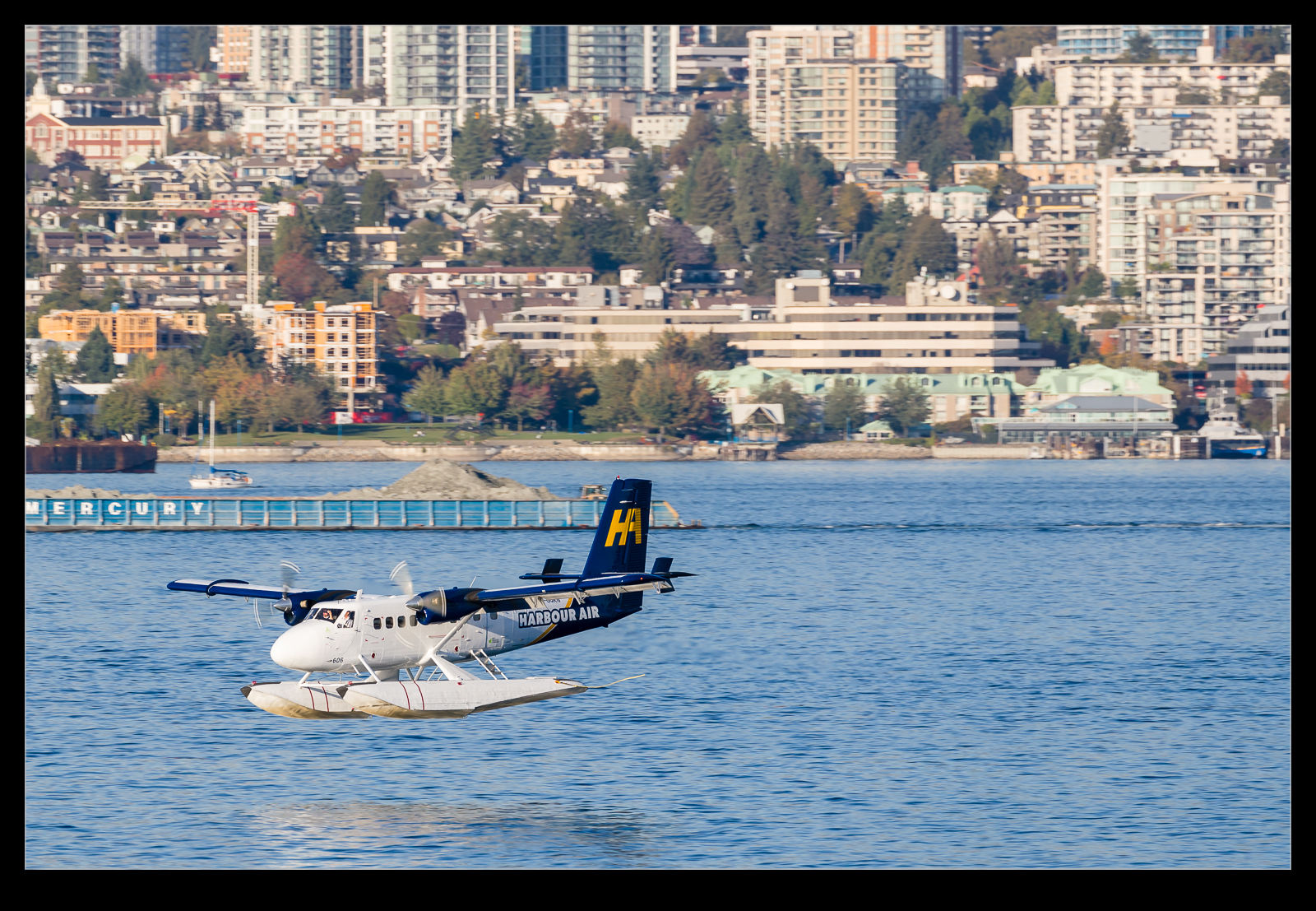
A few years ago we spent some time in Victoria on Vancouver Island. Victoria has a lot of floatplane activity and, at the time, an airline called West Coast Air was operating with a large fleet of Twin Otters. Since that time, West Coast was taken over by Harbour Air. Harbour Air is the dominant operator at Vancouver. However, while we were there, we saw only one Twin Otter. A check online seems to suggest that they have focused more on the Otters and Beavers and reduced the Twin Otter fleet. I assume they are not so economical for the type of operations they undertake but, if anyone has any more information about what happened, pleas let me know.
Relaxed Raptor Pilot
All cool fighter pilots should look like they are not operating a complex and expensive jet. Instead, they should look like they are out cruising in a convertible with their arm resting on the door just taking in the scenery. This guy obviously understands what is required and provides the casual look of a person enjoying their day!