Tag Archives: jet

Everyone Has a Trainer Design

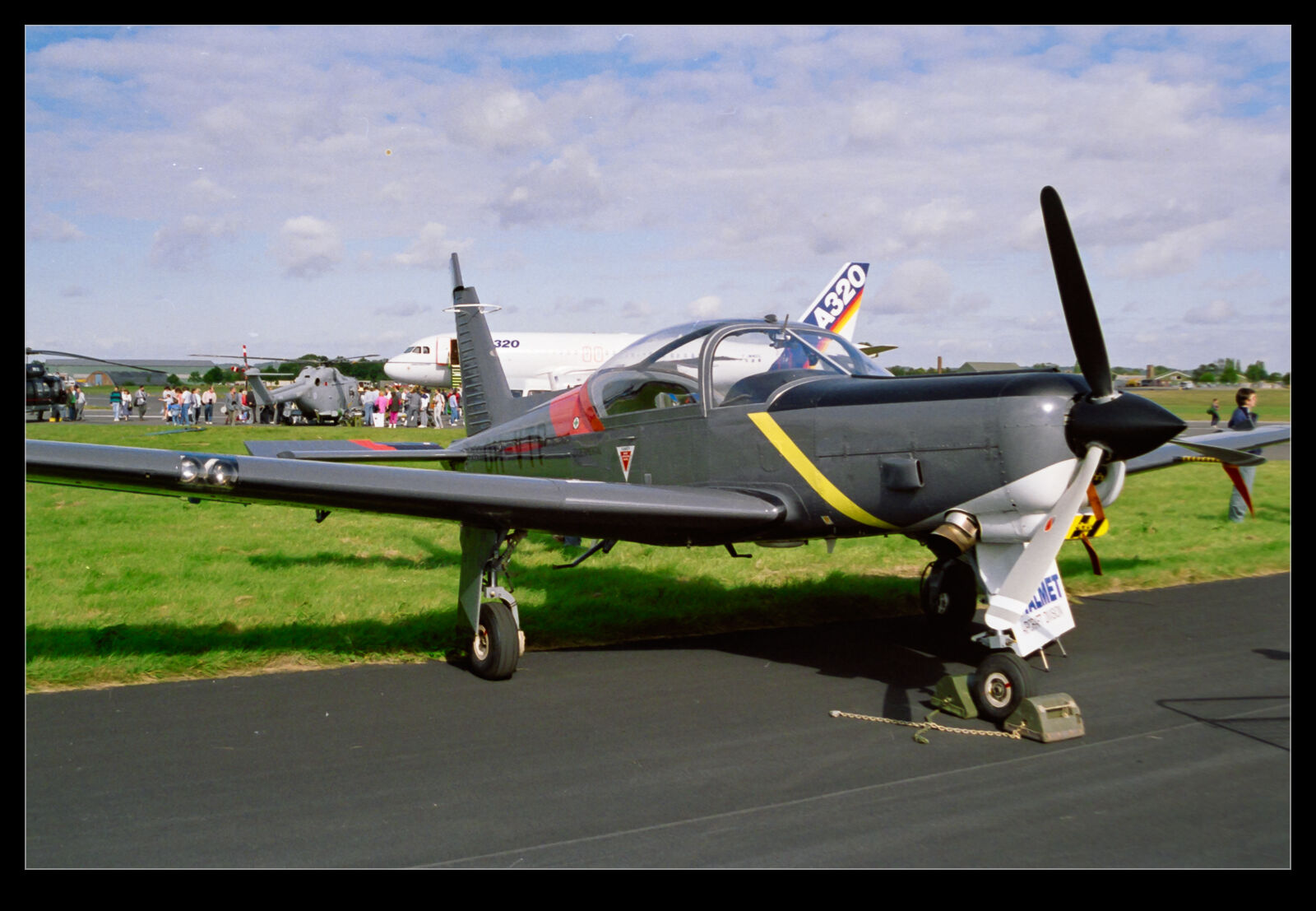
Scan 2-1646.jpgThe late 80s was a period when a whole bunch of companies were trying to come up with the perfect trainer.  A large number of sir forces were considering the replacement of their trainer fleets and much discussion was underway about what the appropriate type of trainer was for the future.  Basic jet trainers were ultimately going to be replaced with turboprops in a lot of places but that was in the future.  Meanwhile, all sorts of trainer designs were in the works either for the basic training task or for slightly more advanced levels of tuition.
Scan 2-1590.jpgSome of these designs made it to production.  Some of them never got beyond the prototype stage.  Not all of them went away entirely.  Even today you can still see some of the designs in an upgraded and modernized form being pitched at much the same market as they were thirty years ago.
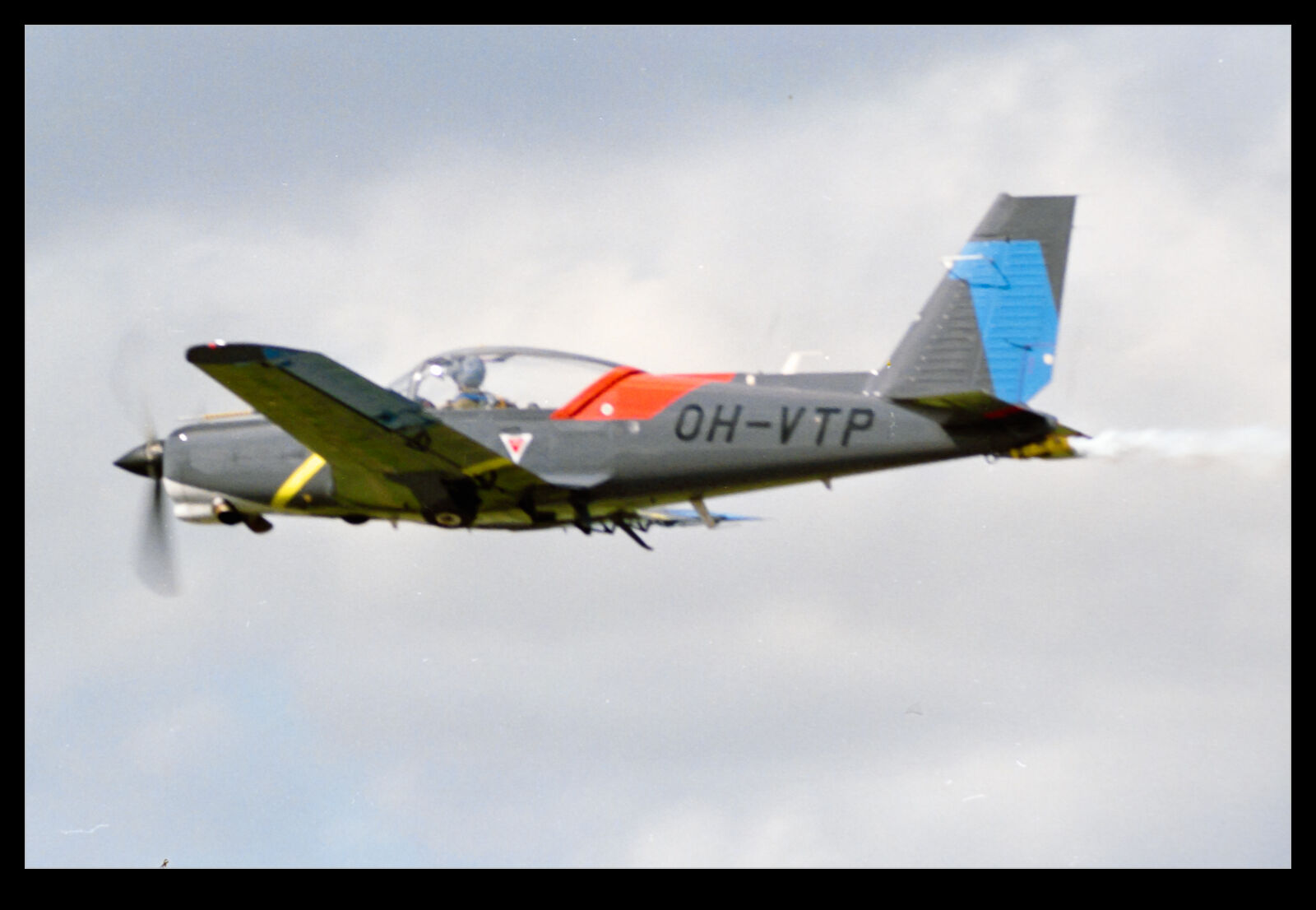
Scan 2-1600.jpgLet’s start with the Redigo.  Built by Valmet in Finland, the Redigo was a turboprop evolution of a previous piston trainer, the Vinka.  It was seen as a capable but low cost training solution.  Finland bought a number although they are now retired.  A couple of export customers also took some.  Aermacchi bought the rights to the aircraft in the 90s but I haven’t heard much about it since.
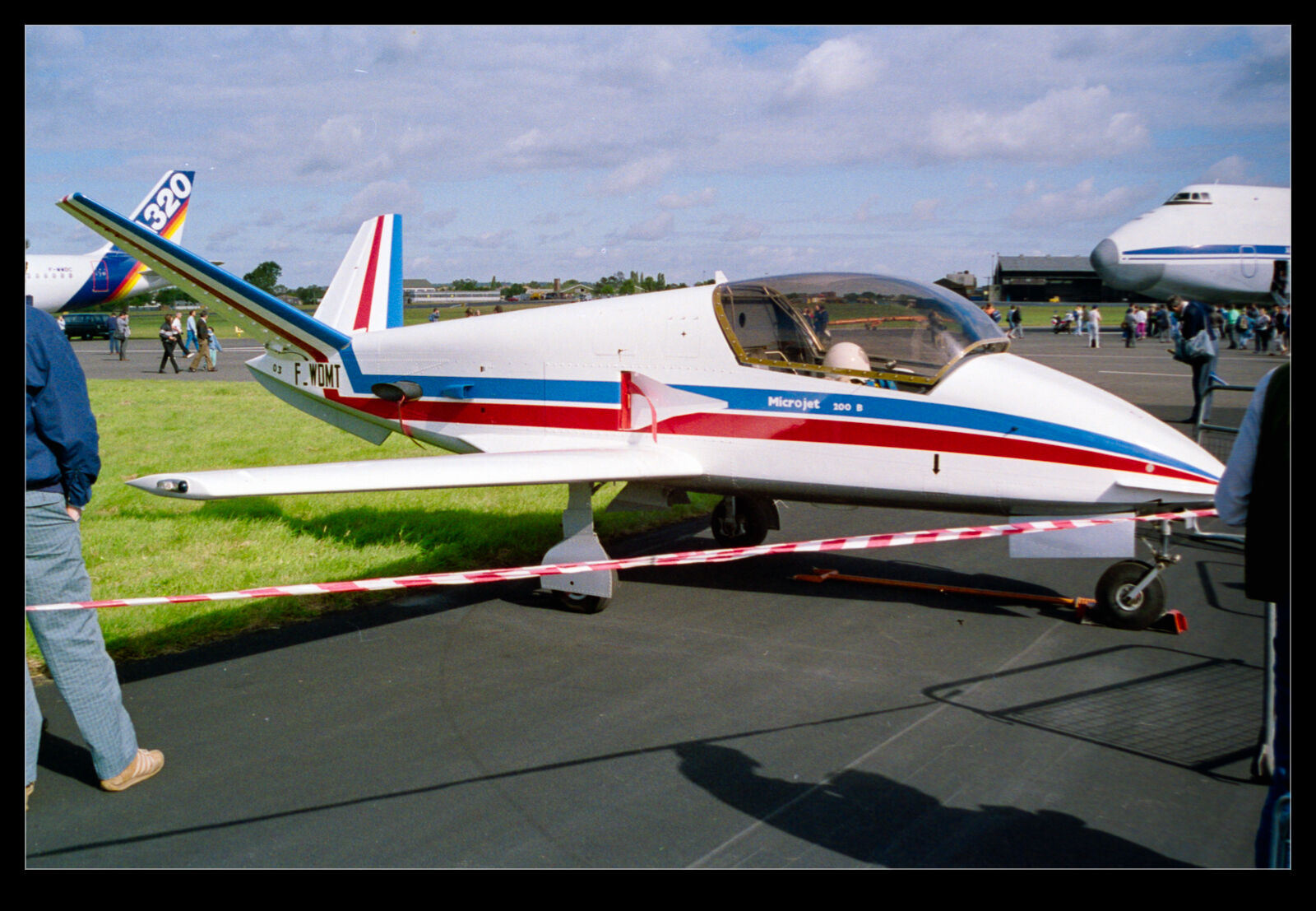
Scan 2-1647.jpgThe Microjet was a small French design.  Powered by a couple of diminutive Marbore turbojets, it produced way more noise than its small size would have suggested.  The V tail configuration was distinctive and it made a number of airshow appearances.  The project was supposedly driven by Microturbo, the manufacturer of the Marbore engine – presumably to create a market for the engine.  It never proceeded beyond the prototype stage though.
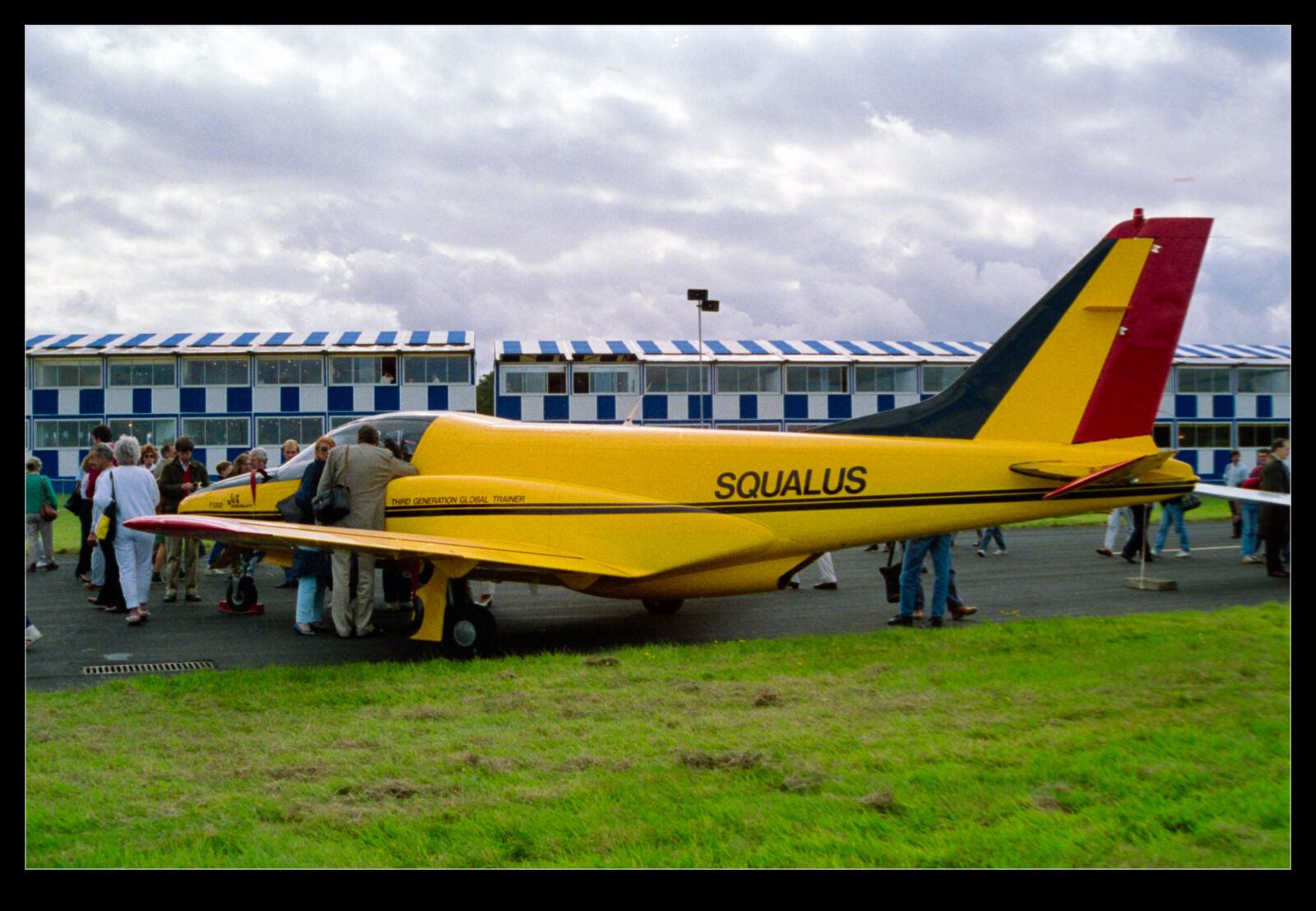
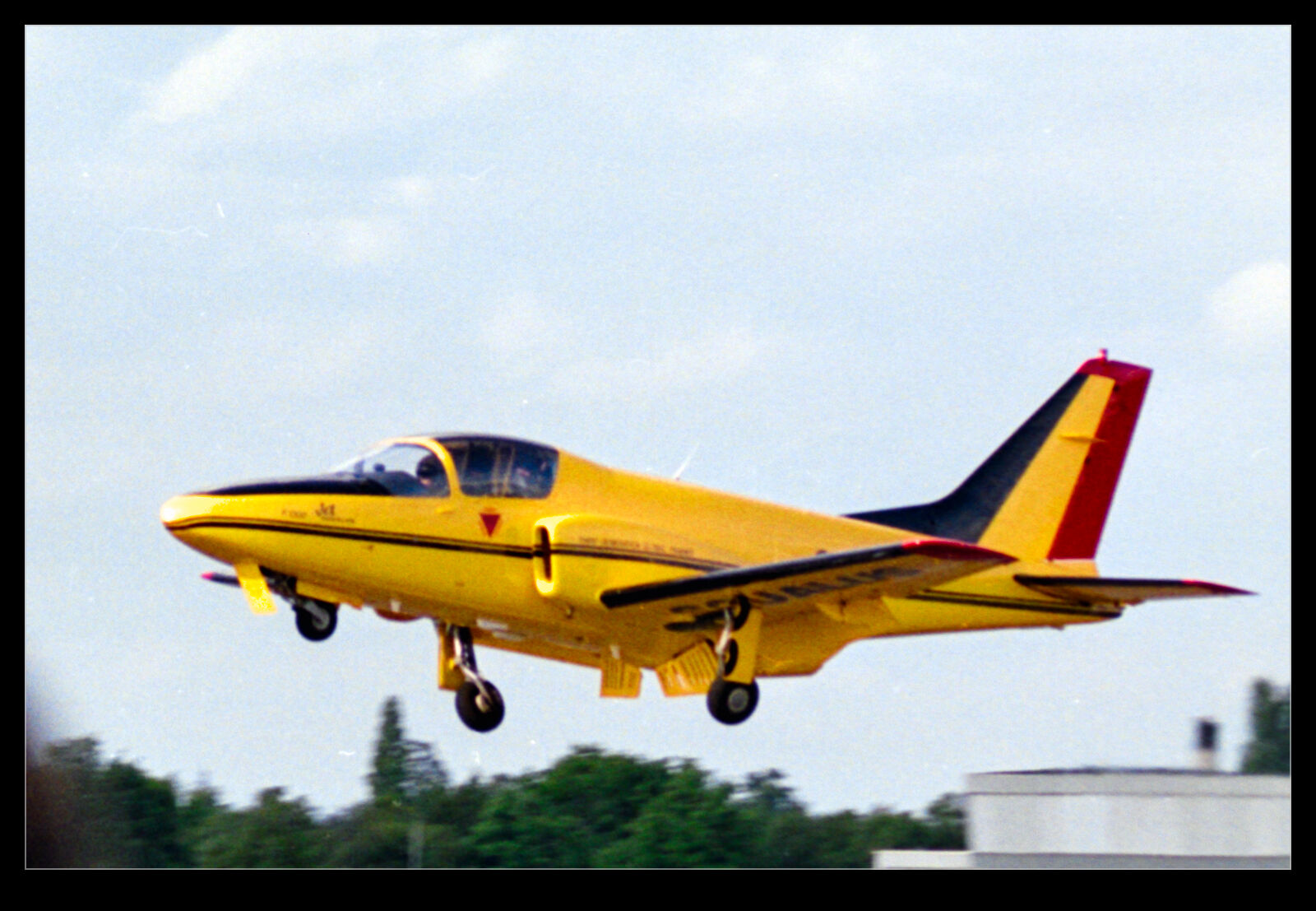
Scan 2-1664.jpgPromavia created the Jet Squalus aircraft.  Promavia were a Belgian company but the design was originally from Stelio Frati in Italy.  Painted in colors that represented Belgium, it showed up at a number of air shows.  However, it also never proceeded beyond the prototype stage.
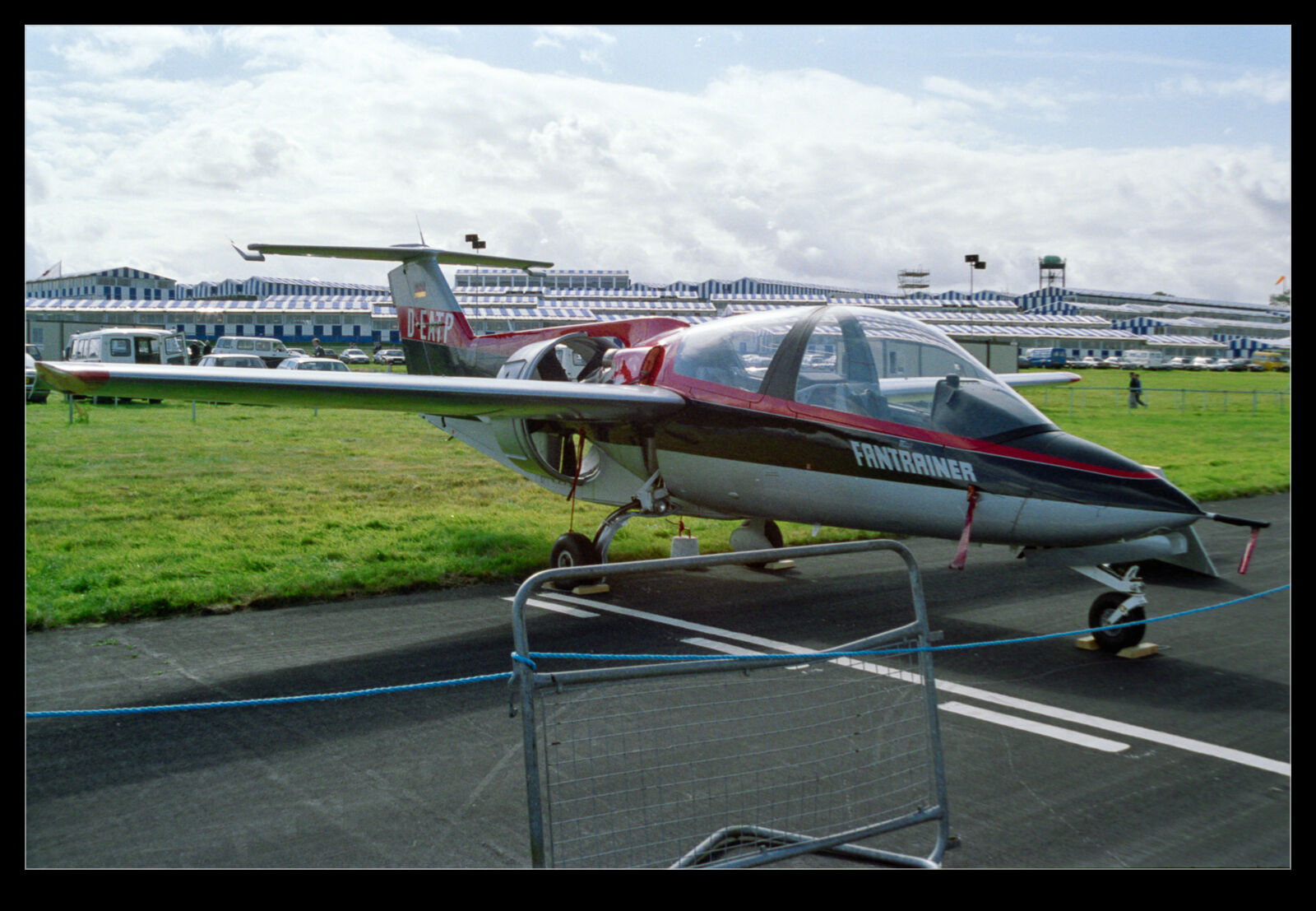
Scan 2-1649.jpgThe RFB Fantrainer was a German program.  It was a tandem seat aircraft with a ducted fan behind the cockpit.  It was designed to provide fighter-like handling characteristics in a training aircraft.  It was judged successfully in a competition to provide a trainer for the Luftwaffe but instead they went with a USAF based training program and did not take the aircraft.  It was sold to Thailand, though.  I don’t know what their current status is.  The aircraft was also the basis for a jet powered aircraft offered for the US JPATS competition by Rockwell.  However, it lost to what became the T-6 Texan II.
Pulling a Cloud With You

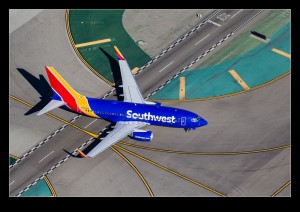
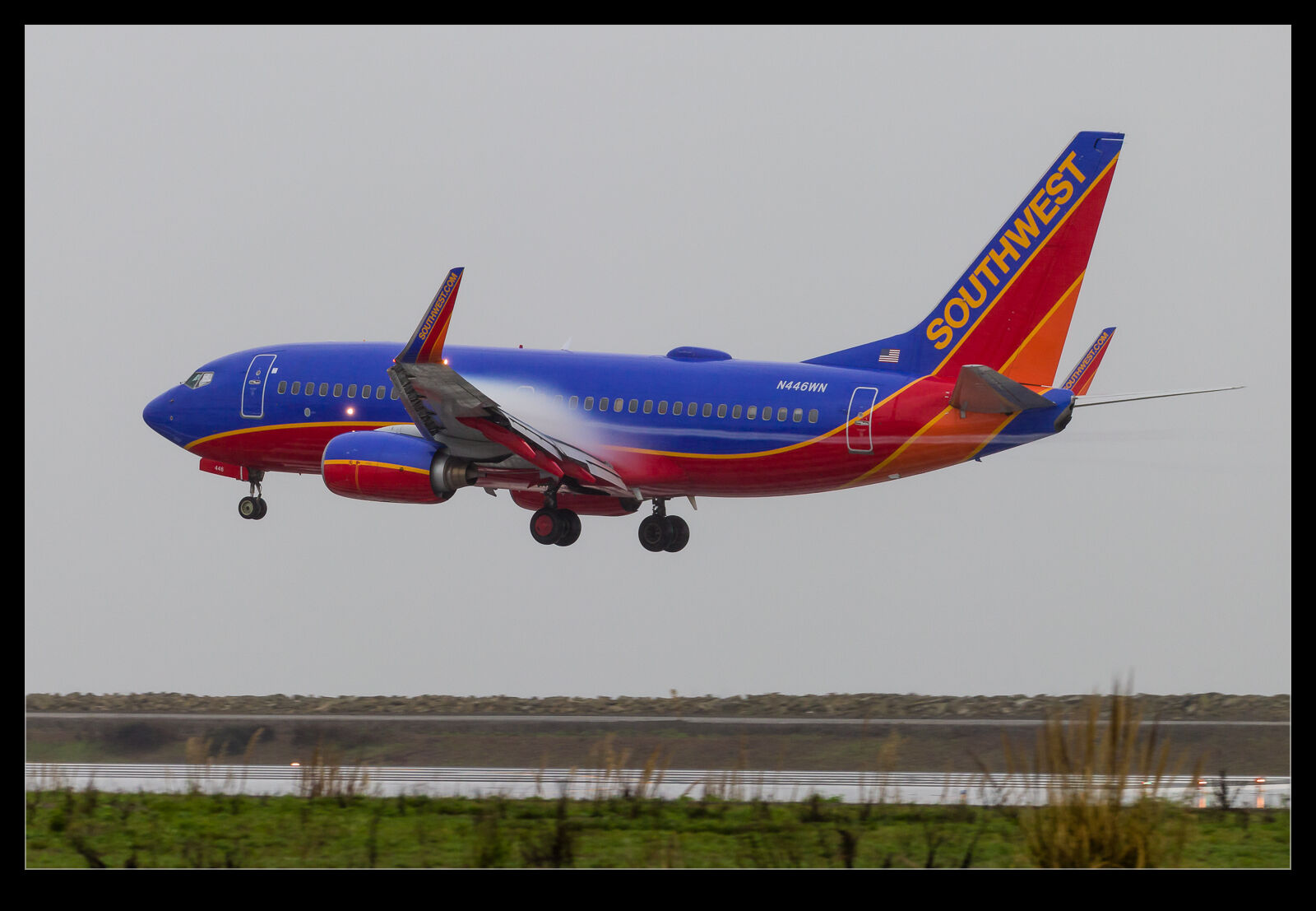
AU0E1411.jpgGetting shots of vapor is a popular thing when shooting fast jets.  An airliner on a damp day can also result in some clouds being formed.  While shooting something special at Oakland, I was getting a few shots to make sure the light metering was working as planned.  A Southwest 737 came in and, as it flared for landing, it had a nice cloud of moisture form over the wing.  Normally these things pop up further out on the approach and don’t make for a good shot but this one was close at hand.
The Early Emirates

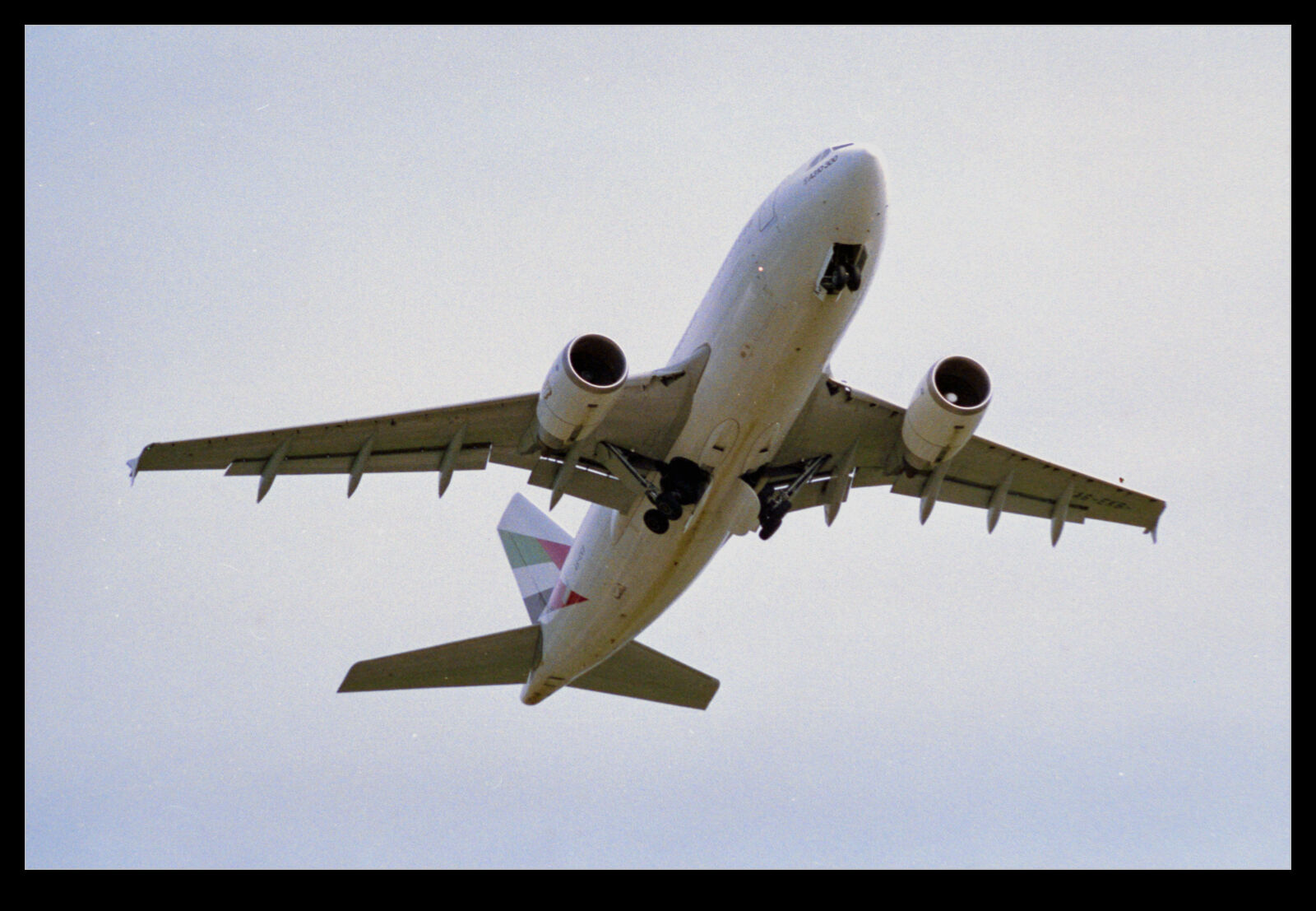
Scan 2-1349.jpgIf you were to ask someone to name one of the dominant global airlines these days, it wouldn’t be long before the name Emirates came up.  The rapid growth and large fleet of wide-bodies makes Emirate a familiar sight around the world.  It is easy to forget that is was not always thus.  I first saw Emirates in 1988.  At the time, I had a small book of airliners around the world and it listed the planes that were potentially going to be seen in the UK.  It didn’t include short haul jets from the opposite side of the world but it did have something that could conceivably be seen.  At the time, Emirates were listed as having one A300 and two A310s.  A far cry from what they have now.

They used to fly in to Gatwick with the A310s.  While working for the CAA, I got to spend a bunch of time under the approach to Gatwick recording noise levels of the passing jets.  I did manage to get the occasional shot too!  Here is a scan of a slightly rough negative of an Emirates A310 passing the middle marker.  This plane would now be considered a bit too small for their regular operations!

Those That Sneaked In

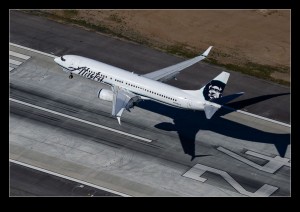
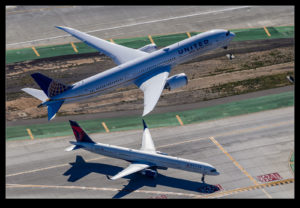
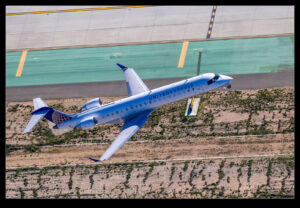
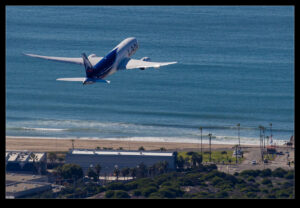
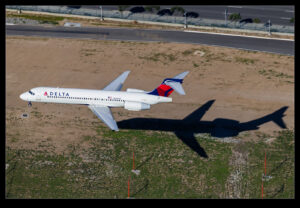
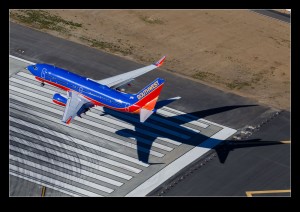
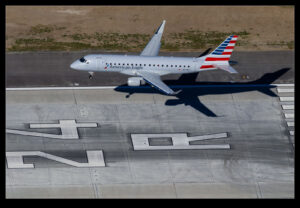
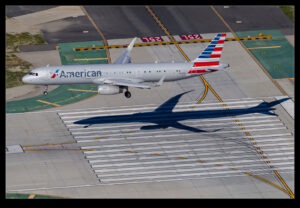
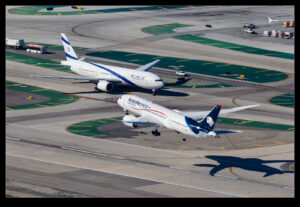
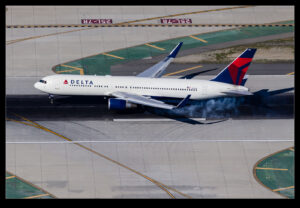
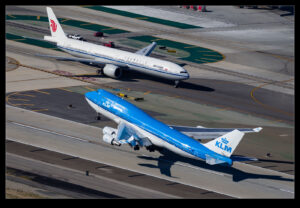
C59F0414.jpgI learned something significant while shooting the airliners from above LAX. It is a lot harder to see an airliner from above than I thought. In the many years of flying, I am familiar with the importance of maintaining a good lookout and the difficulty of spotting other aircraft around you in the sky. From our locations over the airport, we were generally picking out the aircraft from a background of the city, not the sky. I had figured that we knew the approach paths and what was due in so we would not have trouble seeing the planes as they came in.

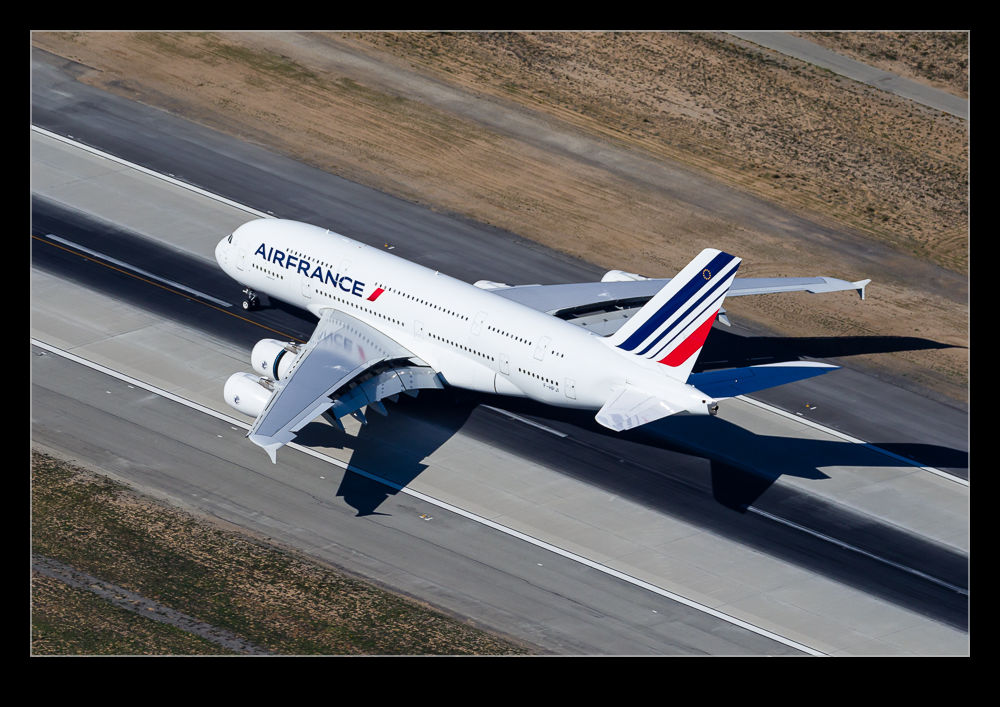
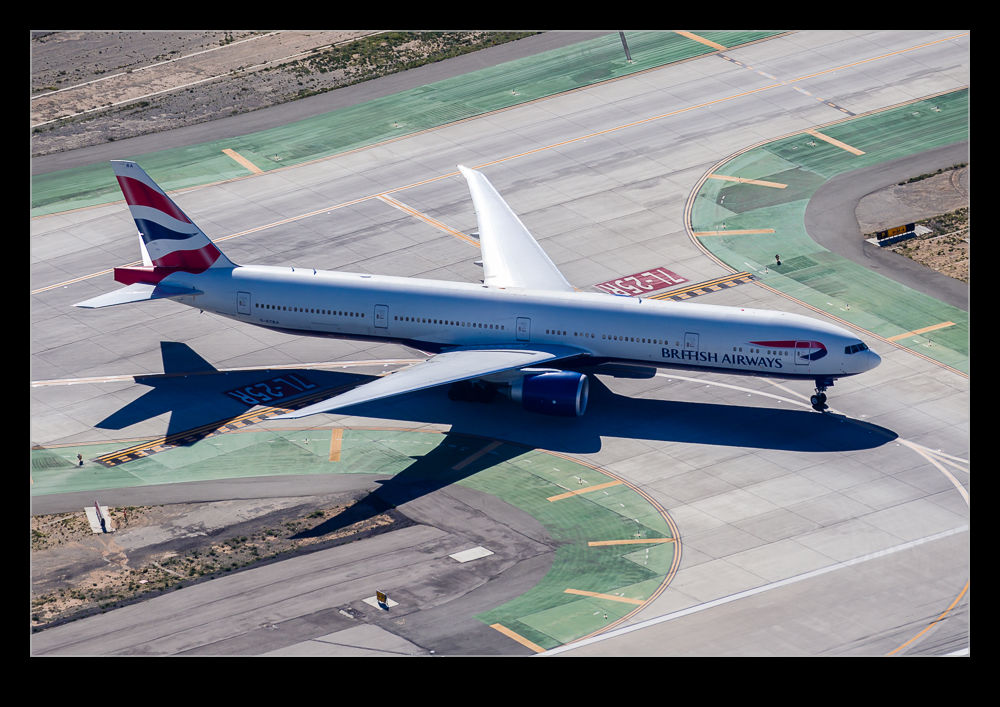
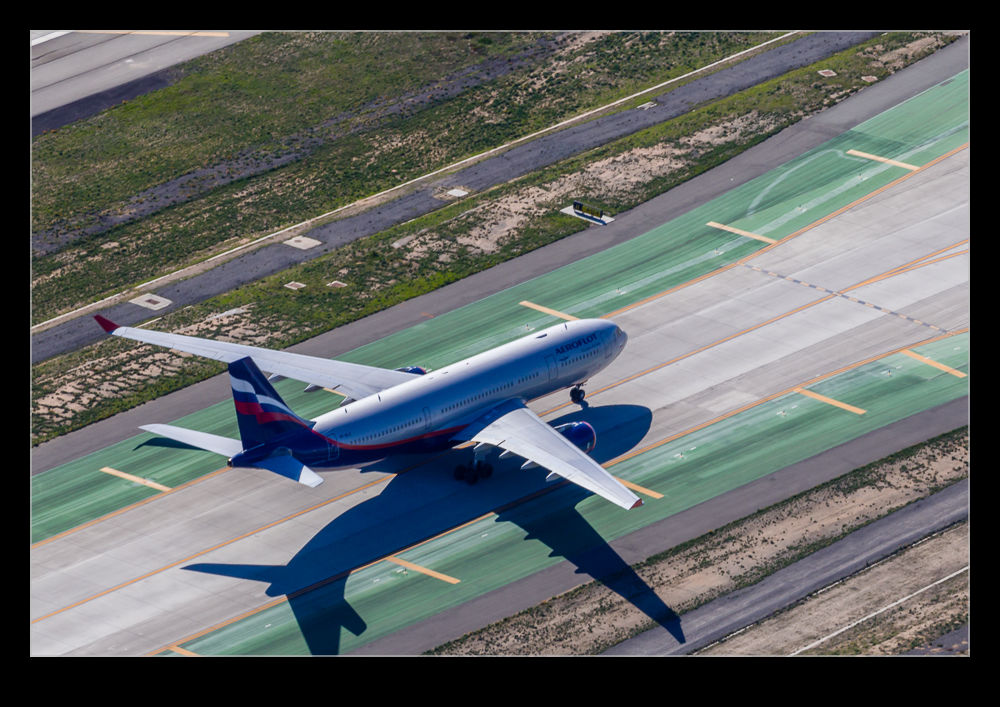
C59F0857.jpgI was very wrong. First, they are not easy to find at all. Three sets of eyes were looking but we would find things at odd times, sometimes when they were very close. Also, with parallel operations to the 24 and 25 complexes, you can get distracted by activity on one side and miss out on something the other side. The result of this was that we did not see some of the jets until they were on the ground. Pete, who was with me, flies 777s so we were keen to get the BA jet when it came in. We knew the arrival time and still managed to miss it until it was on the ground. An Air France A380 also sneaked in past our “diligent” scan. An Aeroflot A330 was also successful in coming in untouched.

C59F0460.jpgAll of these were a little frustrating but not terrible. However, it did give me pause for thought about how I would plan the flight the next time in order to keep track of the things that I most wanted to get. This flight was my first time trying this so I was happy to have got so many shots that I like. The missed ones are not the end of the world. I did learn a lot though and will make sure I use that knowledge next time.

C59F1800.jpg

B-1Bs on a Mission

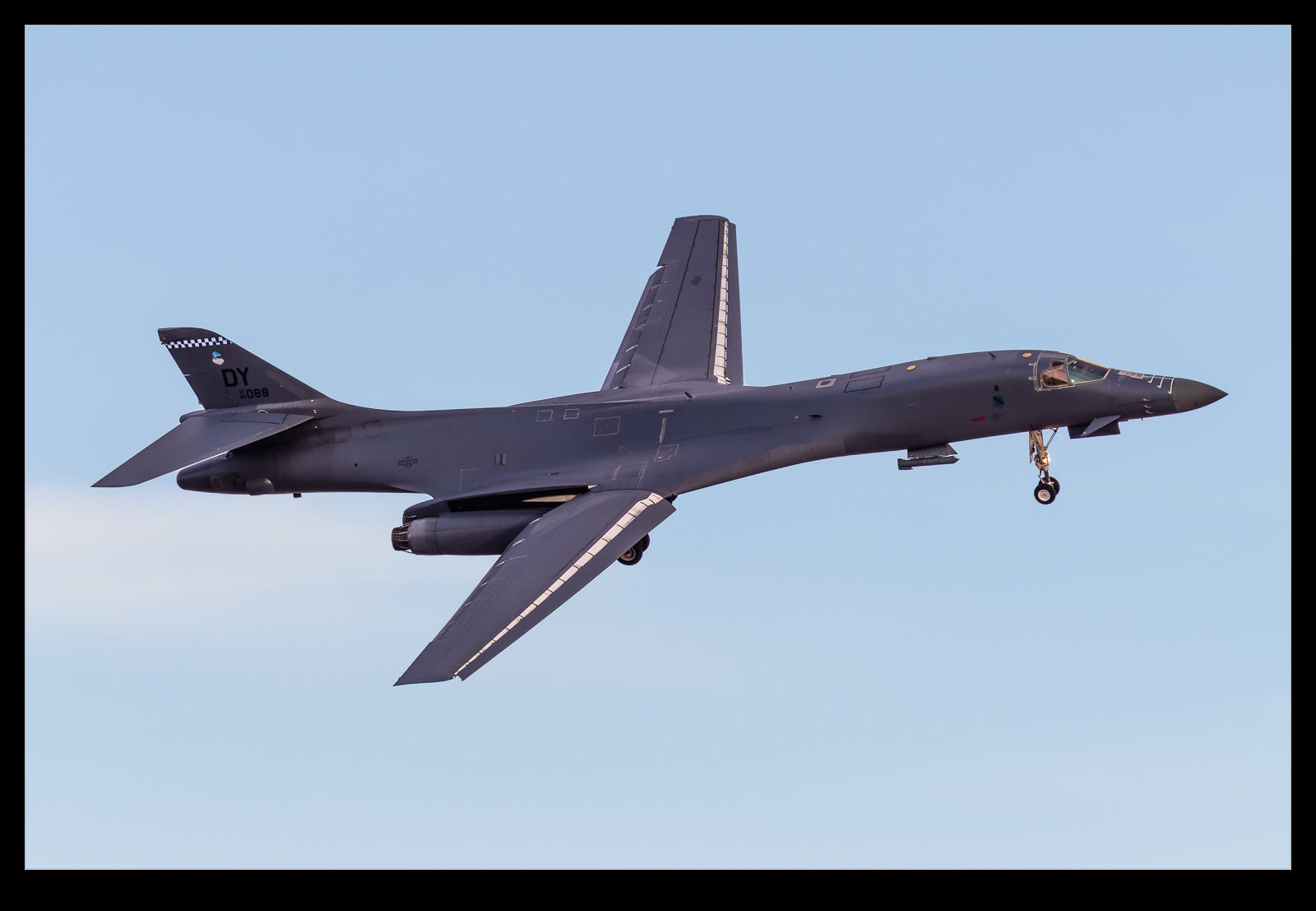
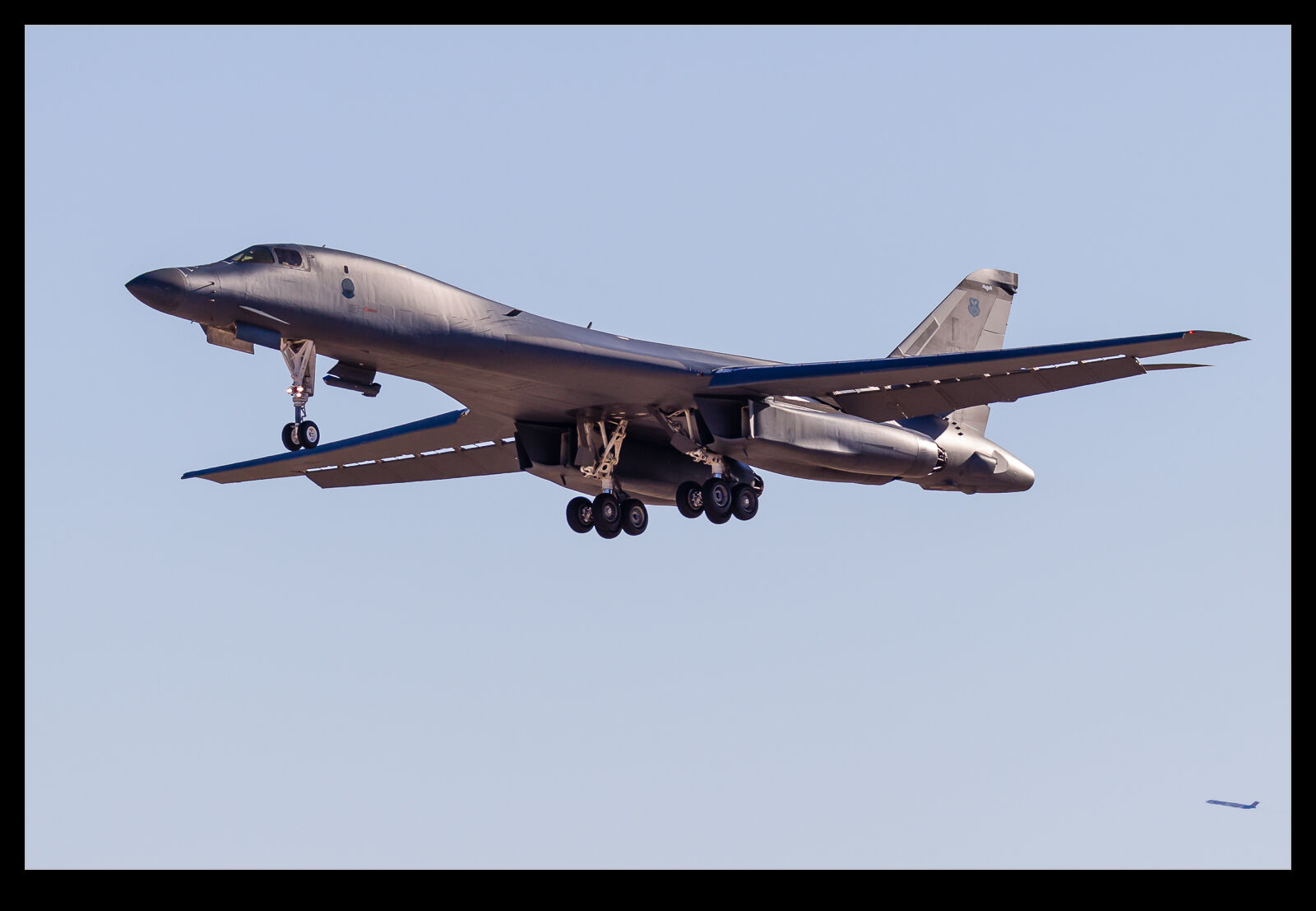
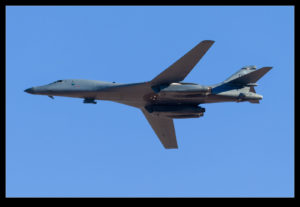
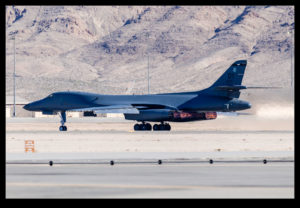
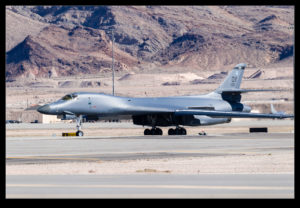
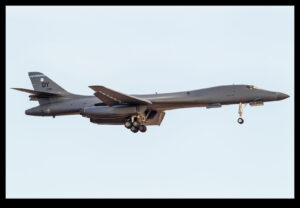
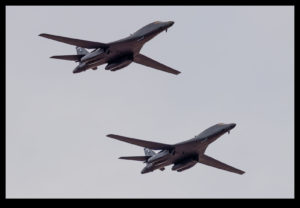
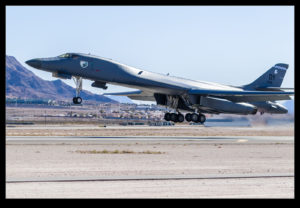
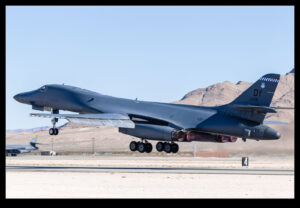
AU0E6358.jpgThe B-1B Lancer is a cracking aircraft.  The combination of size and power makes it look epic when it is in action.  A B-1 departure is not something that you will forget in a hurry.  Four large afterburning turbofans will get your attention and it has a very elegant shape to boot.  The variable sweep wings add a little interest too.  At minimum sweep for takeoff and landing, they look a little ungainly given how long the span is.  Put them all the way back and pour on the coals and the jet can really get moving.  Sadly, airshow appearances are few and far between these days so the chance to see vapor clouds forming around the jet are limited.  (I recently went through some old negatives from a UK airshow at which a B-1 made a fast pass in damp conditions.  The shots aren’t great but the effect is cool.)

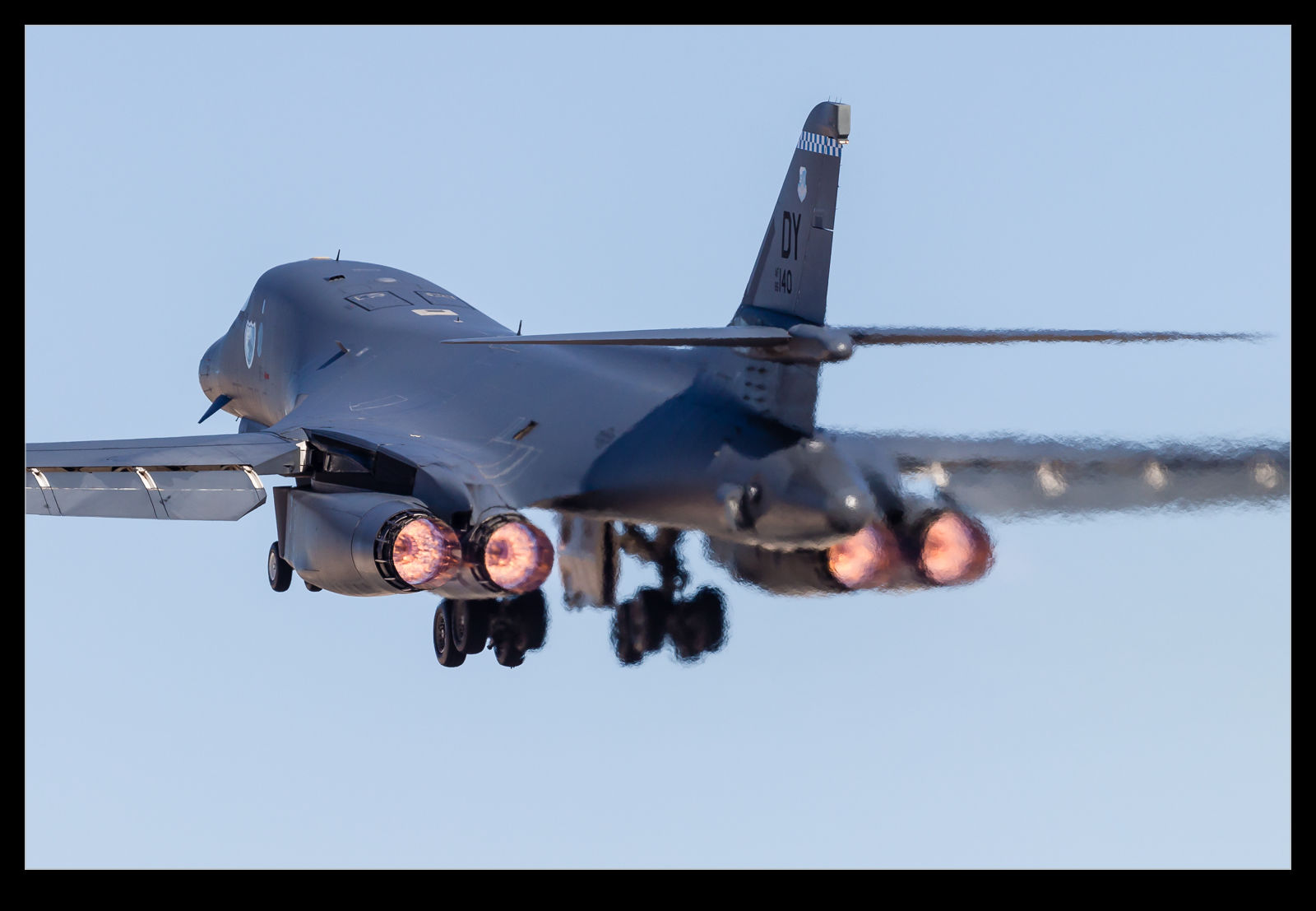
C59F6056.jpgA couple of B-1s would launch each day as part of the Red Flag 16-1 exercises.    I was lucky enough to have a couple of good opportunities to see then.  When we were out between the runways, the B-1s launched off the right side.  Not ideal for lighting but you aren’t going to complain.  Because they are a large jet, you have to make some choices with lenses as to what you are aiming to get.  A quick swap of bodies can really help.  A long lens is not much use when they are level with you but the cool shot from behind as they climb out benefits from the big glass.

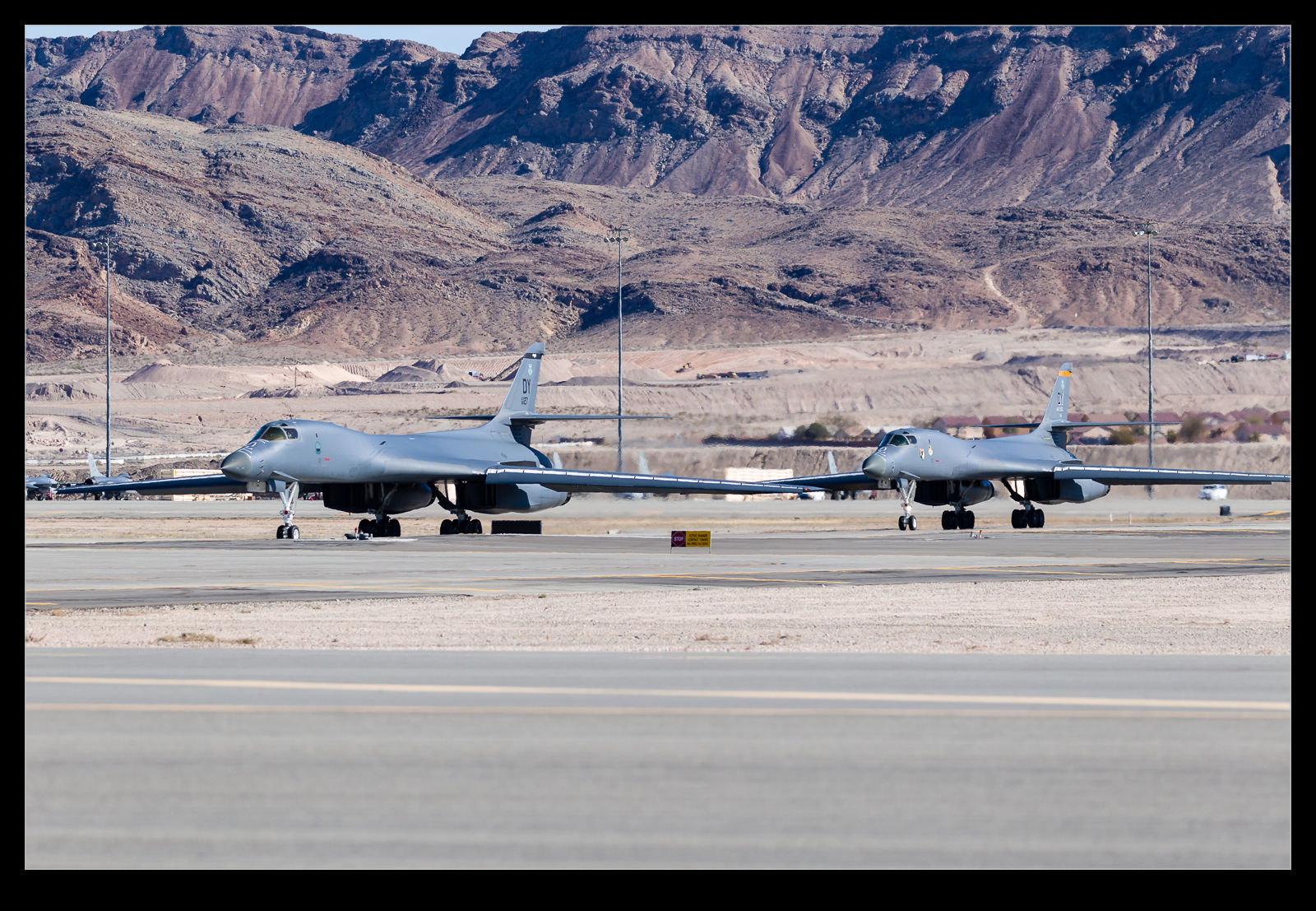
AU0E7668.jpgOn my first day there, the jets returned at the end of the mission as a pair.  Sadly, the clouds had moved in and the conditions were not great for getting a shot.  However, you aren’t going to ignore them.  On the second day when I was at the EOR, we got a good view of the two jets taxiing out and taking off.  The heat haze is a bit of a problem but not so much as to make it something you can avoid shooting.  Operating as a pair, they look more menacing.

C59F6757.jpgOften the B-1s are at the end of the recovery phase.  However, on this day, they came back relatively early.  I was still at the EOR when they broke into the pattern.  They did land on the opposite runway from the one we were at but they are big enough for this to not be a big deal.  A nice bit of mountain in the background certainly helps enhance the shot a little.  What a great looking jet.  I don’t know anyone who isn’t excited when they see one in action.

Nice Challenger 300

AU0E0437.jpgI may joke about what my favorite business jet would be to buy but, of course, I am not getting one any time soon. That doesn’t stop me considering which would be a good choice. The large cabin ultra long range jets are, without doubt, a nice idea but I would actually like something in the super midsize bracket. This would meet most of my needs (except for paying for it of course). One great looking jet and a good performer is the Bombardier Challenger 300 (and the newer 350). I would certainly be happy with one of these. This example is one that I saw at Hayward recently. Should I get one do you think?

AU0E0452.jpg

Marine Corps C-9

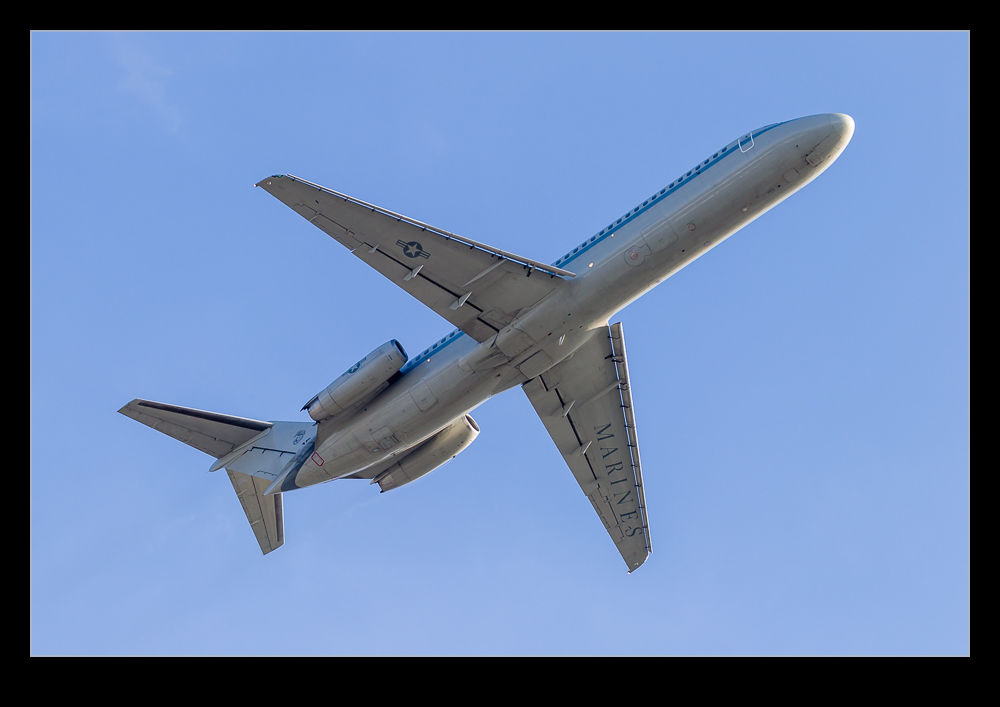
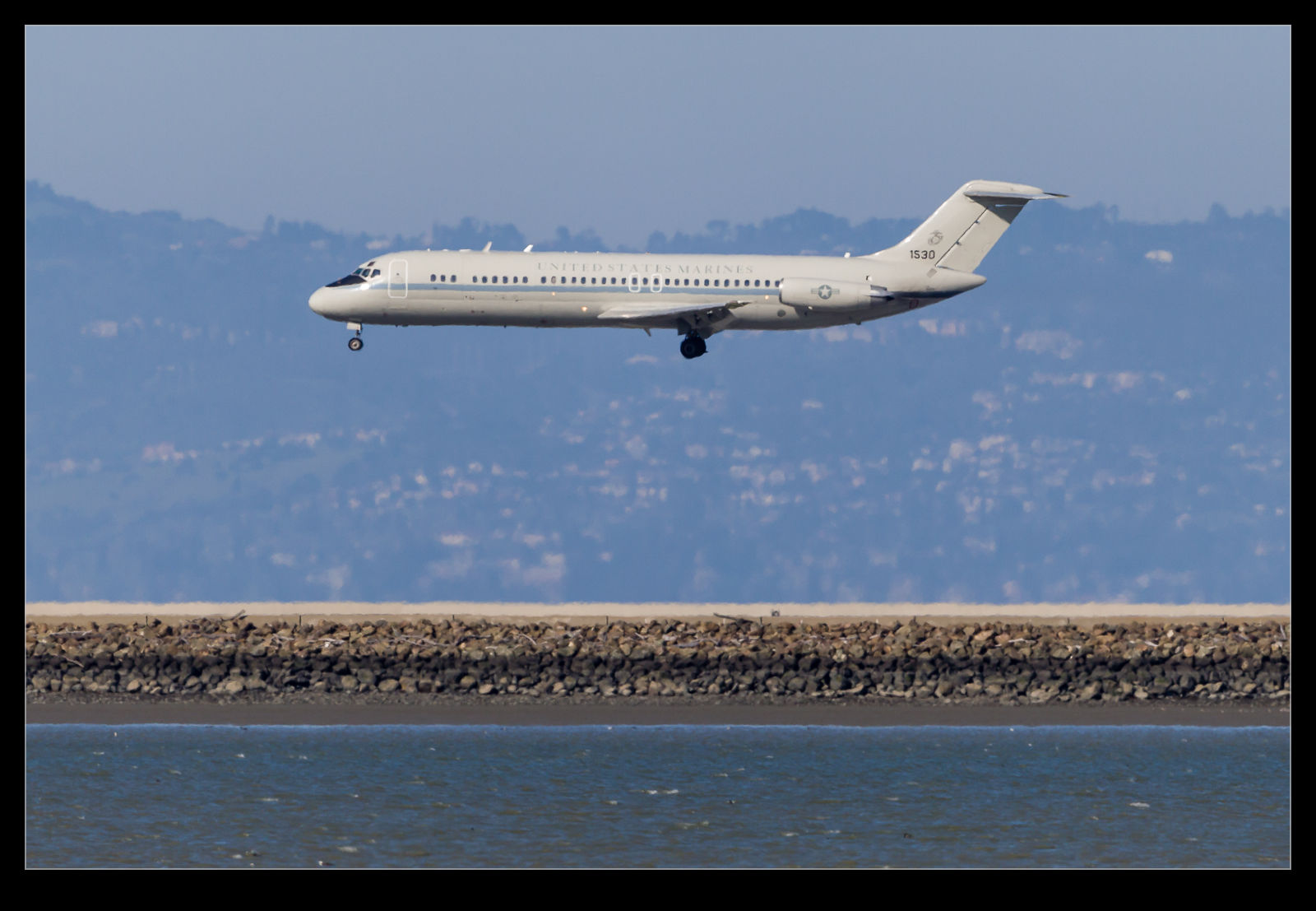
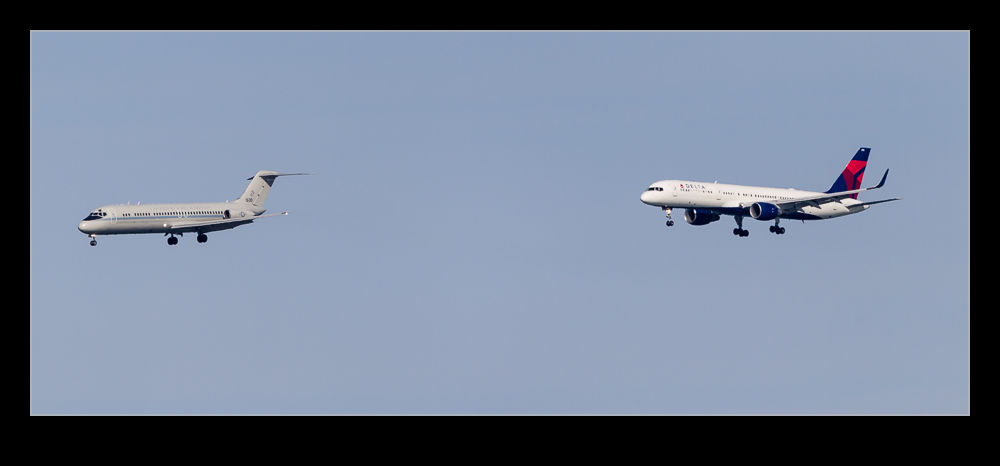
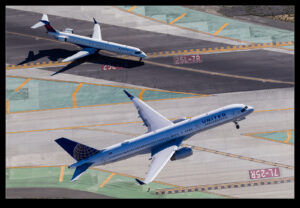
AU0E3039.jpgIf you had asked me whether the McDonnell Douglas C-9 Skytrain was still in service, I would have said no.  Used by the Navy and Marine Corps, the fleet had been wound down as C-40 Clippers were introduced.  I thought that they had all gone by now.  You can guess, then, that I was rather surprised when I saw one at SFO.  Two aircraft were on parallel approaches – one a Delta 757 and the other appearing to be a DC-9/MD-87/Boeing717.  I wasn’t paying a lot of attention but parallel approaches are always worth a shot so I was taking pictures when I realized that the aircraft was a C-9B Skytrain in Marine Corps markings.  The conditions were a bit heat hazy but I wasn’t going to miss this.

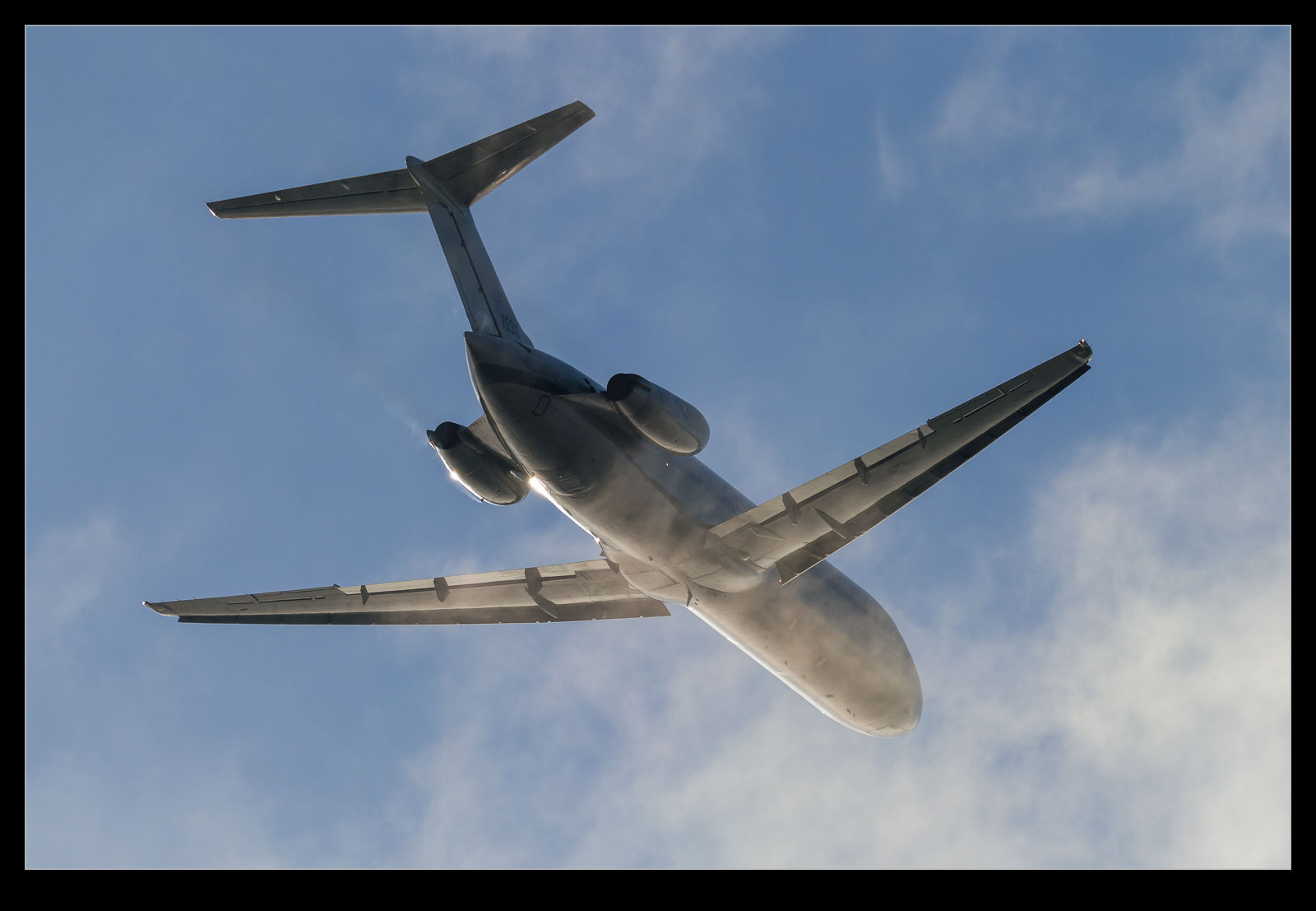
C59F9152.jpgI grabbed a bunch of shots as it landed and felt rather pleased with the turn of events.  I then stopped thinking about it.  A little later I moved around to the other end of SFO to get some head on departures of some of the widebodies that were due out.  You don’t get many narrowbodies taking off on the 28s unless the wind is particularly strong down those runways.  One or two will use it but not many.  I saw a narrowbody start its takeoff roll and almost ignored it AGAIN!

AU0E3064.jpgHowever, I did end up trying some shots and then realizing as it got closer that it was the C-9B again.  I guess it was just my lucky day that I had two opportunities to miss it and didn’t either time.  As it flew overhead, I was able to get some far better angles on it than were possible when on approach.  I also got to experience the noise levels that jets of this vintage came with.  I did a little research afterwards and apparently only two jets remain in use with the Marine Corps and all Navy and Air Force examples are retired.  This one is a rare one indeed, not least because it is based on the east coast.  No idea how long they have left but this was certainly a fortunate encounter.

C59F9125.jpg

Southern Hemisphere Rest Stop

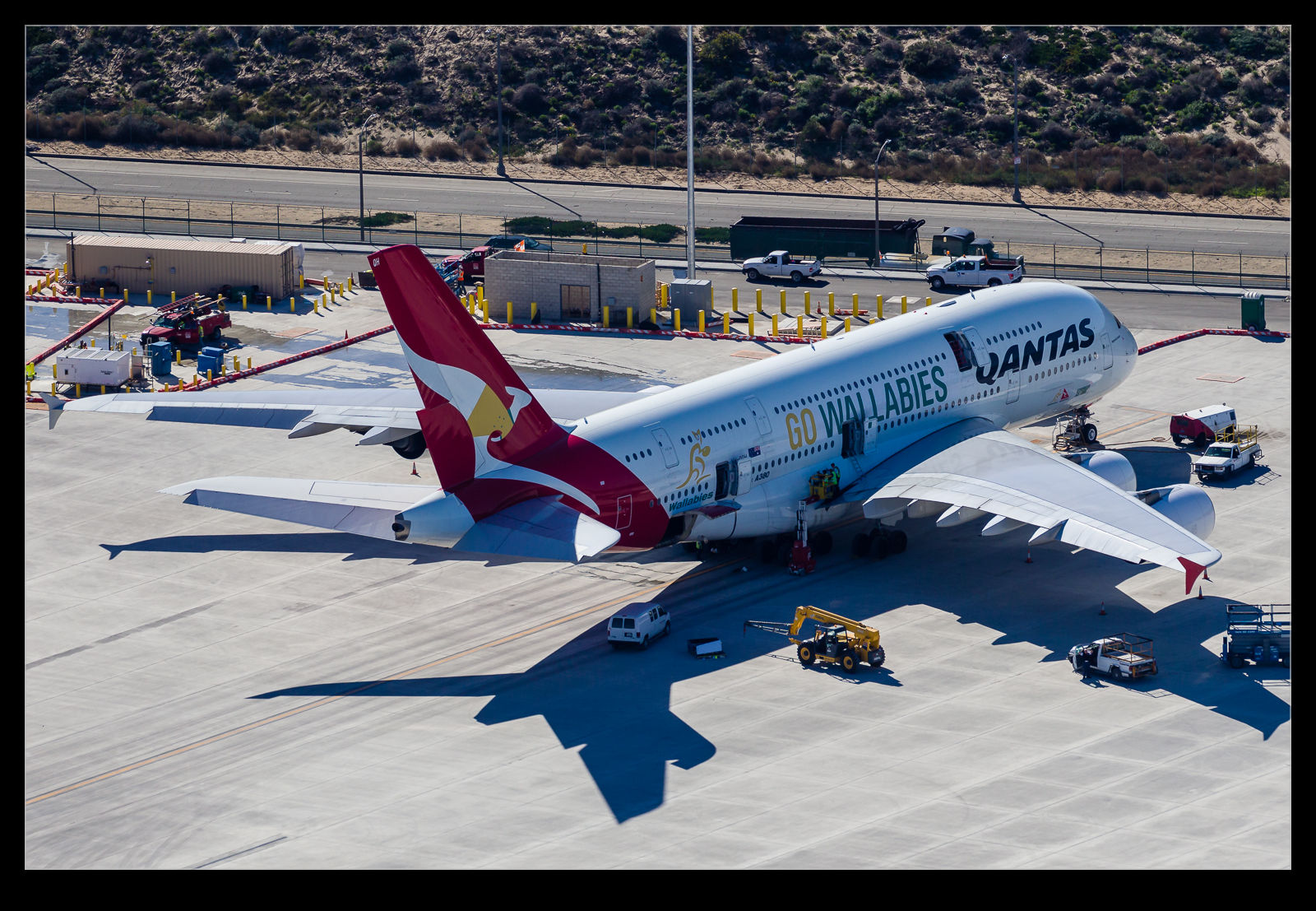
C59F1678.jpgThe scheduling of flights from Australia and New Zealand to the west coast of the US is not ideal for getting maximum utilization from your aircraft. There is a long time between the arrivals and the most desirable time for departing on the return journey. Consequently, there are a lot of jets that spend a good portion of the day sitting at LAX. Rather than waste valuable gate space, these jets are disembarked and then towed to remote stands to await the time when the evening flights will be readied.

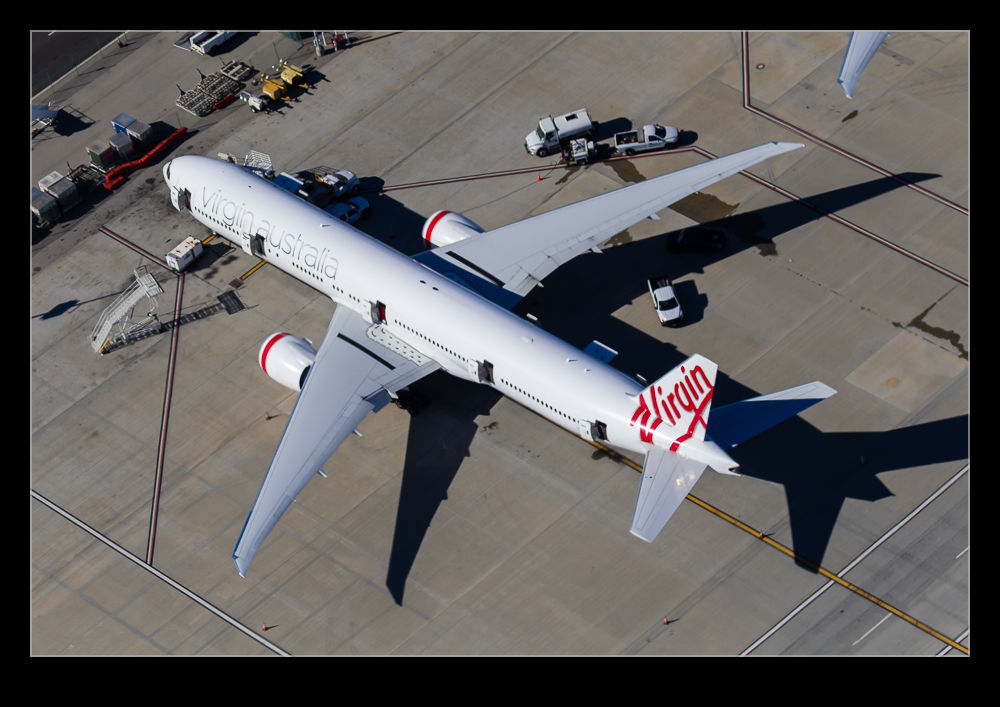
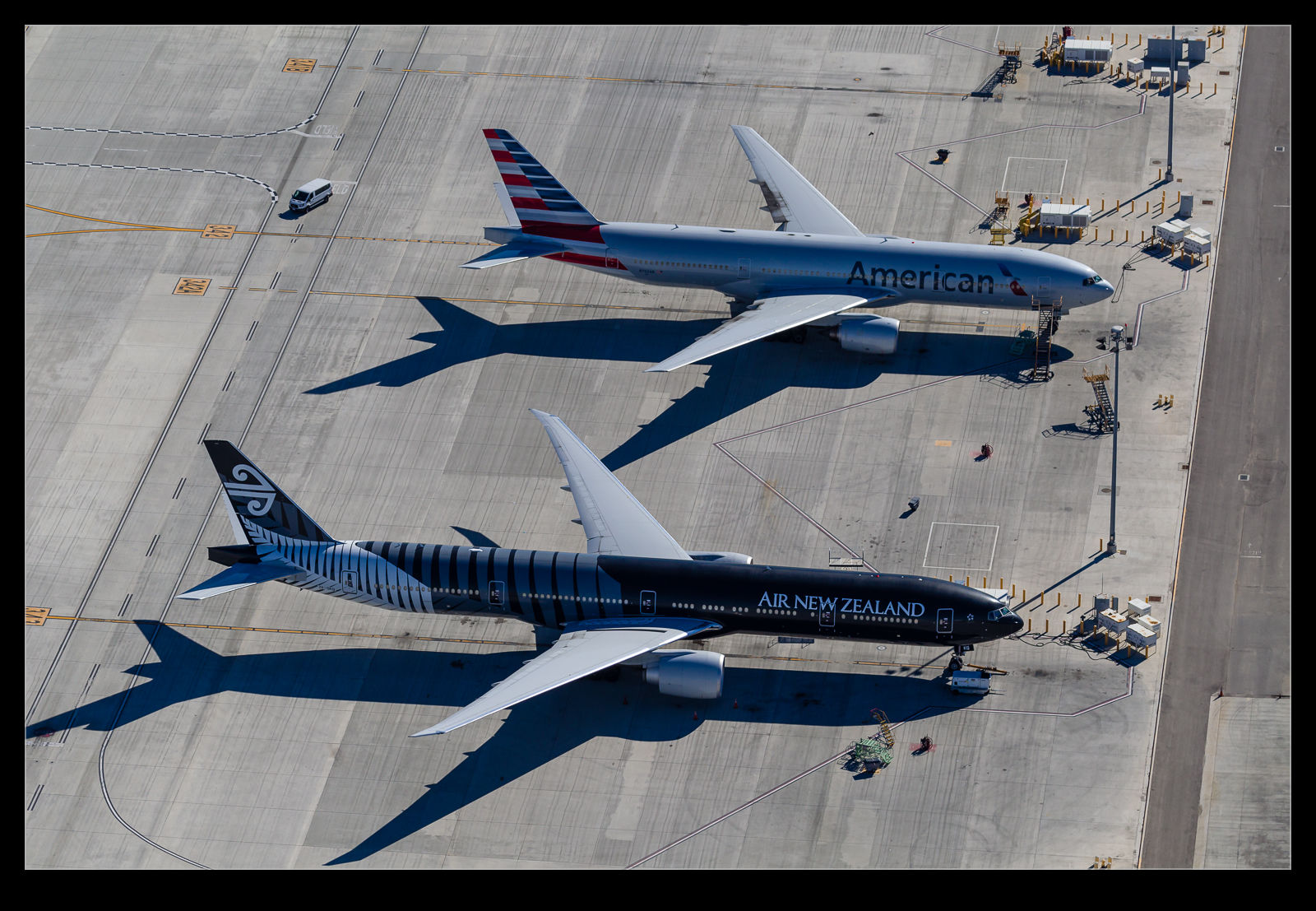
C59F1699.jpgThere is a large parking area to the west end of LAX where these jets are kept. You will see Qantas, Virgin Australia and Air New Zealand aircraft all parked up here in the middle of the day.  We were able to make a short detour from our normal operating area to the west end of the airport when ATC was able which meant we could get a good view of the jets parked up here. One of the Qantas jets was carrying special markings for the Wallabies rugby team.  Later in the day they will have started the return trek across the Pacific.

C59F1663.jpg

More Aerials from LAX

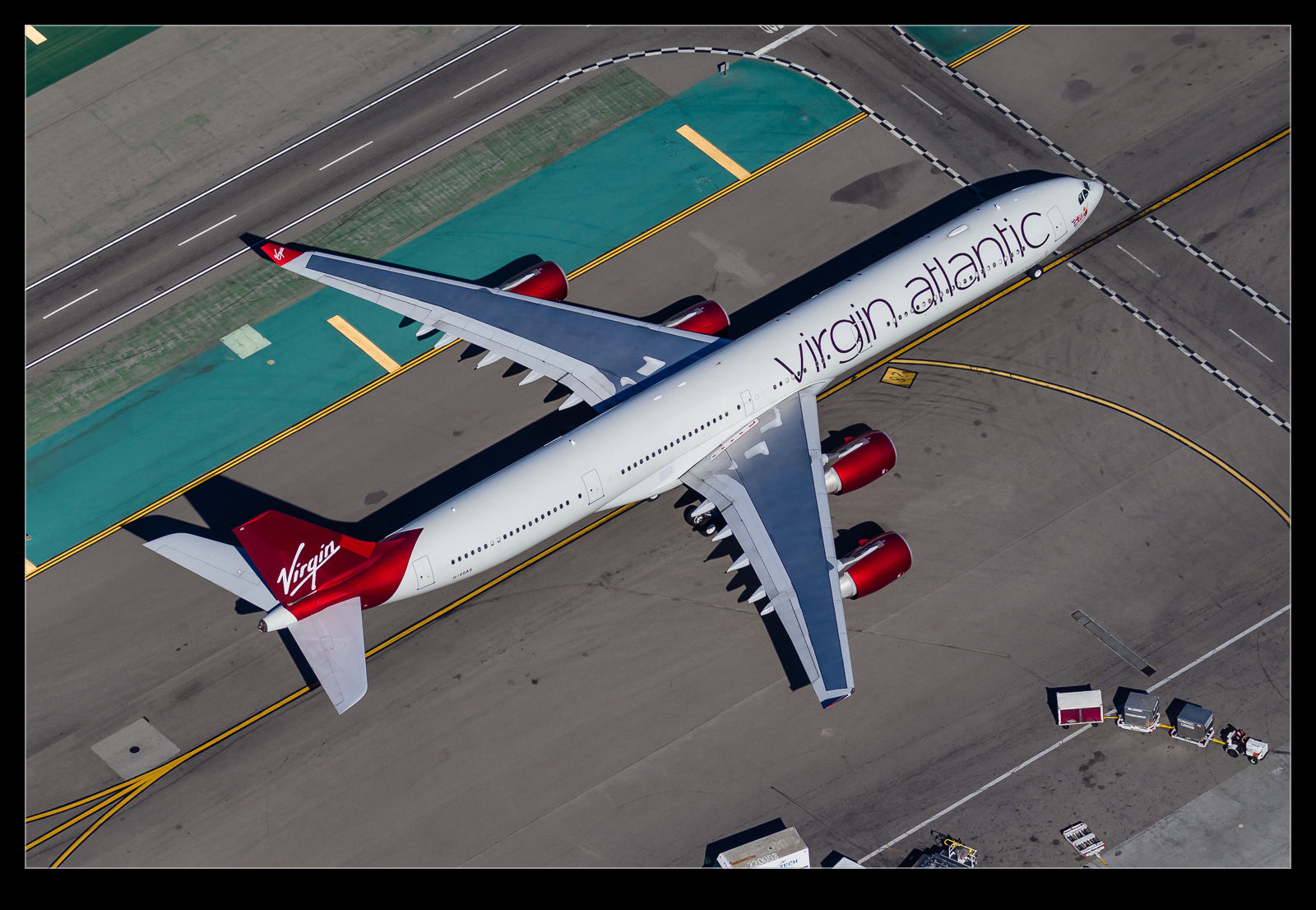
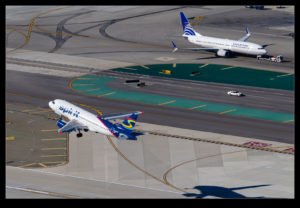
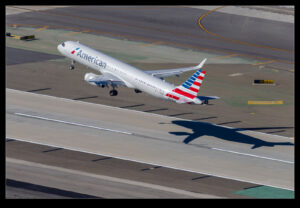
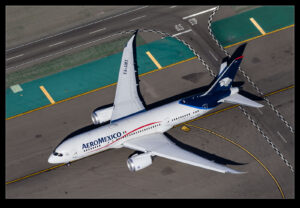
C59F0392.jpgI have put together a number of posts about specific aspects of our flight over LAX.  However, there were lots more aircraft that we shot on the flight.  It is just that they didn’t seem to warrant their own post.  Instead, here is a selection of additional shots taken on the flight.

New Alaska Livery

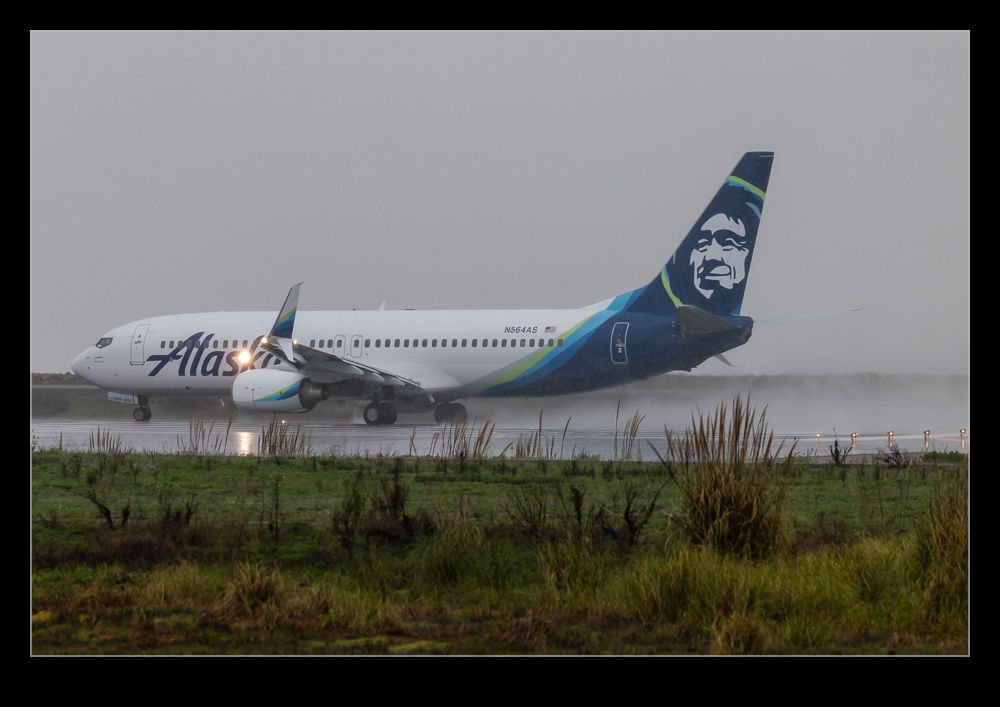
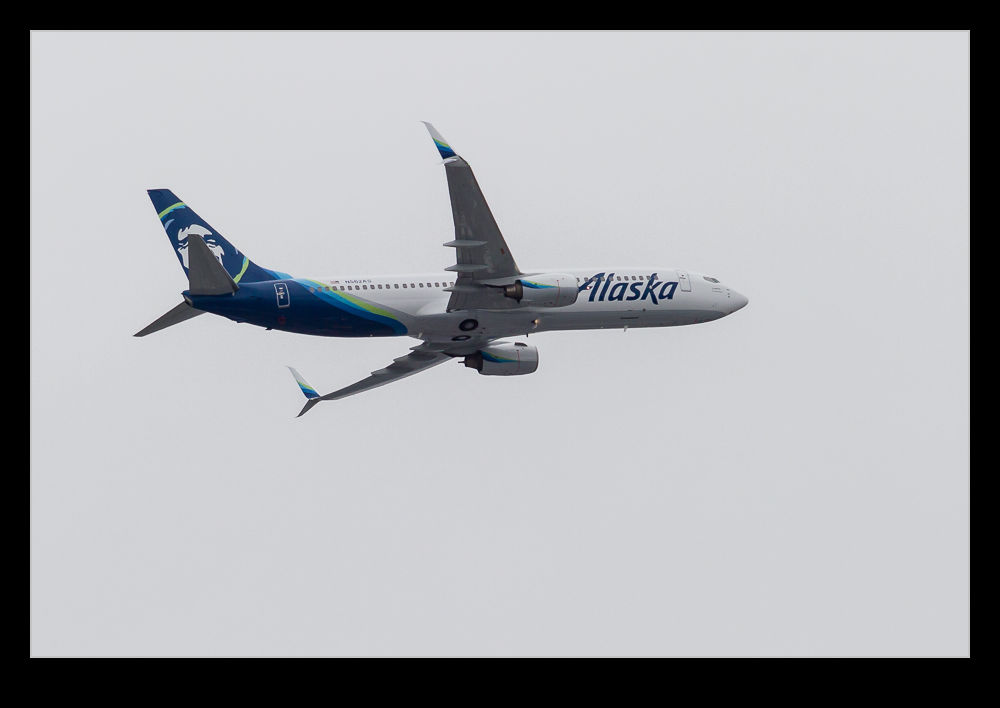
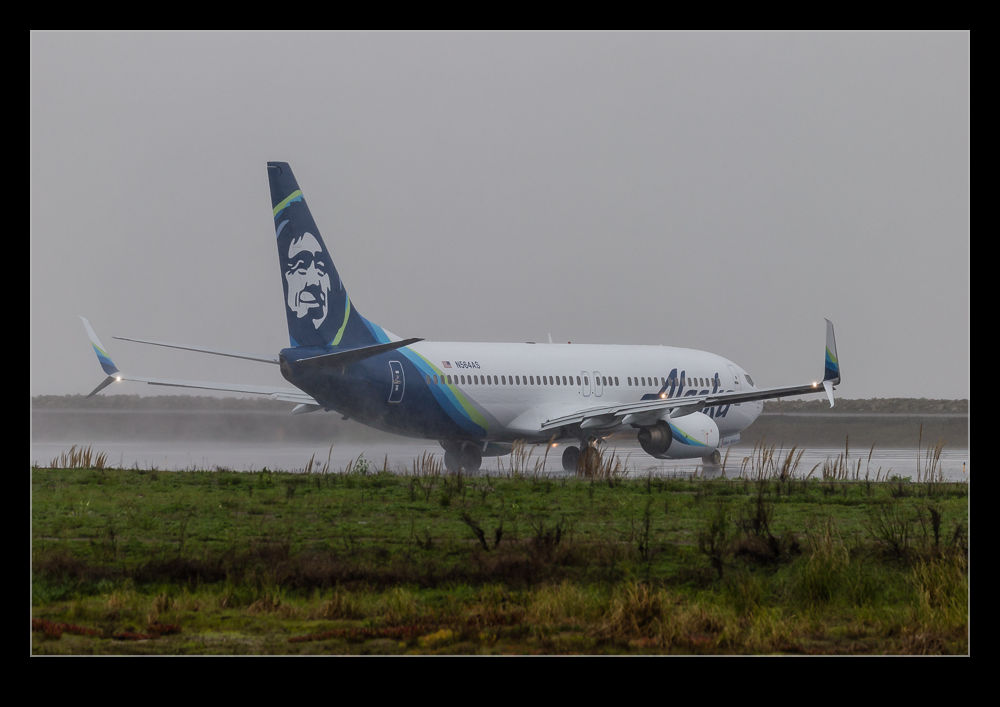
AU0E1191.jpgWhen an airline decides to change its livery, it isn’t too long before large numbers of their aircraft are in the new scheme and you start forgetting that there was ever a previous paint job. In between those two points is the time when you are interested in the change. Catching something in the new livery is of interest. Alaska Airlines has changed their colors. As an airline that is active in this part of the world, the chances of catching the new look should be good.

AU0E9943.jpgIt so happens I have seen two of them in close succession. One was overflying me while I was out walking. There was a lot of wildlife on my walk so I had a long lens on the camera so managed to get a couple of shots. The light was not great and there was plenty of cloud so not a great shot. The next time was shortly afterwards when the conditions had become considerably worse. Torrential rain meant that the plane was pretty obscured by the rain drops even though it was not far away. Neither of these will be shots that get pulled from the archives I imagine as they will be replaced by many more as the planes get repainted. However, they were my first encounters with the new look.

AU0E1172.jpg