Tag Archives: fighter

Sweating on the Range

B11I4723.jpgWhile watching the arrivals for Hawgsmoke was a lot of fun, the main focus was the range work on the first day of exercise.  The Air Force put us on a bus for the drive out to the Barry M Goldwater Range south of Gila Bend.  This is about a two hour drive.  The temperatures were above 100F and the bus was a bit lacking in air conditioning terms.  We were toasty as we traveled out.  Standing on the range is another thing.  It is rather warm standing out in the sun.  However, you soon forget how hot it is when the jets arrive.

AE7I5828.jpgThe four ships for each unit have a range slot.  They start with the various bomb missions so they are quite a way off while this is underway.  You can just see the little practice bombs as they are released if you look closely and then the impact on the target out on the range.  They try a few different profiles.  Then they move on to the strafe work.

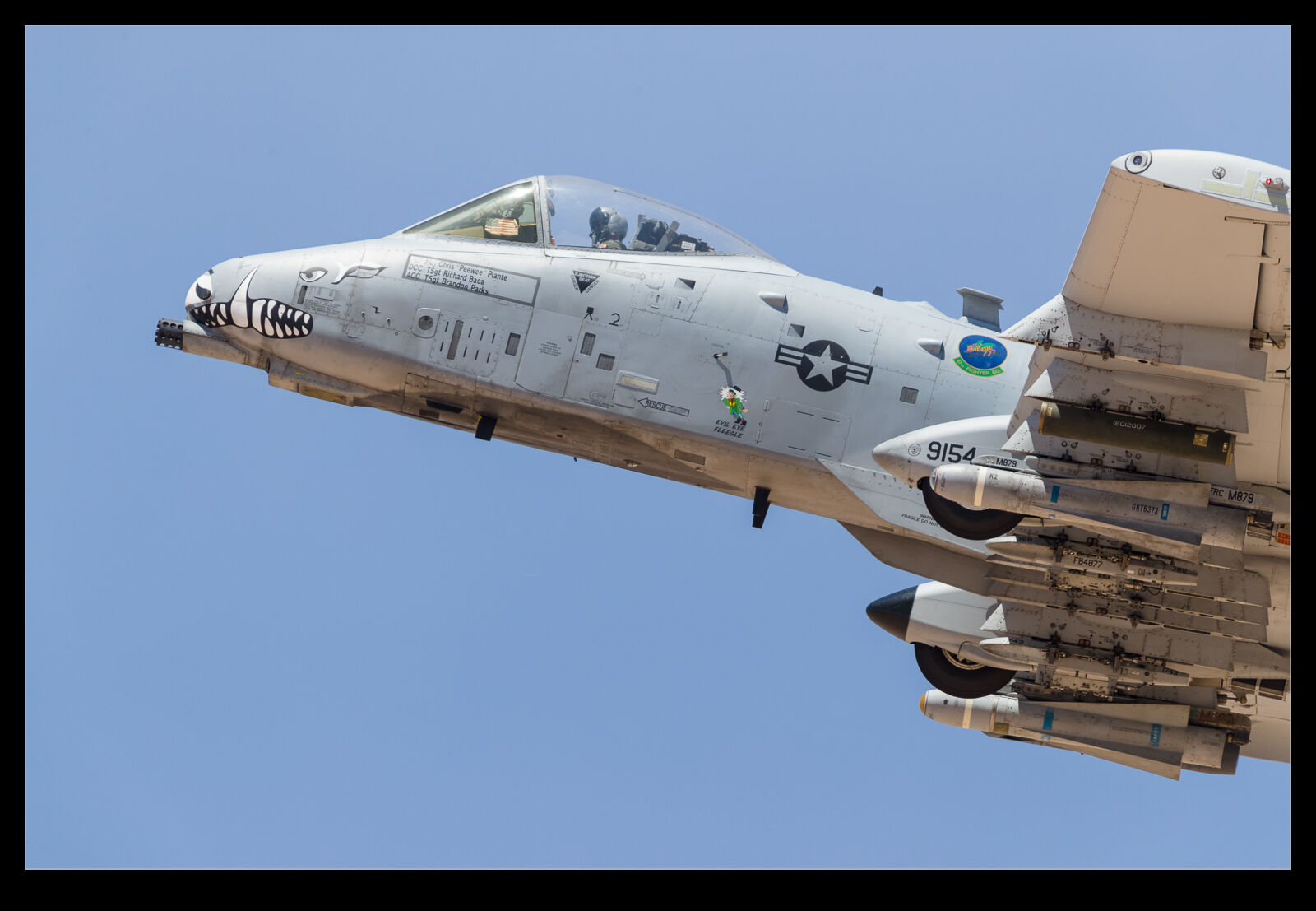
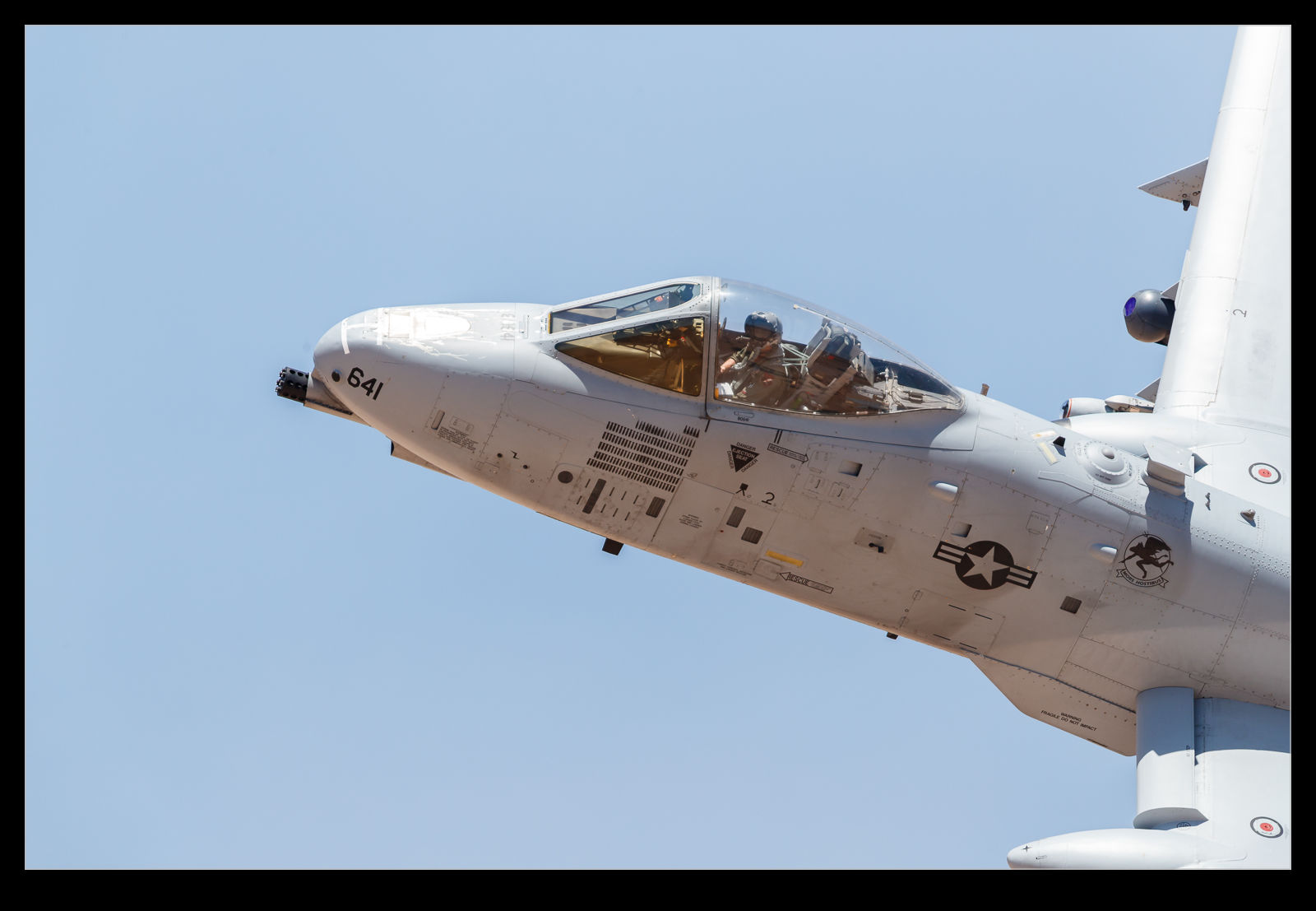
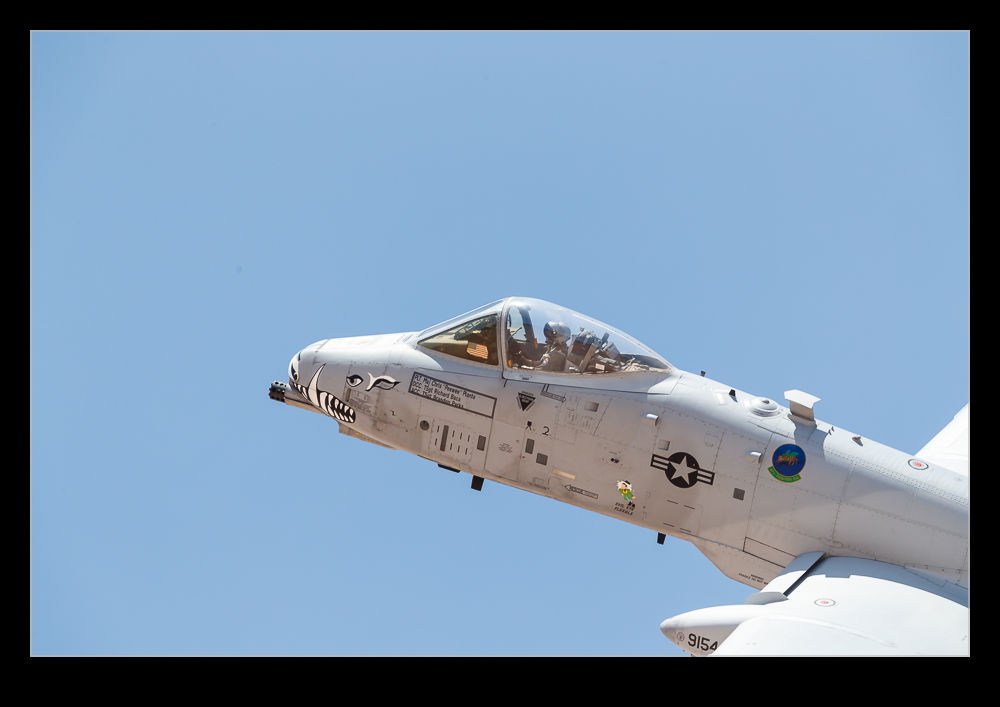
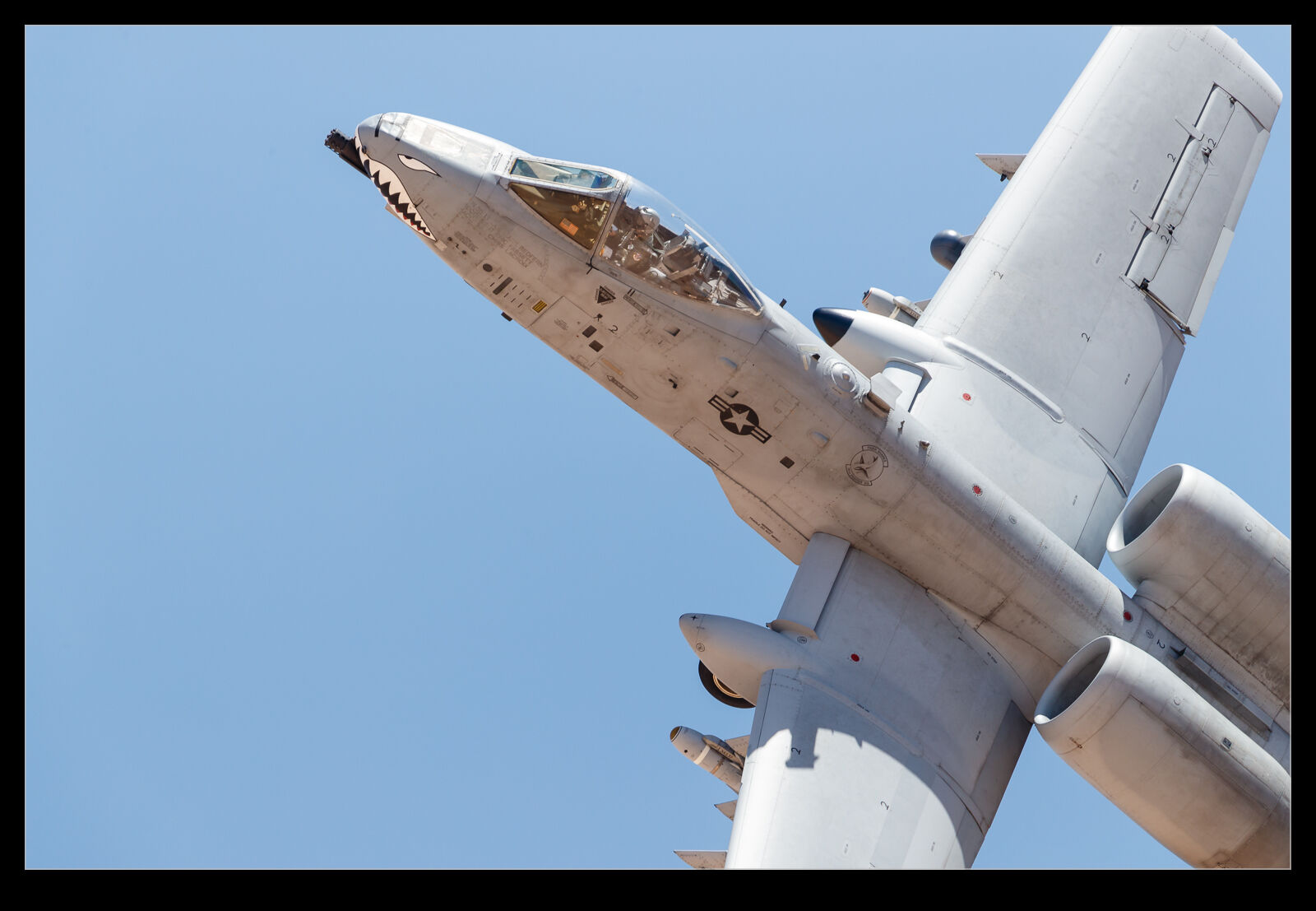
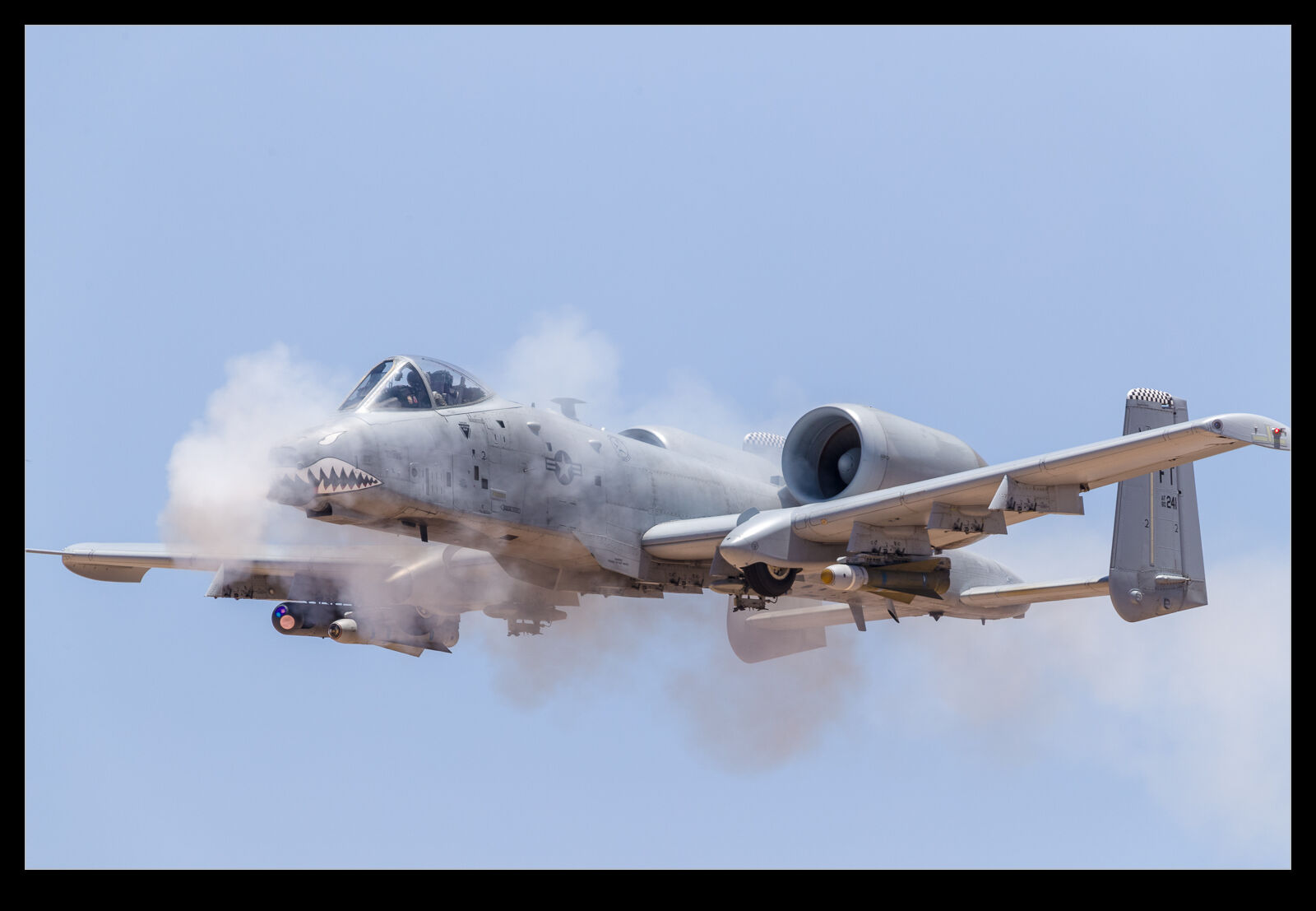
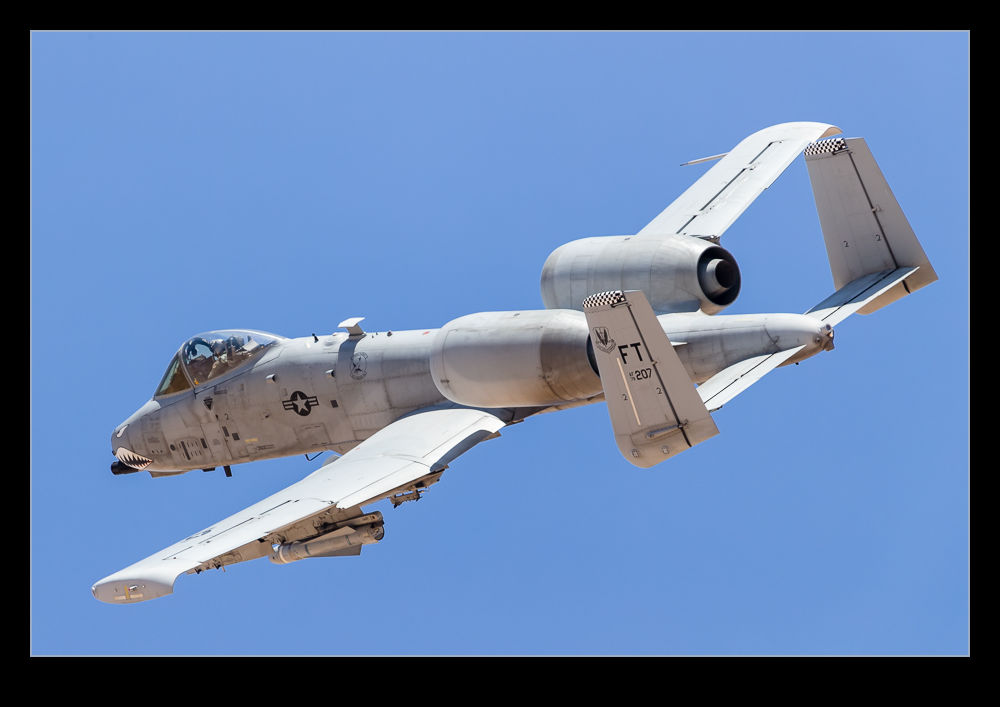
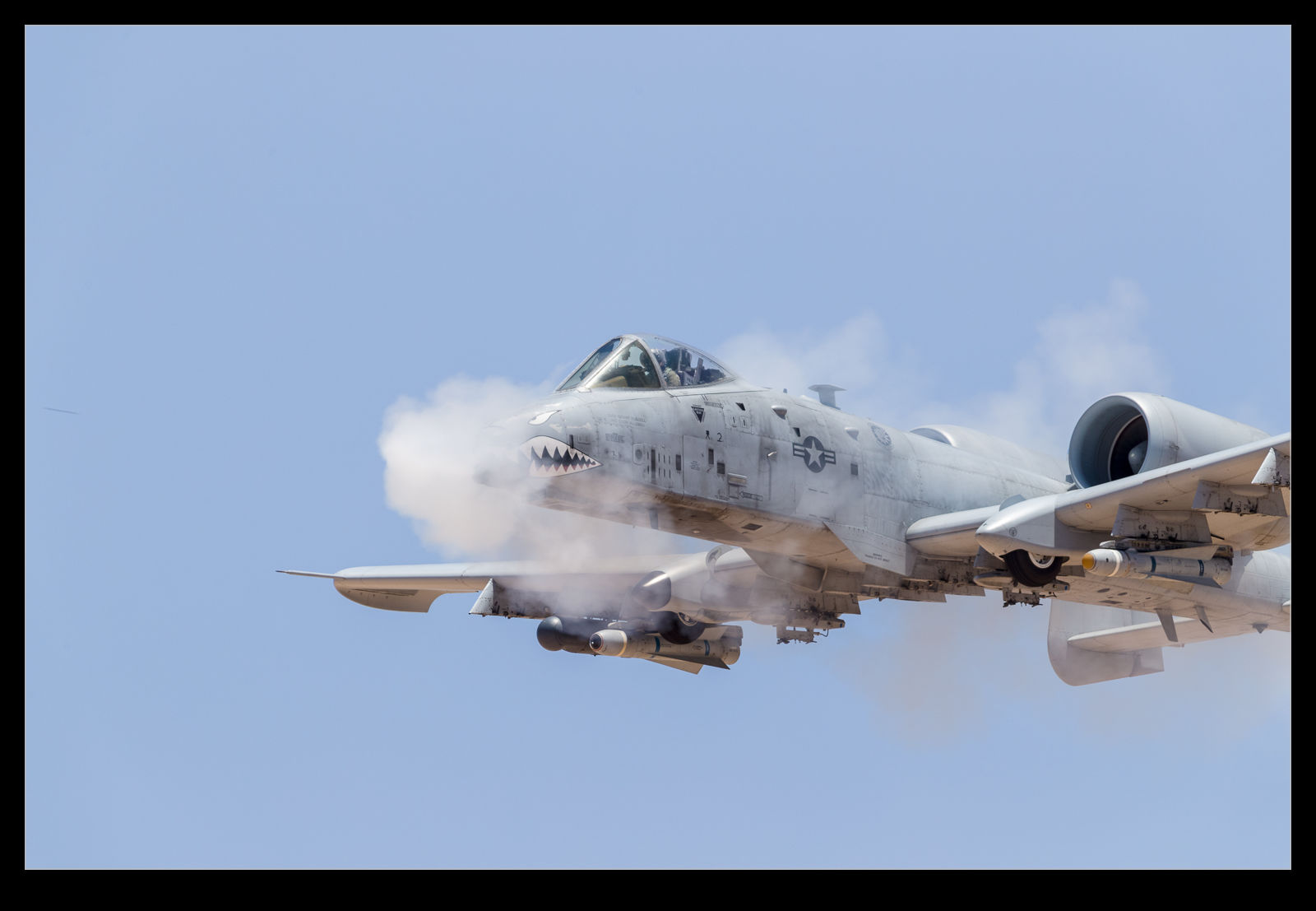
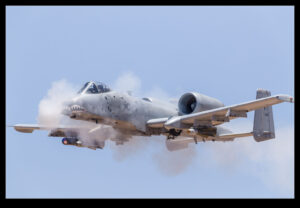
B11I4342.jpgLong range strafe is first with the jets firing from quite a way out from the target.  They then move on to low angle strafe where they are firing from very close to our location on the range tower often firing until alongside us.  The first experience of the A-10 firing is quite something and it is good to see someone react to their first shoot.  After the firing pass, the jets turn overhead our location so you get a great topside view of the jets.

B11I4982.jpgWith the different units taking their turns on the range, you can get shots from different perspectives.  Close in shots, wider shots, a bit of video – all of this can be done in the available time.  Sadly, we have to head off again before too long and it is back on the bus for the return journey.  I spent the day drinking a ton of water.  The bus was hot, the range was hot and the bus was hot again so I needed every drop I drank.  The shower when I got back to the hotel was definitely welcome.  I wouldn’t hold this against the visit though.  It is a ton of fun and the time is spent with some good people too so you can’t go wrong.

Italian F-16 Not Long For This World

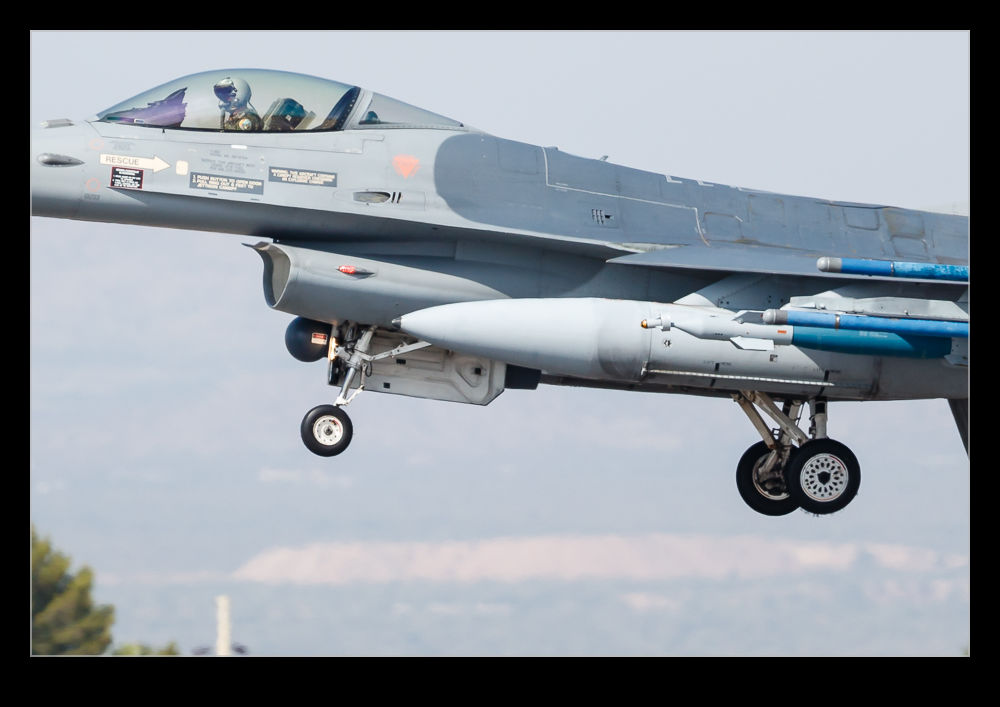
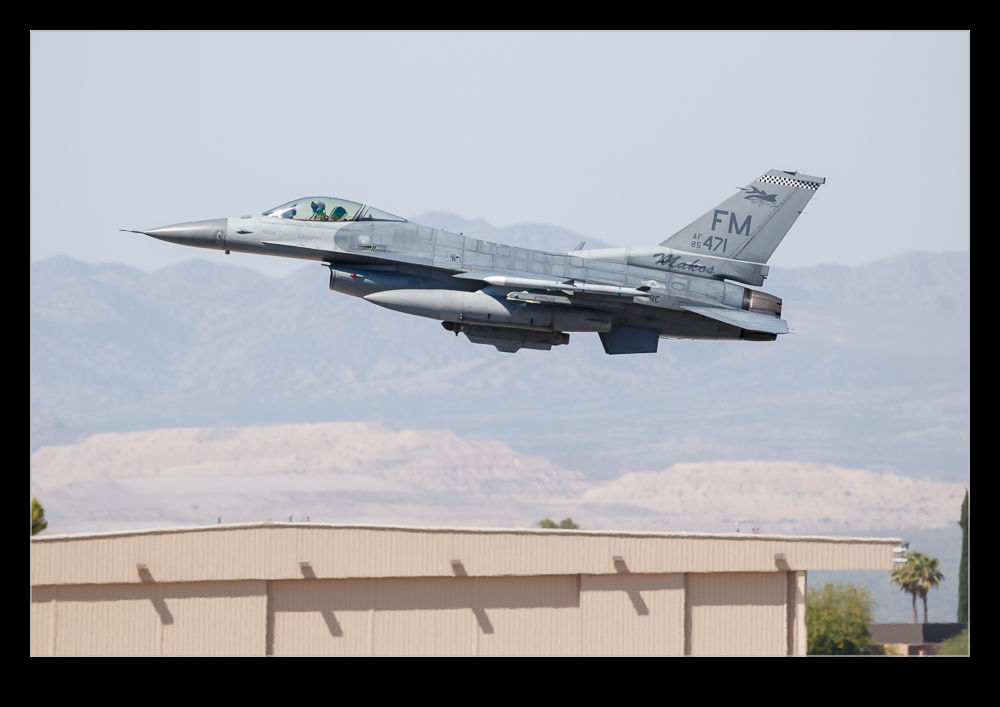
AE7I4903.jpgWhile we were out on the ramp at D-M, an F-16 taxied out for departure.  I was curious about the paint finish at first as it didn’t look like a normal F-16.  It was also short of markings.  Then it became apparent it was an ex-Italian Air Force jet.  I was advised that it was on a check flight prior to being sent off for the conversion to target aircraft.  I guess it has been on storage at AMARG and now is going off to modification followed by an uncertain future.  I wonder how long it will survive.

AE7I5049.jpg

Coolest Landing Light

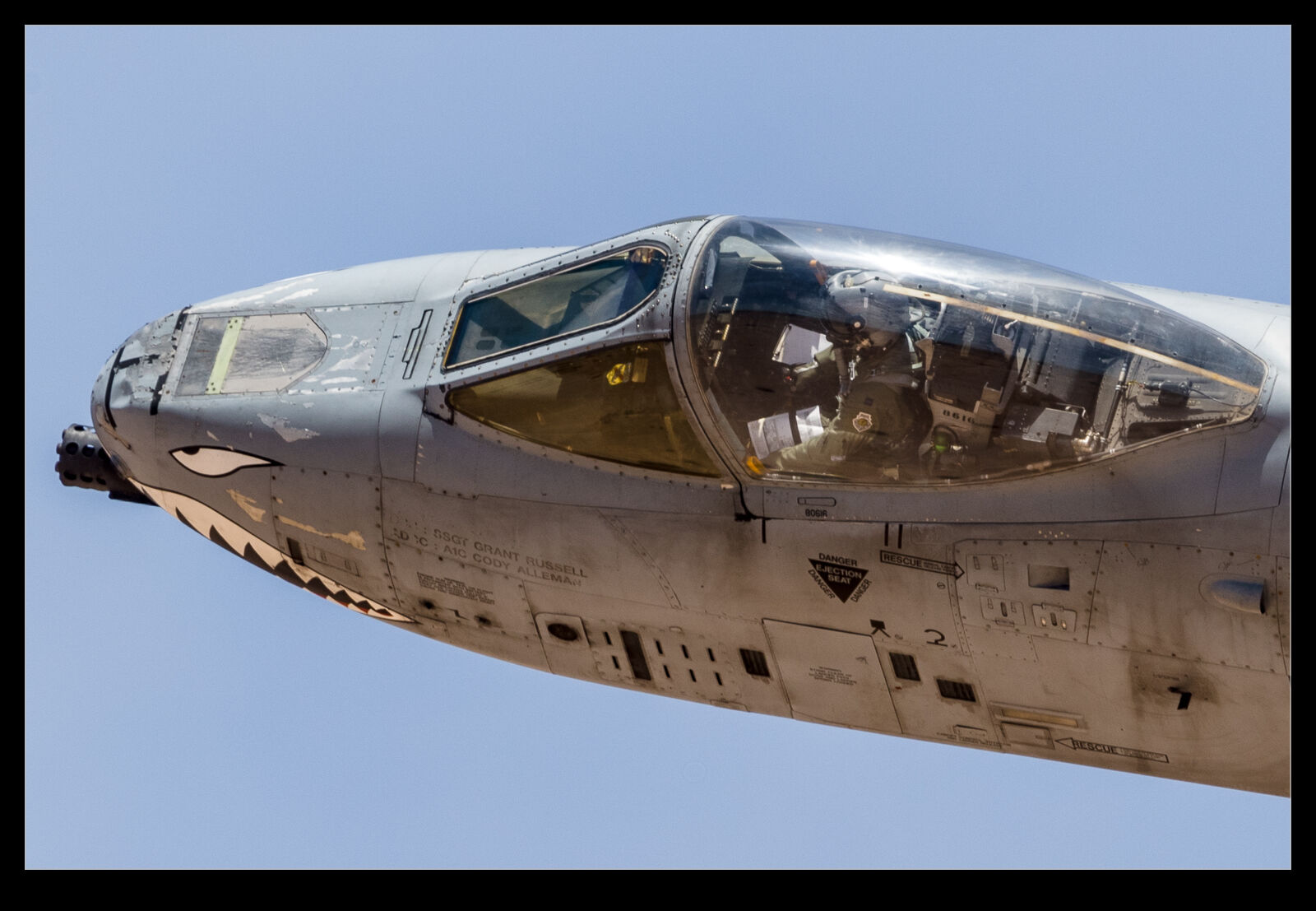
AE7I5266.jpgWhile walking along the ramp at Davis Monthan I was looking for different shots of the A-10s that were arriving for Hawgsmoke.  The lights on the nosewheel of the A-10s have been replaced with an LED based solution.  This is clearly not the original light.  It actually looked to me like it was a circuit board rather than a cluster of LEDs.  I didn’t see it lit up but I don’t doubt that it’s bright.  I just think it looks rather cool.

AE7I5267.jpg

Dutch Training

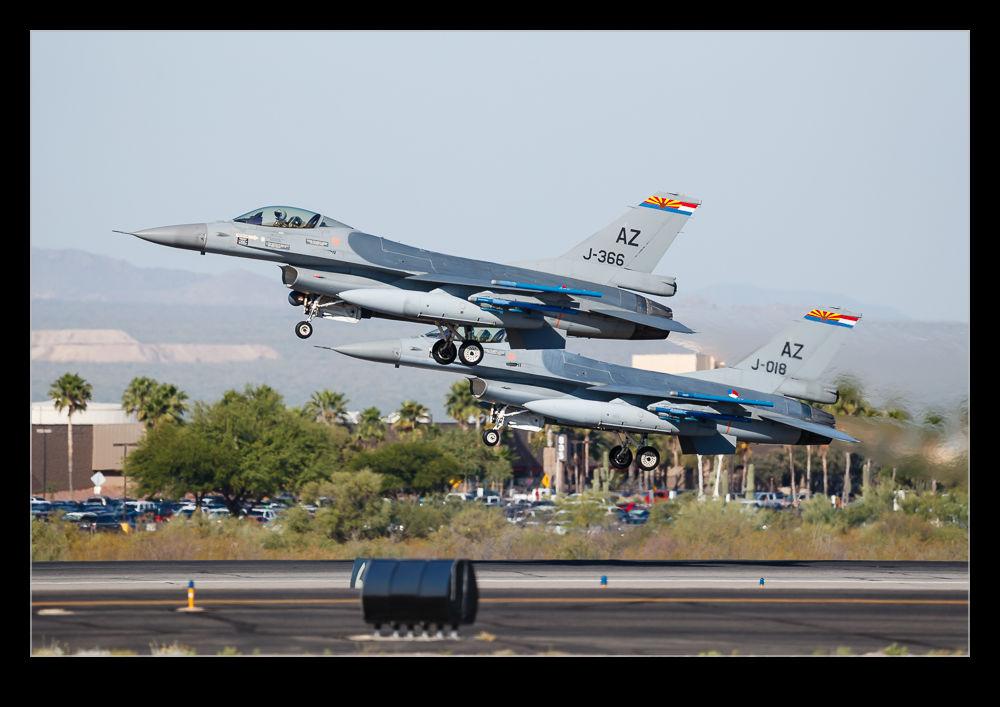
AE7I6448.jpgThe Dutch F-16 training unit has been at Tucson for a while now.  It moved from Springfield IL to join the Arizona ANG unit at the International Airport.  I have seen their jets before but it was nice to see them again.  The Dutch F-16s have been through an extensive upgrade program but the airframes are knocking on a bit.  Built by Fokker as F-16A/Bs in the early days of the program, they have soldiered on while the USAF retired their F-16As a long time ago.  I didn’t get a lot of chance to shoot the Dutch jets but managed to catch a few during my time there.

Hawgsmoke on the Ramp

B11I4043.jpgEvery two years the A-10 community gets together for the Hawgsmoke competition.  I covered it again for GAR and you can see the piece I wrote here.  The first day we were there was the arrival day.  The plan had been to watch some landings and then to move to the parking ramp area.  As it happened, we couldn’t get too close to the runway and some of the arrivals were delayed so we headed to the ramp instead which proved to be a good choice.  The A-10s were coming in from the various units.

AE7I5421.jpgInitially he team were a little concerned about how we could access the area while the jets were on the move but we gradually got more access as they got more confident in us staying in the right places.  The jets were taxiing along the outsides and then parking facing inwards.  Consequently, we could be in between the rows and out of the way of the aircraft on the move.  As more jets were parked up, we could move further out towards to the taxiway and closer to the arriving aircraft.  It all worked pretty well.

B11I3922.jpgOnce the jets were on the ground the ground crews were straight into action taking off he baggage pods and starting to load up with practice bombs ready for the range slots that were to come as the exercise got underway.  Most of the jets were parked outside the sun shelters so the crews were getting pretty hot as they worked.  Plenty of coolers of water were on hand to keep them in good shape.  This was a good start to the coverage of the exercise from my perspective.

Iraqi F-16s

B11I3768.jpgIraq places an order for F-16s a number of years ago.  The first aircraft were not initially delivered to the country but instead went to Tucson to set up a training unit.  There are still some aircraft there being used to train new Iraqi pilots.  Soon the remaining jets will head to Iraq following those that have already been delivered.  I hadn’t seen them before since this all happened since my last visit to Tucson.  They operate from Tucson International, alongside the ANG unit and the Dutch training unit.

B11I3570.jpgWe had a few movements of the Iraqi jets while I was there and these were, apparently, some of the newer jets to have been delivered.  They have adopted a different camouflage pattern to the normal F-16 scheme so it is easier to recognize it is them as they approach.  I doubt I will be back before they leave the country so this was one of the few times I will likely see these jets.

DM’s Museum Jets

B11I4056.jpgMany airbases have a selection of historic aircraft on display to show something of what has gone before on the base.  Sadly, they are often unavailable to shoot when you visit.  Davis Monthan AFB has quite a few different planes on display and, fortunately, the location of the Fallen Hawg ceremony during Hawgsmoke was in front of the display A-10.  While everything was being set up, we had some time to kill and I was allowed to wander around the other planes.

B11I4070.jpgThe selection included some obvious DM aircraft like the A-10 and A-7 (even if it was actually a Navy A-7E that they had repainted).  A U-2 was a slightly more surprising one to see.  I’m not sure how that qualifies but I wasn’t complaining.  The F-105, F-100 and F-4 all looked good too.  Not only was it nice to be able to shoot them but it gave us something to do since we had got in place pretty early!

Vampires Out in Daylight

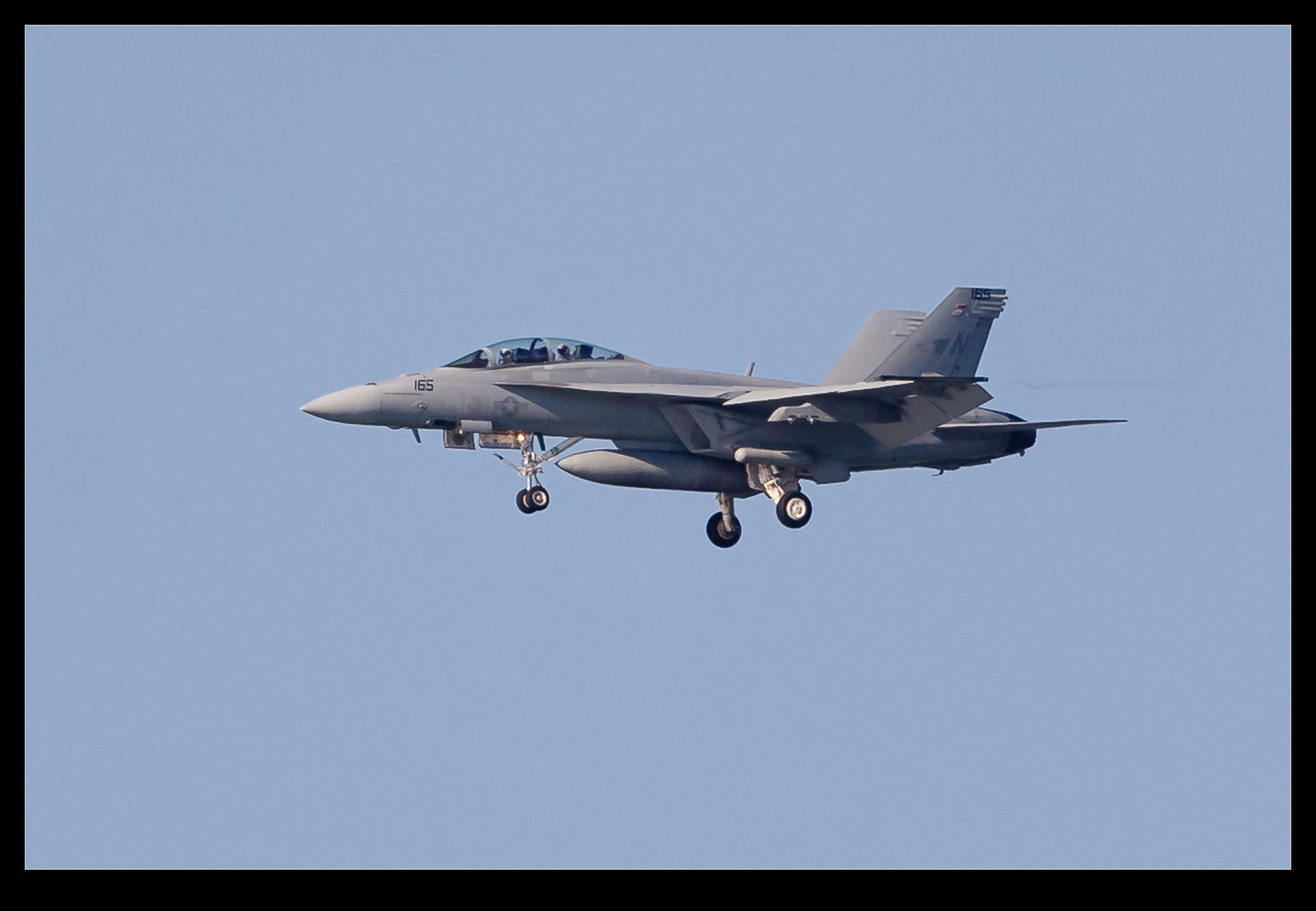
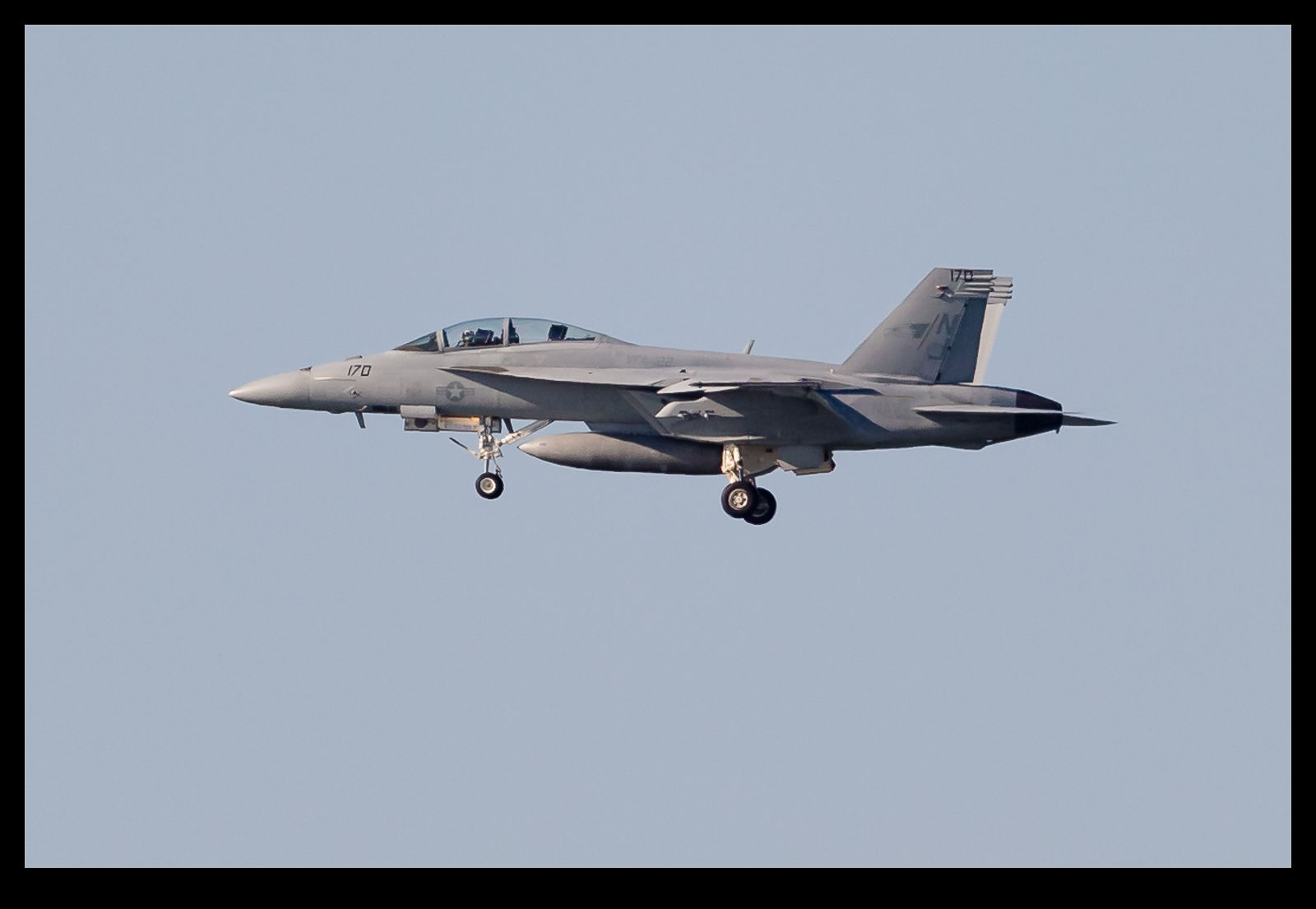
B11I5928.jpgTucson International is a place I was expecting to shoot F-16s of various nations.  I had not expected to see any Super Hornets.  However, the Navy had other plans.  A couple of VX-9 Vampires jets were detached and carrying out missions with some of the based test aircraft.  One of them was the color jet too!  This was a very pleasant surprise.  They took off in the morning for a mission and we got to see them head off.  They returned ahead of my expectations and I wasn’t in the right place to get them on approach.  Even so, a great addition to the day.  I was flying home later that day and, while looking out of the window at the gate, they taxied by again so I guess they were getting a lot of flying in.

Mustang Motion

C59F9966.jpgThe Society of Aviation History visit to Airmotive Specialties in Salinas gave us a great opportunity to look around the restoration facility.  One of the Mustangs was not being worked on though.  It was due to be picked up by its owner that afternoon.  As a result, having had a break for lunch, we headed back to the ramp to await the departure.

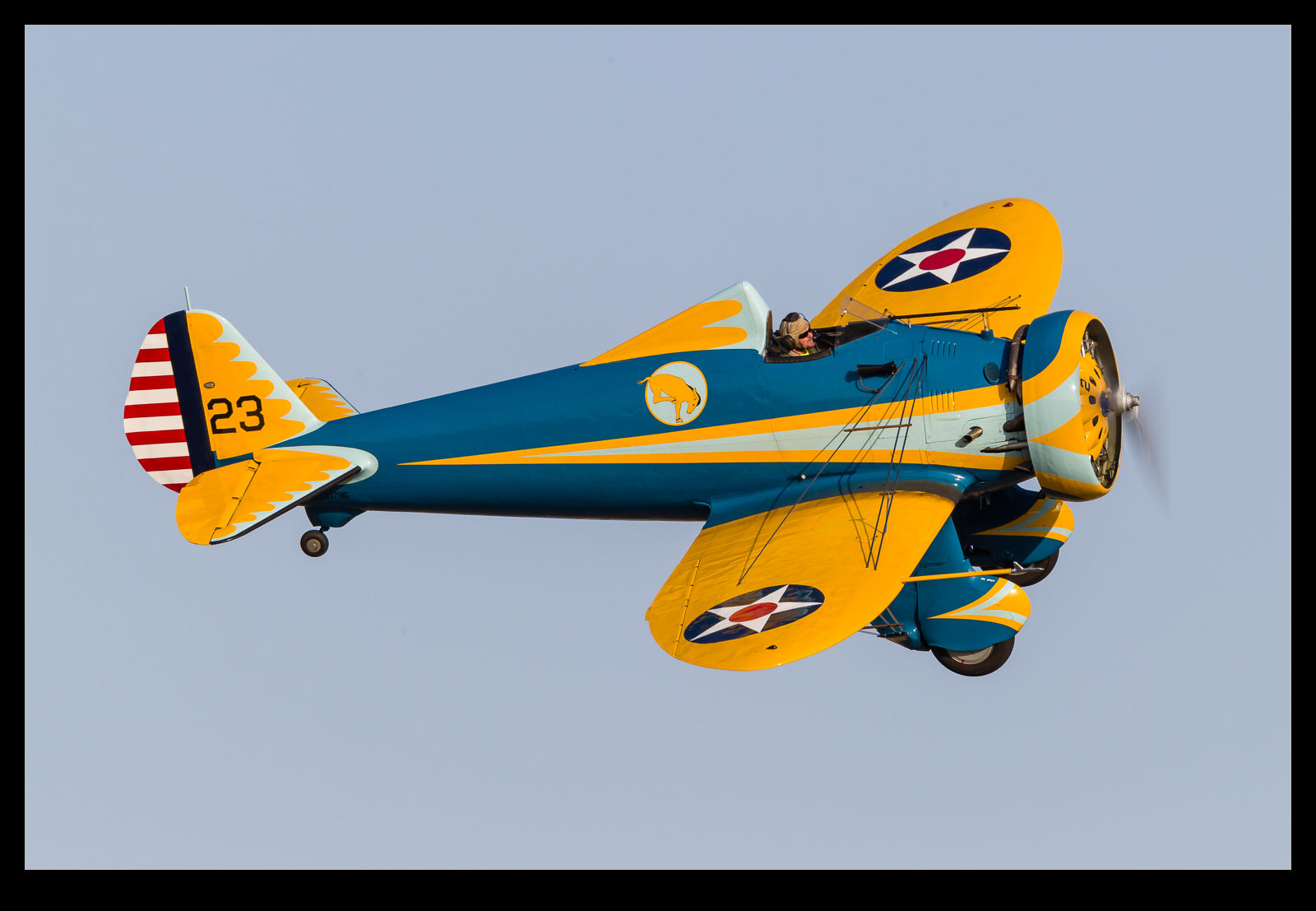
C59F9941.jpgThe aircraft was run up on the ramp outside the hangar and then taxied to the opposite end of the runway for takeoff.  We anticipated the takeoff and then a further pass before he left.  I figured the first time I might go with a slow shutter speed for fun.  The second one I would be a bit more conservative in order to make sure I actually got a sharp shot.

AU0E4253.jpgAfter the two passes the aircraft headed off en route.  Getting a bit of airborne Mustang time was a cool addition to a great day.

C59F9461.jpg

Marineflieger Tornado

Scan 2-1251.jpgTornado was a tri-national program.  The UK, Germany and Italy were the partners that developed and produced the aircraft.  There was only one export customer which was Saudi Arabia.  All of the users continue to operate the aircraft although all of the ADVs have now been withdrawn.  Germany took a substantial number of the jets but, while the Luftwaffe remains a major user, it is easy to forget that they were not alone.

The German Navy had a fast jet fleet.  The Marineflieger operated the F-104 in large numbers and these were replaced by the Tornado.  Originally, they were in the Blue/gray upper fuselage with white undersides colors which looked very neat.  Later on (including the time this photo was taken), they had migrated to a camouflage scheme.  Then, a consolidation exercise took place and the Navy jets were transferred to the Luftwaffe which took over their responsibilities.