Category Archives: aircraft

The Backyard at Pima is Interesting

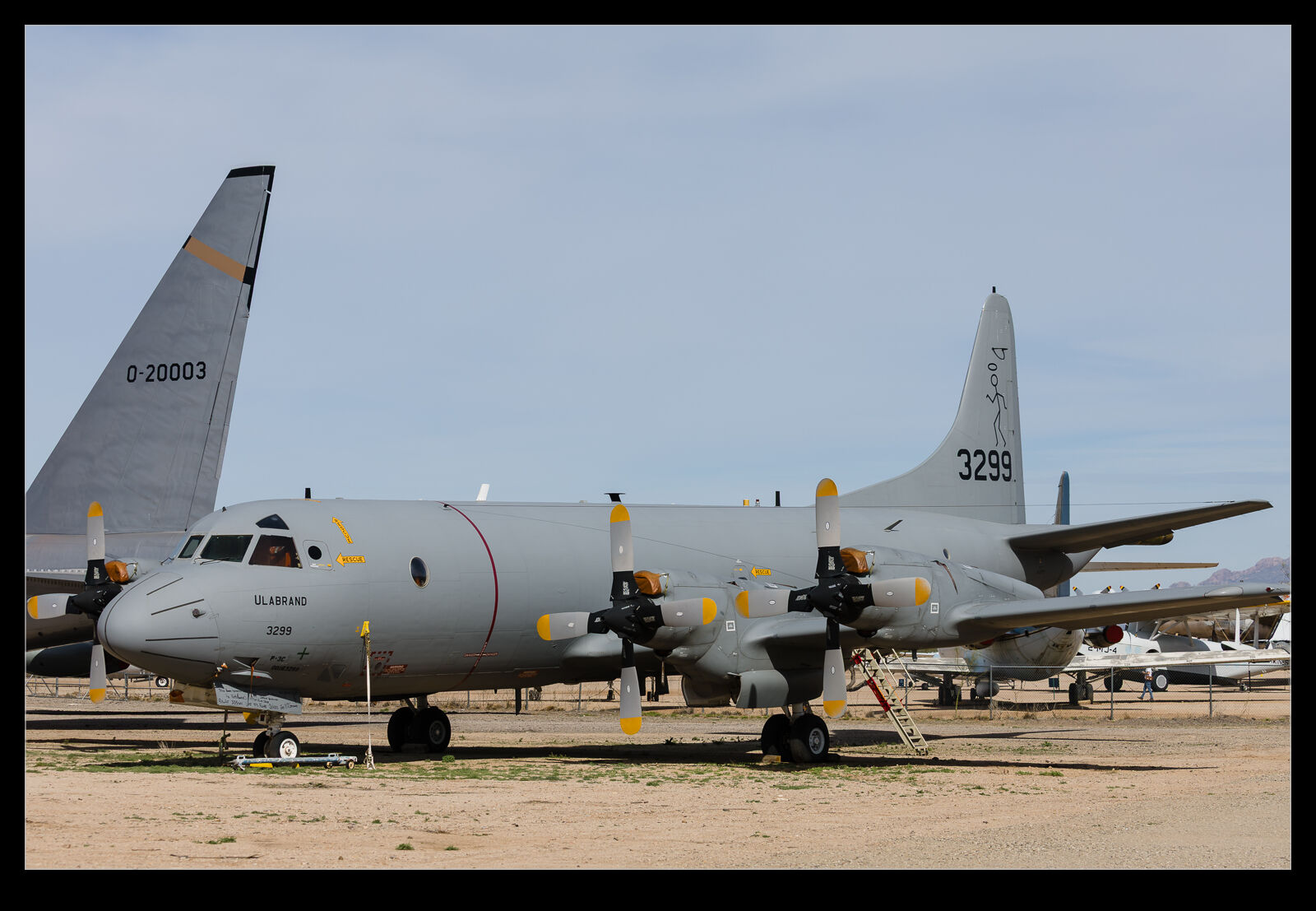
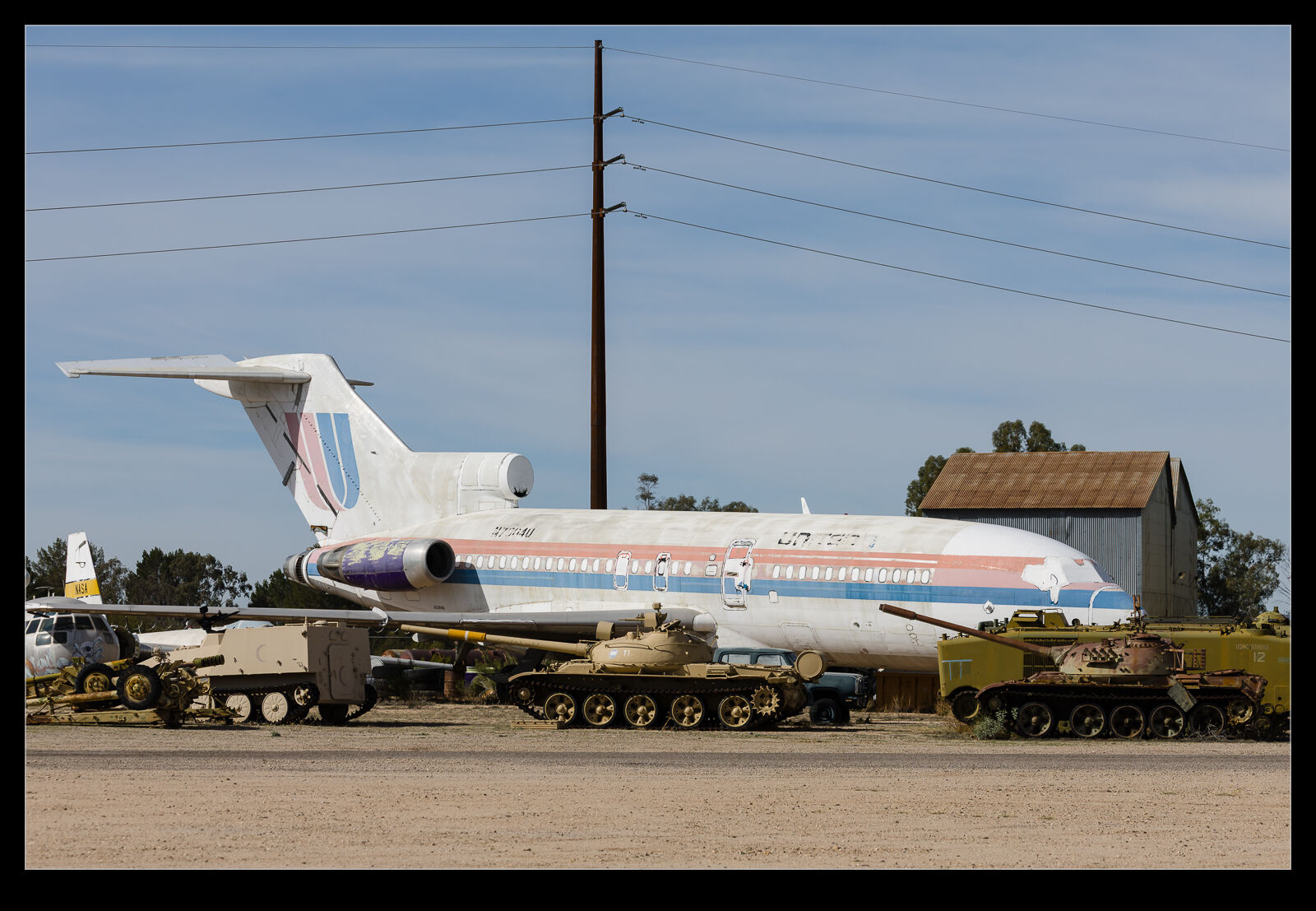
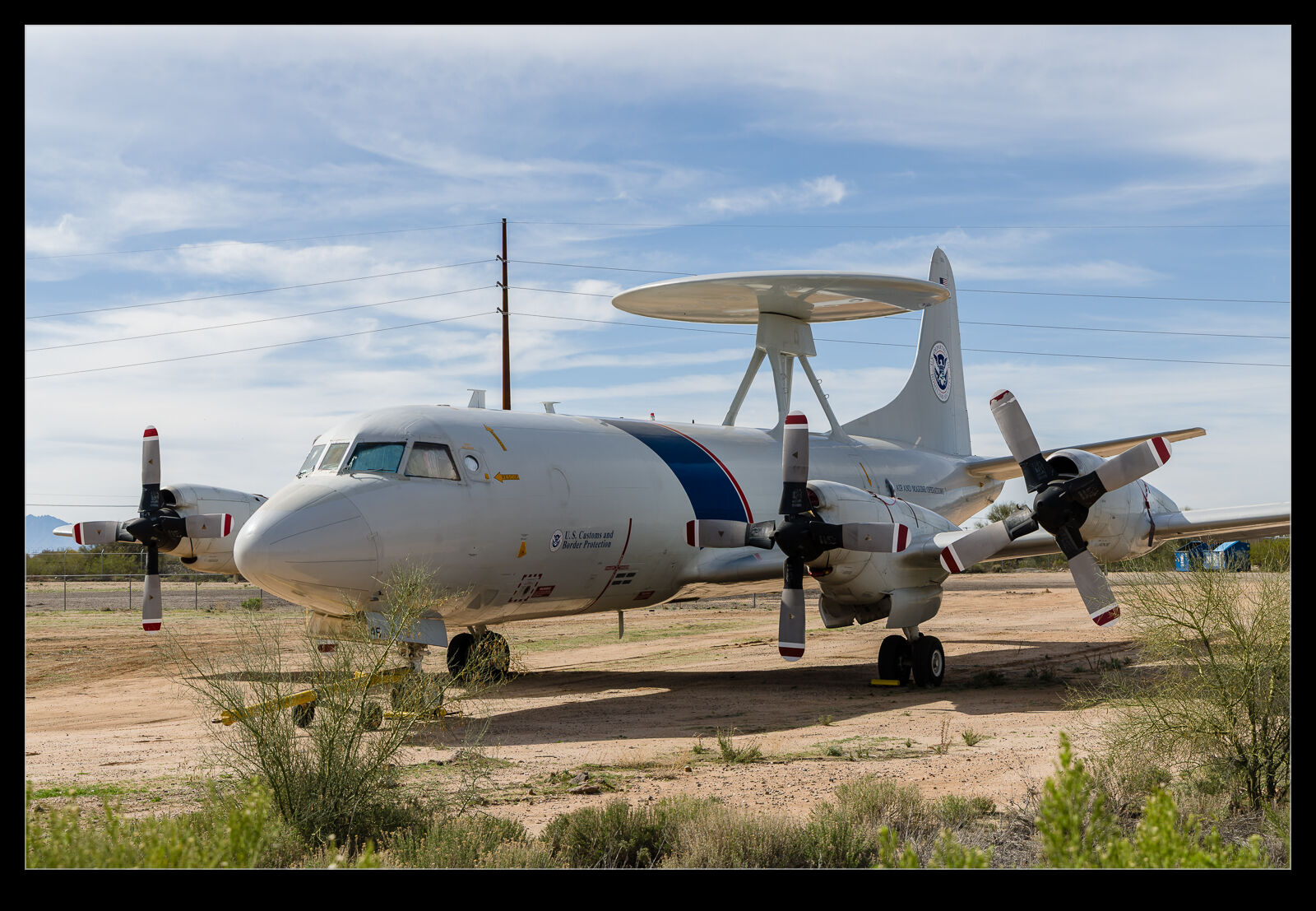
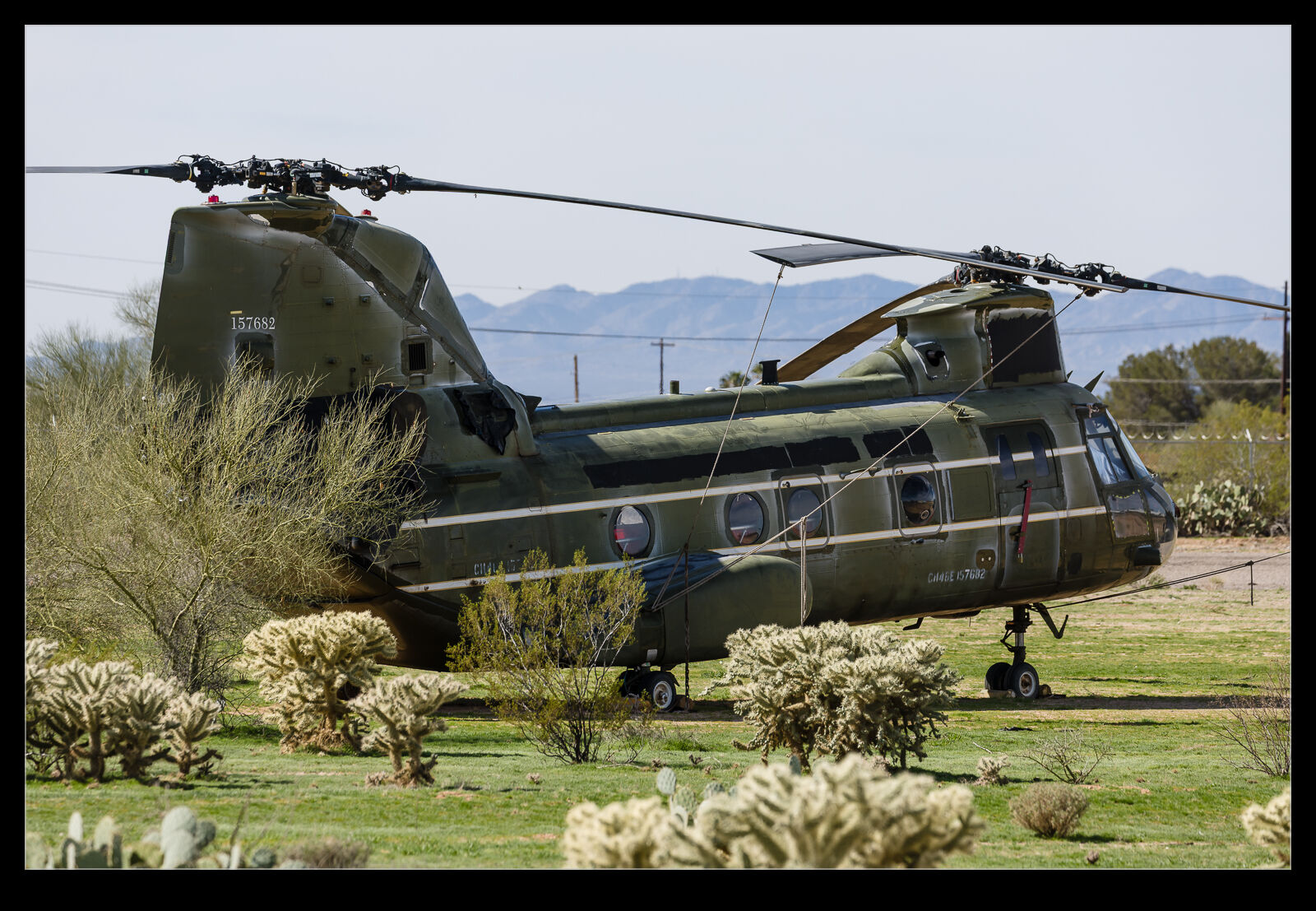
The museum at Pima is well stocked with interesting aircraft. However, the backyard beyond the fence for the museum area also provides some interesting stuff. Some of these things are going to be museum exhibits before too long but I am not sure all of them are. During my last visit, there were a few things of note when peering over the fence.
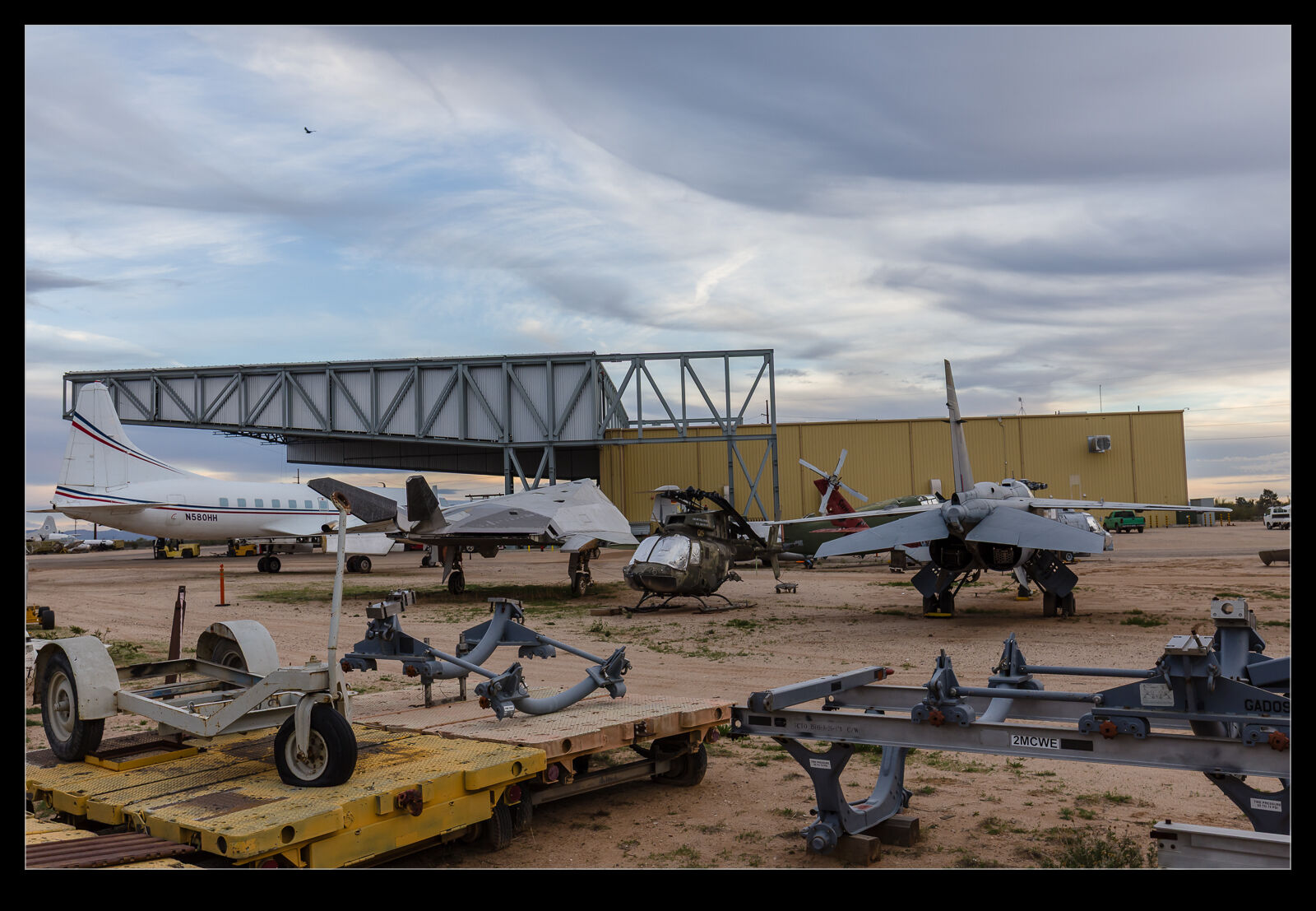
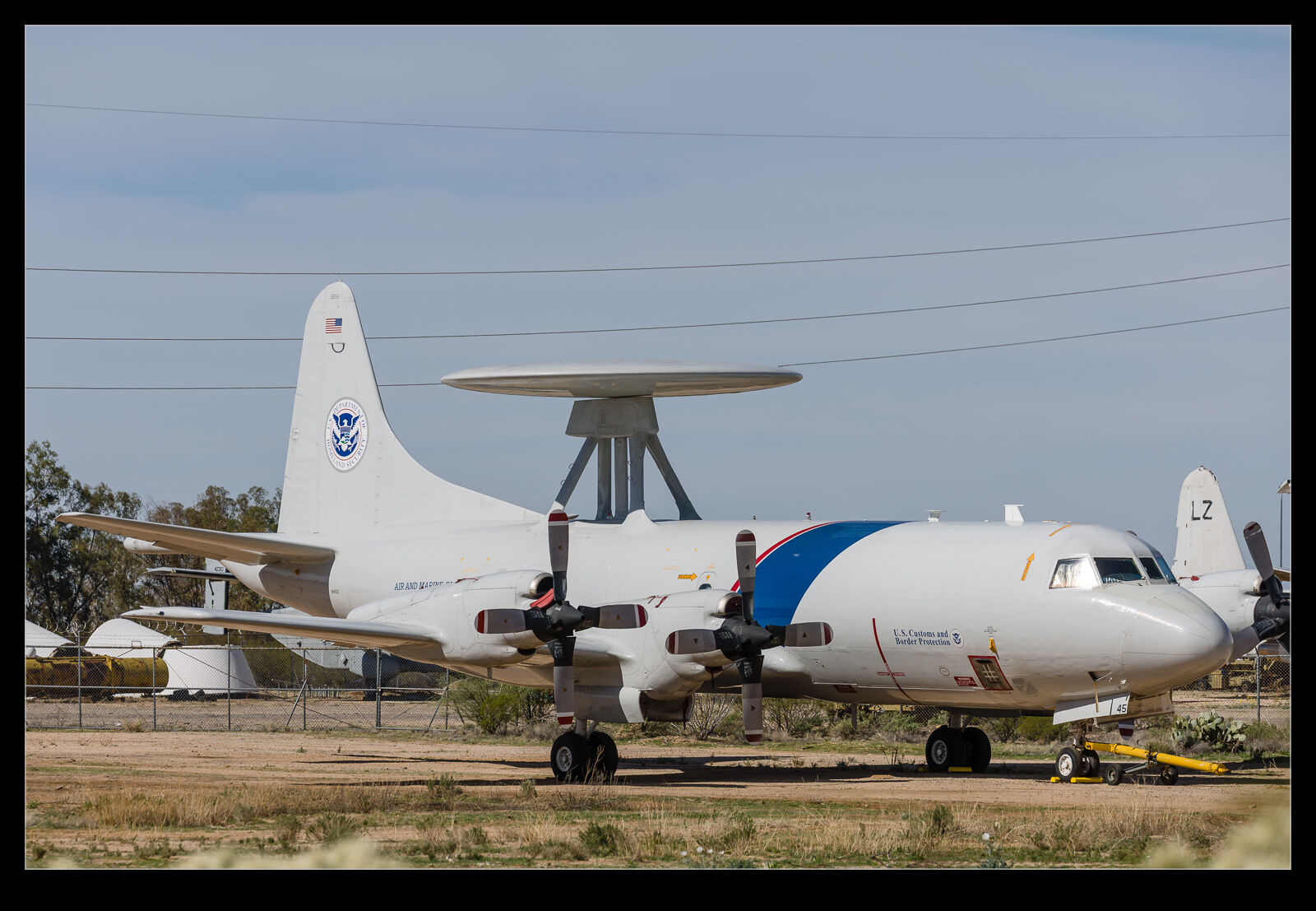
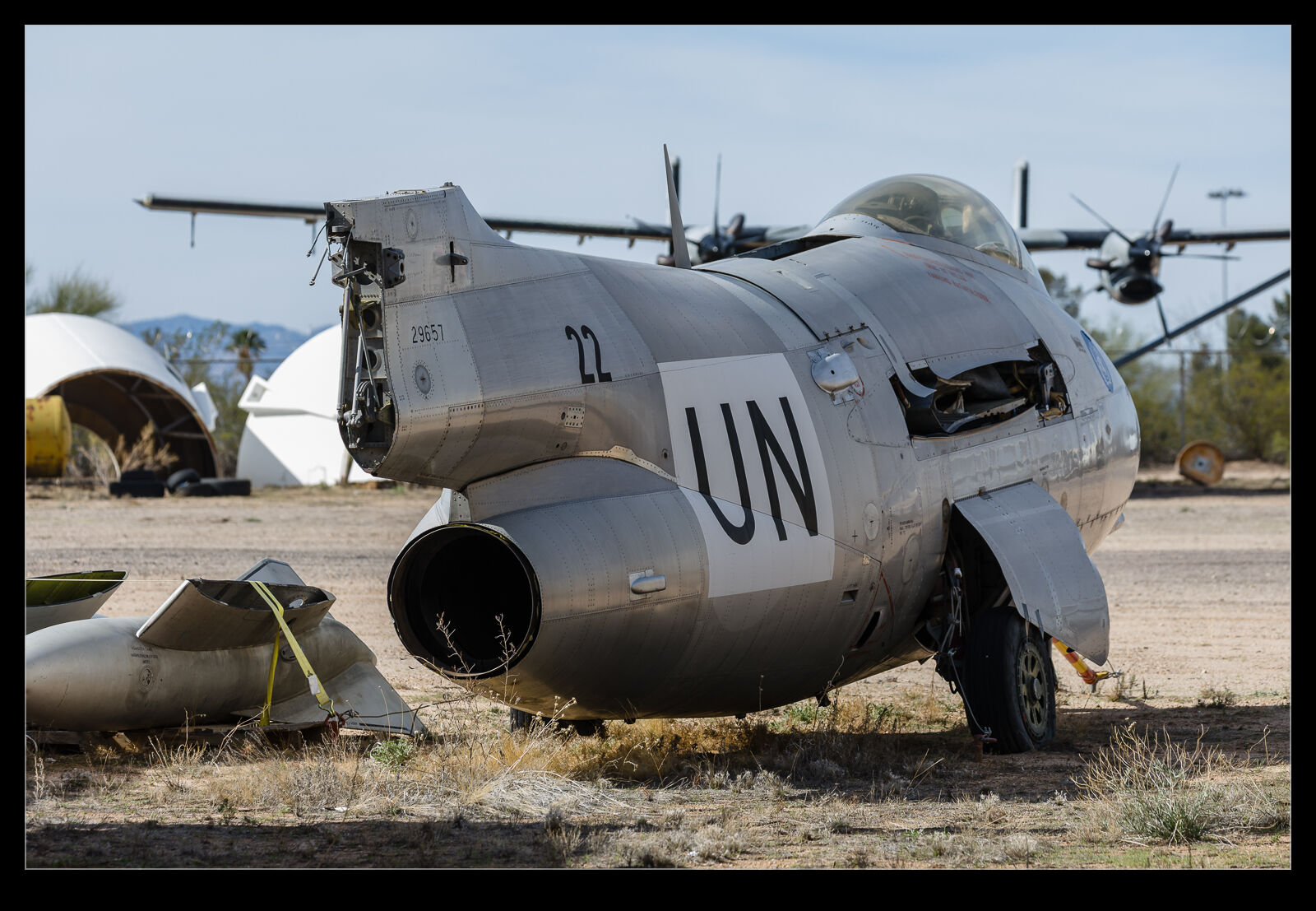
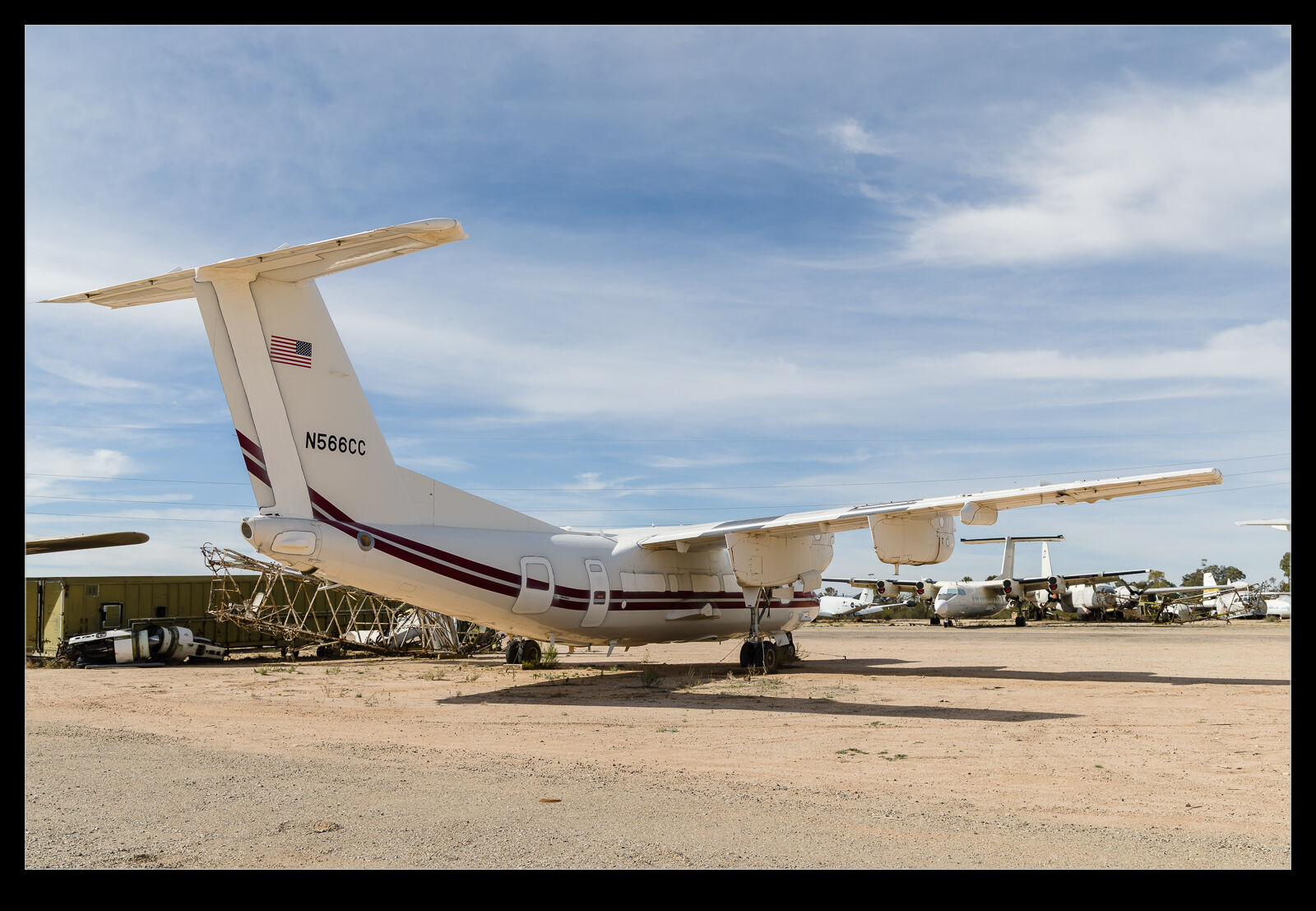
Probably the one that will get most attention is an F-117 Nighthawk. It was sitting alongside a SEPECAT Jaguar (big fave of mine) and an F/A-18C Hornet. There was a Royal Norwegian Air Force P-3 Orion and I think that was in for some work rather than ready to be displayed. Another P-3 was there in AWACS configuration as previously used by the Coast Guard. The fuselage of a Tunnan was close to the fence while a pair of Dash 7s were sitting without engines. An old United 727 was further off as well. What an amazing collection of stuff to get as a bonus during a visit.
Someone Else Playing with Rotor Tracking

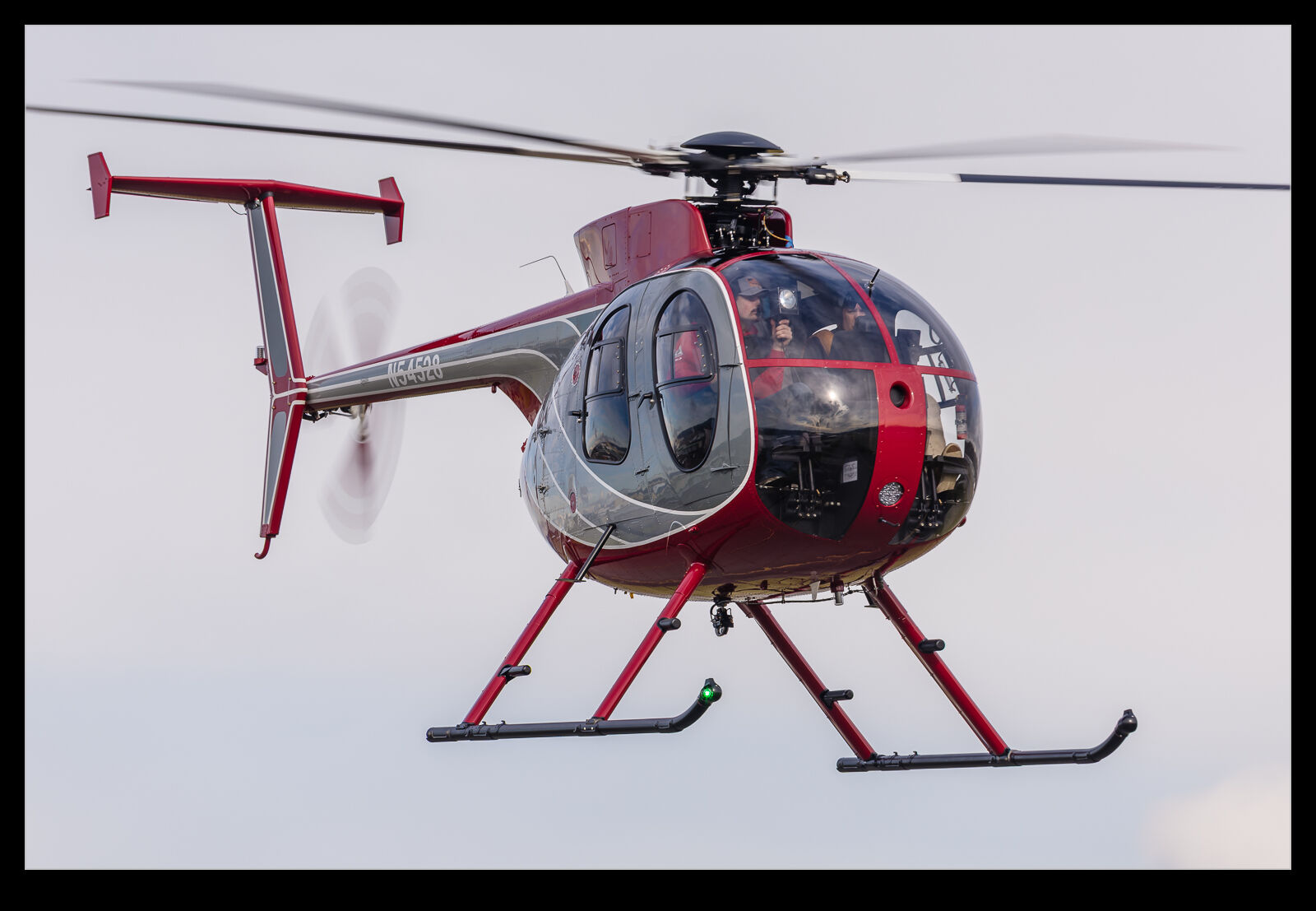
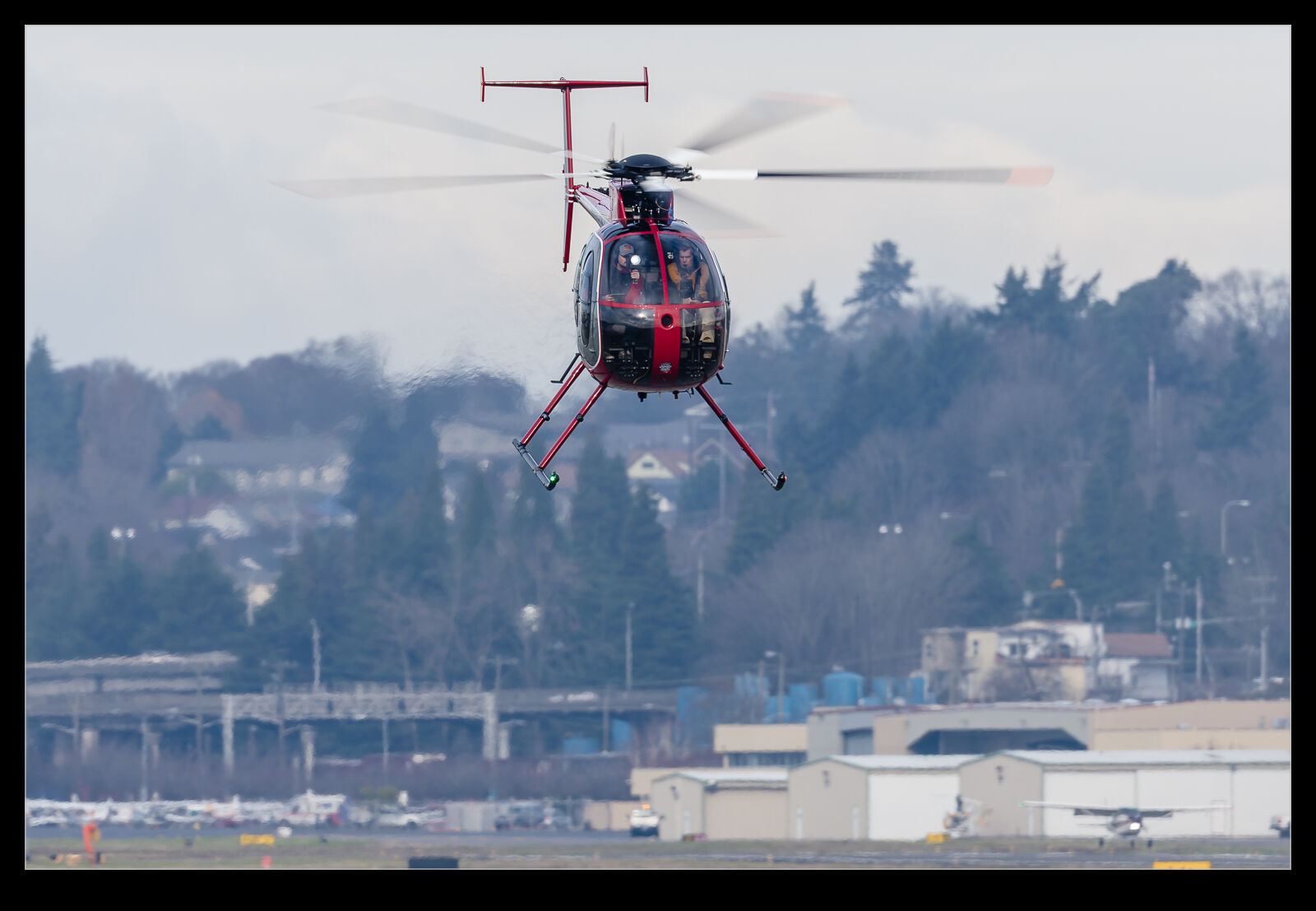
I have come across some flying with Hughes 500s at Boeing Field when someone was using a strobe to track the rotors as part of the maintenance. I figured that would be a one off but another time I was there, the same thing happened – this time with a 369. I would have loved to have been onboard when this was being done to see how the tracing of the blades looks in flight when the strobe is flashing. I imagine it would be quite an interesting engineering thing to see.

The Conditions Are Calm at Last

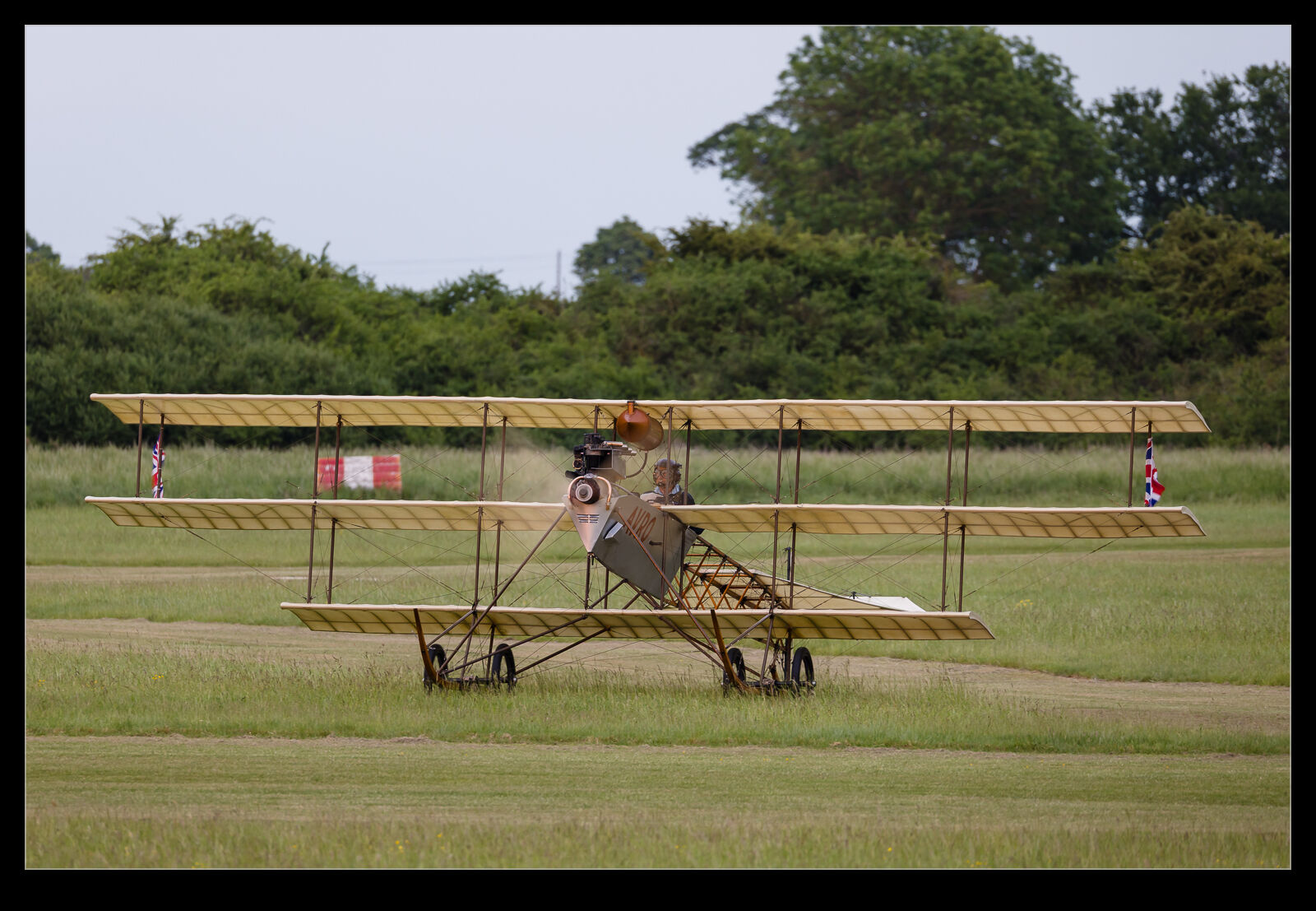
During my first show at Old Warden, there was a reasonable amount of wind throughout the day. This was in the back of all of our minds, and we wondered whether things would calm down enough to launch the Edwardian planes later in the day. The forecast was not for this to happen. As the sun started to get lower in the sky, I was quietly optimistic that the wind would calm but it was proving me wrong for the longest time.

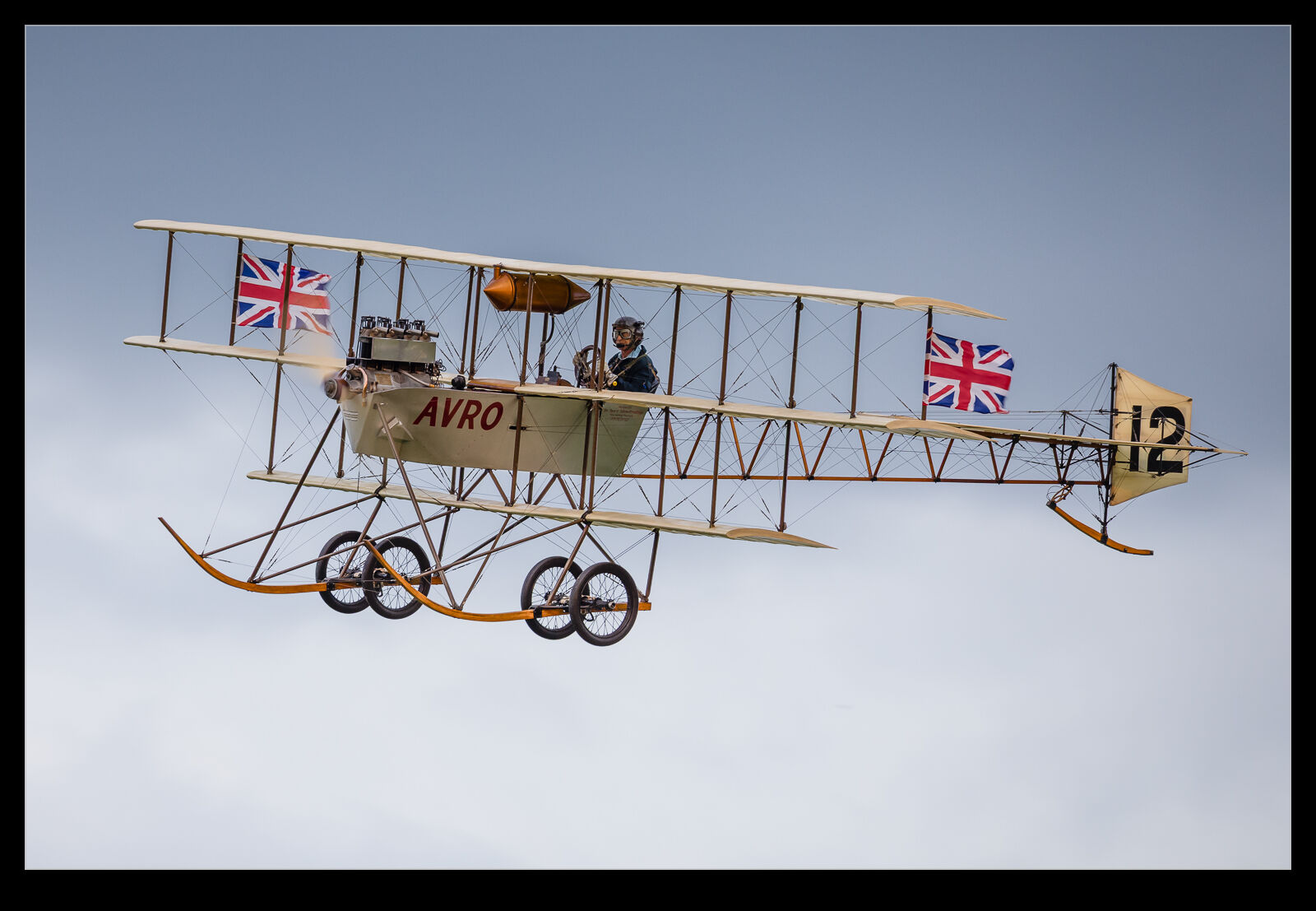
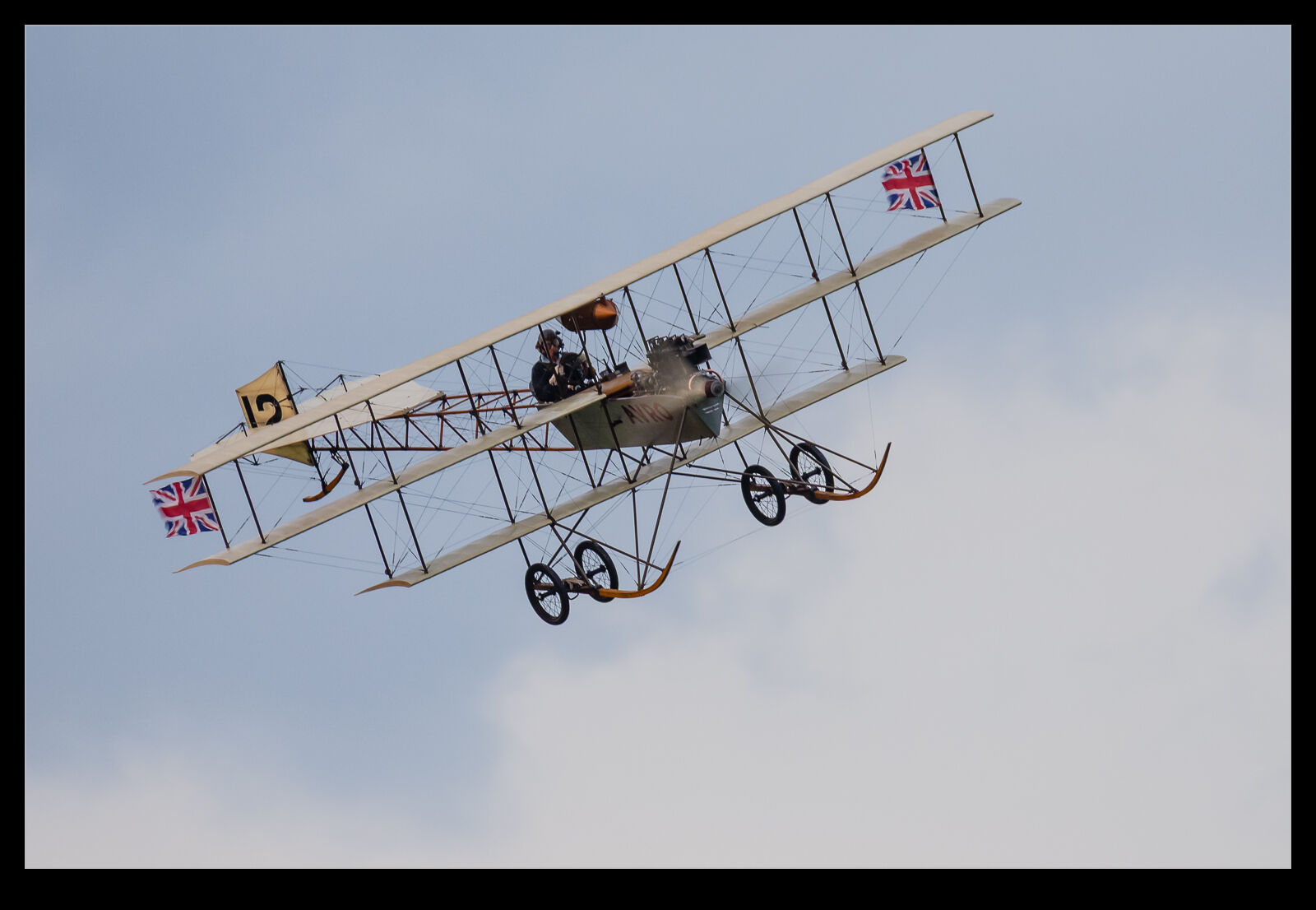
Then, very quickly, things seemed to change, and the organisers realised that there would be a chance to get some more fragile types up in the air. Then it was just a question of what would be willing to fly. Getting these vintage types airborne requires, skill and effort but also a bit of luck. They didn’t all play ball, but the Avro Triplane was up for the challenge. I know it is a reproduction but that doesn’t stop it being great to see it fly in the lovely evening conditions.

How to Carry Your Jetskis

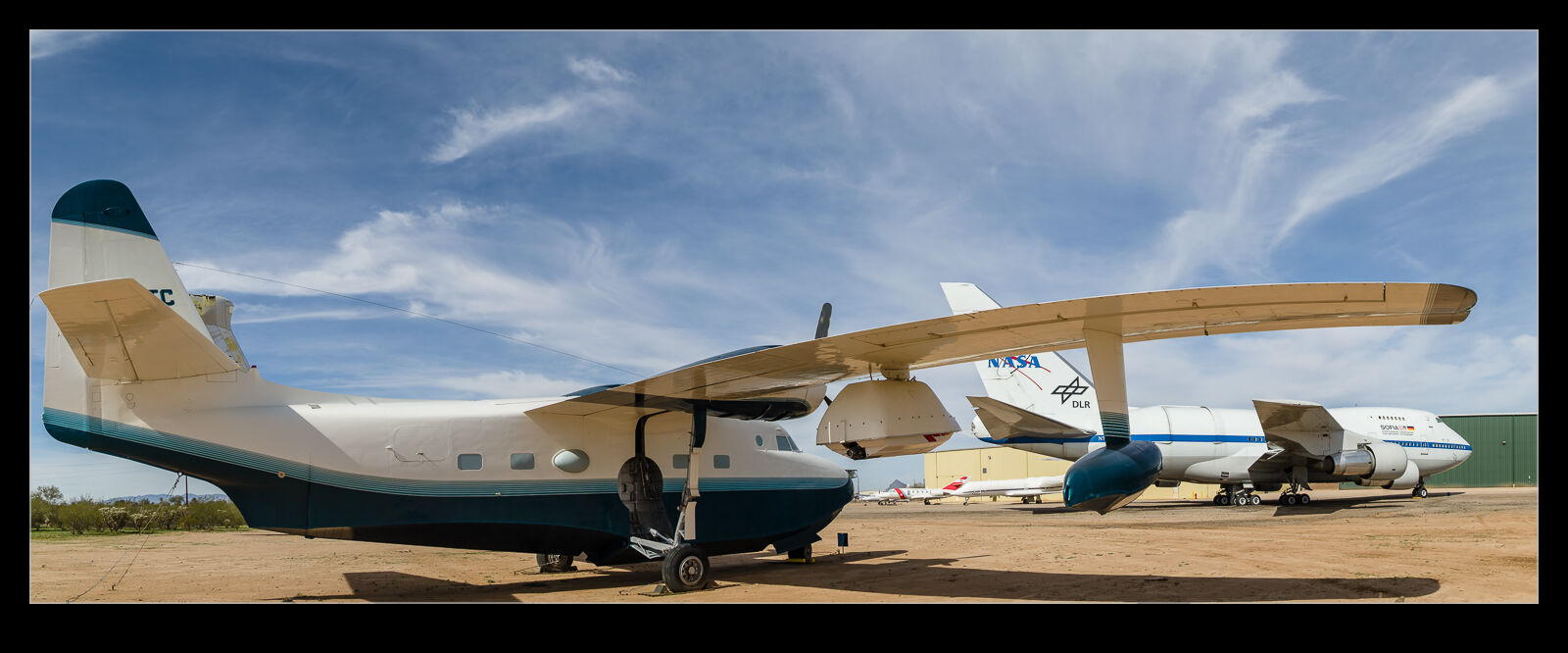
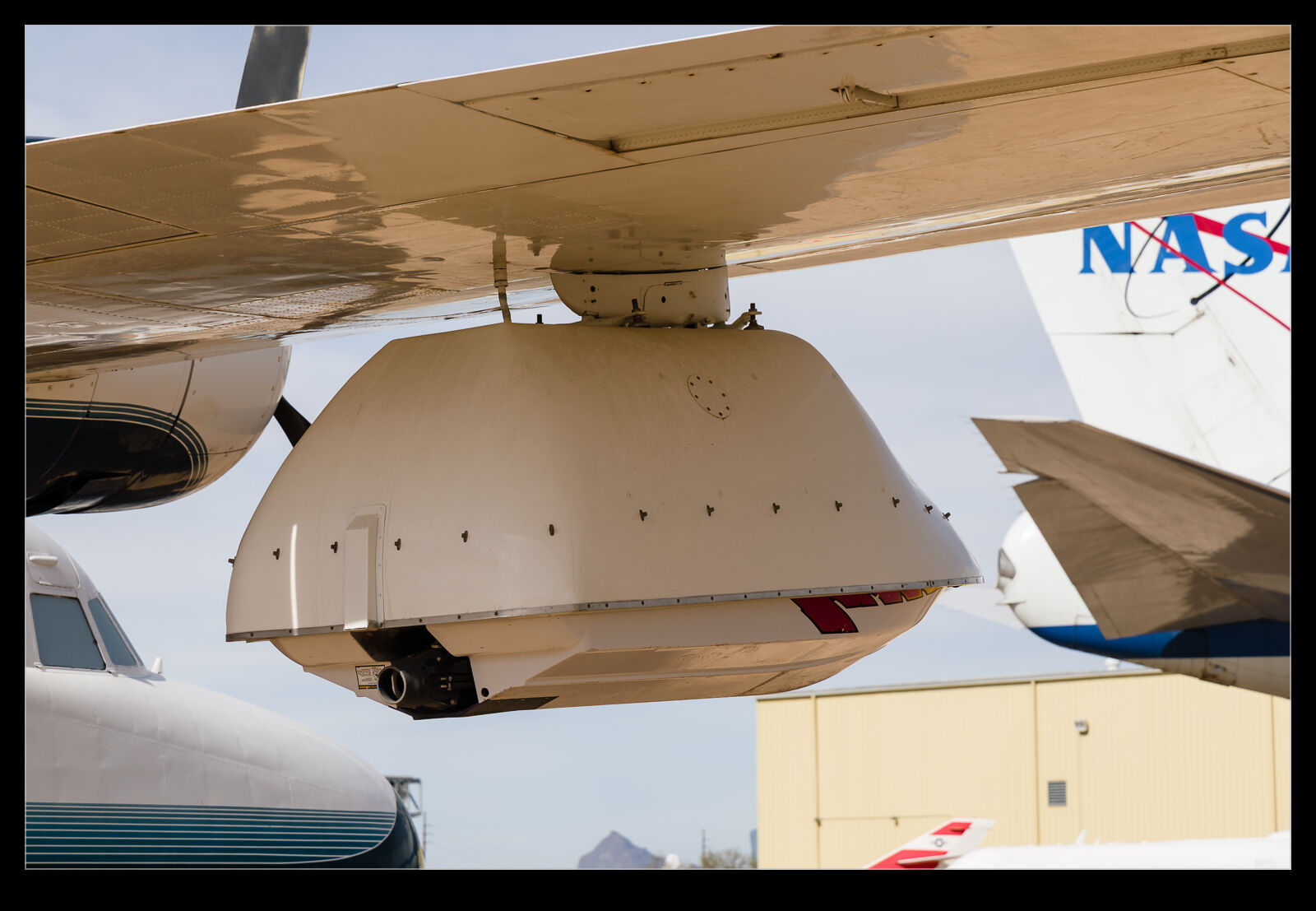
This Grumman Albatross is now an exhibit at the Pima museum in Tucson AZ. An Albatross is a cool plane anyway so might be worthy of a post but what I really liked about this one was the joined-up thinking for using it. An amphibious plane is clearly going to be used to “land” on water a lot of the time. When on water, you would really want to have your jetskis to hand. Putting them in the hull and trying to launch them seems like a lot of hassle. Instead, why not mount them directly to the wing and lower them from there directly to the water. Far more efficient.

Getting the Shutter Speed Wrong Makes Editing Quicker

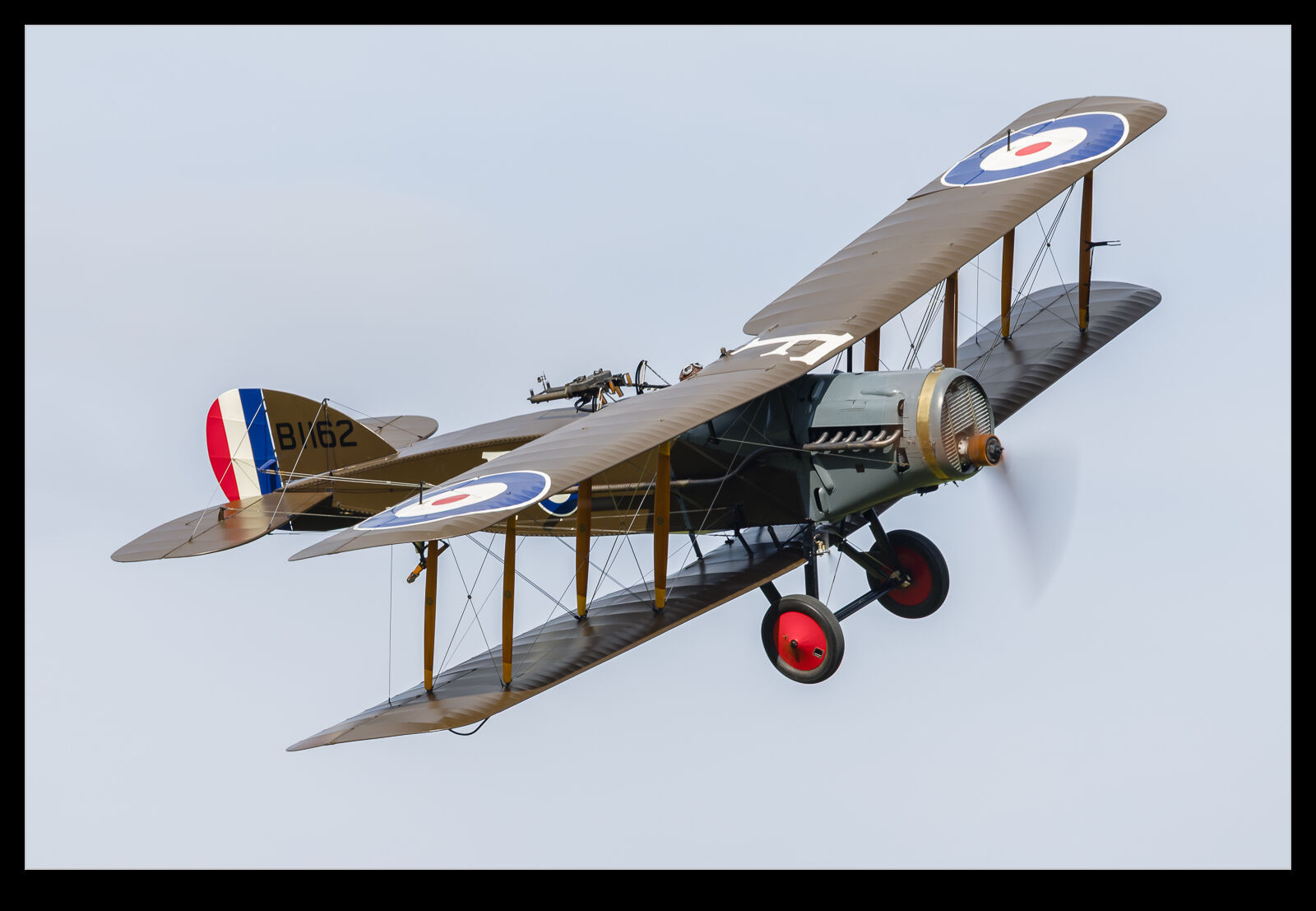
I have made this mistake before and, no doubt, I shall make this mistake again. Setting up the camera for one shot and then not changing the settings before shooting something else. I had the 200-800 lens on the camera, and I dropped the shutter speed down to 1/100th of a second for some take off shots. This is where I left it while shooting the flying display of a couple of aircraft. A long focal length and moving target with a slow shutter speed means that there are a ton of shots that are totally unusable. That really does help in the process of deleting shots. Most of them are toast. A few did survive and that was quite a relief!

Weird Prop Vortex Effects on the Background

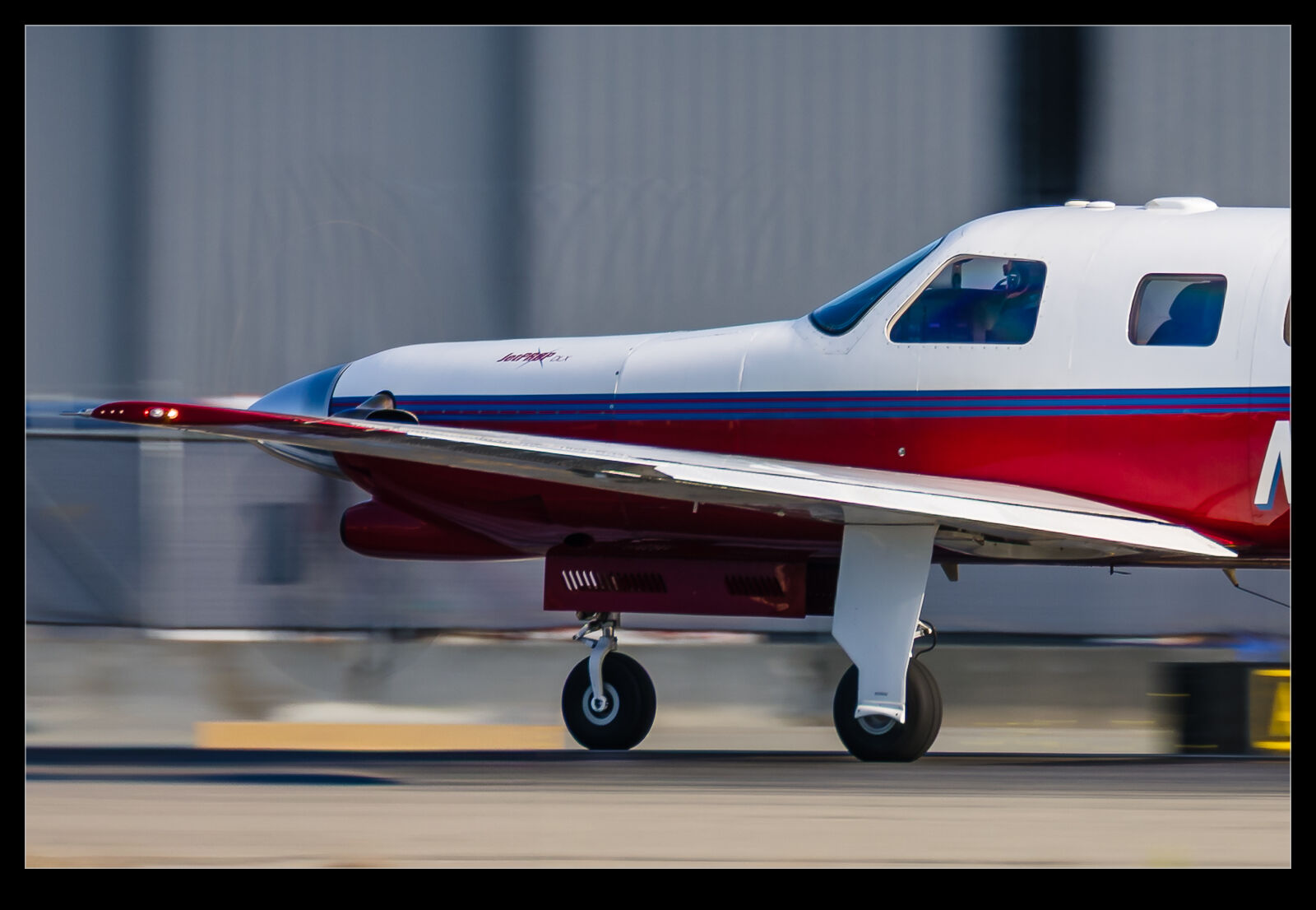
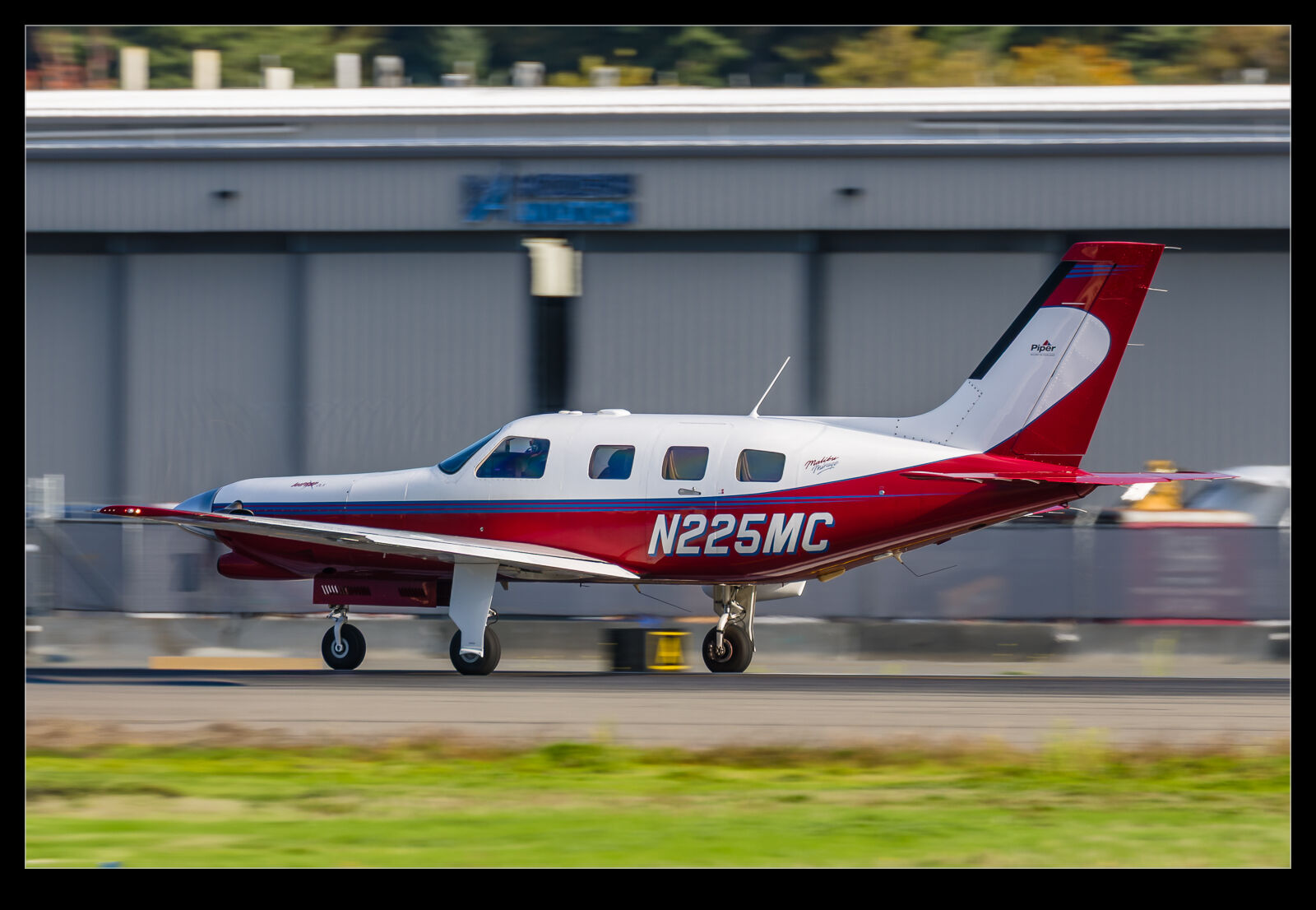
The aerodynamicist in me gets a little happy when I see shots that have the visible effects of the flow fields around a plane. Shock waves will be the most obvious example, but a trailing vortex can also cause some interesting refraction. The propeller produces a strong vortex from each blade and every once in a while, you can get a shot where the background provides enough of a pattern to allow the prop vortices to show up. I was reviewing some shots from Boeing Field of a Malibu Mirage with the PropJet turboprop conversion when I saw exactly this. Head on it can show quite well but getting it from more of a side on position was a nice surprise. Thankfully, the hangar doors in the background have vertical corrugations and this allows the flow to be seen in both directions due to the upward and downward moving blades.

We Can See Where the Fuel Is

I have an old post from SFO on a similar theme to this one, but I make the rules on this blog and this post isn’t violating any of them. (If you want to know what the rules are, let me know and I shall try and come up with some.) When I jet descends from altitude, the fuel the remains in the wing tanks will be very cold. The warmer and moister air lower down can result in the formation of ice on the underside of the wings where the remaining fuel is pooled. This Delta A330 shows that, as expected, there is fuel at the inboard end of the wings but also, less expected by me at least, there is a tank further outboard that still has fuel in it. I like the fact that fuel is kept further out since it alleviates bending loads. You can see the shape of the access panels where the ice is forming.

Finally, a Little Sun on a Cyclone

My first encounter with a Canadian Cyclone was in the middle of a storm when it was incredibly gloomy. The next time I got to see one flying, the conditions might not have been so bad, but they were definitely dull! I figured I would just not get to see one in good light and, given that it has a dark and dull grey paint finish, it really sucks in whatever light there is. However, I did finally get lucky when I saw one on the ground at Abbotsford. A bit of sun at last. Sure, not flying and might not be the greatest but it was definitely a step up.

Video of TBAG’s Event

I blew parts of this one. This video doesn’t have the best bit of what I saw but, if I hadn’t told you that, you’d probably not know. When the Buccaneer was being run up, they undertook a bunch of tests on various systems. The wings were folded and unfolded. The speedbrake was extended and retracted. The bomb bay was rotated. The bit I didn’t get for some reason was the blown flaps. To get the chunky Bucc on to the small decks of the UK carriers, they utilised flap blowing. Air was ducted from the compressors of the engines to the flaps and this improved the low speed lift. It had been raining when the demo was undertaken and the blowing of the flaps was really visible with the moisture getting blown around. Sadly, that is not in this video. Everything else is though.

A Pair of PC-24s Overhead

I was out of position one time when at Boeing Field. Being down near the museum, departing aircraft tended to be quite high by the time they got to me. This didn’t stop me trying some shots since it was something a bit different. I was pretty happy when I got a Pilatus PC-24. They are quite popular and not a rarity at BFI but still pleasing. Then I was rather surprised to get a second not too much later. The PC-24 has great short field capability and can land on grass strips too. From the underside, you get a good look at the wing planform that delivers this performance.