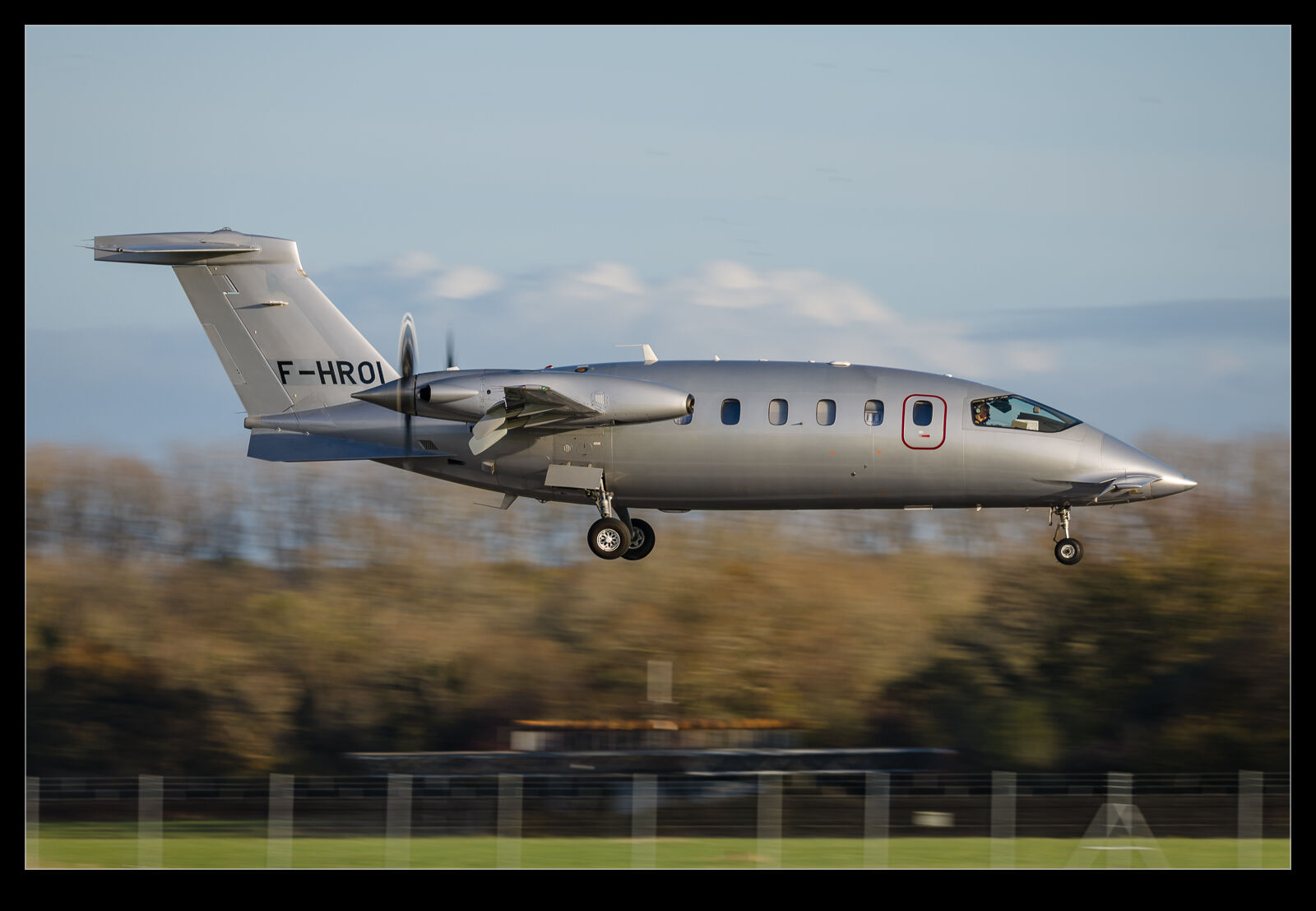
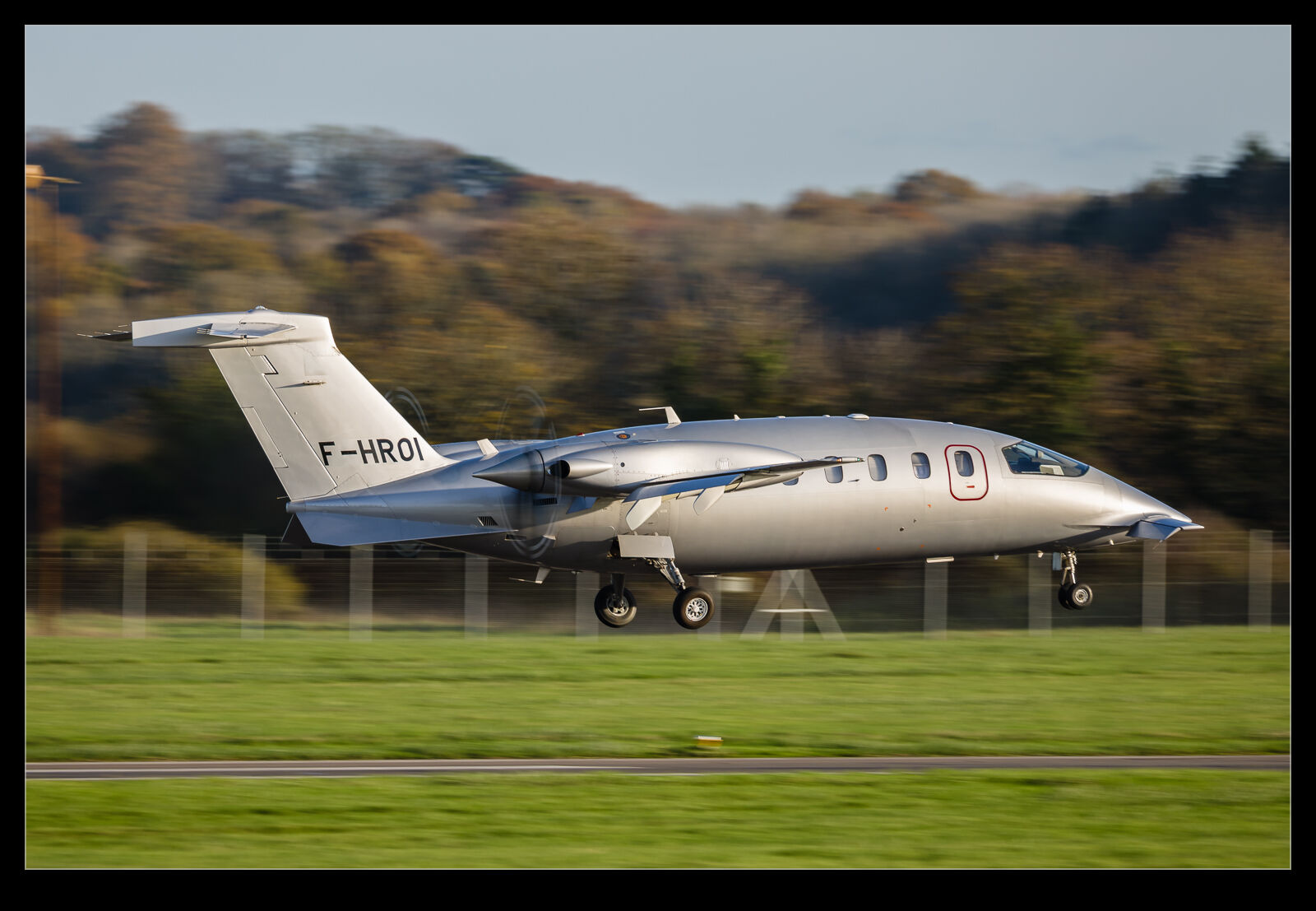
 I have posted already about some light aircraft photography that occurred because a sailing competition never got going. What I also saw that day was something very opportunistic. I had happened to check what was due into Southampton Airport that afternoon with expectations of nothing special. When I saw a French registered Avanti was coming in from Italy, I was very pleased. Of course, I assumed it wouldn’t end up happening but, since it was coming a long way, knew I would have plenty of warning.
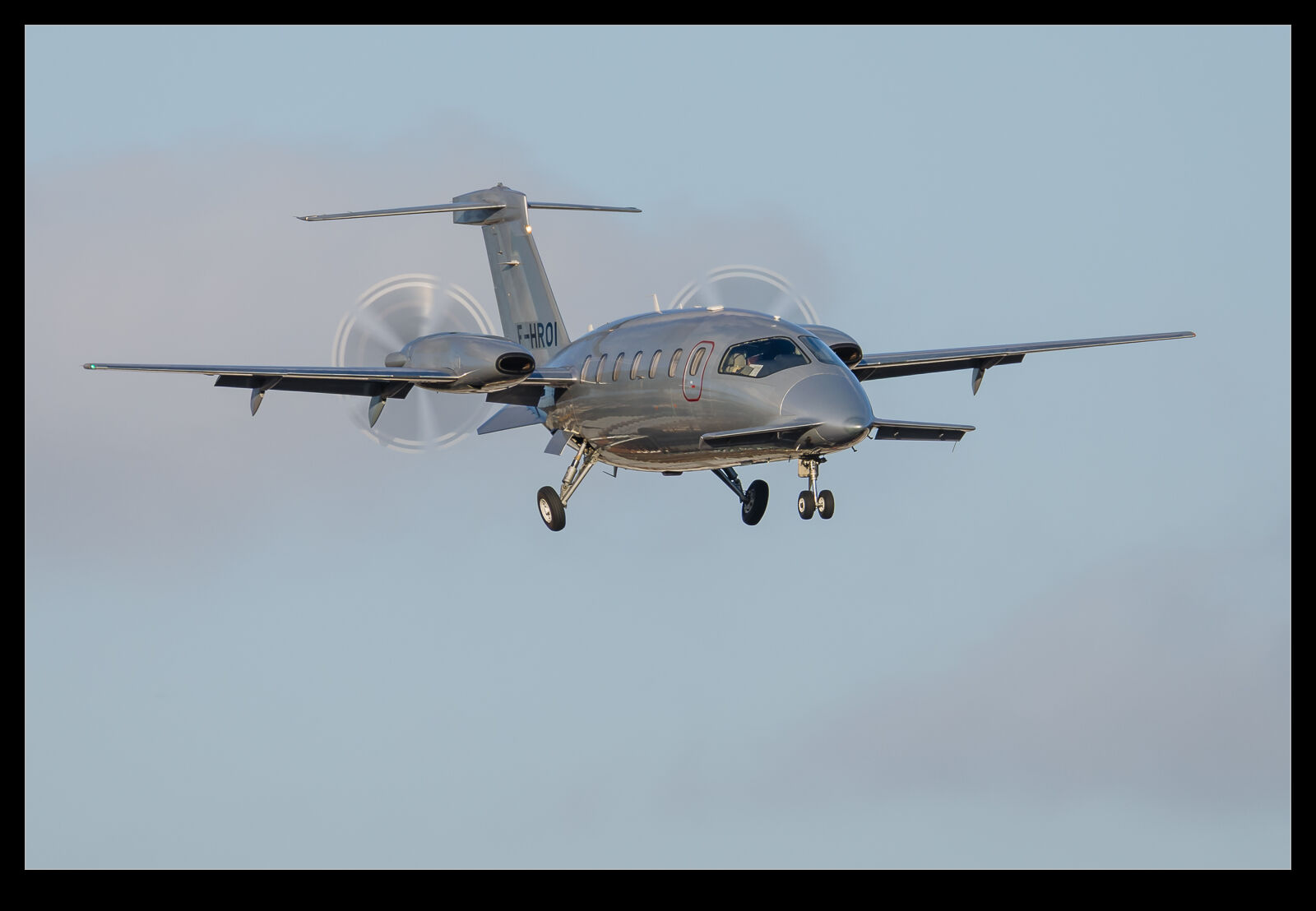 When I saw it was on its way, I then started to ponder where to photograph it having never done any photography at Southampton. A southerly approach was what was in use but then I saw an arrival come on from the south so now I was perplexed. Where should I go. I had an idea for a spot south of the airport that might work out so went there with plenty of time to see if it really was a good spot. It did seem to be good, so I then went back to the car to wait. I watched the track of the inbound flight to see if it did come in from the south or not.
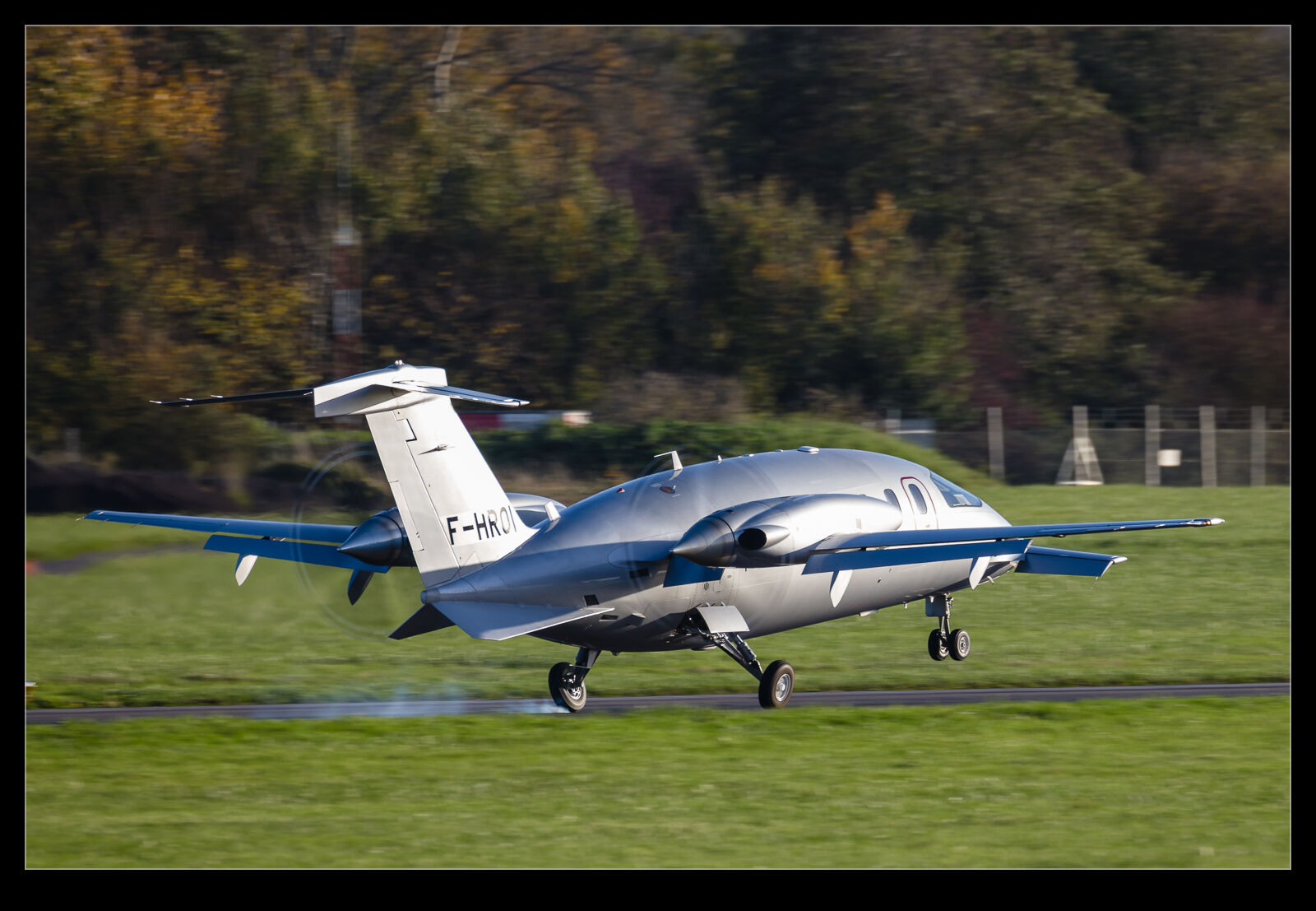 It looked like it was coming my way, so I walked back out to my spot. Once there, I saw the plane turn right and it was now clear it was heading north for a southerly approach. I should have stayed in the car. I now sprinted back to the car and made a move for where I figured might work out at the other end having never actually checked it out. At least the process of tracking north for the descent onto the approach meant I had a bit of time in hand.
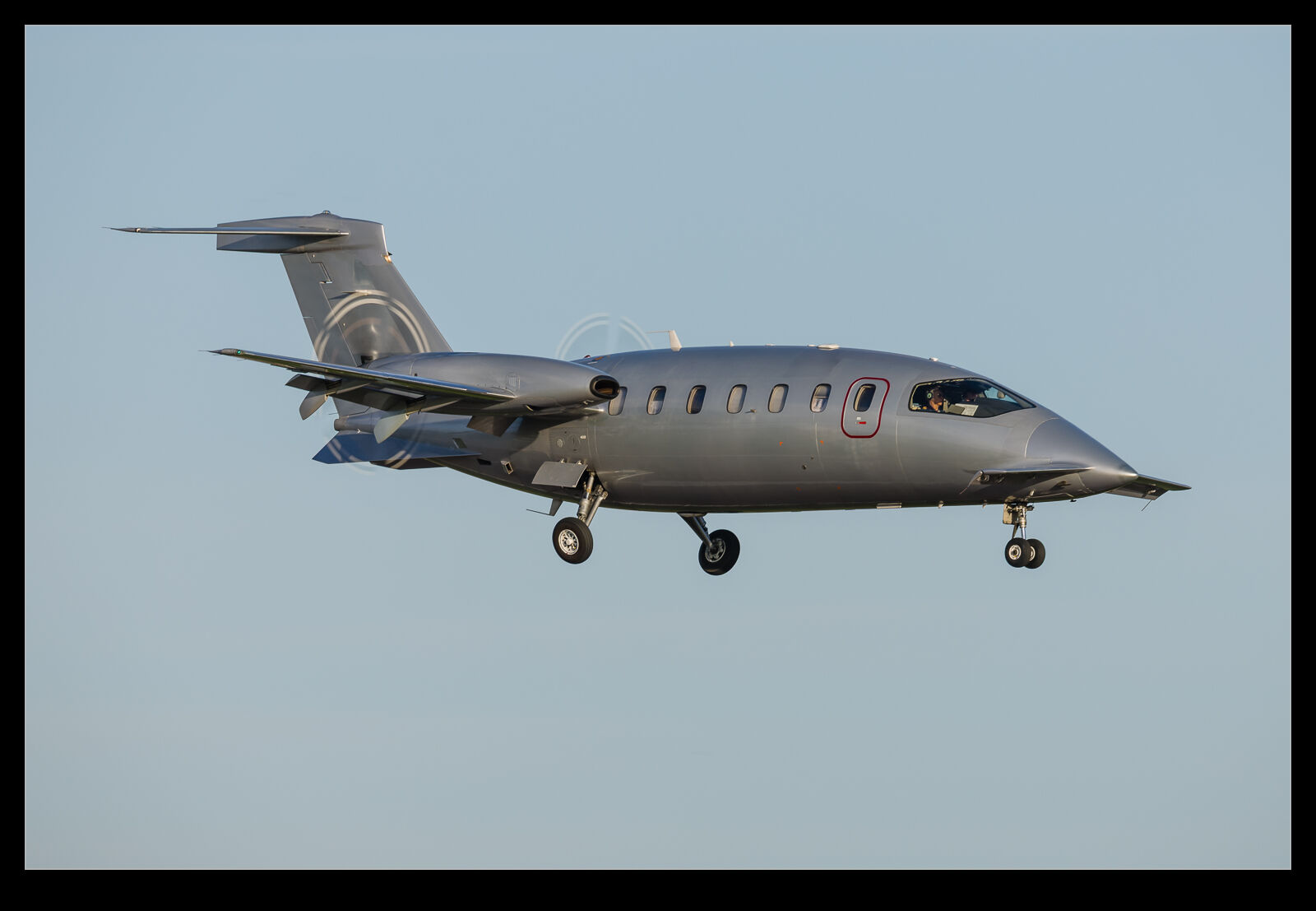 I got to the north of the airport and found a parking spot just in time to get up on the embankment that overlooks the runway. There were some regulars already there, so I knew this was not a bad choice. I had barely got my breath back when the distinctive sound of the Avanti reached my ears. There it was and I had some shots and then it was down. Back to the car and on my way! Nice result so close to home. Sadly, it departed early the next morning when weather wasn’t great and I was sleepy.
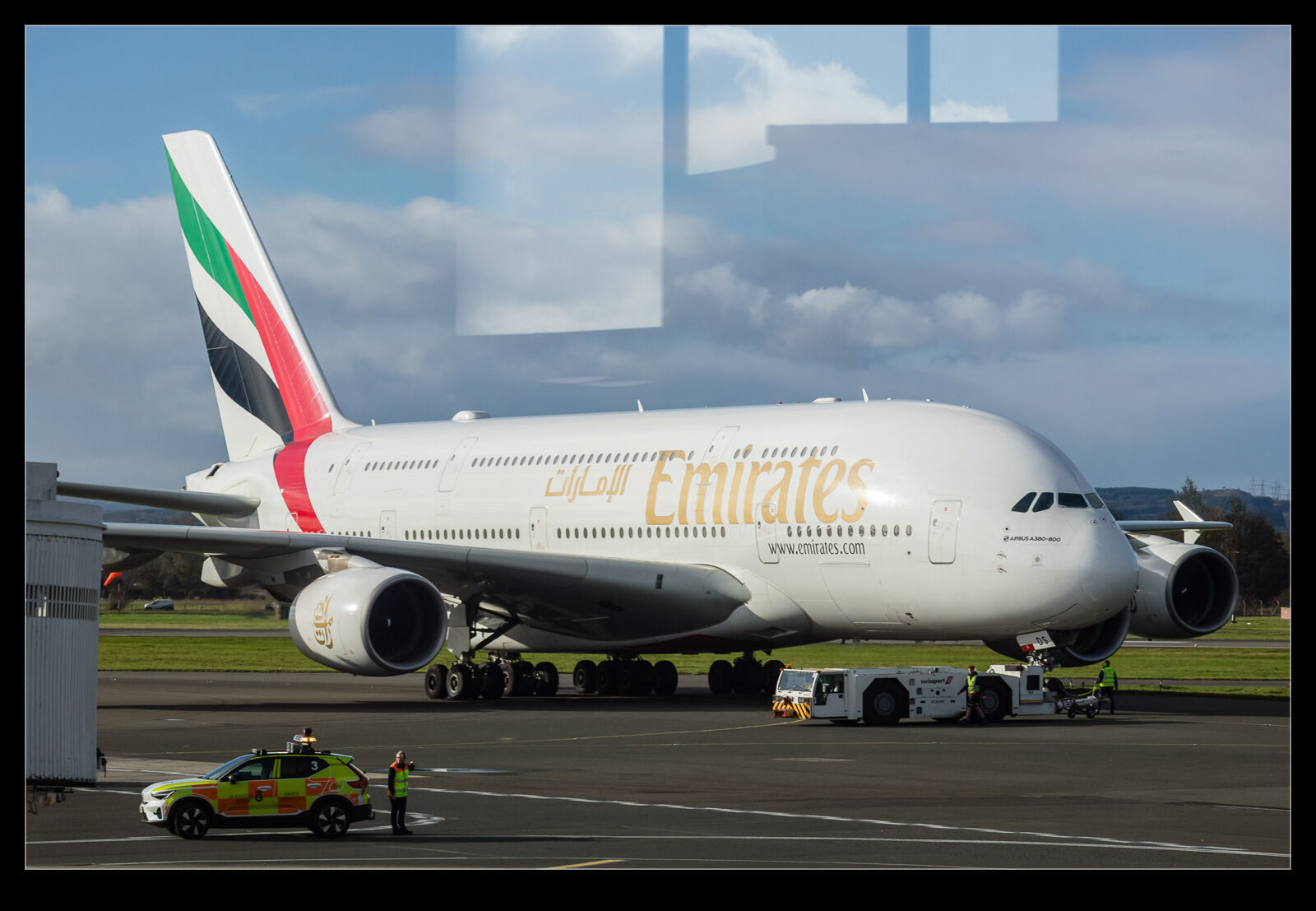
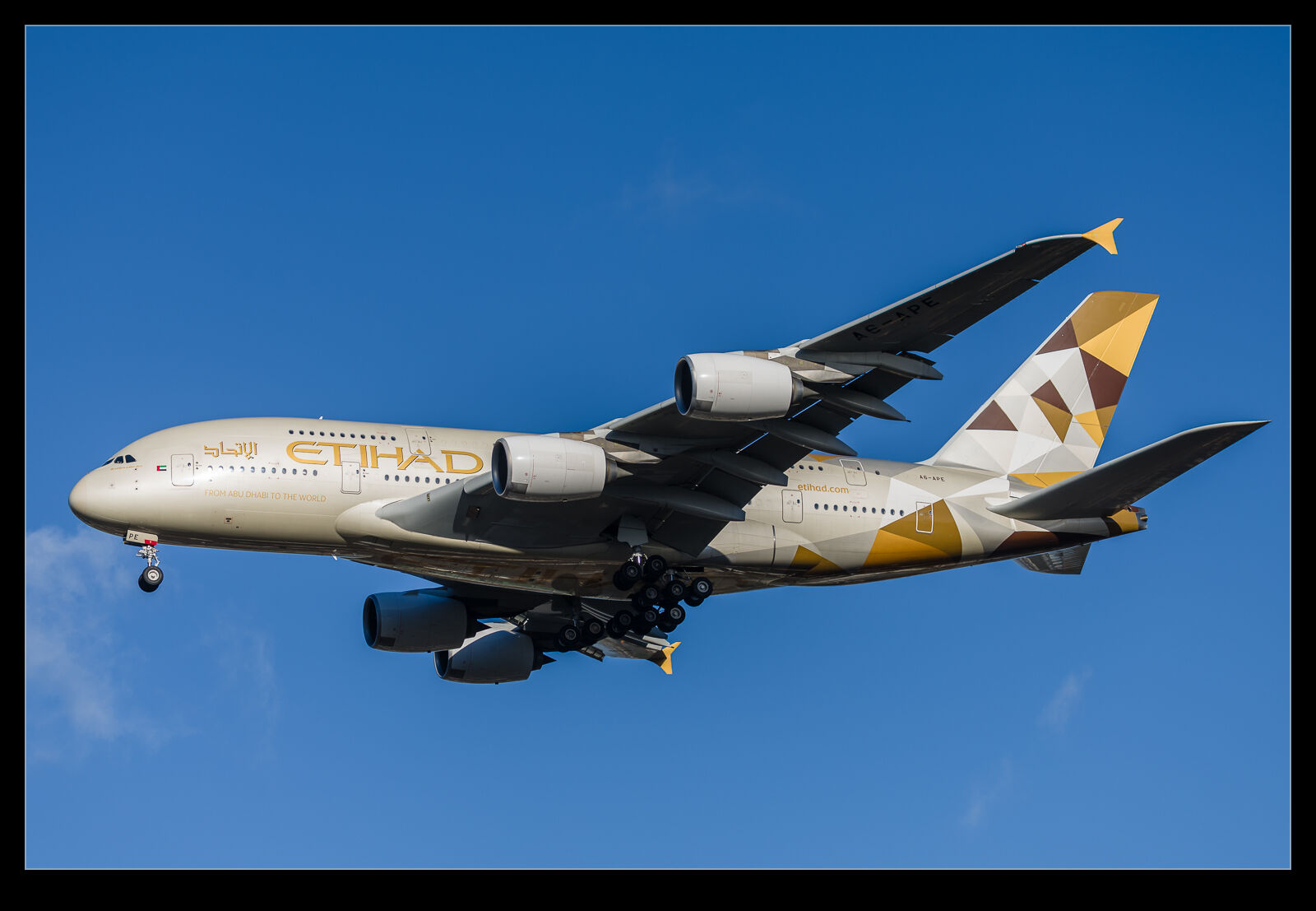 I posted a bunch of shots from Heathrow in an earlier post, but I saved this one for its own post. The A380 is a plane some love and some hate. If you have been a passenger on one, you probably love it. It really is a great experience on board. It does seem to make people feel better about themselves that it wasn’t a huge success. Not sure why that happens but people are strange.
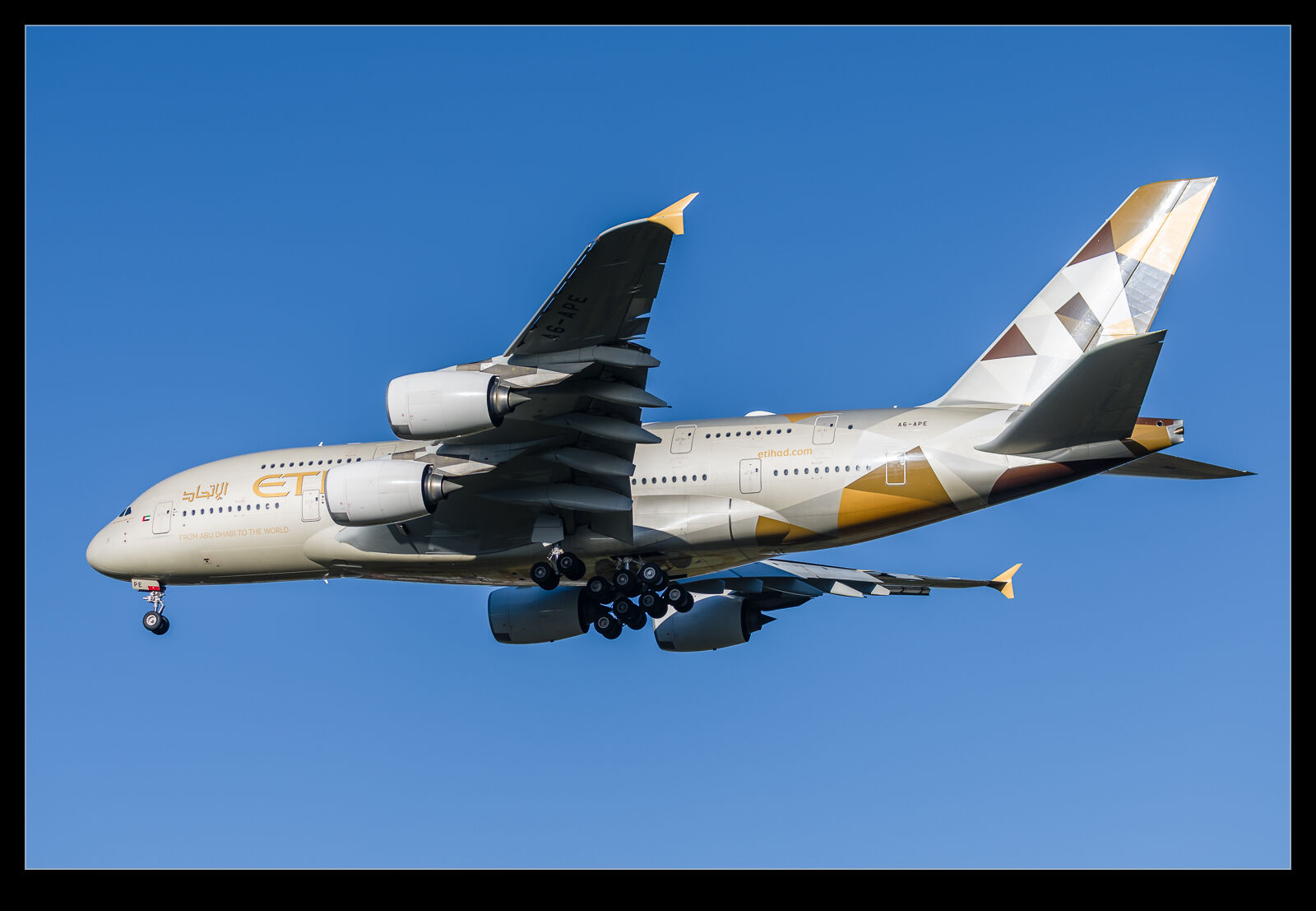
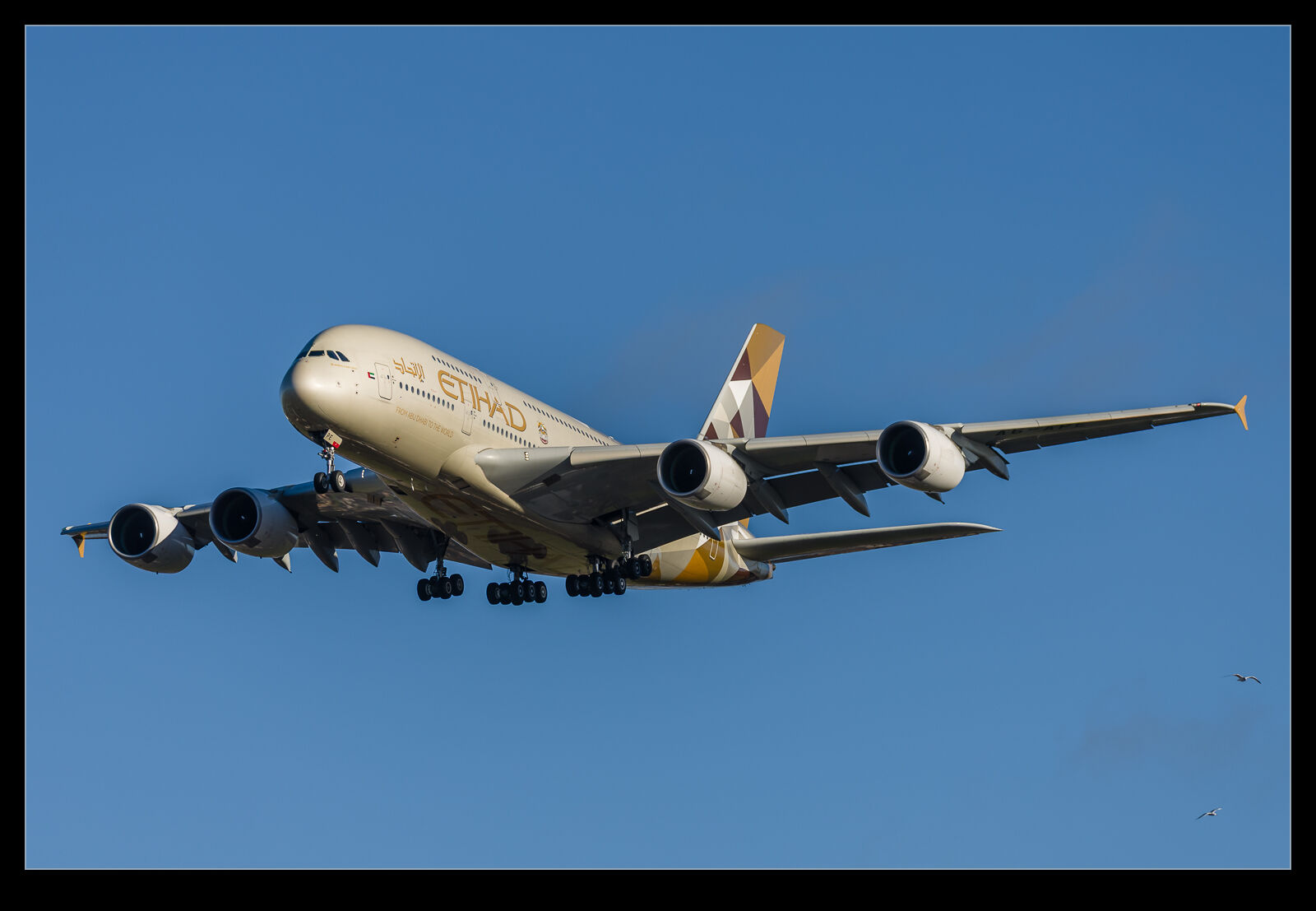 I have seen a ton of them over the years, but Etihad was an operator whose fleet I had never photographed until I moved back to the UK. At first this was only from a distance too. When I saw one was coming in a little after the American Airlines special, I decided to wait for it. In an era of white planes, a colourful plane is so welcome, and I find Etihad’s livery very appealing. Here is a great looking jet.