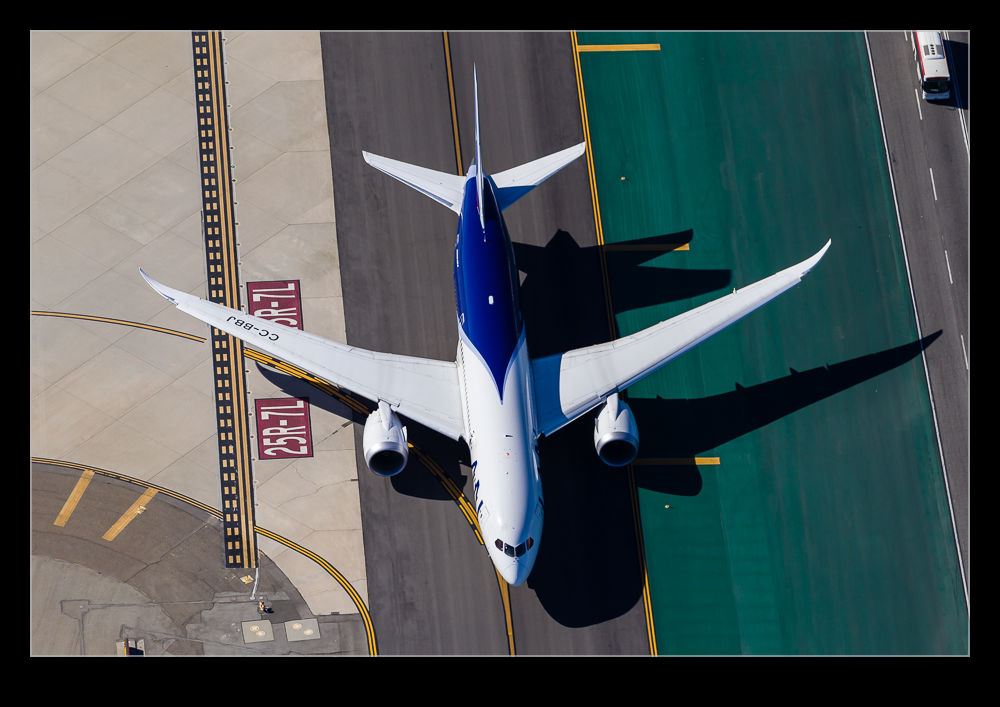
I may joke about what my favorite business jet would be to buy but, of course, I am not getting one any time soon. That doesn’t stop me considering which would be a good choice. The large cabin ultra long range jets are, without doubt, a nice idea but I would actually like something in the super midsize bracket. This would meet most of my needs (except for paying for it of course). One great looking jet and a good performer is the Bombardier Challenger 300 (and the newer 350). I would certainly be happy with one of these. This example is one that I saw at Hayward recently. Should I get one do you think?
Tag Archives: photo
Marine Corps C-9
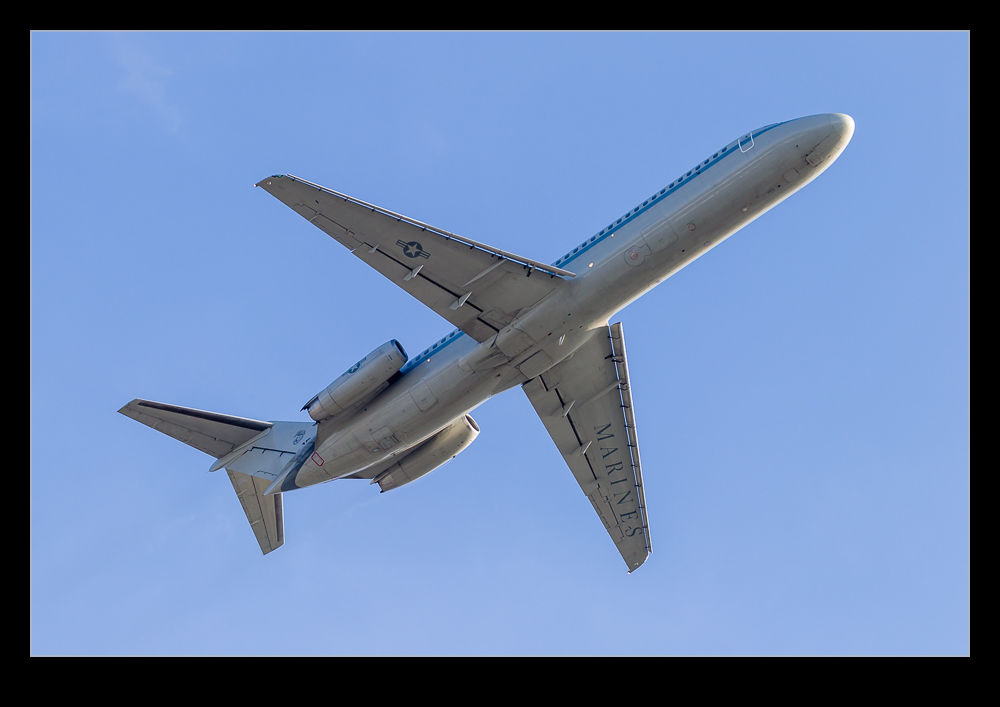
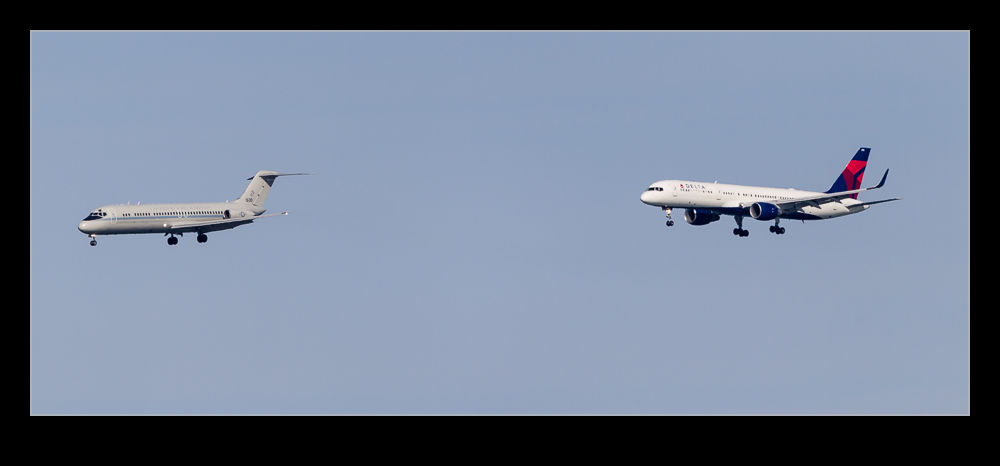
If you had asked me whether the McDonnell Douglas C-9 Skytrain was still in service, I would have said no. Used by the Navy and Marine Corps, the fleet had been wound down as C-40 Clippers were introduced. I thought that they had all gone by now. You can guess, then, that I was rather surprised when I saw one at SFO. Two aircraft were on parallel approaches – one a Delta 757 and the other appearing to be a DC-9/MD-87/Boeing717. I wasn’t paying a lot of attention but parallel approaches are always worth a shot so I was taking pictures when I realized that the aircraft was a C-9B Skytrain in Marine Corps markings. The conditions were a bit heat hazy but I wasn’t going to miss this.

I grabbed a bunch of shots as it landed and felt rather pleased with the turn of events. I then stopped thinking about it. A little later I moved around to the other end of SFO to get some head on departures of some of the widebodies that were due out. You don’t get many narrowbodies taking off on the 28s unless the wind is particularly strong down those runways. One or two will use it but not many. I saw a narrowbody start its takeoff roll and almost ignored it AGAIN!

However, I did end up trying some shots and then realizing as it got closer that it was the C-9B again. I guess it was just my lucky day that I had two opportunities to miss it and didn’t either time. As it flew overhead, I was able to get some far better angles on it than were possible when on approach. I also got to experience the noise levels that jets of this vintage came with. I did a little research afterwards and apparently only two jets remain in use with the Marine Corps and all Navy and Air Force examples are retired. This one is a rare one indeed, not least because it is based on the east coast. No idea how long they have left but this was certainly a fortunate encounter.
Southern Hemisphere Rest Stop
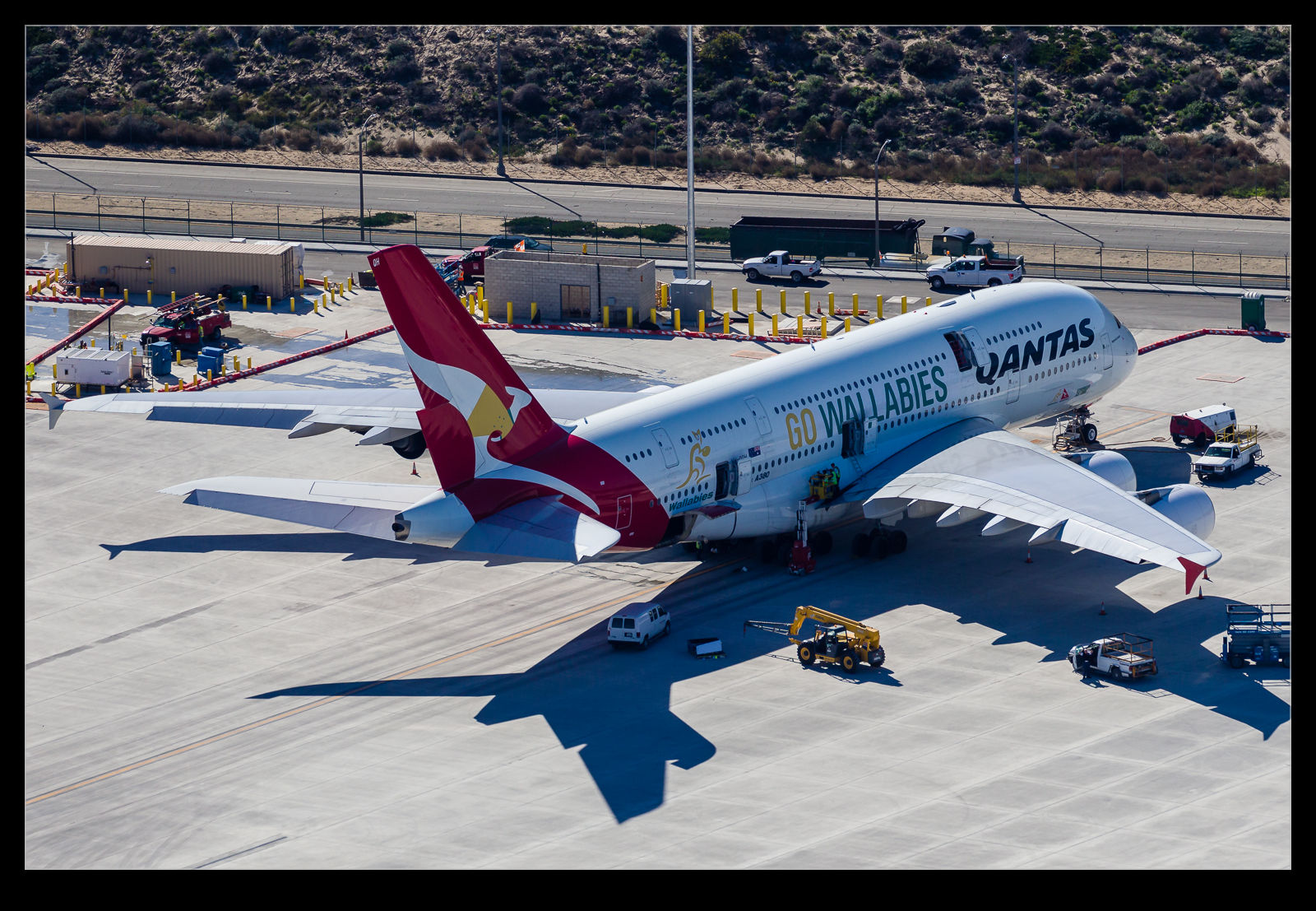
The scheduling of flights from Australia and New Zealand to the west coast of the US is not ideal for getting maximum utilization from your aircraft. There is a long time between the arrivals and the most desirable time for departing on the return journey. Consequently, there are a lot of jets that spend a good portion of the day sitting at LAX. Rather than waste valuable gate space, these jets are disembarked and then towed to remote stands to await the time when the evening flights will be readied.
There is a large parking area to the west end of LAX where these jets are kept. You will see Qantas, Virgin Australia and Air New Zealand aircraft all parked up here in the middle of the day. We were able to make a short detour from our normal operating area to the west end of the airport when ATC was able which meant we could get a good view of the jets parked up here. One of the Qantas jets was carrying special markings for the Wallabies rugby team. Later in the day they will have started the return trek across the Pacific.
San Luis Obispo
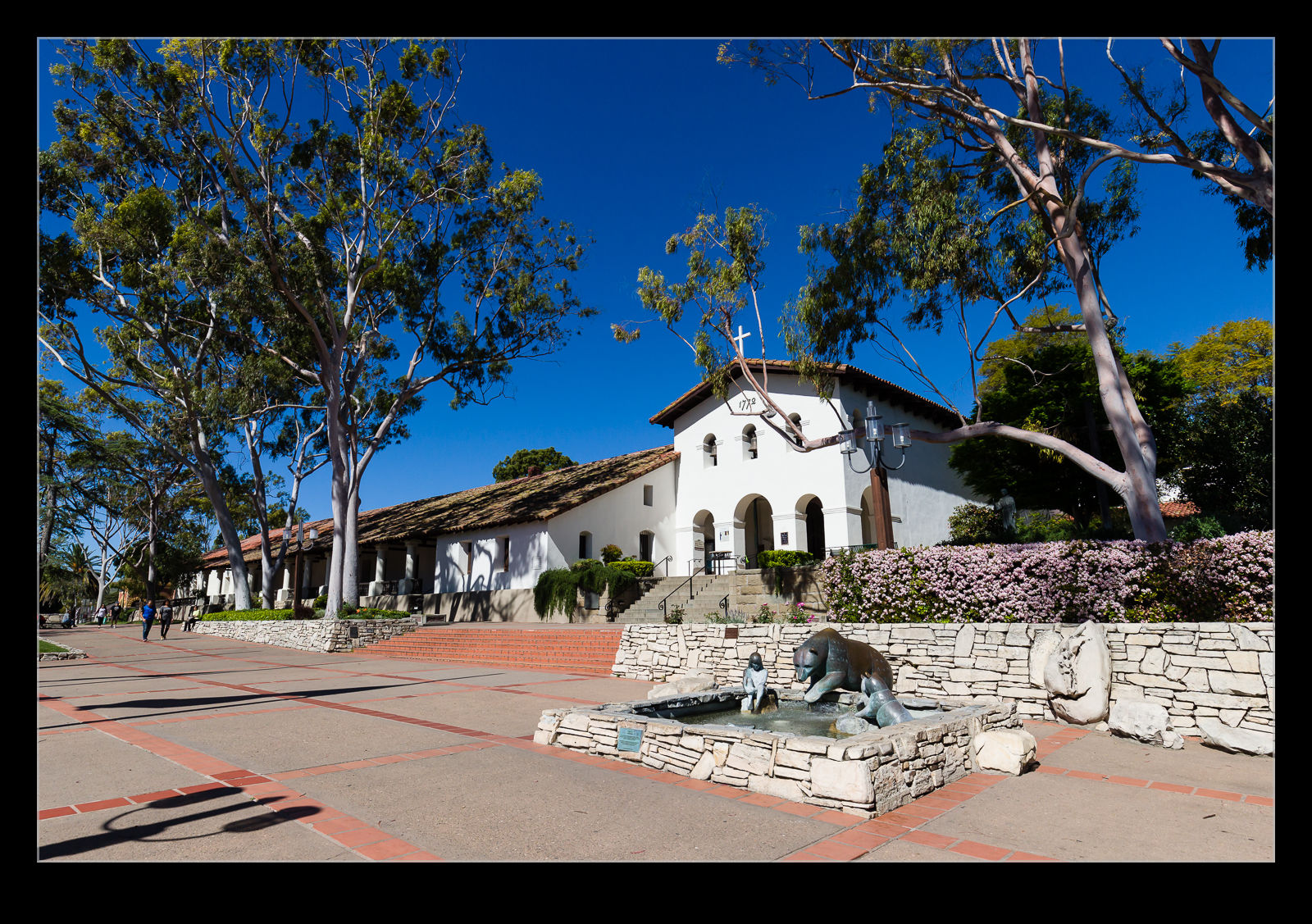
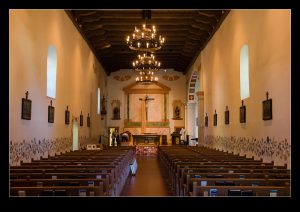
We took a short trip to San Luis Obispo while staying in Paso Robles. I didn’t know what to expect of the town other than that it is rated the happiest town in America (or some similar “statistic”). We got a map of the town from the visitor center and the first stop off was the mission. California is not short of mission buildings and I was expecting something similar to most. I was pretty surprised to discover that it was a pretty large area. The grounds were nicely landscaped and the buildings were extensive. It was far bigger than I had expected. I guess this was an important mission in its day.
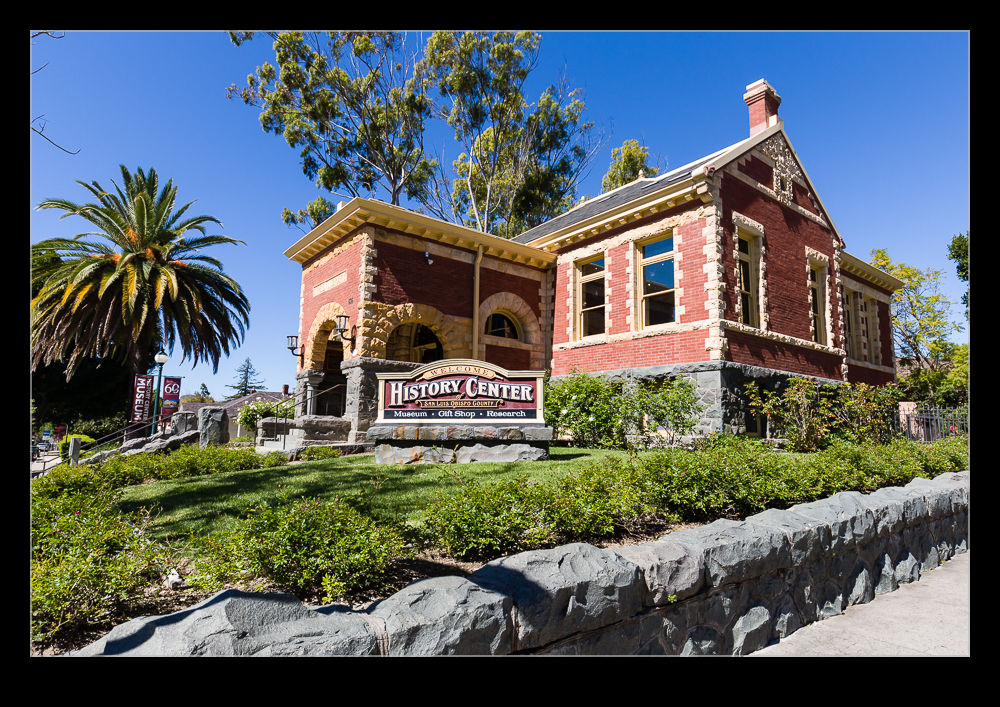
A short distance away was the town museum. Originally a library funded under the program Andrew Carnegie created for providing libraries across the country, the library moved many years ago to a larger facility. After some debate, the building was re-purposed as a museum. It was a pretty interesting little place. My mum works with a local heritage organization in her town and I couldn’t help but imagine this place experiencing the same things she goes through on a regular basis. We took a look around, made our donation and headed out.
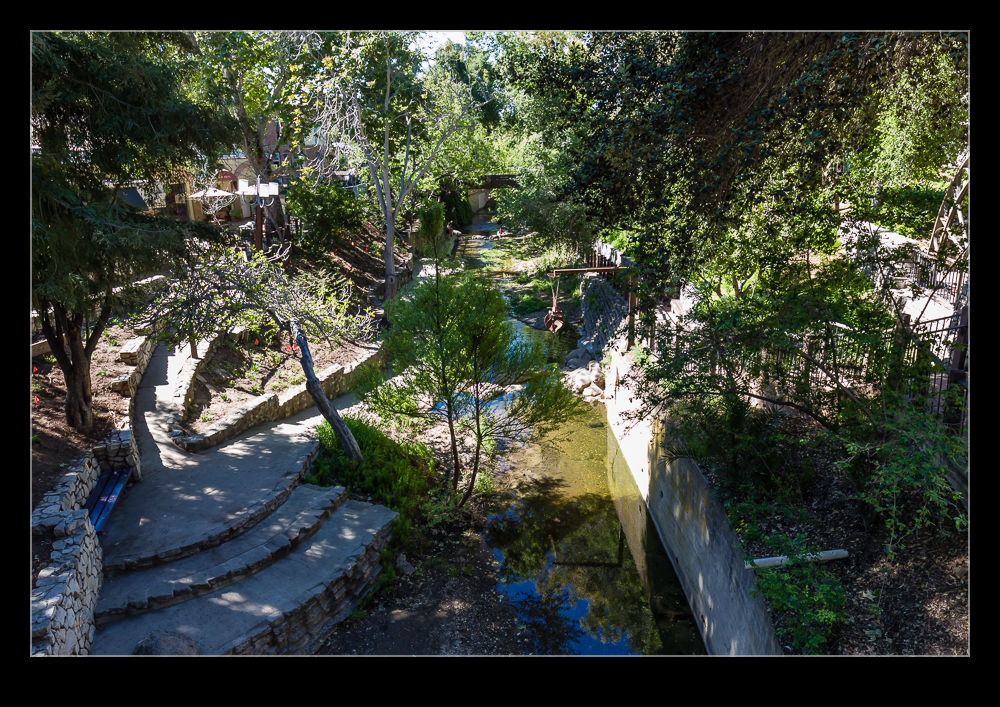
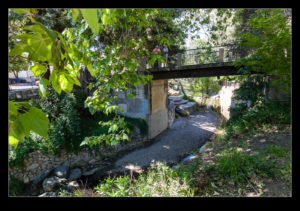
The town center itself is pretty vibrant. We started out in an area that was mainly populated by individual businesses. The whole thing felt very interesting and different. I was impressed. As we walked on, we came to the area that had all of the familiar chains. You knew that they couldn’t be far away. It did seem that the town had managed to avoid the homogeneity of many other towns though. It also had a river running through the heart of the area. Much effort had gone into designing nice pathways along the river and encouraging people to use it. This is a big improvement on so many small rivers in towns which seem like glorified drainage ditches.
It seems like a nice place to visit and something that would have enough to encourage me to return.
Regional Parks Astar
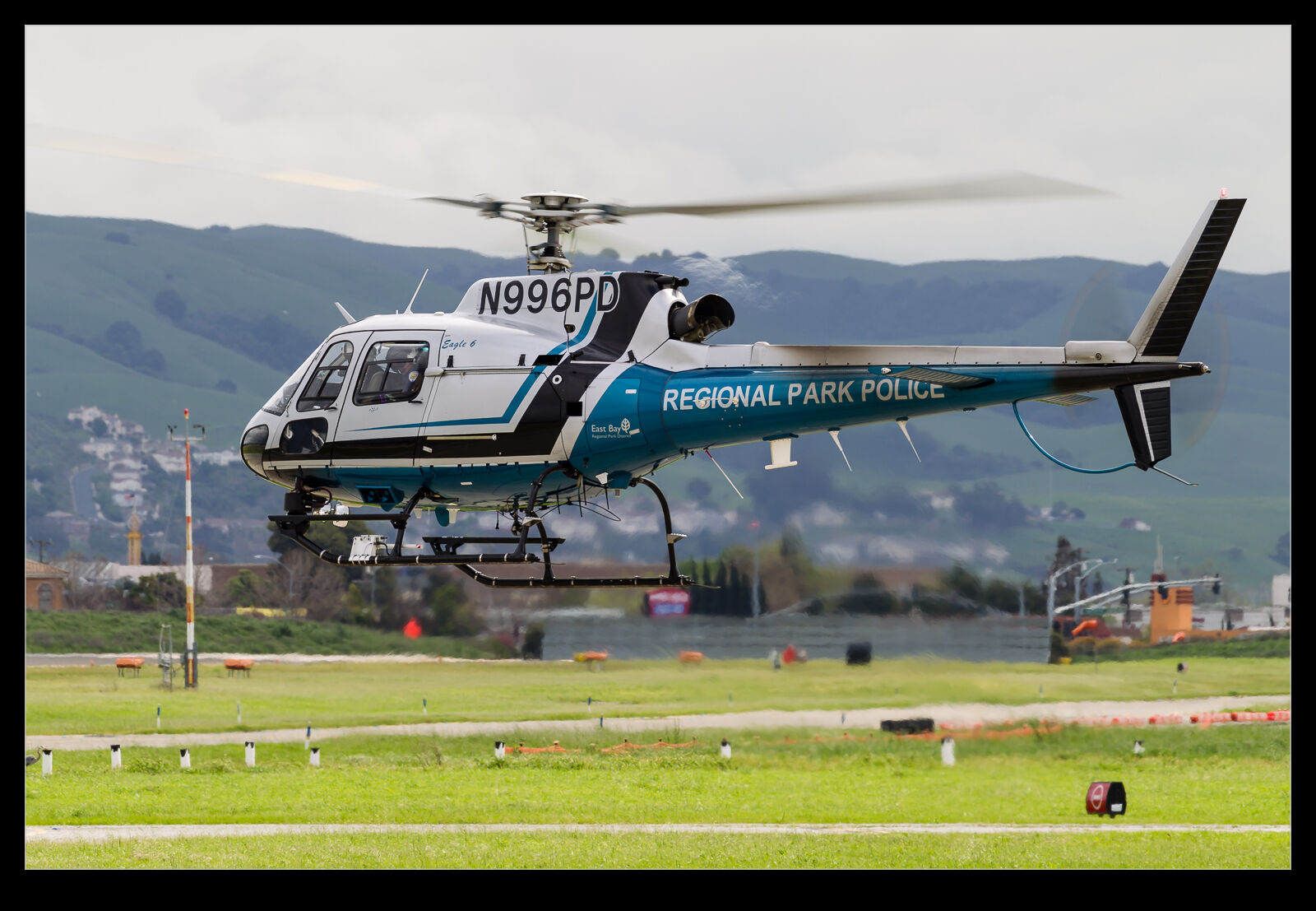
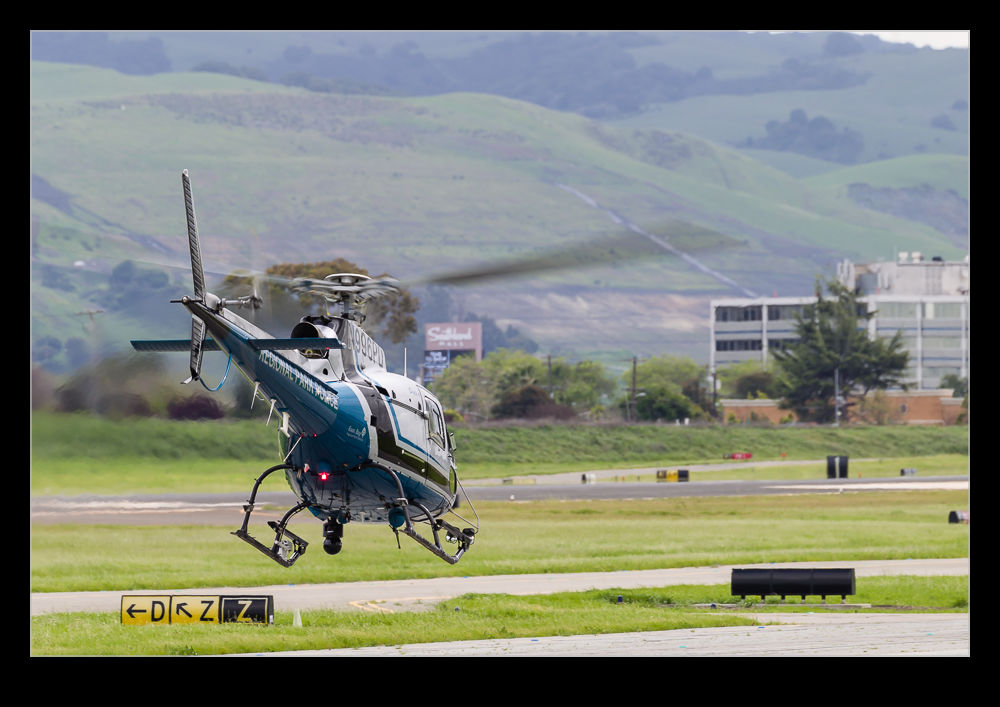
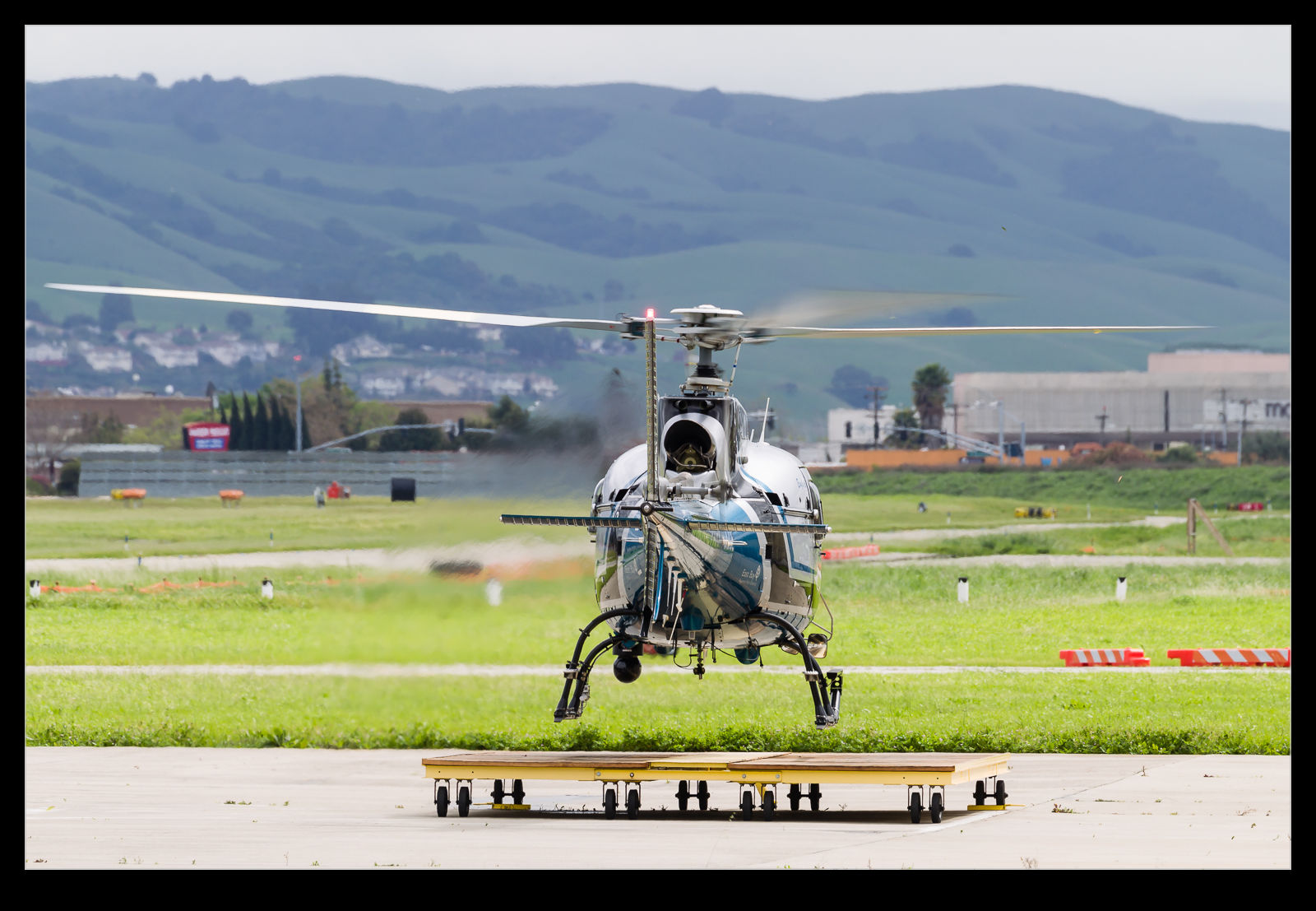
While I was getting lucky catching the Huey at Hayward, this wasn’t the only helicopter I came across in action. A short distance away from me, an Astar was running up on the ramp. Before too long, it lifted, taxied across to the active runway and then departed to the southeast. It turned out to belong to the Regional Parks service. I had actually seen this airframe before when it had been at Livermore. This time I was a lot closer to it and able to get a far better view.
It is actually quite a nice paint job that they have applied. Some quick research suggests that they have a couple of these Astars. I wouldn’t mind finding out more about them and what they are used for. It could make for a more detailed piece at some point.
Bomb Shelters(?)
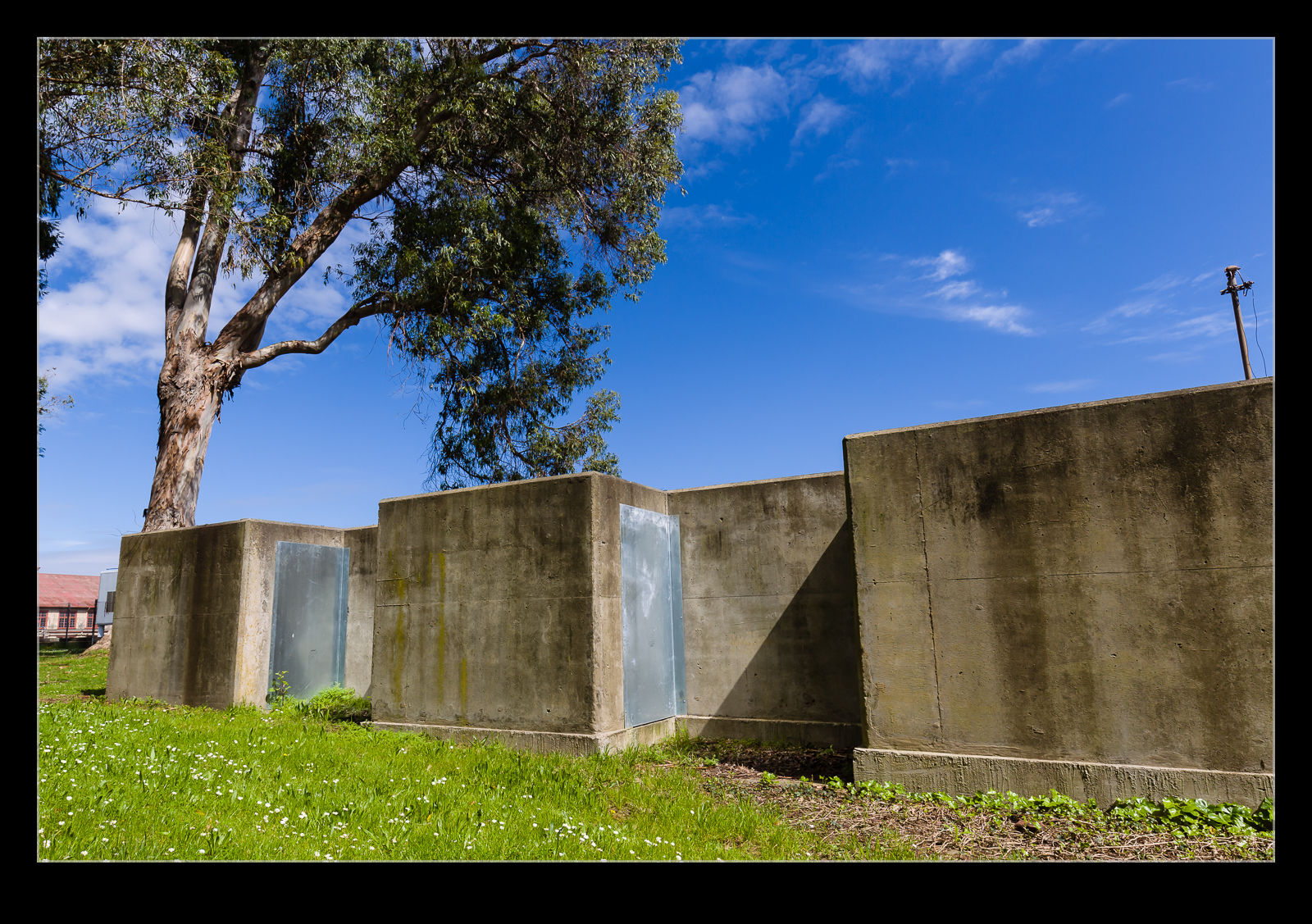
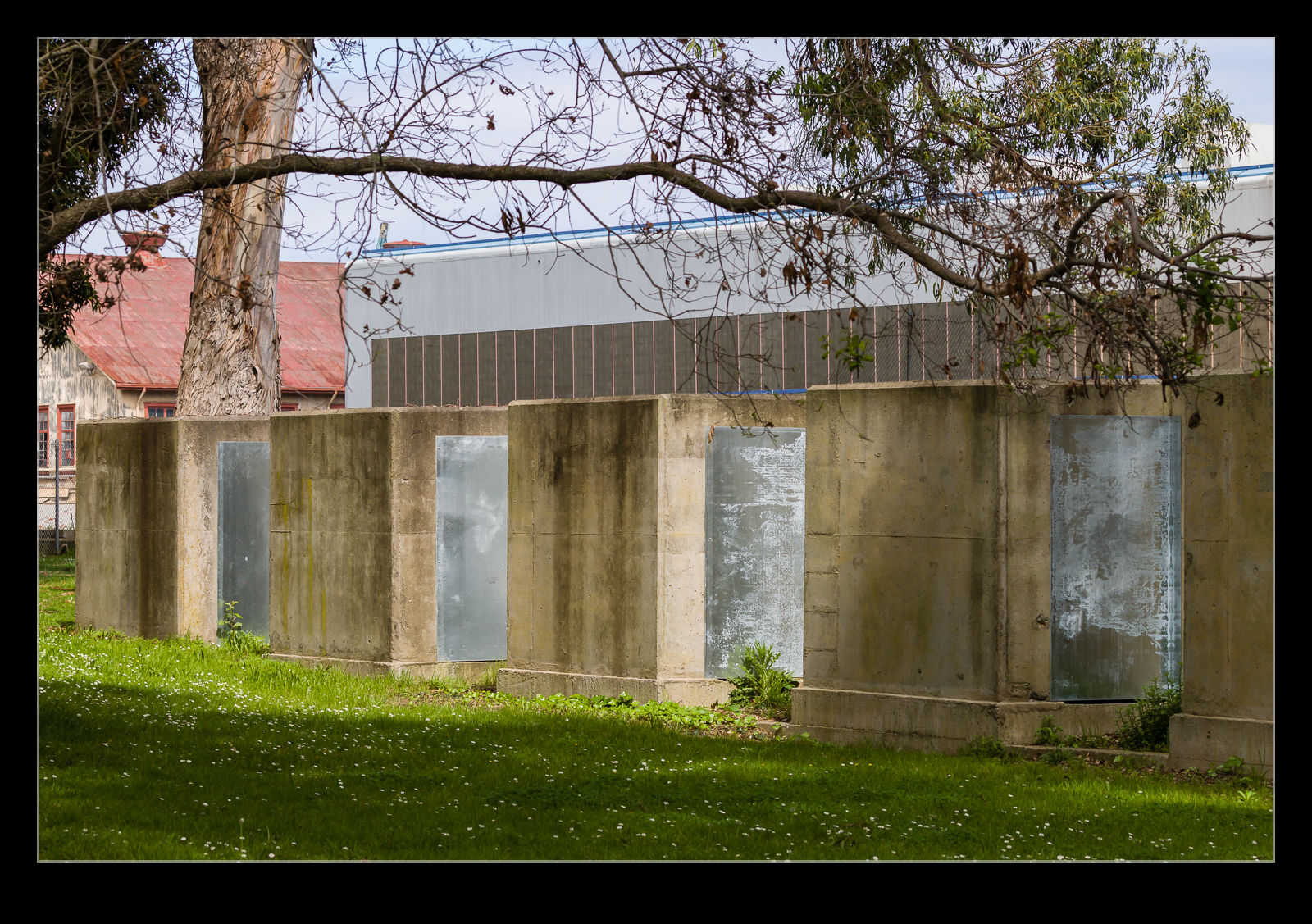
With the outbreak of the Second World War, Mare Island rapidly added some bomb shelters for the workers and residents. These concrete bunkers were built quickly but have lasted a long time. The doors to them have gradually decayed and they are now predominantly sealed with steel doors. As bomb shelters go, they were of reasonable use. A direct hit would have destroyed them and whoever was unlucky enough to be inside. However, they should have provided protection to the occupants from shrapnel resulting from a nearby impact had it ever happened. Now they just look a little incongruous amongst the trees but there would have been a time when they were considered a very welcome feature to those nearby.
More Aerials from LAX
Ospreys on the Docks
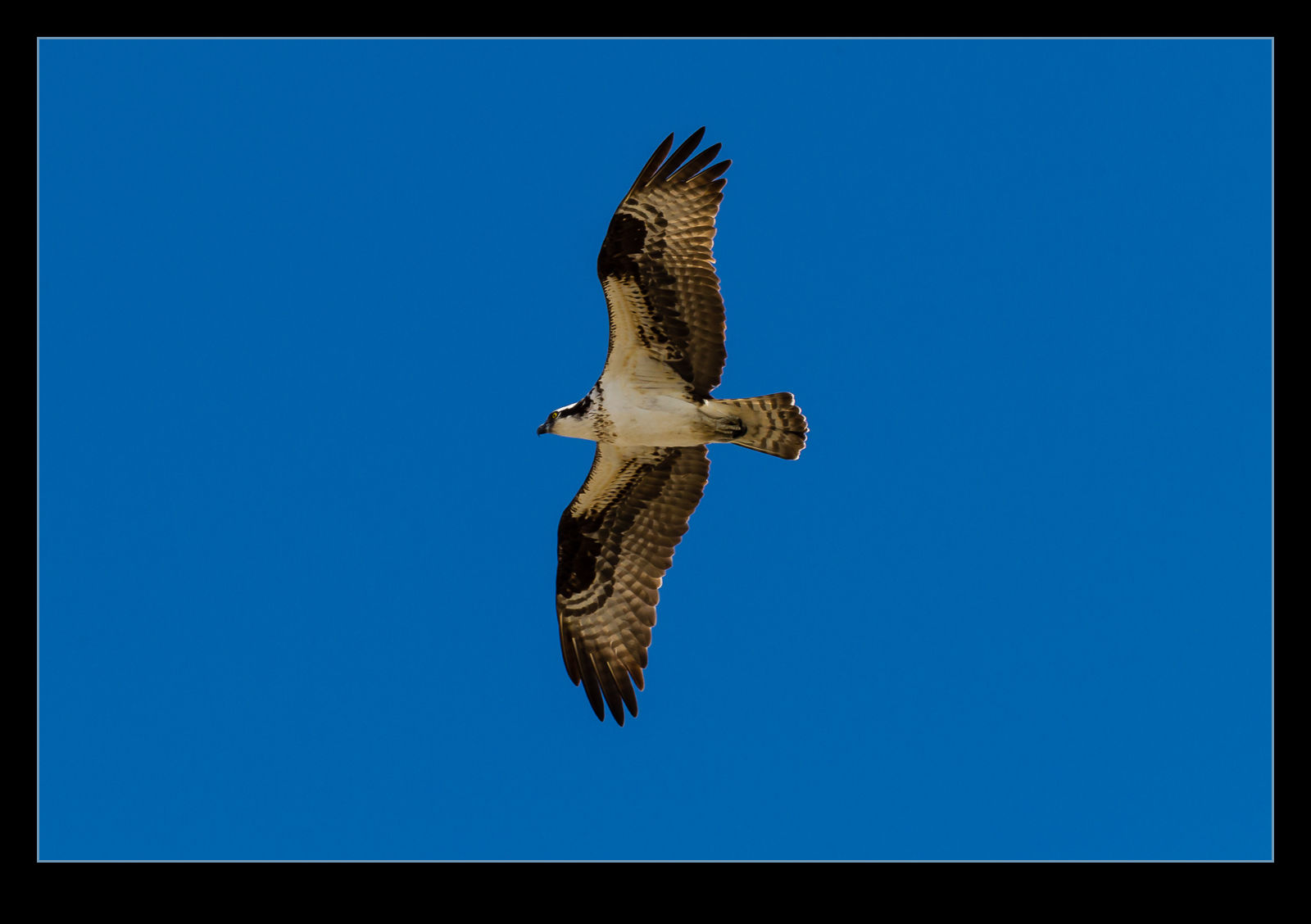
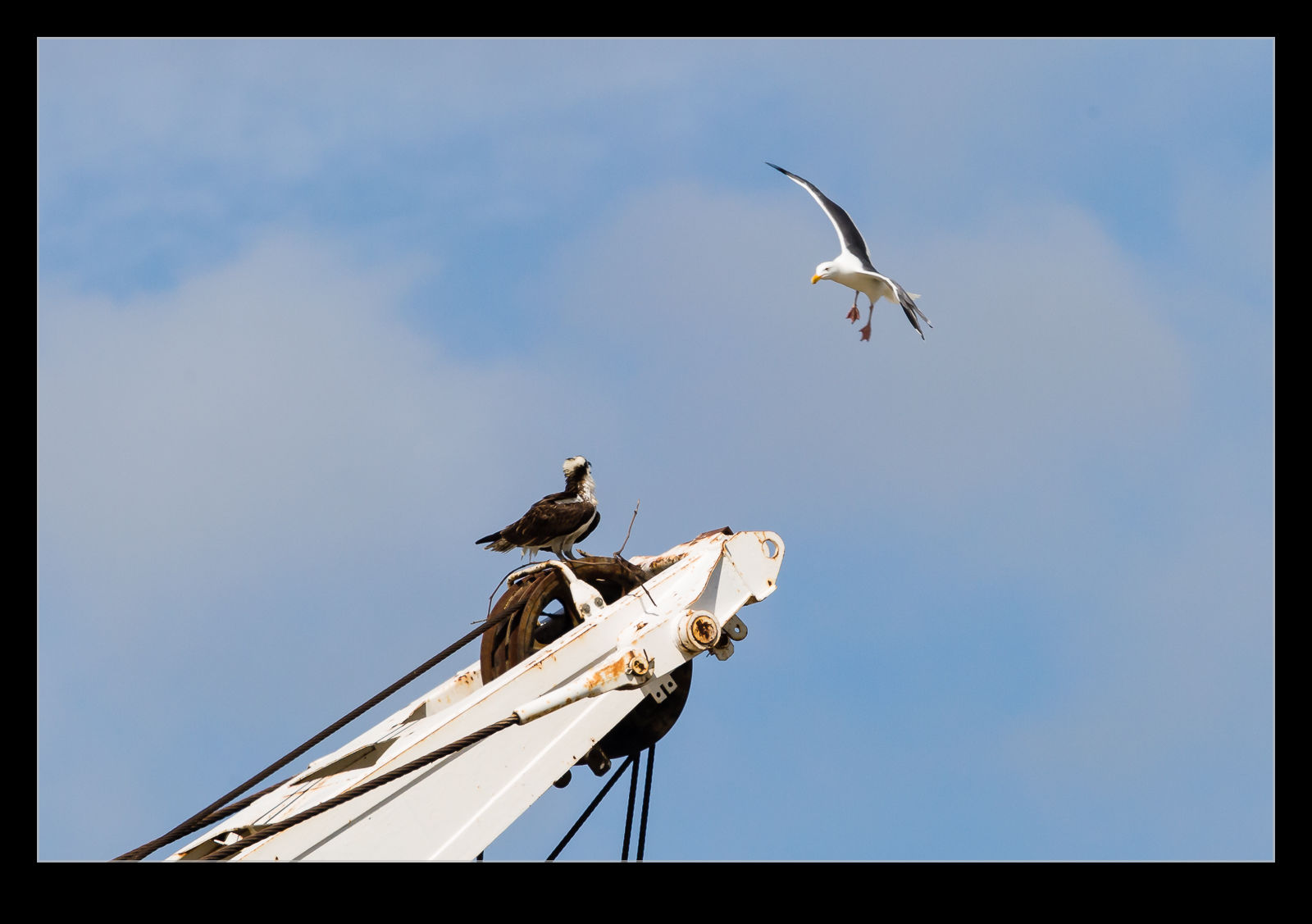
I might have been visiting Mare Island to see the museum and surrounding area but I also got to fit in some wildlife viewing while I was there. I had stepped out of the back of the museum towards one of the dry docks. One of the guys working in a business nearby starting chatting and saying how he wished he had a long lens with him to photograph the ospreys. I could hear a lot of noise but he pointed out the source. All of the high structures around the docks be they cranes or gantries seemed to have a nest on them. Ospreys were all over the place. They had access to the fishing in the water a short distance away so the metalwork was providing a great vantage point with plenty of privacy.
The noise from the nest close to me was pretty loud. A chick was obviously awaiting some food. At first I thought the parents were going to come right in but then I realized that there were so many nests that the birds I could see flying were not necessarily anything to do with this chick. I don’t know whether it had worked that out, though, given the noise it was making when any bird came close. I have no idea how much the nest impact the operation of the machinery and whether there are any restrictions on what can be done when they are in place but they are clearly all over the place.
New Alaska Livery
When an airline decides to change its livery, it isn’t too long before large numbers of their aircraft are in the new scheme and you start forgetting that there was ever a previous paint job. In between those two points is the time when you are interested in the change. Catching something in the new livery is of interest. Alaska Airlines has changed their colors. As an airline that is active in this part of the world, the chances of catching the new look should be good.
It so happens I have seen two of them in close succession. One was overflying me while I was out walking. There was a lot of wildlife on my walk so I had a long lens on the camera so managed to get a couple of shots. The light was not great and there was plenty of cloud so not a great shot. The next time was shortly afterwards when the conditions had become considerably worse. Torrential rain meant that the plane was pretty obscured by the rain drops even though it was not far away. Neither of these will be shots that get pulled from the archives I imagine as they will be replaced by many more as the planes get repainted. However, they were my first encounters with the new look.
St Peter’s Chapel
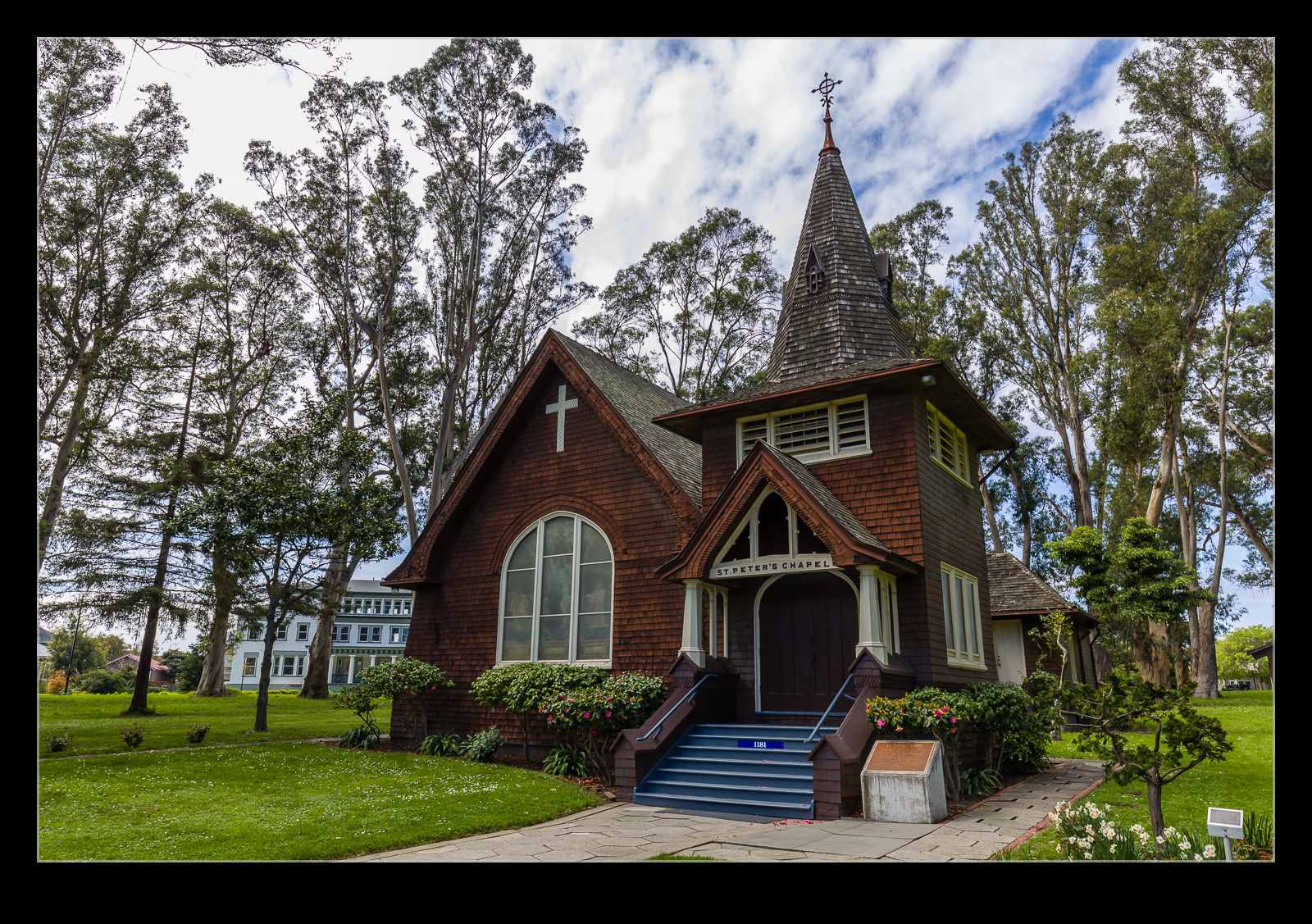
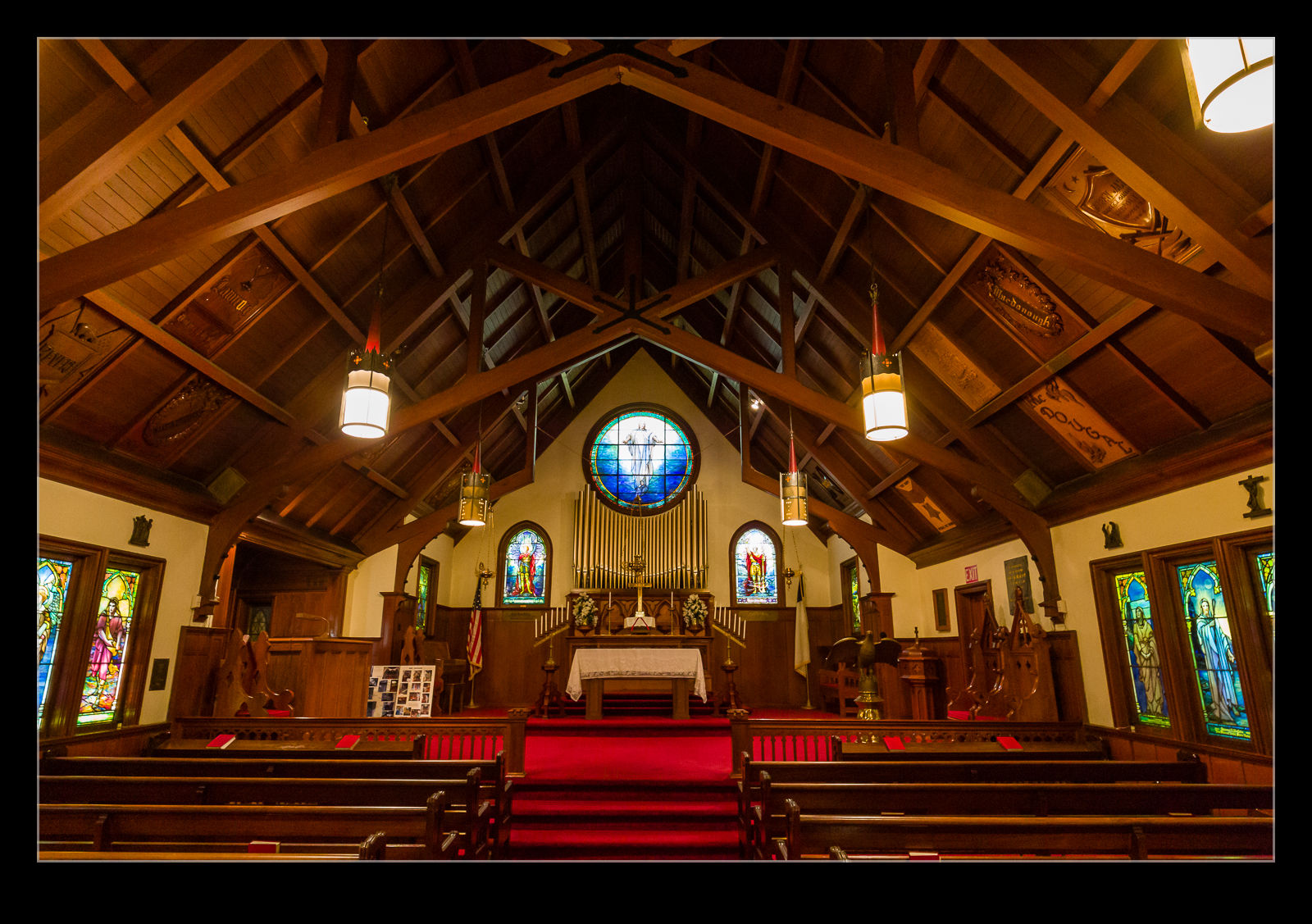
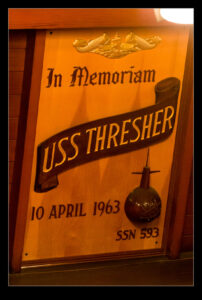
Located on Mare Island, St Peter’s Chapel was a non-denominational chapel to support the naval facility. It is no longer an active chapel but it is available for use for ceremonies. The structure looks pretty small from the outside but it is surprising how many people it can accommodate without trouble. The wooden structure is very different to everything else on the facility and it looks quite rustic. Many panels inside the chapel reflect the naval history of Mare Island and, particularly, the submarine forces.
The striking feature of the chapel is the stained glass windows. Many of them were made by Tiffany and they are considered very valuable. An exact value is not given but, since they cannot be replaced, you could argue they are priceless. Not all of the windows are from Tiffany but most are and some include a signature which makes them even rarer. The windows survived relatively unscathed in the recent earthquake that hit the area so the team is making sure that they are left alone as much as possible to avoid causing more harm than good.