Tag Archives: jet

Test 787s

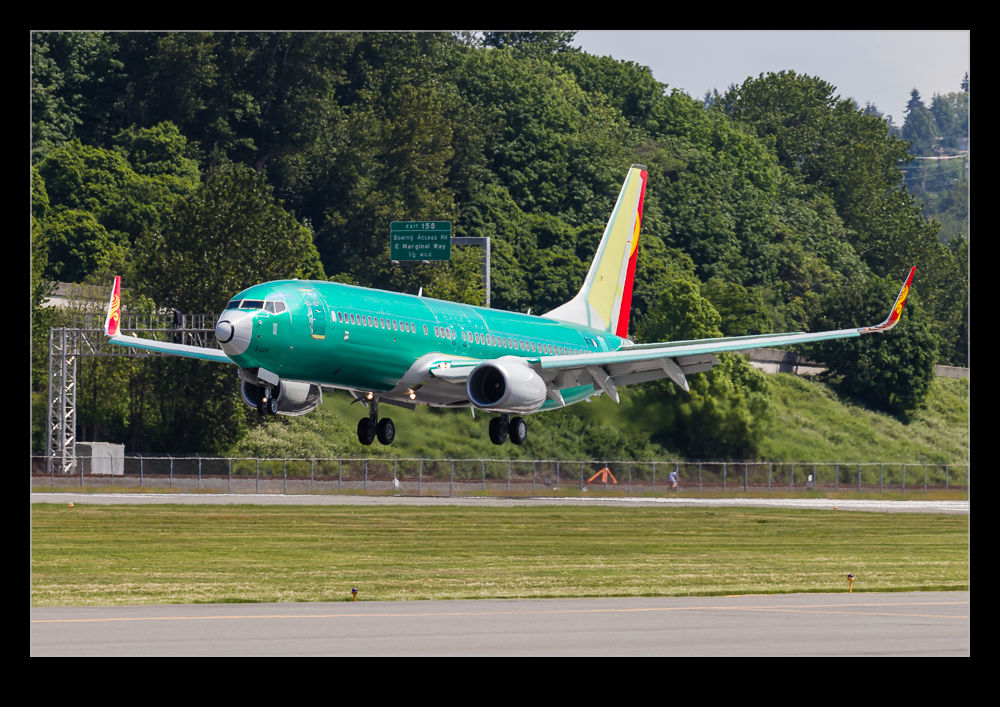
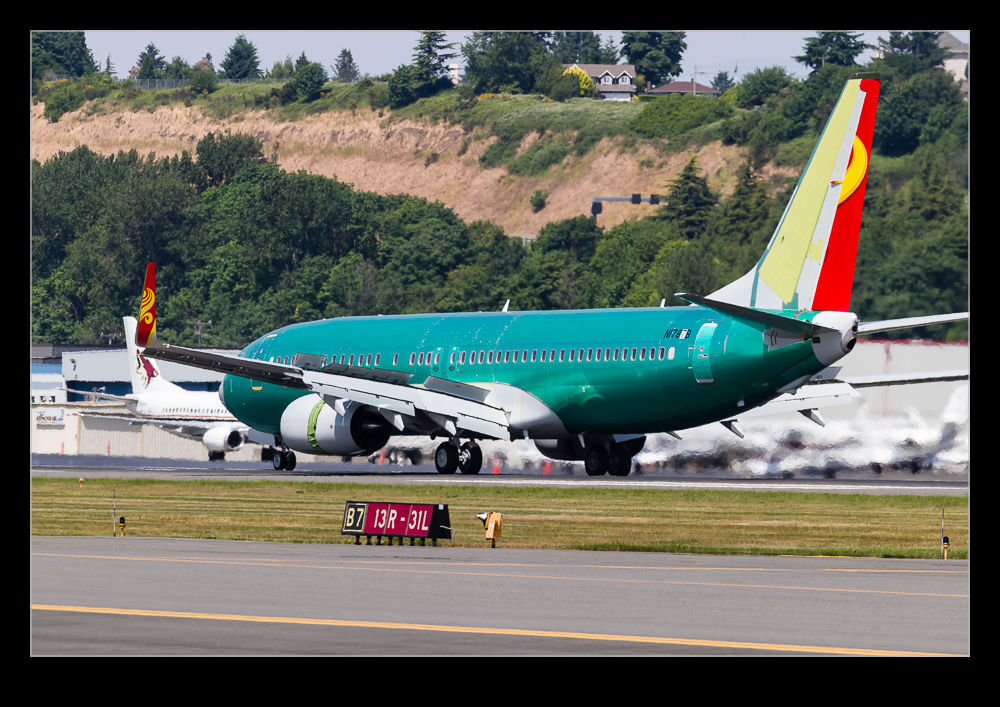
AU0E6255.jpgThere was a bit of activity at Boeing Field for the fleet of test Dreamliners. Boeing has been in the process of moving the original test airframes around to their final resting places. One of them has been donated to the Museum of Flight so didn’t have to go very far. Others are finding home further afield. Meanwhile, there is still some work for the rest of the test fleet.

AU0E5083.jpgI managed to see them both on the ground and in the air. Obviously the flying shots are the ones I prefer but I will take any I can get. It is strange that, during the test program, the development aircraft are the only ones you see and you want to see more of them in airline colors. Once they get well established, the original test frames suddenly have more interest again.

AU0E6306.jpgAU0E5080.jpg AU0E6279.jpg

Castle Air Museum

AU0E4021-HDR.jpgIt’s quite strange to think that I live about 90 minutes from a major air museum but have not been to it since moving here. Such is the case with the Castle Air Museum in Atwater CA. Located on the edge of what used to be Castle AFB, the museum has an extensive collection of Cold War and Second World War types, predominantly from the US but also with a variety of types from other countries. The majority of the collection is located outside which, given this is the central valley, should mean it is pretty sunny. How I managed to get there on a cloudy day I do not know. However, it was indeed overcast when we started walking around. Things did clear up a bit later on, though, so I actually went back to get a few extra shots of things I had seen early on.

AU0E4048.jpgAs a one-time SAC bomber base, there are quite a few large bombers on display. From the B-29 and B-50 through the enormous B-36 Peacemaker (got to love irony) up to the B-47 and B-52 strategic jets, there are all sorts. Some rarer bomber types are also on show. Not necessarily successful ones but they add to the collection. The Brits are also represented with a Vulcan on display.

AU0E3943.jpgIt isn’t just bombers though. Plenty of fighters and trainers are included in the collection and a good number come from the US Navy so, despite the base having a USAF history, they have covered both services well. There is enough space to have all of the aircraft well spread out so you can appreciate them from many angles. You also get quite a walk in if you take a look at everything.

AU0E4062-Pano.jpgOne of the nice additions is an SR-71 Blackbird. There are a few SR-71s on display but not a huge number and seeing another one is always cool. However, they are quite tricky to photograph, particularly outdoors when the black paint scheme really makes for a strong contrast with the daylight. Still worth a go though.

AU0E3874.jpgThere are a few types on display that are worthy of a little extra time so I may post about them separately. If you have even a vague interest in planes, though, make a trip to this museum. Nancy came along and, while she is not a big fan of planes, she found the variety of types quite interesting. High praise indeed!

AU0E3802.jpg

Farnborough ’92 – The Rest

0701-2.jpgThe attendance of the Russian contingent at Farnborough in 1992 was pretty impressive but they weren’t the only game in town. There were plenty of other aircraft on display. The Rafale prototype was there to follow up from the demonstrator a few years before. The first A340 was also part of the flying display.

0803.jpgPlenty of smaller types were on show including the Optica and the Pillan. Harriers and Hawks flew and the Gripen development program was represented by one of their jets. The Tucano for the RAF was taking part and the US military had a Black Hawk in the static display. Quite a variety of stuff to enjoy and interesting to see what is still in production today and what has disappeared from service.

0302.jpg

Globals at King County

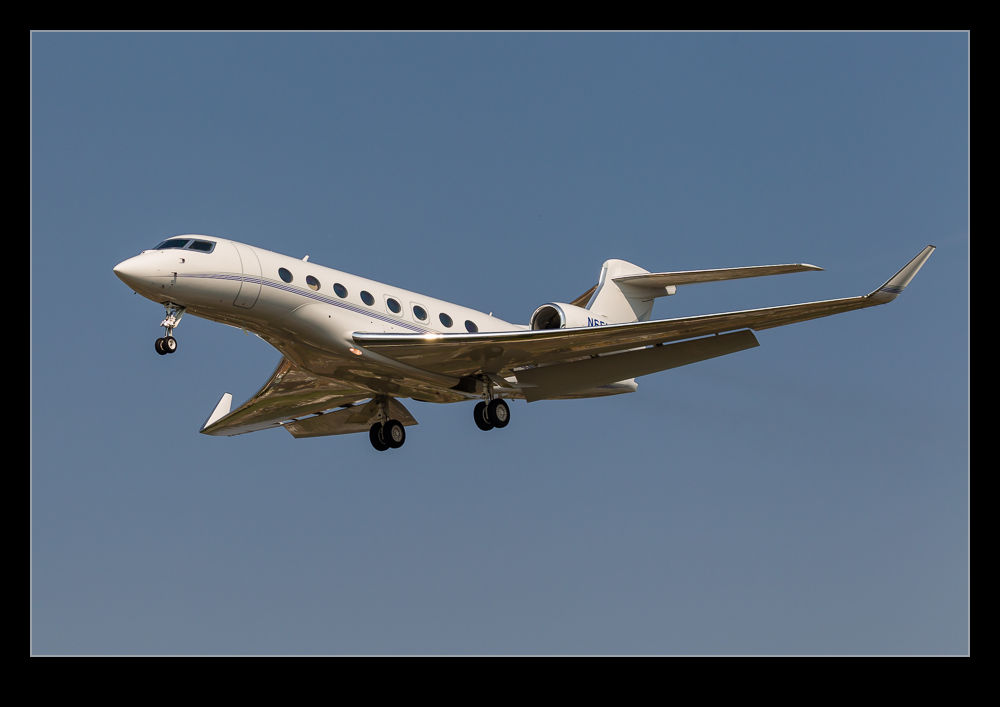
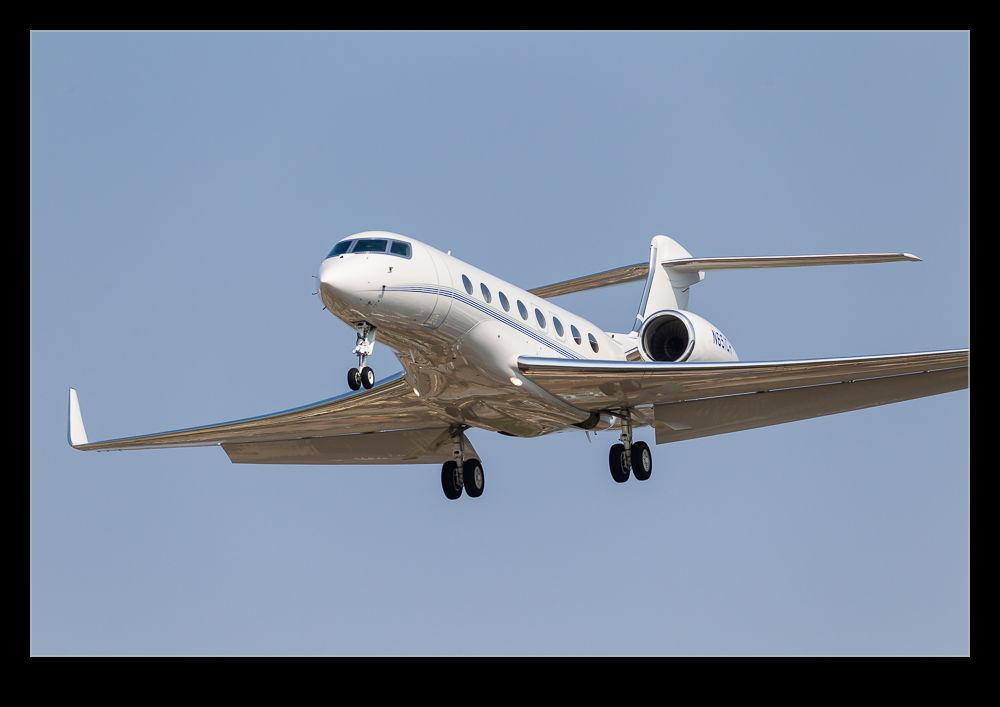
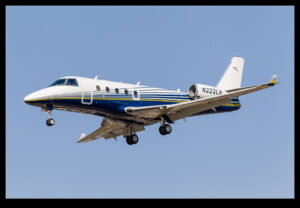
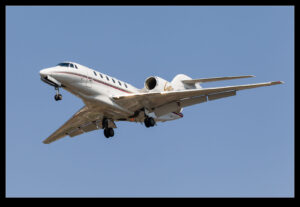
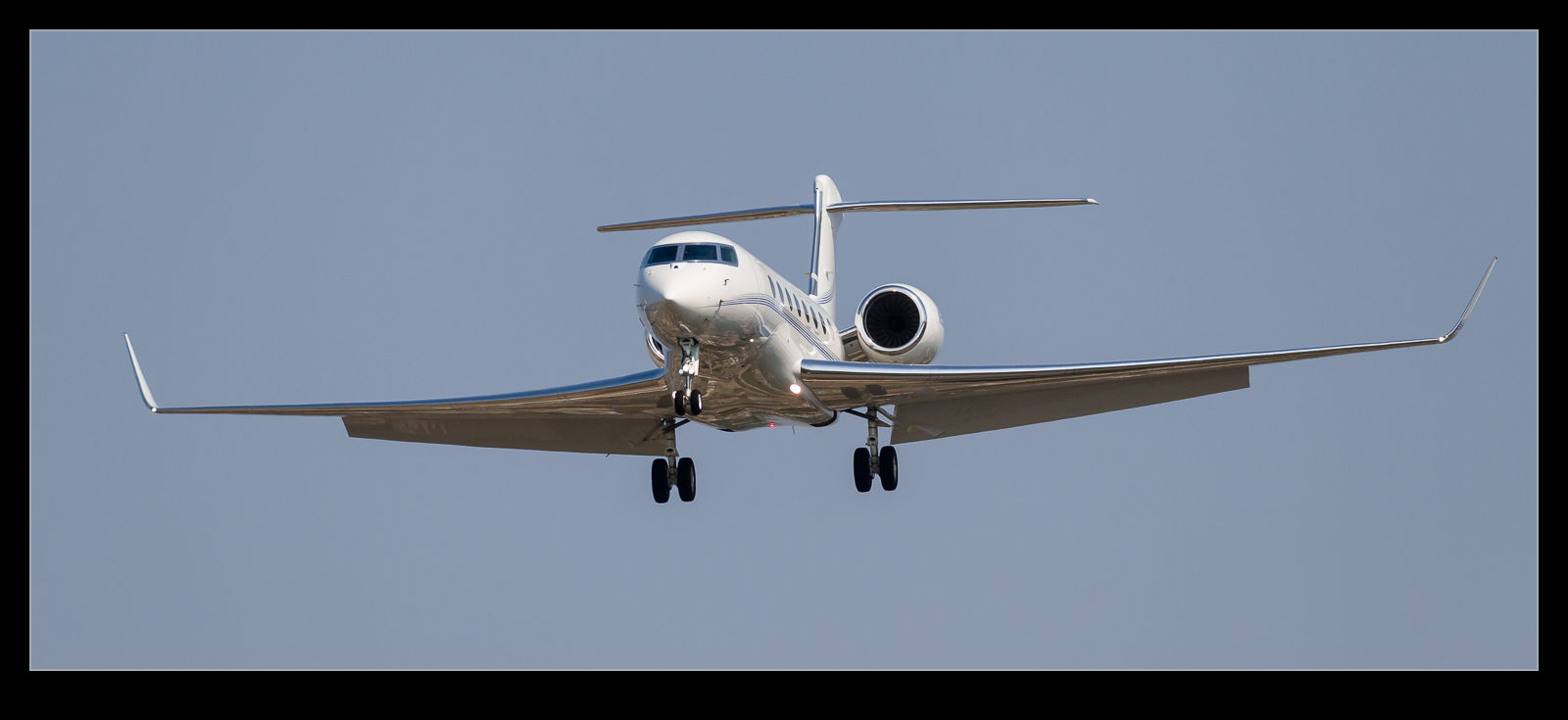
AU0E6033.jpgWhile I am not ever going to have my own business jet, I know the various types that would be high on my wishlist if I happened to go shopping for one. The Global Express jets from bombardier are right up there. They are big, comfortable, can go anywhere and they look pretty cool. They are also getting more common as sales have been very strong recently (although they are going to cut production a bit – I guess because the line is in need of a bit of a refresh). NetJets have also started operating the type which boosts the number you are likely to see around.

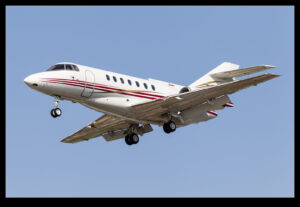
AU0E5632.jpgA visit to Boeing Field included the appearance of some Globals and this was a nice surprise. I got them on approach and departing which was nice. They also tend to taxi directly past where I was so you can have a good close up look at the jet. It was a busy day for business jets with a Falcon coming down the approach while one of the Globals was holding for departure. Bombardier did a nice job with this plane. The new Global jets are currently in development. I look forward to seeing what they look like when they start flying.

AU0E5620.jpg

Farnborough 1992 – Here Come the Russians

0902.jpgThe Farnborough Air Show used to be a regular feature for me. I started going when I was studying at university and would go to the trade days each two years as the show came around. When I worked at BAe, they would sometimes make it easy for us to get there. One year I got to ride down on the 146 to RAF Odiham and they took us the rest of the way by bus. Not a bad way to travel for sure.

0201.jpgThe Russians started showing up at the shows from, if memory serves, 1988 onwards. They started off with a pair of MiG-29s the first time around and progressively brought more with them each time. 1992 was a particularly good year. Not only were the MiGs there again but Sukhoi SU-29 Flankers were there and, the highlight for me was the Yak-38 Forger and the Yak-141 Freestyle. Sadly, it did not fly the day I was there but those I know who saw it hovering can attest to the noise and spectacle it created. Meanwhile, there were other excellent types there such as the SU-24 Fencer although it was rather brightly painted for an operational type. Support aircraft and airliners were also part of the display as Russia tried to expand its business following the collapse of the Warsaw Pact and the sudden downsizing of their forces.

0702.jpgTimes have changed and I doubt we will get Russian attendance like this at a western trade show for a while. However, nothing stays the same forever so there may well come a time again in the future when some variety will be added to a trade show. With the number of types in service in the west reducing, it would be nice to see things like this again and some of their more recent types would be good to see too.

0501.jpg

Seal Point Park

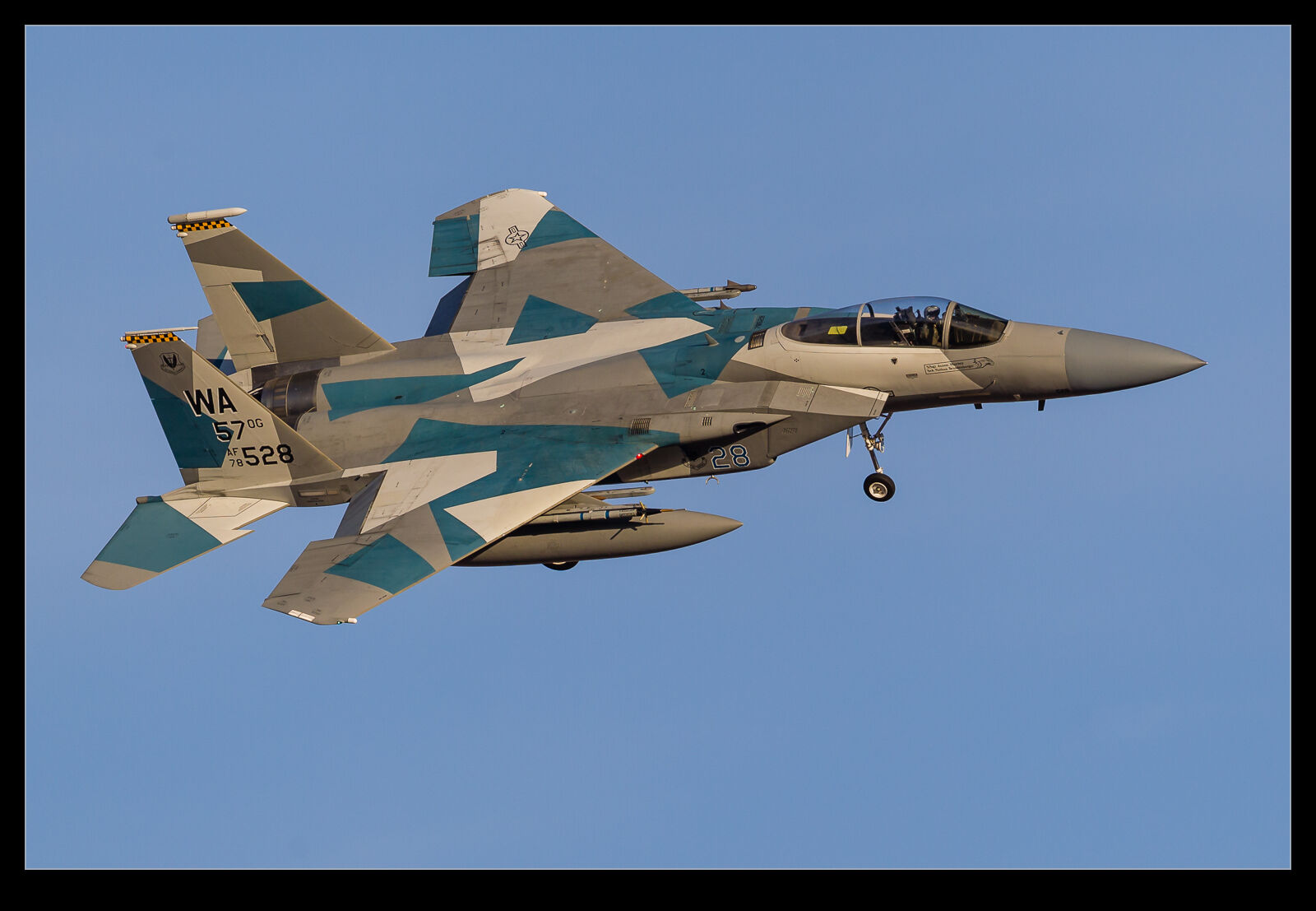
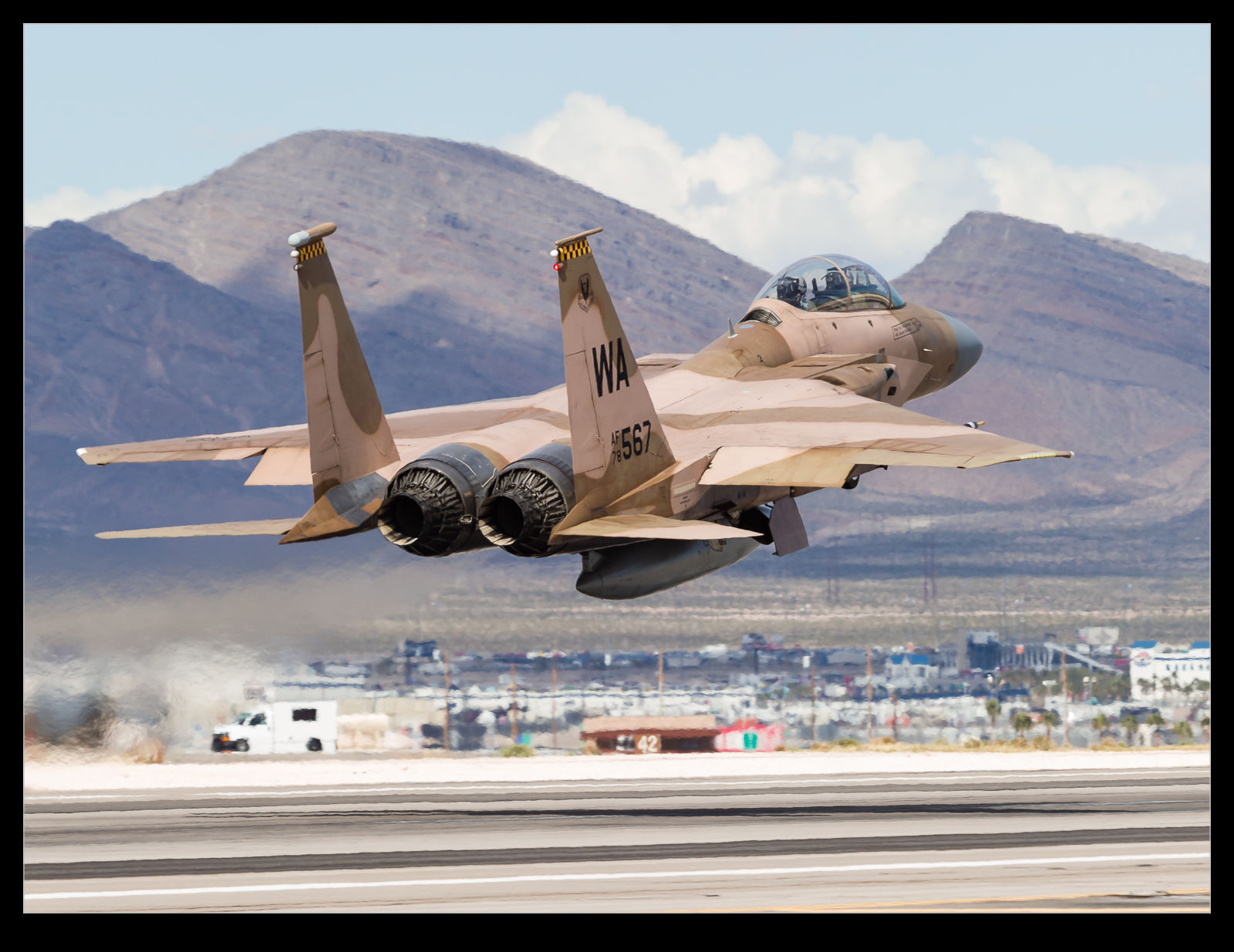
C59F3019.jpgThere are limited options for shooting at SFO and I have tried quite a lot of what is on offer. A buddy of mine was flying in a while back and he looked at a park on the bayshore which he suggested might be of interest. It is a bit further out but has some elevation so he thought it might be worth a look. I took a look on Google to see exactly where the place was and found it was Seal Point Park.

AU0E3718.jpgThere is a small parking lot up on top of the hill with a far larger lot at the bottom of the hill. I figured I would try the top first just in case and it turned out to be almost deserted. There were some benches so I settled in for a while to see how things looked. The planes are a bit far out but they are higher which reduces the effect of heat haze. Even so, the conditions are not ideal. Quite a few shots were just not going to be of use.

C59F2977.jpgThere was a good view along the shore towards the airport. When the parallel approaches were being shot, you could have a nice look at the two planes heading down together. Coyote Point (another spot I have used on plenty of occasions) did obstruct the view as they got closer to landing though. I’m not sure this is a place I will shoot often but it is not bad and provides a bit of variety. You are also far enough out that sometimes the gear is still up on the planes which makes for a slightly different view.
AU0E3560.jpg

Pegasus

AU0E5087.jpgSome programs always seem to be trouble. Boeing’s efforts to turn the 767 into a tanker have not been smooth over the years. The original versions were a single boom tanker for Japan which was not too late. The three point version for Italy was a far more difficult affair and was several years late. When the USAF was after a new tanker, Boeing initially lost out to Airbus with their A330 based offer. A successful protest and s new competition followed and this time Boeing won.

Whether winning was good for them remains to be seen. The contract involves a cap on cost growth after which Boeing picks up all of the overrun. Supposedly they are already past that point so the split on overrun costs is now all theirs. Combine that with messing up the wiring and having to wire the flight test jets and you will see why the flight test program is behind schedule. The first of the four development jets flew last year in a civil configuration without the refueling equipment. It has since been on the ground at Boeing Field for further work. Very recently it took to the air again. Shortly before that, I passed by and saw it parked up on the Boeing ramp.

We shall see whether Boeing can pull back some of the delays and get the minimum number of jets into service by the contractual deadline. Whatever happens, I imagine these jets are going to become a lot more familiar in the coming years.

Drakens

C59F1748.jpgChino Airport is home to all sorts of interesting aircraft, many of which are unlikely to ever fly again but for which the dry environment is one that means they do not deteriorate quickly. The ramp has a collection of single and two seat Saab J-35 Drakens. The Draken is a cracking aircraft and one I sued to see fly a lot in Europe when I was young. I have also seen one flying around at Pt Mugu on a Navy contract.

C59F1752.jpgI am not sure how these jets arrived here but the appear to be Danish in origin.  Most have their wings removed and stacked at one side.  One does have them attached though.  There are single and two seaters and they all have recce noses.  I doubt we shall see them fly again but it is nice to think that you might.

C59F1750.jpg C59F1746.jpg


Helmet Mounted Sights

C59F0781.jpgA feature becoming more and more common in fighters these days is a helmet mounted sight/display. These allow the pilot to look at the target he is interested in and designate it or to have his attention cued to something courtesy of the helmet displays. The more complex helmets now coming in to service on the F-35 have access to distributed viewing systems around the aircraft so the pilot can actually look through the aircraft – just as well given how crappy the visibility is from the F-35 cockpit!

C59F0285.jpgThese helmets need to know exactly where they are all the time so they can align accurately with the other sensors on the aircraft. They also have to have the image generator for the pilot displays built in. Consequently, they appear a bit bulky compared to traditional helmets.

IMG_1322.jpgThey still have to be kept light in weight since the pilot does not want a lot of weight on his or her head when pulling g or, even worse, ejecting. Therefore, the bulk is a space issue but less of a weight issue. Spotting the helmets is not too tricky. The accompanying shots give you a number of different pilot shots and you can see what they are all wearing. Some two seat jets only have the helmet mounted display for one occupant. Compare the normal helmets with the display helmets. The Typhoon’s helmet is very conspicuous with a load of bumps covering the positional sensors.

RAF Sentinel

AU0E4737.jpgI really do appreciate an aircraft that looks elegant. One such type is the Bombardier Global Express. Built to take on the Gulfstream family, it is a great looking plane with a graceful front fuselage, cracking looking wing and even the empennage is stylishly done. Therefore, you might be forgiven for thinking that I was not impressed when Raytheon took a great looking plane and grafted on some enormous lumps and bumps to create the Sentinel.

Built for Britain’s Royal Air Force, the Sentinel is a battlefield surveillance aircraft in the mold of the USAF JSTARS program but a generation on a bit more compact. It also makes use of a more modern airframe as its starting point. While the changes have not done anything to make the plane look pretty, I do have a soft spot for unusual aircraft configurations and large radomes and sitcom covers fit with this idea. Consequently, I rather like the Sentinel. Seeing them in action at Red Flag was a nice opportunity.

AU0E3119.jpgHaving spent a lot of money on the Sentinel, the UK government announced that, with the reduction in involvement in Afghanistan, the Sentinels would be retired. Retirement sounds inappropriate for something so new but that was the story. Fortunately, it appears that the plan has been adjusted and they have been reprieved for now. We shall see how that develops.

The aircraft are operated by 5 (AC) Squadron of the RAF. 5 Sqn was one of the early Tornado ADV squadrons when it converted to Lightnings. I liked their colors with the maple leaf on a red background. When I worked at Warton, one side project I got involved with was the repainting of a restored Lightning in 5 Sqn colors before it was put on display. Having the Sentinels showing up from 5 Sqn was nice, not least because one of the two jets had the squadron colors displayed over the usual dull grey finish. Both aircraft flew while I was there both day and night. They are an unusual sight to see so it was good to catch them at work.