Tag Archives: fighter

Some Raptors Because, Well Why Not?
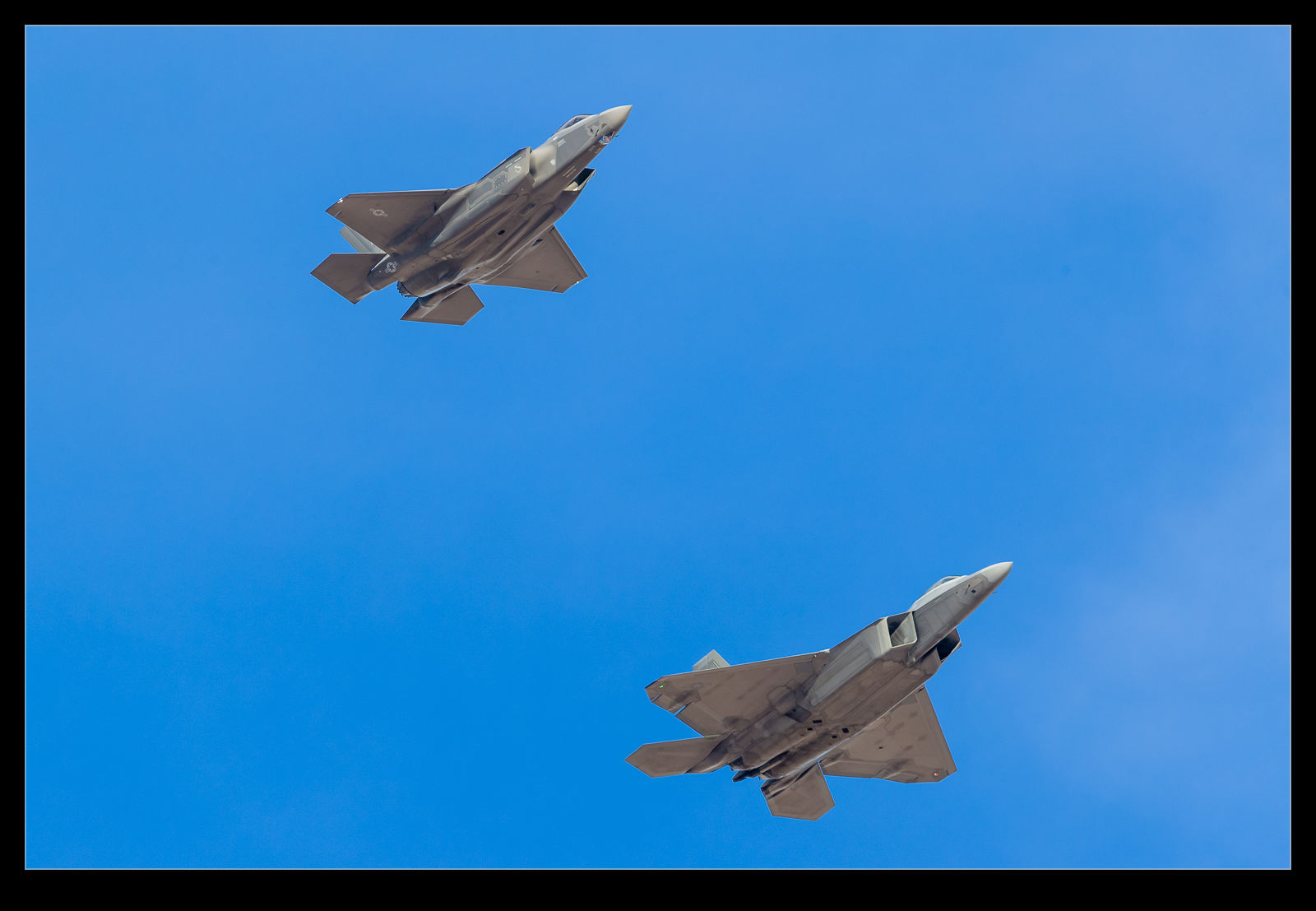
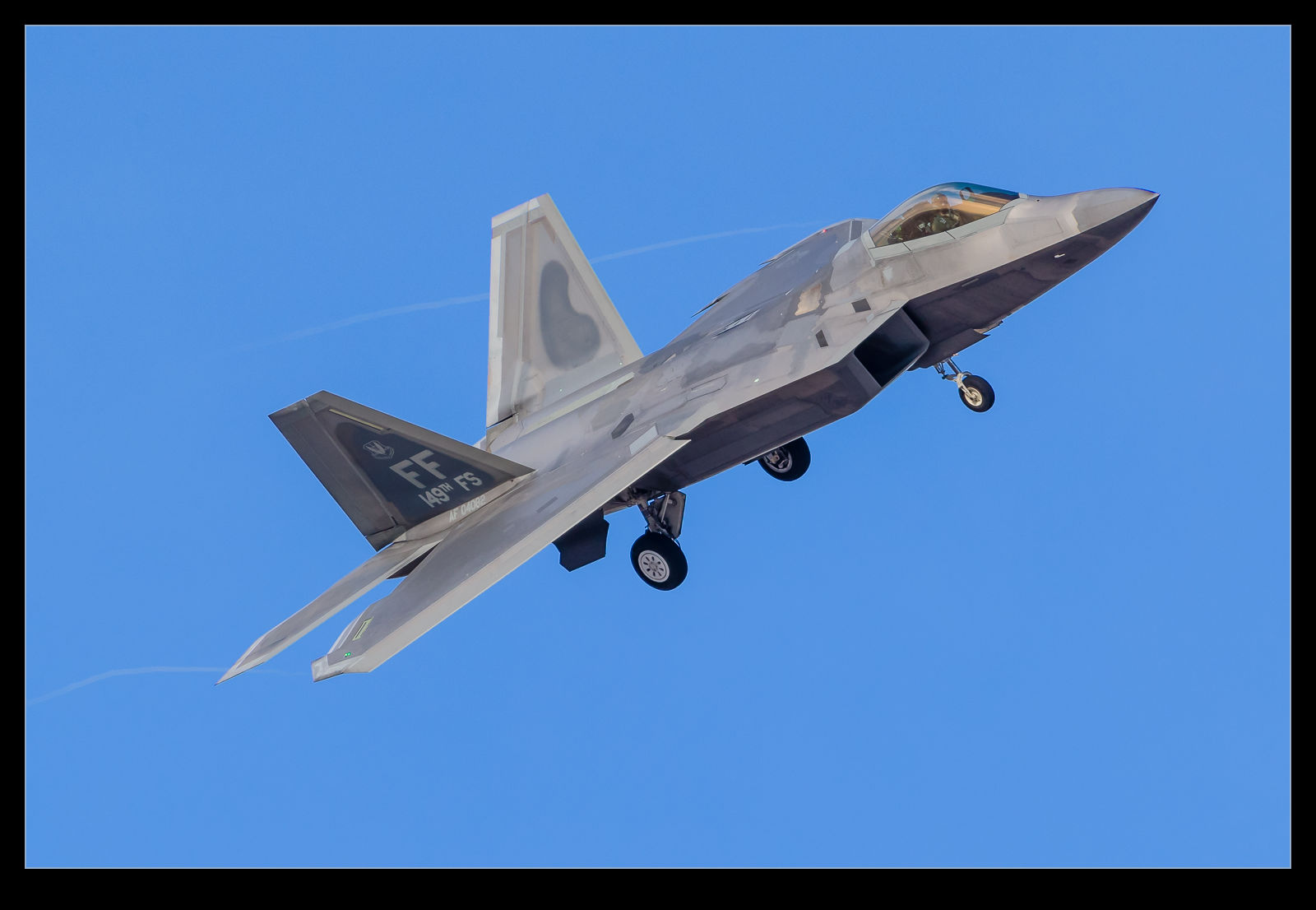
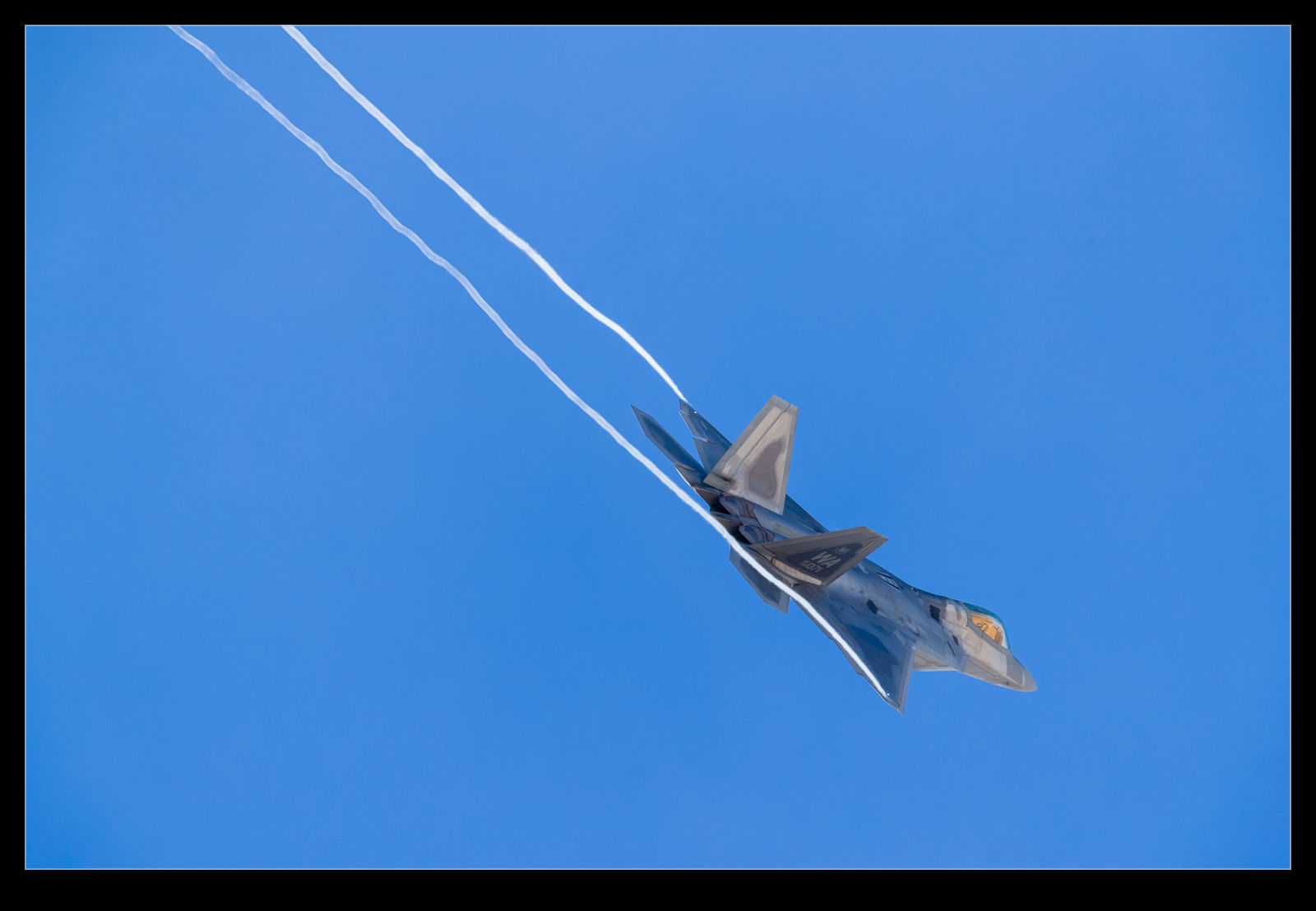
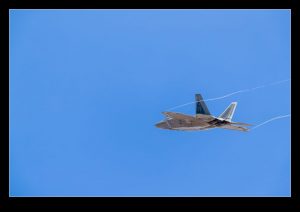
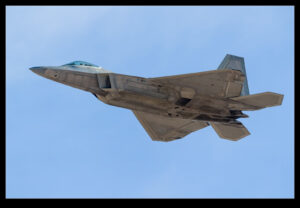
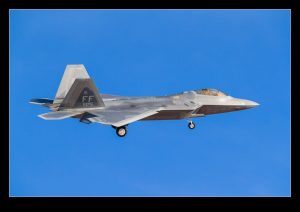
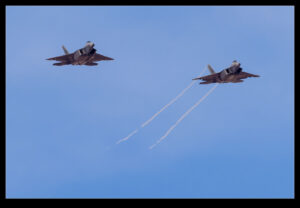
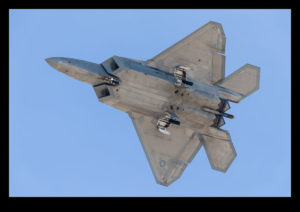
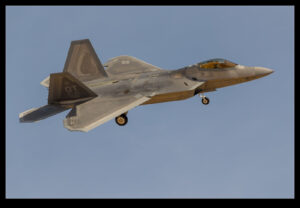
The 1st FW at Langley AFB was the source of the Raptor contribution to Red Flag this year.  They weren’t the only F-22s I got to see though.  Some of the based aircraft were busy before and after the Red Flag missions so there was plenty of Raptor action.  Not much of a story to tell on these.  Just a chance to gratuitously show a variety of photos of F-22s because, from the right angle, they look pretty cool!

Late Gear Down for One Warthog

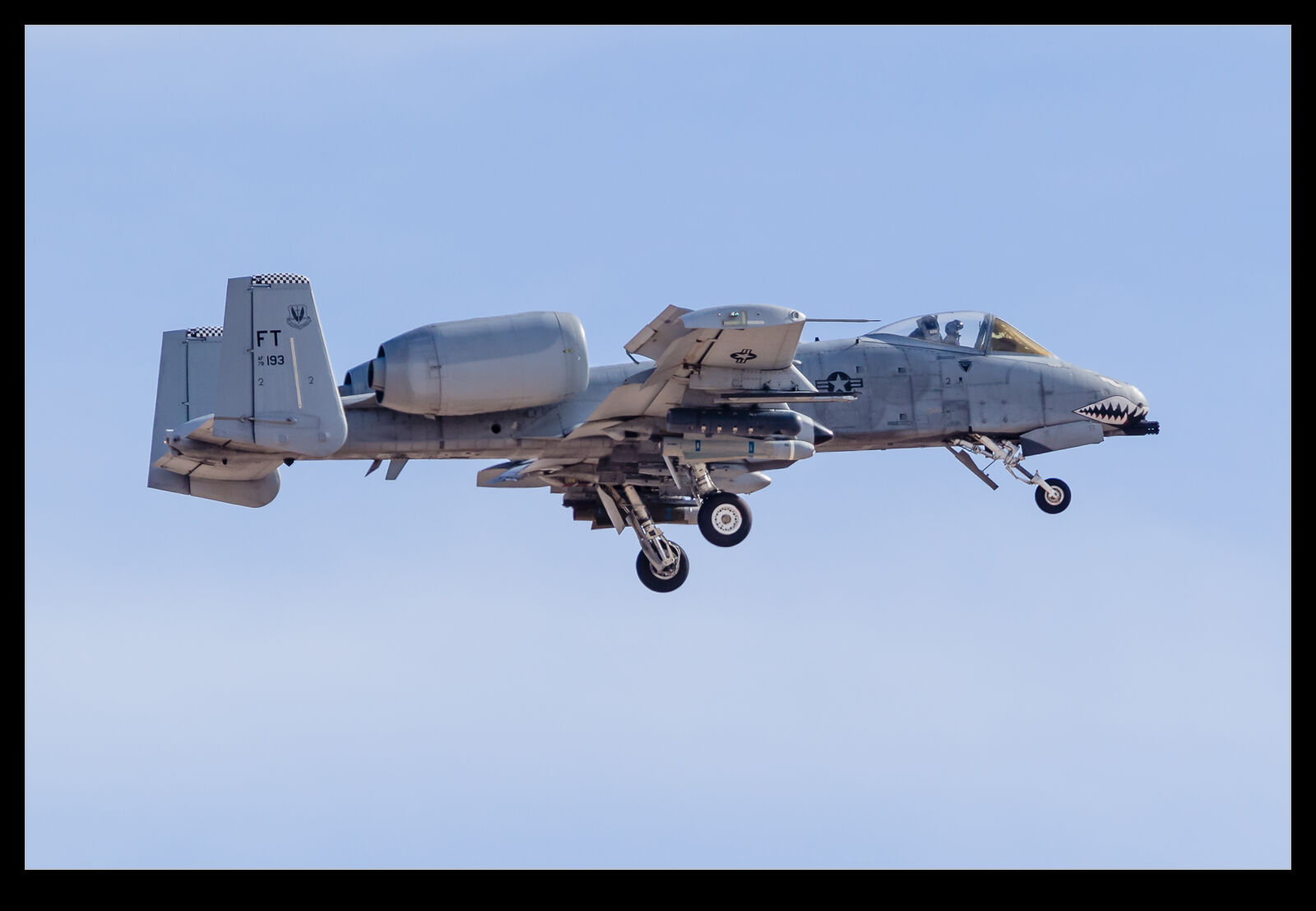
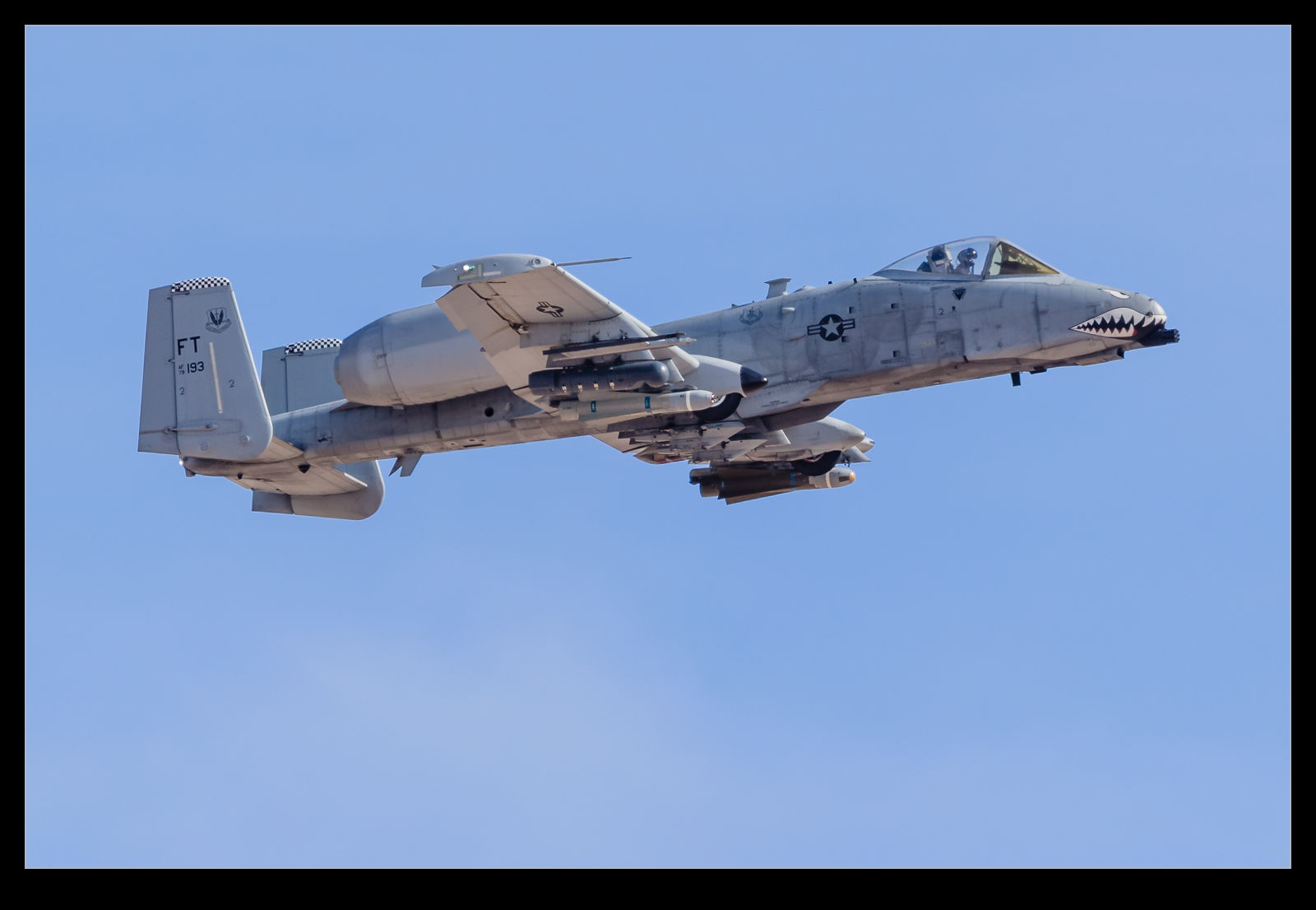
The normal operations at Nellis continue even while Red Flag is on.  The local units try to fly their missions at times that fit between the larger exercises.  A four ship of A-10s launched in the morning and they were recovering shortly before the Red Flag launch.  Rather than run in and break, they flew a straight in approach to runway 21R.  Strangely the first jet came passed and it was still gear up as it came close.  I have no idea whether they were just keeping it late or had got a call from the tower but the gear came down alongside us.  The following three jets were gear down a lot earlier.  Let’s say it was deliberate…

Head to Head With the Aggressors

Shooting at Nellis always requires choices to be made.  Aside from determining which end you will go to, there is the question about how far up you will go at the Speedway.  Some jets turn very tight, others turn long.  Some departing jets flex, some flex more tightly than others.  Where to go?  Paul and I headed up near Gate 7 to see whether we would do alright.  As it happened, quite a few of the jets were flexing right overhead us.  This didn’t provide the sort of shots we had originally envisaged but, as it turned out, I was rather pleased with the different look.

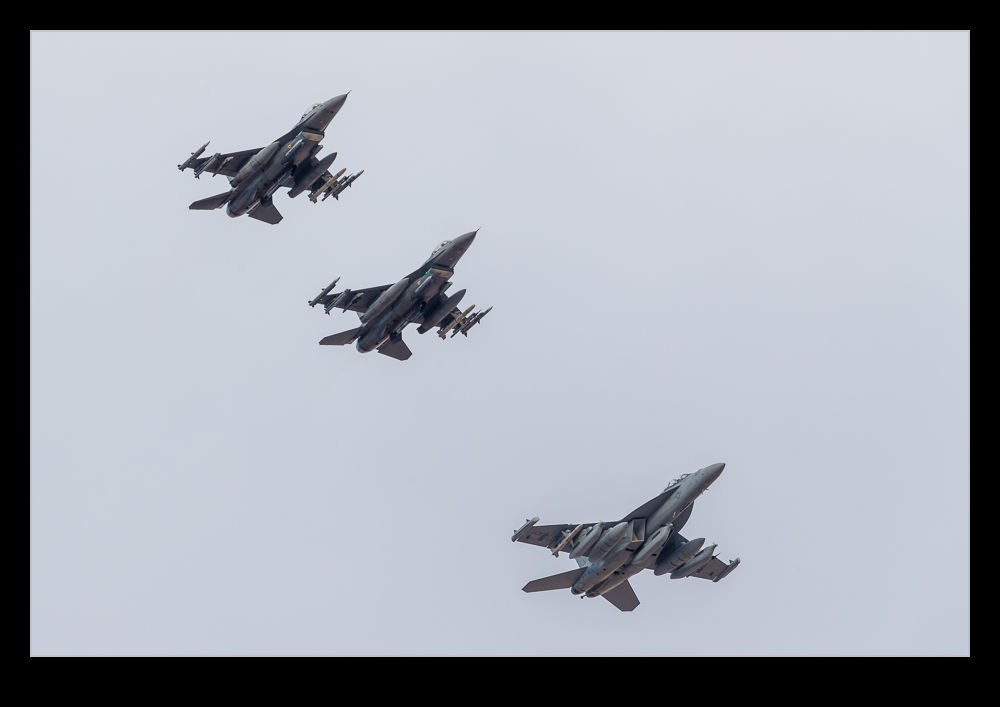
I was getting some very head on shots of some of the aggressor F-16s as the turned towards the ranges.  There was even a bit of moisture in the air and the vortices over the root extensions were showing up.  That angle has a very dynamic look, even though the lighting in that location is not great for such an angle.  The other benefit was as they had passed overhead.  You got a close look at the top side of the jet from behind as they flew away.  It might not have been what we intended but I was rather pleased with the outcome anyway.

A Lot More of the Talon Hate

I got some shots of the Talon Hate jet on a previous visit and posted about it here.  On this trip to Nellis, not only was it very active but it managed to come our way whenever it flew.  Whether it was views of it flexing on departure or tight approaches to bring it passed us on the speedway, it all seemed to work out well.  I love the F-15 anyway but getting this special one was a lot of fun.  I’m sure the wingman in the F-15D knows that the single-seater is the one we are looking at but they certainly made a good effort to be in position for us to get some good shots of them too.  Here are a few of the two of them including a very nice two-ship run in and break.

Blue Angels at Oceana (And High ISO)

I have only been to the Oceana show once.  I headed down there with my friends Ben and Simon.  We weren’t terribly lucky with the weather.  There was flying during the show but things were overcast and deteriorated as the show went on.  The finale of the show was, naturally for a big Navy base, the Blue Angels.  I was shooting with a 1D Mk IIN in those days and that was a camera that was not happy at high ISO settings.

The problem was, the light was not good and the ISO needed to be cranked up a bit.  Amusingly, if you were shooting today, the ISO levels would not be anything that caused concern.  Current cameras can shoot at ISO levels without any noise levels that would have been unthinkable back then.  However, I did learn something very important with this shoot.  The shot above is one that I got as one of the solo jets got airborne.  I used it as a test for processing.

I processed two versions of the image, one with a lot of noise reduction dialed in and one with everything zeroed out.  I think combined them in one Photoshop image and used a layer mask to show one version in one half of the image and the other for the second half.  When I viewed the final image on the screen, the noise in one half was awfully apparent.  It was a clear problem.  However, I then printed the image.  When I did so, things were very different.  If you looked closely, you could see a little difference.  However, when you looked from normal viewing distances, there was no obvious difference between the two.

My takeaway from this is that viewing images on screens has really affected our approach to images.  We get very fixated on the finest detail while the image as a whole is something we forget.  We print less and less these days and the screen is a harsh tool for viewing.

Some Spare Oxygen – Just in Case

There have been quite a few Raptor posts recently.  I guess seeing a bunch of them at Nellis triggered a few things of interest to me.  One was as I looked at the jets after they had passed me by on their approach.  A few years ago, the F-22 fleet was grounded by some issues with the oxygen system.  Like most modern jets, the F-22 doesn’t carry bottled oxygen but instead generates it onboard for the pilot.  There were some issues with the oxygen being generated that resulted in pilots feeling unwell and, potentially, losing awareness of what they were doing.  As you can image, this is not a good thing in a fast jet and was believed to have contributed to loss of an aircraft with its pilot!

A backup oxygen system was implemented to provide the pilots with something in the event that they felt symptoms of the problem recurring.  Not so much of a solution as a fallback plan.  As I looked at the jets, I saw green tanks behind the ejection seat.  These are pretty big tanks and seem rather unsubtle in the way that something that has been added after the fact often is.  I wonder whether these are the spare tanks for the pilots to breathe should the onboard generation system cease to be reliable.

Typhoons are Back in Town

The Royal Air Force was back at Red Flag and the Typhoons were a big part of what they brought.  It’s always nice to see Typhoons up and about but, sadly, the RAF has adopted an approach of combining the squadron jets into a maintenance pool.  This means that they don’t carry individual squadron colors.  A couple off the jets still had markings – one from 6 Squadron and one from 41 Squadron – but, sadly, the rest of the jets were all plain gray.  Nothing colorful about them at all.  We did get some nice winter light to photograph them in but even that is not going to make them look that great.

Lots of “Daves” to See

If you ask Nancy about a name that I think has good comic potential, it is Dave.  It is not that the name Dave is strange in any way but, if you asked me to name something, my first choice would be Dave.  It has something that just works for being offbeat.  Apparently, I am not alone in this (which will come as a great disappointment to Nancy who will now know I am not alone and will never stop).  The online forum for aerospace, PPRUNE, has apparently decided to call the F-35 Lightning II the Dave.  Tornados are Tonkas, F-16s are Vipers and now F-35s are Daves.  I love it!

Red Flag 17-1 was the first of the Red Flag exercises to which the USAF brought the F-35A.  The Marine Corps had brought the F-35B previously but they tended to go out in pairs.  This time the Air Force took the jets out in significant numbers.  Consequently, I was able to get lots of shots of the jets.  Whether it was groups returning as four ships, individual jets departing or odd Daves in formation with other jets, there were plenty of options.  They also turned in really nicely on approach for the spot I had chosen so some nice close top sides were also possible.

I won’t yet say that I have grown to like the look of the jet but I am certainly starting to thaw.  Since they are all new and spotlessly clean, the colors (is that right given how variations of gray are what we are talking about) really come out nicely in the low light.  There are some nice lines to the jet.  It may be a bit chunky but it doesn’t have the same problems as the F-22 with angles at which it looks positively uncomfortable.  Hopefully, the time will come when the operators are able to move away from the purely gray and adopt some nice colors on the jets.  We shall see.

Will the Scooters Beat Me Again?

My previous effort at photographing the Draken A-4s at Red Flag had not gone well.  I got shots of them but the conditions were far from ideal.  I had hoped for better and been a bit frustrated.  When I went back for Red Flag 17-1, the Draken team had become fully integrated into the aggressor program and were launching on all of the missions we saw.  I was optimistic about getting some better shots.  However, while the first day was a cracking day for us. One disappointment was that the A-4s went left and away from us on recovery.

Launch was a bit better.  I had some close encounters with the jets as they flexed towards us during the departures.  However, launch does not give great light so, while the angles were good, the shots were t as good as I would have liked.  Our second day did better on the recoveries though.  Some of the A-4s came our way and we got some good angles on their turn to final approach.  I was a happy boy.  The light had finally been good and the angles were nice.  Hurrah!  The special jet or a two seater would have been even better but I am not complaining.  I got both the Kiwi jets and the Israeli jets so it went well.

Flexing Fighters

B11I3202.jpgRegular visitors to Nellis will know this and can move along.  For those that haven’t shot there, Nellis departure routes when taking off from the 03 runways can be one of two things.  The jets tend to climb quickly and they are offset from the usual photography location alongside the speedway.  You can get shots but they are pretty samey with side on shots of the jets further away or slightly underside shots of the jets coming off 03L.

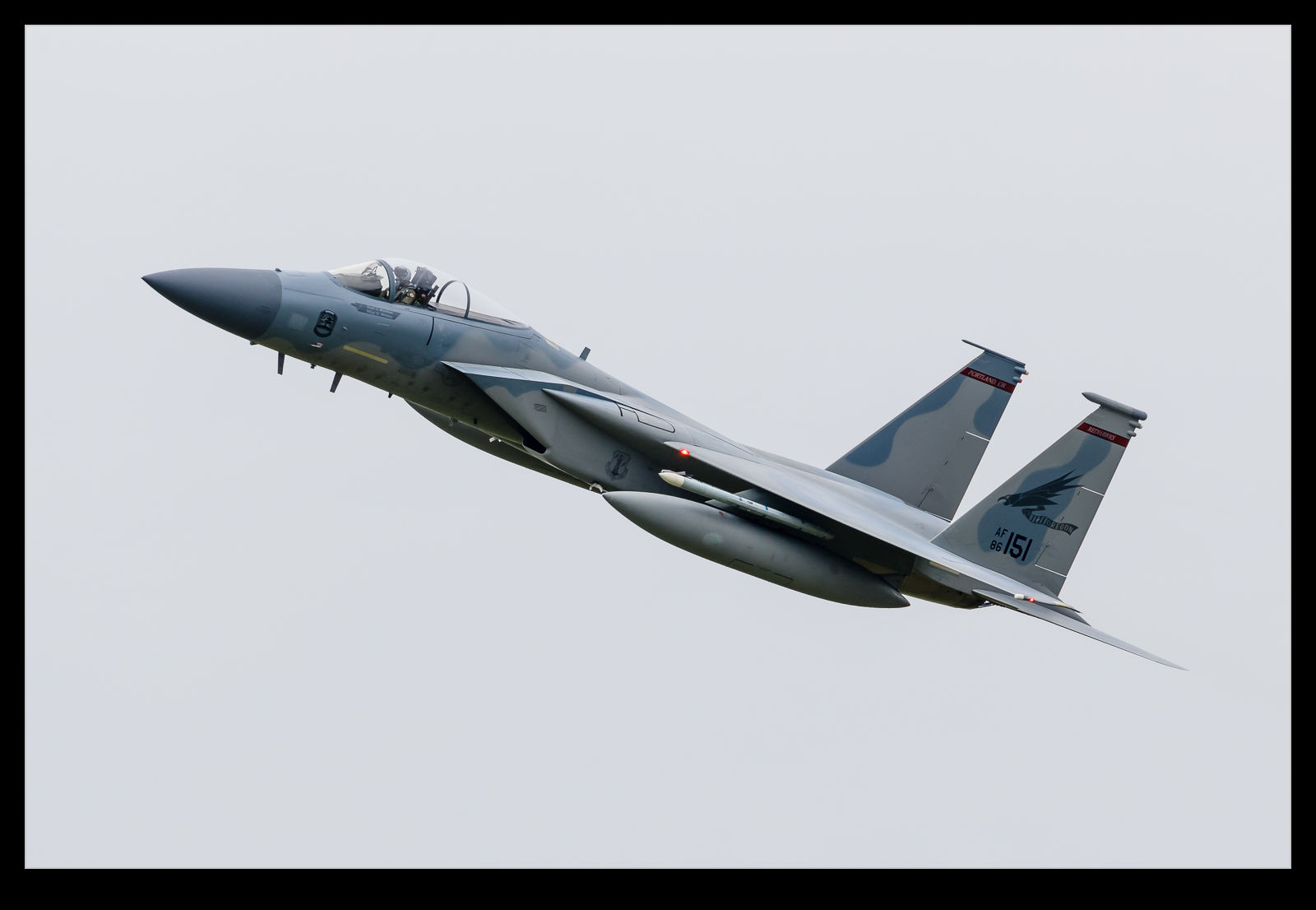
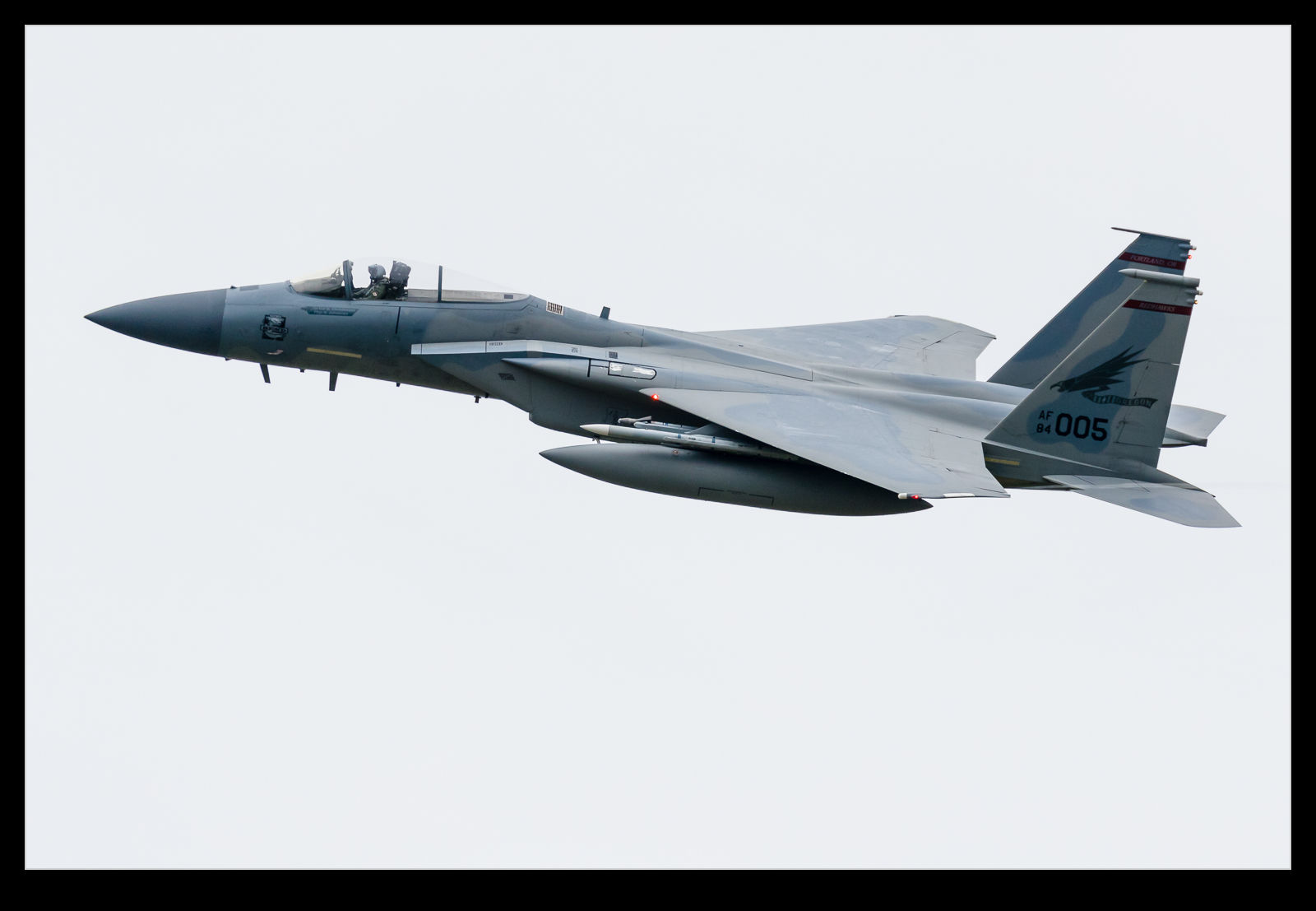
B11I3111.jpgHowever, anything that is playing as Red Air tends to take a Flex departure.  This involves a break to the left from the normal route with a different heading to take the, to the ranges to deal with the incoming Blue force.  The aggressors tend to flex most of the time.  The other aircraft that may be augmenting the aggressors might flex too.  The nice feature of this is that they break towards you.  Then you are playing a guessing game as to how quickly they will break.  You pick a spot along the road and hope that they will come your way.  Sometimes they will turn tight and catch you out.  Other times they will delay a bit and still be far away from you.  At their speed, it doesn’t take much to increase the distance from where you are.  At least you get more dynamic shots.

B11I4180.jpg