Tag Archives: engine

F1 Engines (New and Used)

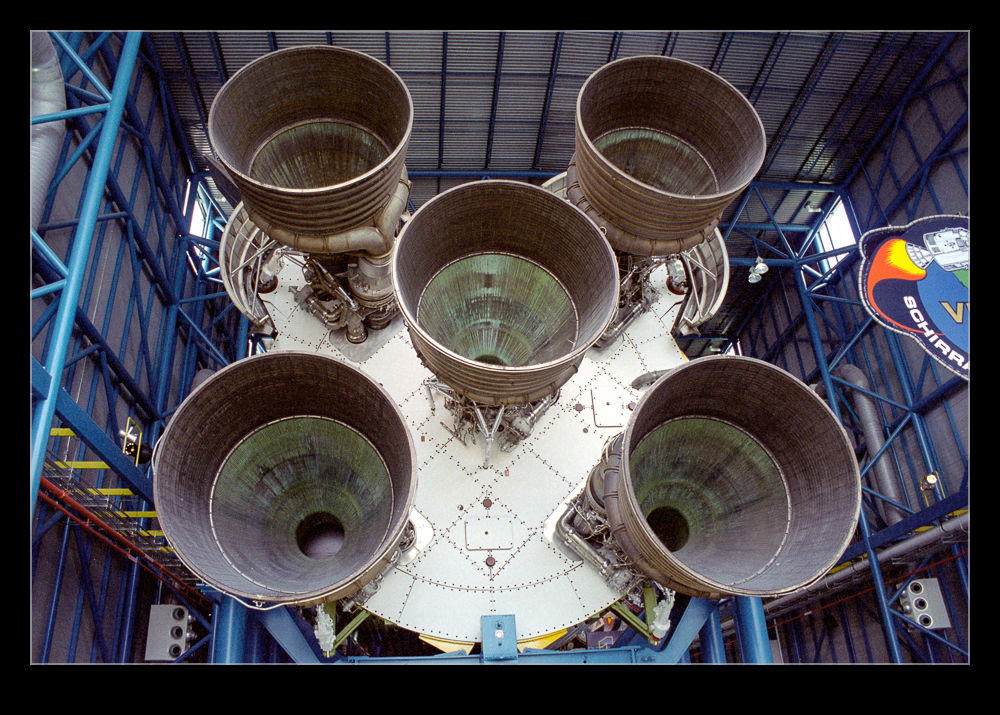
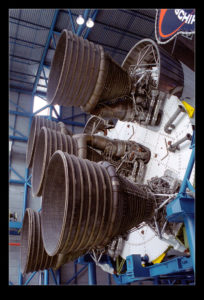
I was too young to see a Saturn V launch.  My one and only space launch has been a shuttle flight and that was very impressive.  I can only imagine how cool the Saturn V was to witness.  Maybe when the new generation of heavy launchers comes into service I will get to see something similar.  The power for the first stage was provided by the F1 engines, five of which were clustered together.  We made a trip to the Kennedy Space Center a long time ago and a Saturn V is on display there lying on its side.  You can get face to face with the engine nozzles.
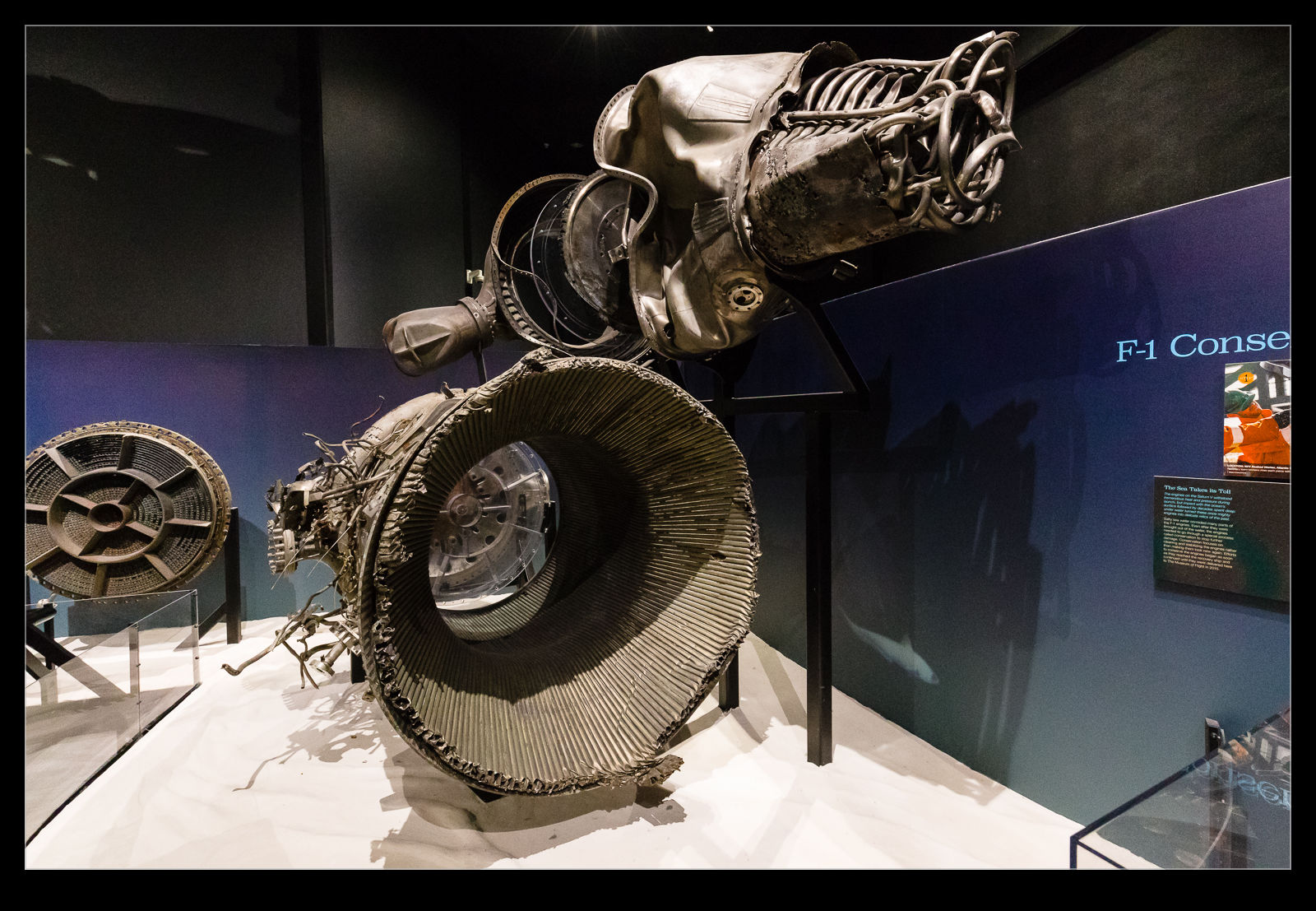
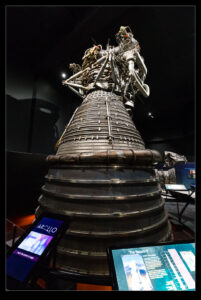
More recently, we checked out the Apollo exhibit at the Museum of Flight, here in Seattle.  They have a display of an F1 engine but this one is not looking so pristine.  This is because it is a used engine.  Not just used as in test firing used but used as in flew on a mission, free fell to the ocean, hit the sea at speed, sank to the bottom of the Atlantic and stayed there for decades.  Jeff Bezos, founder of Amazon, funded a project to recover the engines from Apollo 12.
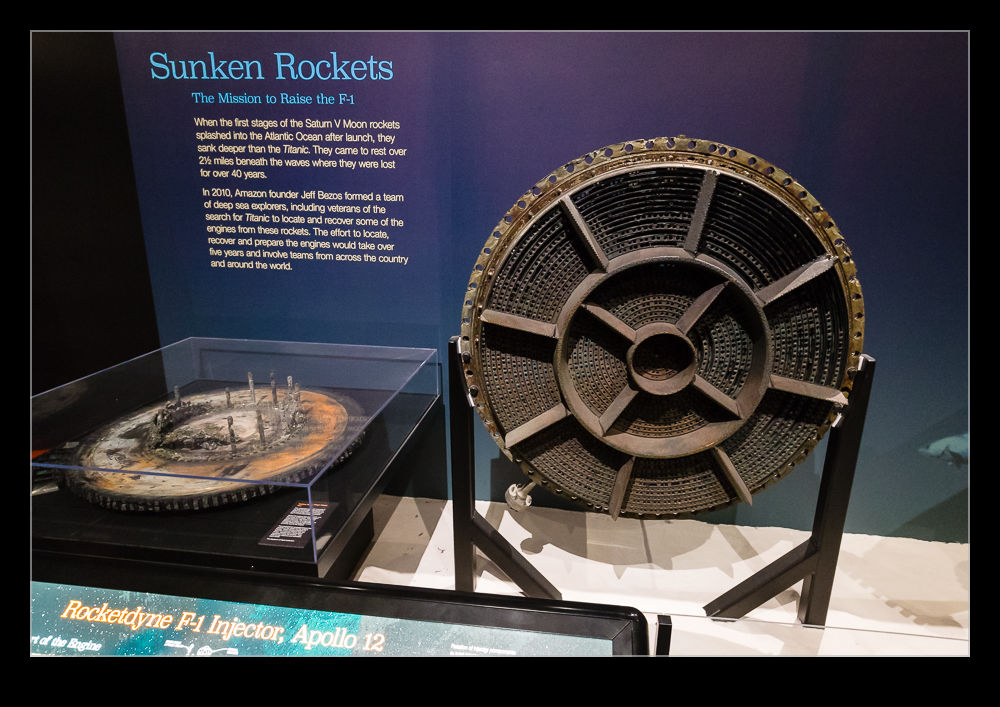
The nozzle is gone which is no surprise given how thin it is as you can see in the pictures of the undamaged version.  However, the combustion chamber and the turbopump seem to have come through the experience in remarkable shape.  The injector plate is also on display and has been pulled out of the assembly to show it off more clearly.  The F1 was quite a feat of engineering – 1.5 million lbs of thrust and the pinnacle of 60s technology.
Mossie Night Run

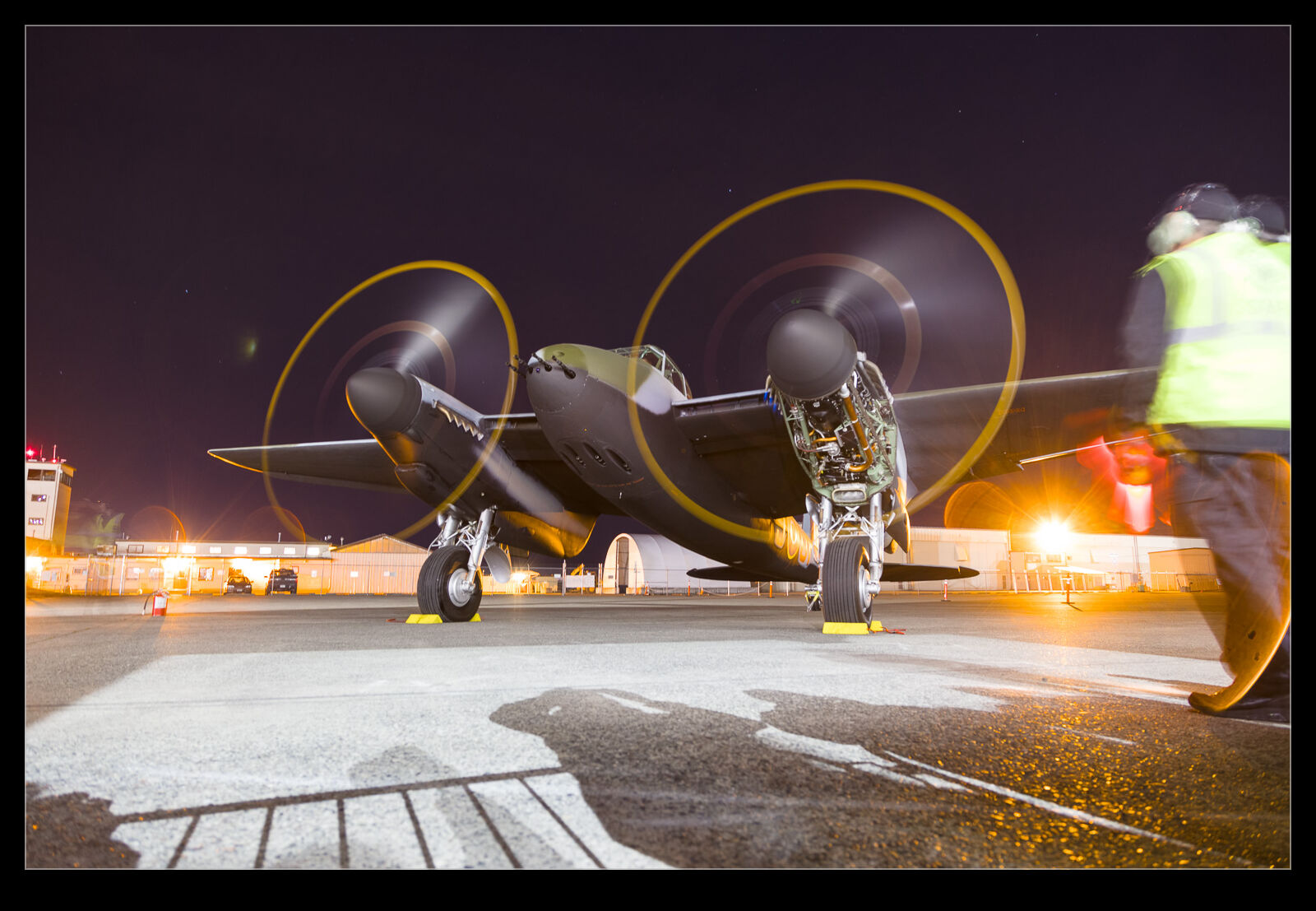
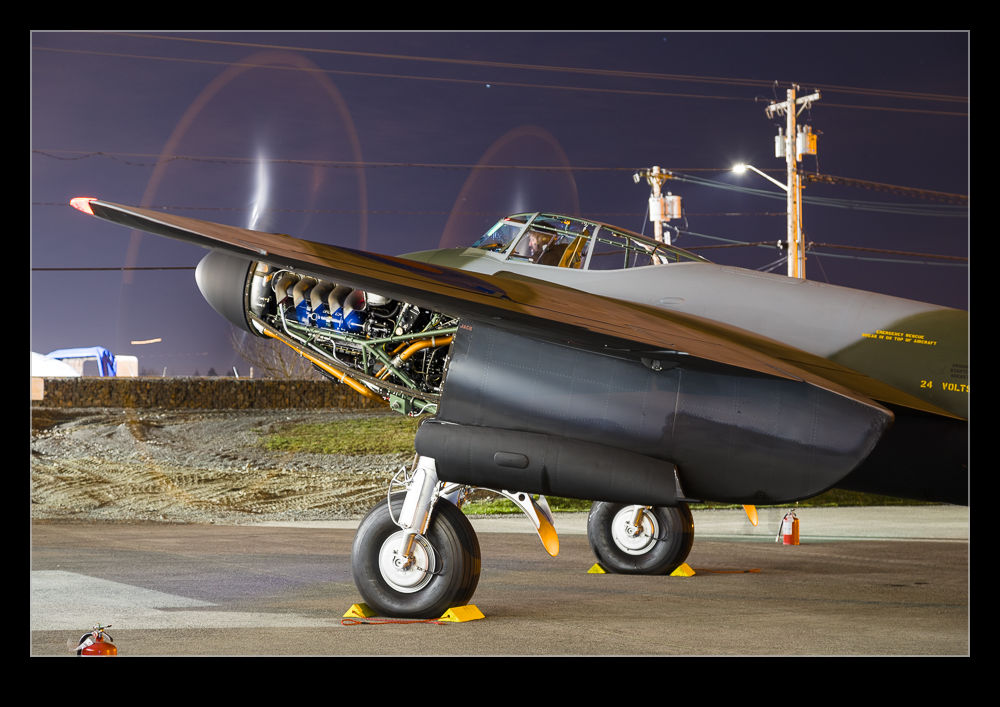
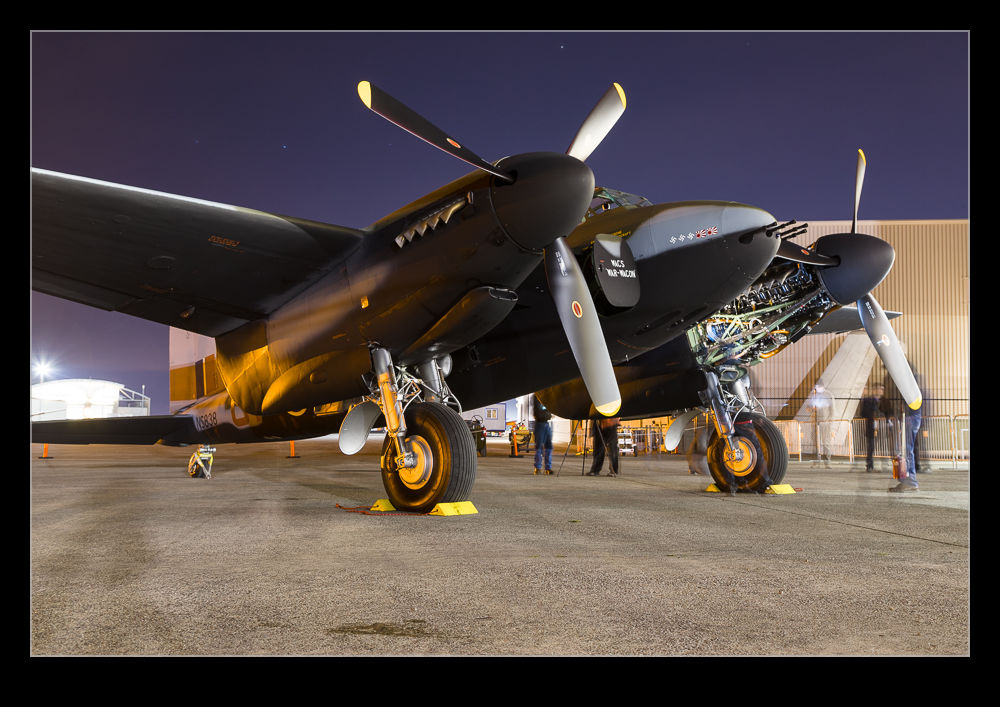
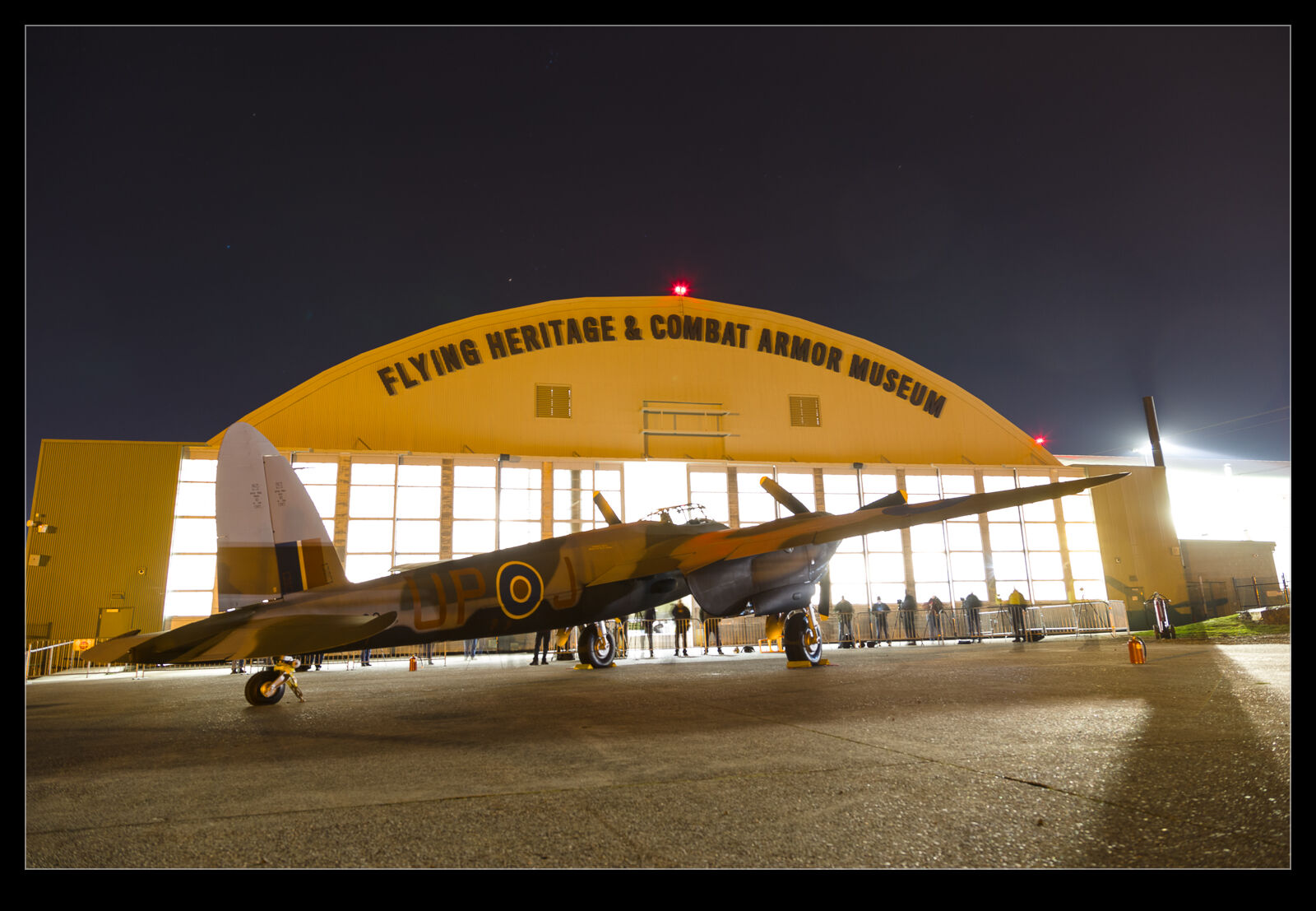
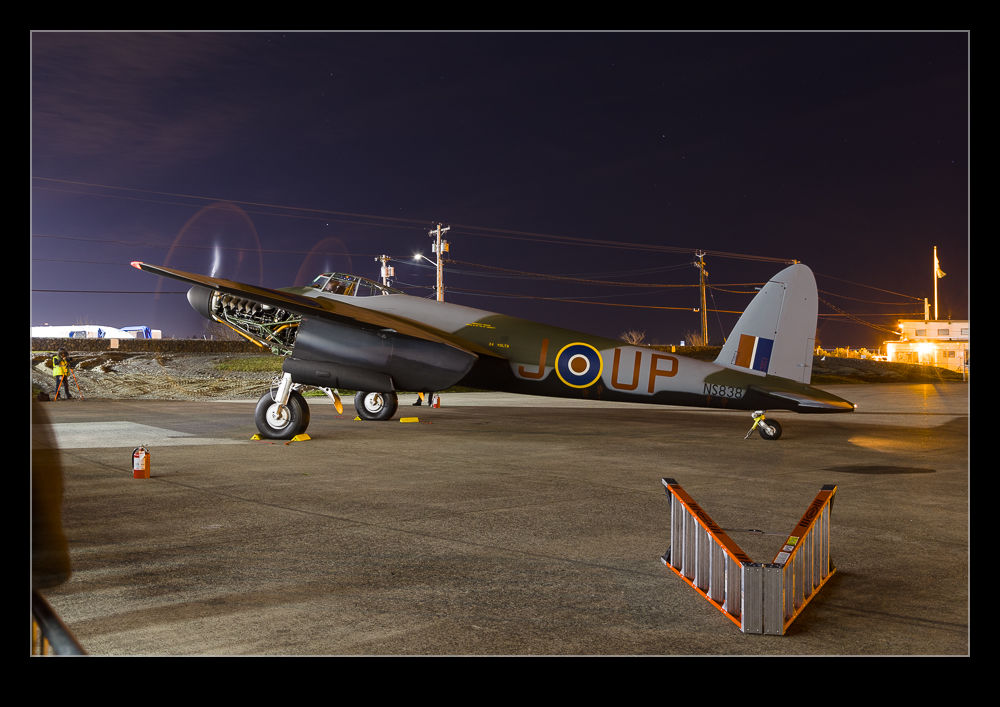
Night photo shoots are becoming more popular these days.  The Flying Heritage Combat Armor Museum (FHCAM) held one with the de Havilland Mosquito.  The evening started out with the plane on the ramp when people were free to wander around the aircraft.  I was shooting a lot of long exposures using the tripod which does a good job of removing the people provided they keep moving.  However, a few people were hanging around for long periods so they show up in the shots.  Others were using the flashes on their cameras or flashlights to look at stuff which made things blow out.

Once we were all cleared from the ramp, one of the FHCAM crew came out to talk about the aircraft.  He was the one that would carry out the engine runs and he ran through the test procedures that would be followed for the engines.  People had the chance to ask questions and get a good understanding of the plane and how it is operated.

Then came the fun.  The engines were fired up in sequence.  Then they were run through the test program.  The blue flame from the exhaust stacks could be clearly seen in the very dark conditions.  When the mag checks were carried out, the flames were even more conspicuous.  I moved around a bit to get some different positions.  I was quite surprised to see how blurred some of the shots were.  The aircraft clearly moves a lot despite being chocked and so some of the shots were totally unusable.  This was a lesson learned.  In future I would focus on shortening the exposure times a lot to minimize this issue which I hadn’t anticipated.

I also shot a bunch of video while the runs were underway.  The edited video is below.  It was a fun evening and thanks to FHCAM for holding it.  It would be fun to do on another type.  It might be nice to have a touch more light on the ramp but the dark conditions did have some advantages.  I discovered a bit about shooting in that environment which should hopefully help on future night shoots.

Blackbird Motor

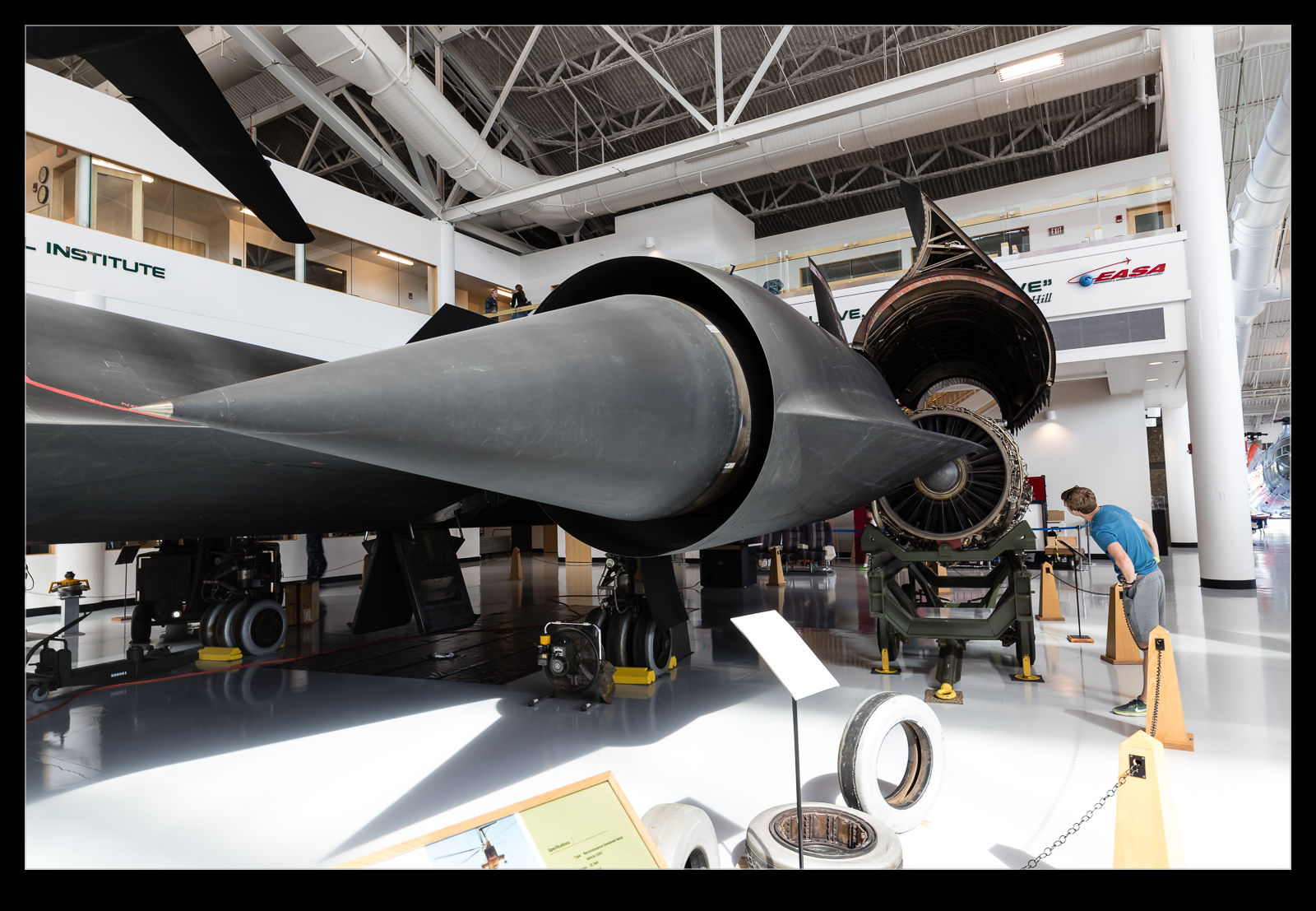
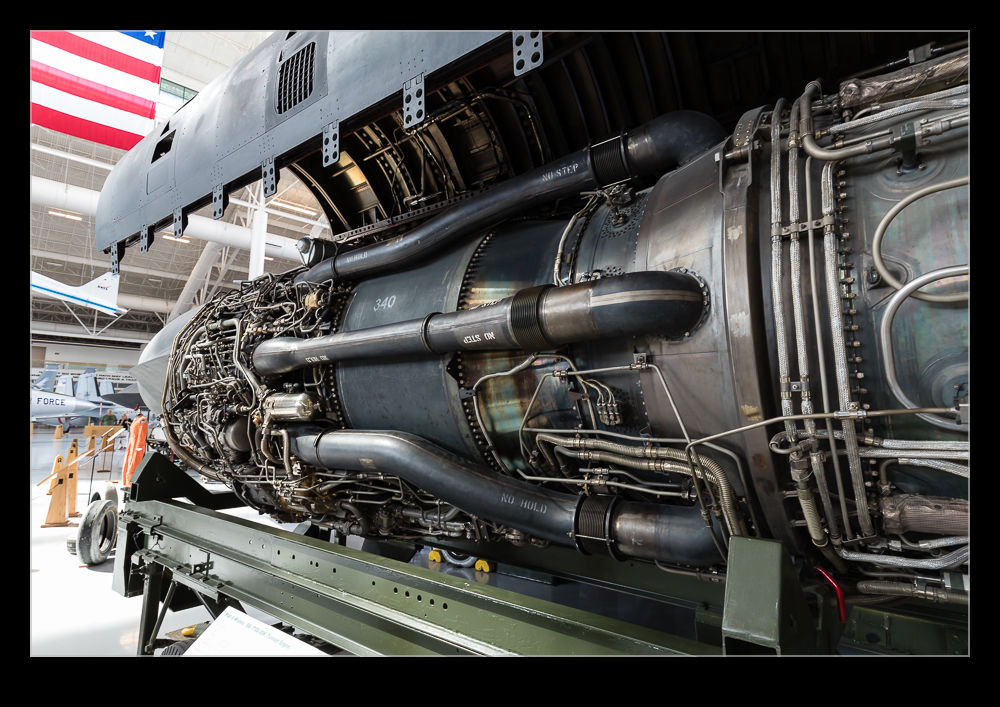
The SR-71 that is located in the Evergreen Aerospace Museum is configured to give some interesting views of the aircraft.  One side of the aircraft is opened up to show the engine.  The whole of the outer portion of the wing folds up to give access to the engine.  I had no idea that was the way it operated until I saw this plane.  It does show the engine configuration nicely.  At the high supersonic speeds, there is a bypass process whereby a lot of the flow is taken around the core.  The pipes for this can be clearly seen along the side of the engine.

787 Development Jets

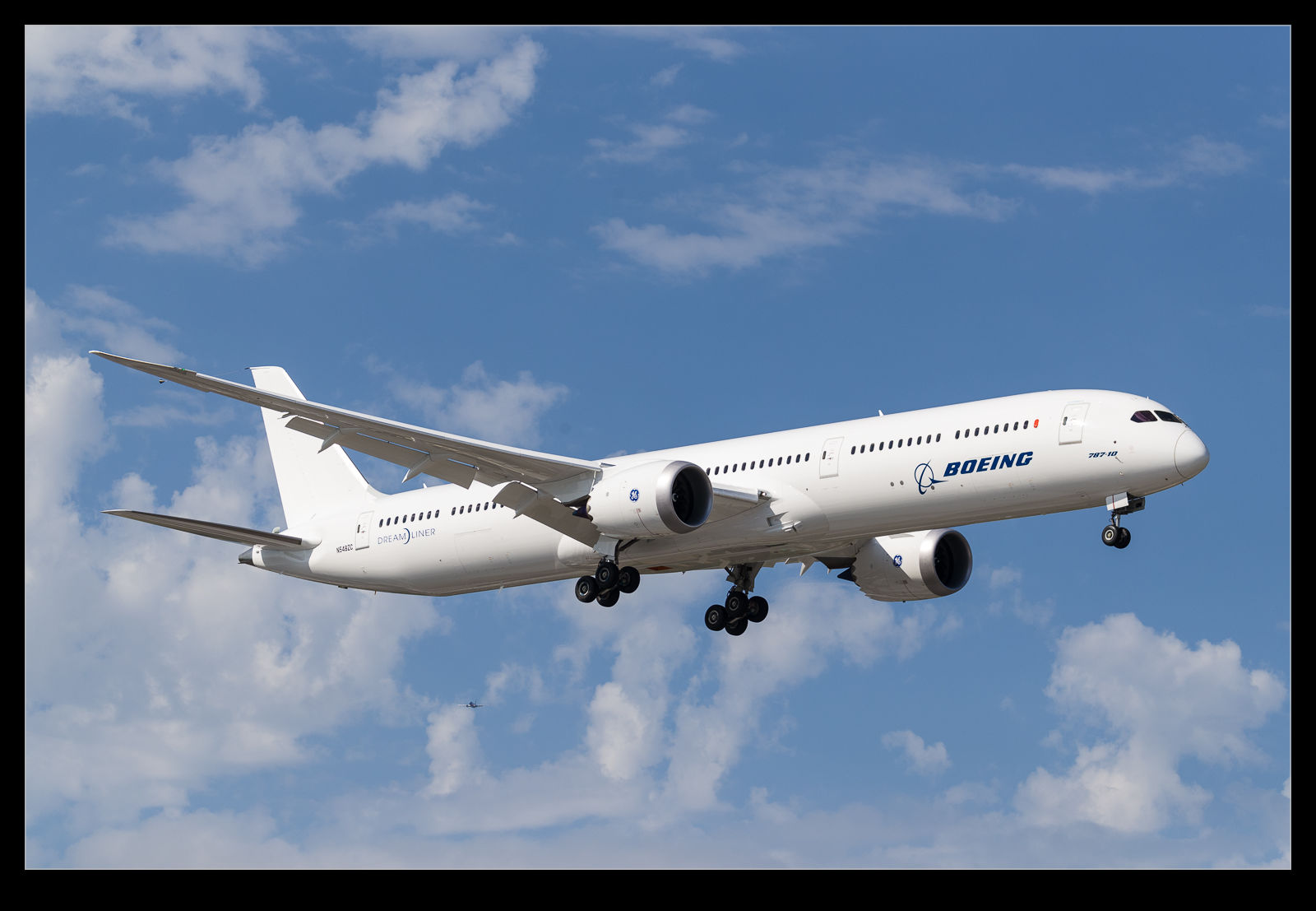
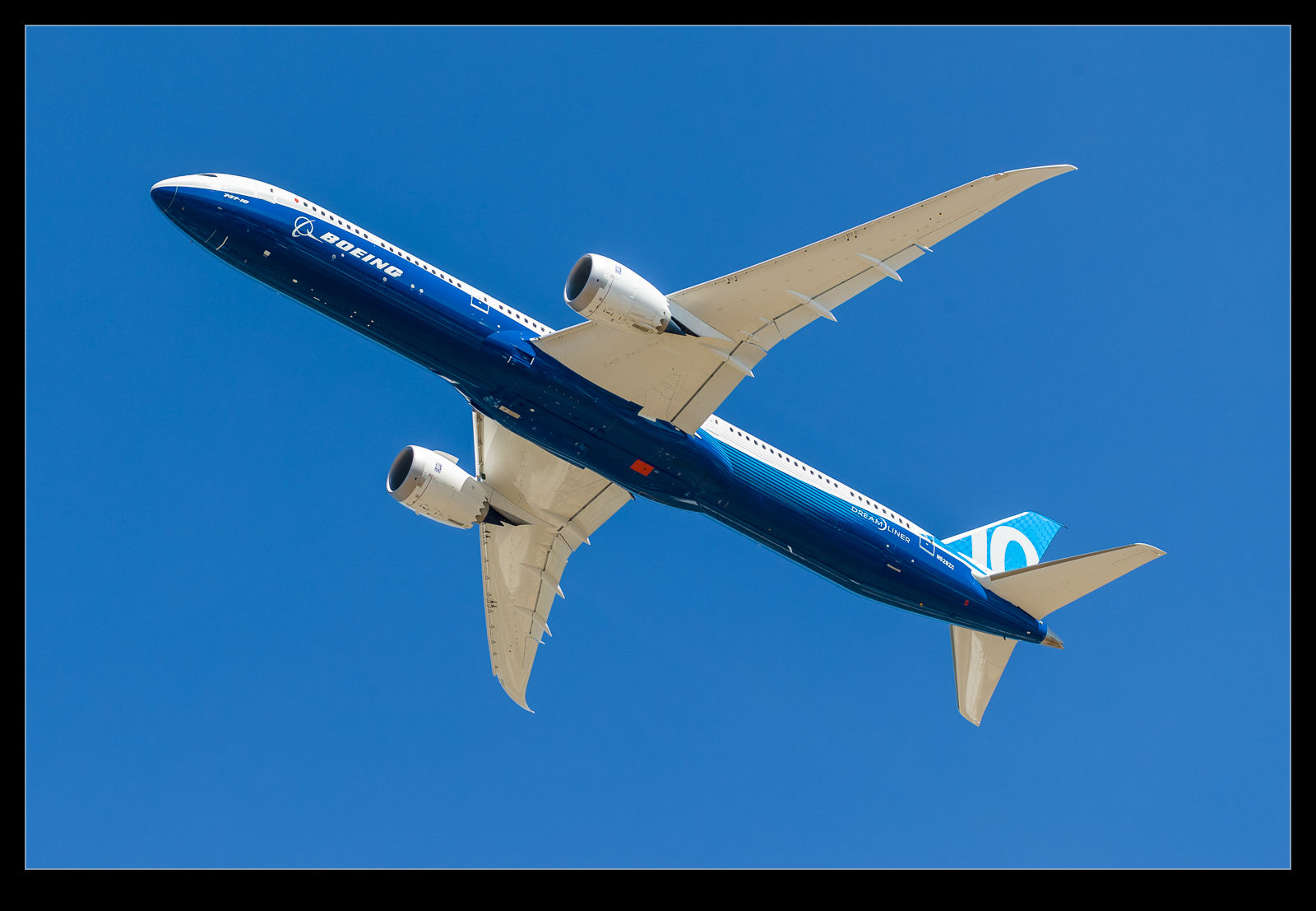
Two versions of the Boeing 787 have been in service for a while.  However, development activities continue.  The 787-10 is still undergoing flight test but work also continues on the older jets.  Some of this is also related to the Dash 10.  I had a post on my first encounter with the 787-10 which I wrote about here.  I have since come across another of the test aircraft.  This one is plain white and doesn’t benefit from the nice house colors that Boeing has.

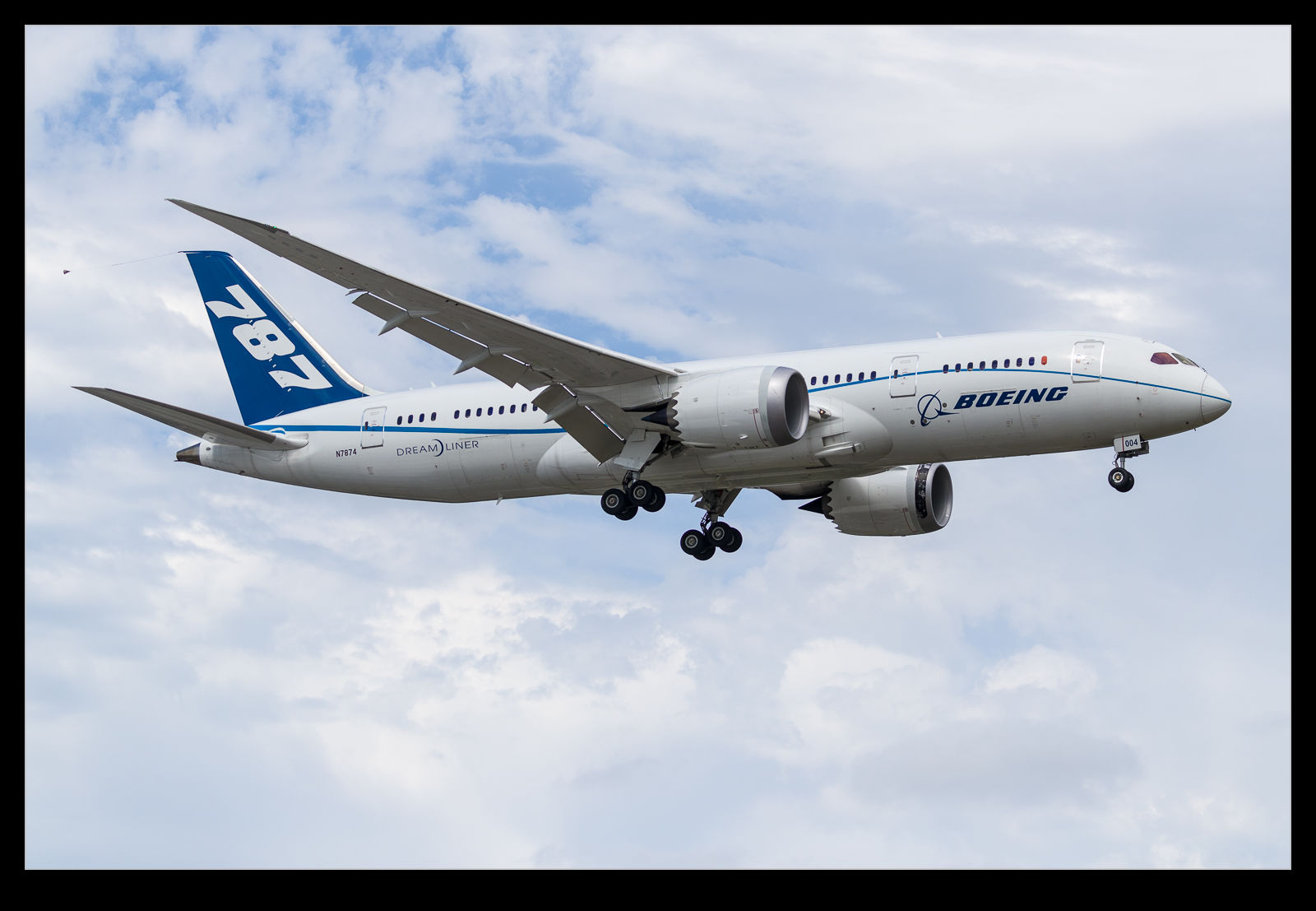
Meanwhile, one of the 787-8 test aircraft has recently been testing the newest version of the Rolls Royce Trent 1000.  I saw this engine when it was being tested on Rolls’ testbed in Tucson and that was in this post.  Now it has been fitted to its intended platform and is undergoing trials.  These have included lengthy flights around the US including one in which they traced out the planform of the aircraft across multiple states.  If you are going to go flying for 18 hours, you might as well find a way to have fun with it.  The aircraft is carrying the same logo on the engine nacelle that was on the testbed.  Hopefully, the delayed upgraded engine will soon be in service, not just on the Dash 10 but also on the other variants.

Burner Love – Back of the B-1

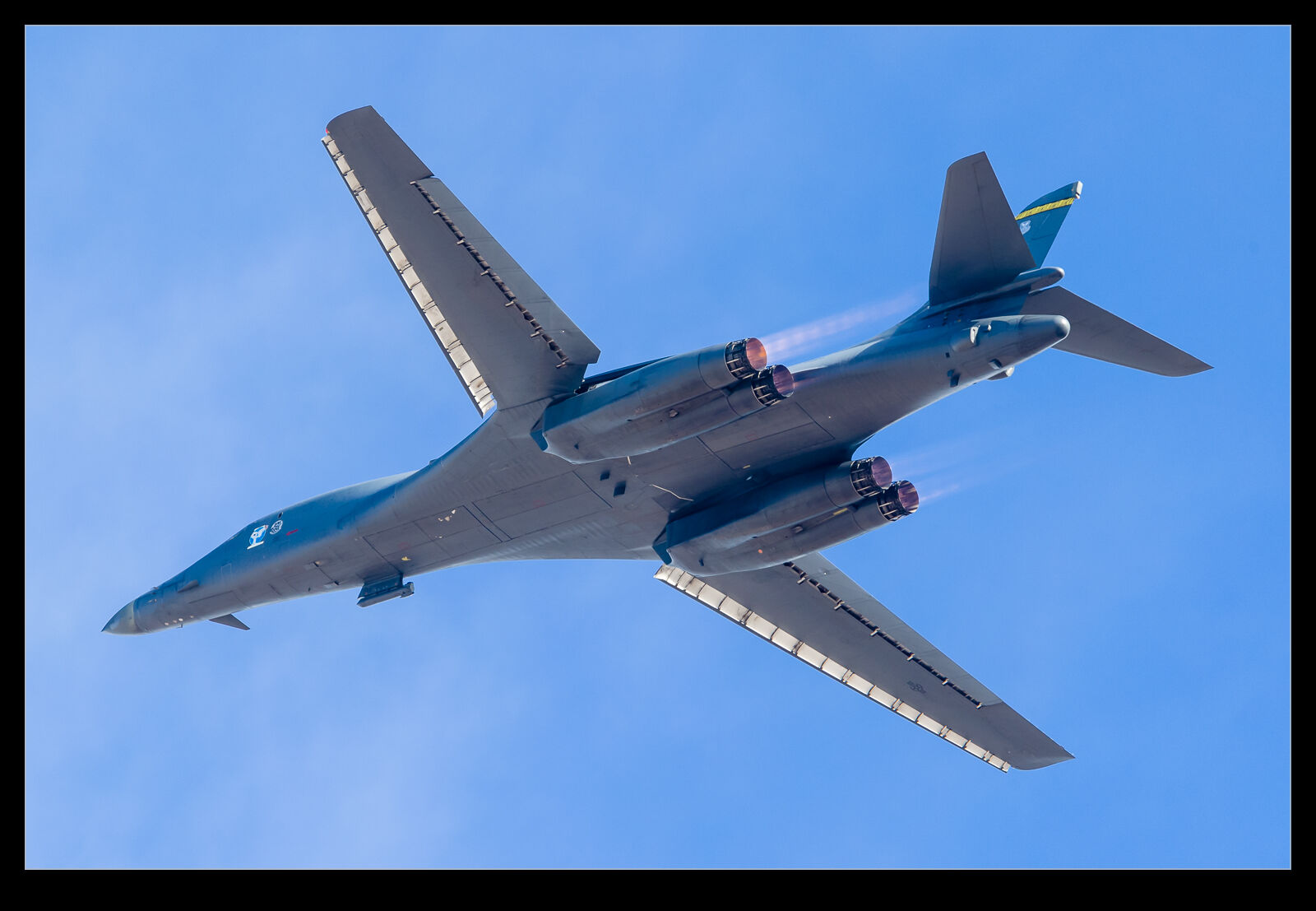
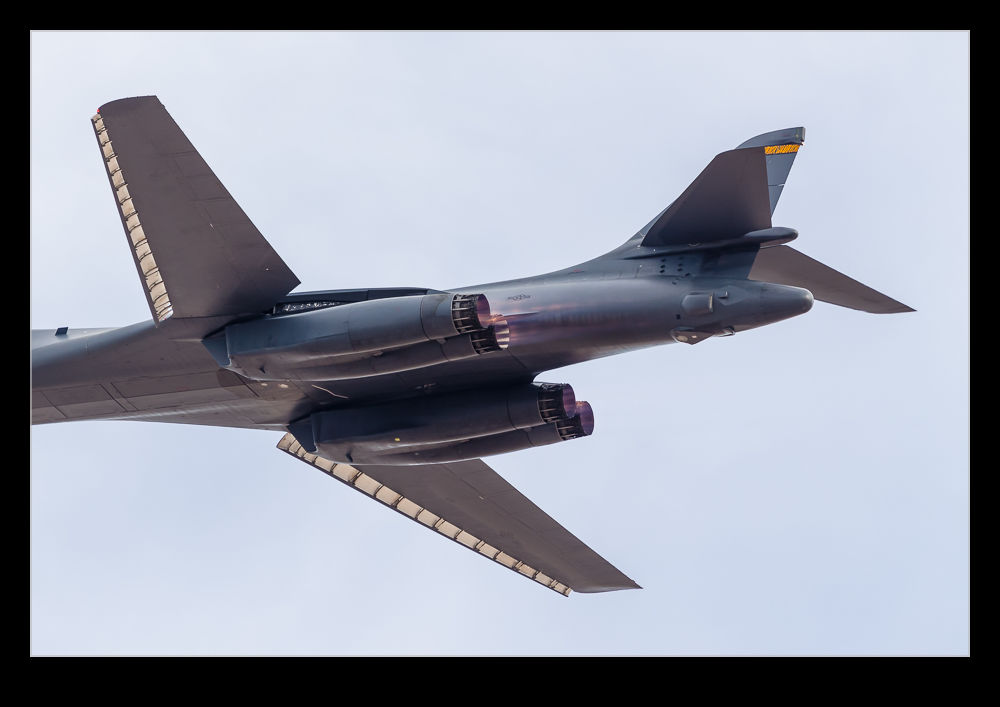
I’ve already shown the B-1s at Red Flag some love but here is a bit more about them because, well, why not?  The four afterburning engines produce a lot of noise, light and, I guess, thrust.  For a few of the departures, I focused the camera on the back end to try and show that energetic output.  Daylight is not the best time to show up the afterburner plume – night works well for that as does being more directly behind the jet – but it still is possible to see the jet against the dark airframe.  This is just something so impressive to see.

Consequences of a Doolittle Style Takeoff

Grumpy got airborne using the Doolittle technique I posted about here.  During the takeoff, there were some puffs of smoke from one of the engines.  Initially I thought this might just be some oil blowing through but, as they climbed out, the output from the engine was clearly not as it should be and the one engine was clearly not healthy.  They cut short the flight (although not as short as it could have been) and brought the plane back down.  I saw Grumpy fly a few weeks later so I guess they dealt with whatever the issue was.

Icelandic Veteran With a Smoky Engine

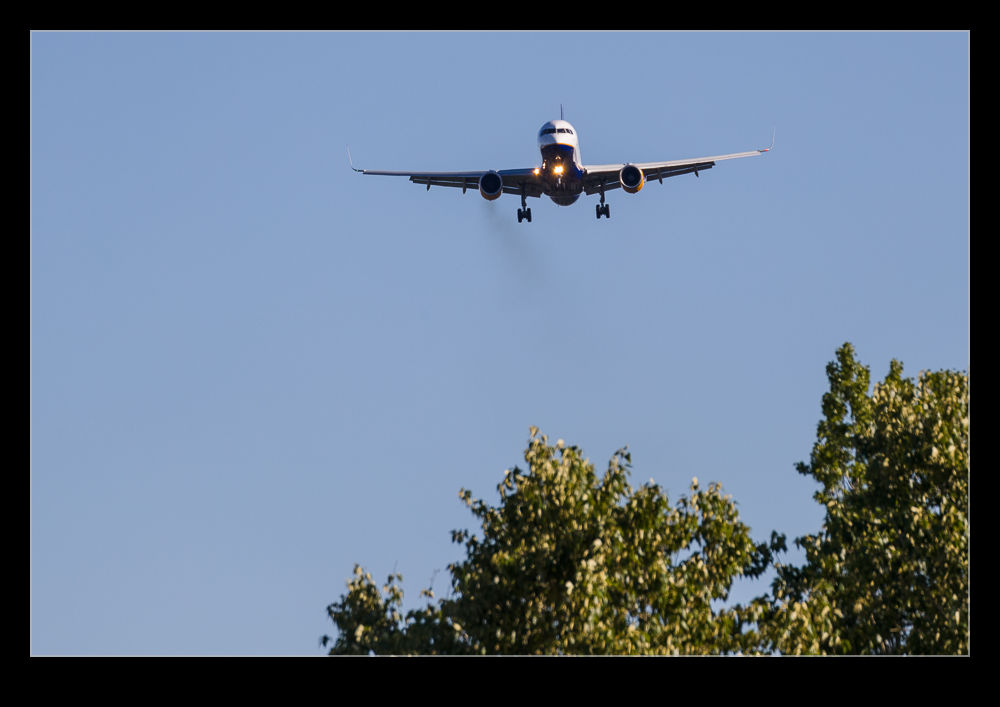
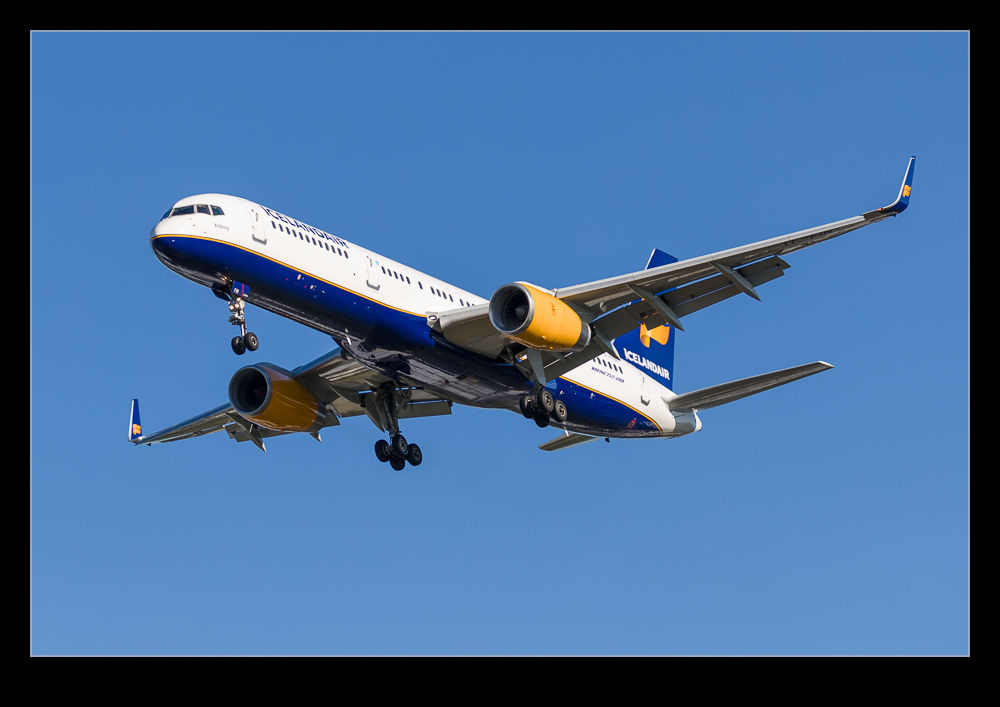
Icelandair has made a good business of operating Boeing 757s on routes from Iceland to the US with Seattle being a regular destination for years.  There was a time when the 757 was a cutting-edge jet but these days they are getting up in years.  Similarly, the RB211-535E4 was once considered very advanced.  Now, it is dated.  It turns out that one of the engines on this flight is in a little better shape than the other.  As they cycled the power on the approach, the starboard engine was noticeably smokier.  Not a big deal but I guess it has been on the wing a little longer than its partner.

Smokey the E-8

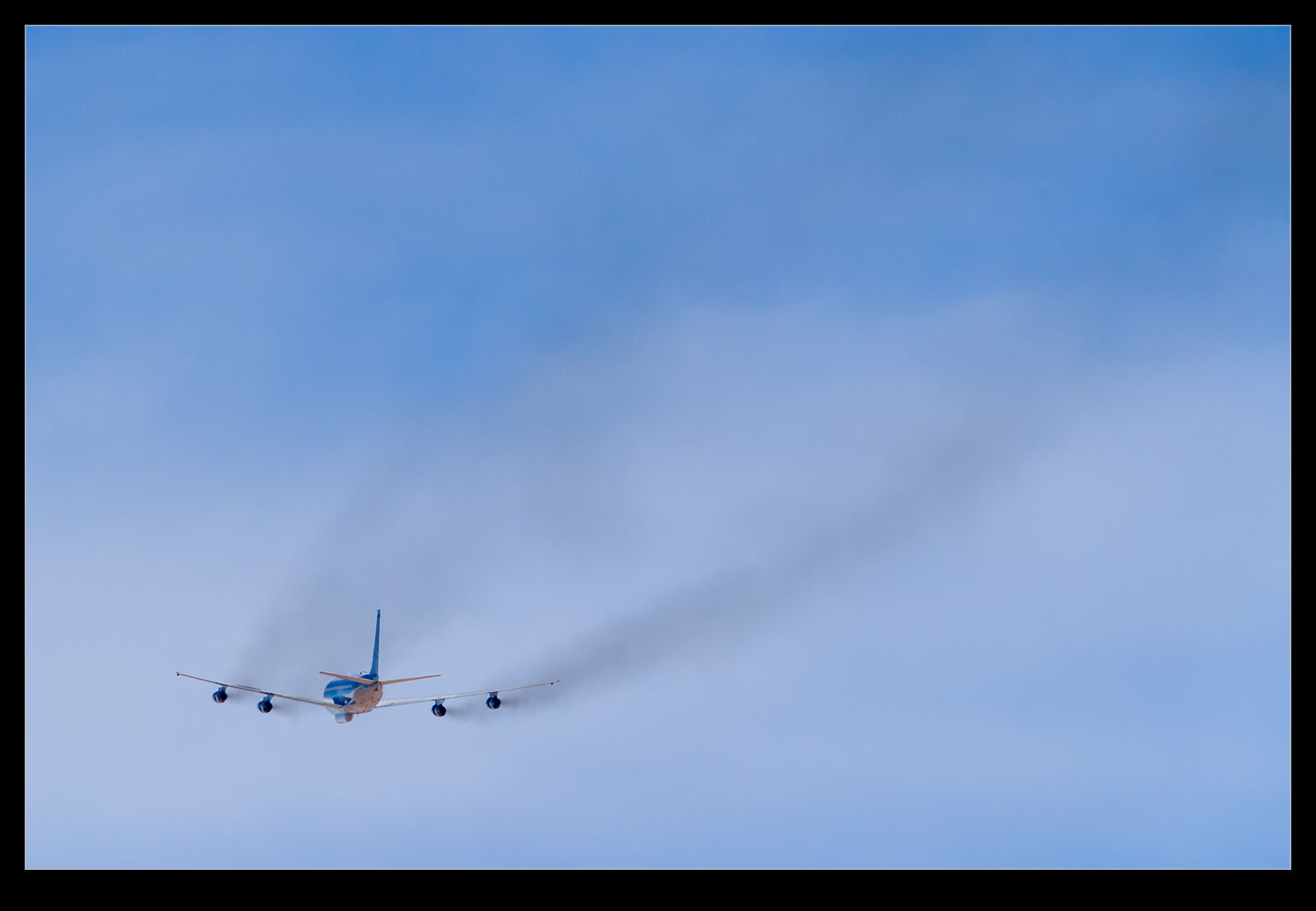
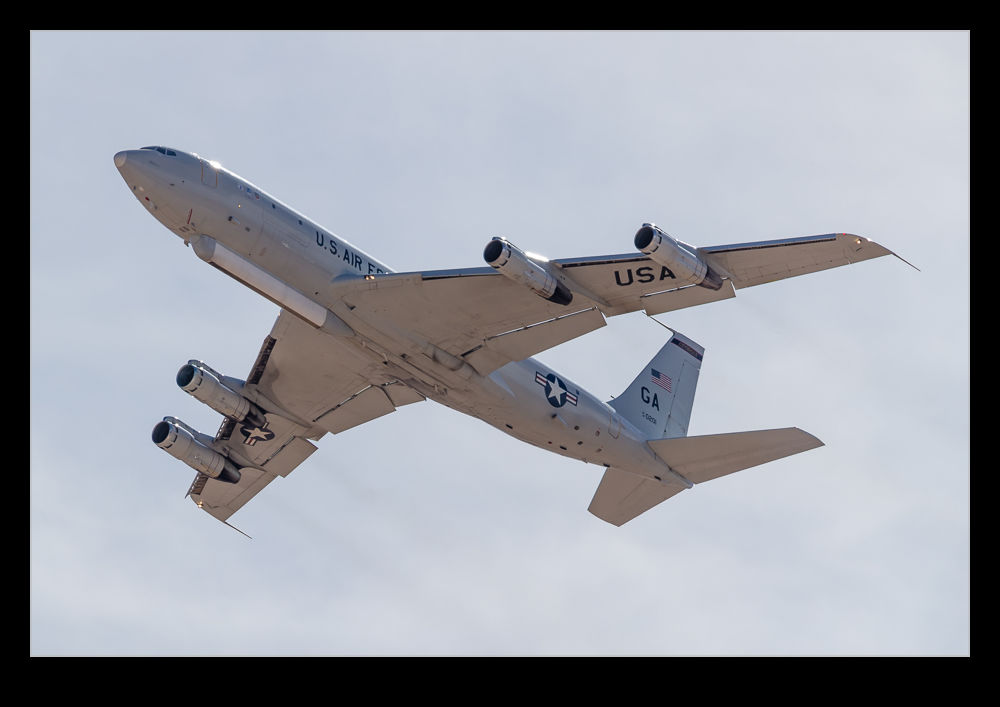
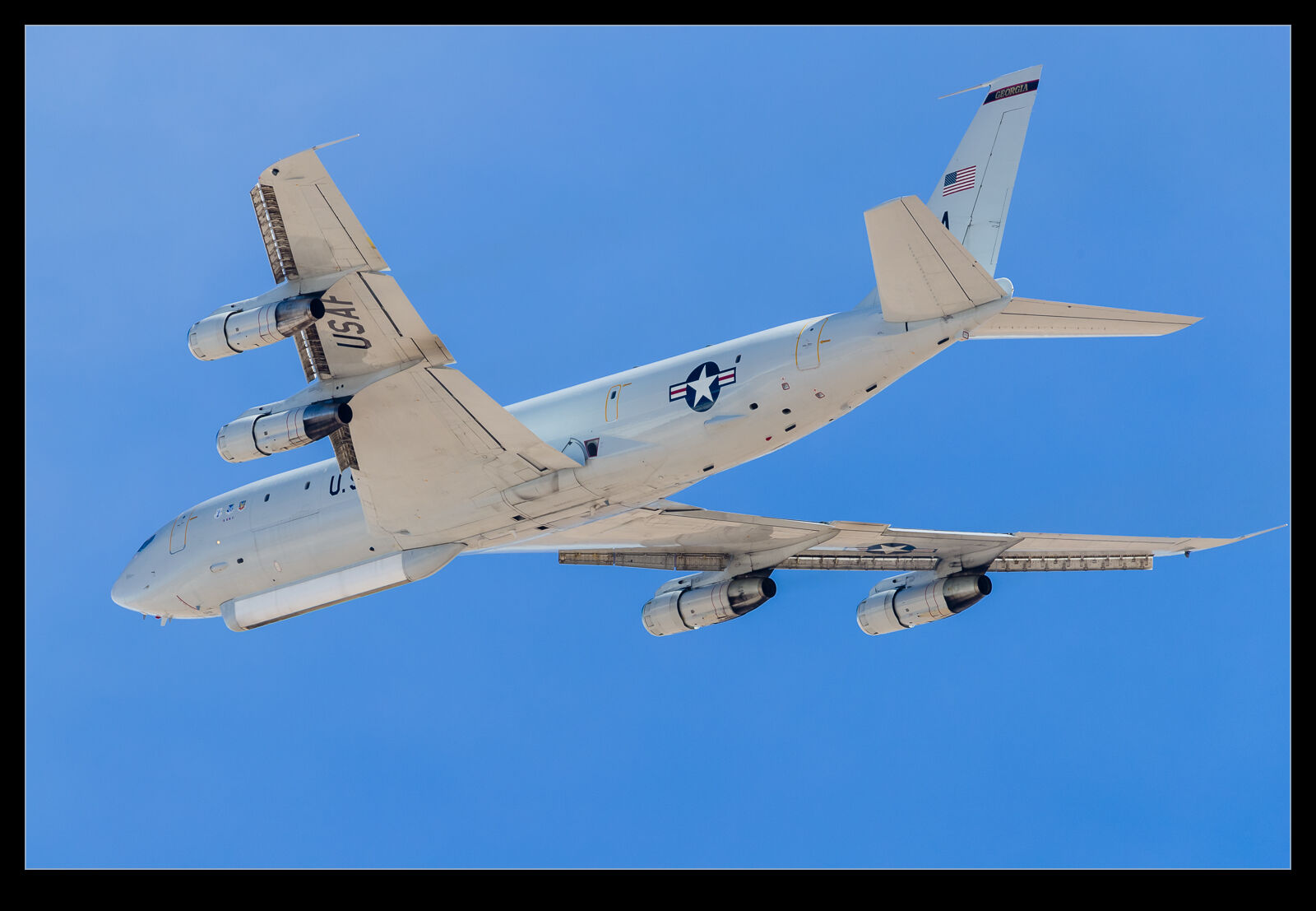
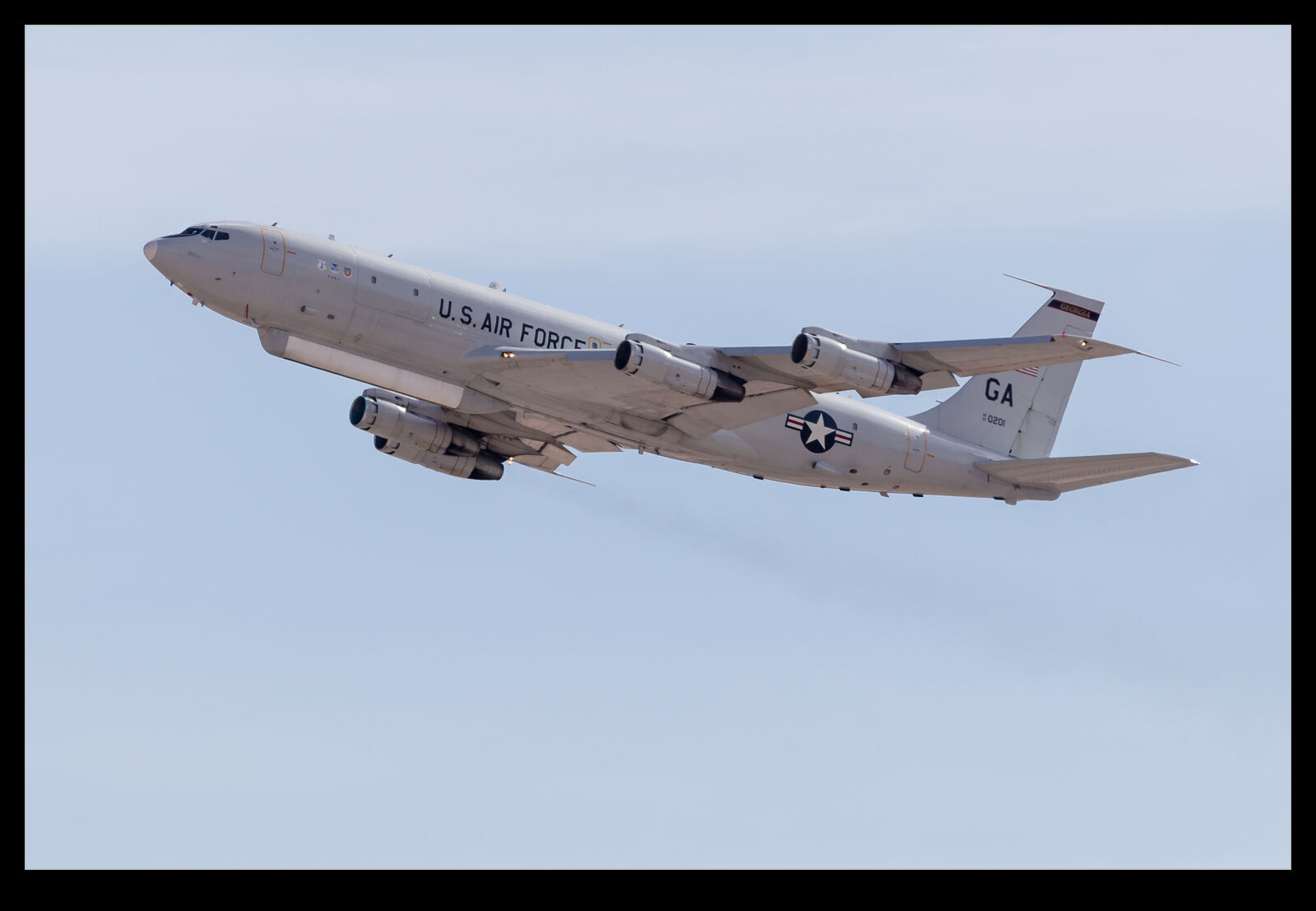
A jet I don’t often get to see in action is the E-8 JSTARS.  There aren’t a huge number of them and they often fly at times that don’t suit photography so I have not previously got a lot of shots of them and certainly not too many in flight.  Based on the 707-300 airframe, they were pretty old when they were selected for conversion to the JSTARs mission.  They are definitely showing their age and the USAF is in the process of competing for a replacement program.  There are a few years left for the E-8 but they won’t be around for too much longer.

One feature of their age is the engines that they have.  The jets are fitted with old JT3D engines.  A program had been put in place to re-engine them with JT8Ds and a modified jet did fly.  However, the program was put on hold due to the potential for a replacement aircraft making the payback period unviable.  As a result, we got the old smoky jets.  It isn’t as bad as the old pure jet days of the KC-135s and B-52s but it still is easy to track the jet as it climbs out courtesy of the black trail it leaves behind.

Anyone Order Some Engines?

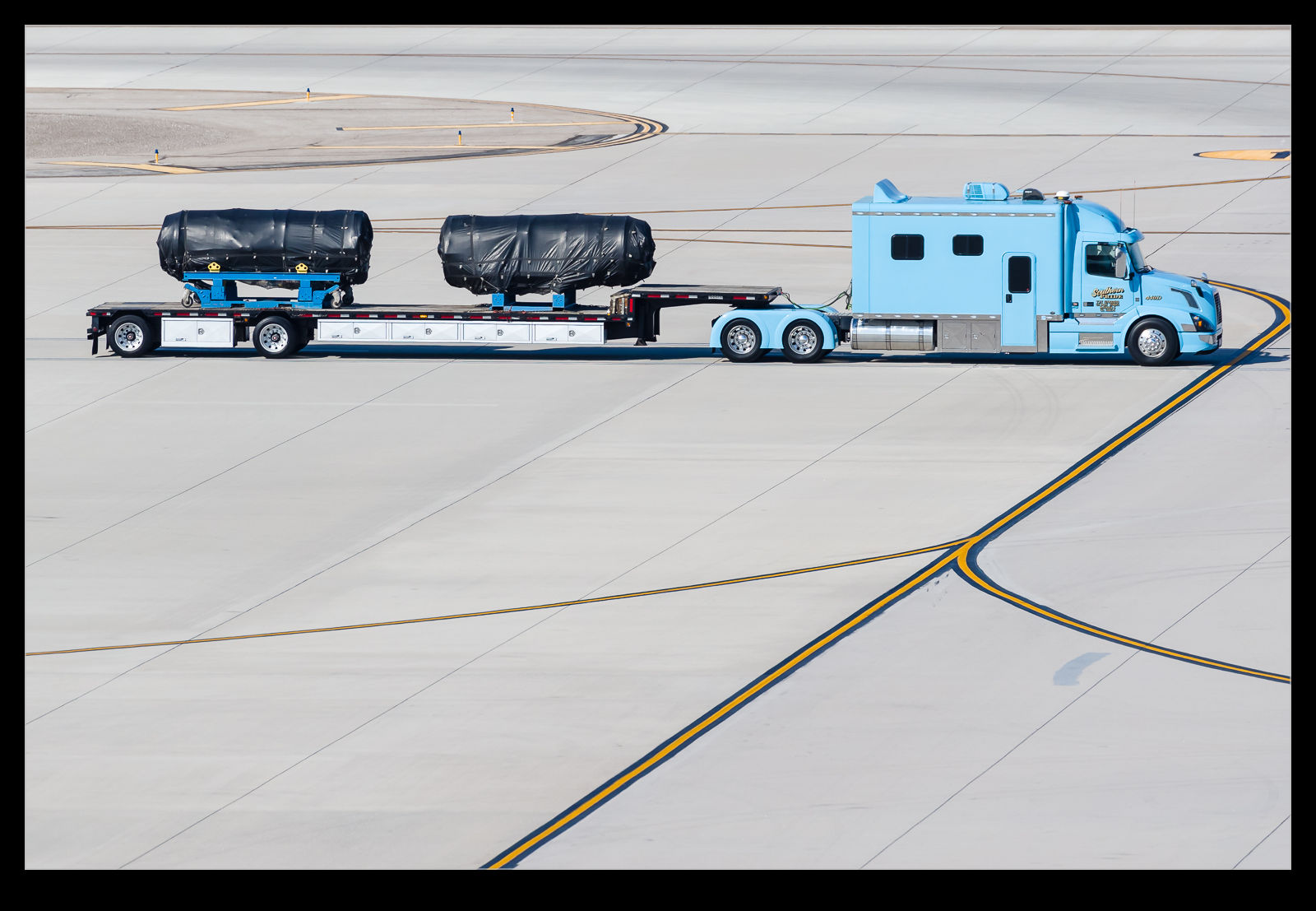
Modern engines last a long time on the wing of an airliner but they do need to be changed.  Older engines tend to need to be changed more often.  Allegiant fly a bunch of MD-80s as part of their fleet and they use the older Pratt and Whitney JT-8D engines.  I guess one of the planes was due for a change because, while I was at McCarran, this truck showed up on the ramp with a couple of engines on the trailer.  I can’t say whether these were fresh engines about to be fitted or the ones that had come off due for overhaul but, judging by the direction he was heading, I am going to say that these were being delivered.

Number Two is Cleaner

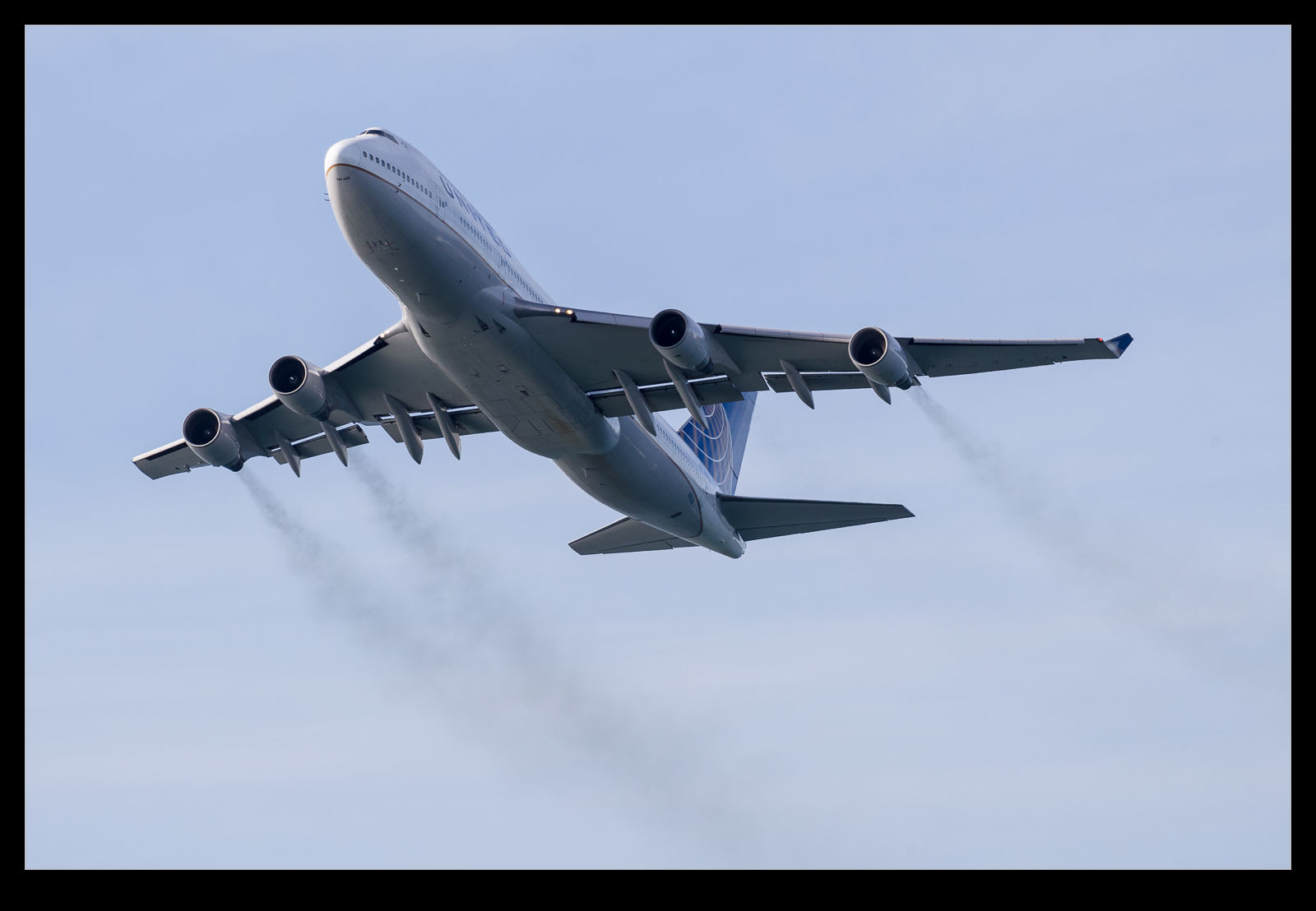
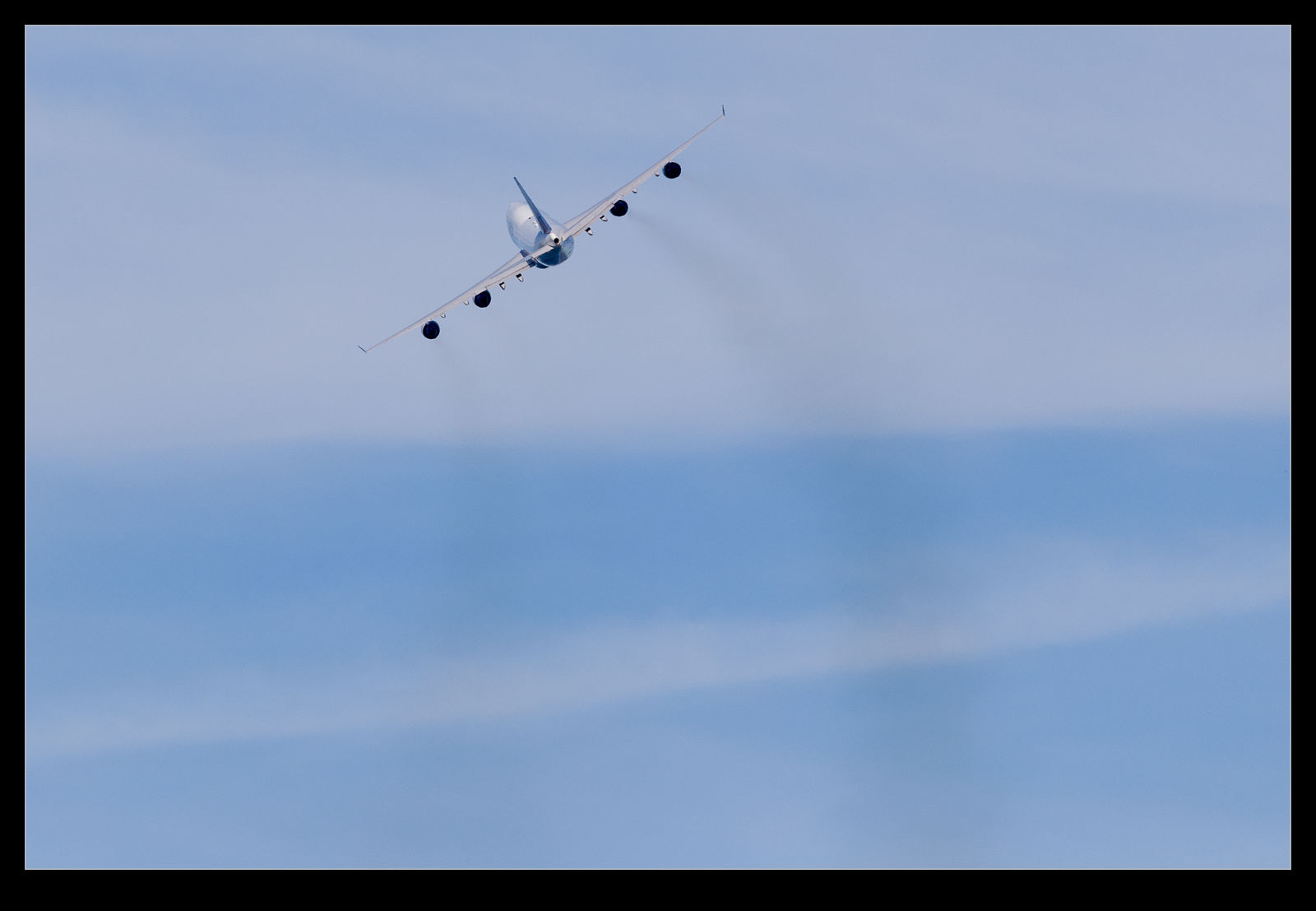
B11I1840.jpgThis United 747 was flying over the Bay during the Fleet Week display as I posted about in this post.  One thing that was very obvious as the aircraft was put through its paces by the crew was that the number two engine seemed to be burning a lot cleaner than the other three.  You wouldn’t pay much attention to the exhaust of a jet except when there is a clear discrepancy and, in this case, the number two was so obviously less smoky, I noticed.  Maybe it was fresh from overhaul.

B11I1952.jpg