Tag Archives: civil

Exodus of Southwest Jets

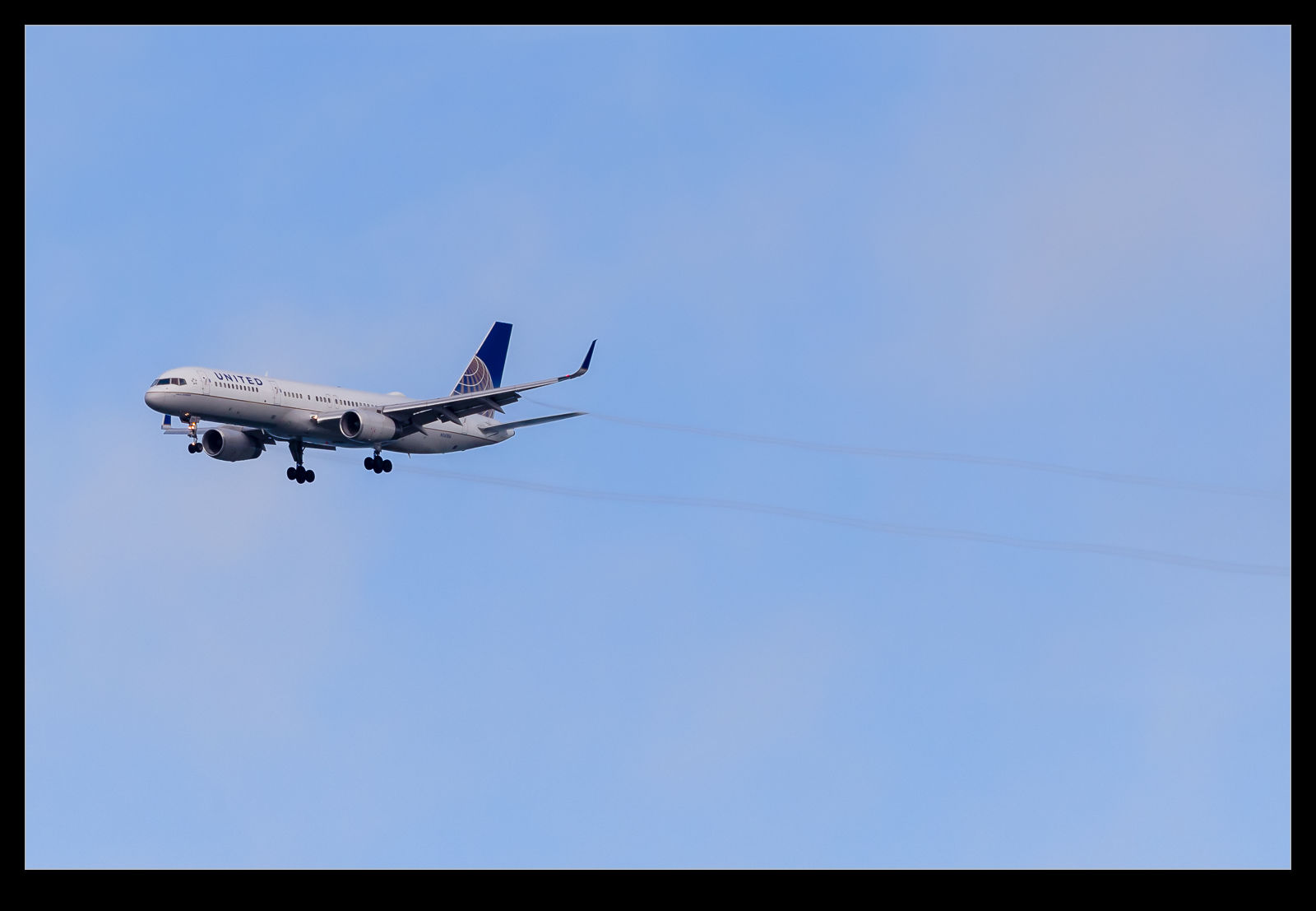
The failure of an engine on a Southwest 737 that sadly resulted in the death of a passenger caused a major review of the fleet of 737s.  Inspections were identified for the engines in the affected range and everyone was scrambling to find facilities in which to carry out the checks.  ATS at Paine Field is one of Southwest’s suppliers and they took in a number of the jets.  Towards the end of the fly day that Paine Field was having, three Southwest jets emerged from ATS’s facility.  They were towed to the north end of the field.

Here they were started up and they took it in turns to taxi down to where we were and then depart.  One of the jets was an 800 series and may not have bee affected by the inspection but could have been at ATS for other work.  The 700s were quite possibly part of the inspection process.  After a day of light traffic and warbirds, the appearance of three Southwest 737s and their subsequent departures made for a change of pace.

Lear Fans

Early efforts at composite business aircraft did not go smoothly.  The Beech Starship ended up being a burden on the company and they bought most of the planes back and destroyed them.  Prior to the Starship, there was the Lear Fan.  A project started by Bill Lear and continued after his death, the idea was a composite aircraft with two engines driving a single pusher propeller.  The light airframe and plenty of power was to provide great performance.  Sadly, the early approach to composite design did not go smoothly, nor did the gearbox design to combine the two engines to one propeller.

The project folded after three prototypes had been built.  All three still remain and I have seen two of the three.  One lives in the Museum of Flight here in Seattle while another is in the Frontiers of Flight Museum at Love Field in Dallas.  The third one is in Oklahoma City so I am a bit annoyed I never knew that when I traveled there regularly.  Still, two out of three isn’t bad.  The single prop looks pretty chunky (the idea being that single engine handling was identical to twin engine handling) and I imagine the diameter had to be limited to avoid prop strike issues during rotation.  Overall, it is quite a neat looking design.  A shame it was a bit ahead of the technology curve when it was designed and built.

Interjet In Vancouver

One of the fun things about shooting at a different airport is the airlines you are not used to seeing.  Interjet is a Mexican airline that I have seen occasionally at LAX and I believe now goes to SFO (too late for me though) but they do serve Vancouver.  They are also an operator of the Sukhoi SSJ (although sadly not on this run).  They arrive later in the evening so are timed well for the light to be good in the summer months.  The A320 may not be as unusual as the SSJ but as a different operator to the norm for me, I was happy to get it arriving.

New FedEx 767 Struggles for First Flight

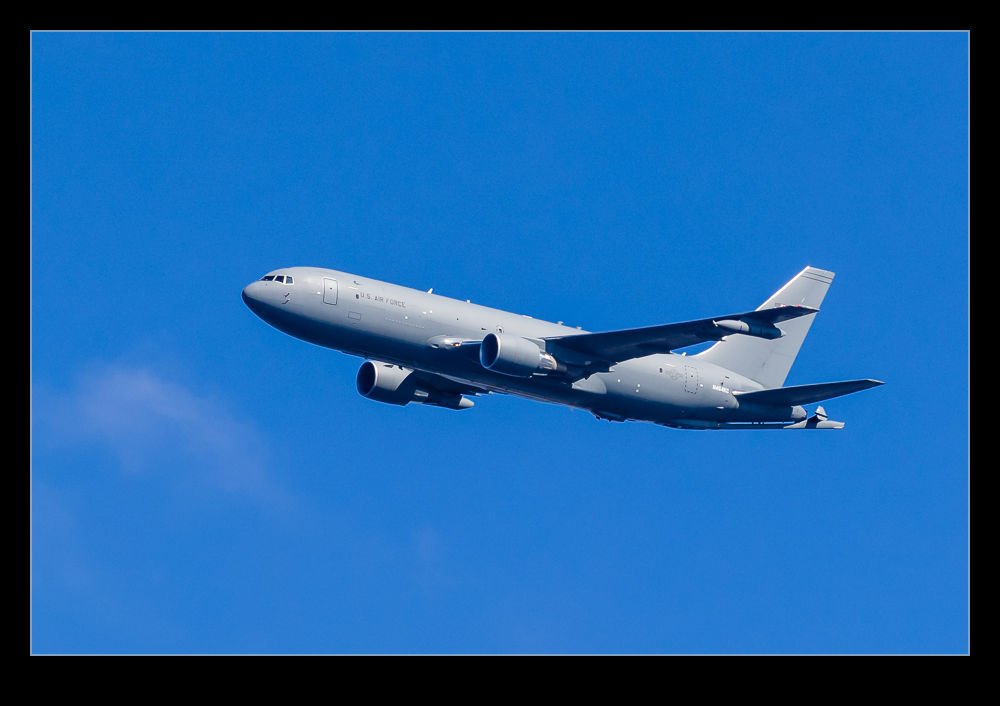
Aside from the USAF, FedEx is the main recipient of aircraft coming off the 767 line these days.  They have just placed another order too so they will continue to take new 767 freighters for years to come.  One of the jets was planning to have a first flight at Paine Field.  Prior to first flight, Boeing tends to run a high speed taxi and braking profile.  If this goes well, they will then take off for the first flight.  Judging by the radio traffic this time, things were not going well.  They did one run, braked and vacated.  They taxied down to my end and repeated in the opposite direction.  Then they called the tower to confirm that they were heading back to the ramp.  I imagine they fixed the issue before too long but no first flight on this occasion.

Not Often You See An Avro These Days

The BAe146 was a regular feature in the 90s.  It was a popular regional jet with use both in Europe and the US.  They were still in service when we moved to Chicago and I traveled on them on occasion.  However, a four-engine jet became a bit dated and they have mostly been replaced in service with newer and more efficient types.  Therefore, it was a pleasant surprise to see one show up at Vancouver.  In their later iterations, they were renamed Avros to pay homage to one of BAe’s predecessor companies.  They were basically just a tweaked 146 as far as I was concerned though.  The new generation RJX made it to protype form but was cancelled before production.  I guess the economics were just never going to be compelling.

Lots of Wheels to Touch Down

The spot Mark introduced to me at Vancouver was good for touchdown shots.  British Airways brings an A380 in each day so I was keen to get that landing.  The landing shots included a lot of tire smoke as the wheels spun up but having something like an A380 means you have a few extra wheels and a lot more smoke, even if it is progressively given the configuration of the gear.

The size of the A380 makes it good at longer range if the conditions will allow.  The background is getting busy as more buildings are added but you could get a clearer view further out with only the bridge for the Canada Line showing up.  Swapping to the wider lens was necessary given the size of the jet.  I know it is one that polarizes opinion but I quite like it and I definitely enjoyed flying on it.

Floatplanes from the Space Needle

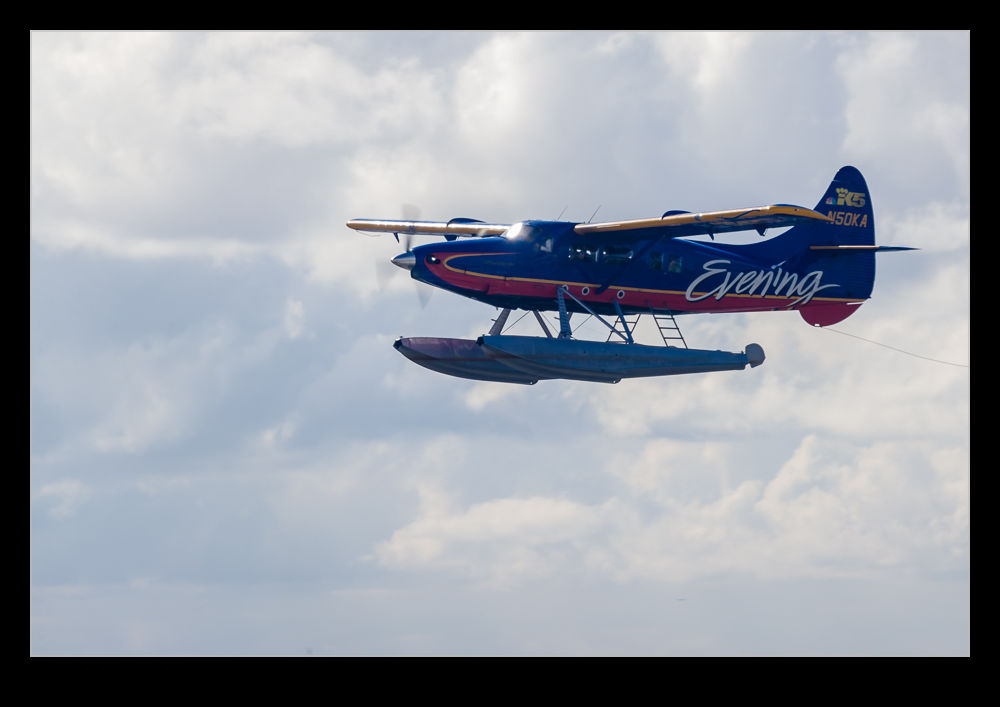
While the Space Needle is a great place to view the city of Seattle, it is also good for seeing floatplanes.  Lake Union is a base for many floatplane operations and the routes take the planes close to the Needle.  On the day we were there, the wind was quite strong from the south so the planes were water taxiing to the other end of the lake before taking off.  We had quite a procession with a stream takeoff from a couple of them.

Once airborne, the commenced a turn towards Elliott Bay which took them just north of us and pretty close.  I wasn’t well set up to get shots but I managed to get a few.  I tried my best to shoot through the gaps between the glass panels but sometimes I shot through the glass which was surprisingly good.  You get the feeling of being air to air, even while standing on something solid.

A Couple of A350s (One is Closer Than the Other)

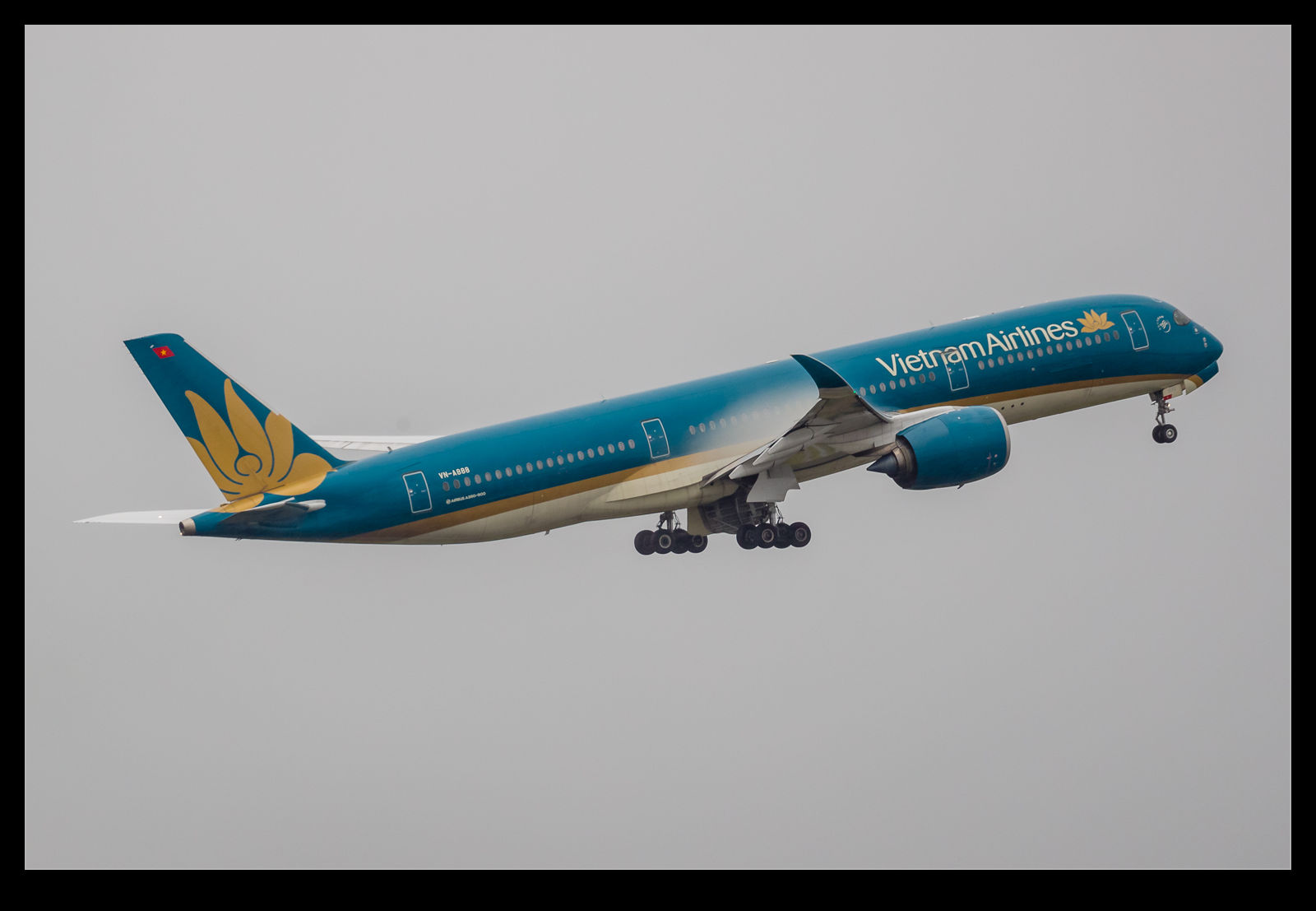
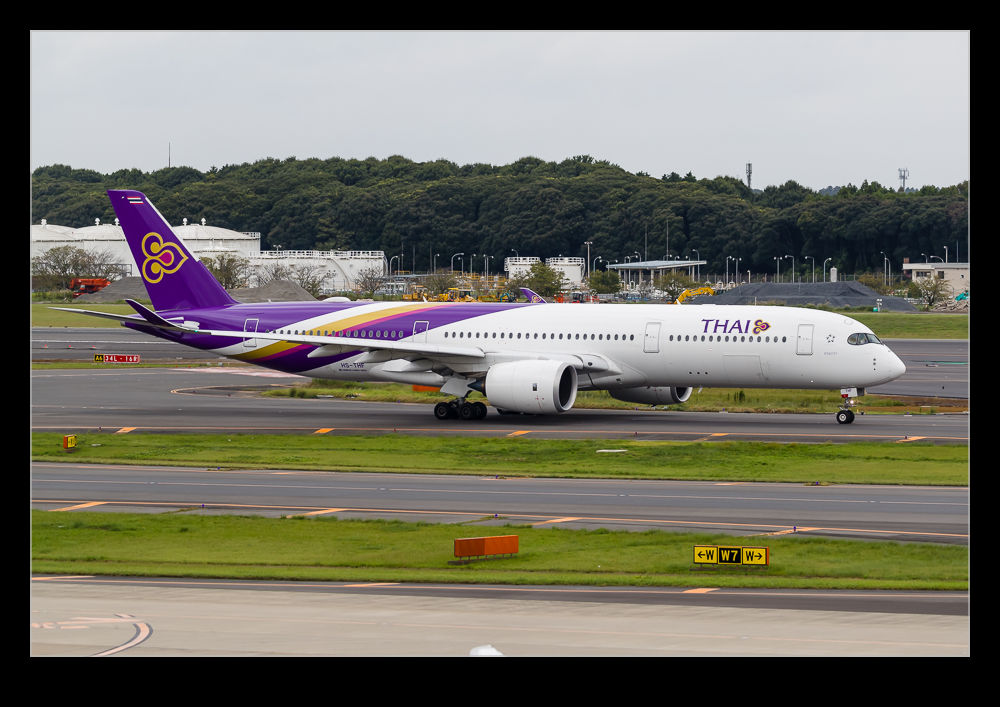
The A350 is becoming a lot more widespread now.  China Airlines has been flying them in to Vancouver for a while.  I actually shot one last year on approach but it was coming in from the sea on the opposite runway near sunset so it is a tiny spec in the distance!  This time I got one coming in a bit closer.  The sun was getting low so the conditions were turning into something very nice.  I touched down right in front of me with the sun pretty much on the nose.

It wasn’t the only A350 that day.  Lufthansa also operated one in but it arrived before I got across the border.  It did depart while I was there but departures are from the opposite runway so it was a bit far away.  Surprisingly, there wasn’t much distortion in the air and I was able to get a reasonable view of it although not something that would have much use.  The fleet will only grow so there will be more opportunities to get the German jet.

Dreamlifter at the Other End

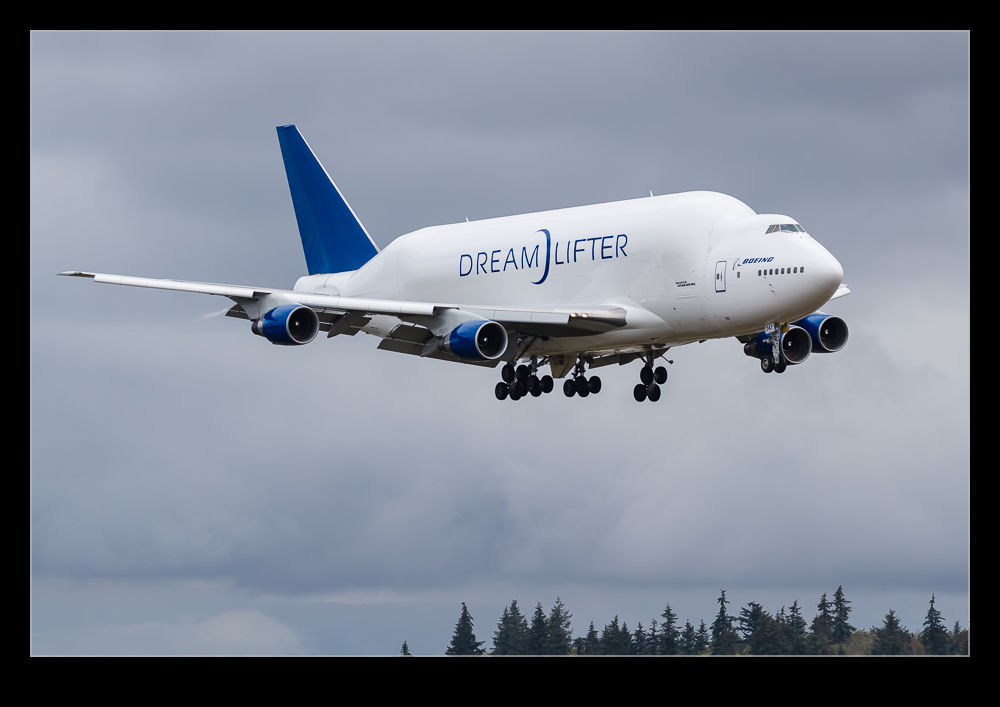
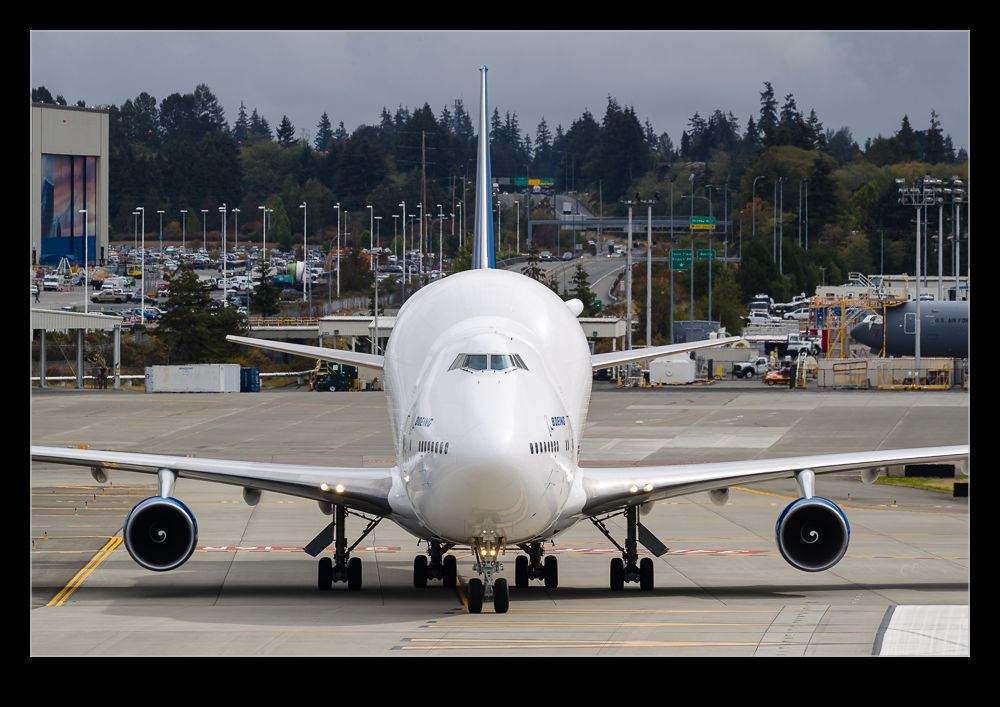
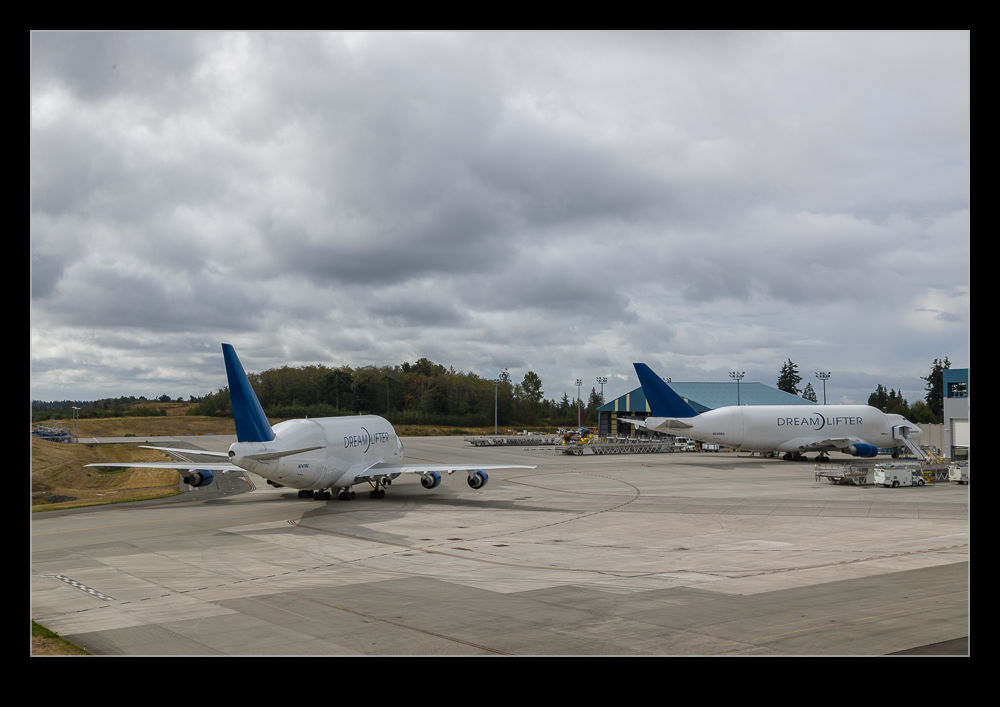
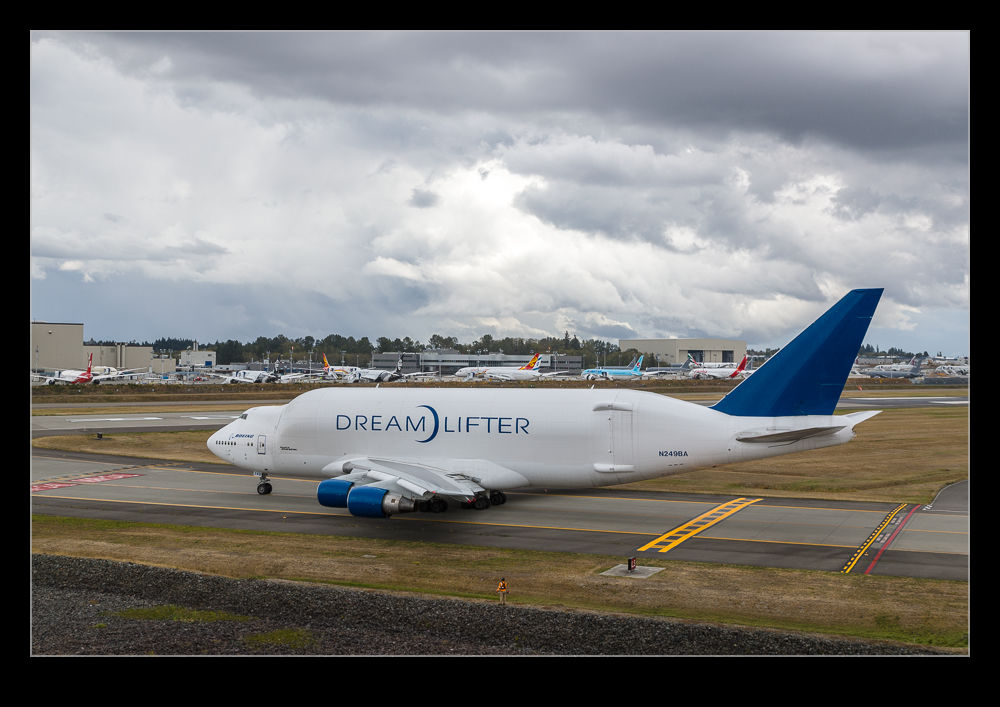
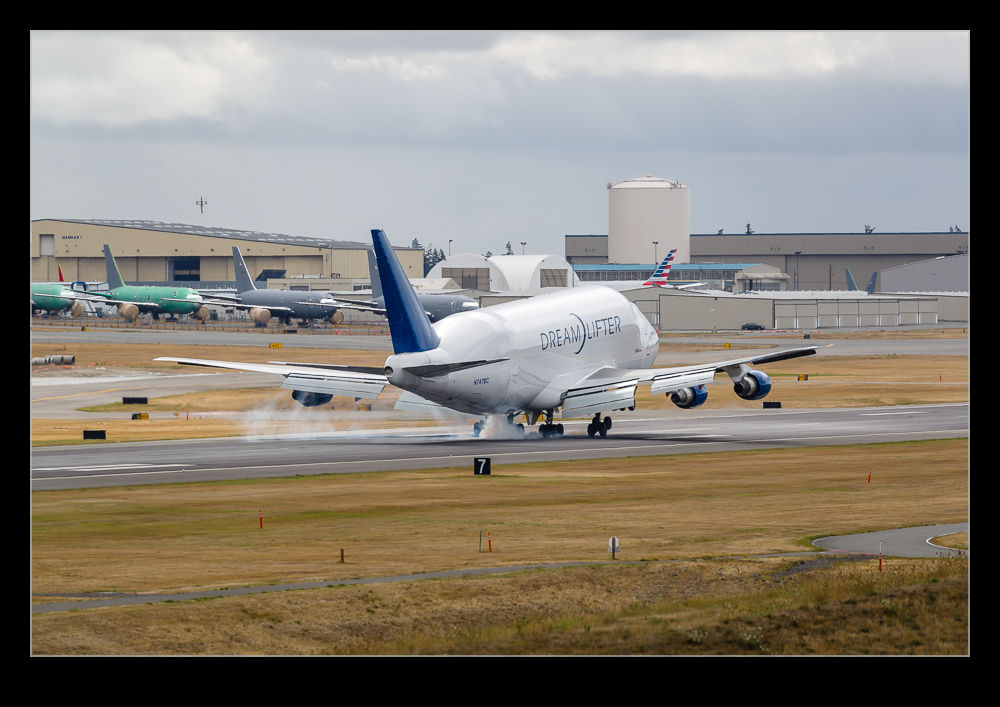
When planes are arriving at Paine Field from the north, I am usually up near Future of Flight.  However, I was down at the south end when a Dreamlifter came in.  They used the full length of the runway and turned on to the taxiway when they reached the end. This meant I got a good chance to shoot the plane from a place I had not done before.  The weather was overcast which actually helped to show some of the textures associated with the modifications that the base 747-400 had received.

Don’t Float Too Long, I’m Using the Big Lens!

Mark had pointed me to a good spot at Vancouver for evening arrivals when the summer sun has come around more to the north.  I trudged to the top of the “hill” lugging my gear with me as I didn’t know exactly what to expect and what lenses would work.  Consequently, I brought a selection with me.  It turned out that the 500 was good for a lot of shots but, once the jets got closer to me, it was too much.  For a wide-body, it was definitely too much but a narrow-body was okay until after touchdown – usually!  An Air Canada A321 in the new colors came down the approach but he flared a little high and floated. He was getting closer and closer and the viewfinder was rapidly filling.  The touchdown of the wheels happened just before bits of the airframe were cut off.  This shot is exactly as it came out of the camera.  Good lesson for some of the later arrivals.