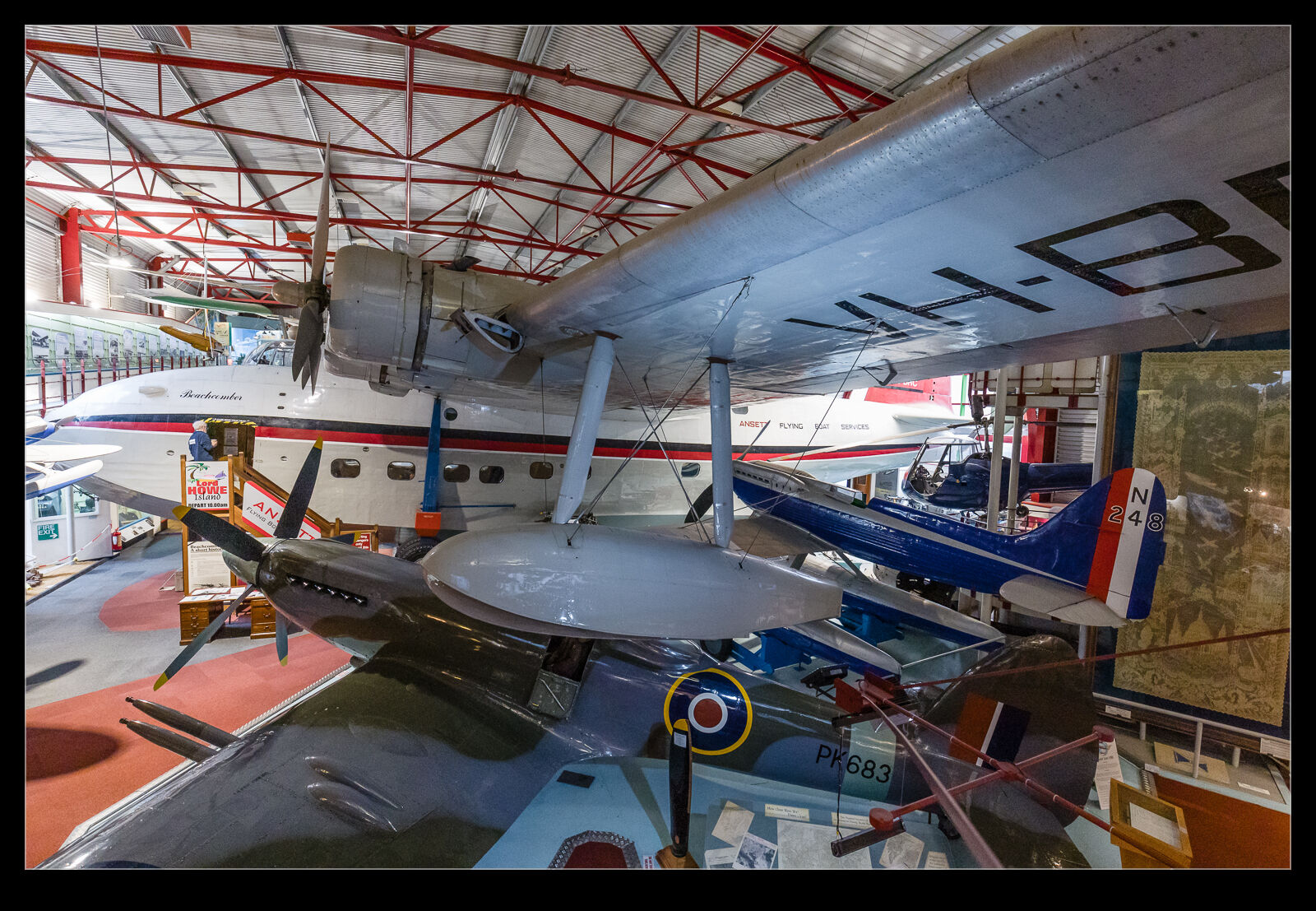
 I guess I knew that there was an aviation museum in Southampton because I had heard about it in some place or other, but I wasn’t really au fait with what was there. However, I did know that it had a Shorts Sandringham flying boat which was a conversion of the Sunderland. One wet afternoon, I decided to head down and see what it was like. This proved to be a very good choice because it was a far better museum than I had expected.
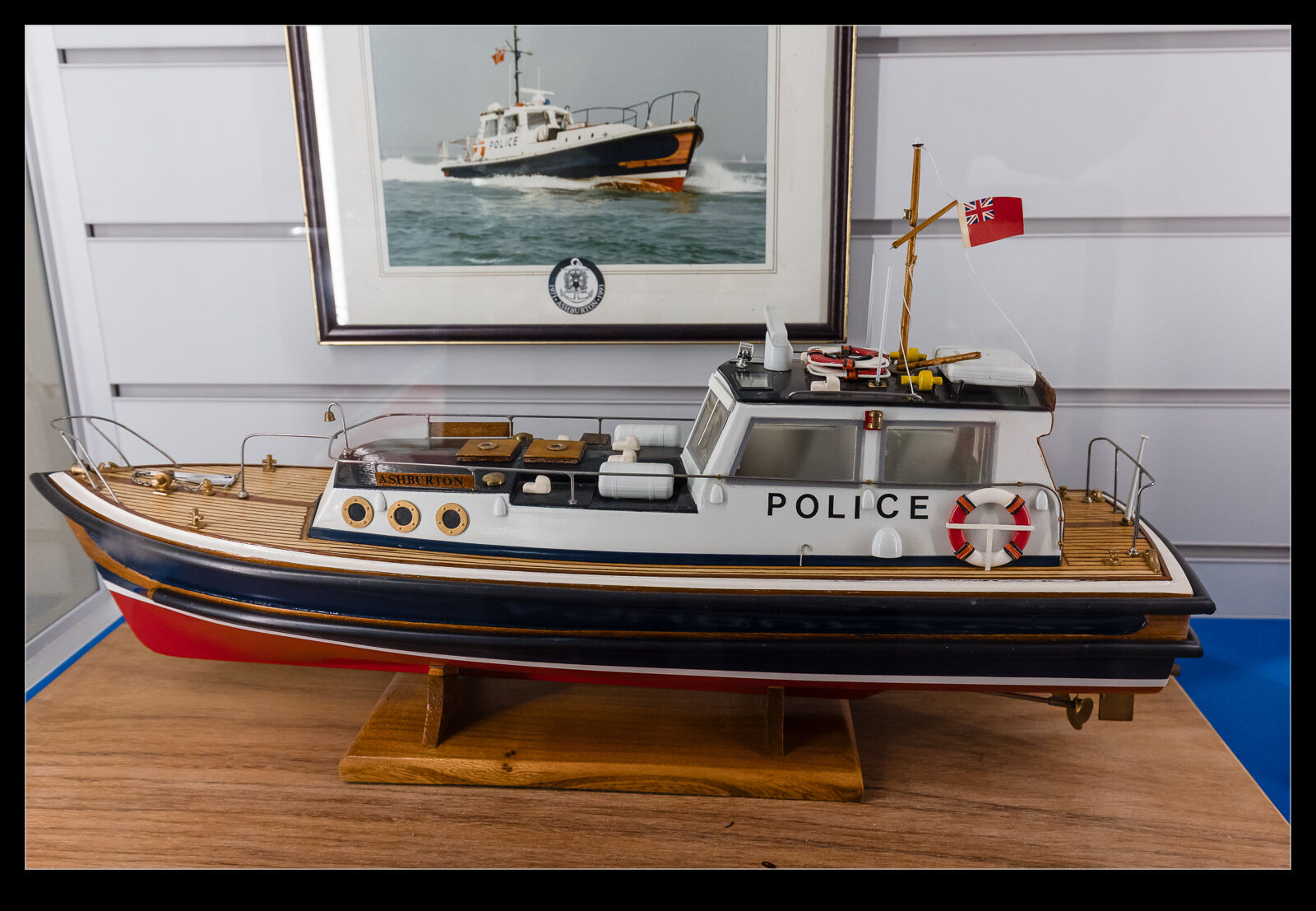
 Located a short distance from the centre of the city, Solent Sky museum is actually three museums in one. Aside from the aviation collection, there is a museum of Hampshire policing and of the fire service. There is also a selection of exhibits of Southampton’s history during the Second World War. Plenty to take a look at if you are able to dedicate some time.
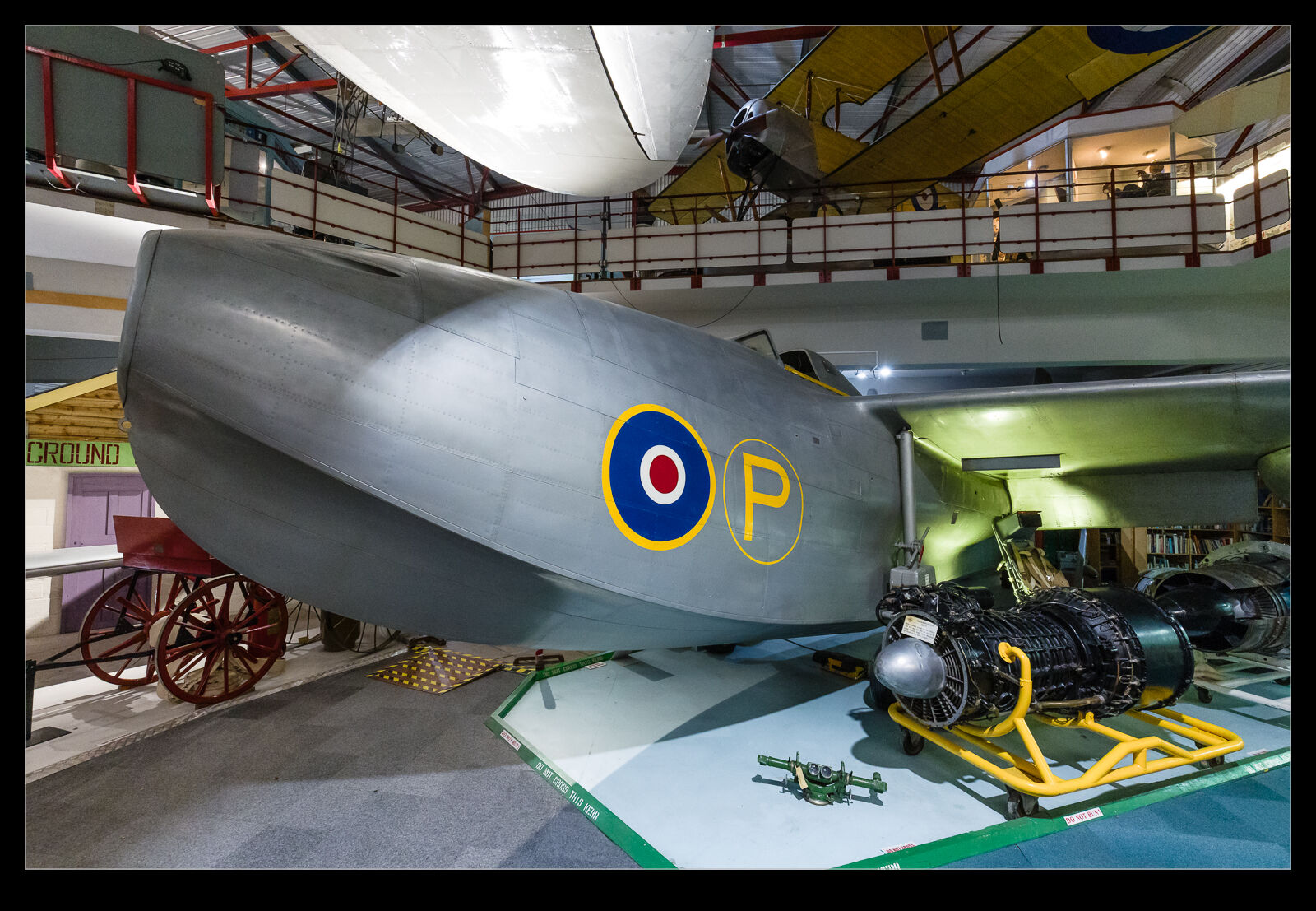
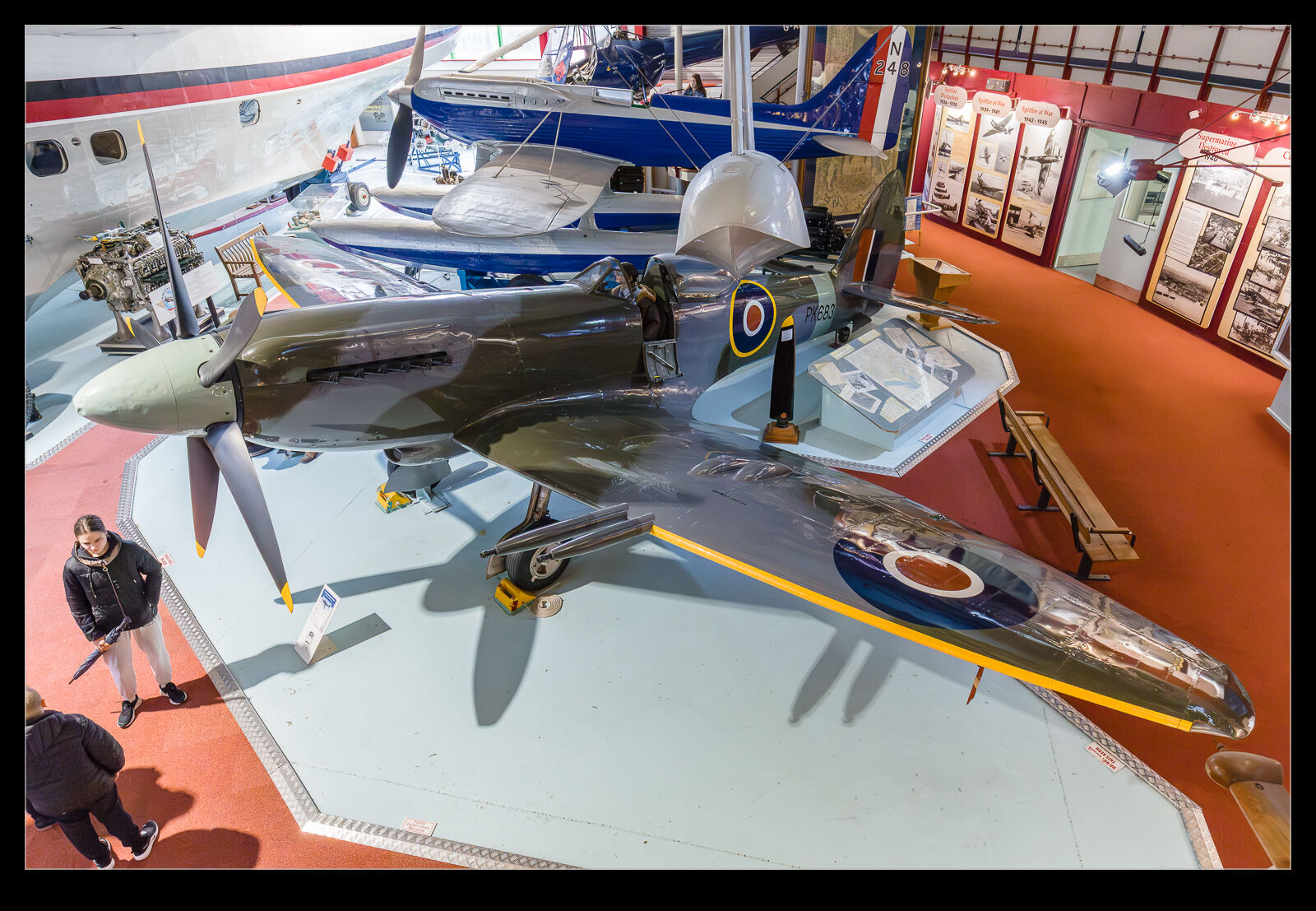
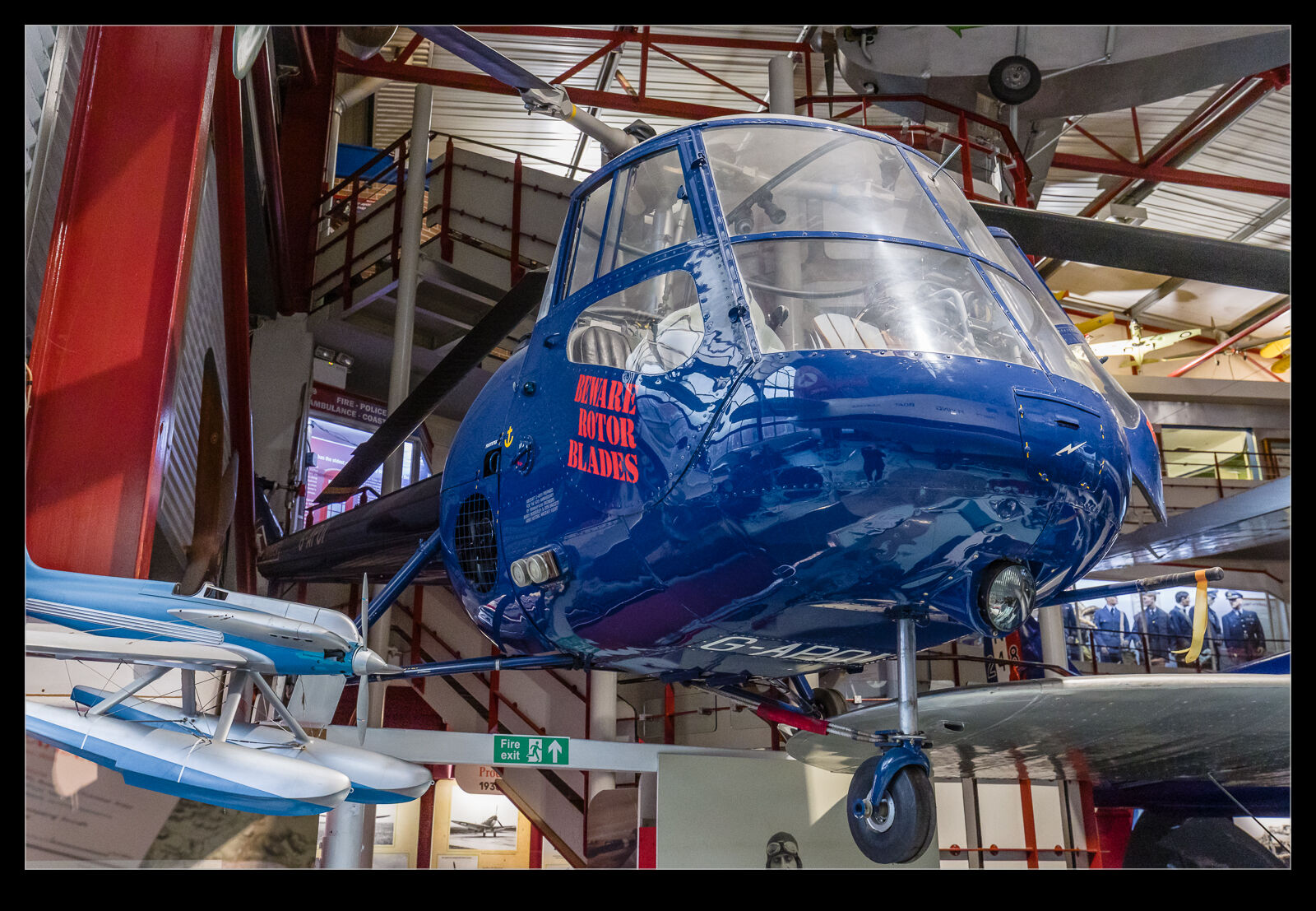
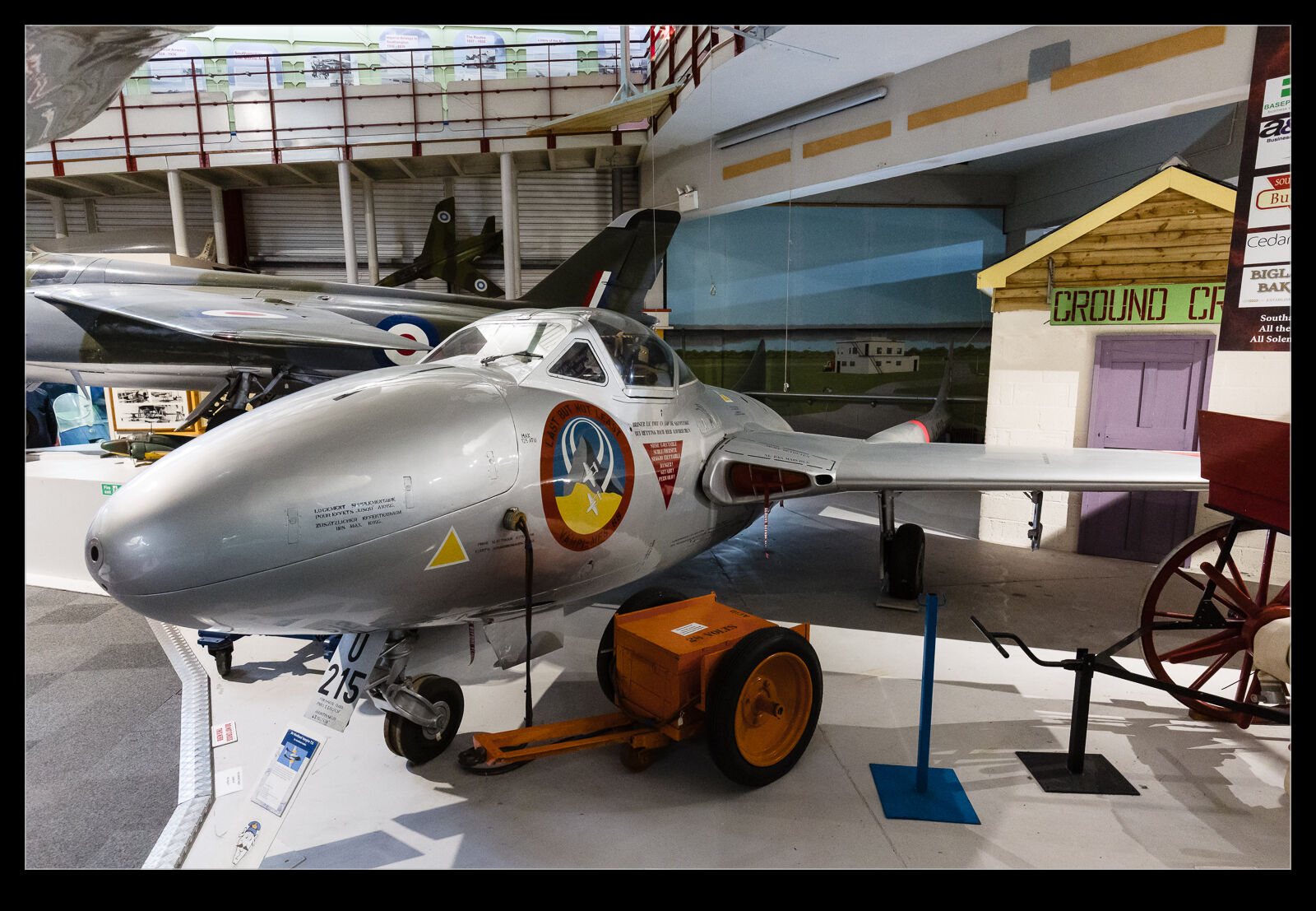
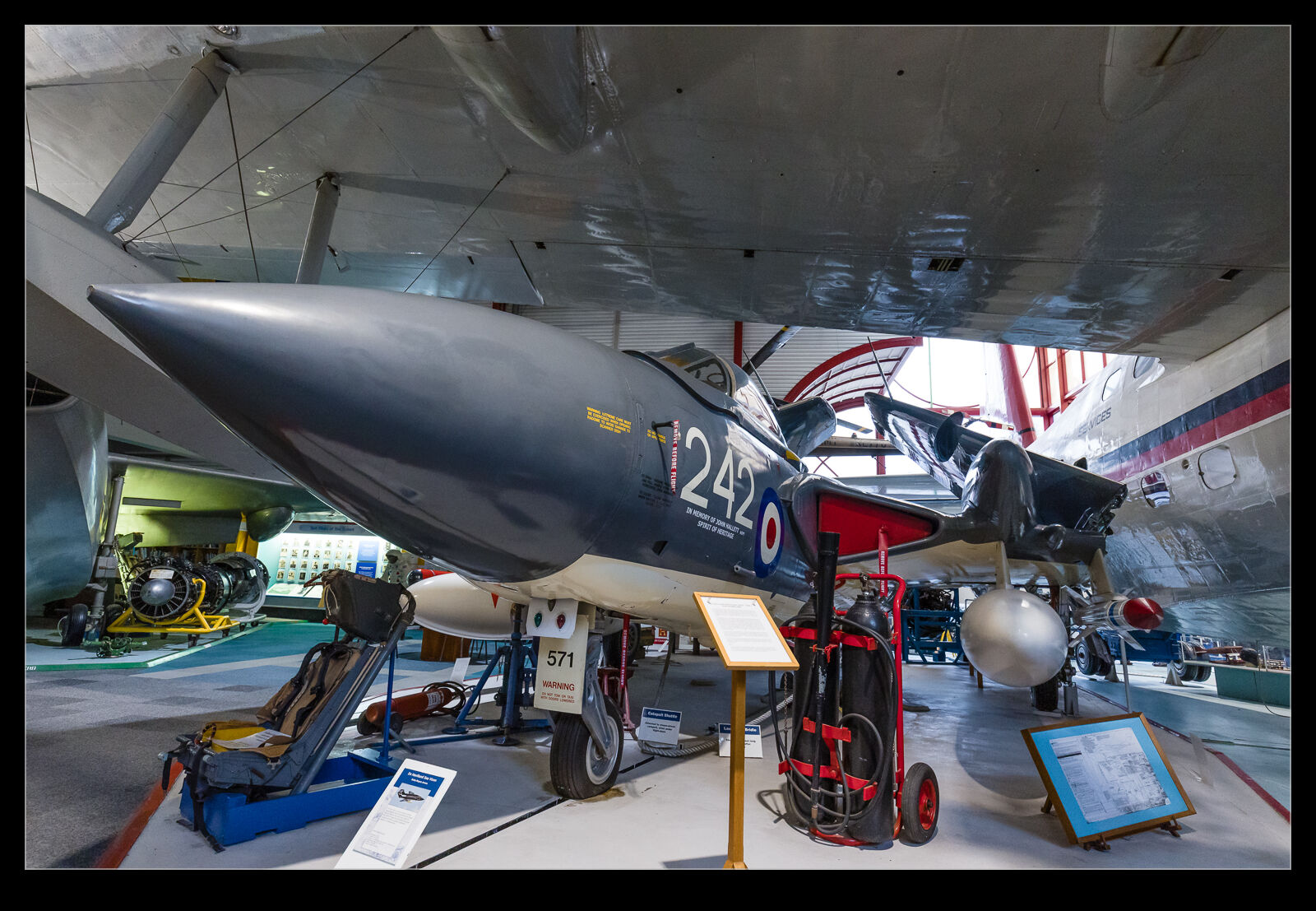 The Sandringham dominates the main hall, and it will get its own post in due course so, other than it appearing in a wide shot, I won’t include specific pictures of it here. It is not the only flying boat. There is also a Saunder Roe SR.A/1 which is a very unusual type to find. Things are pretty crammed in because the building isn’t massive, and the collection is extensive. Tucked under the Sandringham is a Sea Vixen – a favourite of mine). There is a single seat Gnat, a Spitfire – a plane with strong Southampton connections – and a Supermarine S6 which will also get its own post. There are some human powered aircraft and some weird and wonderful types along with some Saro Skeeters!
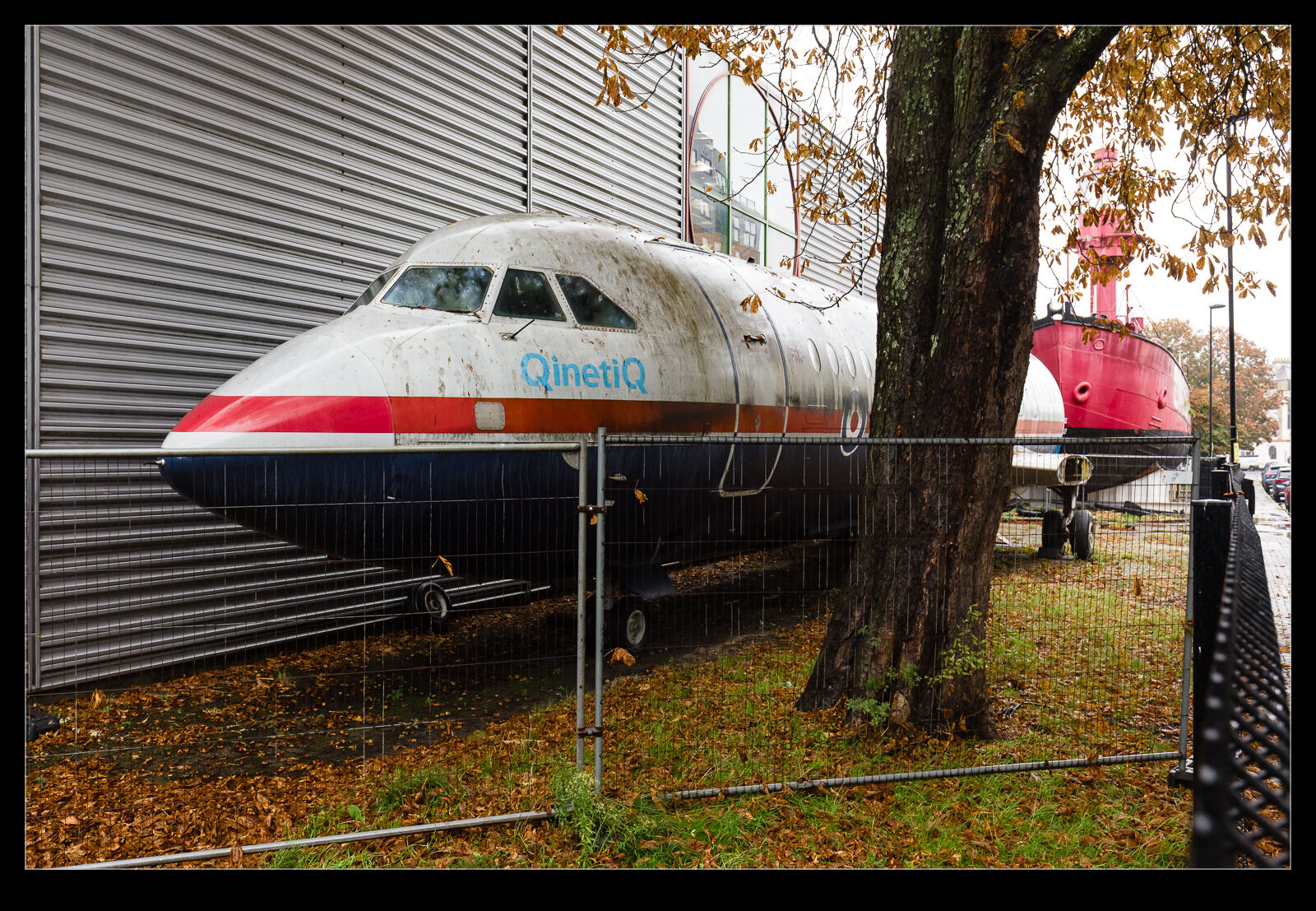
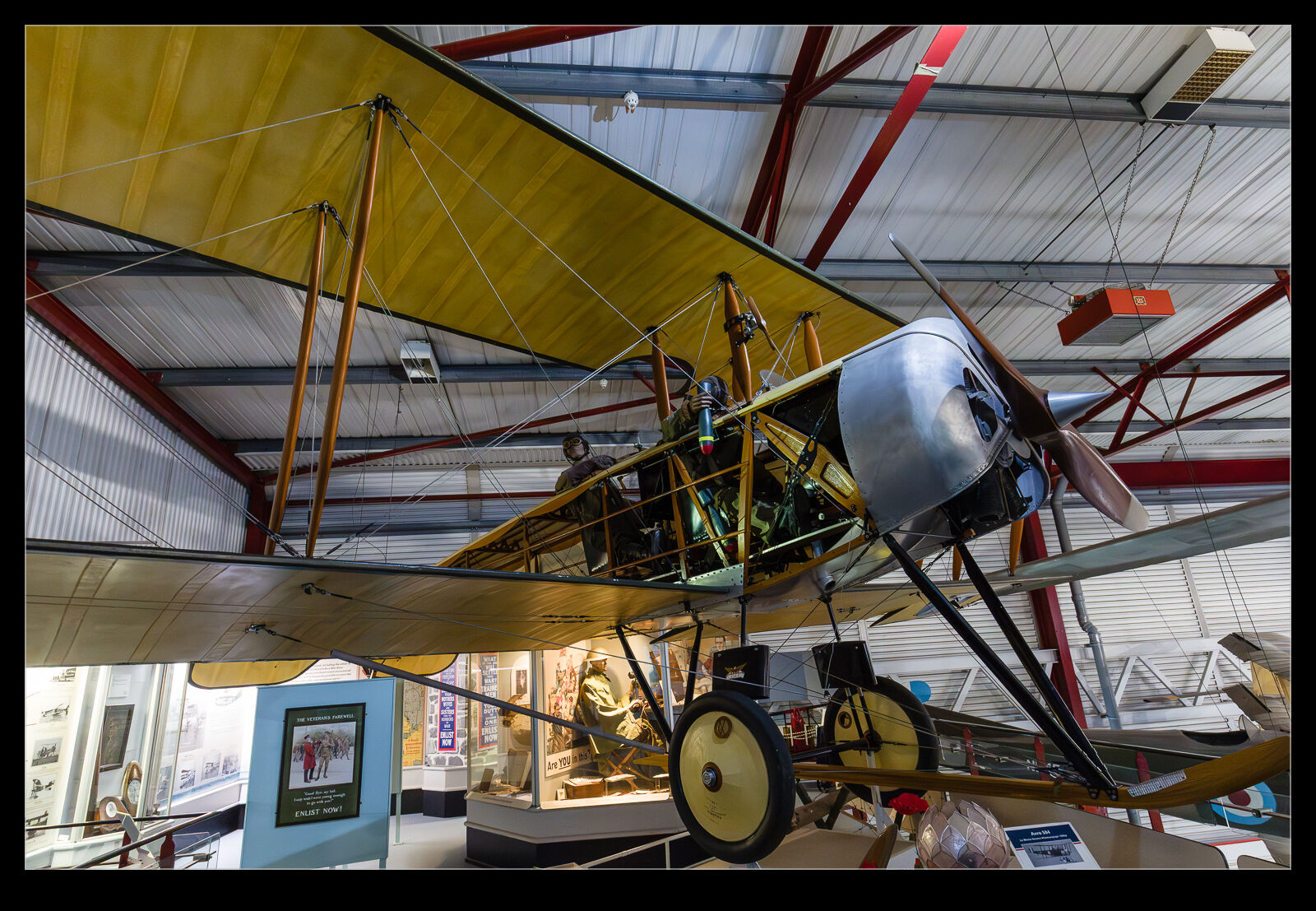
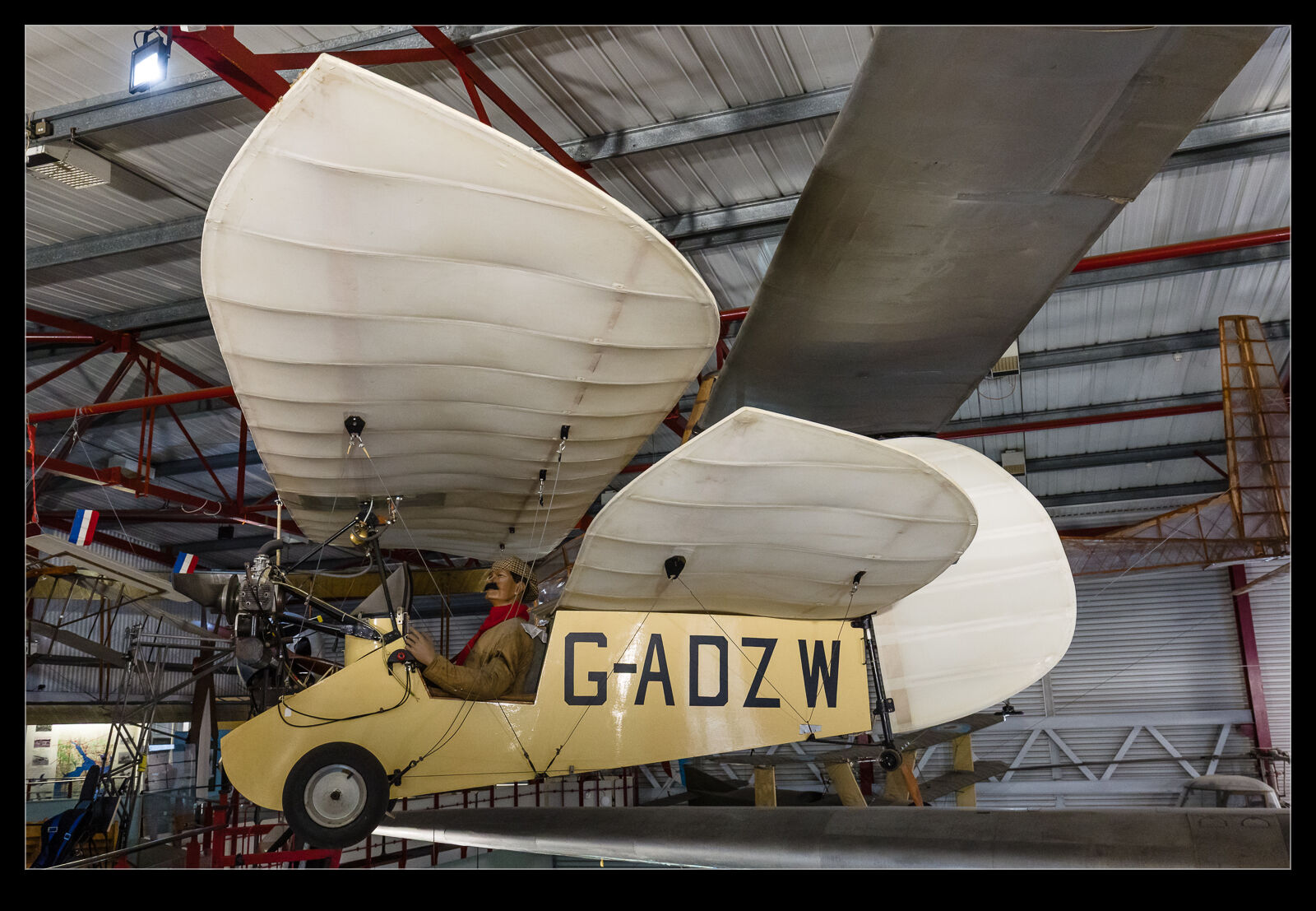
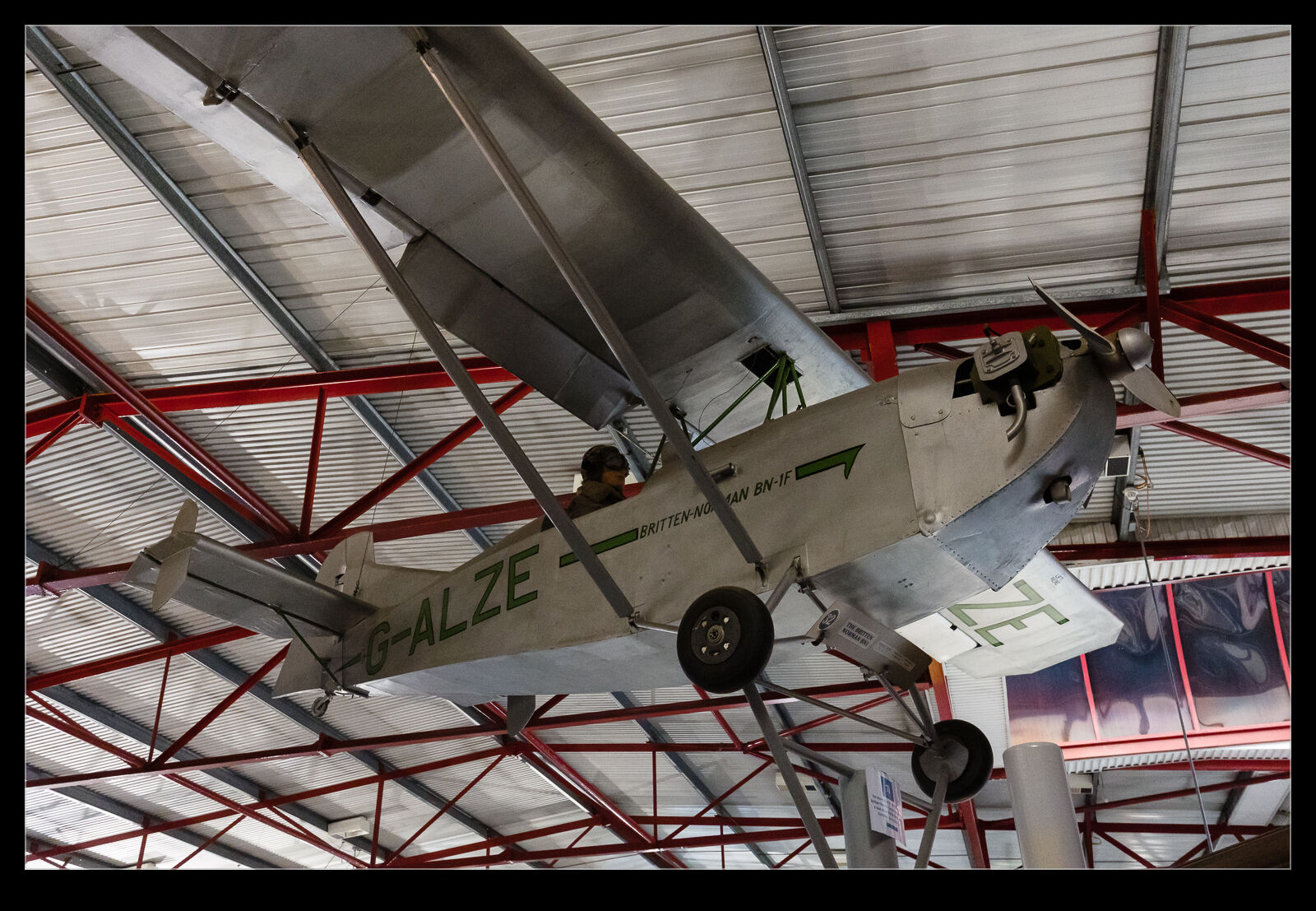
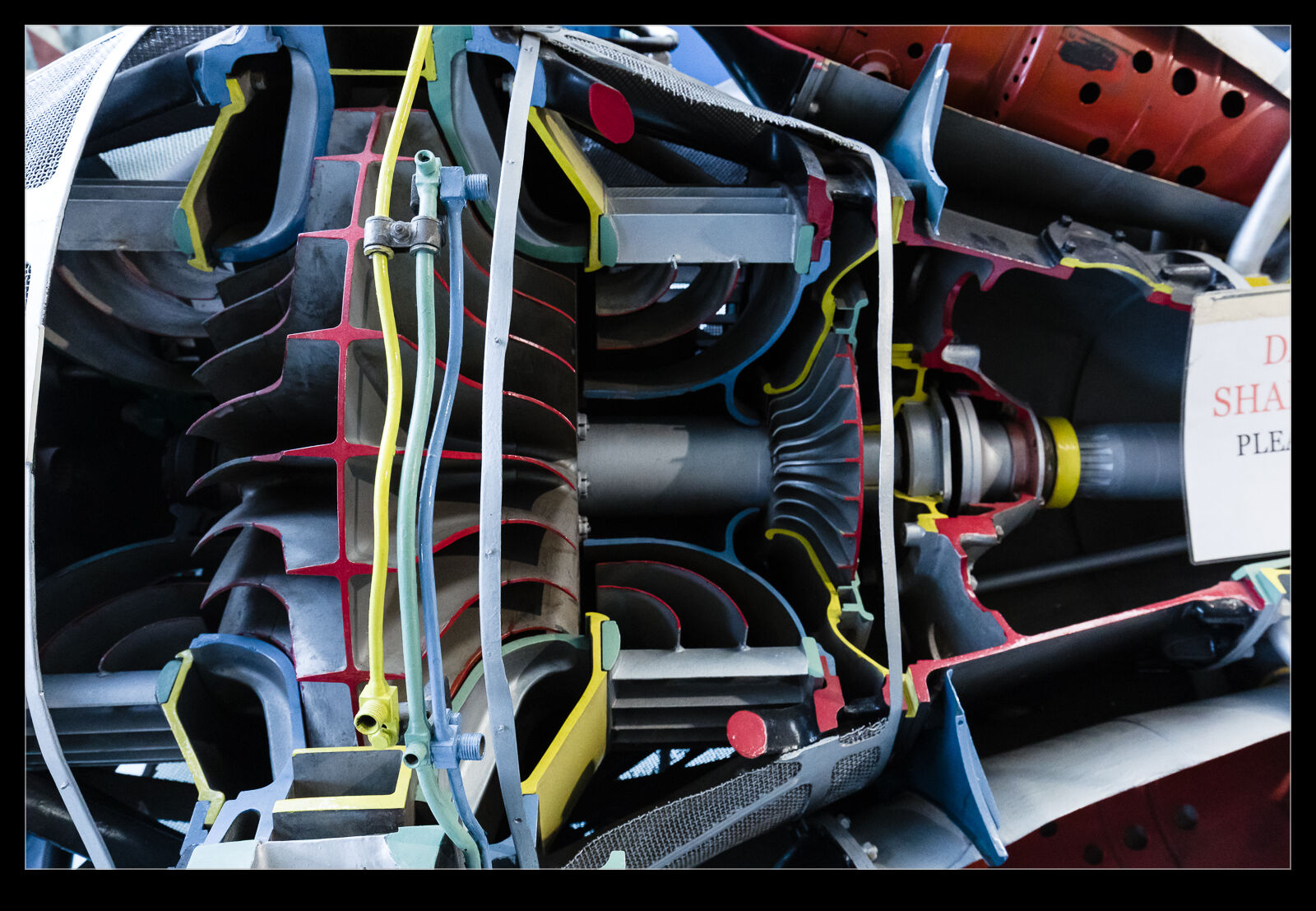
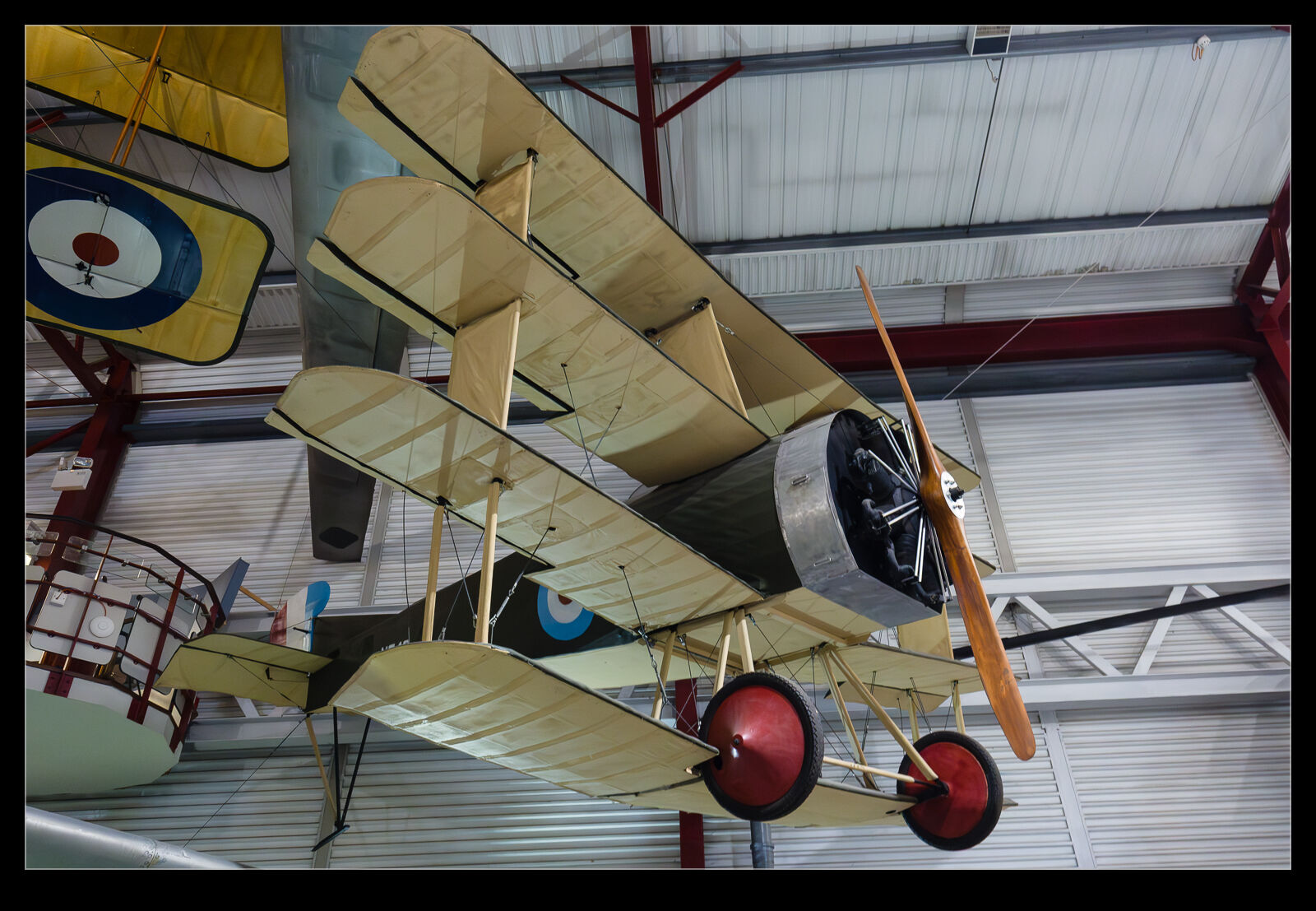 A unique aircraft is the Wight Quadroplane which was designed and built on the Isle of Wight, and which went through a few modifications before it ended up as a collection piece. Some other originals and replicas add to the collection along with engines. It is a great selection. I have also stuck in a couple of images of the non-aviation stuff. Outside is the fuselage of an old QinetiQ BAC1-11and I understand a TrIslander has been delivered but is not yet on display. I guess I’ll have to go back for that at some point. What a pleasant surprise on a dreary afternoon.
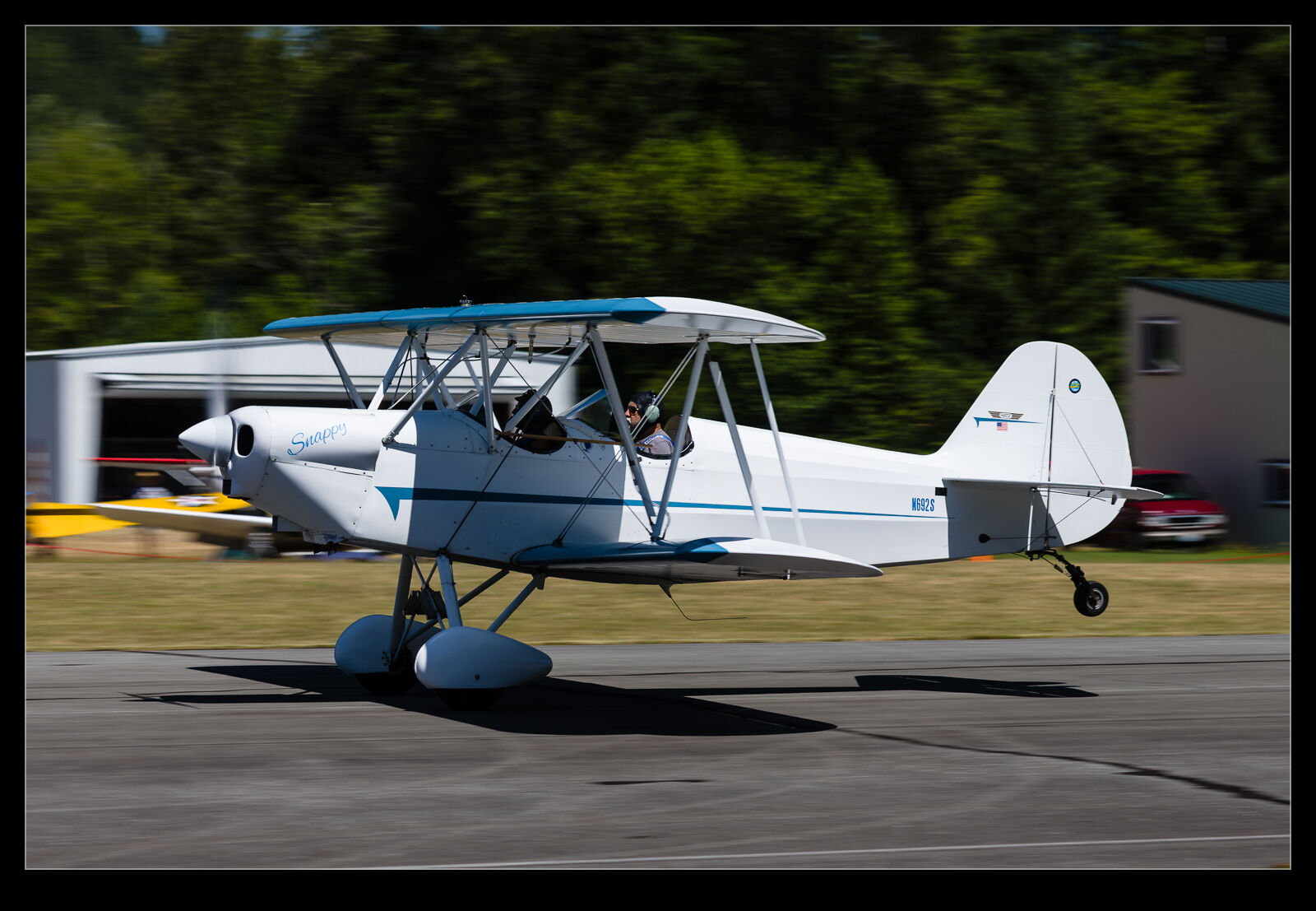
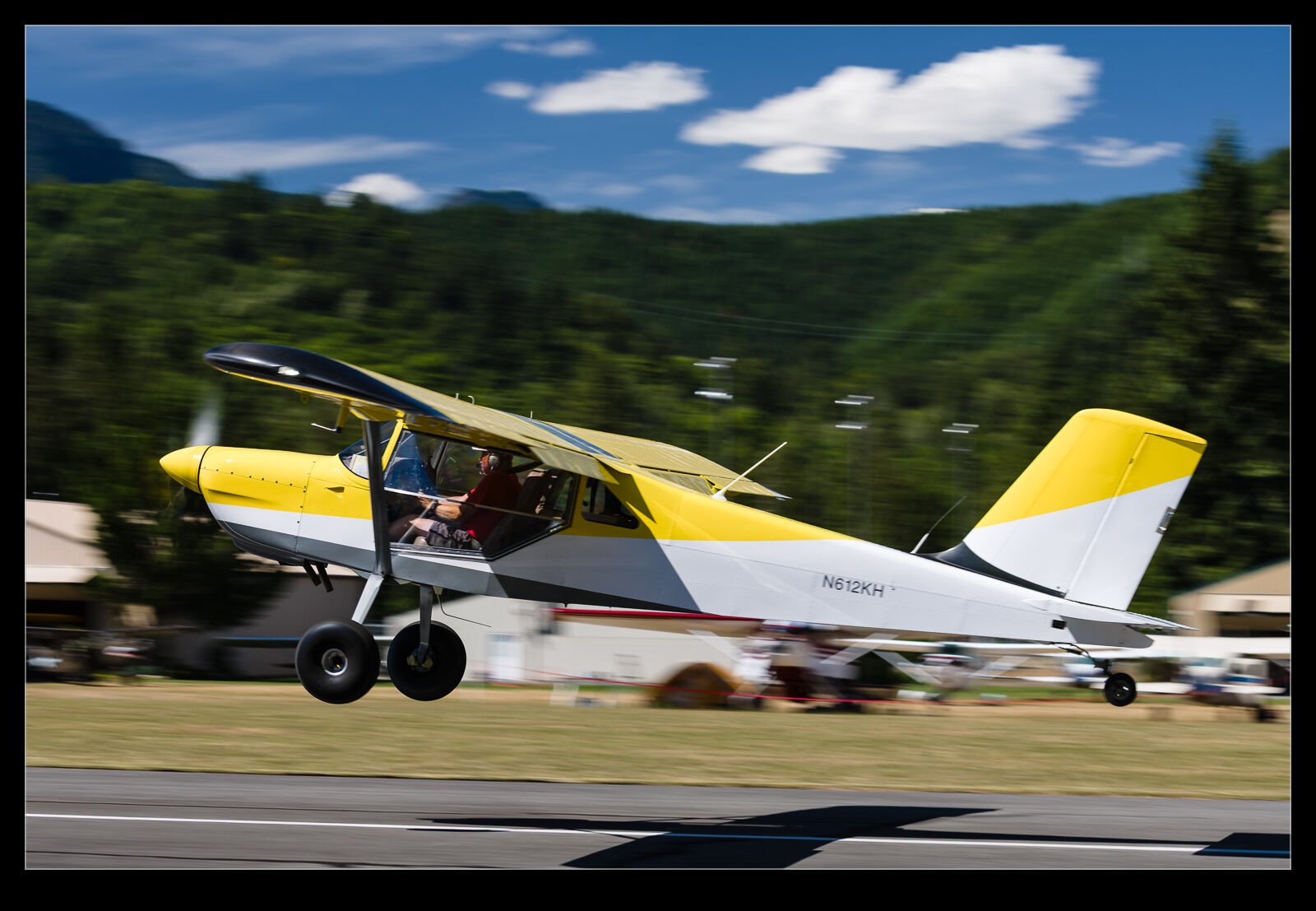
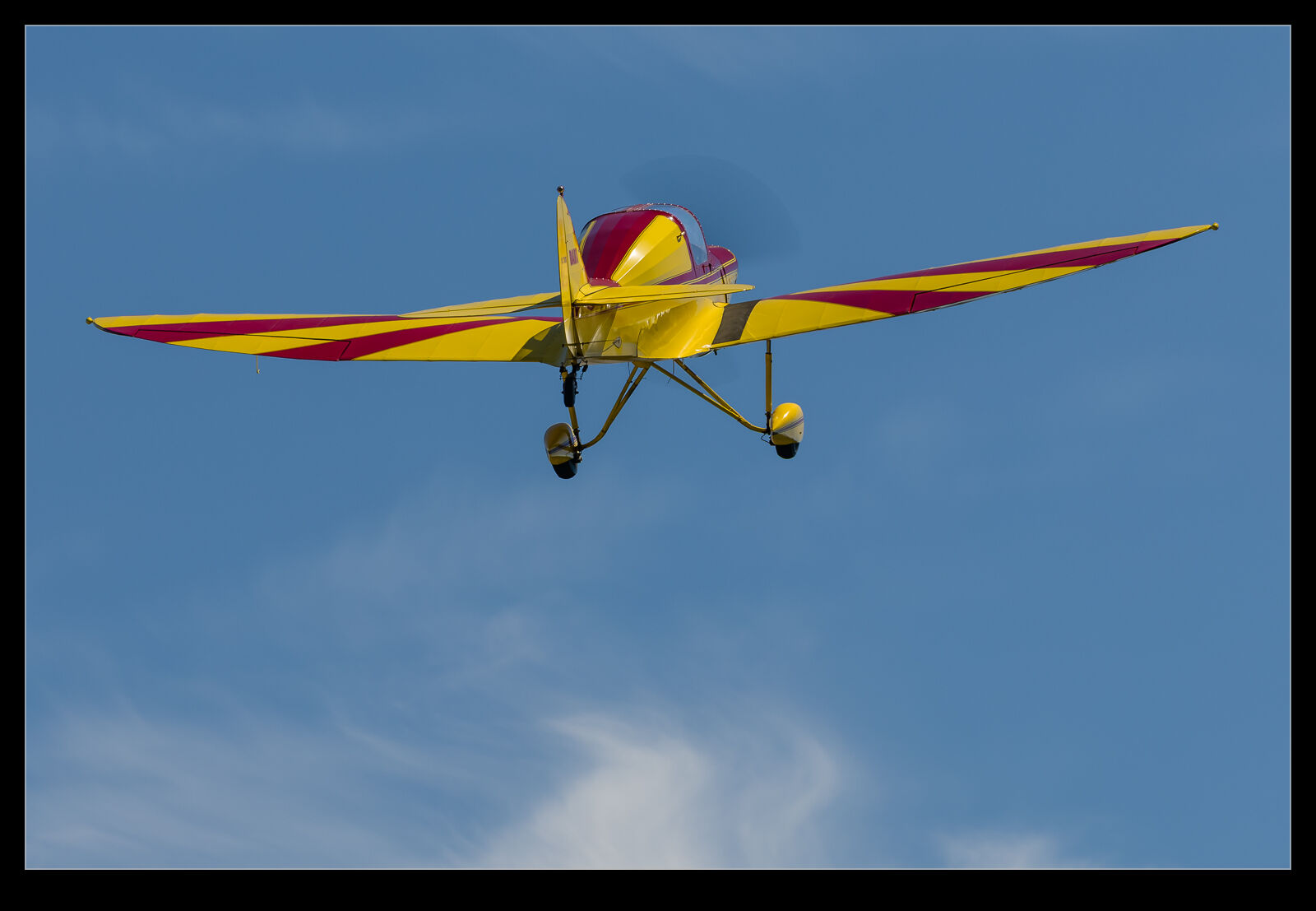
 I am going back to a previous fly in at Concrete for today’s post. I am not a specialist when it comes to the wide variety of light aircraft that are out there. I have friends that know them all really well, but my knowledge is more limited. It is fair to say that, over the 20 years I was in the US, I became a lot more familiar with some of the types. Probably true to say that about warbirds too. However, an event like Concrete would often bring in planes I knew nothing about.
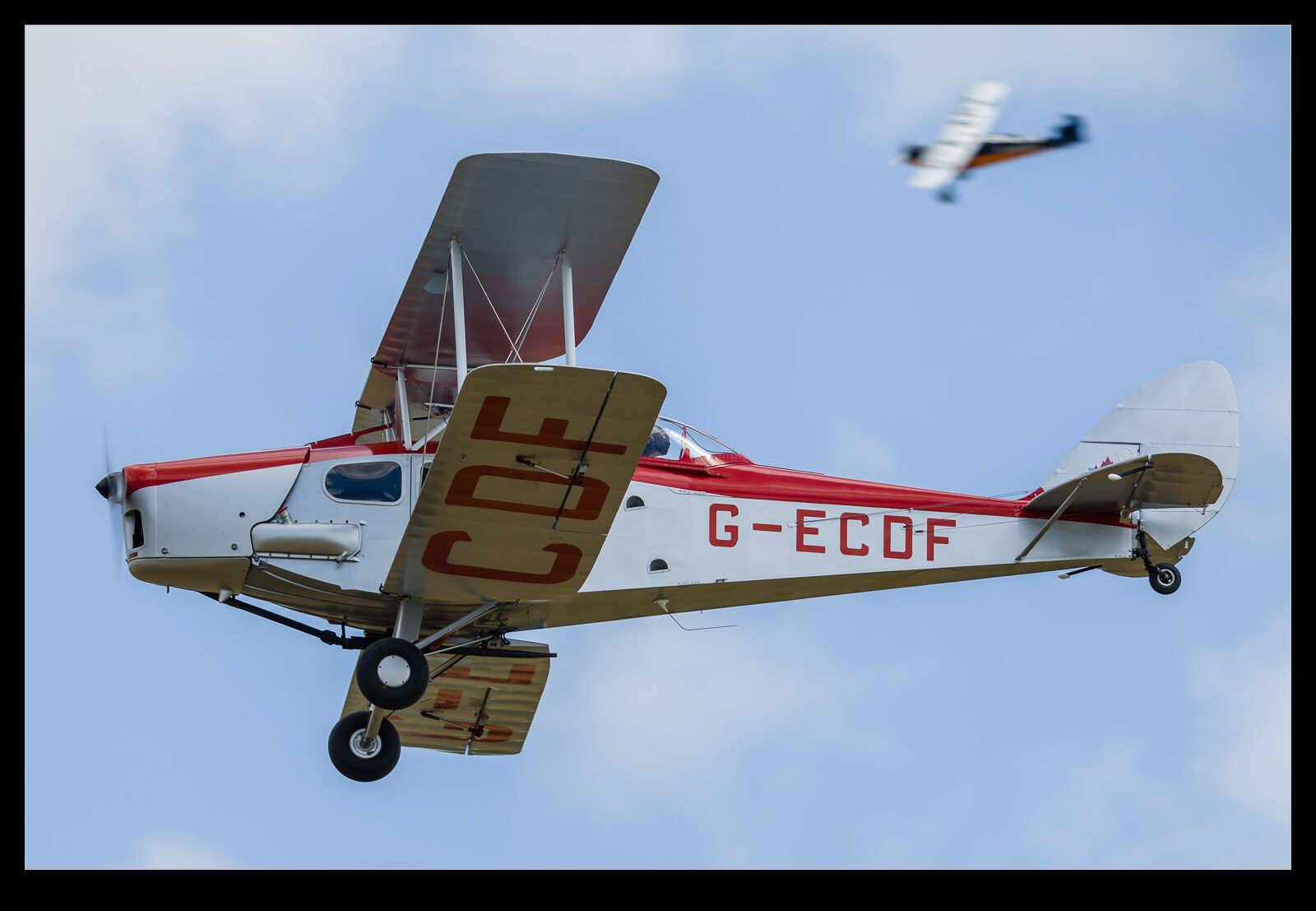
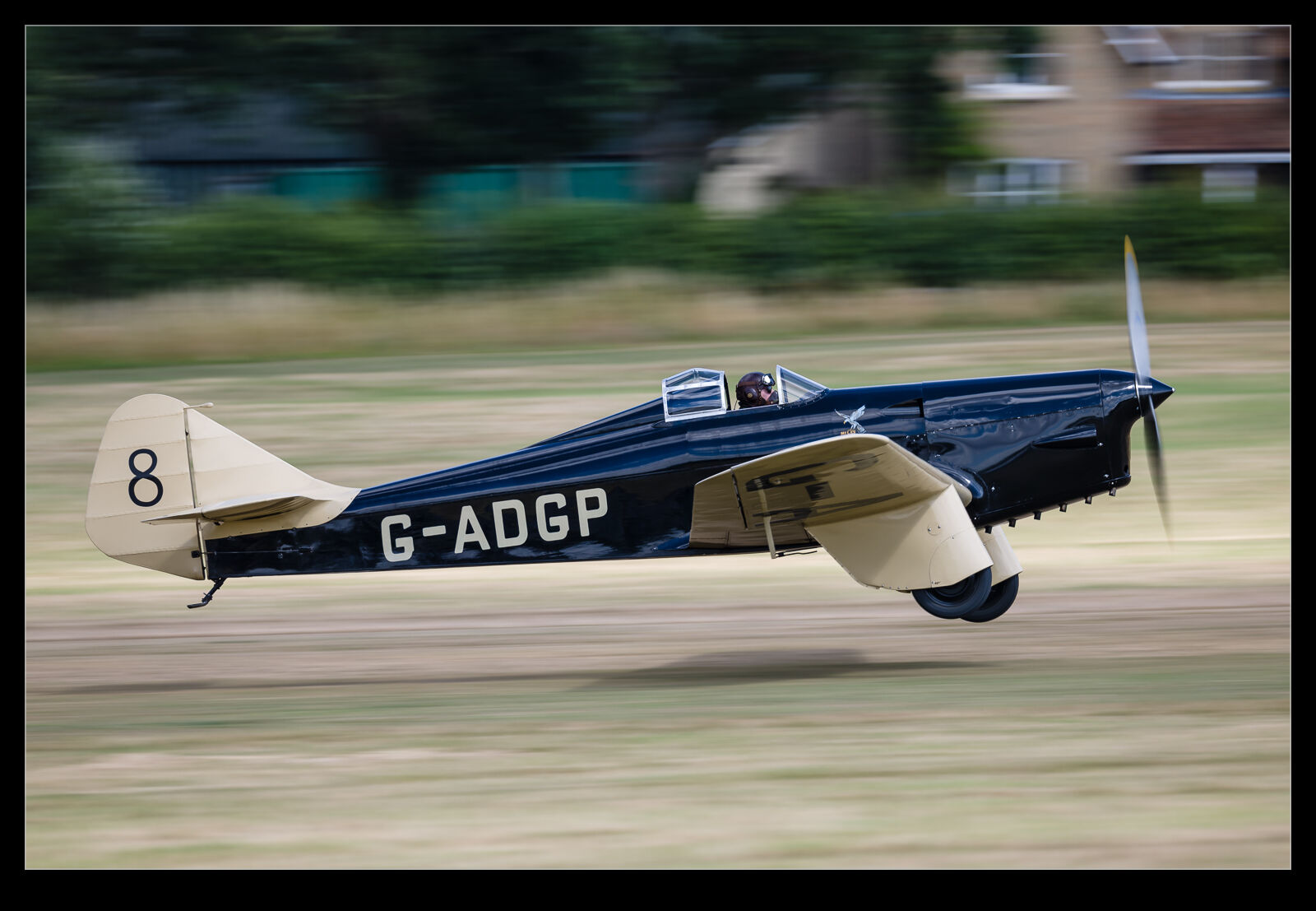
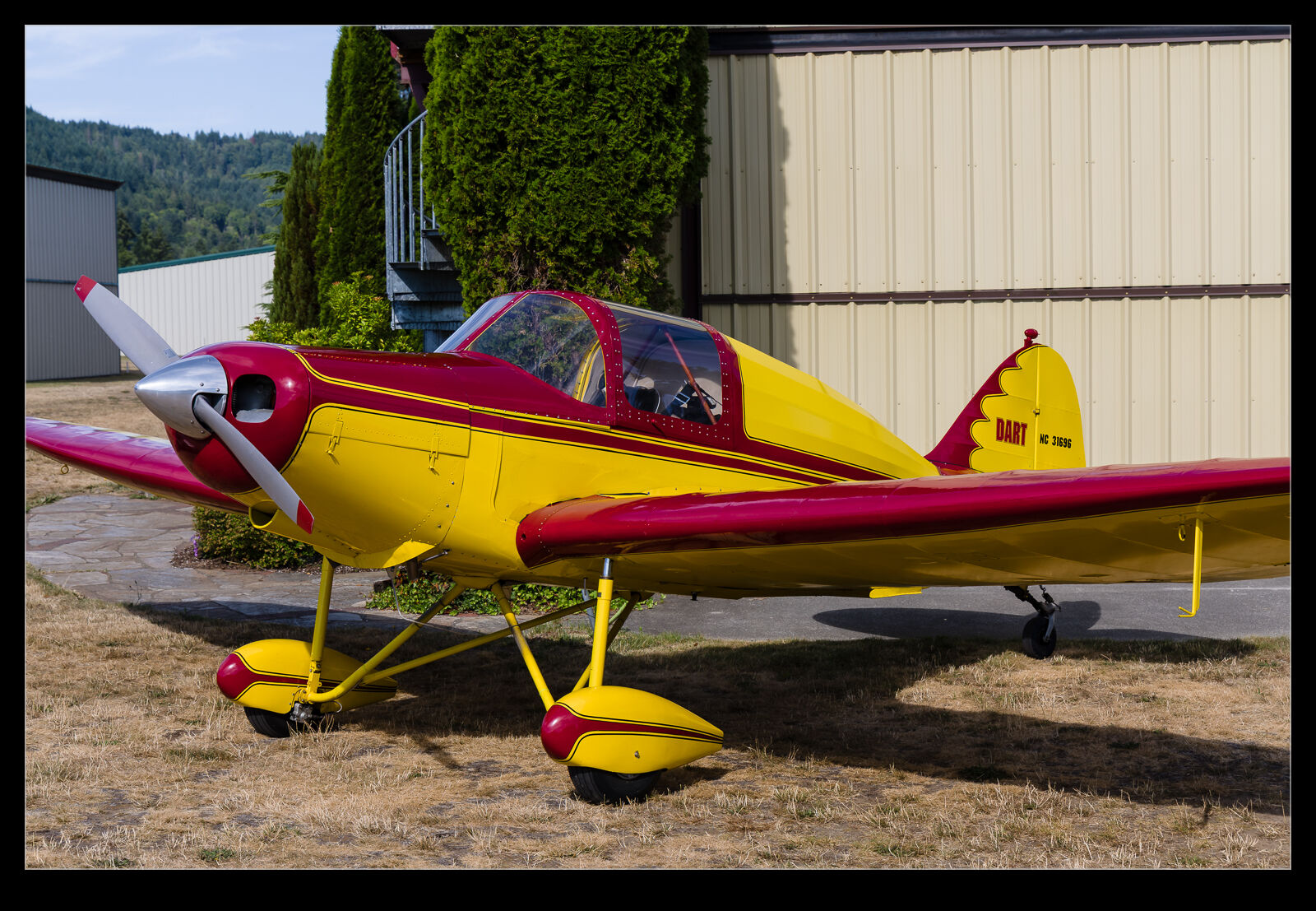
 In this selection of shots, there is a Dart and a pair of Highlanders. Probably some others that were a bit of an unknown for me. It still amazes me to go to an event and see an aircraft that I had no idea existed.