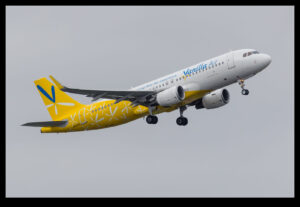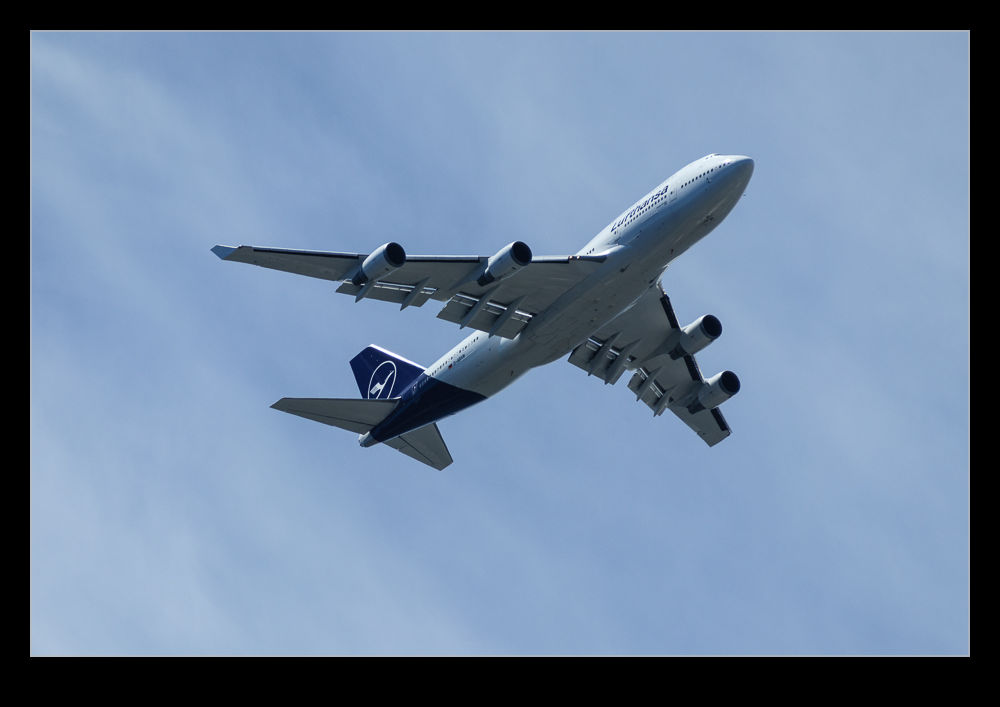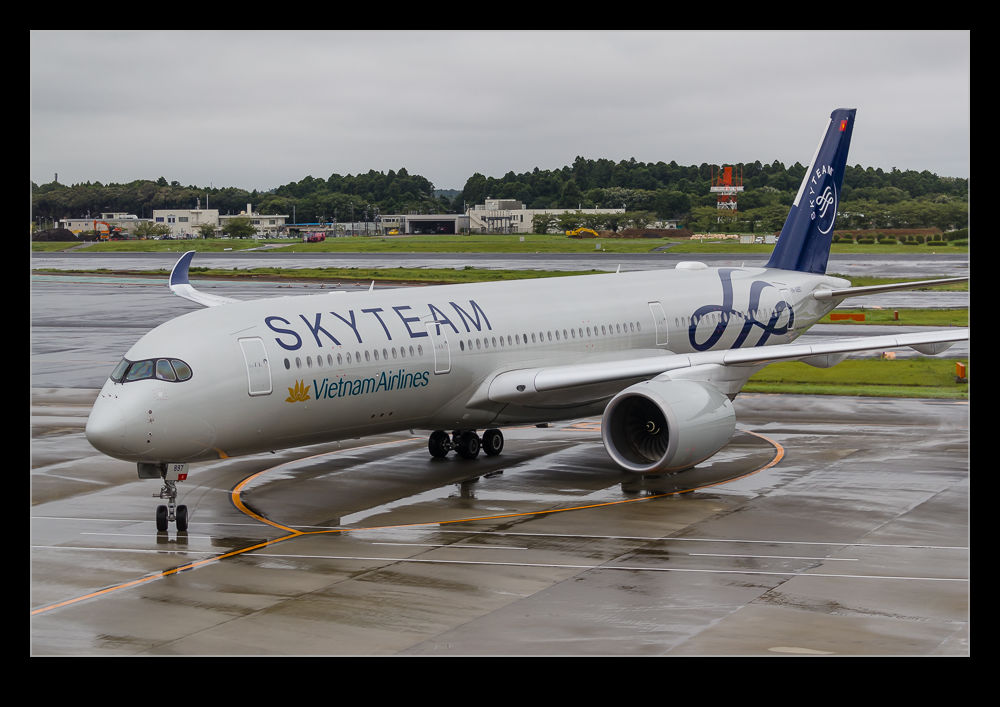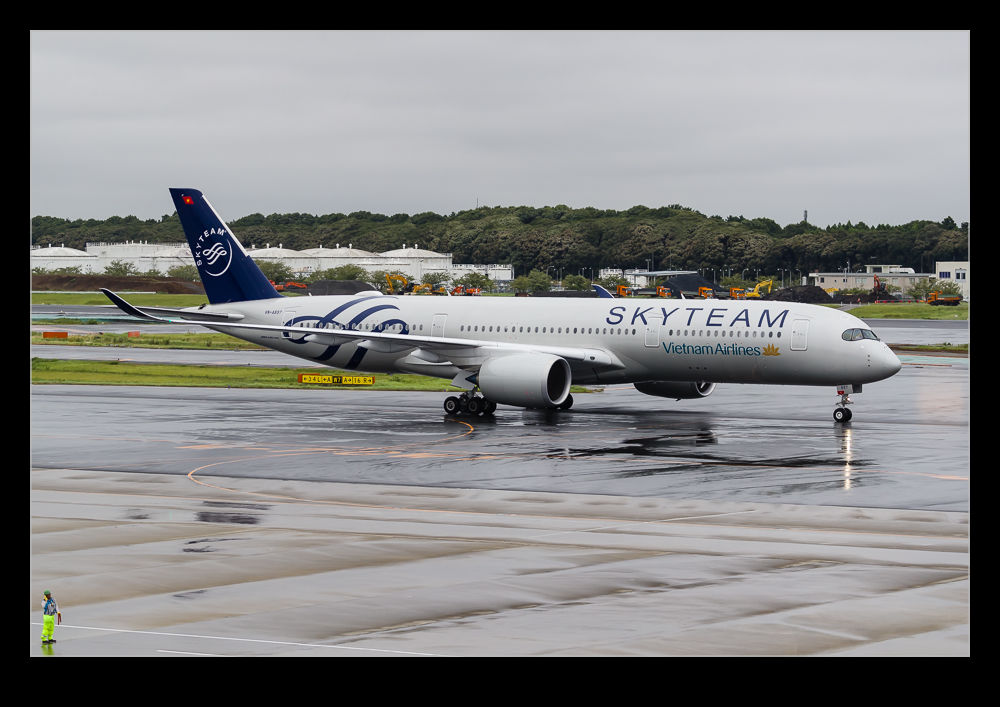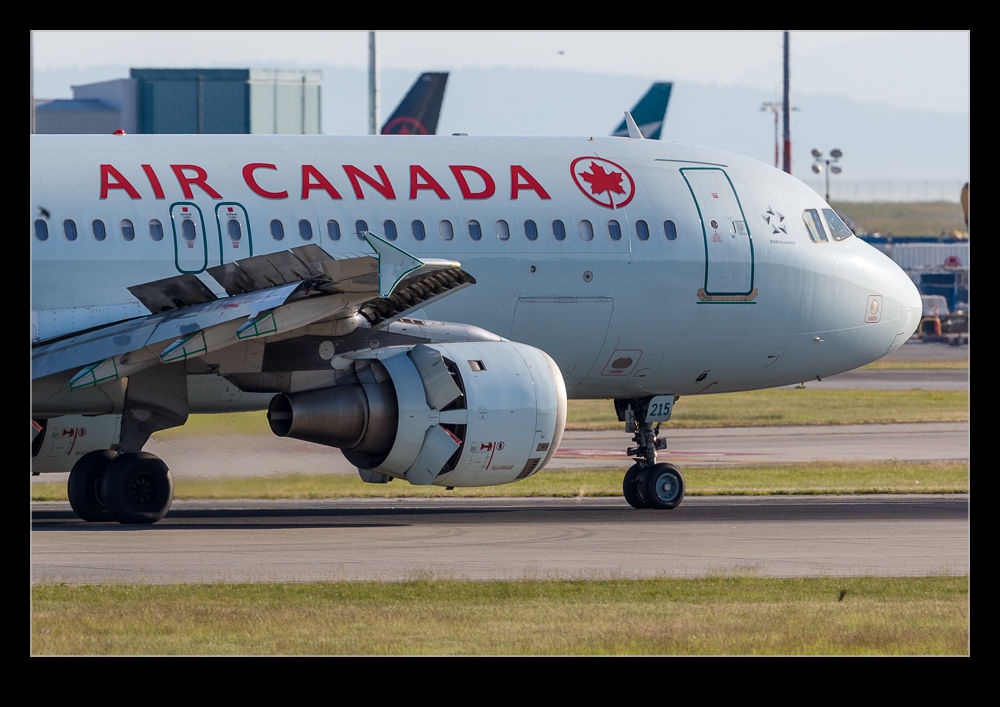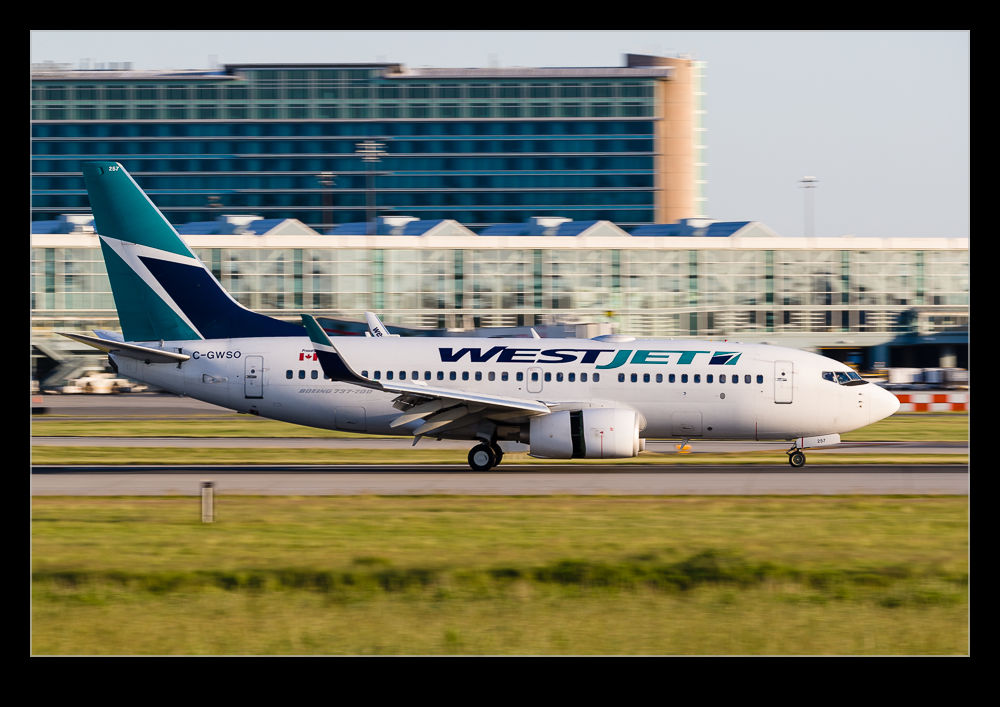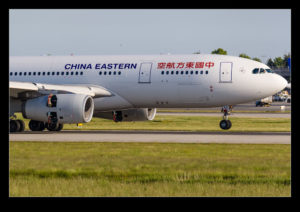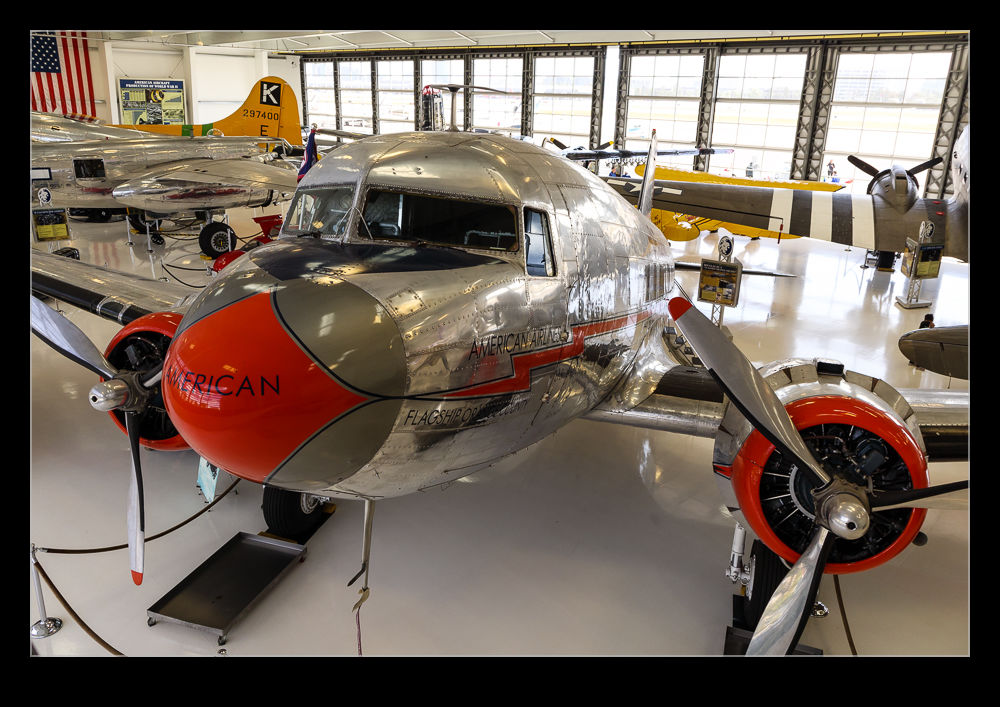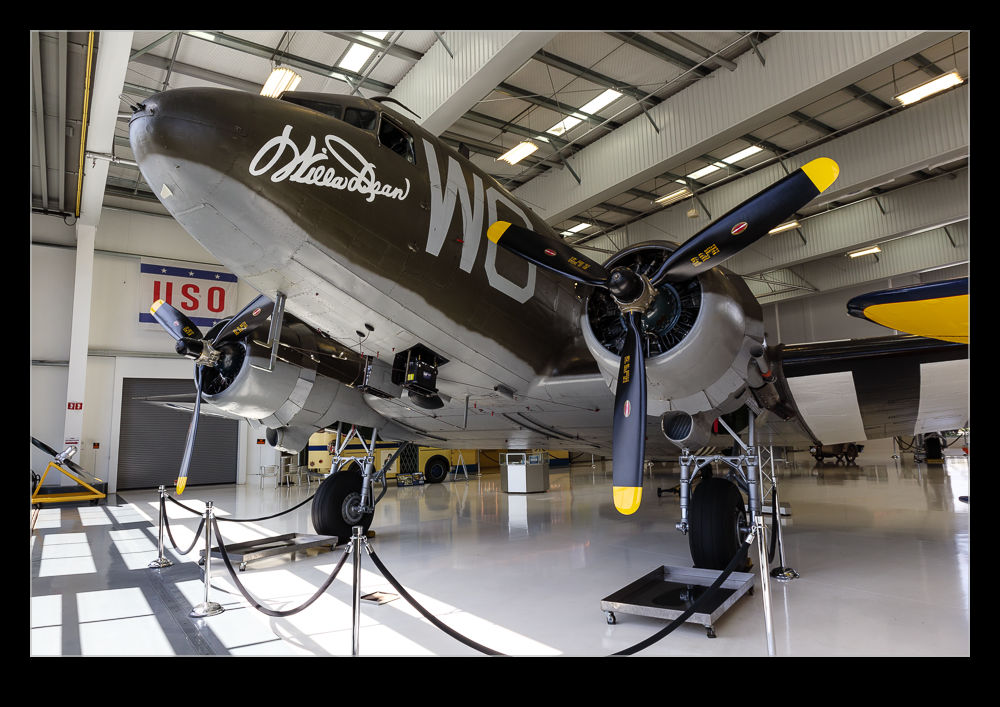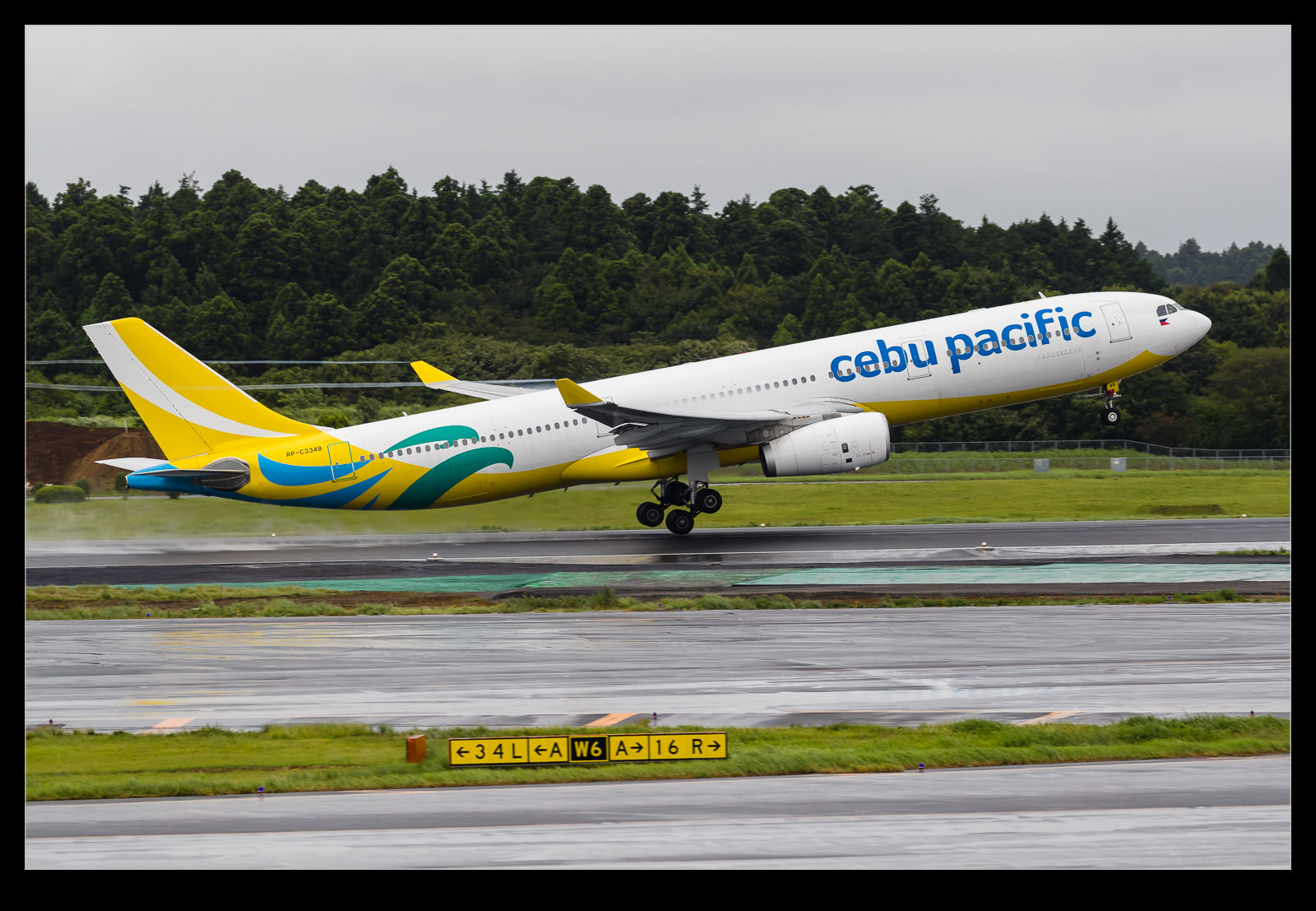
The BAe146 was a regular feature in the 90s. It was a popular regional jet with use both in Europe and the US. They were still in service when we moved to Chicago and I traveled on them on occasion. However, a four-engine jet became a bit dated and they have mostly been replaced in service with newer and more efficient types. Therefore, it was a pleasant surprise to see one show up at Vancouver. In their later iterations, they were renamed Avros to pay homage to one of BAe’s predecessor companies. They were basically just a tweaked 146 as far as I was concerned though. The new generation RJX made it to protype form but was cancelled before production. I guess the economics were just never going to be compelling.
Tag Archives: airliner
Lots of Wheels to Touch Down
The spot Mark introduced to me at Vancouver was good for touchdown shots. British Airways brings an A380 in each day so I was keen to get that landing. The landing shots included a lot of tire smoke as the wheels spun up but having something like an A380 means you have a few extra wheels and a lot more smoke, even if it is progressively given the configuration of the gear.
The size of the A380 makes it good at longer range if the conditions will allow. The background is getting busy as more buildings are added but you could get a clearer view further out with only the bridge for the Canada Line showing up. Swapping to the wider lens was necessary given the size of the jet. I know it is one that polarizes opinion but I quite like it and I definitely enjoyed flying on it.
Smoke the Tires and Make Them Shiny
I was photographing some evening arrivals at Vancouver and, as I went through the shots afterwards, I got to see some detail on the tires that I had not noticed before. The tires’ surface has a matt finish as you would expect of rubber. When they hit the runway they go from zero rotation to very fast rotation extremely quickly. The friction that causes this rapid run up scrubs a bit from the surface of the tire making the familiar smoke.

What I didn’t know is that the heat changes the appearance of the surface of the tires. They suddenly become very shiny. In these shots you can see wheels of a 777 just before and just after contact. Also there is a shot from an A321 where you can see some of the tires have touched down and others haven’t. Only with the low sum angle was this obvious.
A Couple of A350s (One is Closer Than the Other)
The A350 is becoming a lot more widespread now. China Airlines has been flying them in to Vancouver for a while. I actually shot one last year on approach but it was coming in from the sea on the opposite runway near sunset so it is a tiny spec in the distance! This time I got one coming in a bit closer. The sun was getting low so the conditions were turning into something very nice. I touched down right in front of me with the sun pretty much on the nose.
It wasn’t the only A350 that day. Lufthansa also operated one in but it arrived before I got across the border. It did depart while I was there but departures are from the opposite runway so it was a bit far away. Surprisingly, there wasn’t much distortion in the air and I was able to get a reasonable view of it although not something that would have much use. The fleet will only grow so there will be more opportunities to get the German jet.
Dreamlifter at the Other End
When planes are arriving at Paine Field from the north, I am usually up near Future of Flight. However, I was down at the south end when a Dreamlifter came in. They used the full length of the runway and turned on to the taxiway when they reached the end. This meant I got a good chance to shoot the plane from a place I had not done before. The weather was overcast which actually helped to show some of the textures associated with the modifications that the base 747-400 had received.
Don’t Float Too Long, I’m Using the Big Lens!
Mark had pointed me to a good spot at Vancouver for evening arrivals when the summer sun has come around more to the north. I trudged to the top of the “hill” lugging my gear with me as I didn’t know exactly what to expect and what lenses would work. Consequently, I brought a selection with me. It turned out that the 500 was good for a lot of shots but, once the jets got closer to me, it was too much. For a wide-body, it was definitely too much but a narrow-body was okay until after touchdown – usually! An Air Canada A321 in the new colors came down the approach but he flared a little high and floated. He was getting closer and closer and the viewfinder was rapidly filling. The touchdown of the wheels happened just before bits of the airframe were cut off. This shot is exactly as it came out of the camera. Good lesson for some of the later arrivals.
Max7 Number Two
The first Max7 test aircraft got a blog posting here but I have now seen the second in action too. I think I first saw it on the ramp at Renton but I didn’t see the registration so can’t be sure. Now it is engaged in testing and flying regularly out of Boeing Field. It actually departed as I pulled up, so I only got to watch it rather than get a shot. It was a bit overcast then anyway.
Later in the day it returned and this time the light was a lot more favorable. I have yet to be able to gauge it against a 700 series and see the increase in length but the bigger engines are pretty obvious. Still not a huge number of orders so we shall see whether it becomes a success but, in the meantime, we shall see them testing in the area for a while.
Concorde
Few would argue that Concorde is an elegant aircraft design. It may have had commercial limitations, but it never failed to be a head turner. Getting good shots of it when it was flying was not too difficult. One the ground it can still be a good subject but having it confined in a tight space does make things a little more tricky. The Museum of Flight’s example is in their covered annex across the street from the main museum. The annex has a great selection of aircraft but they are right up against each other.
I decided, after getting some shots on an initial visit, that I would try something a bit different and took a fisheye the next time I went. Concorde already has some interesting curves and a fisheye can either help of ruin them so some careful framing was required. I combined that with a 70-200 to crop in close and avoid the surrounding clutter. It was a fun experiment to see what you could achieve in a constrained environment.
Etihad 777-200LR in its Last Days
When Boeing developed its updates to the base versions of the 777, it came up with the higher capacity long range 300ER and a lower capacity but ultra long range version, the 200LR. The 300ER sold very well but the 200LR was more of a niche product and, while it sold, it never went in the same numbers as its larger sibling. Etihad was one of the customers but they have now decided they have no further use for the type and it is being retired. I was glad to catch one at LAX in the days running up to their retirement.
Eyebrow Windows Still Exist?
The 737 fuselage is closely tied to the previous generations of Boeing jets like the 707 and 727. It inherited the eyebrow windows above the main cockpit windows. These days, the controlled airspace has made the need for these while maneuvering a lot less. Current jets are built without them and many airlines have reduced maintenance costs by plugging them. I had assumed that they had gone away for most operators. Apparently not for Alaska! Walking through the terminal, I saw one jet with the eyebrows and was surprised. However, then I saw a bunch more so clearly this is still something Alaska see as valuable.