Tag Archives: aircraft

Davis Monthan AFB

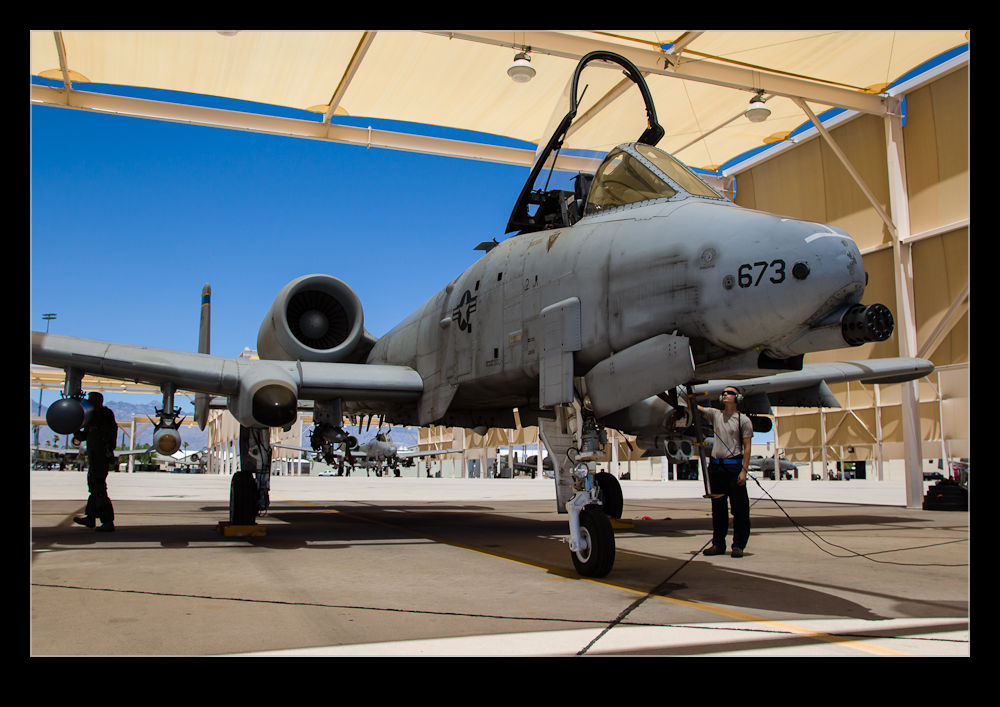
This year is the 40th anniversary of the first flight of the Fairchild A-10 Thunderbolt II or Warthog to most people.  Global Aviation Resource wanted to celebrate this event in the magazine so I headed off to Tucson Arizona to visit Davis Monthan AFB.  Well known for being home of the boneyard, DM is also the home of three A-10 squadrons.  Two are training units and the third is an operational squadron.
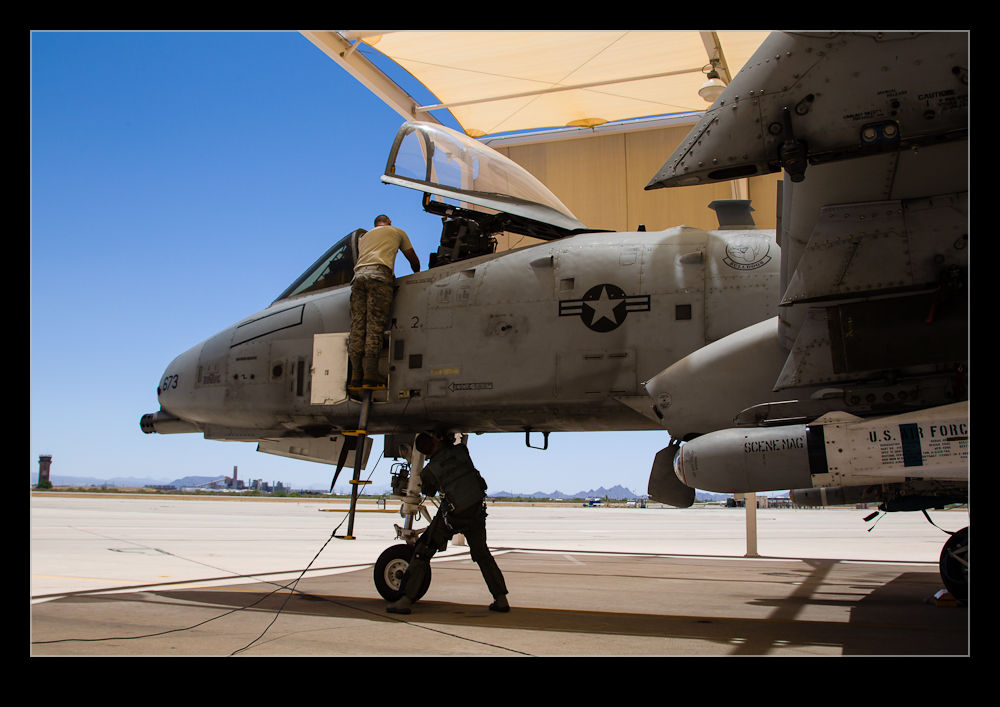
I was visiting both a training squadron and an operational unit to see he people train to fly the jet today as well as learn about how it is used today.  I have had a soft spot for the A-10 for as long as I can remember.  Visiting an A-10 unit is a treat for me.  This is still true even if it is 105F in Tucson while I am visiting!
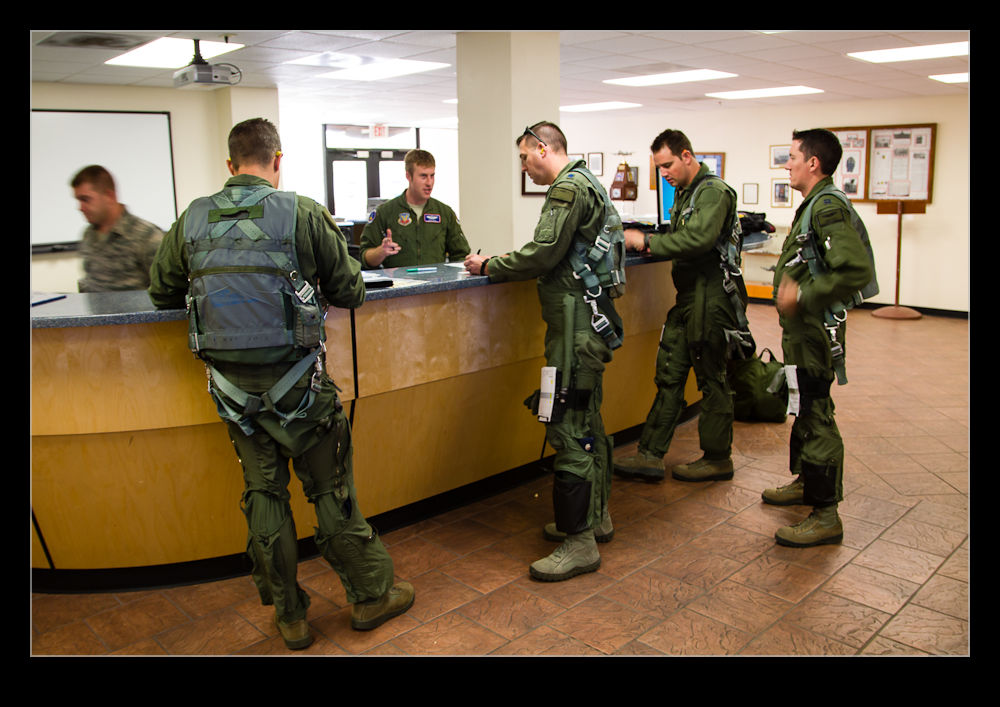
The team took great care of me while I was there.  I spent the morning with Major John “Tex” Lesho who is an instructor on the jet with a number of tours at different locations with the aircraft.  He gave me a great description about the aircraft and the training process as well as the changes that have been introduced in recent upgrades.  He also had some great stories as would be expected of someone who has been flying the jet a long time.  During the visit with him the opportunity was presented to head to the weapons ranges to watch the jets training.  However, this involved a long drive each way and would have taken up most of the day.  Since I was there to learn about the units, going to photograph the jets gunning the range couldn’t be done.  It would have been great to do and hopefully I will get another chance in the future.
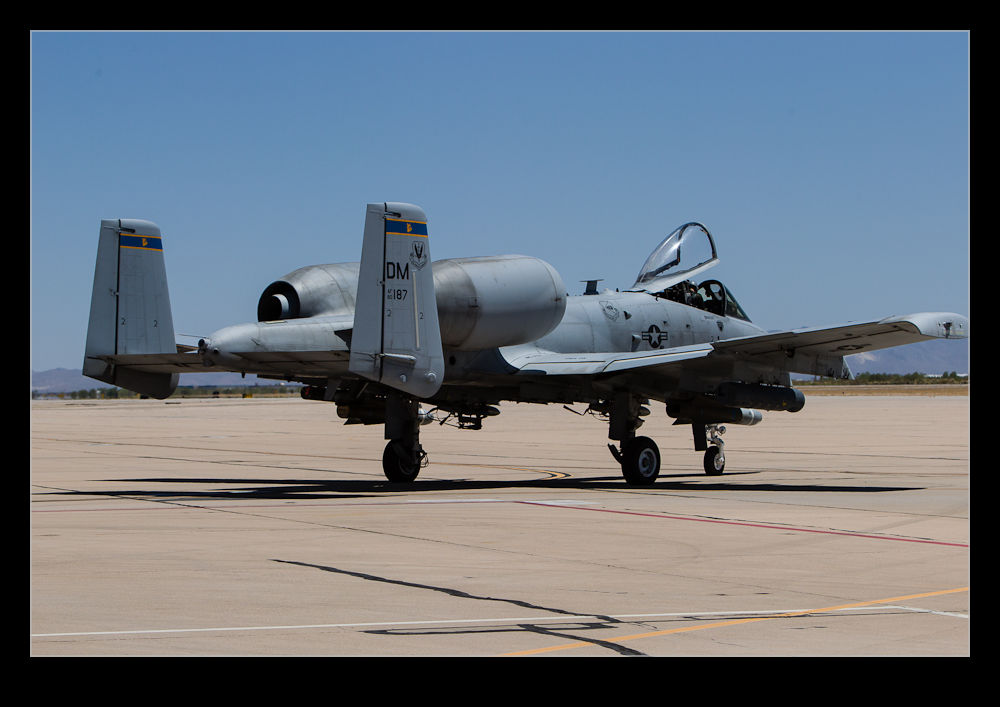
In the afternoon it was time to visit the operational squadron.  Beercan Collier was my host.  I mentioned Beercan in a previous post for those of you paying attention.  He gave me a rundown on how the unit works as well as the additional work he has with the Heritage Flight duties.  He then handed my off to a group of pilots who were getting ready to launch on a four ship mission.  We watched them sign out the jets and then head out for start up and launch.  They were very accommodating but I did make sure to stay out of the way.  Launching military jets does not happen quickly since there is a lot to do. You don’t just turn it on and go.  I made best use of the aircraft shelters during this to stay out of the sun.

Once they were launched, I managed to grab a shot of a VC-25 that was parked on the ramp before it was time to wrap up.  (Unfortunately, the VC-25 launched just as I drove off base and, while I scurried to find a spot to get a picture of it in flight, I was still driving up the road as it flew overhead. Oh well.)  My escort for the day, Sarah, did a great job of getting me where I wanted to be and I am grateful to here and everyone else for taking such good care of me.  The article is in the August edition of the magazine so go to www.globalaviationresource.com if you want to buy a copy.

WACO Reunion

I have previously mentioned that I am more interested in getting to events that are slightly more individual than the bigger airshows these days.  That also includes when I am trying to get material for the magazine together.  One such event was the WACO Reunion in Mount Vernon OH.  This was being covered for a piece that I was writing for Global Aviation Resource and will appear in an upcoming edition of the magazine.  Consequently, I am not going to preempt the magazine piece here.

Instead, this is more about the time I had while I was there rather than a description of the event and the organization.  I had been in contact with Andy Heins, president of the national WACO Club earlier in the year to make sure I could cover the event.  Andy told me what I needed to do to be there and then made himself available to tell me all about what was going on.  The event is a gathering of club members and their aircraft and is a very social event.  There is no flying display.  However, the members like to fly their aircraft and that is what they do.  The middle of the day is quite quiet but early in the morning and later in the day when the weather is a lot more calm is the time when people get in their planes and fly.
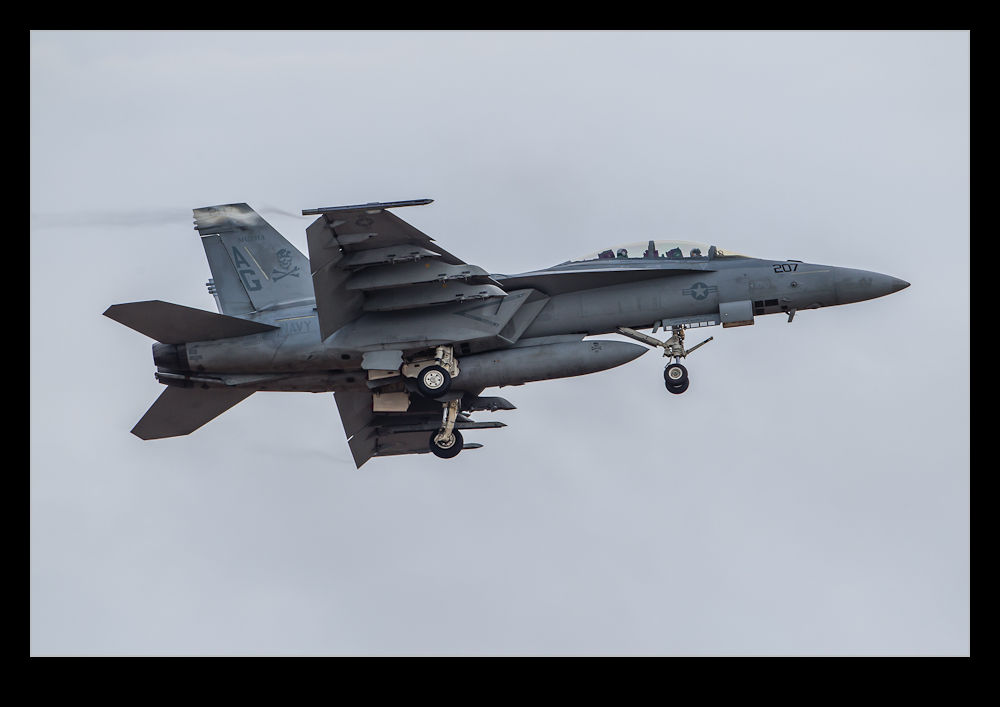
Fortunately, that also included me getting to fly too.  My first trip of the day was in a Citabria with Tim Ponds.  This was to get some aerial shots of the aircraft parked to illustrate the article.  Time was very accommodating and we got some video footage as well as stills of the site.  While we were up, Steve Thomas was flying his WACO and we arranged an impromptu shoot.  Normally I am not inclined to shoot air to air without a prior brief.  However, we kept it simple and straight and level and I was able to grab some good shots.  We also flew past the airfield and got a couple of shots with the aircraft parked in the background.

Then I got my first flight in a WACO when Susan Theodorelos took me up in her beautiful model RNF.  This is an open cockpit model with the pilot in the rear seat and a two seat space up front for the passengers.  I was on my own in this case so had some space to move.  A couple of other aircraft joined up for some formations and I was able to grab some shots of them at the same time.  Vibration was not too bad but keeping myself isolated from the airframe was tricky so getting good shots was a bit tricky.  However, I got some I was pleased with.

One technique thing I learned from these flights was focus activation.  I normally focus with the rear button on the camera rather than the shutter button.  This is fine in almost all circumstances.  However, when you are trying to shoot backwards at an odd angle, this is a lot harder to do and the shutter button becomes the best solution.  Swapping the configuration in flight (I hadn’t expected to shoot another aircraft when we first took off) wasn’t practical so some odd contortions were necessary.  Now I have added this config setting to my quick menu so I can make the change quickly if the situation should arise again.

Everyone at the flyin was very friendly.  Aviation never fails to amaze me with the way in which you can show up somewhere for the first time with nothing but a shared interest and be welcomed so quickly by people you have never met before.  The WACO people were a perfect example of this and I can’t thank them enough for their hospitality.  I hope to be back again for future reunions.  In the mean time, here is a little video that I got while there. Enjoy and don’t forget to buy the magazine when it comes out at www.globalaviationresource.com!

Rockford

Only a week after Janesville’s show (discussed here) came Rockford’s show.  Given that Rockford is about 20-30 miles south of Janesville, this must be a bit of feast or famine for the local aviation enthusiasts.  Rockford is a larger show and has a substantial static display but it does have some of the same performers as Janesville. It also adds some other bits and pieces too.  The only difficulty is that you are facing south so the lighting for photography is a little tricky.

The Thunderbirds were the headline act but the Black Diamond team was also on the bill.  Fortunately, they turned up with the full complement of aircraft this time.  This made for a far more interesting display and I did enjoy what they did.  It was just as well I saw them is this turned out to be one of the last times the full team appeared anywhere.  Apparently they have picked up a lot of work supporting military training and can no longer bring so many aircraft to a given show.  They will have a reduced number of L-39s at future events. Given my experience at Janesville with their reduced show, this will be a disappointment to many who were looking forward to their appearances.

Art was also present with the SHAR and the L-39.  Yet again my weather curse struck. Bright sunlight was present right up until he launched.  It was still there as he headed out for his opening pass.  Then the cloud came in just in time for his benefit pass so flat light again for me! Arghh!  One day I will get the shots I want of that lovely aircraft.

The flying display was a good mix but one of the high points for me was an unexpected extra.  A Boeing Dreamlifter was apparently in the area and performed a low approach a go around.  The crew brought the jet down to a very low height with gear and flaps down and then maintained that height along a substantial portion of the runway before powering off again.  Not something that will be seen at too many shows I am sure and I am glad to have caught it.  I have seen the jet on the ground a couple of times but this was the first time I saw it in flight.

The team at Rockford really work hard at getting a diverse selection of aircraft into the static display and this year was no exception.  The ramp was full of jets from many operators and locations.  Since I was in before the gates opened to the public, I got a good chance to see what was on display and catch up with the some of the crews.  It also helped to be able to get some shots before the sun got too high and made the light so harsh.  This is an issue during the show since heat haze becomes a problem quite quickly so getting shots of anything to far away becomes impractical.  However, there is nothing anyone can do about that so you have to do what you can.  It was an enjoyable show and a credit to the organizing team.  I know some people had issues with parking and getting away but I didn’t have any unusual in that regard so maybe I was just lucky.

More Tucson Exploration

While the majority of my time at Tucson International was spent chasing F-16s, there is a lot more going on at the airfield.  This part of the world is popular for aircraft storage as a result of the dry conditions that don’t encourage corrosion.  The reason that Davis Monthan AFB has the boneyard is because of this and Marana is just up the road and also stores lots of aircraft.

Tucson seems to have a few things stored but there seems to be more of a focus on reworking aircraft that have left an operator or breaking down planes for parts.  Over on the southwest side of the field seem to be a bunch of planes so I drove over to take a look and see what I could find.

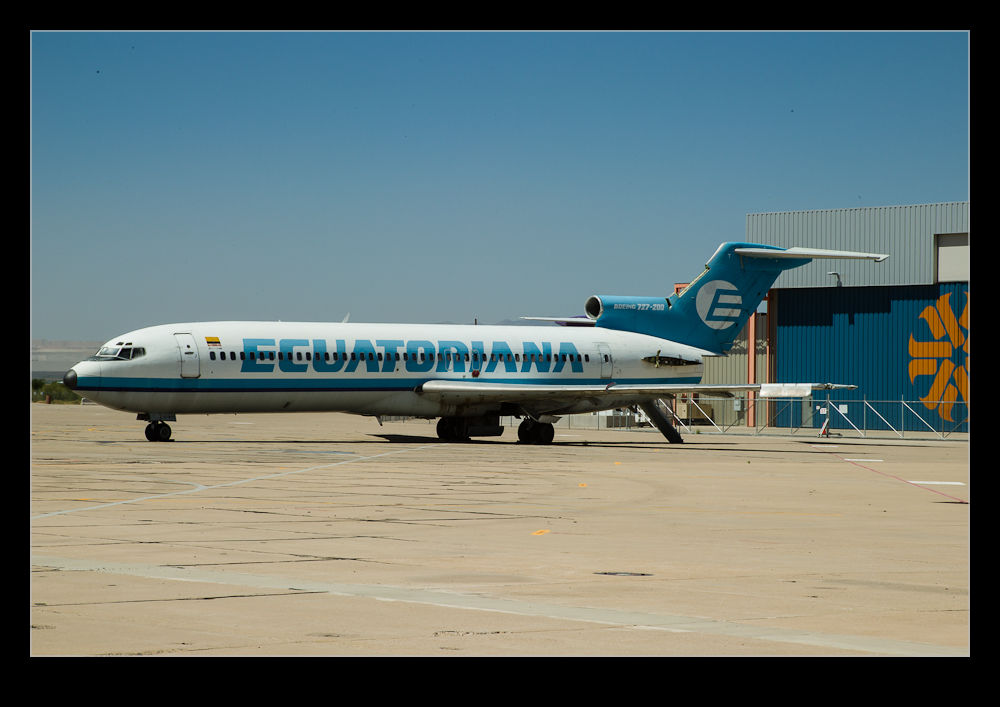
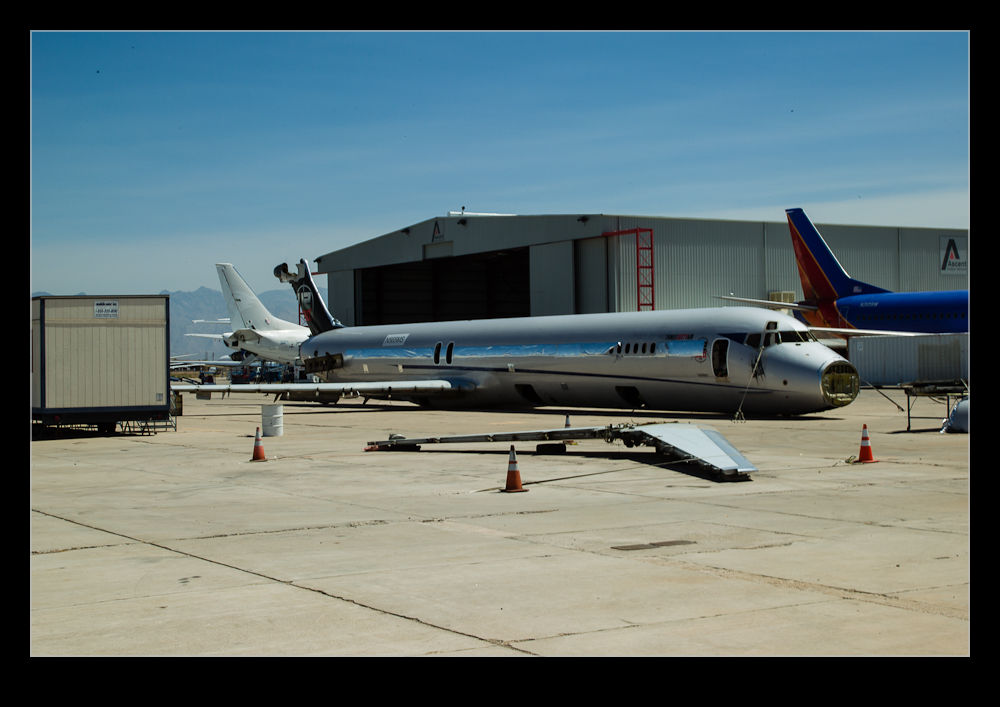
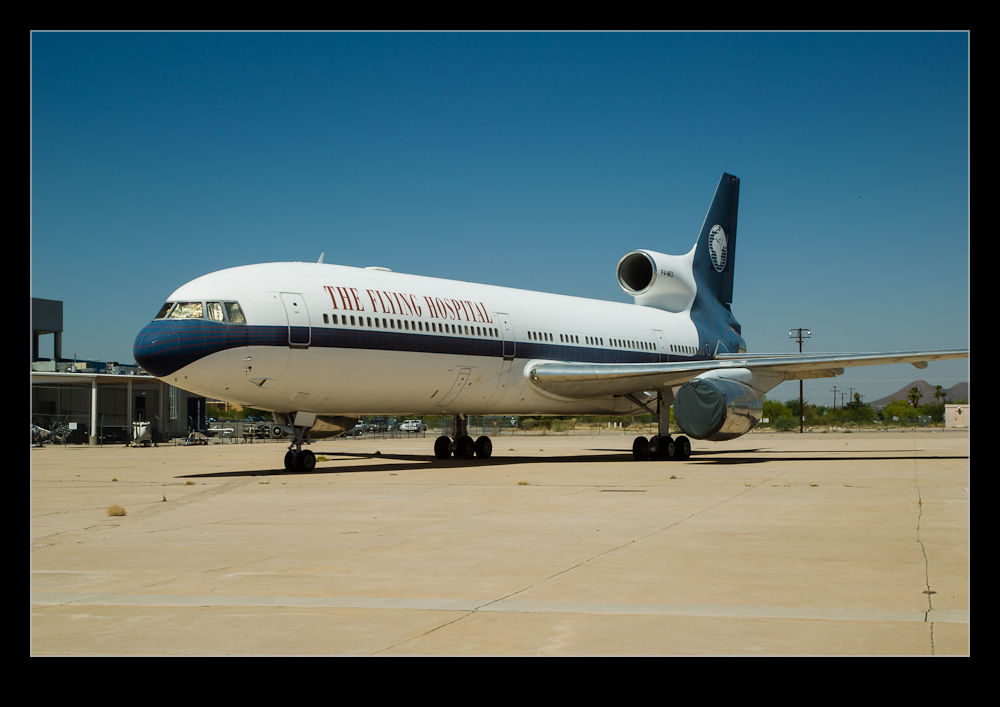
There are quite a few aircraft in various states over there.  A bunch of ex-Southwest 737s seemed to be going through the process of rework.  Whether they are going back to the fleet or heading off to pastures new I don’t know.  I also came across the fuselage of an MD-80 which appears to have been part of a U2 tour prior to its demise.  I particularly liked an L-1011 TriStar that was on one ramp.  I assumed it was disused but it does appear to be in better shape than something that hasn’t flown for a long time.  Who knows.  They are a rare beast these days so let’s hope it is still flying occasionally.

Tucson F-16s

I recently was in Tucson AZ for a piece I was working on for the magazine.  Since that is yet to be public, I will have to hold off on putting anything from the visit on here.  However, I did have a morning free before my flight home and decided to check out the F-16 operations that take place at Tucson’s international airport.  I hadn’t visited the airport before so I checked in with my friend Jay to find out what the options are for shooting at the field.

Jay gave me some suggestions on locations as well as the times of day that things are likely to happen.  This was focused on first thing in the morning since it is a little warm in Tucson at this time of year.  105F is not just uncomfortable to be out and about in but it does cause lots of heat haze issues which makes for tricky shooting conditions.  Besides, I did have a plane to catch.

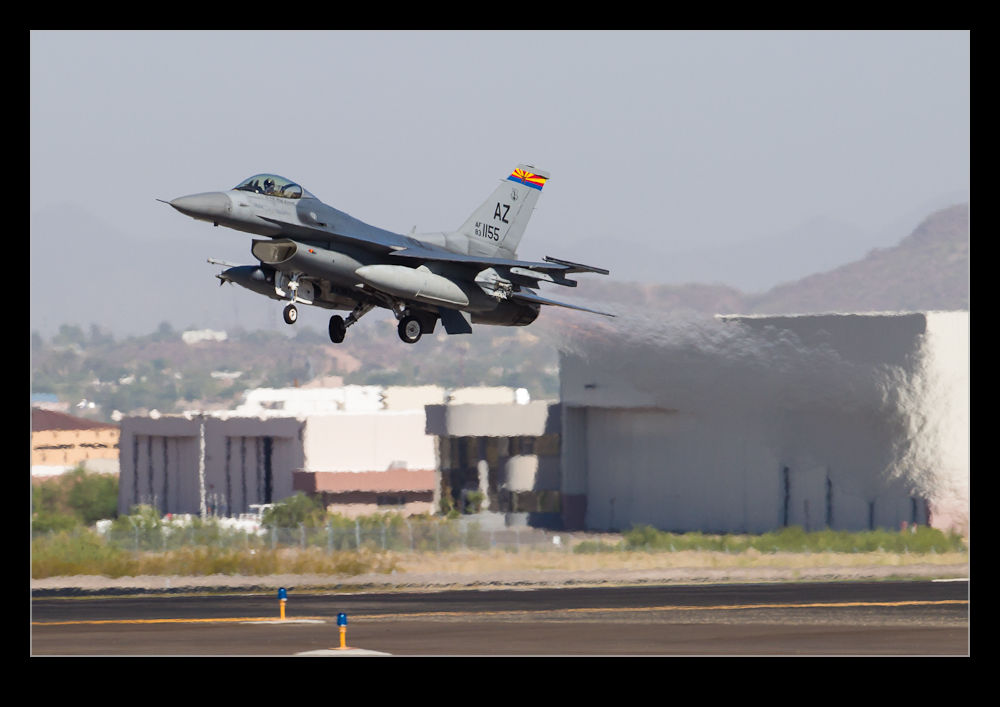
I got the the departure end of things and the timing of the first wave of F-16s was pretty much as predicted.  While you have a good view of the aircraft on their takeoff run, most shots before they get close are pointless since the heat haze is very strong.  That didn’t stop me trying some of course.  However, there are a lot of shots of that type that did not make it through the first cull of bad images!

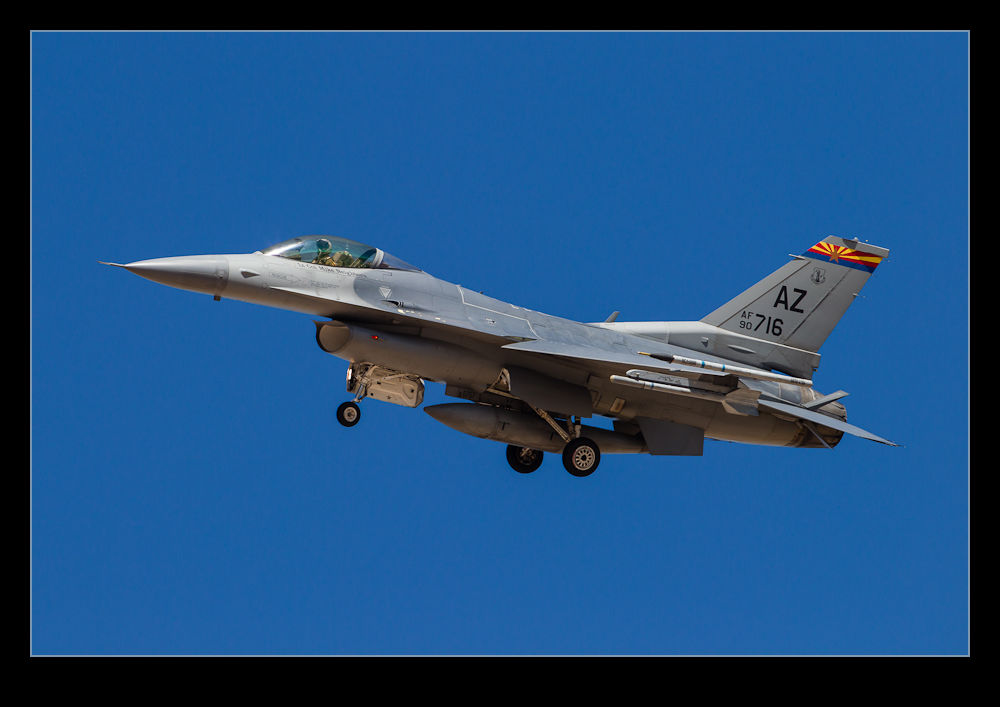
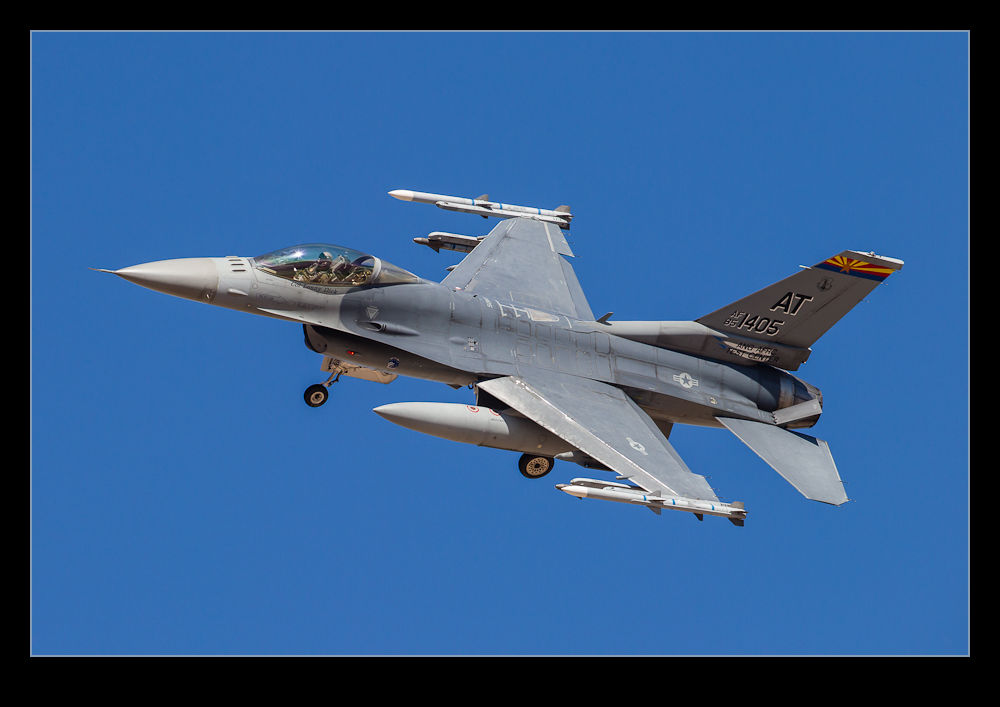
With the first wave away, I moved to the other end of the field to get the recoveries.  Not only was Jay’s suggestion well placed for getting the aircraft as they came in but it also provided a measure of shelter from the sun.  This was very welcome.  Depending on the pilots, the jets turn in very close to you and provide a nice angle that you don’t often get.  Some pilots turned a lot further out although I did notice one jet which was a two seater do that on its first pass and it was a lot tighter on the second pass.  i wonder what the conversation was like in that jet.

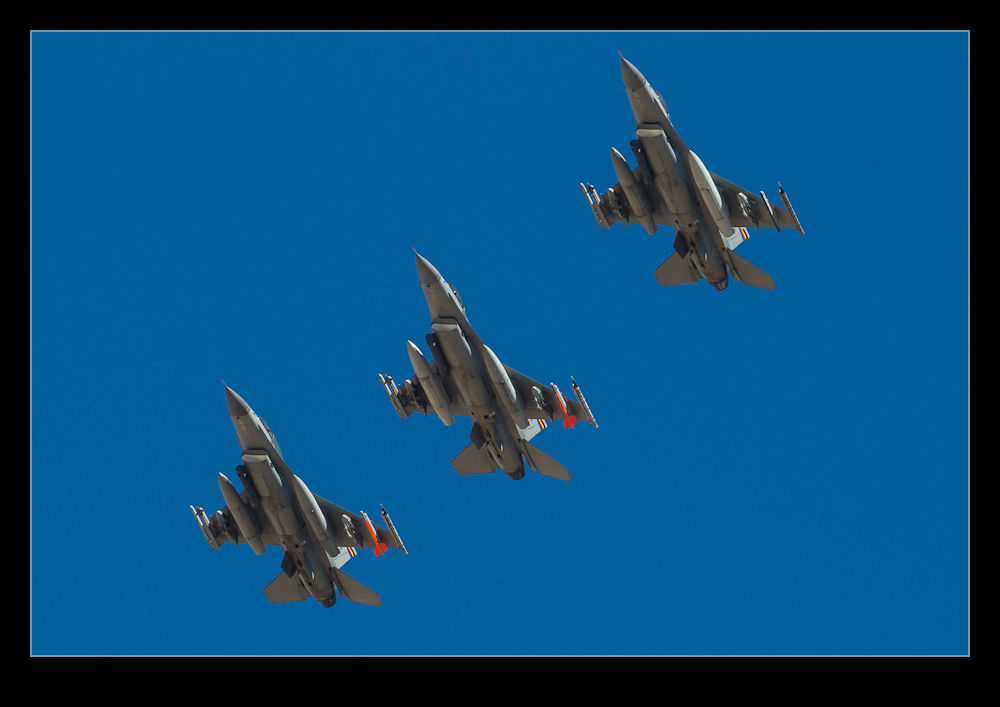
I got the recoveries of the jets that had launched earlier along with a few civilian arrivals before deciding that it was too warm.  Then I did a little exploration around the field but that will be a different post!


Virginia Air Power Park

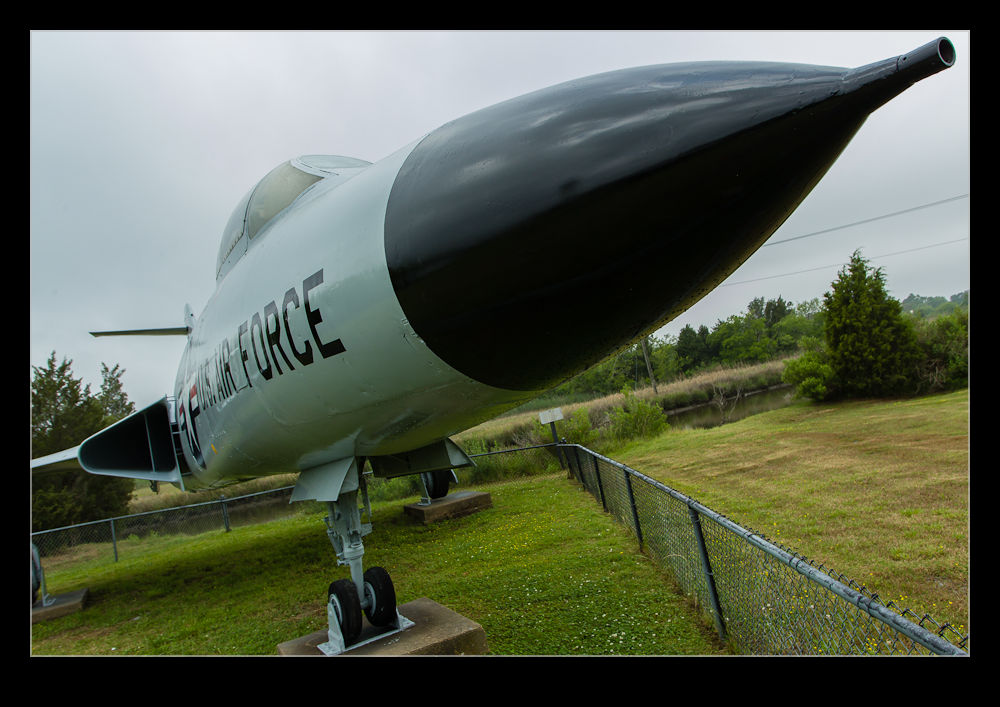
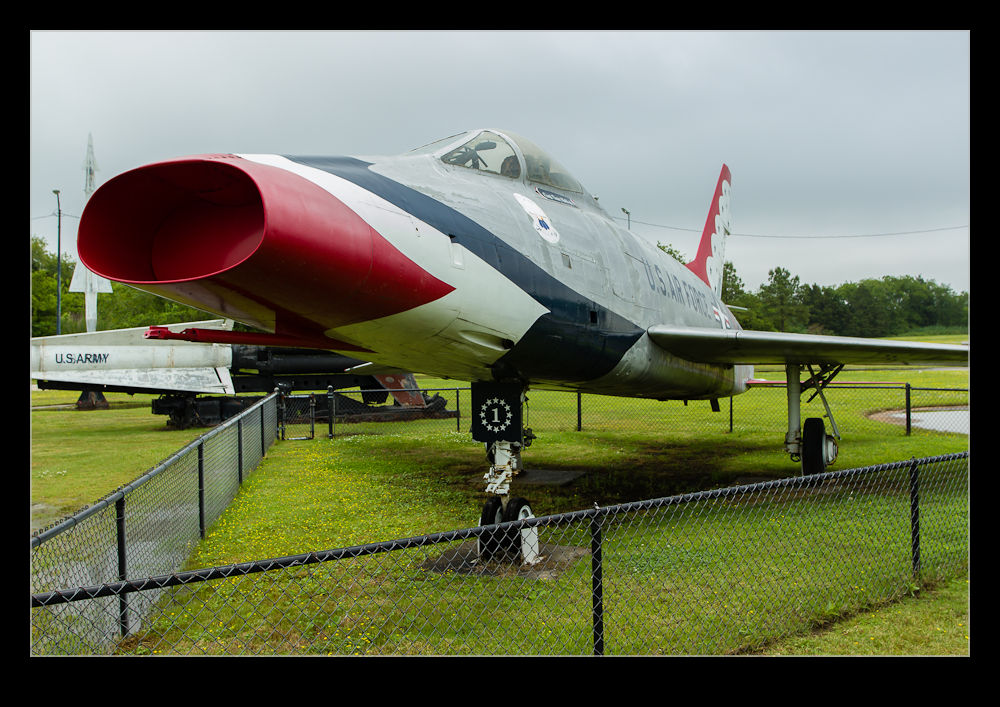
Just down the road from the Virginia Air and Space Museum is the Virginia Air Power Park.  This has some similarities to the Air and Space Museum and some differences.  First, since it is also close to the Air Force and NASA facilities, it shares the access to some interesting exhibits.  Therefore, there are some very interesting aircraft on display.  This includes an XV-6 Kestrel from NASA, just like the Air and Space Museum.  Strange that such a rare aircraft should have two on display in such close proximity!

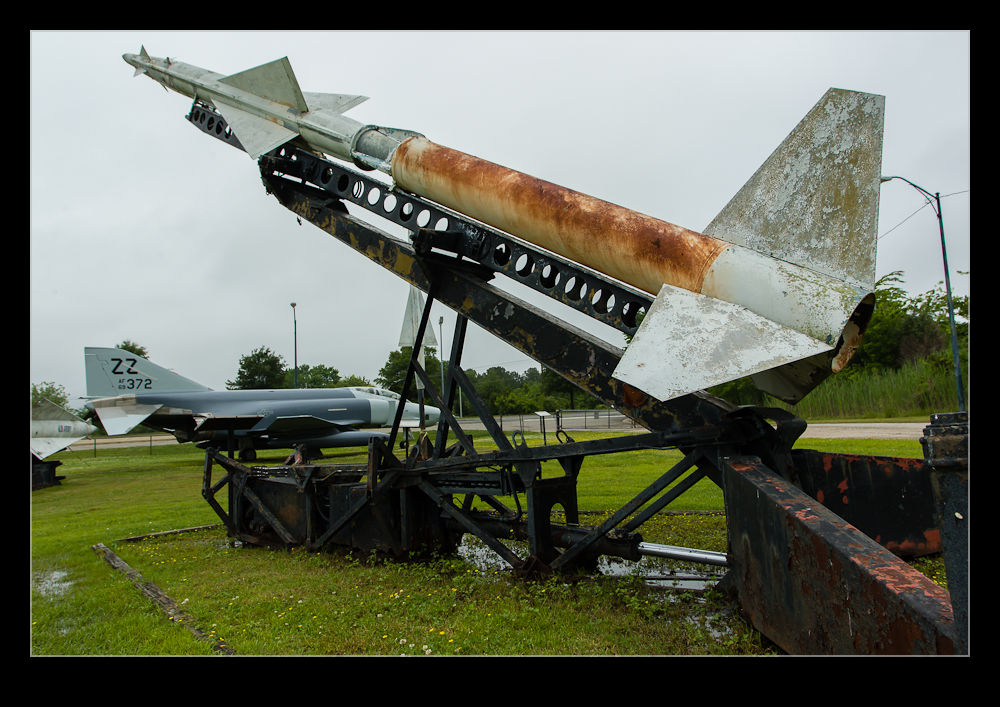
The differences are more pronounced.  It is an outdoor exhibition and decidedly less glamorous.  Getting funding to look after the aircraft is a continuing issue for the team there and they are working hard at it.  Some of the aircraft are repainted but others a in need of a new coat when they can get it.  Since everything is outdoors, I imagine that the preservation task is a more difficult one.  We were there on a rather grey day.  It had been raining heavily and was still cloudy and dull while we were there.  Some of the aircraft were standing in large puddles which can’t be good for them.

None of this is meant to be critical of the team.  That they are doing what they can to keep these aircraft on display is great but it must be a struggle to make sure that they are not going to rot away.  Not only are there aircraft but also some interesting missile and some rockets from the space program’s test activities.  They also have some capsule hardware from test activities.

There is a building at the park as well which currently contains a wide selection of models of different aircraft, ships and spacecraft.  Again, if you are passing by, I would recommend you pay it a visit but you might need to make sure you have some shoes that don’t mind puddles!

Virginia Air and Space Museum

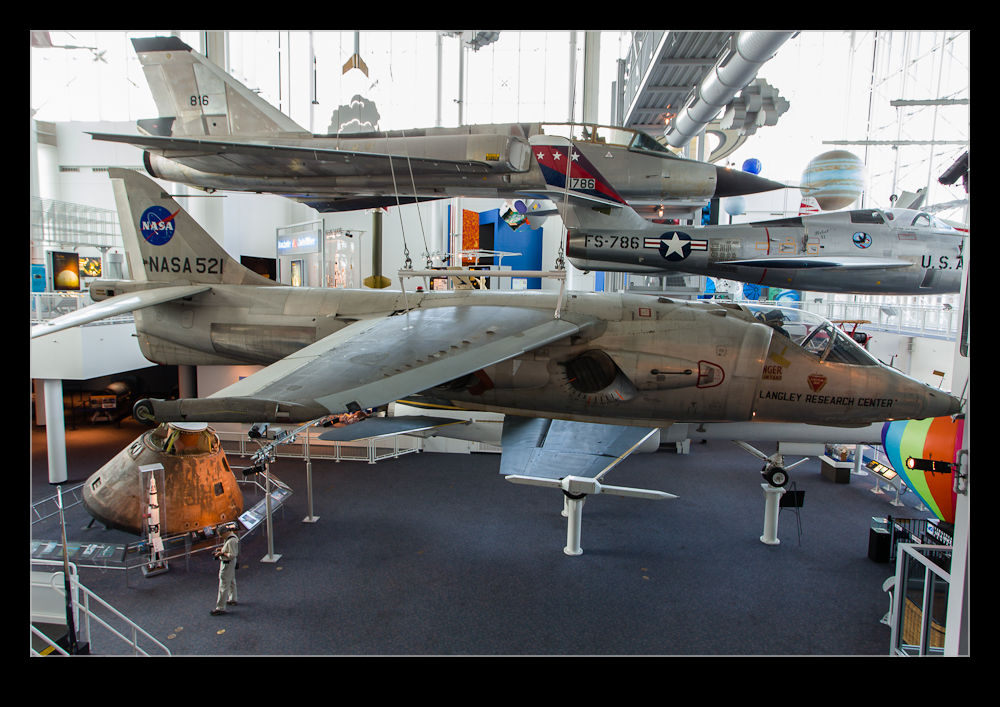
Located in Hampton Virginia is the Virginia Air and Space Museum.  Hayman and I checked it out as part of our tour of local museums.  I had been warned by Liza that everything inside was pretty crowded and she certainly wasn’t wrong about that but more of that later.  The museum is a very modern looking facility with glazing at both end walls allowing lots of light inside.  That also makes for a few problems with the levels of contrast between parts of the building but I doubt they planned it based on the needs of photographers!

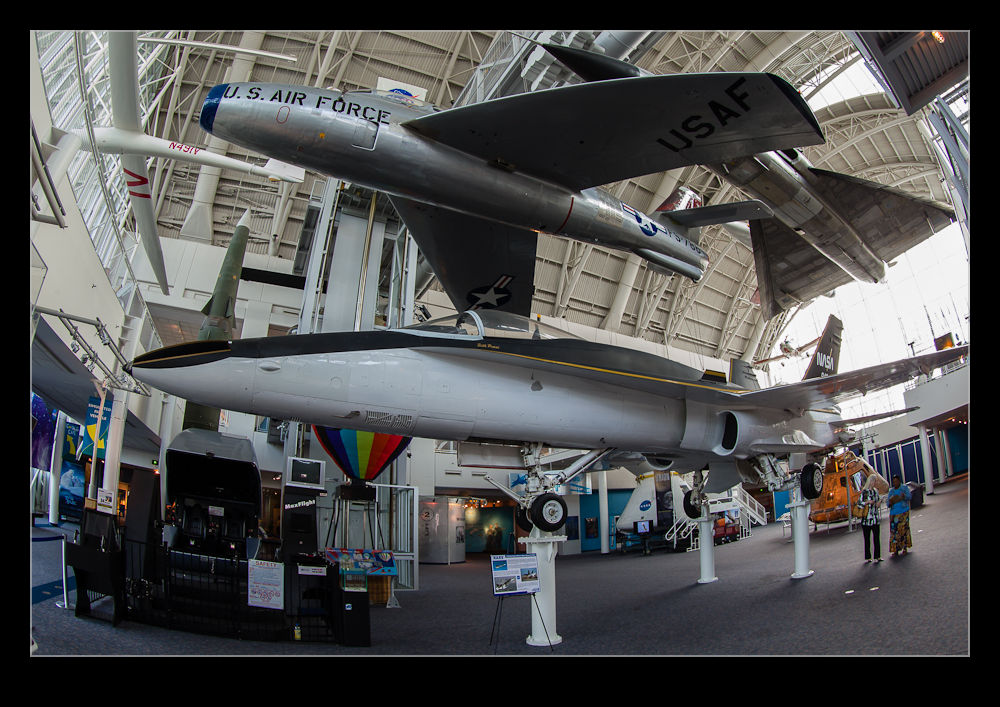
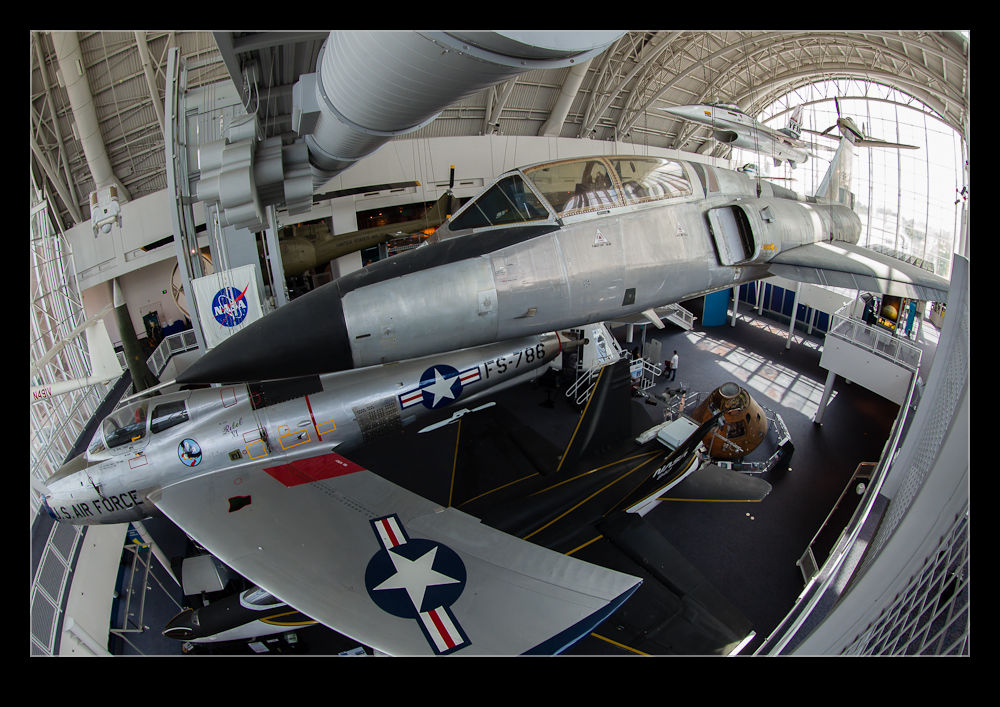
In fact, they really didn’t.  The building has a great collection of aircraft.  The close proximity to NASA facilities has obviously been helpful in getting access to some pretty unusual exhibits.  The Apollo 14 Command Module is on display as is the HARV F/A-18 Hornet, a research F-106 and an XV-6 Kestrel among many other interesting airframes.  They even have an MMU from the Space Shuttle program (although getting a shot of it from the moving elevator was tricky).  The result of all of these exhibits is that they have to be squeezed in.  They are usually suspended from the ceiling which makes them look more dynamic.  However, they do tend to overlap a lot.

This isn’t a problem if you are visiting to see everything which is, after all, the purpose of the museum.  It does, however, make getting photos a bit more tricky.  I ended up using a combination of lenses.  A wide angle zoom and a fisheye zoom were the two I chose.  The fish is a lens that viewers can tire of quickly but, in this case, it was a case of trying to get unobstructed shots where possible.  It also let me try a few odd angles for fun too!

While not a museum I would go back to repeatedly, this was certainly a good place to visit.  I might go back one more time with some new ideas about how to shoot certain things but even that might require the cooperation of the management!  If you are passing and have a couple of hours, do pay it a visit.

More Oceana

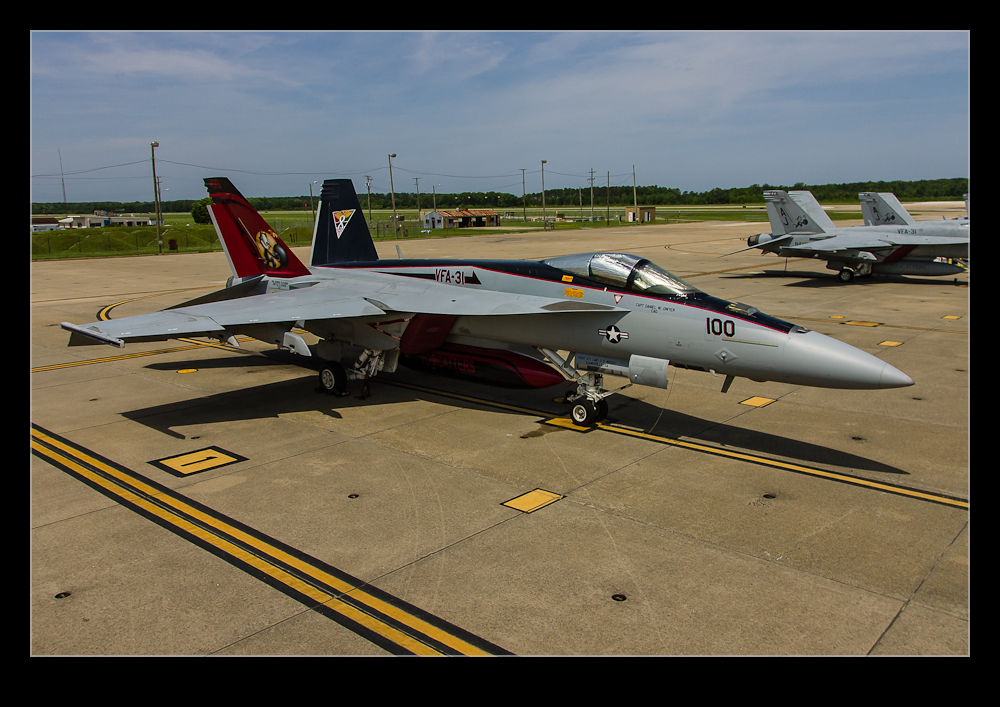
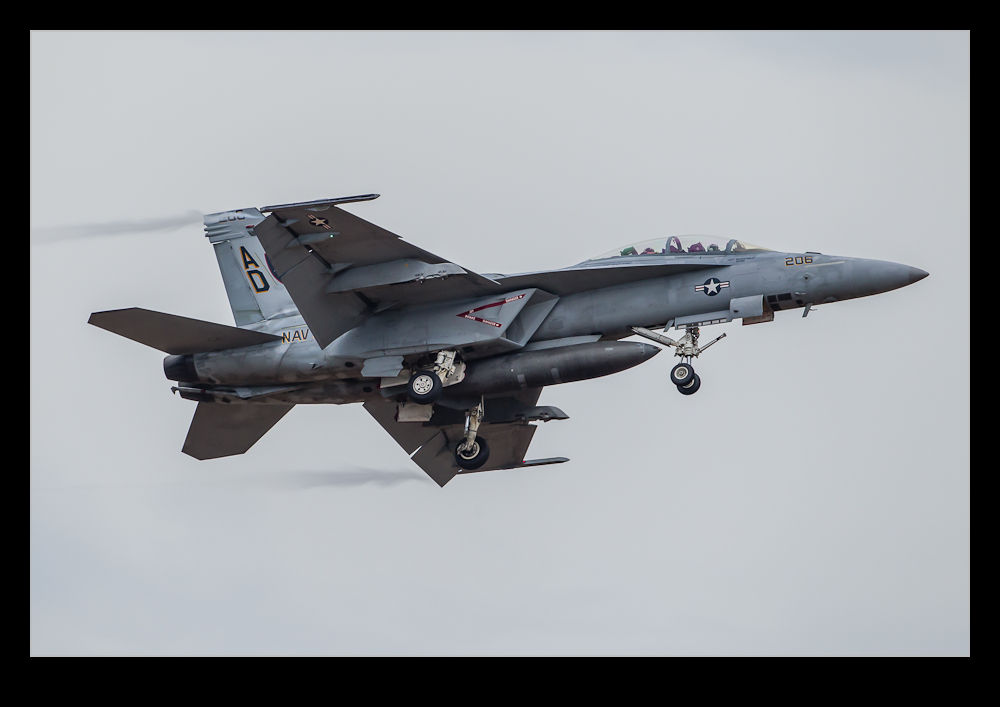
The ISAP theme continues!  In a previous post (that you can read here if you missed it) I talked about some shooting I did with some friends outside NAS Oceana, the premier fighter base for the US Navy on the east coast.  Well, the field trip from the symposium included a visit to Oceana as well although this was to be on the flightline.  VF-31 was the Squadron that hosted us.  They provided us with an excellent visit.

The squadron was not undertaking operations that day so their part of the ramp was occupied by planes but nothing was moving.  This gave us a great space in which to move around.  We were basically free to go to the end of their line where it met the taxiway and to shoot from anywhere in there.  The only restrictions were the normal ones on a Navy base.  No shooting open panels and no shooting Super Hornets down the inlets.

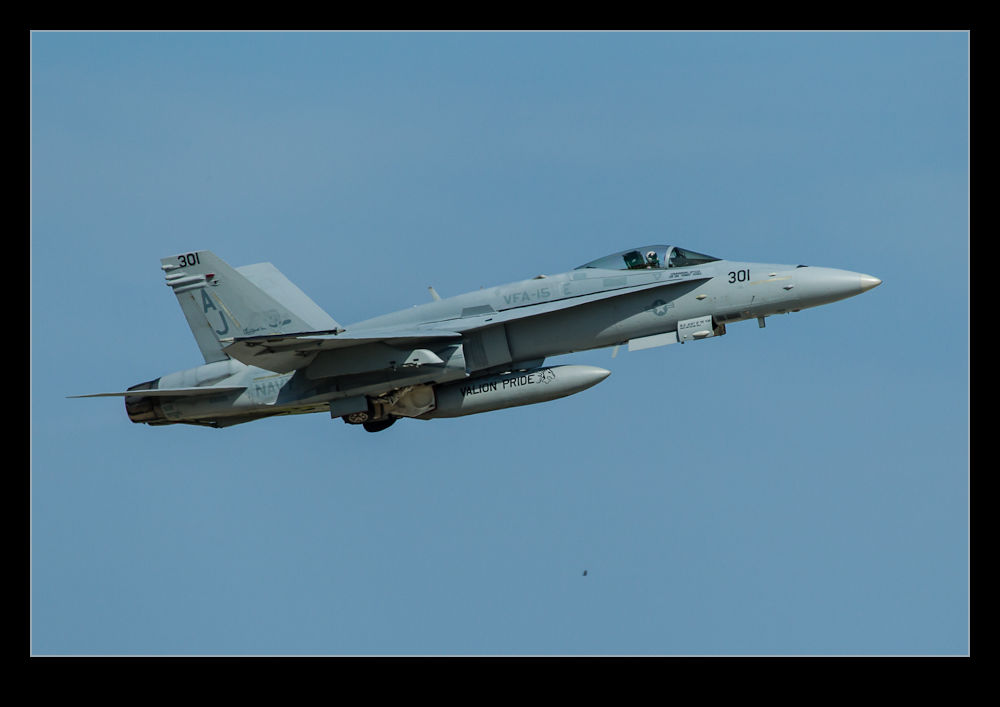
There was a fair amount of activity on base and the weather was very nice (if a little breezy).  Since we were there in the morning, we had the sun pretty much behind us which worked out well.  The squadrons that were flying that day seemed to have a steady stream of jets on the move.  They would taxi passed us on the next taxiway from the one we could get to the edge of so we could see the jets coming by easily and when they were in the hold they were easy enough to shoot.

The warm weather meant that shooting anything too far away was going to be fruitless if using a long lens since the heat distortion was too much.  However, if you went a little wider, you could minimize the effect of that, at least for the size of shots that are going to be posted online.  They wouldn’t stand up to too much enlargement I suspect but they certainly show what was going on.

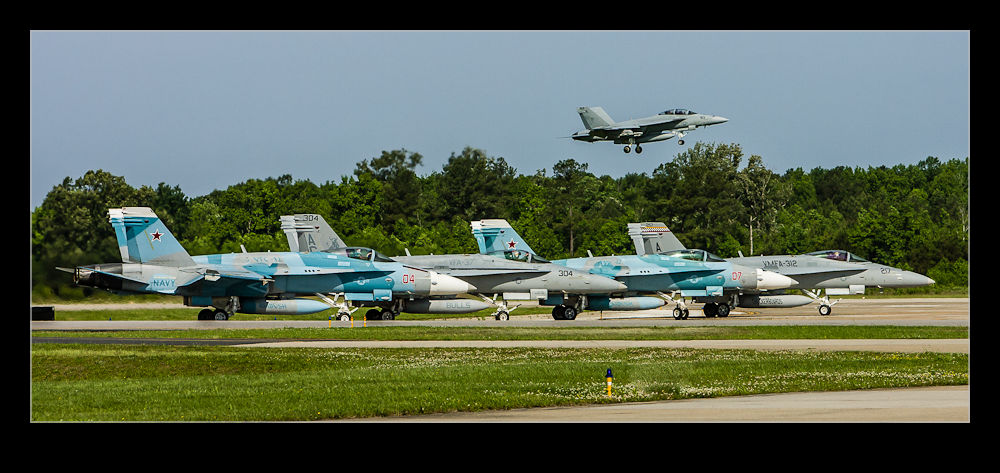
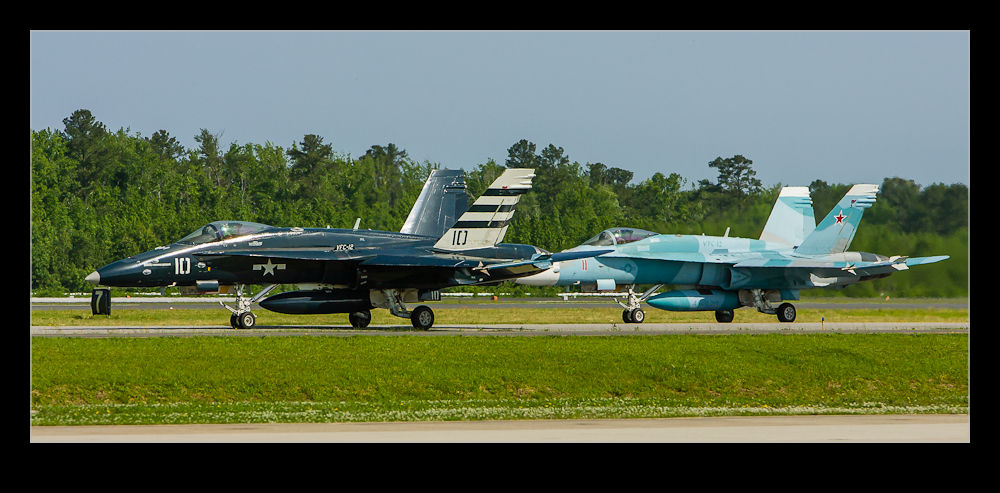
Interspersed with the regular jets were a few in special schemes.  There were a number of the squadron specials up and flying as well as one of the CONA marked aircraft.  We also saw a few jets that were in the aggressor colors but that had moved to a new squadron so we a combination of new and old markings.  I am sure they will be repainted in gray before long so that is something good to have seen while it was around.

The VF-31 special aircraft was at the end of the line up and the squadron kindly provided some steps to allow us to get a higher look at it.  These were originally for us to get a group photo in front of the jet but, once they were there, most people took the opportunity to get a few shots as well.  These things tend to work quite well with everyone taking a turn but occasionally, as with people who linger very close to a subject, you get a few people who forget that they aren’t the only person involved.  Thankfully, he majority are very considerate and “help” the less fortunate to play well with everyone else!

The next squadron along the ramp was VF-213.  They did have some operations underway.  One of the things they were doing was providing experience flights to midshipmen who were yet to decide their career path in the Navy.  Additionally, they appeared to be in the process of training up a number of the ground crew.  Consequently, when one of the jets came in for a running change of backseater, we got to see the midshipmen swap over and the ground crew being shepherded through the process of turning the jet.  It was fun for us but I wonder how much they enjoyed having their early work being watched by so many.  Many thanks to them, though, for tolerating our presence.

Our stay was slightly extended since our bus driver had been taken ill while we were on base and a replacement had to come in and help out.  I didn’t hear the final outcome but hopefully he was feeling better later on.  With a new driver in place, it was time for us to move on.  Considering the size of the group we had, the team at Oceana did a great job of hosting us.   Many thanks for everything.

NAS Oceana

The recent ISAP symposium took me to Norfolk VA.  It is a short drive to Virginia Beach and NAS Oceana – the home of the east coast fighter squadrons for the US Navy.  The field trip for the symposium was going to include a visit to Oceana but, since I was there ahead of the event, I decided to pay a quick visit after my arrival.  A slight delay due to travel complications and then the passing through of a pretty significant storm meant I was a little later than planned but no great problems resulted.

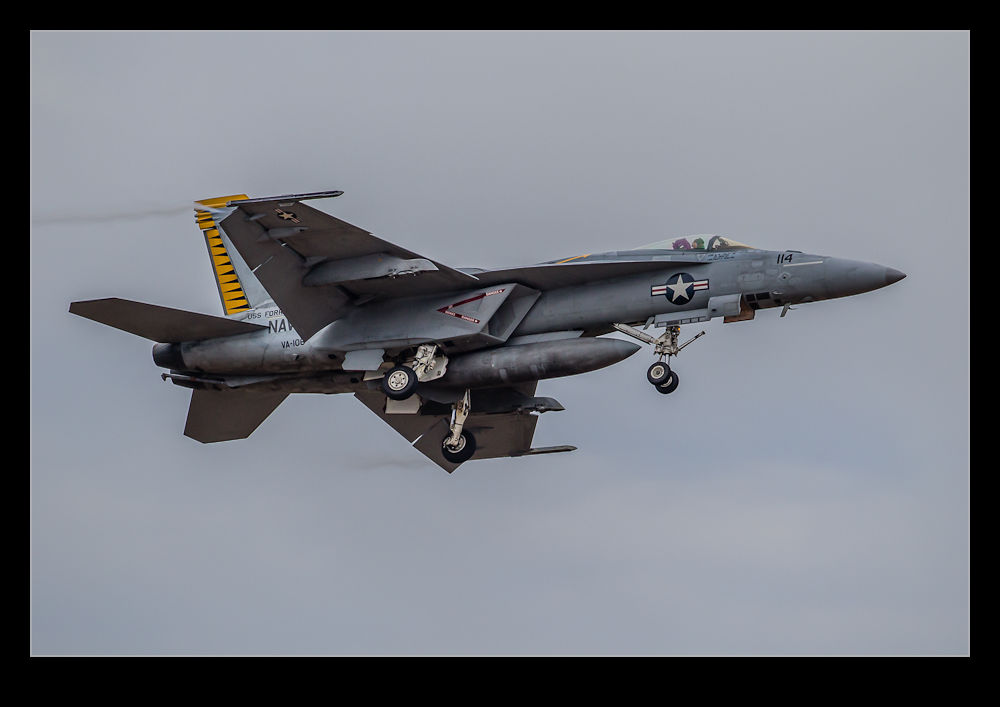
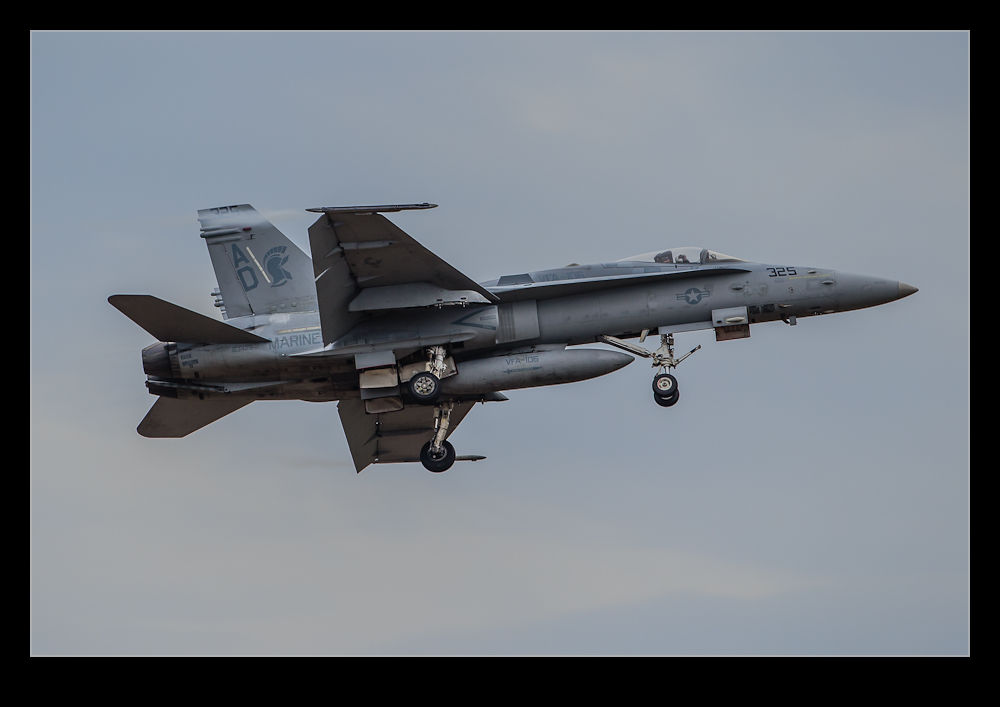
The weather was not great so the light was a bit sparse.  Combined with a cloudy sky, photographing grey jets is always a challenge but I was meeting up with a friend from FenceCheck.com who lives locally so there was always time to chat even if nothing was happening.  However, after a pretty quiet period, a few more jets got up and started flying.  I was supposed to be leaving to go and pick up a friend from the airport but the storm that I had come through was not alone and his inbound flight was significantly delayed.  Therefore, I had the time to see what else would fly.

The activity kept going for a bit was the light was fading fast and my ISO settings were getting higher and higher.  Since the time to pick up my friend was now approaching, I decided to pack up my stuff.  Another jet arrived as I did so.  This didn’t bother me until I realized it was one of the CONA painted aircraft so the kit was rapidly extracted again and a few shots taken.  Then it really was time to go.

Thanks for the advice on the spot to those concerned and also for the chance to catch up.  Maybe not the most ideal conditions but still a fun way to kill an hour or two.

Changing Your Name – Even if You Are a Building Pt 2

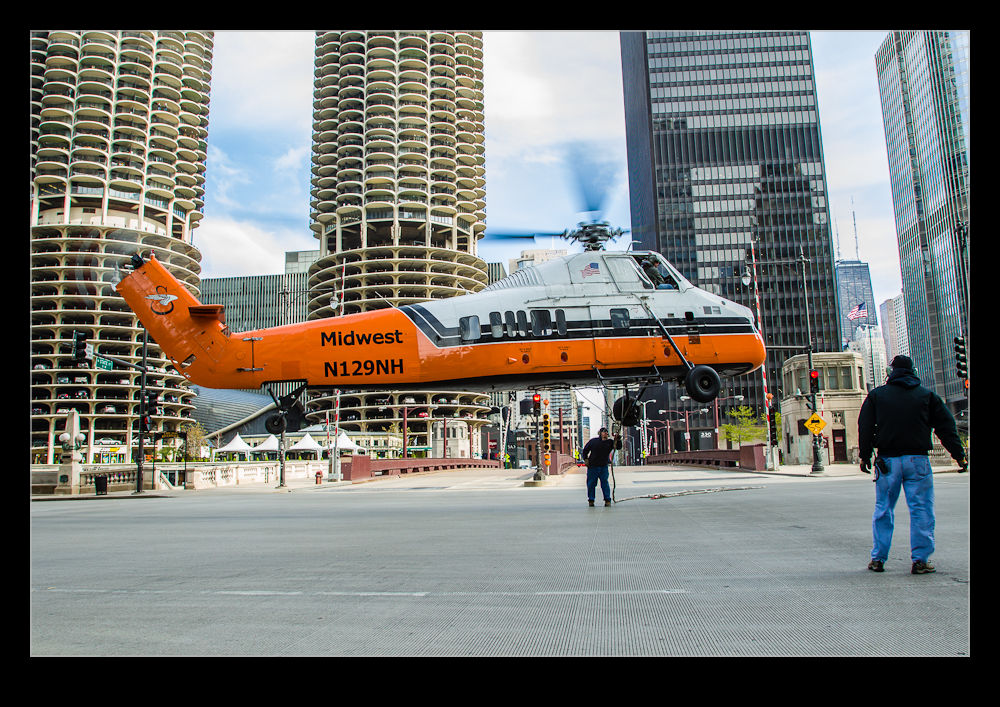
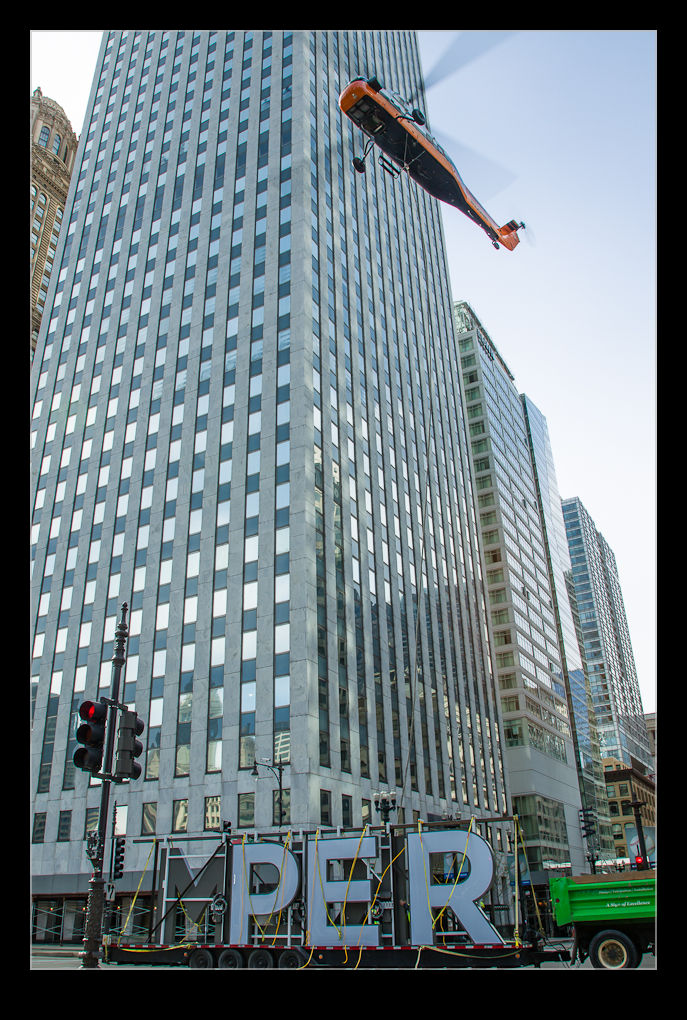
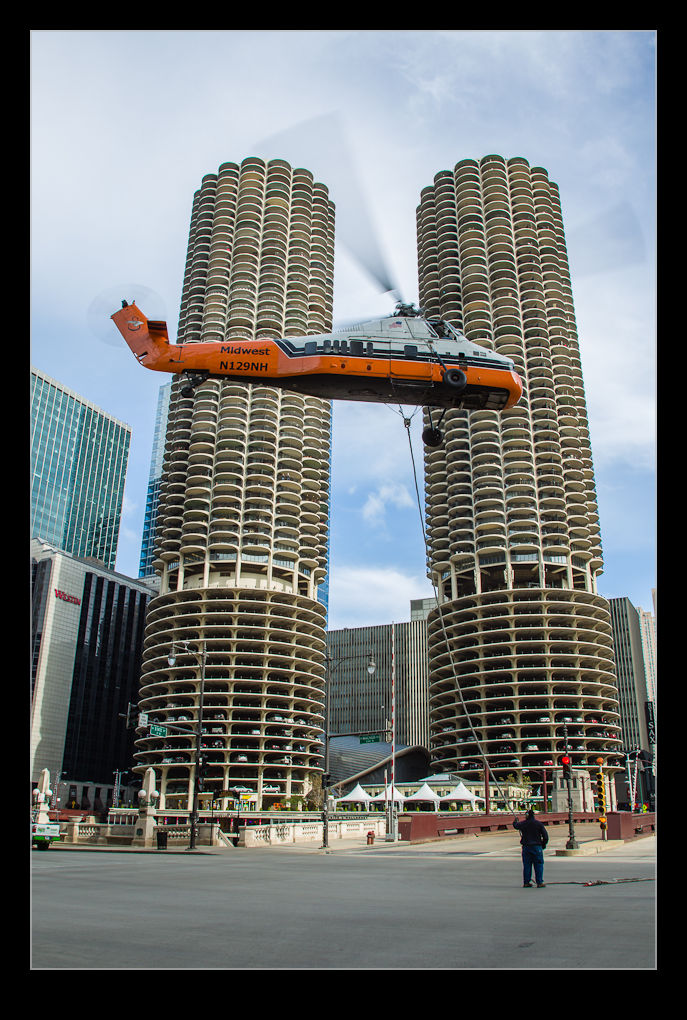
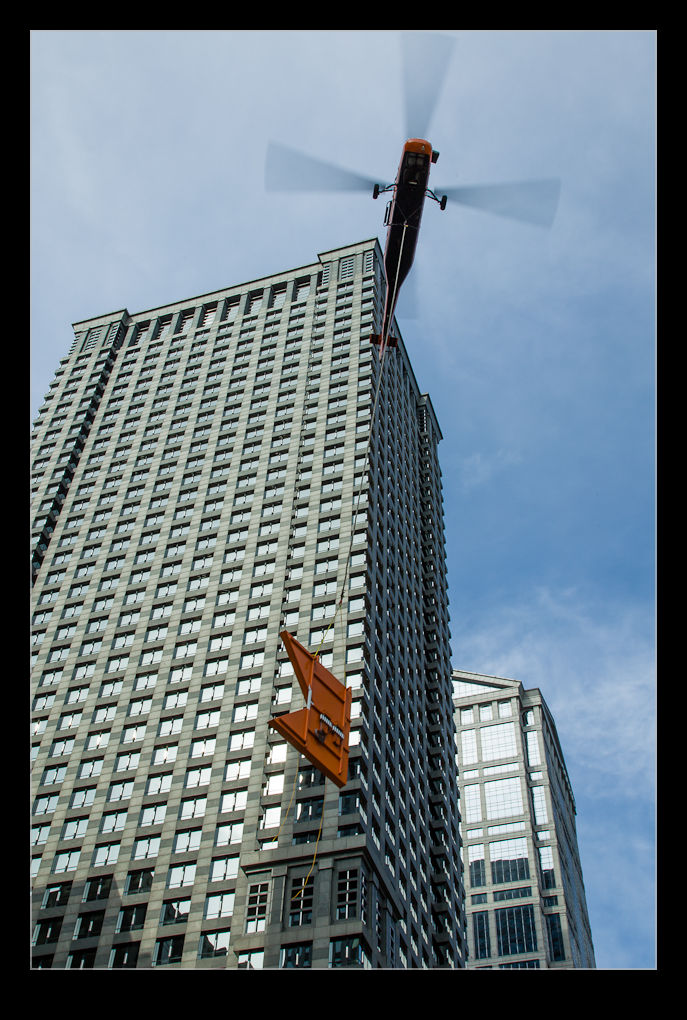
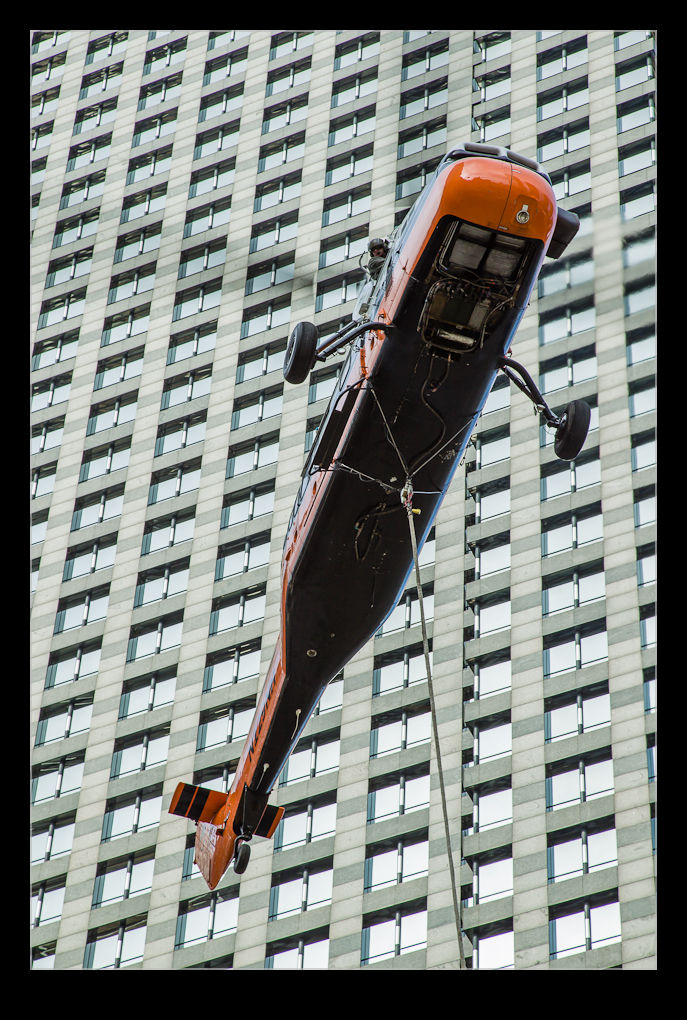
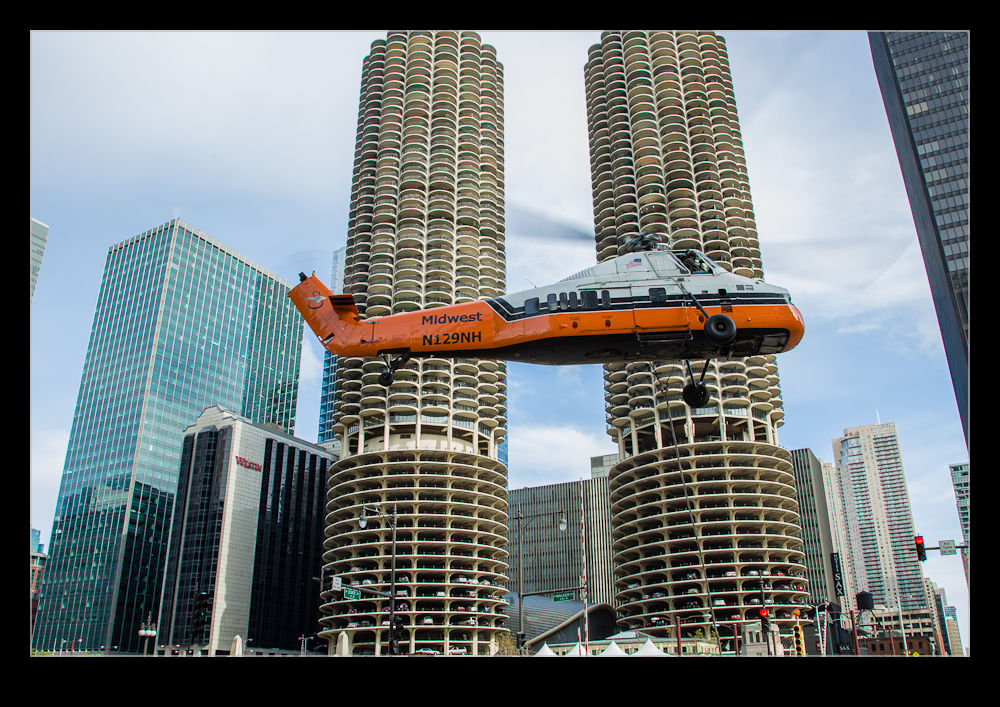
And so we progress to Part 2.  Attentive readers will already be aware that the Unitrin sign had been removed.  I was a lazy boy and watched from my living room.  The following weekend the new sign was scheduled to go up.  Fortunately, we had friends staying with us.  Mark is a flight test engineer and a pilot so the suggestion that some aviation action could be added to the weekend was good for him.  Since it was close to home, we wouldn’t be missed for a short while on a Sunday morning.


The replacement of the sign was pretty much the reverse of the previous week.  The letters and the logo had been assembled on the street on the back of trucks.  Two sides of the building had to be done and fortunately our side was to be first.  The placement of the signs was a touch more tricky than the removal.  Pulling them off meant getting them clear and dropping them down to the street.  Lifting the new ones up was complicated by the way in which the letters – which are large but don’t weigh much – can catch the wind and start to rotate.  The crews on the building have to catch the tag lines and then pull them steady before positioning them.


They soon got a good rhythm going and we watched the letters and the logo go up on the first side of the building.  We then retreated to further away as the other side was dealt with, not least because a lot of it was out of sight from the better locations.  Midwest did a great job as always and it was good to see the team.  Thanks everyone and Mark certainly was glad to see one of these jobs in person.