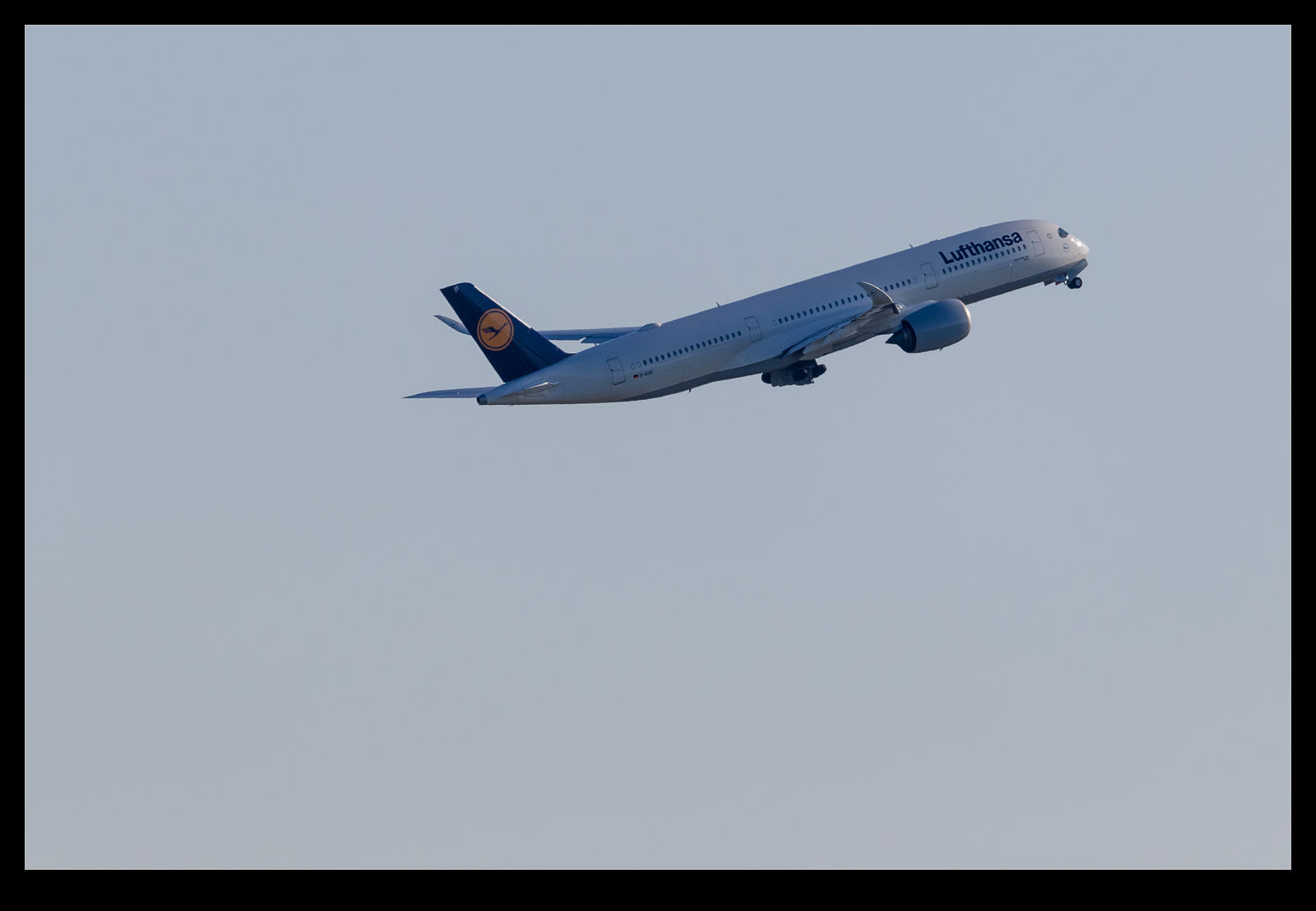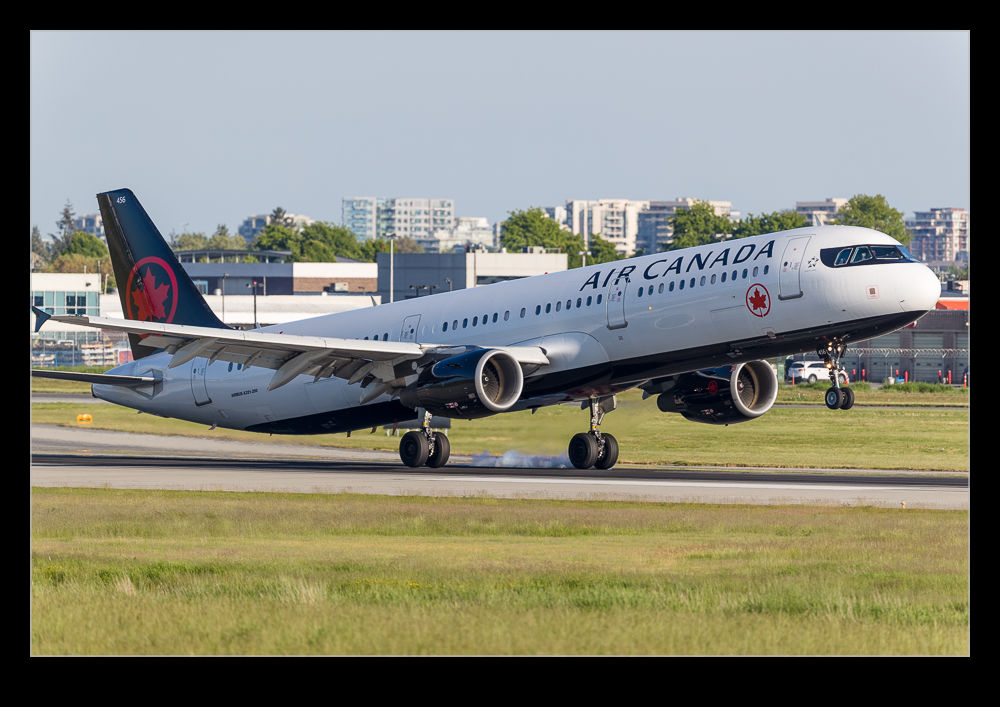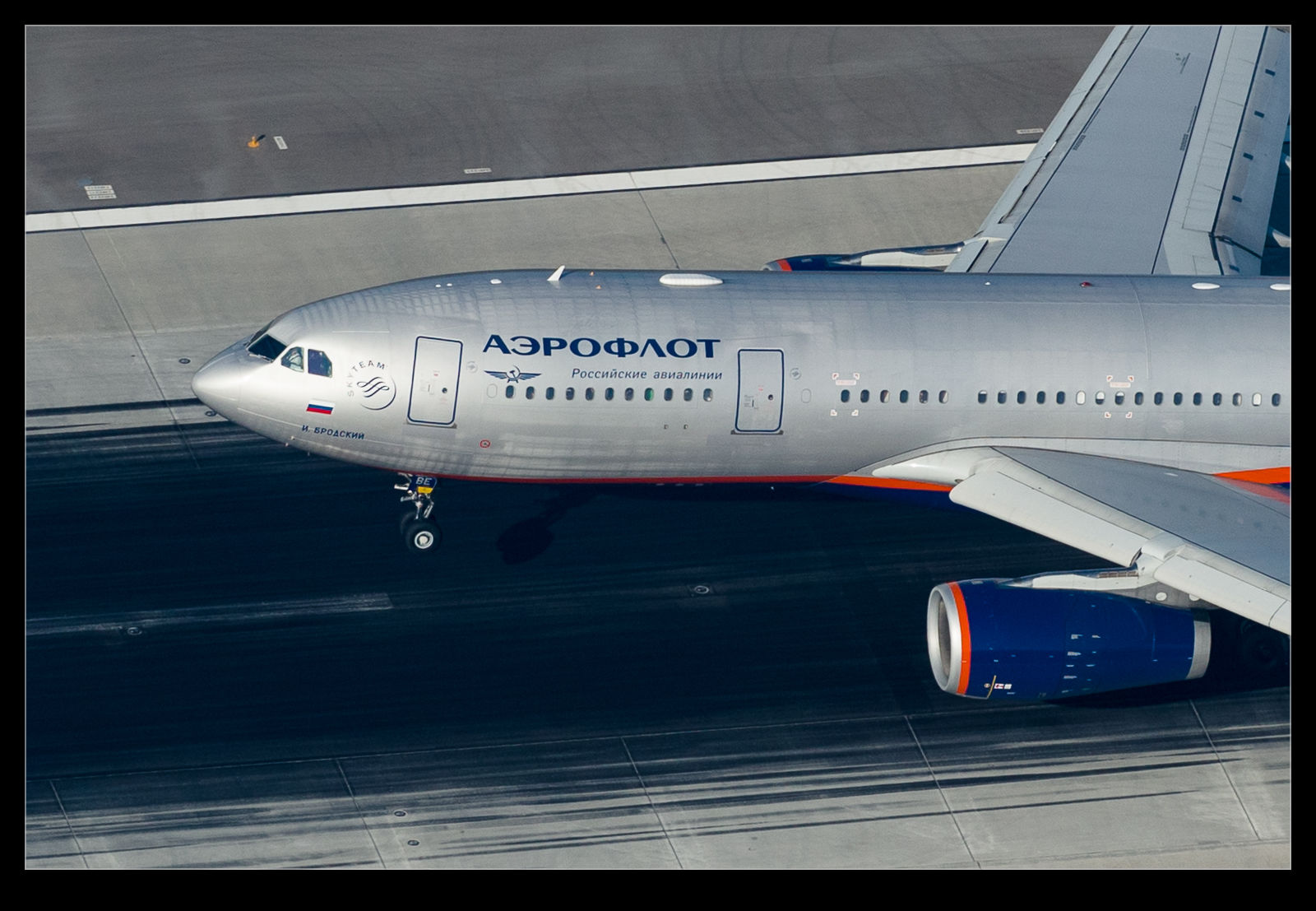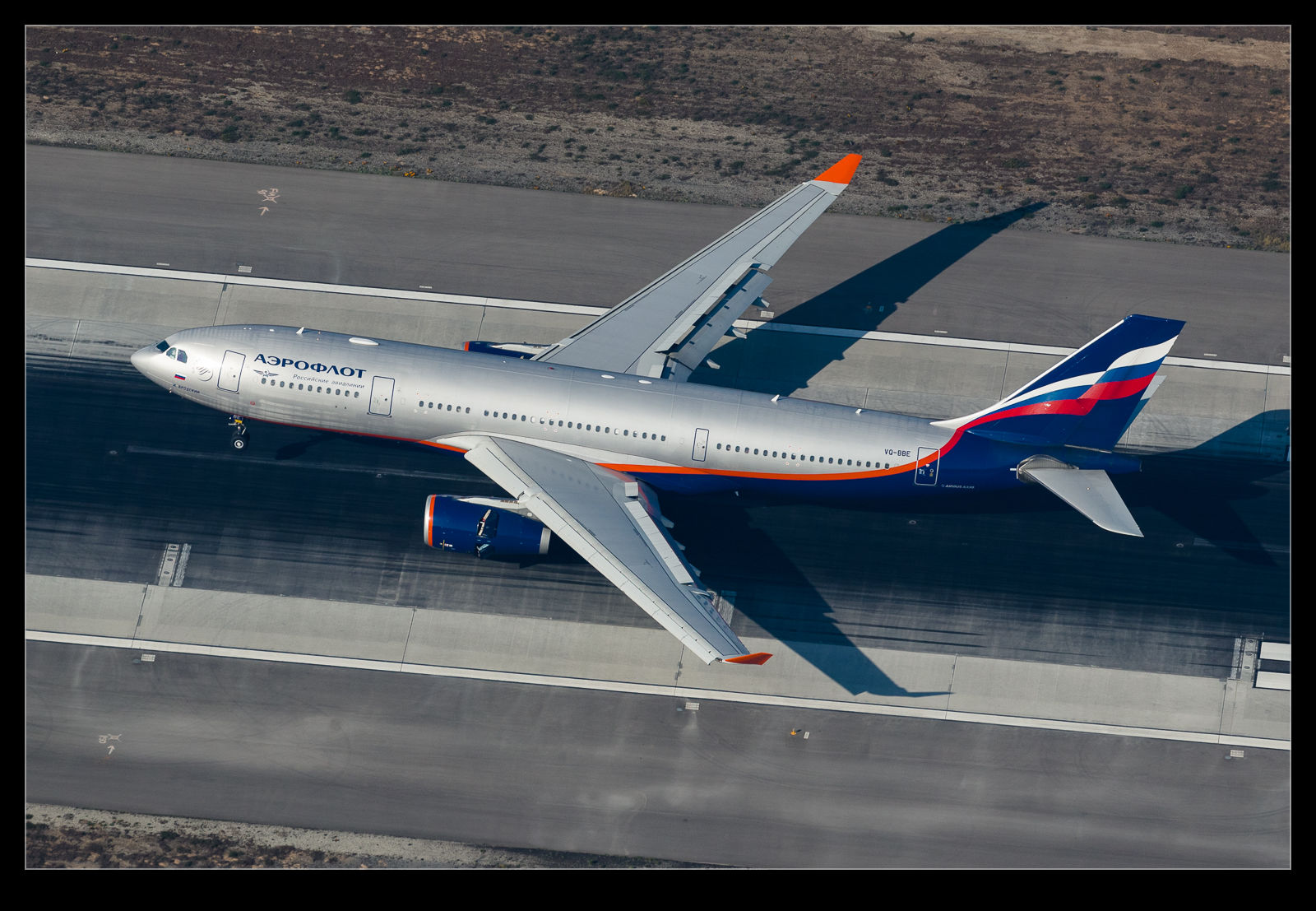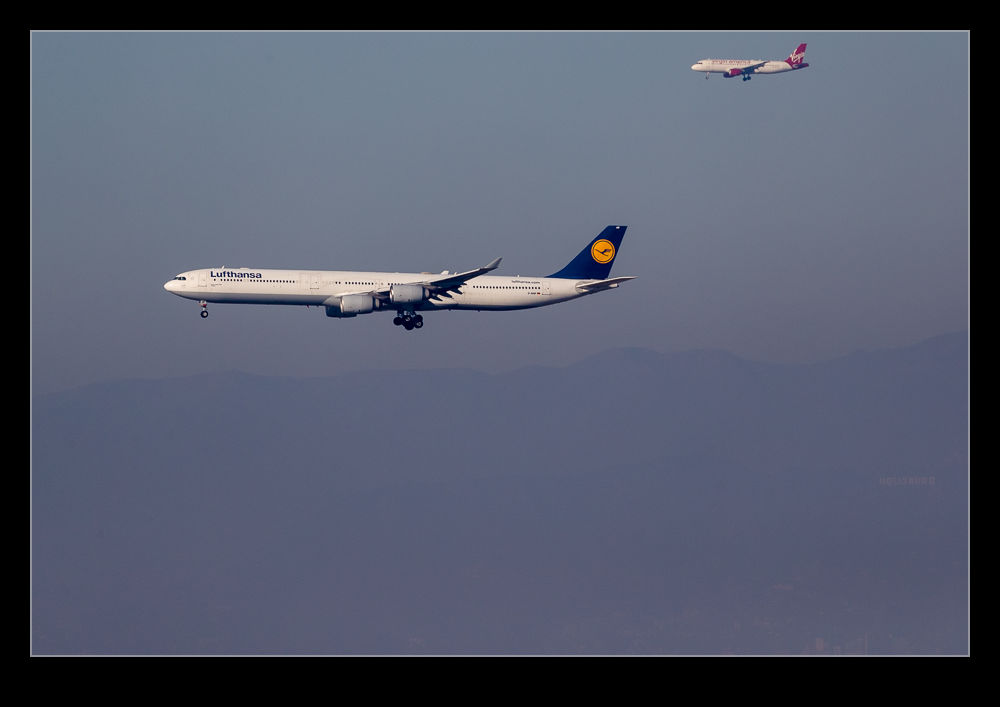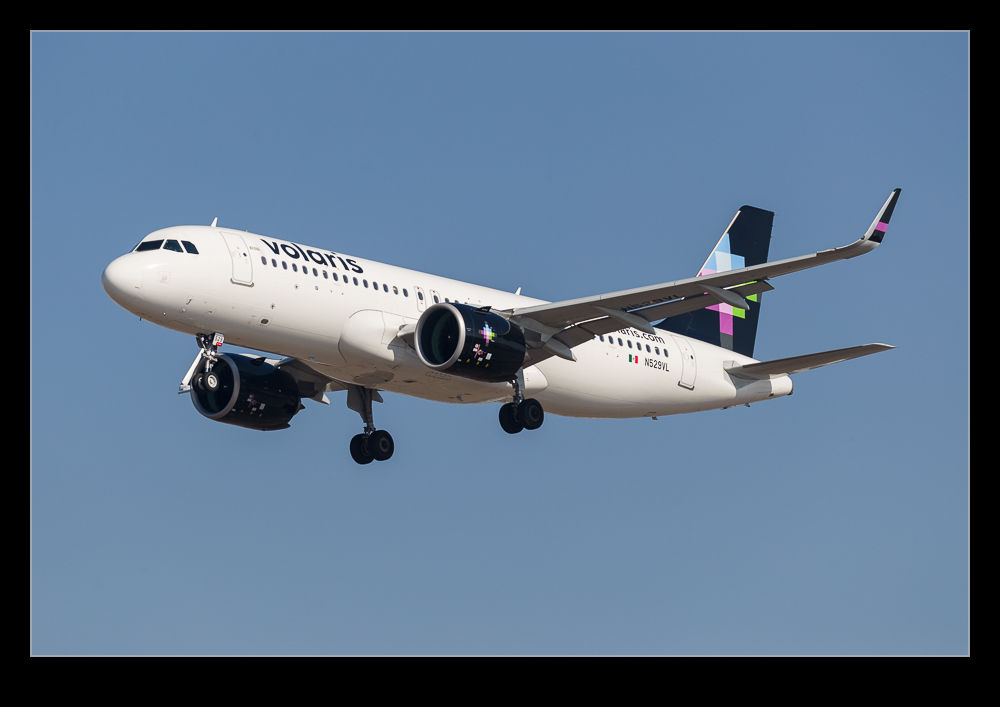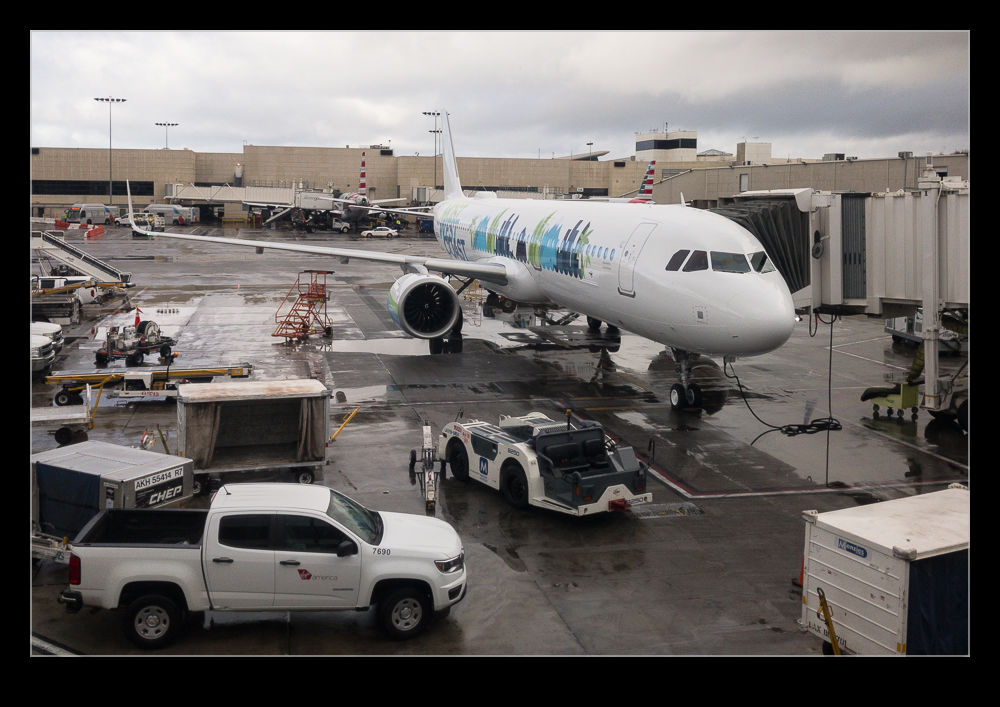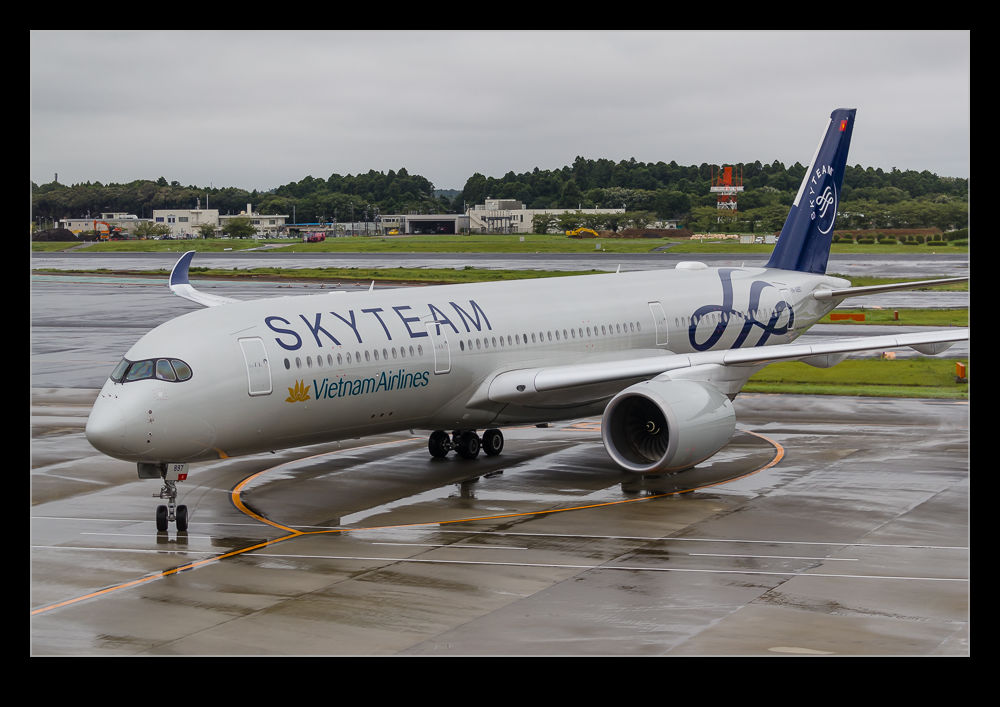
Substitutions on the Seattle route are not just limited to Lufthansa. Virgin Atlantic has been flying the route with the 787-9 but, as with a lot of the Rolls Dreamliner operators, Virgin has been suffering from engine shortages while the blade cracking problems are dealt with. They have brought the A340-600 on to the route in the interim. I thought I wouldn’t be seeing these again after the last examples at SFO I saw but I got another chance. Not great light but it was good to see one more time.
Tag Archives: Airbus
Every Morning You Great Me (Well, Evening This Time)
A bit of a crummy song reference for which I should really apologize. Edelweiss is a Swiss airline that flies to Vancouver. Their flight arrived while Mark and I were on the north side of the field. Lighting is less than ideal in that location but, once the plane is passed and turning to taxi to the terminal, you get some nice angles and very good light options. This was my first encounter with an Edelweiss jet and I was pleased that the livery is a bit more interesting than the average these days.
Finally an Air Transat
Air Transat is an airline that I haven’t seen much of. I recall them flying to the UK decades ago with TriStars (if I am thinking of the right airline) but, since then I have not really come across them. To be honest, I actually thought they were long gone but it turns out they continue to ply their trade. As I was heading to Vancouver International, I saw one of their A330s climbing out and I was a bit annoyed to have missed it. However, it wasn’t their only scheduled departure for that evening. A later flight went while I was there and I managed to get my first shots of them in action.
Sunset BA Arrival
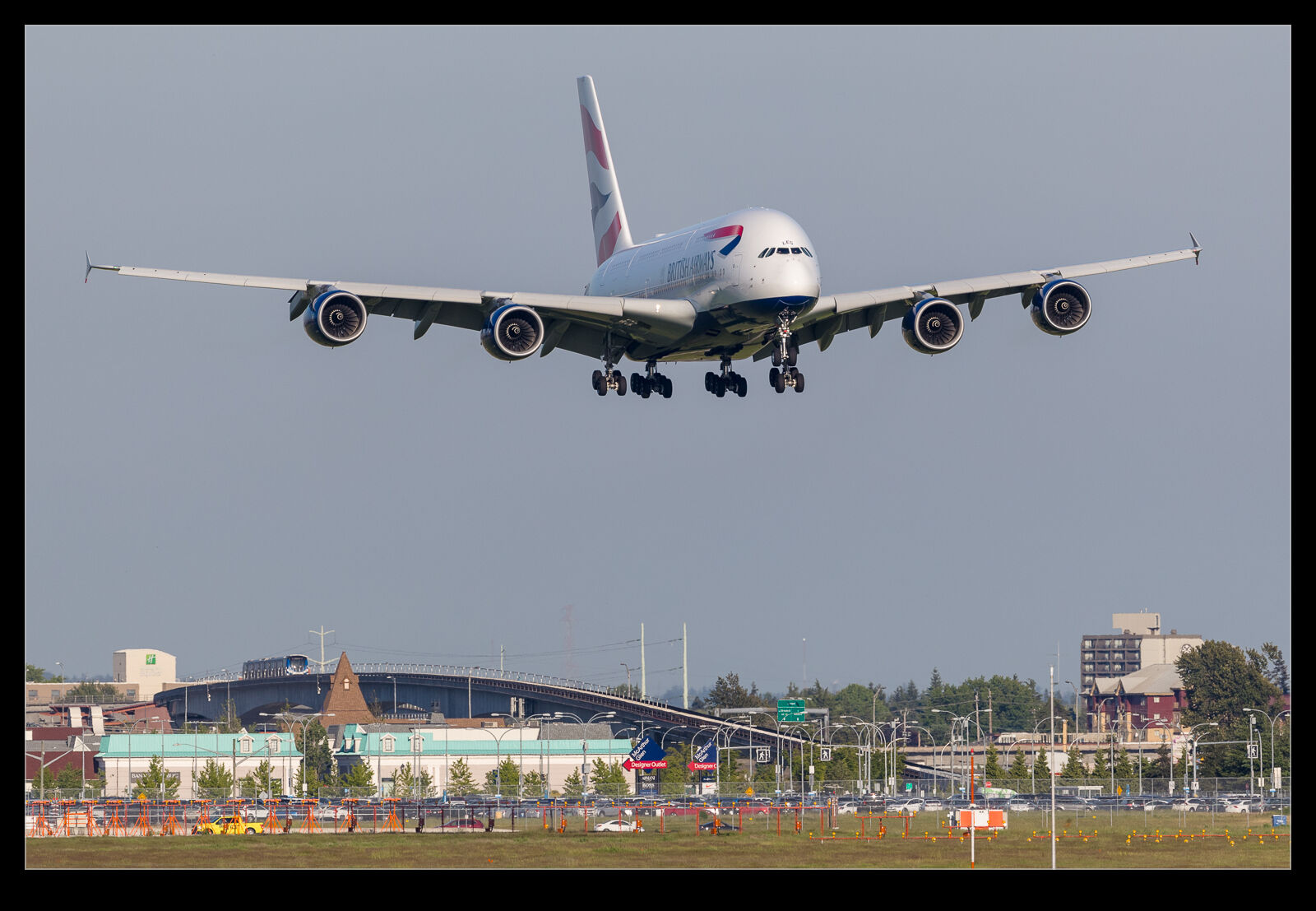
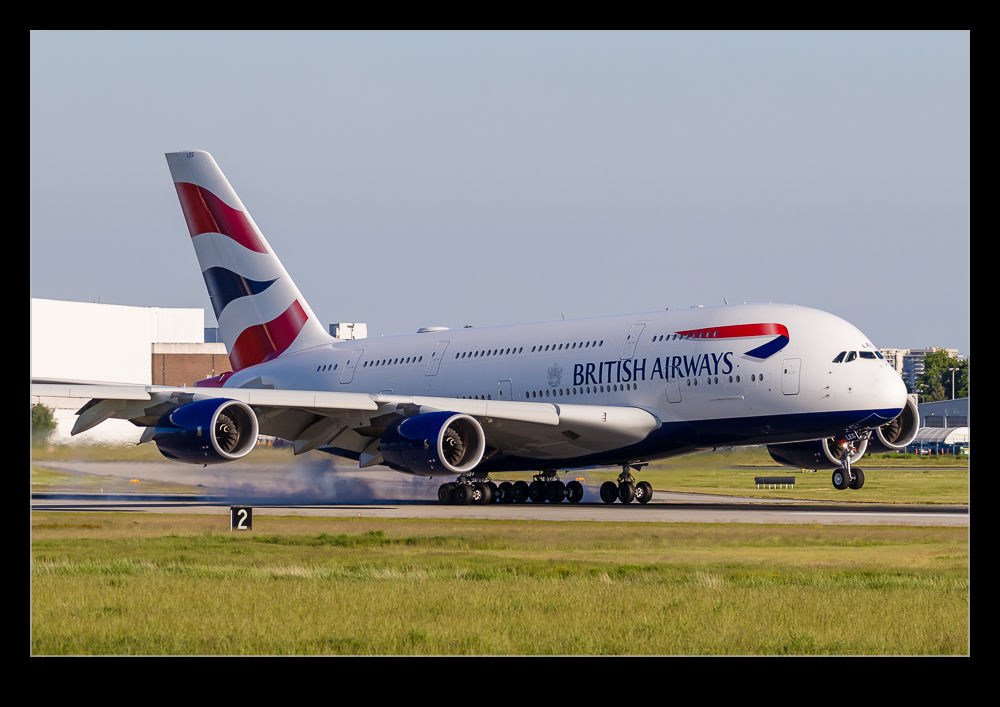
My friend, Mark, suggested we head to the north side of Vancouver for a couple of the heavy arrivals. The light was not on the right side for shooting there but you can get a good angle on the arriving jets and, rather than fight the light, you can embrace it. The sun is behind the planes and on the other side so it is very backlit. It is the end of the day, though, so the sky does look nice.
The British Airways A380 was on the approach when we got there so a quick run from the car got us in place. The A380 is large enough that you often think you need to hurry more than you actually do because it appears closer in. Let the heart rate settle a little and be ready to get some shots. With the backlighting, it looked pretty impressive. Once it was off the runway, it did need to taxi back to the terminal so that brought it into some better light.
The Spooks Are in Town
The subject of this post ended up getting some coverage but, when I saw it, I didn’t know about the interest surrounding it. I was at BFI awaiting the departure of another aircraft when a turboprop took off over me. I had the camera to hand so grabbed some shots of what I realized was an Airbus CN235. Painted in a dark gray scheme, it looked a little odd. A closer look at the shots showed it had a few lumps and bumps suggestive of an array of antennae. I figured it was just passing through en route to somewhere more interesting.
However, that wasn’t the case. It had been spotted flying some patterns over the city. I had seen some odd flight paths on Flightaware being flown by a plane called Spud21. I loved the name! it was flying orbits over the city but I couldn’t see anything else about it. However, when I saw the plane crop up in the media, the article identified that it was the owner of the Spud21 callsign.
I don’t know what the purpose of the flights was. It is suggested that the aircraft is owned by the US military but whether it is for their use or is in support of an overseas operator, whether these flights were for testing purposes or were checking out the residents I don’t know. I do know that it was something a little out of the ordinary though.
Armee de l’Air A400M
The A400M Atlas is now in service with a number of air forces. My encounters with them, though, have only involved the development airframes displayed by Airbus. That changed in Sacramento when The Patrouille de France arrived as part of their North American tour. They brought an A400M as he support plane. I was rather disappointed that it arrived late in the evening, after I had gone home and disappeared early the following morning to recover some delayed jets.
It was back for the day of the display though. It started up at a remote location but then proceeded to give a short flying display. It then taxied back to the crowd line where it shut down and was opened up for visitors. The people were lined up to get inside it for ages. The plane still looked pretty clean so I guess it had not been in service too long. I was glad to get a close up look around the outside as well as to see the crowds inside and the flying display itself. Not a dramatic performance like the test crews have put on but still good to see.
When United Thought That Ted Was a Winner
Occasionally I post about disappearing airlines. Normally they are airlines that went away because they ran out of cash. This one is a different story. The arrival of low cost airlines caused a lot of the majors to think that they could fight the newcomers by setting up their own lost cost operation. United came up with Ted. I guess this was like half a United! They moved a bunch of their Airbus A319s and A320s from United to Ted and set them up on services which, I guess, did not have the premium passengers and so was focused on the economy traveler.
Ted lasted for a while. I don’t know whether it was ever a profitable business or not. When you viewed it in the context of the overall United business, it might have been good for a while. However, whatever the underpinnings of the business were, eventually United came to the conclusion that Ted was not a good idea. I don’t know whether the cost base was too high to sustain it or whether it was just undercutting revenue from United but they gave up on the idea. The jets got repainted and became part of the United fleet again.
At Last a Voyager – But…
The Royal Air Force has replaced its tanker force since I left the UK. The VC-10s and TriStars have been retired and there is a public private partnership in place to deliver tanking support. This uses converted Airbus A330s. They are able to provide tanking and transport services (with some of the aircraft configured only for transport). In RAF service, these jets are named Voyager. Red Flag 17-1 was my first real opportunity to photograph a Voyager in action. (Annoyingly my sister has shot them before me and has been on a refueling mission with them!) While an A330 might not be the most exciting jet to see, I was really looking forward to photographing it.
As the mission was recovering, the light was great. Low sun providing a warm and soft illumination on the returning jets. Then, the Voyager called up. Just as it did so, the sun went in. The Voyager came down the approach, its gray fuselage in the shade of some clouds. It landed, taxied in and then the sun came right back out again. Arghh! Sure, I can bump up the white balance a bit to warm things up but the jet was in shade and there is not much I can do about that. I had to leave before it recovered on the following day so no luck then. They will be around for a while so I guess I will get any crack at this at some point.
Air China A330
Boring paint schemes are far too common these days on airliners. The all white plane with just a hint of color is a little too much of a feature of things these days. A few airlines break the mold but not enough. One of the boring ones is Air China. They are not at all interesting for most of their fleet. However, some of their Airbus A330s are painted in a livery that is a bit more interesting. Sadly, I had never seen one. They fly in to San Jose but almost always they bring a jet in plain white. However, they changed it on a day when we were going to San Jose for some shopping so I added a small diversion.
This scheme is not the most dramatic and shooting it in the middle of the day is not going to emphasize it in the best way but I wasn’t going to miss the chance. San Jose provides a great location for getting close to the jets. Apparently, I wasn’t the only one interested in it coming. A few people showed up just before arrival and left straight afterwards. I just wish more airlines would adopt interesting colors. The planes are not very varied so the liveries are all that is left to mix it up.
FedEx Fleet Types
Flipping through various shoots looking for something else, I happened to come across a few shots of aircraft from the FedEx fleet. It occurred to me that I could drag together a post that was focused purely on the FedEx aircraft types. FedEx has an extensive fleet of aircraft these days. Their early days of using Falcon 20s to move their packages around are long gone. Now they have a variety of aircraft types of different sizes and range to meet all of their needs.
The fleet is constantly in a state of regeneration. The types that have long been a part of FedEx operations are now going or gone and being replaced with something more up to date. The 727 fleet has gone. The A300s and A310s are still in use but the number in the fleet is gradually going down. The interesting thing about the FedEx fleet is the way the economics are changing. For a long time, second hand jets that had been retired from airline service made a lot of sense. The operating model involves a lot of jets flying from their home base to Memphis in the middle of the night to deliver packages to the hub. Then, after a quick turnaround of all of the sorted packages, the planes fly back to base. Then they sit on the ground for most of the day.
This model means that utilization for the aircraft is low. Having a less efficient jet is not a problem when it only flies a few hours each day. If it is cheap to buy, you can use it efficiently. Having a bunch of inefficient 727s works very well. Similarly, the smaller aircraft that feed into hubs also can be operated relatively cheaply. A fleet of Cessna Caravans that sit on the ground or a bunch of ATR42s is effective.
The 727s are gone now. They have been replaced with 757s which have all been retired by airline operators (a lot of them from British Airways).The big change is that new jets are being acquired. The operating economics for FedEx have changed. The DC-10s (which got upgraded to MD-10s) are gradually being replaced by new 767s. Meanwhile, the MD-11s which had previously been the kings of the long haul flights are now being relegated to domestic service while the 777F takes over the long haul missions. Direct from Memphis to China is now the norm for the 777F. You don’t see MD-11s crossing the Pacific as much any more. I think the Europe runs are limited too. The 777 can go direct with a decent payload and doesn’t need to stop for fuel in Anchorage.
The MD-11 will survive for a while yet. Its less efficient operate will mean it can be pushed onto shorter segments with lower utilization. The high utilization missions will be the preserve of the newer jets. The older jets will be fine on the flights that only involve a couple of trips a day. For these their low capital costs will offset any operational cost penalty. The migration of the fleet will continue though. Soon it will be a fleet with a few less types and things will be a bit less interesting. There will still be a bunch of 727s scattered around airports that had them donated though so keep an eye out for them.