Category Archives: vintage

Hiller Aviation Museum

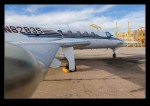
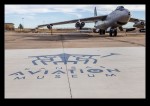
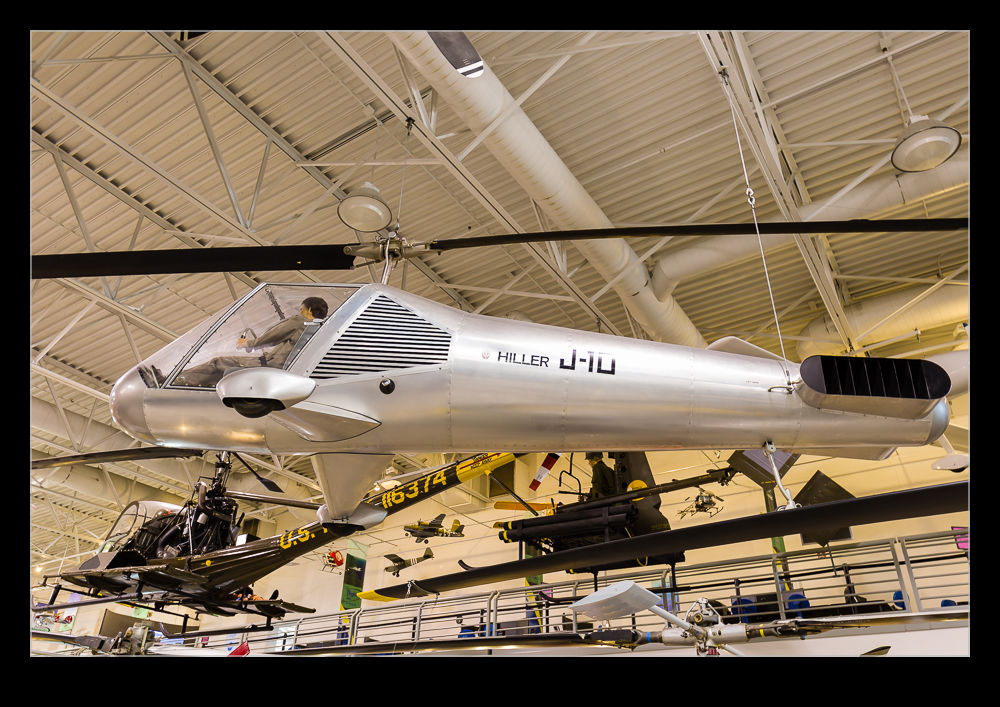
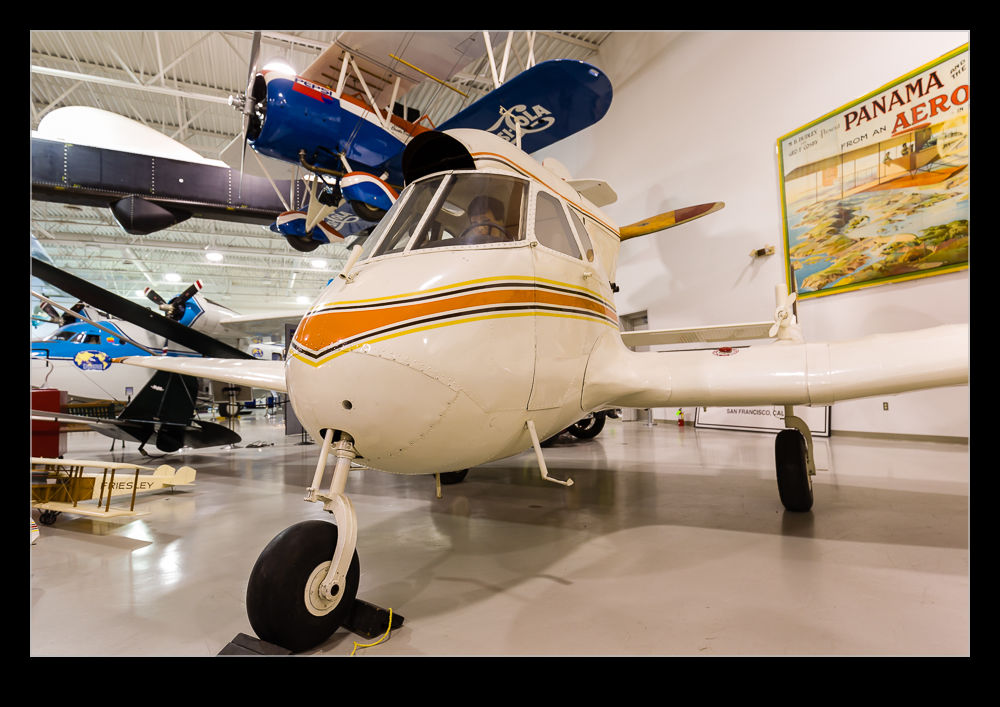
wpid12592-C59F2947.jpgI took a trip to the Hiller Aviation Museum recently. The trip was to see a speaker who was appearing there and that will be part of another post. However, I did have a good look around the museum while I was there. Located on San Carlos Airport, I have been to the museum a few times in the past when I was visiting the area for work but I hadn’t been since we moved west. My buddy, Hayman, is a volunteer there so I have no excuse for not having been recently!

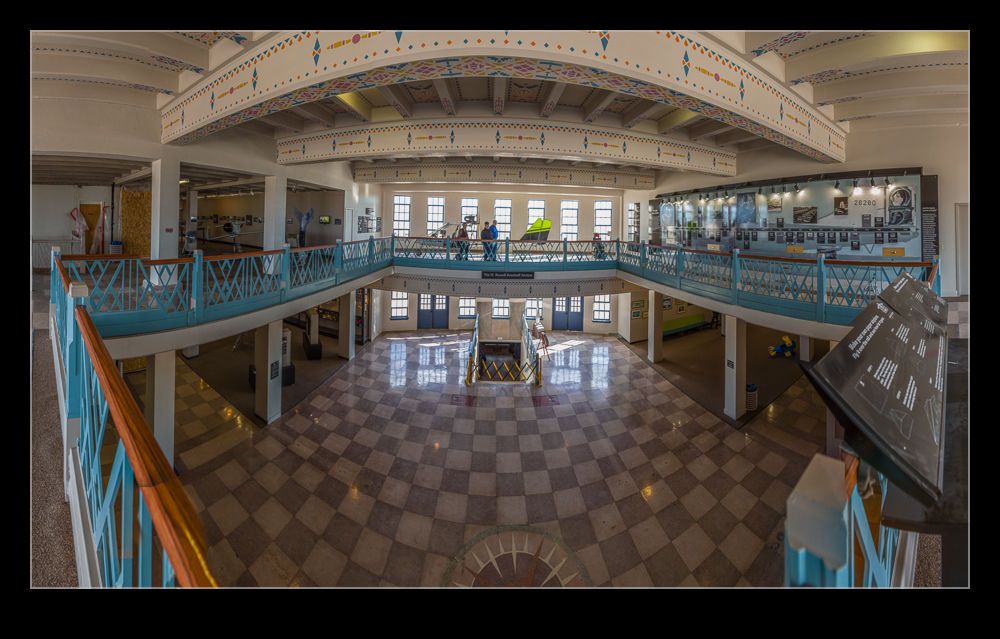
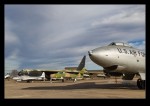
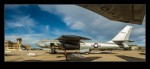
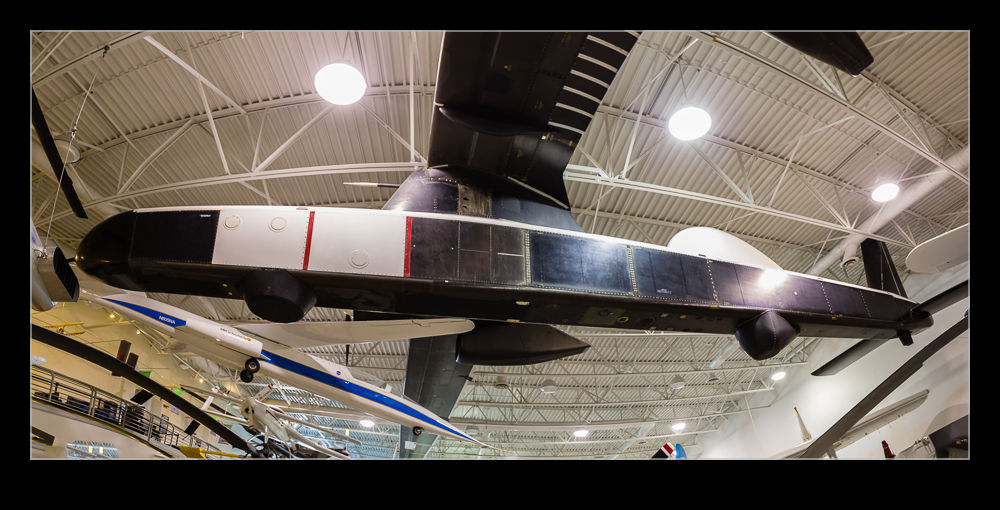
wpid12584-C59F2880-Edit.jpgA few things have changed since I was last there. The SST mockup has now gone freeing up some space for other exhibits. This post isn’t a comprehensive review of all that is there. It is more a focus on some of the things that caught my eye while I was walking around. One item I have to mention is the Boeing Condor unmanned vehicle. It is a cool thing to see but, since it is so large, it is squashed in amongst all of the other exhibits. I decided that I should try and get something to show it in all its glory. There was a balcony which would have had a better angle but that was restricted to some simulation experience. Instead, I decided to try a pano approach instead. It came outs reasonably well although taking out some of the distortion in post processing was necessary.

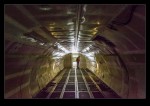
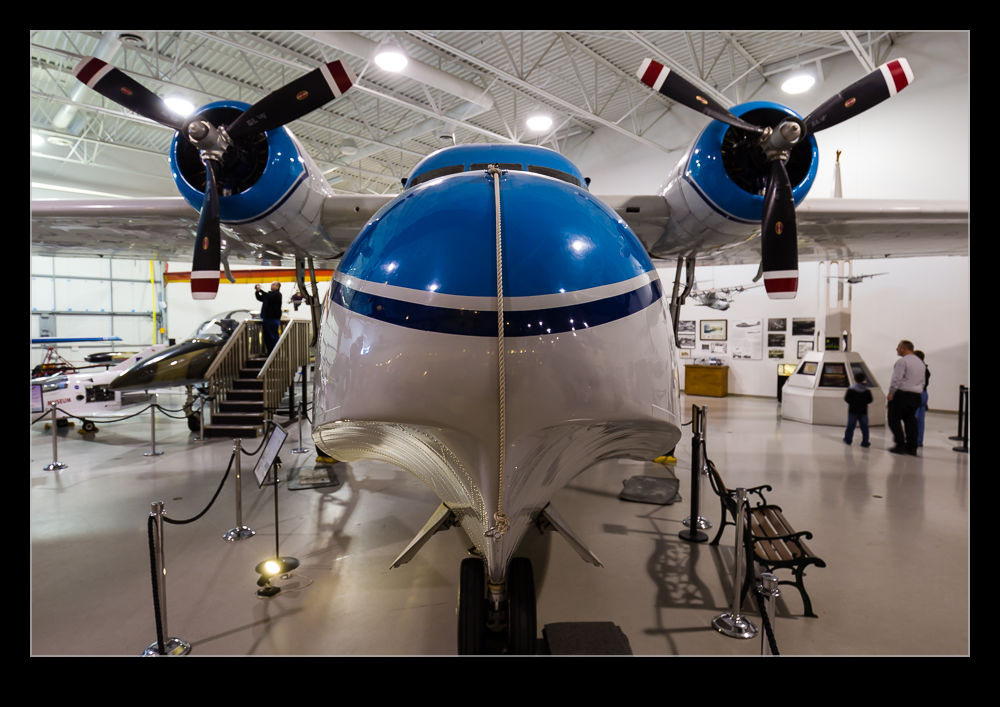
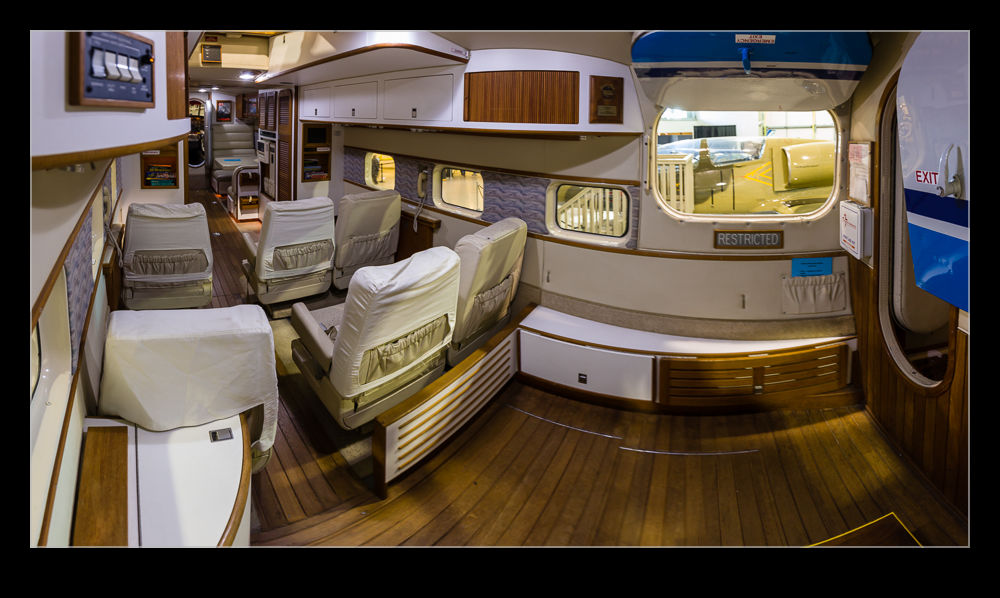
wpid12588-C59F2915-Edit.jpgI had another go at a pano with the interior of the Albatross. It is a lovely looking aircraft with a great interior which is visible through the side door so getting too much of a shot of the inside was hard to do. A pano gives a bit more of a feel for the layout in there. It looks like a nice plane to take around the world!

wpid12586-C59F2898.jpgThe museum is great and the gift shop is pretty cool too. I have to admit a model helicopter left with me and now sits on my desk. It is an AW101 in Canadian rescue colors and looks pretty sharp!

wpid12582-C59F2872.jpg

Preserved Blackbirds

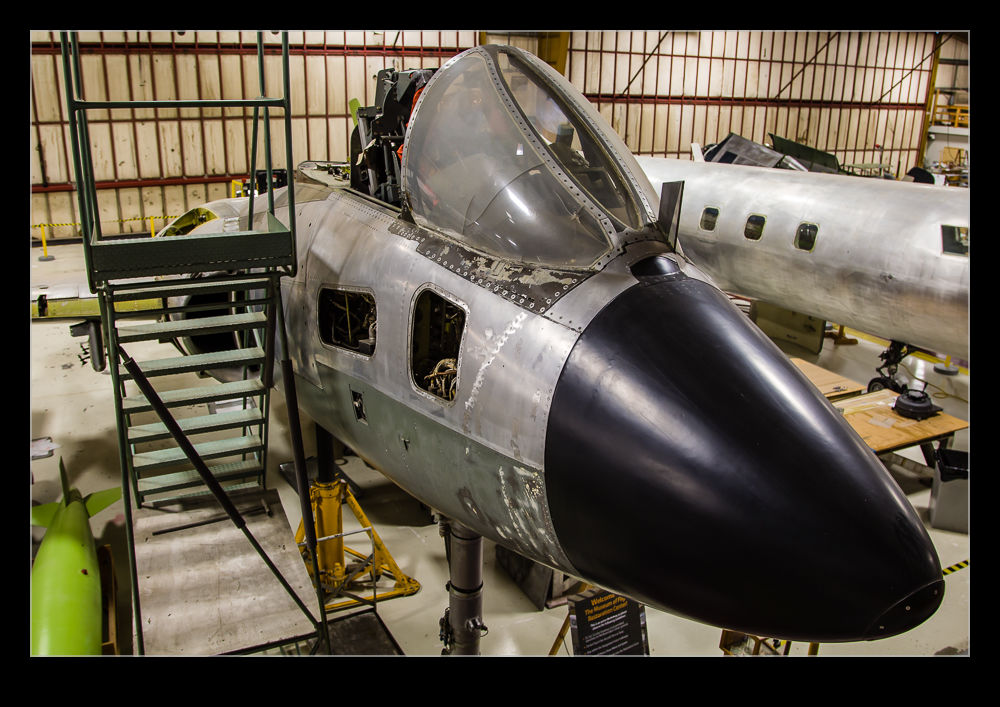
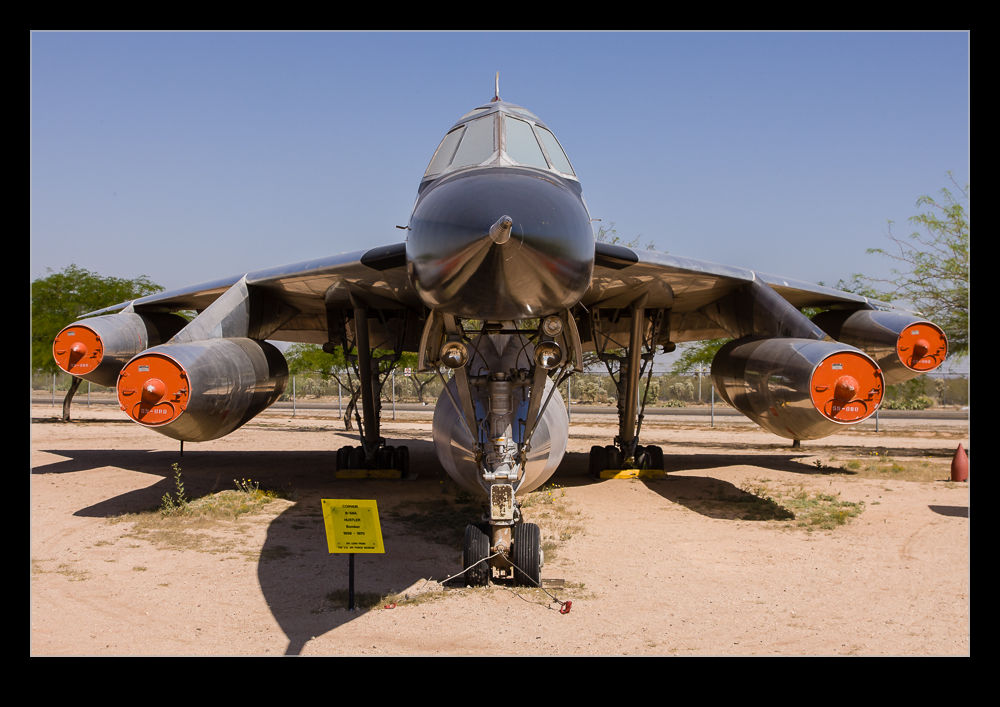
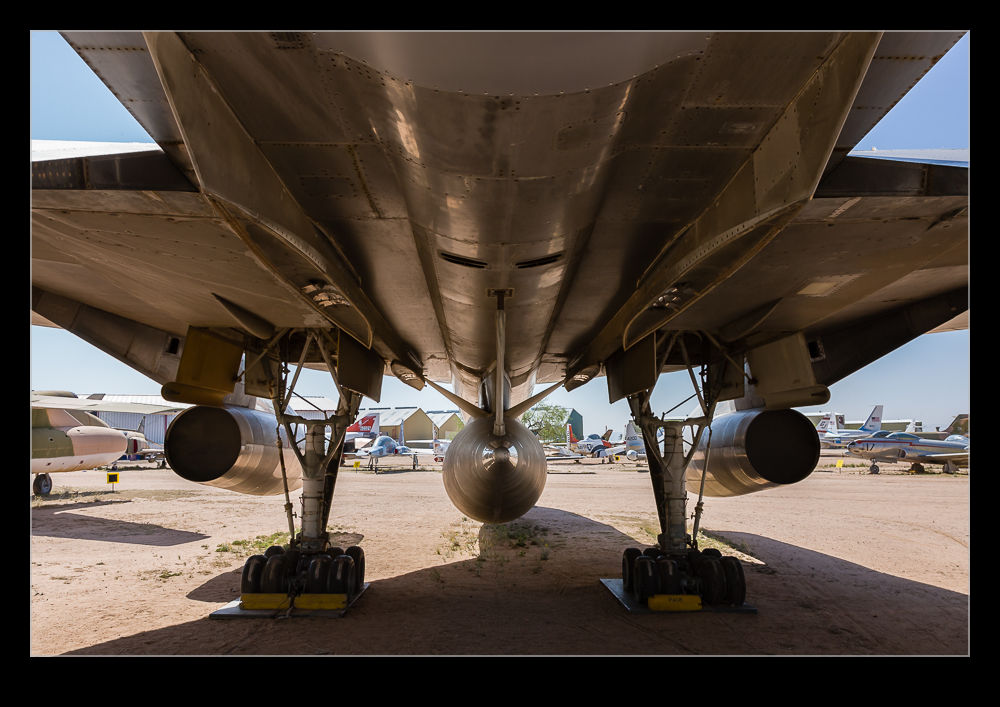
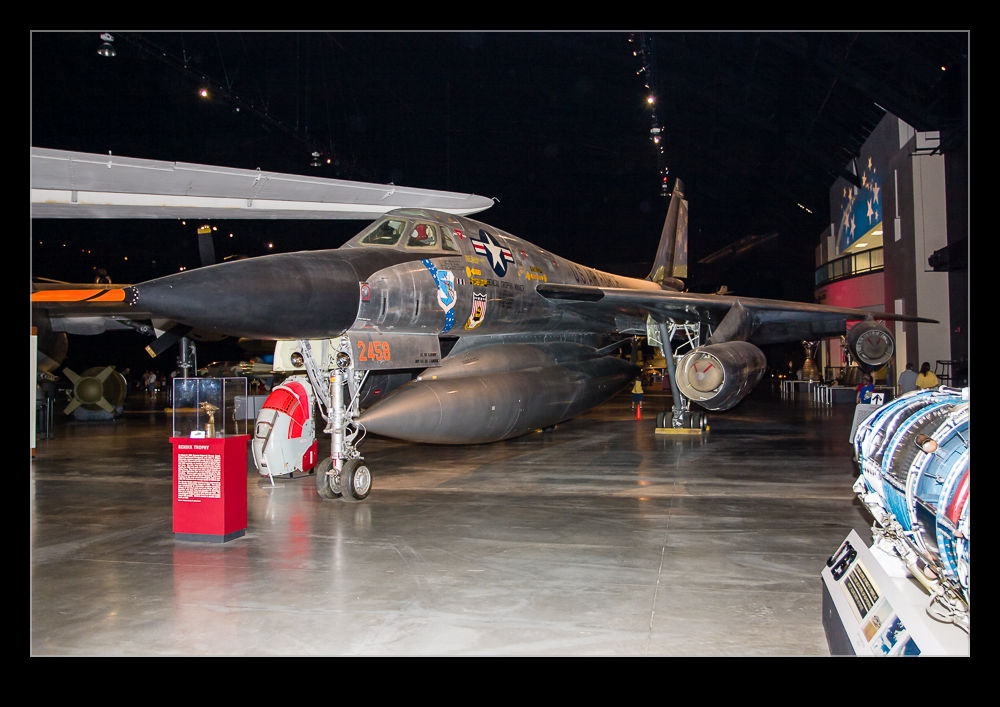
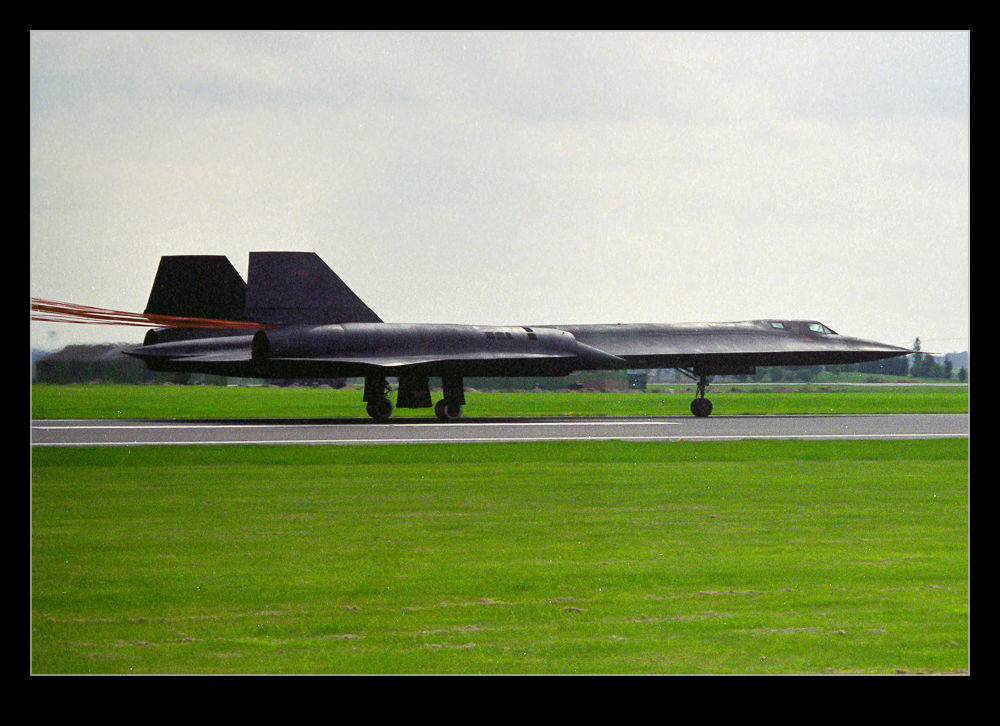
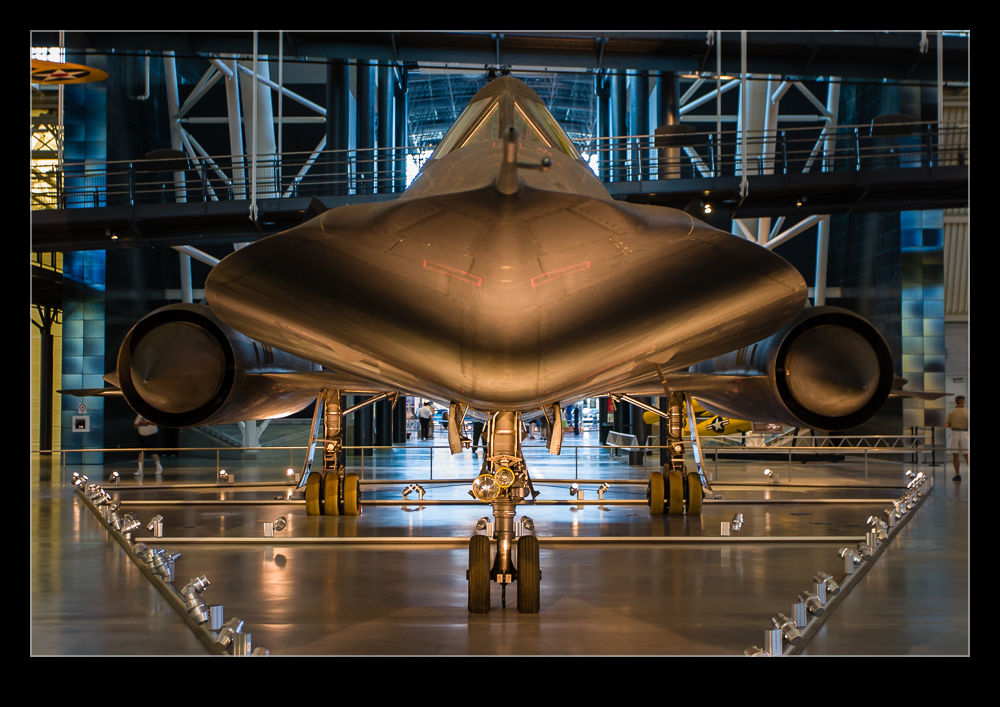
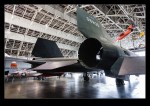
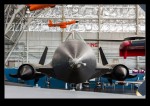
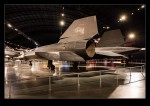
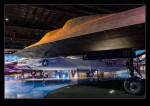
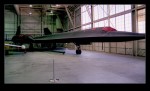
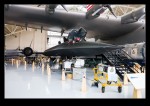
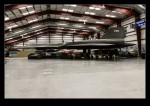
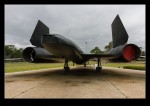
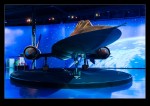
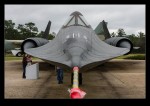
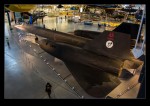
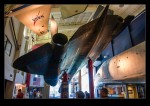
wpid12489-CRW_8553-Edit-2.jpgIf you ever want to find a way to lose a lot of time (this assumes you are an aviation guy), spend time on the Lockheed Martin in-house magazine’s website, Code One. Edited by Eric Hehs (with contributions including some by Jeff Rhodes), the magazine is full of great stories about Lockheed Martin products past and present. I should say I have met Eric and Jeff through ISAP and both are great guys so I am biased. When I am supposed to be doing something, Code One is the worst thing for me to look at since I can get lost in story after story. Recently they were celebrating the 50th anniversary of the SR-71 and ran a piece about preserved Blackbirds. This got me wondering how many of them I have seen and photographed.

wpid12481-Blackbird-Landing-Roll.jpgI will start by pointing out I saw them in service as well as preserved. Mildenhall was home of Detachment 4 of the 9th Strategic Reconnaissance Wing for many years. Blackbirds made an appearance at the Air Fetes that were held at Mildenhall in those days. I also saw a couple from outside the fence during normal operations.

wpid12487-CRW_7354.jpgIt turns out that, while there are a lot of them around, I have seen quite a few.  Some I have seen but not photographed which is a little frustrating.  However, most of the ones I have seen have made it in to the collection.  Here are a selection of shots.  (These also include A12 and YF-12 airframes so not all SR-71s but I doubt you care about that.)


Tiger Moth Flying

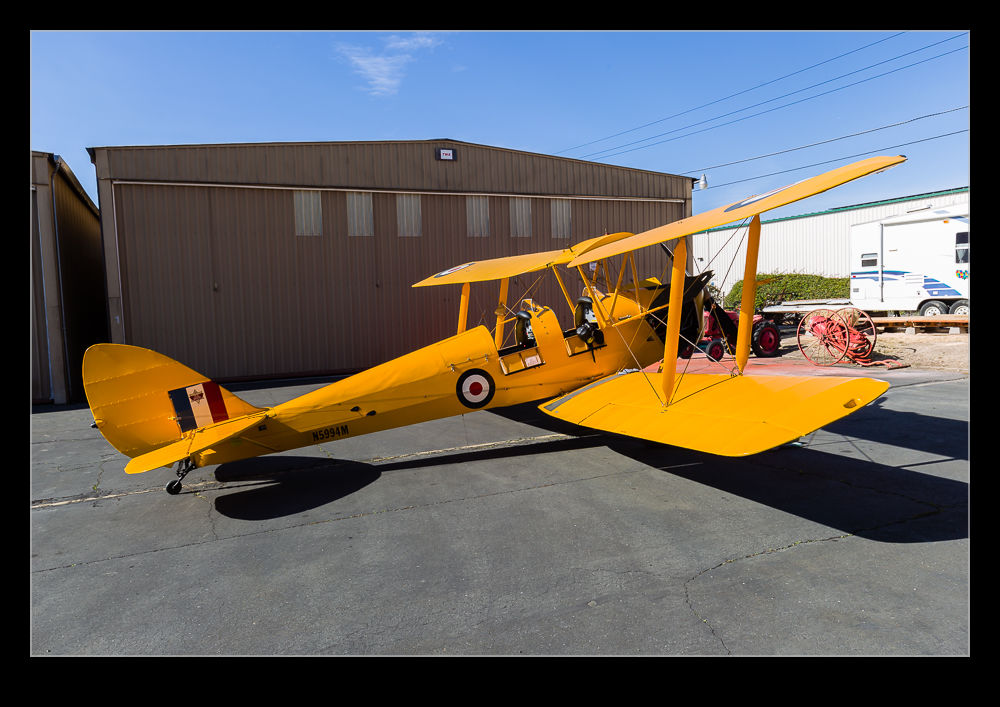
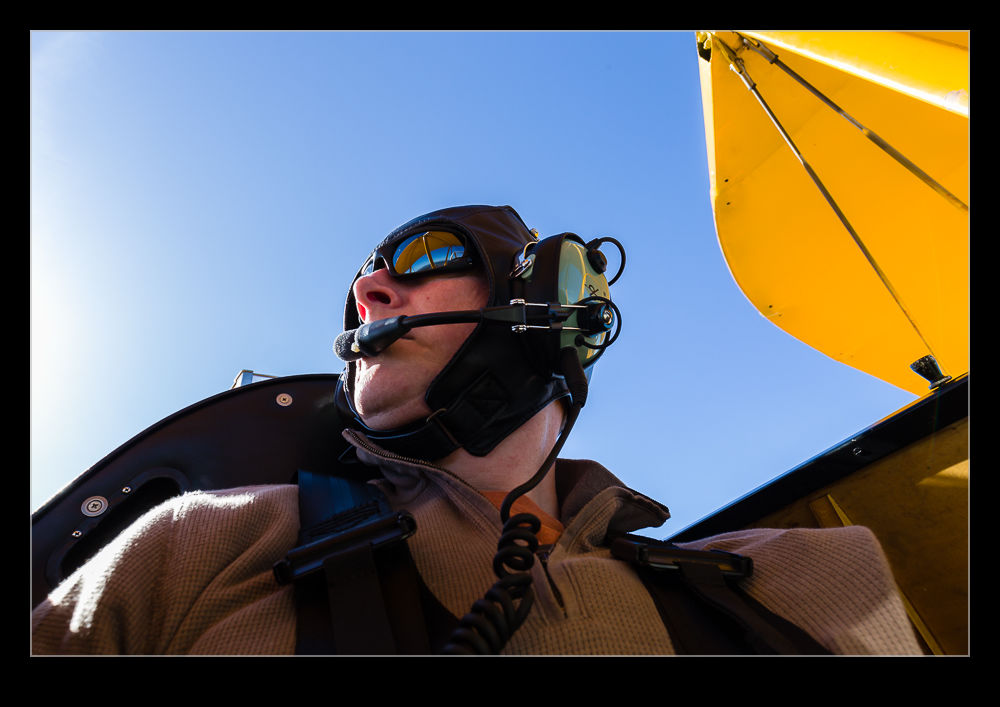
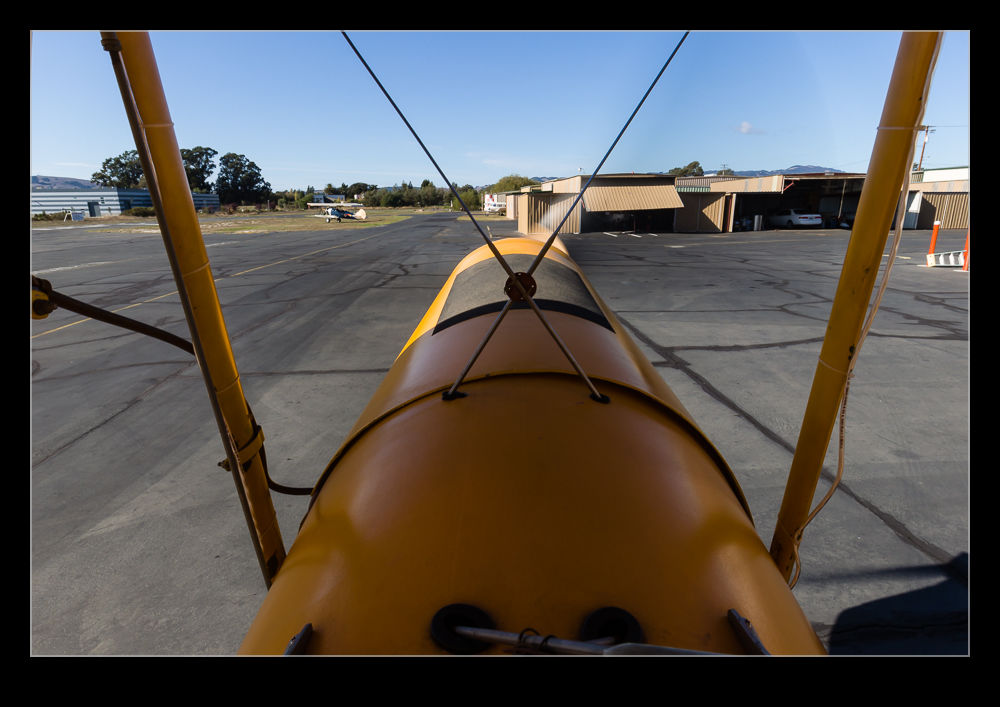
wpid11948-AU0E2995.jpgWith so many things going on, I realized it had been a while since I made a trip up to Sonoma Skypark for the normal Saturday activities. I arrived and spent time with my friend Eric discussing many things aeronautical. While we talked, a Tiger Moth flew back into the pattern. We stopped to watch it for a moment and Eric assumed I had flown in one before – he couldn’t believe an aviation enthusiast from the UK could possibly not have done so. However, I hadn’t.
wpid11954-AU0E3015.jpgAs it was, Eric got in discussion regarding an issue with the engine with Mike, the owner of the aircraft. Eric thought a short flight would be necessary to help diagnose the issue and thought I should provide ballast. I was not going to turn down this opportunity.

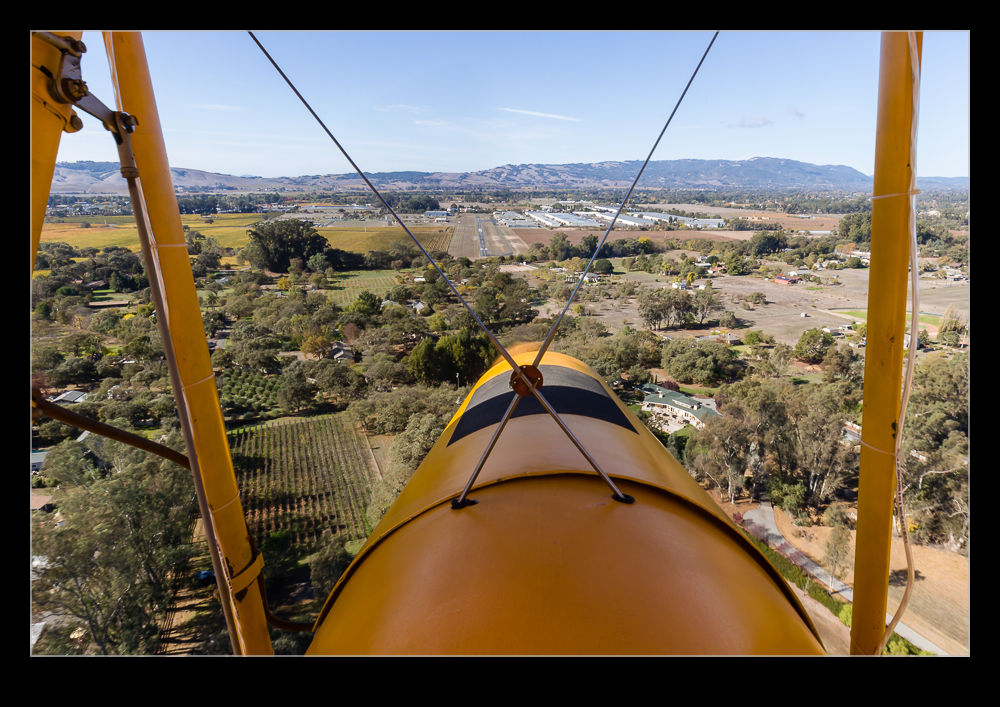
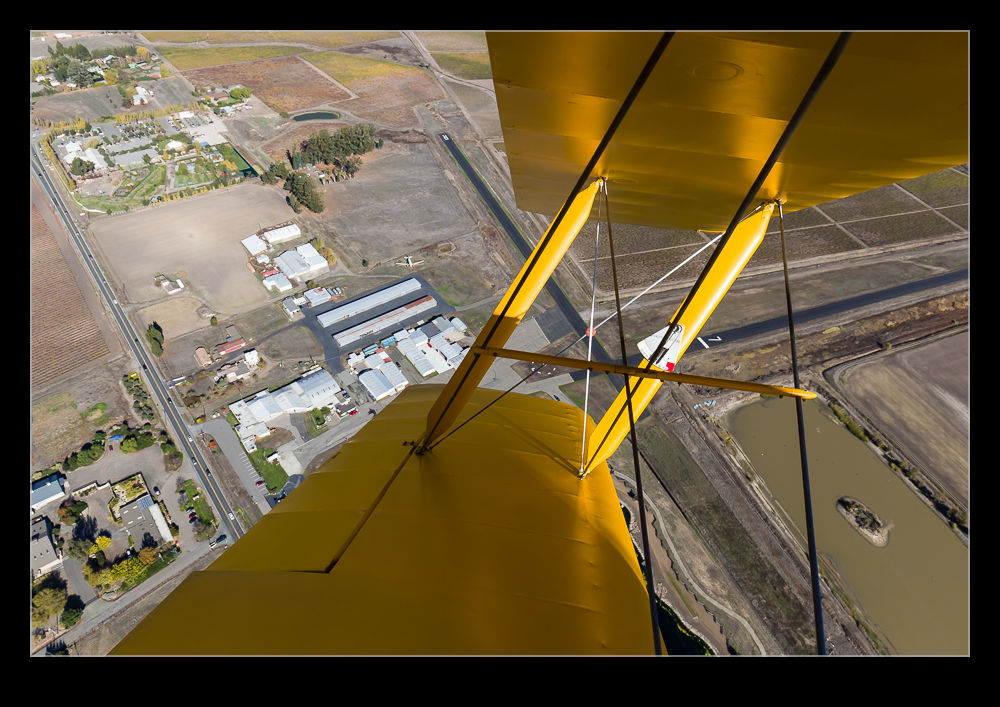
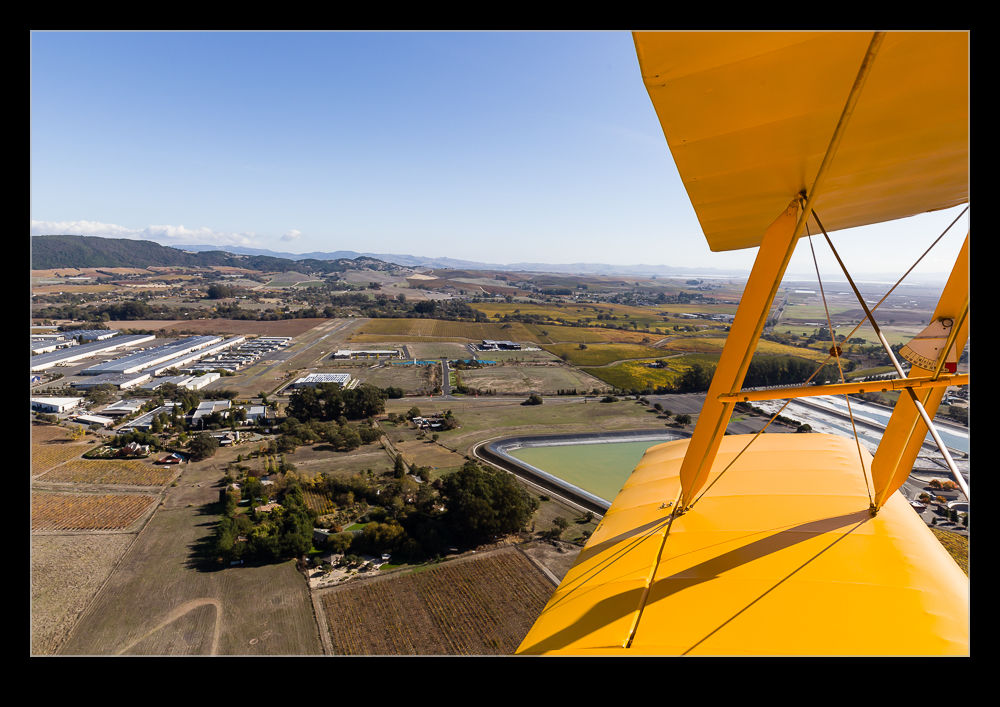
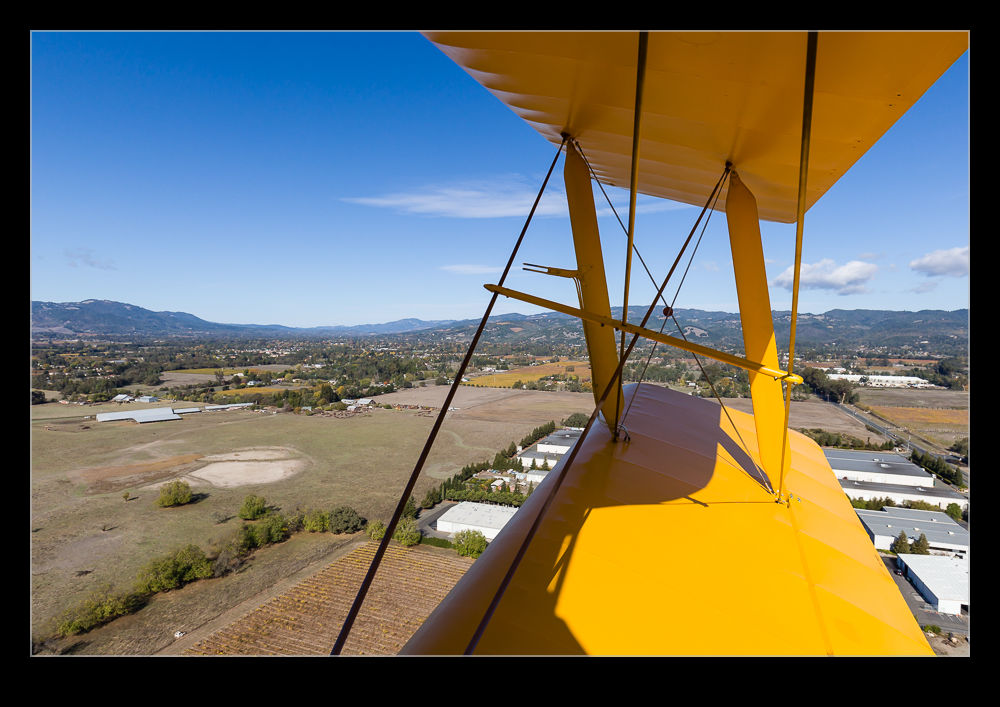
wpid11944-AU0E2831.jpgThe flight was a short one as was required to check out the engine. We took off, climbed to a moderate height, flew a couple of turns and then returned to Skypark. It was a remarkably smooth aircraft and seemed to just glide through the air. Eric pointed out the guy with the stick might have something to do with that (for those of you who are photographers the assumption you must have a great camera will spring to mind) and, while I was certainly appreciative of Eric’s flying, I did like how the Tiger Moth flew.

wpid11946-AU0E2947.jpgNot sure when I will next get a chance to fly in the type but it was certainly great to experience and my thanks to Mike for letting me ride in his plane and to Eric for taking me up.

wpid11942-AU0E2810.jpg wpid11940-AU0E2798.jpg wpid11938-AU0E2729.jpg

RAFM Hendon

wpid12107-1103.jpgA recent project a colleague was working on involved some shots from the RAF Museum at Hendon. I had made a visit to this museum when I was a student living in London and had taken some photos at that time. I took a look through the old films to see whether I had anything that they needed. As it turned out, I didn’t have a shot of what they were after. As is so common when going through film archives, I find that I took a ridiculously small number of shots of interesting things and I am disappointed by the lack of shots and the quality of some of them too.

wpid12103-1102.jpgHowever, it was kind of interesting to see what was there at the time. Having never been back since, I have no idea how it is currently laid out and what is there that wasn’t before and what has gone. However, I do know that the Blackburn Beverley that was outside when I was there was scrapped not too long after that as the airframe had deteriorated in the outdoor storage. These shots are just a couple from that visit.

Curtiss Jenny

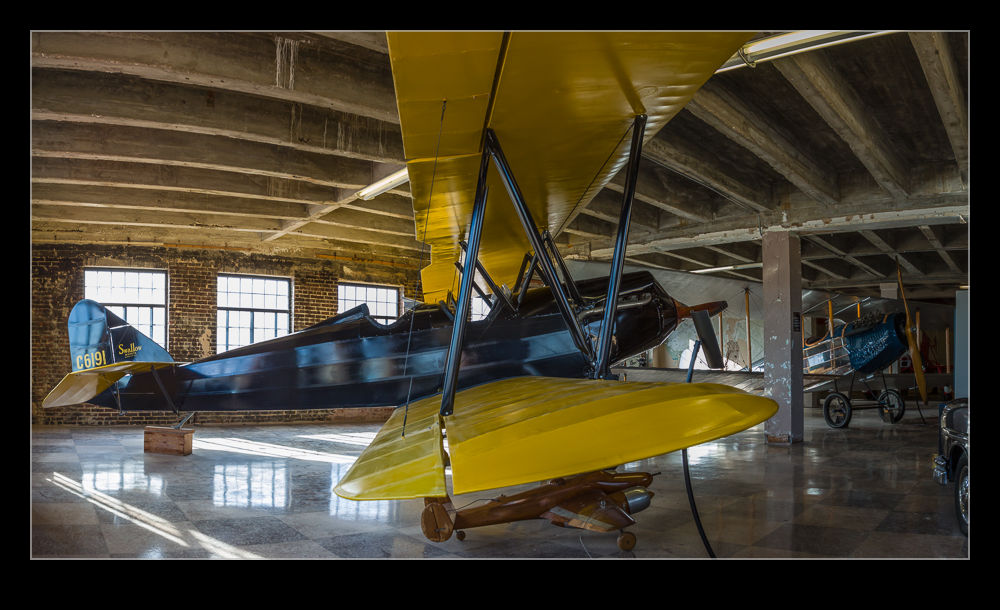
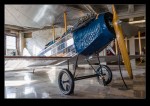
wpid10622-C59F2981.jpgThere are many vintage aircraft that I have had the chance to photograph over the years. However, I have not had many opportunities to photograph a genuine First World War era aircraft. That was something that I was recently able to address. Sonoma Valley in Schellville has a variety of interesting aircraft as I have mentioned in the past. One of these is Frank’s beautiful Jenny. It is in pristine condition. I had previously been around when it was due to fly but a fuel leak in a line had curtailed activities that day.
wpid10618-C59F2698.jpgThis time the plan was to fly a couple of people in the aircraft. Eric Presten was the pilot for these flights and he needed to run a quick air test before taking anyone up so three flights appeared to be on the cards. I arrived at Schellville in the morning to be ready. Unfortunately, the weather was not looking too cooperative. There was a little mist and the cloud base was pretty low with the surrounding hills having their tops obscured. We got the aircraft ready as we waited for the cloud to lift which it progressively did.

wpid10614-AU0E0081.jpgEric was soon able to get up for the air test. While the conditions were better for flying, they still weren’t great for photography. However, while he was up, the cloud was burning off more and more. The result was, by the time the two flights for the guest took place, conditions were ideal. For the second ride, Eric put in an overflight of the field allowing me to get something other than ground running shots, tail end departures or head on landings. The latter two were subject to a lot of heat haze so it was great to get something a little closer in.

wpid10616-C59F2600.jpgShe truly is a lovely looking aircraft and an example of something very rare to see. I will enjoy seeing her flying again. What will be even better is getting a chance to shoot her air to air. If the opportunity for that should come up, I will be a very happy boy. In the mean time, I am very grateful to Frank and Eric for including me in this. Great guys and a great plane!

Spruce Goose Then and Now

wpid10366-QB5Y7836.jpgThere is a fine line between being inspired by someone’s work and plagiarizing them. Today I shall tiptoe along that line. My friend Hayman Tam has recently posted some pictures of the Spruce Goose on his blog after a trip he had made to the Evergreen Air Museum in McMinnville OR. Go to Hayman’s blog at shutterspeedaero.wordpress.com to see that post and many others. In doing so, he reminded me of my own trip to the museum and photographing the Goose. However, that was not the first time I had seen it.

wpid10368-Spruce-Goose.jpgIn 1990, during my first ever visit to the United States, I was in Long Beach with my Dad. We visited the Queen Mary and in those days, the Spruce Goose was inside the large dome that sits on the waterfront. I had my camera with me on that trip. It was my first Canon camera, an EOS600 (which was called the EOS630 in the US) and that camera got a lot of use over the years. I still have it. I didn’t take a huge number of pictures of the Spruce Goose but I did get a few.

Moffett Field Museum

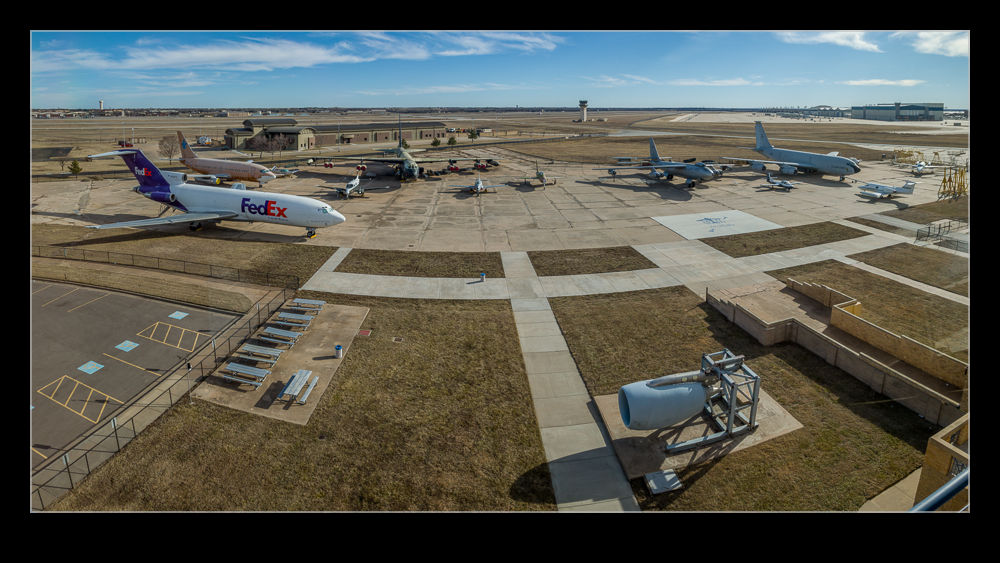
wpid10478-AU0E7889.jpgPaul’s visit also included a trip to Moffett Field. Neither of us had visited the museum there so we were both interested in having a look. To be honest, we had assumed it would be a relatively quick visit but the place was very interesting and a docent ended up chatting to us about lots of features in the museum and he was a great guy to talk to. He also took us outside to look at some of their more interesting aircraft.

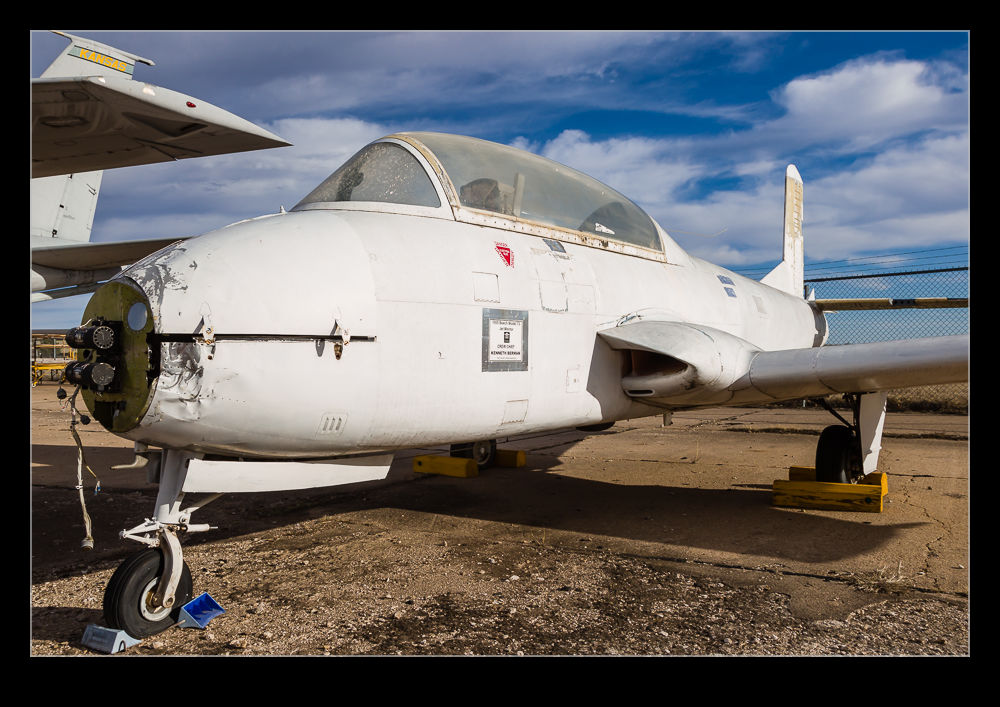
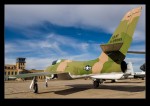
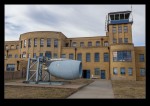
wpid10466-AU0E7864.jpgThere are a few preserved aircraft at Moffett. Some restoration work continues and their P-2 Neptune is currently across the field being worked on. A P-3 is a short walk away from the museum but they have a fenced off area with a few other exhibits. These include an F-104G Starfighter that NASA used to operate, an AH-1 Cobra from the US Army, a research wind tunnel model (Moffett has an interesting selection of wind tunnels even after the demolition of the biggest one a few years ago) and their centerpiece, a Lockheed U-2. It is currently awaiting reassembly so the wings are on supports alongside the aircraft awaiting reattachment. They have worked hard on restoring it and it looks really cool. The camera installation is inside the museum as well.

wpid10474-AU0E7881.jpgMoffett Field’s history as an airfield is an interesting one and they cover it well. Whether it is the early airship work and the huge hangars that are still on the field or the long presence the US Navy had, the current ANG rescue operations or the NASA research activity, they have it covered. Do pay them a visit and support the work that they are doing. They have a few cool aircraft that are on the other side of the field which are currently out of bounds to the public so I shall have to see if there is a way to get to see them at some point.

T-6s Doing Their Stuff

wpid10232-C59F7419.jpgA pair of locally based North American T-6 trainers were keeping busy while the Collings folks were in town. Shortly after I first arrived, they launched as a pair. The departure was very nice but was a little spoiled by a card error on my camera. (I had a card that had given me occasional trouble but this was the first time it really crapped out. It has now gone back to the manufacturer for a replacement.) The T-6s were not done and flew several times. This gave me a few more opportunities to get shots of them. Their returns to base would involve some nice breaks into the downwind which were well centered on our location. I will have to investigate these guys further since they flew very nicely.

Collings Foundation

wpid10346-C59F8178-Edit.jpgThe Collins Foundation carry out a tour throughout the country with their vintage aircraft showing them off to many communities, sharing a message about what people did in the Second World War and providing an opportunity to ride in some historic machinery. I have seen them in the past while we lived in Chicago. Their tour this year brought them through the Bay Area with stops at Moffett Field and Livermore. Since the latter is close to home, I went along to see them.

wpid10336-AU0E7769-Edit.jpgThe part of the collection that they bring on tour includes a Boeing B-17 Flying Fortress, a Consolidated B-24 Liberator and a North American P-51 Mustang. I headed over to Livermore ahead of their planned arrival time and plenty of people had already gathered to see them come in. We all waited for a while and then the B-17 appeared over the hills. It made its approach and landed a short while before the B-24 showed up and followed suit. The P-51 was last of the three making a nice pass before landing. What I hadn’t anticipated was a B-25 Mitchell was also following them in. A quick turnaround and the three main players were soon launching off for flights with expectant passengers.

wpid10271-C59F7859.jpgAt this point I headed off as I had other things to do. Later in the day I came back and managed to catch an evening launch of the B-17. The following evening I had more free time so came back again. Another evening launch and recovery as the light got better and better. Then, as everyone packed up, the Collings team was kind enough to let me take some shots around the ramp. A local P-51 was parked up while the Collings P-51 had disappeared somewhere. As the sun set, I shot around the various aircraft and included a cracking 1937 Oldsmobile that one of the volunteers had brought along. With the light fading, the ramp lights came on which gave me a whole new bunch of opportunities to get some shots. I shot a lot until it was pretty late. At that point I headed home. The following day they also departed moving on to the next stop on their tour. If they come your way, make the effort to get out and see them. If you have the money, take a ride and support the continued operation of these great aircraft.

HDR Panoramas

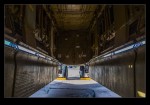
wpid10158-C59F8190-Edit-Edit.jpgAnother one of my processing technique posts today. For those of you interested in pictures of places, today will probably be one you pass on. You have been warned. This is about my first venture into the realm of HDR panoramas. I know at least one of you who knows exactly how to do this sort of thing and does it on a regular basis. You also will probably skip the rest of the post. However, you have some specialized tools for doing the job and I am playing with Lightroom and Photoshop so here is how it goes.

My initial thought having taken the shots was which order to carry out the processing. HDR first or pano first. I concluded that it had to be pano first. All of the pano exposures were consistent and would stitch properly while I wasn’t convinced that each of the pano frames would be consistent if I had done the HDR blending first. However, this left me with a second concern. Would the pano merge produce images that would align for the HDR merge. I use the pano tools built into Photoshop and, while I select the algorithm it uses, I did not have confidence that it would produce an identical alignment for each set of exposures. However, this was the route I tried.

Stitching the panos was straightforward enough. I created each of them from Lightroom and ended up with five panos with differing exposures. At this point I could have taken them directly to HDR Pro within Photoshop but, since I wanted everything to end up in the Lightroom catalog, I decided to save the files and go to HDR Pro from there.

Here I encountered my first hiccup. As expected, the panos produced were not identical. There were very close but not identical. HDR Pro only works on files that are the same dimensions. I imagine some more specialized HDR applications might be able to handle this but I was stuck with Photoshop. Since the panos were thousands of pixels across and only a few pixels different, I opened them back up in Photoshop and changed the canvas size to be identical in each case. HDR Pro is able to manage alignment of slightly misaligned shots anyway so I wanted worried about the positioning. Also, with such small changes in dimensions, I didn’t fear that I would have distortion.

With this change made, Photoshop went to work and created the HDR file. Amazingly, it worked just fine. I didn’t have any problems with the files being distorted relative to each other and it did a great job of blending them. All that was left was to crop everything in to clear up the empty corners from the pano creation (I didn’t get rid of those in the first instance since I was trying to keep the pano files identical in size and alignment) and then a few tweaks back in Lightroom had the job finished. I was pretty pleased with how it worked and, with the experience of this time, should be able to turn them around quite quickly next time.