Category Archives: Pacific Northwest

Mount Rainier Aerial Tour

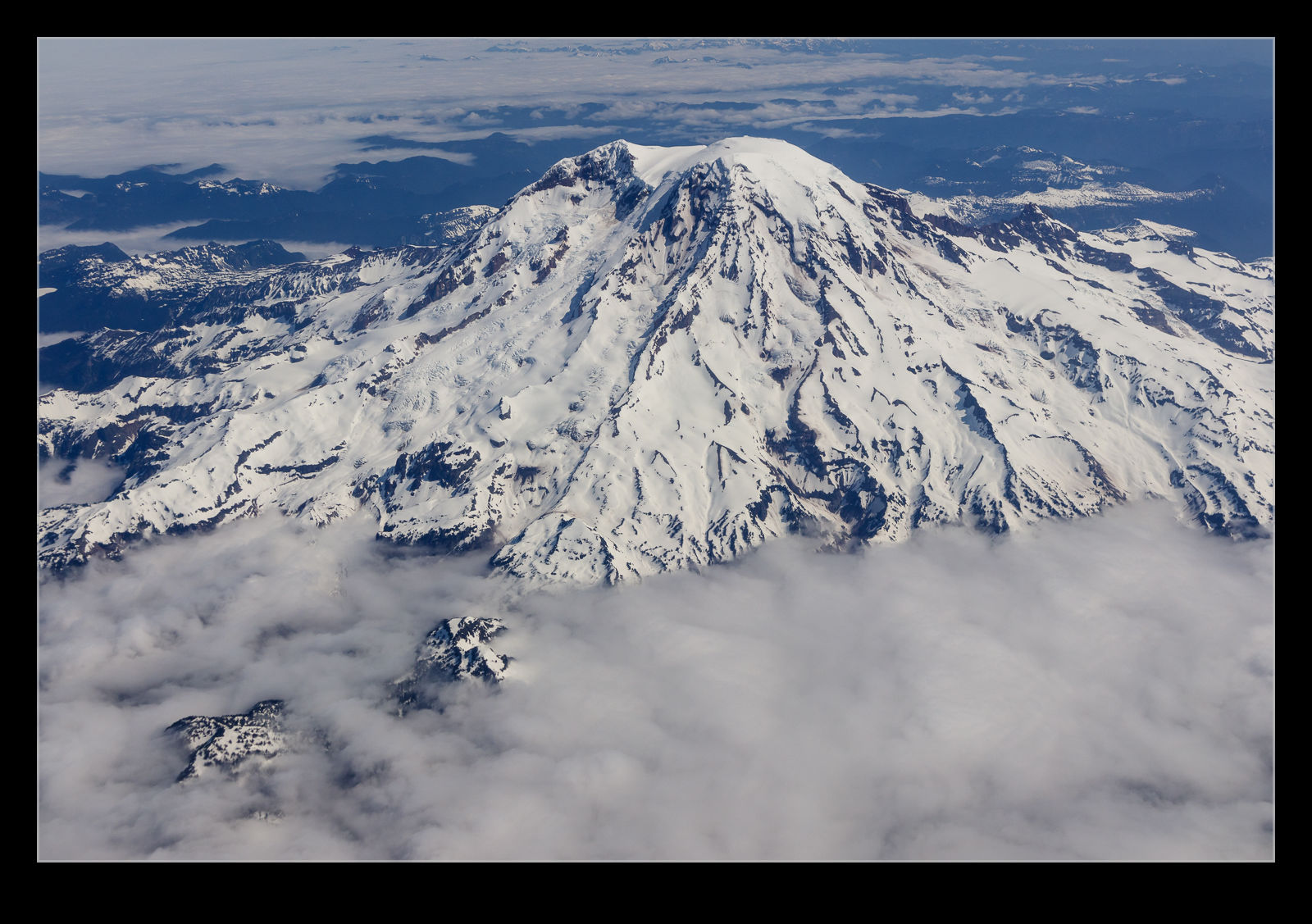
Another trip and another flight out of SeaTac.  I was sitting on the left side of the plane without having given any thought to what I might see en route.  As it happened, we departed to the south and then, after a short time in the climb, we turned on course for our destination.  It just so happened that our turn brought us around the south side of Mount Rainier.  I was sitting on the side that happened to have a great view of the mountain as we turned.

I was sitting down the back of the plane so, for a while, the wing was in the shot.  I wasn’t sure whether to be annoyed by this or to have something to give some perspective to what I was shooting.  Aerial photos of large landscapes usually lack a sense of scale and I doubt the wing altered that, but it was worth a try.  The cloud banks that lay on the surrounding foothills are probably rather large, but they seem almost insignificant against the scale of the mountain.  A lucky day to be heading the right way, sitting on the right side of the plane, turning where we did and then not having the whole thing shrouded in cloud!

The Bridge Over Deception Pass

Before we knew we were moving to the Pacific Northwest, we took a vacation up here.  Ironically, we did it because it was relatively close and we thought the next move might take us away.  Guess we got that one wrong.  On that trip we jumped between the islands a little and part of that involved driving up Whidbey Island and crossing Deception Pass.  Consequently, this post exists which describes my brief exploration of the bridge as we were passing over it in weather that was a little less than great.

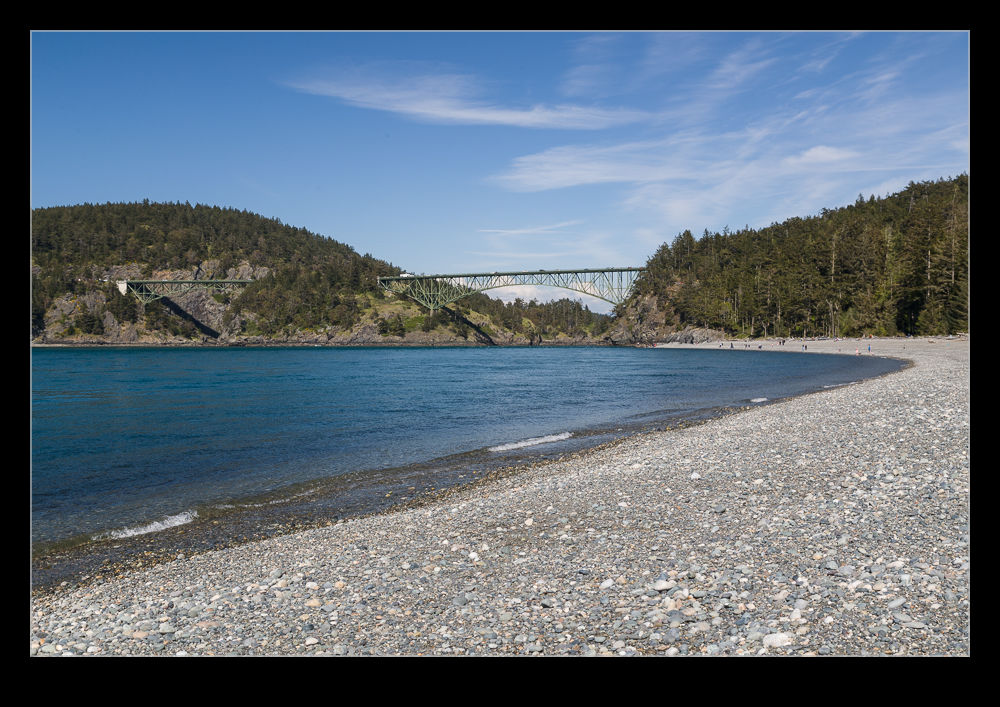
Our recent visit to the Deception Pass State Park allowed us to walk along the beach and up towards the bridge.  This was a different perspective to the previous visit.  The shoreline is quite long and, for a while the bridge does not look that impressive as you are seeing it from quite a distance.  However, as you get closer and start to make out the traffic on the bridge, you get to appreciate how large it is and how high over the water.

Since it is actually two bridges, it lends itself to a panoramic format when you are looking from a distance.  It is only as you get closer to the bridge that you can start to compress the whole thing into something that fits the normal frame a little better.  This was the third leg of a day trip so I was beginning to get a little worn out so I didn’t go and explore all of the possible angles.  I will definitely be back and will try that another time but, given that I still had to walk back to the car, I decided I would save that for another day and focus on the trip home.

Max7 Number Two

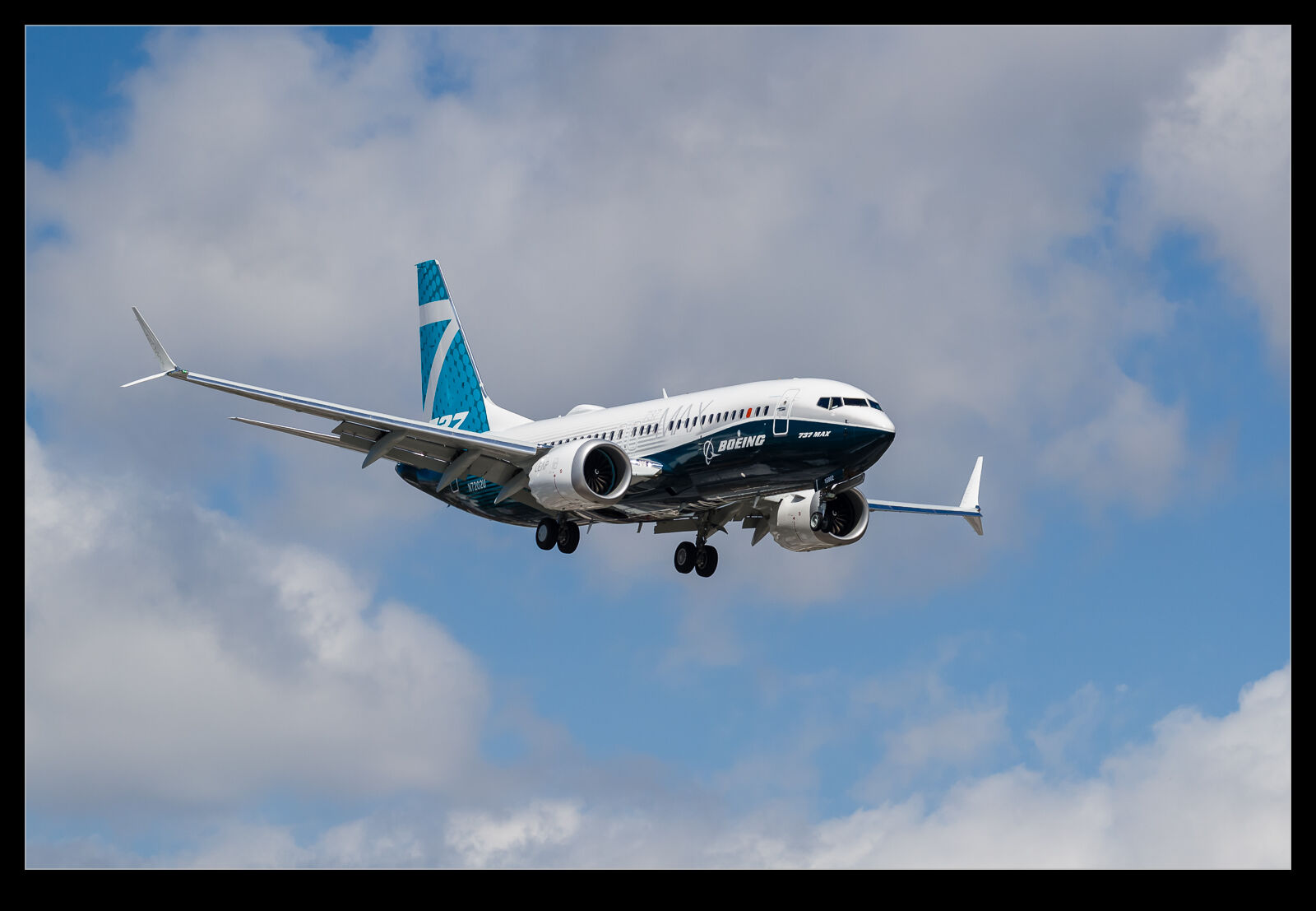
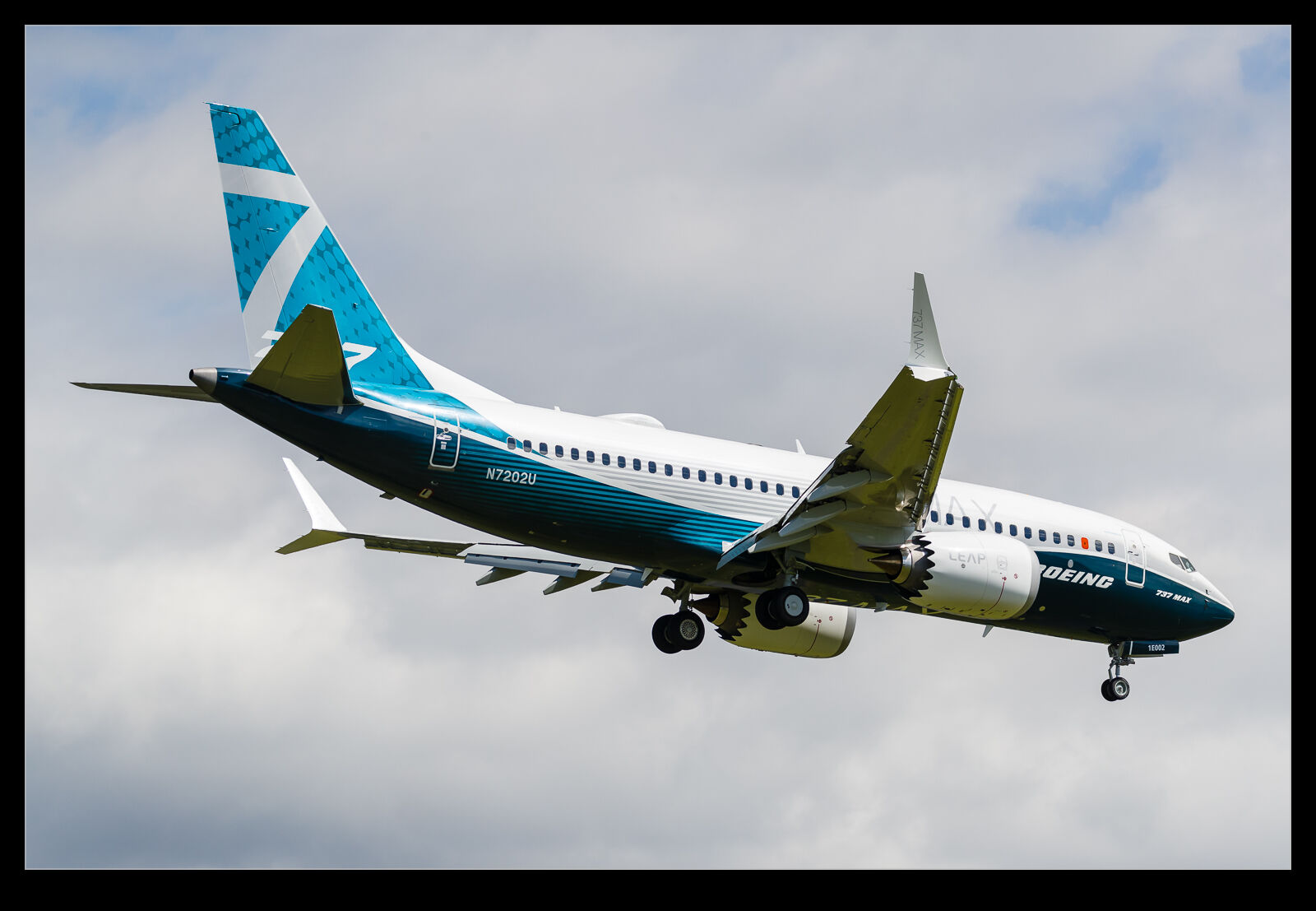
The first Max7 test aircraft got a blog posting here but I have now seen the second in action too.  I think I first saw it on the ramp at Renton but I didn’t see the registration so can’t be sure.  Now it is engaged in testing and flying regularly out of Boeing Field.  It actually departed as I pulled up, so I only got to watch it rather than get a shot.  It was a bit overcast then anyway.

Later in the day it returned and this time the light was a lot more favorable.  I have yet to be able to gauge it against a 700 series and see the increase in length but the bigger engines are pretty obvious.  Still not a huge number of orders so we shall see whether it becomes a success but, in the meantime, we shall see them testing in the area for a while.

Titan II Installation

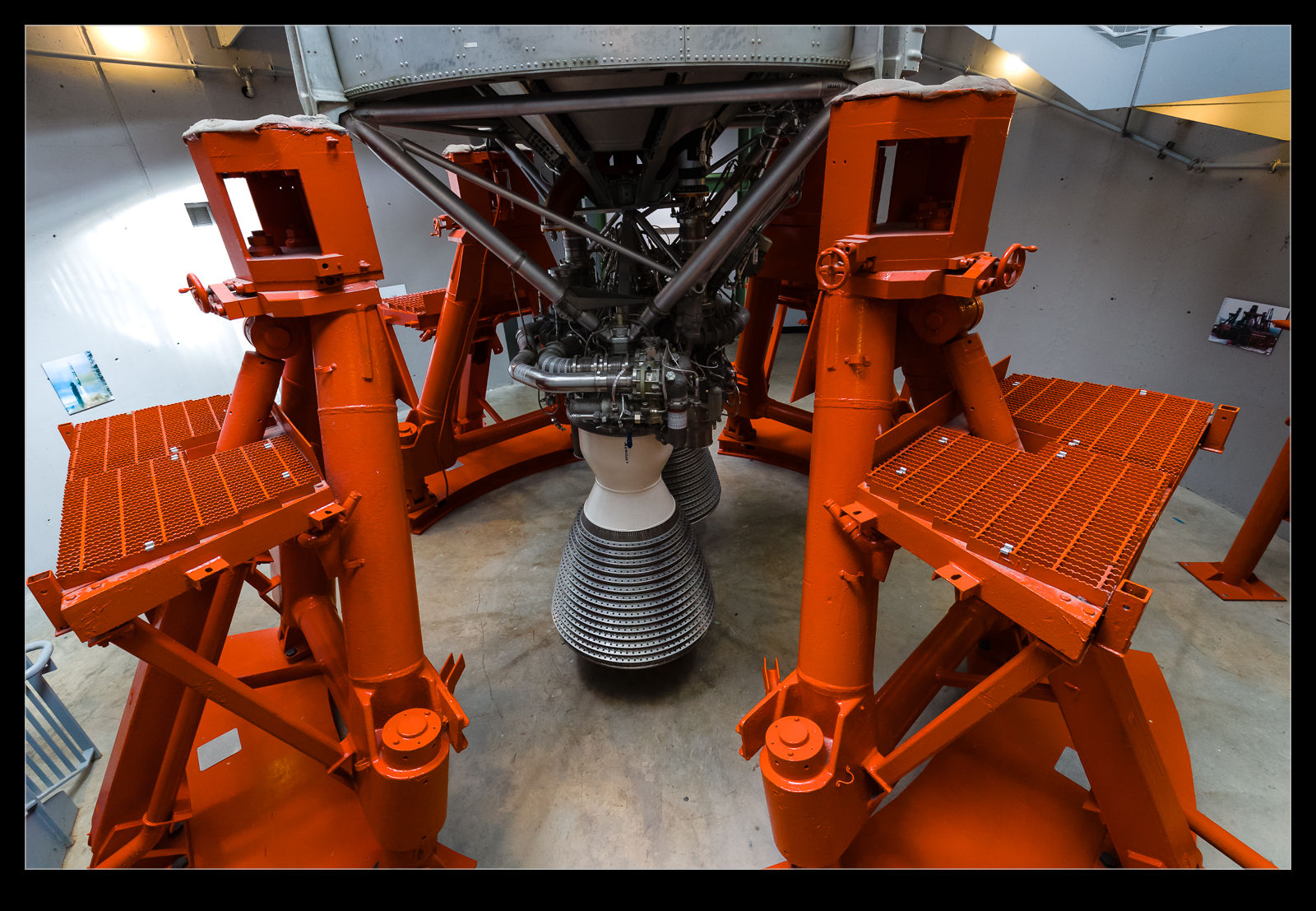
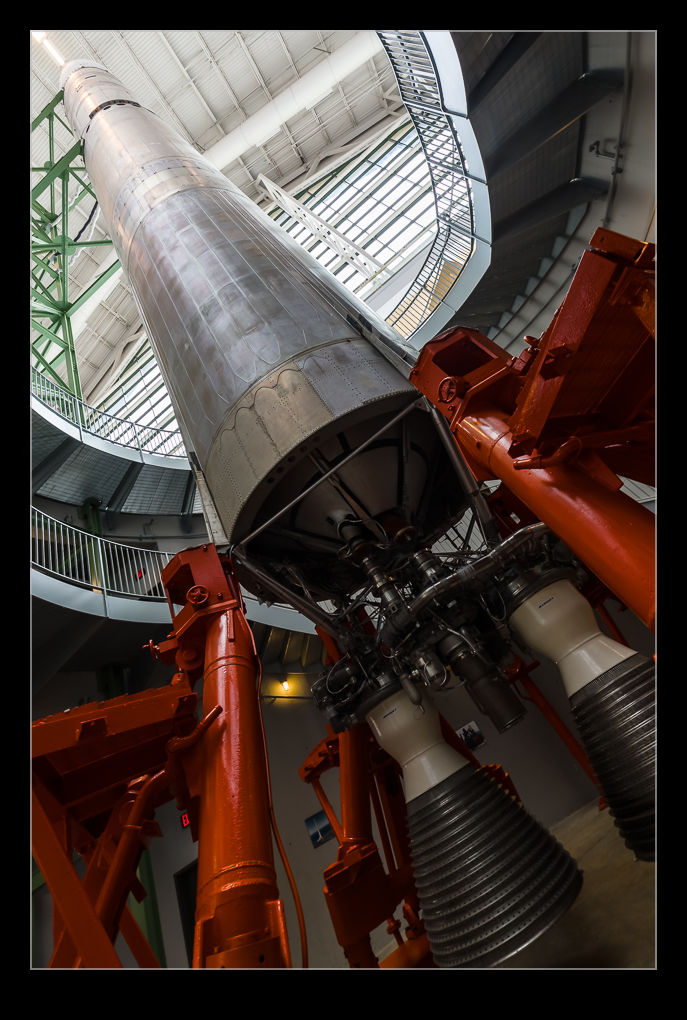
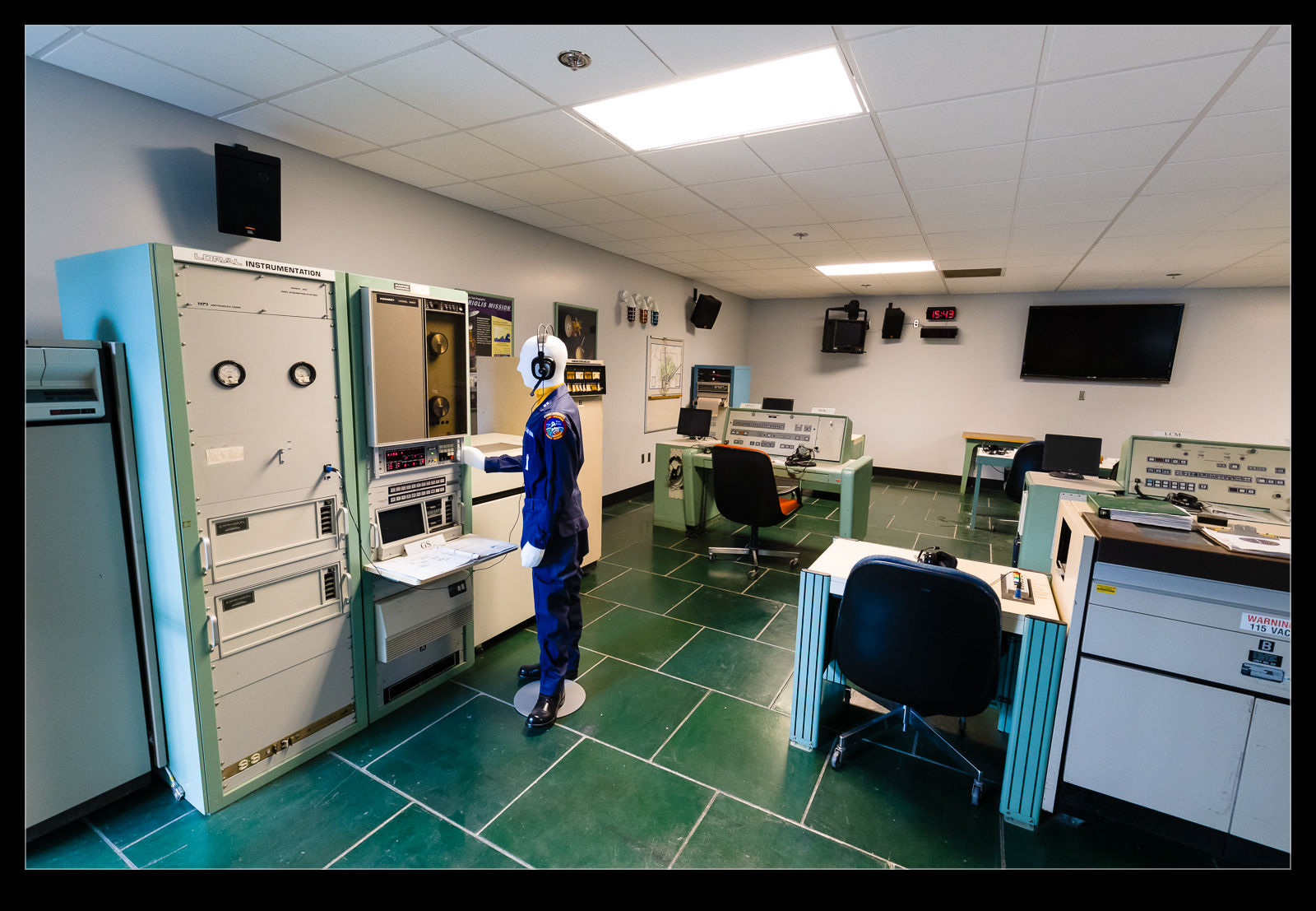
The Titan IV at Evergreen isn’t the only Titan there.  They also have a Titan II ICBM.  This is installed upright in a recreation of the launch facility that would originally have been buried deep under a remote part of the US countryside.  You can walk down and check out the control facilities (probably a touch closer to the silo than would originally have been the case) as well as get down to the base of the silo where the twin nozzles of the missile are.  Looking up at the missile from down there is quite an impressive sight.

The Titans were liquid fueled rockets.  The process of getting them ready for launch was a lot more complex than for the solid fueled rockets like the Minuteman that replaced them so they were a lot less responsive.  However, they fulfilled their role for a long time.  They also had a secondary career as manned launchers.  The Titan II was the launch vehicle for the Gemini missions so it is a lot more familiar to most people than would be the case for the average ICBM!

Tulip Festival

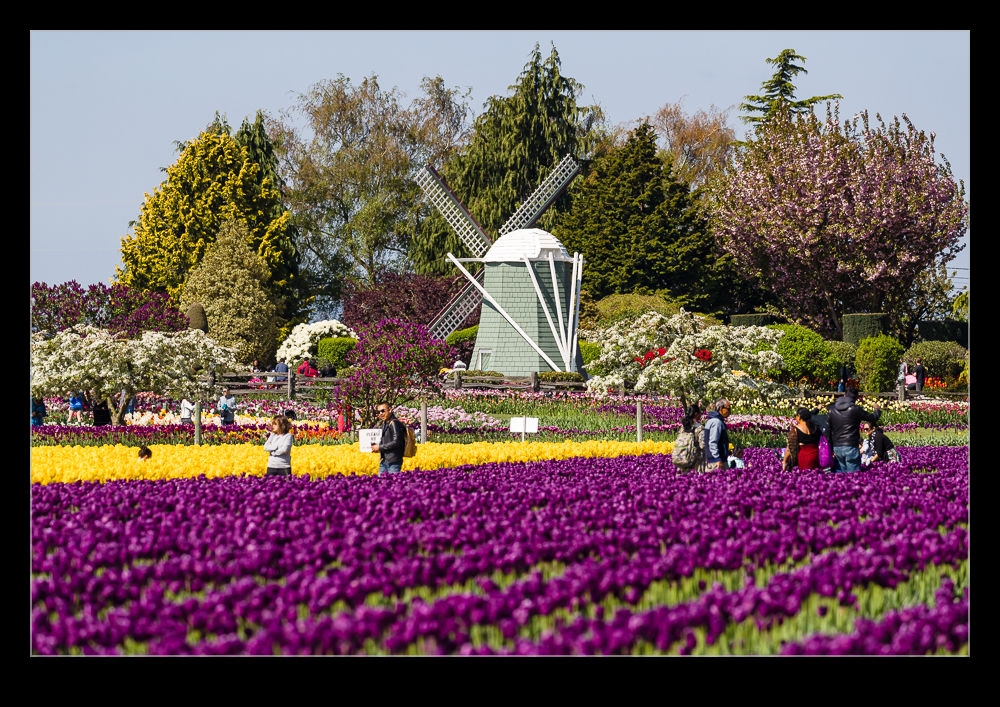
The Skagit Valley sits about an hour north of Seattle and is home to a lot of tulip farms.  The spring is the time for the tulip festival.  Unfortunately, the beginning of the festival was not a great time for us to get up there with other things going on.  However, as things calmed down for us, we were able to get up there towards the end of things.  We may have missed the peak time but there was still some impressive stuff to see (and hopefully quite a few less people!).

The fields were absolutely full of tulips.  They filled your field of view and you quickly became blasé about the vibrance of color around you.  Finding a way to try and convey the sight was a little trickier.  The thing I did find particularly visually appealing was the way that people would be walking along the paths between the flowers but appear to be afloat in a sea of flowers.  They were all busy photographing themselves in amongst the tulips so were not aware that they were the subject of more than one photo.

My First Latitude – Now They are Everywhere

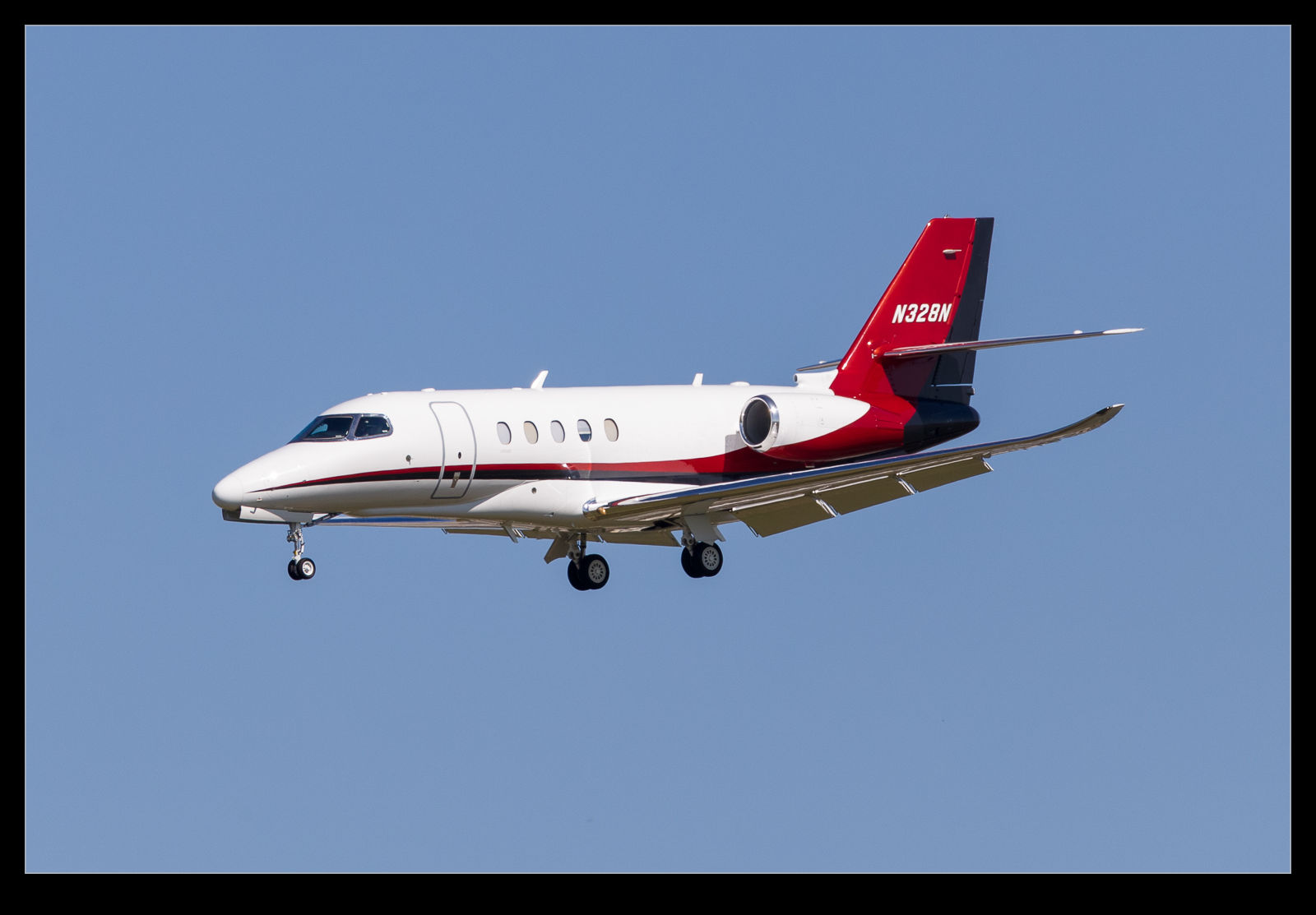
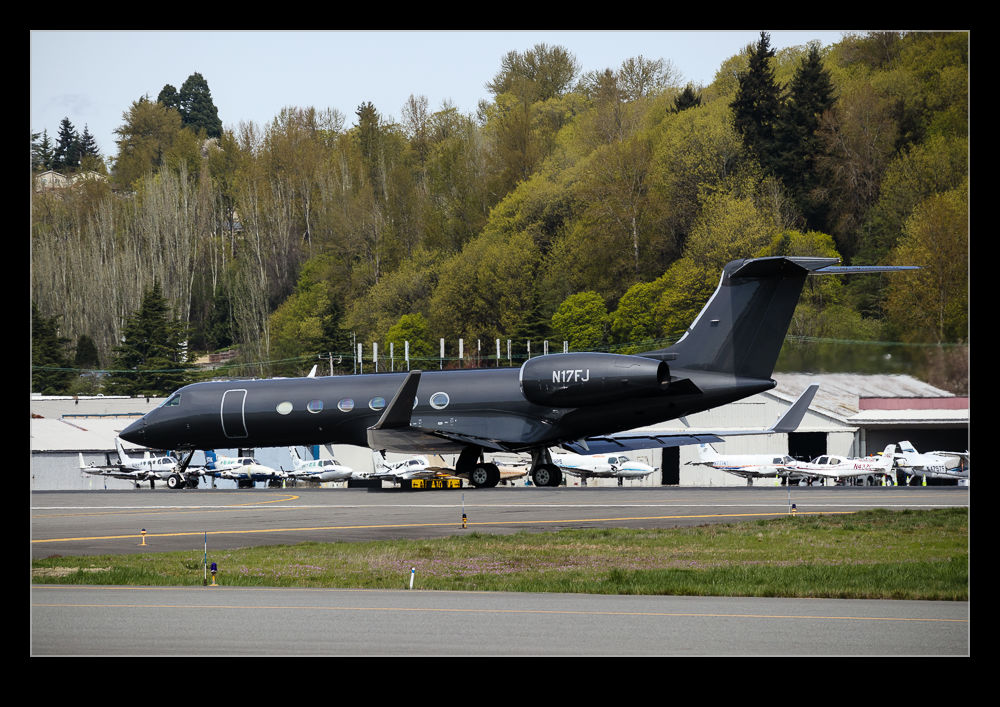
This post is a little late in coming to fruition but it is even more the case now than when I first wrote it.  The corporate jet market has been in a bit of a slump for a while but one thing that is likely to provide a boost is a new model.  Cessna launched the Latitude jet a few years ago.  An evolution of their existing line, it took parts of the Sovereign and combined them with a new fuselage.  (As an aside, I have never been a fan of the Sovereign.  The fin looks like a barn door on it.  The larger fuselage of the Latitude actually suits the fin size a lot better so things are a bit more in proportion.  Still, not many of the Cessna jets are that elegant in my mind.)

The one at the top of this post was the first Latitude I got to photograph.  I did see a test jet take off from Wichita Mid Continent when I was there visiting friends but I didn’t have a camera.  They are easy to identify with the gently upcurved wingtips.  Having seen this one, I have since come across a bunch of them.  It appears that the arrival of the new type attracted a bunch of customers and Cessna was ready to build to meet that demand.  Now I don’t consider them particularly noteworthy.

Skyray – Or Is It?!

The A-4 Skyhawk had a long and illustrious career in many air forces around the world.  It has a close cousin that didn’t fair so well.  The Skyray shared a few design cues with the Skyhawk but it was designed as a fighter rather than an attack aircraft (although the Skyhawk spent a lot of time as an adversary fighter over the years).  I find the Skyray a more attractive aircraft than the Skyhawk (not that I have anything against the Skyhawk) but that might be more about the rarity value.

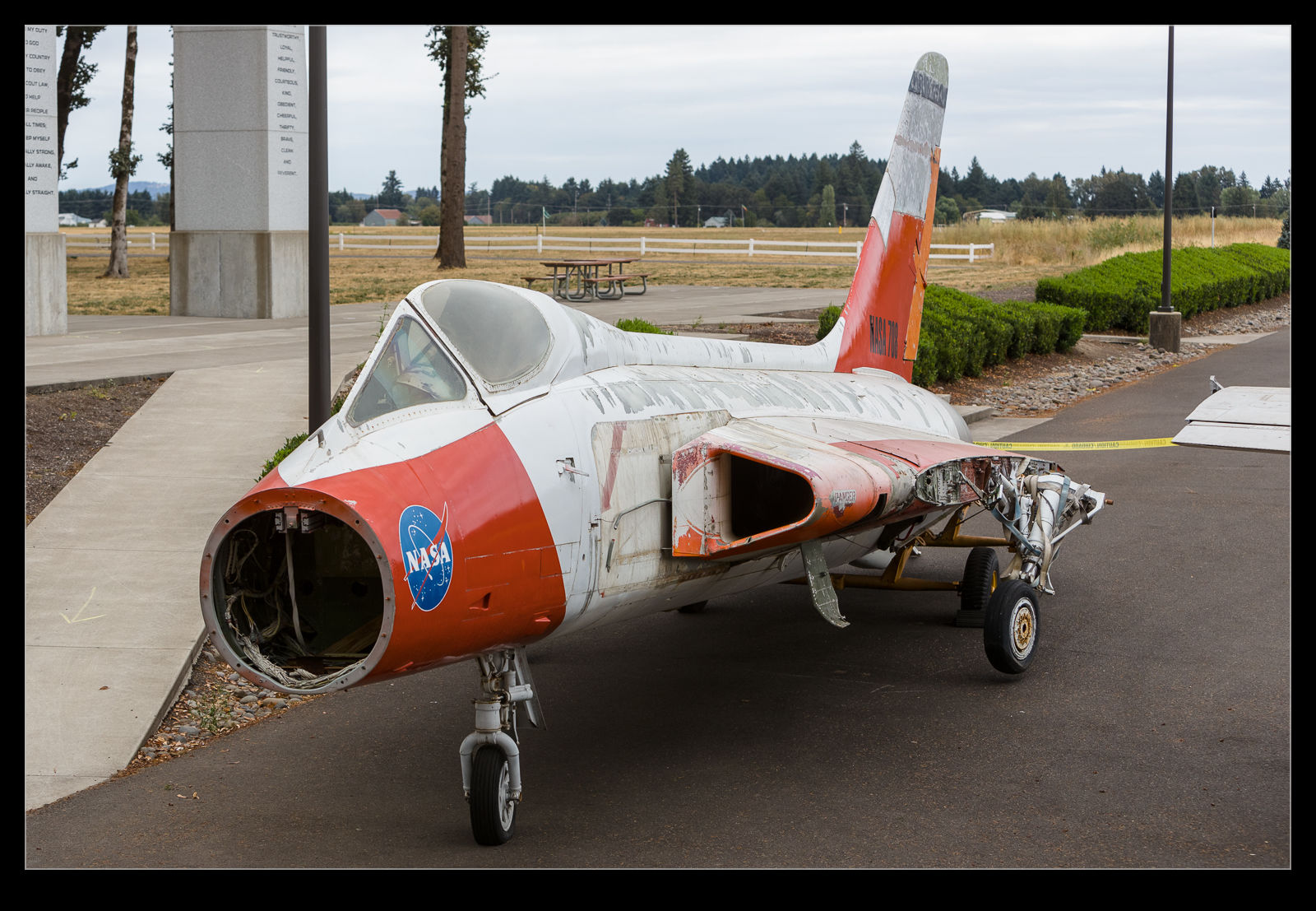
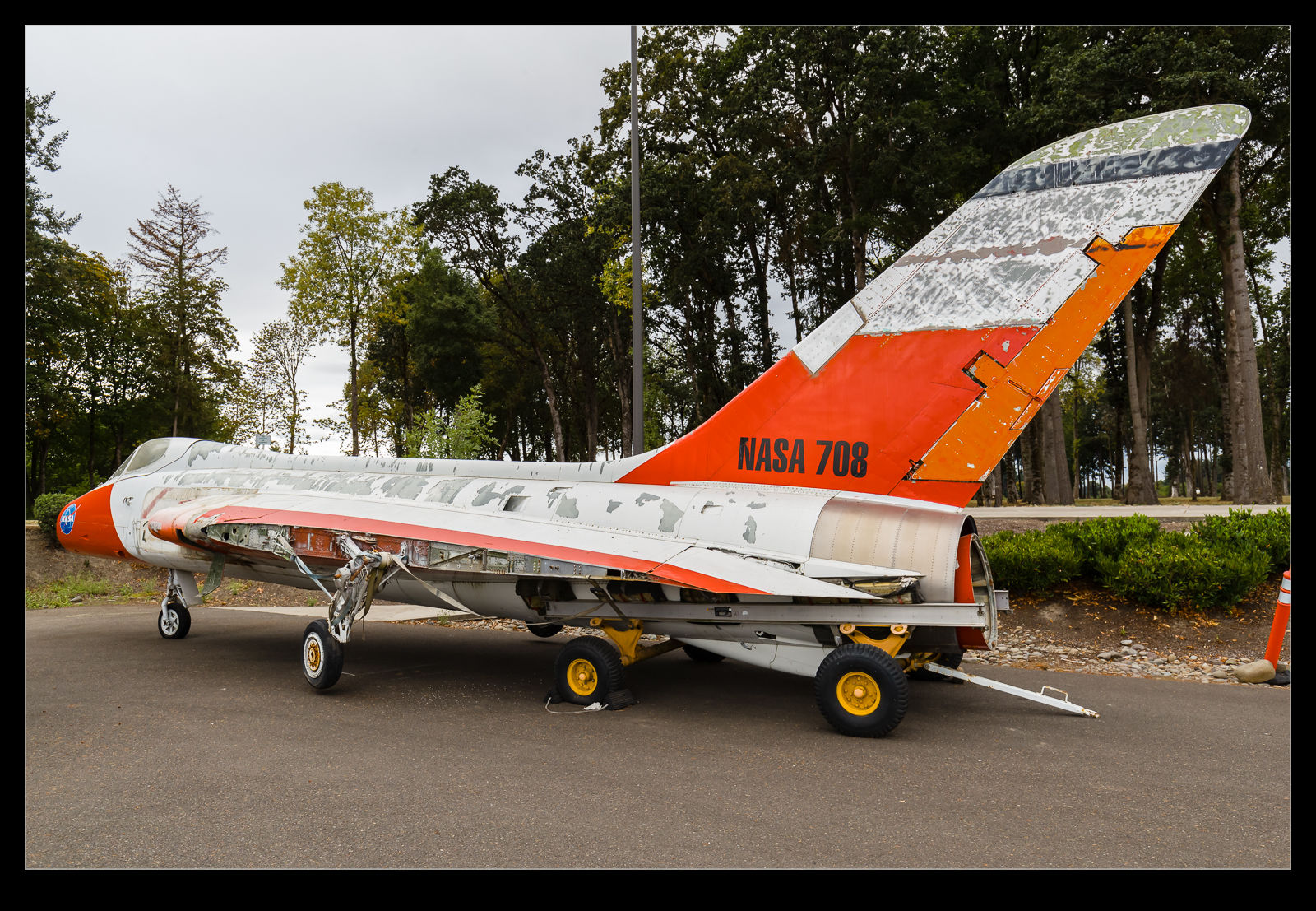
I thought I had come across one parked in the parking lot of the Evergreen Aerospace Museum in McMinnville Oregon.  I was surprised to find it there at all and more so to see it sitting outside.  I am not sure what the future is for the jet – obviously some parts are removed for the time being – but I hope it will make it in to restoration.  It certainly is worthy of a good home.  That is even more true because it is not a Skyray.  It is actually a Skylancer.  This was a development of the Skyray that got so modified that it became a new type.  It never got to production and this example was used by NASA before retirement.  In this location, it is possible to get up on the earth bank behind it to get an angle that might be trickier if it ends up inside the museum.

Concorde

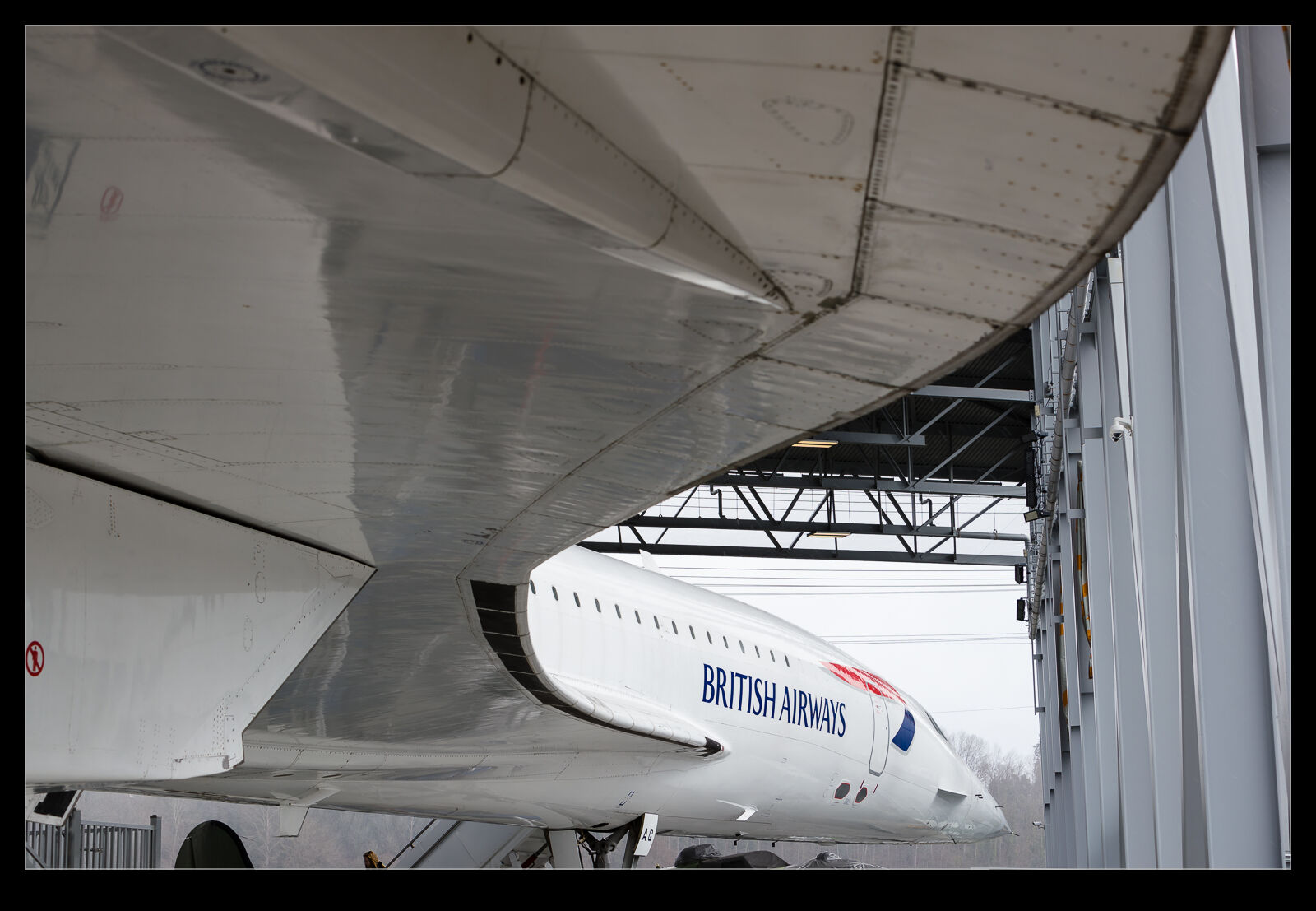
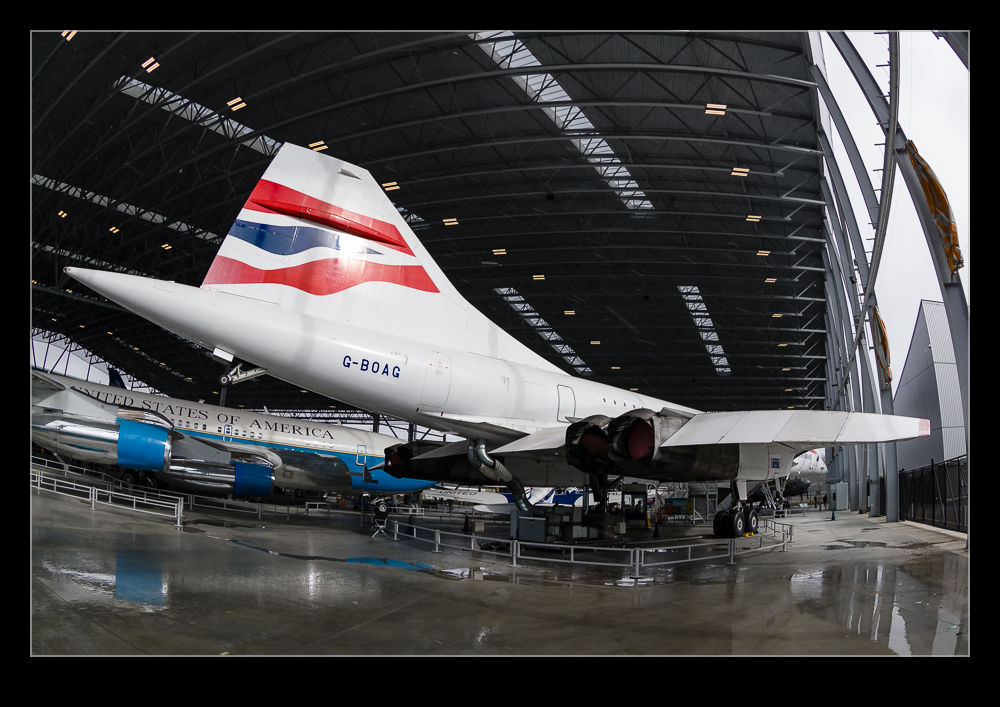
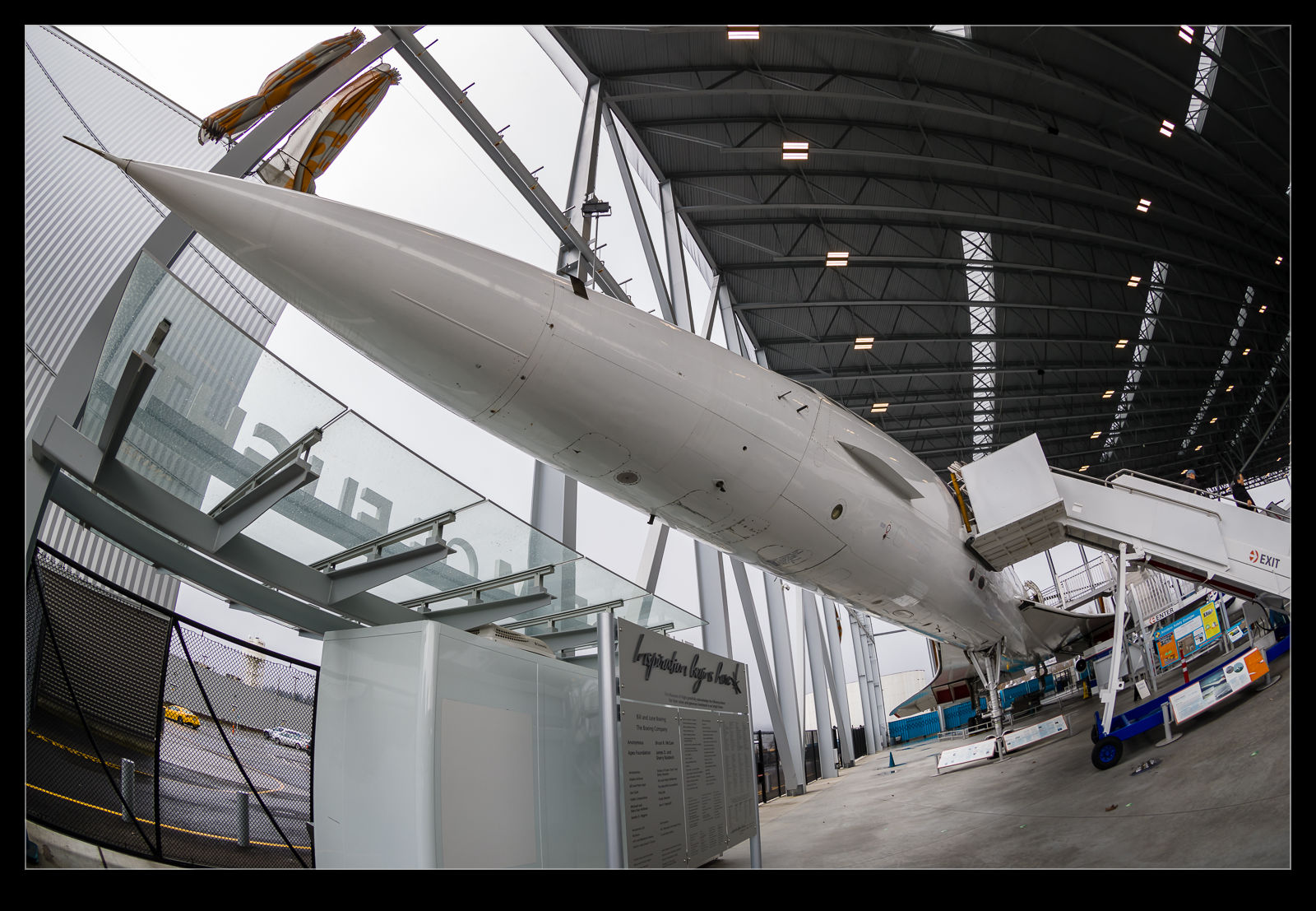
Few would argue that Concorde is an elegant aircraft design.  It may have had commercial limitations, but it never failed to be a head turner.  Getting good shots of it when it was flying was not too difficult.  One the ground it can still be a good subject but having it confined in a tight space does make things a little more tricky.  The Museum of Flight’s example is in their covered annex across the street from the main museum.  The annex has a great selection of aircraft but they are right up against each other.

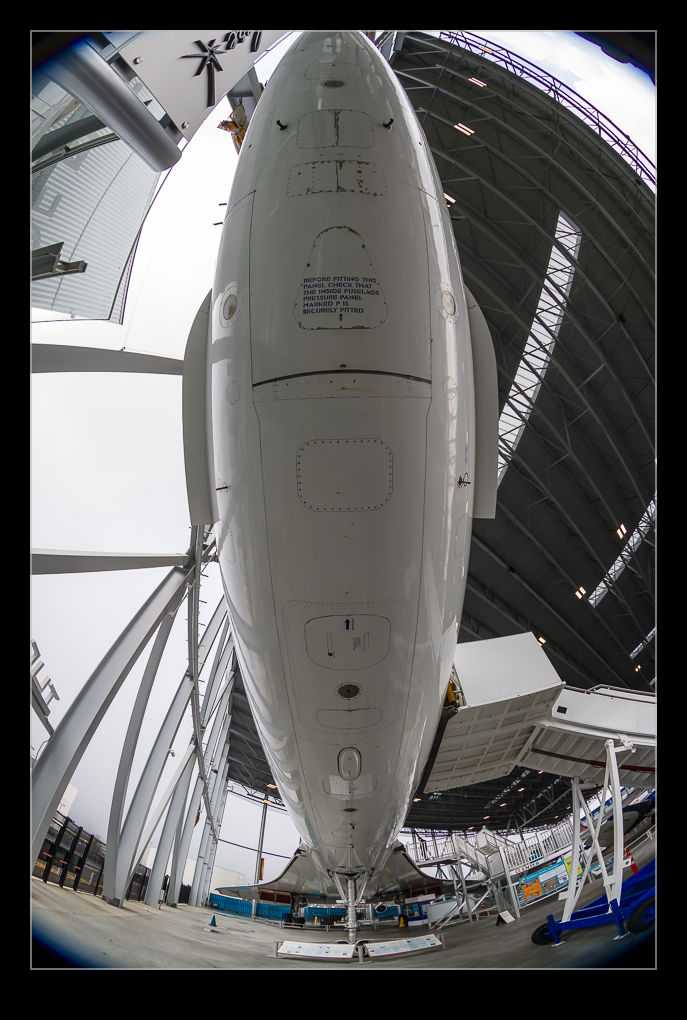
I decided, after getting some shots on an initial visit, that I would try something a bit different and took a fisheye the next time I went.  Concorde already has some interesting curves and a fisheye can either help of ruin them so some careful framing was required.  I combined that with a 70-200 to crop in close and avoid the surrounding clutter.  It was a fun experiment to see what you could achieve in a constrained environment.

Night Arrival Over Seattle

A trip away included a late arrival back into Seattle.  I hadn’t thought about which approach we might make to SeaTac so my seat selection was accidental, but I ended up on the side of the plane that was overlooking downtown Seattle as we made our final approach.  Having the M6 provided me with a bit more flexibility on shooting than would be the case with the phone and something far more maneuverable than if I was using one of the SLRs. It handled the low light levels surprisingly well.

I also think the smaller lens elements of the EF-M are better able to handle the distortion of windows.  The distorted bits could cover more of the field of view of course but you have more of a chance of getting between the worst bits.  With the big lenses, it is almost impossible to get a good clear patch for the whole lens when you zoom in to check the details.