Tag Archives: RAF Fairford

Metrea’s Appearance

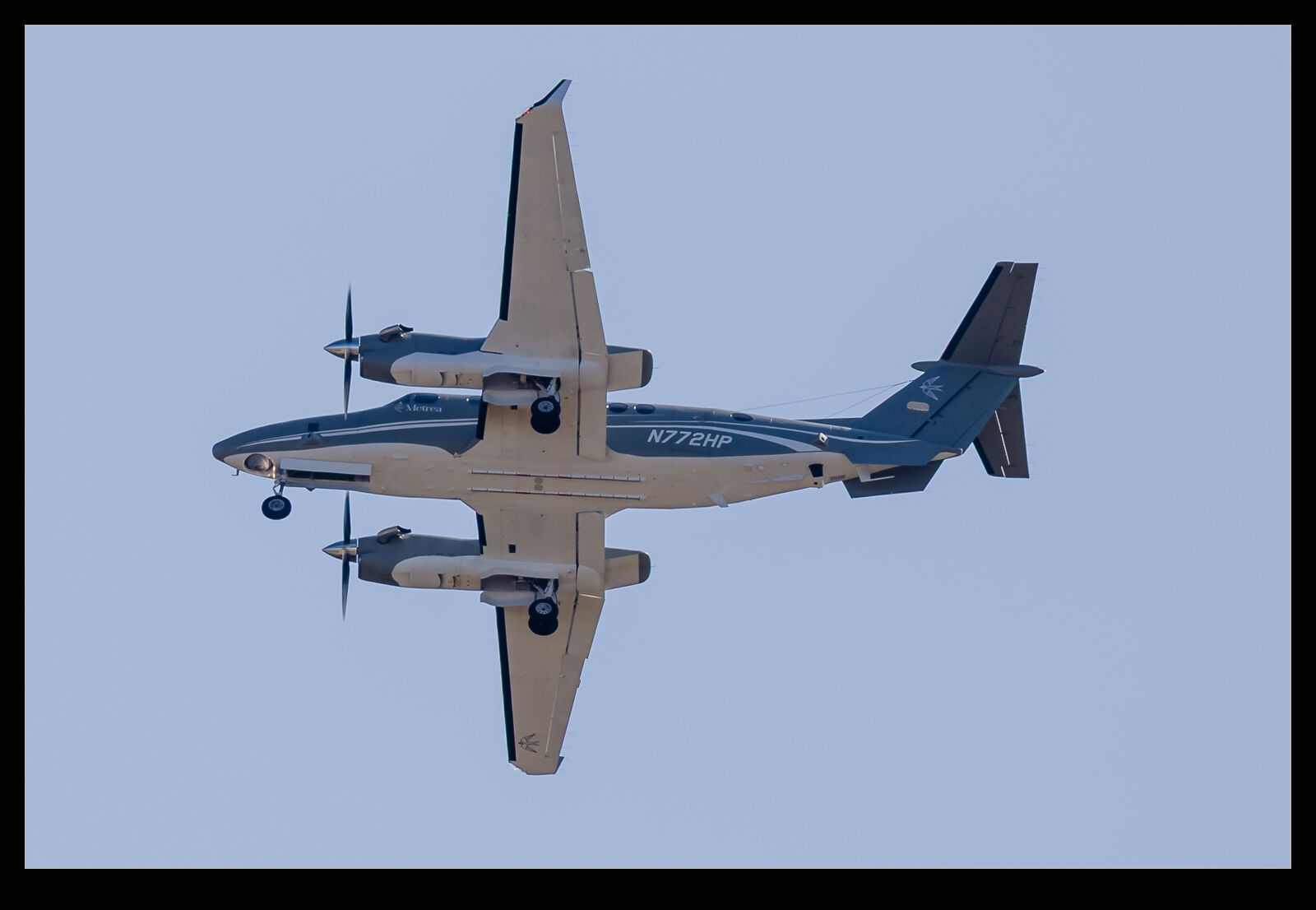
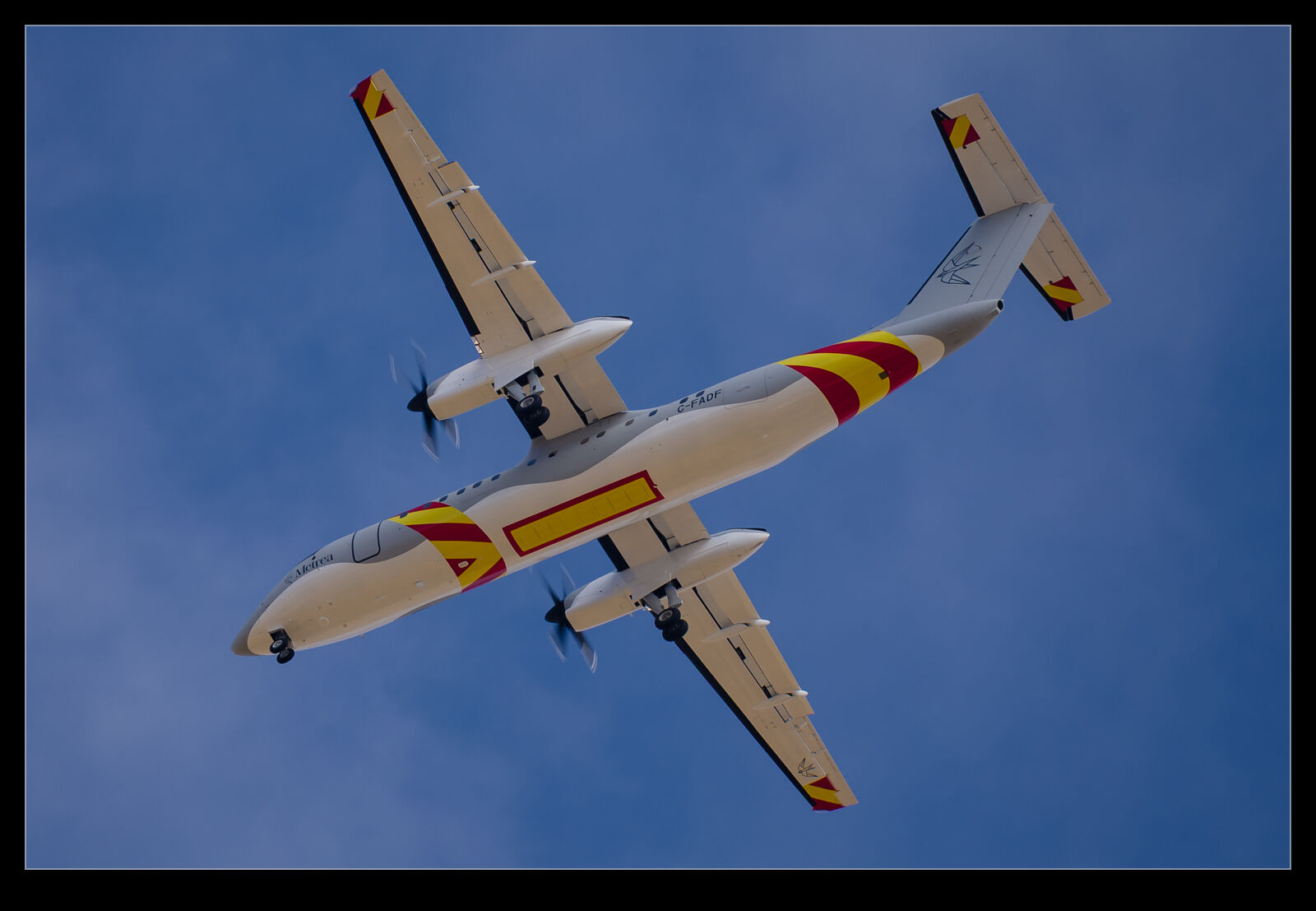
When I was still in Seattle, we would get periodic appearances from Metrea and their KC-135s. They would provide tanker support to the US Navy. That they operated from Boeing Field rather than going to a Navy base was always welcome. I didn’t know much about Metrea other than that they provided tanking services. However, they showed up at RIAT with a couple of their other types.
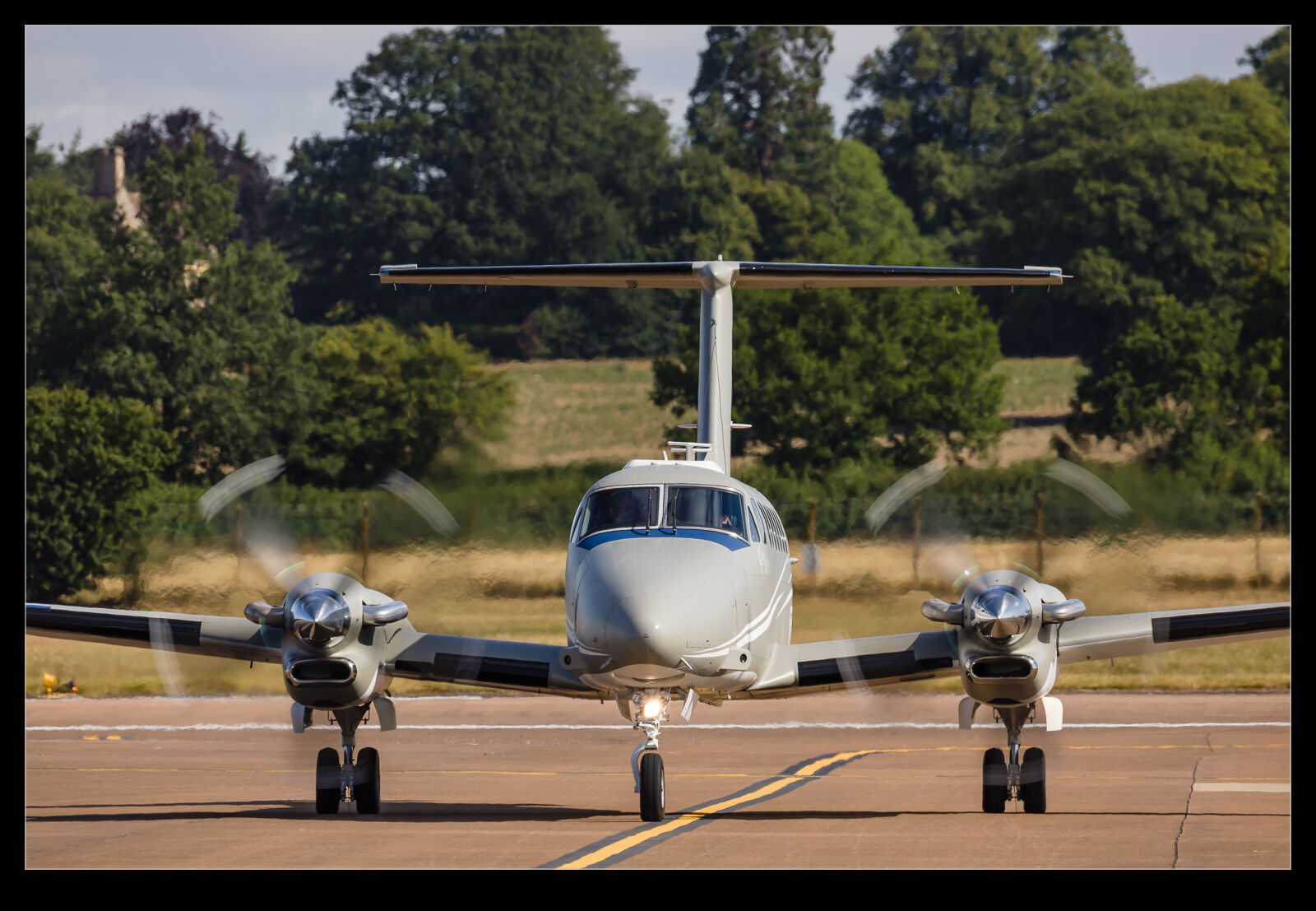
They brought a pair of turboprops. The King Air was in a low-key grey paint scheme and didn’t have many conspicuous external additions. There were some antennae that suggested extra comms capabilities and some ventral fins that imply something else might get added that reduces directional stability.
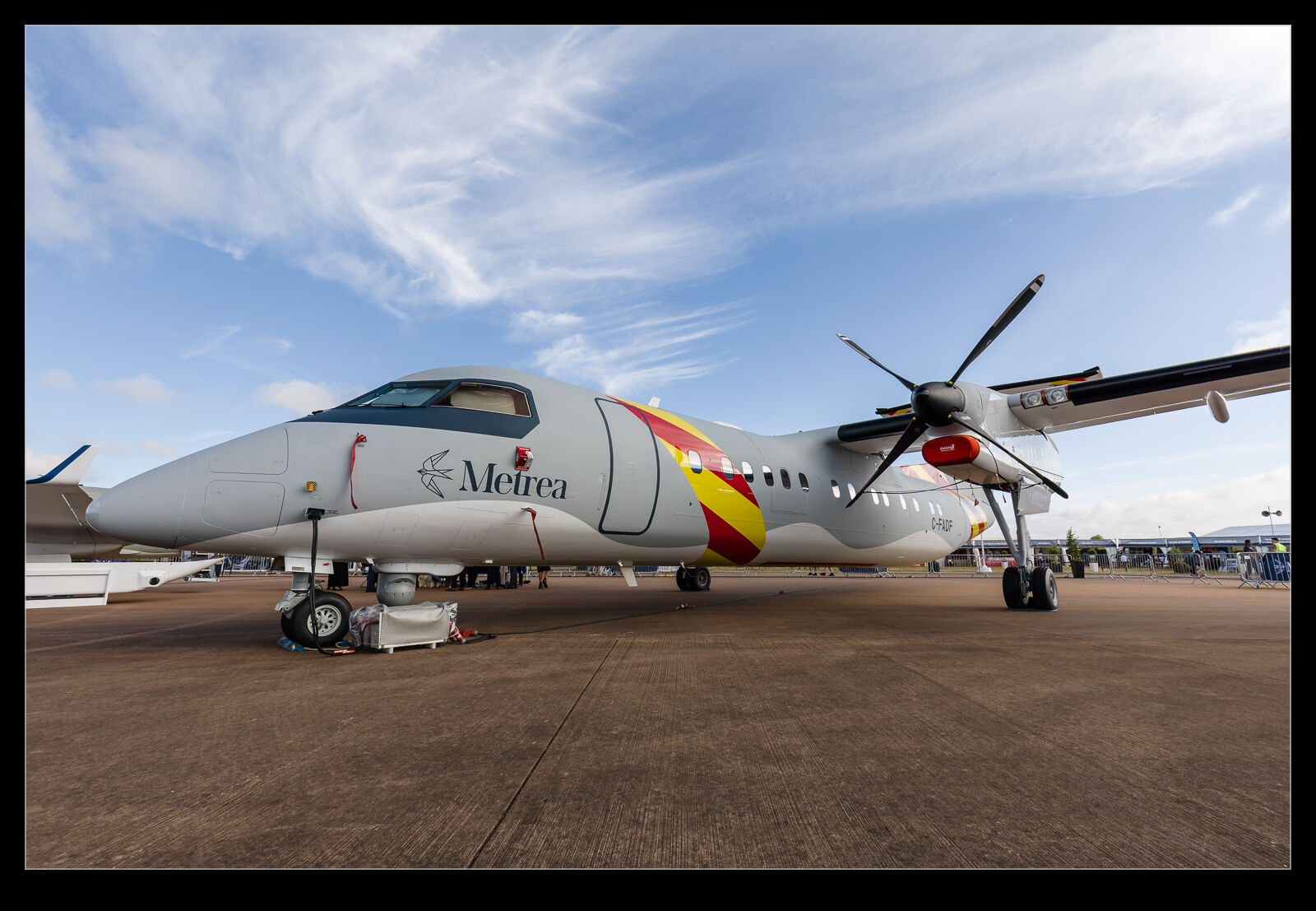
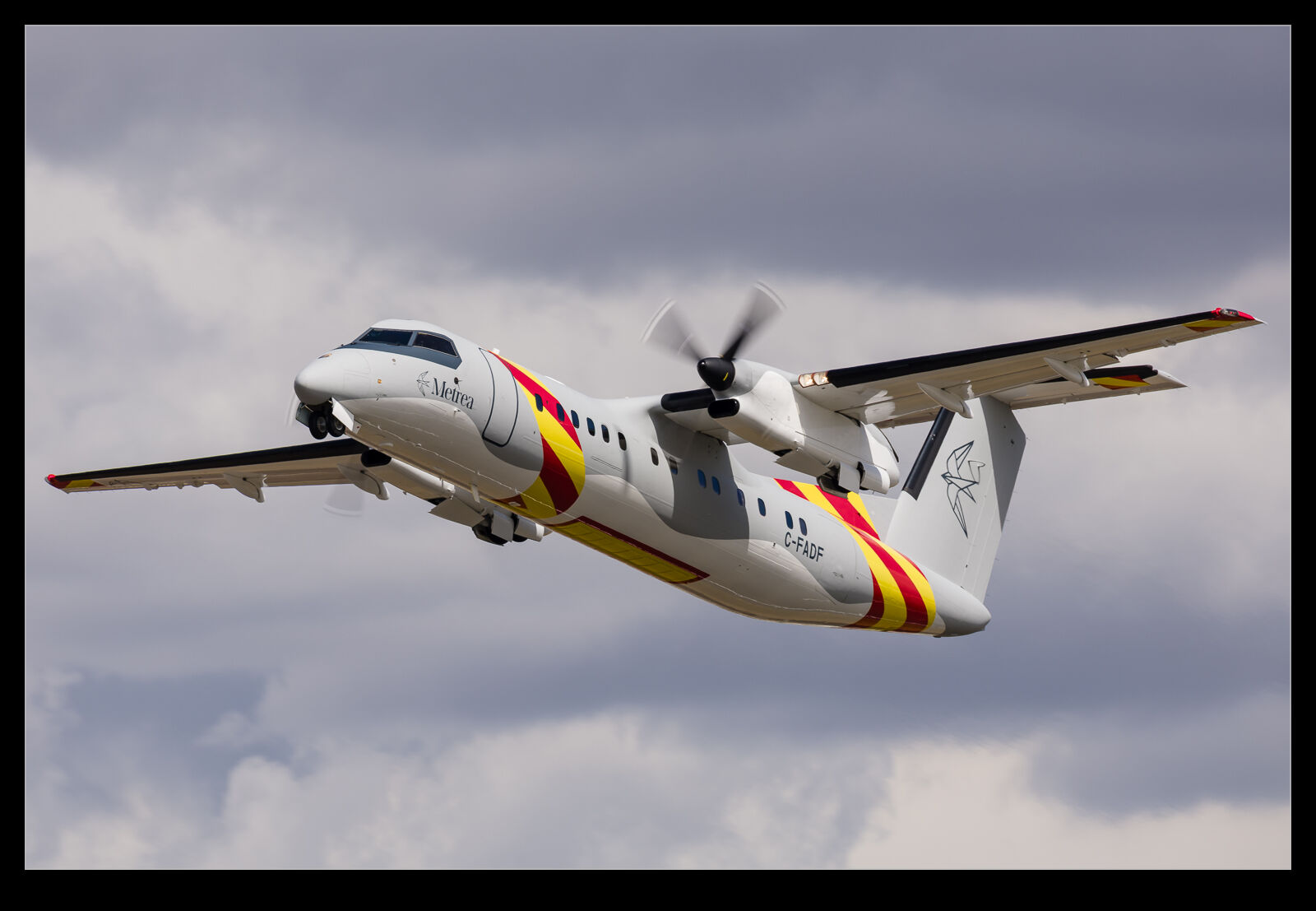
The Dash 8 had a bit more of a colourful paint job. A grey base livery but some red and yellow stripes brightened things up a bit. It similarly didn’t have anything too conspicuous added while it was flying but, when it was on static display, there was a turret under the front fuselage. There was another Dash 8 which did have some sensors which will get a post at some point.
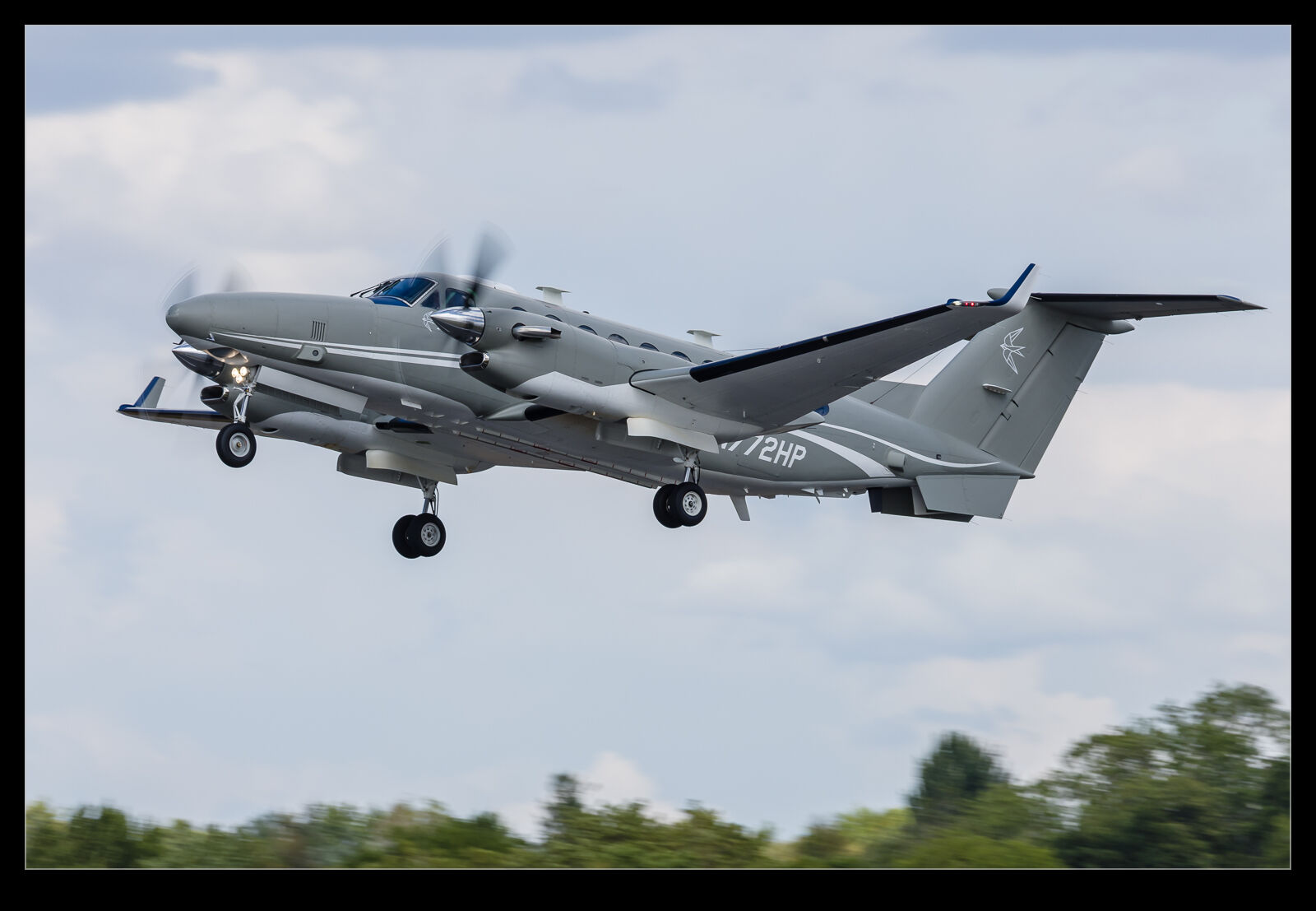
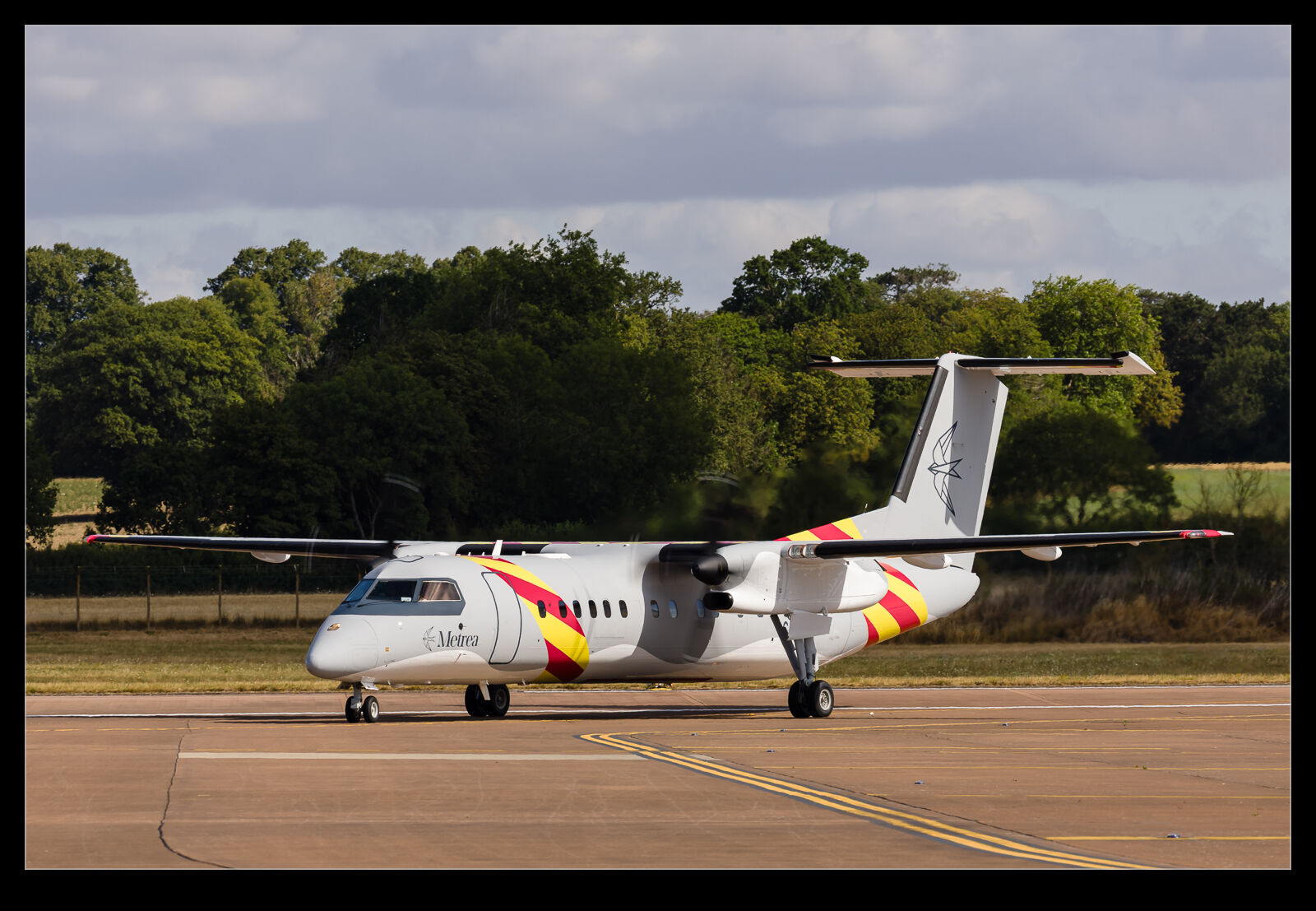
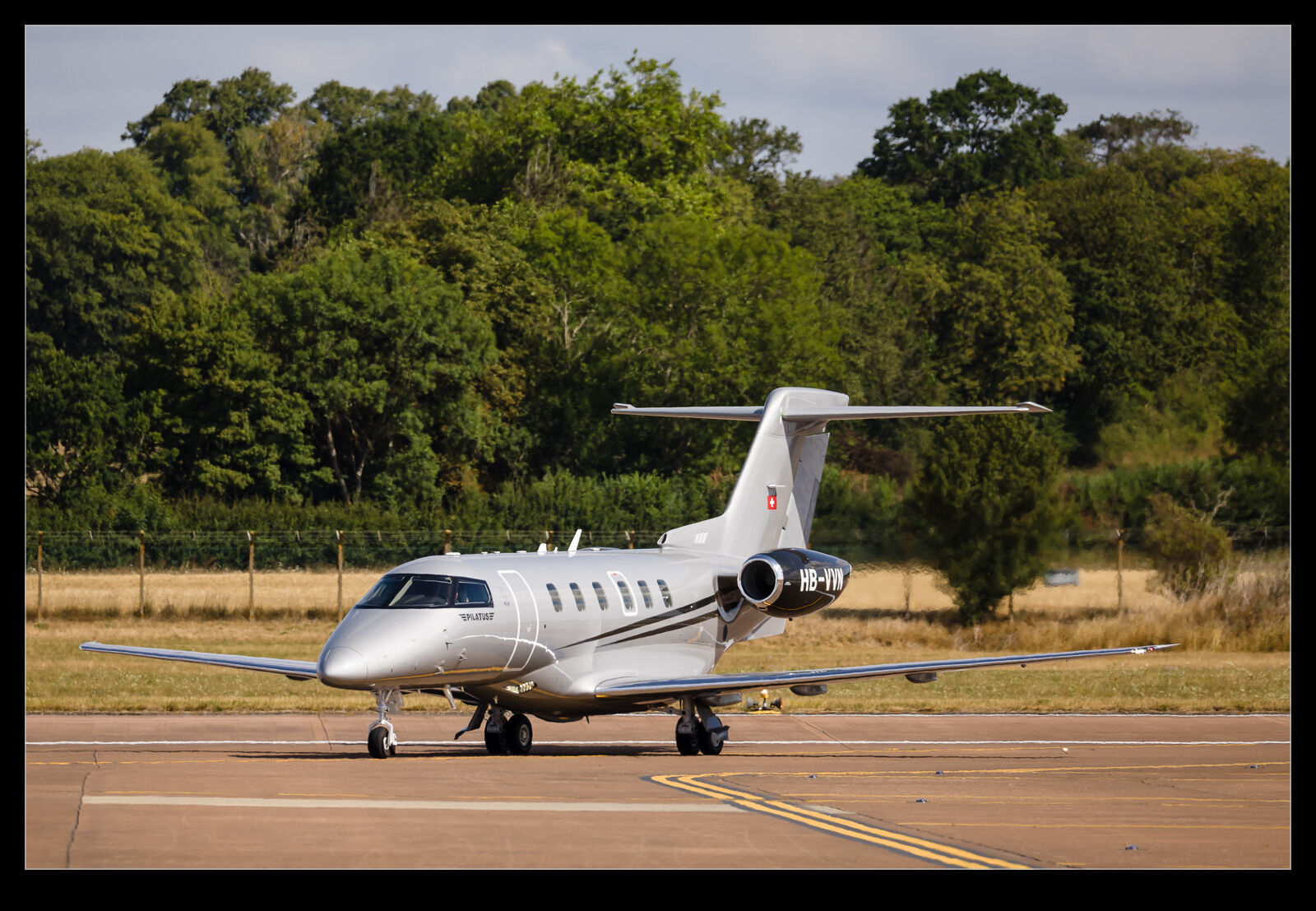
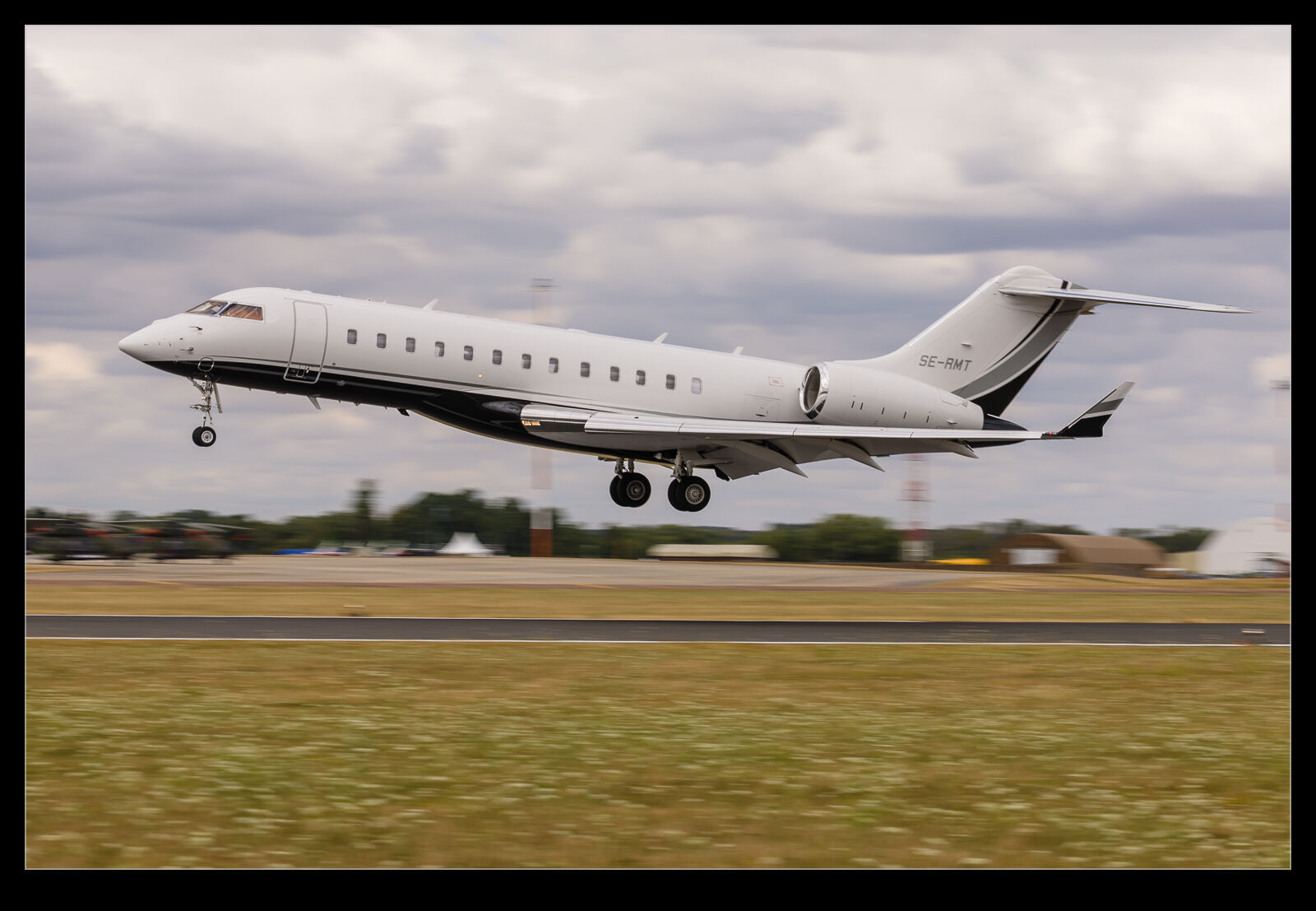
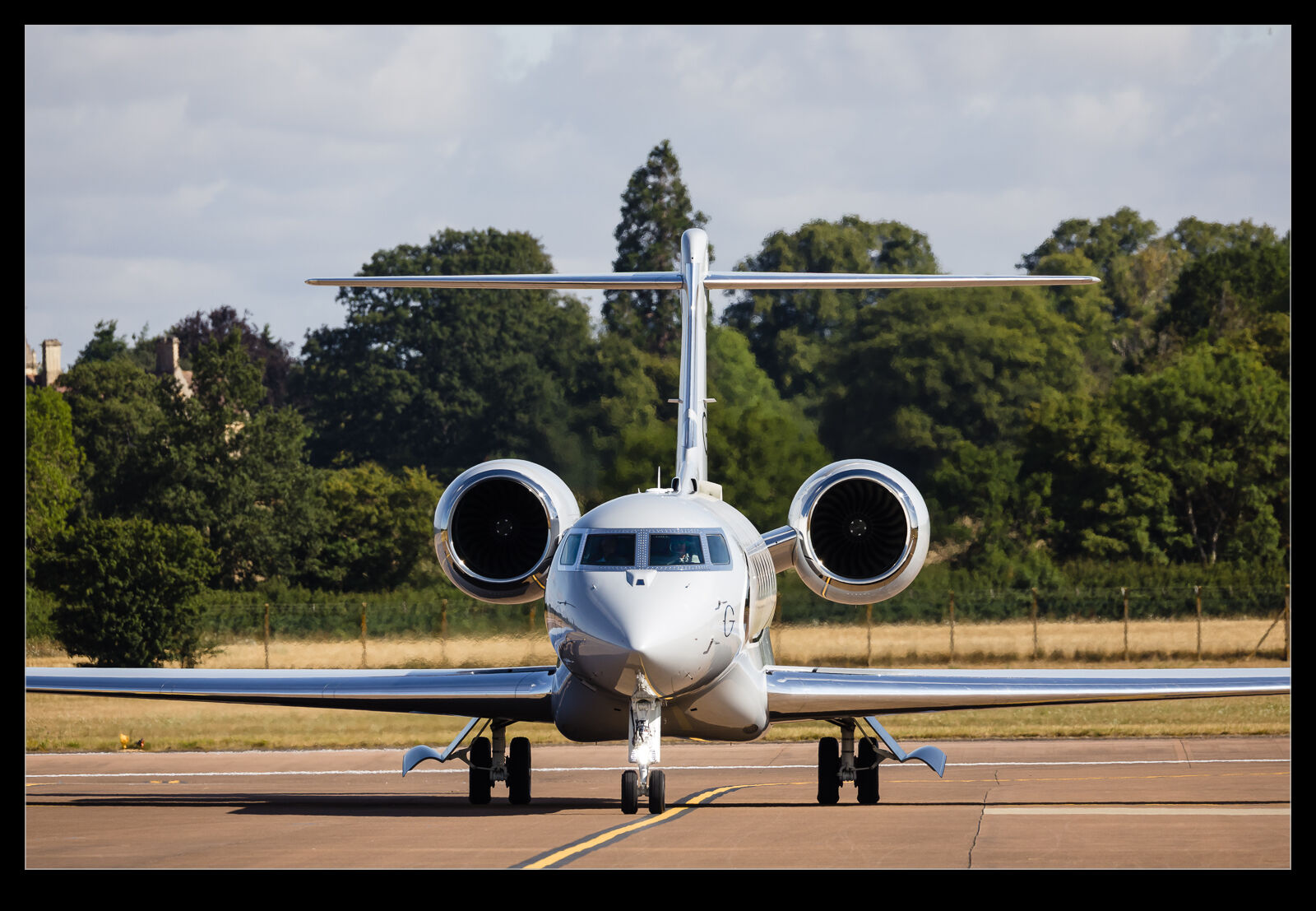
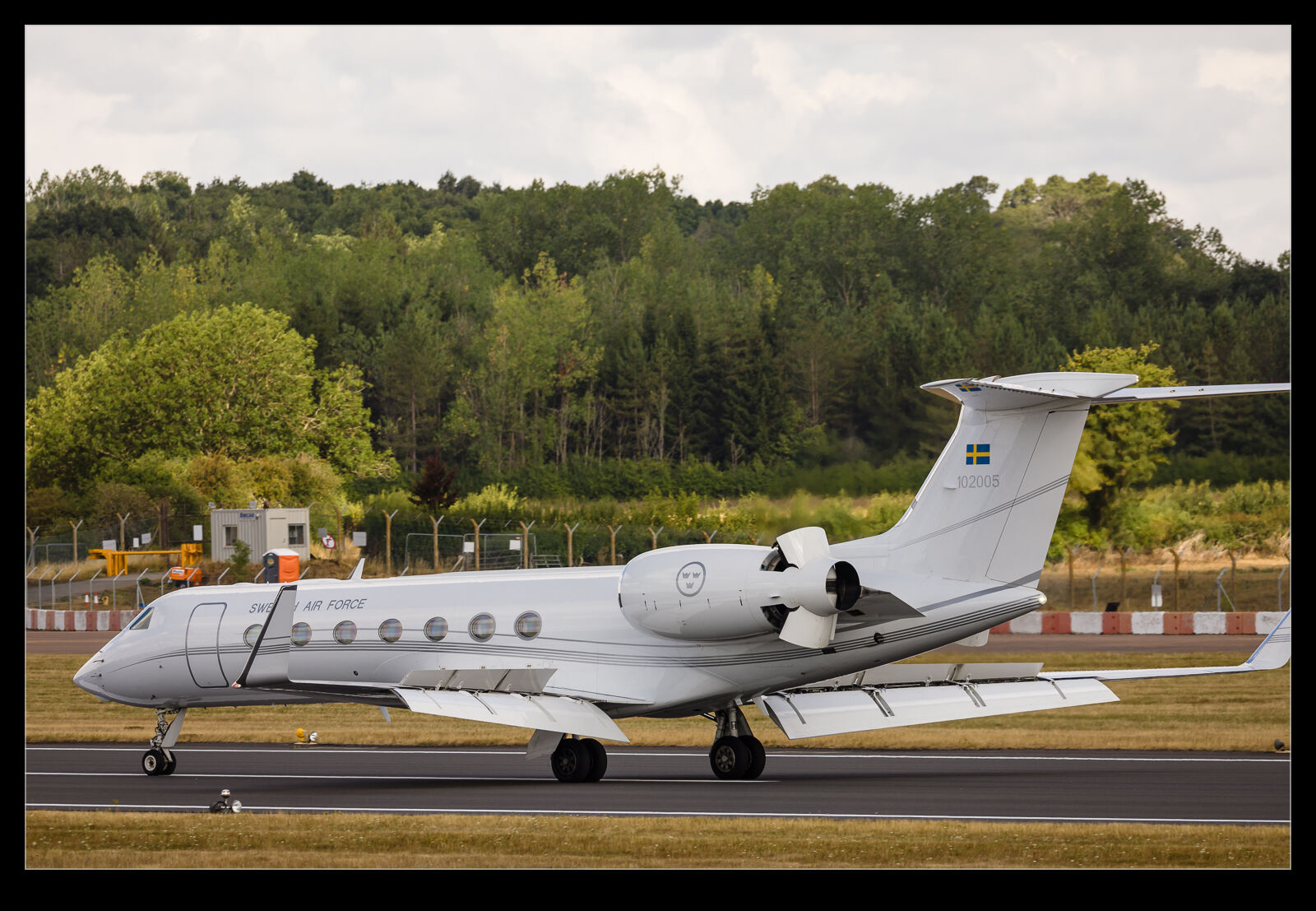
Bizjets At RIAT

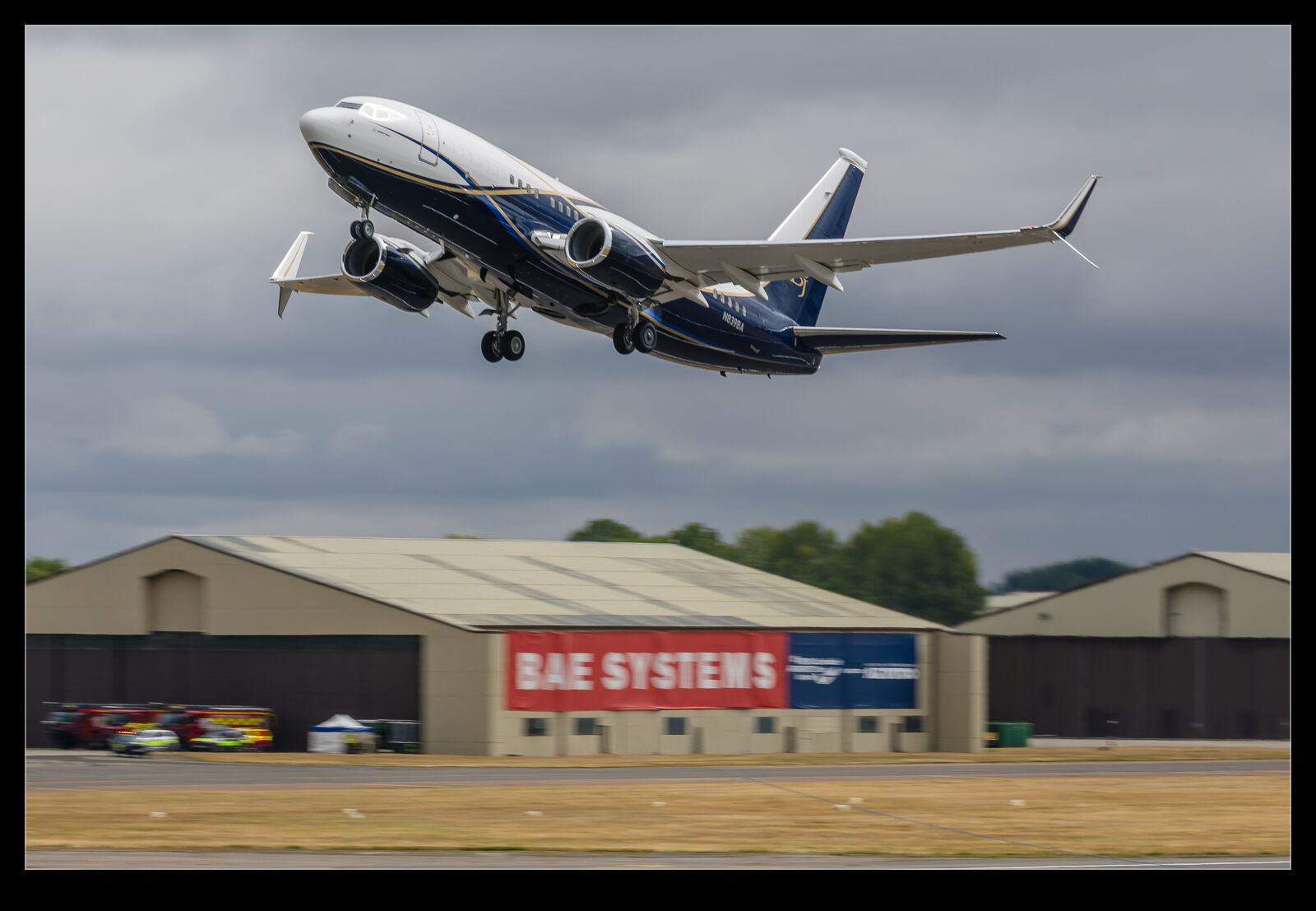
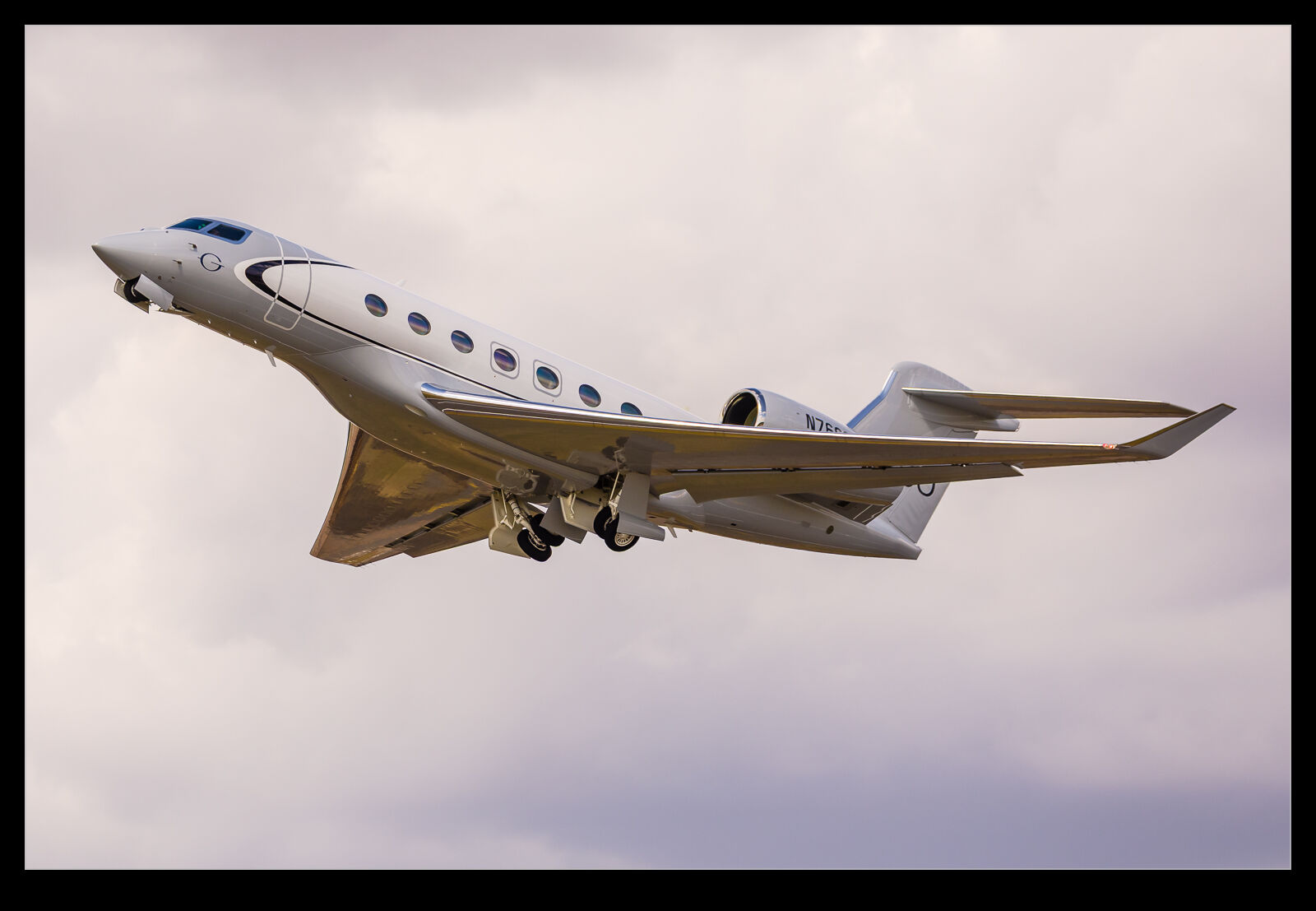
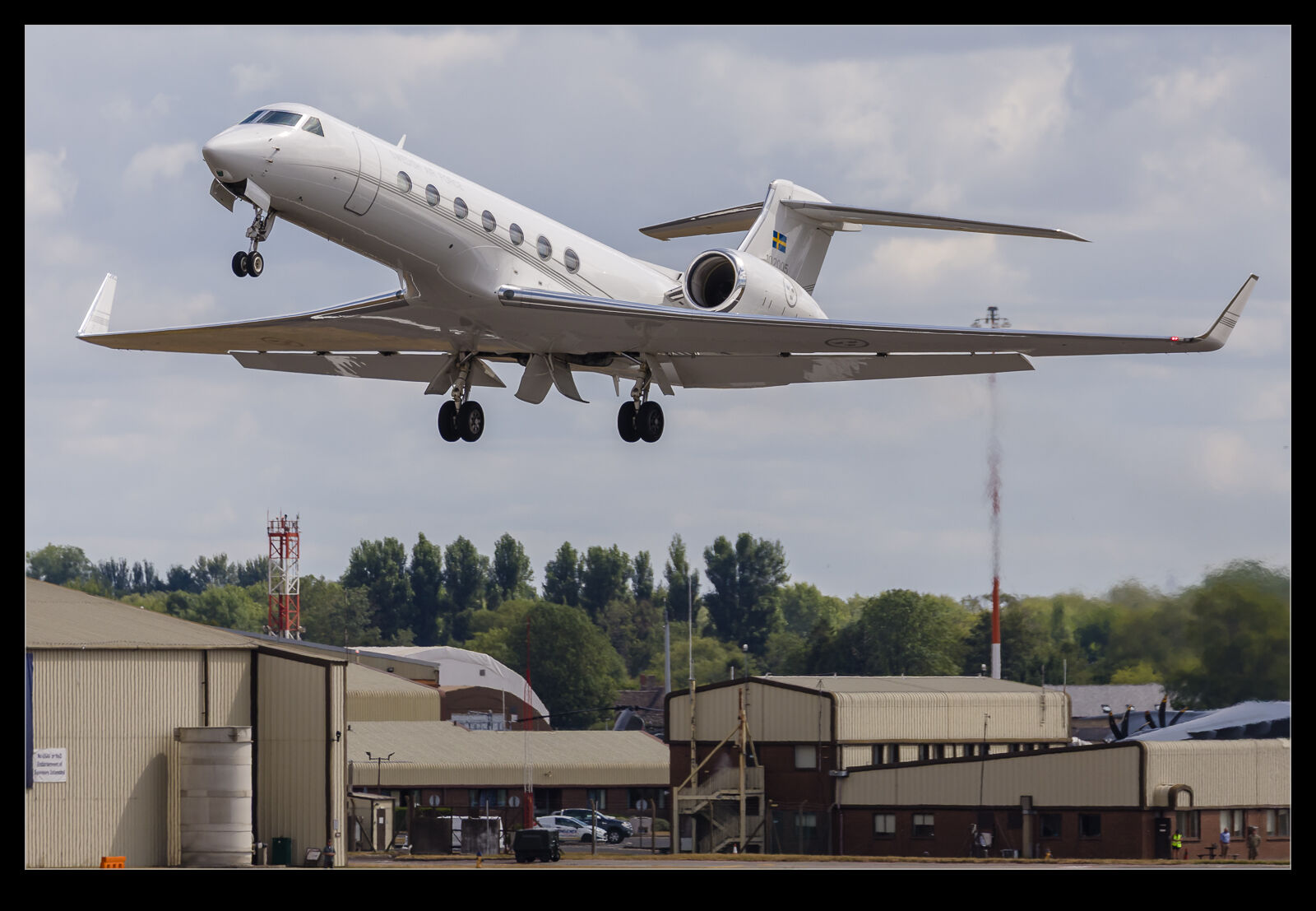
The number of operators attending RIAT attracts a lot of corporate attention. Consequently, there are a few bizjets that show up at Fairford too. Most of these are civilian operated but I may have been a little lax and included a military operated bizjet just because I can. Here is a selection of the corporate types that showed up during the several days of RIAT.

RAF’s First Wedgetail

The provision of airborne early warning seems to be a topic that is vexing countries currently. The RAF retired its E-3 fleet without a replacement. They then ordered five Wedgetails only to later reduce the order to three. Now there is discussion of increasing it again. Meanwhile the US decided to similarly replace the E-3 fleet with Wedgetails and ordered two.

A change of administration brought a plan to scrap that idea, use satellite surveillance and buy some more Hawkeyes in the interim. Congress is pushing back on that. Meanwhile, NATO had planned to go down the Wedgetail route but is now looking elsewhere given the lack of commitment from the US to the platform. SAAB’s GlobalEye has since picked up more orders including one from France and NATO might follow that route. All a bit of a mess.

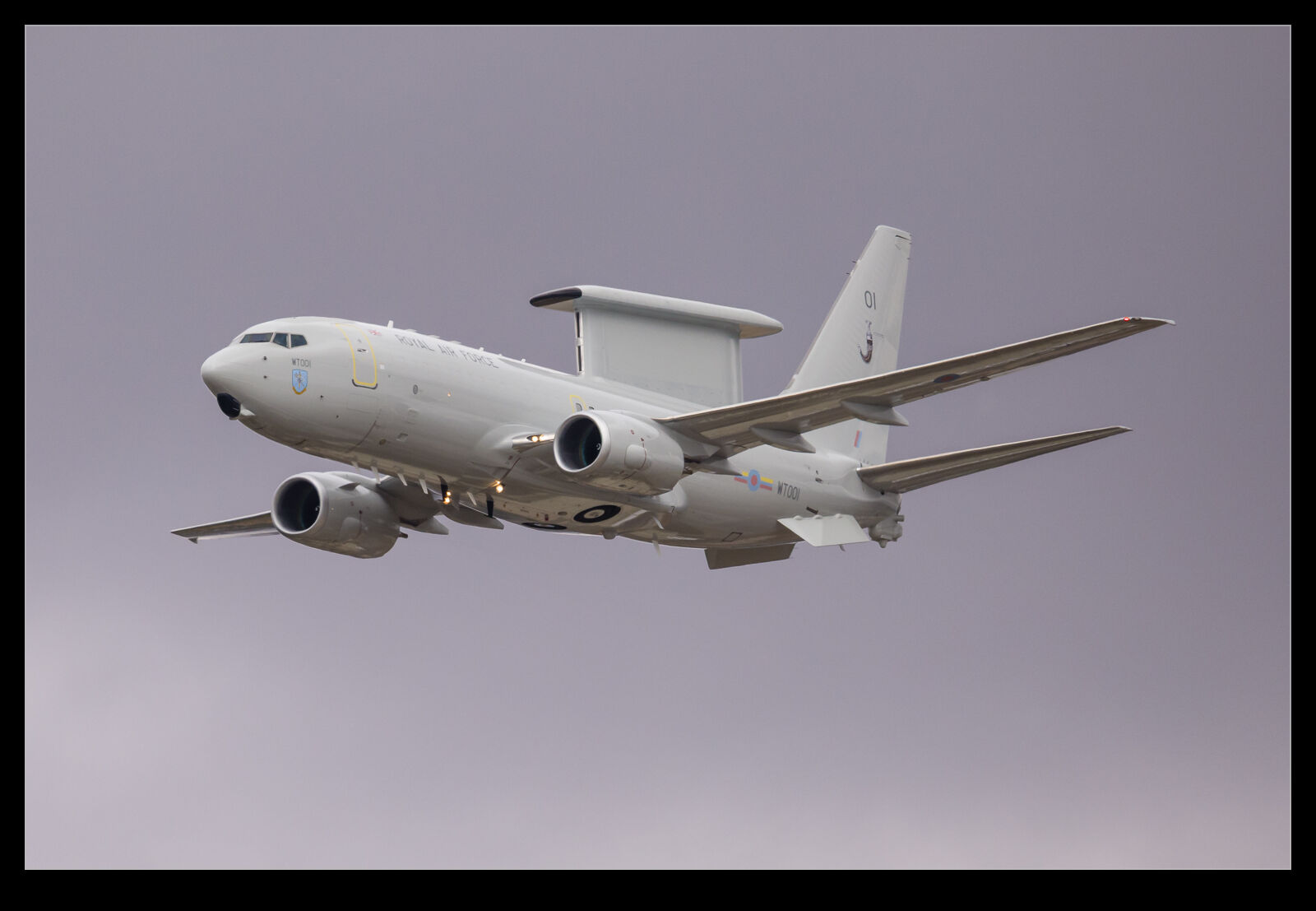
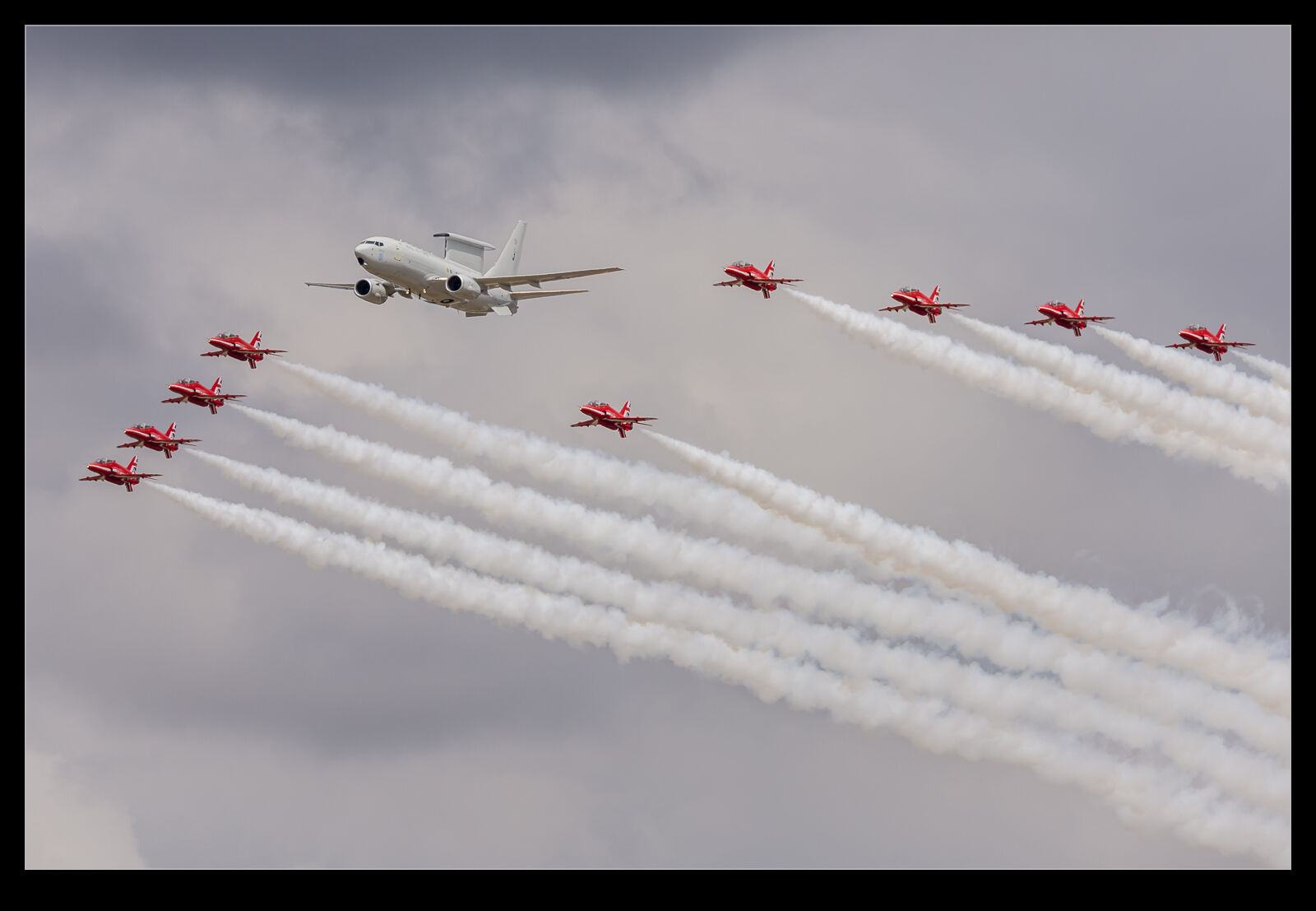
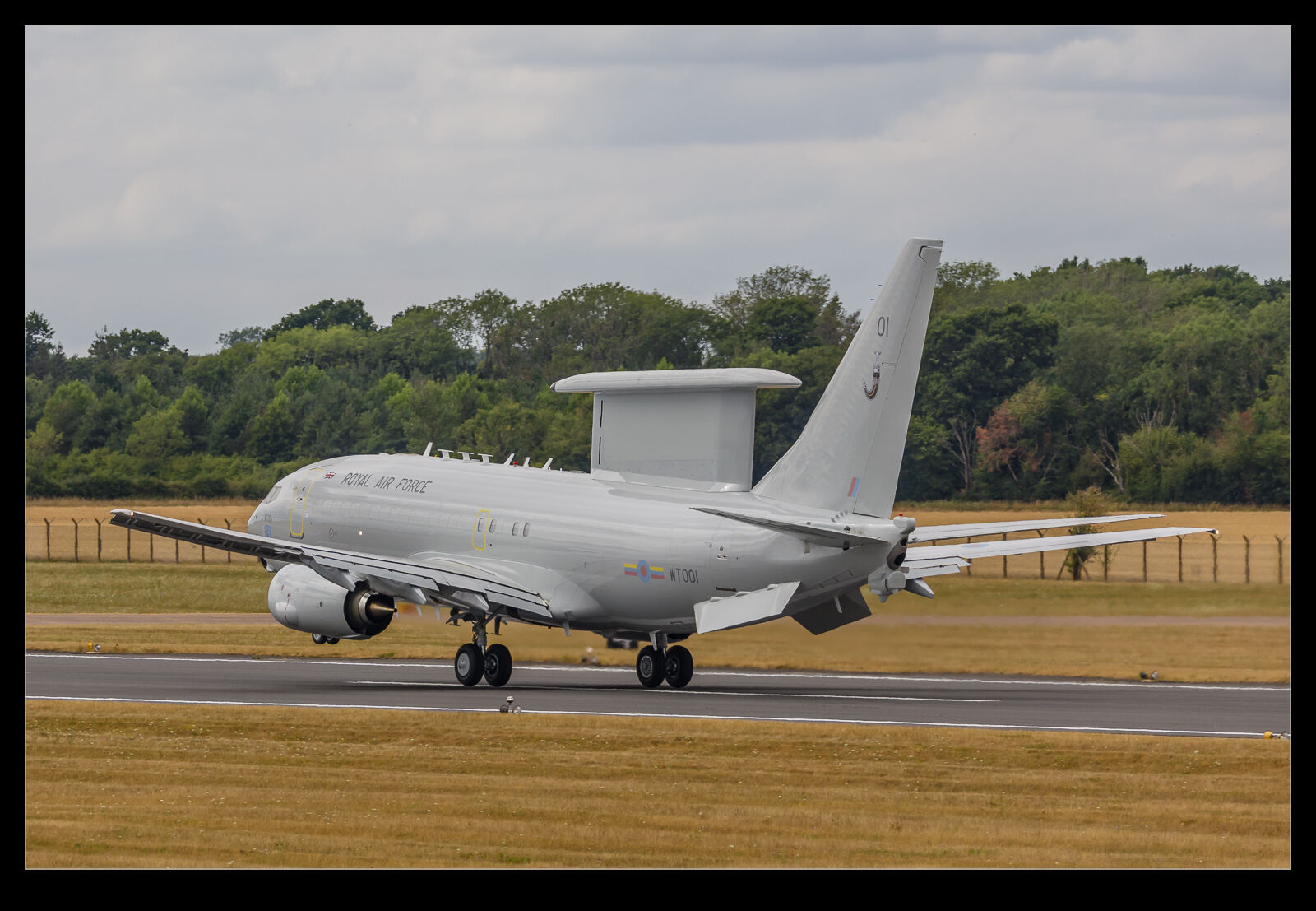
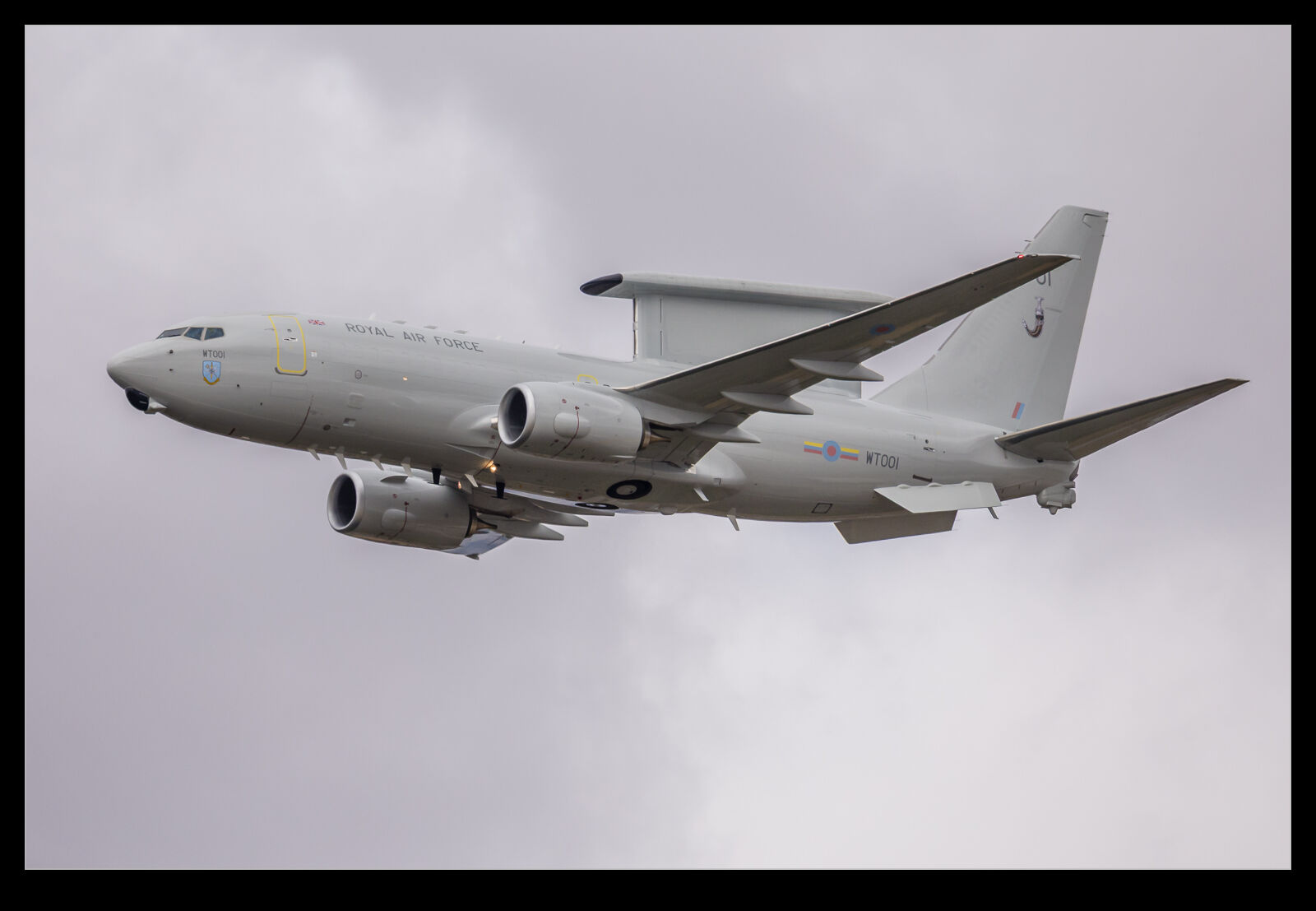
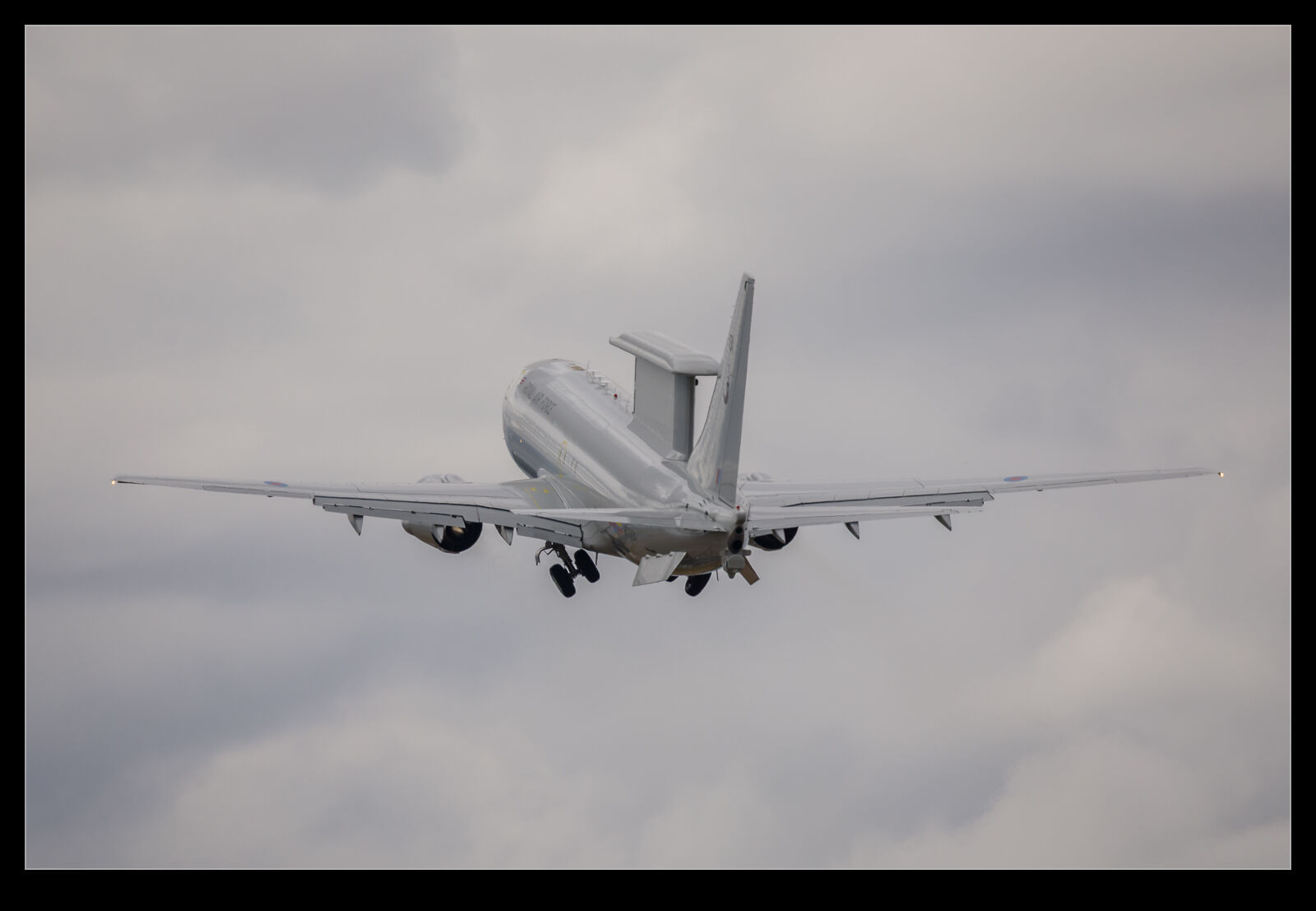
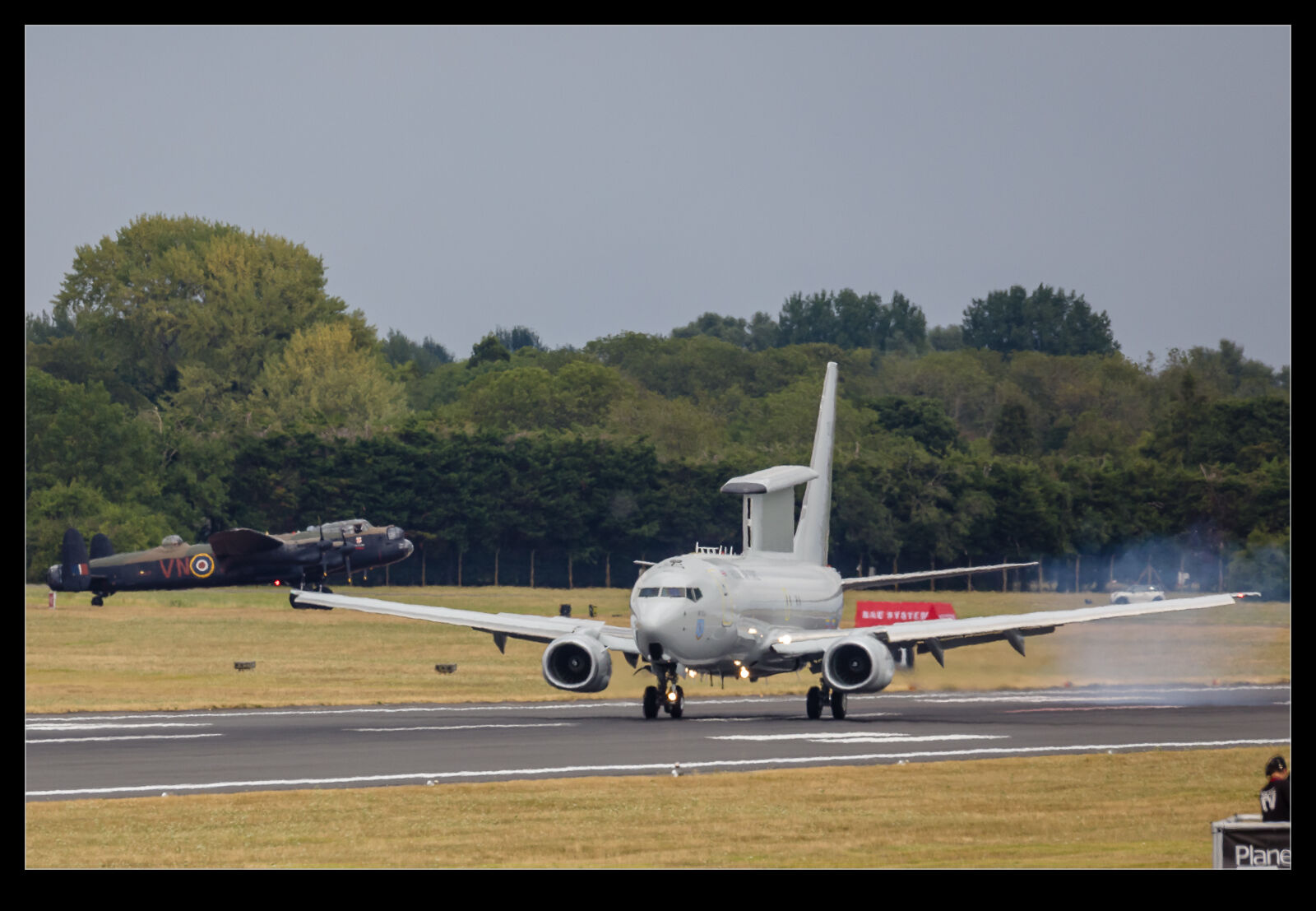
Anyway, all of that is a long prelude to the fact that the first of the RAF’s Wedgetail fleet made an appearance at RIAT in 2025. It was supposed to appear on one day but apparently scrubbed. Consequently, it was rearranged to come in the following day. I imagine the RAF didn’t want the embarrassment of it failing to appear. It made a run in with the Red Arrows providing formation support. Then it made solo passes and an approach for a touch and go.

I don’t know how far off service entry it is, but testing continues at Boscombe Down. I have seen its distinctive outline on the airfield when driving along the A303. Hopefully they will be active before too long and also that, this time, the funding is provided to keep the systems current unlike the issues that led to the E-3 fleet fading away.

Images Won’t Let You Experience the Scream!

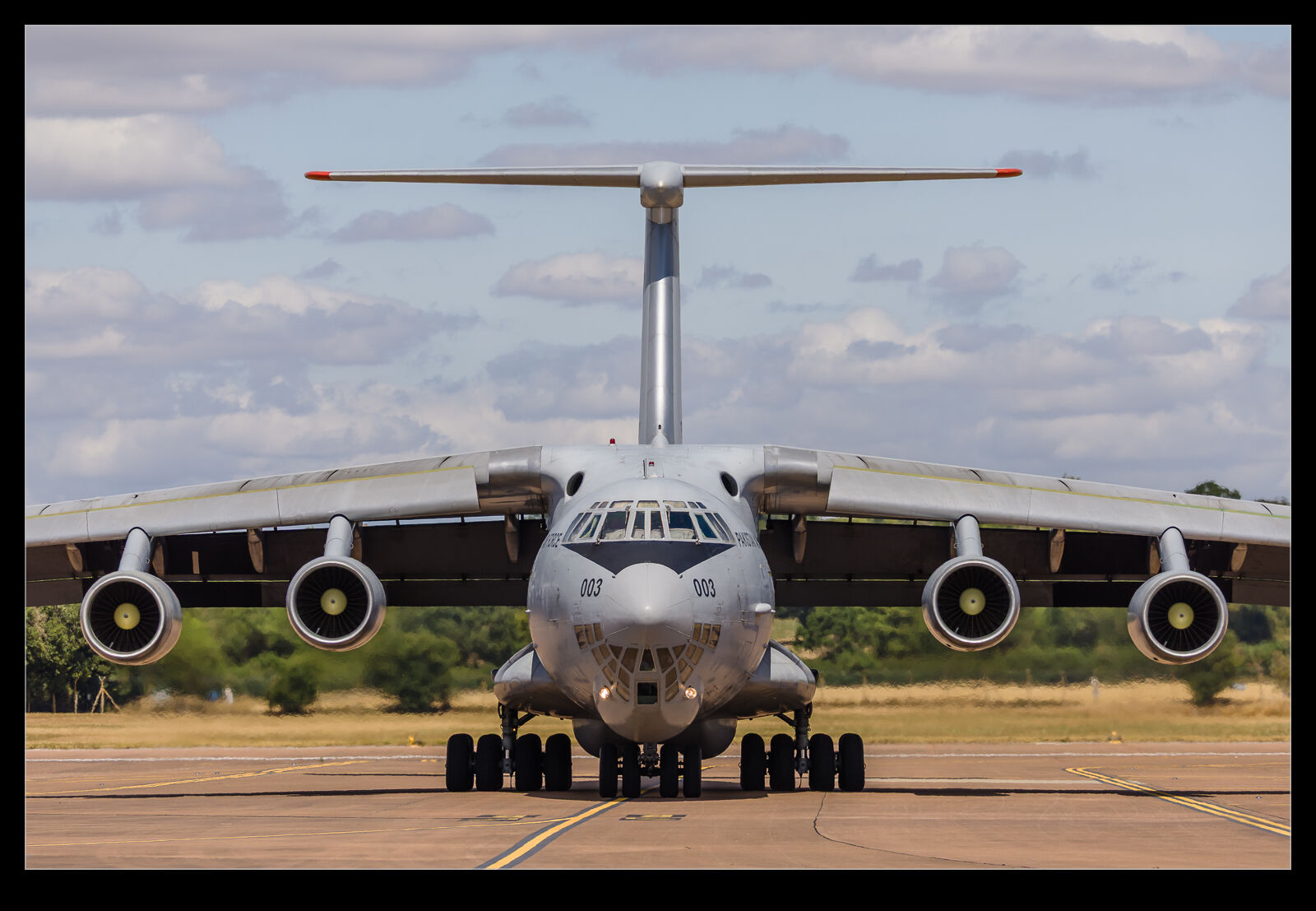
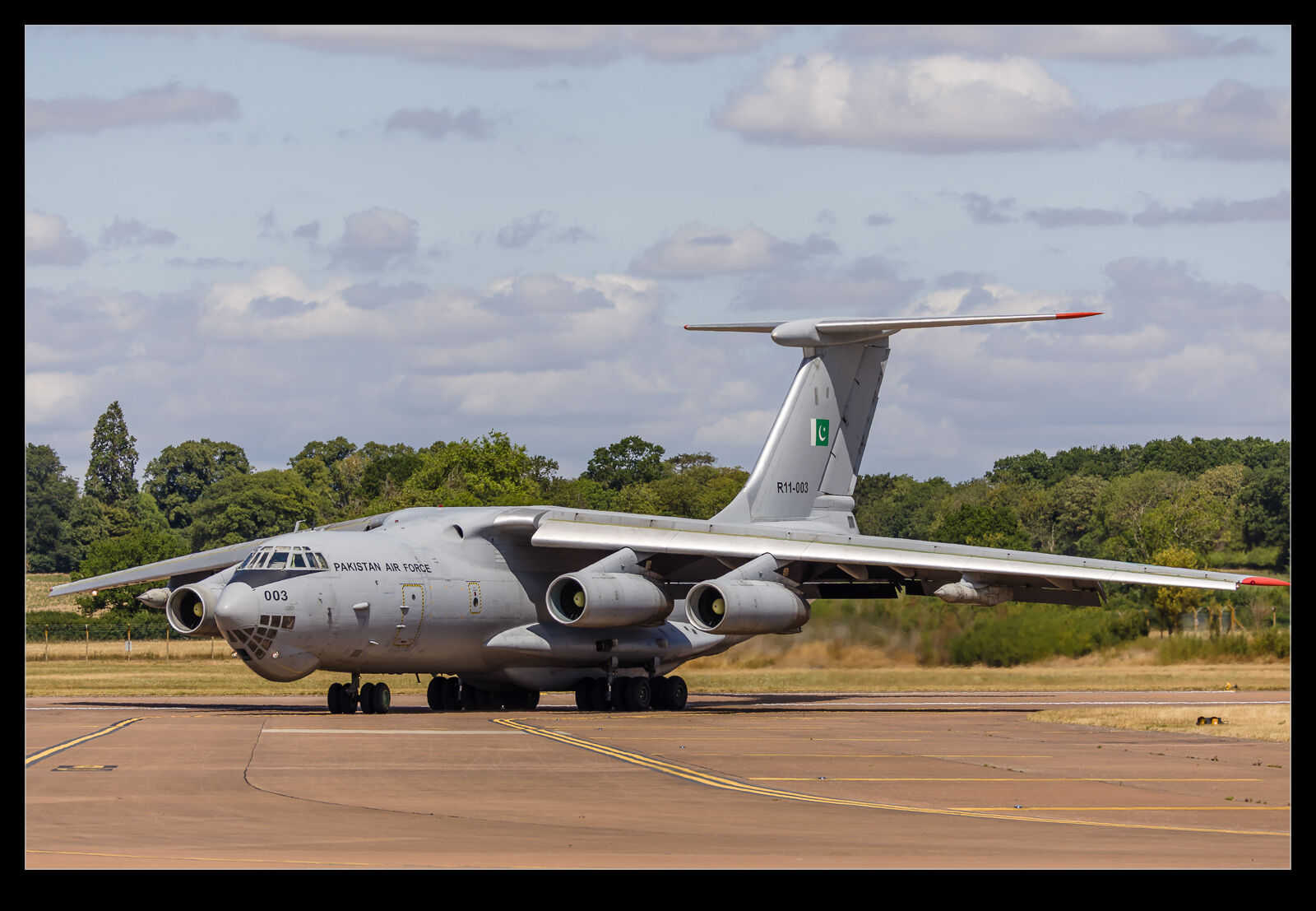
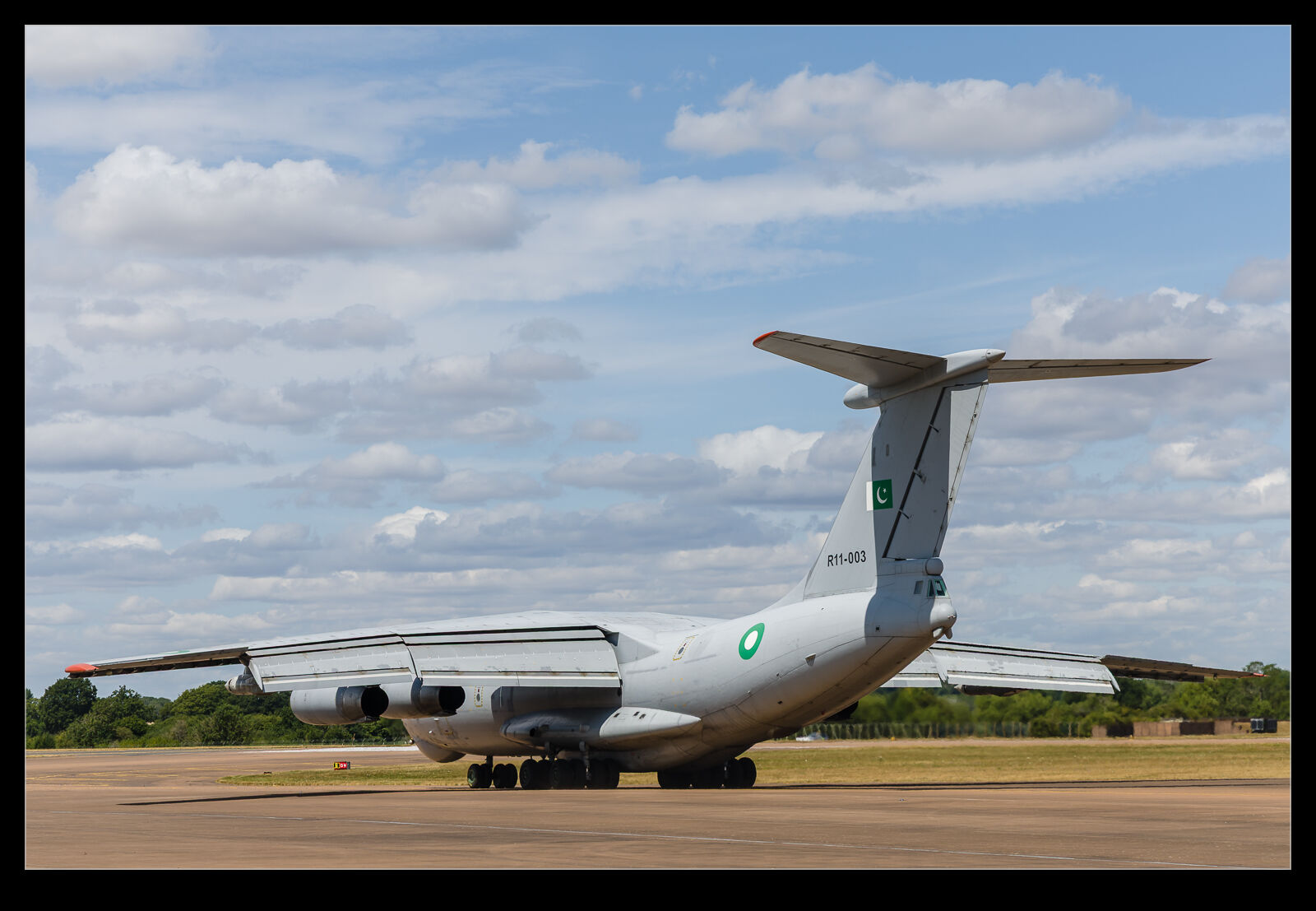
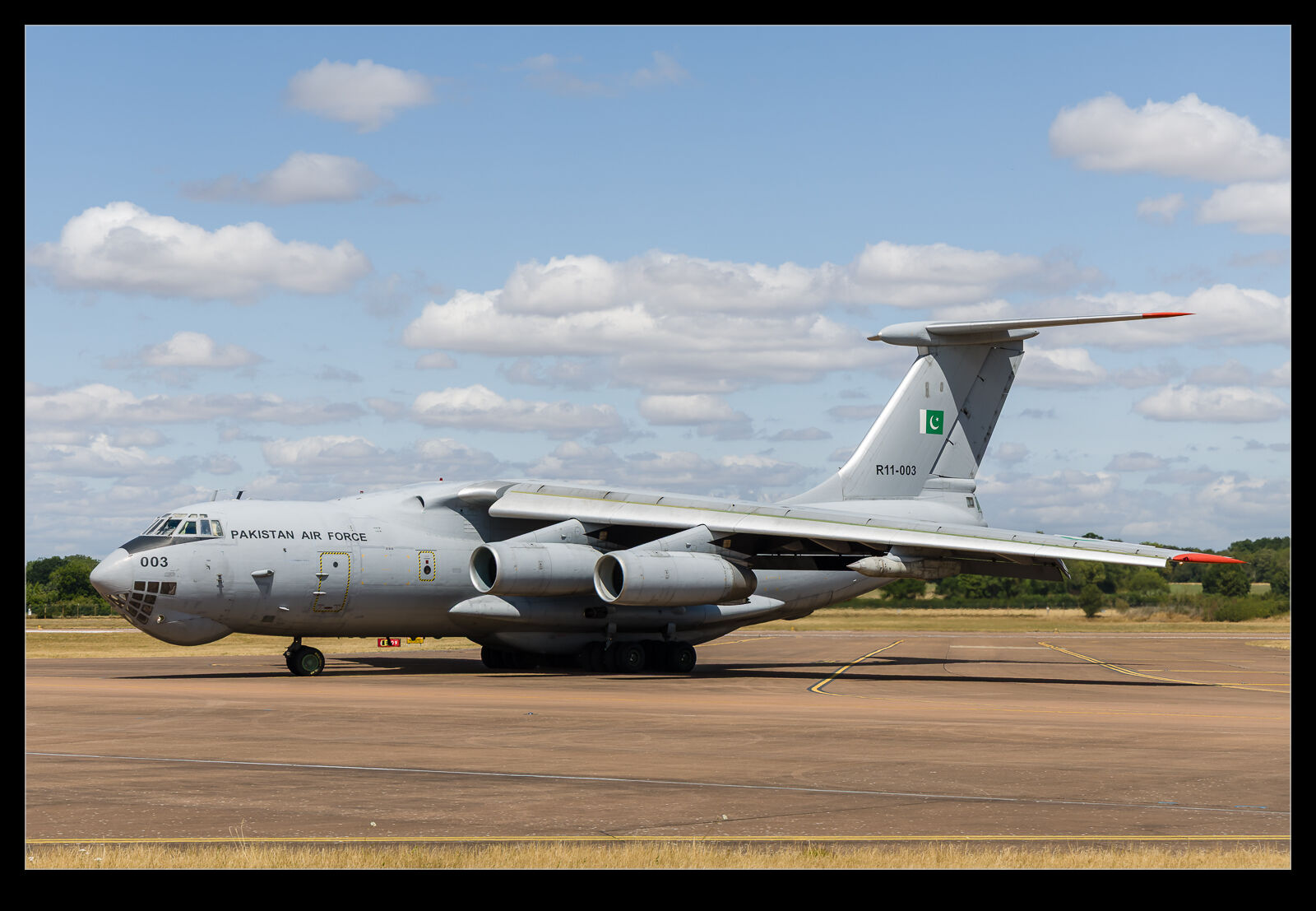
The Pakistan Air Force IL-78 showed up at RIAT in 2025 supporting the JF-17 Thunders. Unlike the more recent versions of the IL-76 family, this jet has the original engines. They are a low bypass ratio jet and are not in any way quiet. The high-pitched scream that they produce when idling is really hard on the ears. An occasional bit of fingers jammed in ears was necessary when the angle to the plane made the noise particularly painful, but it was worth it. However, nothing about stills images can convey just how loud these four engines were!

Czech Helo Stellar Displays

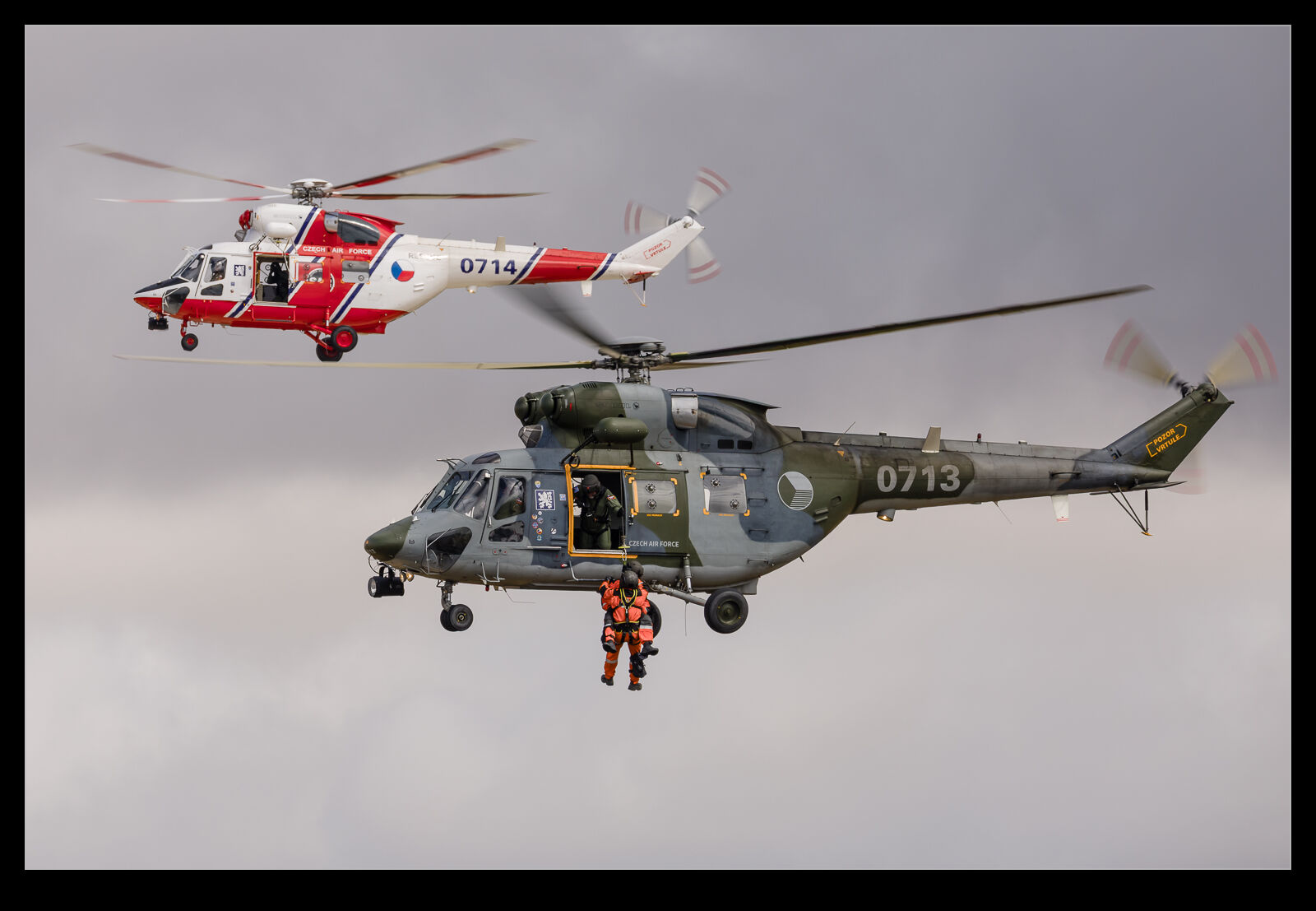
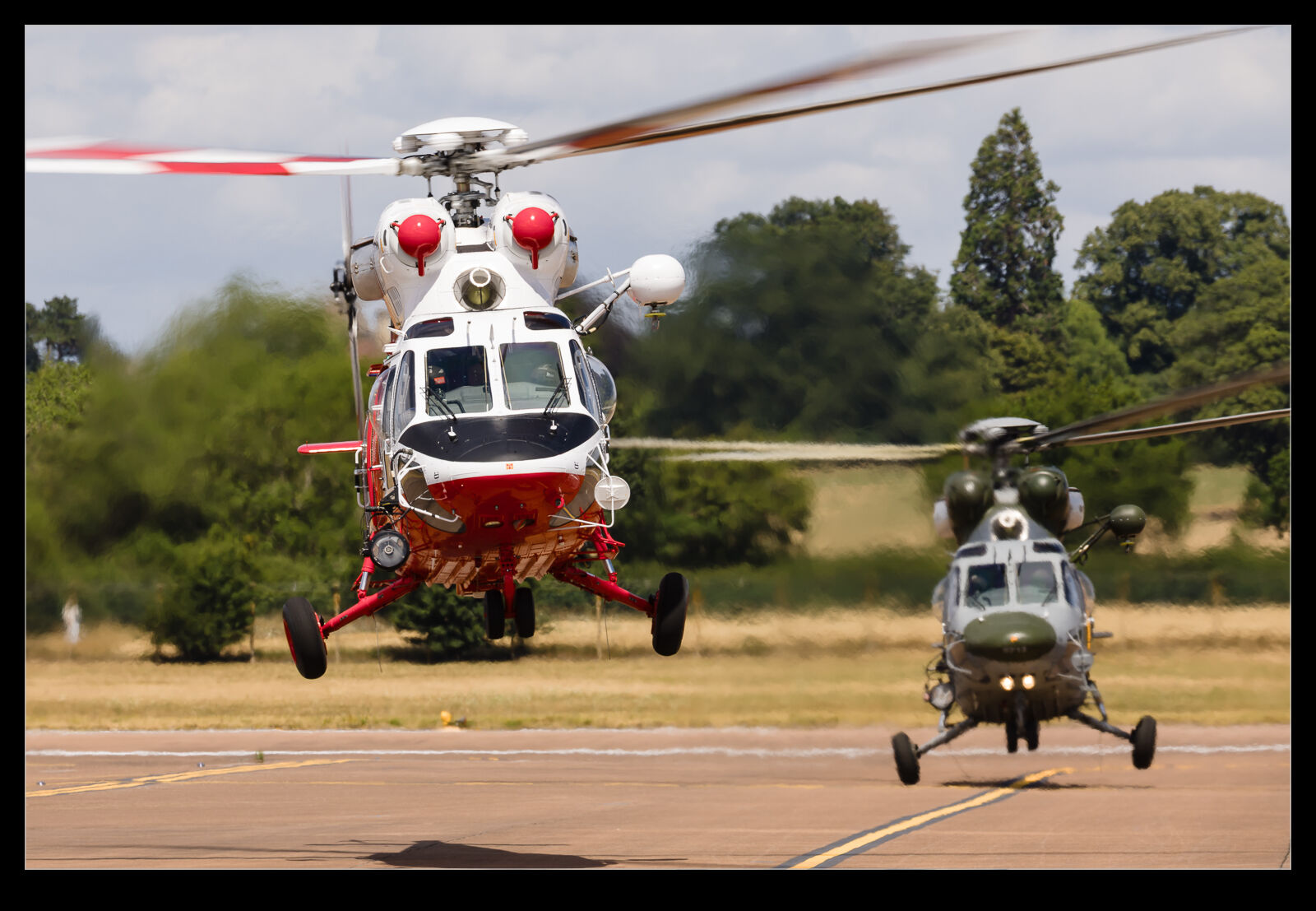
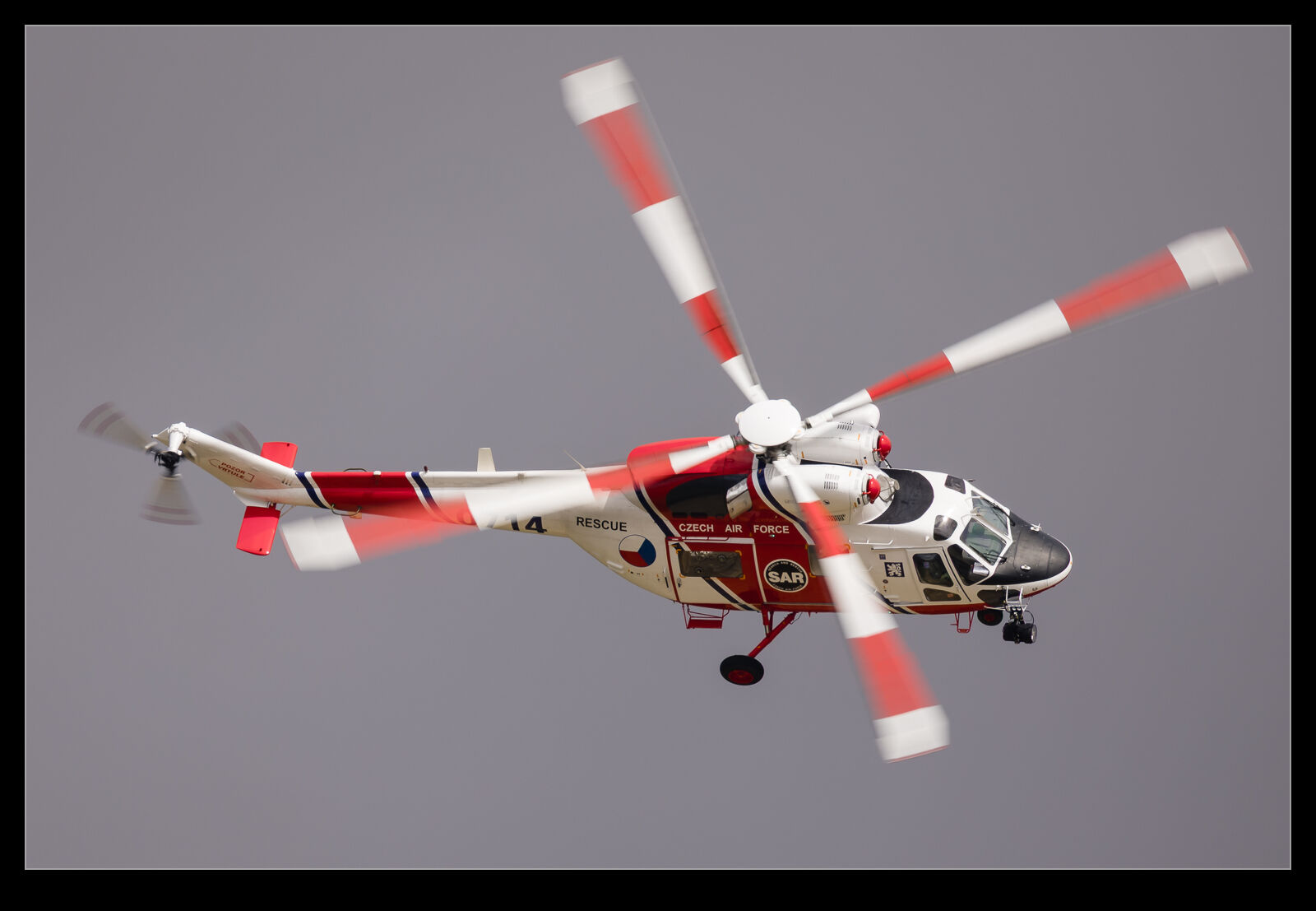
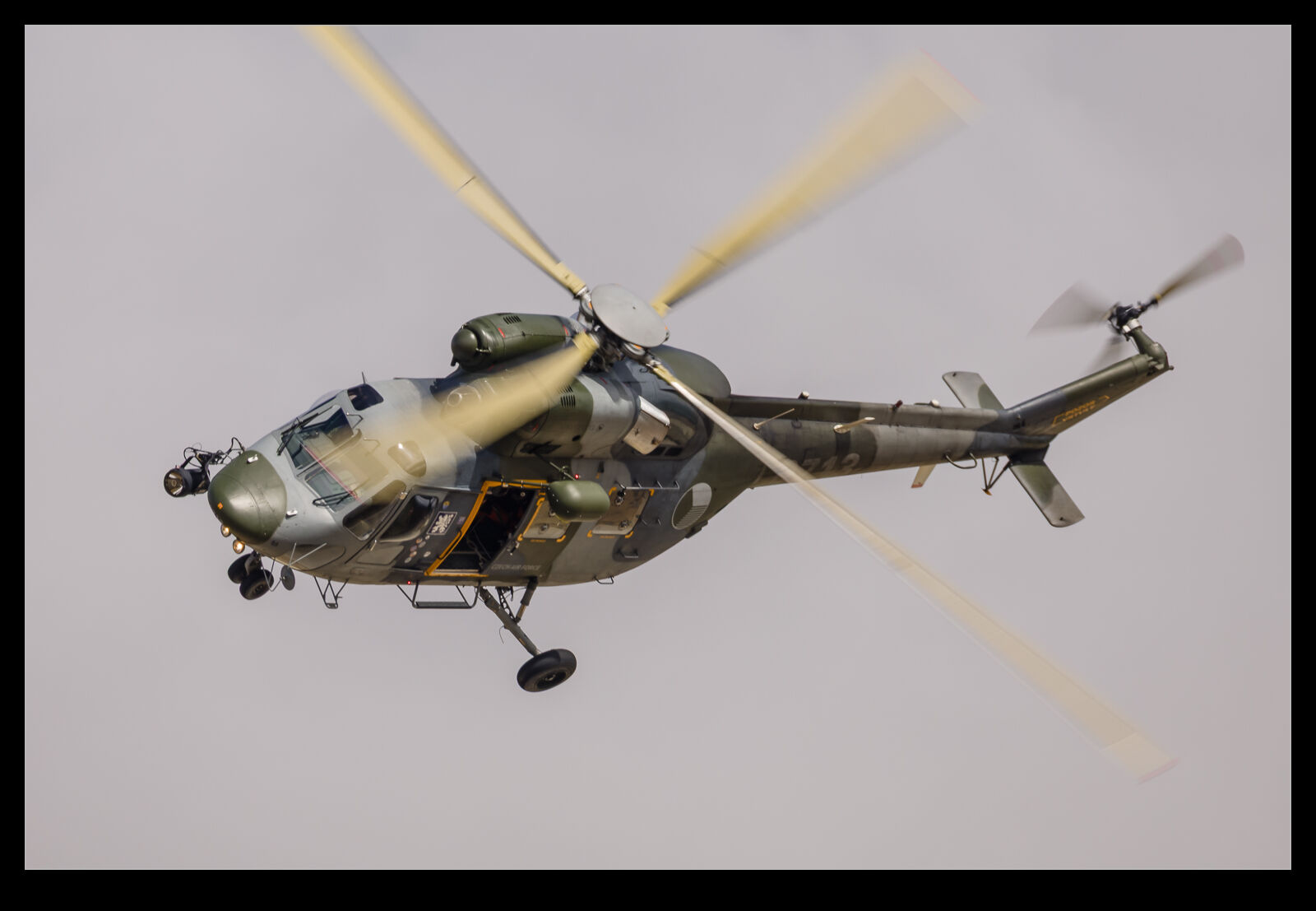
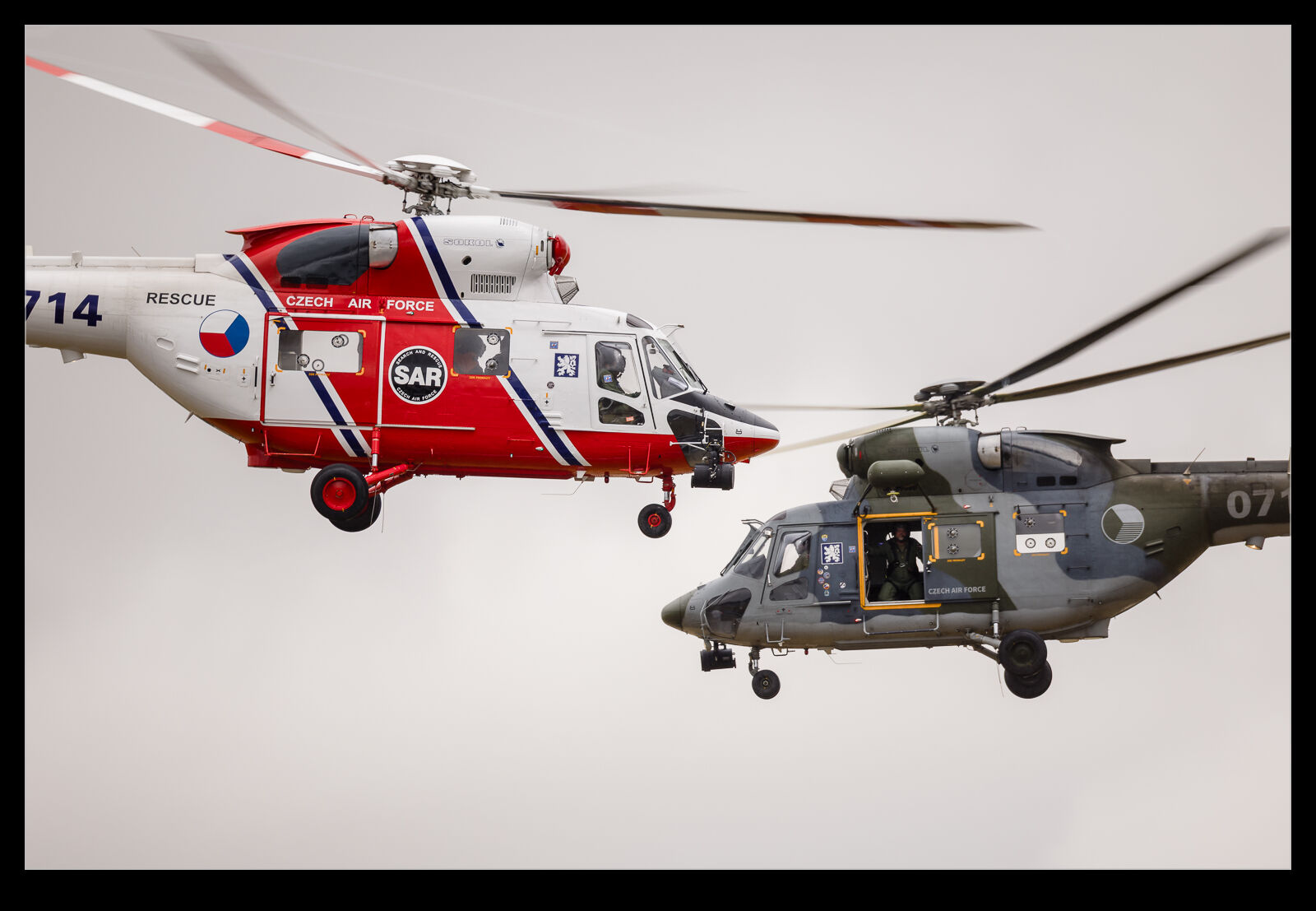
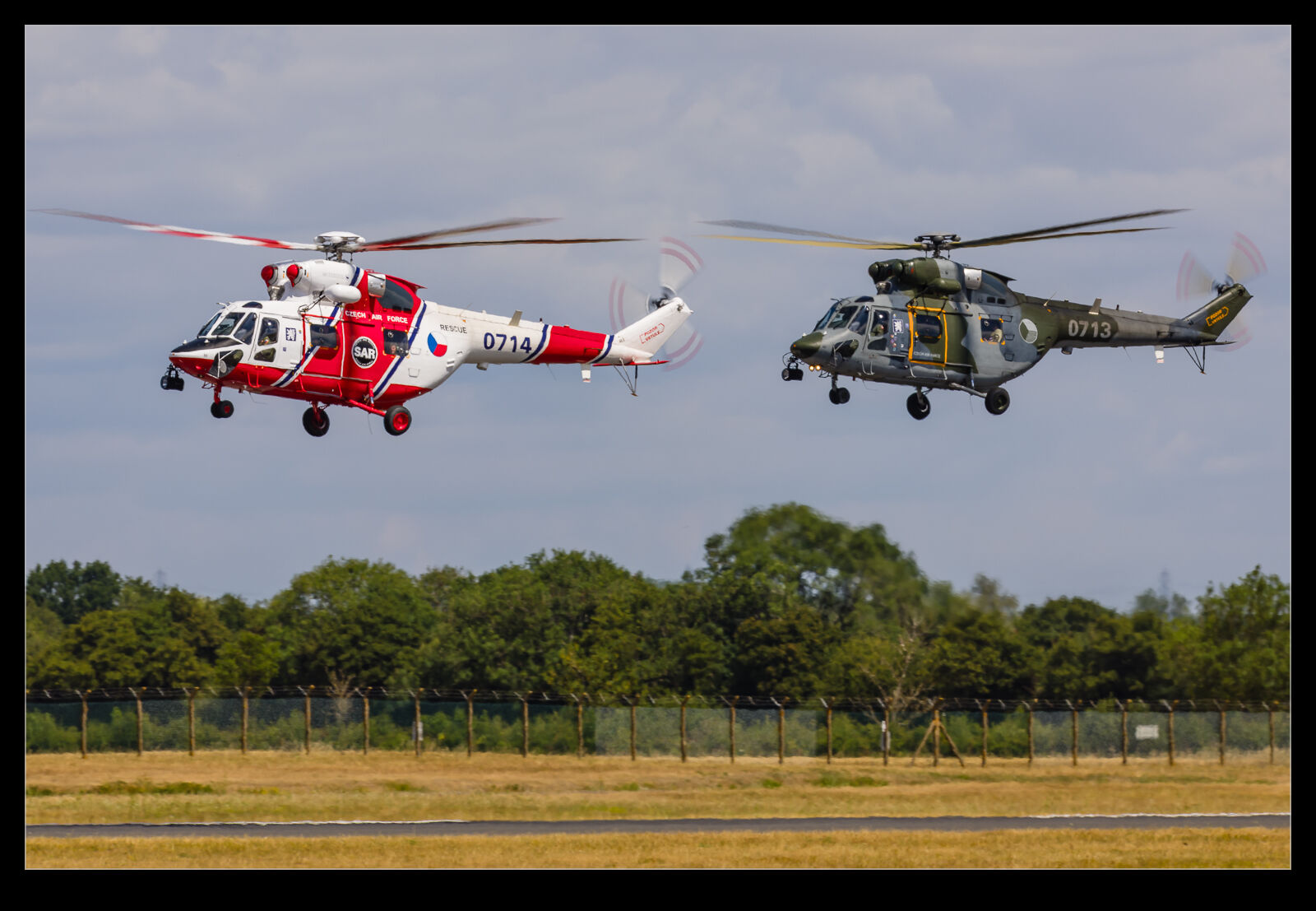
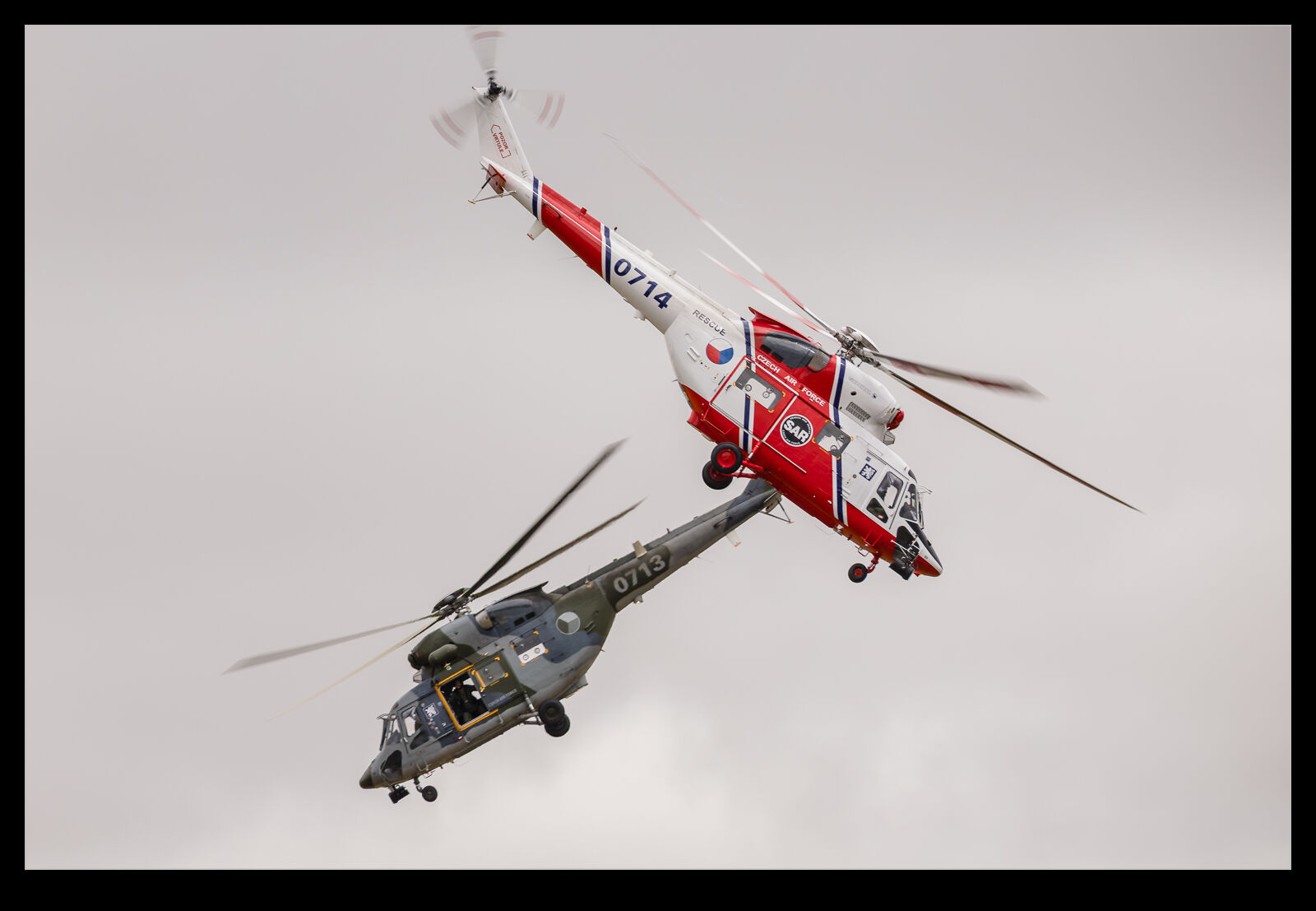
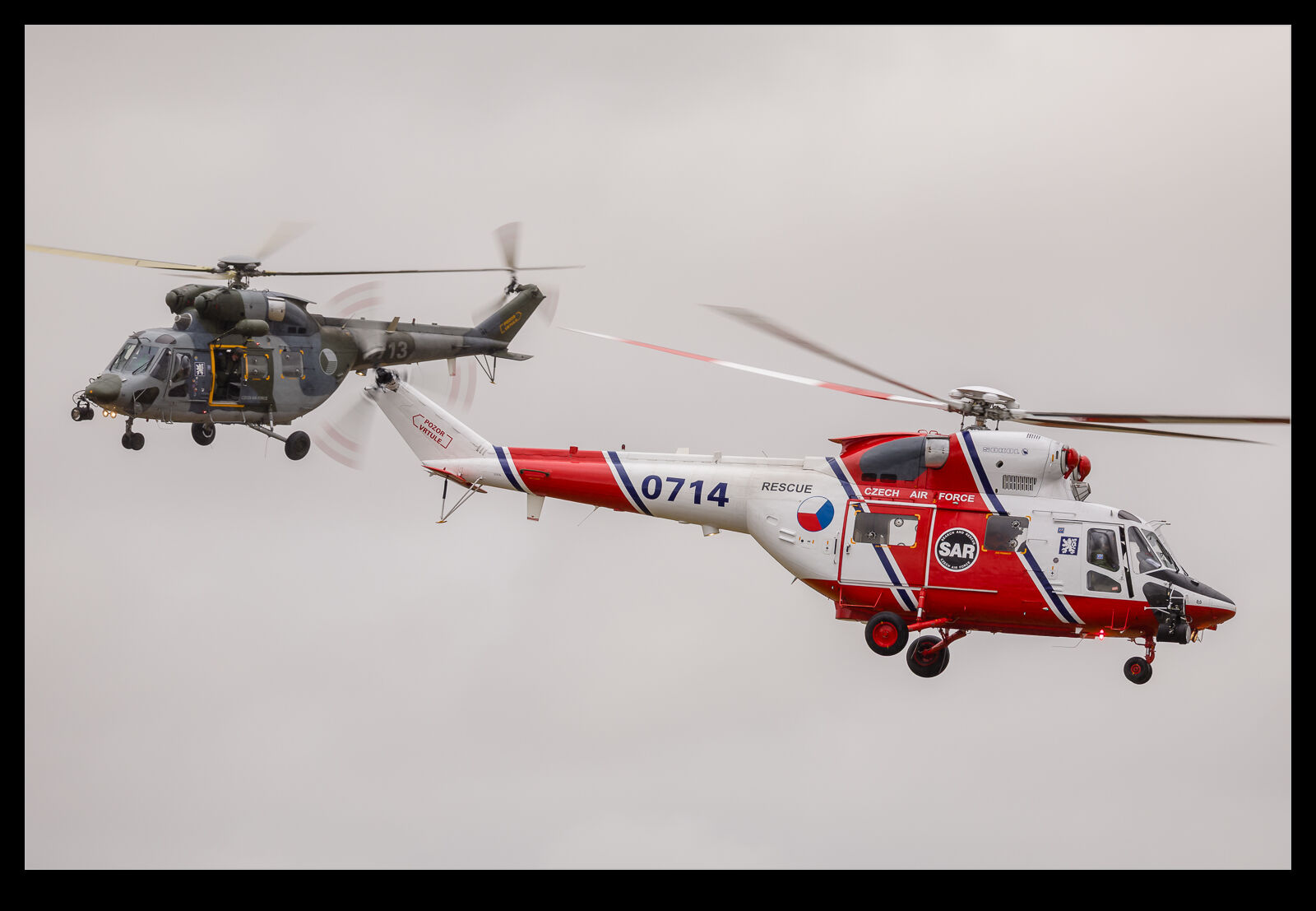
The Czech Air Force brought a pair of PZL-Swidnik W-2 Sokols to RIAT this year. One was in camo and the other in a SAR paint scheme. While this was a type that I hadn’t seen display before, I must admit I wasn’t terribly excited by the prospect. Helicopter displays can be pretty good but often lack punch. This team couldn’t have been further from that idea.

I first saw them display when they were doing a rehearsal. They were absolutely throwing the machines around. A ton of really good, coordinated manoeuvres that showed off the capabilities of the helicopter and the crew in equal measure. They would be pirouetting around each other and keeping the action right in front of the crowd. They never seemed to take a breath, and you were never tempted to stop watching.

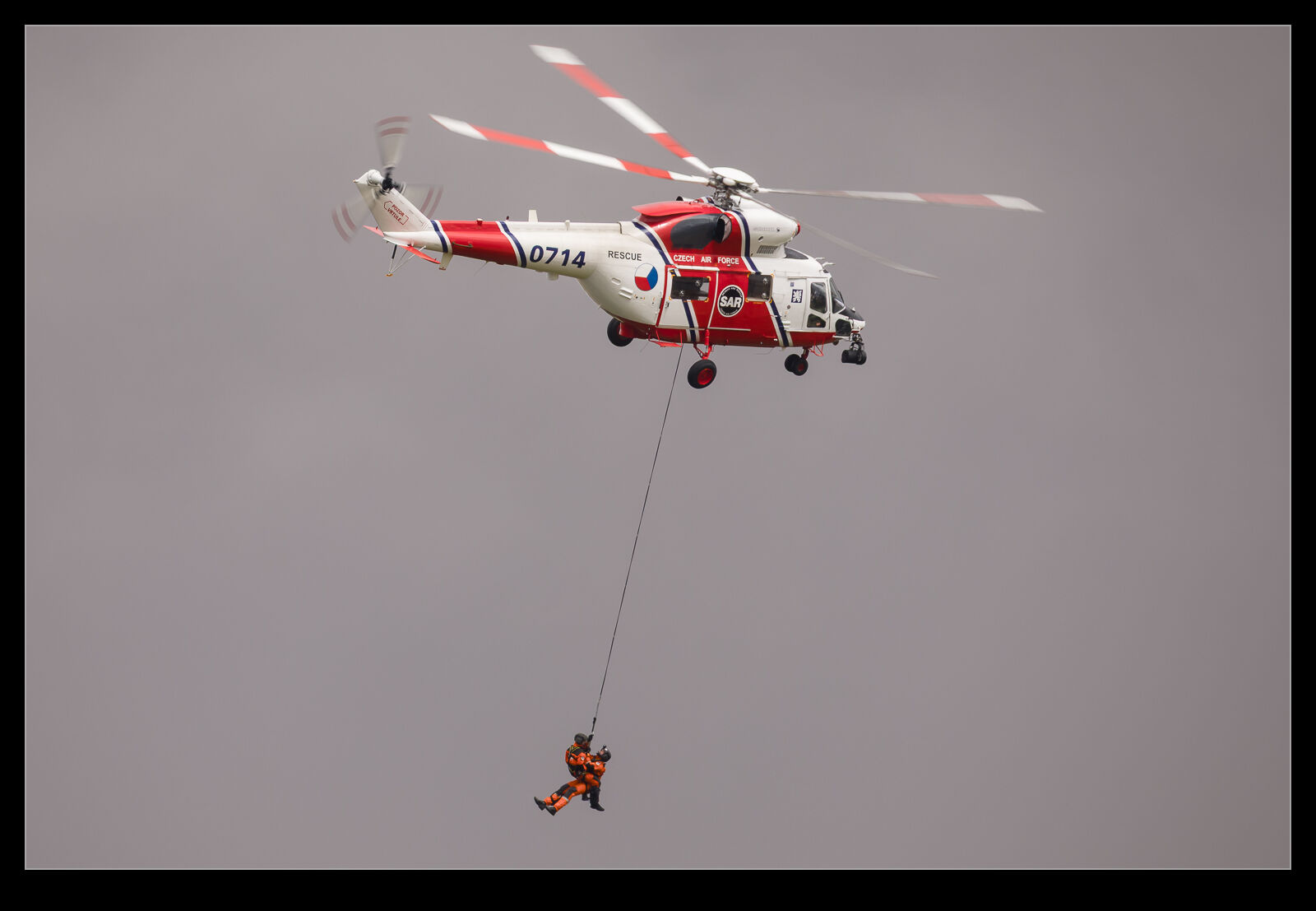
The highlight of the demo for me was a winching demonstration. This is not an unusual thing for a helicopter display to include. It is something that makes the type special and the search and rescue role will appeal to people that can imagine needing to be helped at some point. In this display, they added something that showed off the skill of the crew coordination. While in the hover, the winchman would pick up someone on the ground. They would winch them up a certain amount and then stabilise the hover. Then the pilot would climb while the winchman would let out line. The person at the end would stay exactly where they were as the helicopter climbed.
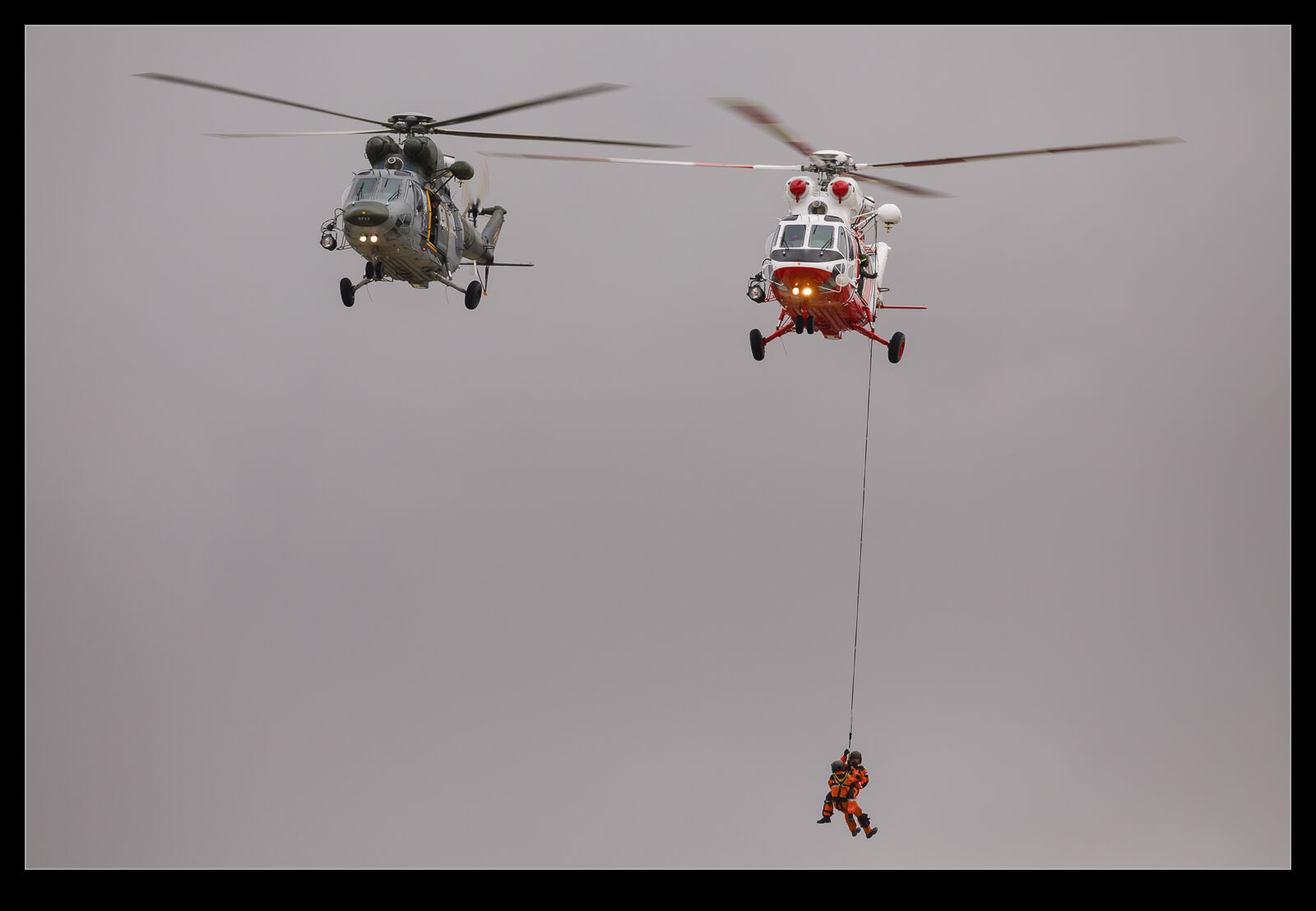
Then the pilot would stabilise again before starting a descent. Again, as the helicopter came down, the line would be taken in and the person at the end wouldn’t move. The whole thing was perfectly coordinated. I don’t know whether the winchman could vary the speed or if the pilot was modulating power to make it work and I don’t mind which it is. It was perfectly executed every time they did it across the days of the show. Top work. I hope other crews get to see this performance and it inspires them to try something innovative with their displays.
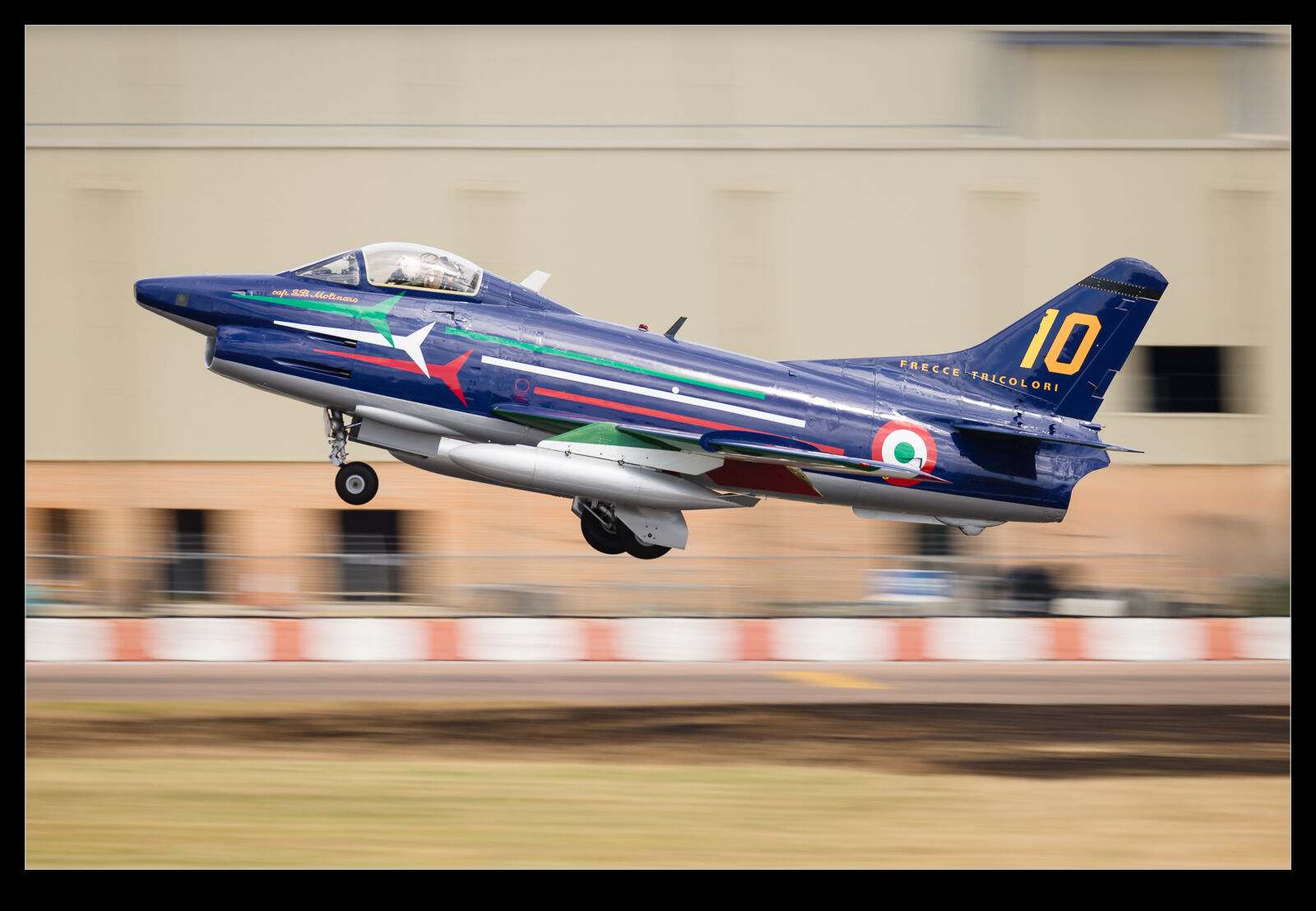
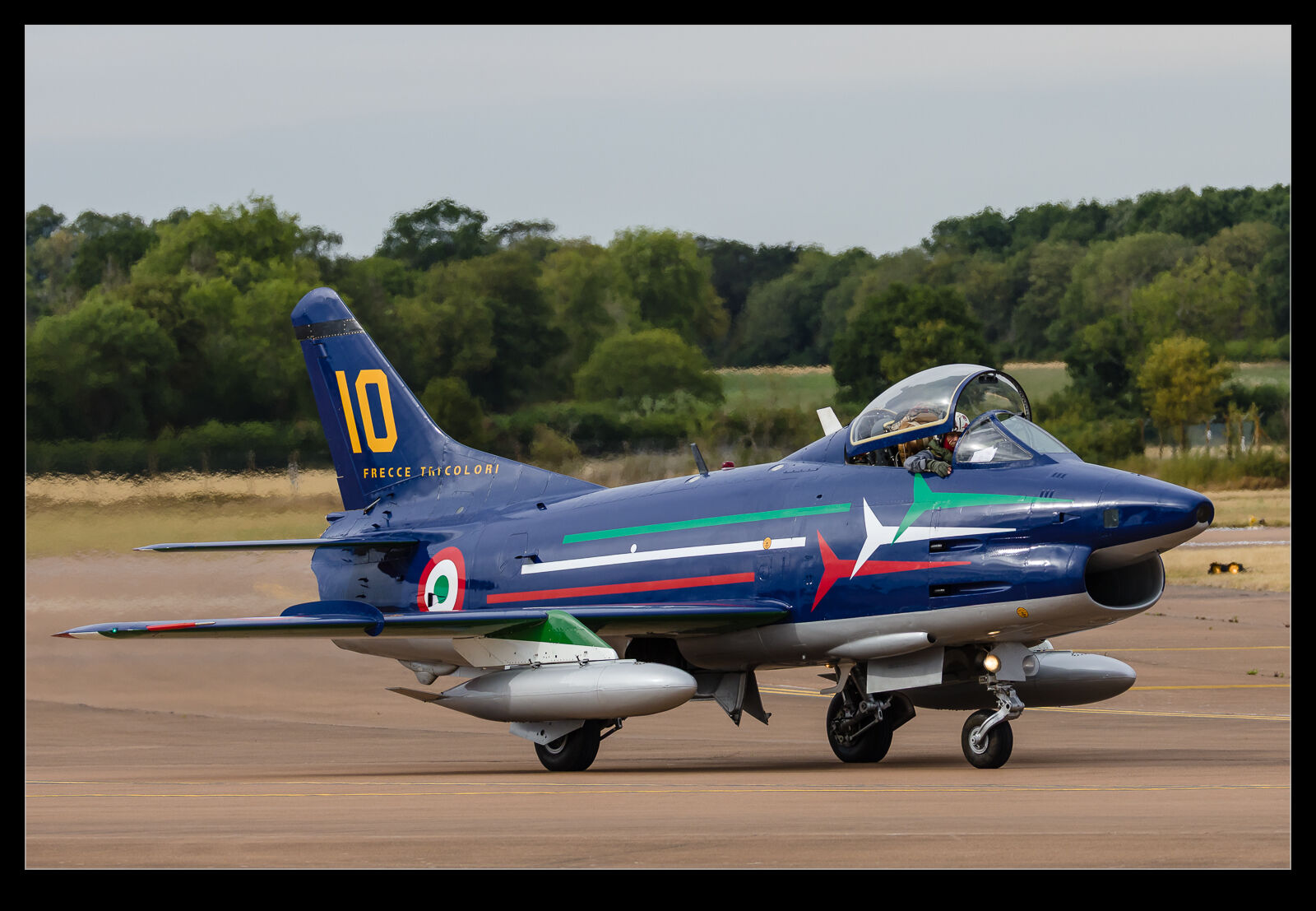
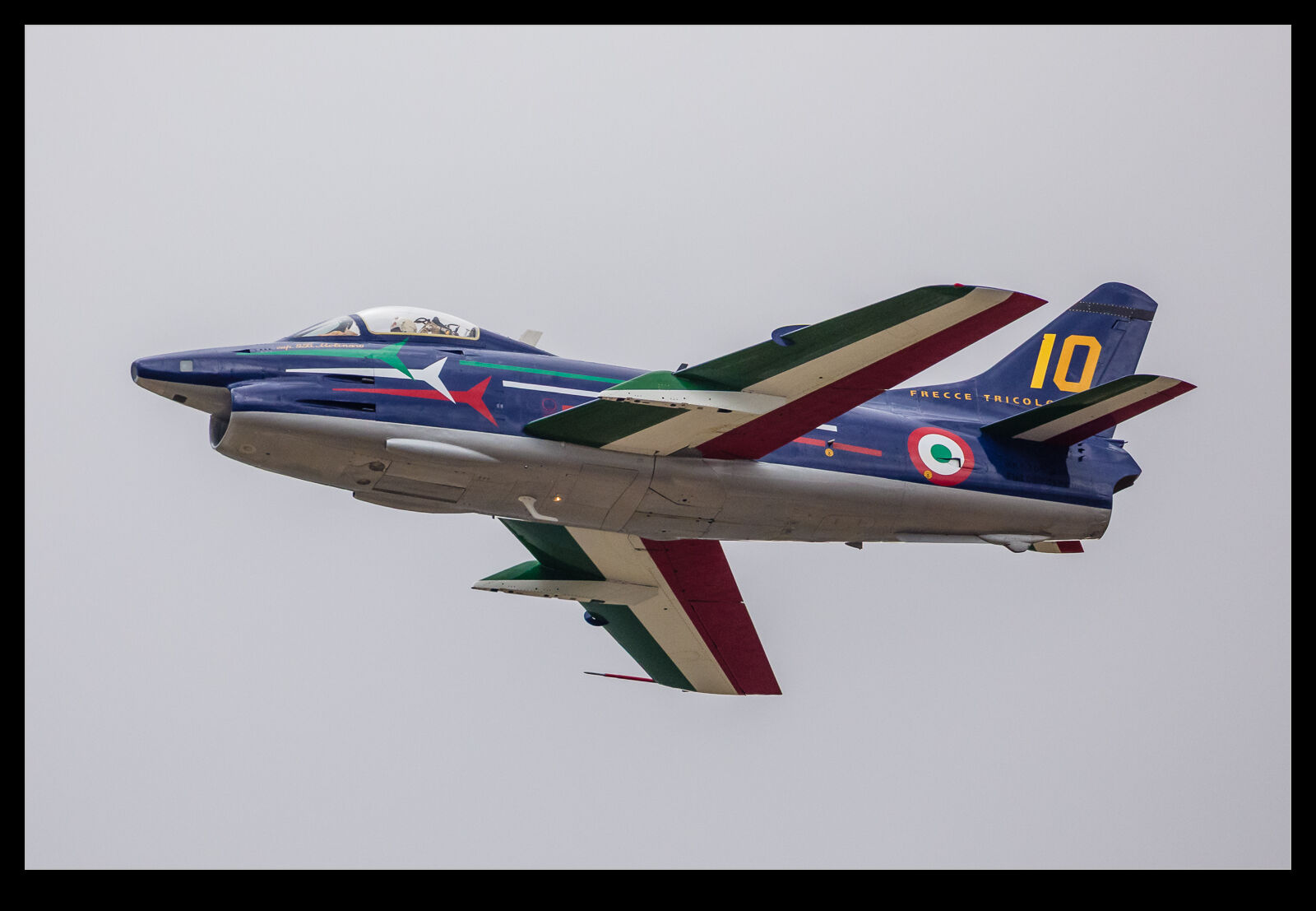
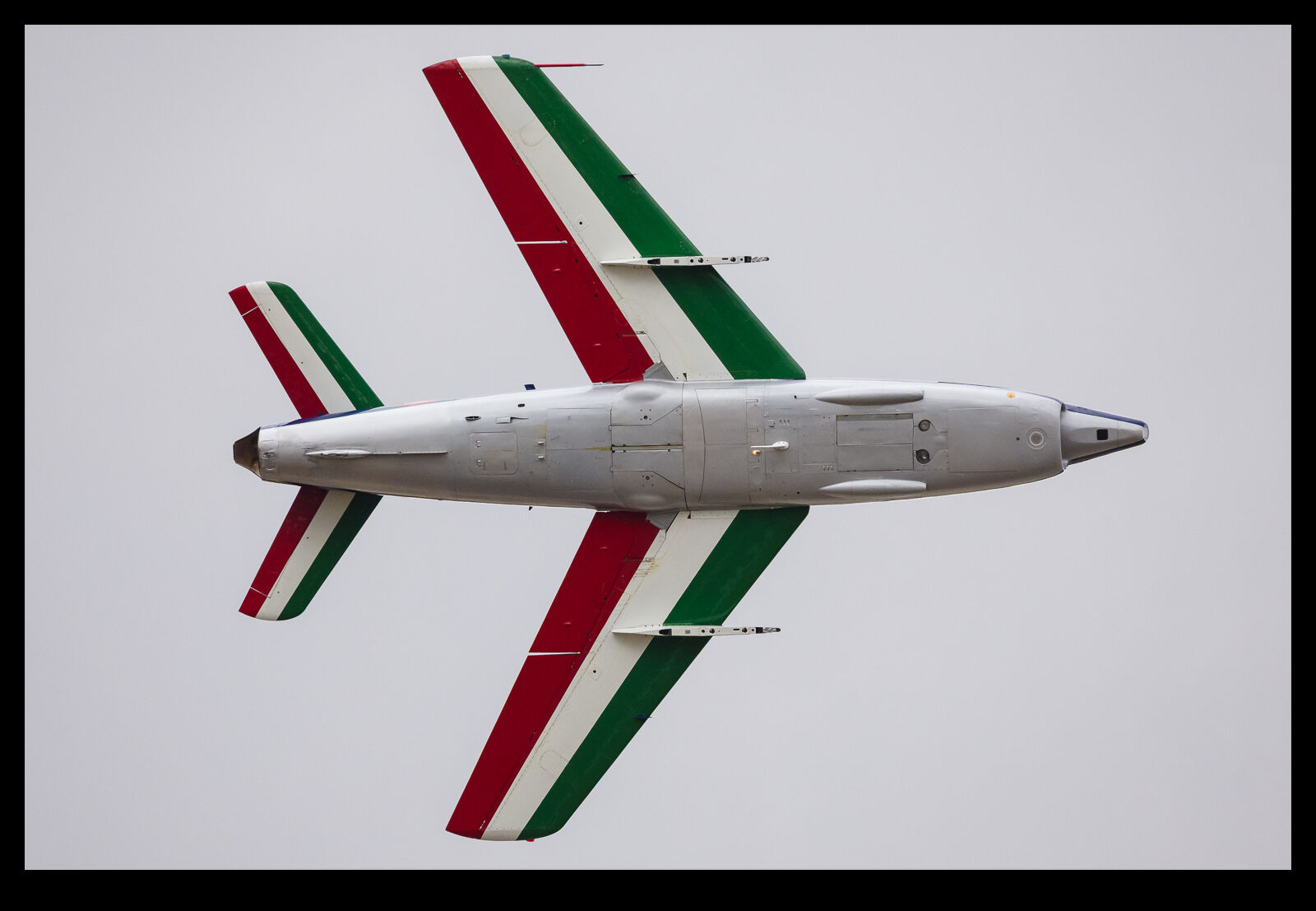
Retro Frecce

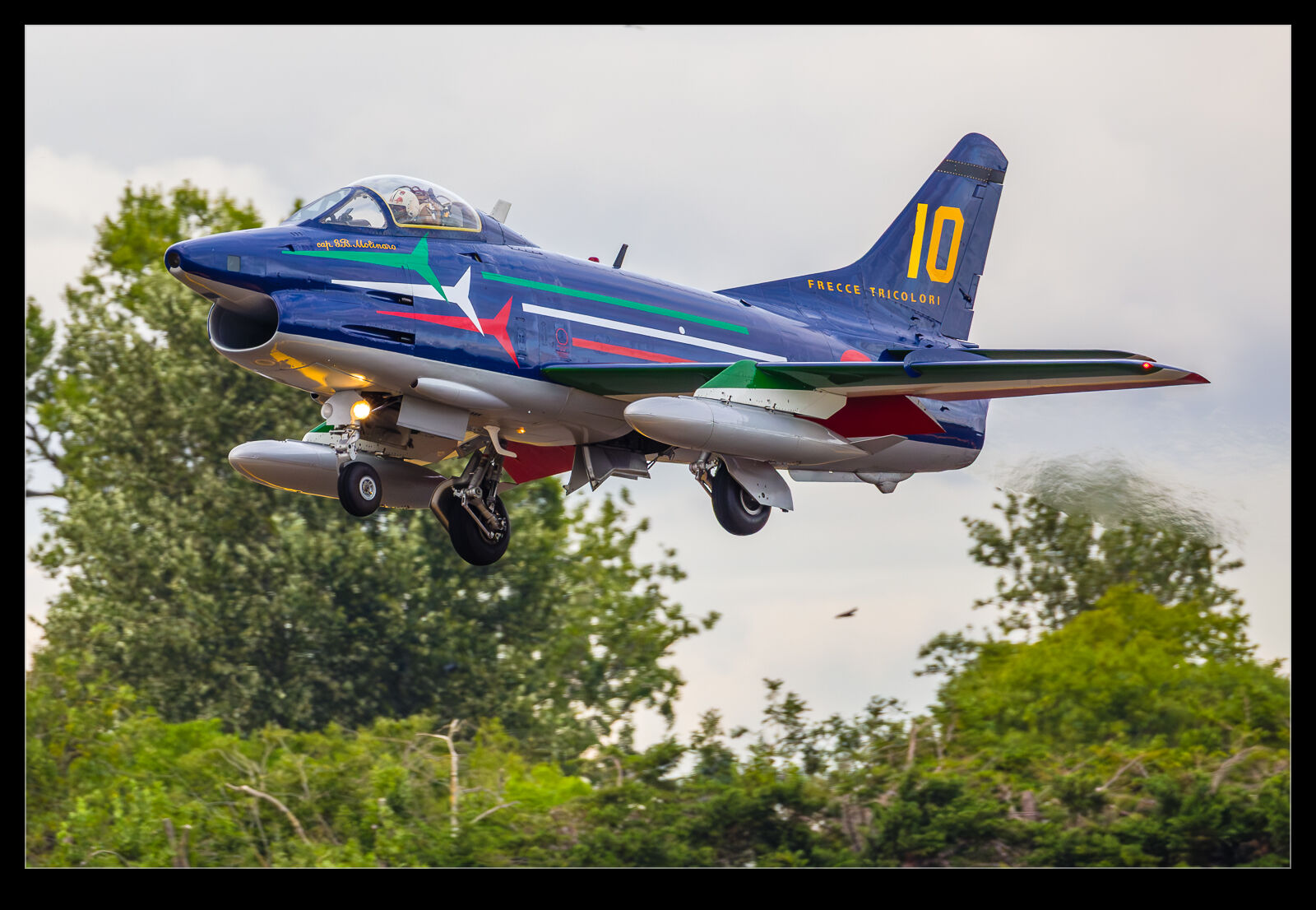
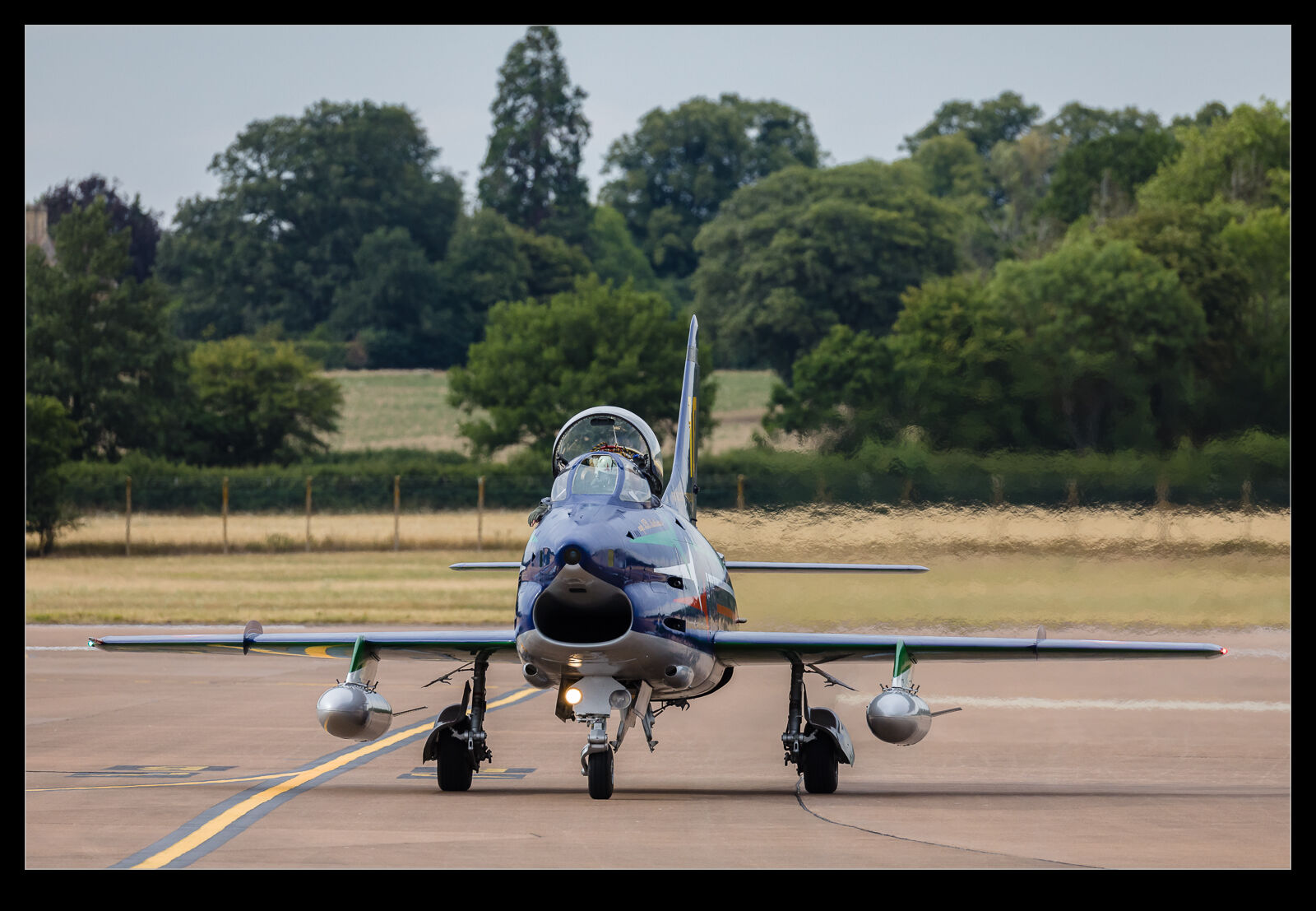
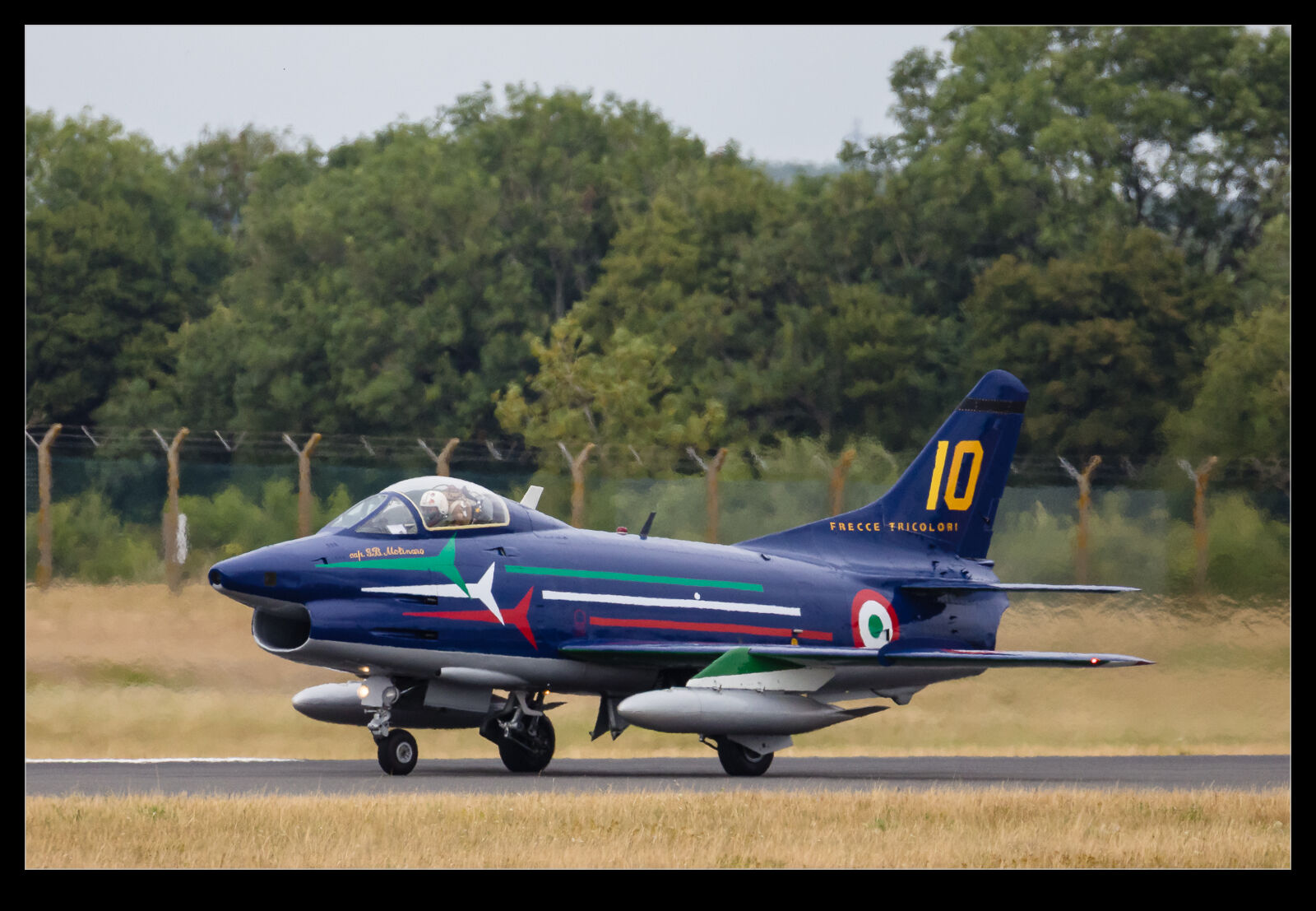
For as long as I have been going to air shows, the Italian Air Force’s display team, the Frecce Tricolori, has been flying the MB339. I knew that they used to fly the Fiat G91 but that was before my time. I have seen some G91s at museums marked up as Frecce jets but, whether they were actually previously in the team or just painted up in the same way that there are a ridiculous number of Hornets in Blue Angels colours, I didn’t know.

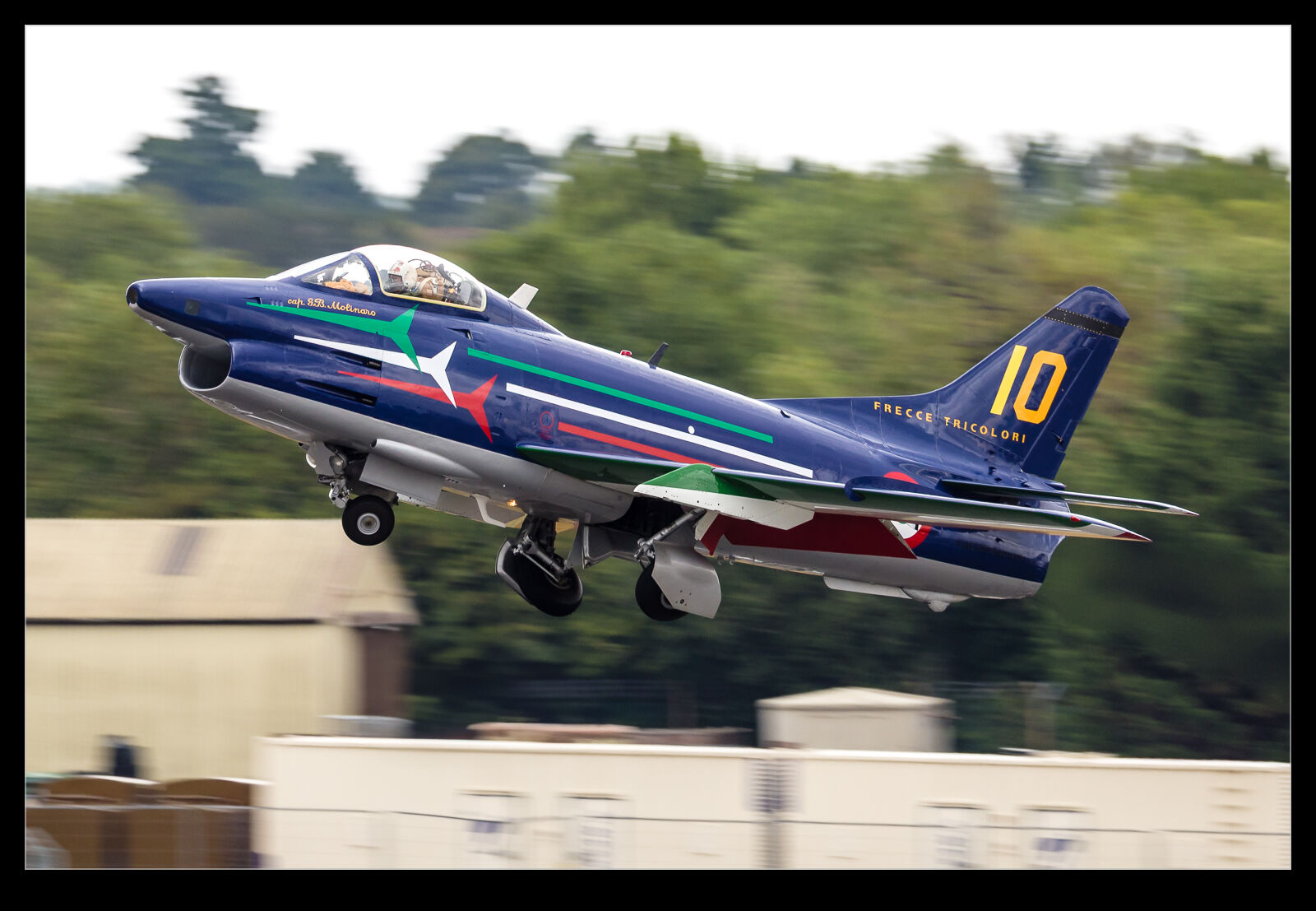
With the team getting ready to transition to the M346 before too long, it was an interesting comparison to have RIAT include a recently restored G91 display in Frecce colours. I think the original team jets has a pointed nose rather than the camera port on the majority of production aircraft, so I doubt this is an original team aircraft, but it is still something special to see. It did fly in formation with the M346 which is a nice before and after idea although not with the current team which would have been even better. Here is a selection of images of it from across the weekend of RIAT.

Was That Engine Supposed to Fit in There?

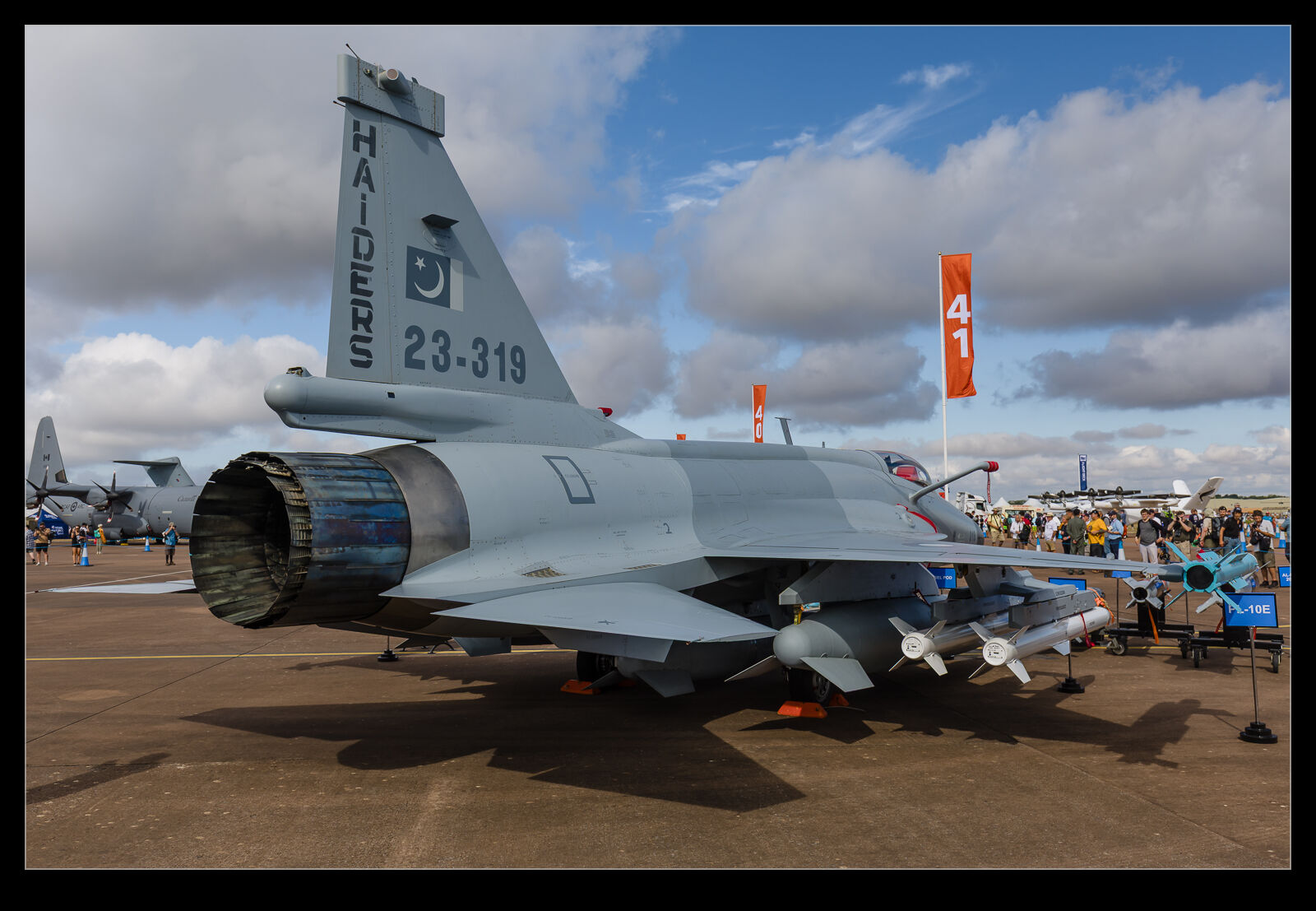
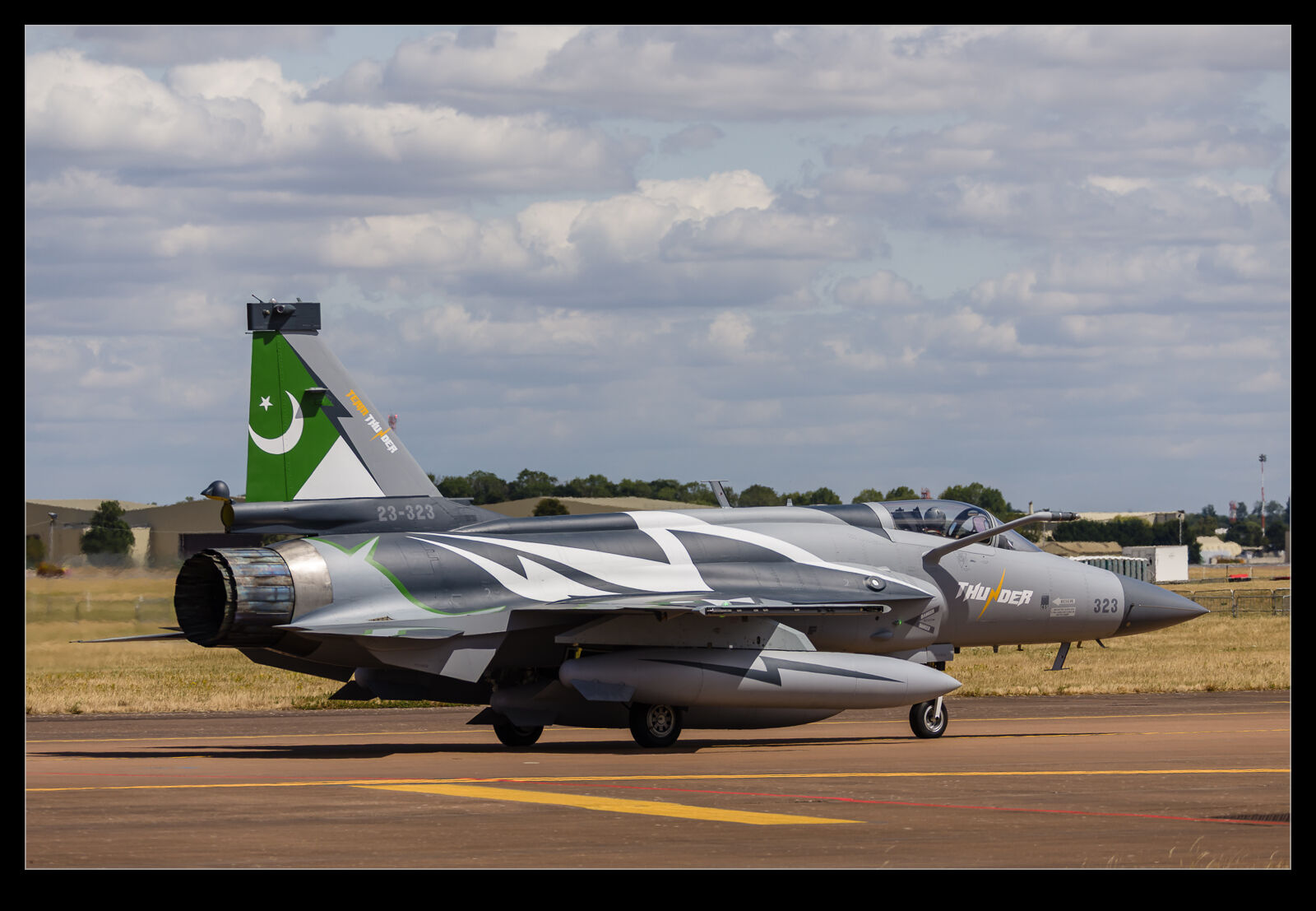
The JF-17 Thunder was one of the interesting aircraft to make it to RIAT in 2025. It had been before, but this was the first time I got to see it. The Pakistan Air Force brought a pair of them. I got to have a good look at one of them in the static park and something struck me about it. The engine installation. The plane is fitted with the Klimov RD93 engine which is a derivative of the engine for the MiG-29. The diameter of the nozzle for the engine seems to be very small compared to the rear fuselage size. Afterbody drag is a big deal on fighters and I wonder how bad the penalty is for this configuration. I understand that China is developing an engine to replace the RD93 and maybe the sizing of the fuselage is for this new engine. In the meantime, it does look like someone made do with the engine available.
Throwing a Transport Around the Sky

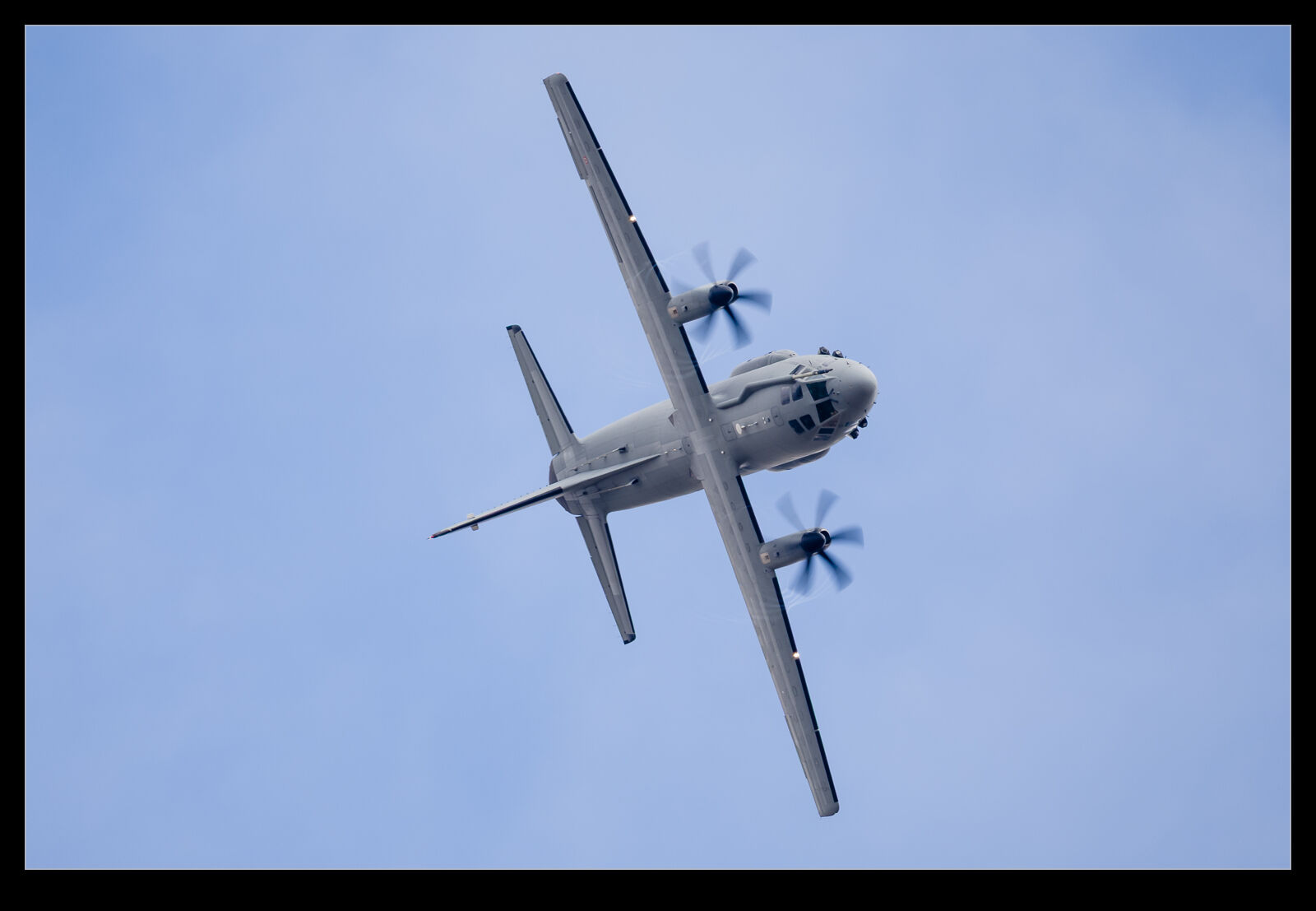
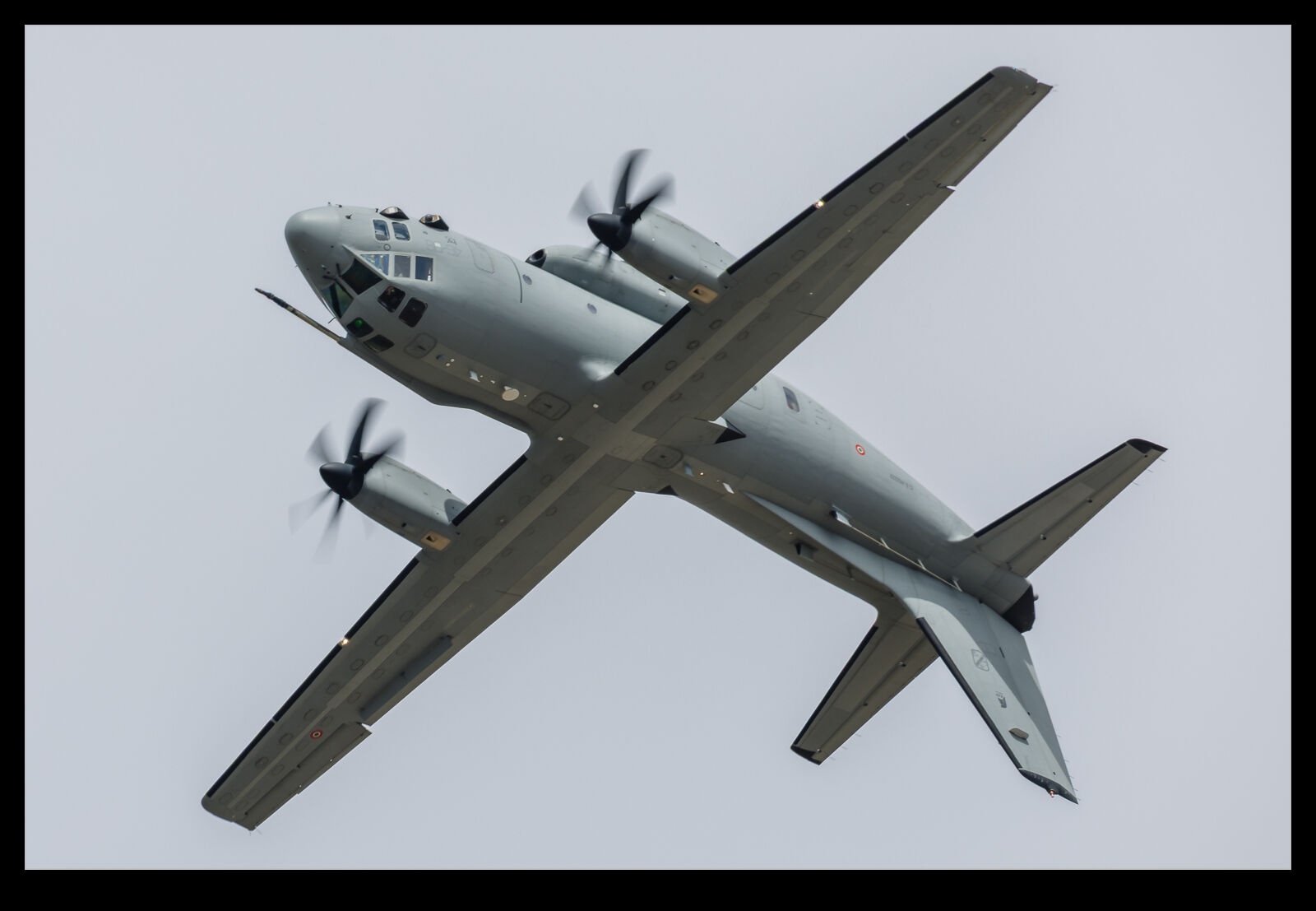
I have seen plenty of footage of C-27J displays where the crews make use of the plentiful power of the type to undertake aerobatics. However, I had never seen it in person. The only C-27Js I had seen display were from the US Coast Guard and they were much more benign in their performance. RIAT brought an example from the Italian Air Force’s test centre and the crew that displayed it knew exactly how much performance they could wring from it.

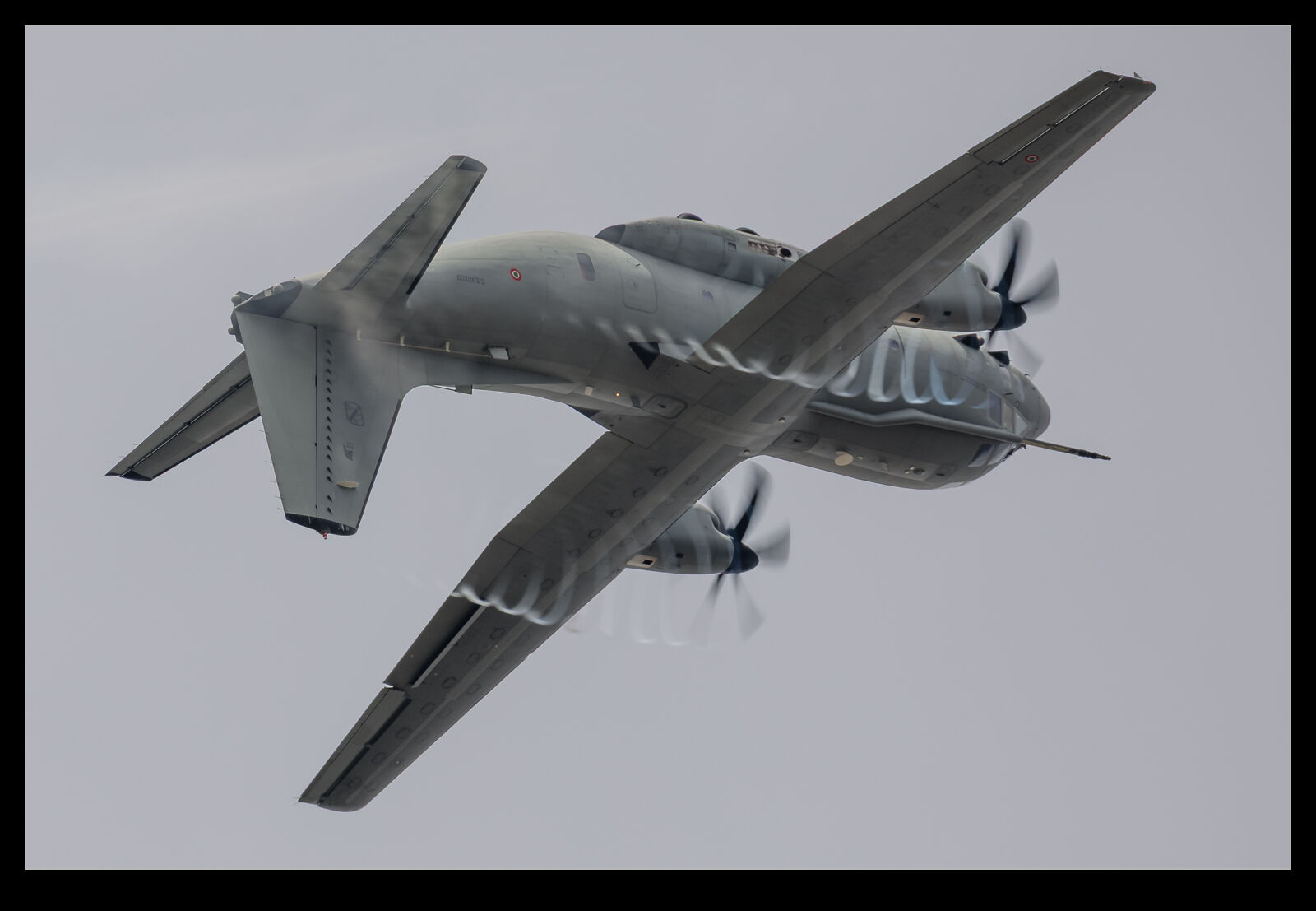
They displayed a few times during the show, and each performance was worth stopping to watch. The ability to loop and roll a decent sized transport was impressive. The conditions during some of the displays were not ideal from a lighting point of view but the humidity in the air did make for some great prop vortices. An inverted plane streaming vapour from the props makes for an interesting image. If you haven’t had the chance to see the display and an opportunity presents itself, do be there.

Sensors Versus Markings on the Gripen E

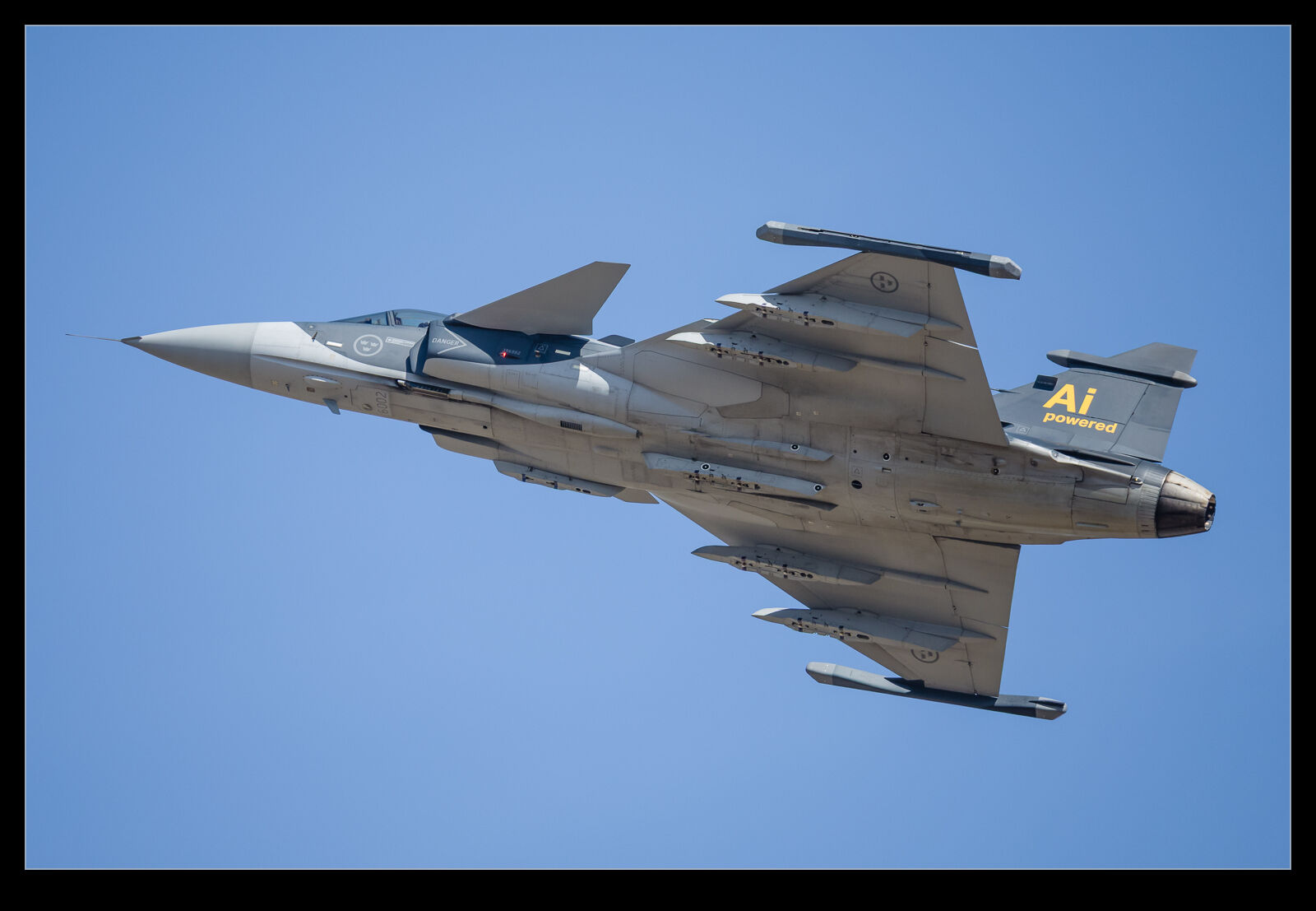
I was editing my images from RIAT recently and culling those that were never going to see the light of day. As I was working through the images of the Gripen E demonstrations, I noticed an array of sensors on the fuselage of the aircraft. There were also a bunch of markings that looked quite similar. The sensors seemed to have a specific shaping to the fuselage to align them with where they needed to face whilst the markings just seemed painted on to both the fuselage and the pylons. My assumption was that these were tracking locations for stores separation tests, but they were different to what I have seen used for this previously. I can’t tell for sure whether one is designed to distract you from the other! I have no knowledge of the systems fitted to the Gripen and will have to do some research but once you see this array of sensors, you can’t help but notice them thereafter!

Portugal’s Merlins Just Look Better

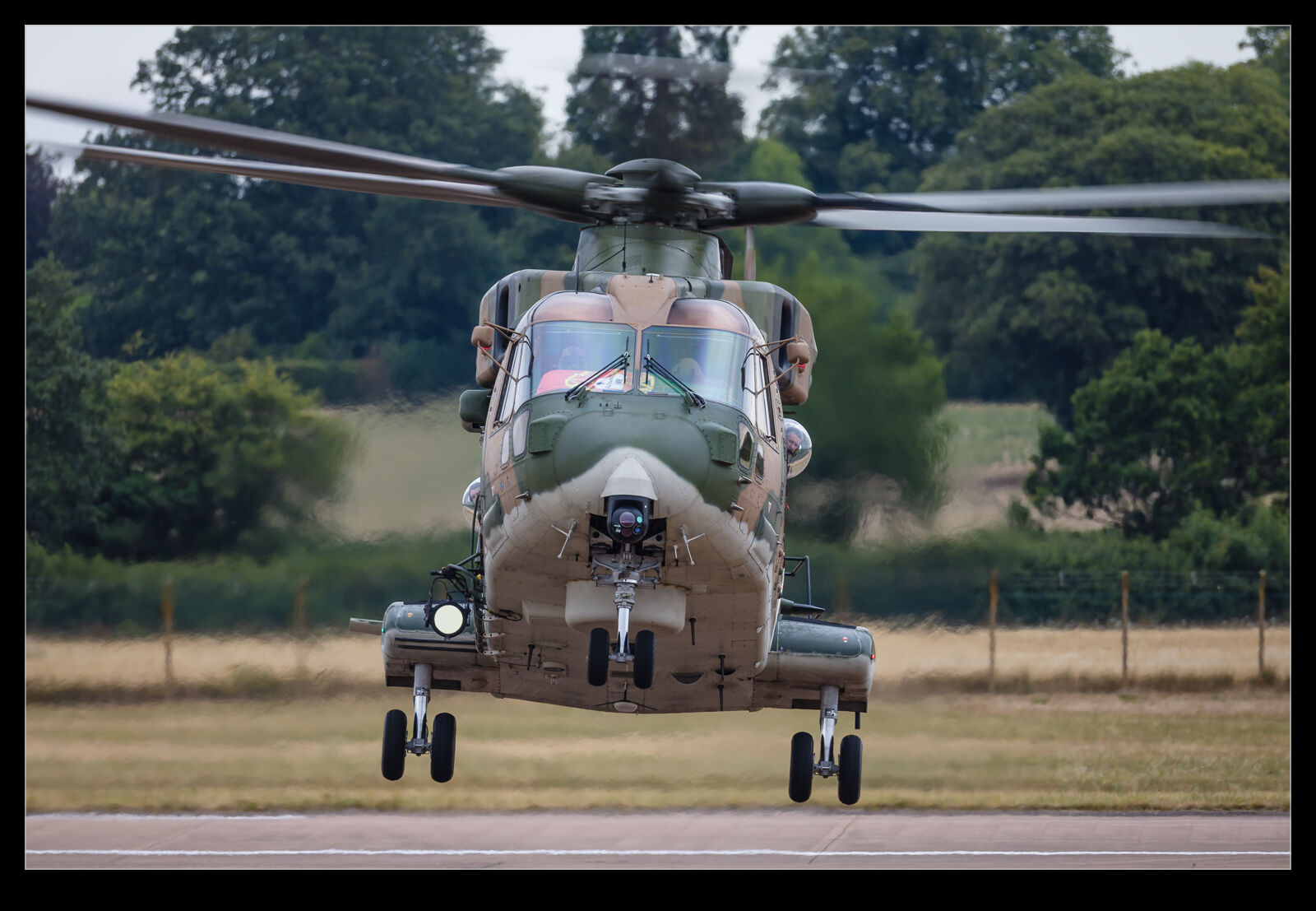
The AW101 is a great looking helicopter. I saw the original prototypes fly in the late ‘80s and early ‘90s including one that was configured as a civilian passenger type (sadly never to have the demand to make it to production). Since that time, I have liked to get photos of them wherever possible. The Canadian Cormorants look great in their yellow paint, and I finally got shots of them last year. Normally they are not painted in a very exciting way.

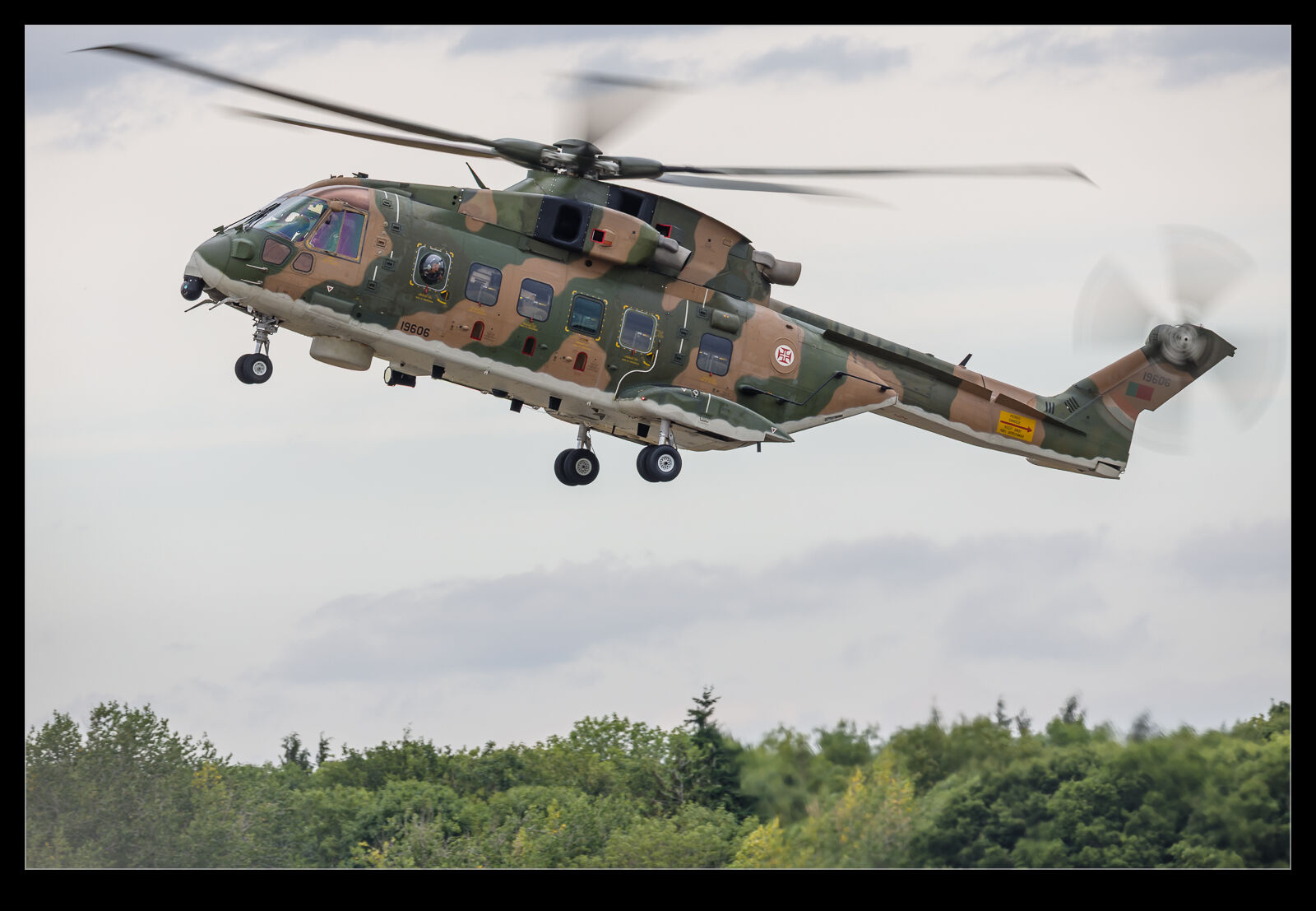
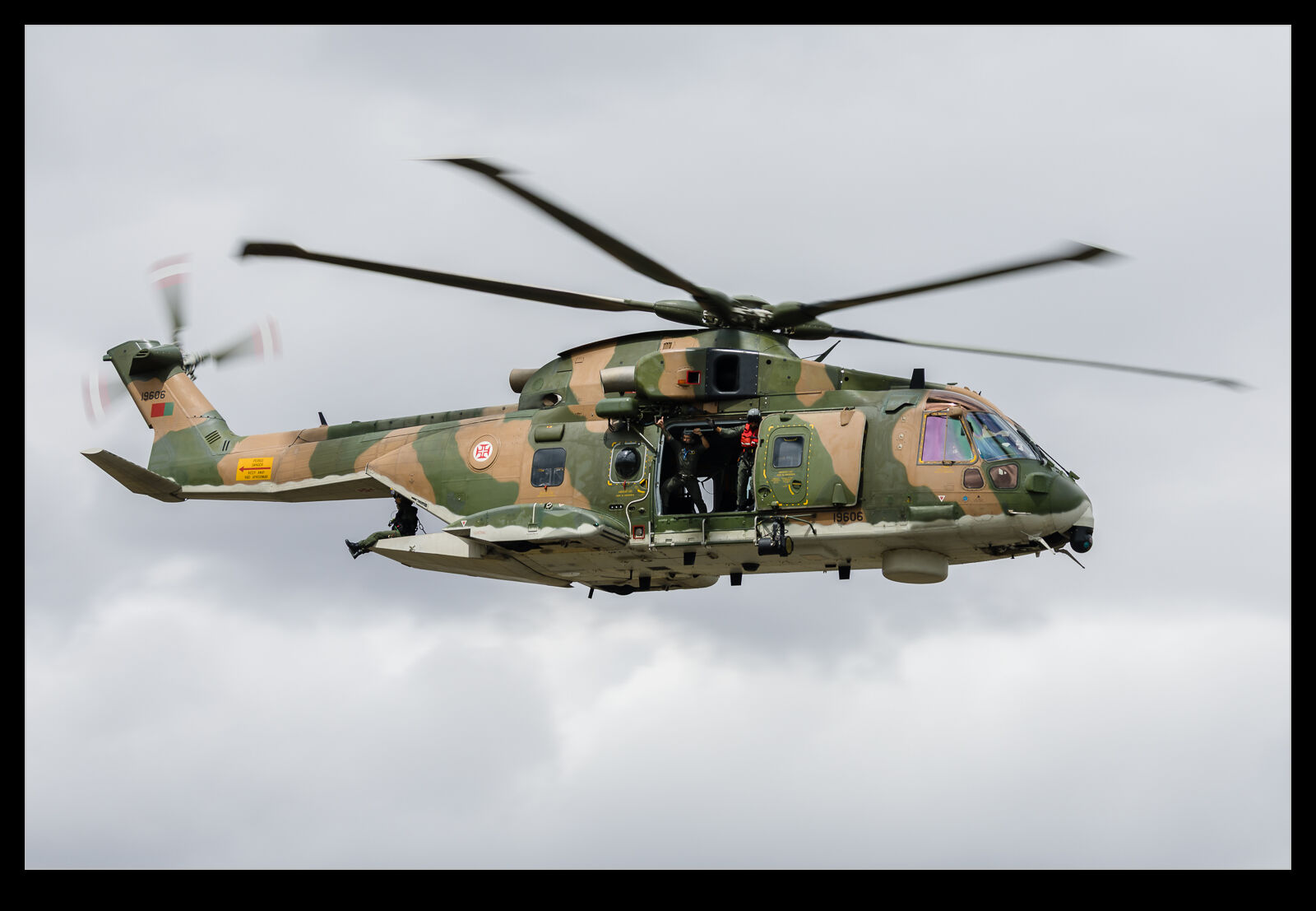
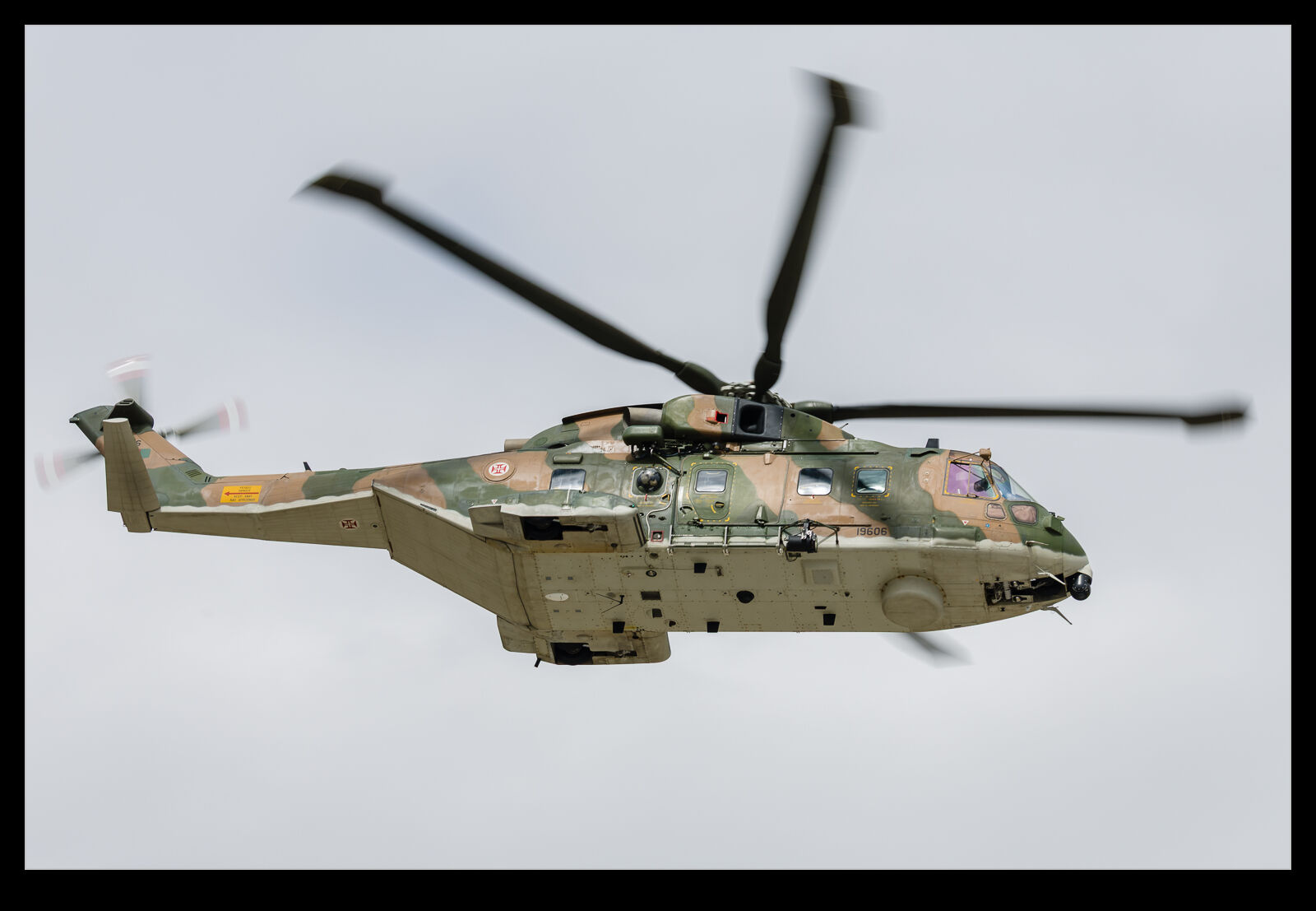
However, the Portuguese Merlin came to display at RIAT this year and it was way better looking than the average. It has a camouflage finish which seems to be a rarity these days. The colours of the camo were also quite vibrant, and it made for a striking subject. It certainly helped that the crew were throwing it around quite energetically and performed on more than one occasion, so I got plenty of shots of it.

An air show is an opportunity to see an airframe performing in ways that you wouldn’t normally get but it is also a rather sterile environment. These helicopters are used for search and rescue along the coastline of Portugal, and I imagine it would be really nice to get to photograph them in their “natural habitat” with cliffs and the see behind them. Maybe I might find myself out there one day.