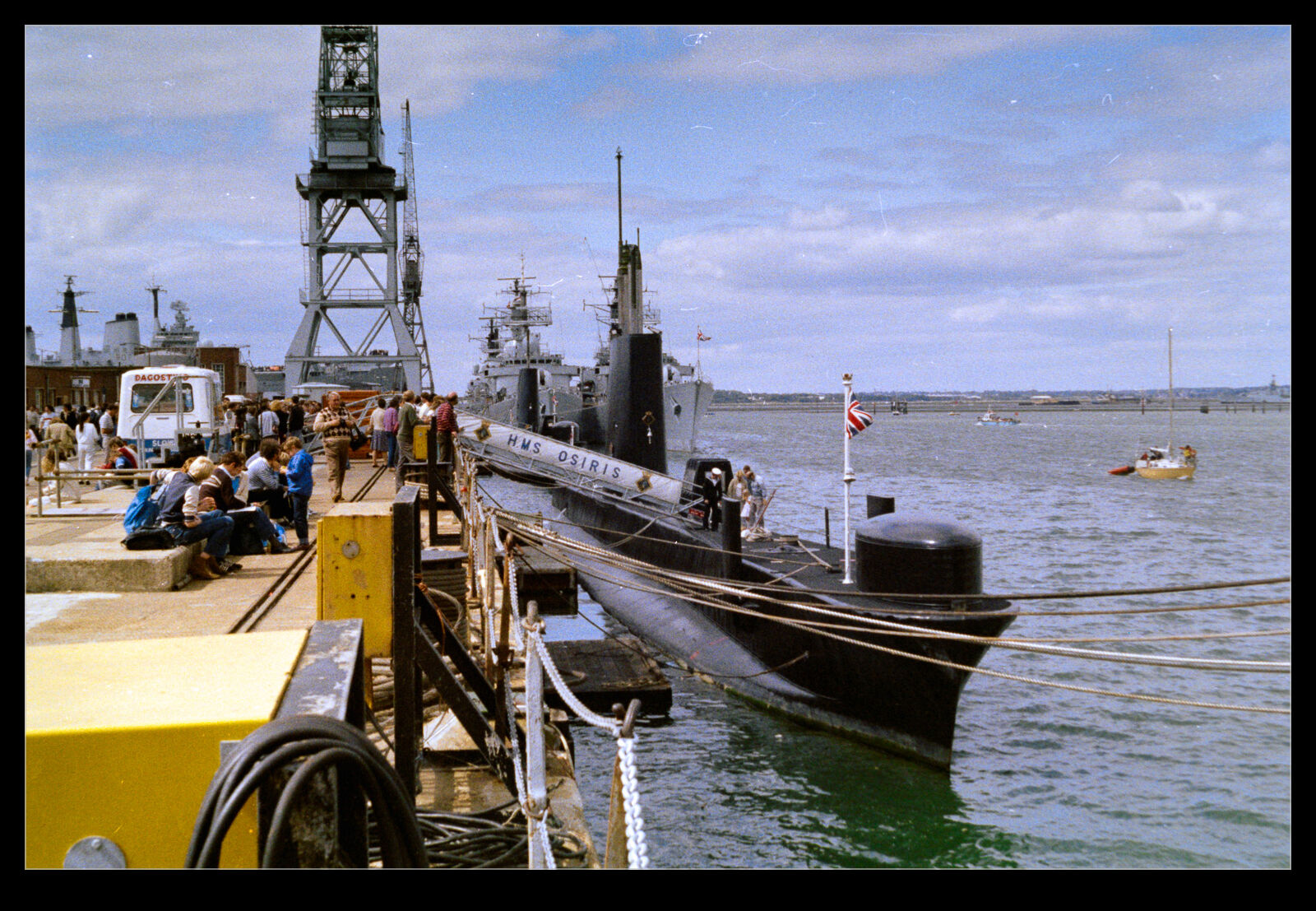
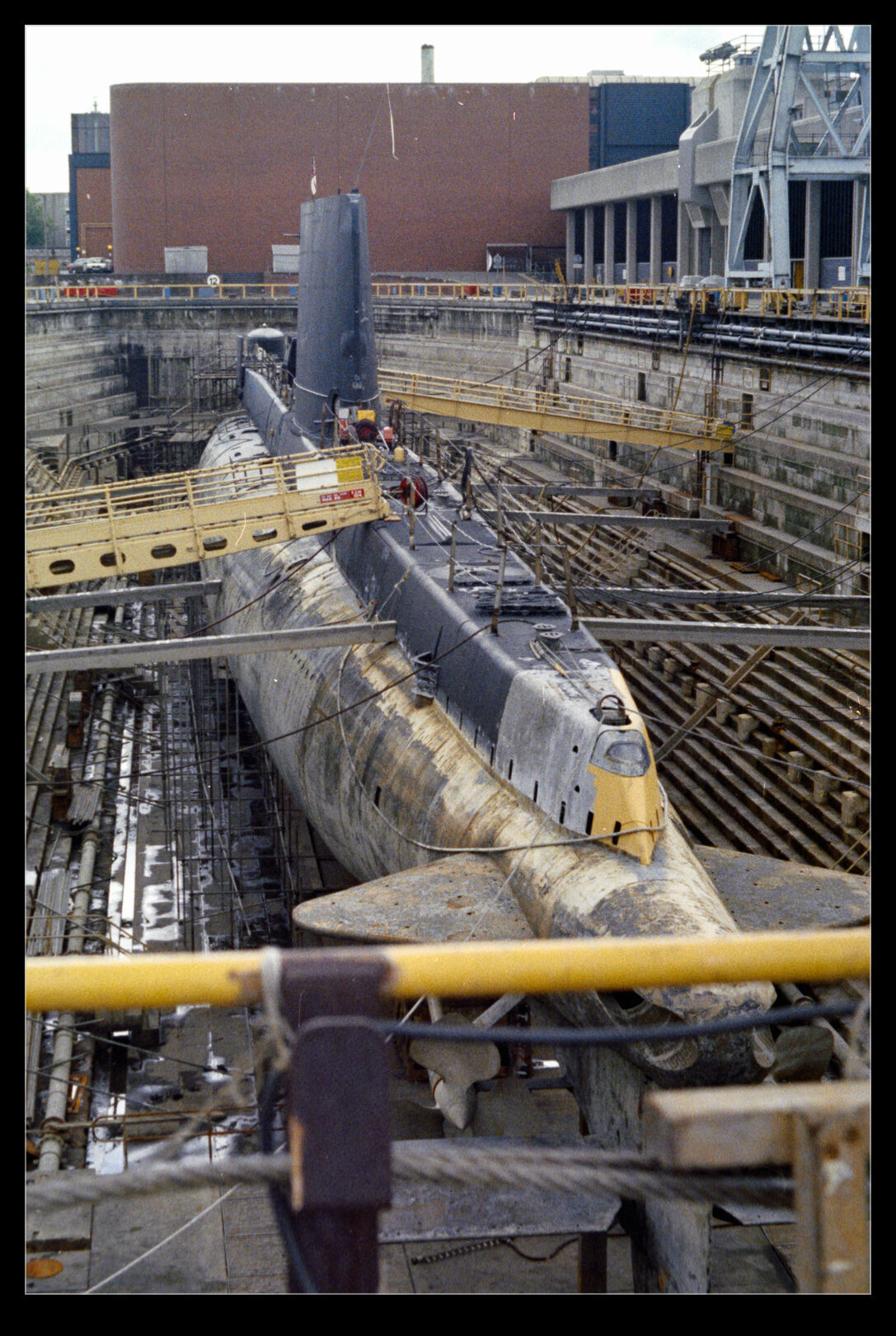
The Royal Navy’s submarine fleet is entirely nuclear powered. In the 80s, though, this was not the case. The Navy then still had a substantial fleet of diesel subs. The Oberon Class of subs was available in numbers along with the remaining Porpoise Class that preceded them and these were due to be replaced by the Upholders. Only four of those were built and they were sold to Canada when the decision was made to get rid of the diesel fleet despite their outstanding stealth qualities. When I went to Navy Days in Portsmouth in the 80s, you could see the subs on display. HMS Dolphin was just across the harbor and was the headquarters of the sub operations. One visit included the chance to see a sub in dry dock – something I suspect would not be left on view these days.
Category Archives: photo
Those That Sneaked In
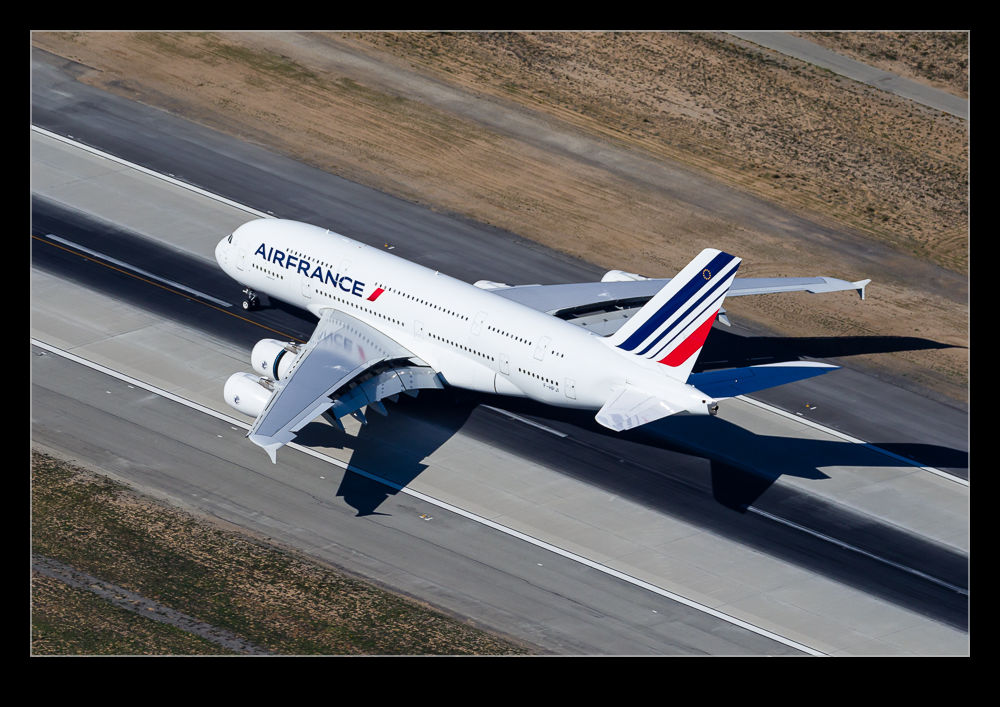
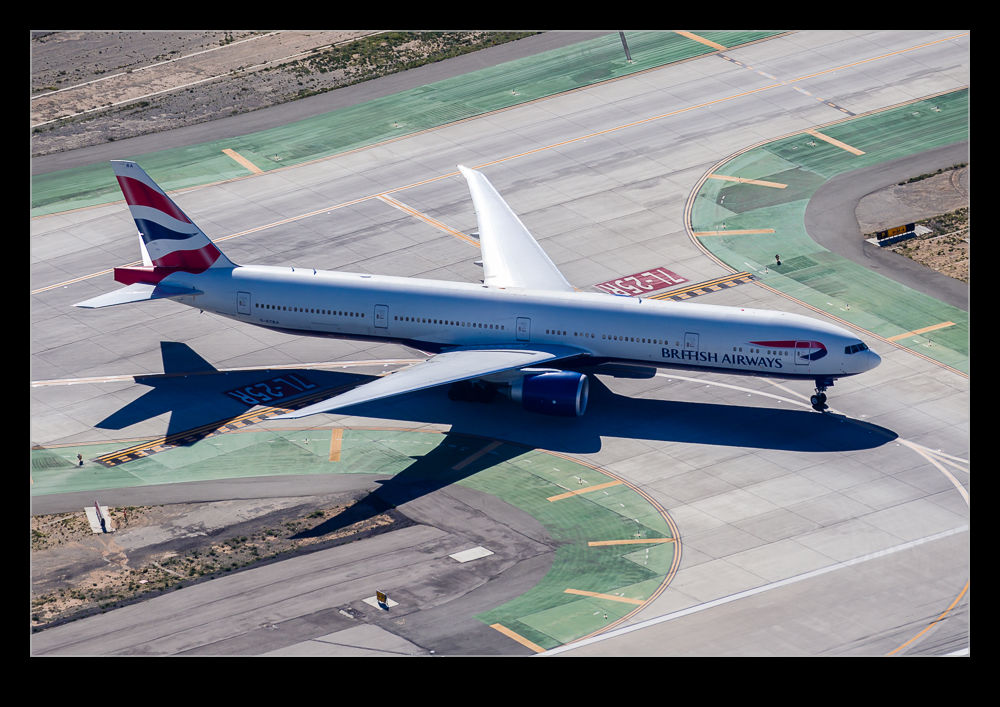
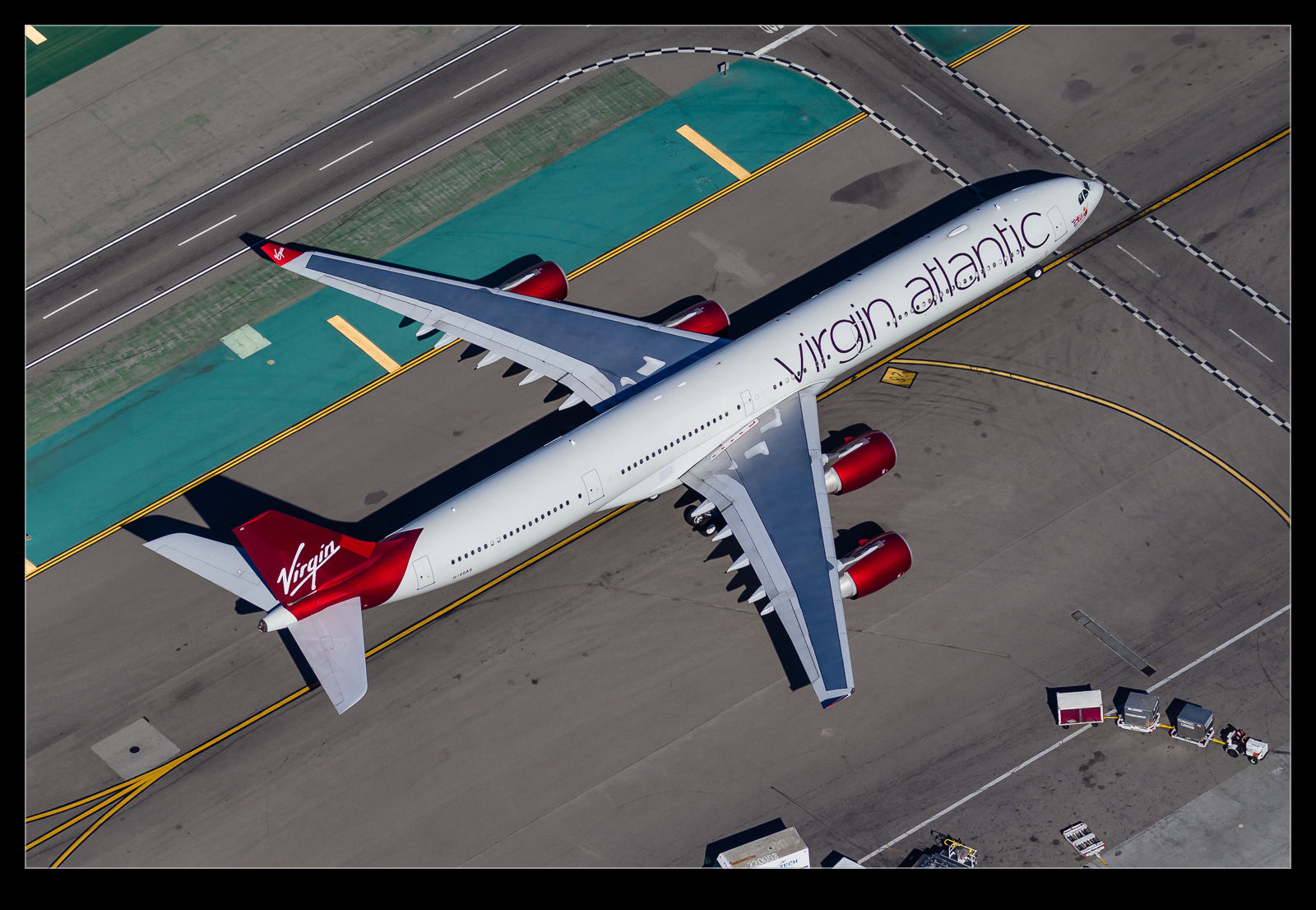
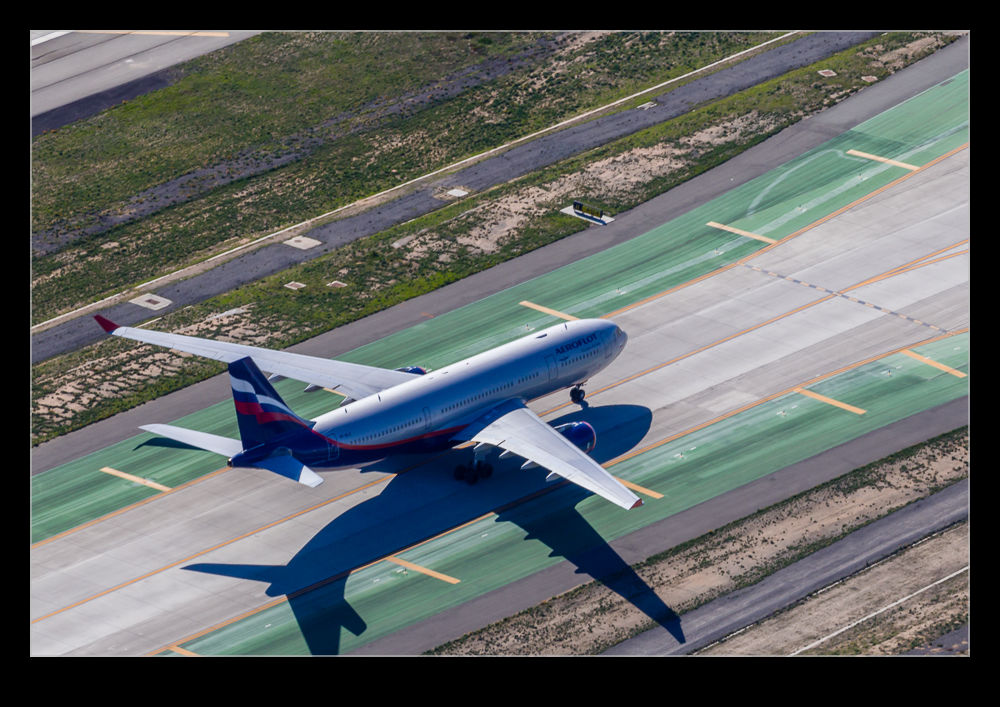
I learned something significant while shooting the airliners from above LAX. It is a lot harder to see an airliner from above than I thought. In the many years of flying, I am familiar with the importance of maintaining a good lookout and the difficulty of spotting other aircraft around you in the sky. From our locations over the airport, we were generally picking out the aircraft from a background of the city, not the sky. I had figured that we knew the approach paths and what was due in so we would not have trouble seeing the planes as they came in.
I was very wrong. First, they are not easy to find at all. Three sets of eyes were looking but we would find things at odd times, sometimes when they were very close. Also, with parallel operations to the 24 and 25 complexes, you can get distracted by activity on one side and miss out on something the other side. The result of this was that we did not see some of the jets until they were on the ground. Pete, who was with me, flies 777s so we were keen to get the BA jet when it came in. We knew the arrival time and still managed to miss it until it was on the ground. An Air France A380 also sneaked in past our “diligent” scan. An Aeroflot A330 was also successful in coming in untouched.
All of these were a little frustrating but not terrible. However, it did give me pause for thought about how I would plan the flight the next time in order to keep track of the things that I most wanted to get. This flight was my first time trying this so I was happy to have got so many shots that I like. The missed ones are not the end of the world. I did learn a lot though and will make sure I use that knowledge next time.
Funneling the Waves
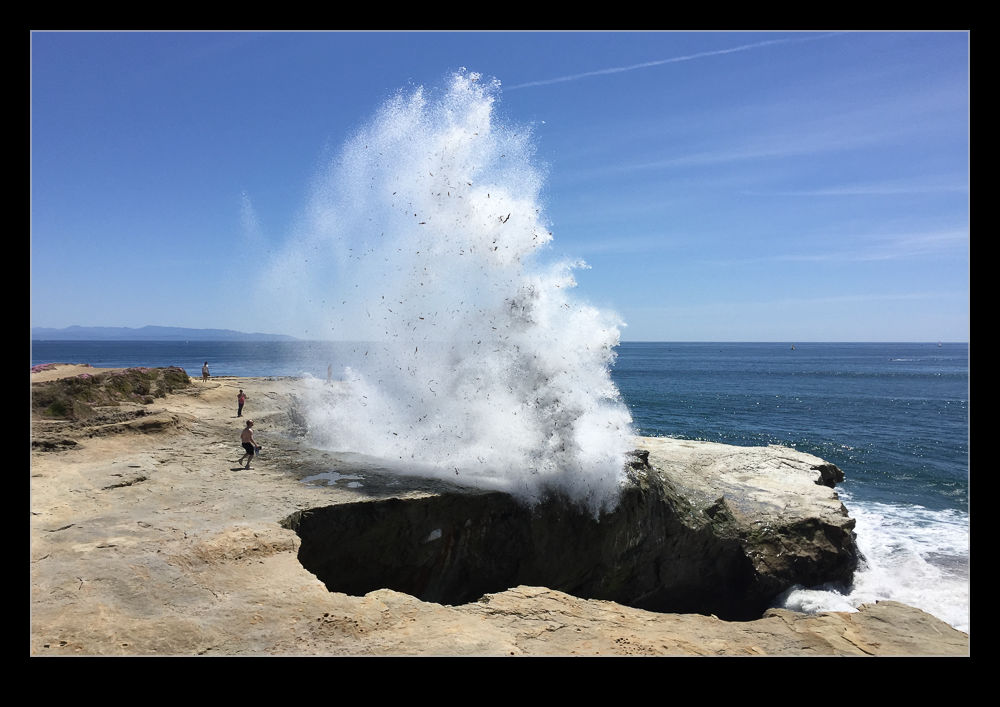
The headland at Santa Cruz includes a narrow inlet in the cliff face. As the waves come in, this inlet can concentrate the wave and result in some spraying up out of the top when the wave runs out of places to go. The wave action varies a lot so often there is nothing to see from above. However, as the waves grow, they can spray out a bit or, if the wave is really big, fire a plume of spray and debris up into the air and onto the top of the cliff. A little patience and some luck is required to get this to work for you but it is fun to see – particularly if people have got a bit too close during the quiet times and are not expecting the big one!
B-1Bs on a Mission
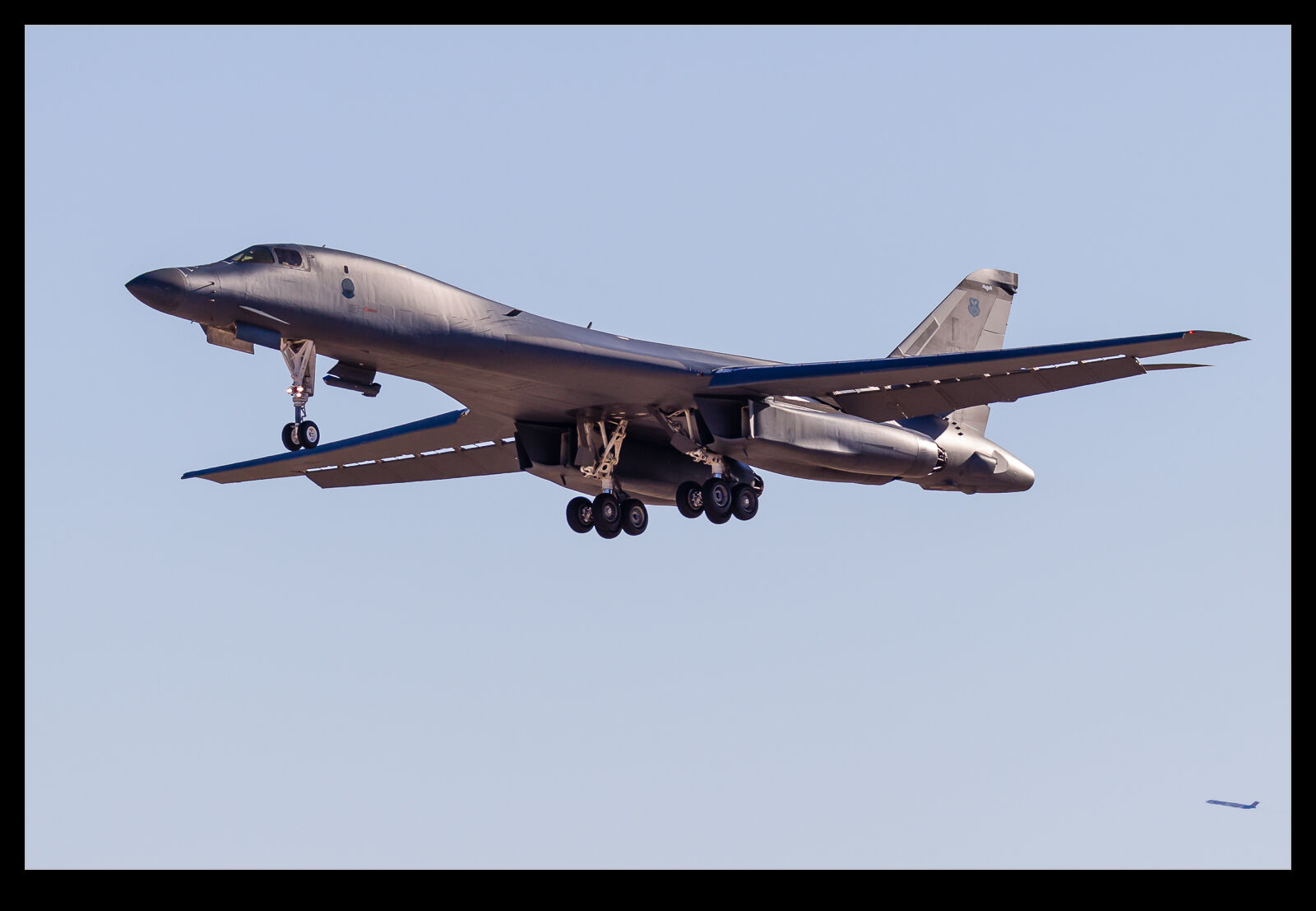
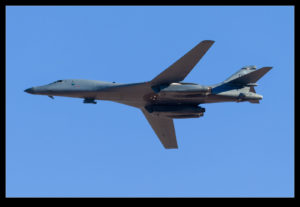
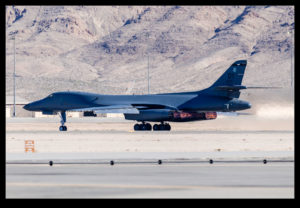
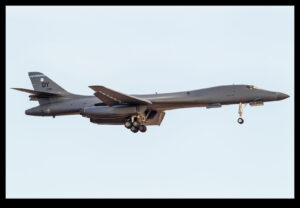
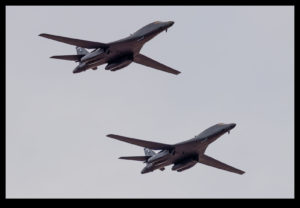
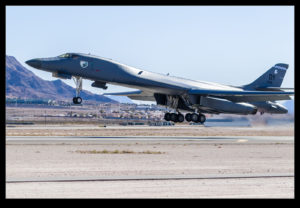
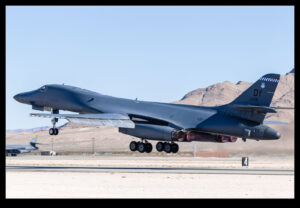
The B-1B Lancer is a cracking aircraft. The combination of size and power makes it look epic when it is in action. A B-1 departure is not something that you will forget in a hurry. Four large afterburning turbofans will get your attention and it has a very elegant shape to boot. The variable sweep wings add a little interest too. At minimum sweep for takeoff and landing, they look a little ungainly given how long the span is. Put them all the way back and pour on the coals and the jet can really get moving. Sadly, airshow appearances are few and far between these days so the chance to see vapor clouds forming around the jet are limited. (I recently went through some old negatives from a UK airshow at which a B-1 made a fast pass in damp conditions. The shots aren’t great but the effect is cool.)
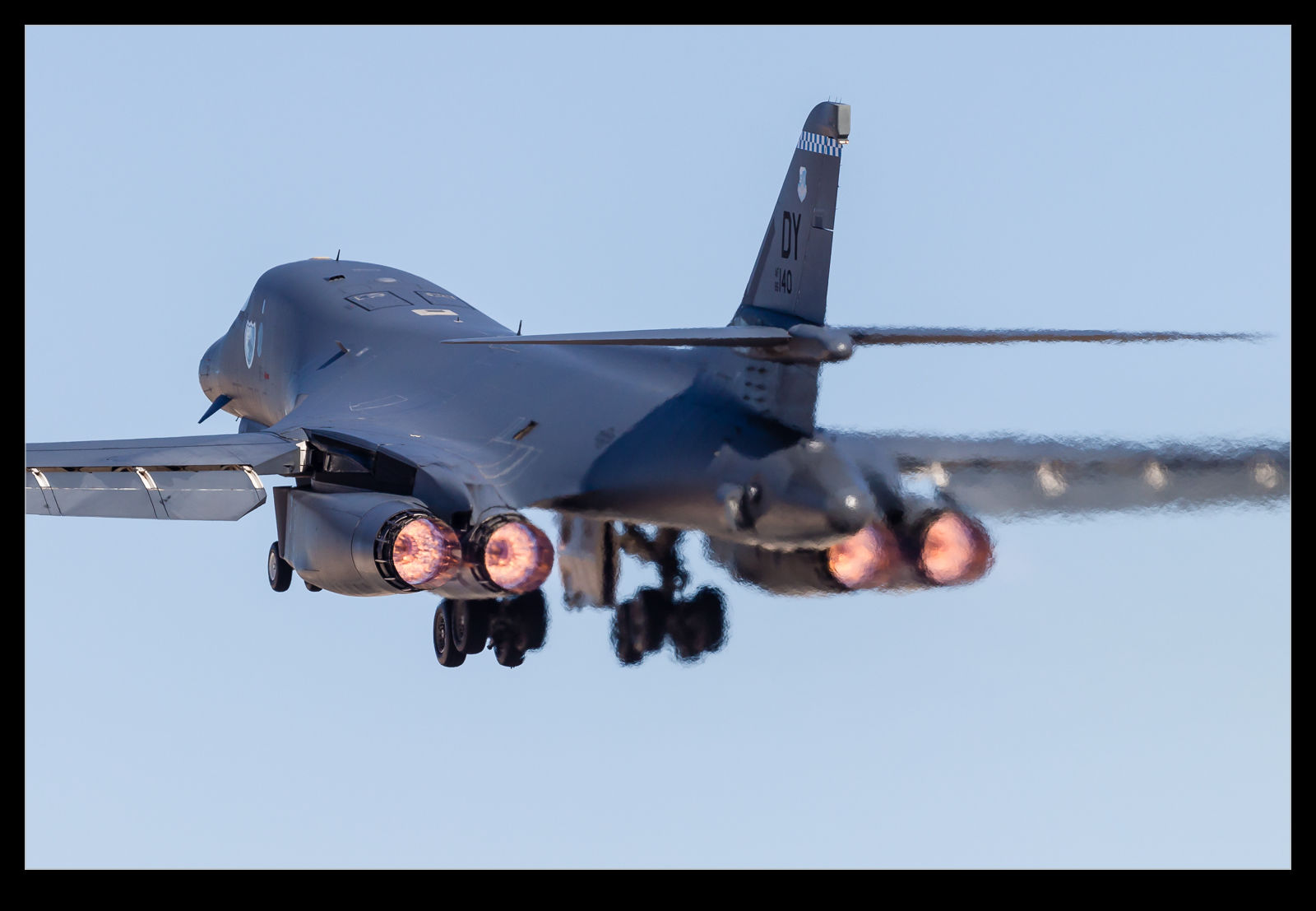
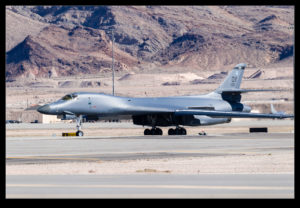
A couple of B-1s would launch each day as part of the Red Flag 16-1 exercises. I was lucky enough to have a couple of good opportunities to see then. When we were out between the runways, the B-1s launched off the right side. Not ideal for lighting but you aren’t going to complain. Because they are a large jet, you have to make some choices with lenses as to what you are aiming to get. A quick swap of bodies can really help. A long lens is not much use when they are level with you but the cool shot from behind as they climb out benefits from the big glass.
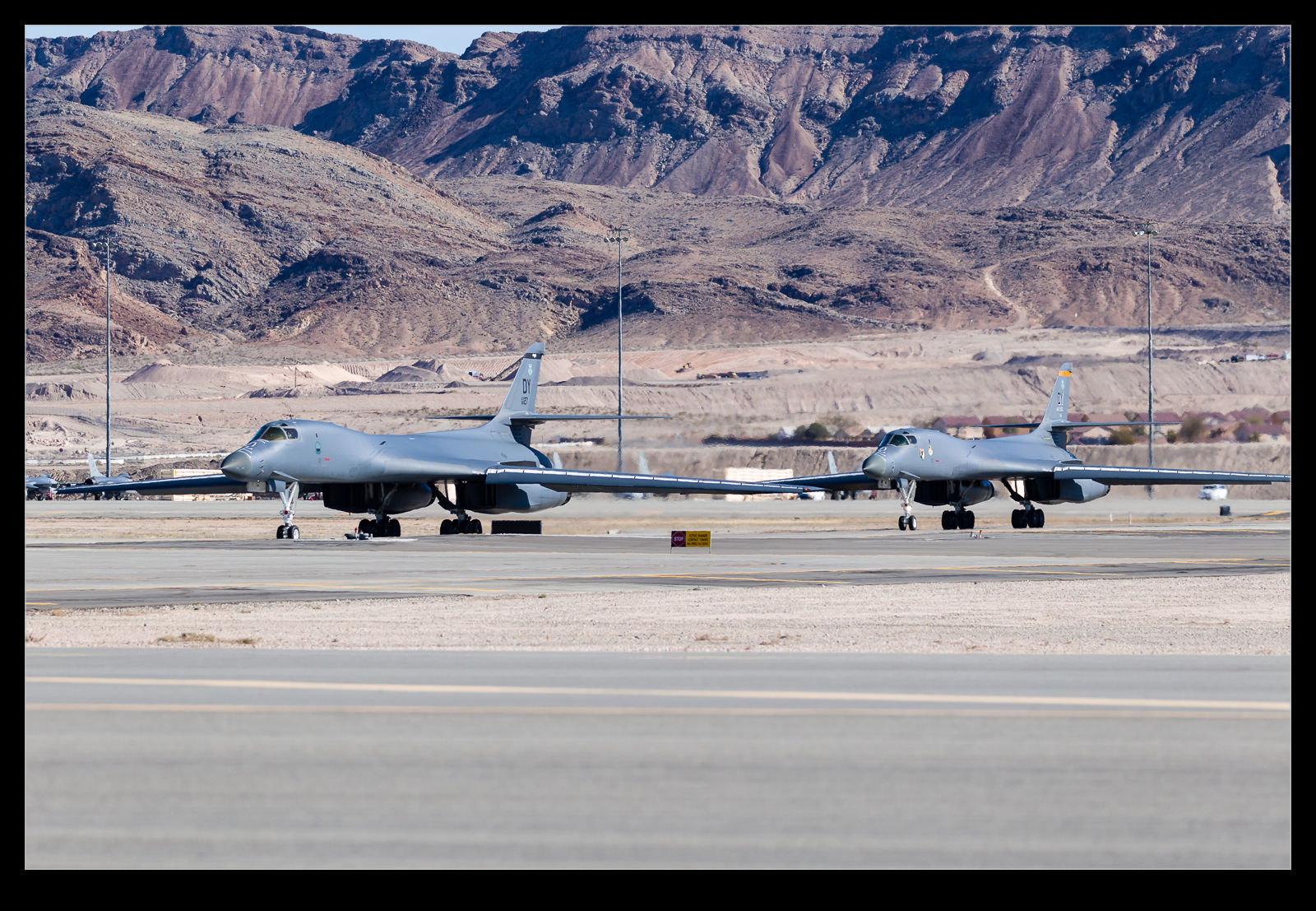
On my first day there, the jets returned at the end of the mission as a pair. Sadly, the clouds had moved in and the conditions were not great for getting a shot. However, you aren’t going to ignore them. On the second day when I was at the EOR, we got a good view of the two jets taxiing out and taking off. The heat haze is a bit of a problem but not so much as to make it something you can avoid shooting. Operating as a pair, they look more menacing.
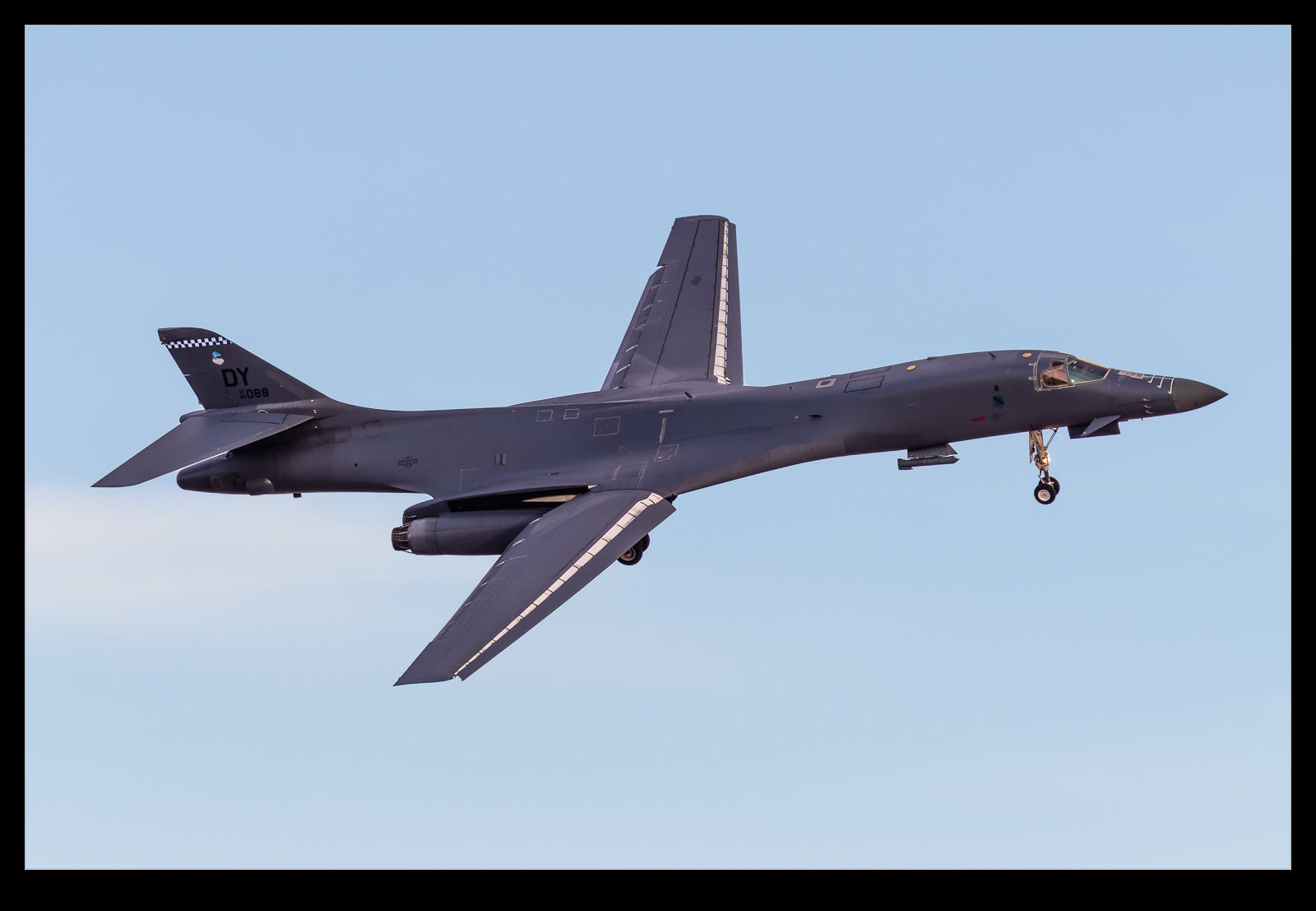
Often the B-1s are at the end of the recovery phase. However, on this day, they came back relatively early. I was still at the EOR when they broke into the pattern. They did land on the opposite runway from the one we were at but they are big enough for this to not be a big deal. A nice bit of mountain in the background certainly helps enhance the shot a little. What a great looking jet. I don’t know anyone who isn’t excited when they see one in action.
- A USAF B-1B Lancer on final approach to Nellis AFB Las Vegas Nevada as part of a Red Flag mission.
- A USAF B-1B Lancer overflies Nellis AFB Las Vegas Nevada prior to breaking into the pattern to land after a Red Flag mission.
- Two USAF B-1B Lancers approach the break at Nellis AFB Las Vegas Nevada after a Red Flag mission.
- A Boeing B-1B Lancer of the USAF takes off from Nellis AFB Las Vegas Nevada on a Red Flag Mission.
Dolphins and Whales
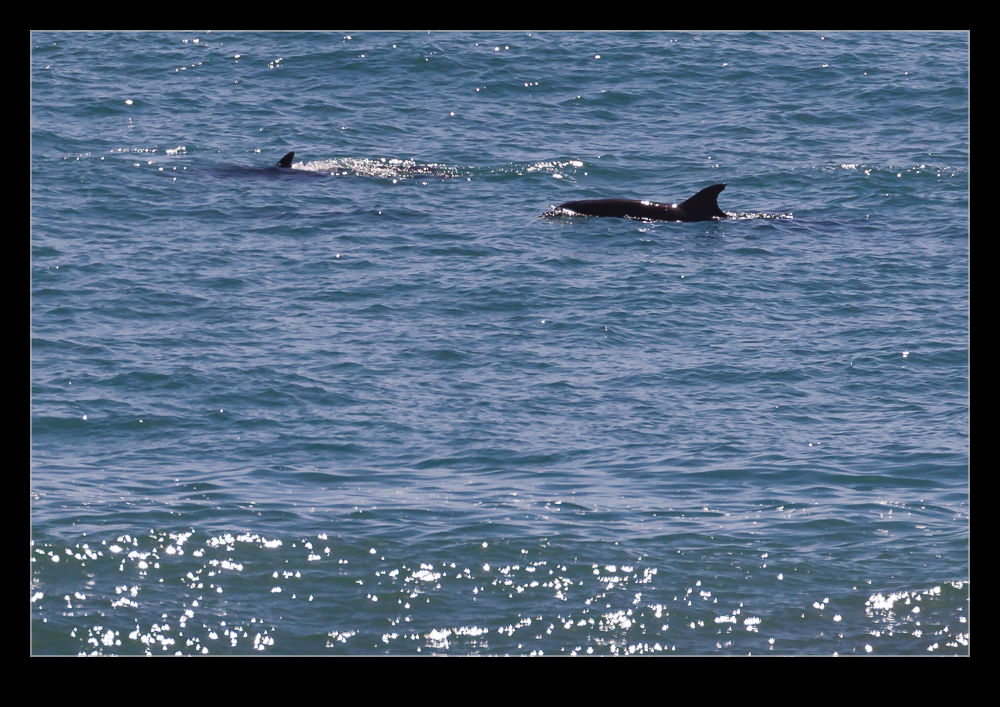
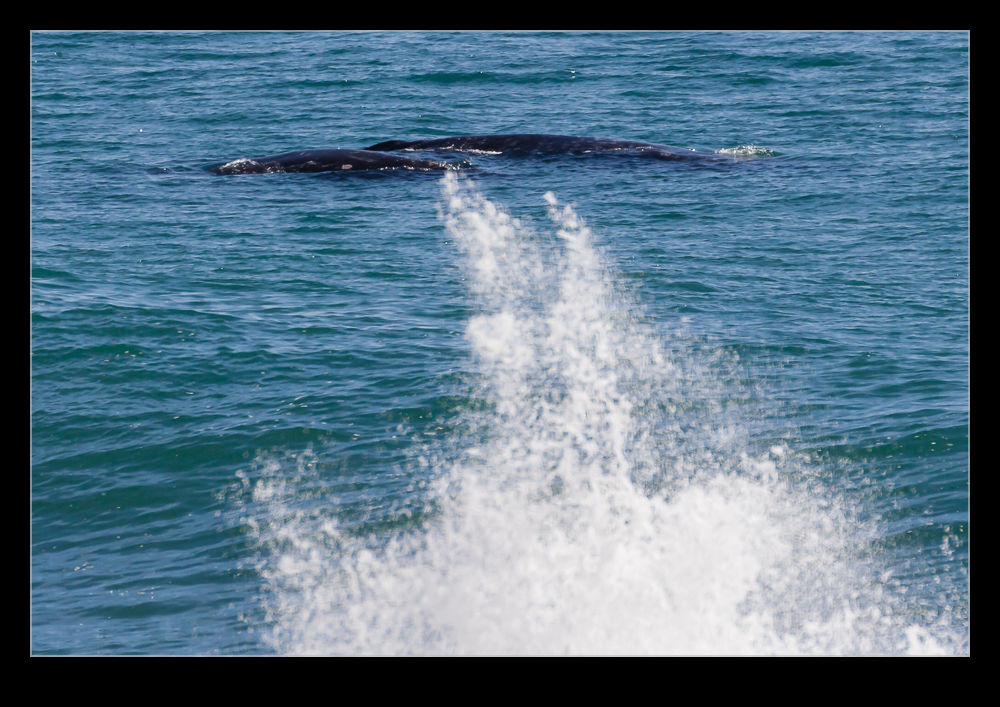
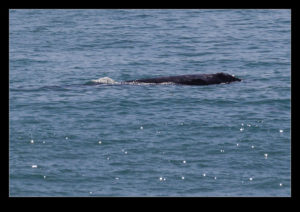
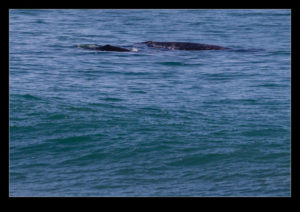
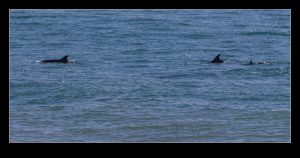
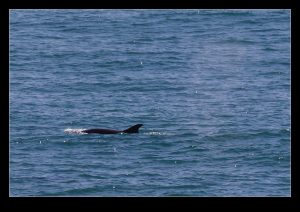
A sunny Sunday is a great time to go to the coast. We took a drive along the Pacific from Santa Cruz to Half Moon Bay. We had bought some food before leaving Santa Cruz so picked a spot along the way to stop and eat our lunch. Sitting and watching the ocean while eating is very tranquil. While we were there, I thought I saw someone swimming. Then I saw another one and realized that it was a group of dolphins making their way along the shore. No sooner had they gone but, coming the other way, I spotted a pair of whales, presumably a mother and calf. Neither the dolphins nor the whales were terribly conspicuous since they are almost always underwater and hard to get a shot of when they break surface before they disappear again but here is what I did get.
C-27J Spartan and the USCG
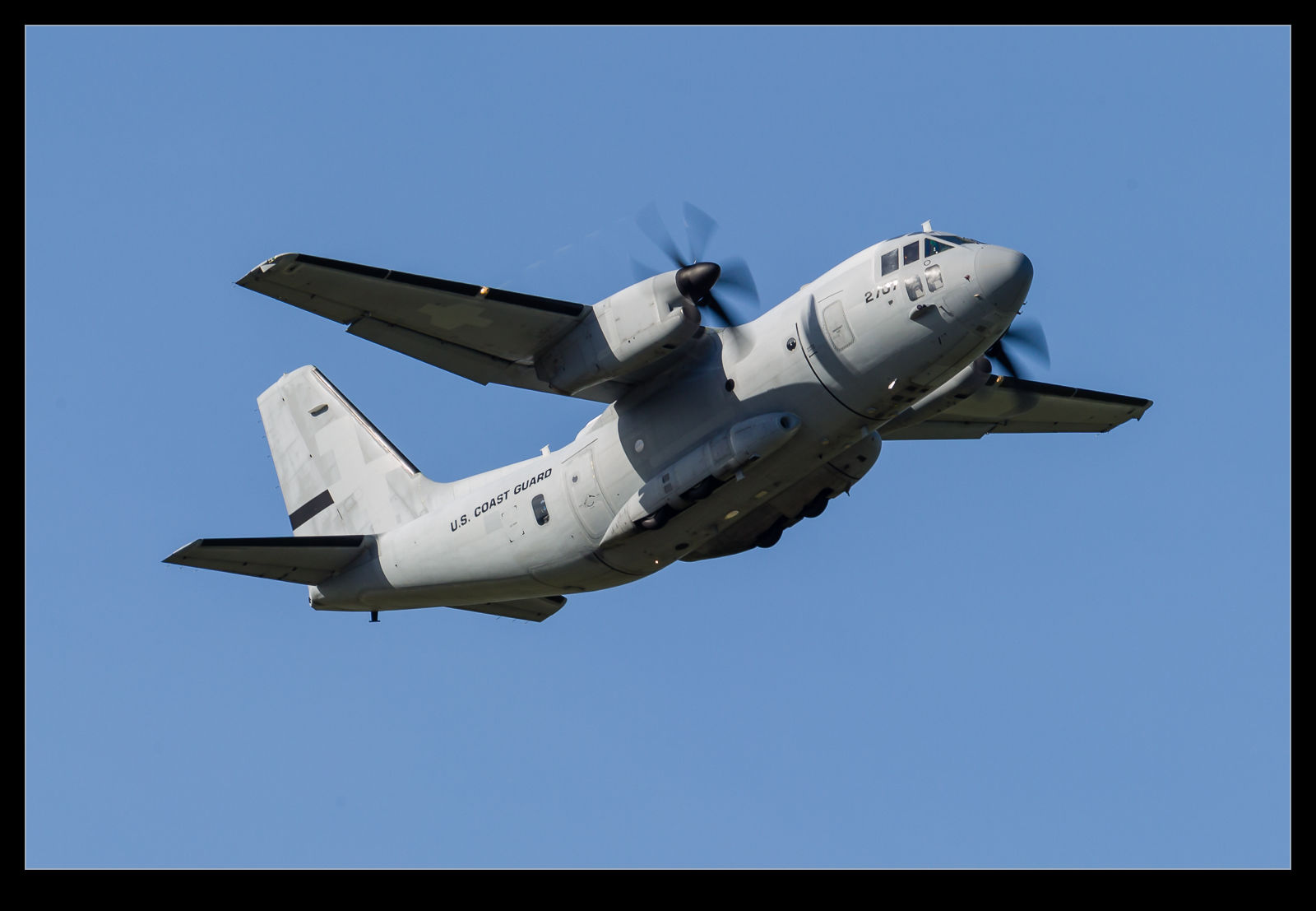
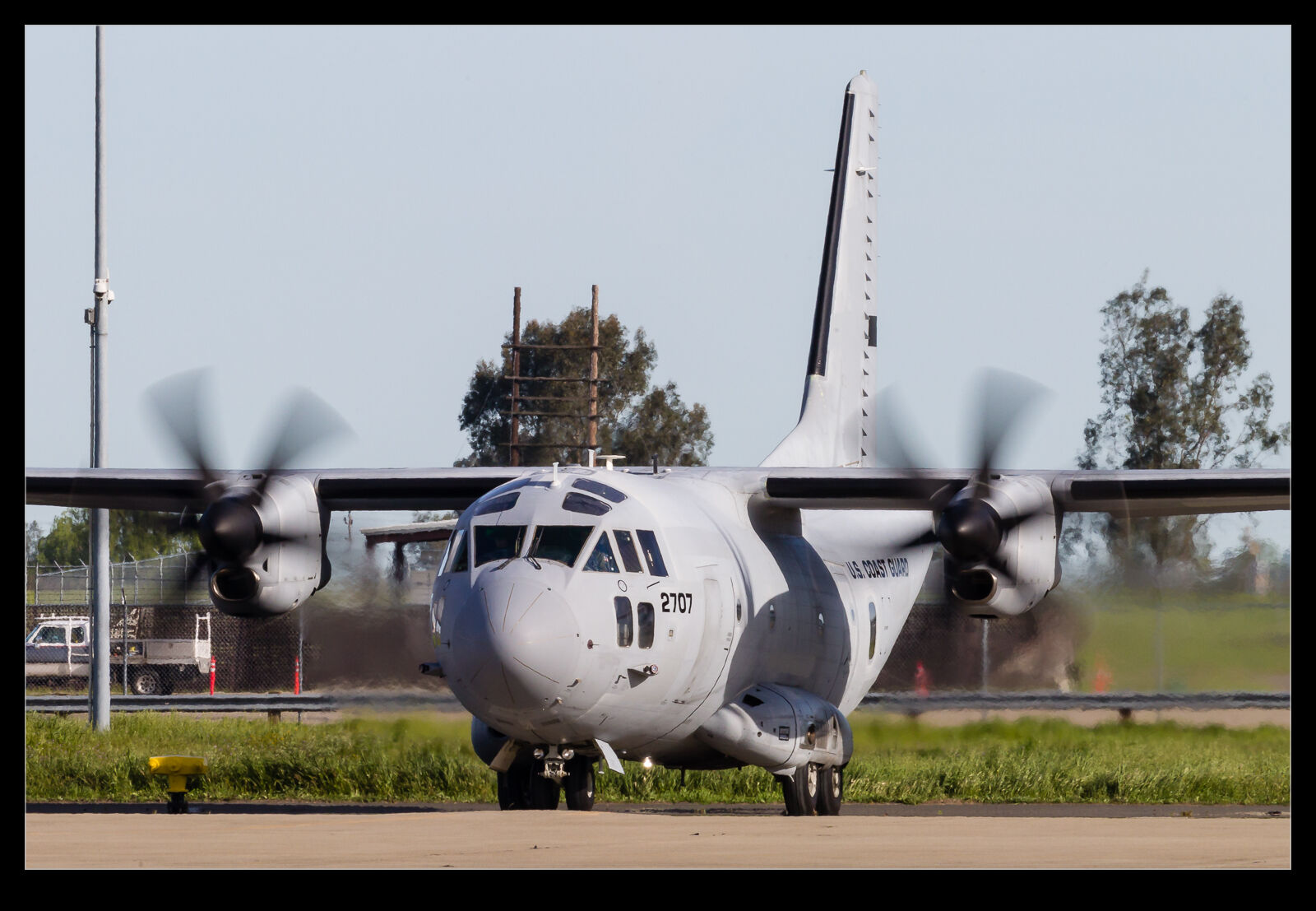
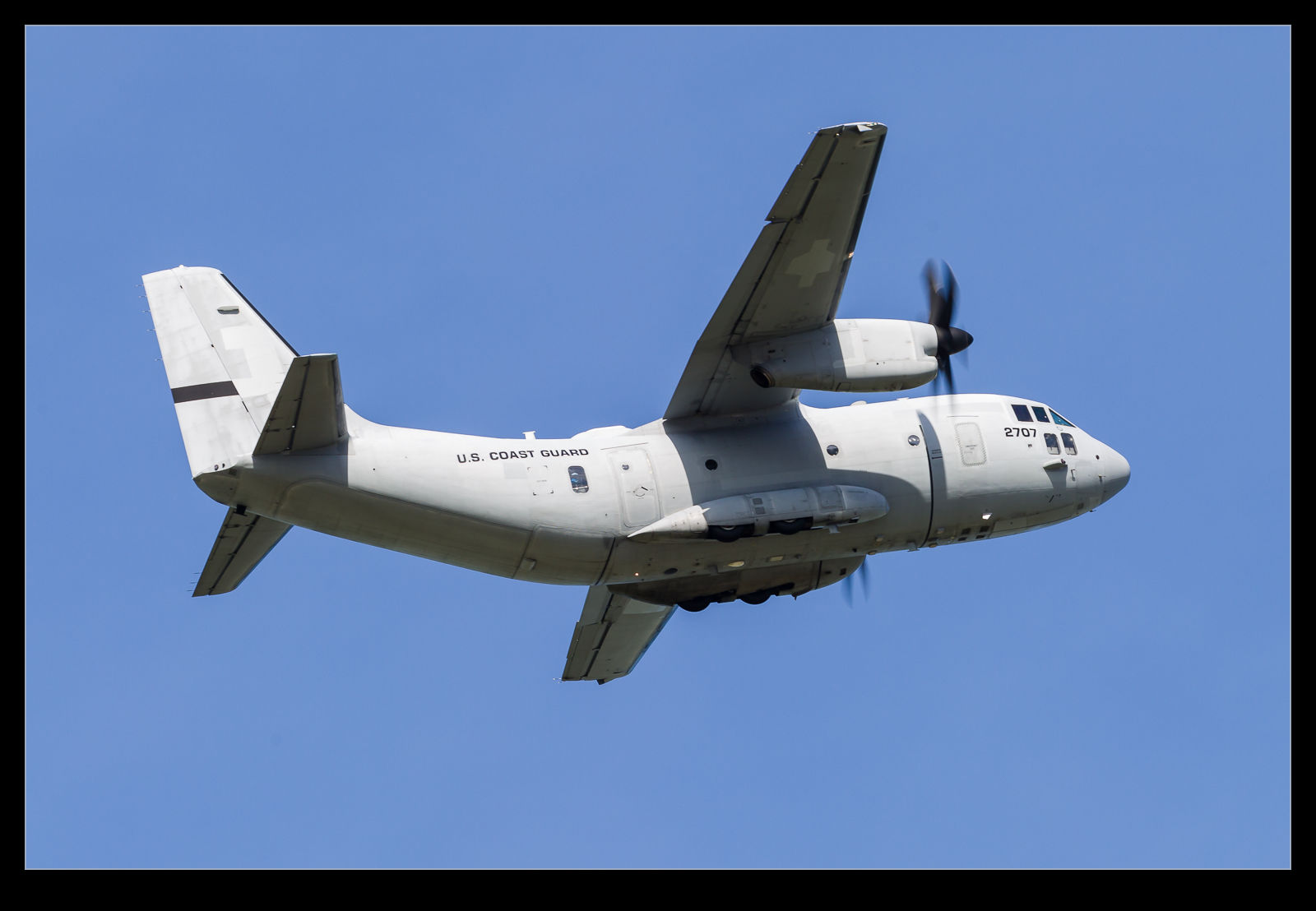
Defense acquisition programs are not renowned for being the most efficient and sensible programs. Selection of products and suppliers is heavily influenced by politics and locations along with the technical capabilities. Some programs have momentum due to their joint use nature. This doesn’t always mean that the departments involved actually like them. Such is the case of the Alenia C-27J Spartan. Based on the older G222 airframe but updated with the same engines as the C-130J, the aircraft was selected for the Joint Cargo Aircraft program between the USAF and the Army.
Eventually, control of the program was moved from the Army to an Air Force only program. Meanwhile, the Air Force was not showing a lot of love for the aircraft. They had other programs they were more interested in. The result was that aircraft started getting delivered to storage and the Air Force was looking for a way out. That way is the Coast Guard. These aircraft will replace some old C-130s in Coast Guard service and the displaced aircraft will go for firefighting duties. The Coast Guard station at Sacramento has received its first aircraft. I saw one of them head out on a training flight while another could be seen in the hangar. Apparently, they will soon be repainted in Coast Guard colors and the 130s will start to head off to their new life. It will probably be unusual in due course to have a C-27J in Coast Guard markings but in the gray color scheme.
When Paddling Out is Too Difficult
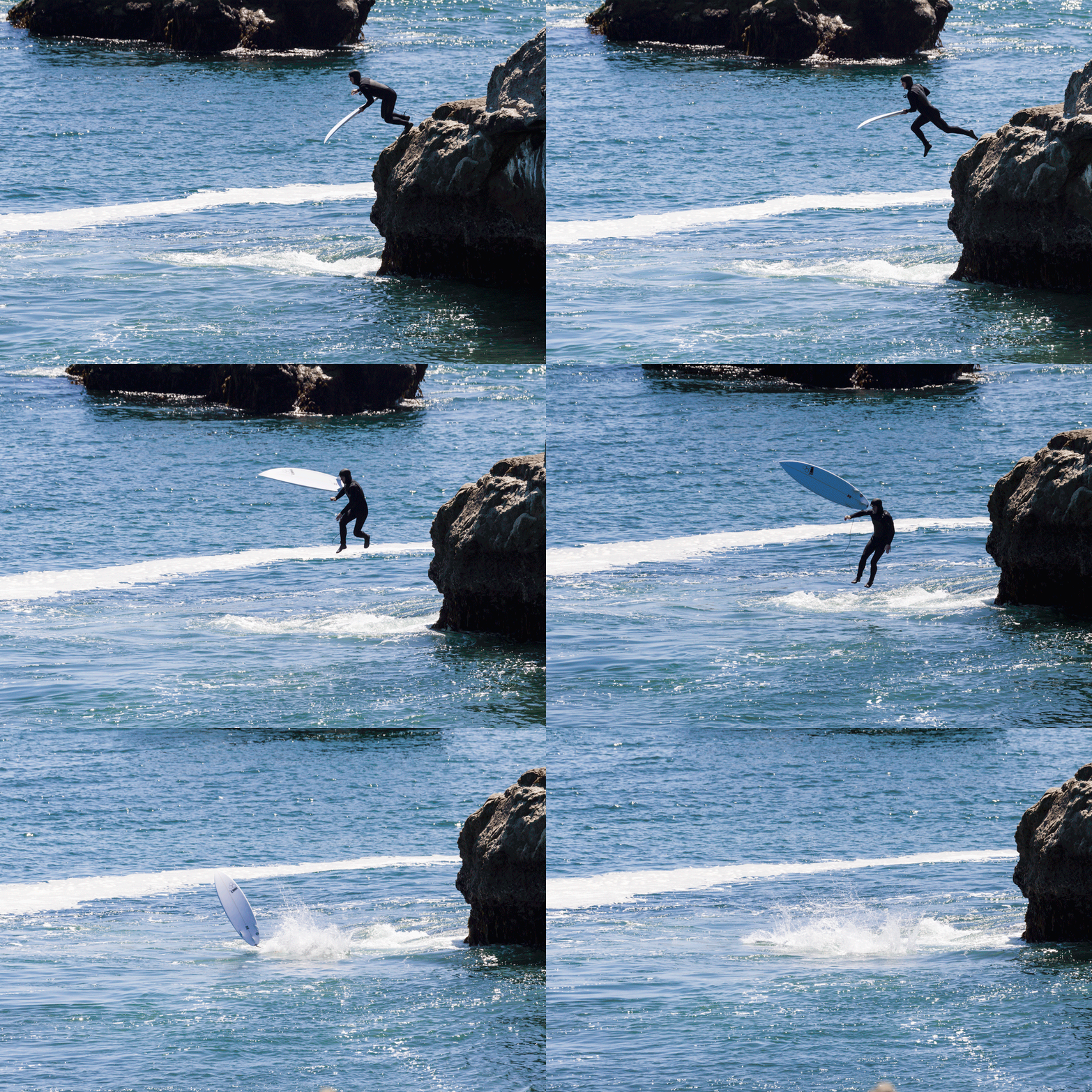
Surfing off the headland at Santa Cruz involves getting into the water a distance away and then paddling across. If that seems like too much hard work, you can climb the fence and walk out onto the headland with your board before jumping off the cliff. We saw a couple of guys doing that while we were there. There was little hesitation so I guess they had done this before.
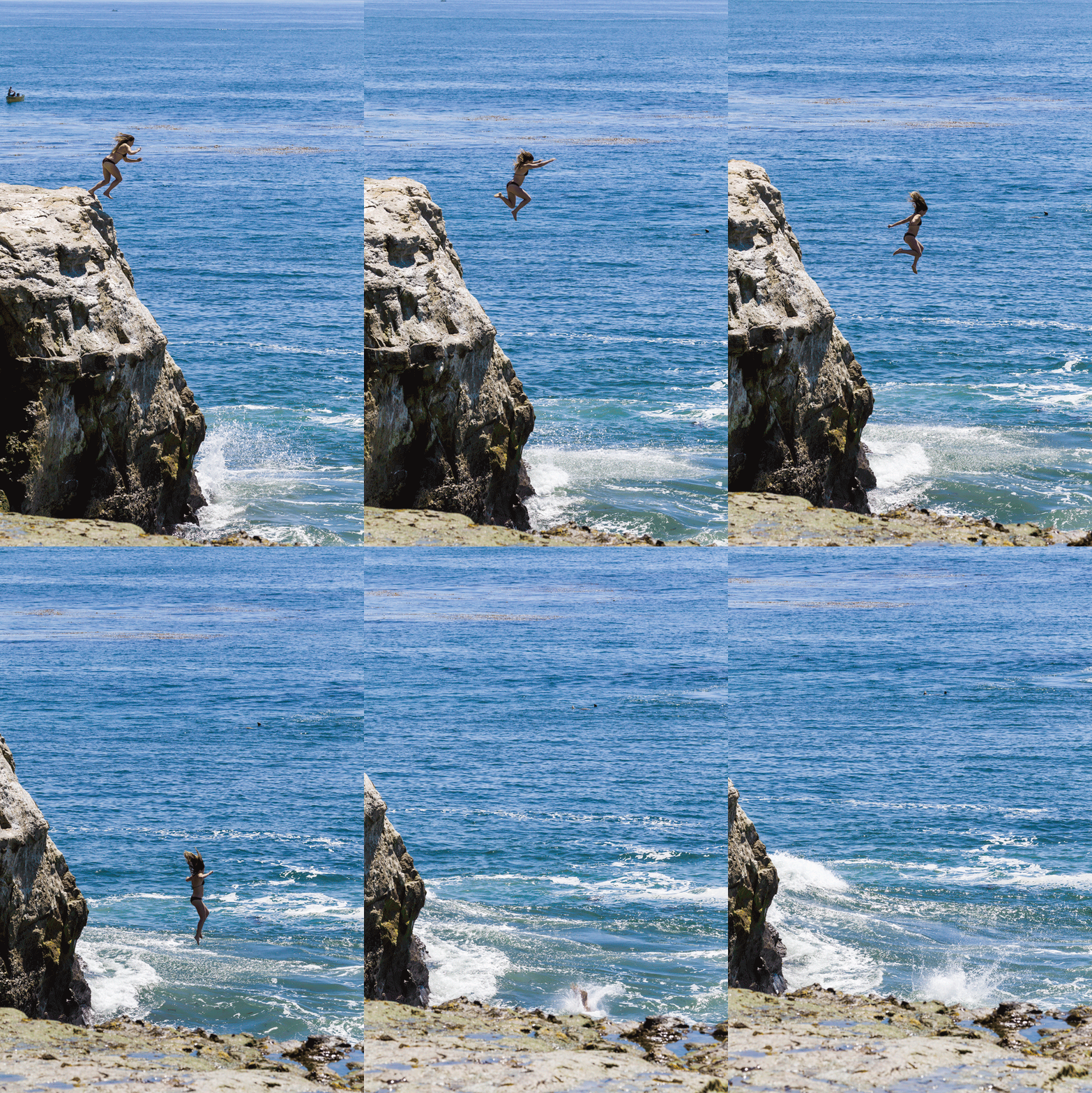
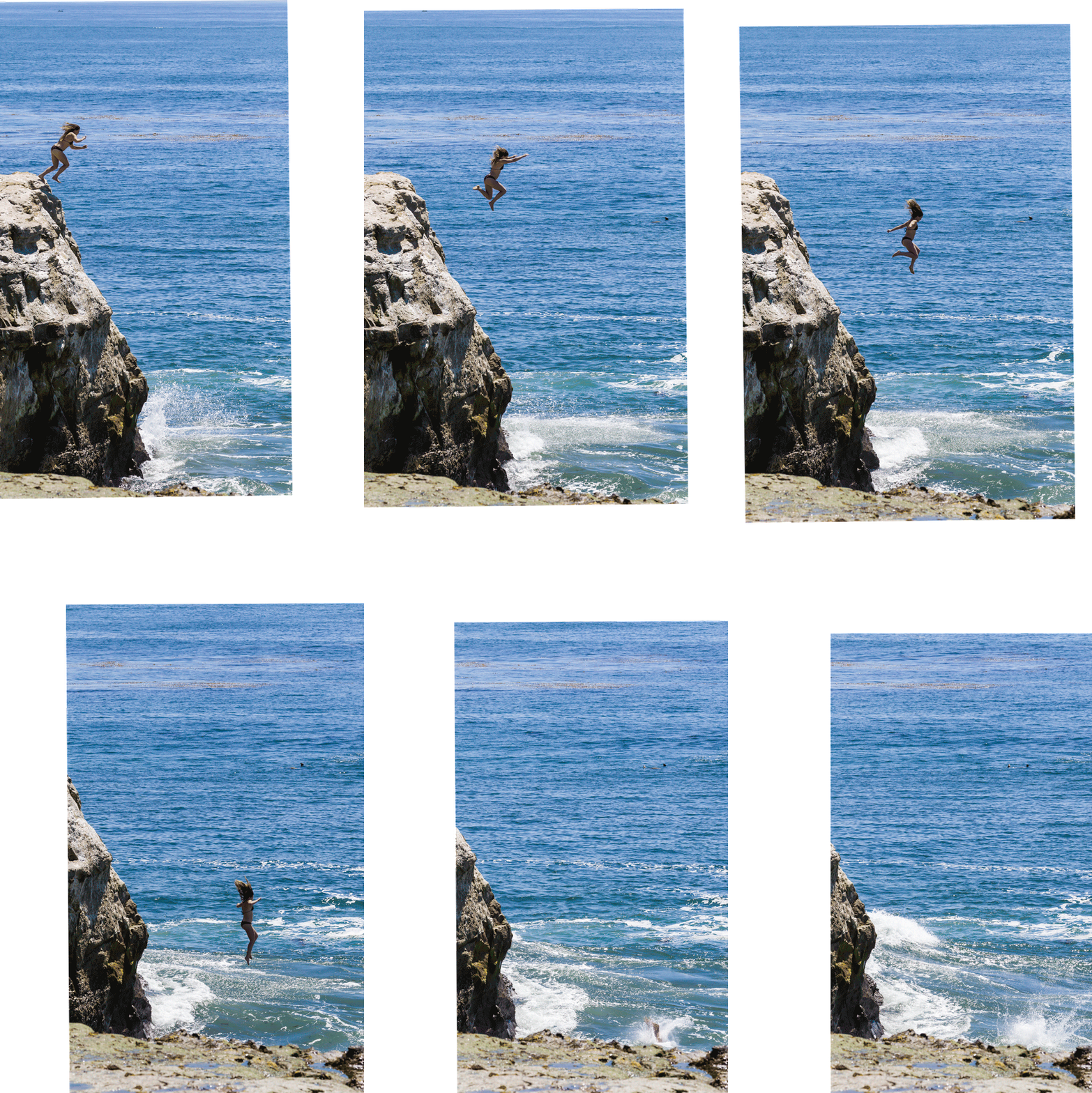
They weren’t alone! I saw one guy jump off quite a high area. He was followed by a friend of his and I was ready when she jumped. A burst of shots means I can animate the jumps! I did two versions of this. One that doesn’t move the background and results in some white space moving around. The other tracks the subject. Not sure which I prefer.

Aerial Firefighting Demonstration
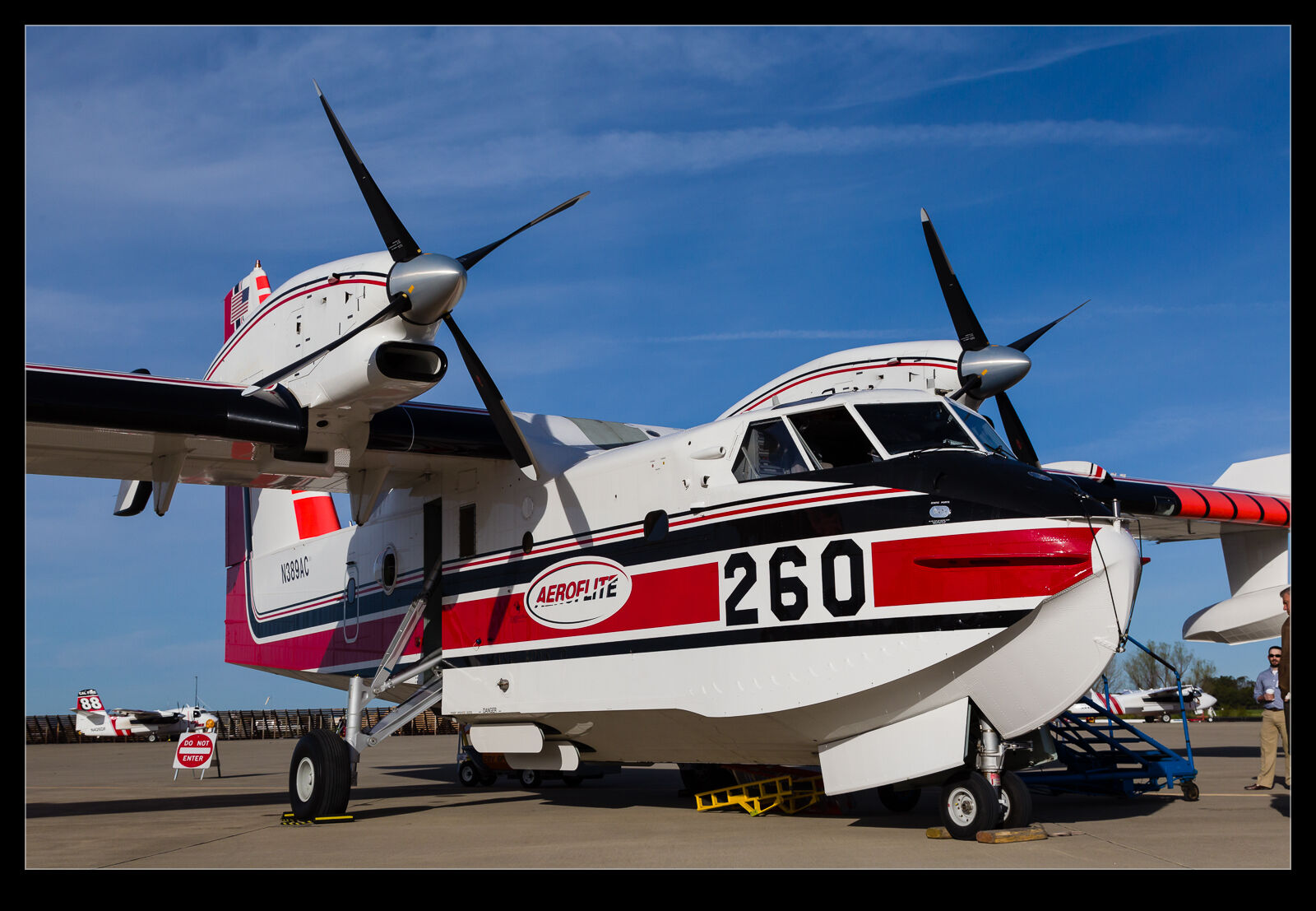
Every other year the Aerial Firefighting conference comes to North America. This year it was held at McLellan Field near Sacramento. A tow day conference, I originally was going to attend on both days. Unfortunately, I had a work conflict and had to miss the first day. Fortunately I was able to be there on the second day which was the day that included a demonstration session on the airfield. An internal exhibition of products and services was open for the entire time but the demonstration included a wide number of airframes – far too large to fit indoors.
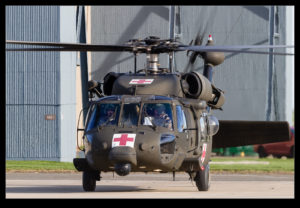
There was a wide variety of types on display. Helicopters are a big part of aerial firefighting and there was a number on display. Airbus Helicopters had brought their H215 demonstrator along as the conclusion of their North American tour. This version of the Super Puma is a derivative of the AS332 (and indeed this airframe had a data plate that listed it as an AS332) and is designed to be a simplified and cheaper version providing a more affordable utility type. It was alongside a new Bell 412 and some refurbished airframes including a Bell 205 and a freshly refurbished UH-60 Black Hawk.
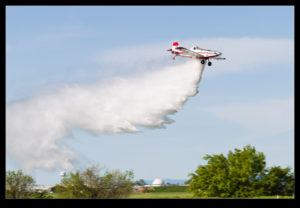
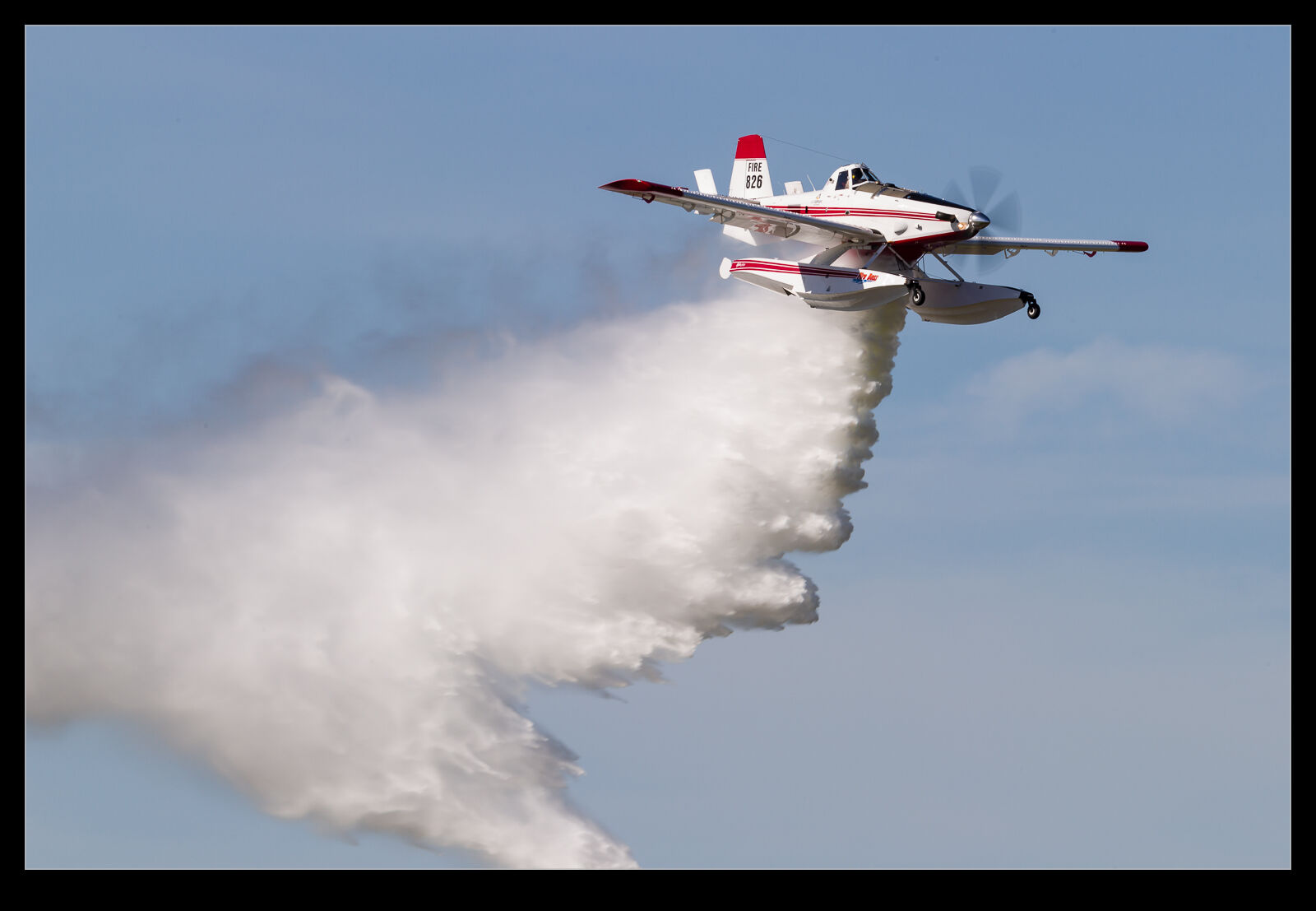
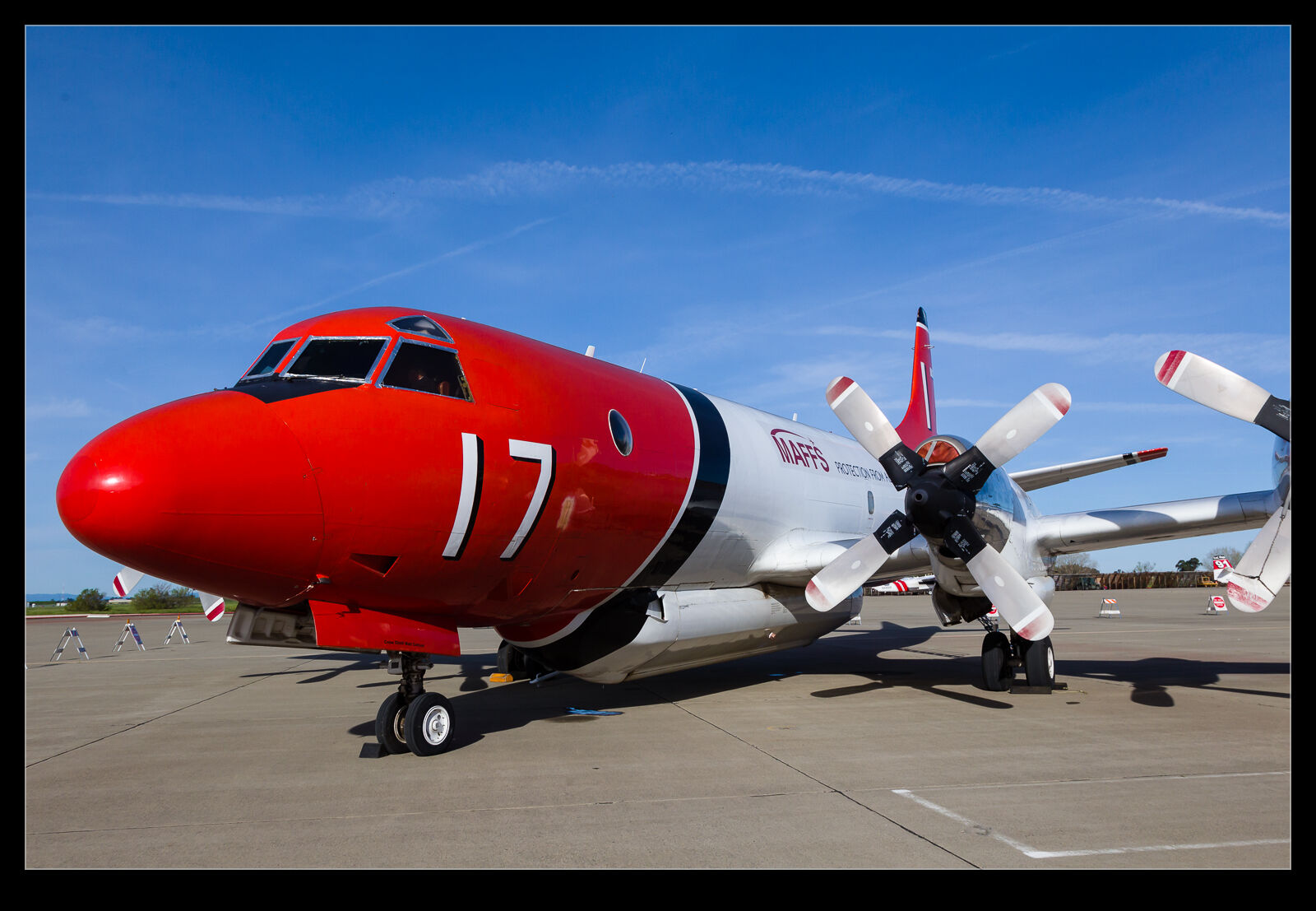
Fixed wing types came in all shapes and sizes too. Air Tractor AT802s were on display in both wheeled and amphibious configurations and these two aircraft put on a number of water drop demonstrations. A Pilatus PC-12 provided a demonstration of management of a fire with down linked information. Calfire had a Bronco and a Tracker on the ramp while a bunch of Broncos were busy in a flying program to get ready for the season. MAFFS had a P-3 on the ramp while another took off early in the program. A Bombardier CL415 shared ramp space with a Neptune conversion of the BAE Systems RJ85.
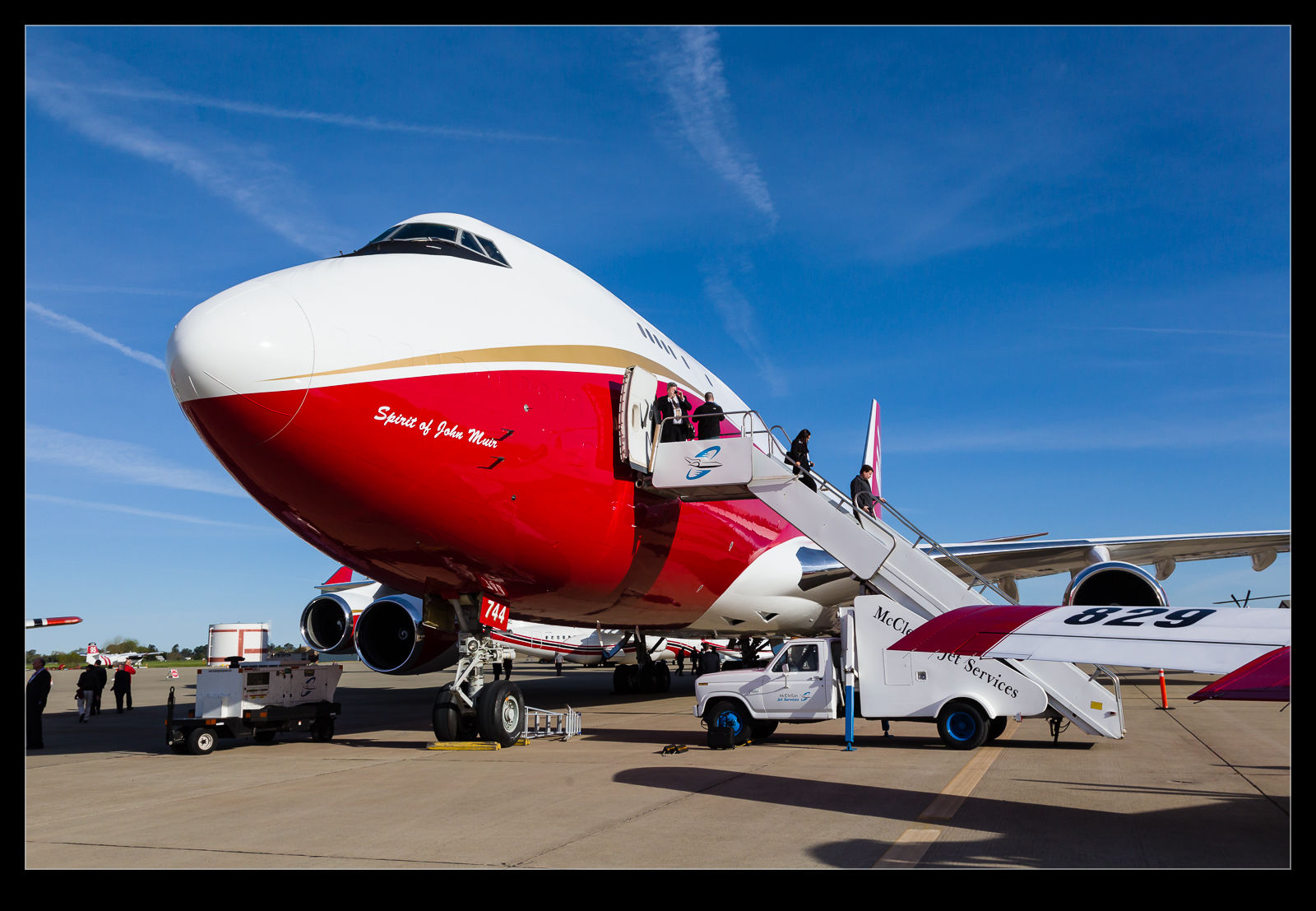
However, the ramp was dominated by one aircraft. Global Supertanker had brought their converted Boeing 747-400 to show off. They have taken the system from the 747-100 airframe previously in use and added it to a more modern version of the airframe. Fresh from the paint shop and shortly to receive approval of the STC, they were keen to show off the aircraft. I am not sure how well it will fit in with the needs of firefighting agencies around the world but it certainly is an impressive beast.
I didn’t get to take as many stills as I had planned. The organizers asked me to shoot some video for the, which I did. Hayman was working with me so he made sure we had the necessary shots for the GAR feature. After a few passes, I was able to switch and get some stills anyway. I also got roped in to taking the group photo for the conference attendees. If I had known that was required, I would have made some arrangements to get a better vantage point. Still, it was a good day out and the conference sessions I saw were similarly informative. Next year it is in France. Perhaps we shall have to go!
- A US Army Sikorsky UH-60 Black Hawk taxis in at McClellan Field in Sacramento CA.
Hyperlapse Oakland Approach
I was a sitting by the window on the approach to Oakland and decided to play with the video functions on my phone. I have shot video clips a number of times of the approach but it takes a lot longer than you realize and makes for a very dull video without editing aggressively. Also, the turbulence when handholding a phone means the video is very jerky. Instead I switched the phone to time lapse mode and pointed it out of the window. The result is an accelerated version of the approach. The bumps are smoothed out by the compression of time and the maneuvers become more aggressive. I let the thing run until we are at the gate since that provides a more natural finish point. We spent a lot of time facing the water as we descended which is a bit less interesting than I would like but you can see that we are getting closer quite quickly.
Nice Challenger 300
I may joke about what my favorite business jet would be to buy but, of course, I am not getting one any time soon. That doesn’t stop me considering which would be a good choice. The large cabin ultra long range jets are, without doubt, a nice idea but I would actually like something in the super midsize bracket. This would meet most of my needs (except for paying for it of course). One great looking jet and a good performer is the Bombardier Challenger 300 (and the newer 350). I would certainly be happy with one of these. This example is one that I saw at Hayward recently. Should I get one do you think?