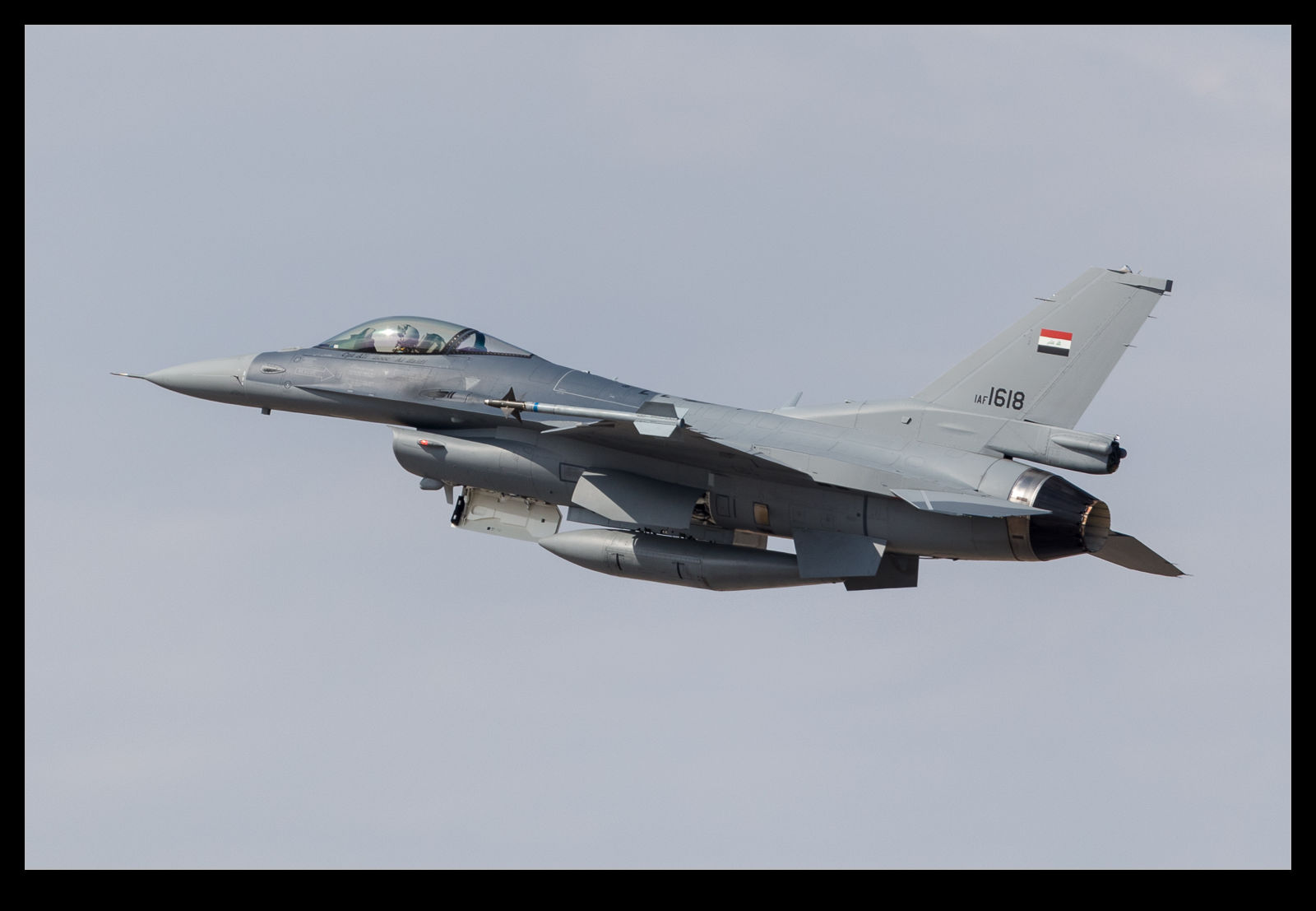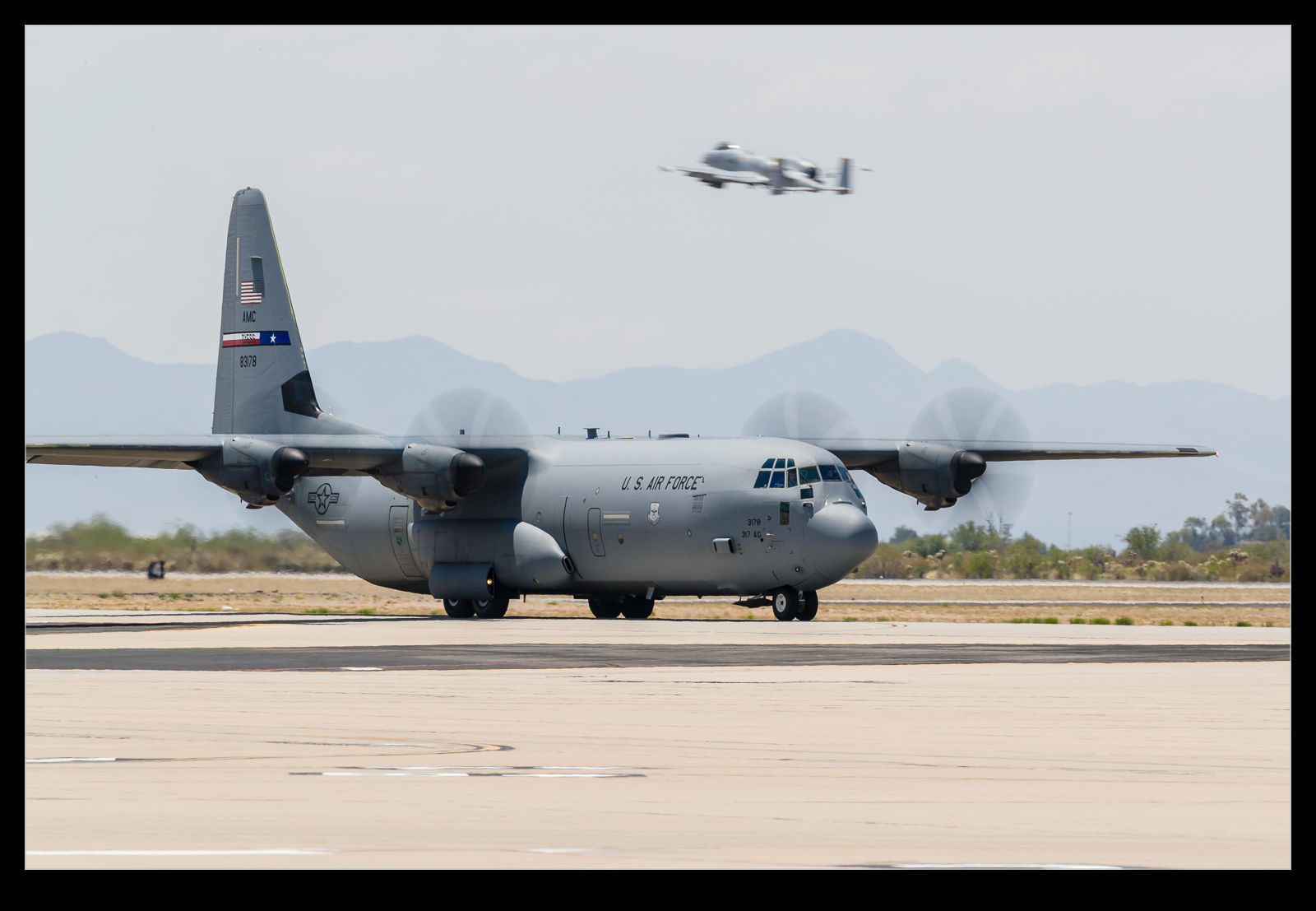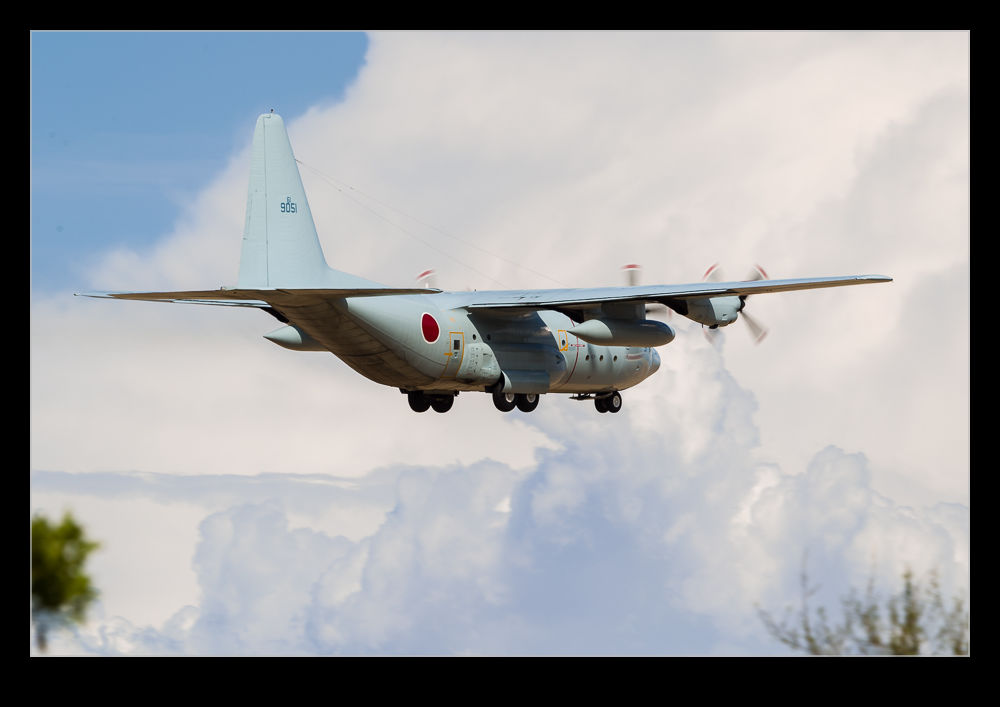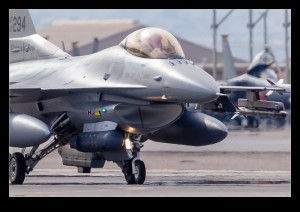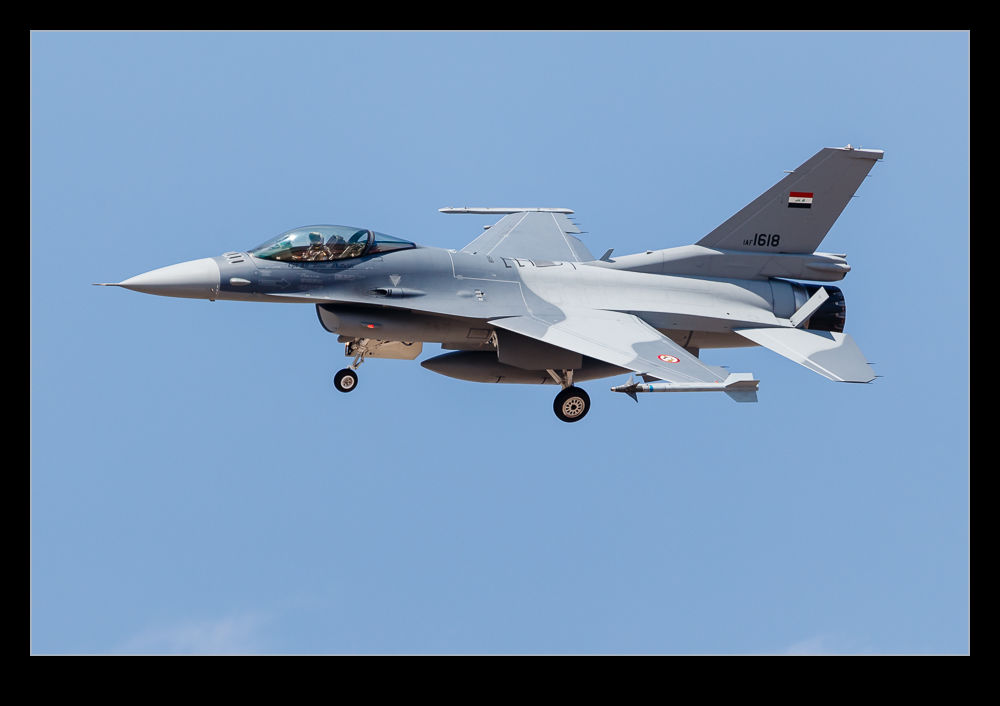
A couple of years ago I was in Tucson for an exercise I was covering for GAR. There was some time when I was shooting the arrival of the A-10s on the base. In between the Hawg movements a few other aircraft came in, most of which were what you might expect. One unusual arrival was a C-130. I was trying to work out what unit it might belong to as it came in because it was a pale color. As it got closer, the markings were clearly those of the Japanese Self Defence Force. This was something I hadn’t seen before.
Tag Archives: Lockheed Martin
Two Aborts in One Launch
Red Flag missions are two periods of intense activity with an intermediate phase of nothing much. The launch develops in to a steady stream of jets taking off as everyone gets airborne for their phase of the mission. They have been preceded by the tankers and AWACS who are setting up to manage the throughout of the smaller jets. Once everyone is gone, the simulated war is occurring somewhere else. Then, everything starts to come back with a steady stream of the jets breaking overhead and landing before the tankers and AWACS come back at the end.
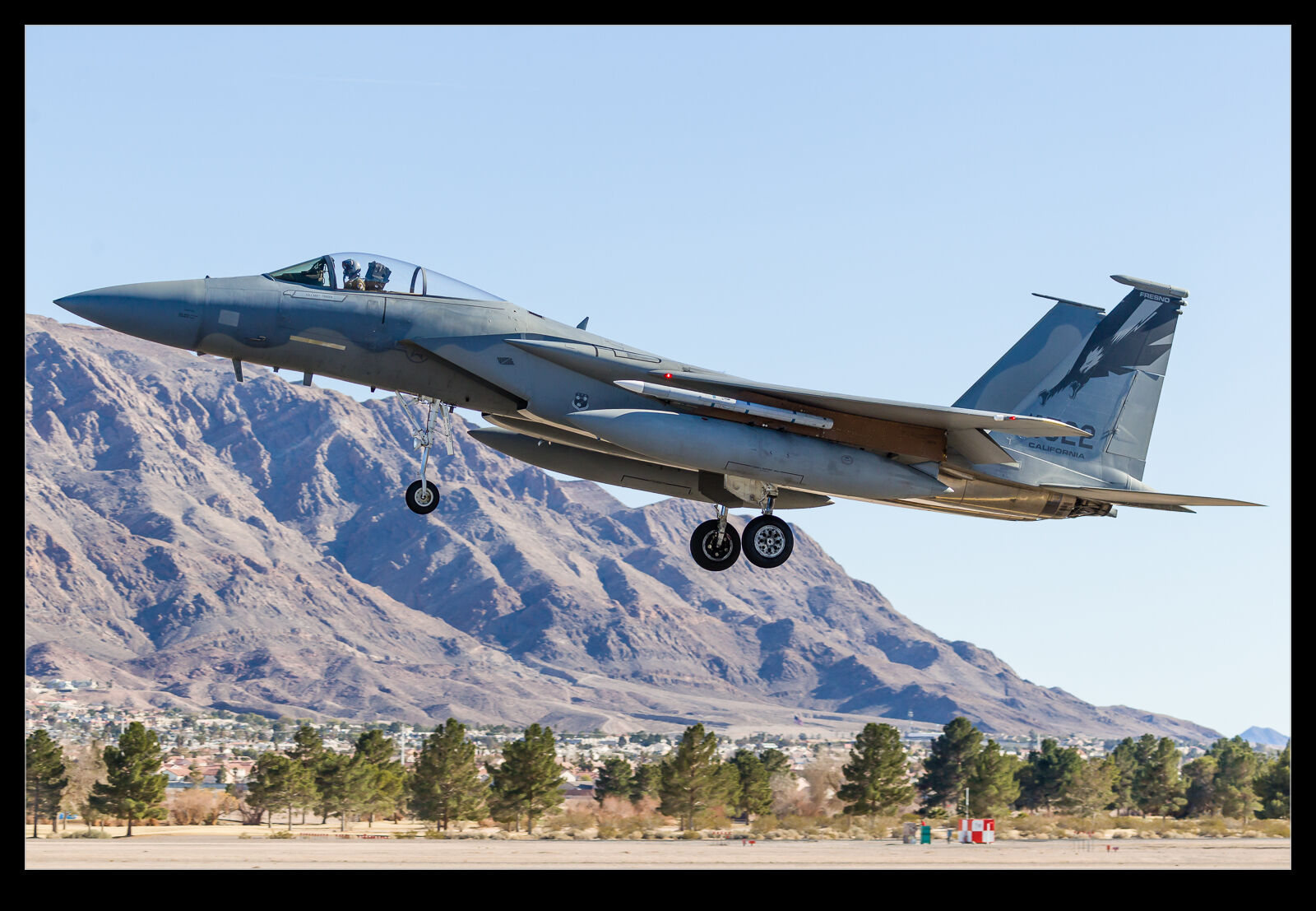
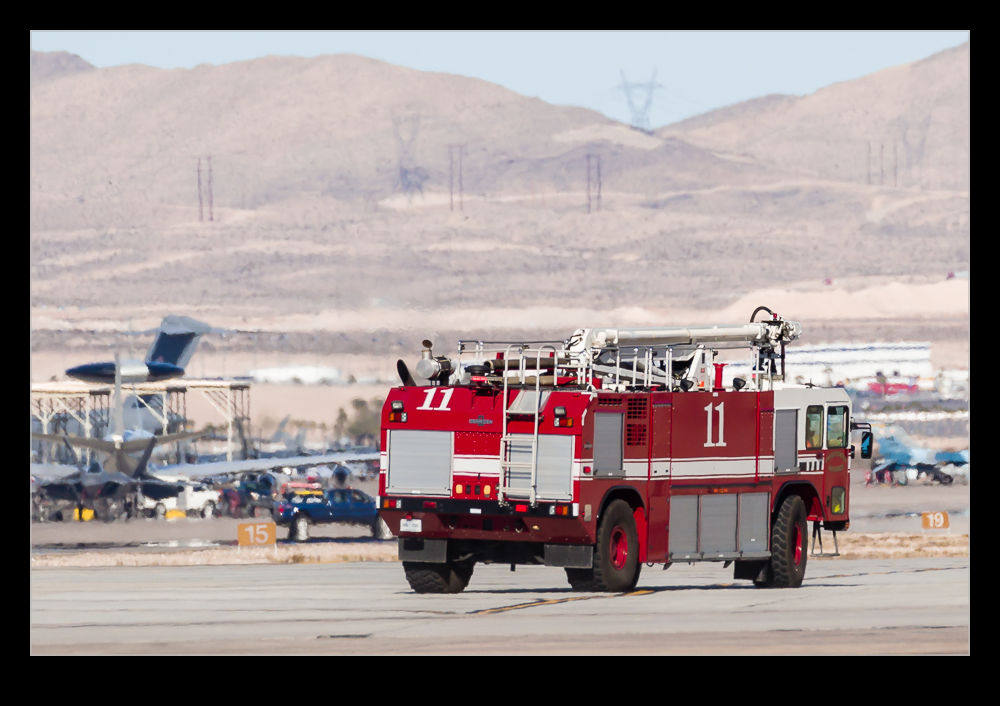
After the majority of the launch, we were at the EOR watching the occasional straggler go out or some based planes fitting in. Then we got a pair of F-15s come back. They flew an approach with one jet on the glide path while the other was clearly shepherding them in. The F-15 landed without incident and the wingman powered away to rejoin the flight. Some fire trucks rolled but everything seemed to be under control.
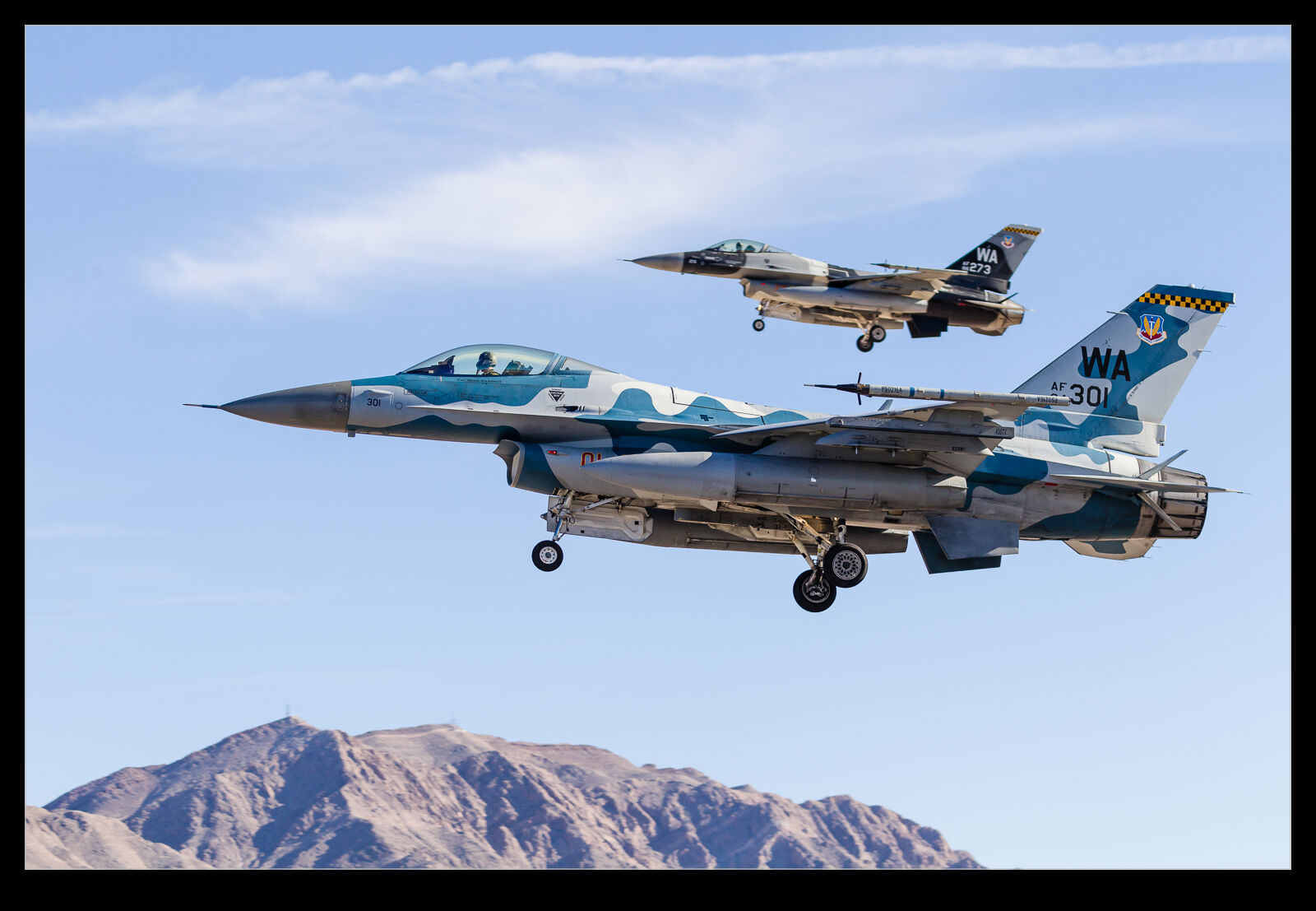
Not long after we had stopped discussing this, a pair of aggressor F-16s came into view. The same procedure and one landed while the other shadowed them down the approach. With a safe touchdown, power on and back to the battle. Technical issues are not uncommon but I was surprised to get two in close succession. Everyone seems to have handled them appropriately and they appear to have ended without further incident.
Raptor Vortices
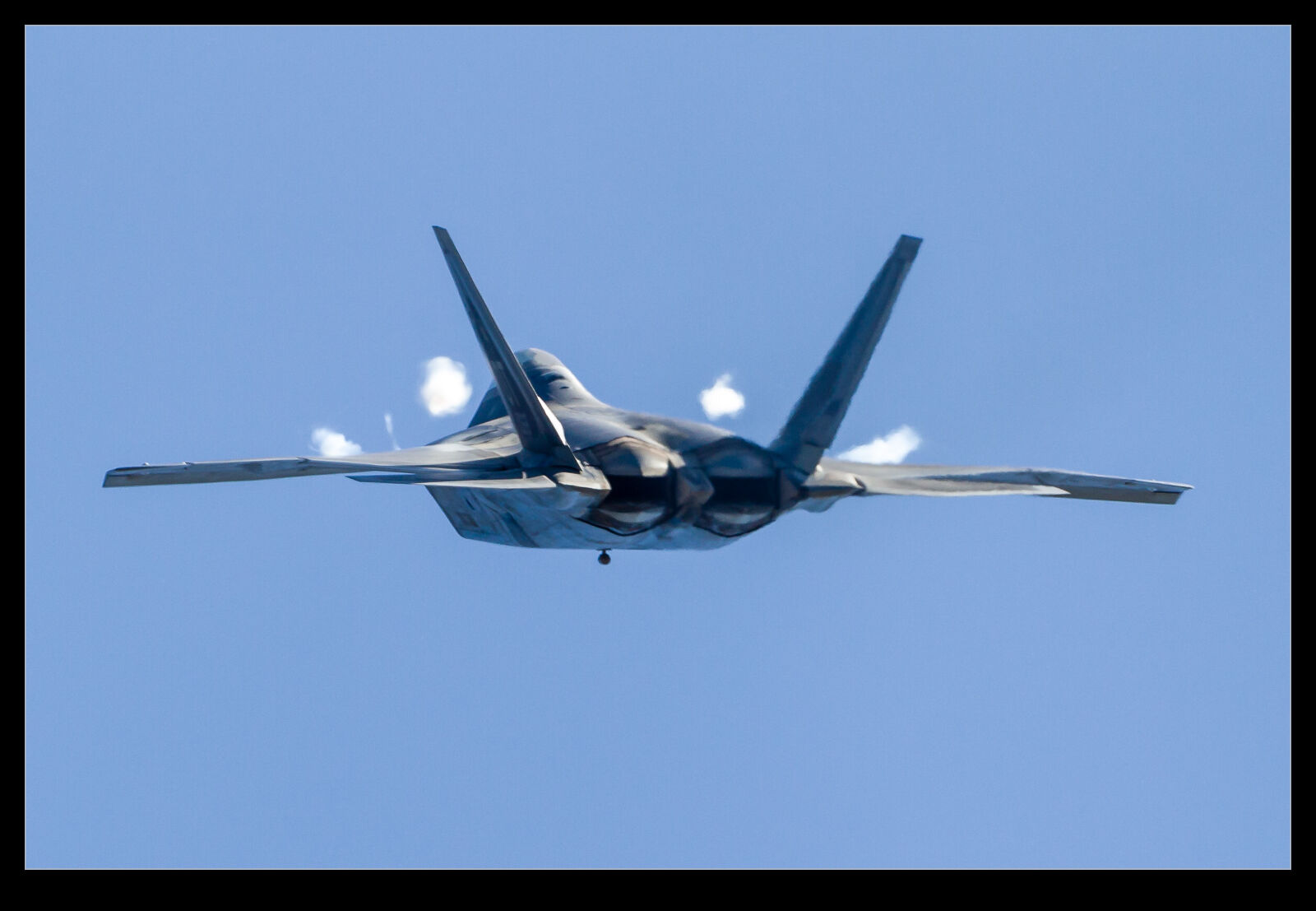
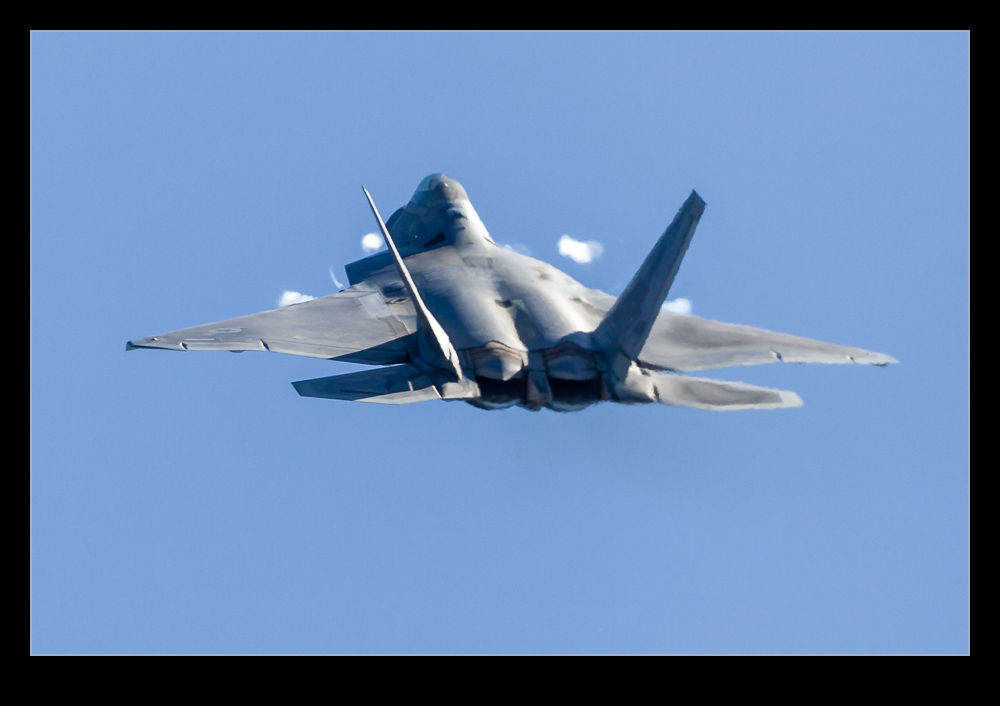
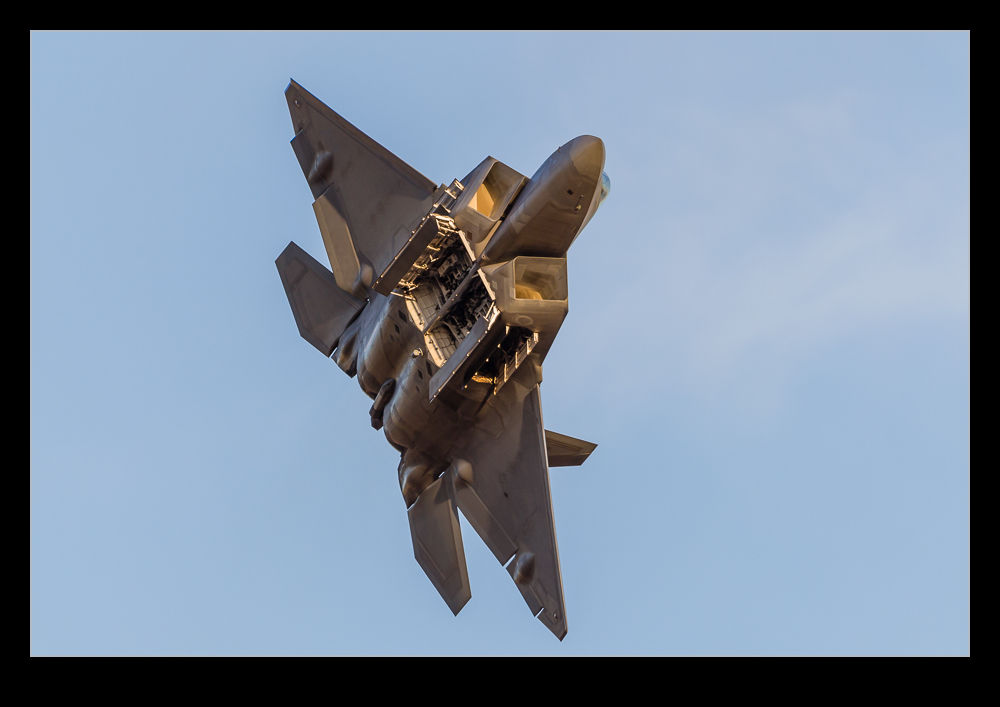
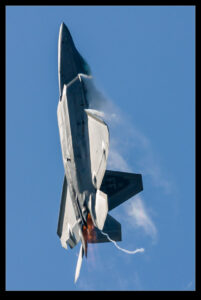
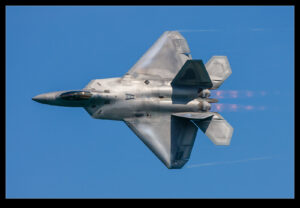
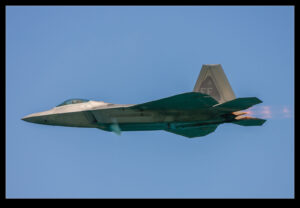
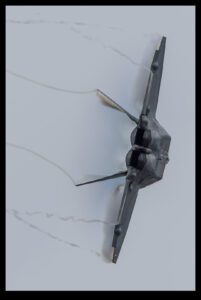
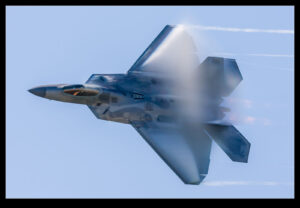
A bit more from the Raptor display today. As the jet flew away from the crowd, it pulled in to the vertical. From a view directly astern, we got a brief view of the vortices forming over the forebody. The jet was quite a way off so these shots are cropped quite a bit. I love the way the vortex sits away from the body. Chino was a pretty dry environment so not a lot of vapor to pull from the air but it still showed up nicely.
Interesting Raptor Control Inputs
It might be a long time ago that I did anything closely related to the engineering of fighters but there is still a part of me that is a stability and control type of guy. Watching the control inputs and responses of planes is cool as far as I am concerned. With the advent of fly by wire designs, there was considerable scope to play around with the use of the control surfaces to achieve different aims. With no direct linkages to the stick, the pilot can be totally unaware of the choices the system is making for control combinations.
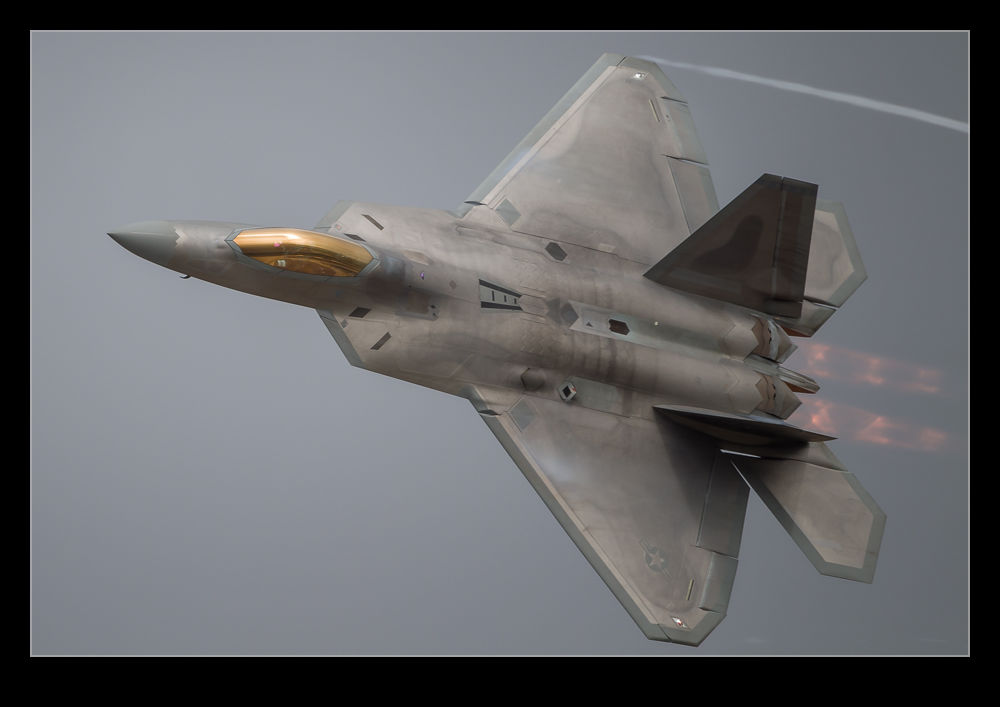
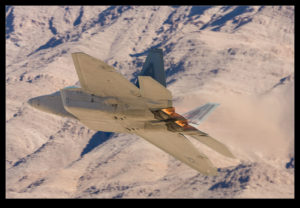
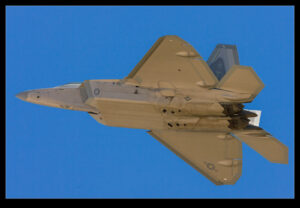
The engineers may have chosen to program the trailing edges to have different deflections inboard and outboard to offload the outer portion of the wing for example. The F-22 makes use of a variety of interesting control inputs. For example, it doesn’t have a traditional speed brake. I assume this was removed for stealth reasons. Instead, the control surfaces move counter to each other. You may have inboard flaps going down and outboard flaps going up. The moments cancel out but all increase drag incrementally so the effect is like having a speed brake deployed.
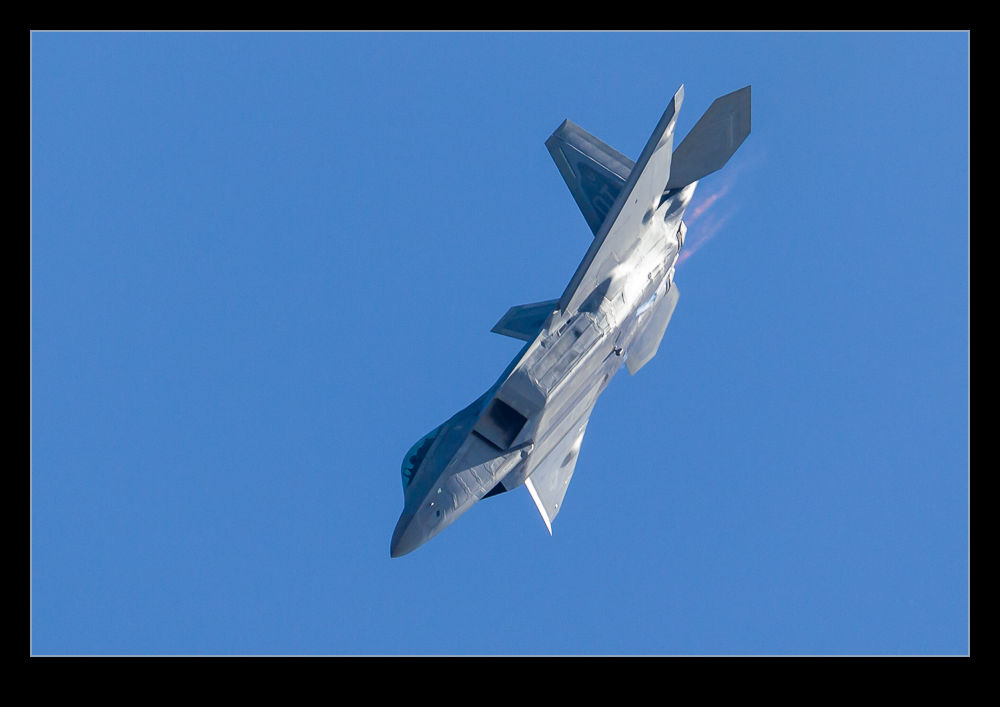
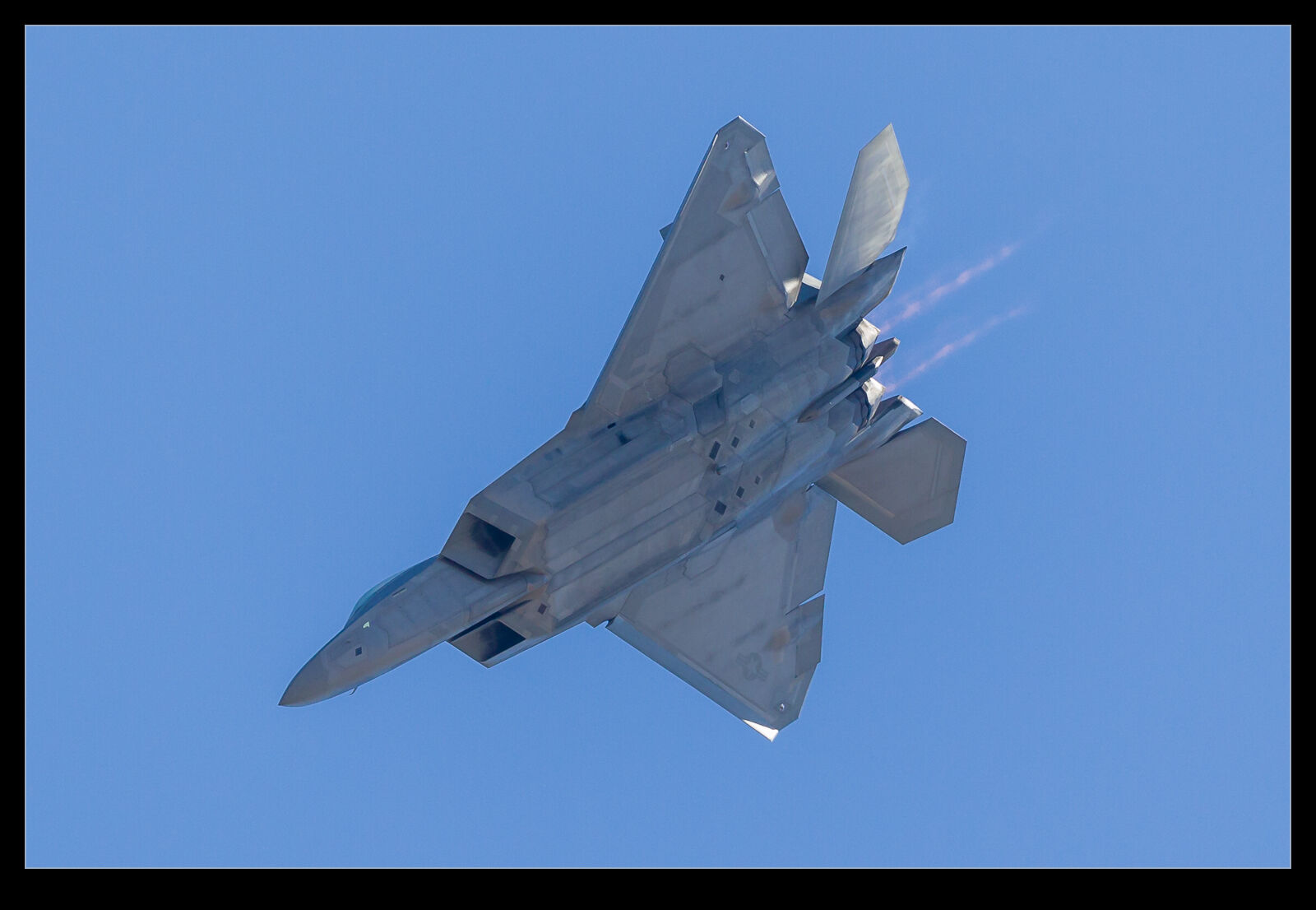
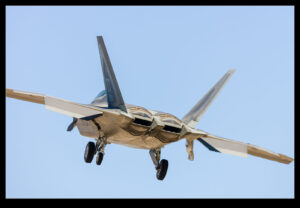
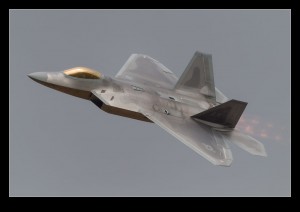
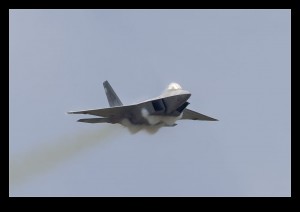
Since the aircraft is also unstable, you may have tail deflections that seem at odds with the maneuver being flown. During the Chino show, the usual routine was flown (usual for an F-22 but not many other jets) and, as I look through a bunch of the shots, I see some quite unusual control inputs. If you are in to such things, these may appeal to you. Gary, are you reading this?
Some Gratuitous Raptor Shots
Unfortunately, I have a rather large backlog of images that I haven’t done much with. This is sometimes the result of having a number of events in a short space of time and other times it is the result of laziness! Last year I covered the Planes of Fame show at Chino for GAR. I got a lot of shots while I was there and I needed a selection to illustrate the piece so I dived in, found some good examples, worked on those and put them into the feature.
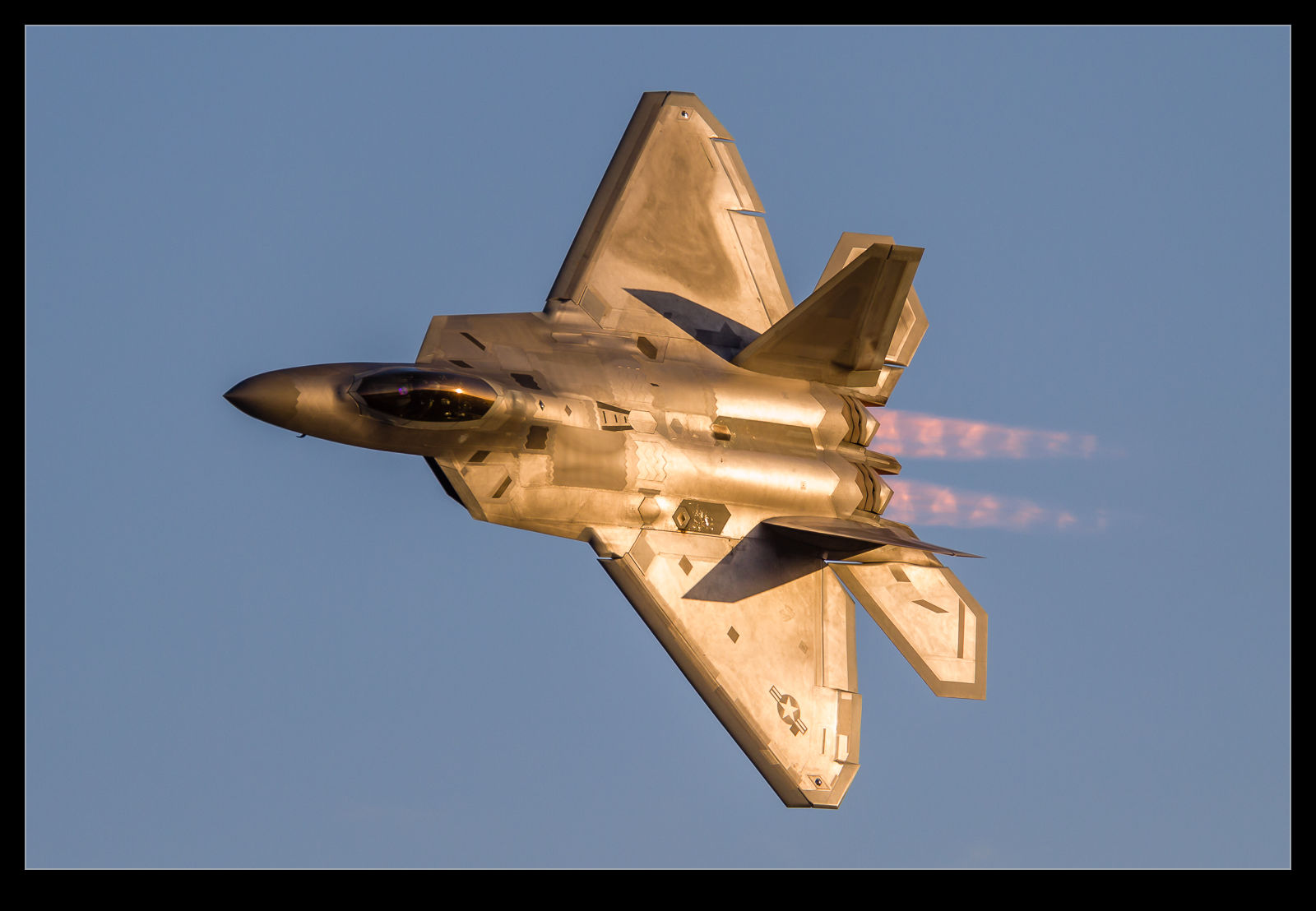
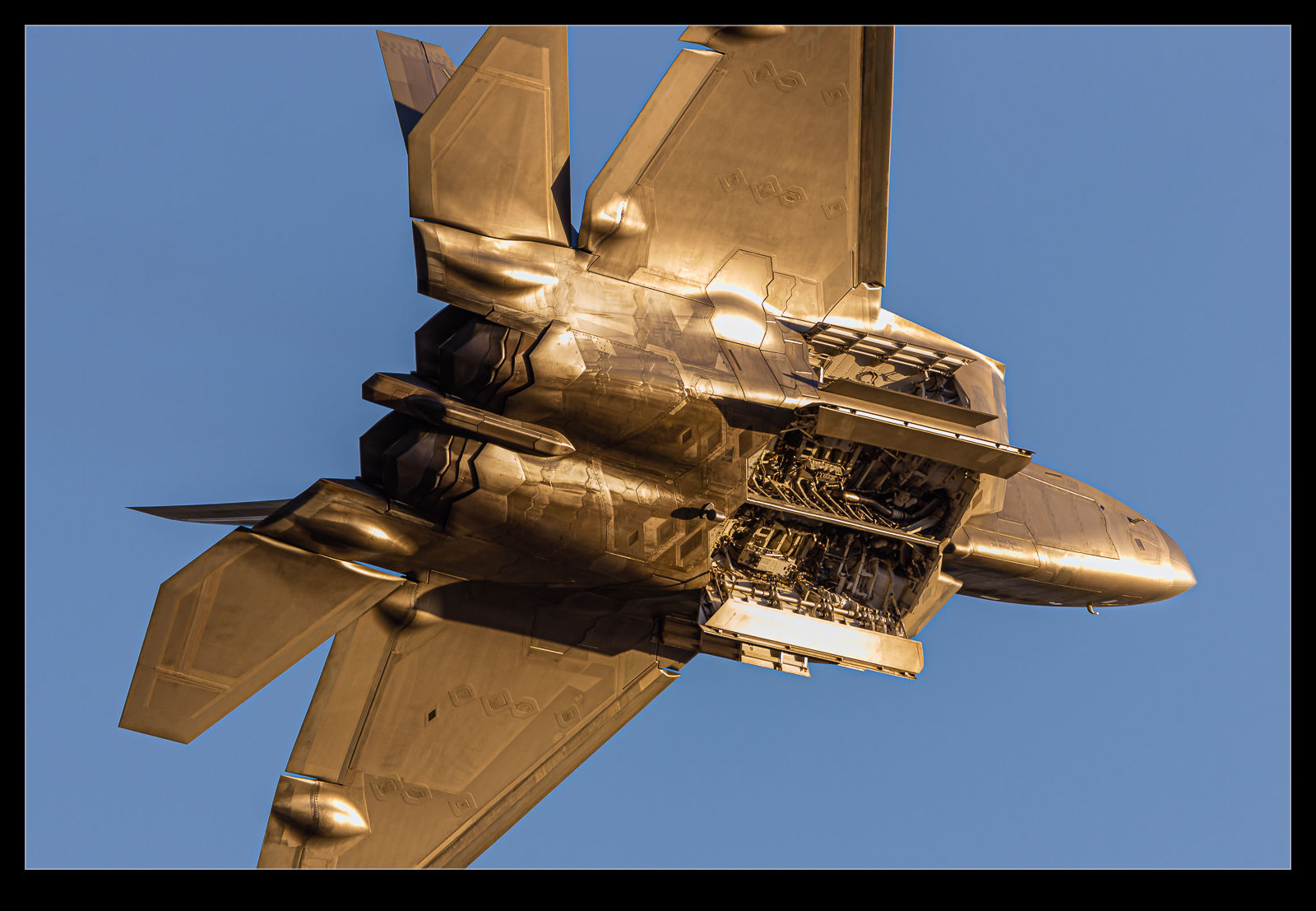
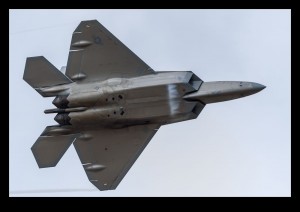
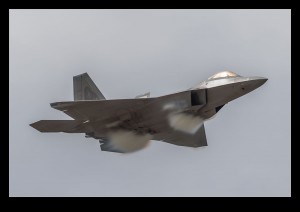
Unfortunately, I never got around to undertaking a proper run through of the shoot. I only realized this recently so I have started to go through the images when the time allows. One part of the show I really liked was the twilight show on the Friday. This included a display by the USAF F-22. In the last light of the day, the airframe looked really great.
Running through the shots I found a few of the jet that I really liked. (I found more than will work for this post and some that I like for various reasons but won’t really gel with most people.) As a result, here are a sample of the shots I have been finding. Now I am starting to think about air shows this year for the first time. I might have to go to this one again!
Raptors at Play
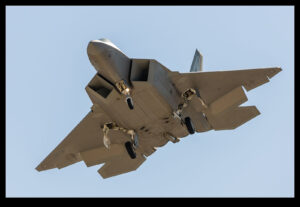
Is the Raptor a good looking jet or not? I still have yet to make up my mind on that one. From some angles it looks pretty cool and from others it looks awkward. Never look at it on the ground because the undercarriage is really not designed to make it look elegant! Either way, it is a striking jet. I have seen them a bunch of times at different venues and, while picking out some shots for a project, I also saw a bunch of F-22s and figured I might have a selection of some of them, hopefully looking at their best.
Thunderbirds With One Extra
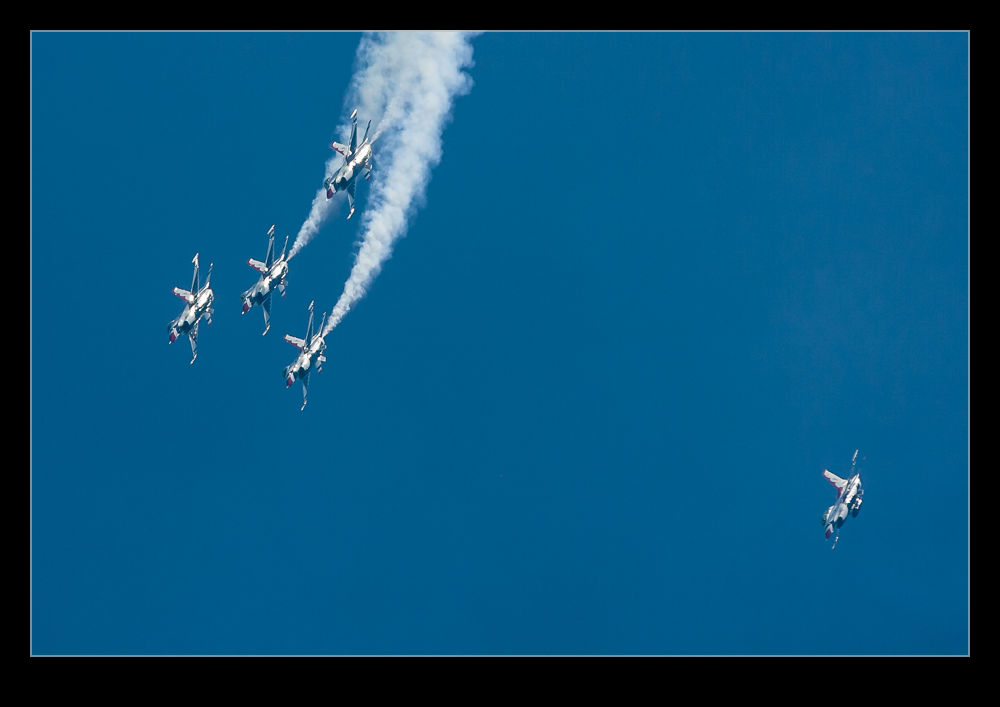
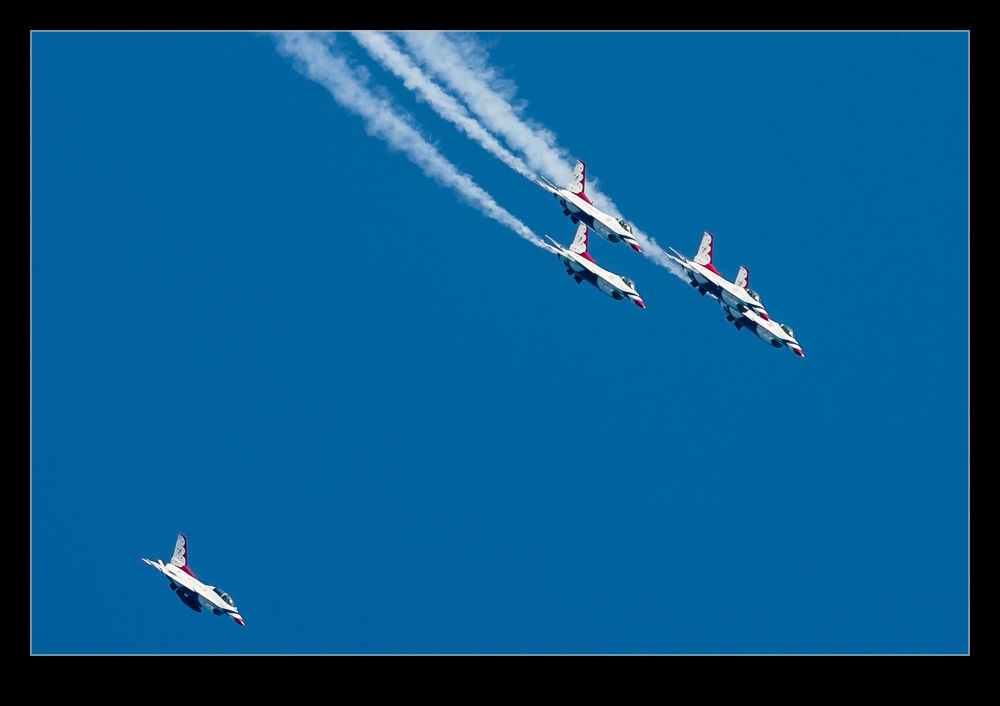
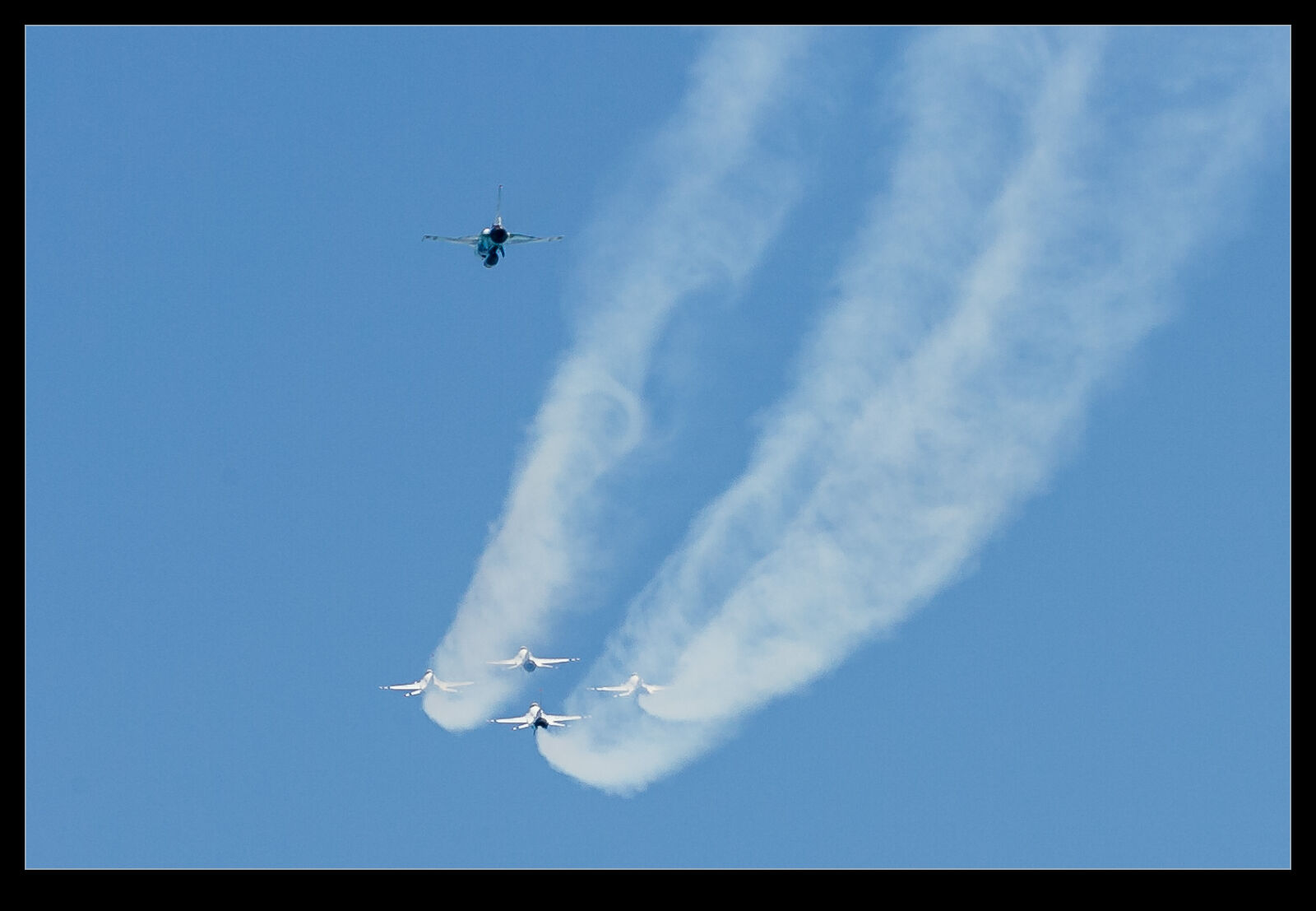
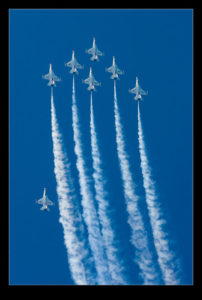
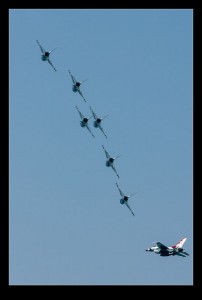
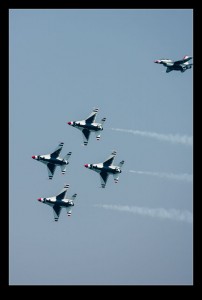
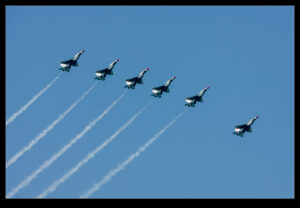
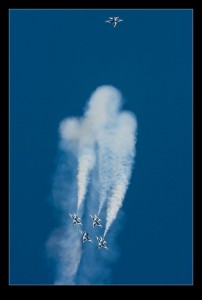
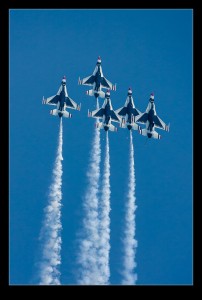
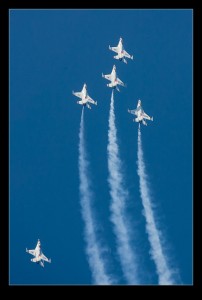
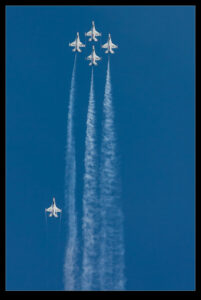
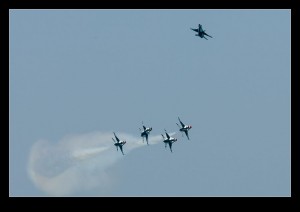
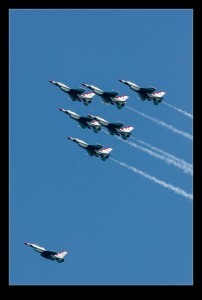
Why is this different and why should I look? Thunderbirds shots are not hard to find online. I have tons of them myself and an appearance by the team at any show is going to result in a ton of shots from the people there. These are shots with a slight difference though. These were taken in Chicago at the Air and Water Show a number of years ago. However, they weren’t taken on the main show days. Instead, they were taken during the Friday practice.
Because it was a practice day, the team carried out their display with a spare aircraft loosely in formation. It was a twin seater so I assume the backseat had a photographer occupying it. (I am not in the least bit jealous of course!) The team flew their normal display routine and the extra jet would position itself around the formation and (hopefully) get some shots of them with some excellent backdrops of the city.
For me, it meant getting pictures of formations that you don’t normally see. I imagine the excess power of the F-16 means there is some scope for the spare jet to position itself well around the formation without running out of energy. It must provide scope to get some cool shots. They had better be cooler than the ones I got that day given the position they had. I am happy with mine all the same.
F-16 Inlet Vapor
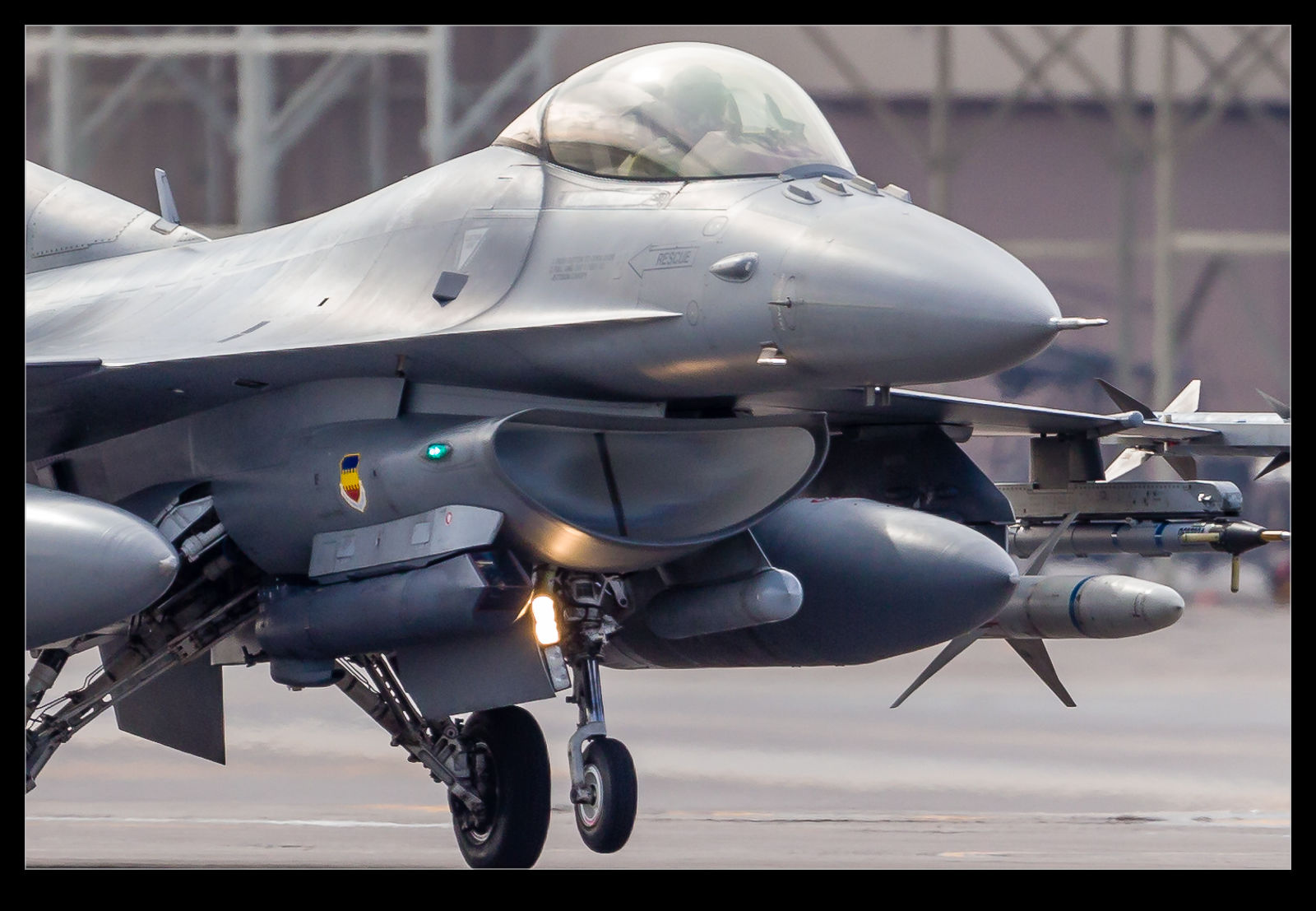
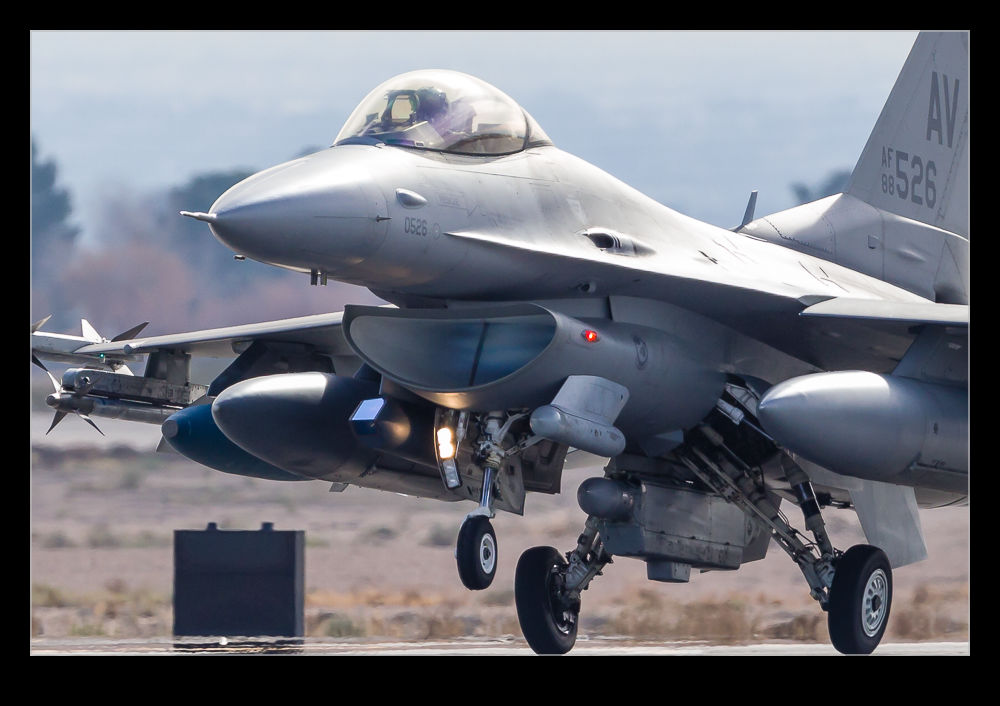
There are some aerodynamic effects that always catch my eye when I am going through images and one of these is vapor forming in engine inlets. The combination of lower airspeed with high thrust settings and moisture can result in puffs of vapor forming in the inlet, either continuously or, more often, as little flashes of cloud. The F-16 can often demonstrate this phenomenon when taking off although the formation is a little way back in the inlet.
On a recent Red Flag, the F-16s were out in force and, since it wasn’t the hottest and driest day that Nellis can provide, they were getting a bit of vapor to show up. Here are a few of the jets squeezing the moisture out of the air (even though it is the opposite of squeezing that makes it happen!).
F-22 Over Chino
The USAF F-22 Raptor is a popular air show performer but, with a relatively small fleet, they only have one display team and they have a limited number of engagements around the US each year. Chino was one of the shows that had them booked so it was probably the only time I was going to see the Raptor display this year as opposed to flying operationally. It flew twice while I was there. The first flight was a sunset display and the second was to wrap up the main display on the Saturday including the Heritage Flight performance.
I got a lot of chances to get good shots of the plane. The sunset display had great light but both displays included some tight elements that brought the plane well into view. However, I am now going to tread on dangerous ground and say that I don’t think the display is that good. The flight control system design of the Raptor allows it to undertake some unusual maneuvers which the display makes a lot of. While they are certainly not the norm, I don’t think they should focus on them so much. Certainly show off some of the special features of the jet. Just don’t pretend they are tactically useful and spend more time showing people what they like about jet displays. Being low and slow is not a great place to be.
A crowd of people might be mildly amused by a jet coming down flat while gently rotating about its axis. However, turn up the noise and blast into some fast passes, tight turns and some more aggressive vertical maneuvers and your get a lot of crowd reaction. I once watched a Typhoon display being flown by a test pilot. It carried out a lot of high alpha rolls around the velocity vector. A few pilots around me appreciated the technical skill but everyone thought the display was boring.
Maybe, as the aircraft has been on the display circuit longer, they will evolve into a better combination. A little of the unusual stuff but more dynamic performances that show off the bits the public like.
Thunderbirds and the Missing Pylon
A discussion on Facebook between a few people I know recently turned to a discussion about the USAF display team, the Thunderbirds. While I can’t now remember how ended up the way they did, at some point, there was discussion about the time the Thunderbirds touched in mid-air with one aircraft losing part of the wing tip missile rail. This occurred at the Chicago Air and Water Show and I was there that day.
At the time, not many people knew anything had happened. Indeed, for a while they flew on before pulling out of the display routine and orbiting overhead and then eventually returning to Gary to land. No-one on the ground had any idea what was going on. I did not capture the contact between the jets. However, when I looked through my shots afterwards, I realized I had a shot of the four ship formation with one aircraft missing the rail and another showing some signs of damage on the tailplane where the rail had impacted. Below is one shot to prove they started out intact!