Tag Archives: fighter

Sneak Pass

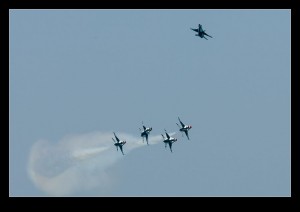
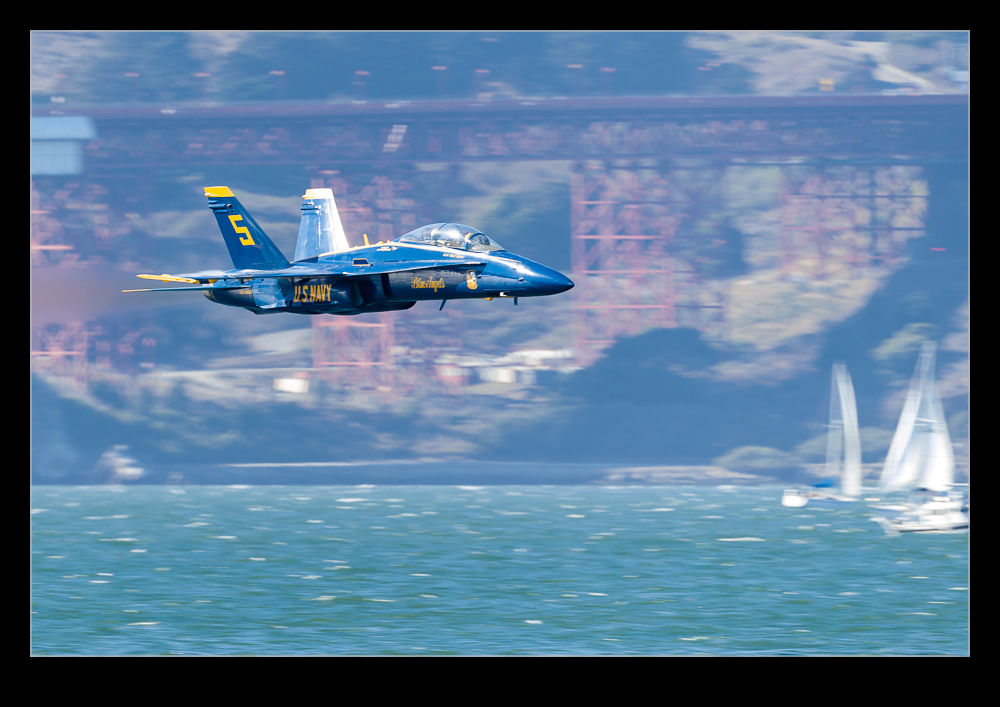
C59F5630.jpgI have seen a large number of displays by the Blue Angels over the years.  Their display is a good one generally (although the ground portion is a little time consuming in my opinion).  The sequence does not vary much from year to year but it works well enough so that is probably no big surprise.  One of the fun parts is the sneak passes.  The four ship head off in one direction to distract you and a solo jet streaks in from the left at low level and high speed.  This catches a lot of people by surprise.
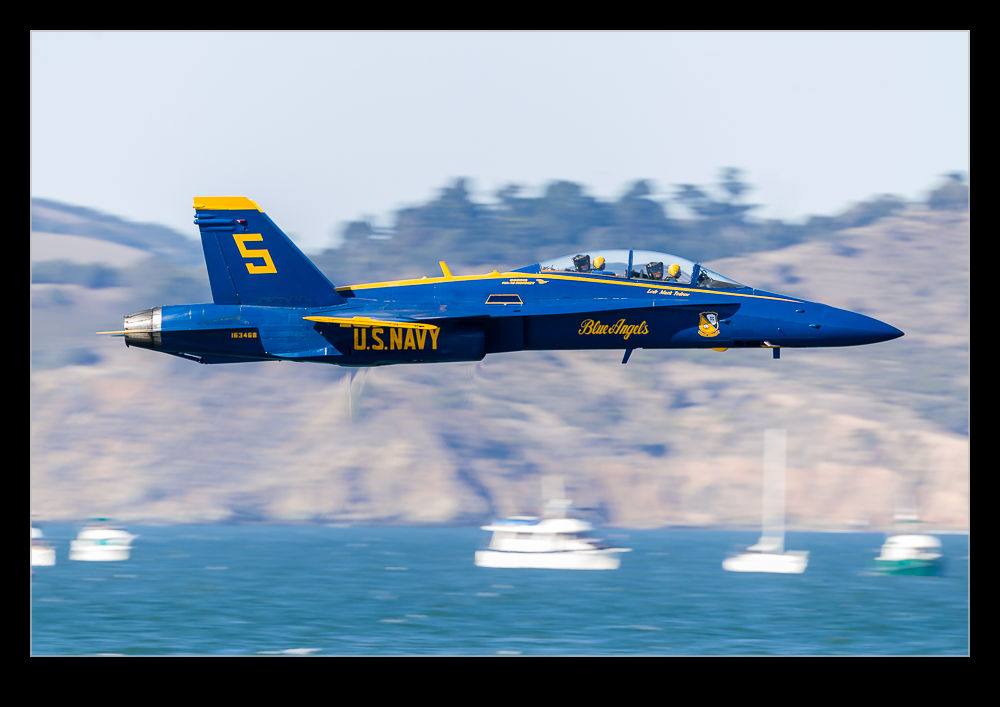
C59F5638.jpgJust as everyone is getting over this, the other solo jet does something similar from crowd rear to make you all jump again.  The displays that are held over water provide an added option for the first sneak pass.  With no obstacles, the aircraft can end up very close to the water.  This makes things look even more impressive.  Also, the high speeds can result in some impressive vapor formations in the shock waves.
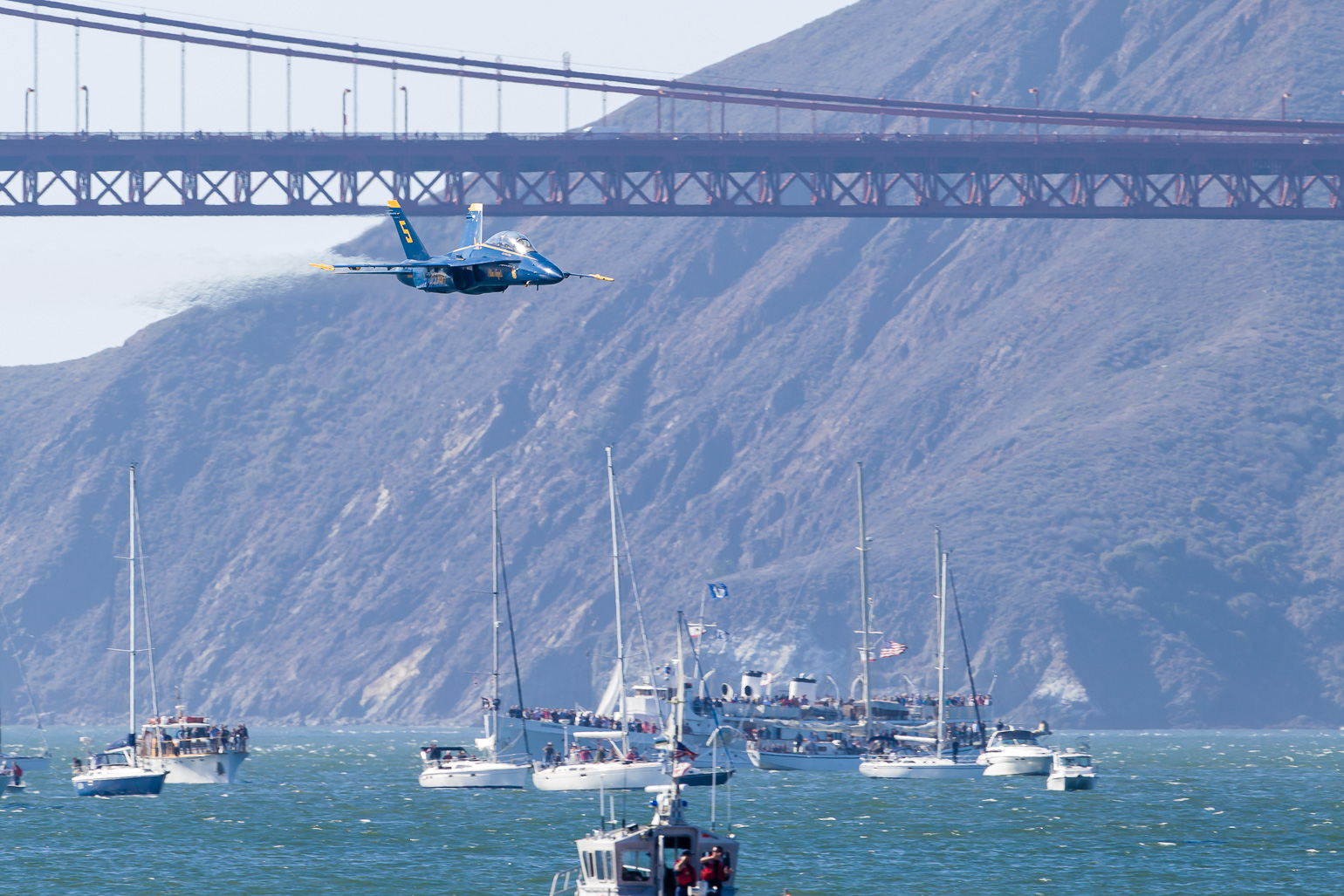
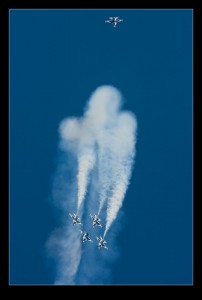
C59F5622.jpgThe Fleet Week display on the Friday had great weather conditions but, surprisingly for the Bay Area, the humidity levels were not terribly high.  Consequently, while the sneak pass had its usual surprise impact, it did not result in any vapor on the jet.  The upside of this was that the optical distortion caused by the shock waves was visible in some shots when a reasonable amount of background was included.  Not what I was aiming for but not a bad alternative.
Kfirs

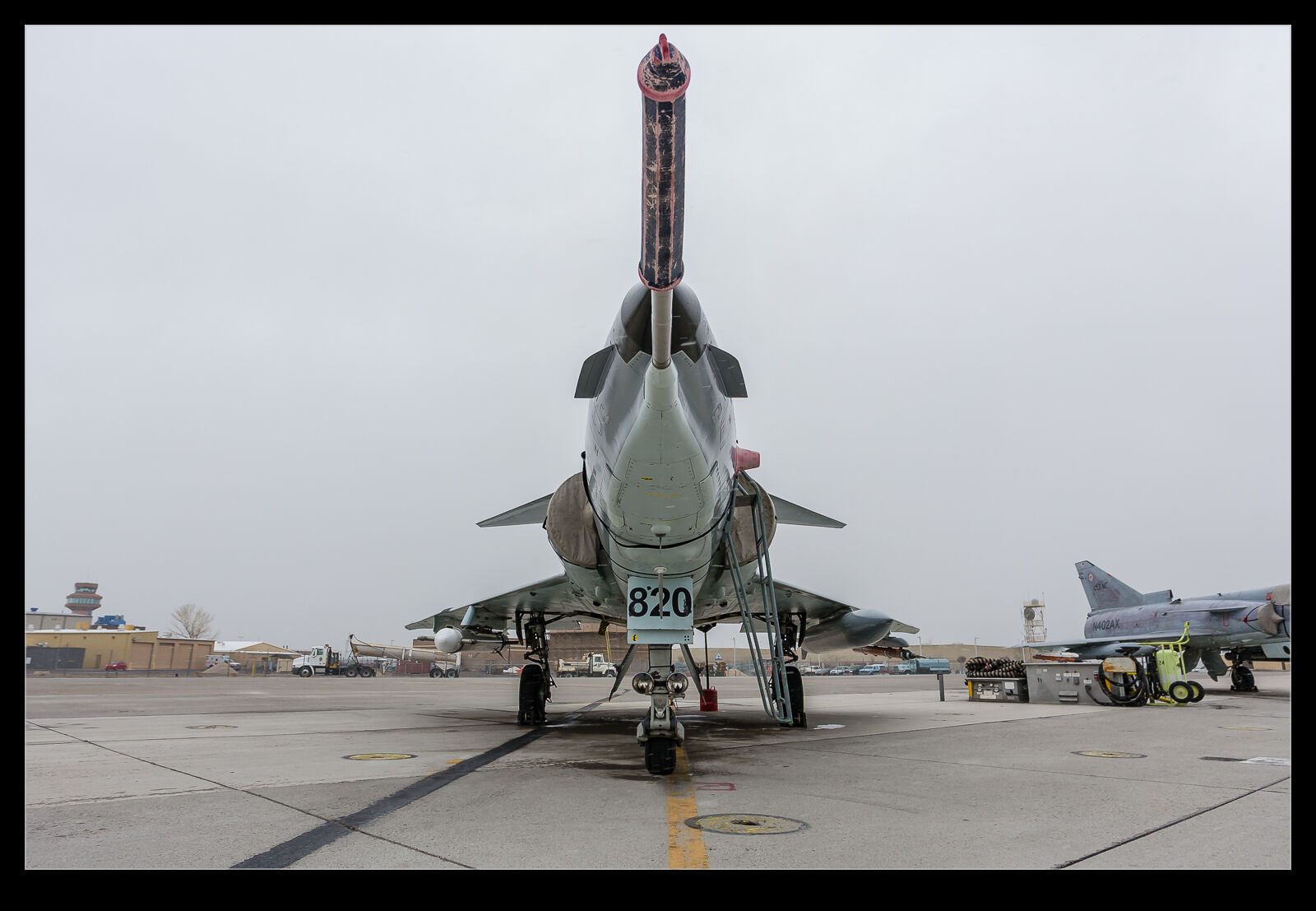
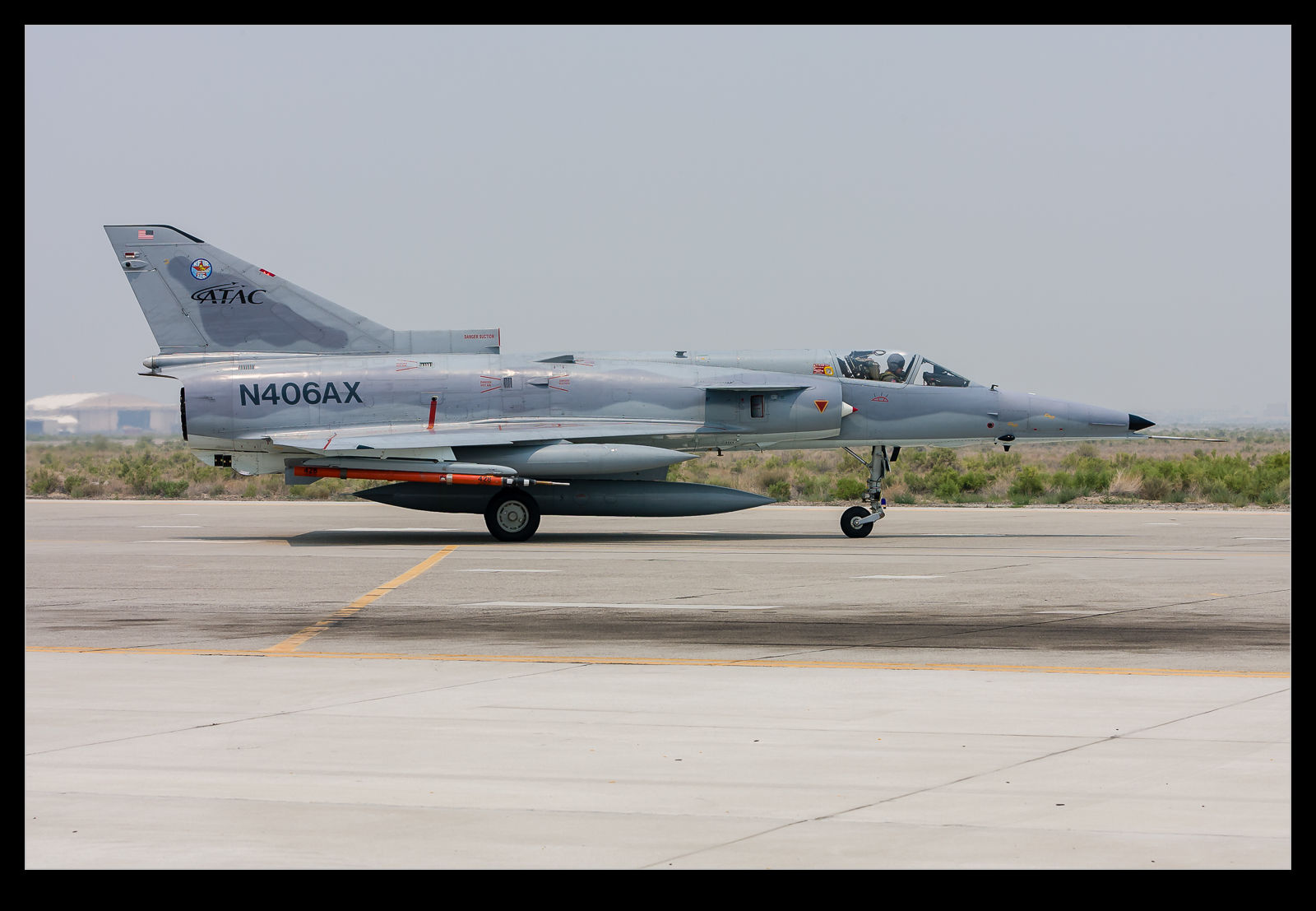
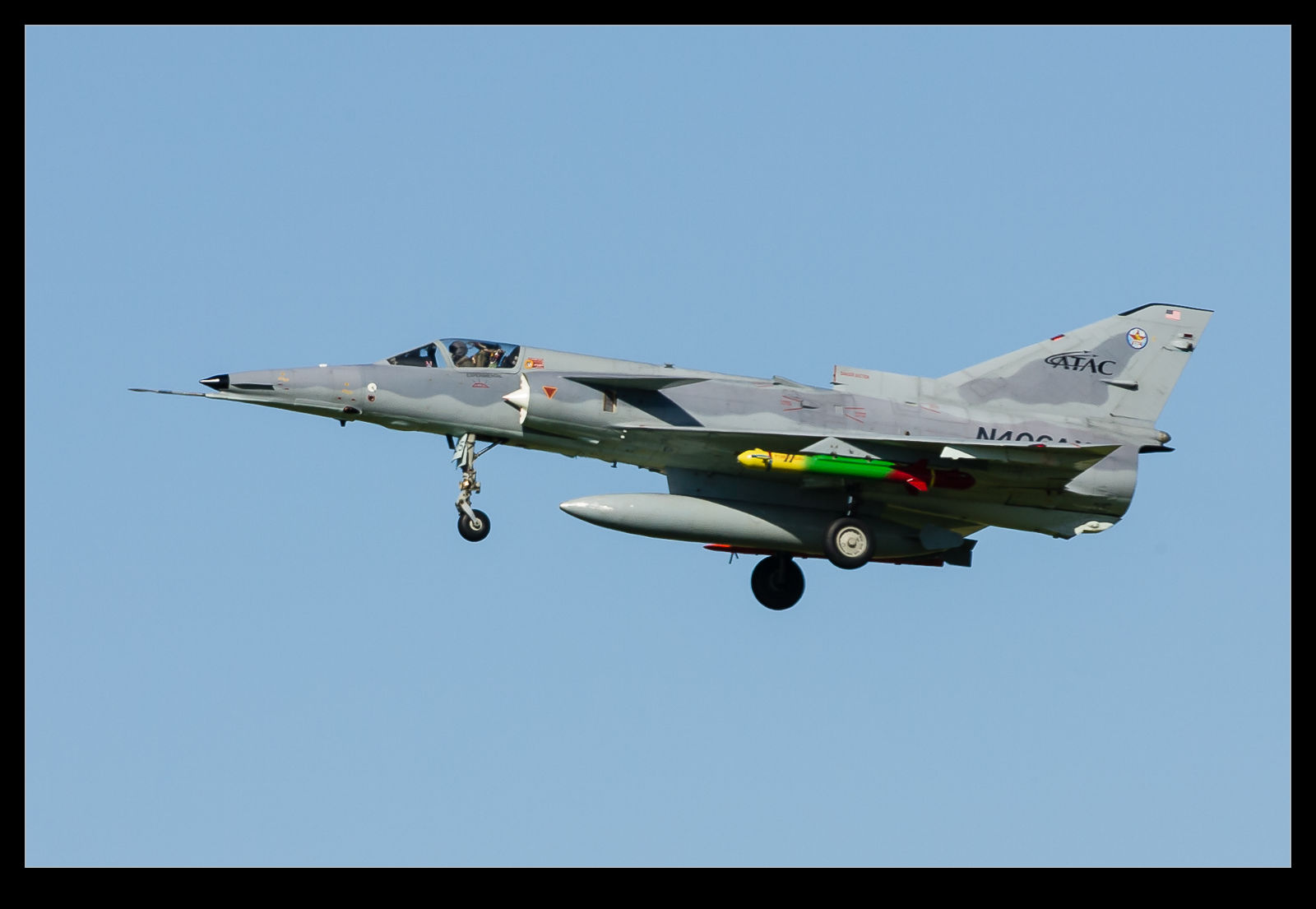
QB5Y8635.jpgTime for another post on a specific military aircraft. This time it is one with an interesting history. The Israeli Air Force was a customer of Dassault’s Mirage aircraft and had good experience with it. However, Dassault/France declined to sell further aircraft to Israel. Instead, the Israelis decided to make their own version. A combination of covert acquisition of design drawings and the introduction of a new engine resulted in the creation of the Kfir.

CRW_5695.jpgDuring the 1980s, a number of Kfirs were supplied to the US Navy to be operated as aggressor aircraft under the F-21 designation. Their use in service was not terribly long but, once they were withdrawn, they were acquired by private companies to use in support roles for training. I have come across them a couple of times. One was at Pt Mugu in California when an example was shooting approaches. The other time was during a visit to NAS Fallon in Nevada where they were launching on training missions.

QB5Y7331.jpgThe Kfir is quite a mean looking aircraft. The original delta wing design has many good attributes but approach speed is not one of them and they really do seem to be motoring when they come down the approach. I imagine they will remain in service for a number of years to come so I hope to see more in due course.
QB5Y5125.jpg

MiG29

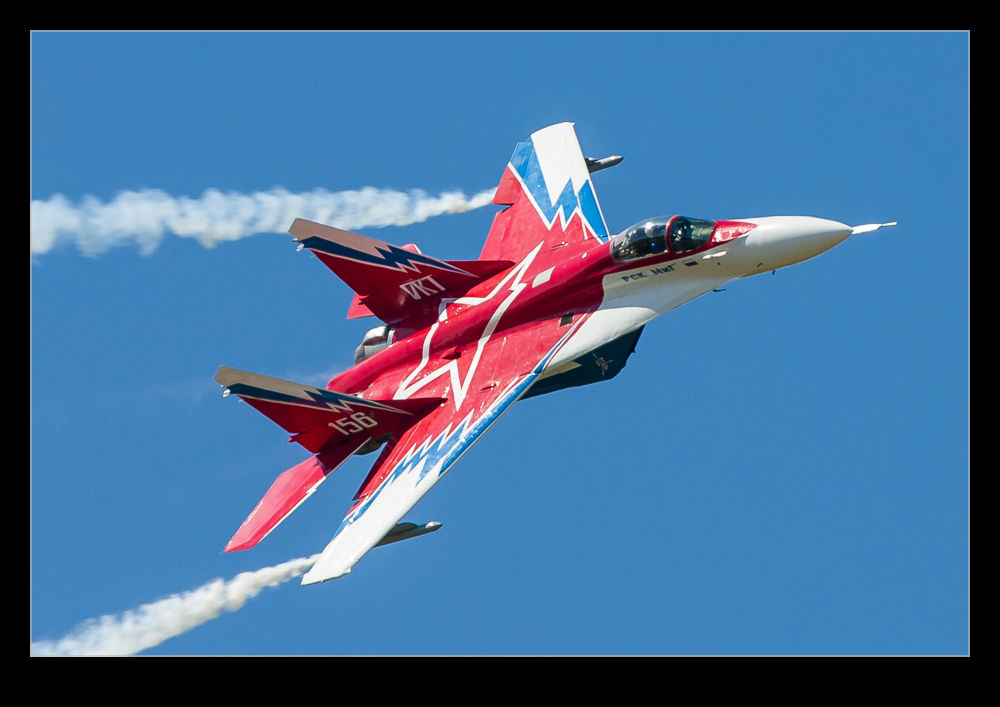
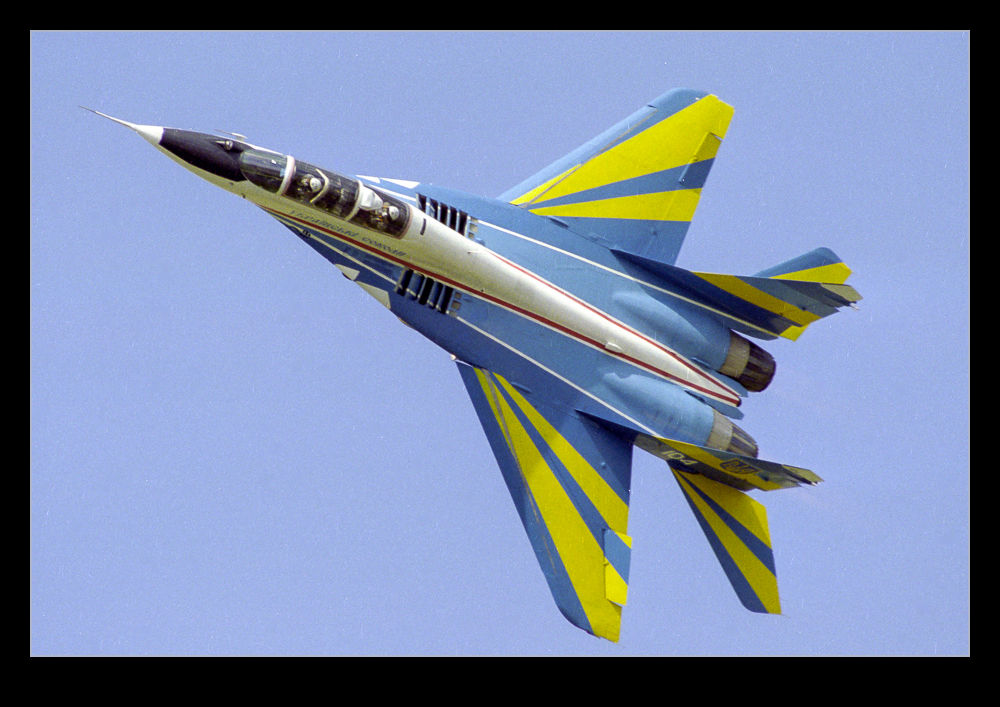
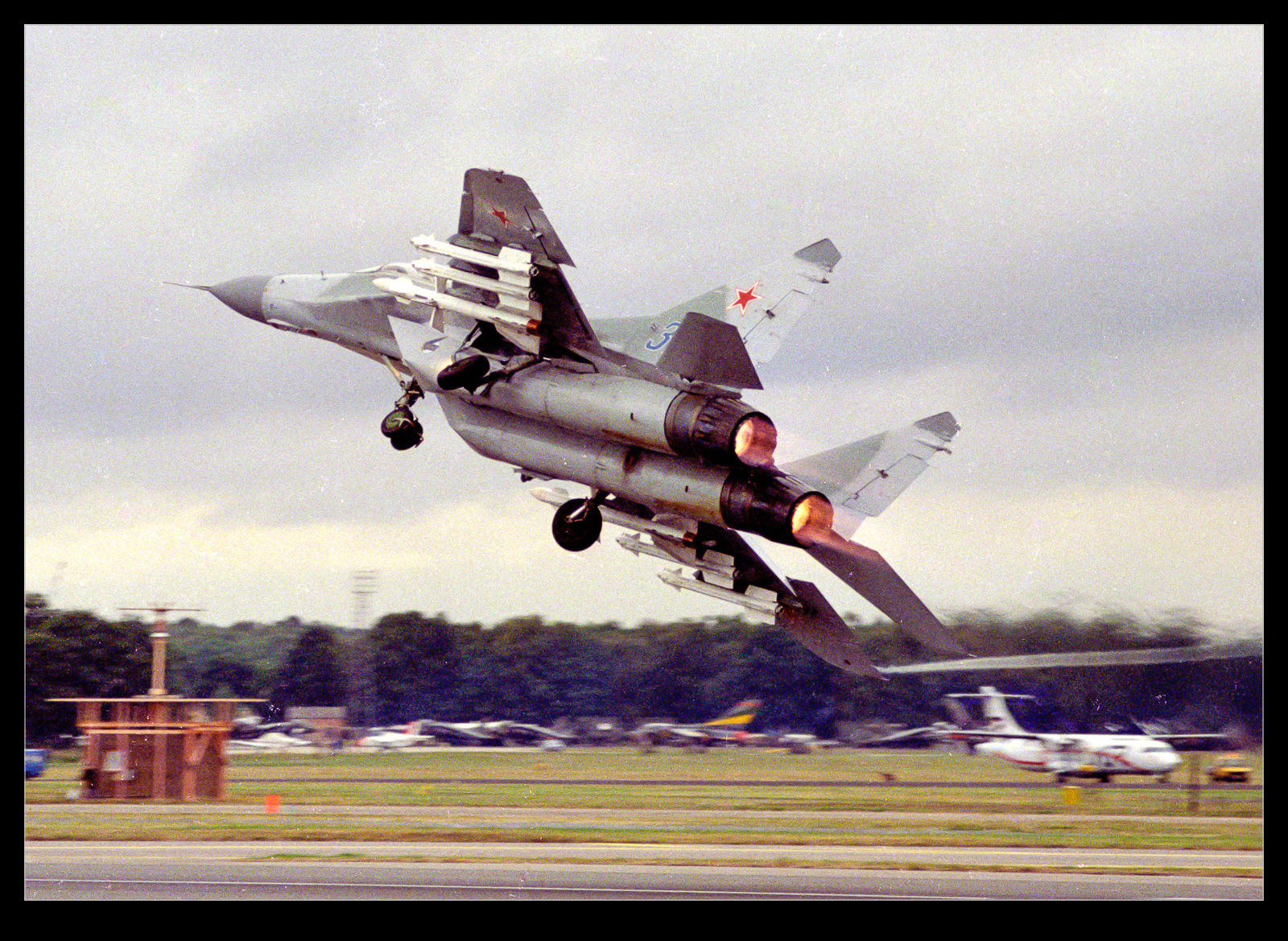
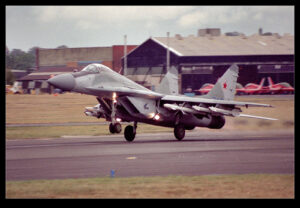
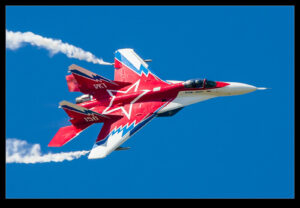
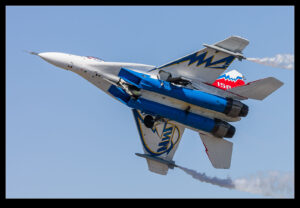
QB5Y7426.jpgContinuing through my theme of looking at individual types, I came across some old pictures of the MiG-29. I figured I could get a post out of them so here we are. I saw quite a few of the Fulcrums in the late 80s and early 90s when they started traveling further afield. My first encounter was when the Russian Air Force brought a pair to Farnborough. They showed up again in a later year and then examples from other eastern bloc air forces started coming to the UK once the wall came down.
2102.jpgThe quality of my film shots from those days is not great but you can see a bit of what was on offer. The Ukrainian aircraft showed up in some really cool colors. The best shots I have are of the MiG-29OMT which was a demonstrator that came to the UK in 2006 and displayed at RIAT. It had thrust vectoring nozzles to enhance maneuverability and put in a pretty impressive display.

MiG29 Take Off Farnborough 1990.jpgLots of the operators today are starting to look at replacements. The age of some airframes along with the support issues are pushing them to renew while interoperability with NATO forces is another driver for change. I’m not sure how many more I will see flying although there are a good number in museums. There are a couple in private hands here in the states (one of which I saw being towed from across Paine Field) so they might be my best bet.

Raptors at Play

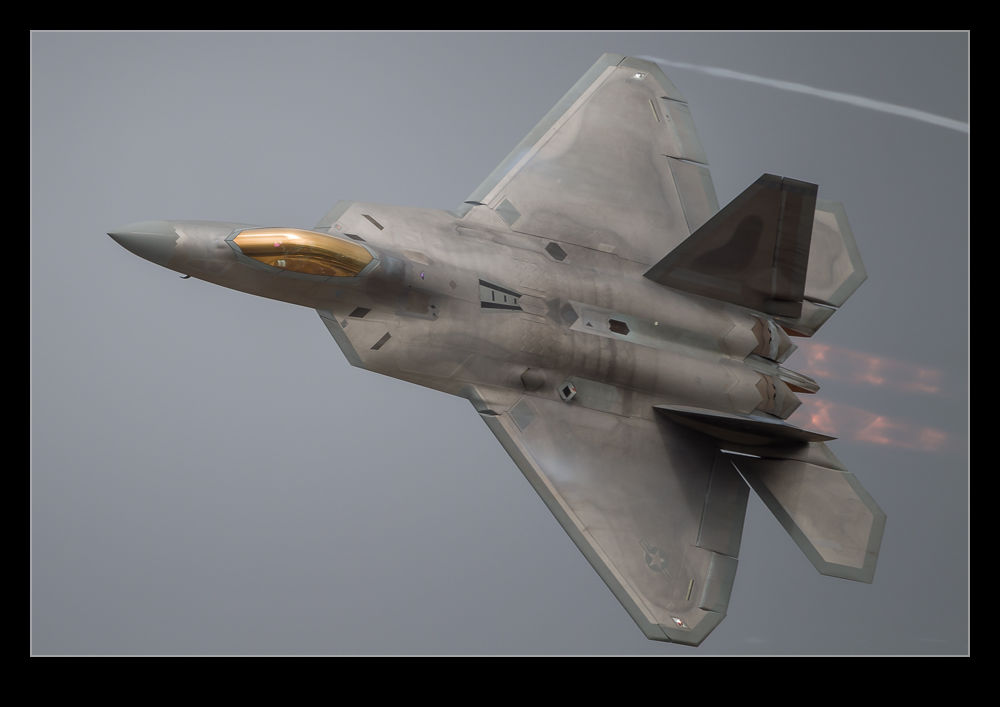
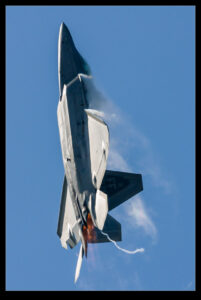
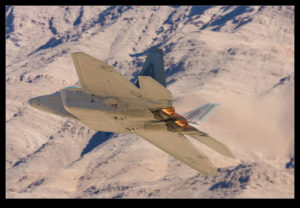
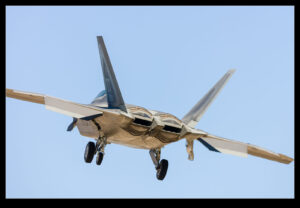
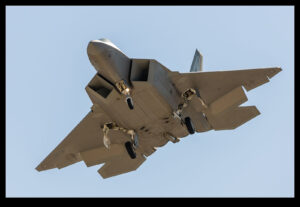
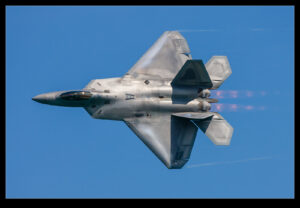
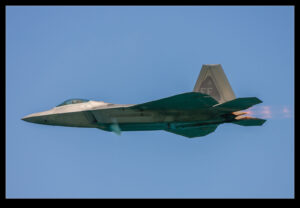
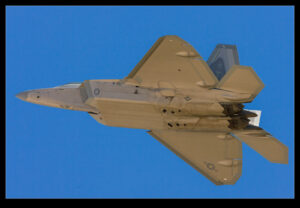
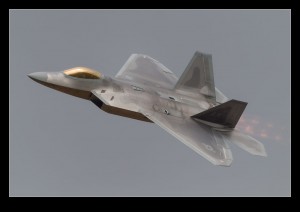
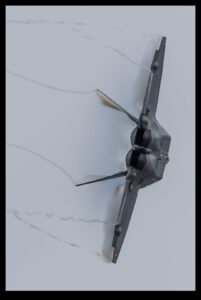
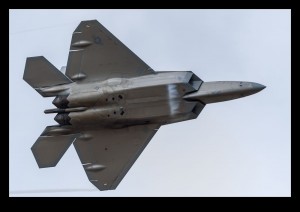
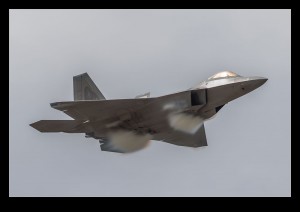
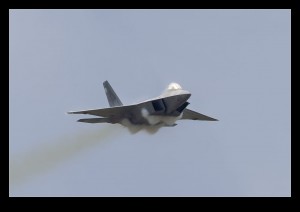
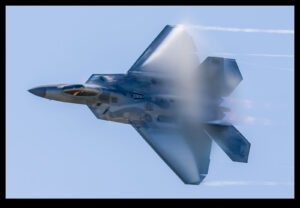
wpid13828-C59F9146.jpgIs the Raptor a good looking jet or not? I still have yet to make up my mind on that one. From some angles it looks pretty cool and from others it looks awkward. Never look at it on the ground because the undercarriage is really not designed to make it look elegant! Either way, it is a striking jet. I have seen them a bunch of times at different venues and, while picking out some shots for a project, I also saw a bunch of F-22s and figured I might have a selection of some of them, hopefully looking at their best.

Aggressor F-15s

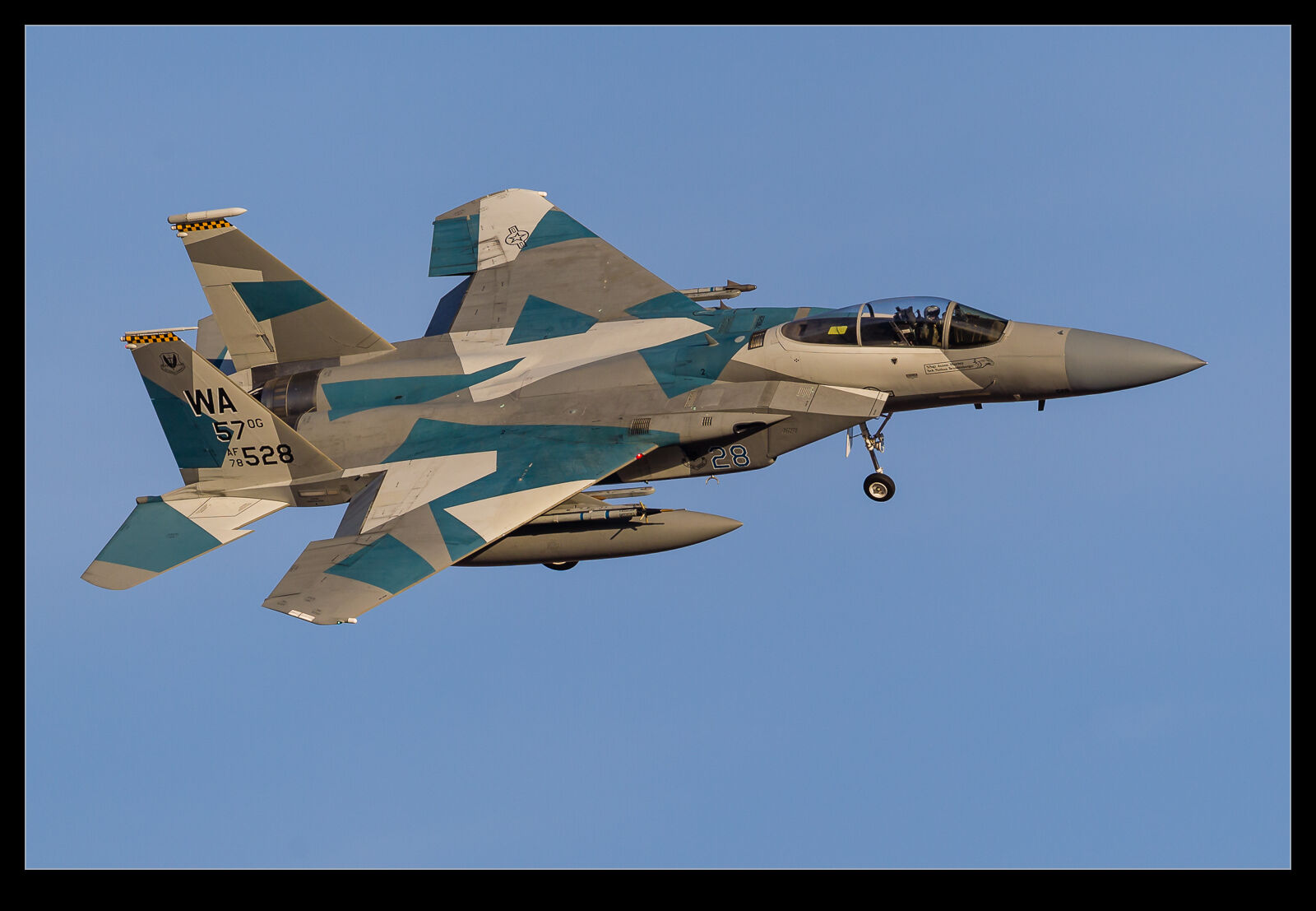
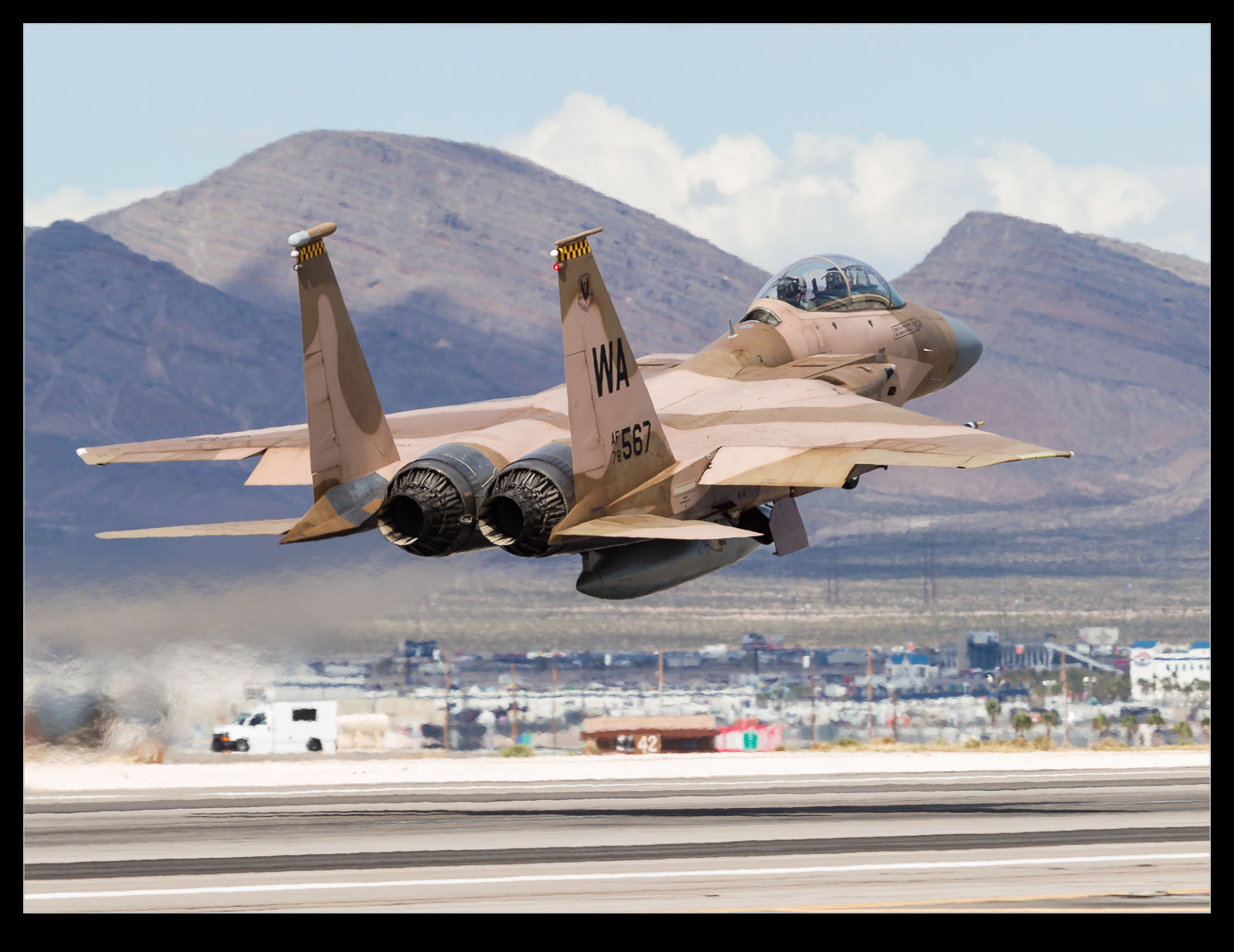
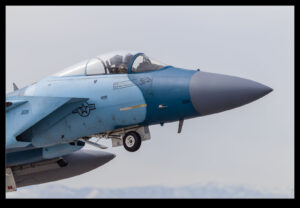
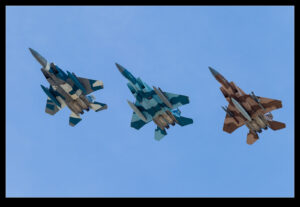
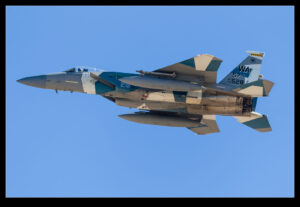
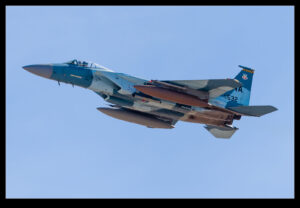
The USAF recently got rid of their squadron of Boeing F-15 Eagle aggressor aircraft. The aggressors have used a combination of F-15 and F-16 aircraft for a while but now they have gone to an all F-16 operation. The aircraft have been redistributed to the other units that operate the type and will gradually lose their aggressor colors as they get repainted.

AU0E6178.jpgI thought I would celebrate them with a selection of shots of the F-15s that I have got over time. I wonder whether we shall see them again. It is not unknown for things to change again so we can hope. However, I won’t be putting money on it.

Thunderbirds With One Extra

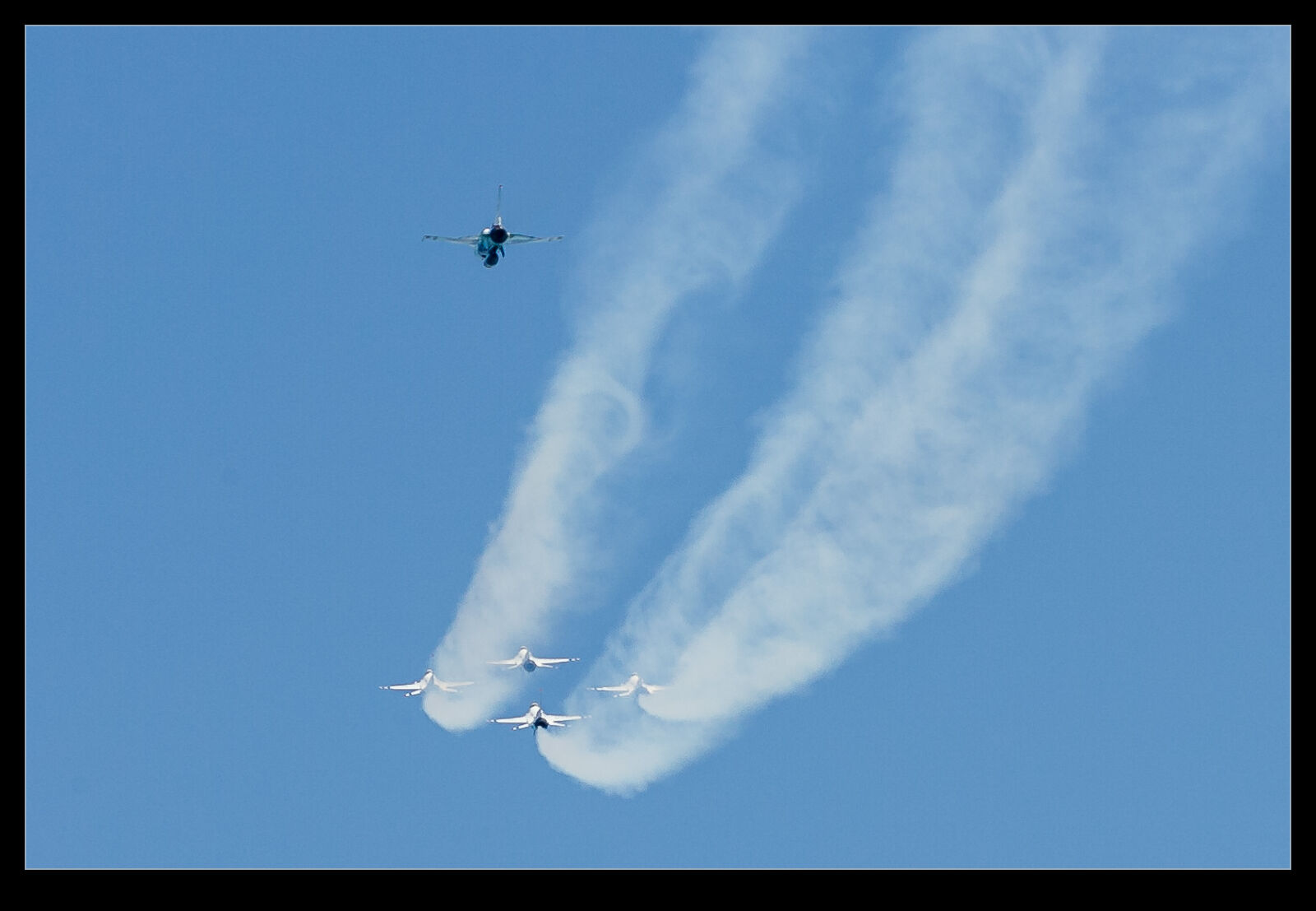
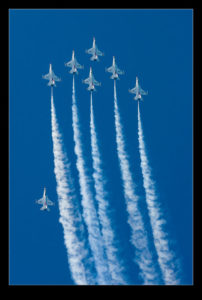
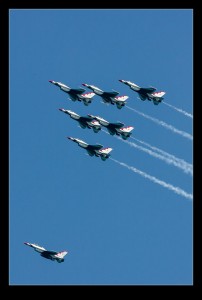
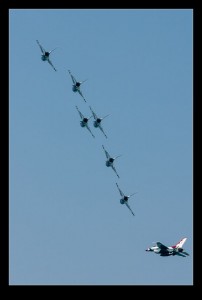
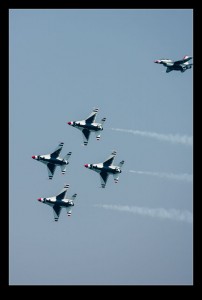
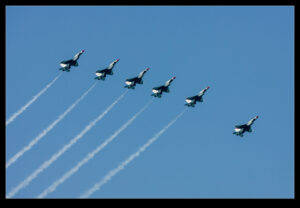
QB5Y4965.jpgWhy is this different and why should I look? Thunderbirds shots are not hard to find online. I have tons of them myself and an appearance by the team at any show is going to result in a ton of shots from the people there. These are shots with a slight difference though. These were taken in Chicago at the Air and Water Show a number of years ago. However, they weren’t taken on the main show days. Instead, they were taken during the Friday practice.

QB5Y5007.jpgBecause it was a practice day, the team carried out their display with a spare aircraft loosely in formation. It was a twin seater so I assume the backseat had a photographer occupying it. (I am not in the least bit jealous of course!) The team flew their normal display routine and the extra jet would position itself around the formation and (hopefully) get some shots of them with some excellent backdrops of the city.

QB5Y4911.jpgFor me, it meant getting pictures of formations that you don’t normally see. I imagine the excess power of the F-16 means there is some scope for the spare jet to position itself well around the formation without running out of energy. It must provide scope to get some cool shots. They had better be cooler than the ones I got that day given the position they had. I am happy with mine all the same.

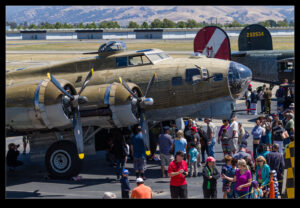
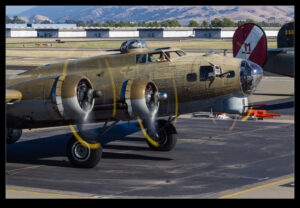
Collings Foundation at Livermore

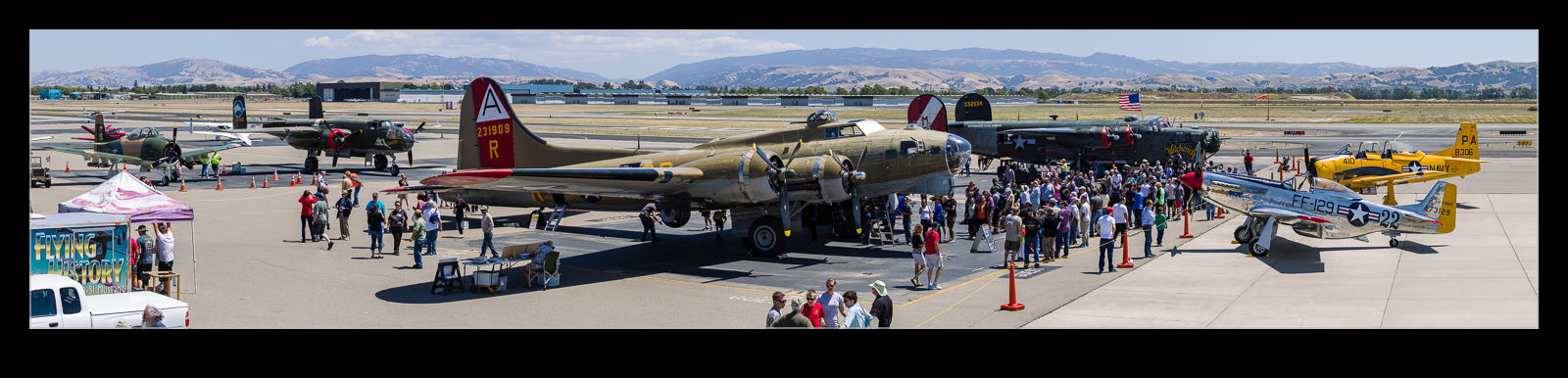
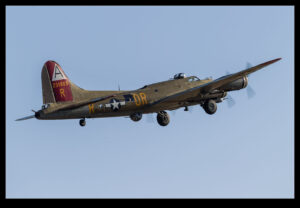
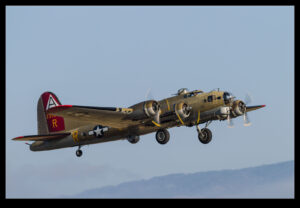
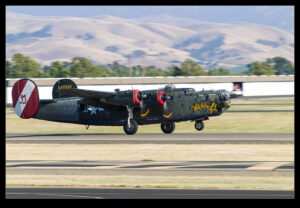
AU0E6426-Pano.jpgThe annual visit of the Collings Foundation to Livermore with their vintage warbirds is a popular event with many people turning out to look at the planes and, in some cases, fly in them. This year I didn’t plan on spending a lot of time there but I did head down for a while to check out how things were progressing. It was a hot day so the heat haze was playing havoc with shots as usual but there was still enough to see.

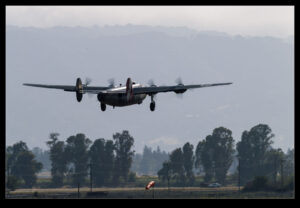
AU0E7522.jpgI had pondered what other spots might be useful for getting a shot or two and tried wandering down the street. However, the area is not pedestrian friendly so that idea didn’t progress too far. I did wrap up the day by driving to the public golf course at the end of the field to see whether I could get a different perspective on the departures. It wasn’t a bad spot but not somewhere I shall try again unless there is a good reason. You get a brief view and have to grab your shots before the planes are behind the trees.

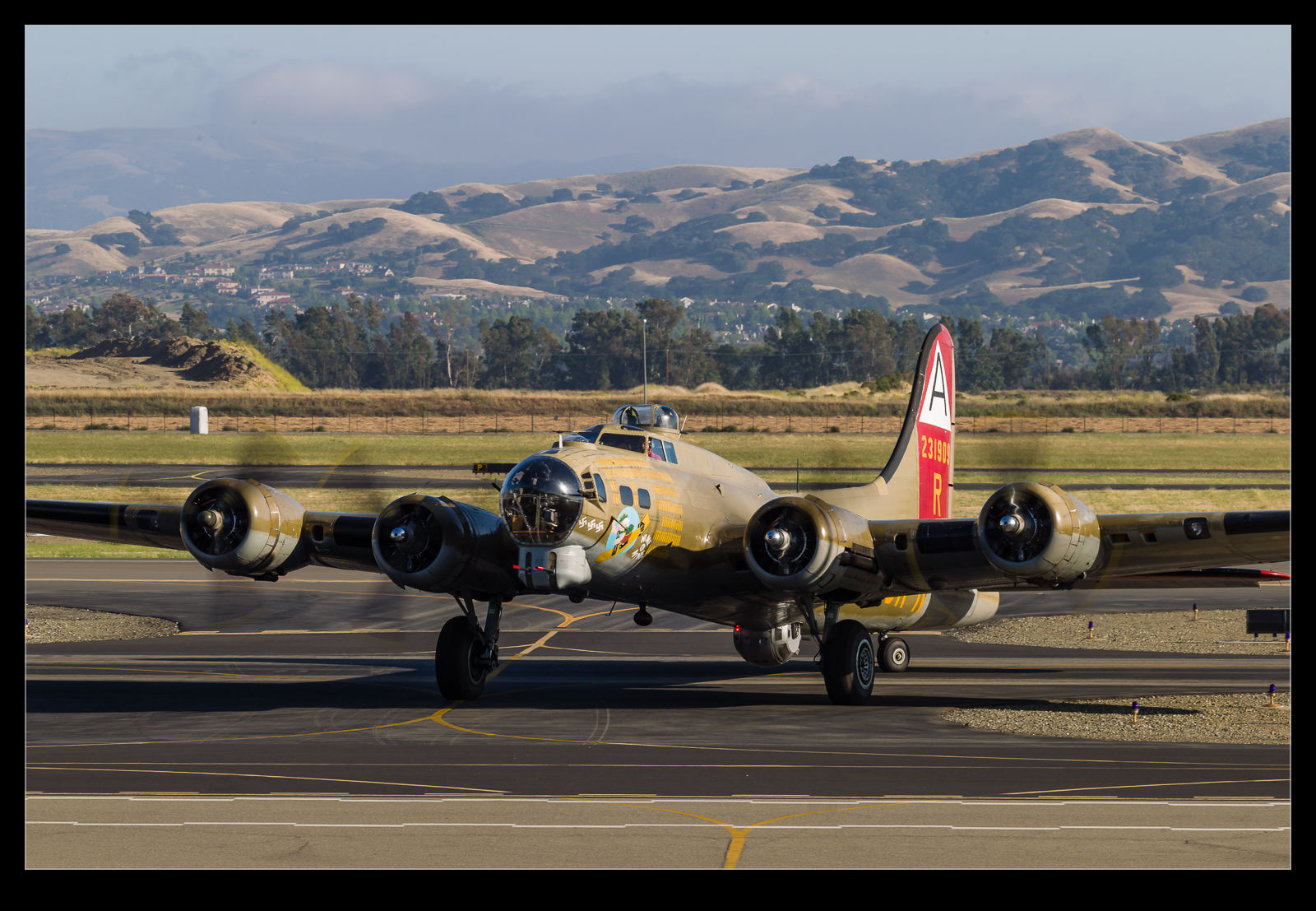
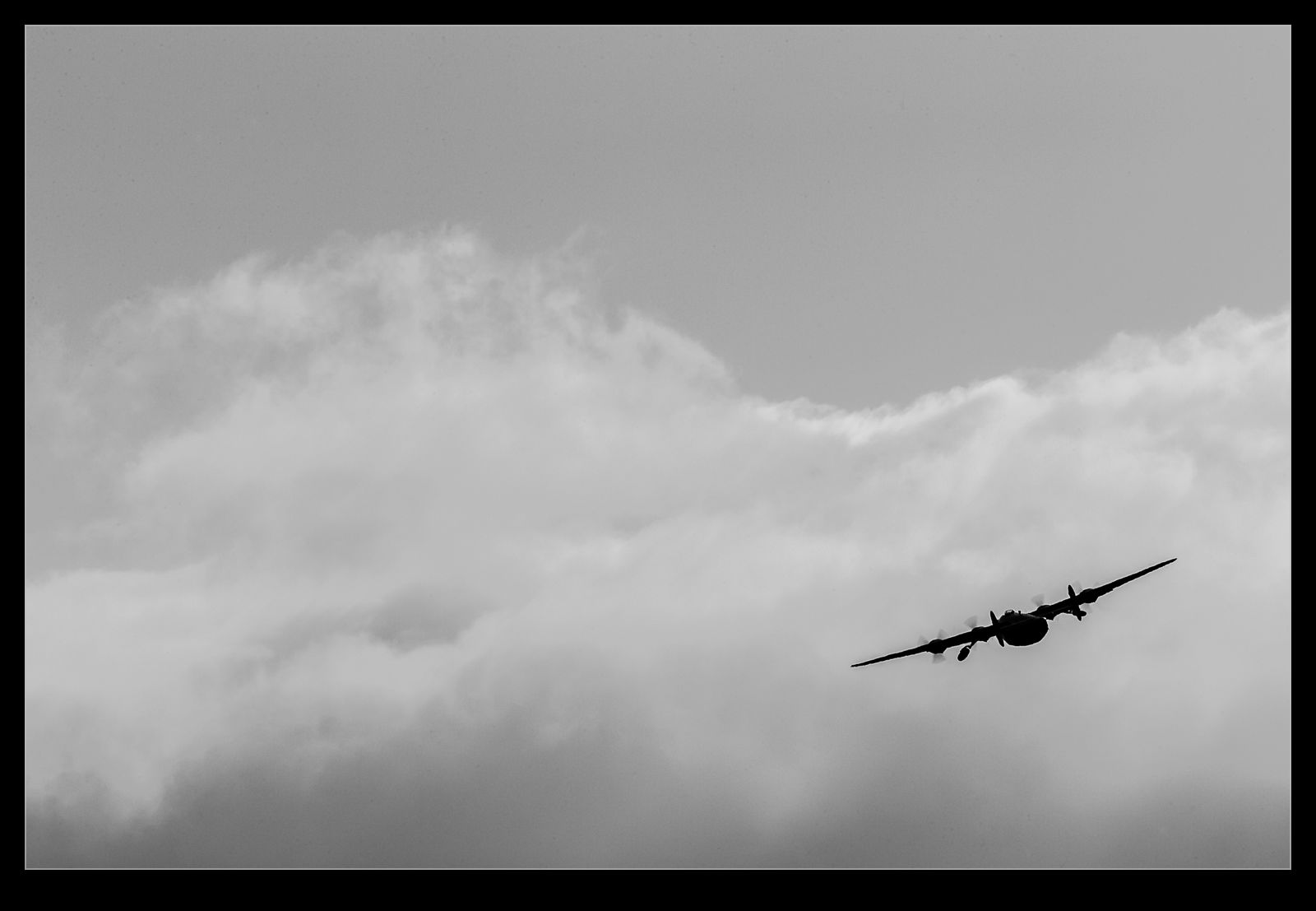
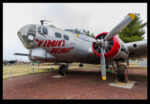
AU0E7640.jpgWhatever the limitations, having the P-51, the B-24 and the B-17 on display is always nice and worth taking time out for given that it is so close to home.

Scorpion

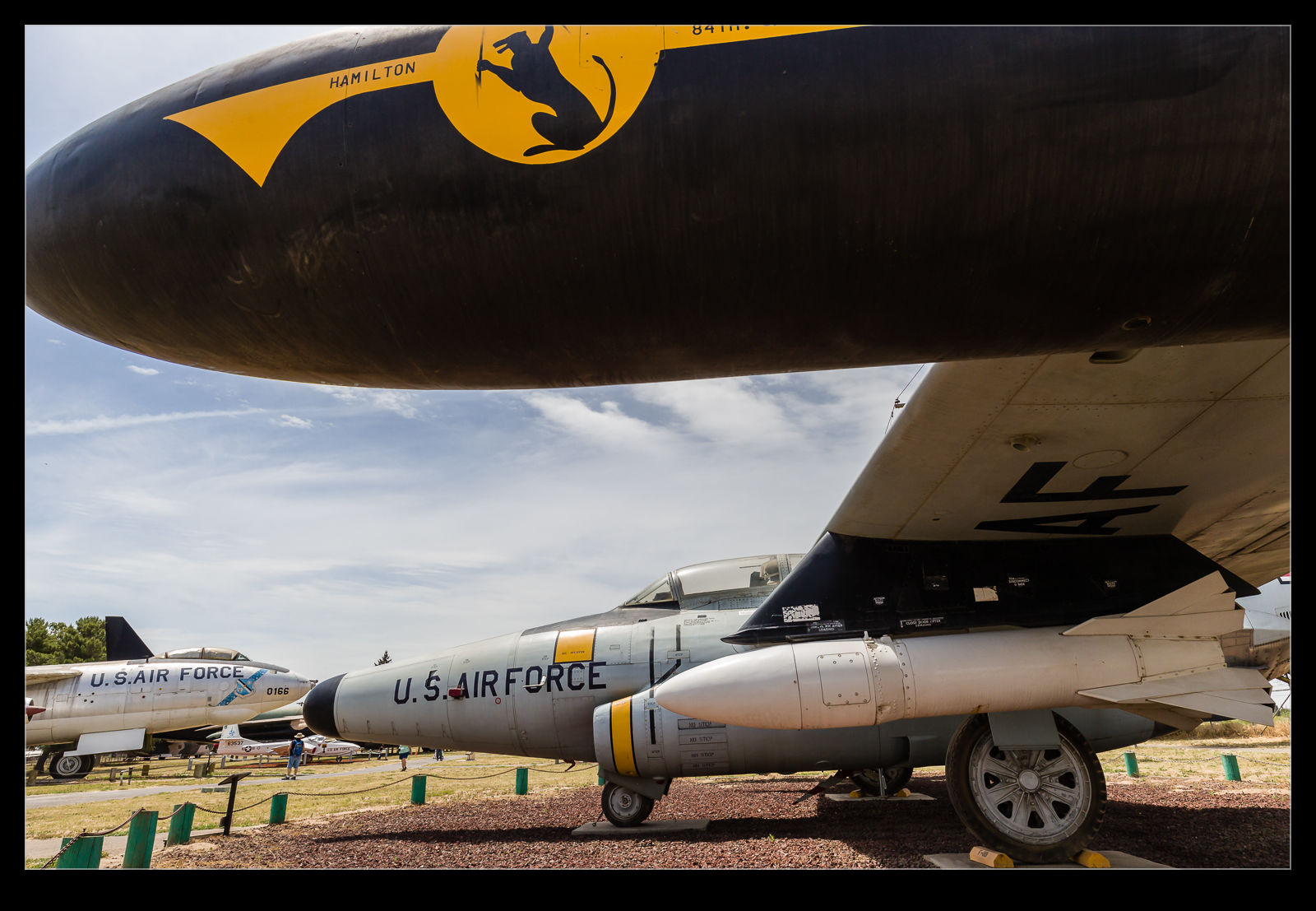
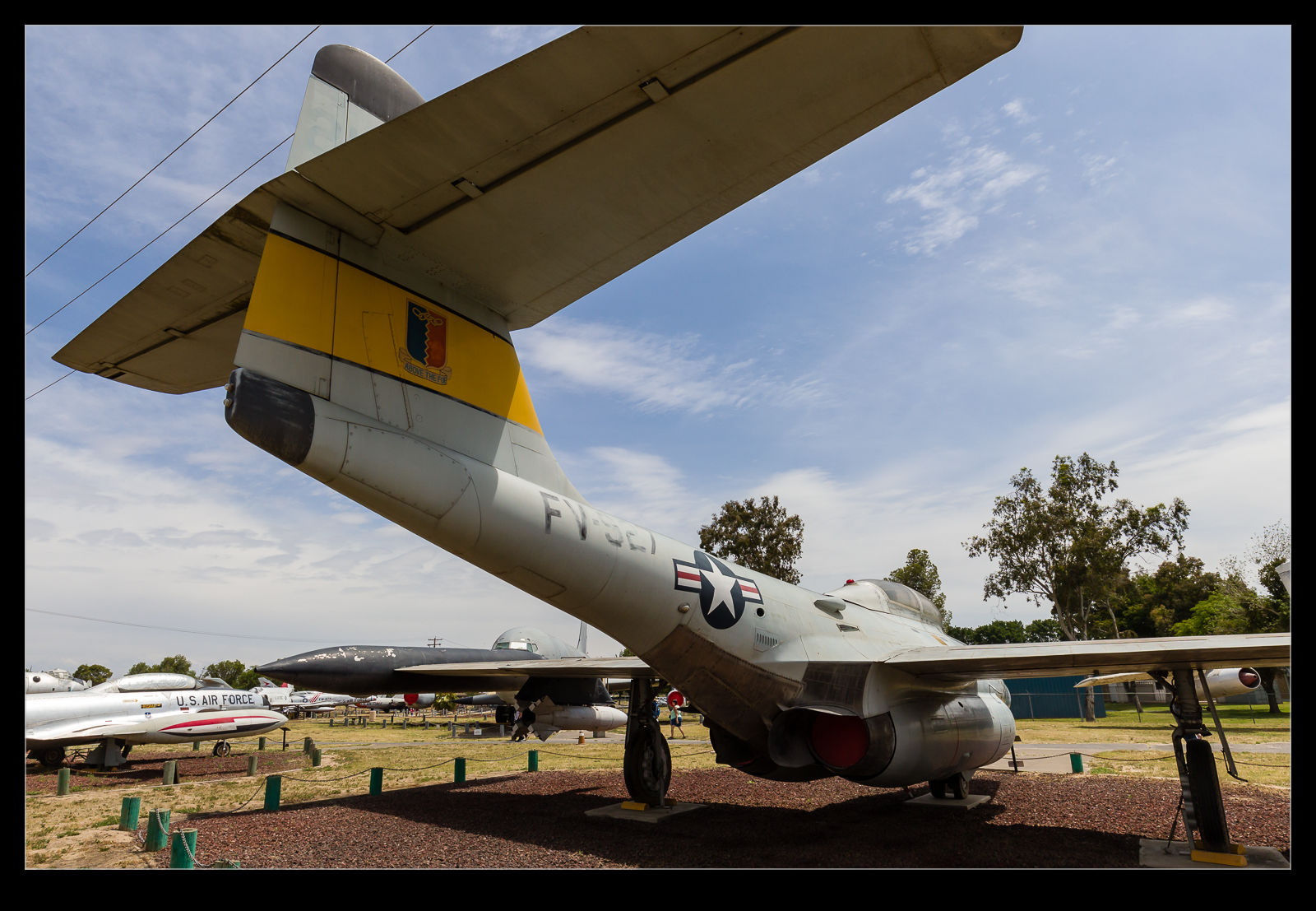
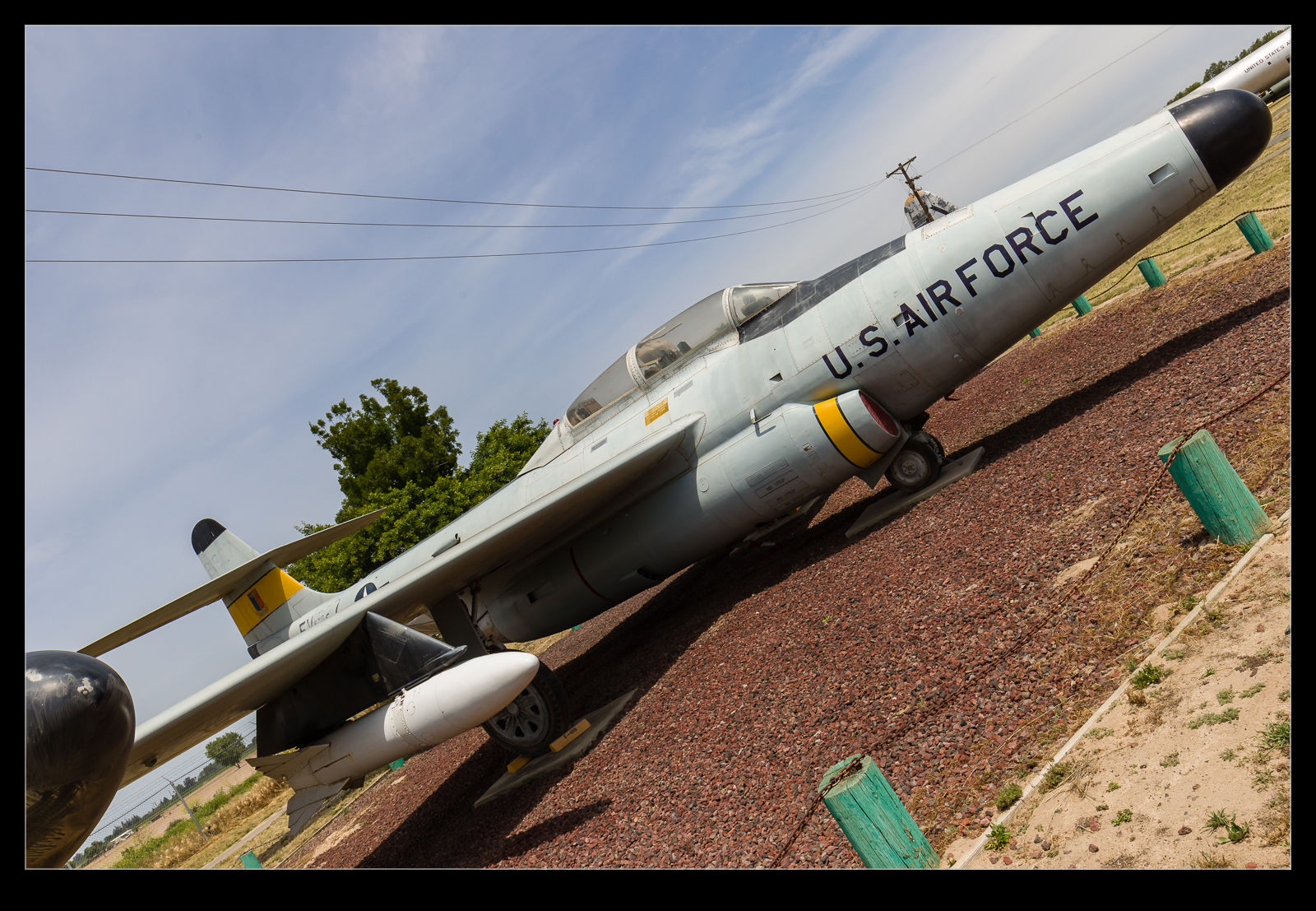
AU0E3957.jpgSome aircraft I blog about are ones that I find cool and wish I had seen in action. This is not one of those. However, it does interest me because it is so different from many of the types from the same era. This is the Northrop F-89 Scorpion. The Castle Air Museum has an example on display and I have seen a few scattered around various museums. The Scorpion is, in theory at least, a fighter. However, looking at it, you might be forgiven for not realizing this. It is a big beast of a lane with an unswept wing and a decidedly chubby appearance.

AU0E3959.jpgIt’s role was to shoot down bombers heading to the US. It was made in an era when jet engines were famously inefficient and having long range and endurance was tricky for a fighter. In order to operate far enough out to shoot the bombers while they were still out of range of their targets, the Scorpion focused on efficiency. It was not a maneuvering fighter. Its job was to get close enough to the bombers to launch its missiles.

AU0E3961.jpgThese missiles look a bit odd too. They are not your traditional air to air missile designed for speed and agility. They also didn’t need to be. The Genie missile had a special warhead. It was a nuclear weapon. As long as it was reasonably close to the target, it was going to take it down. No clever tracking and requirement to get close to have the required effect. Ultimately, this combination was only suitable for a relatively limited type of target and the focus moved to newer fighters and missiles (although the nuclear armed missile concept lasted a lot longer). The Scorpion went into the history books.

One other aspect of the Scorpion is of interest. It had large wing tip fuel tanks to increase endurance. Someone came up with the idea of equipping the jet with unguided rockets and these were installed in the front of the tip tanks. I’m sure it was well worked out but the idea of having rocket exhaust plumes on the front of a fuel tank seemed bizarre to me as a kid.

F-101 Voodoo

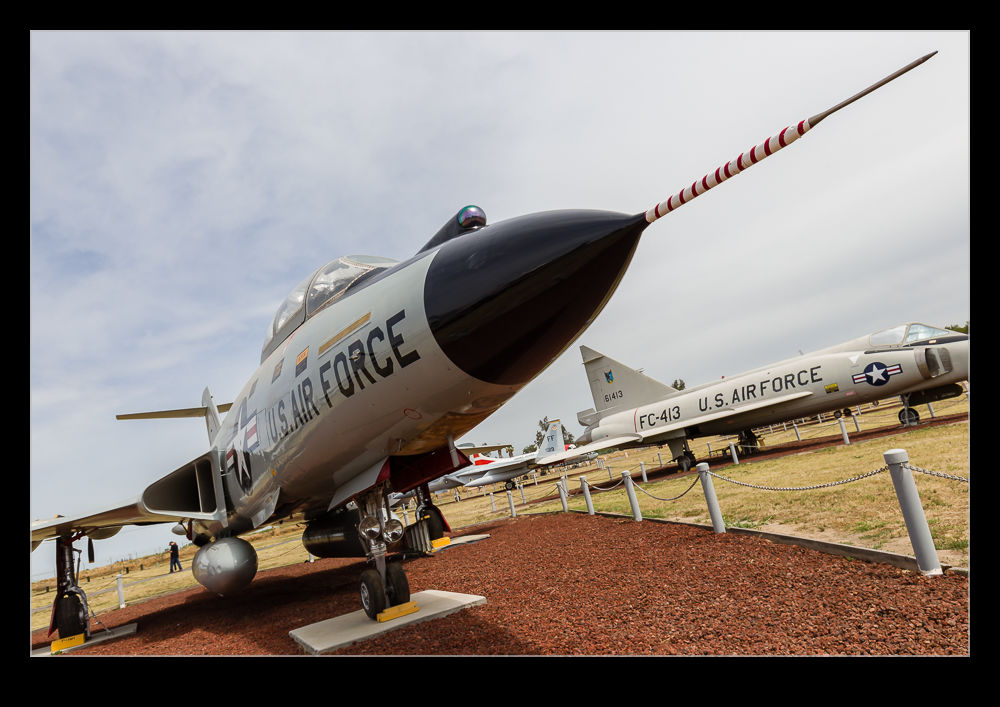
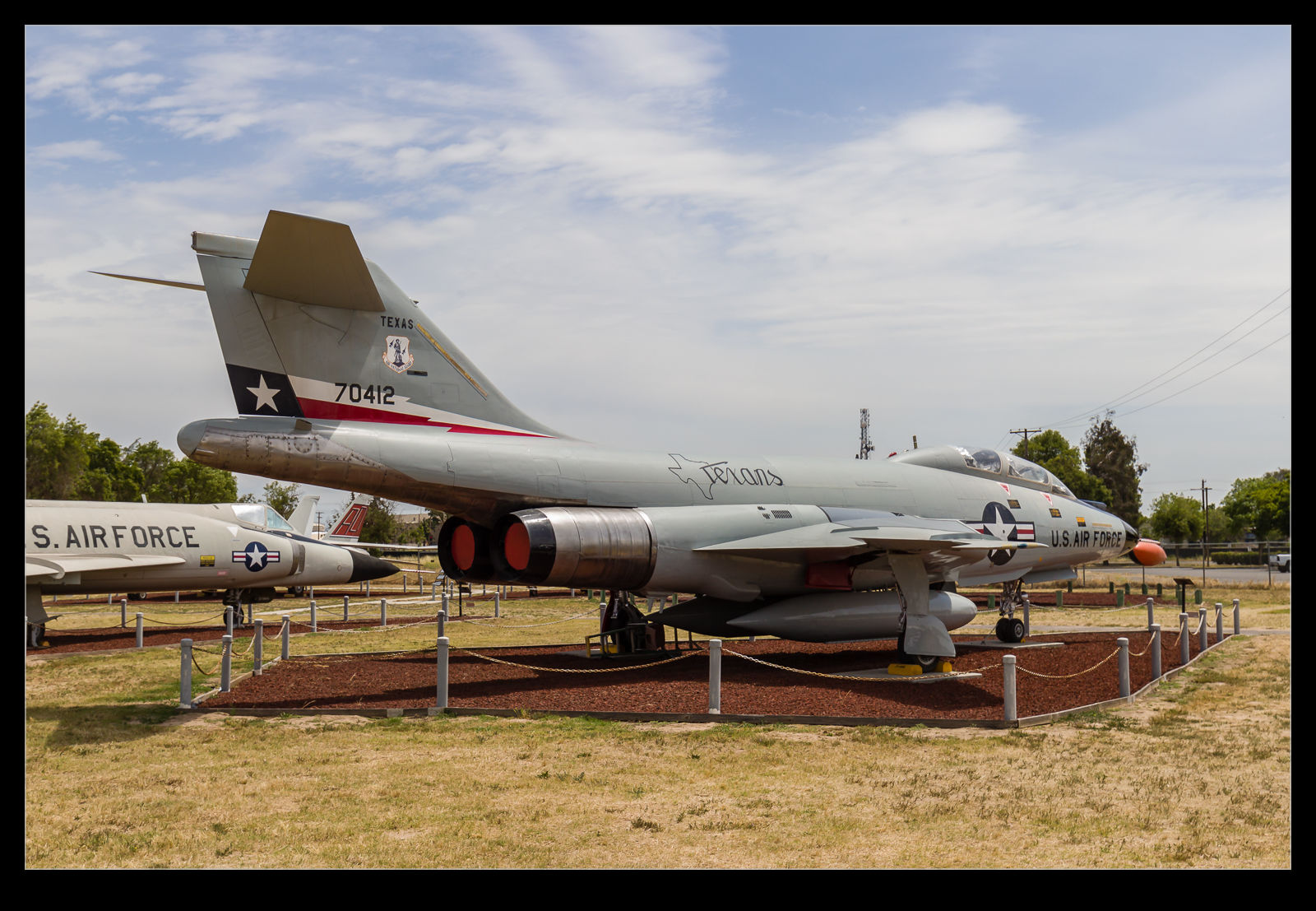
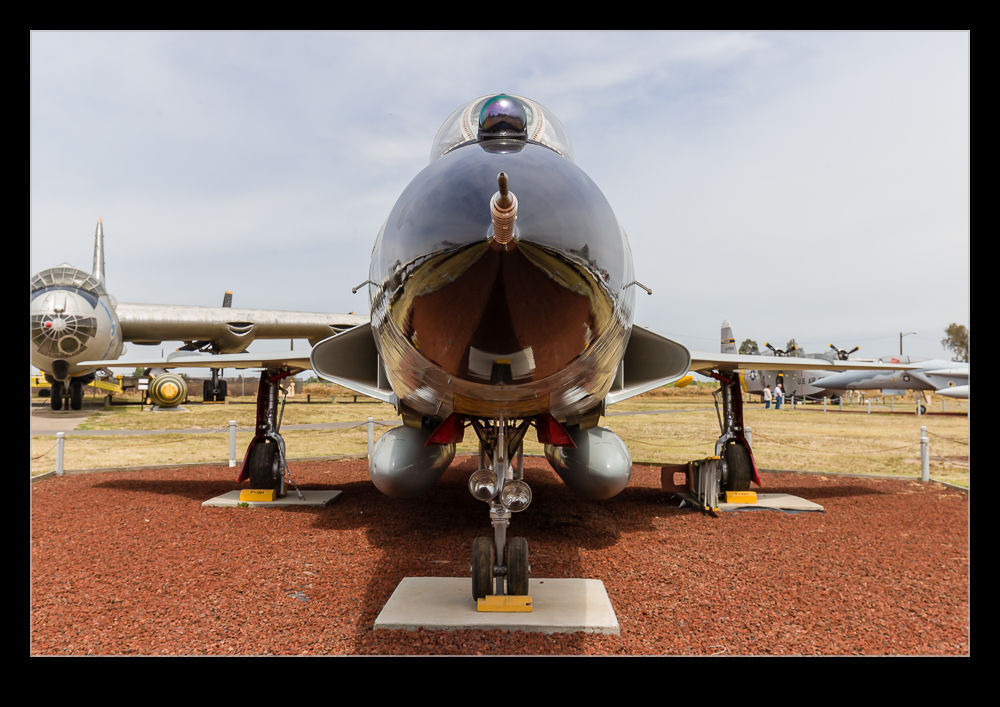
AU0E3855.jpgThe number of aircraft that I wish I had seen but flew either before I was born or when I was too young to get to see them is pretty high. Some of them were actually active but I just never got to see them in action. These are the ones that are more frustrating even though there was no way I was going to have been able to see the, at the time. One such type is the F-101 Voodoo. This is an aircraft that I saw in some of my (many) aircraft books. I am not sure what it was exactly that grabbed my attention but one element was the huge jet pipes along the lower rear fuselage. These seemed unusual to me and gave me the impression of power to go with the sleek fuselage design.

AU0E3946.jpgFighters of that era were very focused on speed, often at the expense of maneuverability. They had small wings so didn’t turn too quickly but they got where they were going in a hurry. That seemed cool to me at the time. Since I never saw them fly, my only option is now to find examples at museums. The Castle Air Museum has one on display and I was very pleased to see it. Everything about the plane looks interesting. The long fuselage, the T-tail configuration, the crank to the wing, the triangular inlets – all of these make it attention grabbing. I wonder how much the engineers at McDonnell enjoyed designing this jet and then seeing it fly. It met a few roles quite well. The Canadians us d it as a long range interceptor patrolling the extensive air space that country has. The USAF turned in into quite a capable reconnaissance platform. Whether it is judged as a success from a historical perspective I do not really know. I just like the look of them and I’m always happy to find a preserved copy.

AU0E3856.jpg

Castle Air Museum

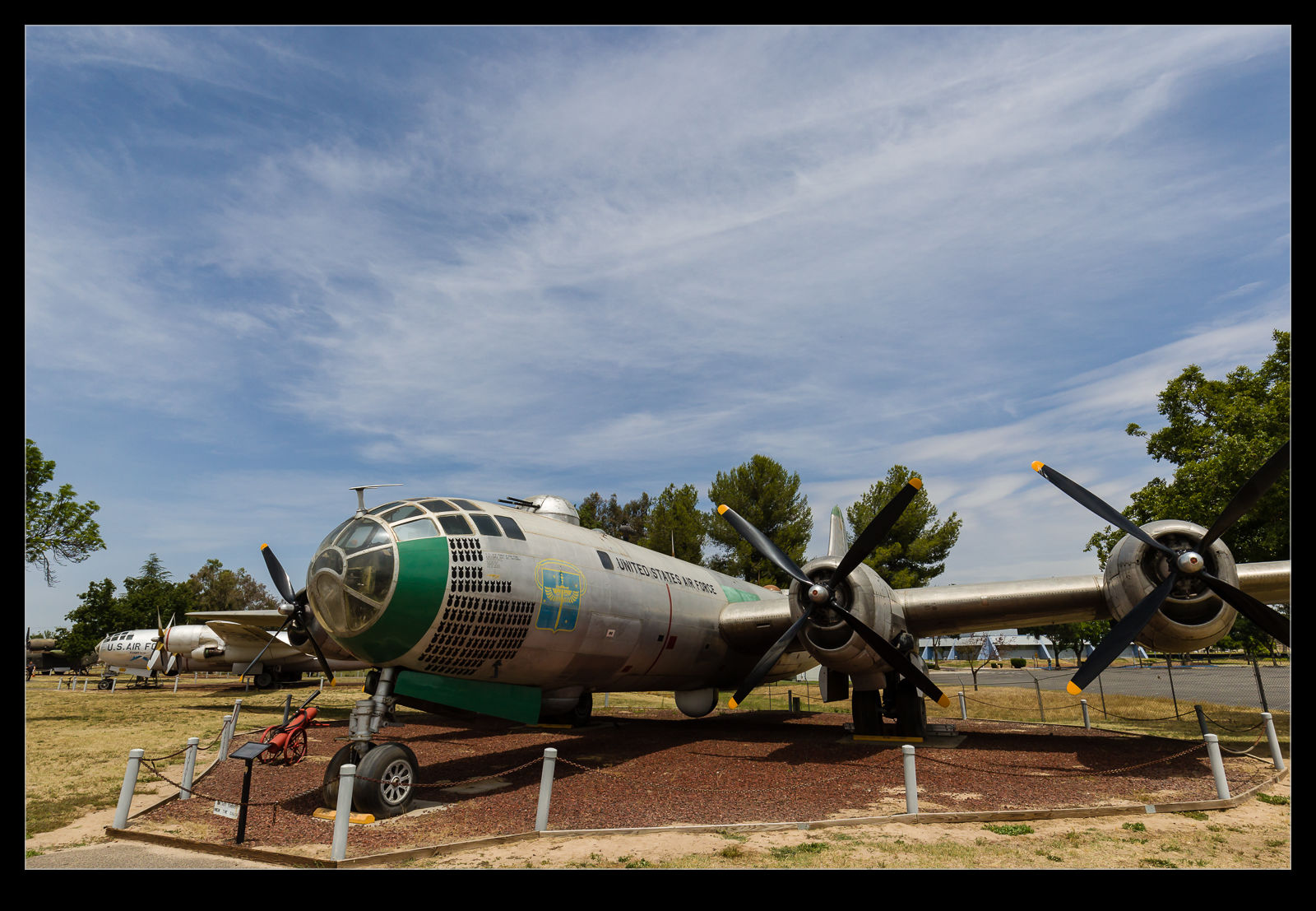
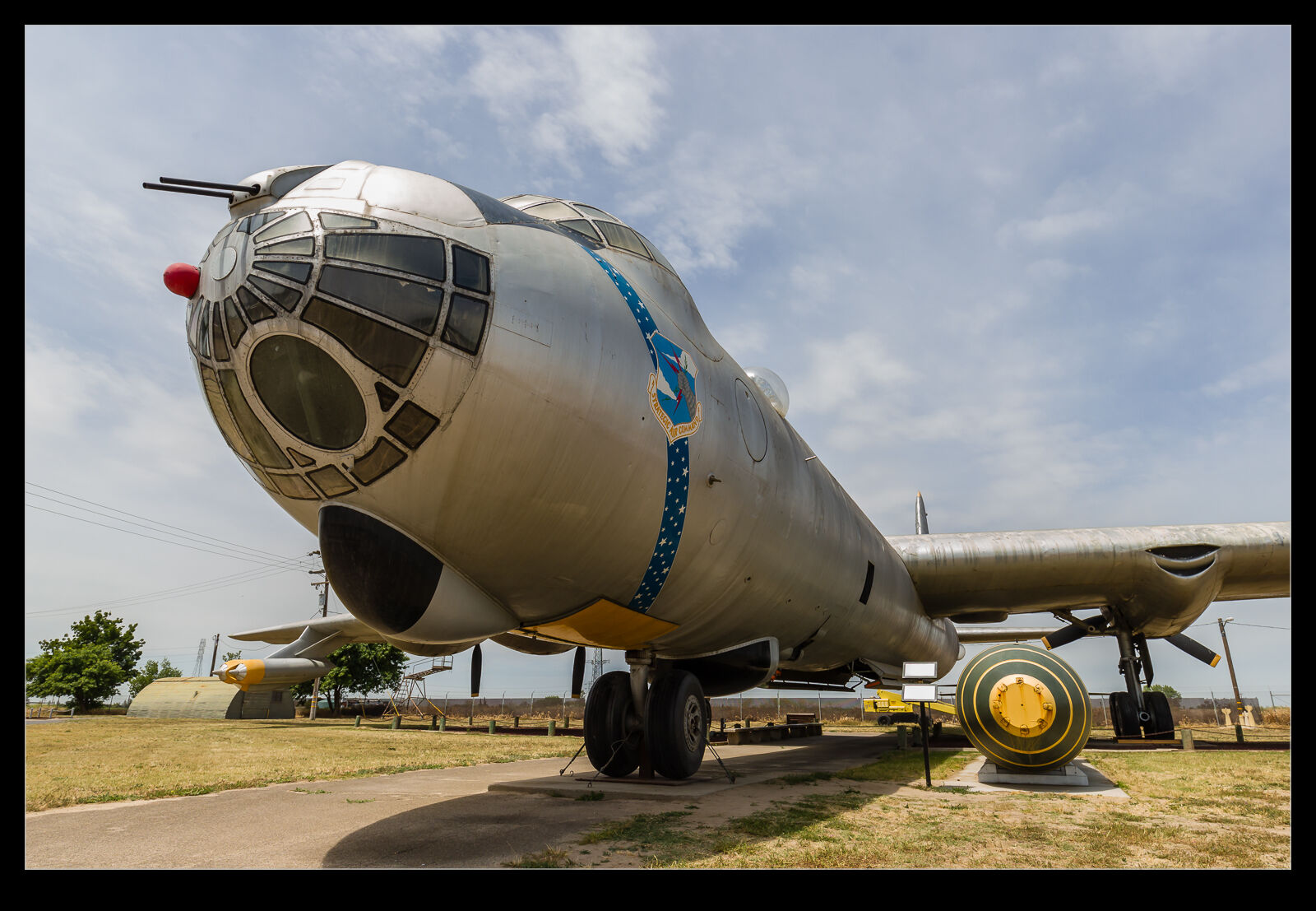
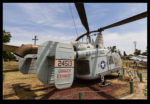
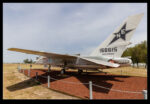
AU0E4021-HDR.jpgIt’s quite strange to think that I live about 90 minutes from a major air museum but have not been to it since moving here. Such is the case with the Castle Air Museum in Atwater CA. Located on the edge of what used to be Castle AFB, the museum has an extensive collection of Cold War and Second World War types, predominantly from the US but also with a variety of types from other countries. The majority of the collection is located outside which, given this is the central valley, should mean it is pretty sunny. How I managed to get there on a cloudy day I do not know. However, it was indeed overcast when we started walking around. Things did clear up a bit later on, though, so I actually went back to get a few extra shots of things I had seen early on.

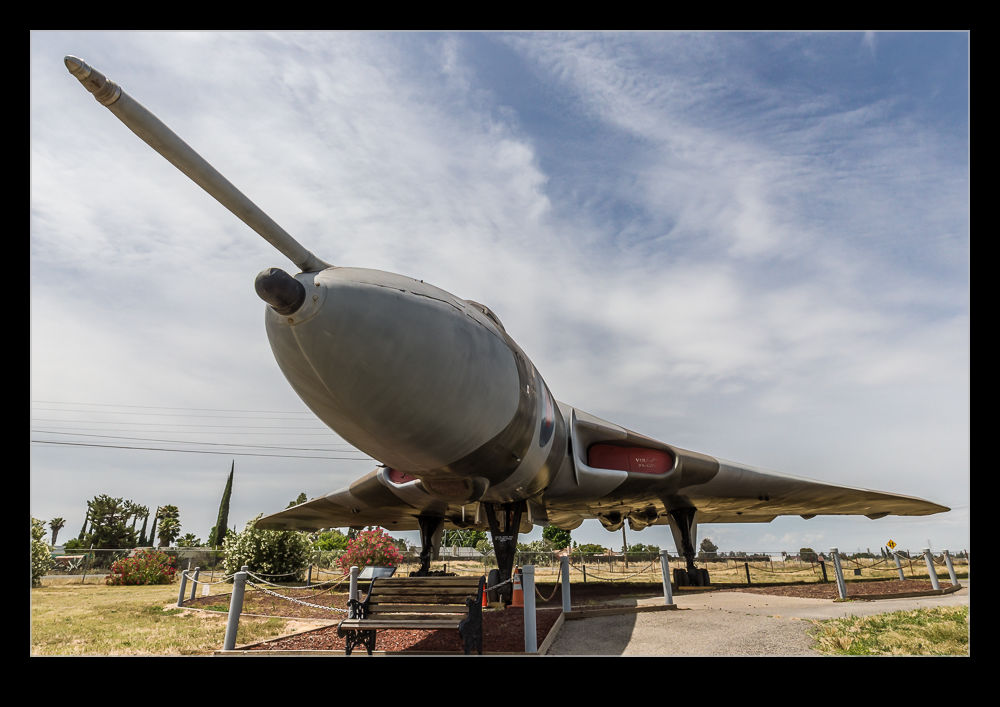
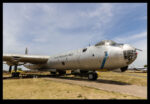
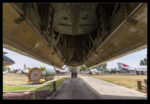
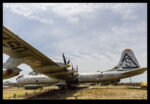
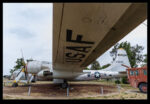
AU0E4048.jpgAs a one-time SAC bomber base, there are quite a few large bombers on display. From the B-29 and B-50 through the enormous B-36 Peacemaker (got to love irony) up to the B-47 and B-52 strategic jets, there are all sorts. Some rarer bomber types are also on show. Not necessarily successful ones but they add to the collection. The Brits are also represented with a Vulcan on display.

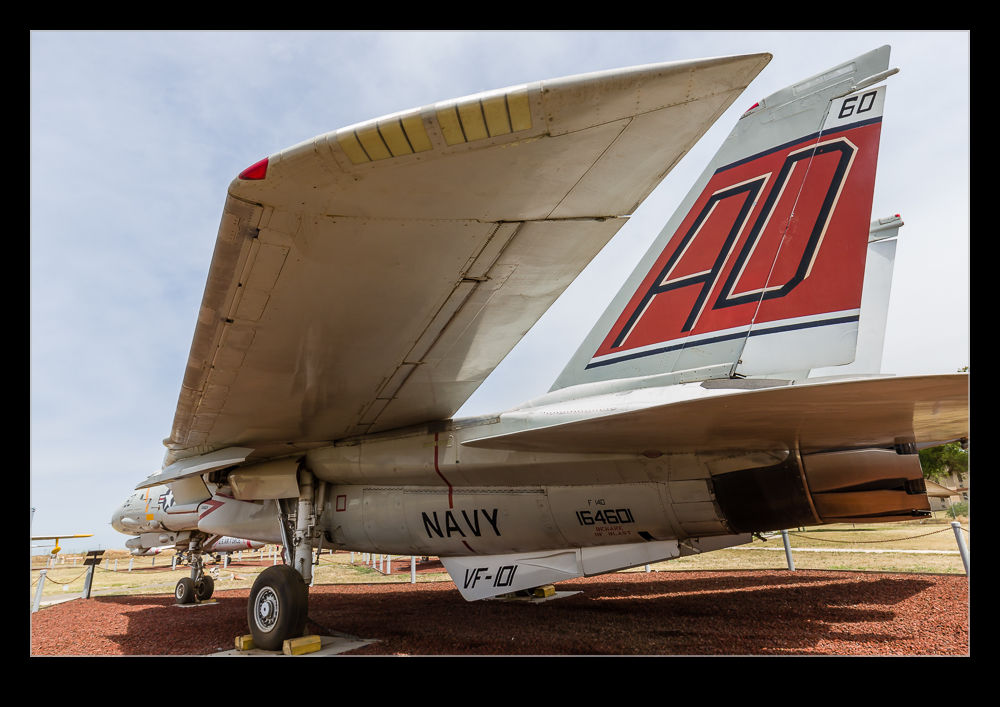
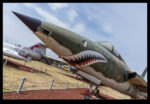
AU0E3943.jpgIt isn’t just bombers though. Plenty of fighters and trainers are included in the collection and a good number come from the US Navy so, despite the base having a USAF history, they have covered both services well. There is enough space to have all of the aircraft well spread out so you can appreciate them from many angles. You also get quite a walk in if you take a look at everything.

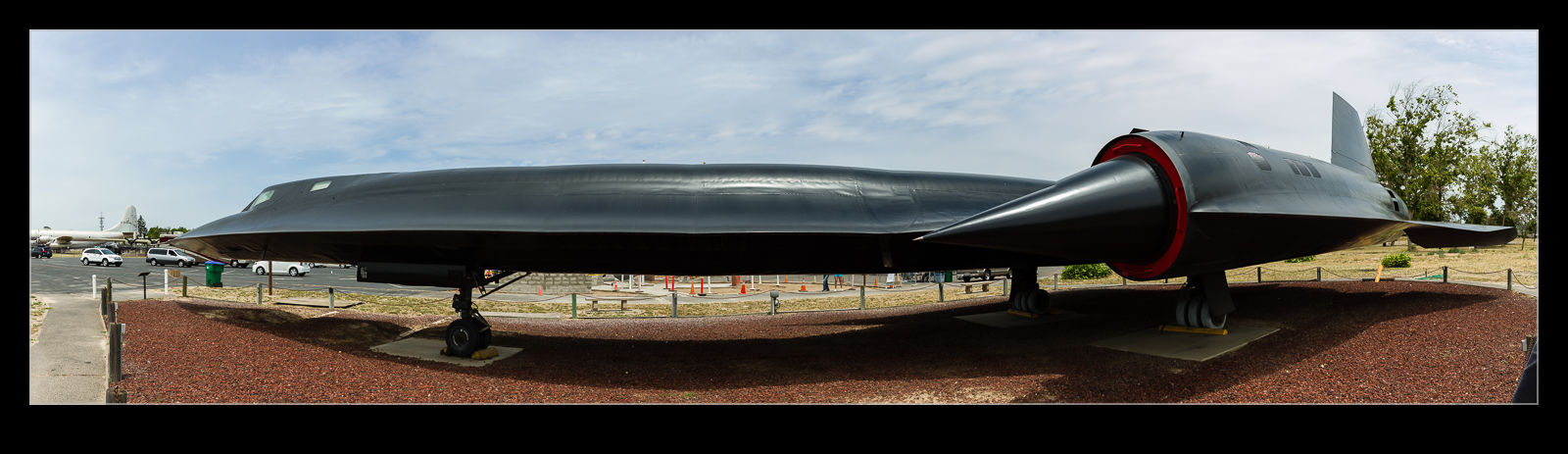
AU0E4062-Pano.jpgOne of the nice additions is an SR-71 Blackbird. There are a few SR-71s on display but not a huge number and seeing another one is always cool. However, they are quite tricky to photograph, particularly outdoors when the black paint scheme really makes for a strong contrast with the daylight. Still worth a go though.

AU0E3874.jpgThere are a few types on display that are worthy of a little extra time so I may post about them separately. If you have even a vague interest in planes, though, make a trip to this museum. Nancy came along and, while she is not a big fan of planes, she found the variety of types quite interesting. High praise indeed!

AU0E3802.jpg