Tag Archives: fighter

Two Aborts in One Launch

C59F6599.jpgRed Flag missions are two periods of intense activity with an intermediate phase of nothing much. The launch develops in to a steady stream of jets taking off as everyone gets airborne for their phase of the mission. They have been preceded by the tankers and AWACS who are setting up to manage the throughout of the smaller jets. Once everyone is gone, the simulated war is occurring somewhere else. Then, everything starts to come back with a steady stream of the jets breaking overhead and landing before the tankers and AWACS come back at the end.
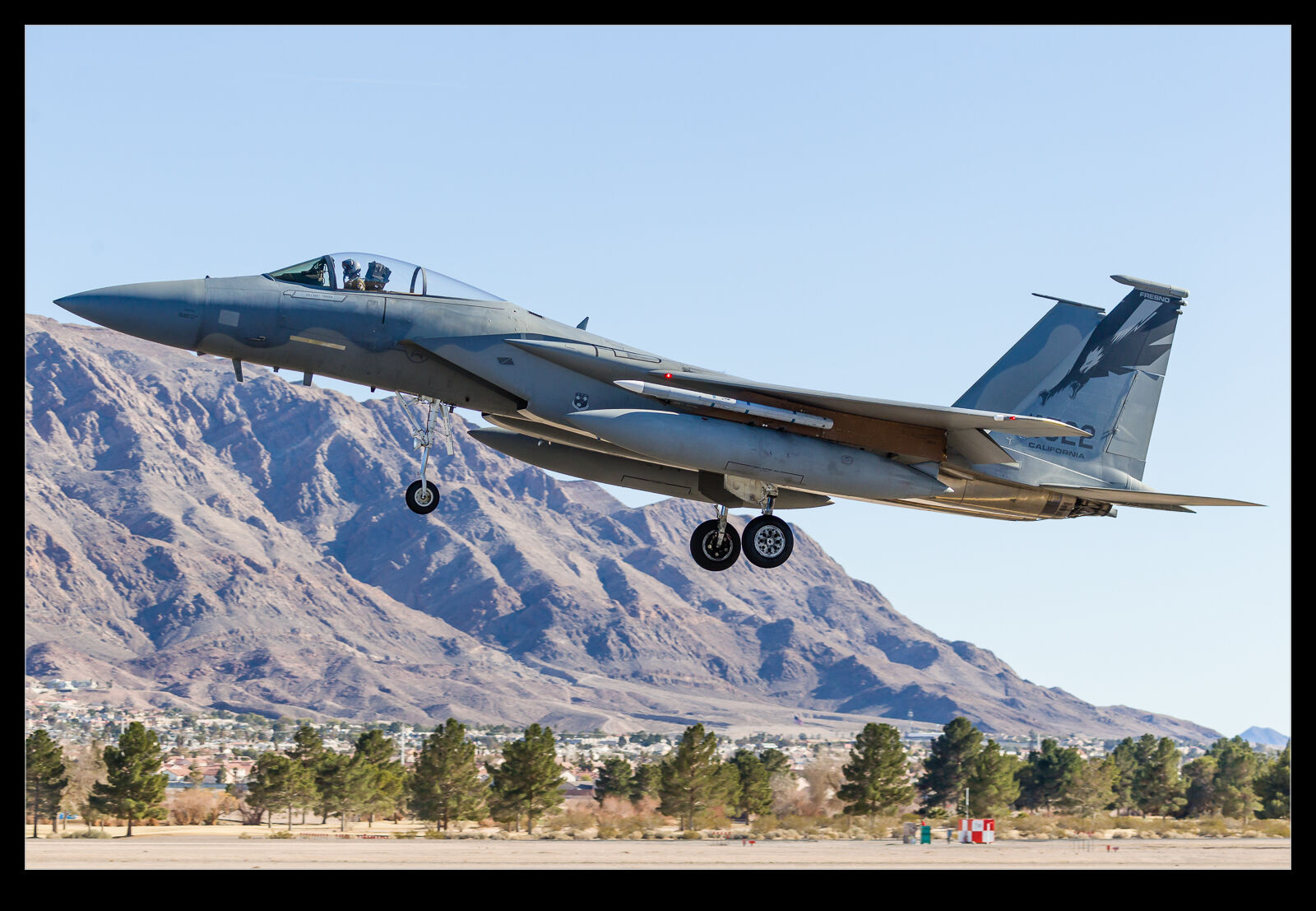
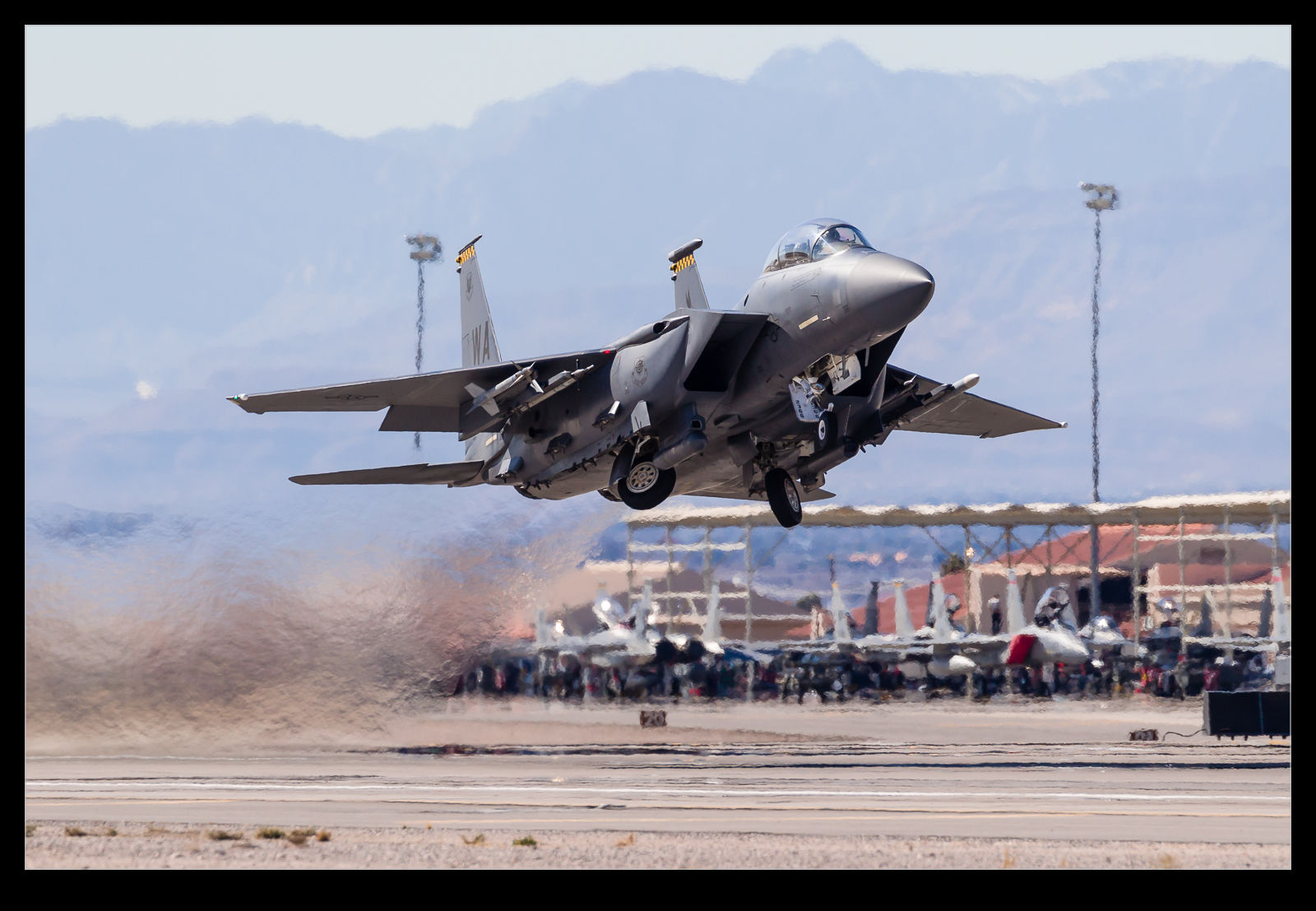
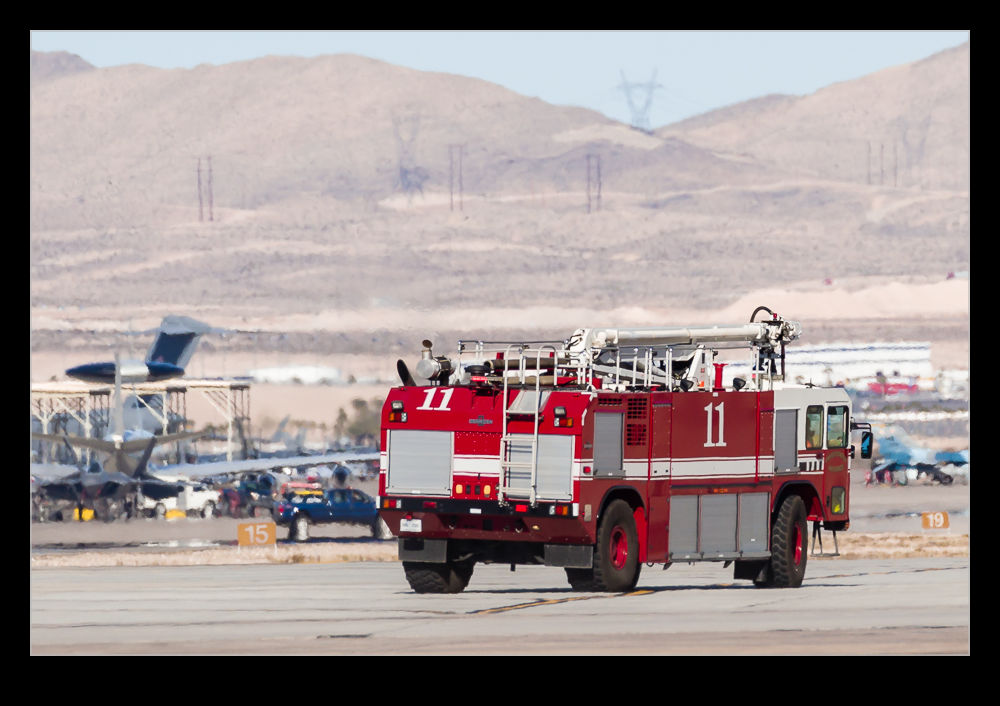
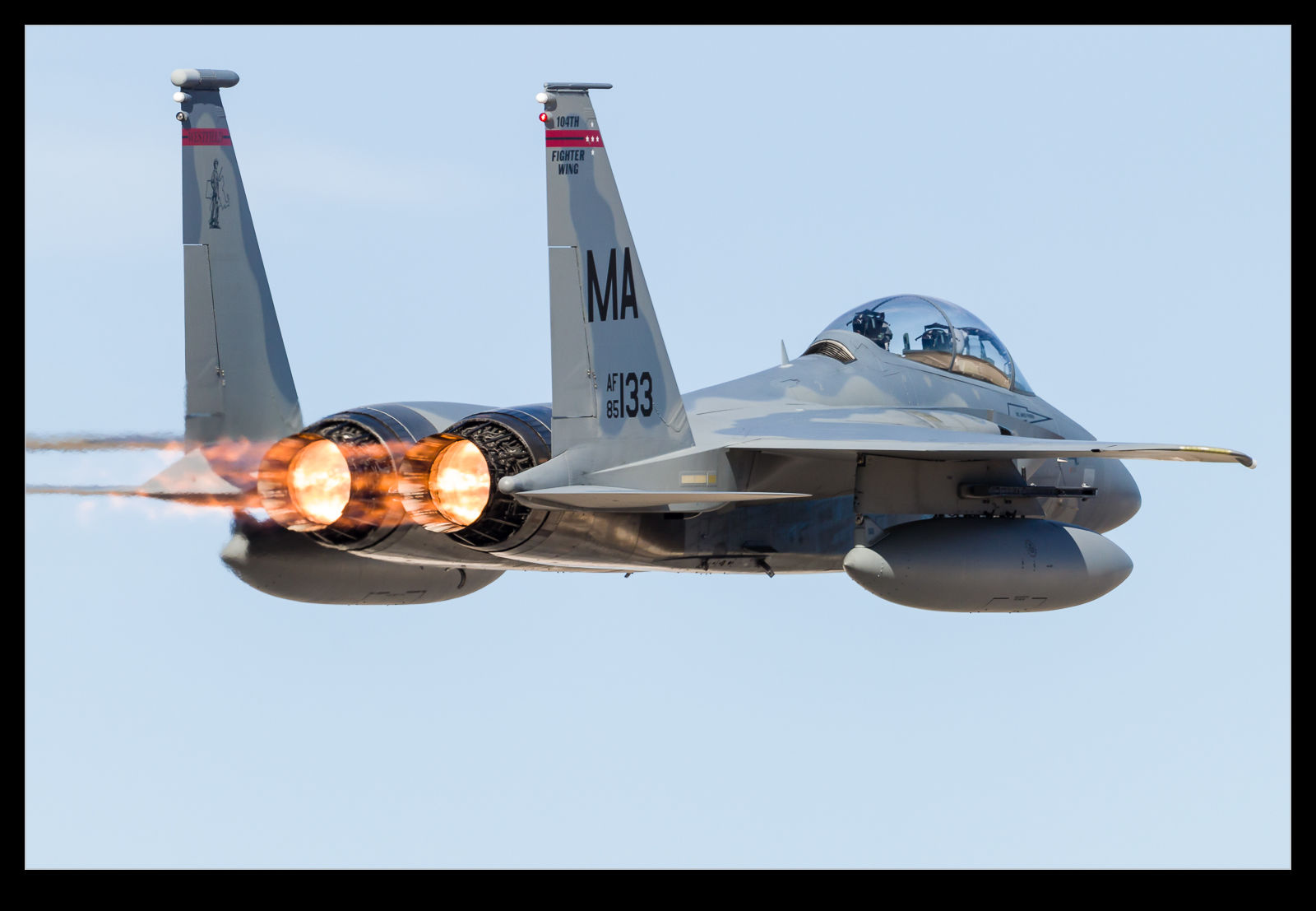
C59F6489.jpgAfter the majority of the launch, we were at the EOR watching the occasional straggler go out or some based planes fitting in. Then we got a pair of F-15s come back. They flew an approach with one jet on the glide path while the other was clearly shepherding them in. The F-15 landed without incident and the wingman powered away to rejoin the flight. Some fire trucks rolled but everything seemed to be under control.
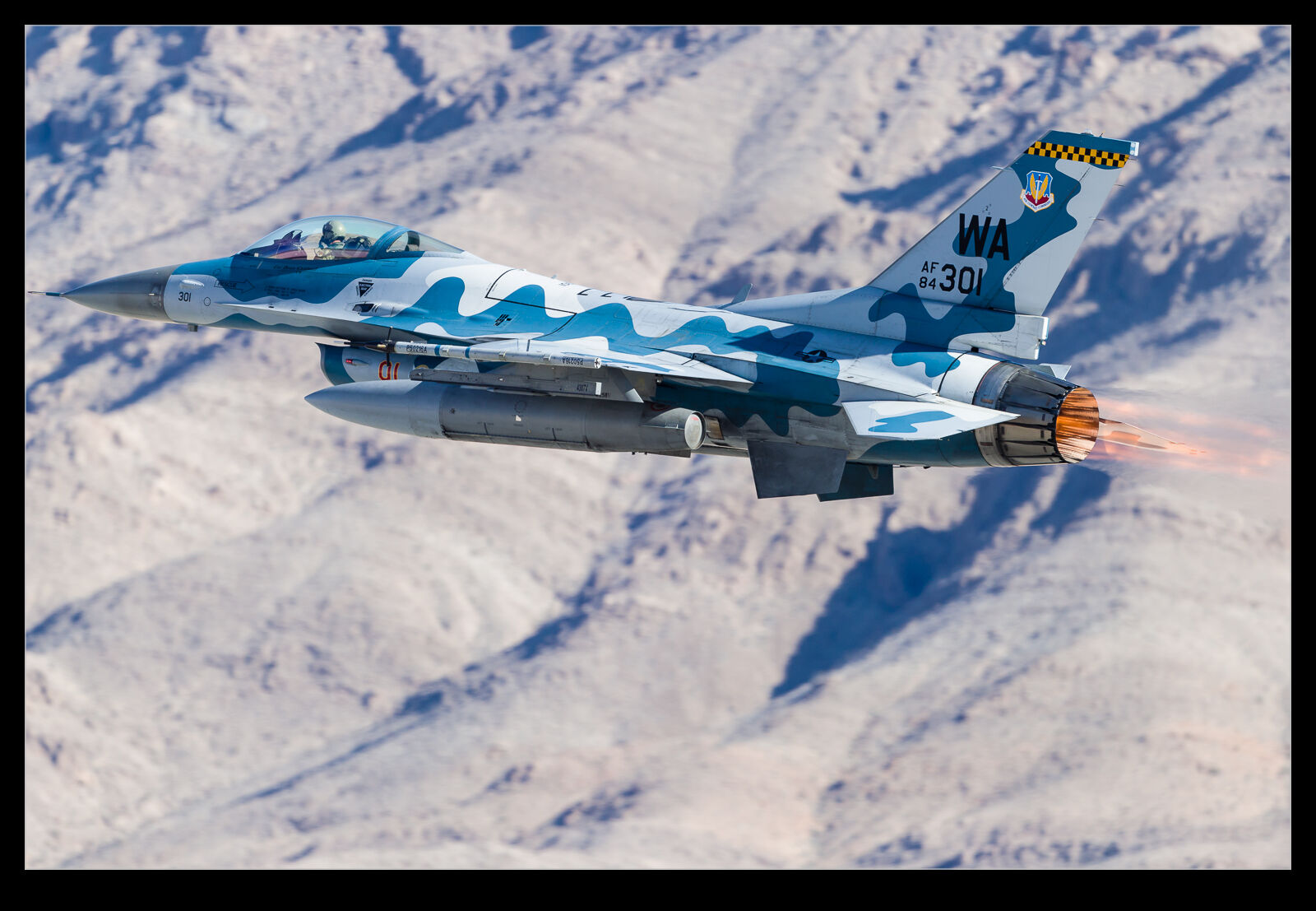
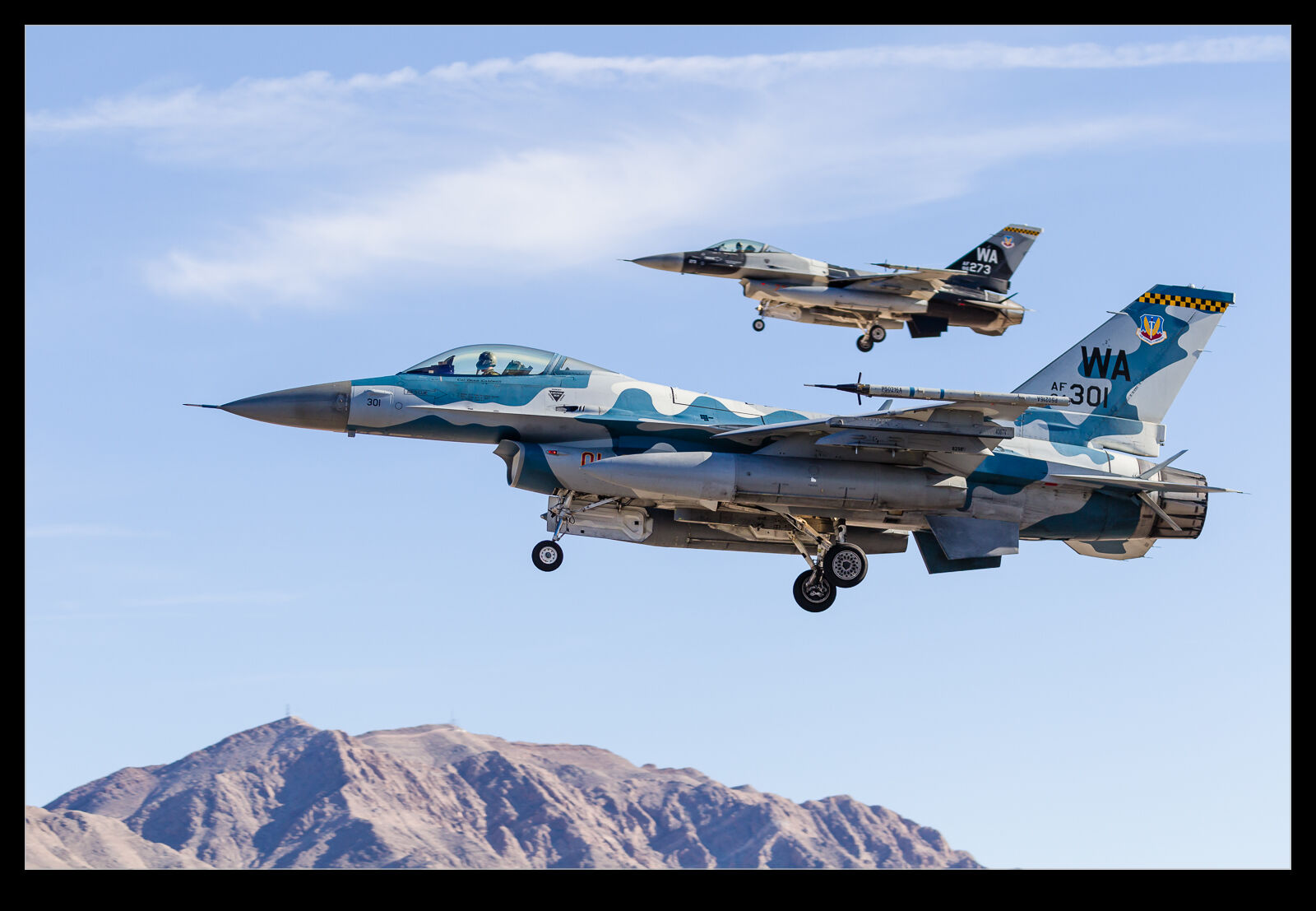
C59F6499.jpgNot long after we had stopped discussing this, a pair of aggressor F-16s came into view. The same procedure and one landed while the other shadowed them down the approach. With a safe touchdown, power on and back to the battle. Technical issues are not uncommon but I was surprised to get two in close succession. Everyone seems to have handled them appropriately and they appear to have ended without further incident.

C59F6497.jpg

Red Flag 16-1 Launch

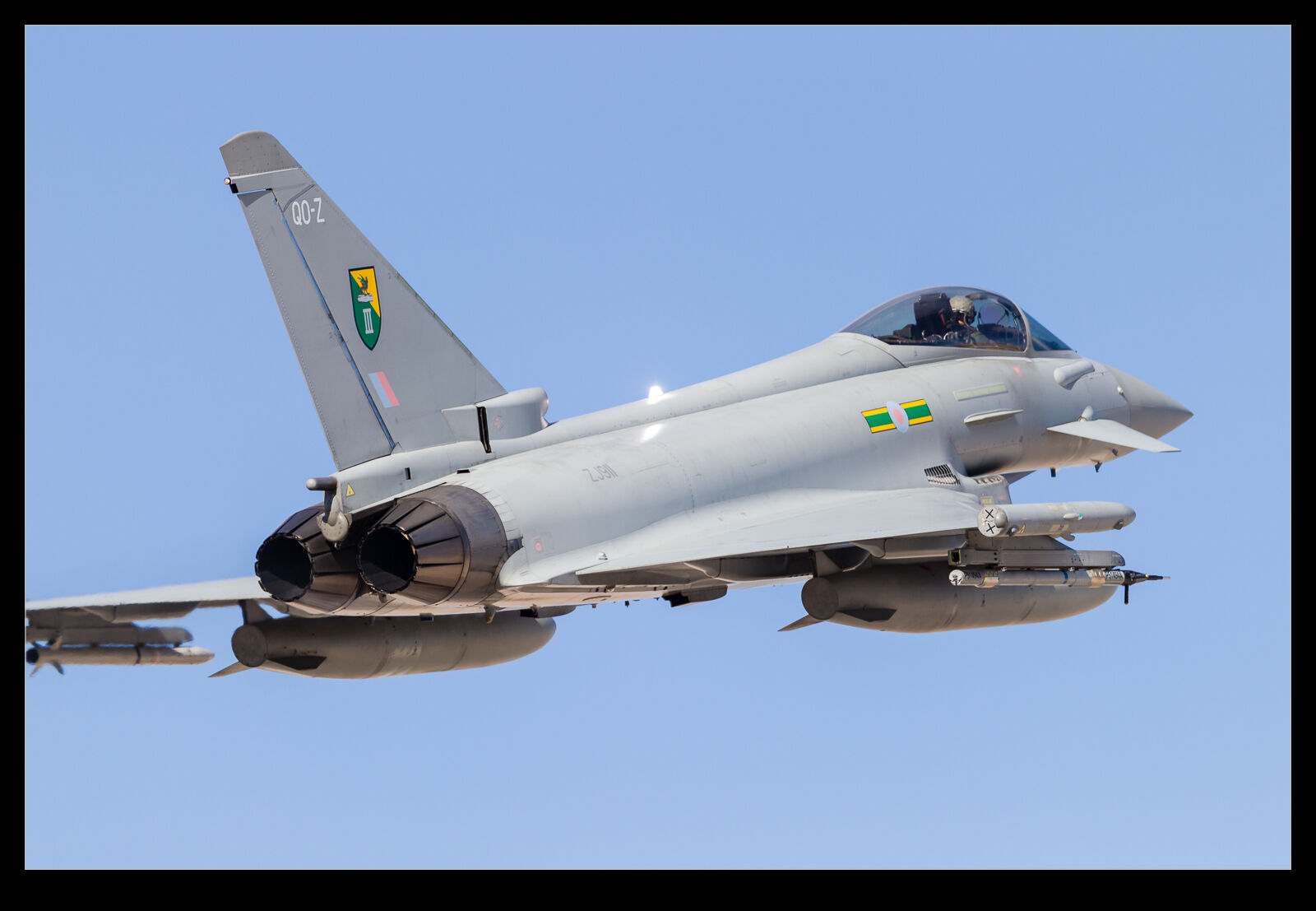
AU0E6309.jpgI might not be as regular at Red Flag exercises as some of my colleagues but I do try and get to at least one a year. The different events have differing levels of appeal. The winter means less hot weather but the sun angles can be very tricky. Sometimes there is a lack of overseas participation. In the case of 16-1, there was a planned attendance from the Royal Australian Air Force with a variety of types as well as the RAF bringing Typhoons and a Hercules. My UK friends would be interested in the other participants but I like to see the RAF stuff because I don’t normally see it.

C59F3356.jpgLaunches follow a pretty regular pattern. The AEW aircraft gets up first followed by the tankers. Then the bombers head up and the rest of the aircraft stream out. They tend to launch to the northeast and recover in the opposite direction. The launch means a lot of backlighting of the aircraft. There have been times when they launch to the southwest but, sadly, I have never been there for one of those. Recoveries are into the light usually which helps. Unfortunately, some changes in the procedures meant that we did not get a full recovery on base.

C59F3291.jpgWe were quite lucky as the following day the winds picked up and the recoveries were made in the same direction as the launch which would not have made for good photo opportunities. The launch is always an interesting challenge. They launch from both runways so you find yourself deciding which side is going next and scurrying back and forth. You also have some aircraft on the banned list so you have to make sure you know what each plane is before you shoot it. This can involve being able to shoot one unit’s aircraft of a given type but not another’s. Still, it’s better than being at work.

AU0E6577.jpgAU0E6551.jpgAU0E6689.jpg

Another Night Launch on a Cold and Windy Night

C59F5307.jpgThe evening launch at Red Flag is something I have had a go at on a number of occasions. Consequently, regular readers that pay close attention may feel that this post is a bit repetitive and they would be correct. I was a bit better prepared for the night launch than on previous occasions. I had brought a cable release and a Gorillapod to allow me to have a bit better a set up for the time lapse video of the launch. Meanwhile, I was shooting handheld with the second body.

C59F5147.jpgSadly, a couple of things were not working in my favor. First, it was pretty windy and, while I had the camera set up on the hood of the car, it was a bit vulnerable to movement as the car moved in the wind and the camera vibrated on the pod. Consequently, some of the video is less than ideal. However, conditions did seem to settle down a bit and the later part of the video seems to steady up a bit.

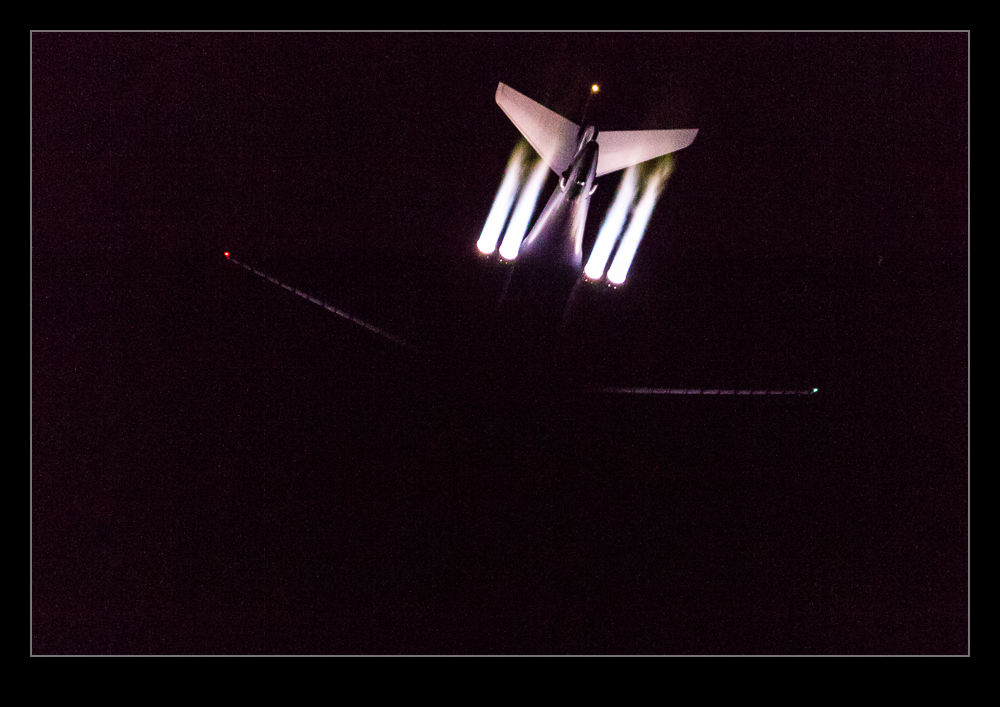
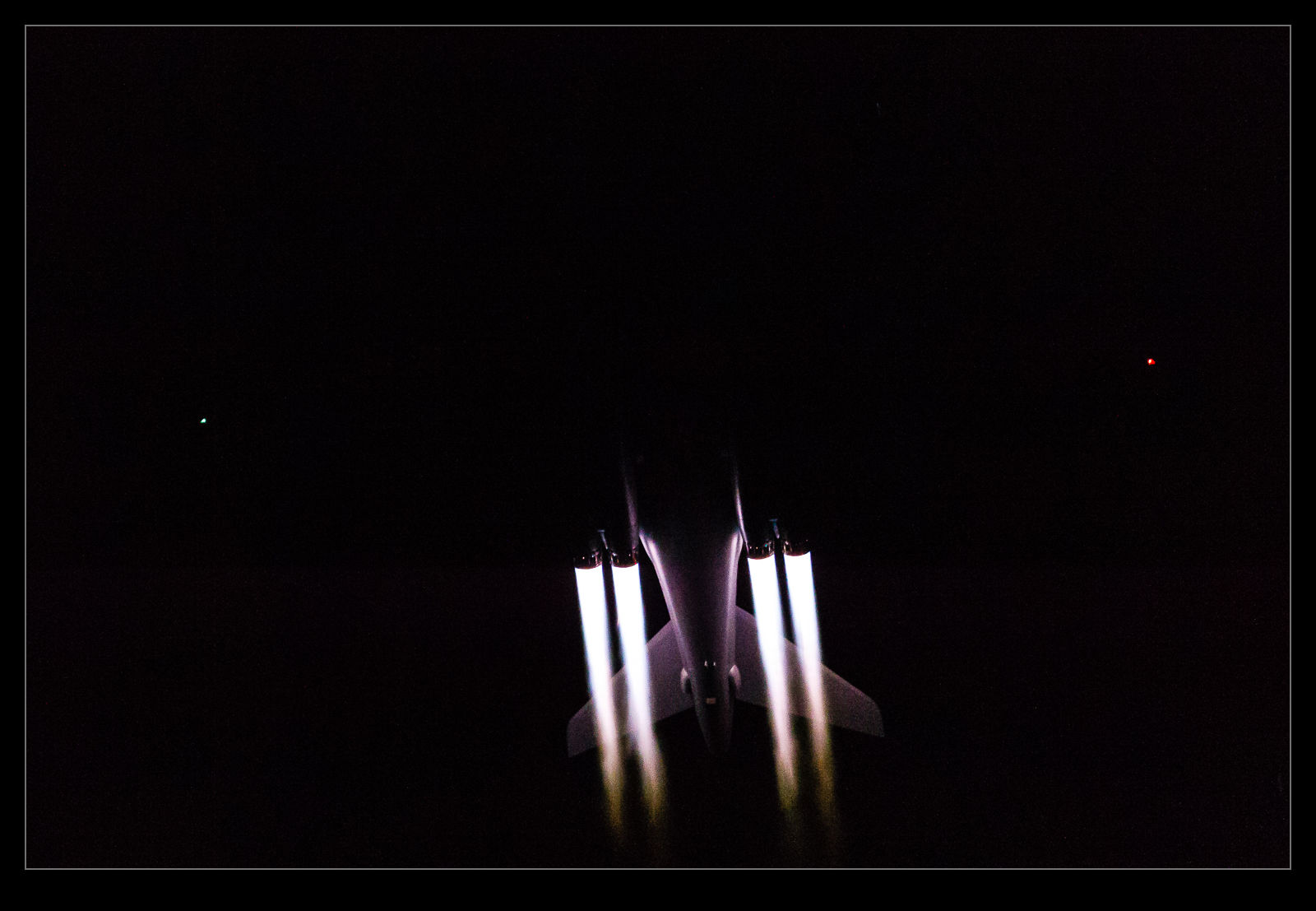
C59F5534.jpgSecond was that there was no moon. It was very dark and cold out there. I managed to get some shots of the B-1B launches but the only illumination was from the burners. No ambient light at all so they didn’t look as good as on previous attempts. I did try to stay for the whole launch and not to get the time lapse showing things in full swing when it ends but there is a limit to how long you want to hang out in the cold when everyone else has gone. I got most of the launch but I did see a bunch of jets head out as I passed the speedway. I probably should have tried getting some shots from there as they were still in burner at that point.

C59F5286.jpg

A Feel for the EOR

During the recent Red Flag 16-1, which I was covering for Global Aviation Resource, I got to spend a portion of the day at the South EOR.  EOR means end of the runway and this is where the planes come prior to taking off.  They go through their final checks before launching and we get to be very close to them.  I was mainly taking stills for the GAR feature but I got some video while I was there.  I wanted to have something that shows what it feels like and how close we were.  Consequently, some of the shots involve my fellow photographers so you can have some context of where we were.

The Aussies Are in Town

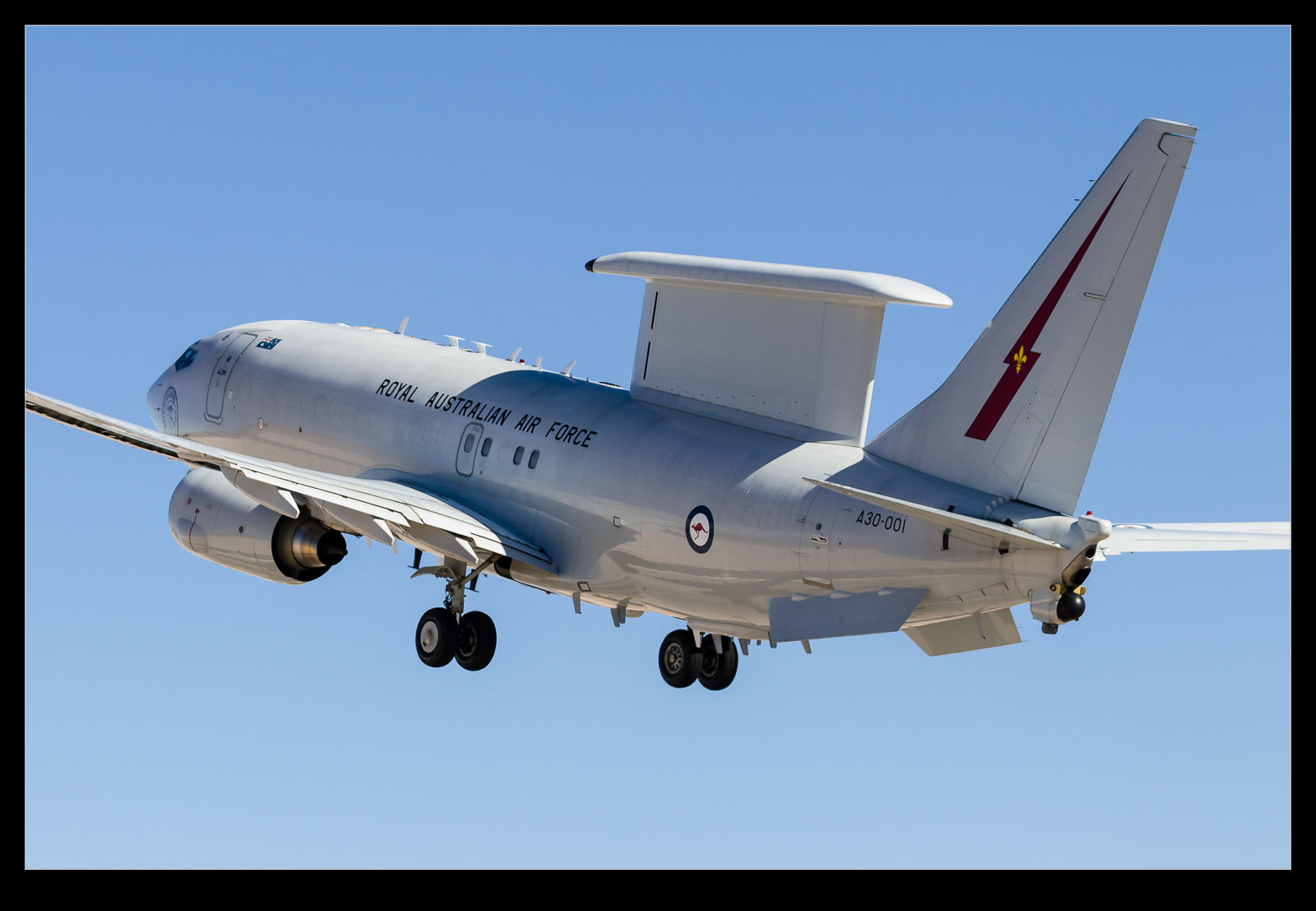
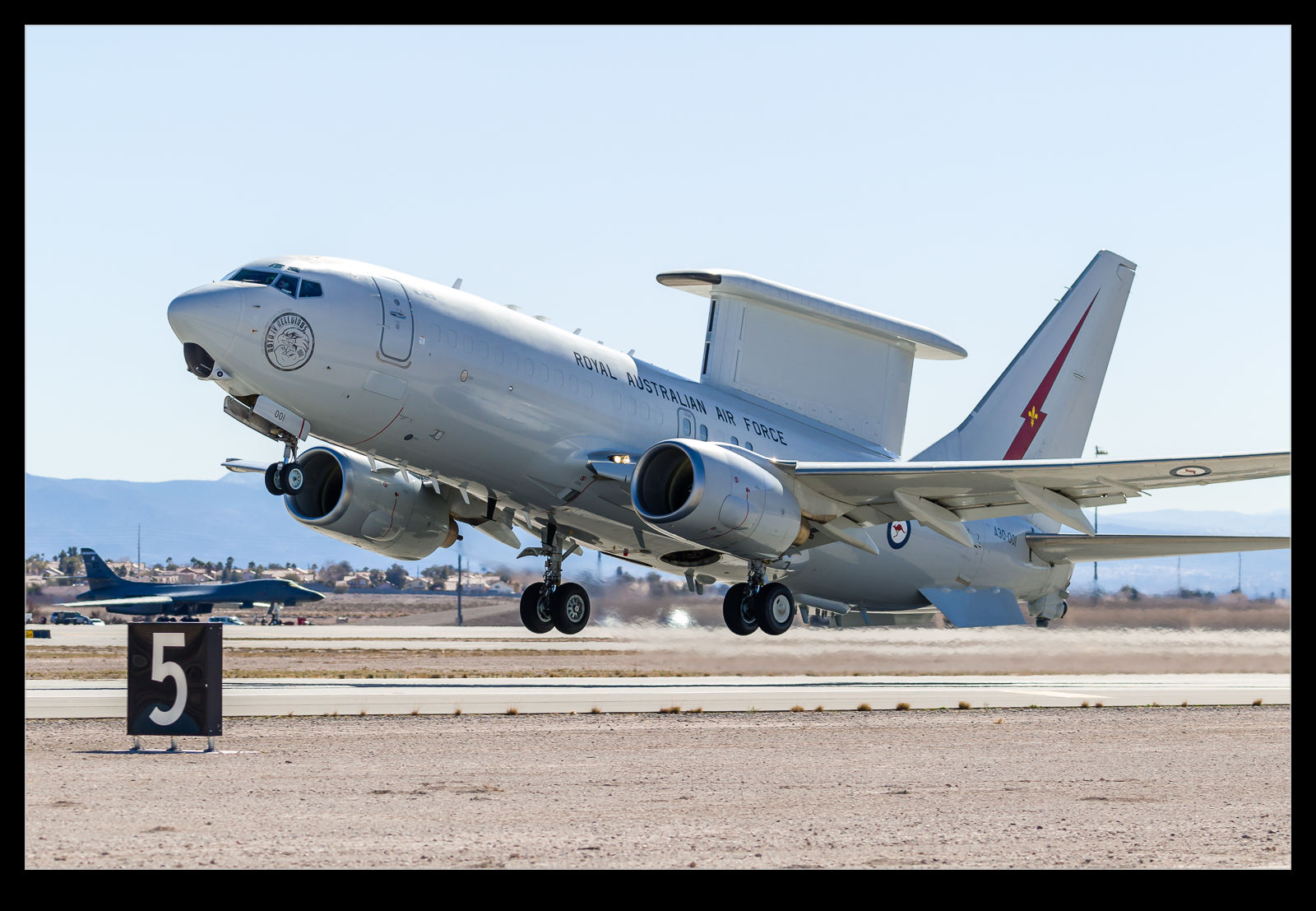
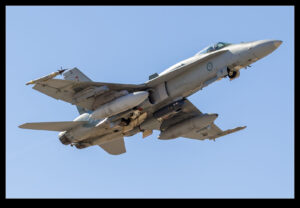
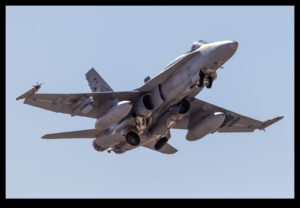
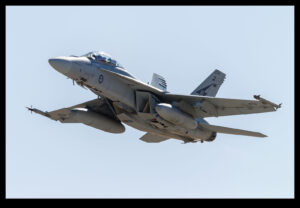
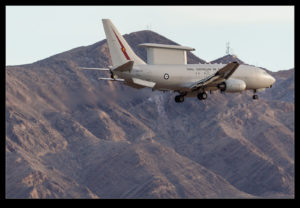
C59F3347.jpgOne of the things that I was really looking forward to about Red Flag 16-1 was the large Australian contingent that was going to be present. The Aussies were coming with Hornets and Super Hornets as well as a P-3 and an E-7 Wedgetail. They were also tanked across by a KC-30 although that sadly went somewhere else so I didn’t see it while I was there. Another benefit of the Aussies is that they bring some fun to the media panel. Sometimes these can be rather dull affairs and like pulling teeth. Previous RAAF officers have been very chatty and informative. This time was no exception.
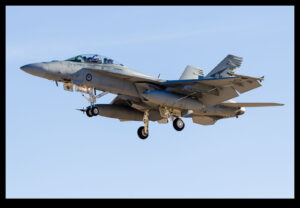
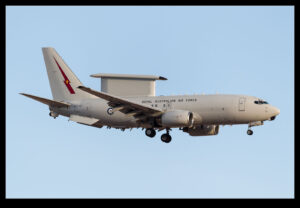
C59F4262.jpgI was pleased that the Wedgetail flew on the main media day. They were alternative AWACS resources and whether this was planned or luck I don’t know. I am just glad I got to see it fly. The Hornets have been to previous Red Flags but this was the first exercise for the Super Bugs. They have been deployed on operations, though, judging by the mission markings some jets were carrying.

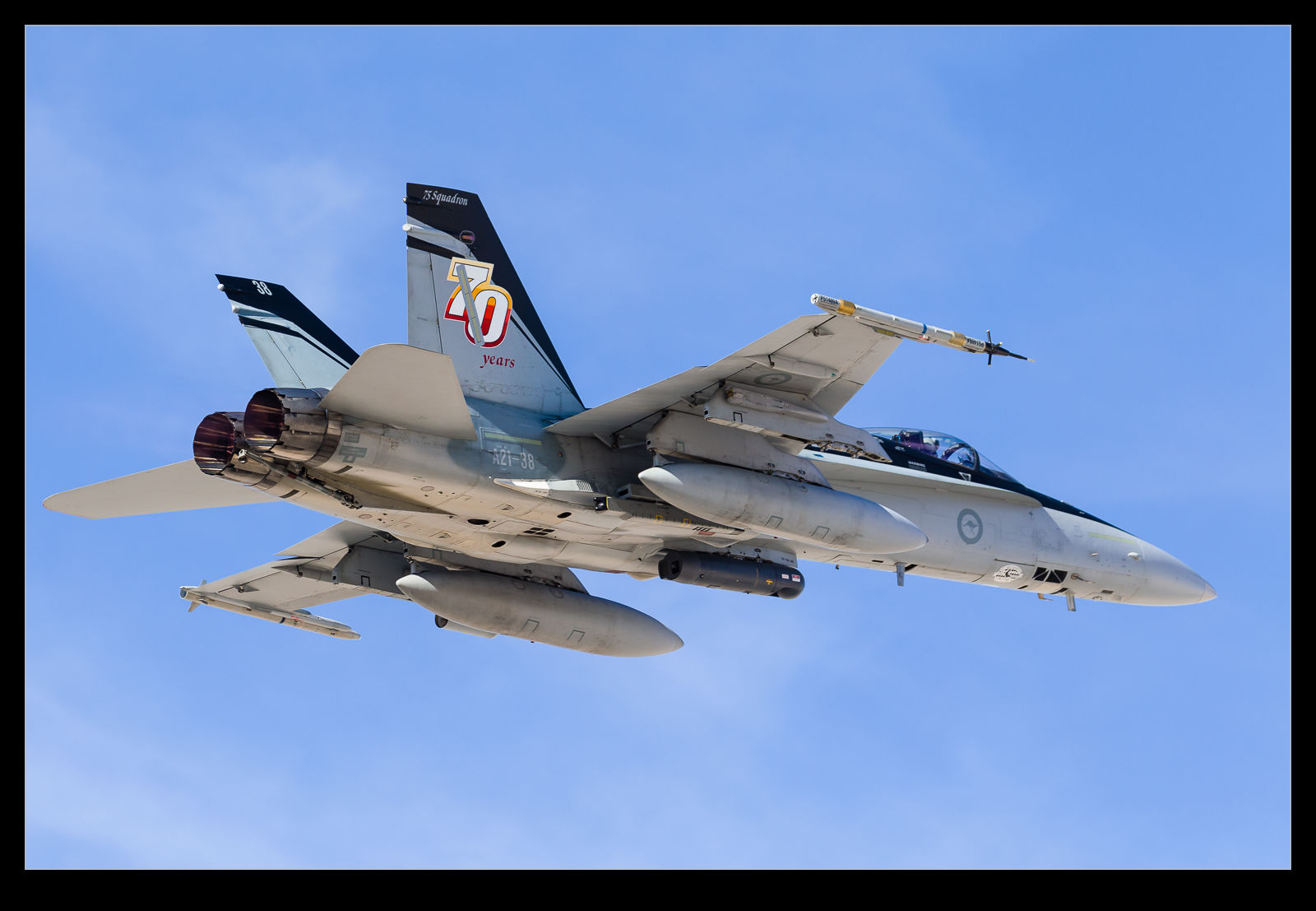
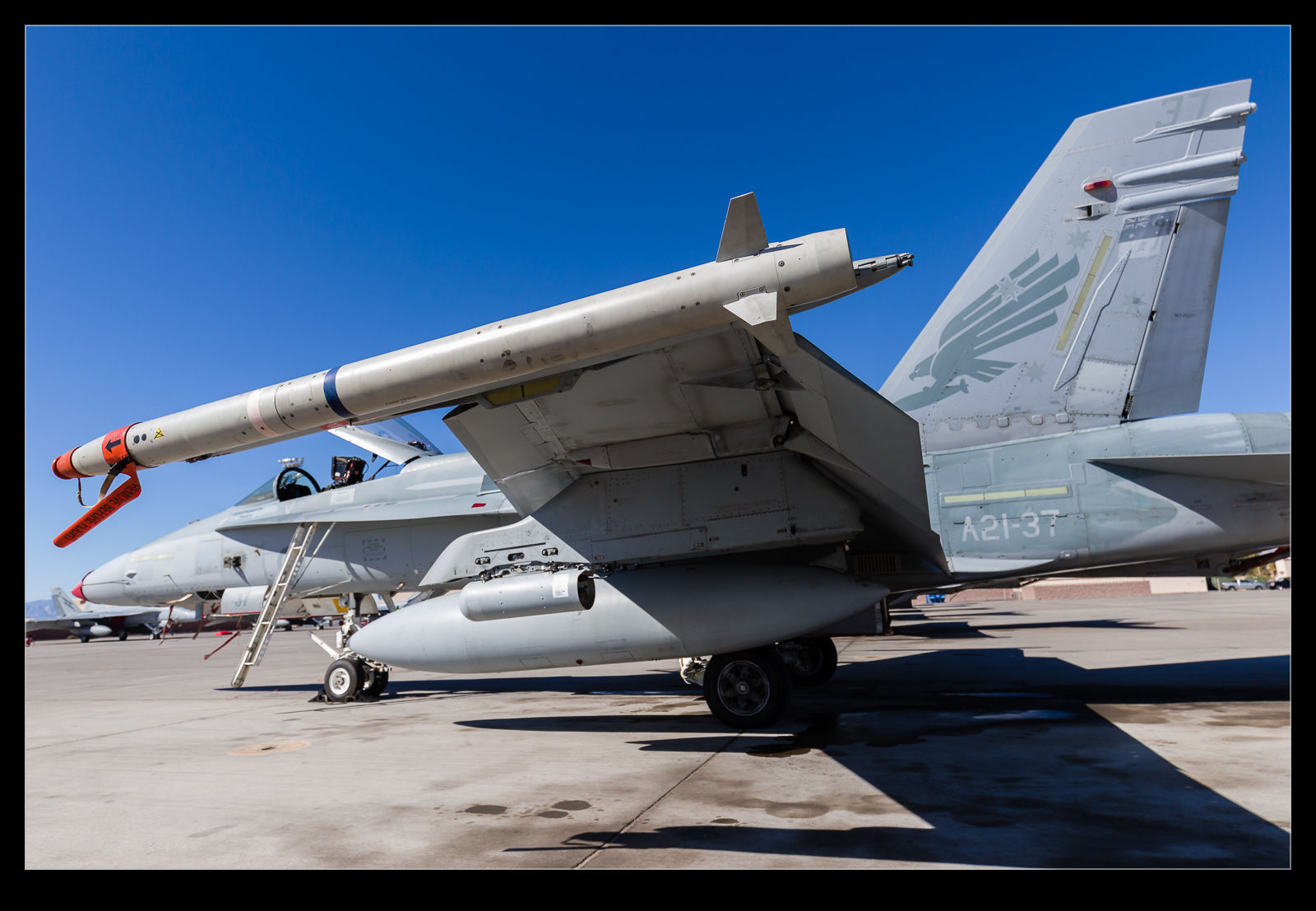
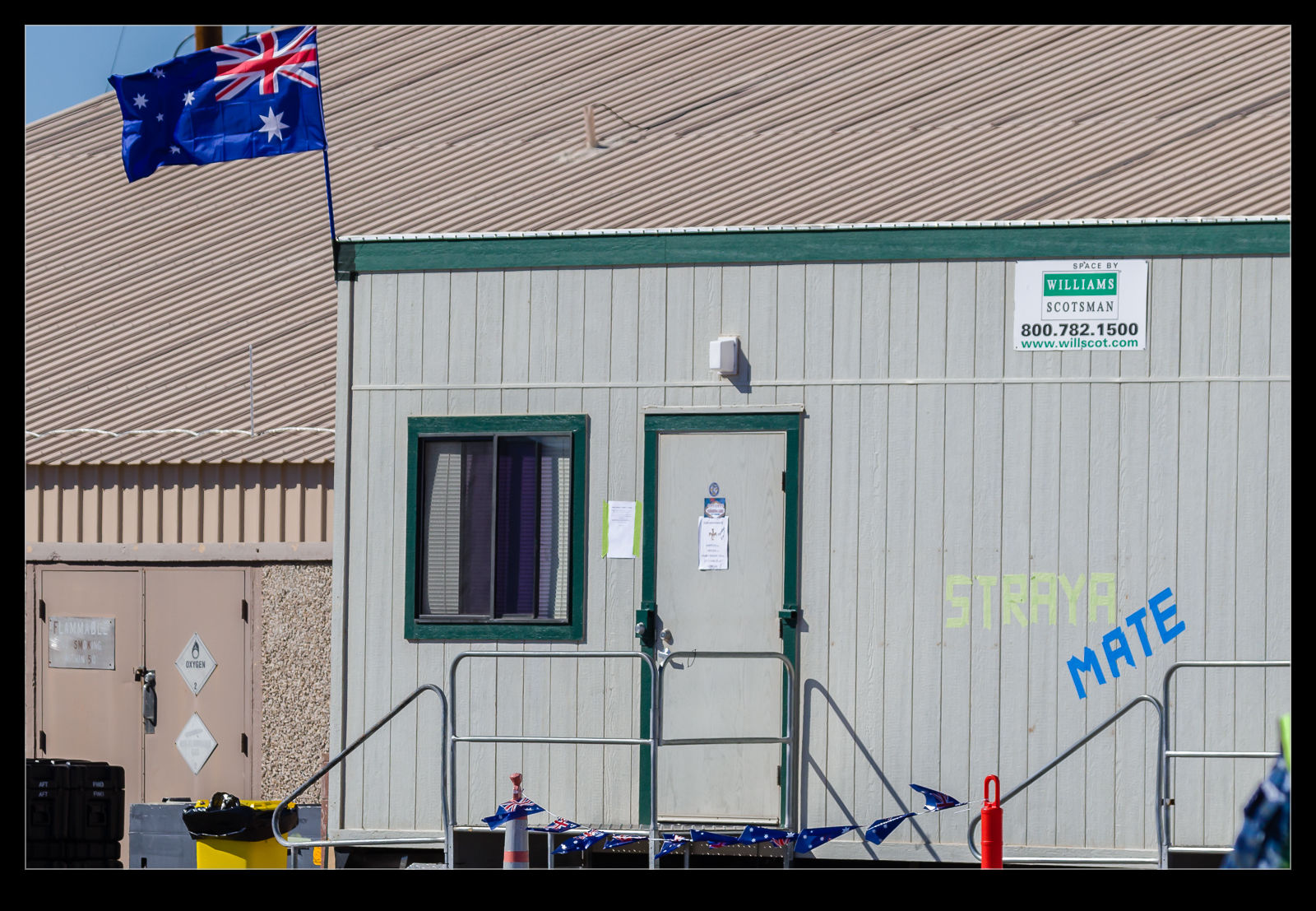
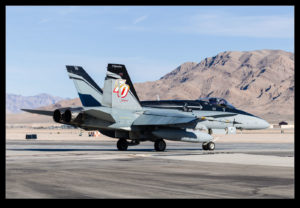
AU0E8446.jpgI was included in a second day on base when we got to spend some time on the Aussie ramp prior to the launch of the first mission. A team of RAAF personnel escorted us around as we got a chance to check out both generations of Hornet. One of the legacy Hornets was carrying squadron anniversary markings which looked good on it. The team was operating out of a building that they had temporarily adorned with something more personnel. If you don’t immediately get it, say the phrase out loud as a response to the question “Where are you from?”
C59F5748.jpgThe team was also selling a bunch of squadron swag. I am not a collector of this stuff but it looked pretty cool so I was happy to part with some cash for the squadron funds. Then we retired to the EOR for the launch. Of course, that also included both types of Hornet taxiing out past us on their way to the runway. Cheers to all of the team for being so friendly and accommodating.

Raptor Vortices

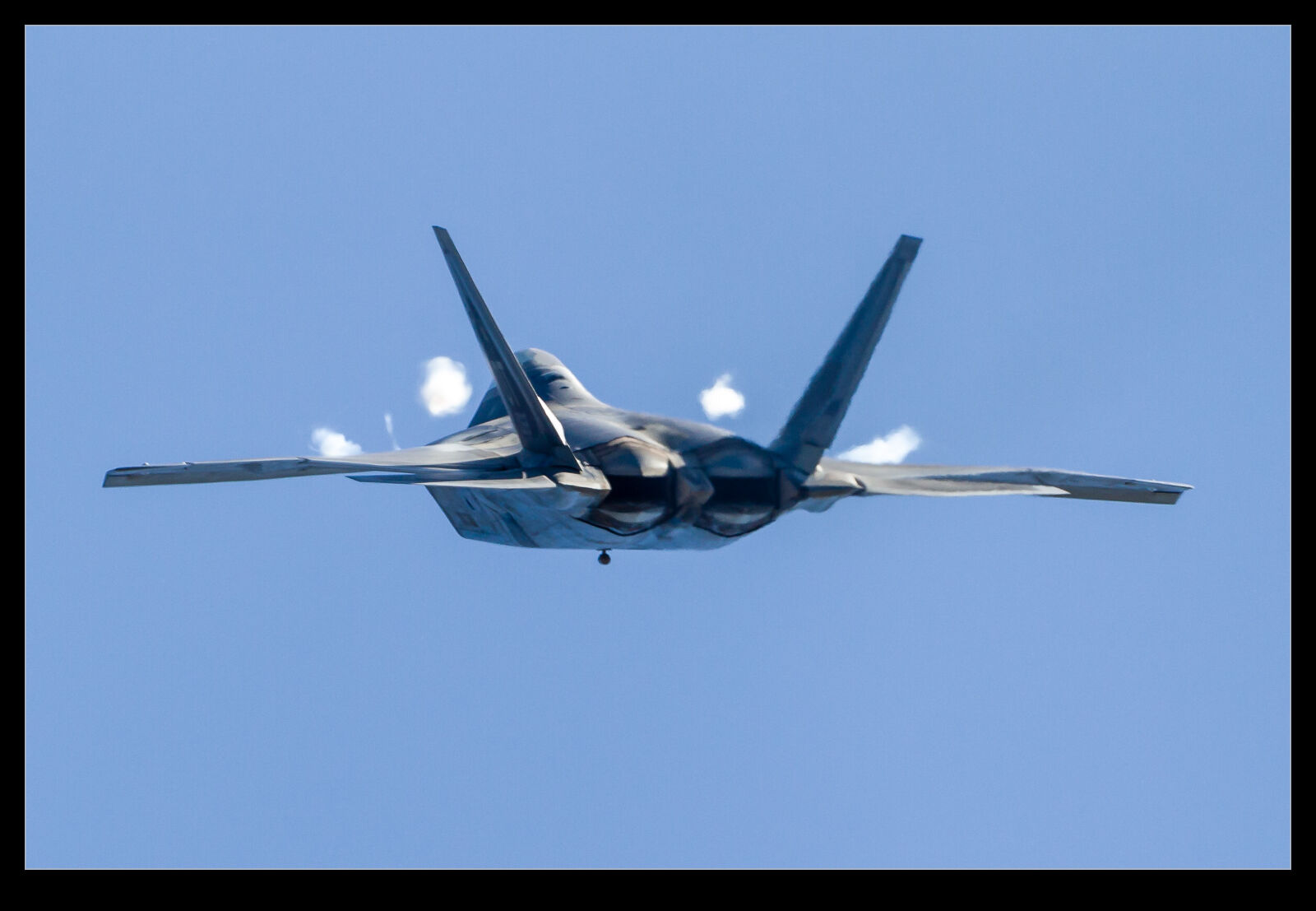
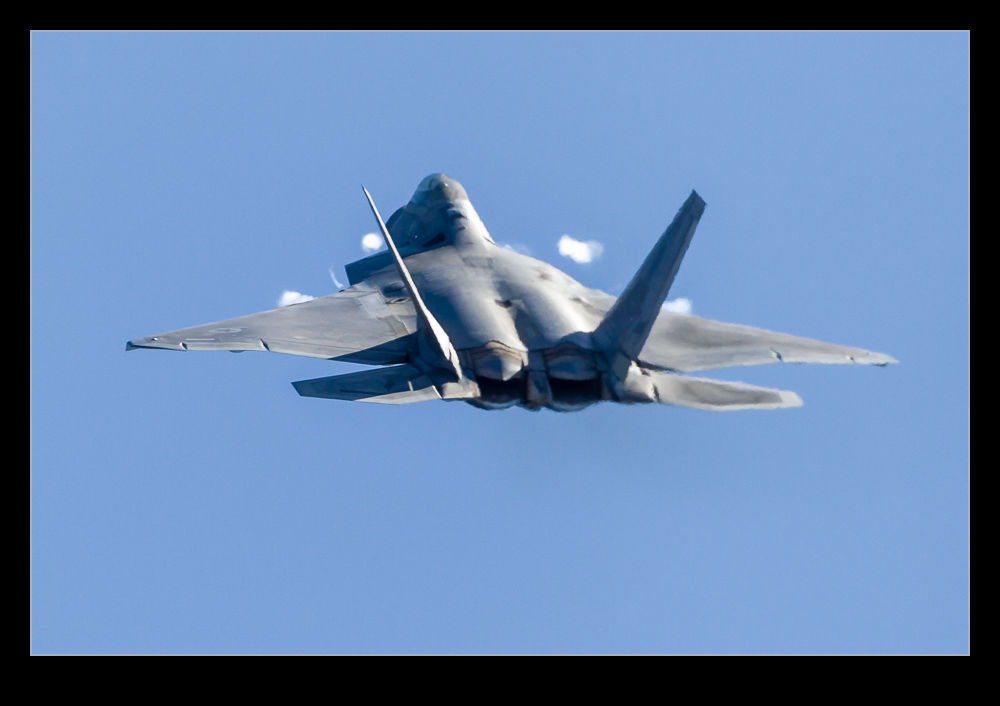
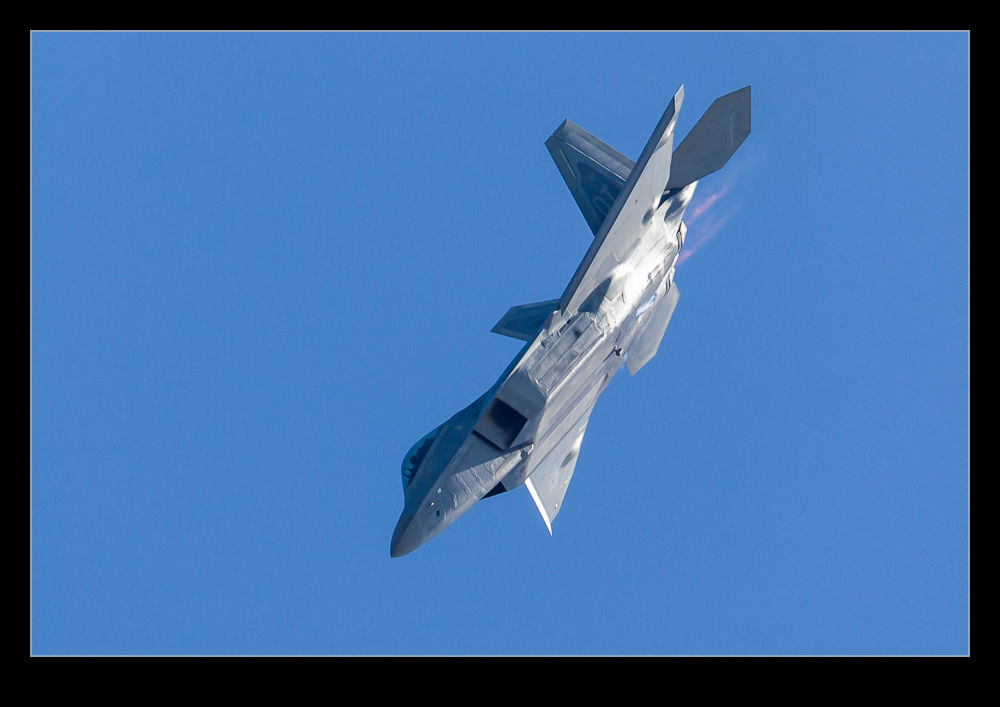
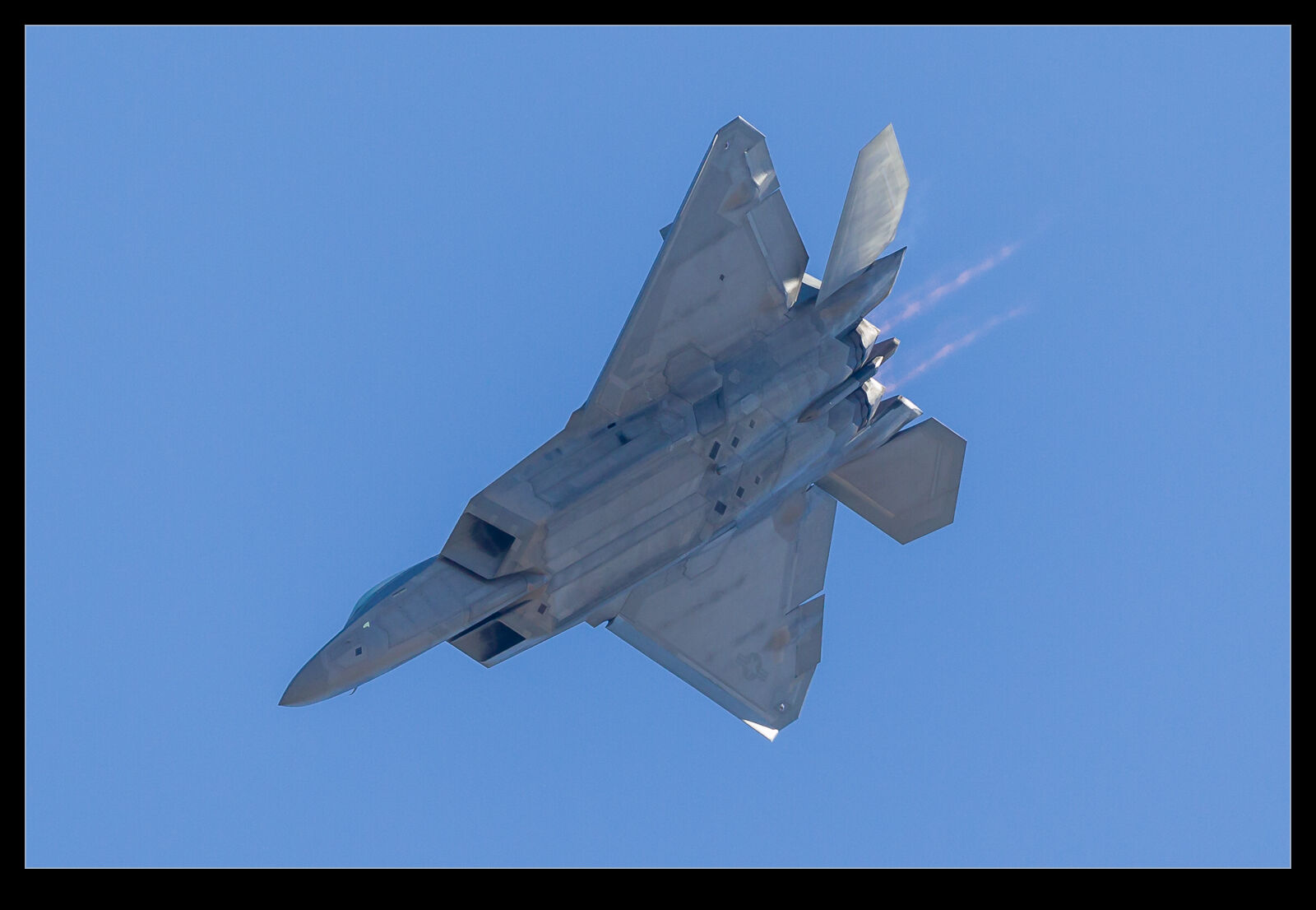
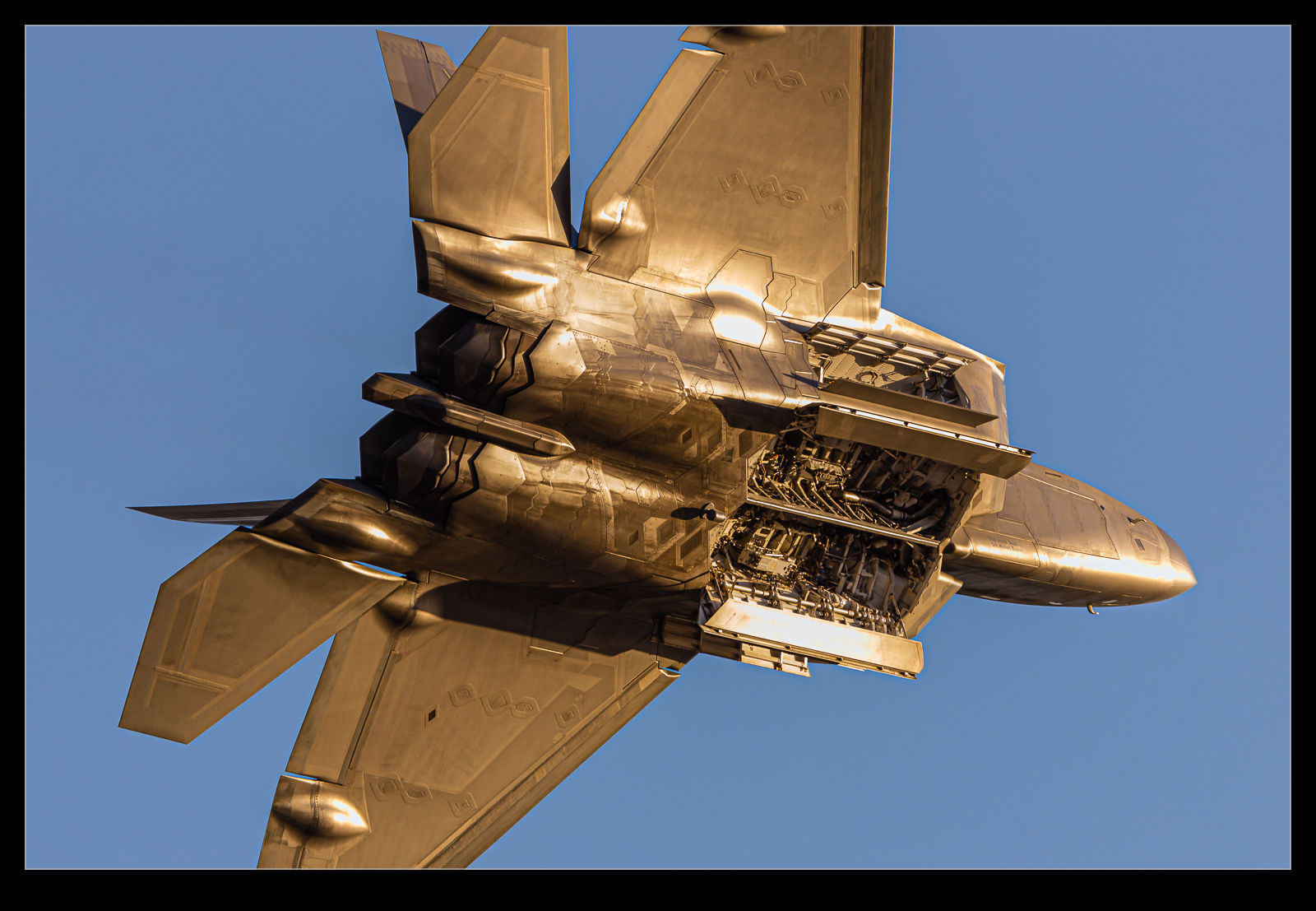
C59F1455.jpgA bit more from the Raptor display today. As the jet flew away from the crowd, it pulled in to the vertical. From a view directly astern, we got a brief view of the vortices forming over the forebody. The jet was quite a way off so these shots are cropped quite a bit. I love the way the vortex sits away from the body. Chino was a pretty dry environment so not a lot of vapor to pull from the air but it still showed up nicely.

C59F1459.jpg

Canadian Hornet Cockpit Displays

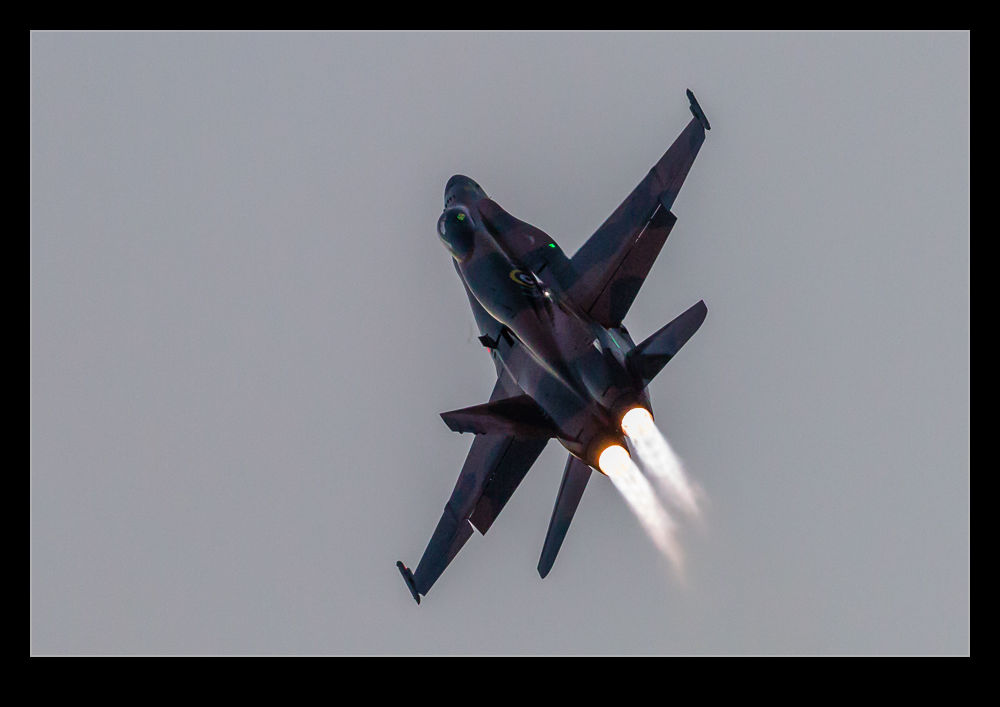
AU0E0371.jpgPreviously I may have mentioned my recent efforts to go through images I took a long time ago. The evening show at Chino had a number of performers and one of them was the Canadian Hornet demo. When I go through my images, part of my process is to render all of them at 100% and then view the full size image on one screen and the zoomed in version on the other. This allows me to see whether the shot is sharp and also whether there is anything glaringly wrong with it like bits cut off or someone’s head in the way.

AU0E0375.jpgI was going through the shots of the Hornet which flew after the sun had gone below the horizon, I noticed that, as it flew over the top of a loop, I had a view into the cockpit. Normally, this would be dark as the brightness of the day overpowered the shade of the cockpit. However, since it was pretty dark, the glow of the multifunction displays on the panel is clearly visible. We aren’t going to be able to see the details of the displays themselves but they are very conspicuous which is not the norm.

Interesting Raptor Control Inputs

C59F1416.jpgIt might be a long time ago that I did anything closely related to the engineering of fighters but there is still a part of me that is a stability and control type of guy. Watching the control inputs and responses of planes is cool as far as I am concerned. With the advent of fly by wire designs, there was considerable scope to play around with the use of the control surfaces to achieve different aims. With no direct linkages to the stick, the pilot can be totally unaware of the choices the system is making for control combinations.

C59F1422.jpgThe engineers may have chosen to program the trailing edges to have different deflections inboard and outboard to offload the outer portion of the wing for example. The F-22 makes use of a variety of interesting control inputs. For example, it doesn’t have a traditional speed brake. I assume this was removed for stealth reasons. Instead, the control surfaces move counter to each other. You may have inboard flaps going down and outboard flaps going up. The moments cancel out but all increase drag incrementally so the effect is like having a speed brake deployed.

Since the aircraft is also unstable, you may have tail deflections that seem at odds with the maneuver being flown. During the Chino show, the usual routine was flown (usual for an F-22 but not many other jets) and, as I look through a bunch of the shots, I see some quite unusual control inputs. If you are in to such things, these may appeal to you. Gary, are you reading this?

Some Gratuitous Raptor Shots

C59F8213.jpgUnfortunately, I have a rather large backlog of images that I haven’t done much with.  This is sometimes the result of having a number of events in a short space of time and other times it is the result of laziness!  Last year I covered the Planes of Fame show at Chino for GAR.  I got a lot of shots while I was there and I needed a selection to illustrate the piece so I dived in, found some good examples, worked on those and put them into the feature.

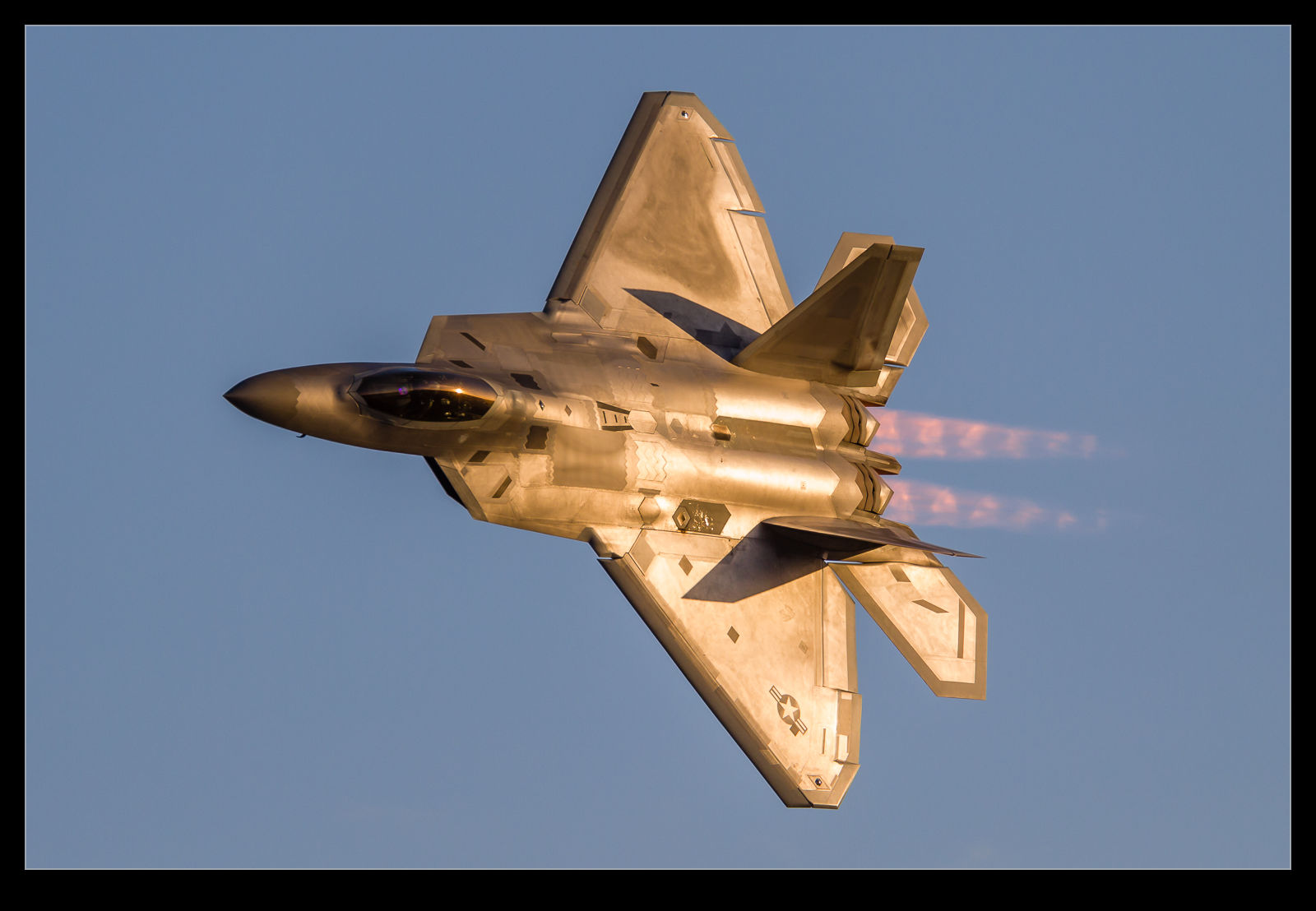
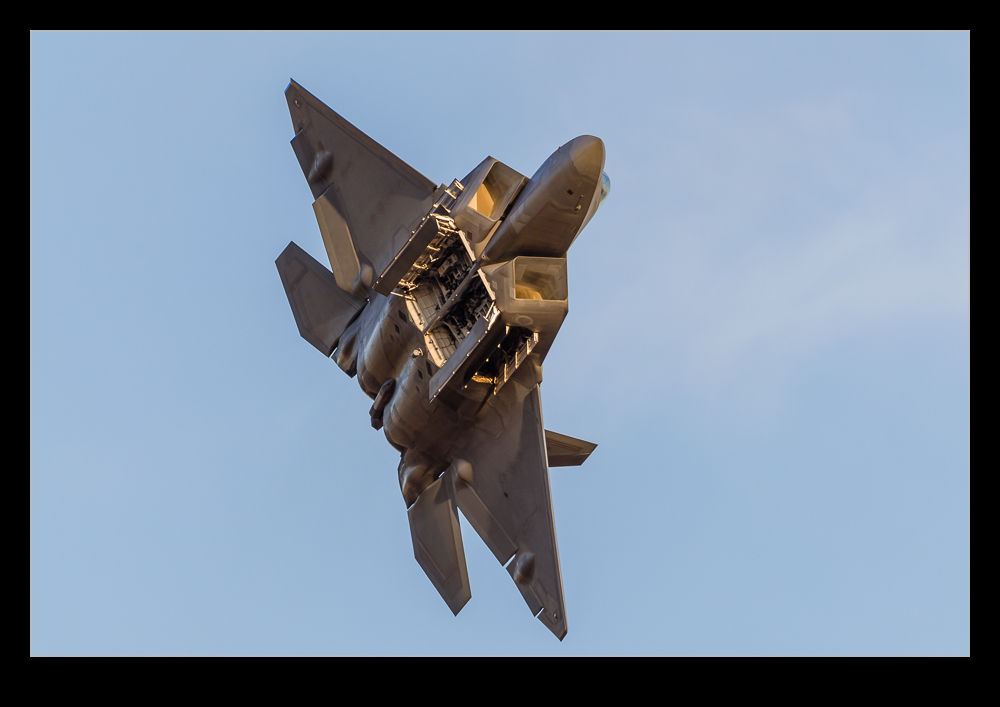
AU0E9493.jpgUnfortunately, I never got around to undertaking a proper run through of the shoot.  I only realized this recently so I have started to go through the images when the time allows.  One part of the show I really liked was the twilight show on the Friday.  This included a display by the USAF F-22.  In the last light of the day, the airframe looked really great.

AU0E9464.jpgRunning through the shots I found a few of the jet that I really liked.  (I found more than will work for this post and some that I like for various reasons but won’t really gel with most people.)  As a result, here are a sample of the shots I have been finding.  Now I am starting to think about air shows this year for the first time.  I might have to go to this one again!

Wall of Fire Take Two

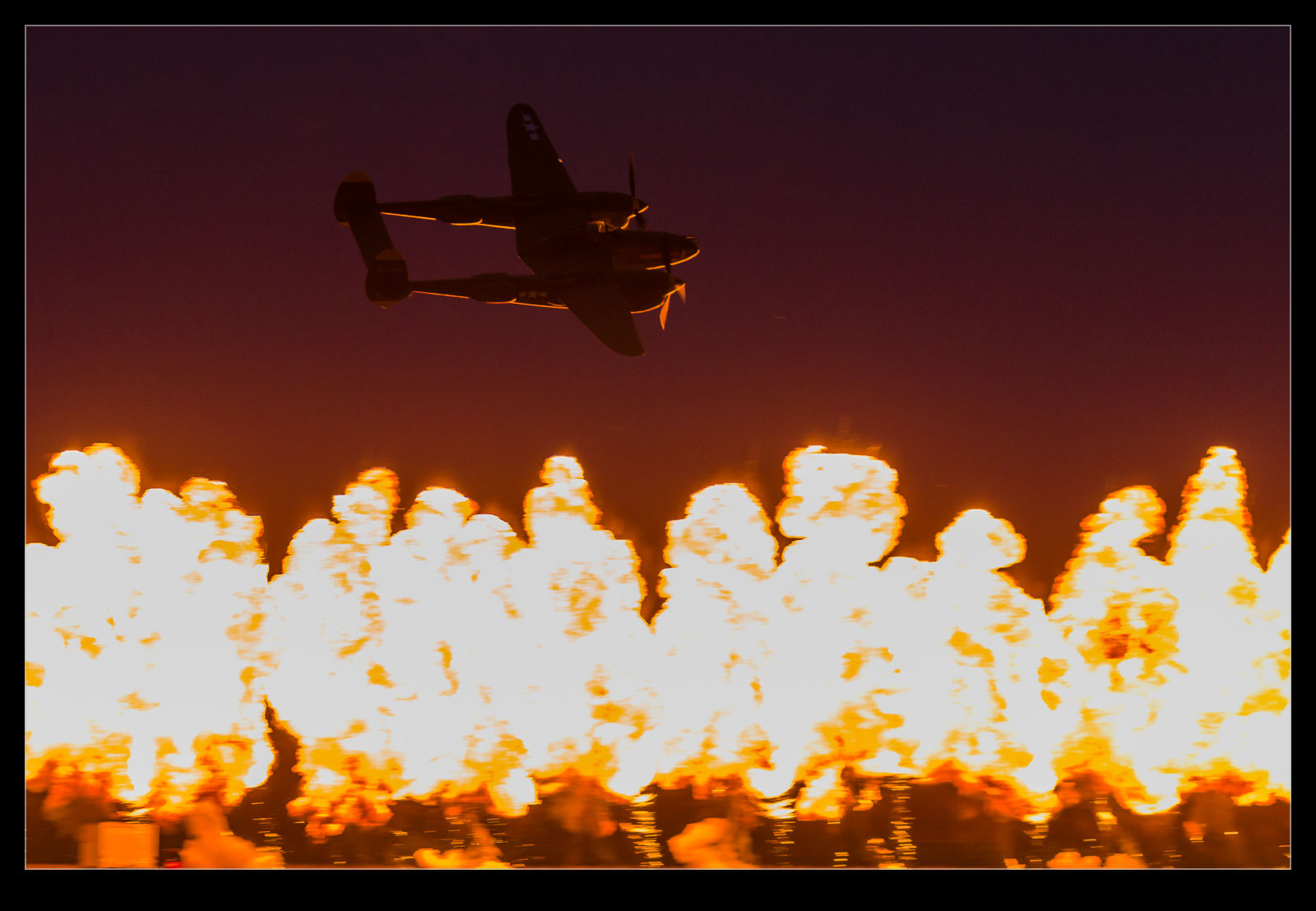
AU0E3654.jpgWhile I was walking around the display line of the Airshow of the Cascades during the evening show, the Erickson collection’s P-38 was carrying out its display. I was in amongst a lot of people when the announcer told everyone to be ready for a special pass. My location was not great but I got ready as the P-38 ran in for a topside pass expecting the detonation of some pyrotechnics behind it. Nothing happened. The P-38 flew by and no explosions.

A short while later, the announcer had a second crack at getting us ready for the pass. Obviously the first pass had not worked as planned. This time the P-38 was coming in from the opposite direction. I also had a few moments to try and reposition myself to get a better view. This shot was the result. Some of my friends were further up the display line and got a different angle on the shot which was cool. Even so, I am pretty happy with this.