Tag Archives: de havilland Canada

Kenmore Rush Hour

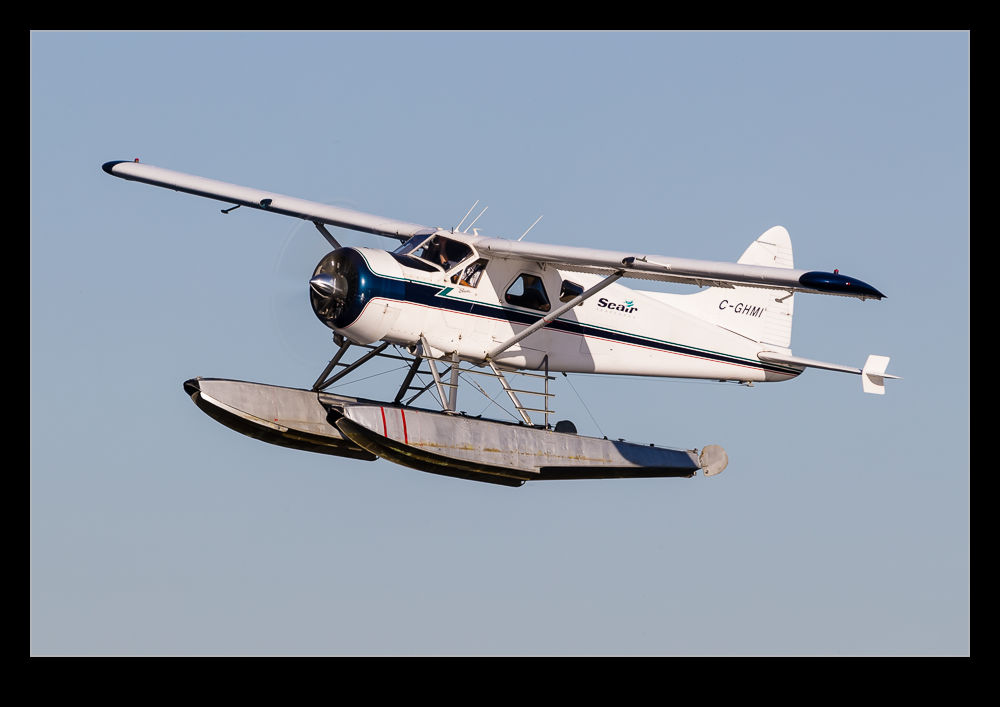
The floatplane activity of Kenmore Air is busy on Lake Union in Seattle.  The end of the day means a lot of planes are moving from Lake Union back to the home base at Kenmore.  It makes for a rush hour of planes coming back in good light.  I wandered out to the pier at Log Boom Park which gives a great view of the incoming planes.  Then I just waited.  You know they are all going to be back before sundown so it is pretty predictable.

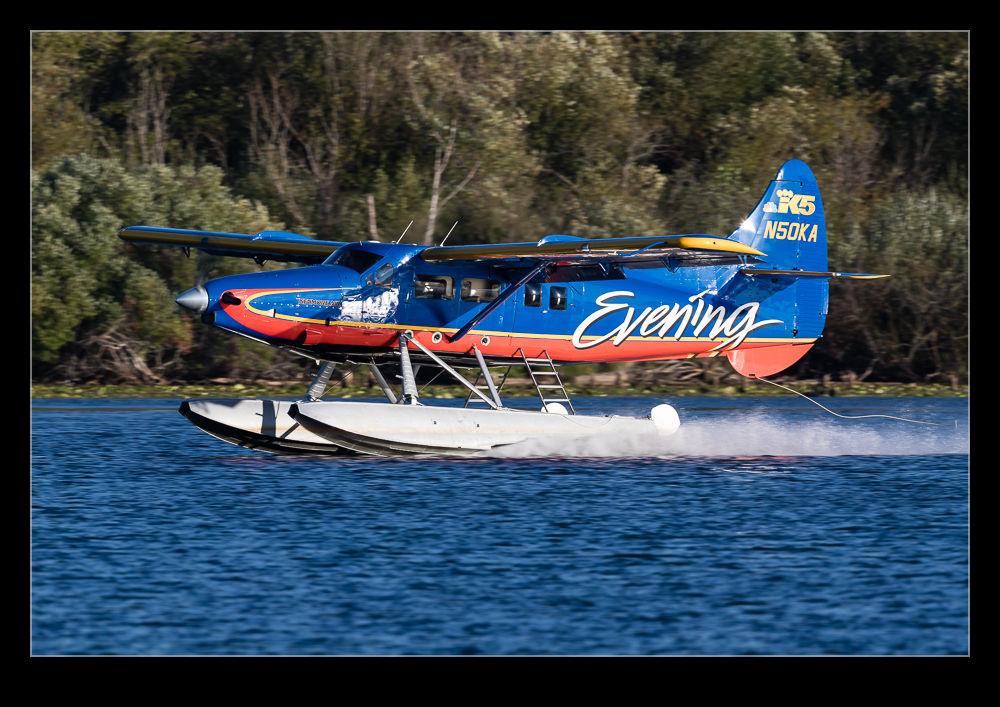
The inbound traffic is a combination of Otters and Beavers.  De Havilland Canada’s finest show up further down the lake as they come across from Lake Union and then they head up the lake.  On this occasion, the wind was from the north so they made straight in approaches, landed and continued straight in to the base.  On another day I was there without a camera and the wind was a southerly.  They then overflew the base and made a tight turn coming back onto the lake with the evening light on the nose.  I will have to try and get that before too long!

Row Faster, He’s Gaining on Us

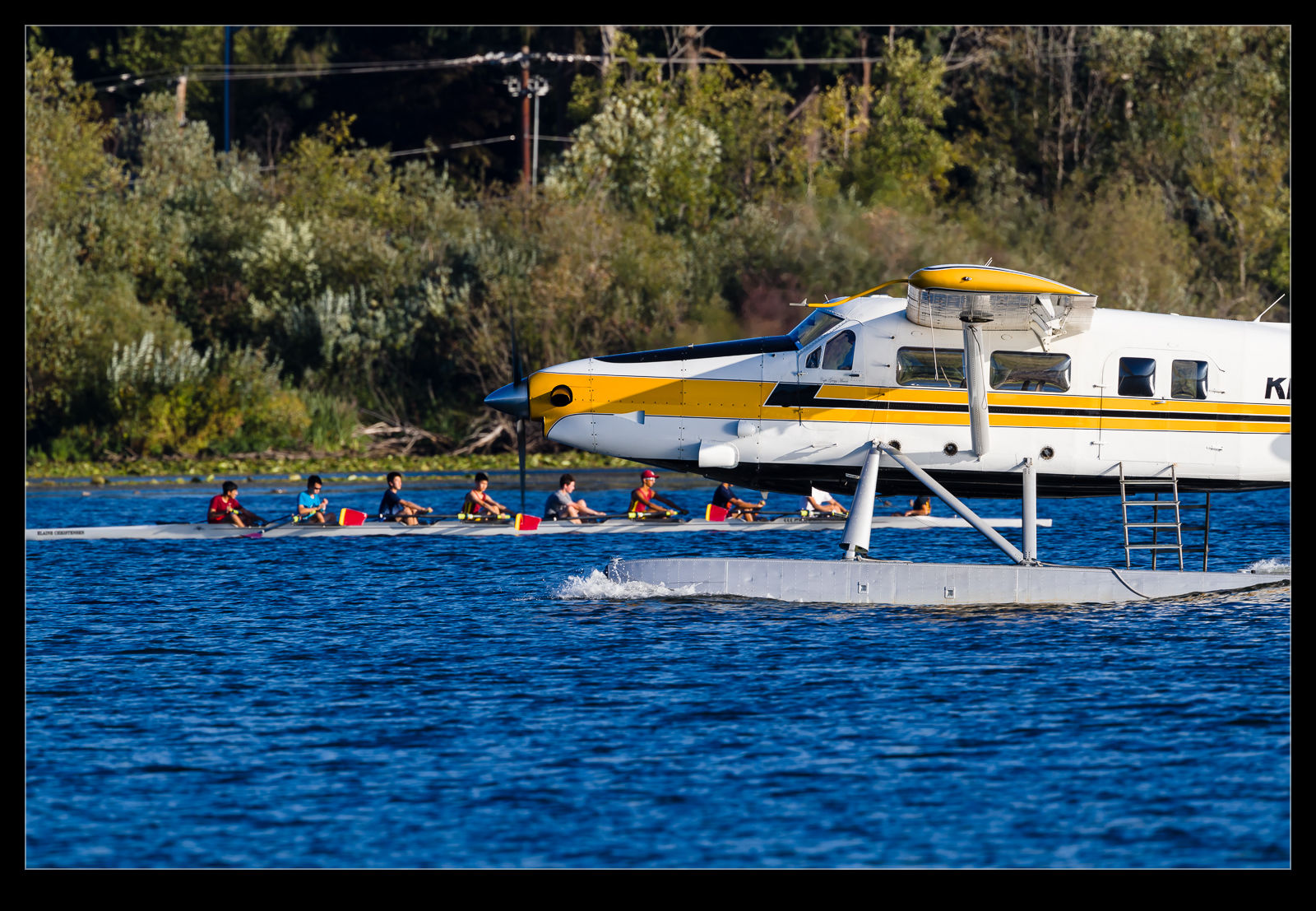
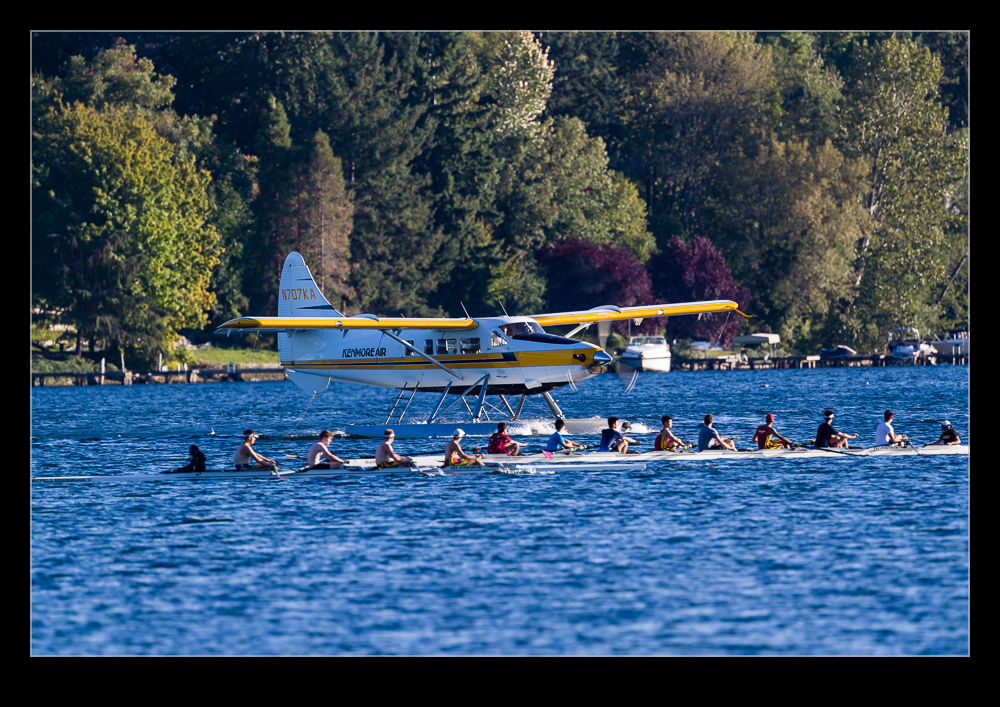
One evening after work I headed down to Kenmore.  It is a short distance from my office and, sitting at the top of Lake Washington, it has a nice waterfront park including a pier.  I walked out on the pier to see the arrivals of the Kenmore floatplanes at the end of their workday.  They are not the only arrivals, though.  Various boats were out on the lake including some rowing crews carrying out their training.  One of the crews was heading in when a floatplane came in to land.  I suspect they had plenty of space but the plane did seem to adjust its course a bit to avoid them.  Taxiing in after touchdown (landing seems to be the wrong word) they did seem to be chasing the crew down a bit!

If You Want Shocks, You Don’t Need Fast Jets

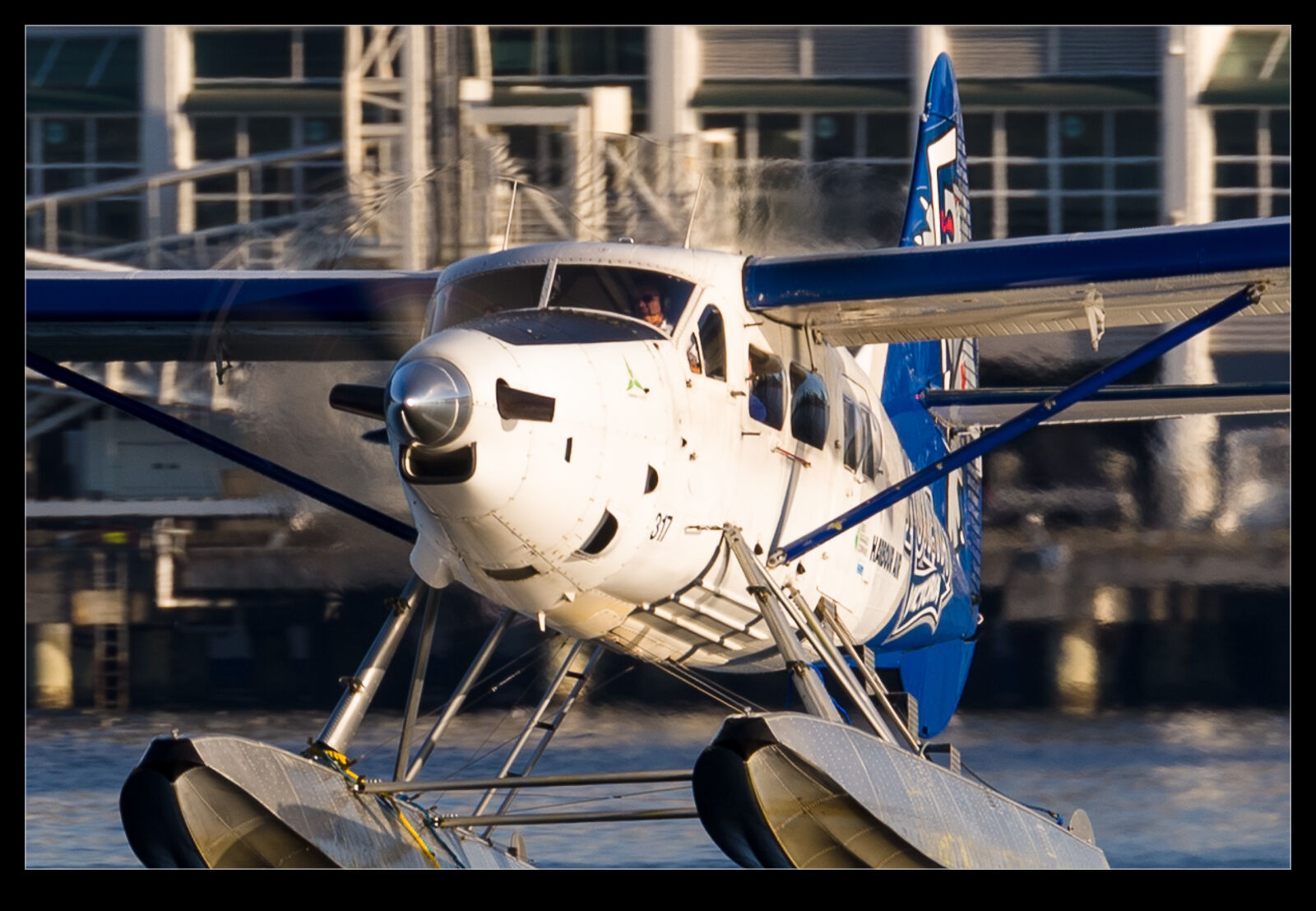
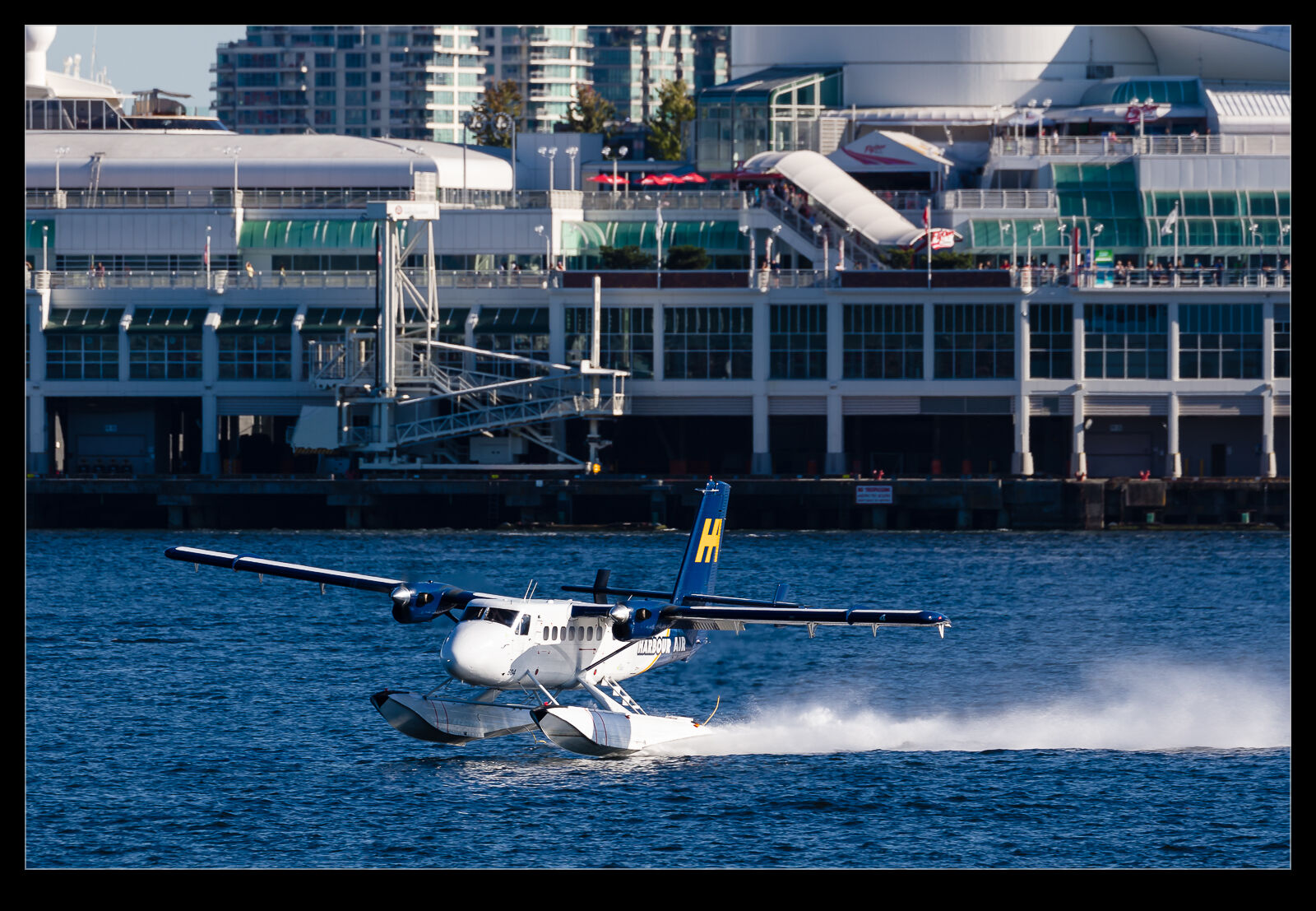
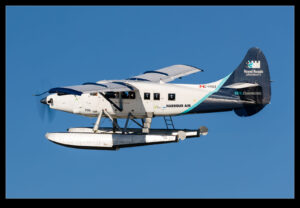
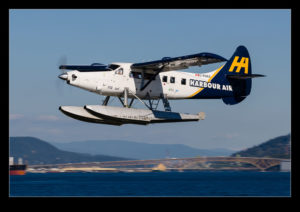
Every once in a while, when photographing a fast jet at transonic speeds, you might get something in the background that allows the diffraction caused by the formation of shockwaves to be visualized.  I have posted about that here.  I was in Vancouver and shooting the floatplanes taking off from the harbor (since it is a Canadian harbor, perhaps I should write harbour).  As I was looking through the images zoomed in to check on sharpness, I realized that there was a visual effect of a similar nature.  (If you think this is a Schlieren effect, it is not.  That is a technique that involves a certain type of lighting to show the density differences but should not be applied to every time you see it in the wild.)

I don’t know whether what is showing up is the result of shocks forming on the props as they spin rapidly or just the tip vortices causing a similar effect.  You can often see diffraction in trailing vortices.  Whatever the reason, as you look above the aircraft at the patterns of structures on the shoreline beyond, you can clearly see some interesting effects.  Since the props are spinning fast and there is an overlap of the wakes from each pass of a blade, the shapes are rather complex.  Now I know that this is a thing, I might be tempted to take a longer lens and see what I can get in more detail of this interesting visual effect.

Floatplane Fest

I was in Vancouver for a few days for work and I managed to catch up with my buddy Mark when I arrived.  He suggested to me a good opportunity for shooting the floatplanes is at the end of the day from Brockton Point in Stanley Park.  I had only shot them from the shore near the convention center (other than an opportunist shot or two while walking in the park and that doesn’t count) so I was interested to see how this location worked out.  I managed to get out of work at a good time one evening and the weather was looking very nice so it was off to the park for me.

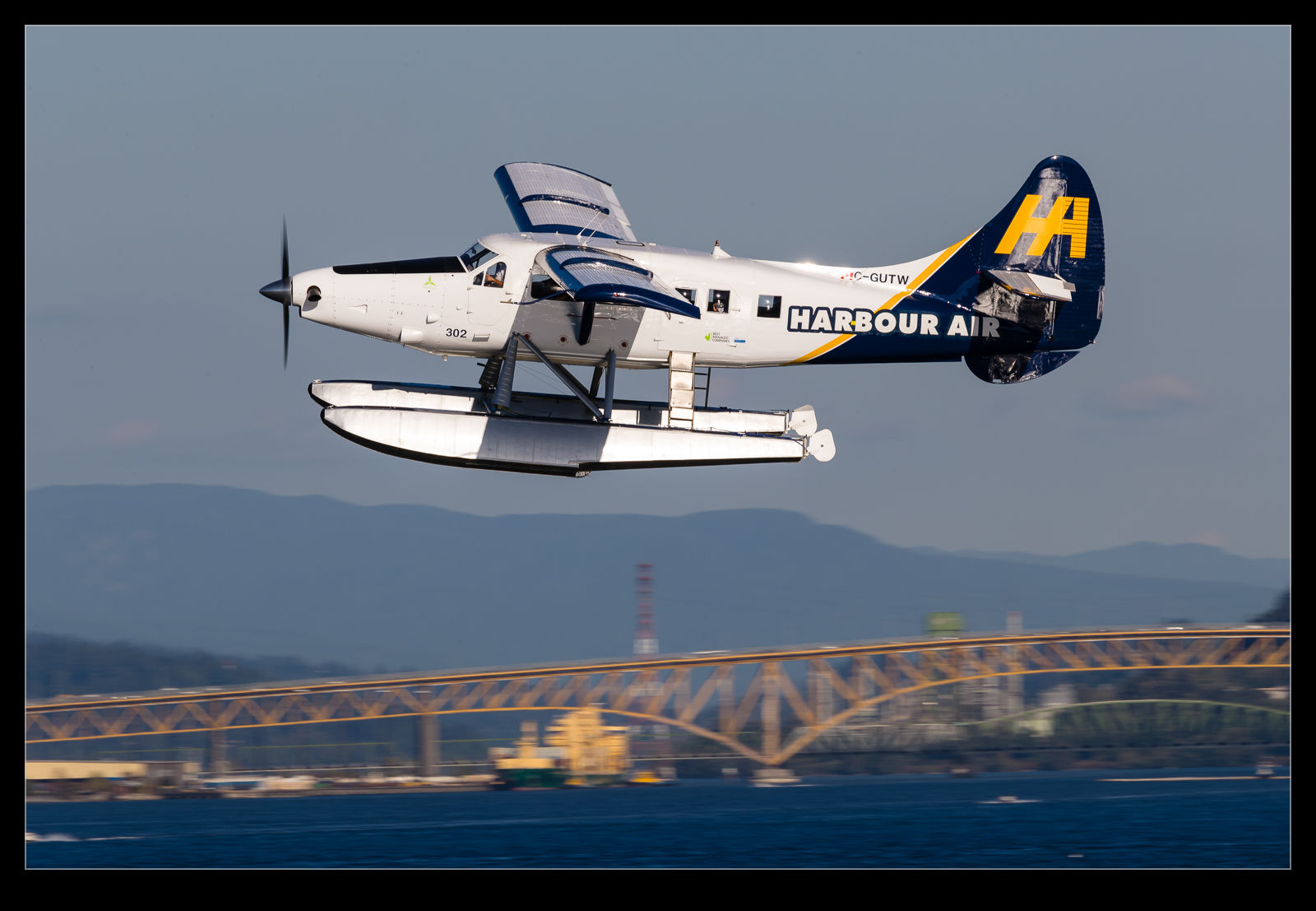
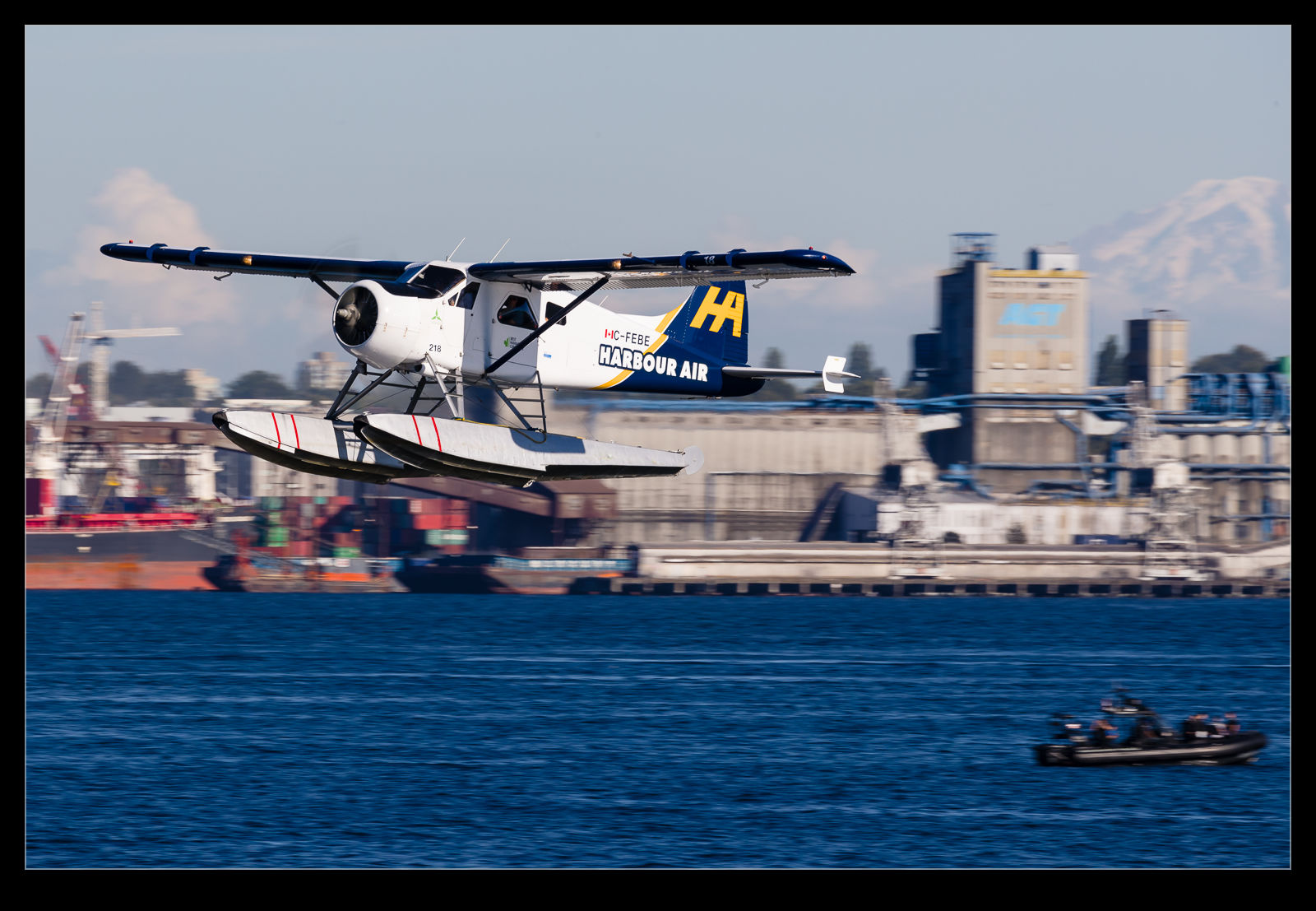
This location is a lot of fun.  In the evening, the light is well positioned and, at this time of year, the sun is lower and the light is nice and just gets better and better as the evening sets in.  The aircraft were arriving from the east so they were very distant but it is the departures that we were after.  The planes head along the shore from the base and then turn towards you and start their run.  Often, they are pointing straight at you for a while.

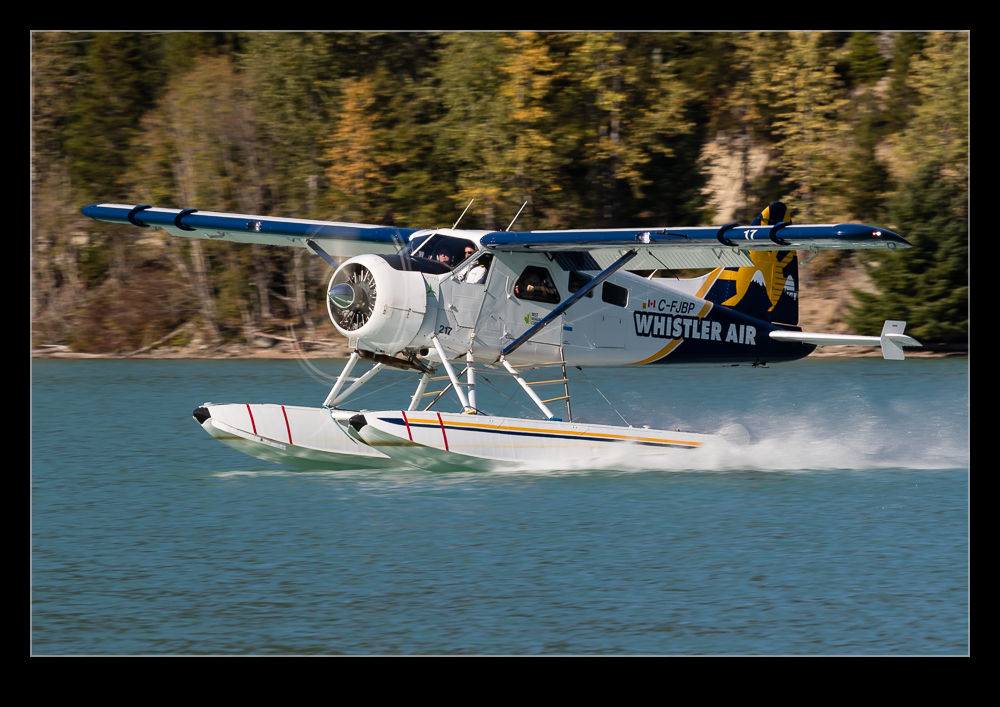
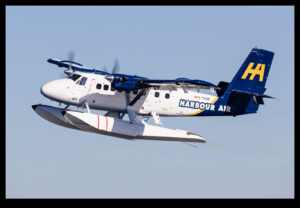
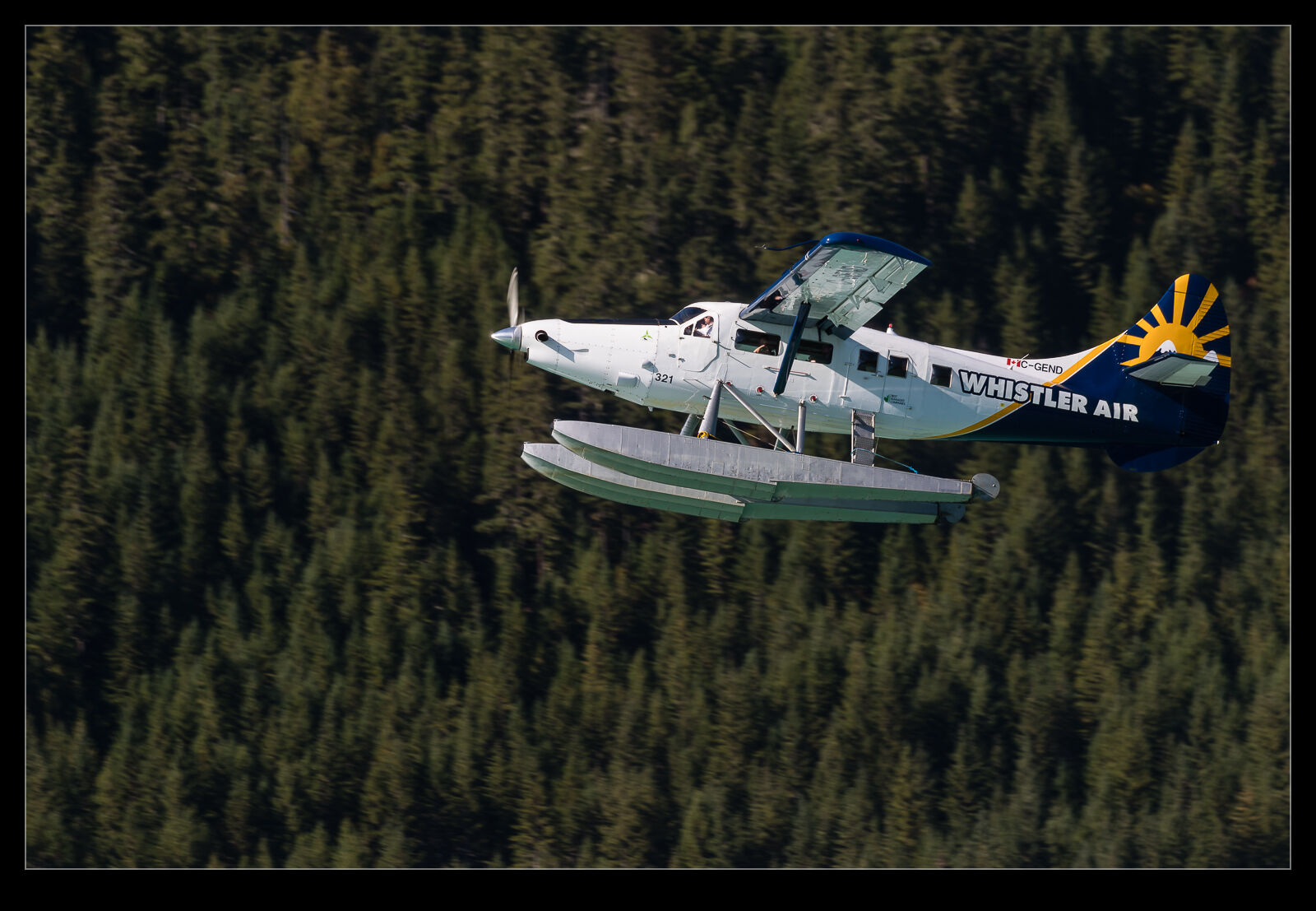
Depending on the type and the pilot, they can climb steeply or can keep it nice and low as they come by.  Sometimes, there might be a boat on their preferred take off run and, since they have to divert to one side which can result in a nice turn back towards you as they round the point and head to Lion’s Gate.  The Otters are the most common type with the Beavers coming second.  There are still some Twin Otters but they are a lot less common than they used to be so they end up being more interesting when they show up.  How can it be that I get complacent about seeing Otters on floats?  (The fact we have them in Seattle too probably doesn’t help!)

Mark certainly called this one correctly.  Brockton Point is a nice place to hang out on a sunny fall evening in any circumstances but the addition of a steady stream of floatplanes to this makes for a wonderful combination is you are someone like me.  What’s more, it is a reliable option.  Until the winter light stops flying at the end of the afternoon, you have scheduled departures to rely on so this is not a case of turning up in the hope of seeing something.  You will definitely get plenty of planes.