Tag Archives: california

Collings Foundation at Livermore

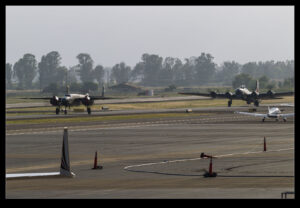
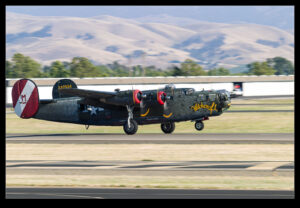
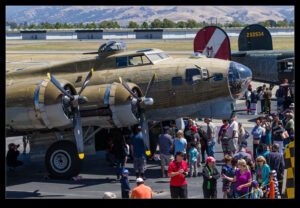
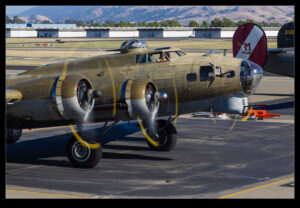
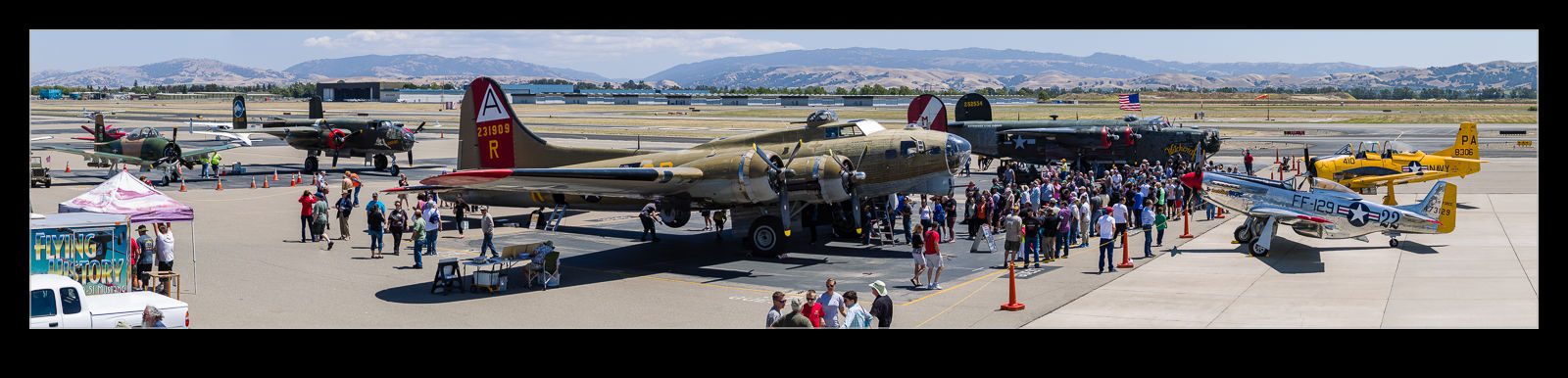
AU0E6426-Pano.jpgThe annual visit of the Collings Foundation to Livermore with their vintage warbirds is a popular event with many people turning out to look at the planes and, in some cases, fly in them. This year I didn’t plan on spending a lot of time there but I did head down for a while to check out how things were progressing. It was a hot day so the heat haze was playing havoc with shots as usual but there was still enough to see.
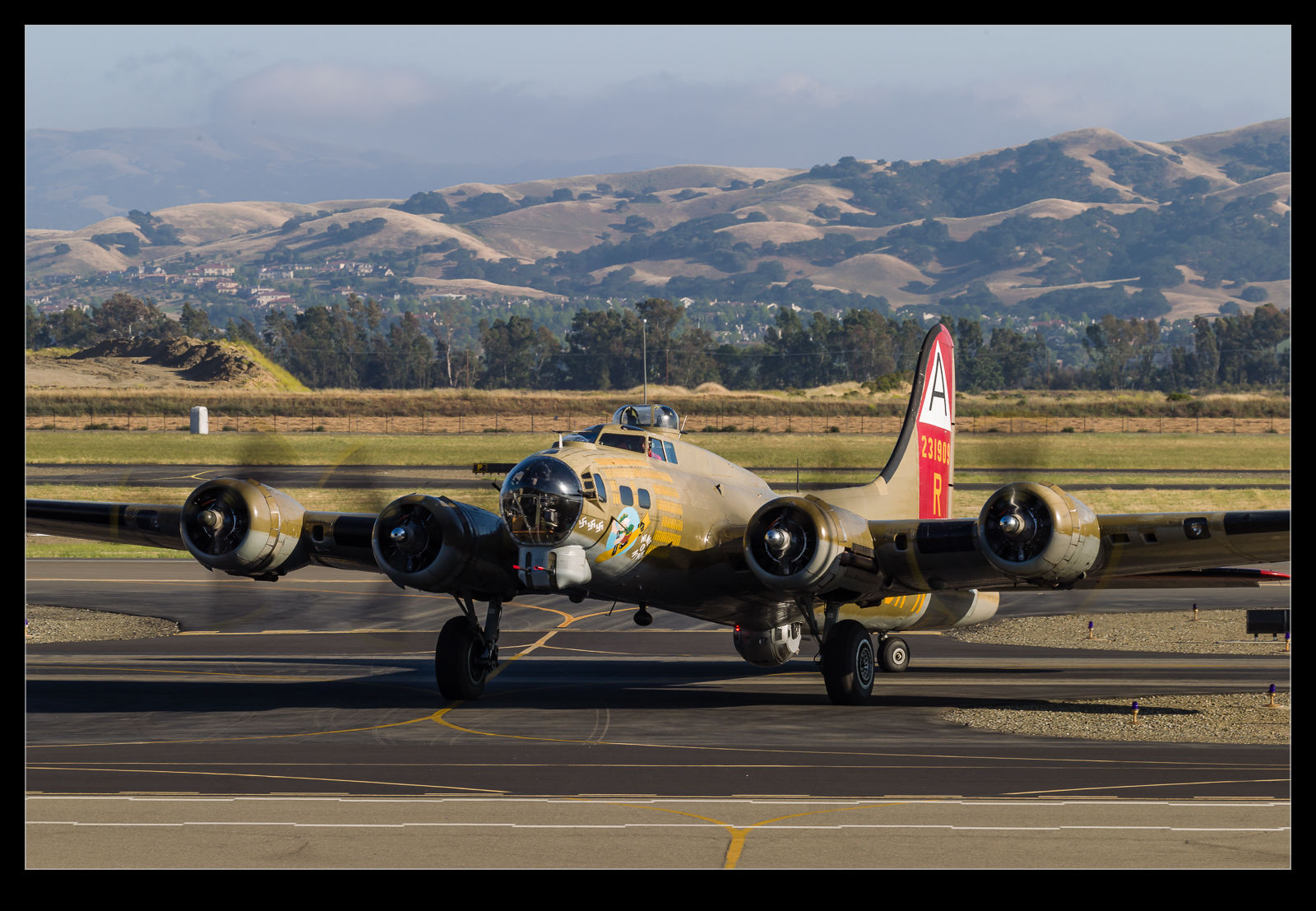
AU0E7522.jpgI had pondered what other spots might be useful for getting a shot or two and tried wandering down the street. However, the area is not pedestrian friendly so that idea didn’t progress too far. I did wrap up the day by driving to the public golf course at the end of the field to see whether I could get a different perspective on the departures. It wasn’t a bad spot but not somewhere I shall try again unless there is a good reason. You get a brief view and have to grab your shots before the planes are behind the trees.
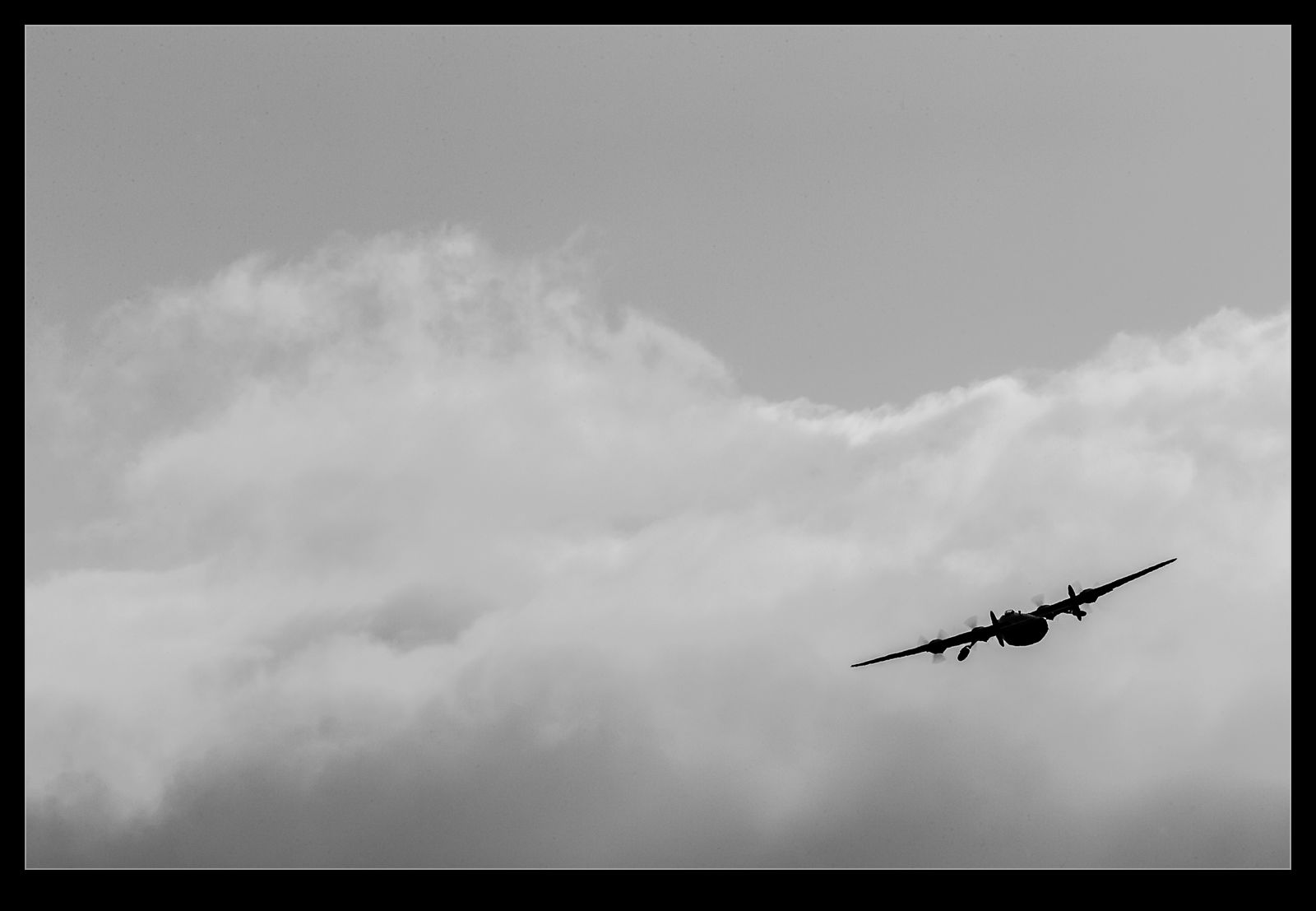
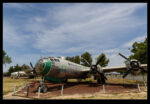
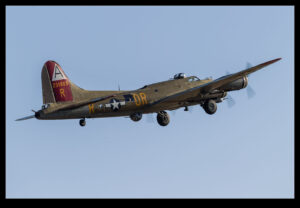
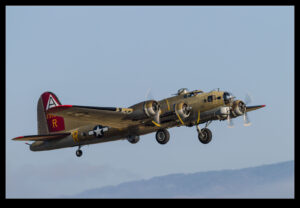
AU0E7640.jpgWhatever the limitations, having the P-51, the B-24 and the B-17 on display is always nice and worth taking time out for given that it is so close to home.
Kite Flying

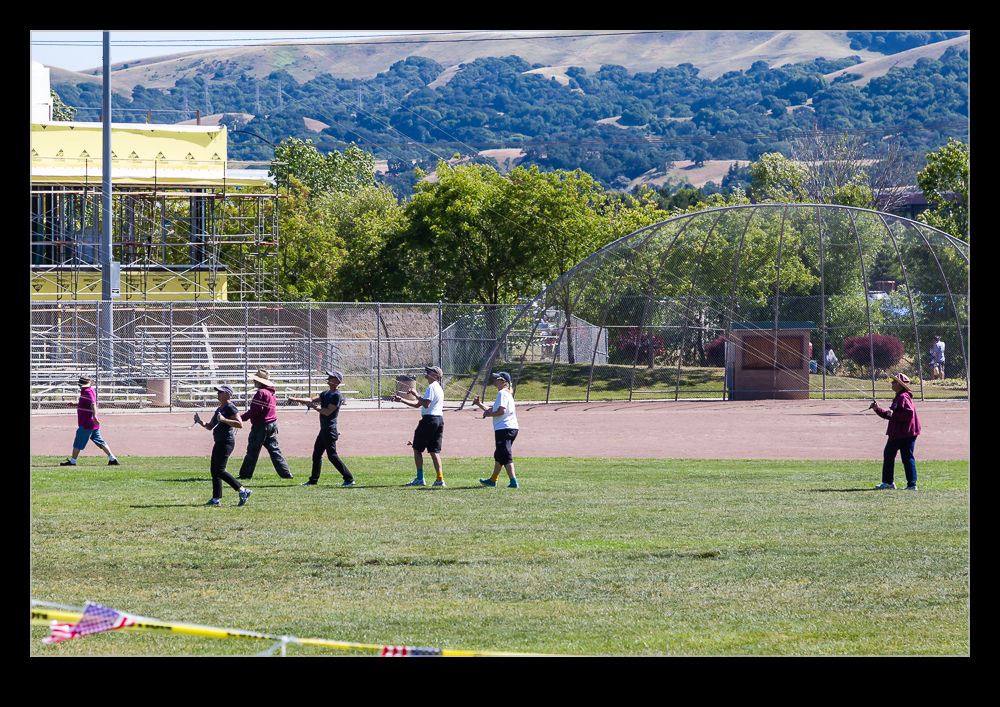
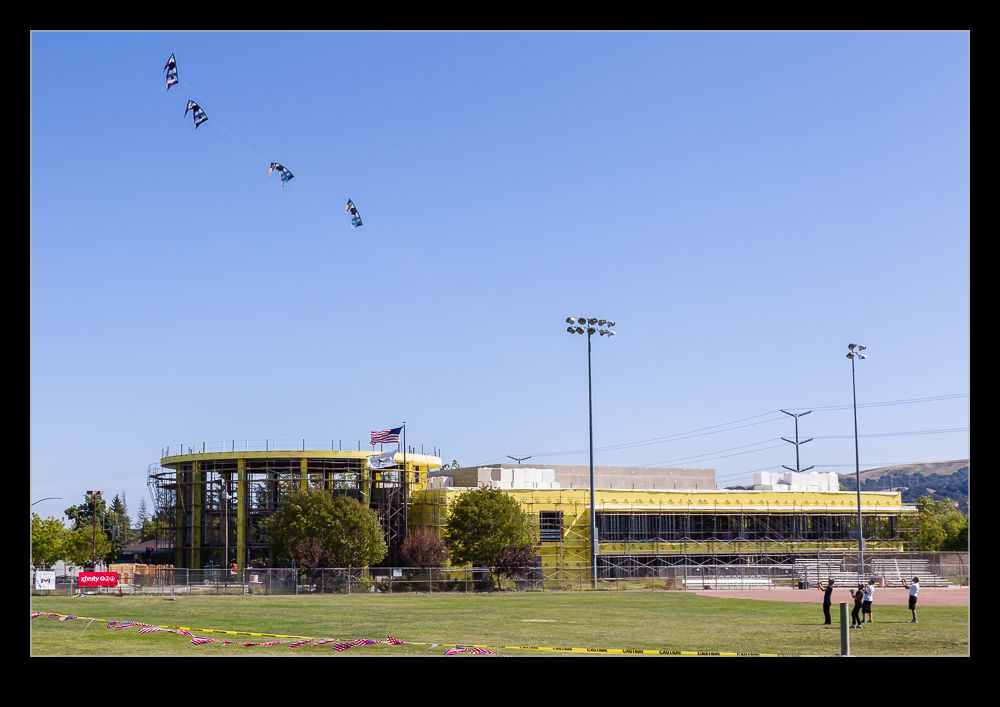
C59F3638.jpgSan Ramon holds an annual kite festival which we checked out last year. This time we went back and, rather than get too distracted by the other stuff that was there, we focused on the kite flying itself. There is a large field on which a series of demonstrations of different types and numbers of kites was undertaken. The quality of flying was very impressive. (I will caveat that by pointing out that a bunch of kids were flying their own kites around the field edges. They had obviously just had a kite bought for the, but the parents didn’t seem terribly bothered what they were doing with them so you could get a swift kite to the head if you weren’t careful – and I obviously wasn’t!).

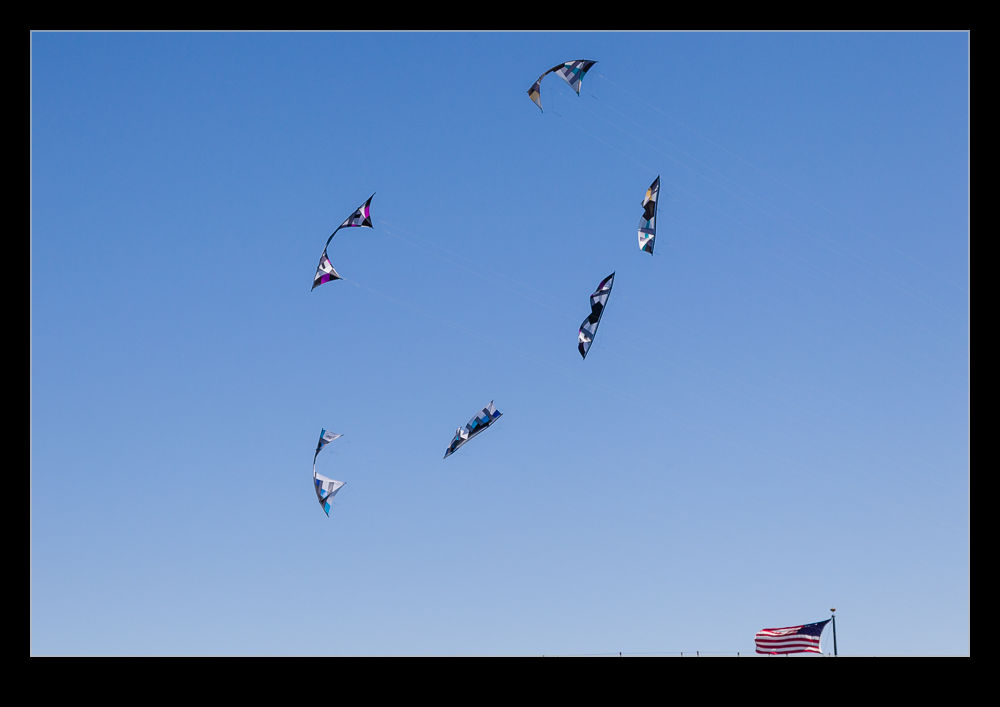
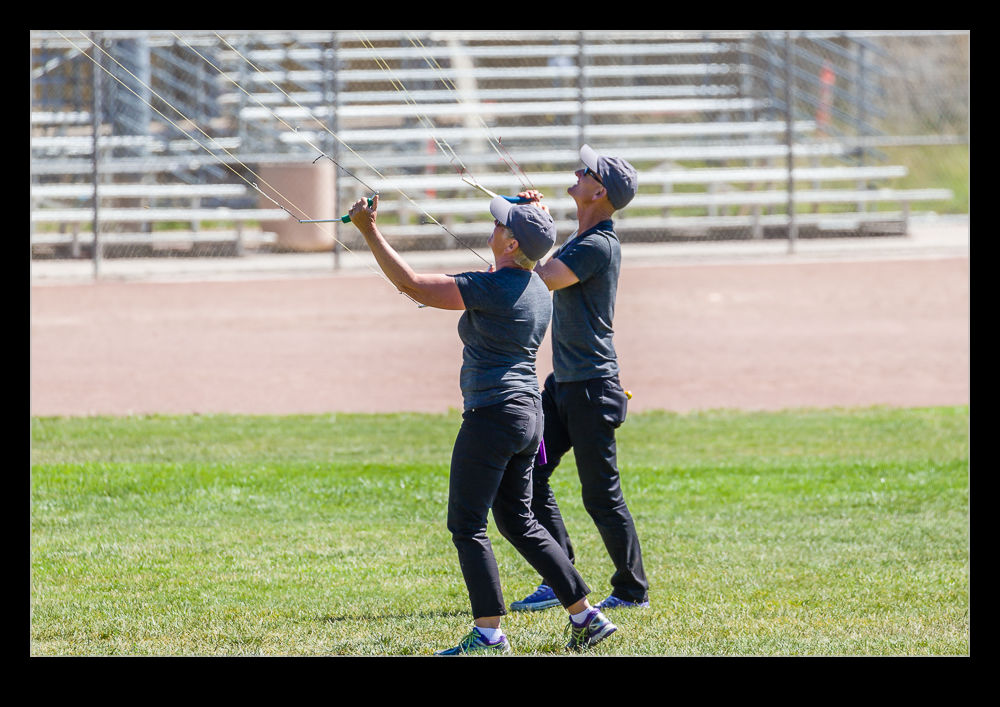
C59F3719.jpgIf I ignore the health hazards, the demonstrators were putting on some excellent displays. The individual flights were good but the coordinated flights were outstanding. Two, four and sometimes six kites were flown in formations which was very cool. The lines can overlap so they can continue to control the kites even when they have overlapped the lines several times. Of course, untangling them again is required to avoid a lot of pain when they land.

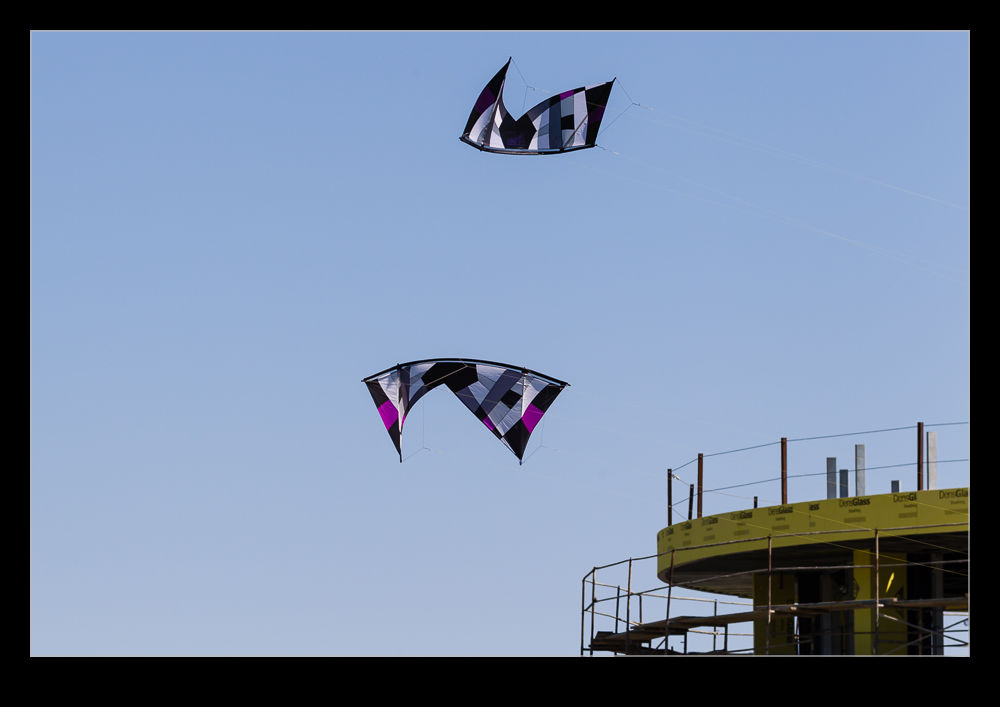
C59F3726.jpgThe different kite styles also bring different capabilities. Twin line kites can be steered left and right while the four line kites allow steering or rotation in place, moving up or going backwards. In the right hands, they are very maneuverable. I have tried a quad line many years ago and they are twitchy but incredibly clever provided you don’t keep crashing them.

C59F3710.jpgI also put together a little video of the flying below. It turns out shooting video of kites is a bit harder than I expected. They can move quite quickly and are pretty close to you. Also, it is hard to predict their next move so tracking is a touch harder than you would hope. Still, video gives a far better impression of them than stills can achieve. Now I am thinking about trying to find some old photos of kite flying in Lytham. Where are they?

C59F3679.jpg C59F3674.jpg

China Southern Second Attempt

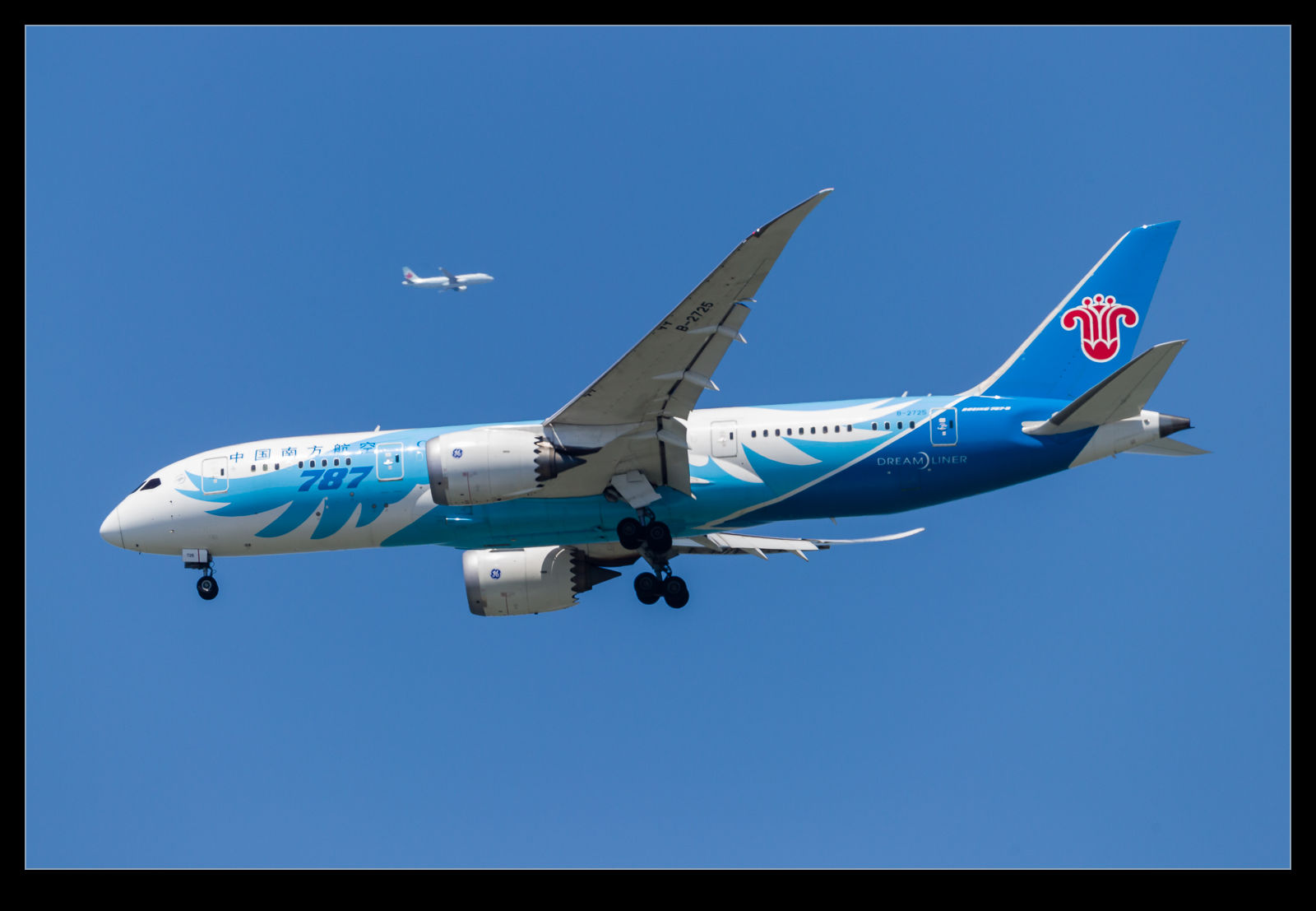
AU0E3687.jpgThe timing of my visit to Seal Point Park did coincide with the scheduled arrival time of the China Southern Boeing 787. This was one that I had meant to shoot previously and had bodged as a result of being distracted. That was discussed further here. This time I thought I would make a more concerted effort to get it right. I was just hoping that the heat haze would not be a problem.

As it worked out, I did not lose track of what was going on and I was ready when the colorful jet showed up on the approach. He was a bit far out which meant the haze was a problem from some angles but still good enough to get a reasonable shot as it passed which was combined with an Air Canada A320 heading downwind for its arrival.

Scorpion

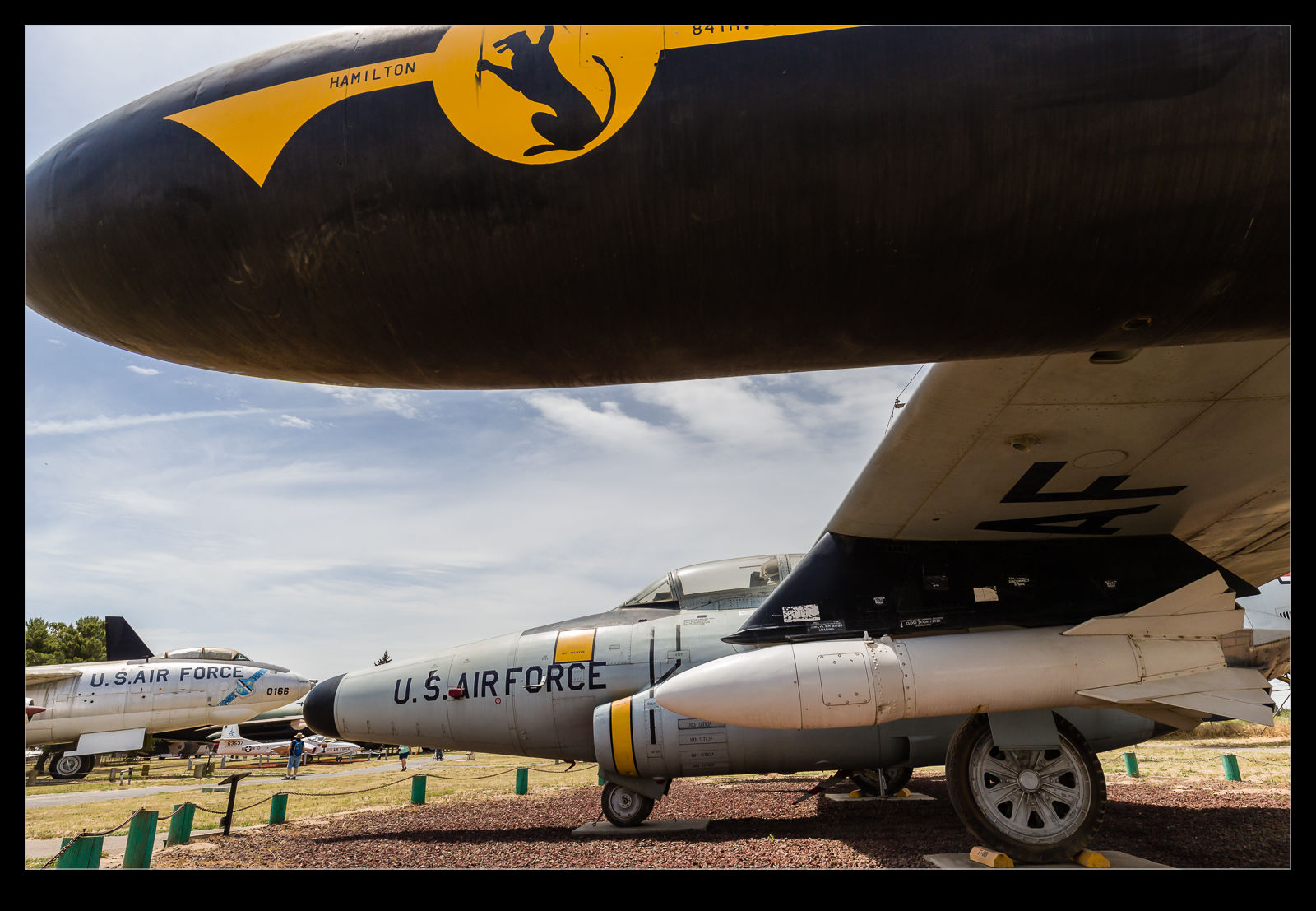
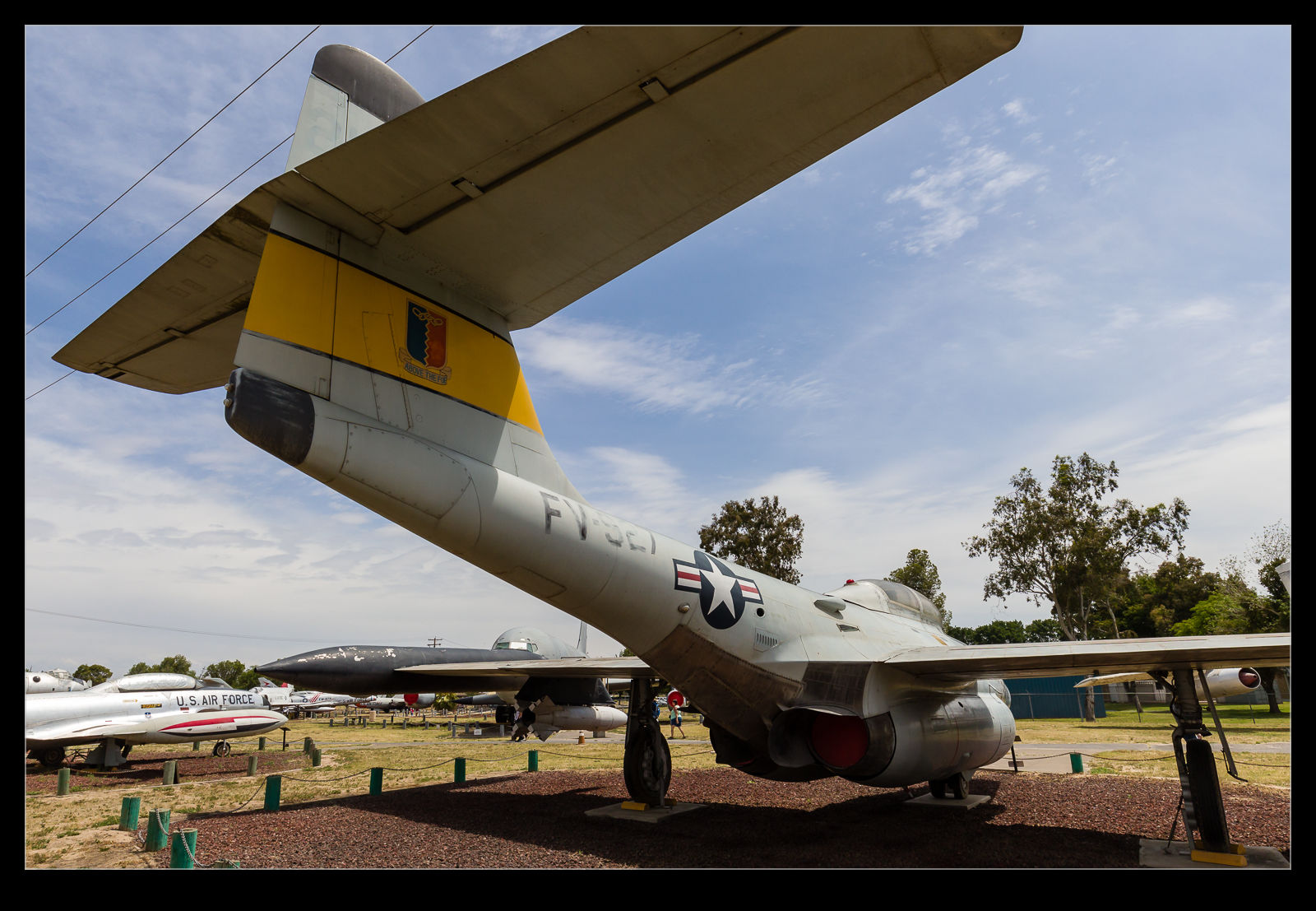
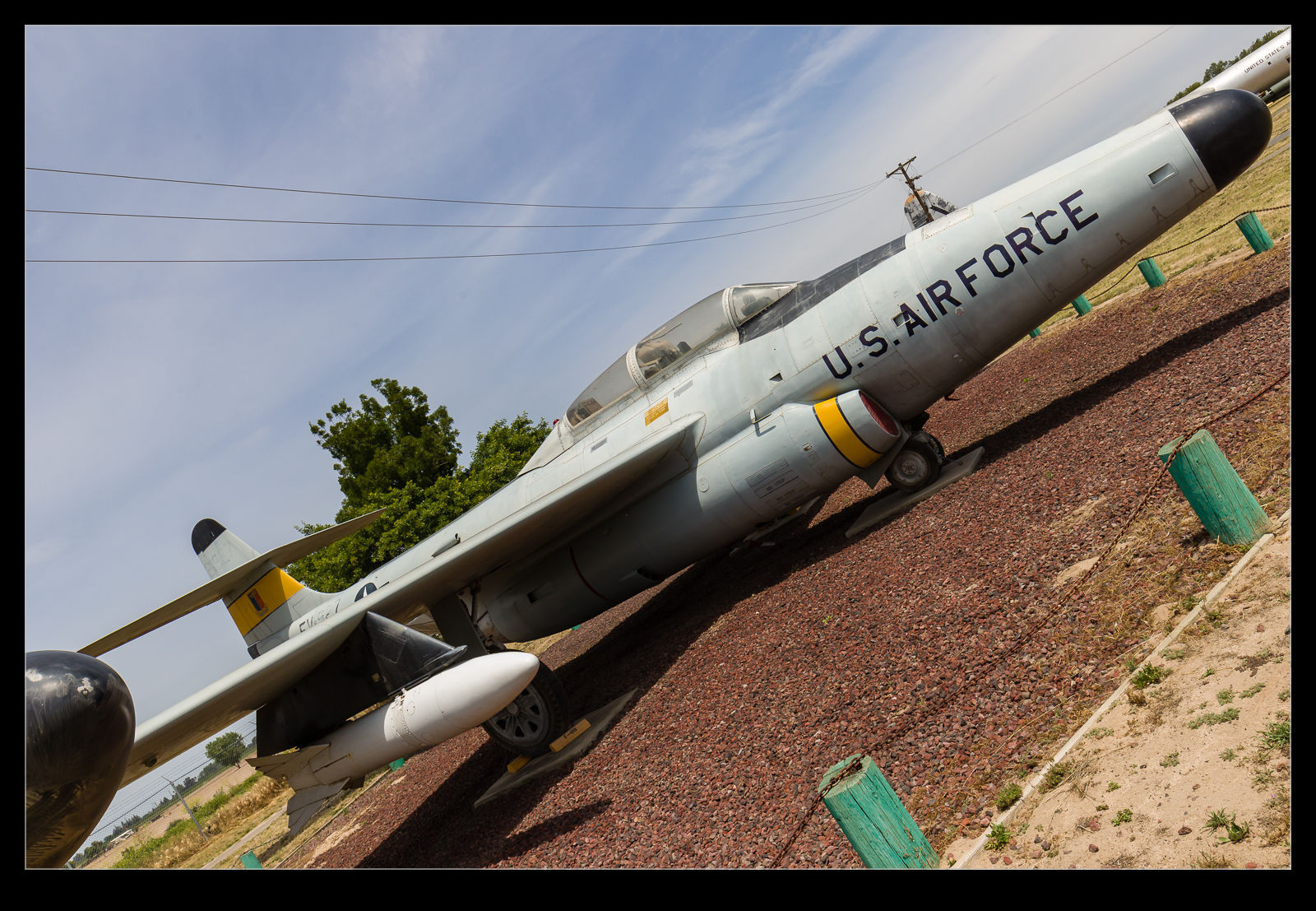
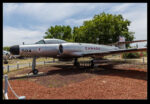
AU0E3957.jpgSome aircraft I blog about are ones that I find cool and wish I had seen in action. This is not one of those. However, it does interest me because it is so different from many of the types from the same era. This is the Northrop F-89 Scorpion. The Castle Air Museum has an example on display and I have seen a few scattered around various museums. The Scorpion is, in theory at least, a fighter. However, looking at it, you might be forgiven for not realizing this. It is a big beast of a lane with an unswept wing and a decidedly chubby appearance.

AU0E3959.jpgIt’s role was to shoot down bombers heading to the US. It was made in an era when jet engines were famously inefficient and having long range and endurance was tricky for a fighter. In order to operate far enough out to shoot the bombers while they were still out of range of their targets, the Scorpion focused on efficiency. It was not a maneuvering fighter. Its job was to get close enough to the bombers to launch its missiles.

AU0E3961.jpgThese missiles look a bit odd too. They are not your traditional air to air missile designed for speed and agility. They also didn’t need to be. The Genie missile had a special warhead. It was a nuclear weapon. As long as it was reasonably close to the target, it was going to take it down. No clever tracking and requirement to get close to have the required effect. Ultimately, this combination was only suitable for a relatively limited type of target and the focus moved to newer fighters and missiles (although the nuclear armed missile concept lasted a lot longer). The Scorpion went into the history books.

One other aspect of the Scorpion is of interest. It had large wing tip fuel tanks to increase endurance. Someone came up with the idea of equipping the jet with unguided rockets and these were installed in the front of the tip tanks. I’m sure it was well worked out but the idea of having rocket exhaust plumes on the front of a fuel tank seemed bizarre to me as a kid.

Brother Bear

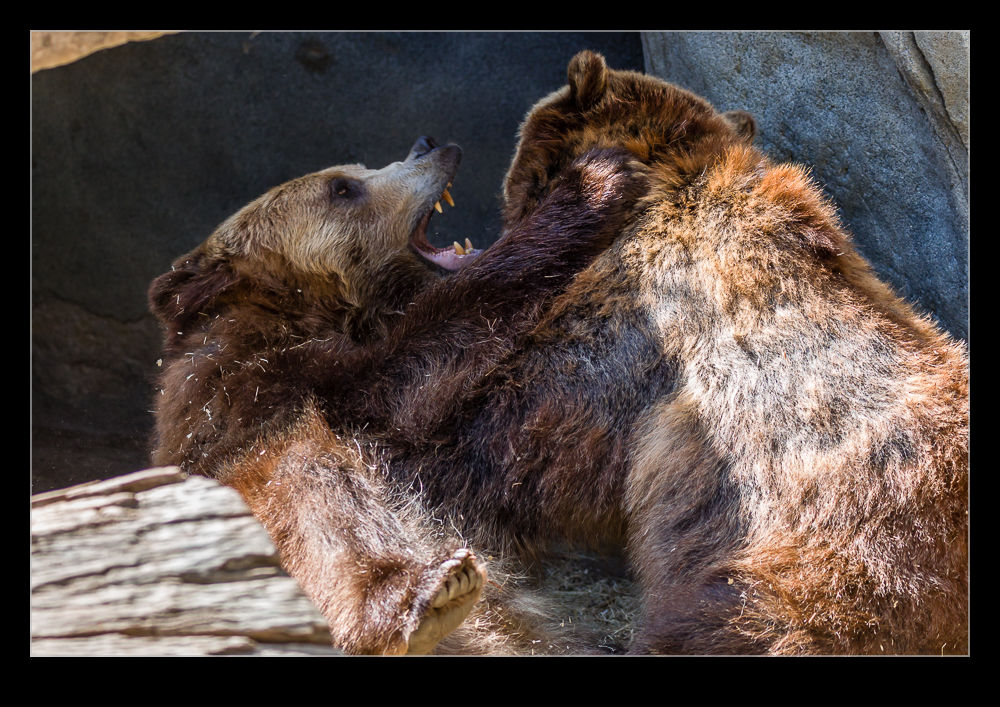
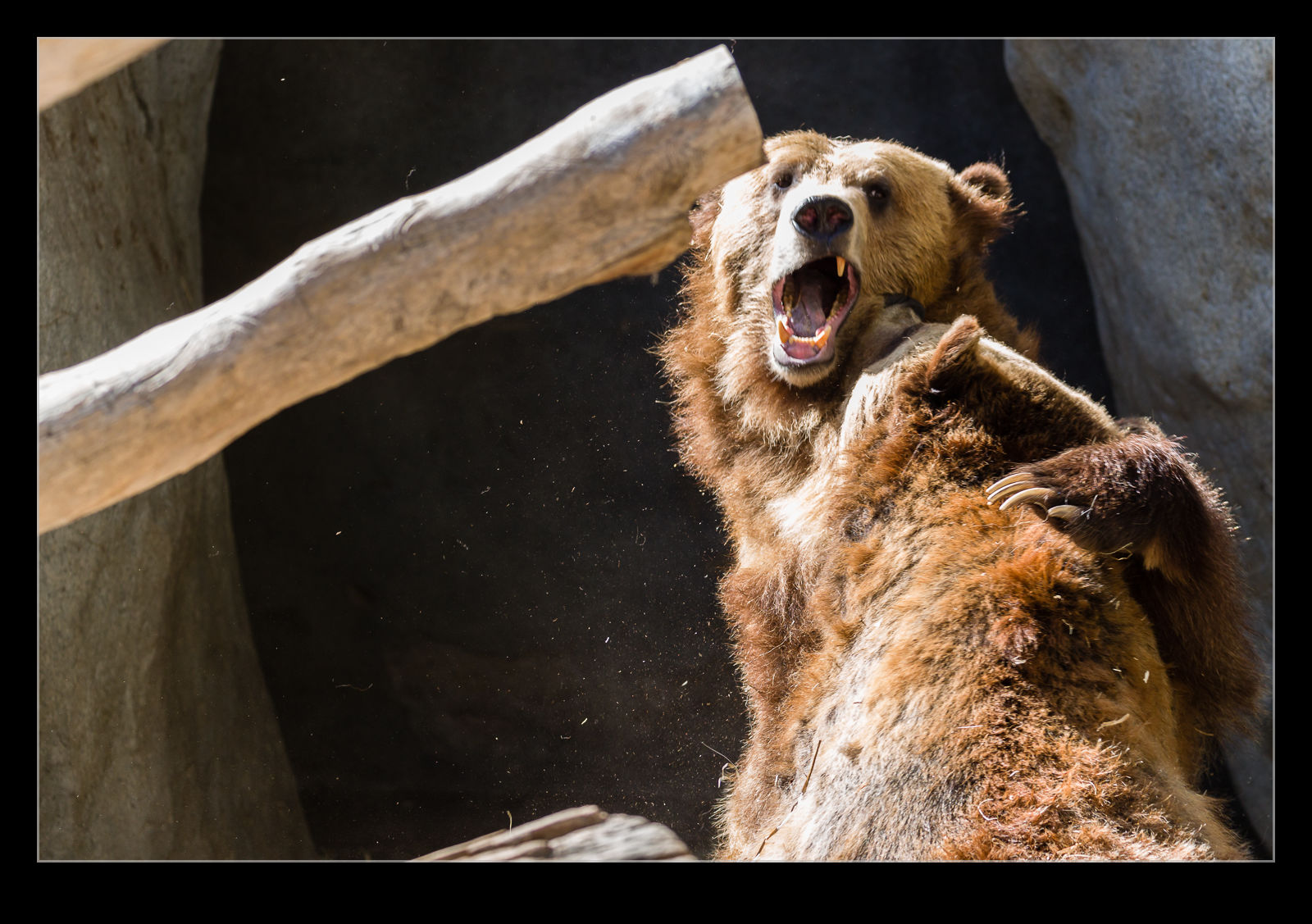
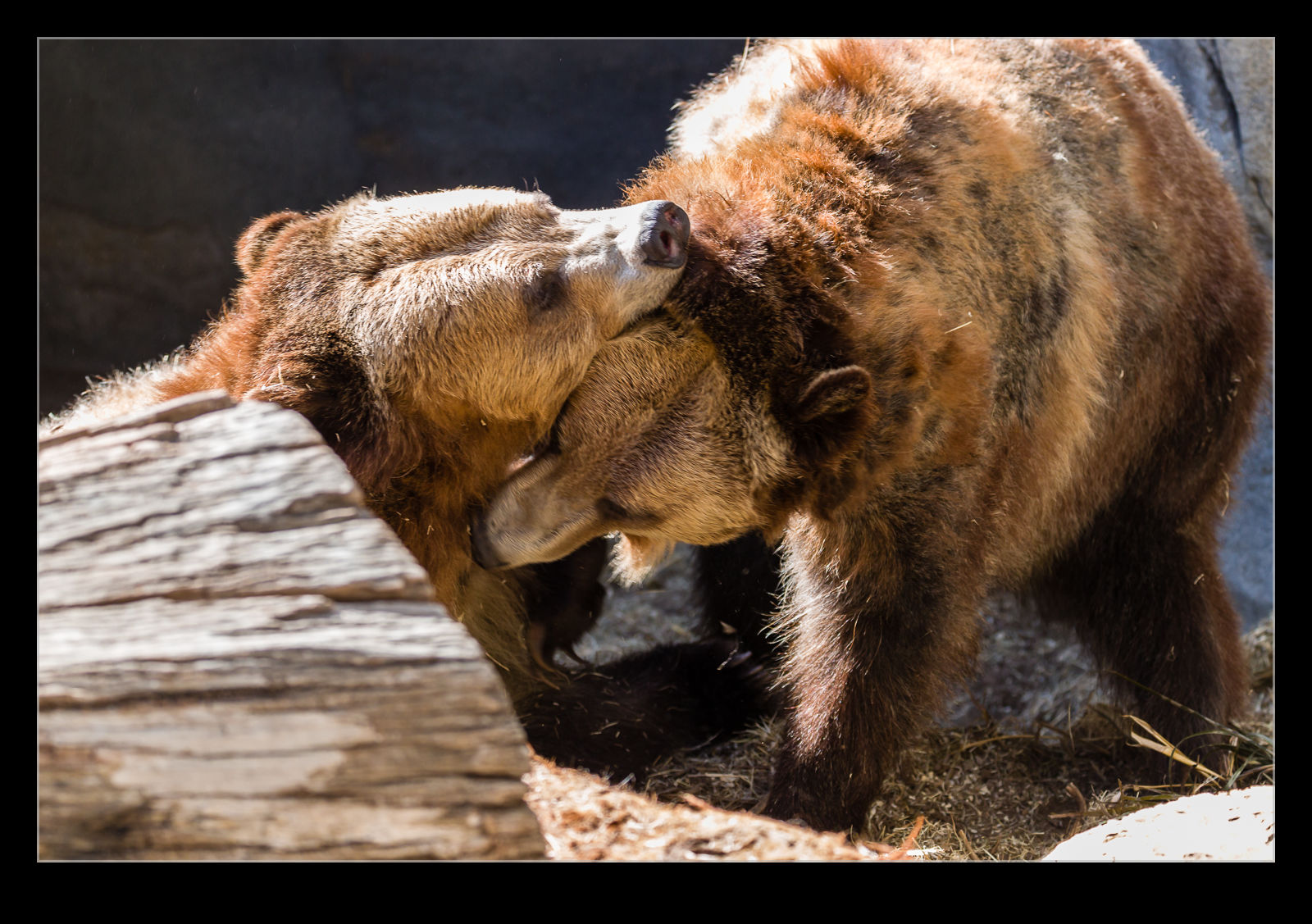
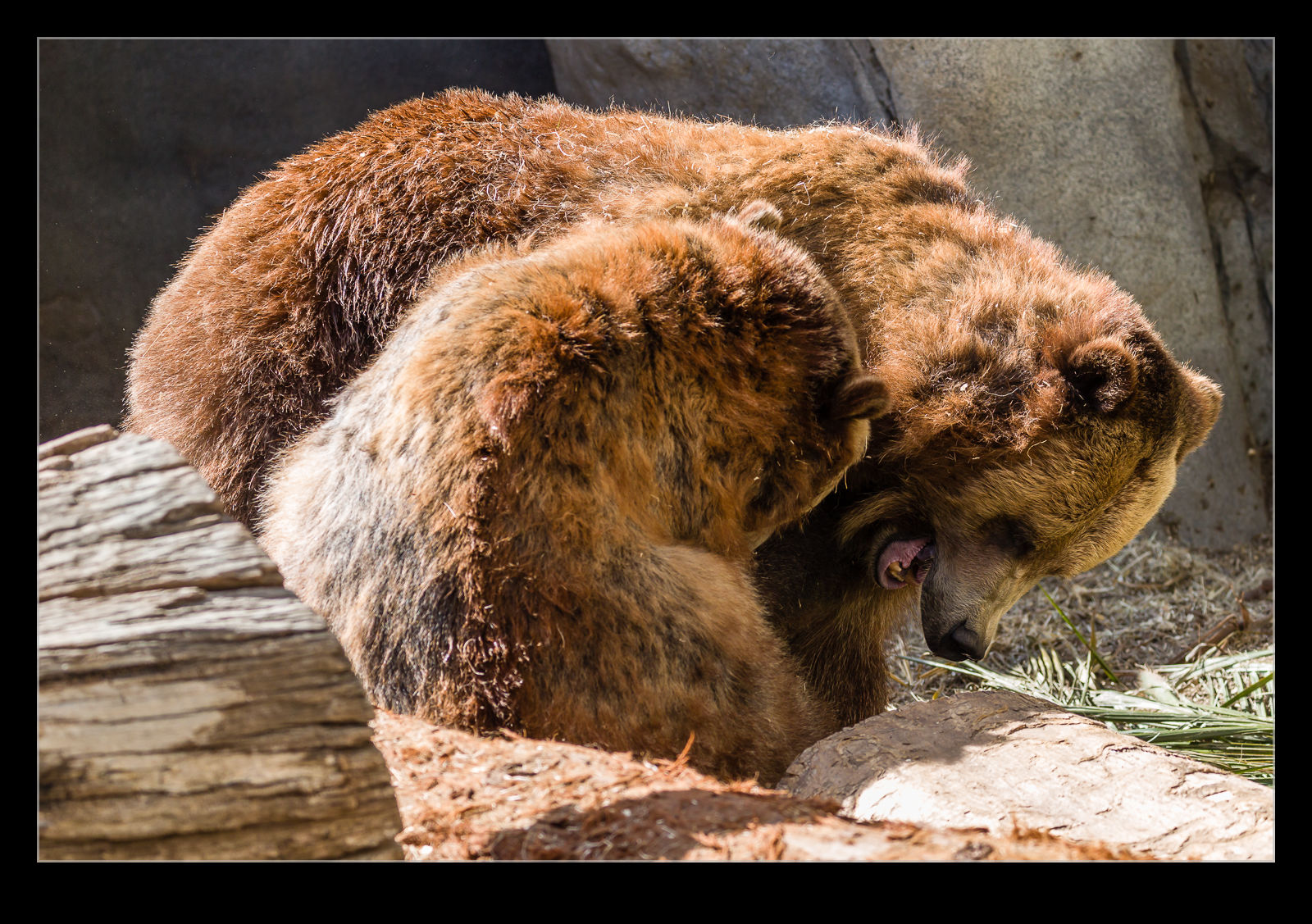
AU0E5063.jpgBears are not known as being the most active creatures in zoo environments.   They may wander around sniffing for food or take a dip but they are just as likely to be sleeping as anything. Getting some more activity is, therefore, a reason for some celebration. The reason was that the enclosure had two Grizzlies that are brothers. Put two tough brothers together and guess what happens. They start fighting.

AU0E5041.jpgNothing dramatic. None of this was serious. Just the sort of sparring that boys will do if no one stops them. Of course, they do fight behind some branches so you don’t have quite as clear a view as would be ideal. Even so, watching them wrestle and bare their teeth at each other was a lot of fun.

AU0E5081.jpg AU0E5037.jpg

F-101 Voodoo

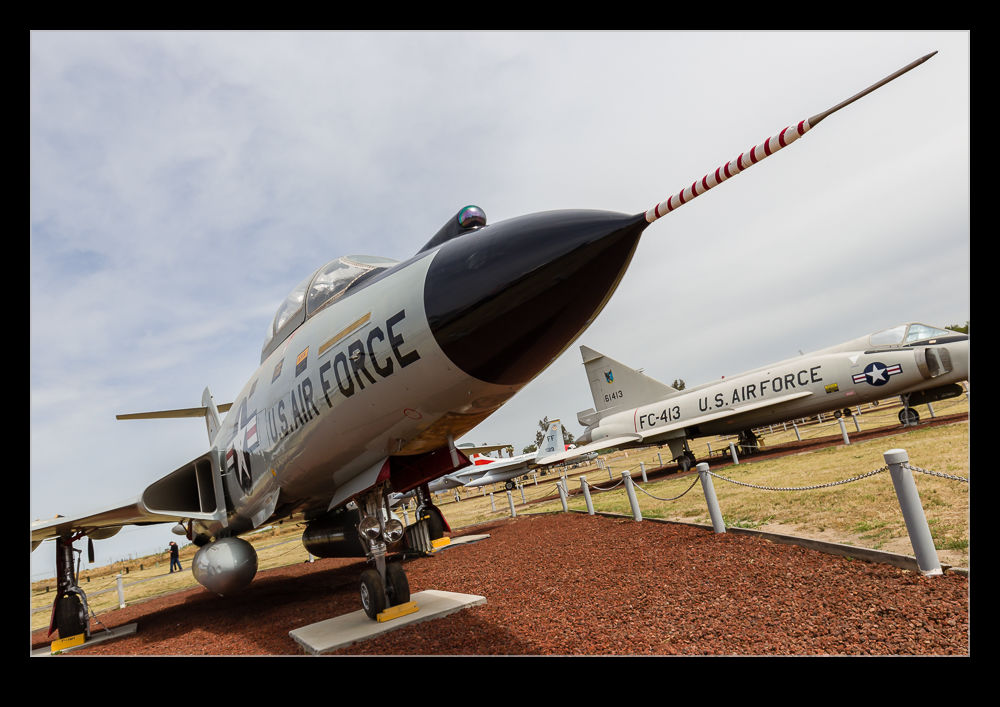
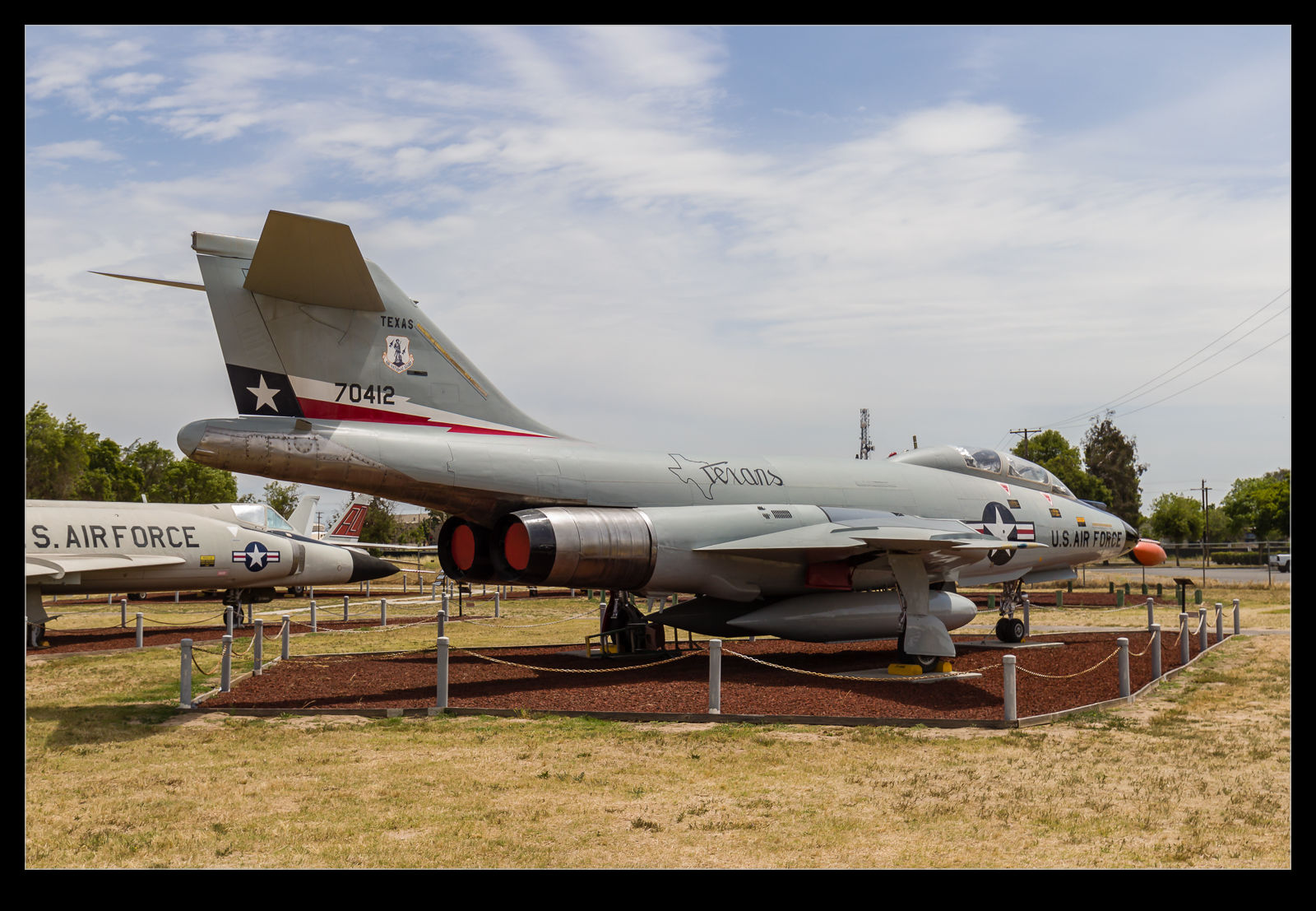
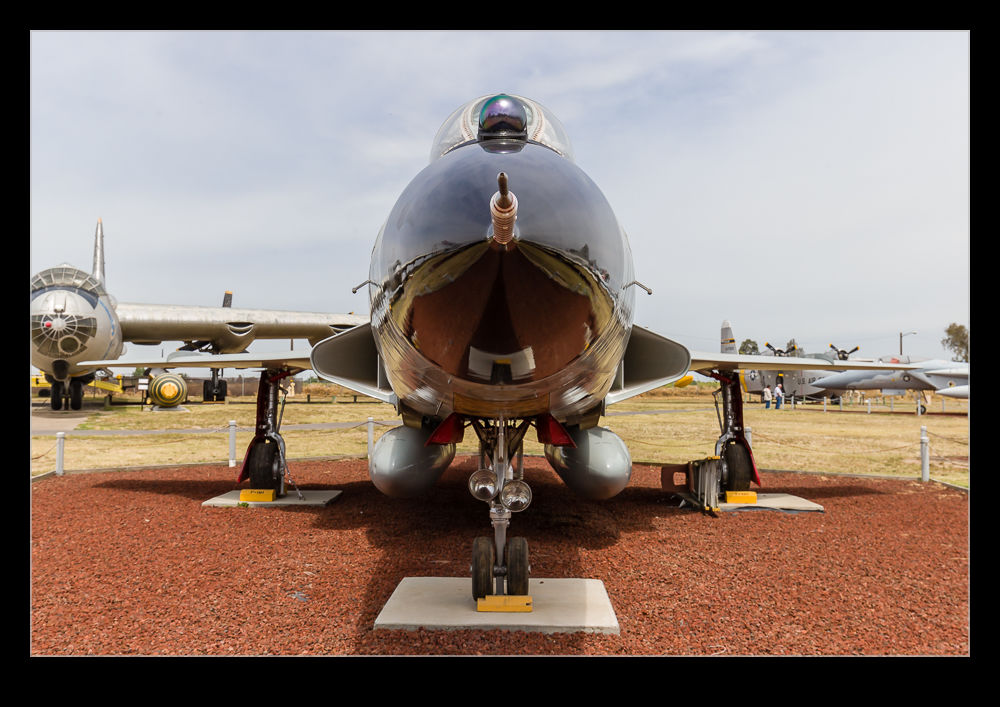
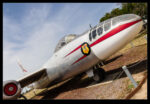
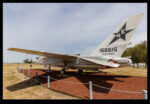
AU0E3855.jpgThe number of aircraft that I wish I had seen but flew either before I was born or when I was too young to get to see them is pretty high. Some of them were actually active but I just never got to see them in action. These are the ones that are more frustrating even though there was no way I was going to have been able to see the, at the time. One such type is the F-101 Voodoo. This is an aircraft that I saw in some of my (many) aircraft books. I am not sure what it was exactly that grabbed my attention but one element was the huge jet pipes along the lower rear fuselage. These seemed unusual to me and gave me the impression of power to go with the sleek fuselage design.
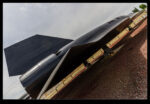
AU0E3946.jpgFighters of that era were very focused on speed, often at the expense of maneuverability. They had small wings so didn’t turn too quickly but they got where they were going in a hurry. That seemed cool to me at the time. Since I never saw them fly, my only option is now to find examples at museums. The Castle Air Museum has one on display and I was very pleased to see it. Everything about the plane looks interesting. The long fuselage, the T-tail configuration, the crank to the wing, the triangular inlets – all of these make it attention grabbing. I wonder how much the engineers at McDonnell enjoyed designing this jet and then seeing it fly. It met a few roles quite well. The Canadians us d it as a long range interceptor patrolling the extensive air space that country has. The USAF turned in into quite a capable reconnaissance platform. Whether it is judged as a success from a historical perspective I do not really know. I just like the look of them and I’m always happy to find a preserved copy.

AU0E3856.jpg

Castle Air Museum

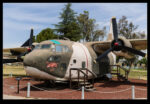
AU0E4021-HDR.jpgIt’s quite strange to think that I live about 90 minutes from a major air museum but have not been to it since moving here. Such is the case with the Castle Air Museum in Atwater CA. Located on the edge of what used to be Castle AFB, the museum has an extensive collection of Cold War and Second World War types, predominantly from the US but also with a variety of types from other countries. The majority of the collection is located outside which, given this is the central valley, should mean it is pretty sunny. How I managed to get there on a cloudy day I do not know. However, it was indeed overcast when we started walking around. Things did clear up a bit later on, though, so I actually went back to get a few extra shots of things I had seen early on.

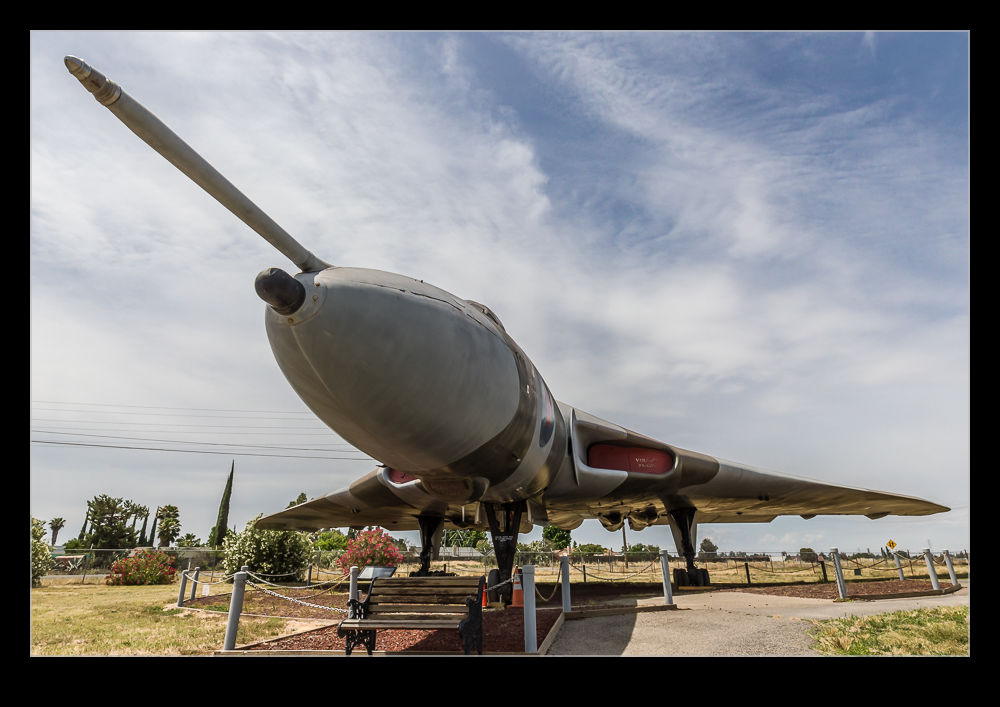
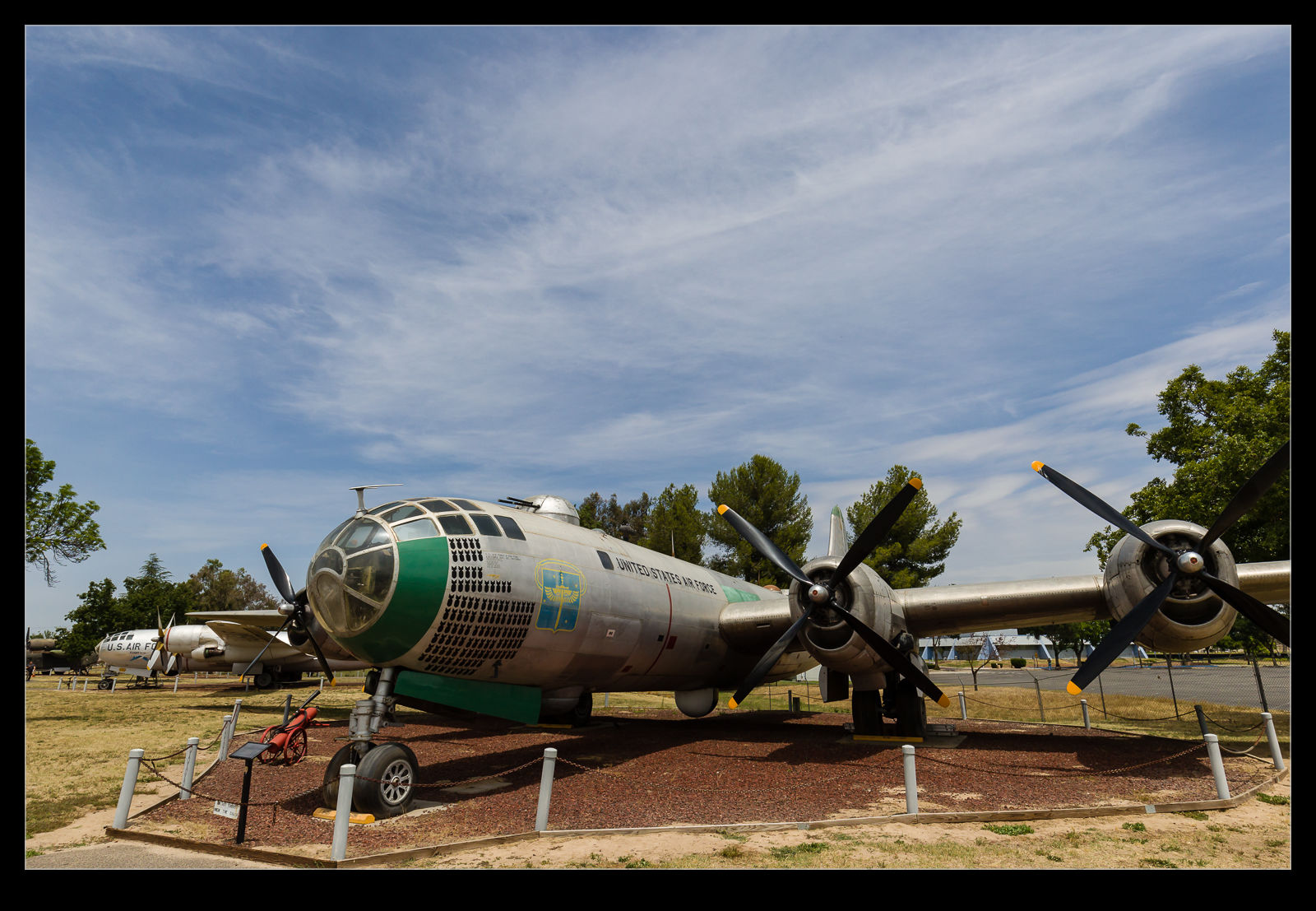
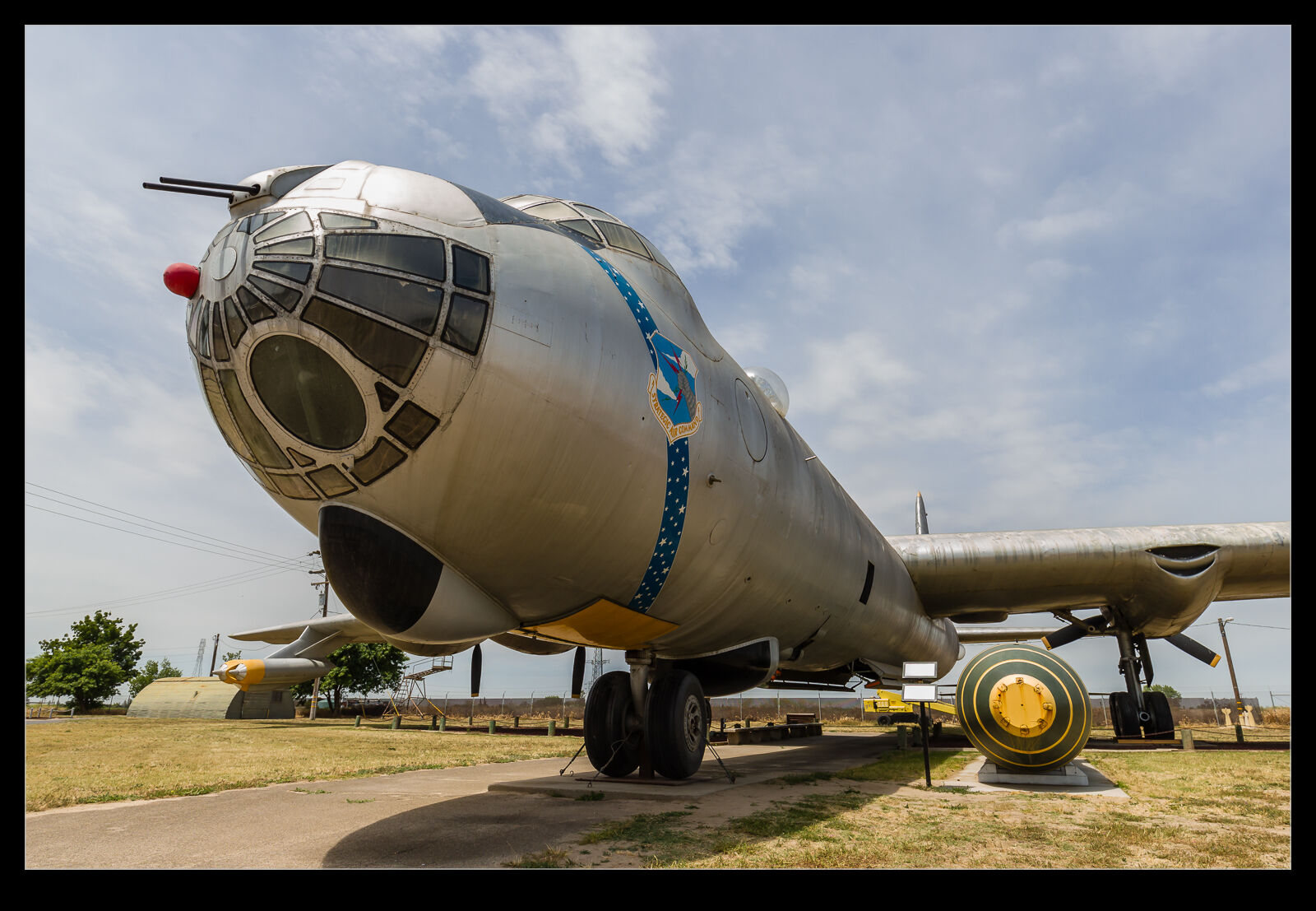
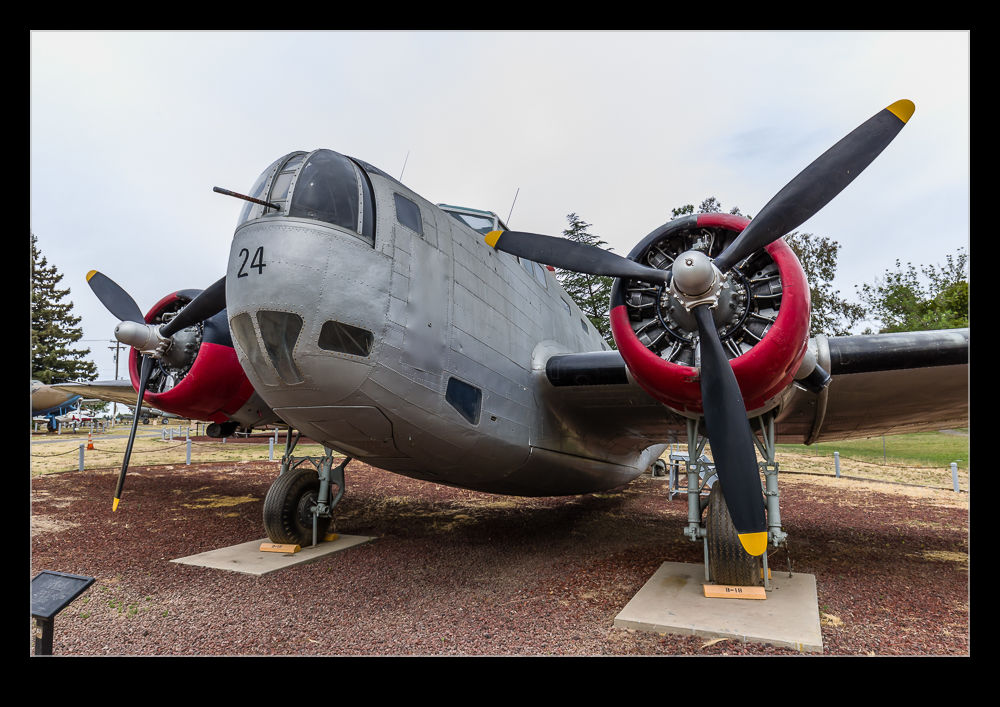
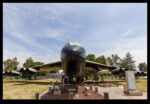
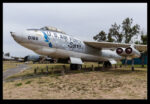
AU0E4048.jpgAs a one-time SAC bomber base, there are quite a few large bombers on display. From the B-29 and B-50 through the enormous B-36 Peacemaker (got to love irony) up to the B-47 and B-52 strategic jets, there are all sorts. Some rarer bomber types are also on show. Not necessarily successful ones but they add to the collection. The Brits are also represented with a Vulcan on display.

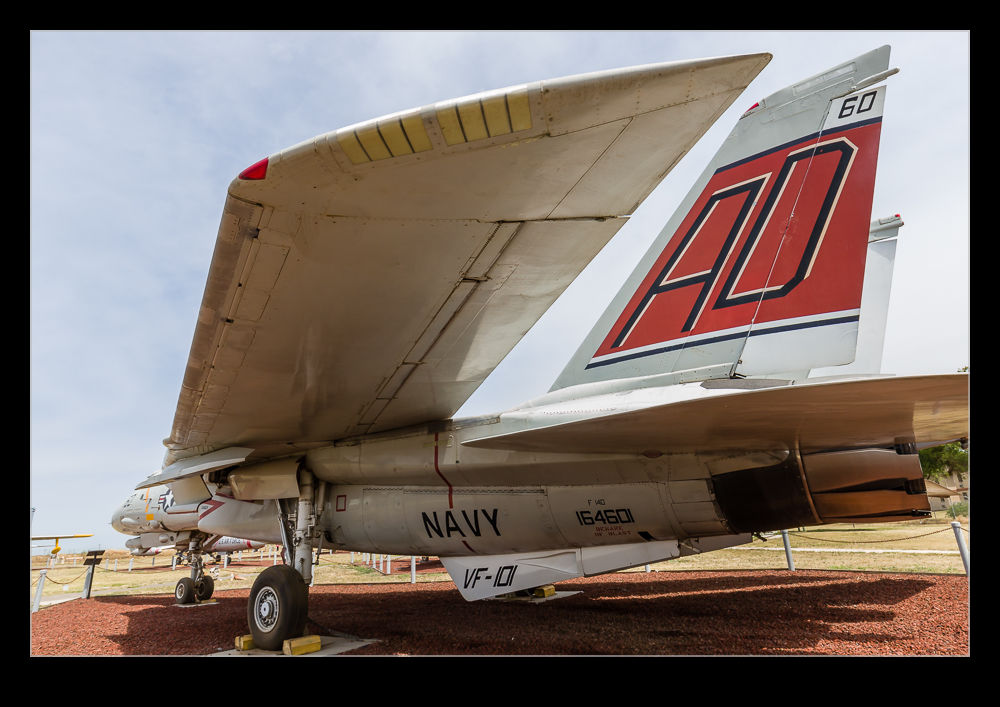
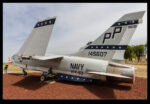
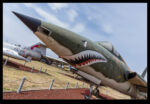
AU0E3943.jpgIt isn’t just bombers though. Plenty of fighters and trainers are included in the collection and a good number come from the US Navy so, despite the base having a USAF history, they have covered both services well. There is enough space to have all of the aircraft well spread out so you can appreciate them from many angles. You also get quite a walk in if you take a look at everything.

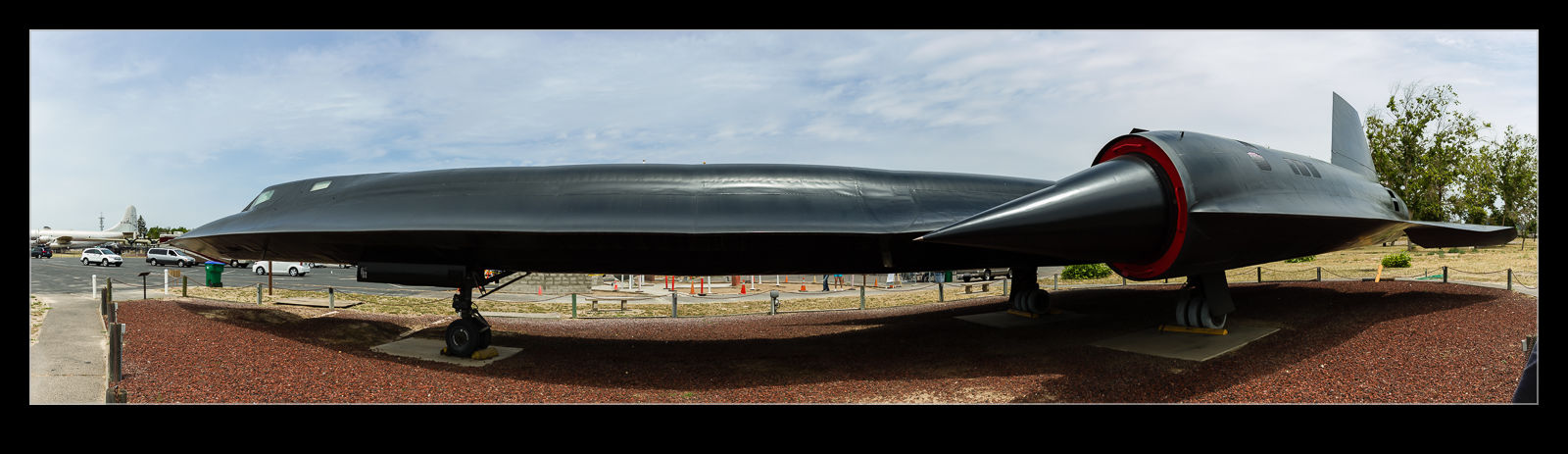
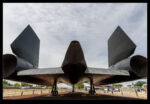
AU0E4062-Pano.jpgOne of the nice additions is an SR-71 Blackbird. There are a few SR-71s on display but not a huge number and seeing another one is always cool. However, they are quite tricky to photograph, particularly outdoors when the black paint scheme really makes for a strong contrast with the daylight. Still worth a go though.

AU0E3874.jpgThere are a few types on display that are worthy of a little extra time so I may post about them separately. If you have even a vague interest in planes, though, make a trip to this museum. Nancy came along and, while she is not a big fan of planes, she found the variety of types quite interesting. High praise indeed!

AU0E3802.jpg

McLaren

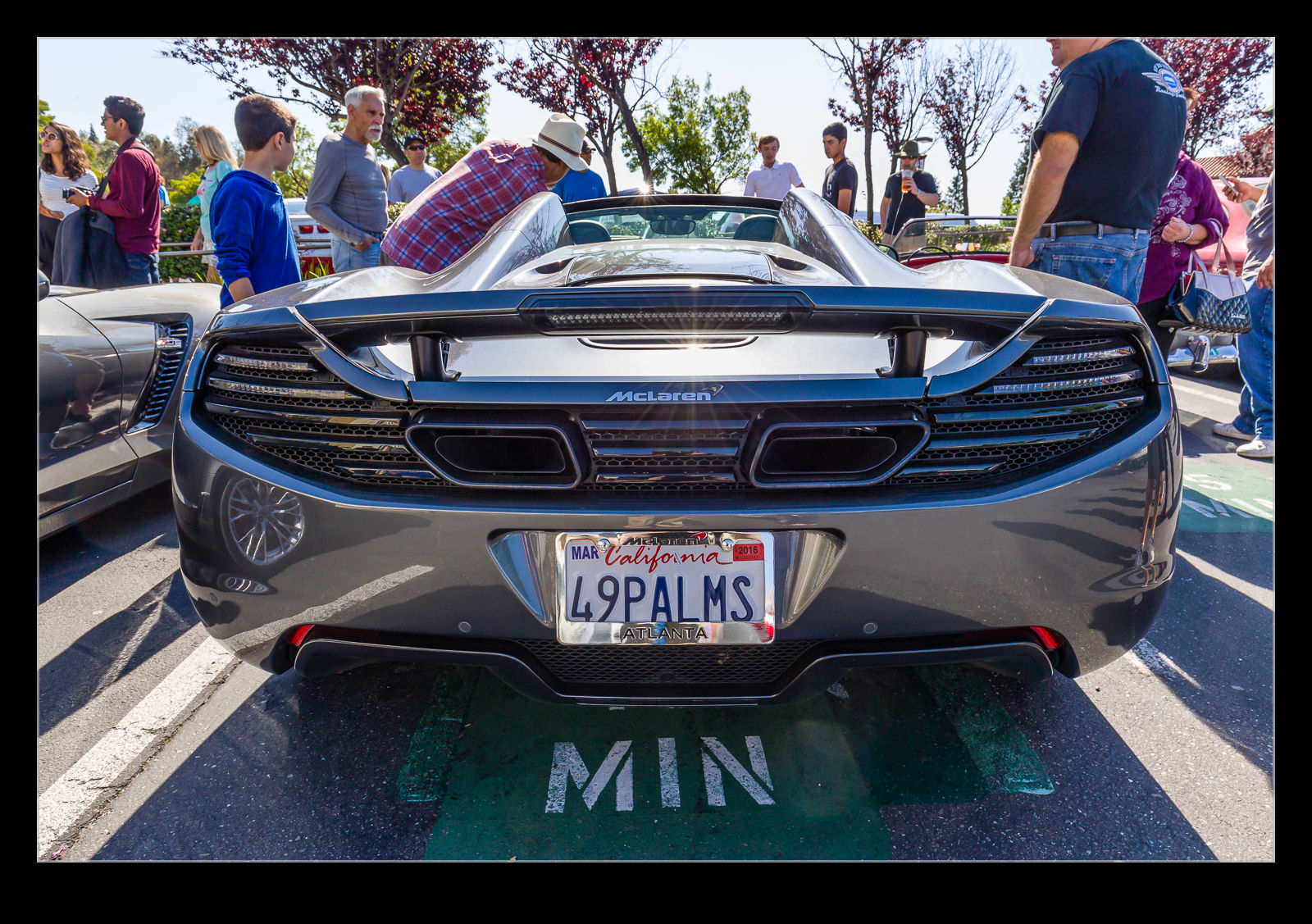
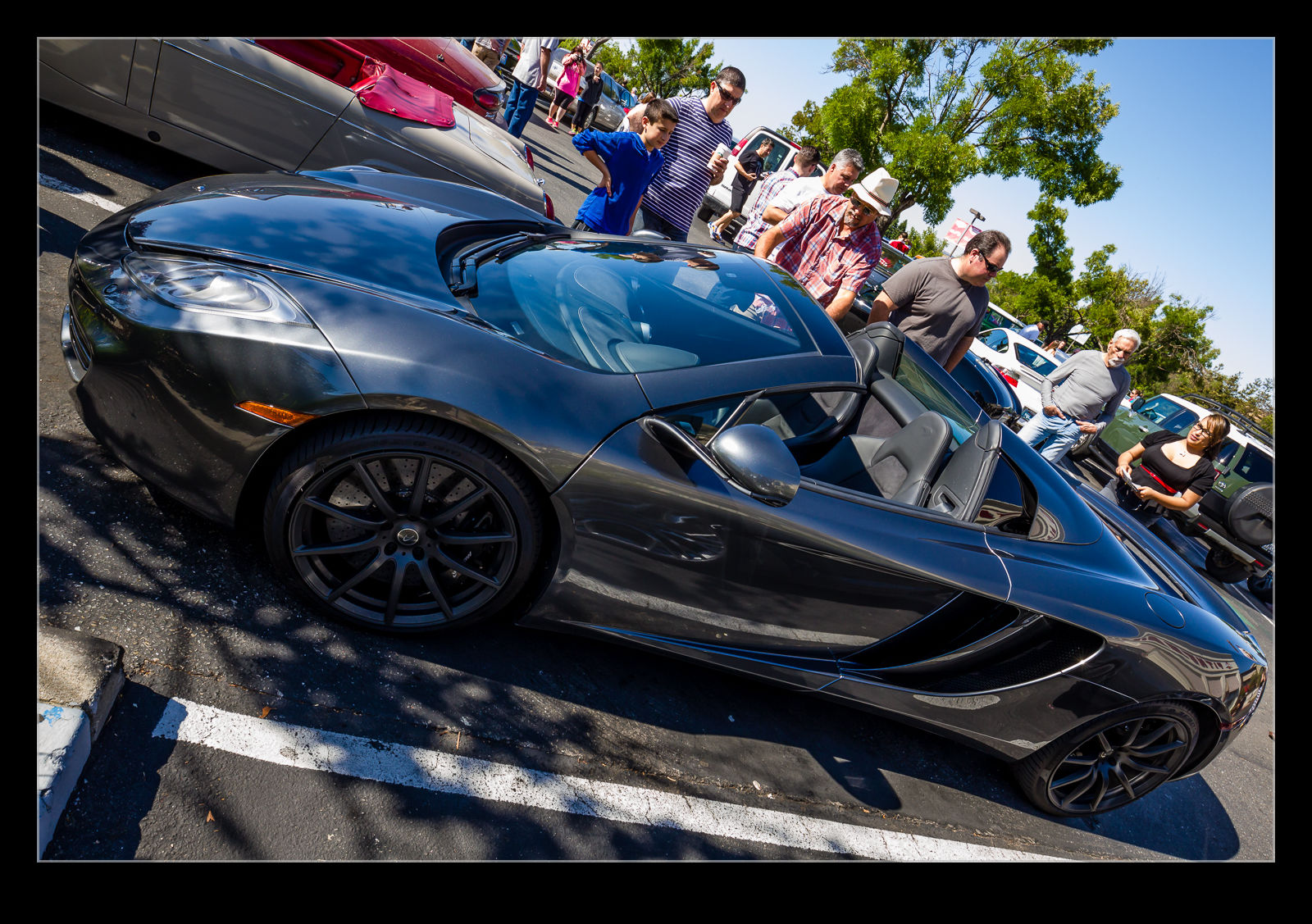
C59F3895.jpgThe cool cars were not just restricted to the main gathering area. As I wandered through the lot, a guy found himself a parking spot and pulled in with his McLaren. He hopped out, gave it a quick wipe down and then wandered into the crowds after chatting to a few of us. I only asked him one thing. Had it proved to be all he had hoped it was. “Oh yes!”

C59F3896.jpg C59F3893.jpg

Astons Again

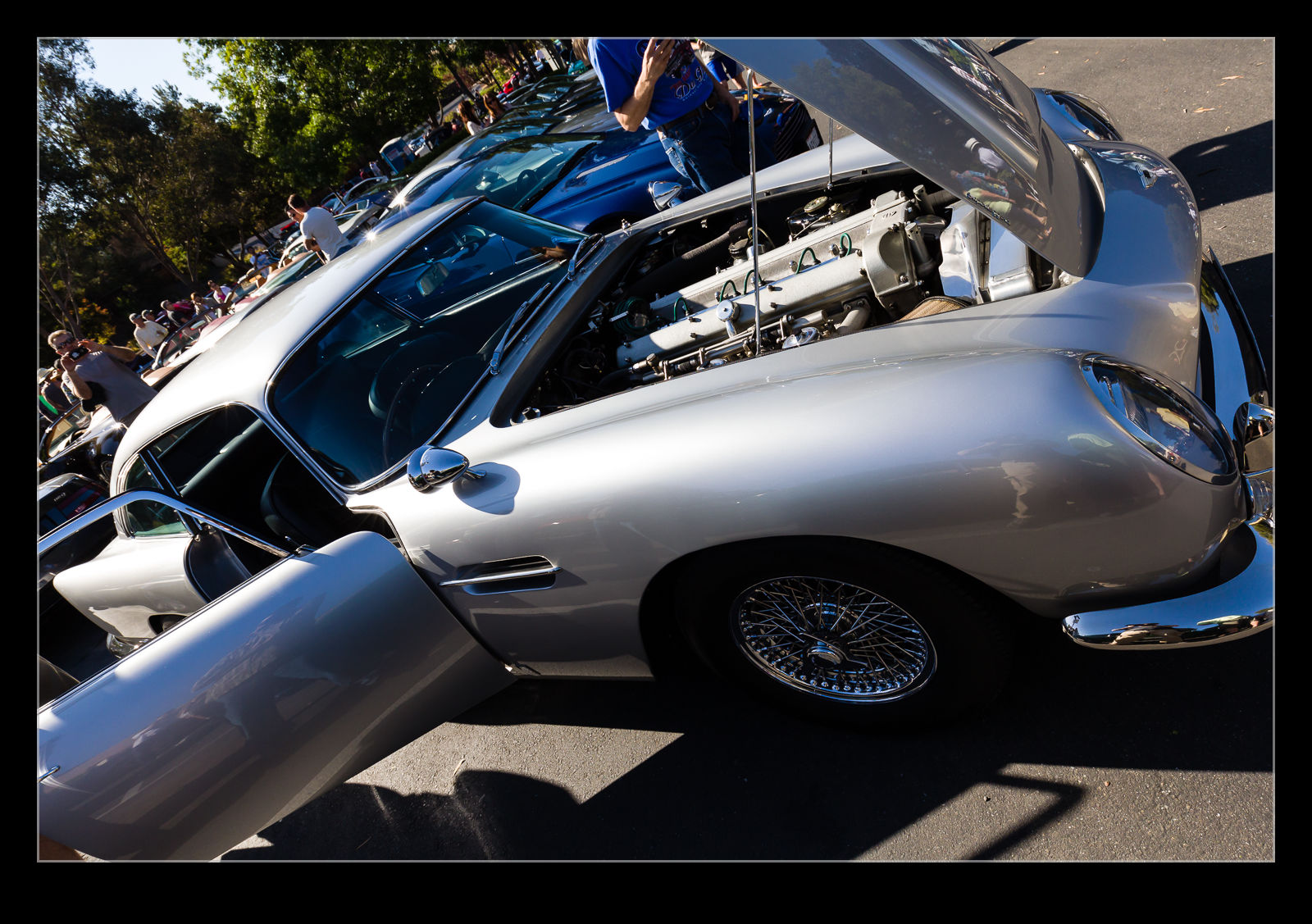
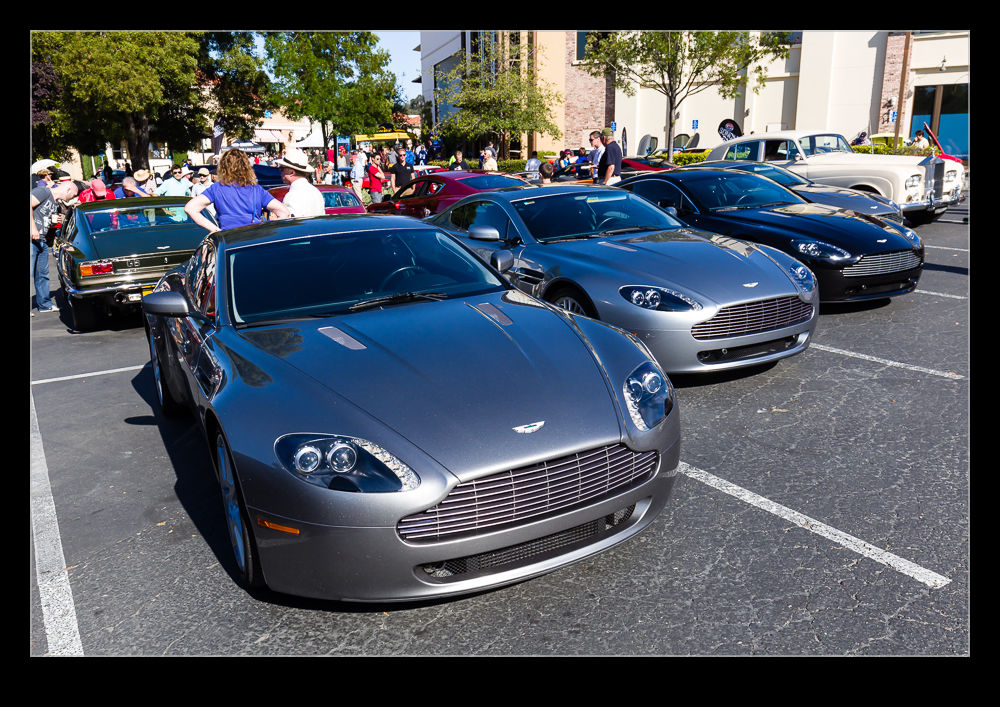
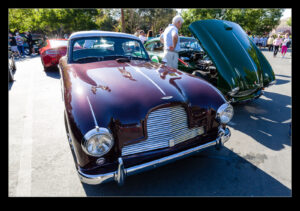
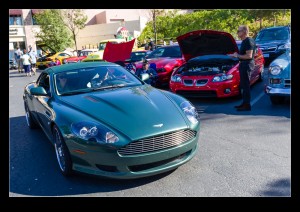
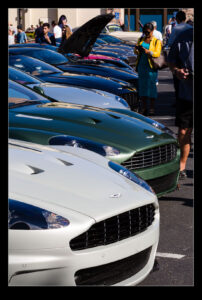
C59F3844.jpgThe Cars and Coffee meet in a previous post came with a whole bunch of Aston Martins. Obviously, there are a few people in our neck of the woods who like their Astons and I was happy to see what they had brought along. There were lots of late model cars looking particularly lovely on a sunny morning. The two lines of cars were great to see. It was hard to get a wide shot of them though. Plenty of people were all around them at any one time.

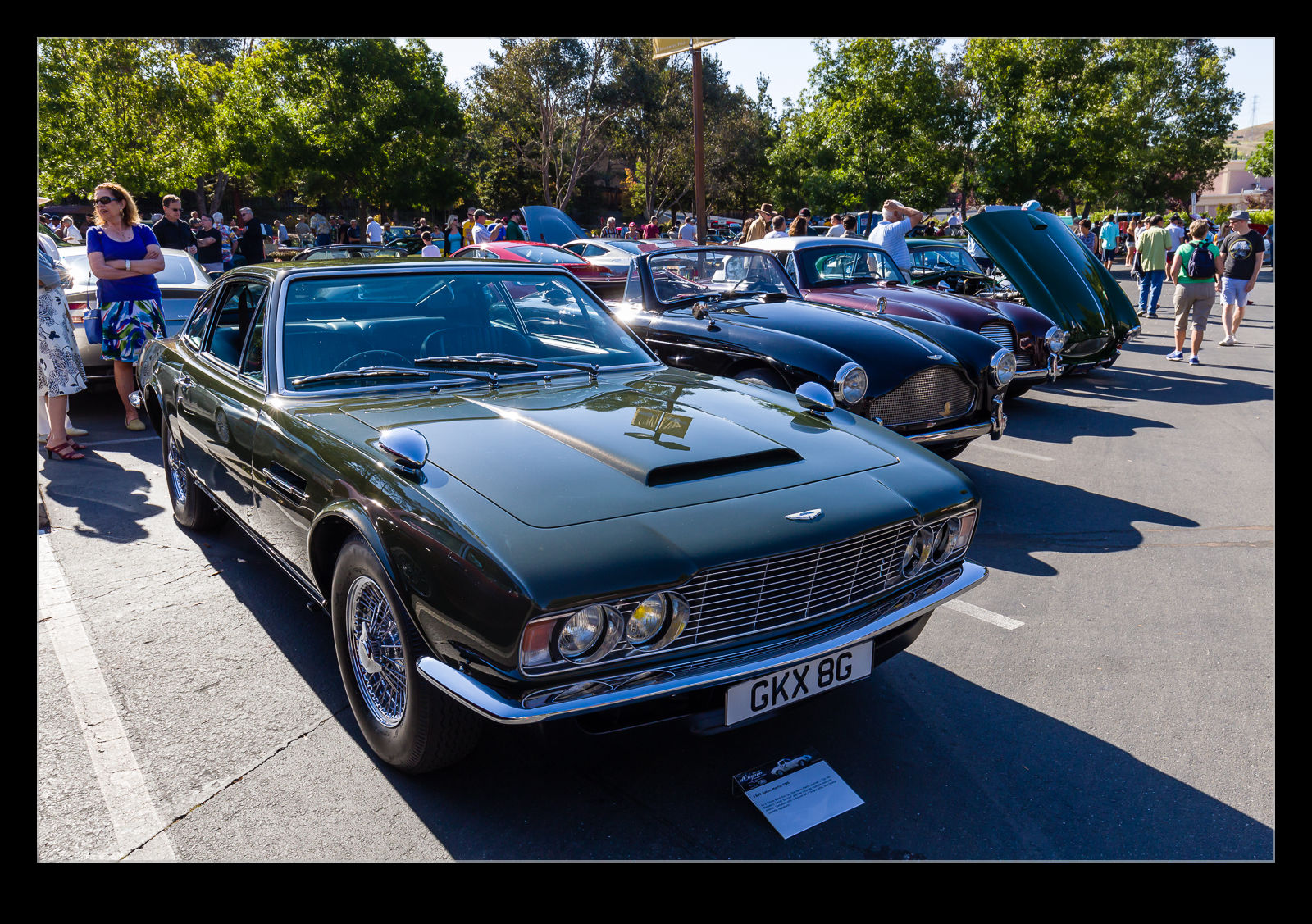
C59F3837.jpgThere were a couple of interesting old Astons too. One was a DB5 that appeared to be in spectacular condition. The owner was close by and chatting with anyone who stopped by. The one I was most taken by was an old Vantage. It turned out to be the car driven by George Lazenby in On Her Majesty’s Secret Service. A far later model of the Vantage showed up in a Timothy Dalton Bond movie which shows how long the basic design lasted. Seeing this earlier version with an interesting pedigree was great.

C59F3842.jpg

Seal Point Park

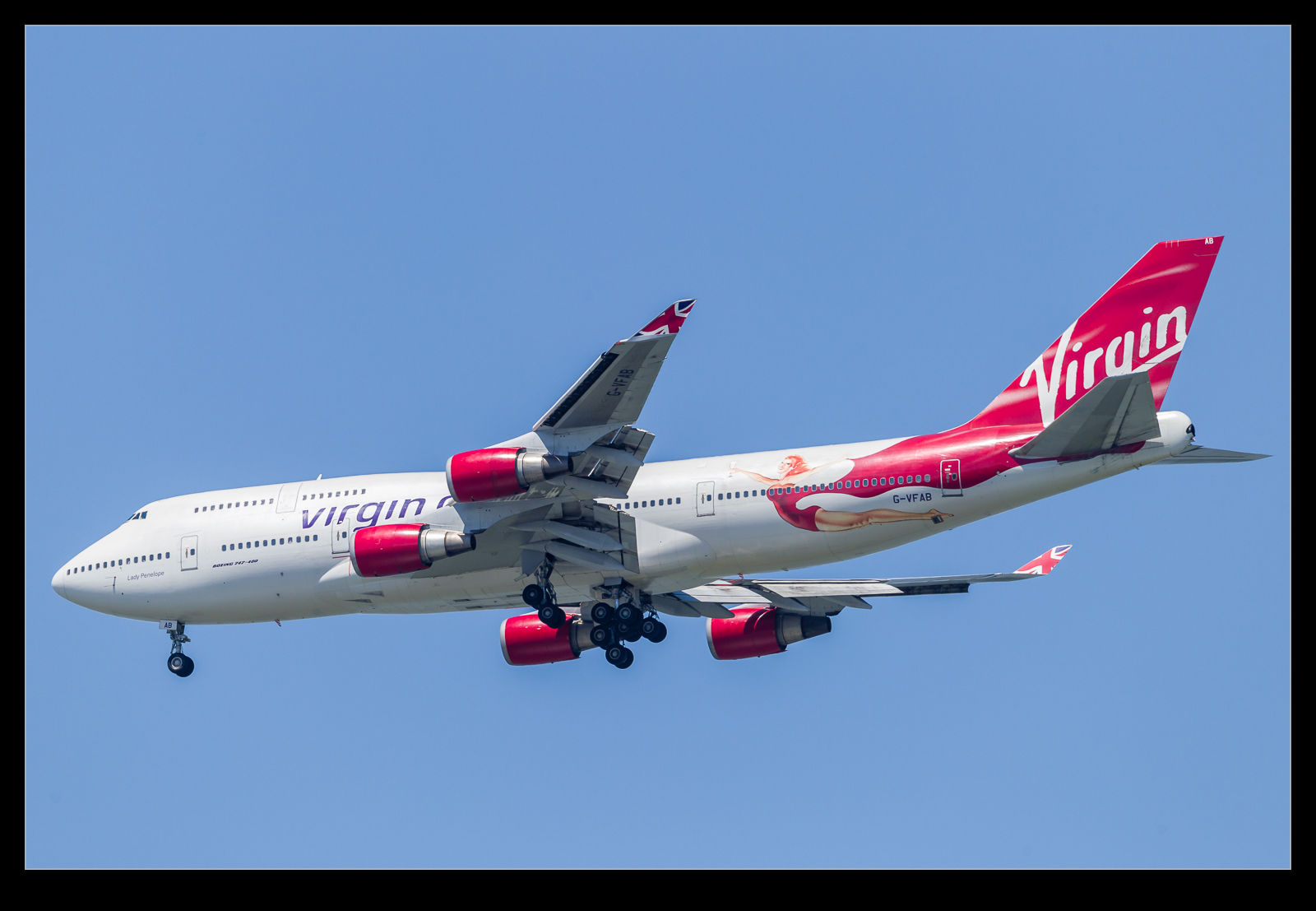
C59F3019.jpgThere are limited options for shooting at SFO and I have tried quite a lot of what is on offer. A buddy of mine was flying in a while back and he looked at a park on the bayshore which he suggested might be of interest. It is a bit further out but has some elevation so he thought it might be worth a look. I took a look on Google to see exactly where the place was and found it was Seal Point Park.

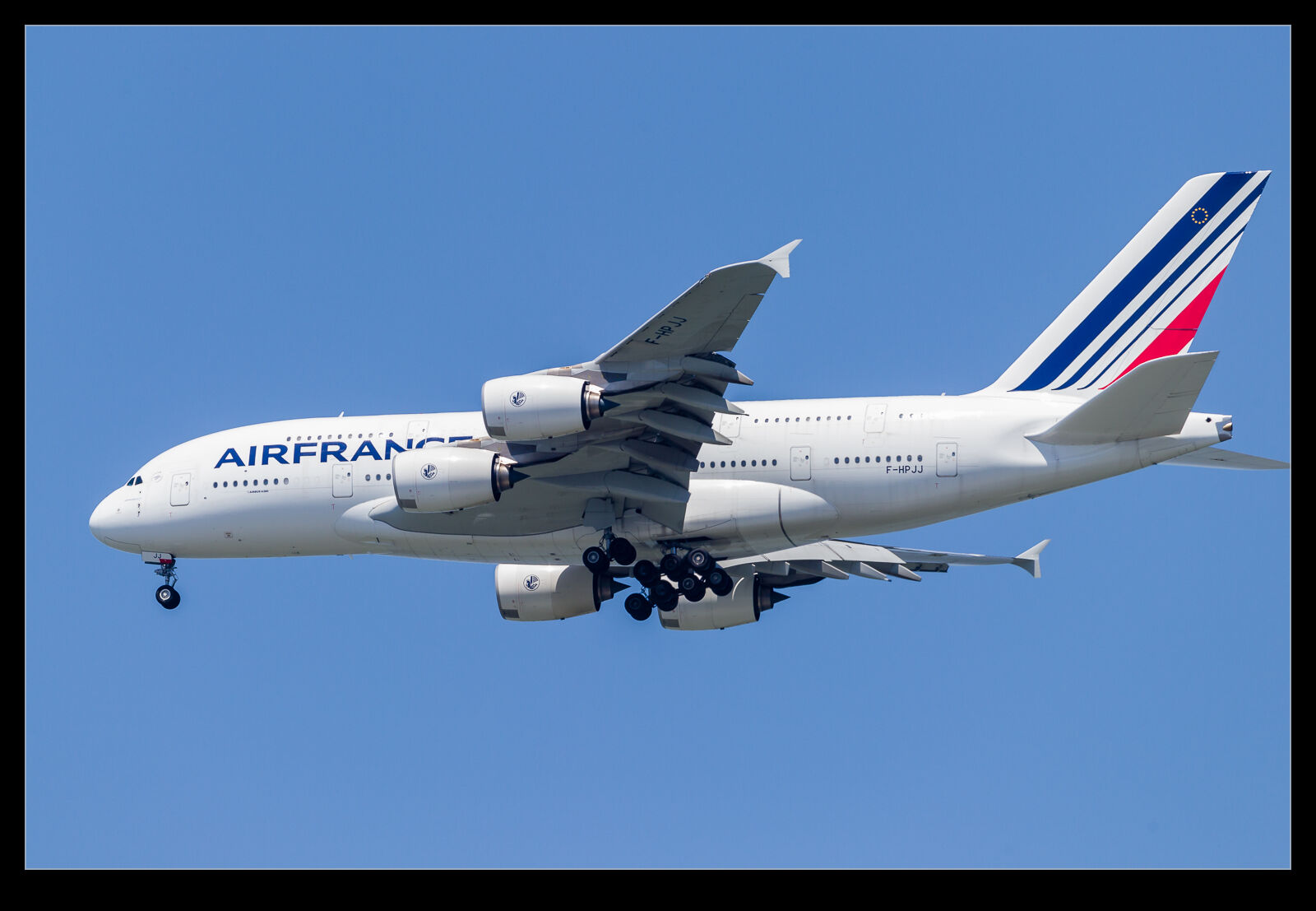
AU0E3718.jpgThere is a small parking lot up on top of the hill with a far larger lot at the bottom of the hill. I figured I would try the top first just in case and it turned out to be almost deserted. There were some benches so I settled in for a while to see how things looked. The planes are a bit far out but they are higher which reduces the effect of heat haze. Even so, the conditions are not ideal. Quite a few shots were just not going to be of use.

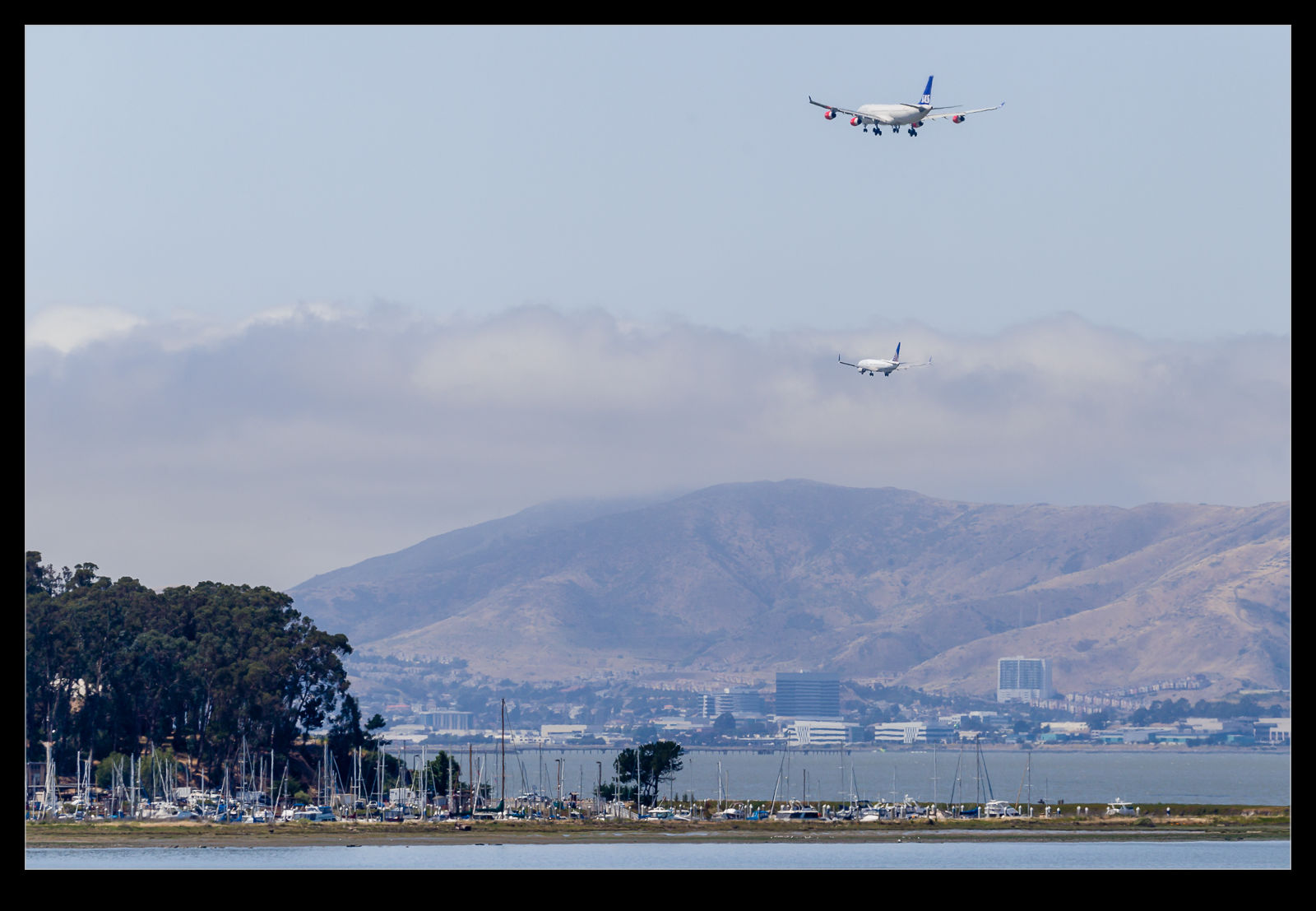
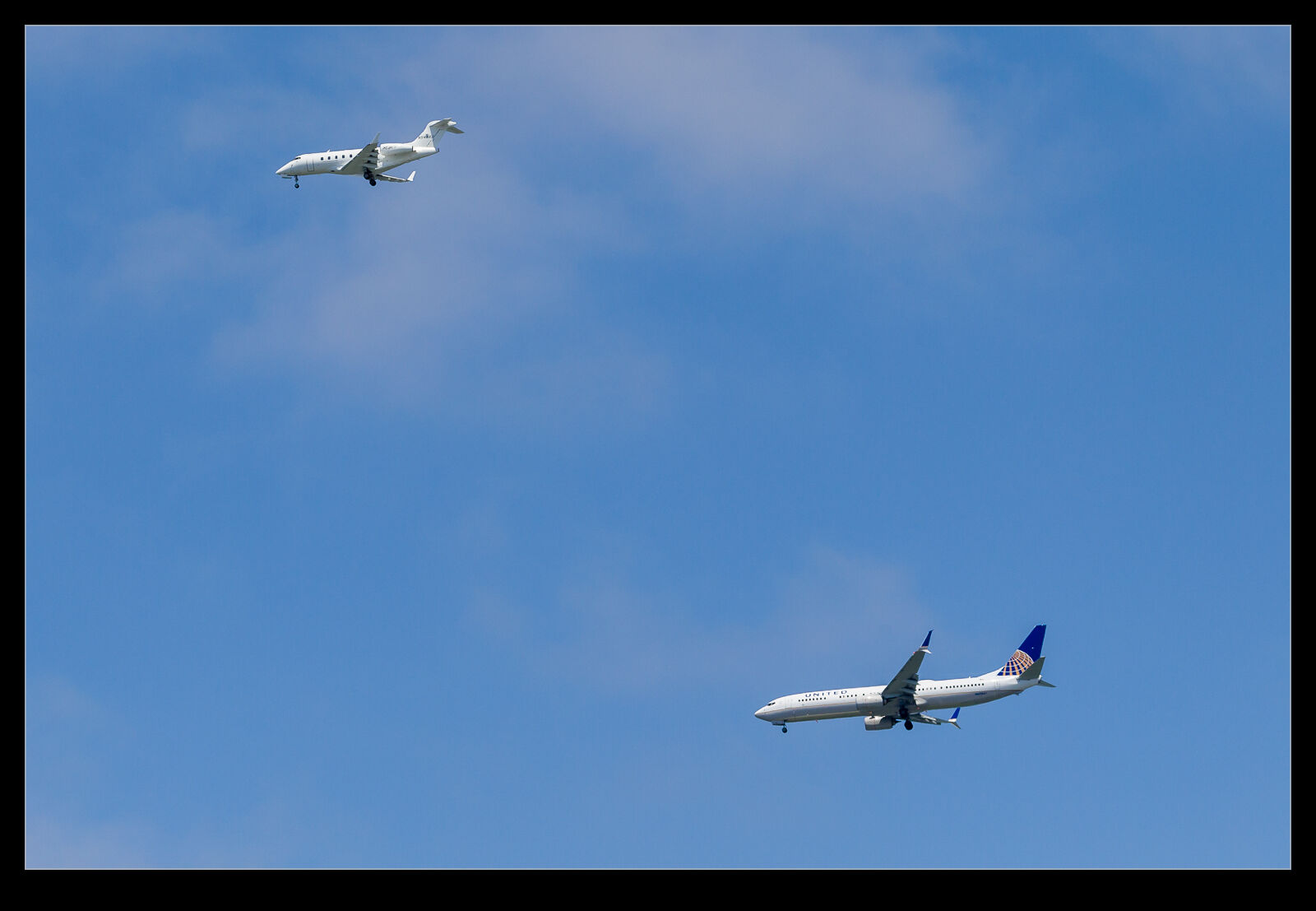
C59F2977.jpgThere was a good view along the shore towards the airport. When the parallel approaches were being shot, you could have a nice look at the two planes heading down together. Coyote Point (another spot I have used on plenty of occasions) did obstruct the view as they got closer to landing though. I’m not sure this is a place I will shoot often but it is not bad and provides a bit of variety. You are also far enough out that sometimes the gear is still up on the planes which makes for a slightly different view.

AU0E3560.jpg